 Cykeo RFID IoT Solution Products R&D Manufacturer

Attendance RFID Card Reader For Enterprise Attendance Management
790Attendance RFID Card Reader has become a popular choice for optimizing attendance systems in modern enterprises
MoreAll RFID Product
What is rfid technology explanation? RFID technology explanation refers to the process of understanding how radio frequency identification systems use wireless communication between tags and readers to identify, track, and manage physical objects automatically without direct scanning.
RFID technology is not simply a replacement for barcodes. In real-world deployments, it works as a bridge between physical assets and digital management systems. A small electronic tag attached to a product, tool, document, or textile item can provide a unique identity, while RFID readers collect information and transfer it into operational software.
After years working with RFID hardware selection, reader integration, and application testing, I have found that many companies underestimate the engineering behind a reliable RFID system. The visible part is usually a small tag, but the performance depends on frequency selection, antenna design, reader configuration, tag placement, and data processing algorithms.
A warehouse inventory project, for example, may appear to be only about “reading tags faster.” In practice, the challenge is controlling which tags should be captured, preventing unwanted reads, and ensuring that every identification event matches the correct business record.
According to GS1, RAIN RFID systems commonly use passive UHF RFID technology based on the GS1 EPC Gen2 standard and ISO/IEC 18000-63. These standards define communication between RFID readers and tags operating in the 860–960 MHz UHF range.
An RFID system normally contains three core elements:
| Component | Role in RFID System |
|---|---|
| RFID Tag | Stores identification data and responds to reader signals |
| RFID Reader | Sends radio signals and receives tag information |
| Software Platform | Processes RFID data and connects it with business operations |
The basic process is different from barcode scanning.
A barcode reader captures printed information using optical recognition. RFID technology uses radio communication. The reader sends a signal, the RFID tag responds, and the system records the returned identification data.
For passive RFID tags, the tag does not require its own battery. Instead, it receives energy from the reader’s radio frequency signal and sends information back through a process known as backscatter communication. GS1 describes passive RFID infrastructure as a system where readers provide operating energy to tags through radio signals, while tags return information by modifying their antenna reflection characteristics.
This design makes RFID suitable for environments where thousands of items need to be identified quickly.
Inventory management is one of the most common applications of RFID.
Traditional inventory processes often depend on manual counting, paperwork, or barcode scanning. RFID changes this approach by allowing companies to associate each physical item with a digital identity.
A typical RFID inventory workflow includes:
In a practical warehouse environment, RFID readers may need to process cartons, pallets, or individual products while dealing with interference from metal structures, liquids, or nearby tags.
This is why professional RFID systems focus not only on reading distance but also on reading accuracy and data control.
GS1 explains that EPC-enabled RFID allows unique identifiers to be encoded on RAIN RFID tags, creating a connection between physical objects and enterprise information systems.
Asset tracking is another area where RFID provides measurable operational value.
Companies use RFID systems to manage:
In my experience with RFID deployment projects, the most important step is usually the initial registration process. If the relationship between the physical item and RFID identifier is incorrect at the beginning, every later operation may contain errors.
For example, a maintenance department may assign RFID tags to hundreds of tools. Each tag number must correctly match:
The RFID tag itself usually stores identification data, while the detailed business information remains in the management database.

RFID is a broad category that includes several frequency ranges. Each type is designed for different operating conditions.
| RFID Type | Frequency Range | Common Applications |
|---|---|---|
| LF RFID | 125–134 kHz | Access control, animal identification |
| HF RFID | 13.56 MHz | Library systems, NFC cards |
| UHF RFID | 860–960 MHz | Logistics, inventory, industrial tracking |
Among these technologies, UHF RFID is widely used in supply chain and industrial applications because it supports fast identification and long-range communication.
GS1 identifies UHF passive RFID, also called RAIN RFID, as a widely implemented technology for item-level identification. RAIN RFID solutions use readers to read and write tagged items while managing related data.
A common mistake during RFID system planning is selecting hardware only according to maximum reading distance.
In registration environments such as libraries, tool rooms, and textile management areas, controlled reading is often more important.
For example, a desktop RFID reader used for tag registration should allow operators to:
Cykeo’s UHF RFID desktop reading platform is designed for these types of workflows. It supports RFID tag registration, item management, document registration, shelf label registration, borrowing and return records, and tag conversion.
The platform combines high-efficiency signal processing algorithms with stable writing performance. With USB connectivity, developers and administrators can easily connect the device with workstation systems. The equipment supports multi-tag recognition, data filtering, RSSI signal strength monitoring, and near-field operation designed for controlled registration environments.
For professional applications requiring reliable tag writing, the platform provides output power up to 33dBm, helping maintain stable performance during repeated RFID registration tasks.
The value of RFID technology becomes clearer when it is applied to daily workflows rather than viewed only as a data collection method.
In real projects, RFID is usually introduced because companies need better visibility over physical assets. A warehouse manager needs to know which items entered or left a storage area. A library needs faster circulation management. A maintenance department needs to confirm whether tools are available or missing.
RFID technology provides this connection by giving physical objects a digital identity.
The main operational advantages include:
| Advantage | Practical Impact |
|---|---|
| Automatic identification | Reduces manual data entry |
| Multiple tag reading | Improves processing efficiency |
| Non-contact communication | Allows identification without direct scanning |
| Data writing capability | Supports tag updates and registration |
| Real-time information capture | Improves asset visibility |
However, successful RFID implementation is not achieved simply by installing readers and attaching tags. During field testing, I have seen projects fail because the team focused on hardware specifications but ignored workflow design.
A good RFID system starts with understanding:
Before RFID tags become part of an operational system, they normally require registration.
This process creates the relationship between:
Physical Item → RFID Tag Number → Database Record
For example, in a library environment:
The same process applies to industrial tools, clothing management, and reusable assets.
A desktop RFID reader is especially suitable for registration because it creates a controlled reading environment. Unlike large-area fixed readers, desktop devices reduce accidental reads from nearby tags.
Cykeo’s RFID desktop reading platform is designed for administrators who manage daily tag operations. It supports:
The device uses a near-field antenna structure, keeping the effective reading range within approximately 30 cm and writing range within approximately 10 cm. This controlled distance helps operators confirm that the correct tag is being processed.
RFID communication depends on radio signals, which means the surrounding environment matters.
Common factors affecting performance include:
For industrial applications, engineers usually perform practical testing before final installation.
RFID systems can read information quickly, but inaccurate registration creates problems later.
During asset deployment, every RFID tag number should match the correct item record. This is why registration tools need reliable writing, verification, and software integration.
RFID readers generate identification data, but businesses need software to turn that information into useful actions.
Typical connections include:
| Industry | Software Integration |
|---|---|
| Warehouse | Inventory management system |
| Library | Book circulation platform |
| Manufacturing | Production tracking system |
| Tool management | Asset control system |
| Textile management | Laundry tracking system |

RFID technology explanation means understanding how RFID systems use radio waves to identify and manage objects. RFID tags store identification information, readers capture the data wirelessly, and software connects the information with business operations.
Many RFID systems use passive tags that receive energy from the reader’s radio signal. The tag uses this energy to send stored information back to the reader through wireless communication.
RFID technology is used in many industries, including:
Each industry applies RFID differently according to its tracking requirements.
RFID uses radio communication, while barcodes use optical scanning. RFID can read multiple tags without direct visual alignment and can support electronic data writing on compatible tags.
Yes. Many RFID systems support both reading and writing functions. This allows administrators to register new tags, update information, and convert tag data during asset management processes.
UHF RFID operates in the 860–960 MHz range and supports fast identification of multiple items. This makes it suitable for logistics, inventory control, and large-scale asset tracking.
What is rfid technology explanation? It is the understanding of how RFID systems connect physical objects with digital information through wireless identification.
From warehouse inventory to library registration and industrial asset management, RFID technology provides a practical method for improving visibility and reducing manual operations.
In professional deployments, the success of RFID depends on more than the tag or reader alone. The complete system must combine suitable hardware, correct tag configuration, reliable software integration, and practical workflow design.
Cykeo focuses on these application details by developing RFID solutions designed for real operational environments. Through stable reading performance, reliable writing capability, software development support, and application-focused hardware design, RFID technology can become a dependable tool for modern asset management.

Discover SSD-D4AL, a USB-HID UHF RFID reader with 4/8/16 antenna options, Impinj E710/X3M1 chipset, plug-and-play USB power, and OEM customization.
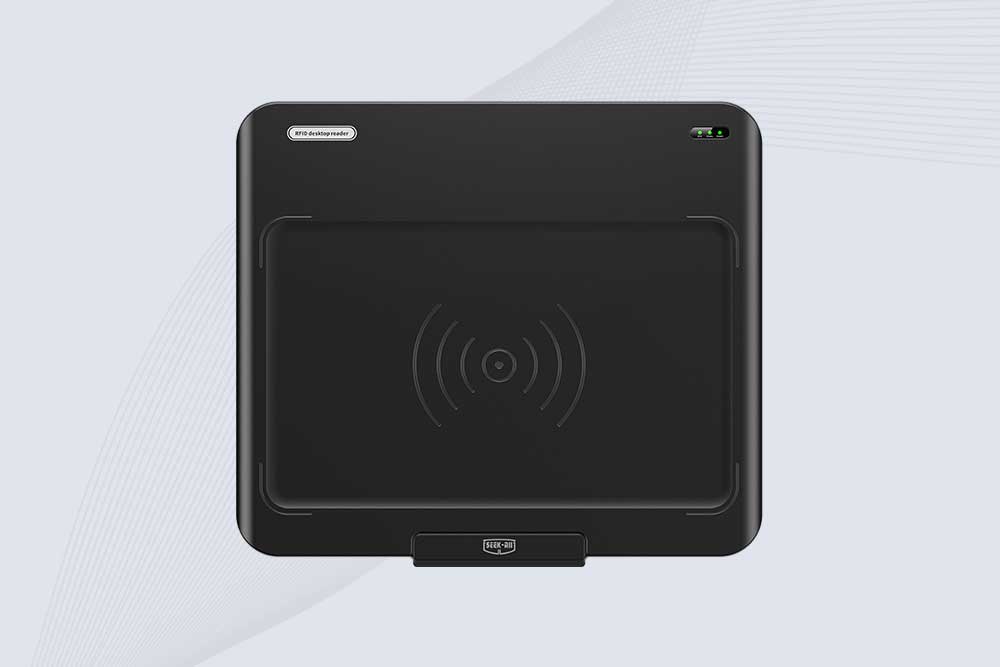
SSD-D3AL is a USB-HID UHF RFID reader with 0–30 cm reading, 0–15 cm writing, over 600 tags/s recognition, USB plug-and-play operation and OEM Logo customization.
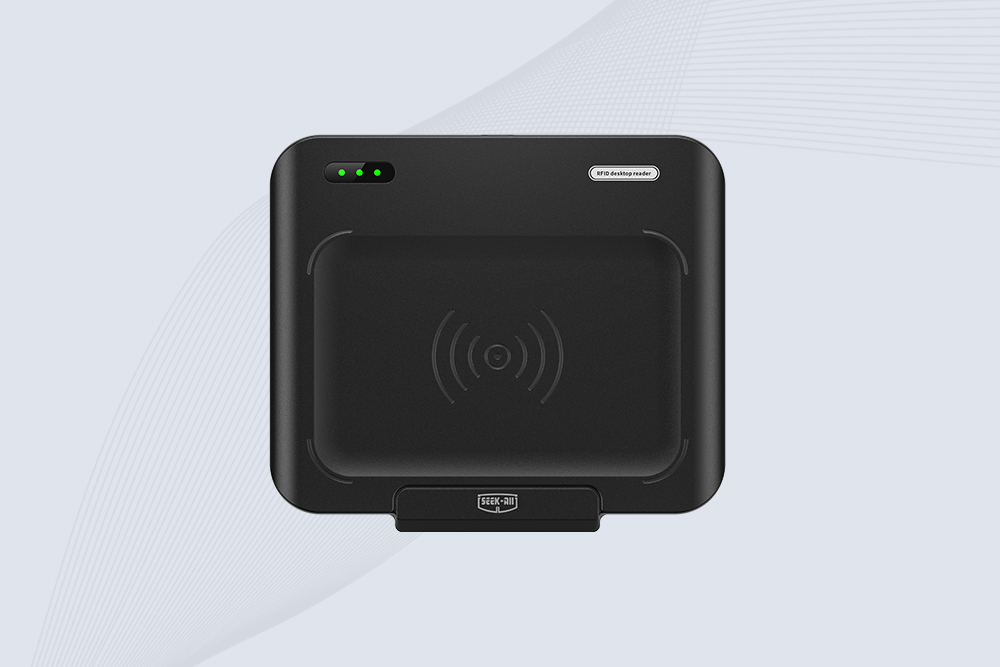
SSD-D1AL is a compact USB UHF RFID reader with Impinj E710/X3M1 chipset, USB-HID, 600+ tags/s recognition, 4/8/16 antenna support and plug-and-play USB power.
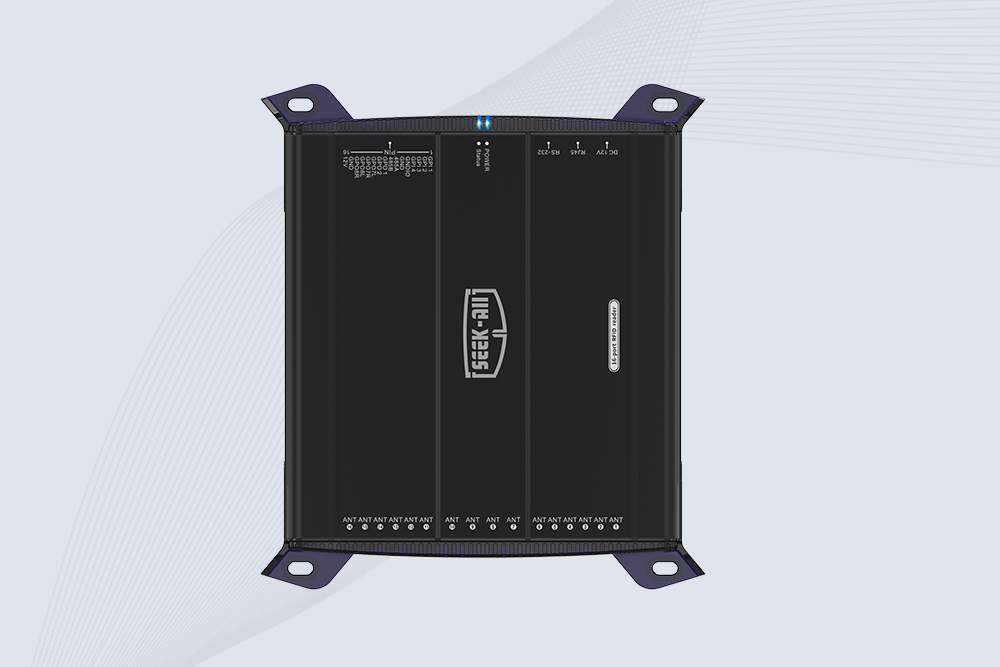
SSD-R16L Multi-Channel RFID Infrastructure for Automated Inventory Management ✔️ 16-Port High-Density RFID Reading Equipped with 16 SMA antenna ports, SSD-R16L supports multi-antenna deployment for warehouses, retail stores, logistics, production lines, and large-area RFID identification. ✔️ High-Speed & Long-Range Performance With up to 33…
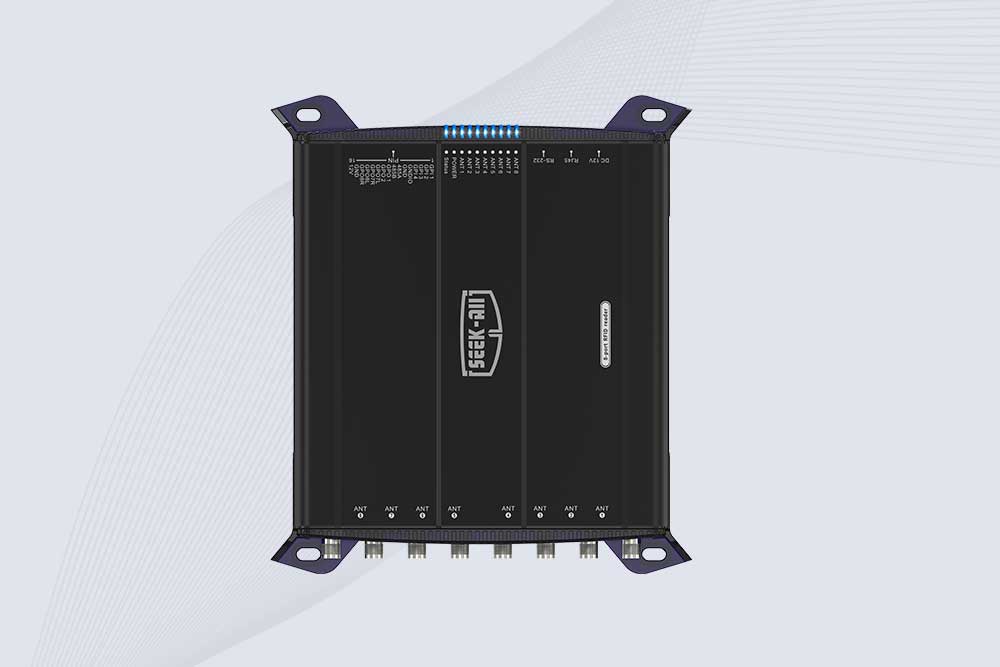
SSD-R8L 8-port UHF RFID reader with 33dBm output, up to 20m reading range and 600+ tags/s recognition. Ideal for warehouse, logistics, retail and asset tracking.
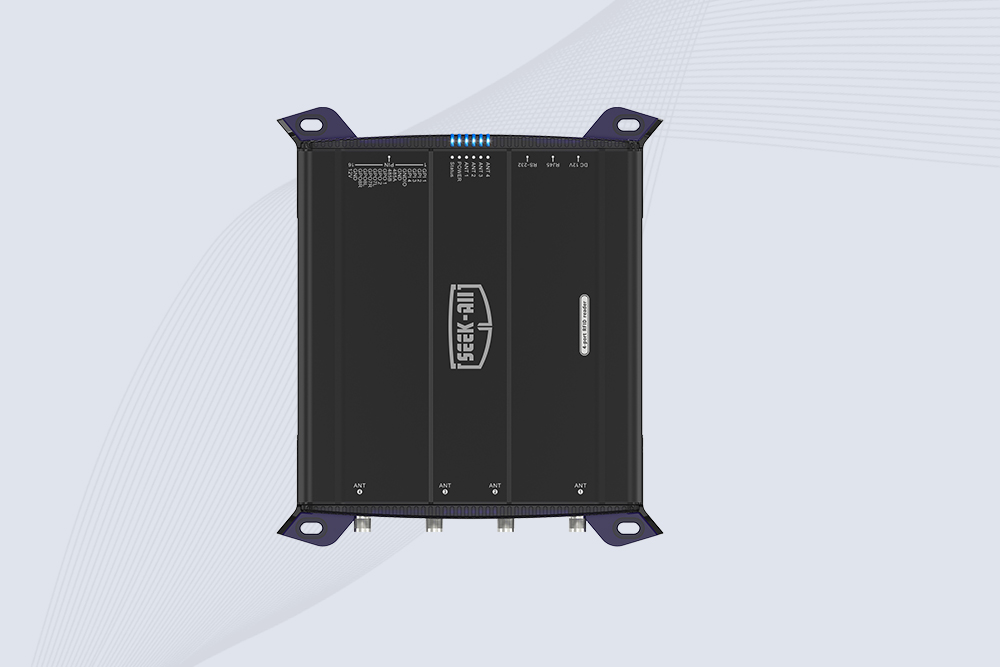
SSD-R4L is a 4-port UHF RFID fixed reader with 33dBm output power, up to 20m reading range, EPC C1G2 support and 600+ tags/s reading speed.

CYKEO CYKEO-D1LA USB RFID Reader is a compact desktop solution with near-field control for precise tag reading and encoding. Powered by USB, supporting ISO 18000-6C, and built for stable batch writing, this usb rfid tag reader fits retail, libraries, offices, and controlled RFID encoding tasks.
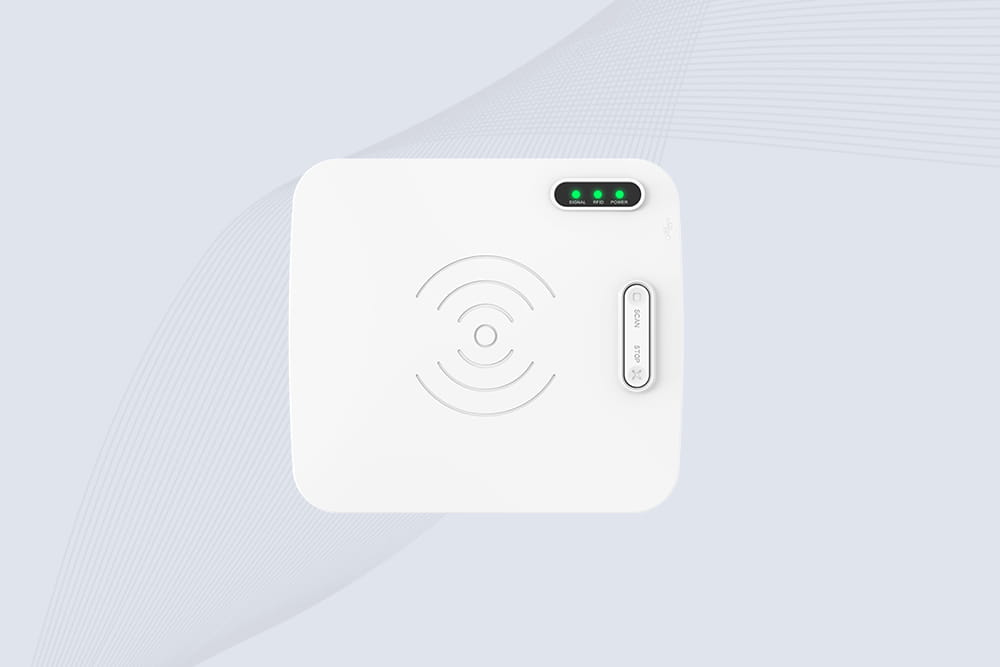
CYKEO CYKEO-D1L RFID scanner USB is a compact desktop UHF RFID scanner designed for short-range tag writing and verification. This usb rfid scanner supports batch encoding, stable 0–26 dBm output, and works across Windows, Linux, and Android systems.
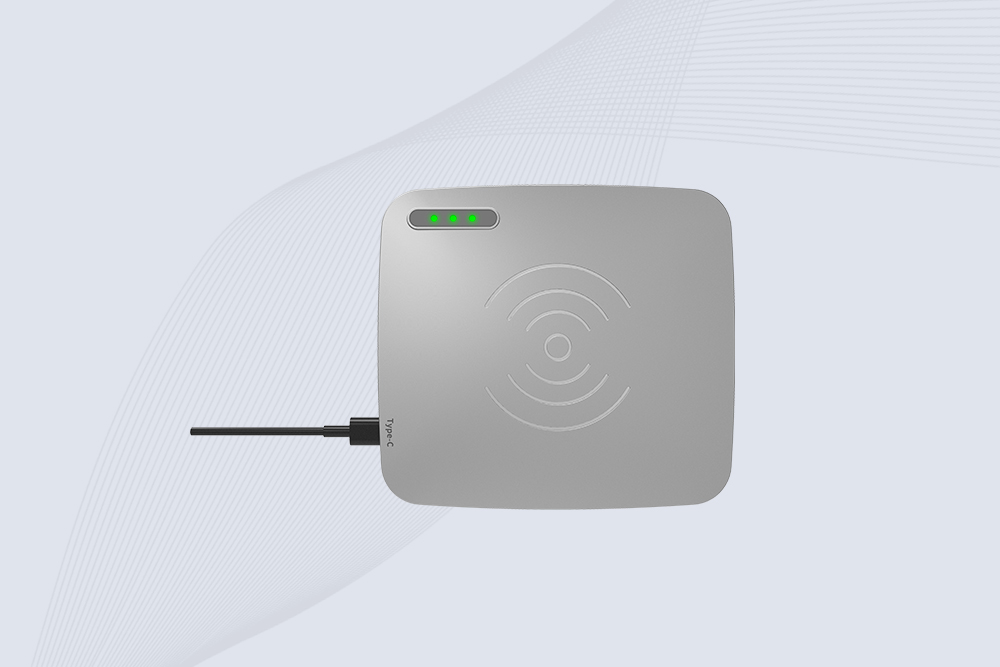
CYKEO CYKEO-D1C USB RFID Card Reader is a near-field UHF desktop writer designed for secure, short-range tag encoding. With USB-C connectivity and stable 26 dBm output, this rfid reader usb c is ideal for badge issuance, label encoding, and controlled desktop RFID workflows.
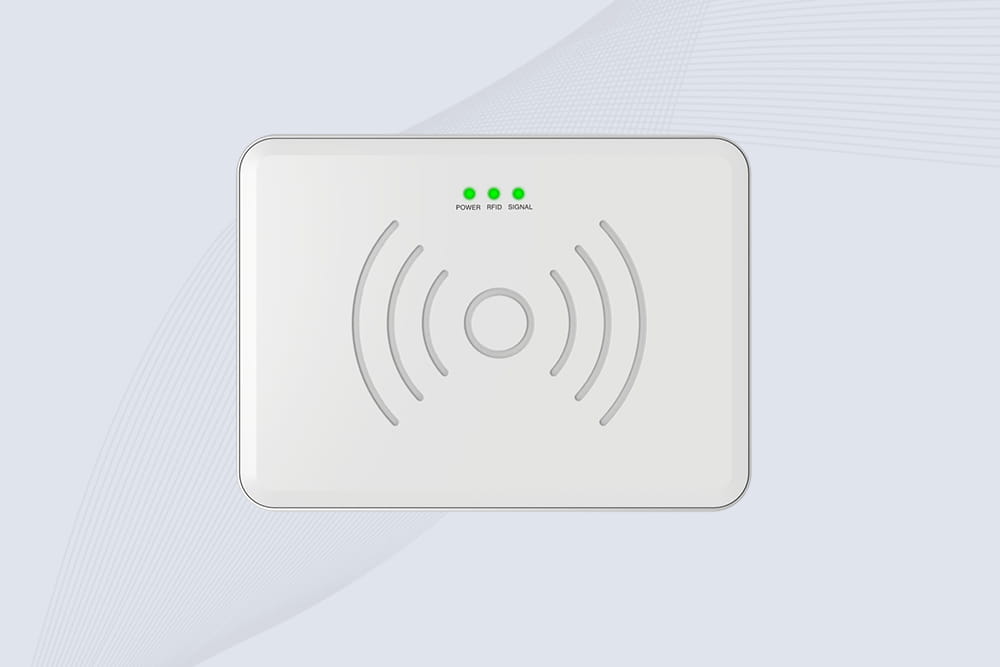
CYKEO CYKEO-D2L RFID Reader USB is a compact desktop encoder built on the Impinj R500 chip. With near-field control and stable USB power, this usb rfid card reader delivers precise tag writing for offices, retail counters, and small-scale logistics encoding tasks.
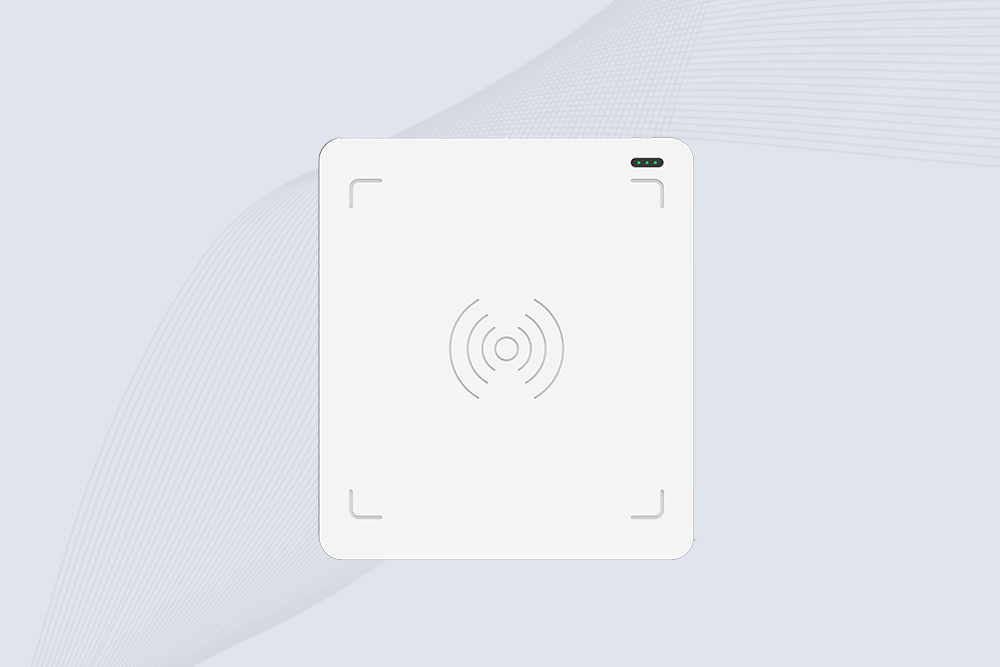
CYKEO CYKEO-D3L USB RFID Tag Reader delivers stable UHF tag reading and writing for daily desktop and light industrial tasks. Designed for controlled short-range operation, this USB RFID Tag Reader works reliably with rfid tag and reader systems in libraries, tool tracking, and inventory registration.
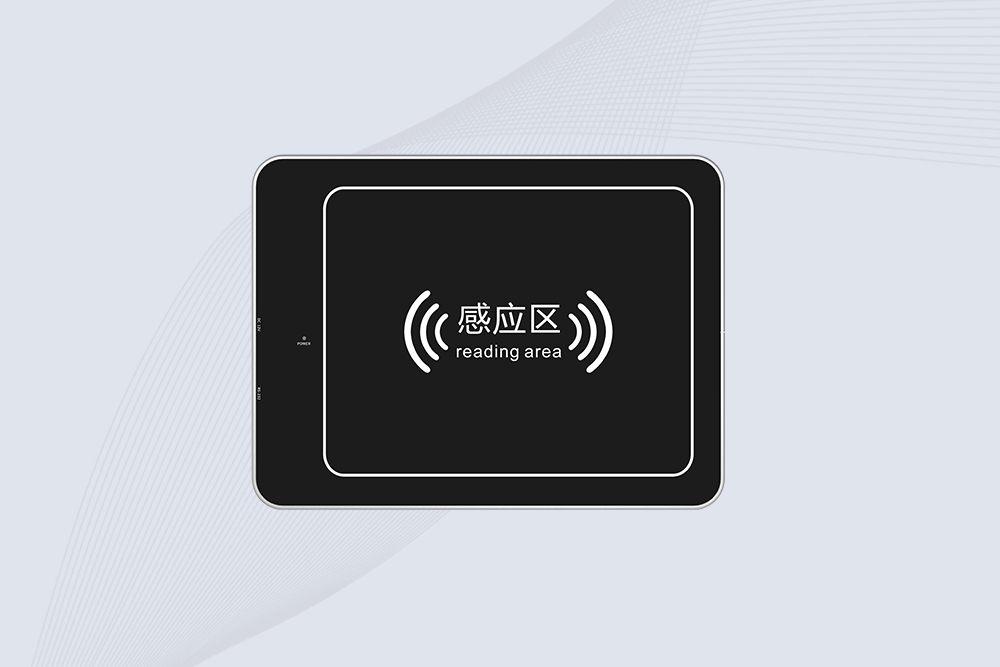
The CYKEO CYKEO-D4L UHF RFID Tag Reader is a stable Desktop RFID Reader designed for accurate tag registration, borrowing, and return workflows. Built with the Impinj R2000 chip, this UHF RFID Tag Reader delivers controlled short-range reads for libraries, asset tracking, and inventory management environments.
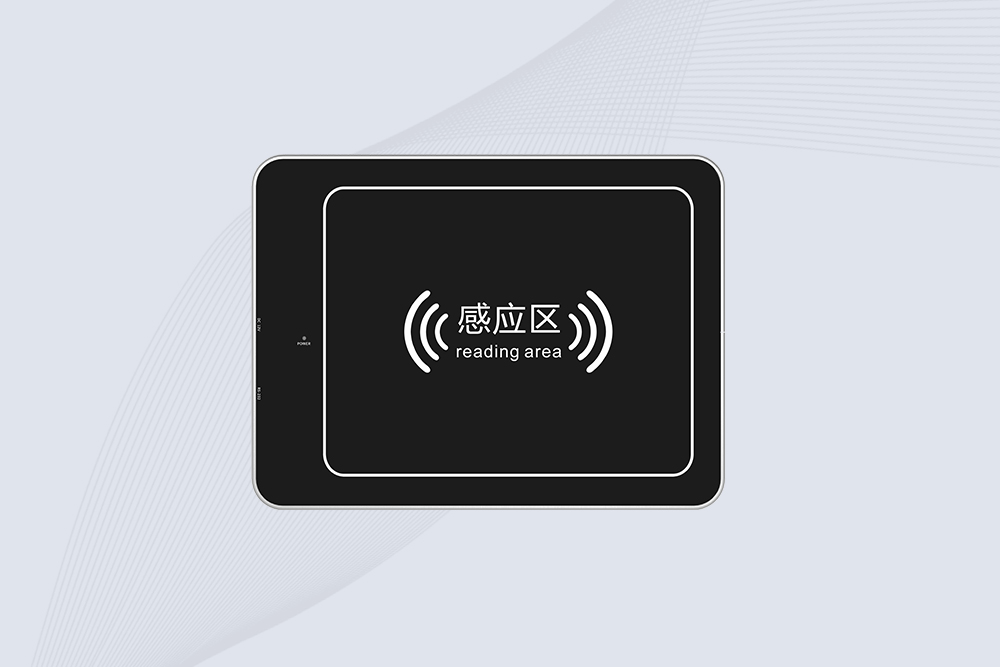
The CYKEO CYKEO-D5L Desktop RFID Card Reader is a stable UHF RFID Card Reader designed for controlled short-range reading and writing. Built for libraries, tool rooms, and asset desks, this UHF RFID Card Reader supports dense tag handling, secure data processing, and easy USB integration.
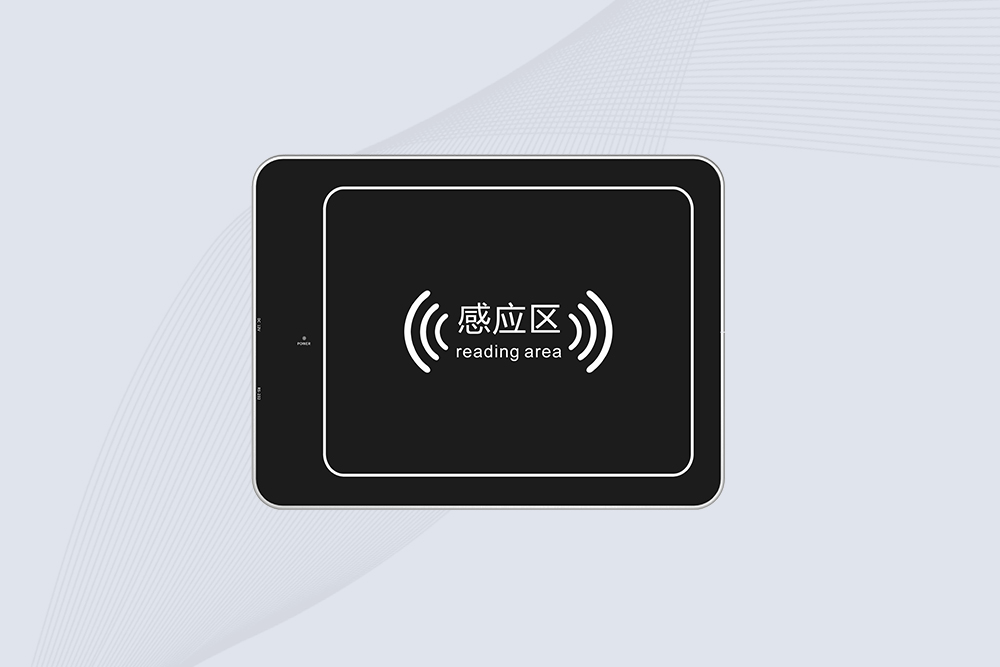
The CYKEO CYKEO-D6L RFID Reader Writer is a heavy-duty Desktop RFID Reader designed for short-range, high-accuracy tag programming. Built for libraries, labs, and asset desks, this RFID Reader Writer supports batch processing, stable 33dBm output, and seamless integration with existing management systems.
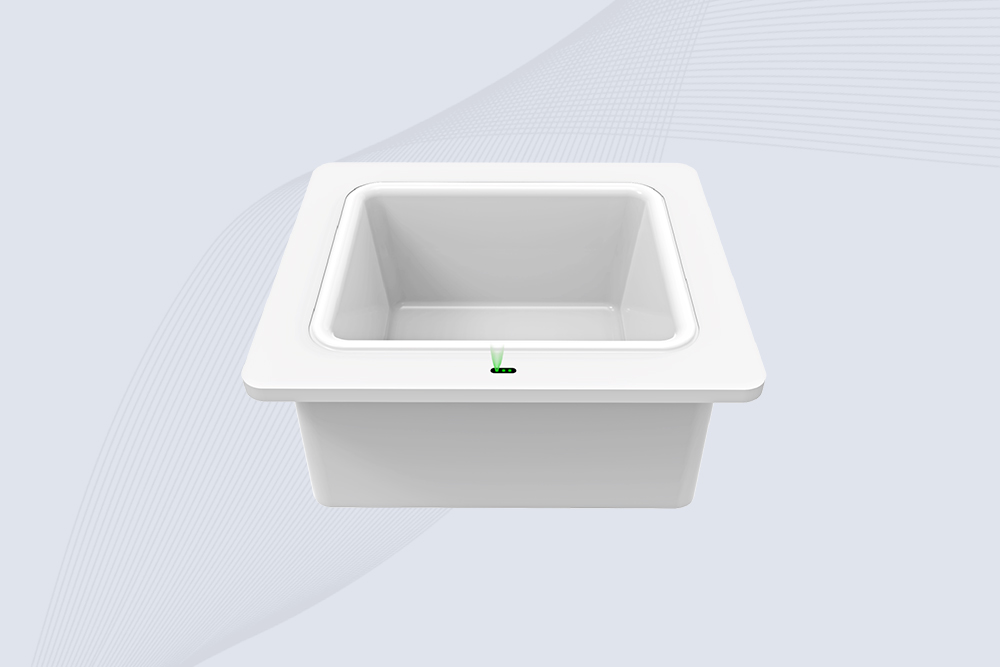
Cykeo CYKEO-D8B UHF RFID tunnel and RFID Desktop Reader features 30+ items batch reading,
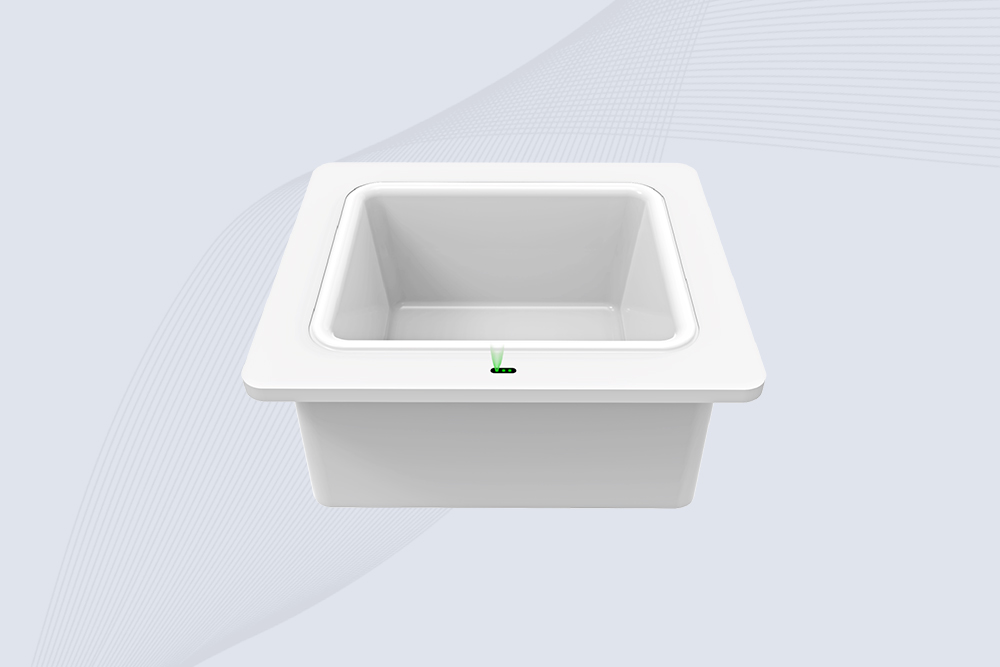
Cykeo CYKEO-D8A embedded RFID badge reader offers 30+ tags/sec scanning, 20cm anti-crosstalk precision, and DC 12V power for unmanned stores, warehouses, and smart inventory systems.
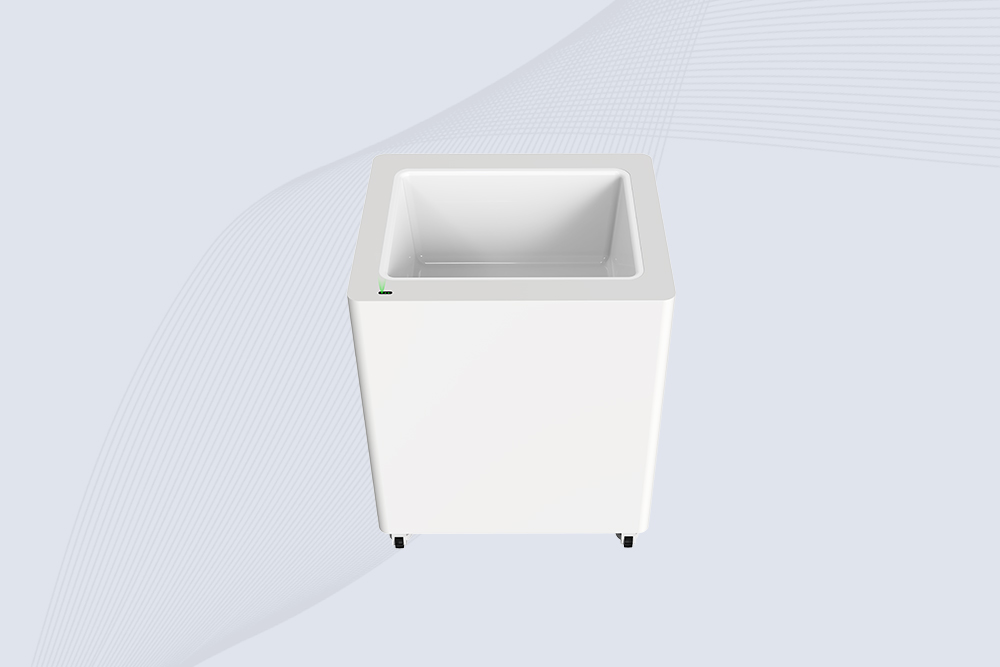
Cykeo’s CYKEO-D8C UHF RFID gate reader achieves 200-tag/batch scanning with adjustable power control, ideal for retail inventory and smart warehouse management.
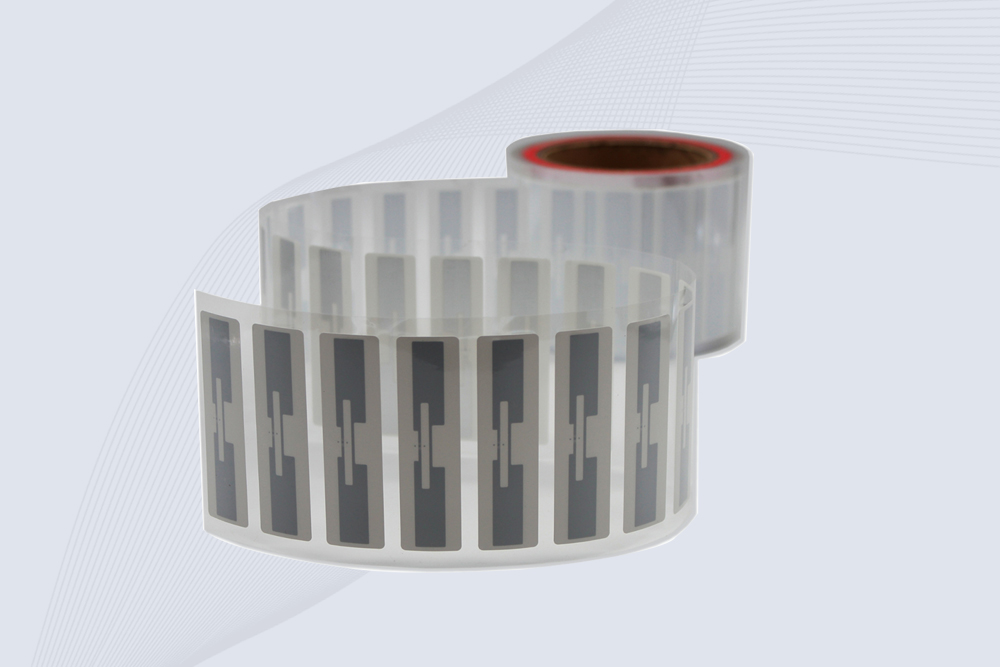
CYKEO Passive RFID Tags are made for wet and high-humidity environments where standard labels do not last. This rfid passive tag is often used around liquids, chemicals and temperature changes, providing stable reading distance and long data life for industrial tracking.
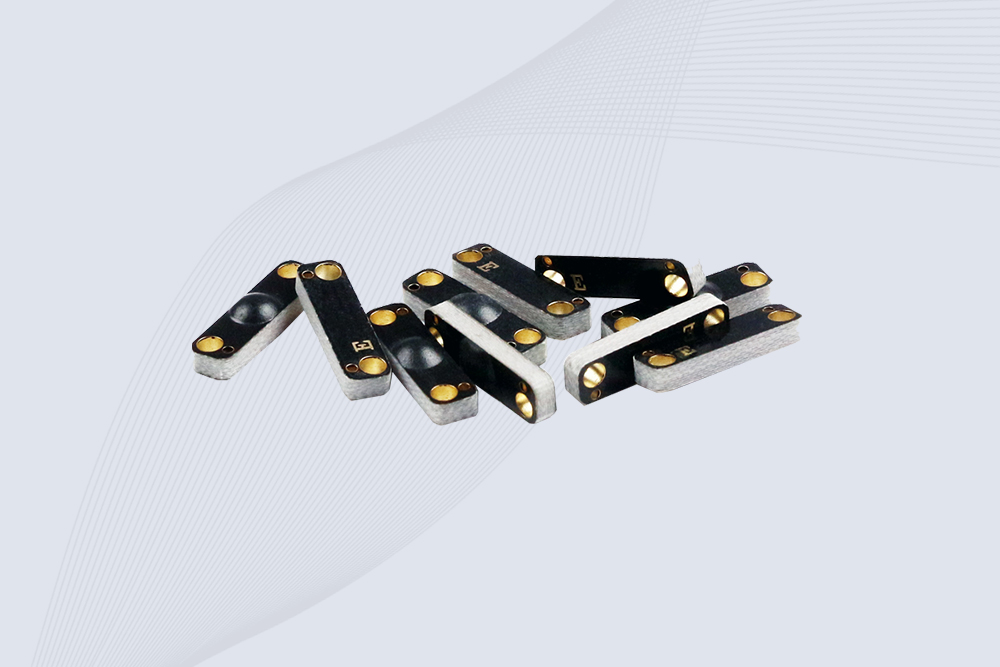
CYKEO CYKEO-PCB1504 Metal RFID Tags is a compact anti-metal UHF RFID solution built for direct mounting on metal surfaces. With stable 8-meter read range, Ucode-8 chip, and long data retention, this rfid metal tag fits tools, containers, automotive parts, and industrial asset tracking.
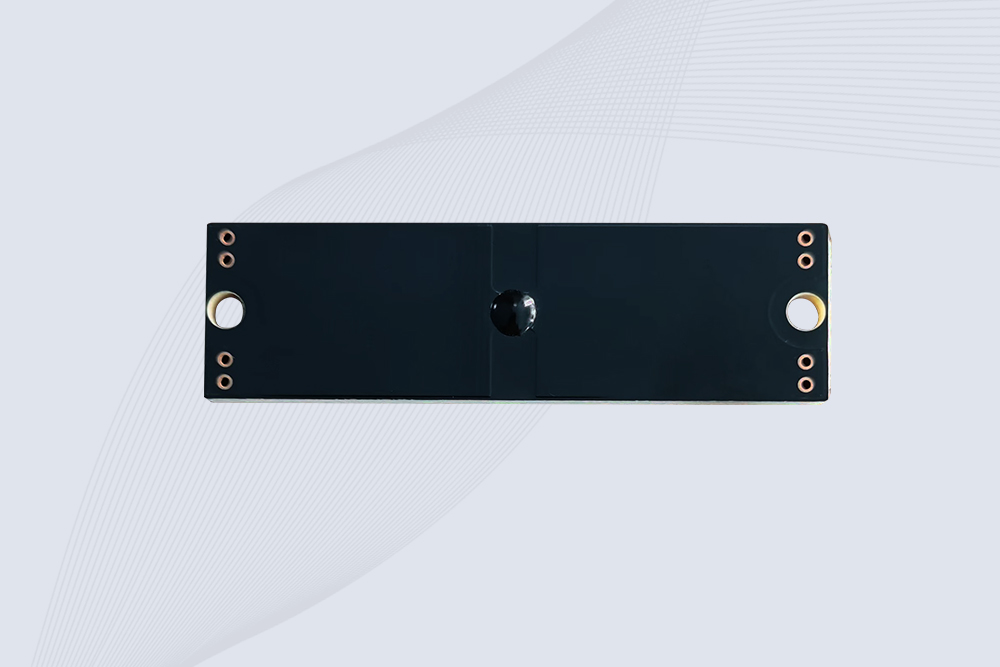
CYKEO CYKEO-PCB7020 On-Metal RFID Tags are designed for reliable tracking on steel and metal surfaces. Built with an FR4 epoxy body and industrial-grade chips, these On-Metal RFID Tags deliver stable performance, long data life, and chemical resistance, making them a dependable RFID anti-metal tag for harsh environments.
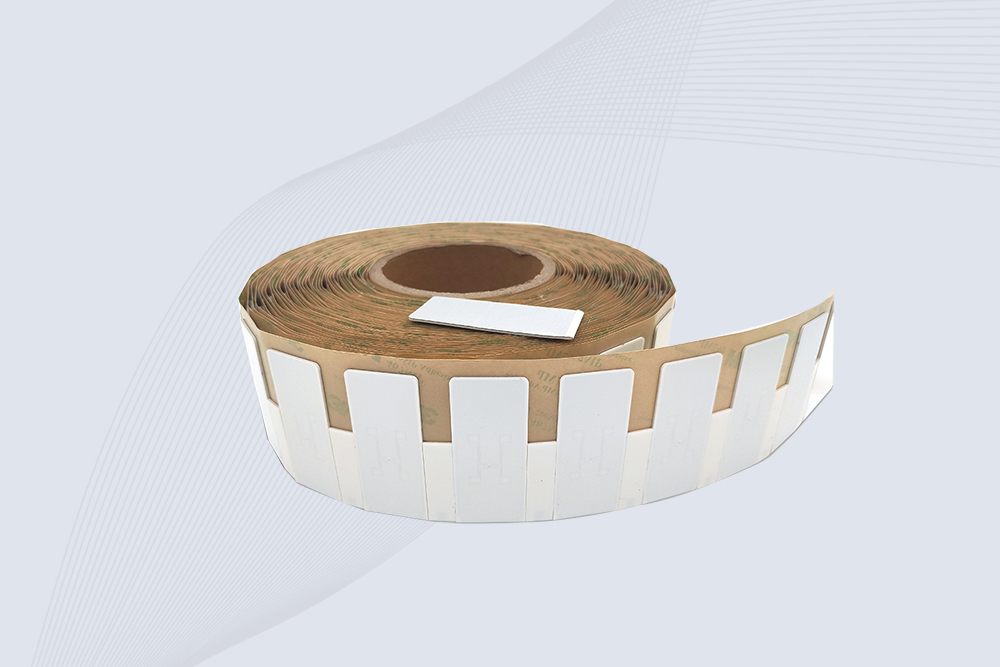
The CYKEO CYKEO-60-25 Anti-Metal RFID Tag is built for metal surfaces where standard tags fail. Designed for long-range performance, harsh environments, and stable data retention, this Anti-Metal RFID Tag is ideal for industrial assets, containers, and equipment tracking using on metal RFID tags.
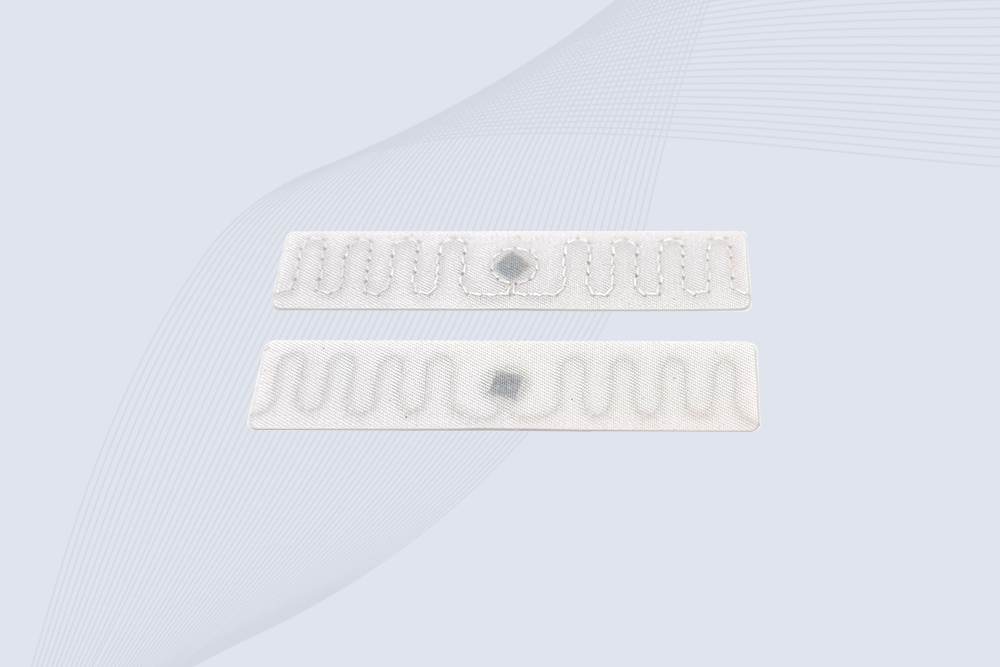
The CYKEO RFID Laundry Tag is designed for long-term textile identification in harsh laundry environments. Built to withstand high heat, chemicals, and repeated washing, this RFID Laundry Tag delivers stable performance for hotels, hospitals, and industrial laundry operations using laundry rfid tags at scale.
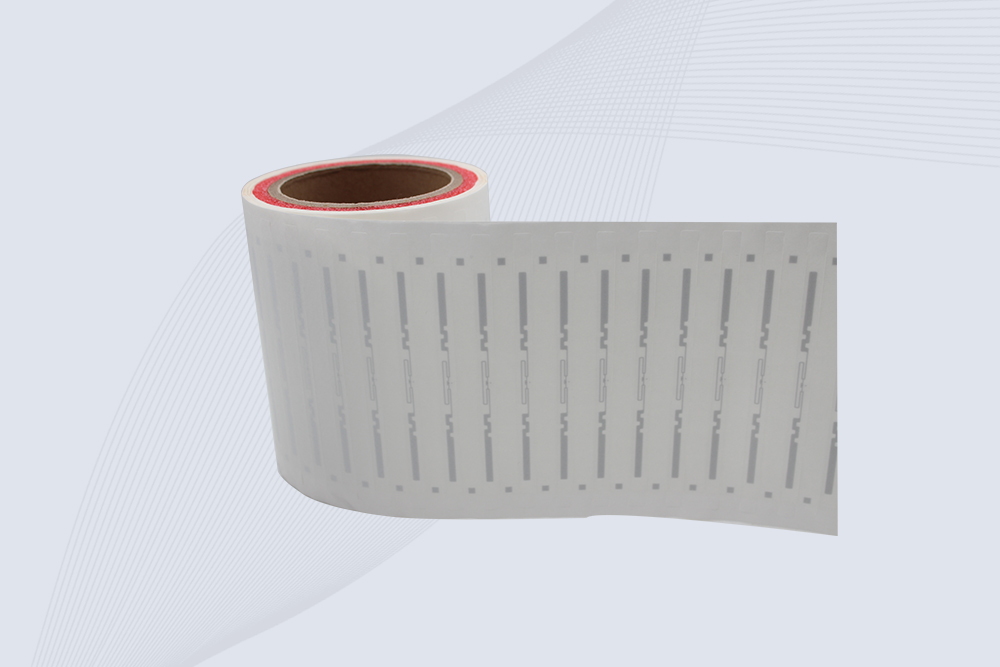
The CYKEO CYKEO-125-7 RFID Book Tag is designed for reliable book and document tracking in libraries and archives. This RFID Book Tag delivers long read range, dense placement support, and stable performance on shelves, making it a practical rfid tag on books for library automation, file management, and archival systems.
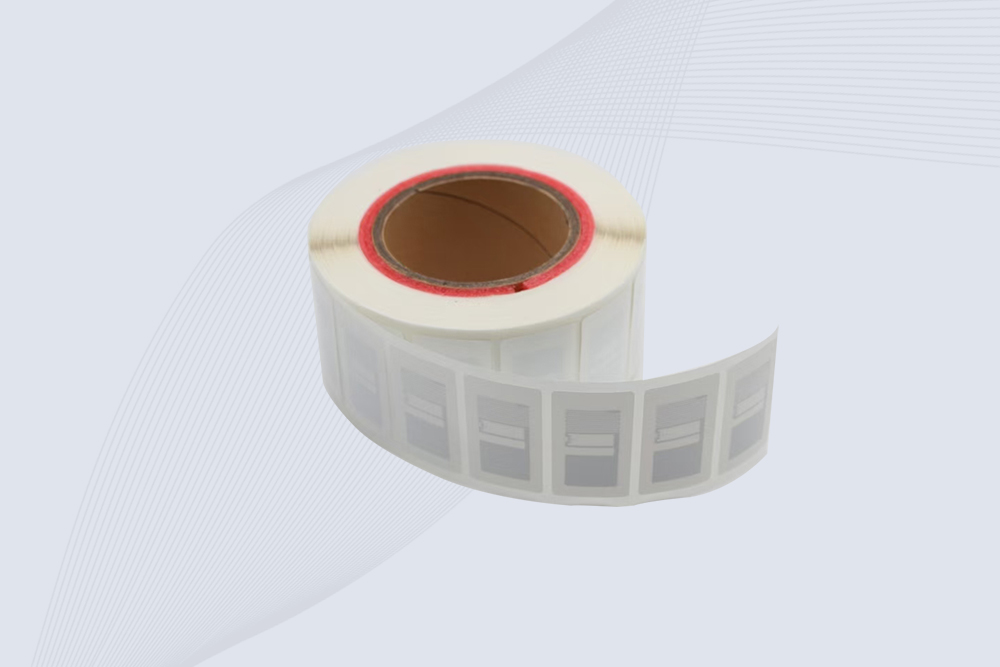
CYKEO RFID tags in hospitals are designed for sterile environments where accuracy matters. These autoclavable RFID tags support long-term tracking of surgical tools, implants, and medications, helping hospitals improve visibility, compliance, and patient safety.

CYKEO RFID Cable Tie Tag is built for reliable identification on metal surfaces. This UHF RFID Cable Tie Tag is widely used in rfid tags for inventory systems, industrial asset management and Hospital RFID Tags, offering stable read performance, long service life and global EPC Gen2 compatibility.
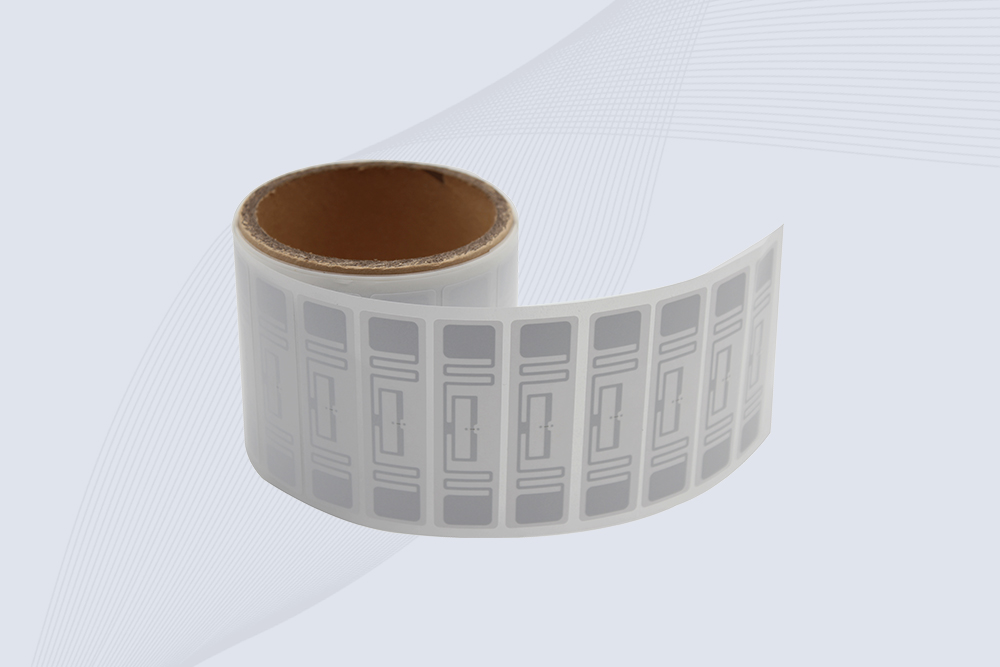
CYKEO RFID Asset Tag is designed for stable identification of metal assets in industrial environments. This UHF RFID Asset Tag is commonly used for rfid tag asset tracking on equipment, tools and containers, providing reliable reads, long service life and ISO/IEC 18000-6C support.

CYKEO UHF RFID Card is designed for fast identification and long-term use in industrial and commercial systems. Supporting ISO 18000-6C, this UHF RFID Card works at 860–960 MHz and is suitable for custom RFID cards used in asset tracking, access control and inventory management.
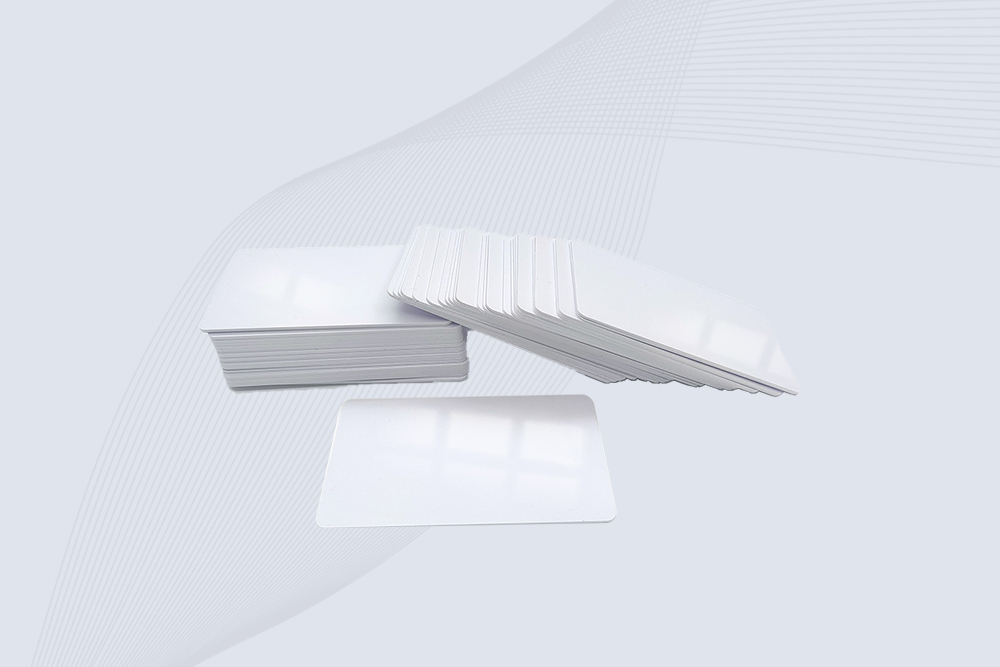
CYKEO HF RFID Cards are designed for secure and stable access control systems. These 13.56 MHz RFID key cards support ISO 14443-A, reliable rewriting and long service life, making HF RFID Cards suitable for offices, campuses, events and membership management.
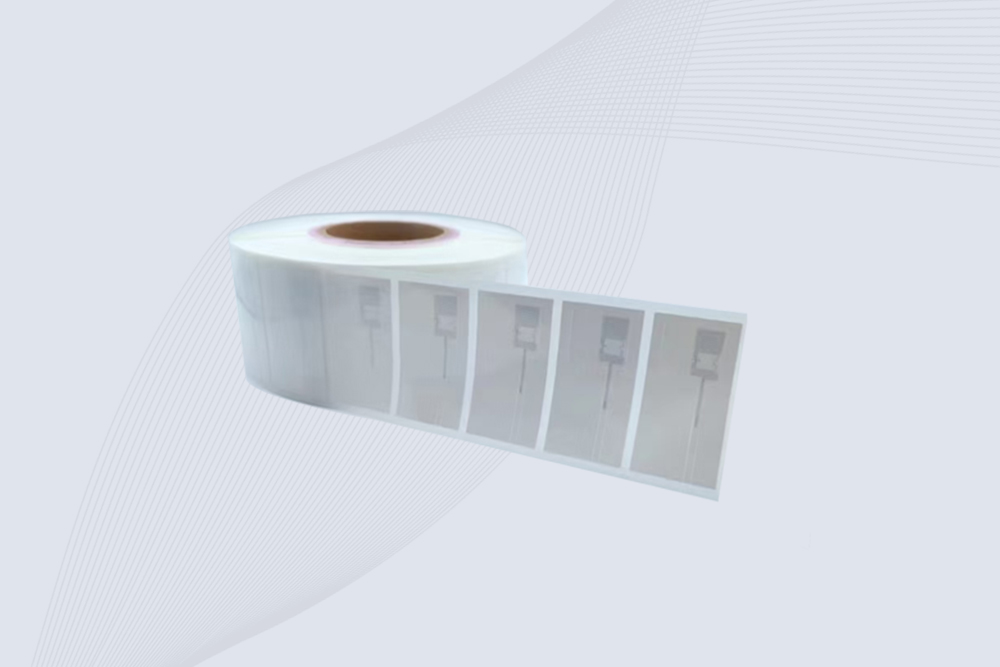
CYKEO UHF RFID Tag is designed for reliable tracking of metal jewelry and high-value items. This Jewelry RFID Tag supports long-range reading up to 8 meters, anti-counterfeit protection and stable performance on metal, making it suitable for retail, inventory control and asset management.
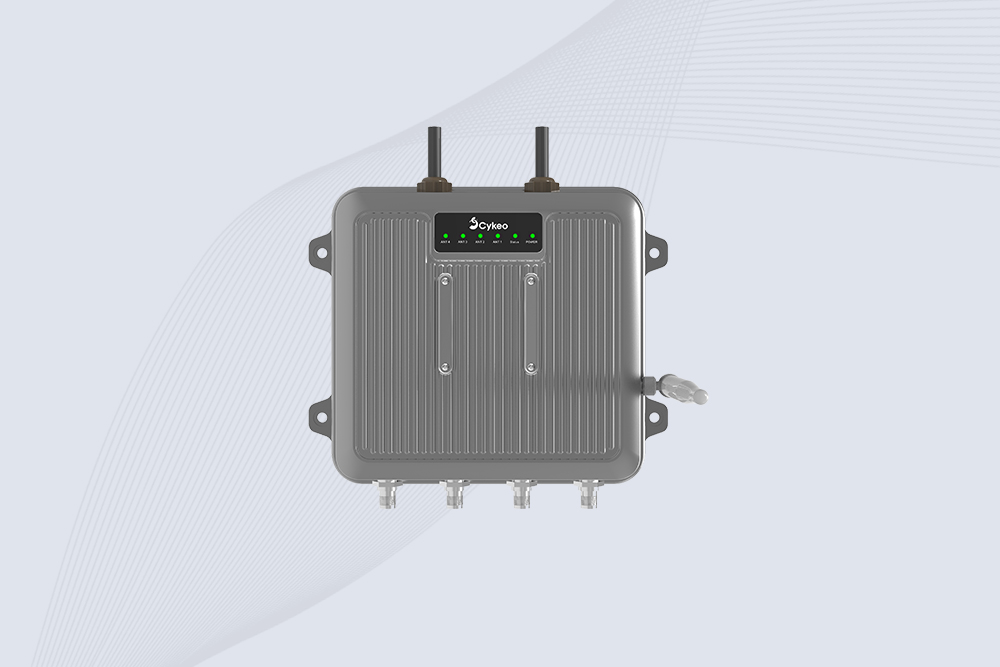
Cykeo CYKEO-C1 industrial Forklift RFID Reader features 20m read range, 600 tags/sec scanning, Impinj R2000 chipset, and IP67 rugged design. Ideal for warehouse logistics and manufacturing. Supports ISO 18000-6C/6B protocols.
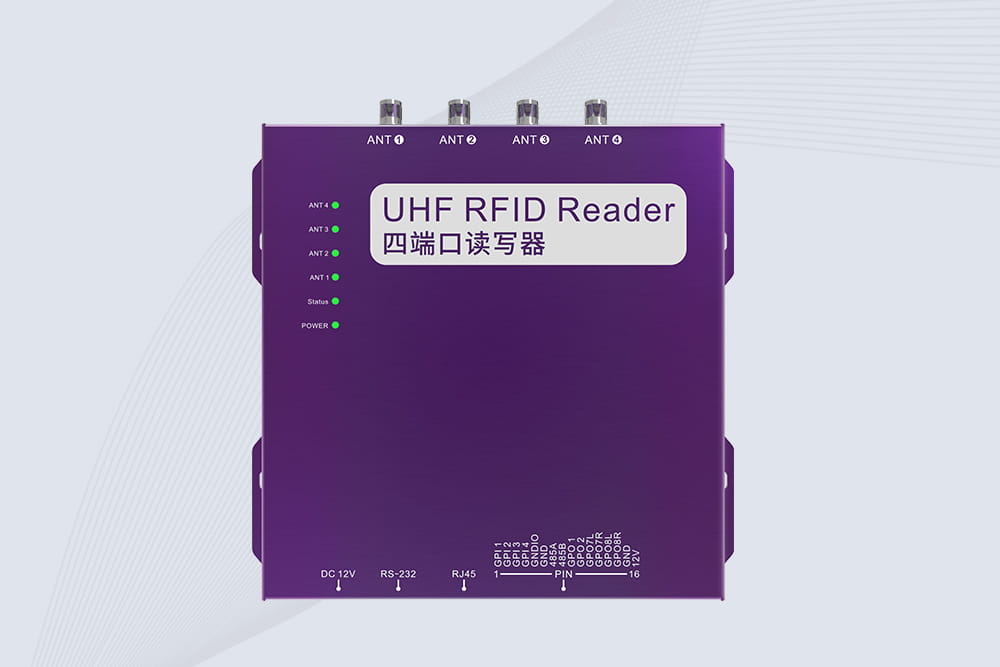
Cykeo CYKEO-R4 industrial UHF RFID Fixed Reader features 4 TNC ports, 400+ tags/sec speed, IP67 housing, and global frequency compliance for vehicle inspection, smart warehouse, and asset management systems.
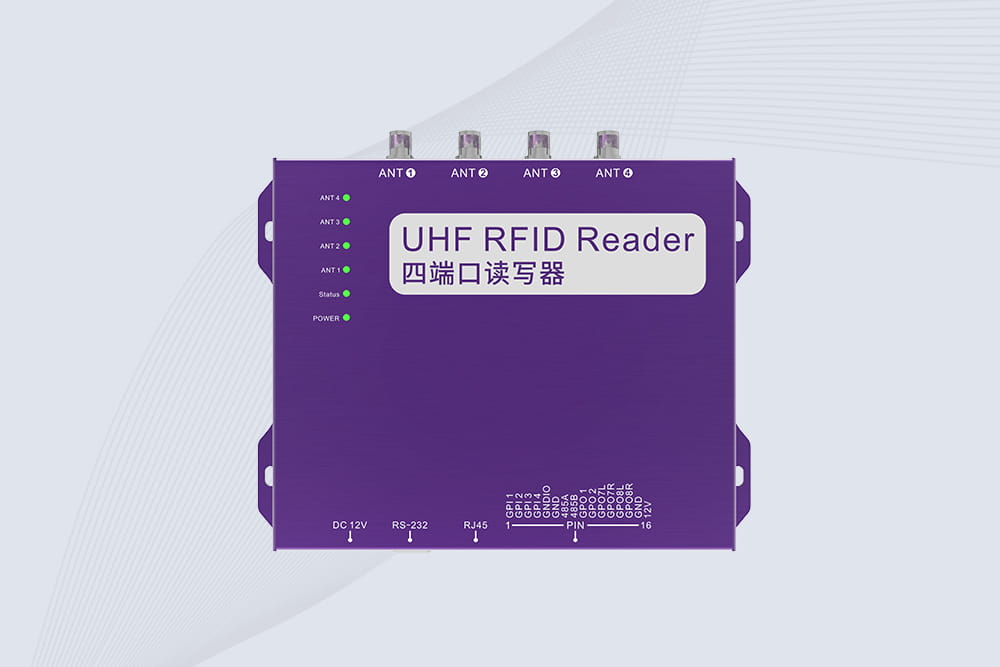
Cykeo’s CYKEO-R4L 4-port Fixed UHF RFID Reader delivers 400 tags/sec scanning, ISO 18000-6C compliance, and IP65 protection. Ideal for warehouse automation, manufacturing WIP tracking, and logistics management.
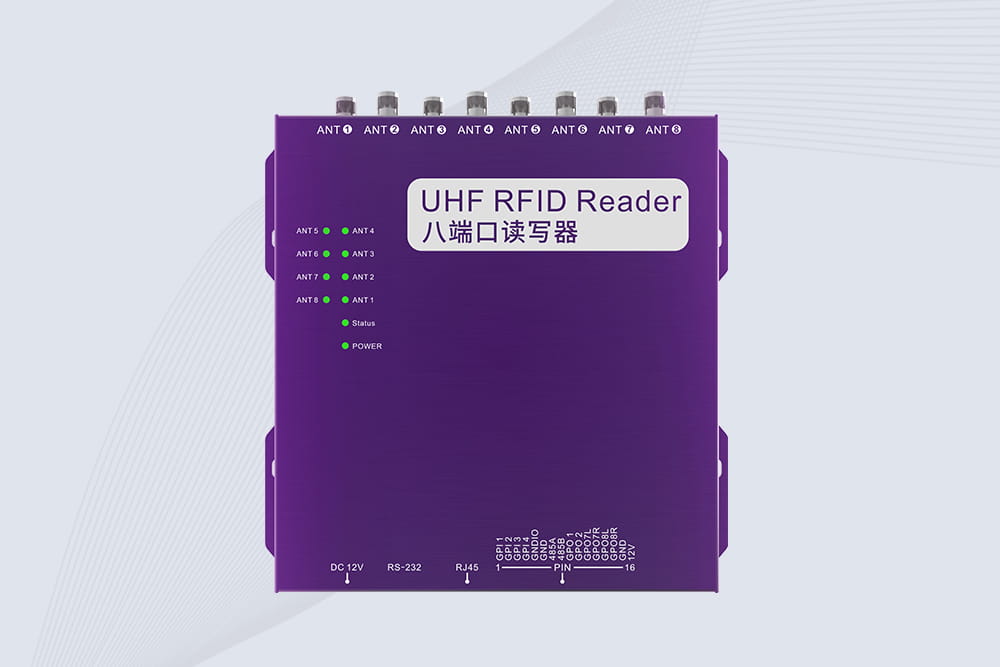
CYKEO CYKEO-R8L Fixed RFID Reader with 8-port UHF design, Impinj-based RF core and up to 20m read range. An industrial Fixed RFID Reader for vehicle inspection, warehouse portals, smart manufacturing lines and secure access checkpoints.
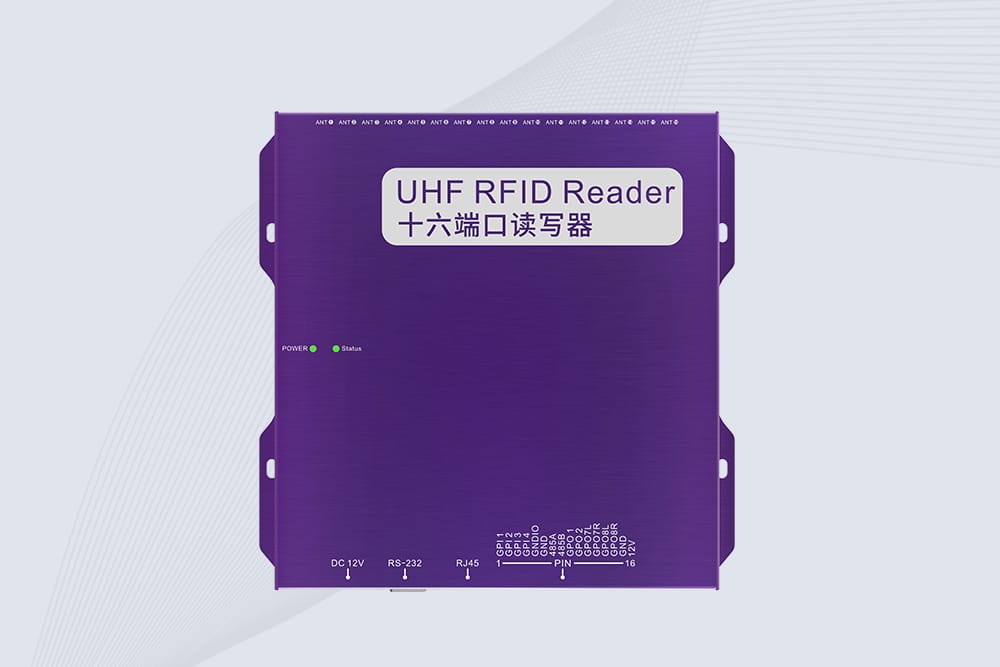
RFID Fixed Reader from CYKEO – the CYKEO-R16L 16-port UHF fixed reader for warehouses, smart cabinets, and production lines. Long-range, multi-tag reading, stable performance for 24/7 industrial use.
Attendance RFID Card Reader has become a popular choice for optimizing attendance systems in modern enterprises
More
retail store security tag system helps retailers protect products, reduce losses and improve checkout efficiency with advanced RFID security solutions from Cykeo.
More
Learn how Tesla’s top suppliers use RFID to track 10,000+ auto parts with precision. Cykeo reveals the tech, challenges, and ROI of RFID in automotive manufacturing.
More
RFID access control system offers businesses an efficient and secure way to manage entry and exit. This guide explains how to set up an RFID system from scratch, covering hardware components, wiring, card programming, and controller configuration....
More