A supply asset tracking system uses RFID technology to identify, monitor, and manage supplies automatically, providing real-time inventory visibility, accurate location tracking, and reducing manual management errors across industrial, medical, and enterprise environments.
In modern supply chains, the biggest challenge is rarely the number of assets—it is knowing exactly where each item is, who used it, and whether it is available when needed. During RFID deployment projects for manufacturing facilities, hospitals, and enterprise storage areas, Cykeo engineers found that traditional barcode-based inventory processes often created blind spots between receiving, storage, usage, and return.
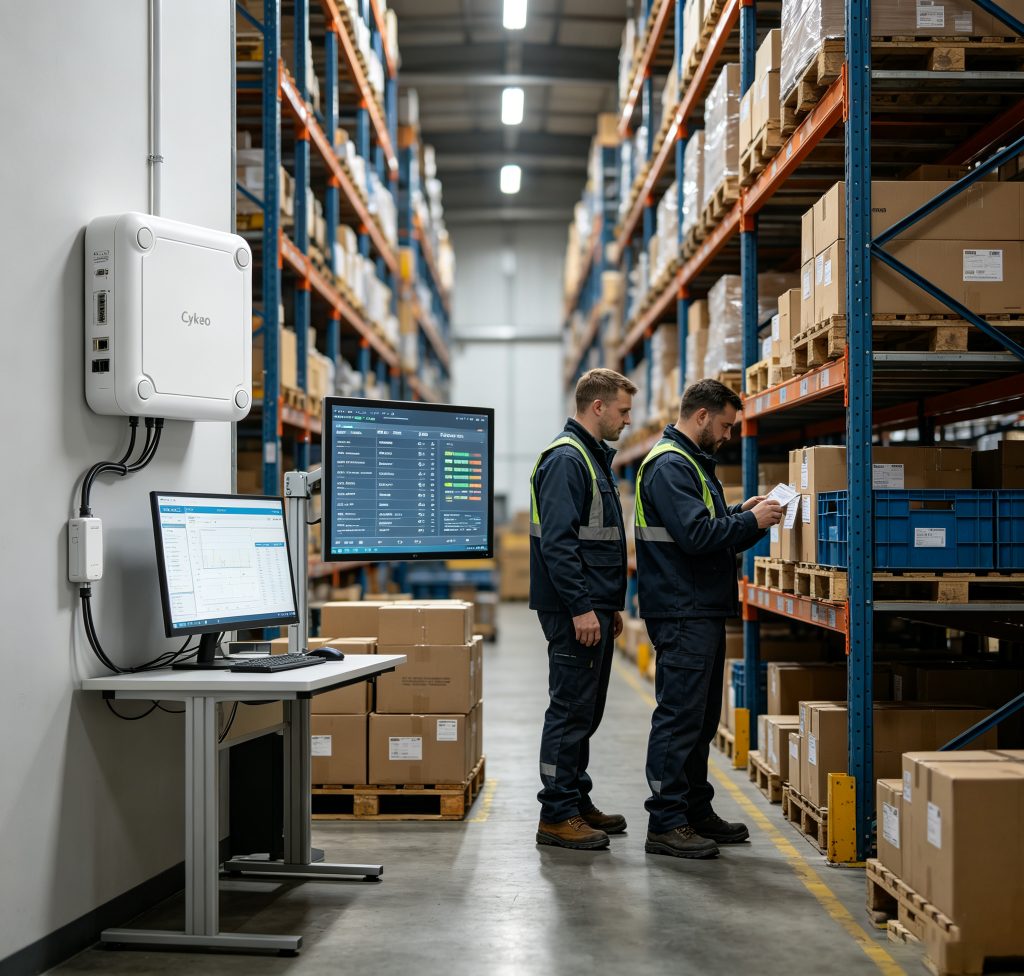
A supply asset tracking system changes this process by combining RFID tags, RFID readers, software platforms, and database integration. Instead of employees manually checking shelves or scanning individual items, RFID readers automatically capture multiple tagged assets at once and synchronize information with management platforms.
RFID Supply Asset Tracking System Improves Inventory Accuracy
The core value of a supply asset tracking system is not simply “finding items faster.” The real improvement comes from creating a continuous digital record of asset movement.
In practical deployments, Cykeo RFID systems are used for:
Warehouse supply monitoring
Medical consumable management
Tool and equipment tracking
Document and archive control
Manufacturing material circulation
Enterprise storage management
A typical RFID workflow includes:
Process
Traditional Method
RFID-Based Method
Inventory checking
Manual counting
Automatic identification
Item searching
Employee experience dependent
Digital location records
Usage records
Paper or spreadsheet entry
Automatic event logging
Stock visibility
Periodic updates
Real-time data synchronization
Auditing
Time-consuming inspection
Historical tracking records
According to a report from the GS1, RFID technology improves supply chain visibility by enabling automatic identification and data capture throughout logistics operations. RFID adoption has expanded significantly in industries where accurate inventory information directly affects operational efficiency.
Smart Asset Management System for Complex Supply Environments
During a recent industrial asset management project, our engineering team inspected a storage area where operators spent more than one hour every morning checking equipment availability. The problem was not the quantity of supplies; it was the absence of reliable information.
After integrating RFID tags with automated identification equipment, employees could check inventory status through the management interface instead of walking through every storage location.
This experience shaped our approach at Cykeo: asset tracking should not add another operational step. It should remove unnecessary steps.
A professional supply asset tracking system normally includes:
RFID Tags for Individual Asset Identification
Each supply item receives a unique RFID identity. Depending on application requirements, organizations can choose:
UHF RFID tags for long-distance warehouse tracking
HF RFID tags for secure identification environments
Anti-metal RFID tags for equipment and industrial assets
Small RFID tags for compact items
The unique ID allows every item to have a digital history, including:
Storage location
Entry and exit records
User information
Maintenance history
Inventory status
RFID Readers for Automatic Data Collection
The reader infrastructure determines tracking performance.
Cykeo RFID solutions support different deployment methods:
For example, Cykeo UHF RFID readers support EPC Class 1 Gen 2 / ISO 18000-6C standards and are designed for multi-tag identification environments.
The RAIN Alliance reports that UHF RFID based on the RAIN RFID standard is widely used for item-level identification across retail, logistics, healthcare, and industrial applications.
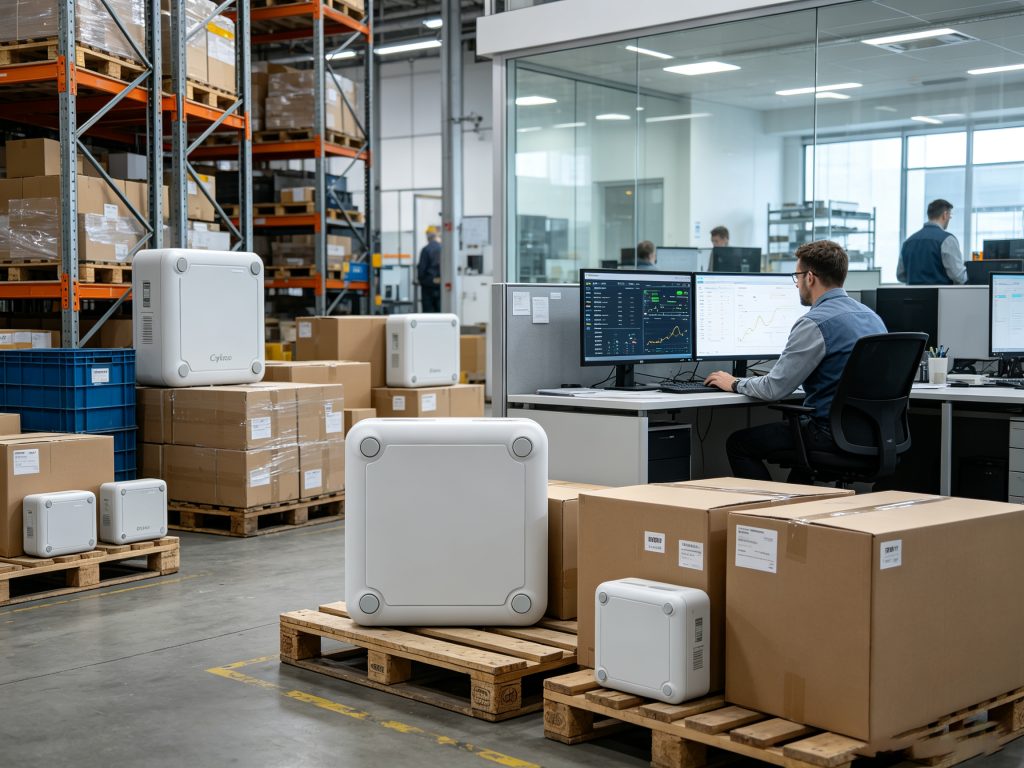
Real-time RFID identification helps warehouse teams monitor supplies and improve inventory visibility.
Industrial Inventory Tracking with Real-Time Data Integration
A supply asset tracking system becomes more valuable when connected with existing enterprise software.
Common integrations include:
ERP systems
Warehouse management systems (WMS)
Manufacturing execution systems (MES)
Hospital inventory platforms
Enterprise asset management software
The purpose is not creating another isolated database. It is connecting physical supplies with digital operations.
For example:
A production line consumes components → RFID records removal → inventory database updates automatically → purchasing team receives accurate stock information.
This closed-loop process reduces unnecessary stock shortages and prevents over-purchasing.
The U.S. Department of Commerce highlights that improved supply chain visibility and digital technologies are important factors in strengthening operational resilience.
Why Choose Cykeo Supply Asset Tracking Solutions?
Cykeo focuses on RFID identification technology development and customized asset management solutions.
Our engineering team has worked with RFID applications involving:
Industrial tools
Medical supplies
Smart cabinets
Warehouse materials
Enterprise assets
In real deployment environments, the smallest details often determine success. Tag installation position, material characteristics, reading distance, and software workflow all require testing before large-scale implementation.
A reliable system is not only about RFID hardware performance. It requires understanding how people actually use supplies every day.
Key Benefits of RFID Supply Asset Tracking
Benefit
Operational Improvement
Automatic inventory
Reduces manual counting workload
Real-time visibility
Provides accurate supply status
Traceability records
Creates complete usage history
Faster searching
Helps locate supplies quickly
Better security
Tracks responsible users
Cykeo RFID solutions provide accurate, automated supply tracking for industrial and enterprise environments.
FAQ: Supply Asset Tracking System
How does a supply asset tracking system work?
An RFID supply asset tracking system attaches electronic tags to supplies. RFID readers capture identification information automatically and transfer data to management software for monitoring, reporting, and analysis.
Can RFID track different types of supplies?
Yes. RFID solutions can manage industrial tools, medical materials, documents, clothing, equipment, and warehouse inventory by selecting suitable RFID tags according to environment and material conditions.
Does RFID reduce manual inventory work?
Yes. RFID enables batch identification of multiple items simultaneously, reducing repetitive counting tasks and improving inventory efficiency.
What industries use supply asset tracking systems?
Discover what RFID wireless theft really means. From card skimming to retail loss prevention, learn real-world risks, how criminals exploit RFID, and the best defenses to secure your data and assets.
Discover the best waterproof RFID devices for harsh marine and port environments. Compare IP68 ratings, saltwater resistance, and rugged UHF performance for logistics efficiency.
Discover why not all RFID tags work with every reader. Learn about frequency, standards, and how Cykeo’s multi-protocol readers ensure universal compatibility.
Explore the technical advantages of CYKEO UHF RFID Fixed Reader. Learn how its integration-friendly design and secondary development support empower solution providers across logistics, manufacturing, and access control industries.
 Cykeo RFID IoT Solution Products R&D Manufacturer