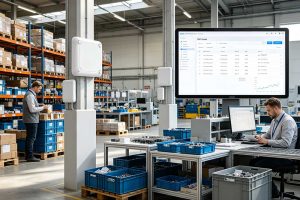
What is rfid technology used for? RFID technology is used for automatic identification, tracking, and management of physical objects through wireless communication between RFID tags and readers, helping industries improve inventory accuracy, asset visibility, and operational efficiency.
RFID technology is now used in many industries where organizations need to connect physical items with digital information. From warehouses and manufacturing facilities to libraries, retail stores, and textile management systems, RFID provides a reliable method to identify objects without requiring direct visual scanning.
After years of working with RFID hardware testing, tag registration processes, and application deployment, I found that companies rarely adopt RFID simply because they need faster scanning. The real reason is usually visibility. Managers want to know where assets are, which items have moved, who handled them, and whether inventory records match the physical environment.
A warehouse operator, for example, does not only need to read a tag. They need accurate information about incoming goods, storage locations, and outgoing shipments. A maintenance department does not only need a tool identifier. It needs a reliable history of borrowing, return, and availability.
According to GS1, RFID systems using Electronic Product Code (EPC) standards provide unique identification for physical objects and allow organizations to capture and share information throughout business processes. GS1 highlights that RAIN RFID can improve supply chain visibility and inventory accuracy by capturing identifiers without requiring line-of-sight scanning.
RFID Technology Applications: Why Businesses Use RFID
RFID technology is mainly used when companies need automatic identification and better control over physical assets.
The most common applications include:
Application Area
How RFID Technology Is Used
Inventory Management
Tracks products, cartons, and stock movements
Asset Tracking
Identifies tools, equipment, and reusable assets
Logistics
Monitors goods during transportation and distribution
Retail
Supports product visibility and inventory accuracy
Libraries
Enables self-service borrowing and book management
Textile Management
Tracks clothing and reusable materials
Unlike traditional identification methods, RFID allows information to be collected through radio communication.
A typical RFID system includes:
RFID tags attached to objects
RFID readers that capture tag information
Software platforms that process collected data
The tag provides the identity, the reader captures the information, and the software turns the data into useful business actions.
GS1 describes RFID infrastructure as consisting of RFID readers and RFID tags. Readers send commands through radio signals, while passive RFID tags receive energy from the reader and return information through backscatter communication. GS1
What Is RFID Technology Used For in Inventory Management?
RFID Inventory Tracking and Supply Chain Visibility
Inventory management is one of the most common uses of RFID technology.
Traditional inventory processes often depend on manual counting or barcode scanning. These methods can become difficult when companies manage thousands of items across multiple locations.
RFID changes this process by allowing organizations to identify products automatically.
Common RFID inventory functions include:
Receiving goods
Checking stock levels
Locating products
Performing inventory counts
Monitoring item movement
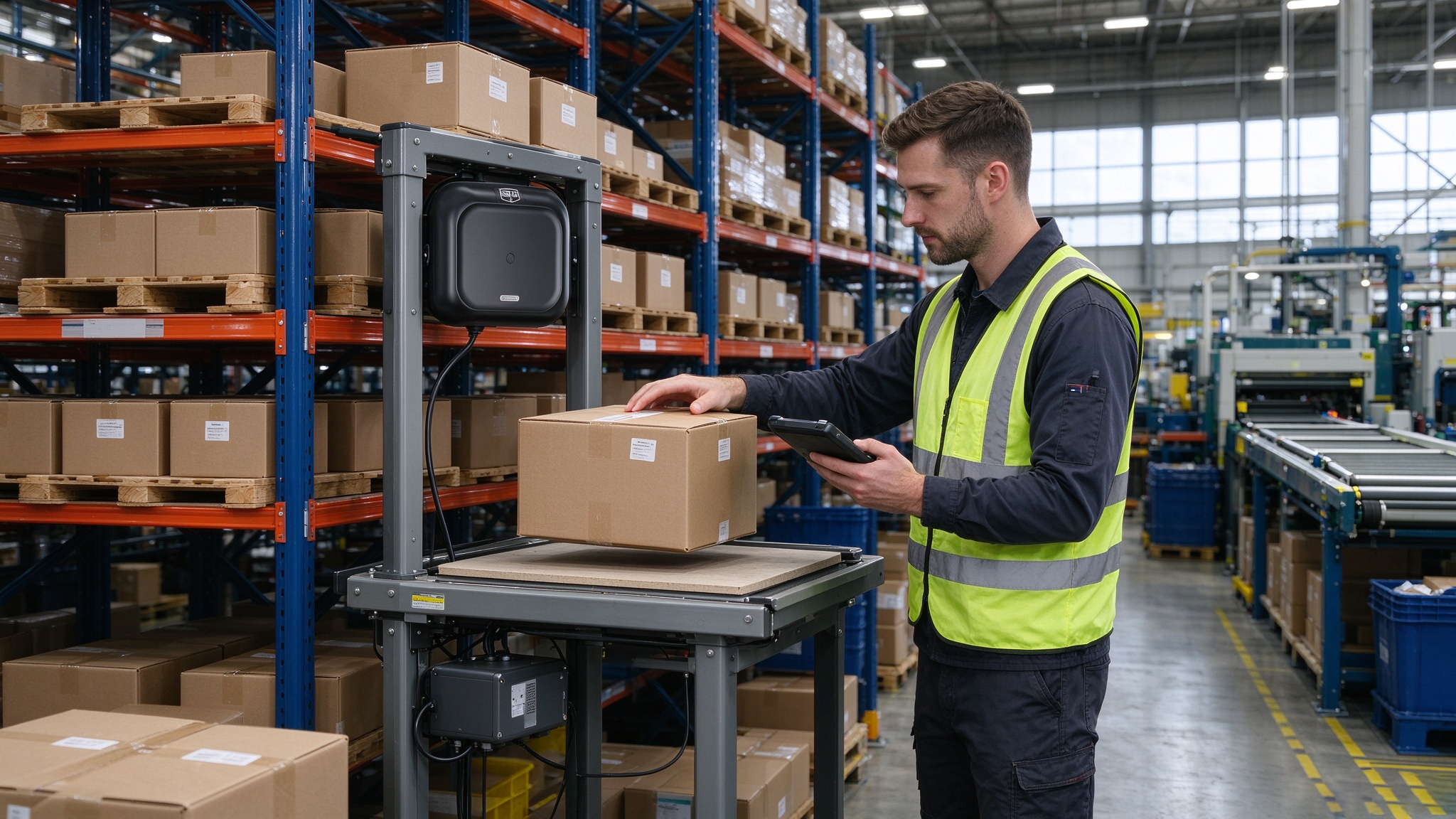
For example, in a warehouse environment, RFID tags attached to cartons can be read when products enter or leave a designated area. The collected data can then update inventory systems automatically.
GS1 US explains that RFID-powered inventory management provides visibility into product locations and inventory levels by capturing information through radio waves rather than requiring direct line-of-sight scanning.
In practical projects, I have seen that the biggest improvement is not only speed. It is the reduction of uncertainty. Warehouse teams spend less time searching for missing information and more time managing actual operations.
Industrial RFID Applications: Managing Tools and Equipment
RFID Asset Tracking for Industrial Environments
Industrial companies often use RFID technology to manage valuable assets.
Examples include:
Production tools
Maintenance equipment
Inspection devices
Returnable containers
Safety equipment
A tool management system based on RFID can record:
Information
Example
Asset Identity
Tool RFID number
User Information
Employee borrowing record
Location Data
Storage cabinet or workshop
History Record
Previous usage information
For these applications, RFID registration accuracy is critical.
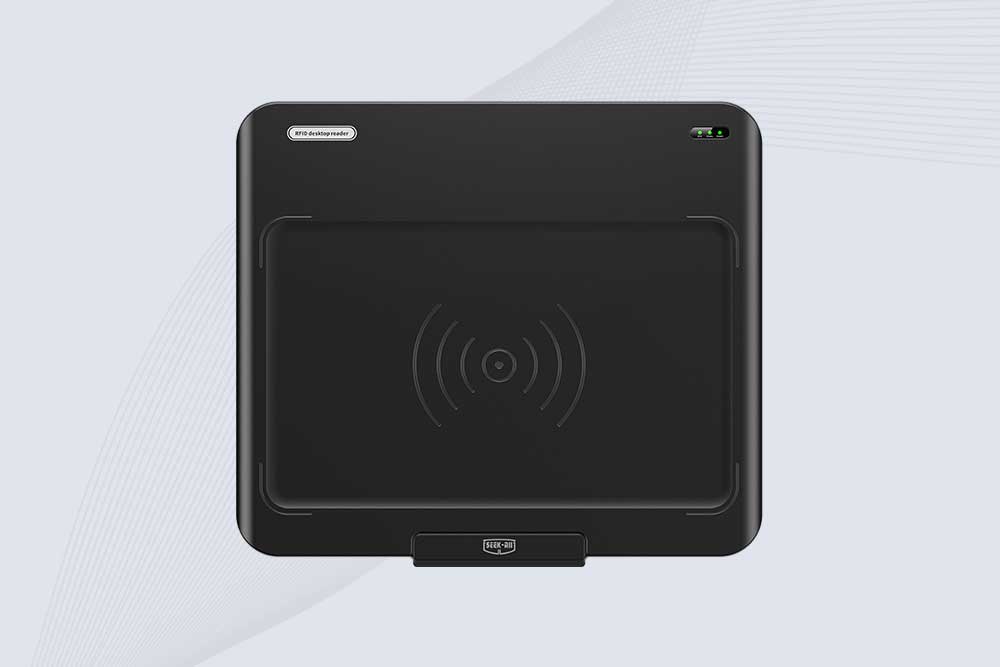
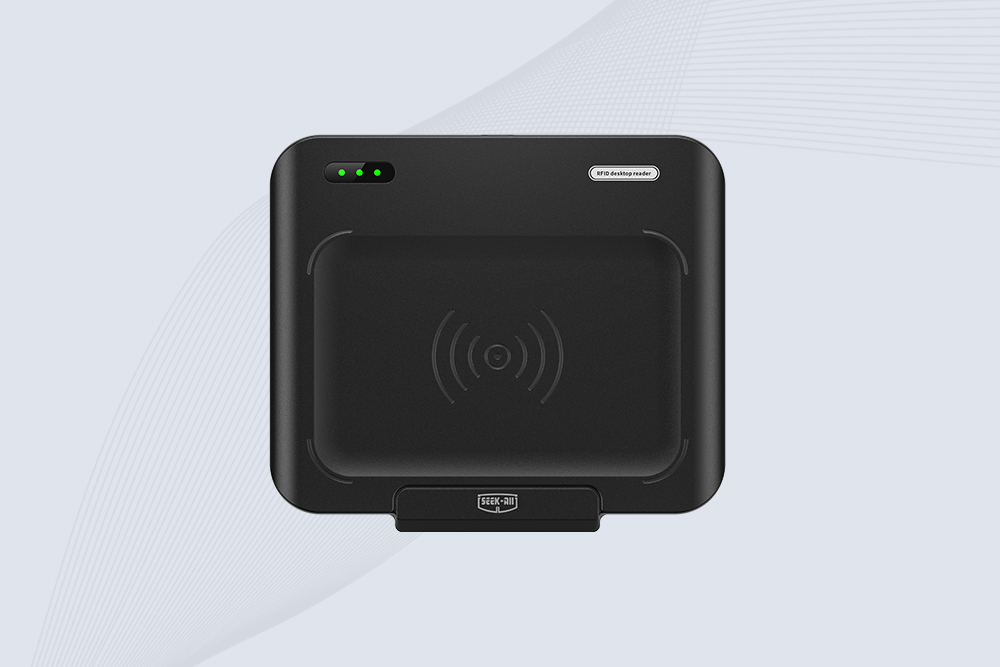
Before a tool enters the tracking system, administrators need to associate the RFID tag with the correct asset record. This is why RFID desktop reading platforms are often used during the initial registration stage.
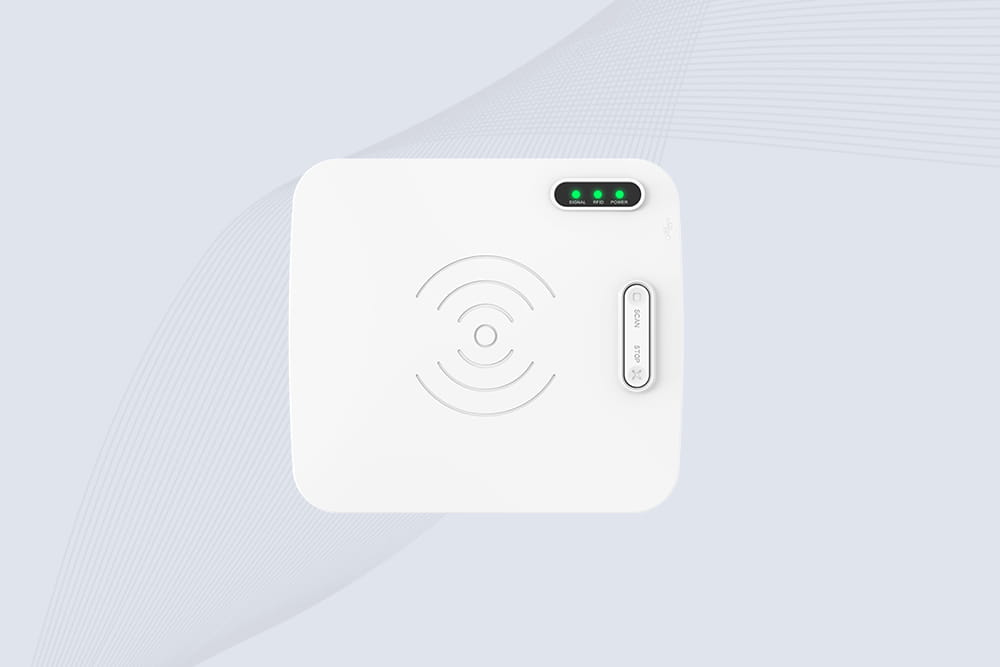
Cykeo RFID desktop reading platforms are designed for these workflows, supporting:
RFID tag reading and writing
Tag registration
Data conversion
Information management
Development integration
The platform uses high-efficiency signal processing algorithms to support stable tag recognition while maintaining fast read and write performance. Features such as multi-tag recognition, data filtering, RSSI signal monitoring, and USB connectivity make it suitable for daily management environments.
RFID technology improves inventory visibility by connecting physical products with digital tracking systems.
RFID Technology Used For Automated Identification
Beyond Simple Tracking
Many people think RFID is only a tracking technology, but practical applications go further.
RFID can also support:
Item registration
Data writing
Authentication
Circulation management
Process automation
For example, libraries use RFID technology to manage book borrowing and returns. Manufacturing companies use RFID to monitor production tools. Logistics companies use RFID to improve shipment visibility.
The technology becomes valuable when identification data is connected with real business processes.
RFID Technology Applications in Different Industries
RFID Technology Used for Library Automation
Libraries are one of the most established environments for RFID technology applications.
Traditional library operations often require staff members to manually scan barcodes, record borrowing information, and complete inventory checks. RFID changes this workflow by allowing books and management systems to communicate automatically.
A complete RFID library solution can support:
Book registration
Self-service borrowing
Automatic returns
Collection inventory
Reader identification
Circulation records
For example, an RFID self-service borrowing and returning machine allows users to complete transactions independently. Multiple books can be identified during one operation, reducing waiting time and improving service efficiency.
Cykeo RFID library solutions integrate RFID identification technology with user-friendly interfaces. The self-service equipment includes a 21.5-inch touchscreen, multilingual operation support, and functions designed to reduce repetitive librarian tasks.
In real library projects, the most important factor is not only reading speed. The system must accurately connect:
Reader Identity → RFID Book Tag → Borrowing Record → Library Database
This connection creates a reliable circulation management process.
RFID Technology Used for Textile and Laundry Management
Textile management is another important RFID application.
Large organizations such as hotels, hospitals, and industrial laundry providers often manage thousands of reusable items, including:
Uniforms
Towels
Bedding materials
Protective clothing
Manual counting becomes difficult when items move frequently between departments.
RFID technology helps organizations record:
Item quantity
Movement history
Washing cycles
Storage status
Distribution information
Each textile item receives a durable RFID tag, allowing readers to identify items during collection, washing, sorting, and delivery processes.
The key advantage is traceability. Managers can understand where materials are located and how frequently they are used.
RFID Tracking System Uses in Modern Supply Chains
Improving Logistics Visibility
Supply chains involve constant movement:
Factory production
Warehouse storage
Transportation
Distribution
Retail delivery
RFID technology provides a digital identity for physical goods throughout these stages.
A typical RFID supply chain workflow includes:
Stage
RFID Application
Manufacturing
Product identification
Packaging
Carton tracking
Warehouse
Inventory management
Transportation
Shipment monitoring
Retail
Stock visibility
RAIN Alliance describes RAIN RFID as a technology ecosystem based on passive UHF RFID that enables connected physical items to communicate their identity with digital systems. The organization reports that billions of RFID tags are deployed globally across different industries, demonstrating broad commercial adoption of the technology.
Important Factors When Choosing RFID Technology
RFID Tag Compatibility
Different applications require different RFID tags.
Before deployment, engineers evaluate:
Material of the tagged object
Reading environment
Required distance
Temperature conditions
Data requirements
A paper label tag suitable for warehouse cartons may not work effectively on metal equipment.
Reader Performance and Installation
RFID readers influence system reliability.
Important technical factors include:
Output power
Antenna design
Signal processing capability
Anti-collision performance
Communication interface
For registration applications, a controlled reading environment is often preferred.
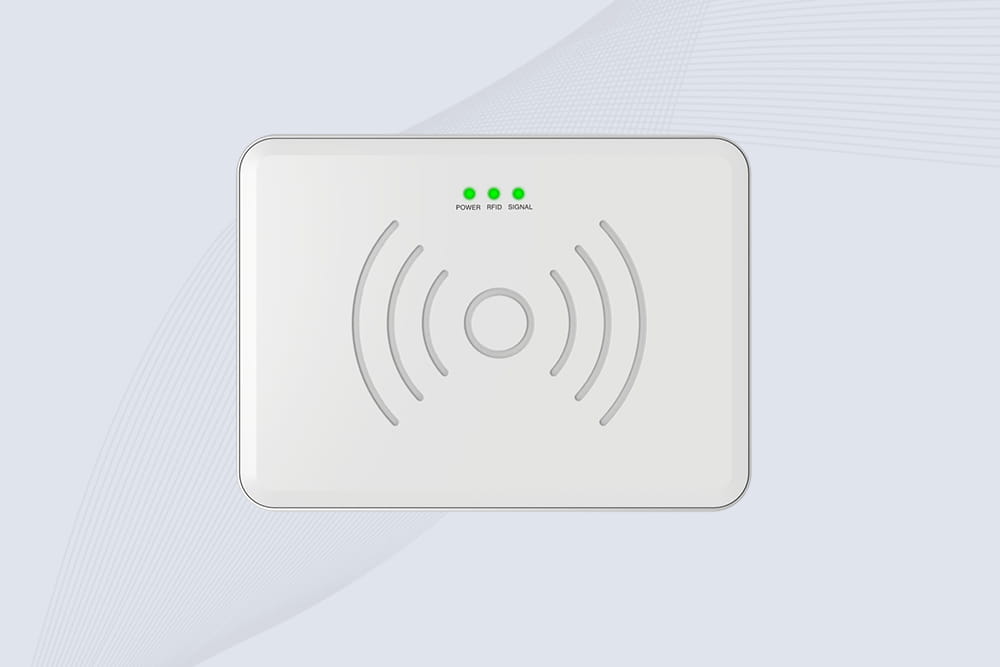
For example, Cykeo RFID desktop reading platforms use near-field antenna design, keeping the reading area within approximately 30 cm and writing area within approximately 10 cm. This controlled range helps administrators avoid accidental reads from nearby tags.
The platform supports:
Stable tag writing
Multi-tag identification
Data filtering
RSSI signal monitoring
USB connection
C# and Java development support
RFID technology helps companies manage tools and equipment through accurate digital identification.
Frequently Asked Questions About what is rfid technology used for
What is rfid technology used for?
RFID technology is used for automatic identification, tracking, and management of physical objects. Common applications include inventory management, asset tracking, logistics, libraries, retail, manufacturing, and textile management.
What industries use RFID technology?
RFID technology is used across many industries, including:
Logistics and supply chain
Manufacturing
Retail
Libraries
Healthcare
Textile management
Transportation
Each industry applies RFID according to its tracking and identification requirements
How does RFID improve inventory management?
RFID improves inventory management by allowing organizations to automatically identify tagged items and update digital records. It reduces manual counting work and improves visibility of stock movement.
What is an RFID tracking system used for?
An RFID tracking system is used to monitor the identity, location, and movement of physical assets. Companies use RFID tracking for products, tools, equipment, books, and reusable materials.
Can RFID technology write information to tags?
Yes. Many RFID systems support both reading and writing. Administrators can register new tags, update information, and manage tag data using compatible RFID readers.
Why is UHF RFID widely used in industrial applications?
UHF RFID is widely used because it supports fast identification, multiple tag reading, and efficient data capture in warehouses, logistics environments, and industrial operations.
Final Understanding of What RFID Technology Is Used For
What is rfid technology used for? RFID technology is used to connect physical objects with digital systems, allowing organizations to identify, track, and manage assets more efficiently.
From inventory control and industrial equipment management to libraries and textile tracking, RFID has become an important technology for improving operational visibility.
However, successful RFID implementation requires more than selecting a reader or attaching tags. The complete solution depends on correct tag selection, reliable hardware performance, suitable software integration, and practical workflow design.
During RFID application projects, I have found that the most valuable systems are not always those with the longest reading distance. They are systems that provide accurate information at the exact point where a business process needs it.
Cykeo focuses on practical RFID solutions designed for real operational environments. Through stable reading and writing performance, professional development support, and application-specific designs, Cykeo helps organizations apply RFID technology to inventory management, asset tracking, library automation, and industrial identification.
SSD-D3AL is a USB-HID UHF RFID reader with 0–30 cm reading, 0–15 cm writing, over 600 tags/s recognition, USB plug-and-play operation and OEM Logo customization.
SSD-D1AL is a compact USB UHF RFID reader with Impinj E710/X3M1 chipset, USB-HID, 600+ tags/s recognition, 4/8/16 antenna support and plug-and-play USB power.
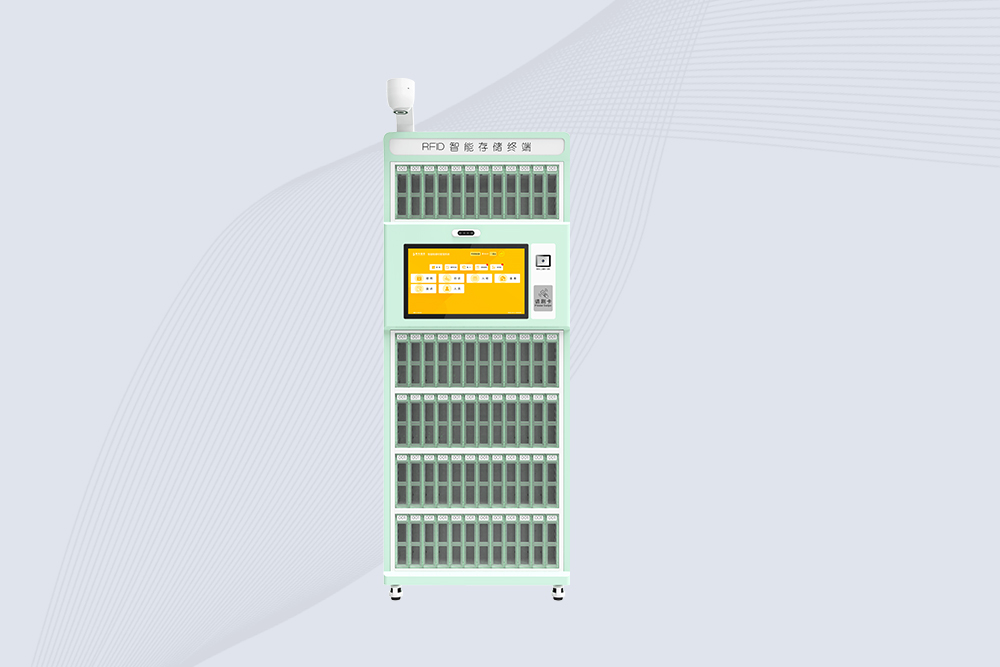
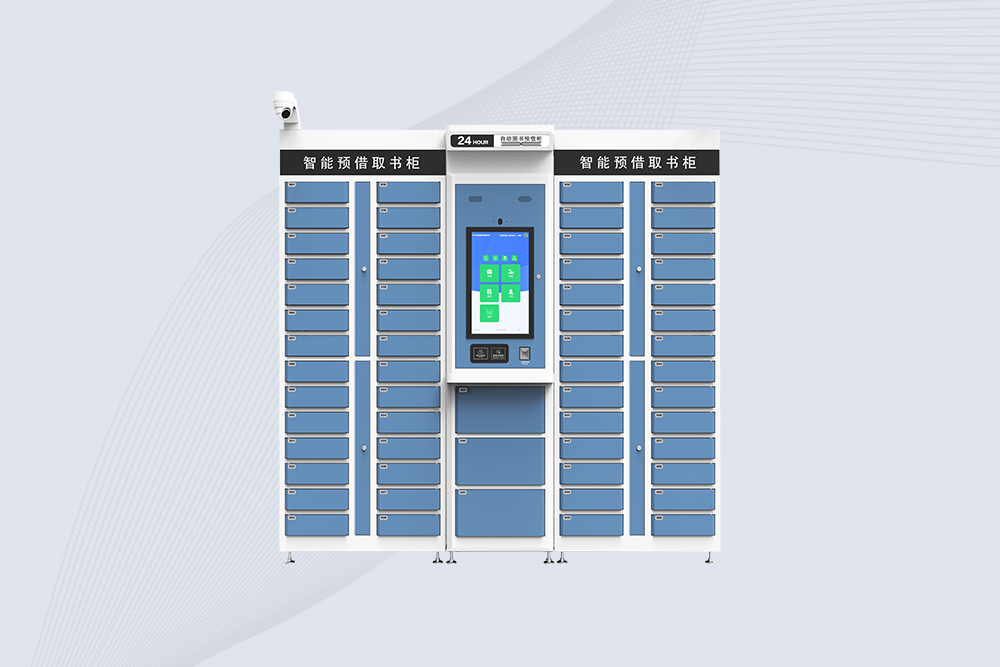
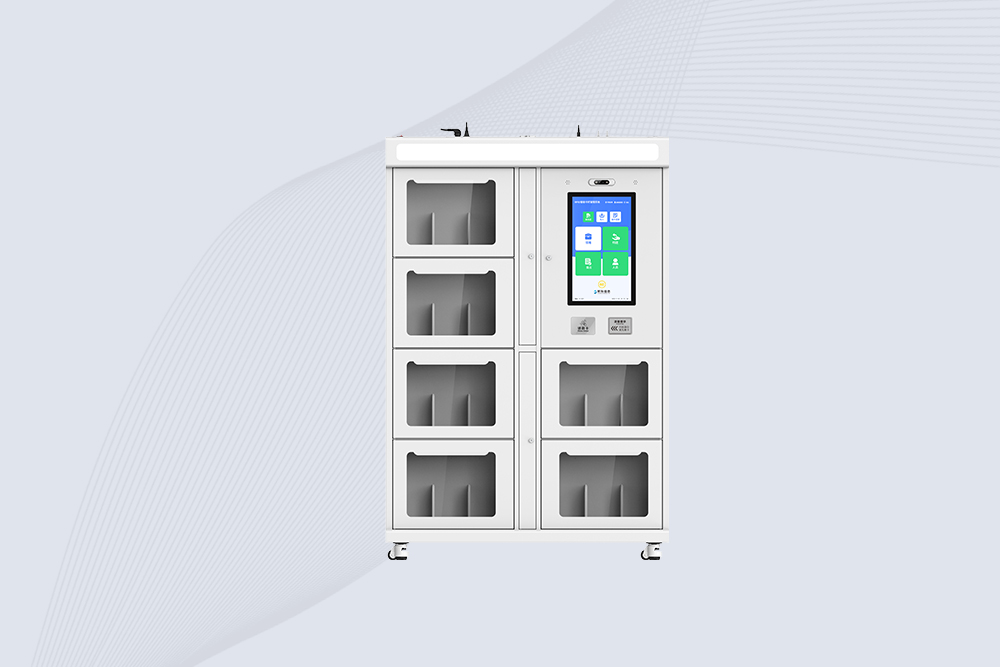
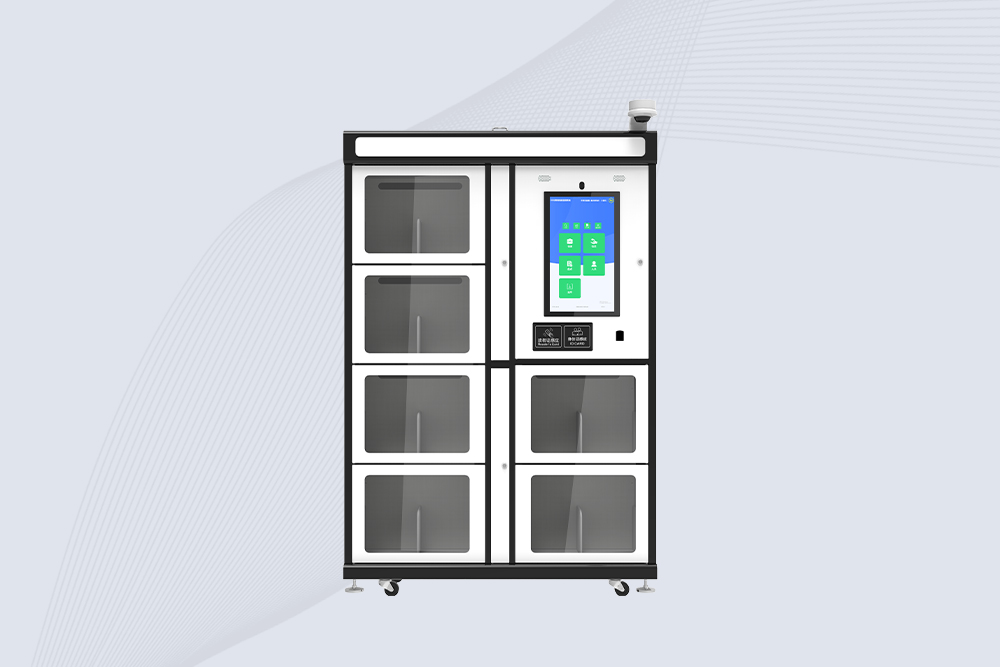
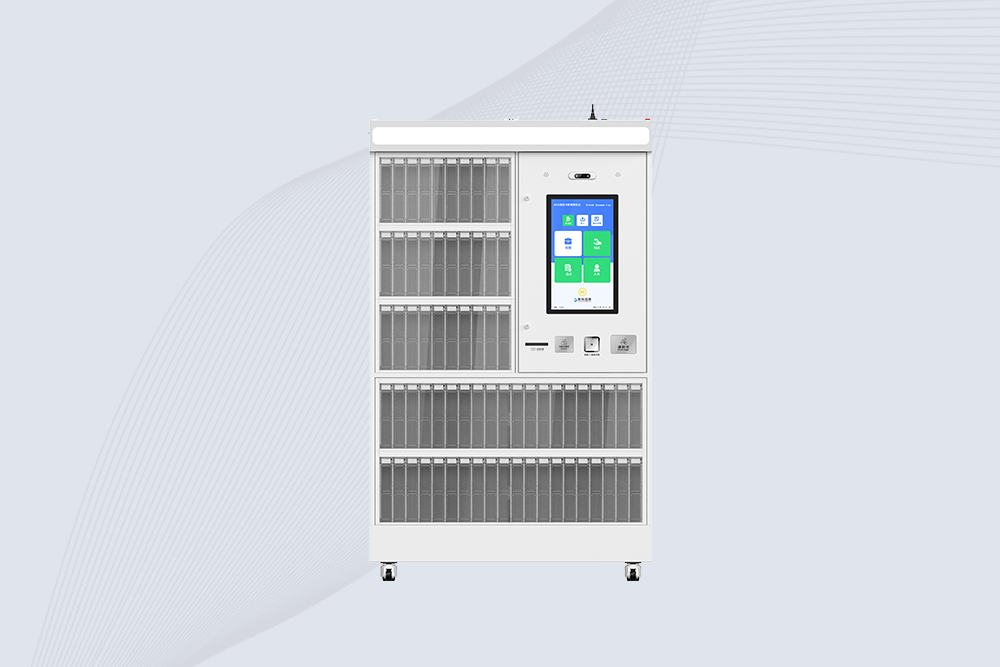
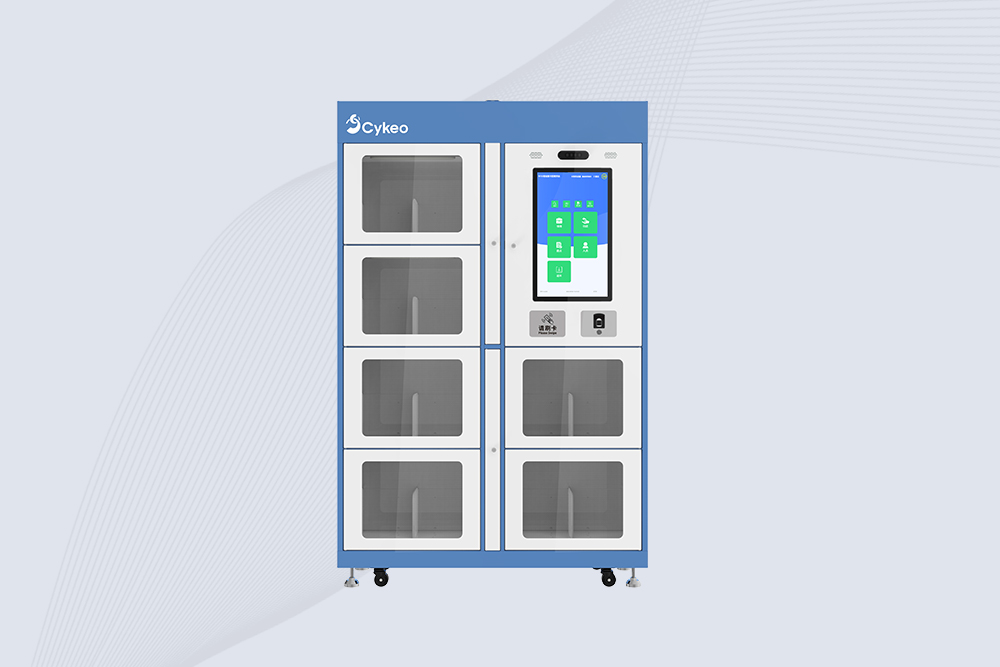
Cykeo’s RFID Library Management Cabinet offers 72-cell precision control for archives/labs/retail. Features dual-band UHF/HF scanning, facial authentication & cloud sync. ISO 18000-6C/15693 certified.
Cykeo’s RFID Book Inventory Cabinet features 7 compartments, Impinj R2000 UHF technology & dual OS for libraries/archives. 99.98% recognition accuracy with solar/cloud options.
Cykeo’s industrial RFID School Library Cabinet features Impinj R2000 UHF technology, 21.5″ touchscreen & customizable compartments for academic archives, museums and libraries. Dual OS supports Windows/Android.
Cykeo’s RFID Mobile Library Cabinet enables 24/7 self-service book lending with 100-tag RFID scanning, facial recognition & solar power. Ideal for schools/communities.
Cykeo CYKEO-G68B RFID smart bookcase features BookEye™ technology, 175-book capacity, and SAP integration for automated library management. Industrial-grade construction for 24/7 unmanned operations.
CYKEO CYKEO-D1LA USB RFID Reader is a compact desktop solution with near-field control for precise tag reading and encoding. Powered by USB, supporting ISO 18000-6C, and built for stable batch writing, this usb rfid tag reader fits retail, libraries, offices, and controlled RFID encoding tasks.
CYKEO CYKEO-D1L RFID scanner USB is a compact desktop UHF RFID scanner designed for short-range tag writing and verification. This usb rfid scanner supports batch encoding, stable 0–26 dBm output, and works across Windows, Linux, and Android systems.
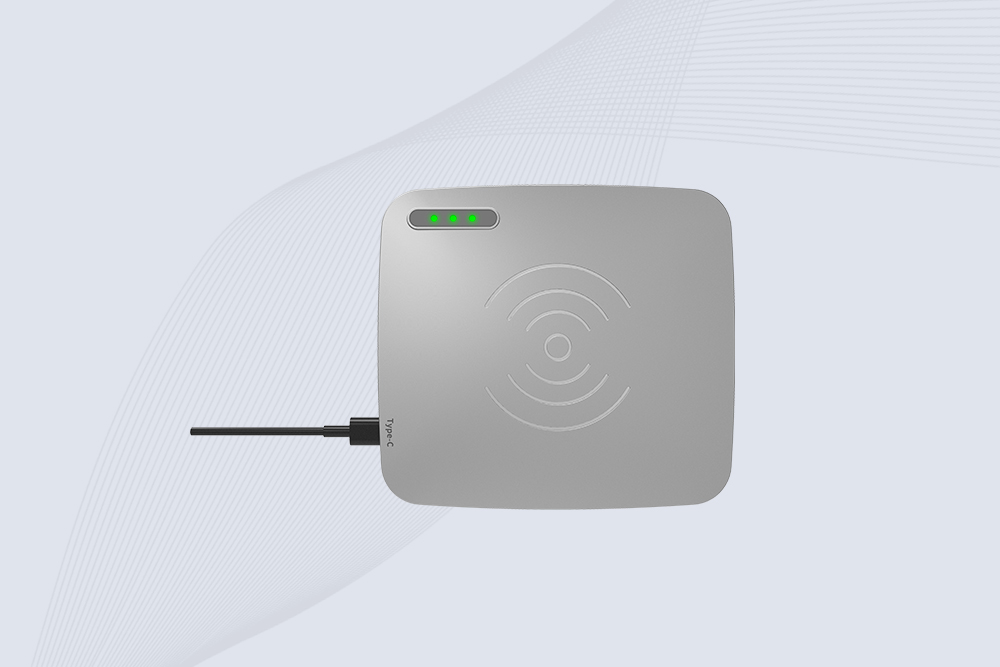
CYKEO CYKEO-D1C USB RFID Card Reader is a near-field UHF desktop writer designed for secure, short-range tag encoding. With USB-C connectivity and stable 26 dBm output, this rfid reader usb c is ideal for badge issuance, label encoding, and controlled desktop RFID workflows.
CYKEO CYKEO-D2L RFID Reader USB is a compact desktop encoder built on the Impinj R500 chip. With near-field control and stable USB power, this usb rfid card reader delivers precise tag writing for offices, retail counters, and small-scale logistics encoding tasks.
CYKEO CYKEO-D3L USB RFID Tag Reader delivers stable UHF tag reading and writing for daily desktop and light industrial tasks. Designed for controlled short-range operation, this USB RFID Tag Reader works reliably with rfid tag and reader systems in libraries, tool tracking, and inventory registration.
The CYKEO CYKEO-D4L UHF RFID Tag Reader is a stable Desktop RFID Reader designed for accurate tag registration, borrowing, and return workflows. Built with the Impinj R2000 chip, this UHF RFID Tag Reader delivers controlled short-range reads for libraries, asset tracking, and inventory management environments.
The CYKEO CYKEO-D5L Desktop RFID Card Reader is a stable UHF RFID Card Reader designed for controlled short-range reading and writing. Built for libraries, tool rooms, and asset desks, this UHF RFID Card Reader supports dense tag handling, secure data processing, and easy USB integration.
The CYKEO CYKEO-D6L RFID Reader Writer is a heavy-duty Desktop RFID Reader designed for short-range, high-accuracy tag programming. Built for libraries, labs, and asset desks, this RFID Reader Writer supports batch processing, stable 33dBm output, and seamless integration with existing management systems.
Cykeo CYKEO-D8A embedded RFID badge reader offers 30+ tags/sec scanning, 20cm anti-crosstalk precision, and DC 12V power for unmanned stores, warehouses, and smart inventory systems.
Cykeo’s CYKEO-D8C UHF RFID gate reader achieves 200-tag/batch scanning with adjustable power control, ideal for retail inventory and smart warehouse management.
Chipless RFID is considered the next-generation RFID technology due to its low cost and environmental advantages. But can it truly replace traditional RFID? This article analyzes its potential and limitations from aspects like reading distance, da...
RFID readers communicate with RFID tags through radio frequency signals, capturing identification data and transferring it to software systems for tracking, ...
tracking system for equipment enables real-time RFID visibility, reducing loss and manual errors while improving industrial asset control and maintenance efficiency.
 Cykeo RFID IoT Solution Products R&D Manufacturer