 Cykeo RFID IoT Solution Products R&D Manufacturer
How is RFID Used in Supply Chain Management?
1196Discover how RFID technology optimizes supply chains through real-time inventory tracking, reduced errors, and enhanced transparency. Explore Cykeo’s scalable RFID solutions.
MoreAll RFID Product
Chipless RFID encodes data through material structure or spectral response, without relying on traditional silicon chips. It offers the following advantages:
Chipless RFID appears as a strong candidate to replace traditional RFID in scenarios like sustainable packaging, product authentication, and ticket recognition. By replacing chip logic with structural encoding, Chipless RFID achieves low cost and environmental benefits, making it ideal for one-time identification use cases.

Traditional RFID (Chip-based):
Chipless RFID:
In logistics and supply chain environments requiring long-distance and high-efficiency reading, Chipless RFID still struggles to perform adequately.
Traditional RFID:
Chipless RFID:
In high-data applications and smart device identification, Chipless RFID currently lacks sufficient functionality.
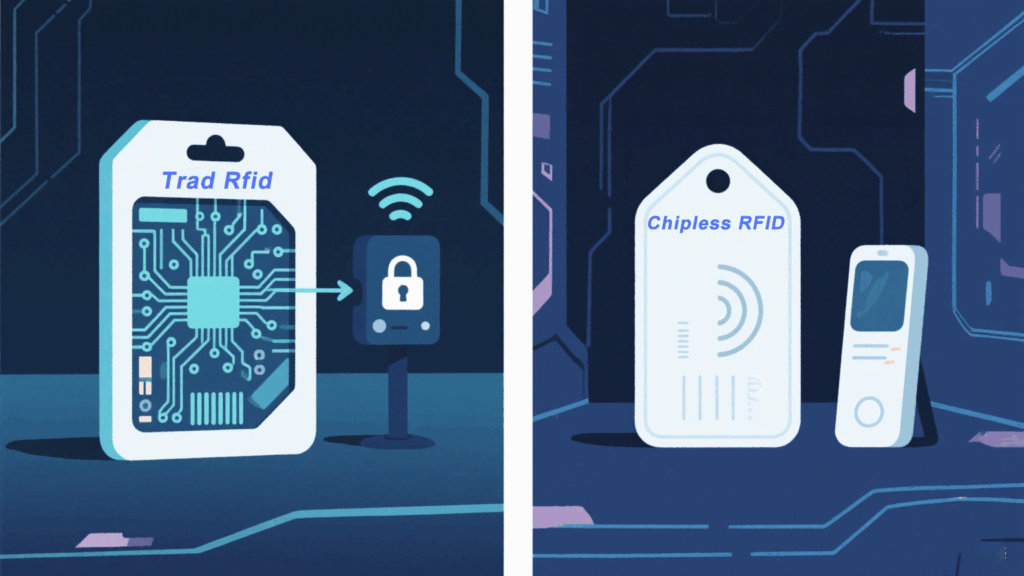
Traditional RFID has a mature ecosystem:
Chipless RFID faces issues:
Current business systems cannot integrate Chipless RFID easily, slowing its adoption. Its lack of standards and ecosystem maturity remains a key challenge for commercial deployment.
Traditional RFID has already achieved large-scale application across industries like manufacturing, logistics, healthcare, and retail. Chipless RFID, on the other hand, remains in lab tests, pilot runs, or small-volume production.
Challenges include:
Due to immature supply chains and deployment difficulties, Chipless RFID is not yet ready to fully replace traditional RFID.
Given current technology and market readiness, Chipless RFID shows strong potential in specific use cases such as:
However, in enterprise scenarios requiring high security, large data capacity, long-range reading, and complex system integration, traditional RFID remains irreplaceable.
Chipless RFID acts as “complement,” not a full substitute, for traditional RFID. Its future depends on advances in standardization, materials science, and reader infrastructure. Chipless RFID can replace traditional tags in certain niches, but widespread replacement still requires major breakthroughs.
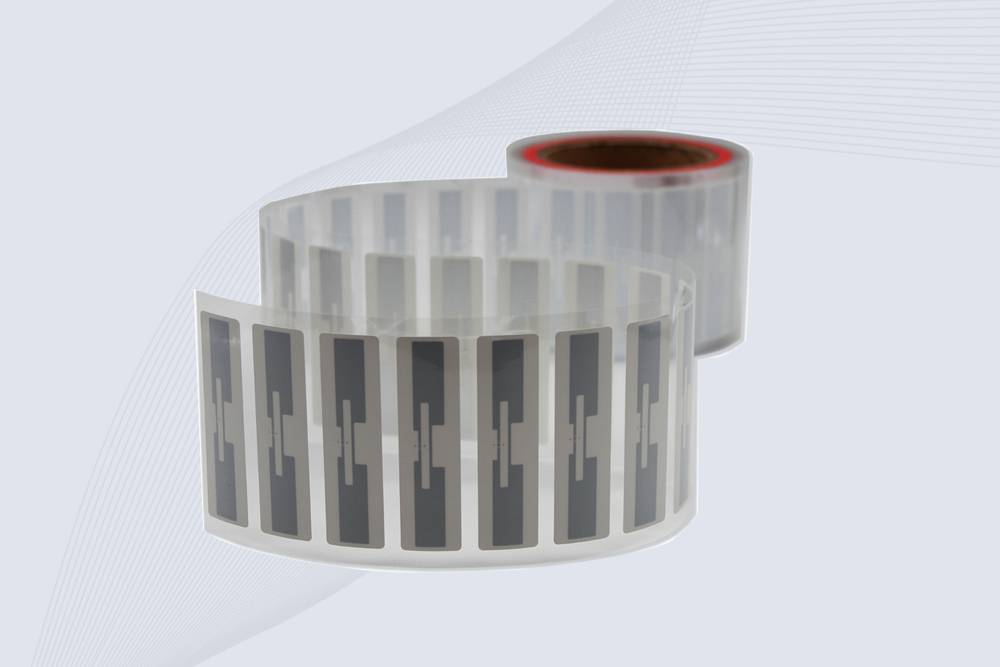
CYKEO Passive RFID Tags are made for wet and high-humidity environments where standard labels do not last. This rfid passive tag is often used around liquids, chemicals and temperature changes, providing stable reading distance and long data life for industrial tracking.
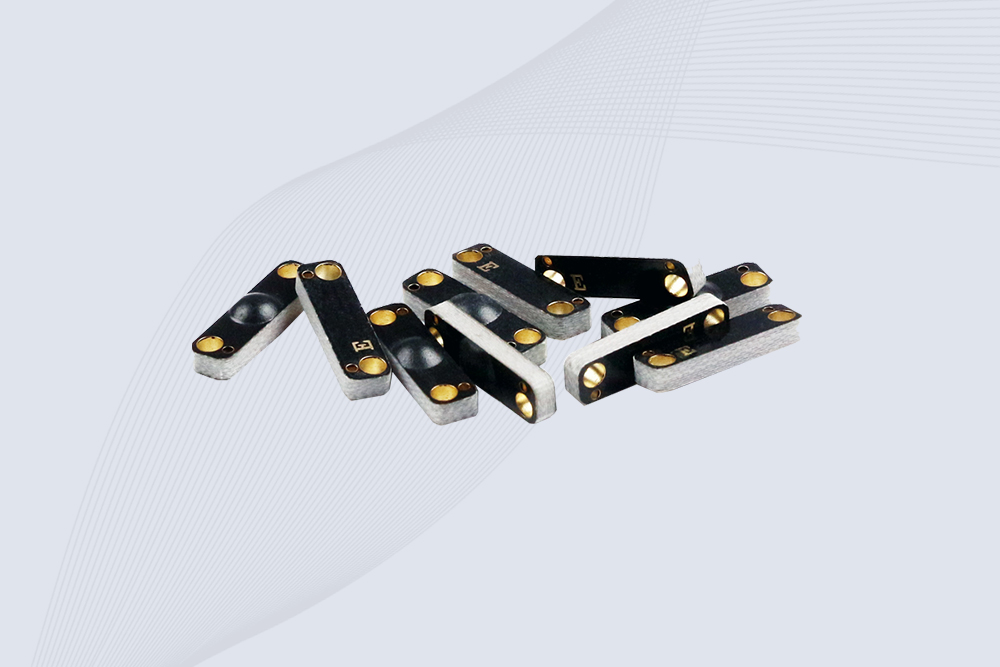
CYKEO CYKEO-PCB1504 Metal RFID Tags is a compact anti-metal UHF RFID solution built for direct mounting on metal surfaces. With stable 8-meter read range, Ucode-8 chip, and long data retention, this rfid metal tag fits tools, containers, automotive parts, and industrial asset tracking.
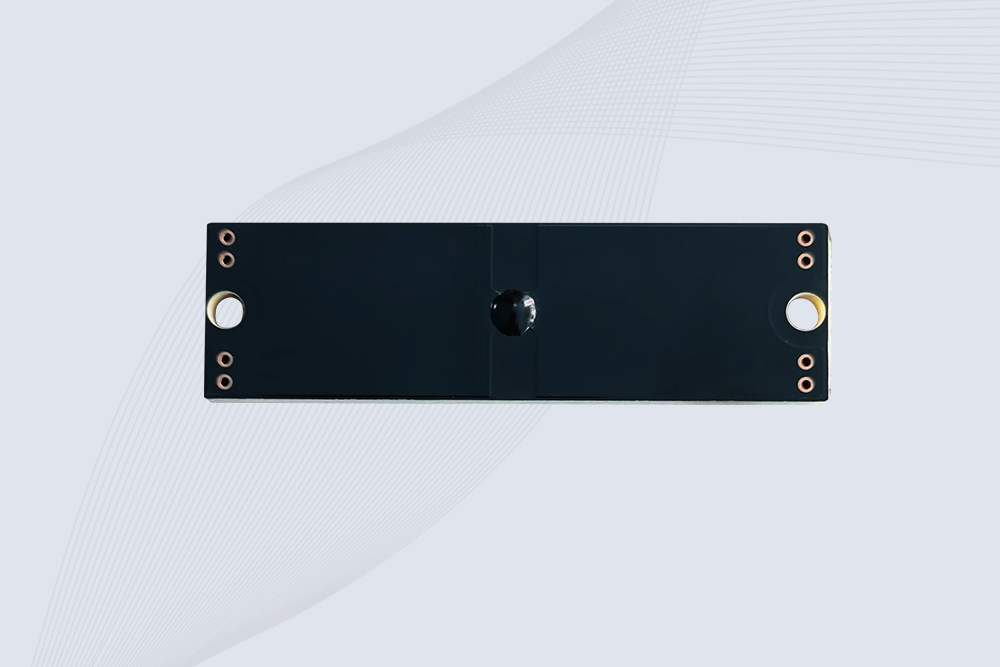
CYKEO CYKEO-PCB7020 On-Metal RFID Tags are designed for reliable tracking on steel and metal surfaces. Built with an FR4 epoxy body and industrial-grade chips, these On-Metal RFID Tags deliver stable performance, long data life, and chemical resistance, making them a dependable RFID anti-metal tag for harsh environments.
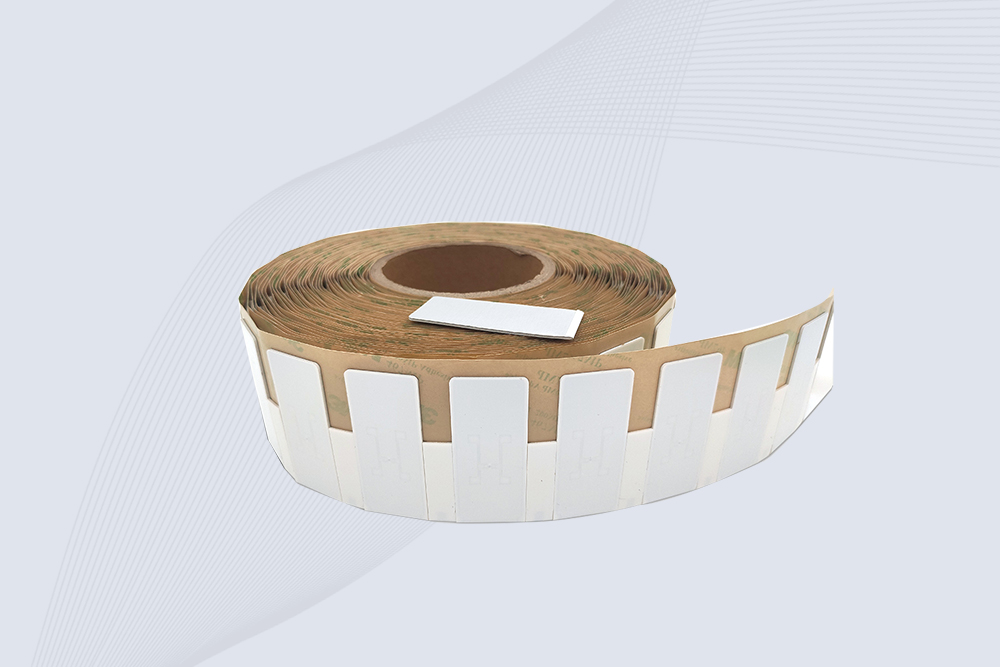
The CYKEO CYKEO-60-25 Anti-Metal RFID Tag is built for metal surfaces where standard tags fail. Designed for long-range performance, harsh environments, and stable data retention, this Anti-Metal RFID Tag is ideal for industrial assets, containers, and equipment tracking using on metal RFID tags.

Discover how RFID technology optimizes supply chains through real-time inventory tracking, reduced errors, and enhanced transparency. Explore Cykeo’s scalable RFID solutions.
More
Discover how RFID has evolved from early hype to a critical tool in industries like retail, healthcare, and IoT. Learn how Cykeo’s solutions keep RFID relevant today.
More
Explore the value of washable RFID tags in textile management, uncovering their durable, wash-resistant features and real-world applications—from hotels to hospitals—for efficient asset tracking.
More
Passive RFID tags work by harvesting RF energy from a reader, activating their IC, and returning data through modulated backscatter without an internal battery.
More