 Cykeo RFID IoT Solution Products R&D Manufacturer







how to read an rfid tag
133An RFID tag is read by a compatible RFID reader through radio communication. The reader activates the tag, receives stored identification data, and sends inf...
MoreAll RFID Product
In today digital era, businesses are increasingly demanding efficient management and precise data collection. As key technology in the age of the Internet of Things (IoT), RFID tag readers offer transformative benefits across industries through features like contactless identification and rapid multi-tag reading. Let’s explore the unique advantages and wide-ranging applications of mobile RFID tag readers, Bluetooth RFID tag readers, long-range RFID tag readers, and ultra-high frequency (UHF) RFID tag readers.
RFID tag readers play a crucial role in quickly and accurately reading data from RFID tags, enabling automated identification, tracking, and management of items. They break through the efficiency limitations of traditional manual identification, significantly reduce human error, and improve the timeliness and accuracy of data collection. Moreover, when integrated with enterprise management systems, RFID readers allow real-time data sharing and analysis, providing strong support for decision-making. This effectively enhances operational efficiency and management capabilities while reducing operational costs.
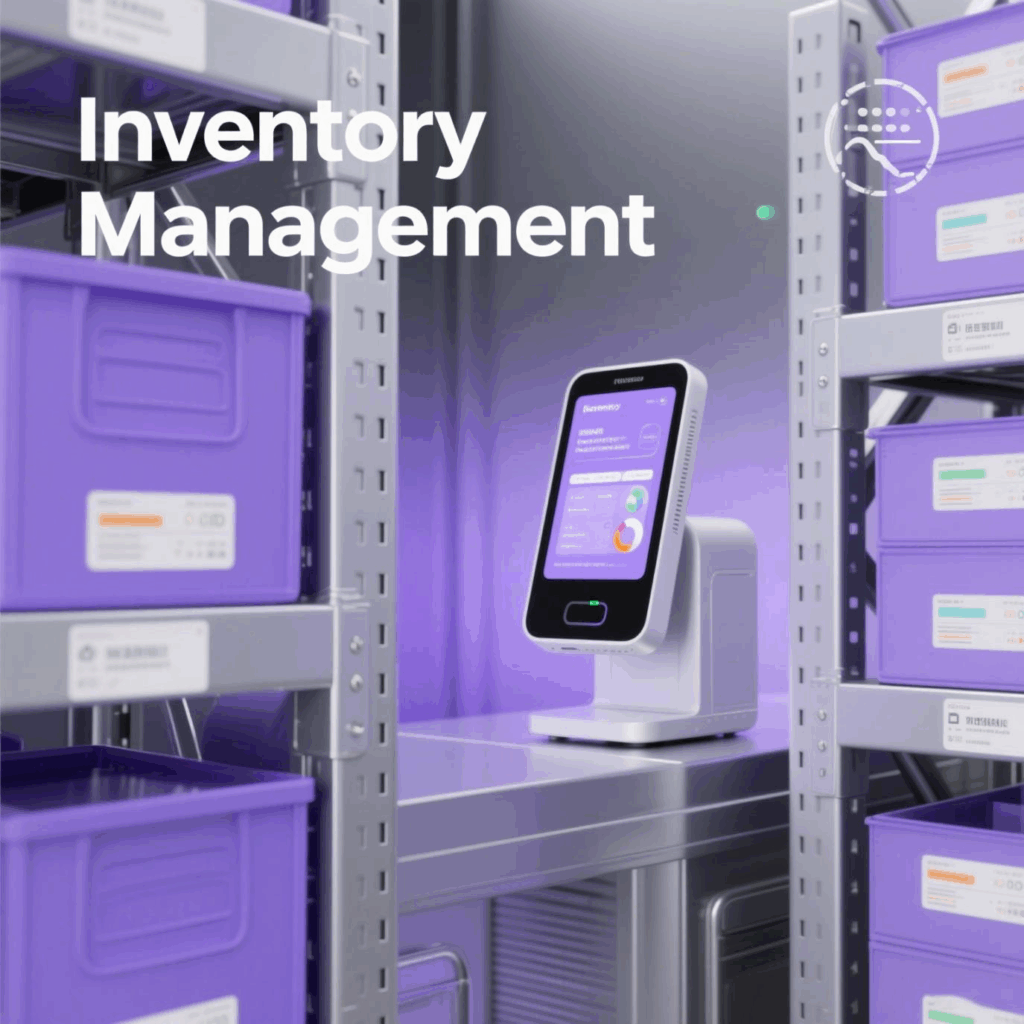
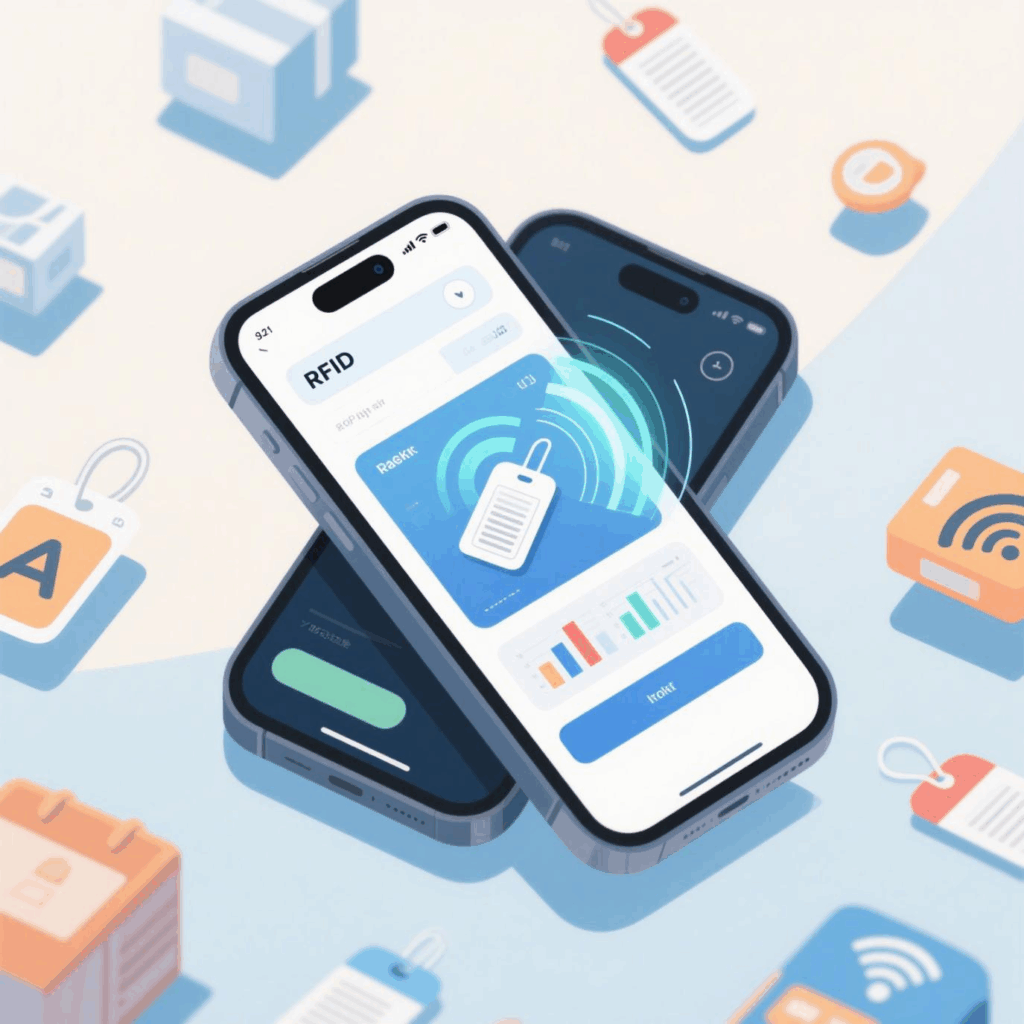
The mobile RFID tag reader integrates RFID technology with smartphones, giving phones powerful tag reading capabilities. By installing a dedicated app, employees can use their phones to identify items and collect data anytime, anywhere—enabling truly mobile work. In scenarios such as retail inventory, asset audits, and on-site inspections, staff simply carry their phones to quickly record and verify item information. The process is easy and efficient, significantly boosting productivity. At the same time, the phone’s strong communication capabilities allow real-time data uploads to the company’s server, ensuring both timeliness and accuracy.
The Bluetooth RFID tag reader connects to smart terminals or other devices via Bluetooth, enabling wireless data transmission. It features a compact design, easy portability, and flexible connectivity. In scenarios such as small warehouse management, logistics distribution sites, and retail product tracking, staff can pair the Bluetooth RFID reader with handheld terminals or tablets to easily read item information and synchronize data. Its low power consumption also extends operating time and reduces charging frequency, helping businesses lower operational costs.
The long-range RFID tag reader excels at identifying tags from several meters to even tens of meters away. It plays a key role in scenarios such as parking management, highway electronic toll collection (ETC), and port container tracking. Without requiring close contact, it enables fast identification and automated operations.
For example, in a smart parking lot, as a vehicle approaches, the long-range RFID reader quickly reads the RFID tag on the vehicle, automatically verifies its identity, and processes billing. This enhances traffic flow and management efficiency while reducing the need for manual intervention and lowering operational costs.
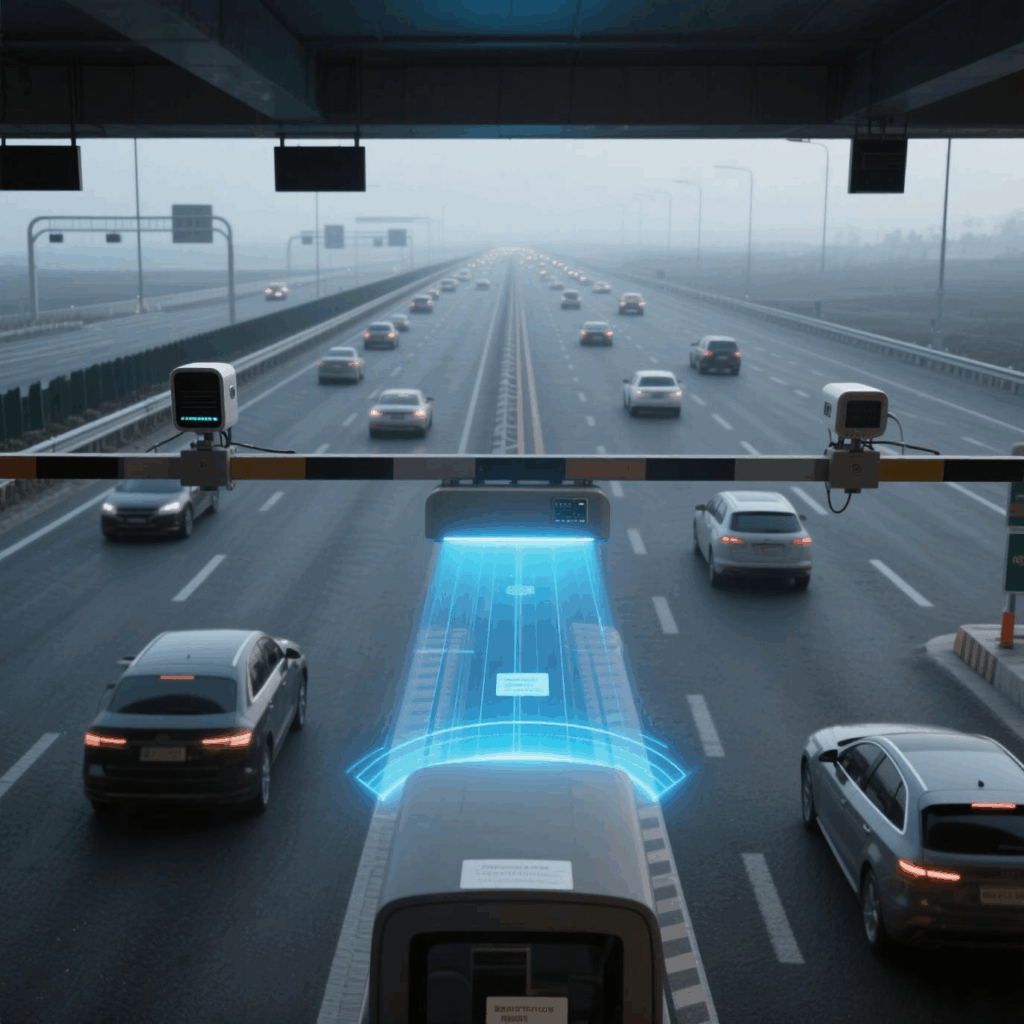
Operating in the ultra-high frequency (UHF) band, the ultra-high frequency RFID tag reader offers fast reading speeds, the ability to identify multiple tags simultaneously, and relatively long reading distances. In scenarios such as inbound and outbound logistics management, production line product sorting, and inventory counting in large retail stores, the UHF RFID reader can quickly read and process large volumes of tags, significantly boosting work efficiency.
For example, in a large logistics warehouse, using UHF RFID reader for inventory checks enables processing tens of thousands of items per hour. Compared to traditional manual counting, it increases efficiency by dozens of times while maintaining extremely high accuracy.
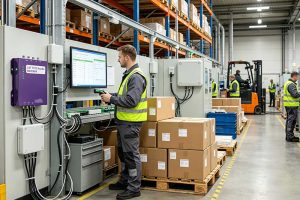
An RFID tag is read by a compatible RFID reader through radio communication. The reader activates the tag, receives stored identification data, and sends inf...
More
Learn how to configure UHF RFID readers for library book checkout systems. Optimize settings, integrate with ILS, and ensure seamless patron workflows with Cykeo solutions.
More
Learn what type of antenna passive RFID tags use. We clarify the difference between coil antennas for proximity and printed dipoles for UHF logistics tracking.
More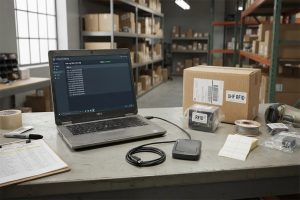
A USB RFID scanner is a practical way to connect RFID tag identification with a computer or software system through USB. This guide explains how USB RFID sca...
More