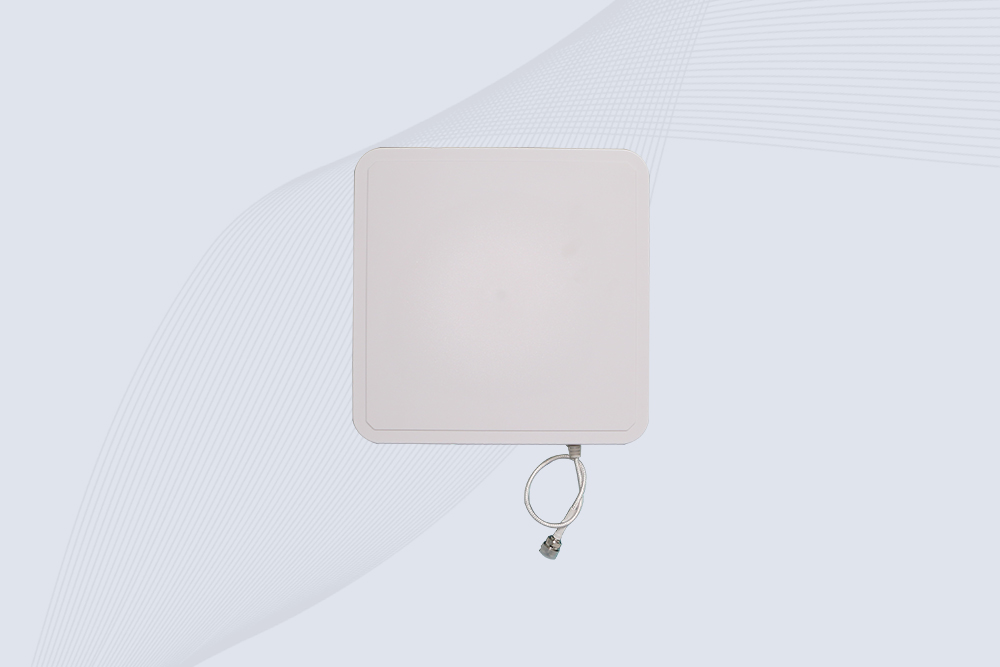
What is rfid transponder? An RFID transponder is an electronic identification device that receives signals from an RFID reader and sends stored information back through radio communication, allowing objects to be identified, tracked, and managed automatically.
An RFID transponder is one of the core components behind modern RFID identification systems. Although many people use the terms “RFID tag” and “RFID transponder” interchangeably, a transponder specifically refers to the communication function inside an RFID identification device: it receives a signal from a reader and responds with stored data.
In practical RFID projects, the transponder is the point where physical objects become digitally recognizable. A warehouse carton, industrial tool, library book, or textile item can all become part of a connected management system once an RFID transponder is attached.
Based on my experience with RFID hardware testing, tag registration workflows, and industrial application evaluation, I have found that many deployment issues are not caused by the reader itself. The challenge is usually selecting the correct transponder for the environment. A tag designed for cardboard products may perform differently when placed on metal equipment or near liquid materials.
A reliable RFID system requires coordination between:
RFID transponder design
Reader communication capability
Frequency selection
Software integration
Application environment
According to GS1, RFID systems consist of RFID readers and RFID tags that communicate through standardized radio interfaces. In passive UHF RFID systems, readers provide operating energy to tags through radio signals, and tags return information through backscatter communication.
RFID Transponder Meaning: Understanding the Basic Structure
What Components Are Inside an RFID Transponder?
An RFID transponder normally contains three main parts:
Component
Function
RFID Chip
Stores identification data and controls communication
RFID Antenna
Receives and sends radio frequency signals
Substrate / Housing
Supports and protects electronic components
The chip stores information such as:
Unique identification number
EPC data
User memory information
Security-related information
The antenna determines how effectively the transponder communicates with an RFID reader.
Different applications require different transponder designs.
For example:
Application
Common RFID Transponder Type
Warehouse cartons
Adhesive UHF RFID label
Industrial tools
Durable RFID transponder
Library books
Paper-based RFID label
Laundry items
Wash-resistant RFID transponder
Metal equipment
Specialized on-metal RFID tag
GS1 defines EPC data structures for RAIN RFID tags, including EPC identifiers, user memory data, control information, and manufacturing information carried by RFID tags.
How RFID Transponder Works: Communication Process
RFID Transponder and Reader Communication
The working principle of an RFID transponder is based on wireless communication.
The process usually follows these steps:
The RFID reader sends a radio frequency signal.
The RFID transponder receives energy from the signal.
The RFID chip processes the received command.
The transponder sends stored information back.
The reader transfers the data to software.
For passive RFID transponders, no internal battery is required. The energy needed for communication comes from the reader signal.
GS1 explains that passive RFID tags receive their operating energy from a reader’s continuous-wave signal and communicate by modifying the reflection characteristics of their antenna, known as backscatter communication.
This design allows RFID transponders to remain small, lightweight, and suitable for large-scale identification.
RFID Tag vs Transponder: Are They the Same?
Understanding the Difference Between RFID Tag and RFID Transponder
In daily RFID discussions, “RFID tag” and “RFID transponder” often describe the same physical product.
However, there is a slight difference in technical meaning.
Term
Meaning
RFID Tag
Complete identification product attached to an object
RFID Transponder
Electronic communication component that responds to readers
RFID Inlay
Chip and antenna assembly before final packaging
An RFID tag may include a transponder together with:
Adhesive backing
Protective coating
Printed information
Special housing
For engineers, the word “transponder” emphasizes the communication function. For end users, “RFID tag” is usually the more familiar term.
How RFID Transponder Technology Supports UHF RFID Applications
UHF RFID Transponder Applications in Industry
UHF RFID transponders are widely used because they support fast identification and multiple-tag reading.
GS1’s EPC Gen2 UHF RFID standard defines communication between RFID readers and passive tags operating in the 860 MHz–960 MHz range. This standard is the foundation for many RAIN RFID deployments.
Common UHF RFID transponder applications include:
Supply chain tracking
Warehouse inventory
Industrial asset management
Retail product identification
Library automation
Textile management
In these environments, companies usually focus on three practical questions:
Can the RFID reader identify the correct transponder?
Can the system process multiple tags efficiently?
Can the data connect with business software?
RFID transponders provide digital identities for physical assets through wireless communication.
RFID Transponder Applications in Modern Industries
An RFID transponder becomes valuable when it is connected with a specific business process. The technology itself only provides identification, but the real benefit comes from combining the transponder, RFID reader, and management software into one complete workflow.
In practical deployments, I have seen RFID projects succeed when companies first define what information they need from each physical item. The goal is not simply to read more tags. It is to create reliable connections between objects and operational decisions.
For example:
A warehouse needs to know where products are stored.
A factory needs to confirm whether tools are available.
A library needs faster circulation management.
A laundry company needs to track reusable textiles.
In each case, the RFID transponder acts as the digital identity of the physical object.
RFID Transponder Applications in Supply Chain and Warehouse Management
Improving Inventory Visibility
Warehouse operations are one of the largest application areas for RFID transponders.
Traditional inventory methods often depend on manual counting or barcode scanning. These processes can become inefficient when companies handle thousands of products.
RFID transponders allow warehouses to capture item information automatically during:
Receiving
Storage
Picking
Shipping
Inventory checking
A typical RFID warehouse workflow:
Operation
RFID Transponder Function
Product receiving
Confirms incoming items
Storage management
Links items with locations
Shipment preparation
Verifies outgoing products
Inventory counting
Updates stock records
The advantage is not only speed. It is data consistency.
When every physical item has a unique RFID identity, managers can compare system records with actual inventory conditions more accurately.
RFID Transponder Applications in Asset and Tool Management
Tracking Industrial Equipment
Many industrial companies manage expensive tools and equipment that move between departments.
Without accurate identification, problems can occur:
Tools are misplaced
Equipment availability is unclear
Maintenance history is incomplete
Responsibility tracking becomes difficult
An RFID transponder creates a permanent connection between the asset and its digital record.
A complete tool management workflow may include:
RFID transponder installation
Asset registration
Employee authorization
Borrowing and return records
Historical data tracking
For these applications, RFID registration accuracy is essential.
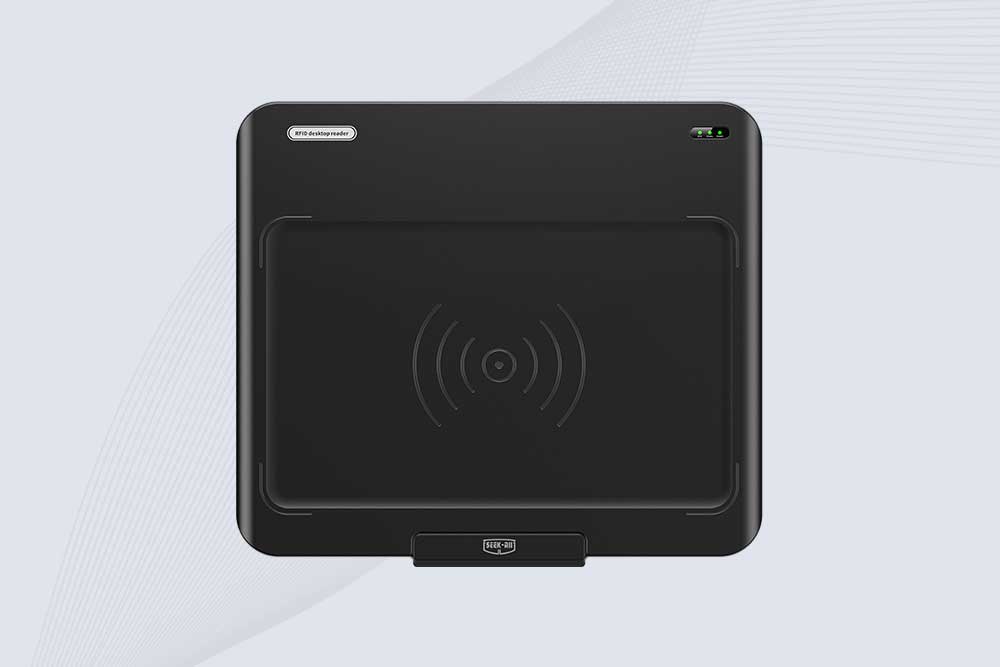
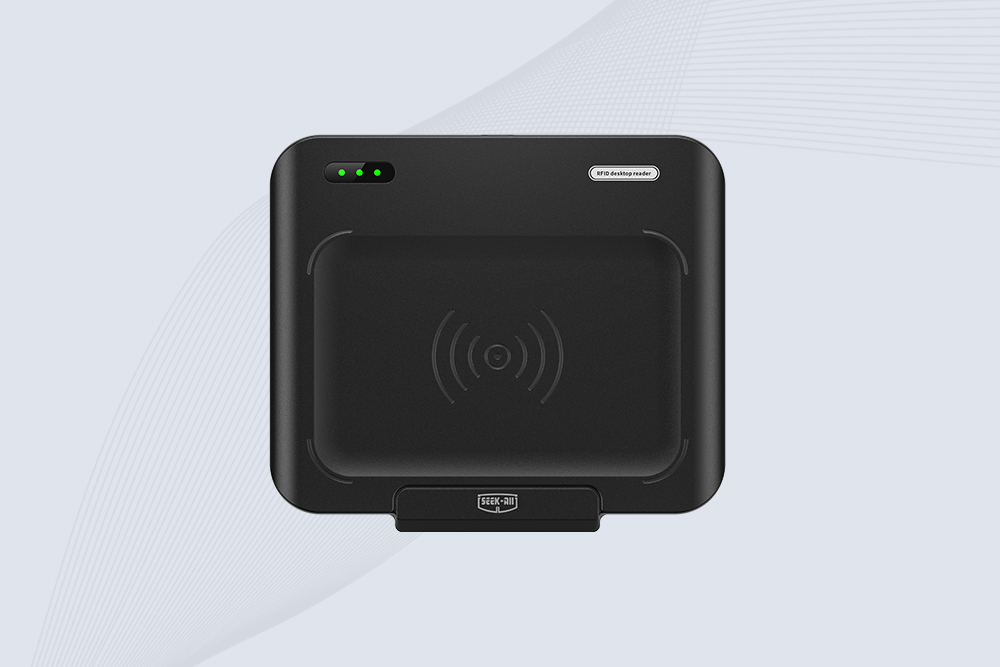
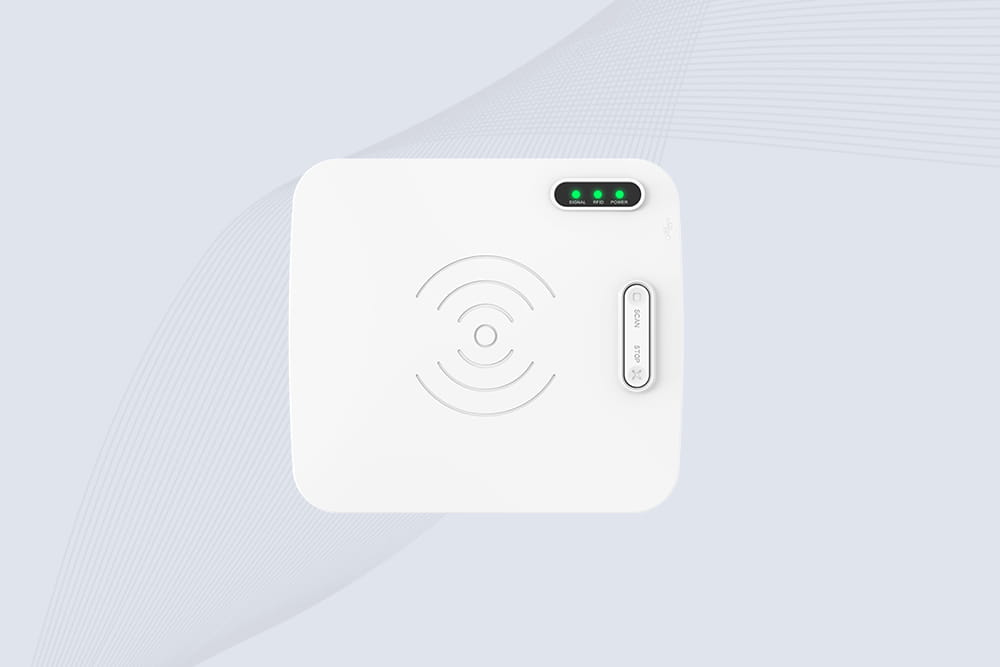
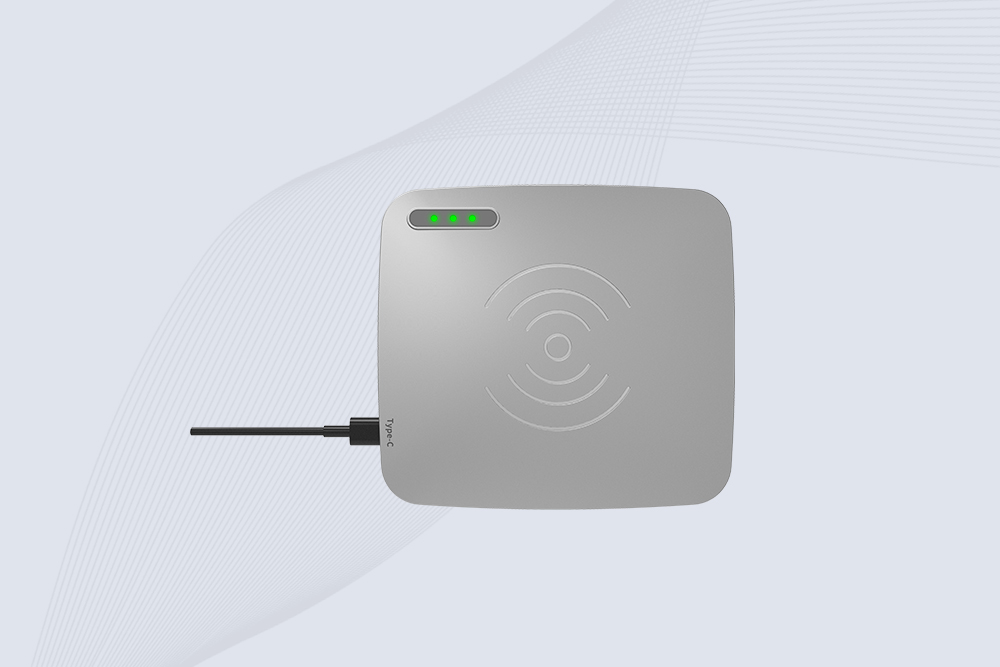
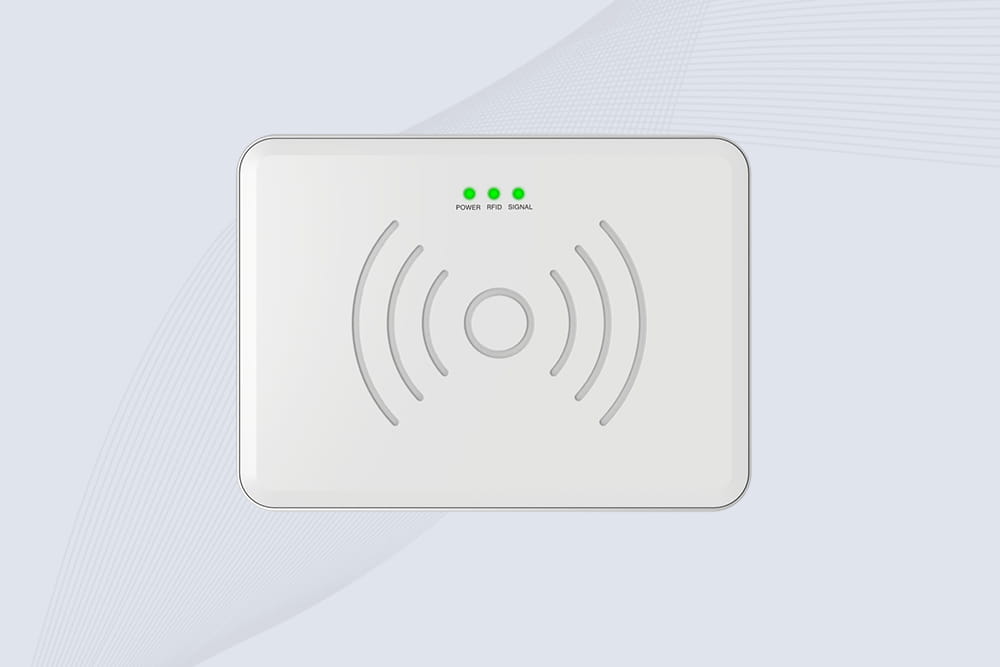
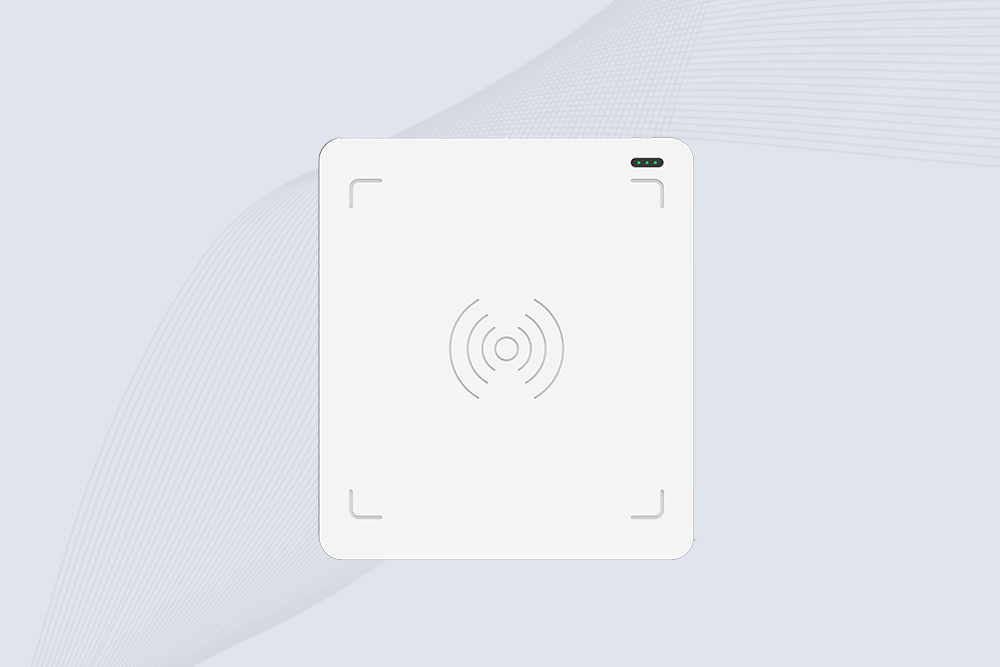
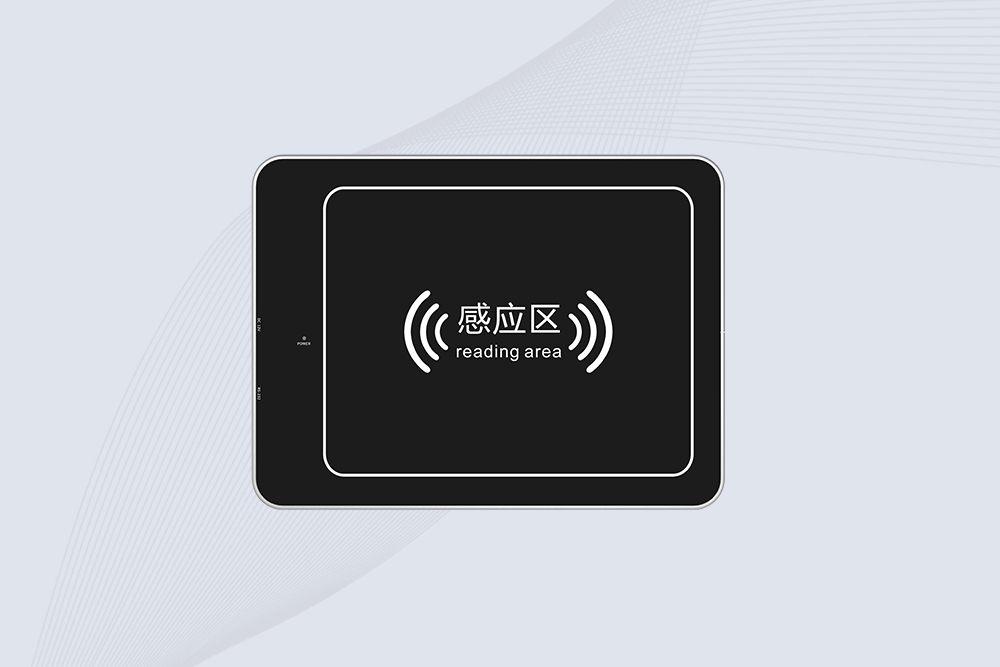
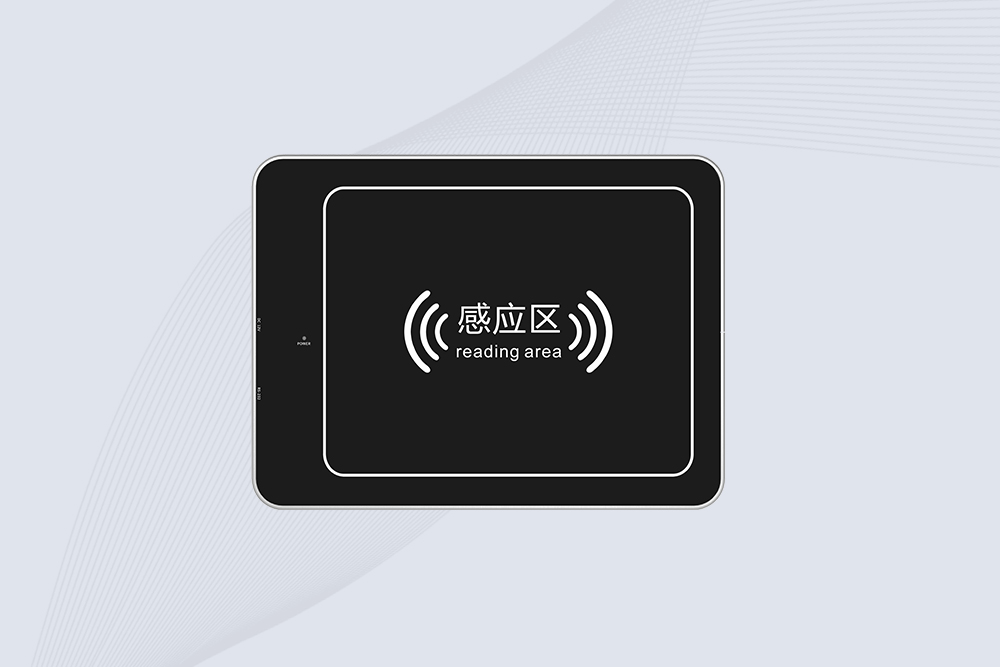
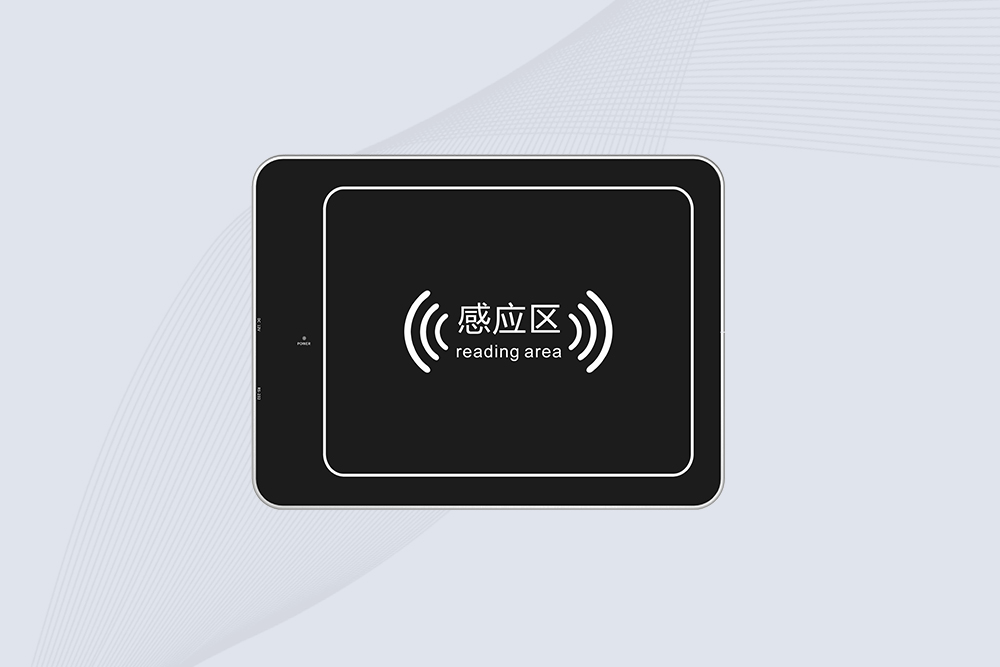
Cykeo RFID desktop reading platforms are designed for tag administrators who need reliable RFID registration and writing operations. The platform supports:
Tag reading
Tag writing
Tag conversion
Asset registration
Data verification
Software development integration
The device uses high-efficiency signal processing algorithms and supports multi-tag recognition, data filtering, and RSSI signal strength monitoring.
For controlled registration environments, the near-field antenna design keeps the reading area within approximately 30 cm and writing distance within approximately 10 cm, helping operators process the intended RFID transponder instead of nearby unintended tags.
RFID Transponder Applications in Libraries and Textile Management
Library RFID Transponder Systems
Libraries use RFID transponders to improve book management and self-service operations.
A book equipped with an RFID transponder can be connected with:
Book information
Borrower records
Return status
Security information
Inventory location
RFID self-service borrowing machines allow readers to complete transactions independently, reducing manual work for library staff.
Textile RFID Tracking
Textile industries use specialized RFID transponders designed for repeated handling and washing conditions.
Applications include:
Hotel linen management
Hospital textile tracking
Uniform management
Industrial laundry processes
The RFID transponder helps companies understand where items are located and how often they are used.
RFID transponders help warehouses identify products and improve inventory management accuracy.
Important Factors When Selecting an RFID Transponder
Choosing the correct RFID transponder requires understanding the application environment.
Material Compatibility
Different materials influence RFID performance.
Examples:
Environment
Consideration
Cardboard products
Standard RFID labels may work well
Metal equipment
Requires specialized on-metal tags
Liquid containers
Requires suitable tag design
Textile products
Needs flexible and durable tags
Frequency Selection
RFID systems operate at different frequency ranges.
Common categories include:
RFID Type
Frequency
Typical Use
LF
125–134 kHz
Access control, animal identification
HF
13.56 MHz
Cards, libraries, NFC
UHF
860–960 MHz
Logistics, inventory, industrial tracking
The correct frequency depends on reading distance, environment, and application requirements.
Frequently Asked Questions About what is rfid transponder
What is rfid transponder?
An RFID transponder is an electronic identification component that communicates with RFID readers through radio waves. It stores identification information and sends data back when activated by a reader.
How does an RFID transponder work?
An RFID transponder receives signals from an RFID reader, processes the command through its chip, and returns stored information through wireless communication. Passive transponders receive energy from the reader signal.
Is an RFID transponder the same as an RFID tag?
In many applications, RFID transponder and RFID tag refer to the same product. Technically, a transponder describes the electronic communication component, while a tag includes the complete packaged identification device.
Where are RFID transponders used?
RFID transponders are used in warehouses, supply chains, libraries, manufacturing, retail, healthcare, textile management, and industrial asset tracking systems.
Can RFID transponders be rewritten?
Some RFID transponders support writing functions. Compatible RFID readers can update stored information, register new data, or convert tag information depending on the chip type.
Why is UHF RFID transponder technology popular?
UHF RFID transponders support fast identification, multiple-tag reading, and efficient communication, making them suitable for inventory management and large-scale industrial applications.
Final Understanding of RFID Transponder Technology
What is rfid transponder? It is the electronic identification element that allows physical objects to communicate with digital systems through RFID wireless technology.
From warehouse inventory and industrial tools to libraries and textile management, RFID transponders provide the foundation for automated identification.
However, successful RFID implementation depends on more than selecting a tag. The complete system requires the correct transponder design, suitable reader performance, reliable data processing, and integration with operational software.
During RFID application testing, I have found that the best-performing systems are not always those with the highest specifications. They are the systems designed around real working conditions: the material being tagged, the reading environment, and the workflow users actually follow.
Cykeo develops RFID solutions focused on practical business applications. Through stable RFID reading and writing technology, professional development support, and application-specific hardware design, Cykeo helps organizations use RFID transponders for efficient identification, tracking, and management.
Explore the SSD-A07 UHF RFID antenna with 7 dBi gain, circular polarization, adjustable 840–960 MHz frequency, and 60°/75° beamwidth for stable RFID read/write performance.
SSD-A06 UHF RFID antenna with circular polarization, adjustable 840–960 MHz frequency, ≥4.5 dBi gain, and a compact directional design for RFID systems.
SSD-D3AL is a USB-HID UHF RFID reader with 0–30 cm reading, 0–15 cm writing, over 600 tags/s recognition, USB plug-and-play operation and OEM Logo customization.
SSD-D1AL is a compact USB UHF RFID reader with Impinj E710/X3M1 chipset, USB-HID, 600+ tags/s recognition, 4/8/16 antenna support and plug-and-play USB power.
SSD-R16L Multi-Channel RFID Infrastructure for Automated Inventory Management ✔️ 16-Port High-Density RFID Reading Equipped with 16 SMA antenna ports, SSD-R16L supports multi-antenna deployment for warehouses, retail stores, logistics, production lines, and large-area RFID identification. ✔️ High-Speed & Long-Range Performance With up to 33…
SSD-R8L 8-port UHF RFID reader with 33dBm output, up to 20m reading range and 600+ tags/s recognition. Ideal for warehouse, logistics, retail and asset tracking.
CYKEO CYKEO-D1LA USB RFID Reader is a compact desktop solution with near-field control for precise tag reading and encoding. Powered by USB, supporting ISO 18000-6C, and built for stable batch writing, this usb rfid tag reader fits retail, libraries, offices, and controlled RFID encoding tasks.
CYKEO CYKEO-D1L RFID scanner USB is a compact desktop UHF RFID scanner designed for short-range tag writing and verification. This usb rfid scanner supports batch encoding, stable 0–26 dBm output, and works across Windows, Linux, and Android systems.
CYKEO CYKEO-D1C USB RFID Card Reader is a near-field UHF desktop writer designed for secure, short-range tag encoding. With USB-C connectivity and stable 26 dBm output, this rfid reader usb c is ideal for badge issuance, label encoding, and controlled desktop RFID workflows.
CYKEO CYKEO-D2L RFID Reader USB is a compact desktop encoder built on the Impinj R500 chip. With near-field control and stable USB power, this usb rfid card reader delivers precise tag writing for offices, retail counters, and small-scale logistics encoding tasks.
CYKEO CYKEO-D3L USB RFID Tag Reader delivers stable UHF tag reading and writing for daily desktop and light industrial tasks. Designed for controlled short-range operation, this USB RFID Tag Reader works reliably with rfid tag and reader systems in libraries, tool tracking, and inventory registration.
The CYKEO CYKEO-D4L UHF RFID Tag Reader is a stable Desktop RFID Reader designed for accurate tag registration, borrowing, and return workflows. Built with the Impinj R2000 chip, this UHF RFID Tag Reader delivers controlled short-range reads for libraries, asset tracking, and inventory management environments.
The CYKEO CYKEO-D5L Desktop RFID Card Reader is a stable UHF RFID Card Reader designed for controlled short-range reading and writing. Built for libraries, tool rooms, and asset desks, this UHF RFID Card Reader supports dense tag handling, secure data processing, and easy USB integration.
The CYKEO CYKEO-D6L RFID Reader Writer is a heavy-duty Desktop RFID Reader designed for short-range, high-accuracy tag programming. Built for libraries, labs, and asset desks, this RFID Reader Writer supports batch processing, stable 33dBm output, and seamless integration with existing management systems.
Cykeo CYKEO-D8A embedded RFID badge reader offers 30+ tags/sec scanning, 20cm anti-crosstalk precision, and DC 12V power for unmanned stores, warehouses, and smart inventory systems.
Cykeo’s CYKEO-D8C UHF RFID gate reader achieves 200-tag/batch scanning with adjustable power control, ideal for retail inventory and smart warehouse management.
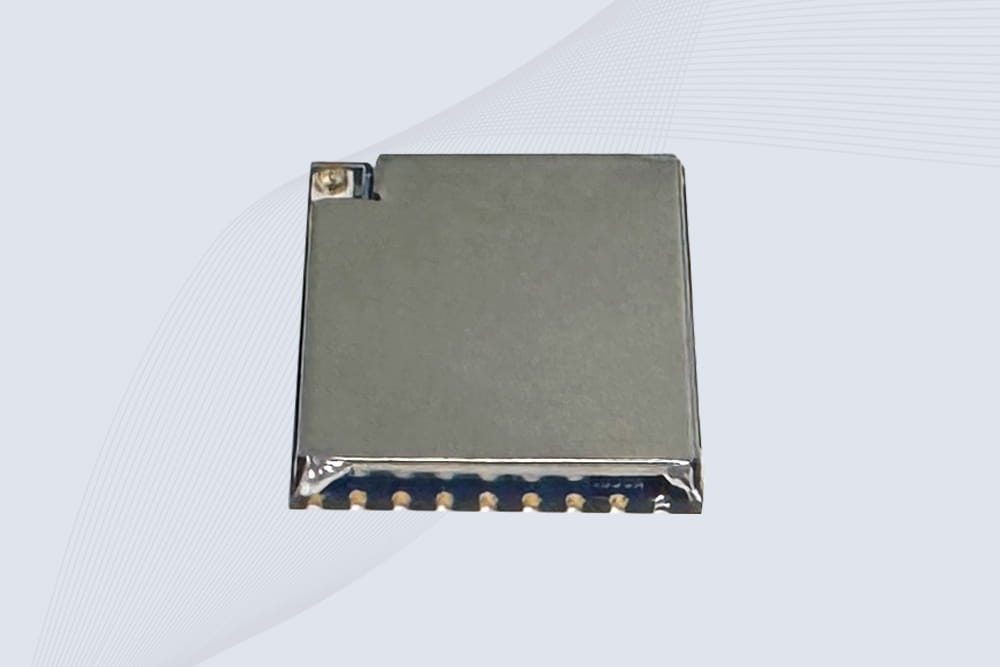
CYKEO Embedded RFID Modules are designed for compact industrial and IoT devices that require stable UHF performance. These UHF RFID Modules support global protocols, flexible power control, and reliable multi-tag reading for smart cabinets, production lines, and asset tracking systems.
CYKEO Embedded RFID Module is built for compact IoT and industrial devices that need stable UHF performance. This UHF module supports global protocols, low power operation, and reliable multi-tag reading for smart lockers, production lines, and always-on RFID systems.
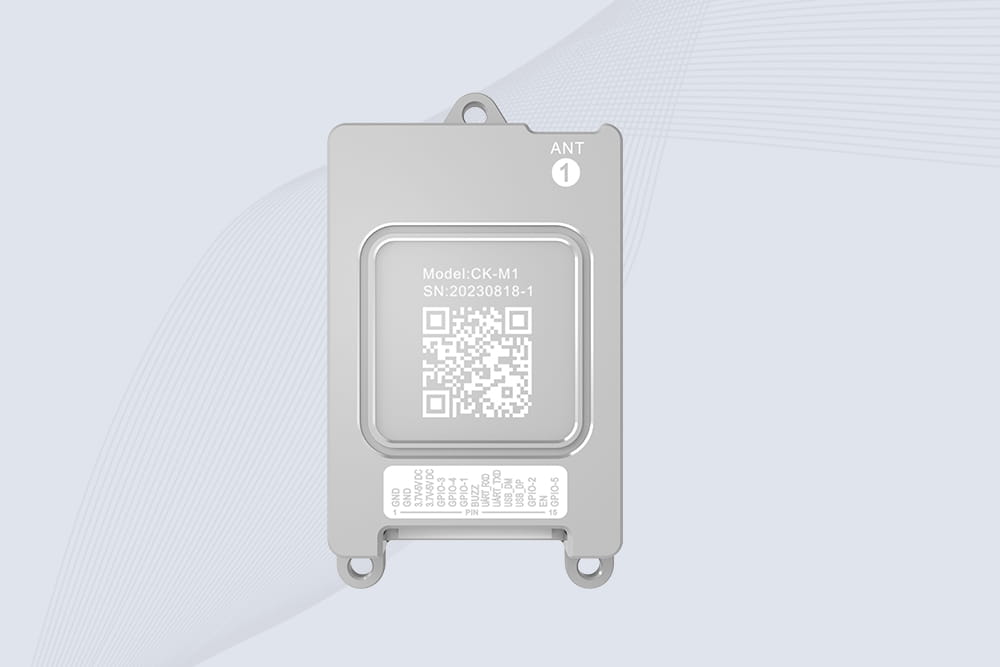
CYKEO CYKEO-M1 drone rfid module is a compact UHF RFID reader module designed for drones and UAV platforms. It supports long-range aerial scanning, fast multi-tag reading, and stable performance in wind, vibration, and outdoor environments.
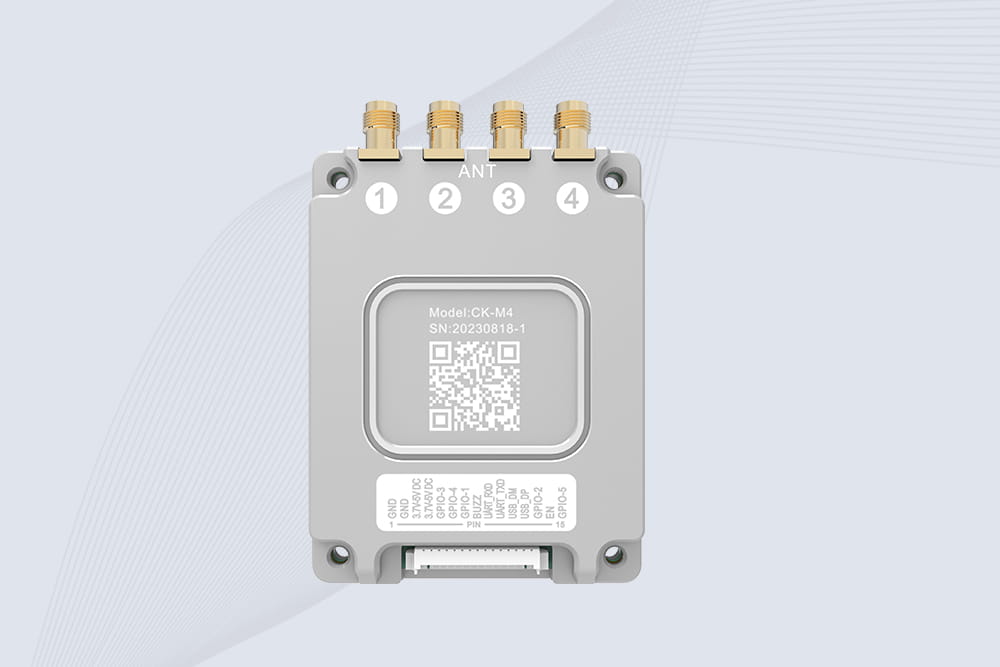
CYKEO CYKEO-M4 RC522 RFID Module is an industrial-grade UHF RFID reader with 4 ports, supporting ISO, EPC, and GB protocols. High-speed, accurate reading for IoT, automation, and warehouse applications.
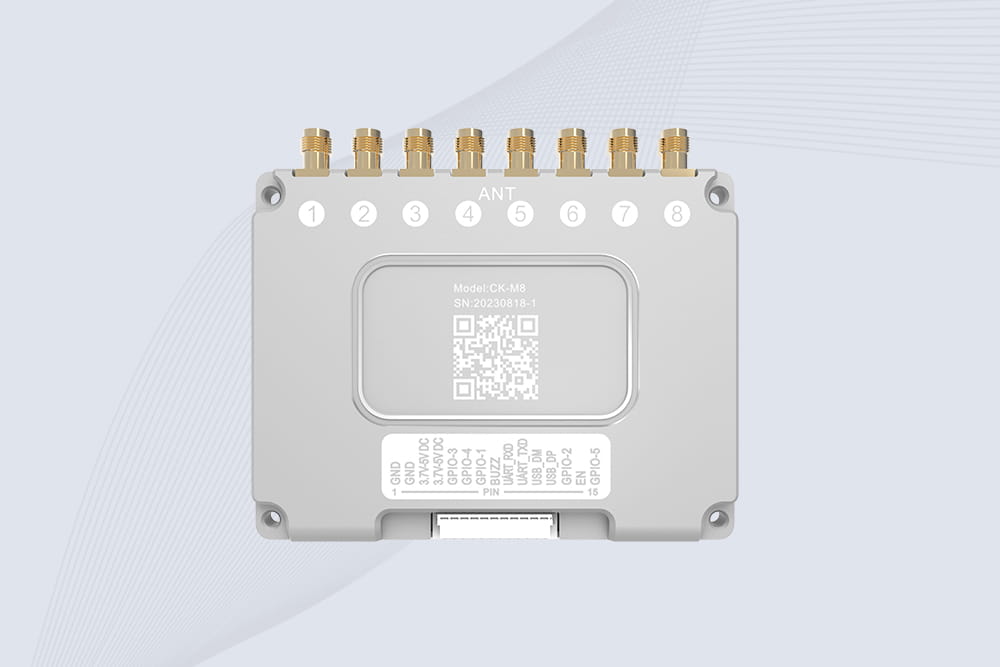
CYKEO CYKEO-M8 Module RFID is an 8-port UHF R2000 RFID Module designed for high-density, multi-tag environments. Stable 33dBm output, ISO & GB protocol support, ideal for warehouses, factories, and automated systems.
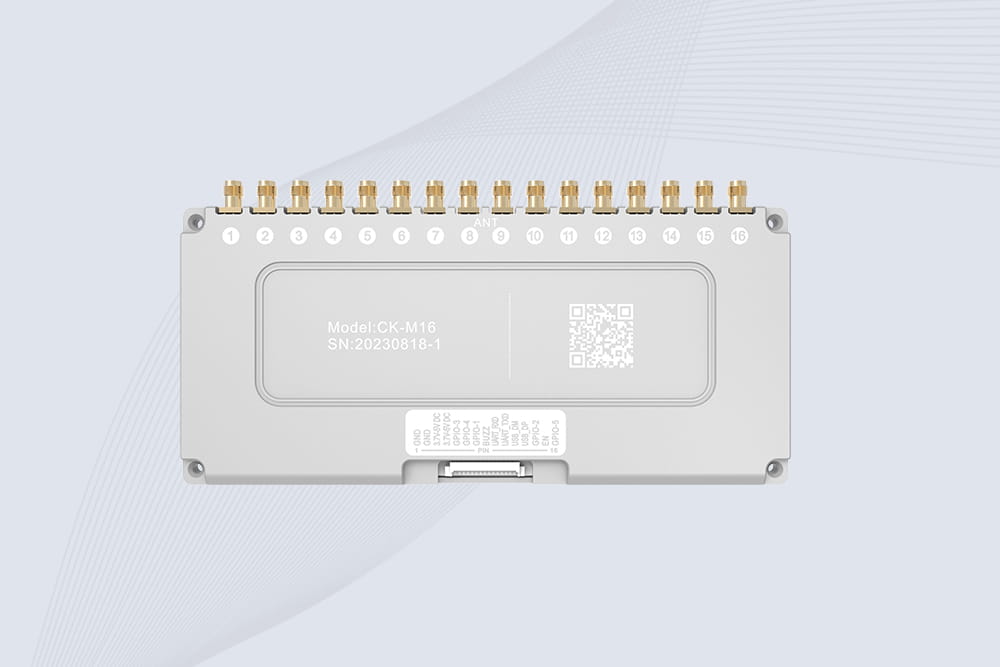
CYKEO CYKEO-M16 RFID Module is a 16-port UHF RFID reader module based on the R2000 chipset. Designed for dense tag environments, it supports ISO and GB standards and delivers stable multi-antenna control for industrial automation.
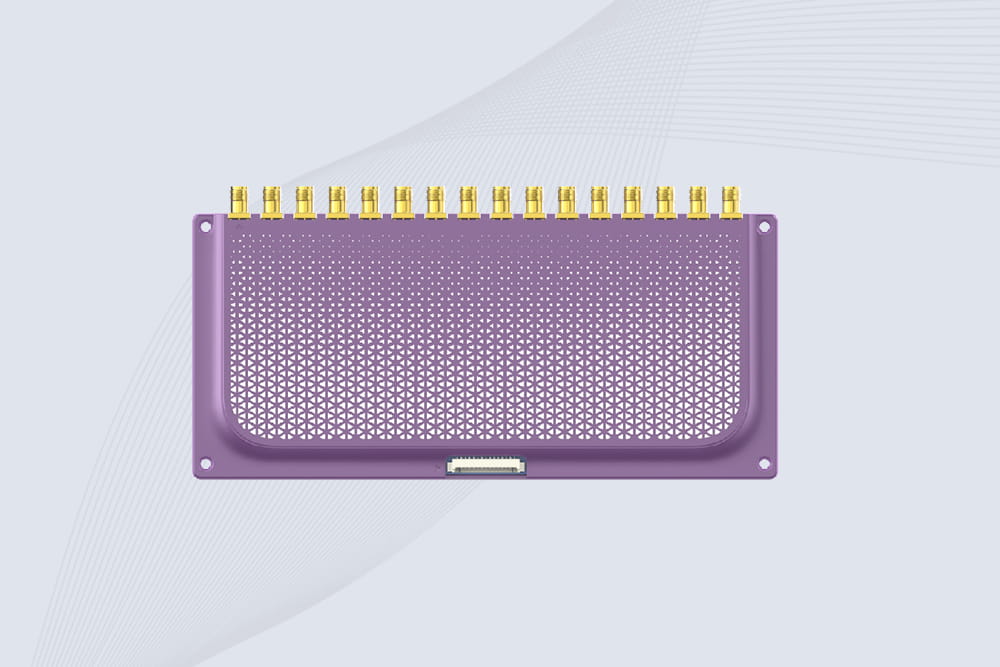
The CYKEO CYKEO-M16L RFID Reader Module is a 16-channel UHF RFID core designed for dense tag environments. With adjustable 33dBm output, multi-protocol support, and stable multi-antenna control, this RFID Tag Reader Module fits industrial automation, warehouse systems, and large-scale IoT deployments.
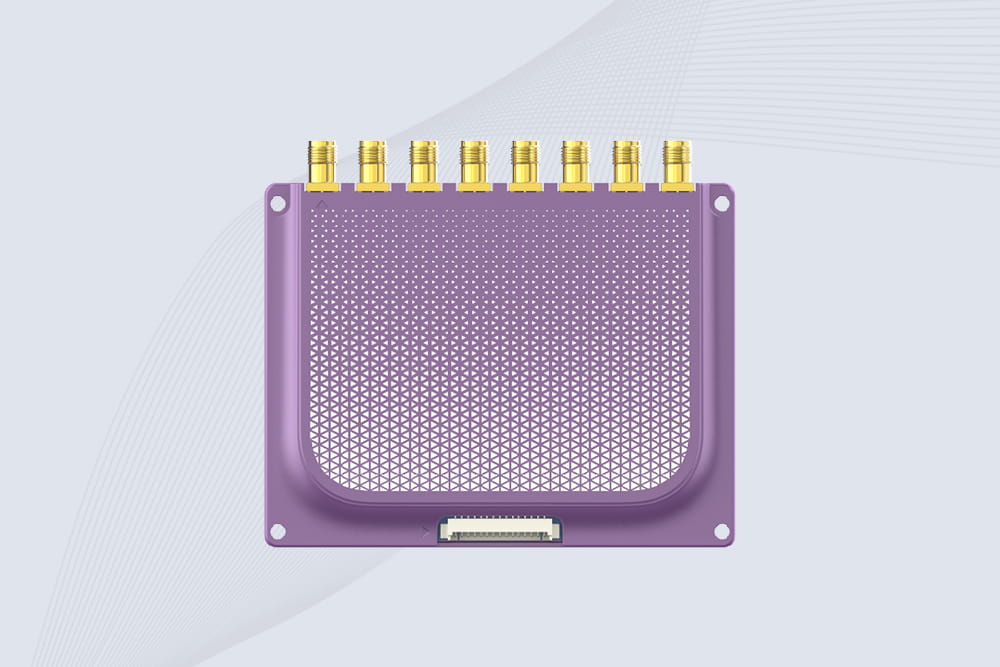
CYKEO CYKEO-M8L module RFID is a compact industrial UHF module built for dense tag and multi-antenna environments. With 8 RF ports, adjustable 33 dBm output, and ISO & GB protocol support, it is widely used in factories, warehouses, and automated tracking systems.
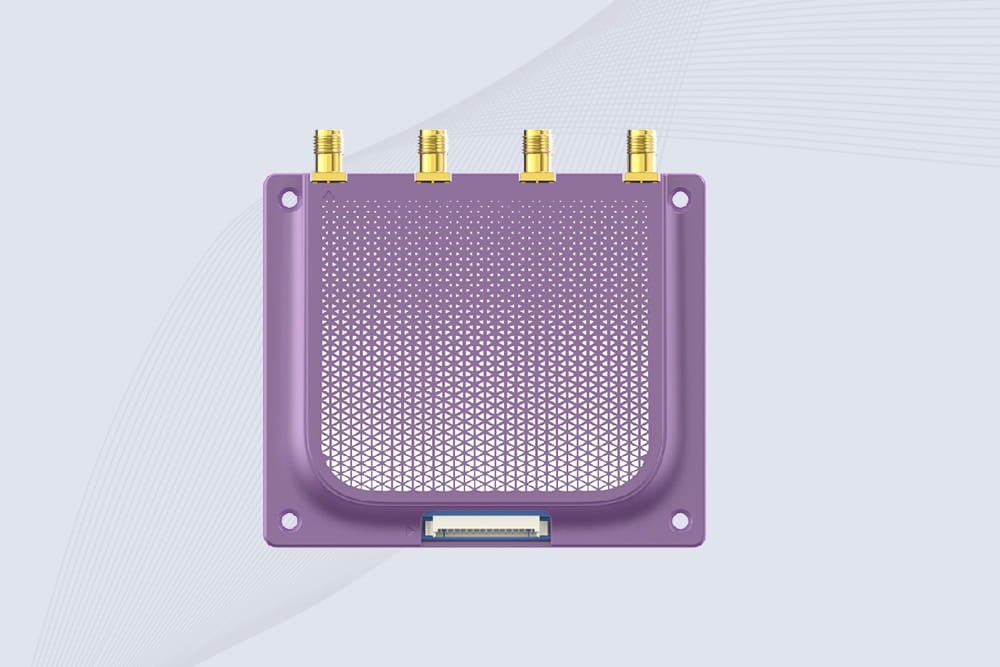
CYKEOCYKEO-M4L UHF RFID Module is a compact 4-channel RFID tag reader module designed for dense tag environments. Supporting ISO and GB protocols, it delivers stable reads up to 10 meters for industrial and IoT systems.
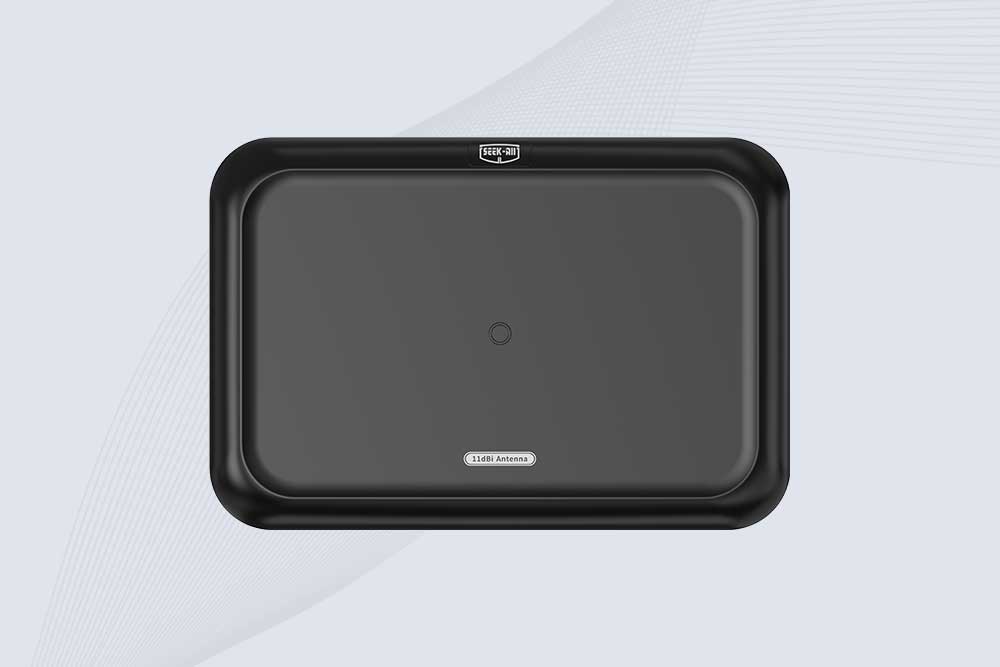
Cykeo CYKEO-A11 UHF RFID reader antenna delivers 11dBi gain, 840-960MHz frequency range, and IP65 ruggedness for retail, logistics, and industrial RFID systems. Features low VSWR and easy installation.
CYKEO Antenna RFID Reader delivers stable long-range UHF performance with a 10.5dBi directional design, built for warehouses, conveyor portals, and industrial RFID systems. This rfid reader antenna provides 20m+ read distance and rugged IP67 protection.
Cykeo CYKEO-A5B industrial Linear RFID Antenna delivers 5dBi gain, ≤1.5:1 VSWR, and IP65 rugged design for warehouse, production line, and logistics UHF systems.
Cykeo’s CYKEO-B12 Long Range RFID Antenna delivers 15m+ read range with 12dBi gain, IP65 rugged design, and global 840-960MHz UHF support. Ideal for warehouse/logistics asset tracking.
Cykeo CYKEO-B10 Long Distance RFID Antenna offers 10dBi gain, 840-960MHz frequency range, IP65 rating, and 20m+ coverage for logistics/warehousing/ETC systems. Low VSWR ensures stable signal transmission.
Cykeo CYKEO-A6 UHF RFID panel antenna features 6dBi gain, 840-960MHz broadband, IP65 metal-ready housing for logistics/smart retail. 18mm ultra-thin design with tool-free mounting.
Cykeo CK-A3 industrial antenna RFID UHF offers 5m+ tag detection, ≤1.3:1 VSWR, IP65 rugged design, and global UHF spectrum compatibility (840-960MHz) for warehouses, factories, and retail.
Cykeo CYKEO-B5 directional RFID antenna provides 5dBi gain with 60° narrow beamwidth for precise inventory tracking. IP65-rated, global UHF frequency support, and low VSWR.
Create your own high-performance DIY RFID antenna! 5dBi gain, 840-960MHz tunable, step-by-step guides. Compatible with Arduino, Raspberry Pi, and commercial UHF readers.
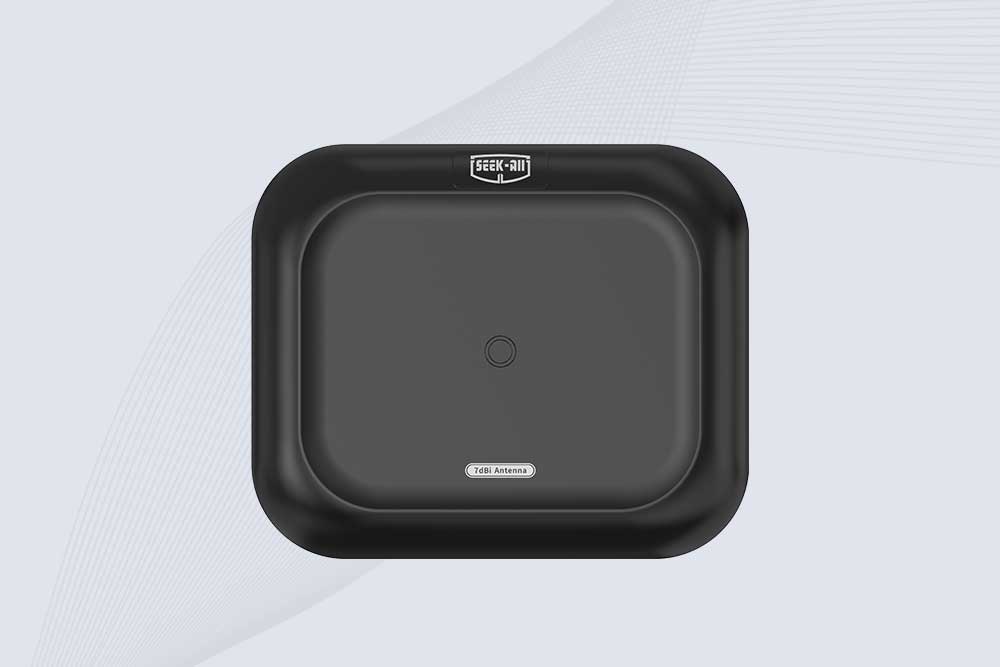
Cykeo CYKEO-A7 Flexible RFID Antenna features 840-960MHz wideband tuning, 7dBi gain, and IP68 rating for medical/retail/industrial curved surface deployments. 98% read accuracy with peel-and-stick installation.
Cykeo CYKEO-B5A industrial Passive RFID Antenna delivers 5dBi gain, 70° beamwidth, and -40°C~55°C operation for warehouses/smart cabinets. Compatible with Zebra/Impinj readers.
Cykeo’s CYKEO-A9B High Gain RFID Antenna delivers 15m+ read range with 9dBi amplification. Features IP54 rugged design, 840-960MHz bandwidth, and 80° beamwidth for warehouse/manufacturing RFID systems.
Cykeo’s enterprise-grade 8dbi Impinj RFID Antenna 10m+ read range with 840-960MHz tuning. Features IP65 housing, 1.4 VSWR, 35° beamwidth for retail/warehouse RFID systems.
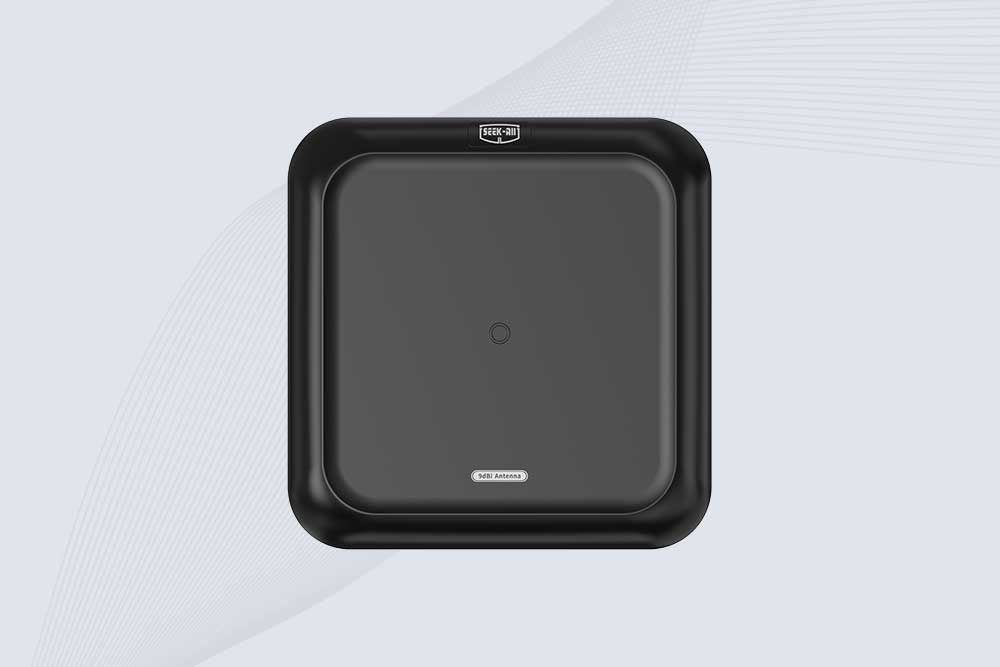
Cykeo CYKEO-A9 industrial UHF RFID antenna delivers 9dBi gain, 840-960MHz frequency range, and IP65 protection for warehouse/logistics/retail RFID systems. Features N-type connector and ≤1.3:1 VSWR.
CYKEO UHF RFID Antenna built for long-distance and industrial applications. This antenna rfid uhf delivers strong gain, outdoor durability, and reliable tag performance in warehouses, yards, and vehicle ID systems.
CYKEO Antenna RFID delivers reliable long-range UHF performance in warehouses, retail shelves, and cold-chain environments. This compact uhf rfid antenna provides stable reads with circular polarization and ultra-wide 840–960 MHz support, ideal for industrial tracking, smart shelves, and asset monitoring.
Cykeo’s CYKEO-C8 UHF RFID antennas delivers 8dBi gain, 840-960MHz full-band coverage, and IP65 ruggedness for manufacturing/warehouse RFID systems. Industrial RFID Antennas Features
Cykeo’s 8dBi UHF RFID antenna and reader kit delivers 10m+ range, 840-960MHz broadband, and IP65 ruggedness for factories, warehouses, and logistics. ISO 18000-6C & EPC Gen2 certified.
Discover UHF RFID labels for accurate long-range asset tracking, warehouse automation, and inventory management. Explore Cykeo RFID solutions that improve visibility, efficiency, and traceability across industrial applications.
Can RFID tags track location? Learn how passive and active RFID systems identify asset locations, create zone-level visibility, and support real-time tracking.
Discover how an RFID controller improves access control, asset visibility, and RFID system performance. Learn deployment insights, real industry data, and best practices from Cykeo RFID experts.
 Cykeo RFID IoT Solution Products R&D Manufacturer