 Cykeo RFID IoT Solution Products R&D Manufacturer

When You Need a Smaller Antenna That Doesn’t Act Small
253Need a smaller but powerful UHF RFID antenna? Learn how a fractal-based circularly polarized UHF RFID reader antenna delivers full performance in compact handheld and embedded designs.
MoreAll RFID Product
What is rfid writer? An RFID writer is a device that sends commands to RFID tags to store, update, or manage digital information inside the tag memory. It is commonly used for RFID tag registration, encoding, data modification, and asset identification processes.
An RFID writer is an essential tool in RFID deployment because it allows organizations to create and manage the identity information stored inside RFID tags. Unlike a standard RFID reader that mainly captures existing tag data, an RFID writer can communicate with compatible tags and modify writable memory areas.
In real RFID projects, writing data into a tag is not simply pressing a button and transferring information. The process involves selecting the correct RFID chip, understanding memory structure, confirming protocol compatibility, and verifying that the written data can be read correctly after encoding.
During RFID equipment testing and application deployment, I have worked with tag registration processes for inventory systems, industrial asset management, and library applications. One common issue I have observed is that teams often focus on the reader’s reading distance but overlook the importance of the writing process. A tag that cannot be correctly encoded will create problems later in inventory tracking and system integration.
A complete RFID writing workflow usually includes:
According to GS1 EPC standards, UHF RFID systems based on EPC Gen2 define communication between RFID readers and tags, including inventory operations and memory access commands. RFID writers use these standardized communication methods to read and write supported tag memory areas.
An RFID writer is designed to program information into RFID tags before those tags are used in a business environment.
Typical writing operations include:
For example, before a company attaches RFID tags to industrial tools, each tag may need to be registered with:
| Data Type | Example |
|---|---|
| Asset ID | TOOL-000245 |
| Department | Maintenance Area |
| User Information | Employee Account |
| Location | Storage Cabinet |
| Tracking Status | Available |
After writing, the RFID tag becomes connected with the company’s database.
The physical object and digital record are then linked together.
An RFID writer works through wireless communication between the device antenna and the RFID chip.
The basic process includes:
For passive UHF RFID tags, the writer provides the energy needed for communication through the RF field.
GS1 explains that EPC Gen2 UHF RFID communication supports interactions between readers and tags through standardized commands, allowing operations such as reading tag information and accessing memory functions.
A professional RFID writing process should always include verification. Writing without checking the result can create hidden errors, especially in large batch operations.
Modern UHF RFID tags usually contain different memory areas with specific purposes.
Common memory banks include:
| Memory Area | Main Function |
|---|---|
| EPC Memory | Stores electronic product identification information |
| USER Memory | Stores application-specific data |
| TID Memory | Contains tag identification information |
| RESERVED Memory | Stores security-related passwords |
GS1 EPC Gen2 standards define these memory structures for UHF RFID tags, including EPC, TID, USER, and RESERVED memory areas.
The selection of the correct memory area is important.
For example:
Writing incorrect information into the wrong memory area may cause compatibility problems during later system operation.
Although RFID readers and RFID writers use similar communication technology, their purposes are different.
| Device | Main Function |
|---|---|
| RFID Reader | Reads stored RFID information |
| RFID Writer | Writes and updates RFID tag information |
| RFID Reader Writer | Performs both reading and writing operations |
Many professional RFID devices combine both functions.
This allows operators to:
In applications such as library registration, industrial tools, and inventory management, a combined RFID reader writer provides greater flexibility.
Industrial environments often require thousands of assets to be registered before tracking begins.
A UHF RFID writer helps administrators complete:
Cykeo RFID desktop reading platforms are designed for these types of tag management workflows.
The platform supports:
The equipment uses a near-field antenna design to provide a controlled writing environment, helping operators write the intended RFID tag while reducing accidental communication with nearby tags.
For daily tag management operations, stable writing performance is often more important than maximum reading distance.

An RFID writer becomes valuable when organizations need to create, update, or maintain digital identities for physical items. The writing process is usually completed before or during deployment, ensuring every RFID tag contains accurate information before entering daily operations.
In practical projects, I have found that RFID writing is often underestimated. Many companies focus on installing RFID readers but overlook the importance of preparing reliable tag data. A poorly organized writing process can affect inventory accuracy, asset tracking, and future system expansion.
Common RFID writer applications include:
The RFID writer is the connection point between a physical tag and the digital management platform.
Libraries often use RFID writers during the initial registration stage of their RFID management system.
Before books are placed into circulation, each RFID tag needs to be associated with:
An RFID writer allows librarians or administrators to encode tags quickly and consistently.
Compared with manual barcode registration, RFID-based workflows provide additional flexibility because users can update compatible tag data and manage multiple identification processes.
For example, a library using an RFID desktop reading platform can complete:
This reduces repetitive manual operations and improves collection management efficiency.
Industrial companies often need to manage thousands of tools and assets.
Examples include:
Before these assets enter a tracking system, RFID tags must be encoded with the correct information.
A typical industrial RFID writing process includes:
| Step | Operation |
|---|---|
| 1 | Create asset information |
| 2 | Assign RFID tag |
| 3 | Write data into tag memory |
| 4 | Verify written information |
| 5 | Connect with management software |
This workflow creates a reliable relationship between the physical asset and its digital record.
Cykeo RFID desktop reading platforms are designed for tag administrators who need daily writing and registration functions. The equipment supports RFID tag conversion, data writing, reading verification, and software integration.
With USB connectivity and development resources for C# and Java, the platform can be integrated into different management environments.
For many tag management applications, simplicity is important.
A USB RFID writer provides:
This makes USB RFID writers suitable for environments where administrators frequently create or modify RFID tags.
Examples include:
A desktop RFID writer does not need to replace large-scale RFID reading systems. Instead, it supports the preparation and management stage where accurate tag information is created.
Writing reliability is one of the most important factors.
A successful RFID writing process requires:
Cykeo RFID desktop reading platforms provide stable writing performance with adjustable output power up to 33dBm, supporting efficient RFID tag management workflows.
In real environments, administrators may need to handle multiple RFID tags.
Important functions include:
Anti-collision technology allows multiple tags to exist within the communication area while reducing data conflicts.
This is especially useful in inventory preparation and batch tag management.
A controlled writing area is important when multiple RFID tags are nearby.
Cykeo RFID desktop reading platforms use near-field antenna design:
This controlled range helps operators select the correct tag during registration and reduces unintended writing operations.
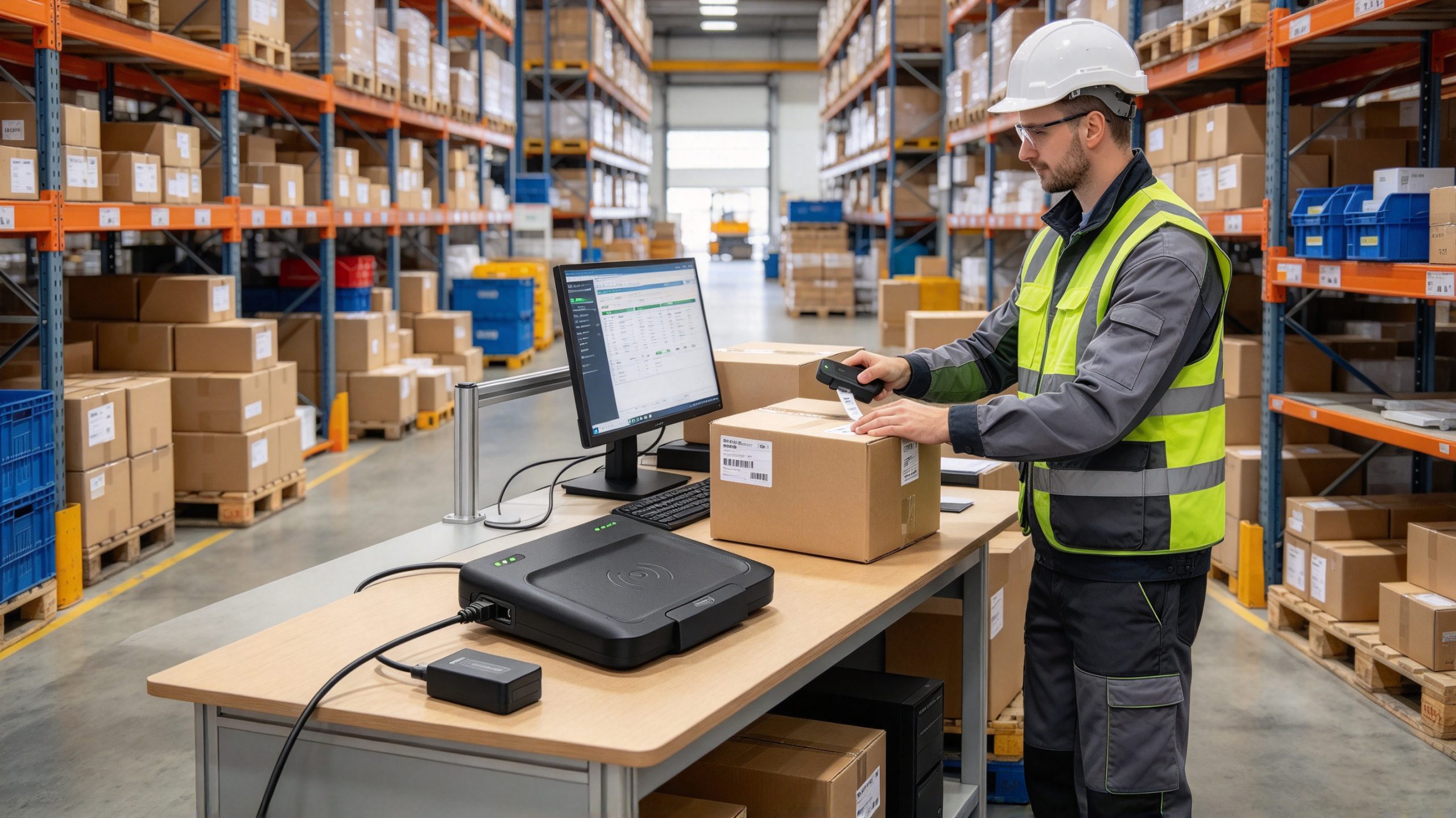
An RFID writer is a device that programs information into compatible RFID tags. It can write identification data, update tag memory, register assets, and support RFID management workflows.
An RFID writer communicates with RFID tags through radio frequency signals. It sends commands to the RFID chip, stores information in available memory areas, and verifies whether the writing operation is successful.
An RFID reader mainly collects information from RFID tags, while an RFID writer can modify and store information inside writable RFID tags. Many modern devices combine both functions.
Yes. Compatible RFID writers can update writable RFID tags by modifying supported memory areas. The ability depends on the RFID chip type and memory permissions.
RFID writers are used in libraries, warehouses, manufacturing plants, logistics centers, textile management systems, and industrial asset tracking applications.
USB RFID writers are popular because they are easy to connect, simple to operate, and suitable for desktop tag registration, testing, and daily RFID management tasks.
What is rfid writer? It is a professional RFID device used to create, update, and manage information stored inside RFID tags.
RFID writers play an important role in building reliable RFID systems because every tracked object needs accurate identification data before it can participate in digital management processes.
From library book registration to industrial asset tracking, RFID writers provide the foundation for connecting physical objects with software systems.
During RFID implementation projects, the most effective approach is not only choosing a powerful device. It is selecting equipment that matches the workflow: the type of tags being used, the required writing speed, the working environment, and the management system.
Cykeo develops RFID solutions for practical business applications. Its RFID desktop reading platforms combine stable writing performance, tag registration functions, USB connectivity, multi-tag processing capability, and software development support to help organizations manage RFID data efficiently.

Discover SSD-D4AL, a USB-HID UHF RFID reader with 4/8/16 antenna options, Impinj E710/X3M1 chipset, plug-and-play USB power, and OEM customization.
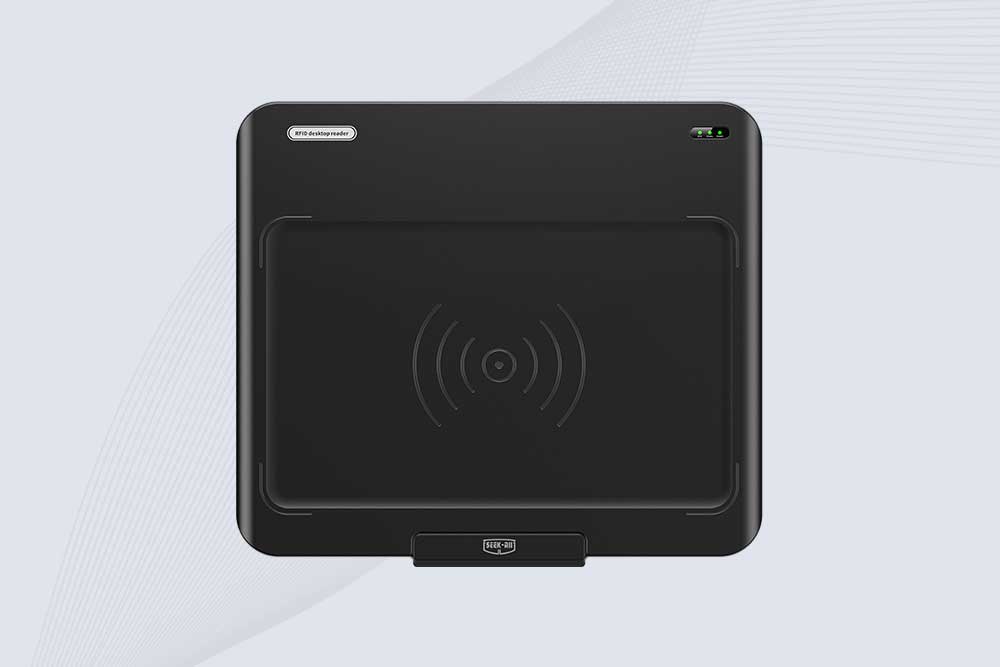
SSD-D3AL is a USB-HID UHF RFID reader with 0–30 cm reading, 0–15 cm writing, over 600 tags/s recognition, USB plug-and-play operation and OEM Logo customization.
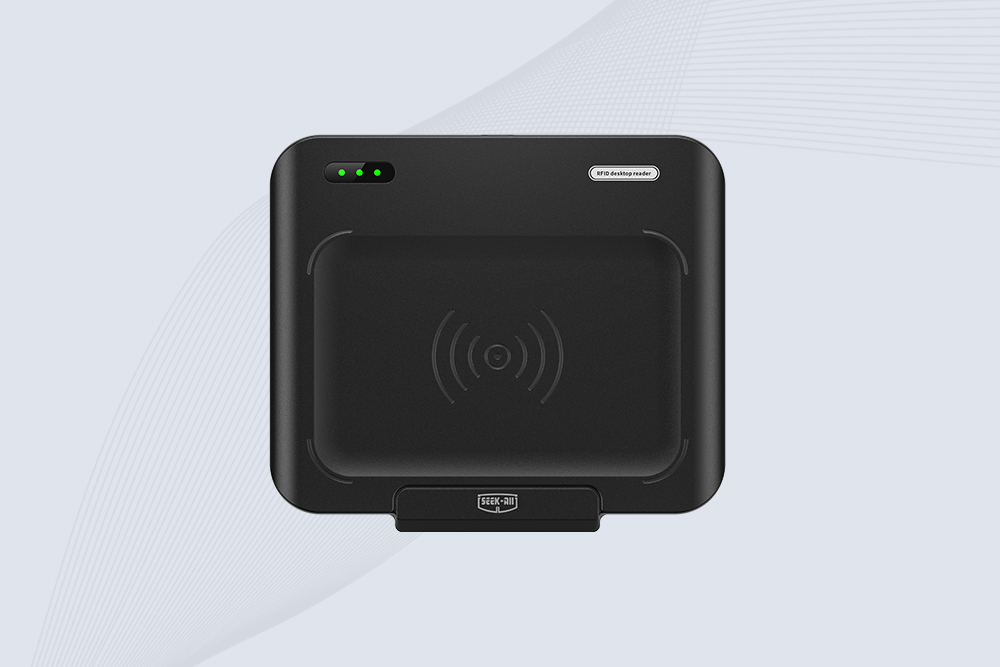
SSD-D1AL is a compact USB UHF RFID reader with Impinj E710/X3M1 chipset, USB-HID, 600+ tags/s recognition, 4/8/16 antenna support and plug-and-play USB power.
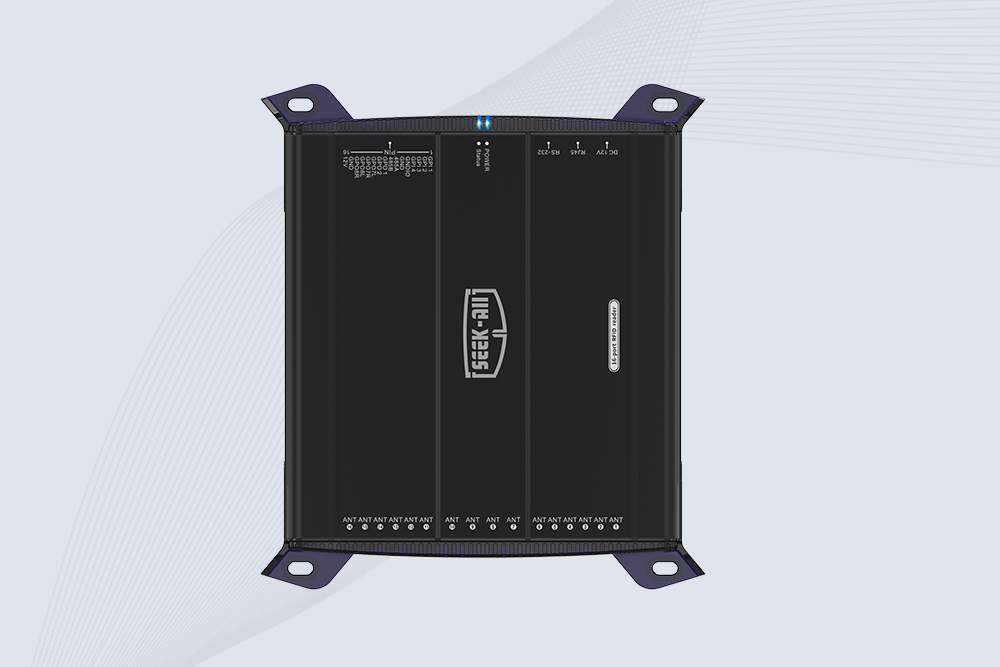
SSD-R16L Multi-Channel RFID Infrastructure for Automated Inventory Management ✔️ 16-Port High-Density RFID Reading Equipped with 16 SMA antenna ports, SSD-R16L supports multi-antenna deployment for warehouses, retail stores, logistics, production lines, and large-area RFID identification. ✔️ High-Speed & Long-Range Performance With up to 33…
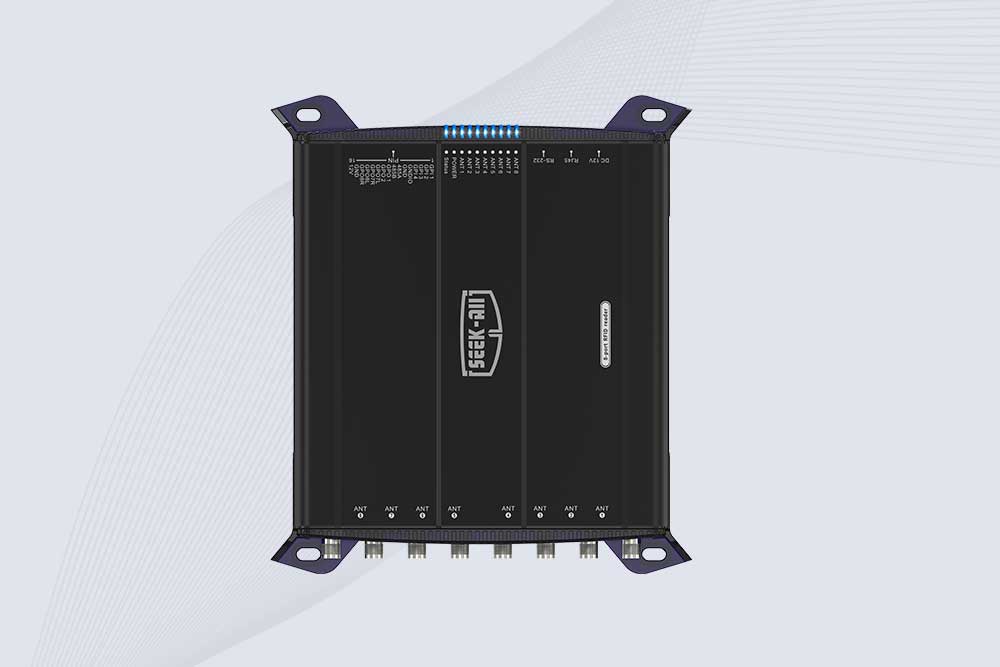
SSD-R8L 8-port UHF RFID reader with 33dBm output, up to 20m reading range and 600+ tags/s recognition. Ideal for warehouse, logistics, retail and asset tracking.
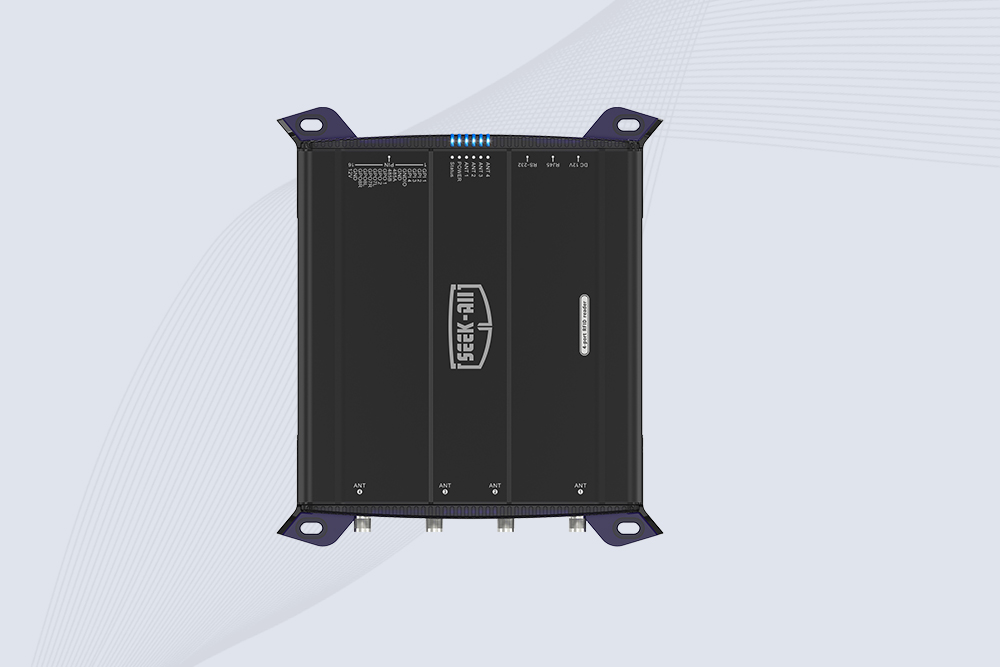
SSD-R4L is a 4-port UHF RFID fixed reader with 33dBm output power, up to 20m reading range, EPC C1G2 support and 600+ tags/s reading speed.

CYKEO CYKEO-D1LA USB RFID Reader is a compact desktop solution with near-field control for precise tag reading and encoding. Powered by USB, supporting ISO 18000-6C, and built for stable batch writing, this usb rfid tag reader fits retail, libraries, offices, and controlled RFID encoding tasks.
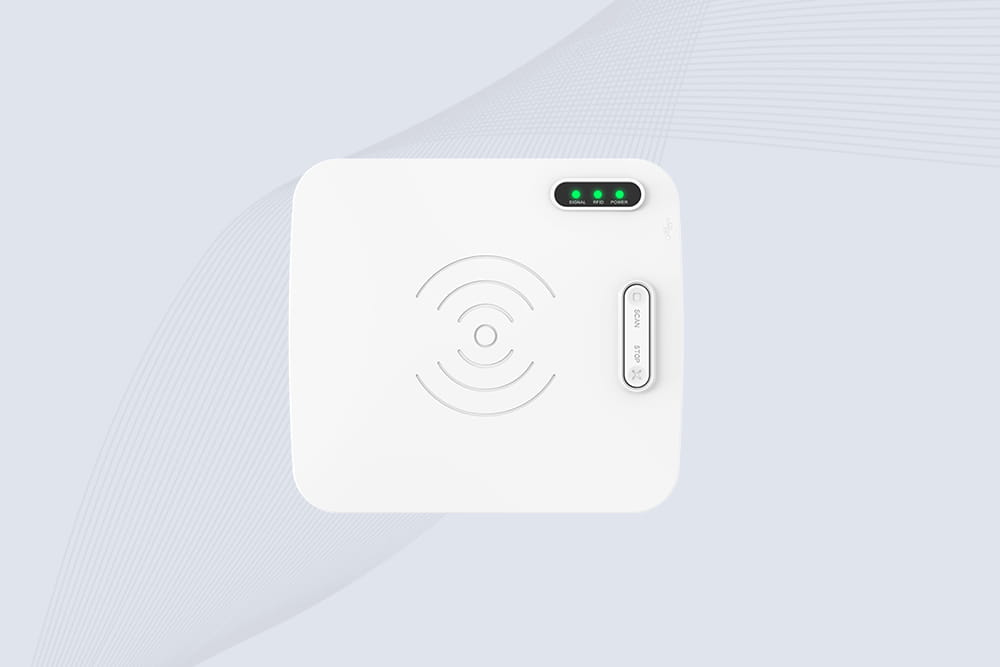
CYKEO CYKEO-D1L RFID scanner USB is a compact desktop UHF RFID scanner designed for short-range tag writing and verification. This usb rfid scanner supports batch encoding, stable 0–26 dBm output, and works across Windows, Linux, and Android systems.
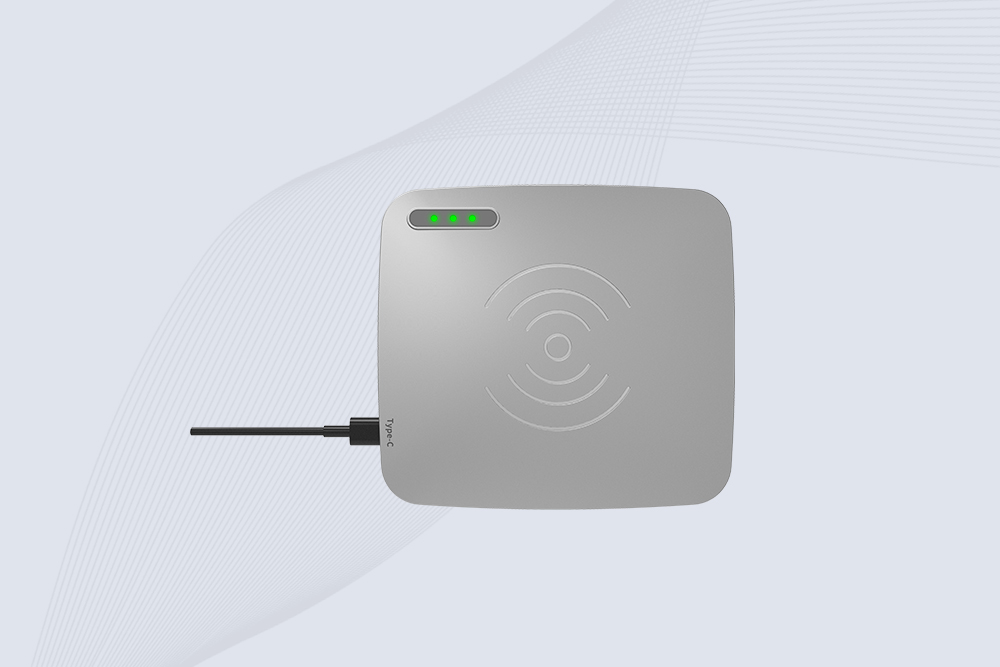
CYKEO CYKEO-D1C USB RFID Card Reader is a near-field UHF desktop writer designed for secure, short-range tag encoding. With USB-C connectivity and stable 26 dBm output, this rfid reader usb c is ideal for badge issuance, label encoding, and controlled desktop RFID workflows.
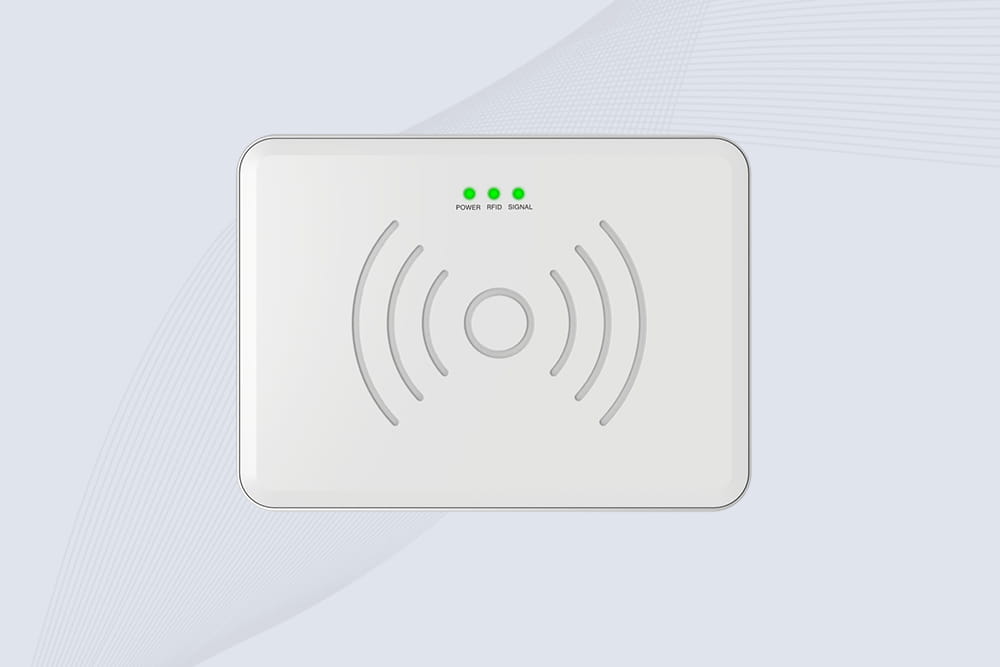
CYKEO CYKEO-D2L RFID Reader USB is a compact desktop encoder built on the Impinj R500 chip. With near-field control and stable USB power, this usb rfid card reader delivers precise tag writing for offices, retail counters, and small-scale logistics encoding tasks.
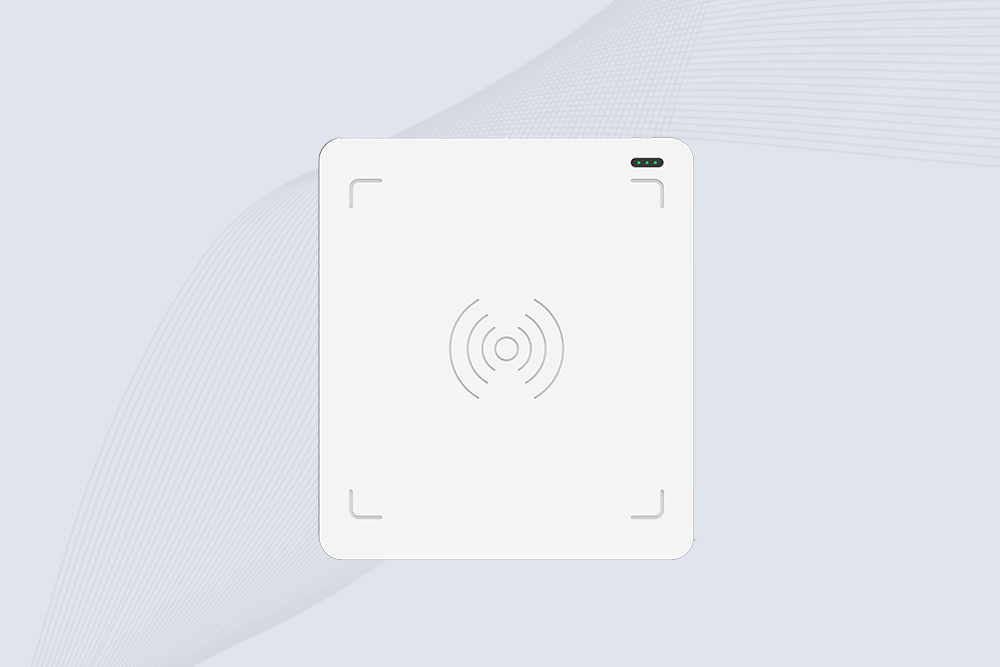
CYKEO CYKEO-D3L USB RFID Tag Reader delivers stable UHF tag reading and writing for daily desktop and light industrial tasks. Designed for controlled short-range operation, this USB RFID Tag Reader works reliably with rfid tag and reader systems in libraries, tool tracking, and inventory registration.
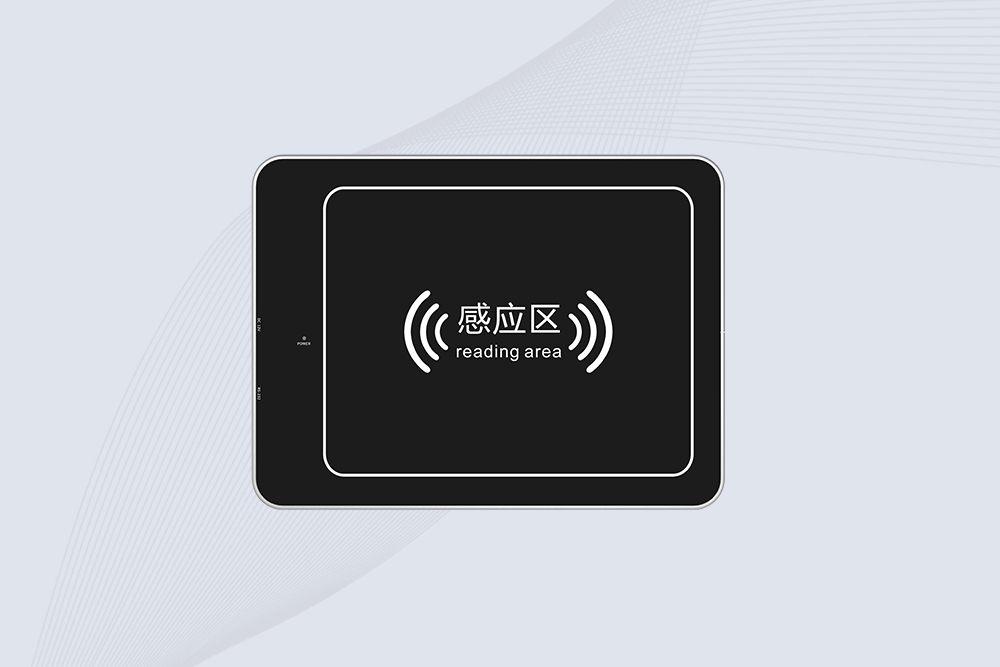
The CYKEO CYKEO-D4L UHF RFID Tag Reader is a stable Desktop RFID Reader designed for accurate tag registration, borrowing, and return workflows. Built with the Impinj R2000 chip, this UHF RFID Tag Reader delivers controlled short-range reads for libraries, asset tracking, and inventory management environments.
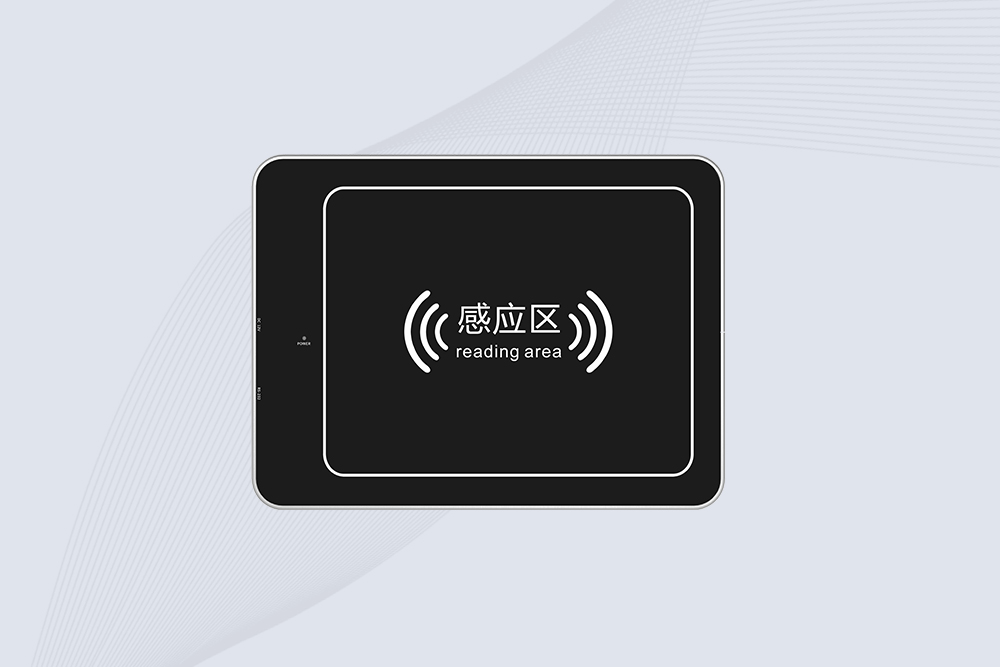
The CYKEO CYKEO-D5L Desktop RFID Card Reader is a stable UHF RFID Card Reader designed for controlled short-range reading and writing. Built for libraries, tool rooms, and asset desks, this UHF RFID Card Reader supports dense tag handling, secure data processing, and easy USB integration.
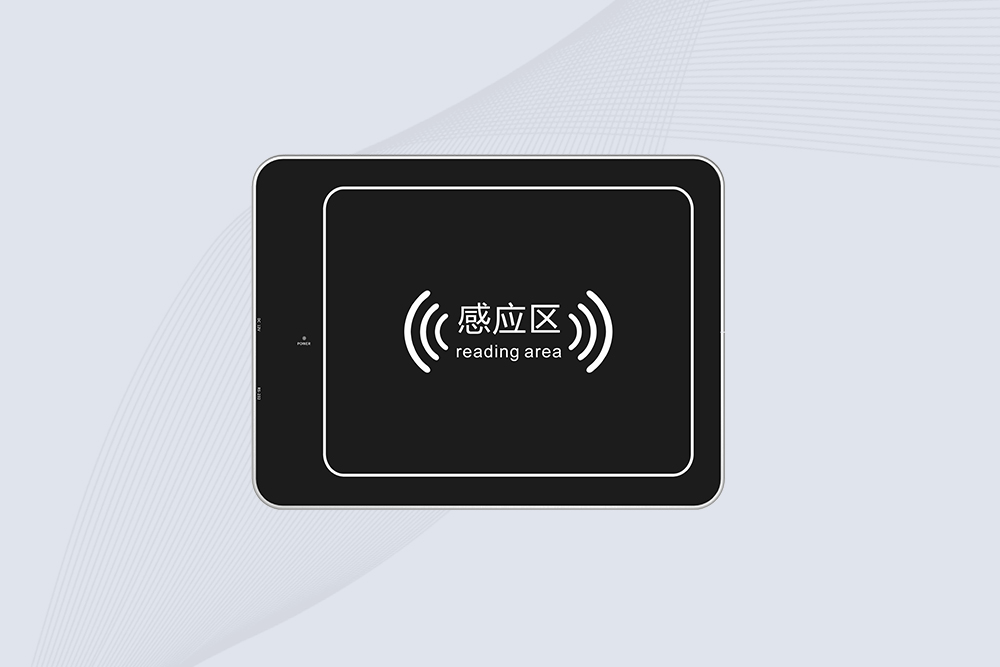
The CYKEO CYKEO-D6L RFID Reader Writer is a heavy-duty Desktop RFID Reader designed for short-range, high-accuracy tag programming. Built for libraries, labs, and asset desks, this RFID Reader Writer supports batch processing, stable 33dBm output, and seamless integration with existing management systems.
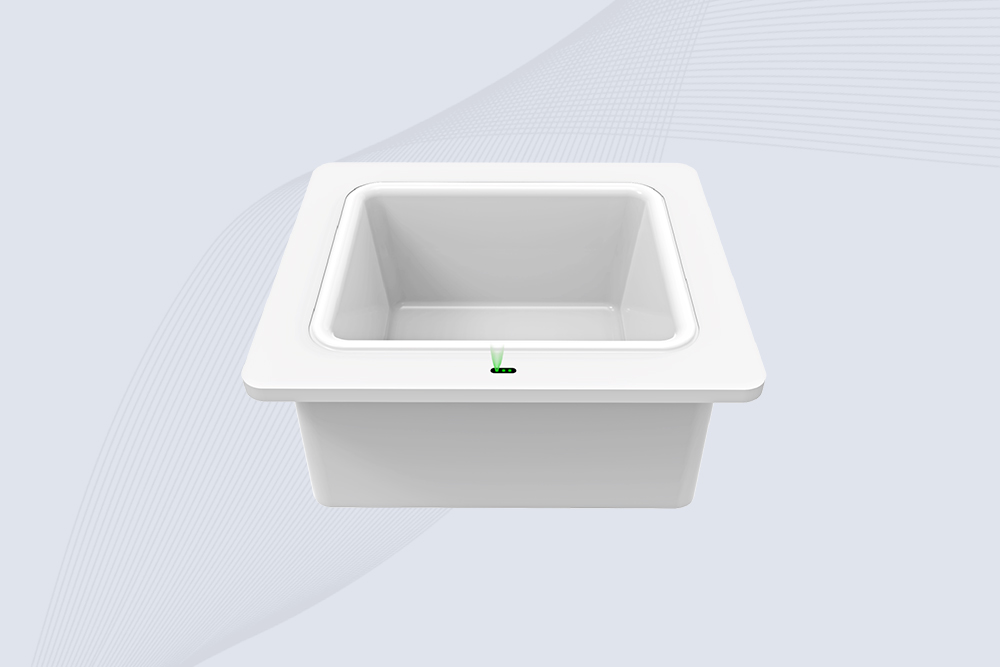
Cykeo CYKEO-D8B UHF RFID tunnel and RFID Desktop Reader features 30+ items batch reading,
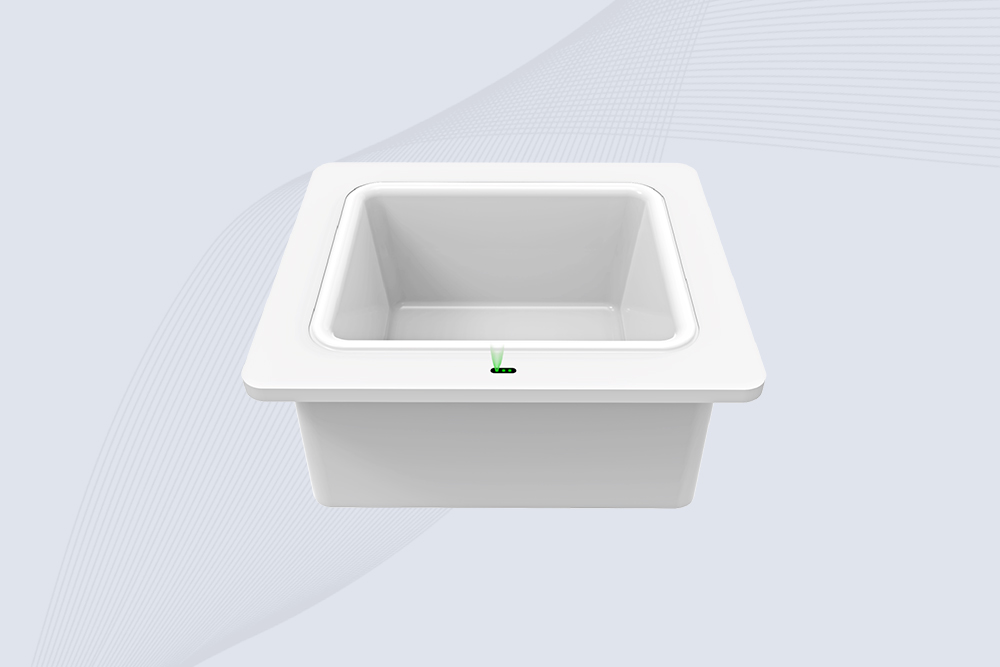
Cykeo CYKEO-D8A embedded RFID badge reader offers 30+ tags/sec scanning, 20cm anti-crosstalk precision, and DC 12V power for unmanned stores, warehouses, and smart inventory systems.
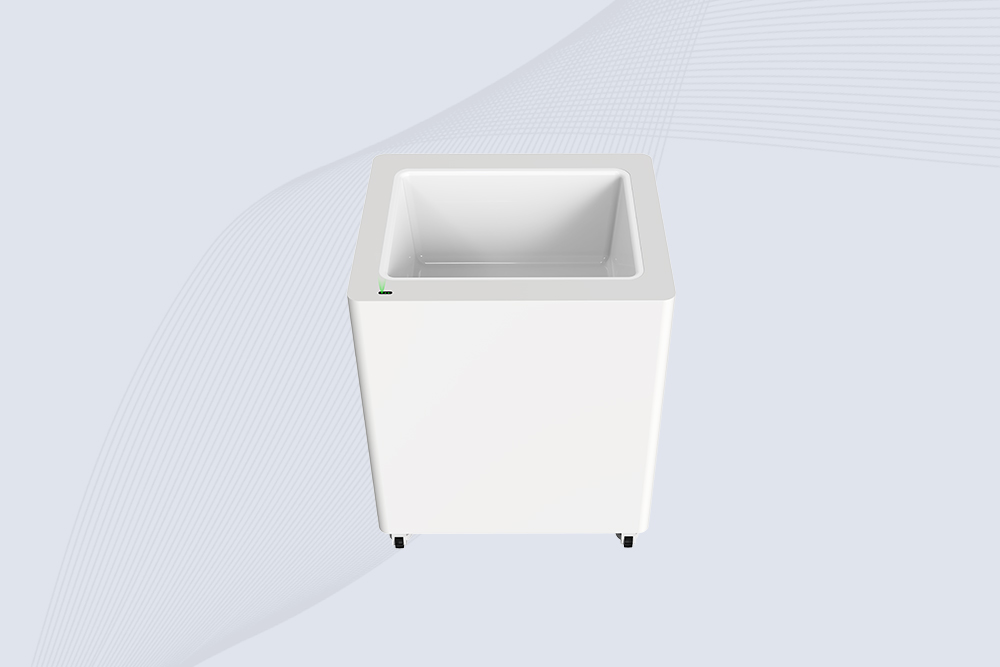
Cykeo’s CYKEO-D8C UHF RFID gate reader achieves 200-tag/batch scanning with adjustable power control, ideal for retail inventory and smart warehouse management.
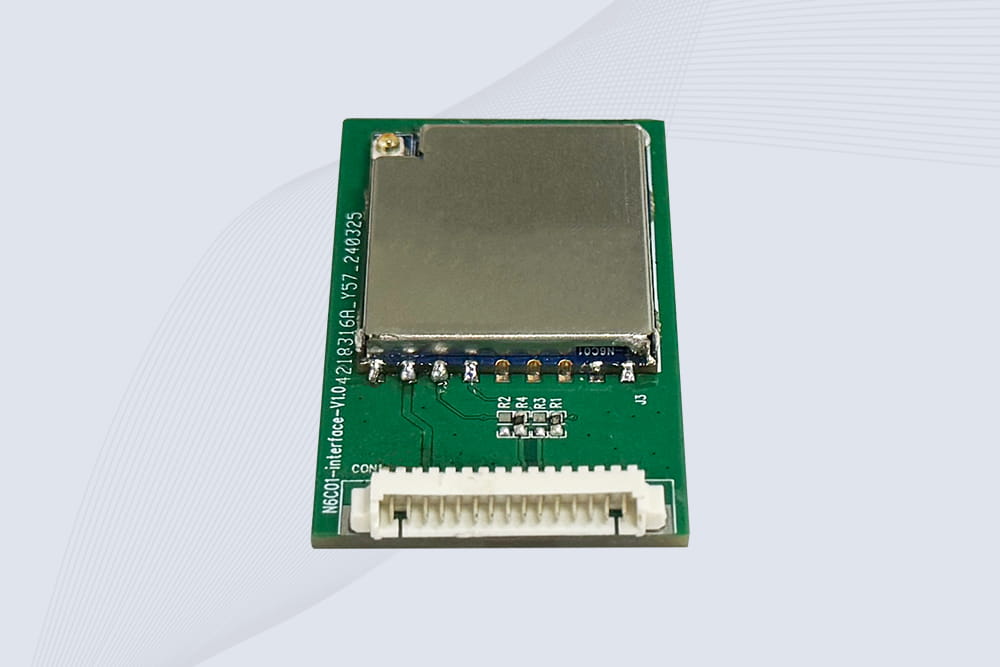
CYKEO Embedded RFID Modules are designed for compact industrial and IoT devices that require stable UHF performance. These UHF RFID Modules support global protocols, flexible power control, and reliable multi-tag reading for smart cabinets, production lines, and asset tracking systems.
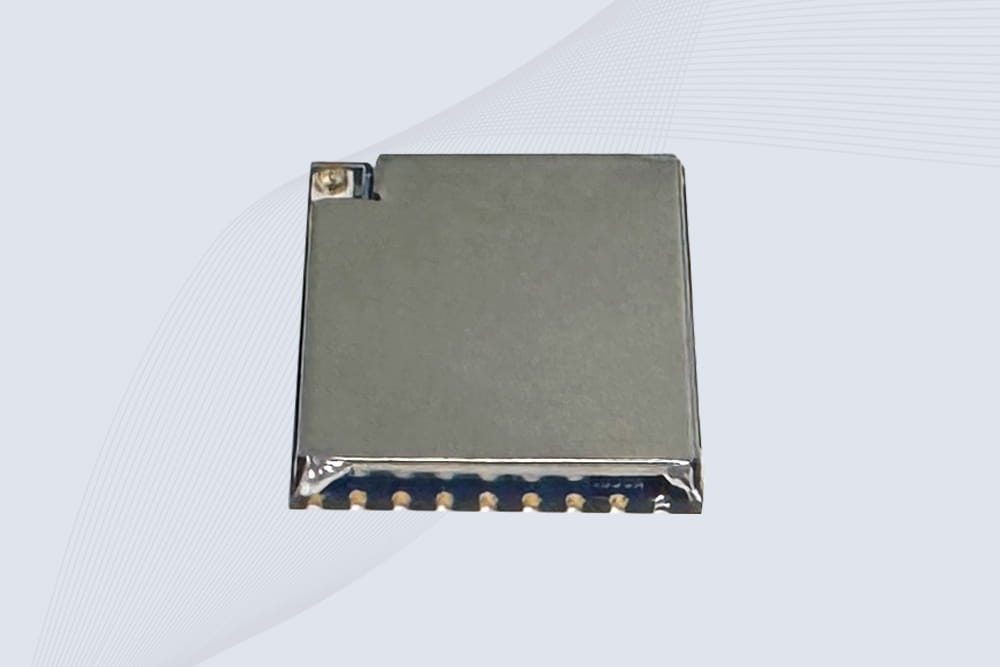
CYKEO Embedded RFID Module is built for compact IoT and industrial devices that need stable UHF performance. This UHF module supports global protocols, low power operation, and reliable multi-tag reading for smart lockers, production lines, and always-on RFID systems.
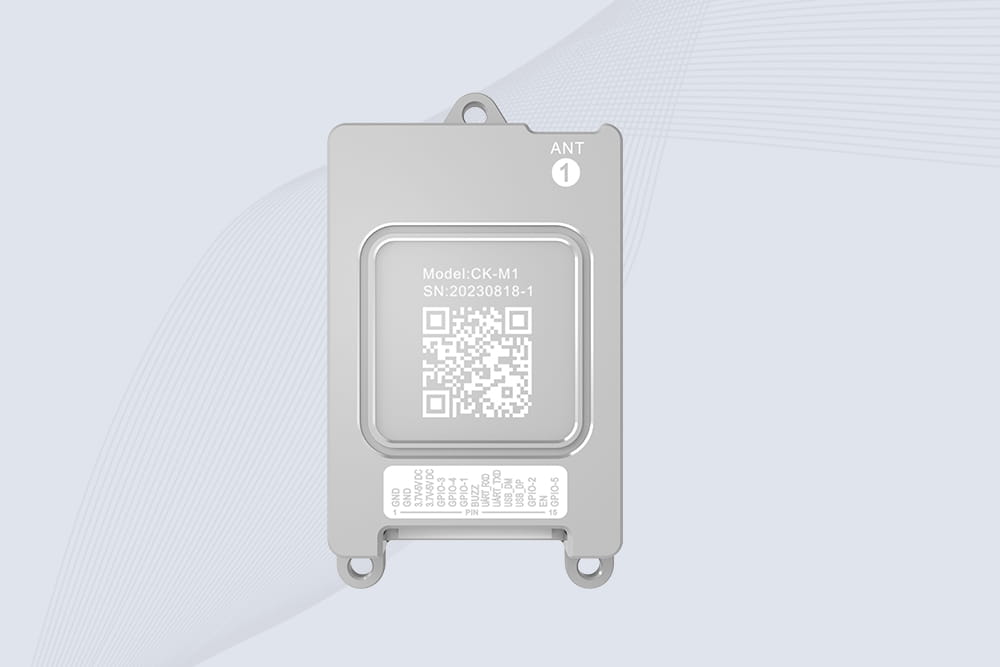
CYKEO CYKEO-M1 drone rfid module is a compact UHF RFID reader module designed for drones and UAV platforms. It supports long-range aerial scanning, fast multi-tag reading, and stable performance in wind, vibration, and outdoor environments.
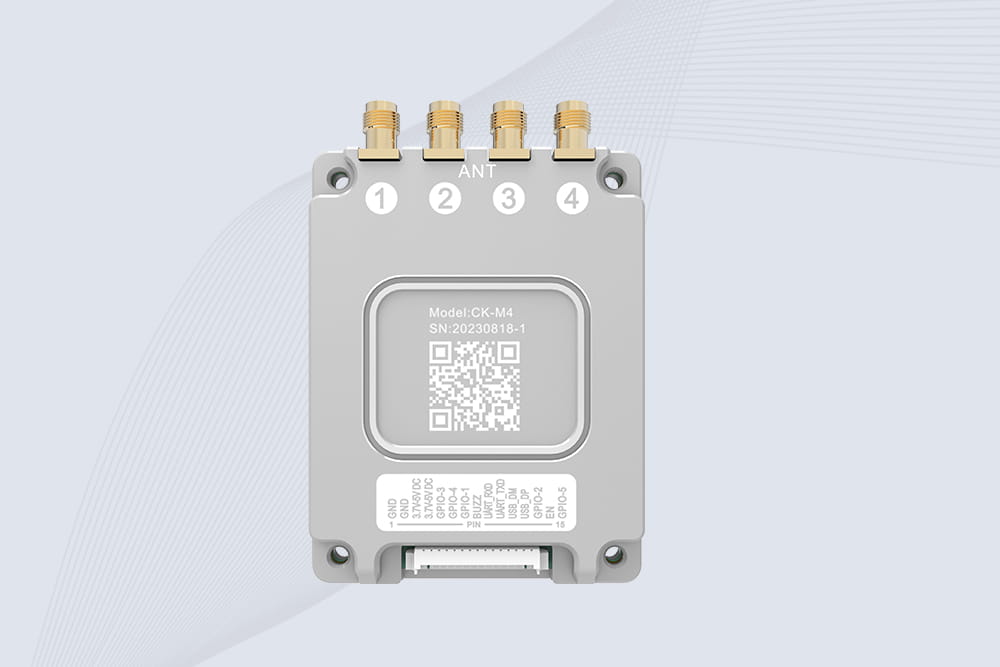
CYKEO CYKEO-M4 RC522 RFID Module is an industrial-grade UHF RFID reader with 4 ports, supporting ISO, EPC, and GB protocols. High-speed, accurate reading for IoT, automation, and warehouse applications.
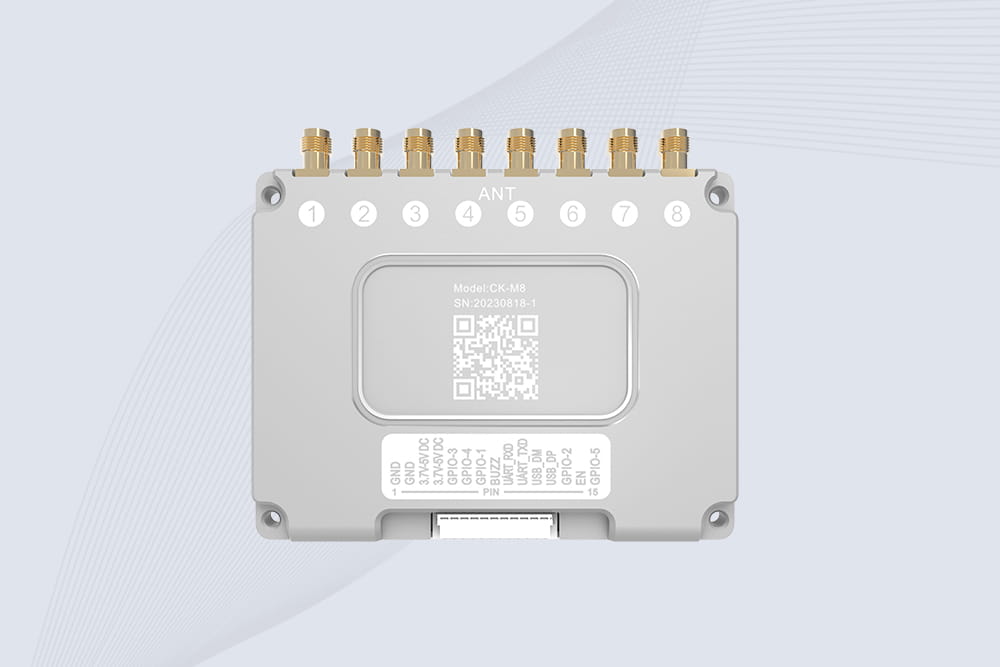
CYKEO CYKEO-M8 Module RFID is an 8-port UHF R2000 RFID Module designed for high-density, multi-tag environments. Stable 33dBm output, ISO & GB protocol support, ideal for warehouses, factories, and automated systems.
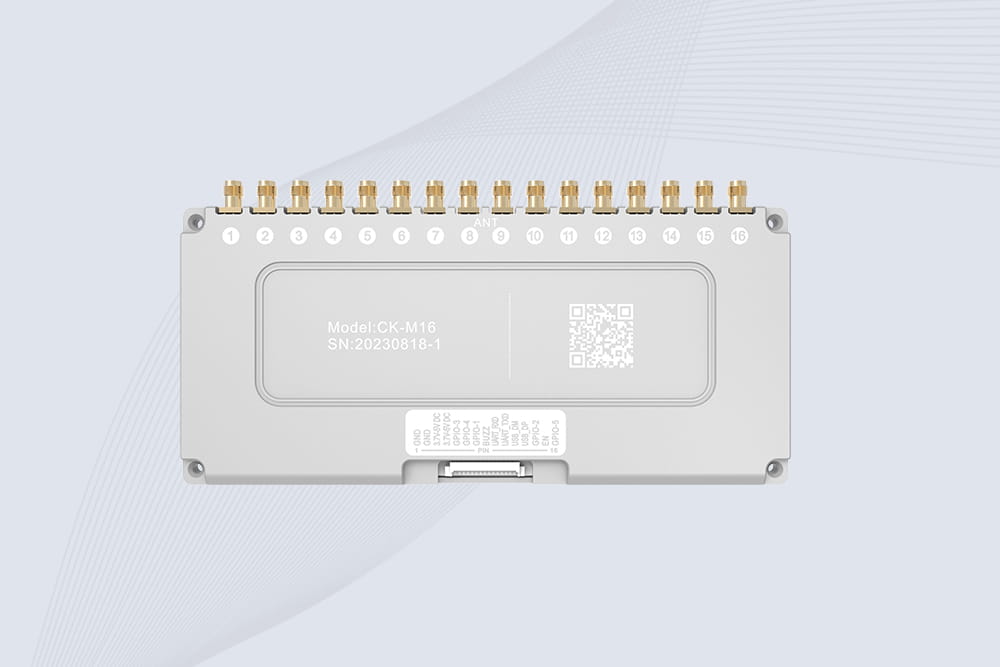
CYKEO CYKEO-M16 RFID Module is a 16-port UHF RFID reader module based on the R2000 chipset. Designed for dense tag environments, it supports ISO and GB standards and delivers stable multi-antenna control for industrial automation.
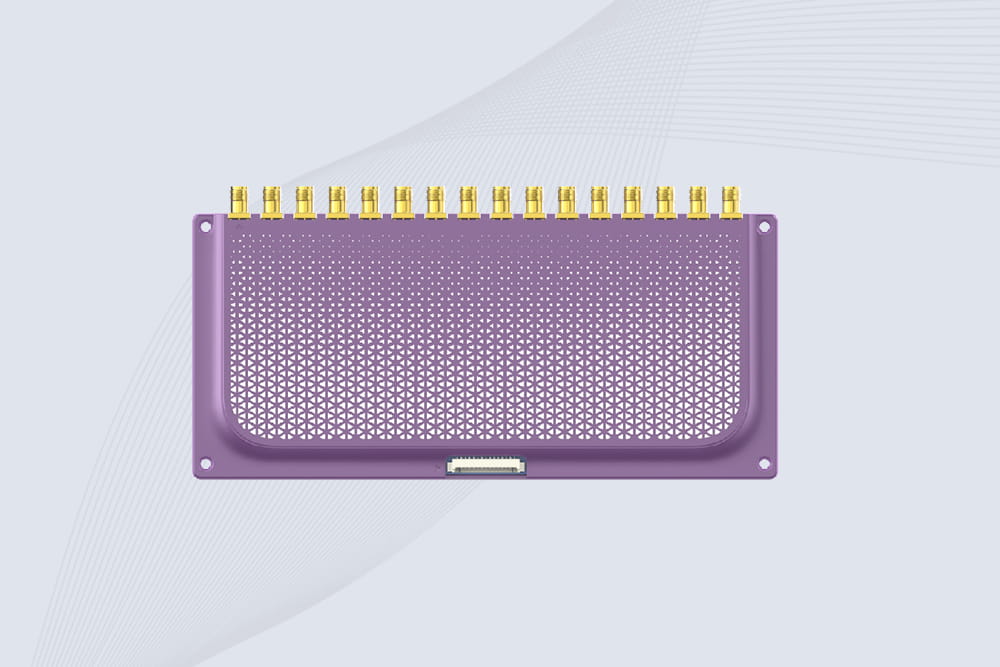
The CYKEO CYKEO-M16L RFID Reader Module is a 16-channel UHF RFID core designed for dense tag environments. With adjustable 33dBm output, multi-protocol support, and stable multi-antenna control, this RFID Tag Reader Module fits industrial automation, warehouse systems, and large-scale IoT deployments.
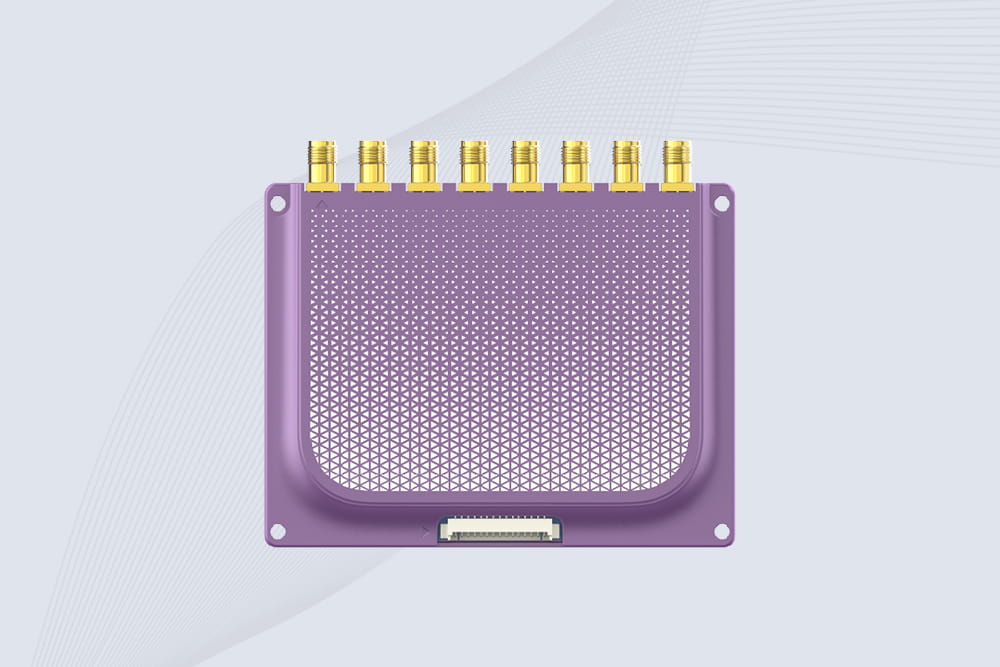
CYKEO CYKEO-M8L module RFID is a compact industrial UHF module built for dense tag and multi-antenna environments. With 8 RF ports, adjustable 33 dBm output, and ISO & GB protocol support, it is widely used in factories, warehouses, and automated tracking systems.
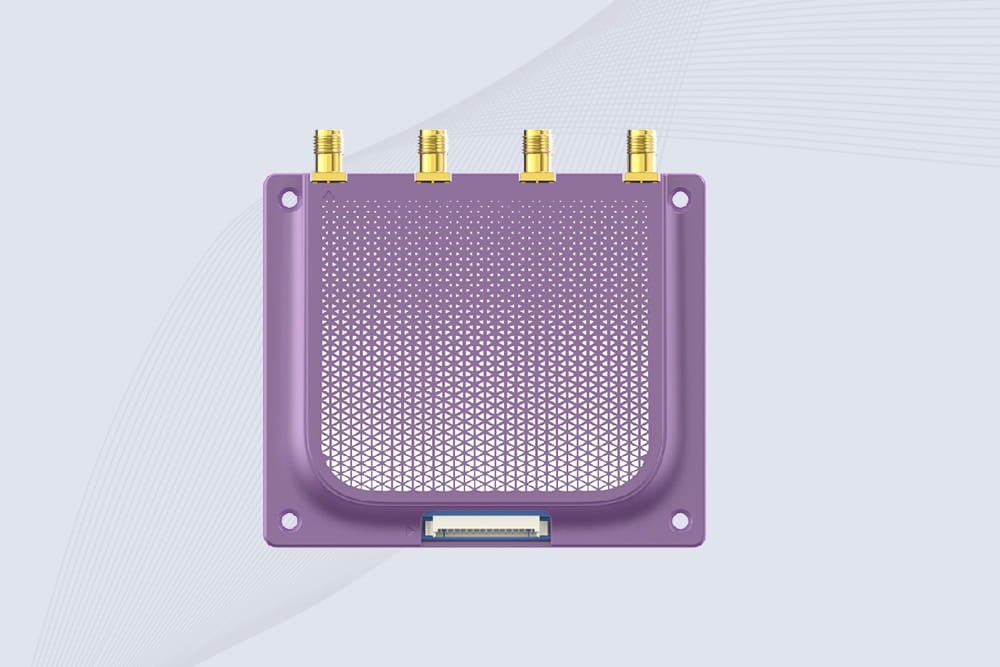
CYKEOCYKEO-M4L UHF RFID Module is a compact 4-channel RFID tag reader module designed for dense tag environments. Supporting ISO and GB protocols, it delivers stable reads up to 10 meters for industrial and IoT systems.
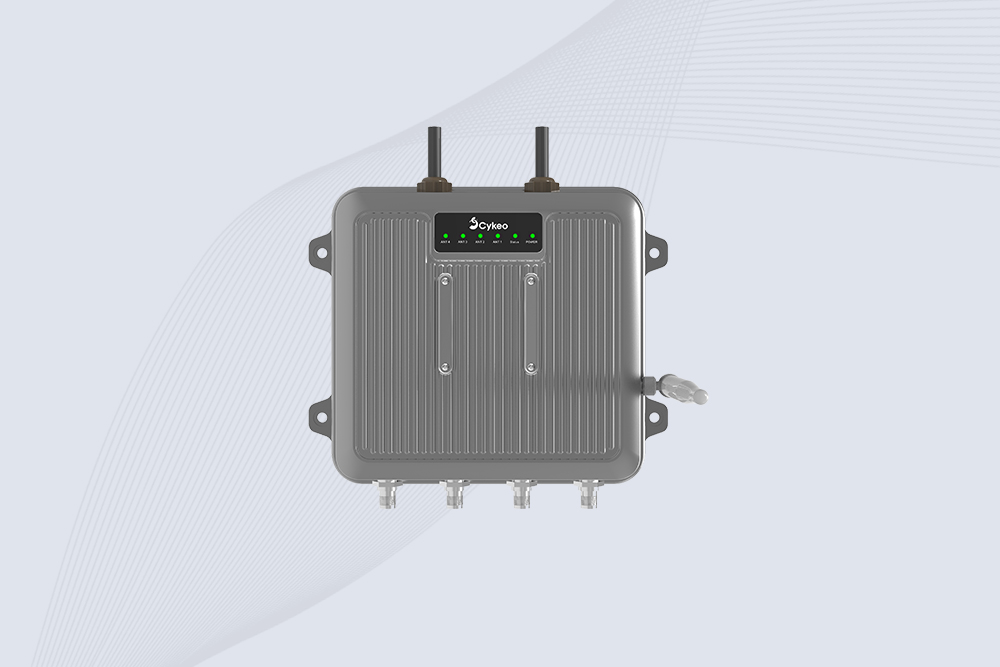
Cykeo CYKEO-C1 industrial Forklift RFID Reader features 20m read range, 600 tags/sec scanning, Impinj R2000 chipset, and IP67 rugged design. Ideal for warehouse logistics and manufacturing. Supports ISO 18000-6C/6B protocols.
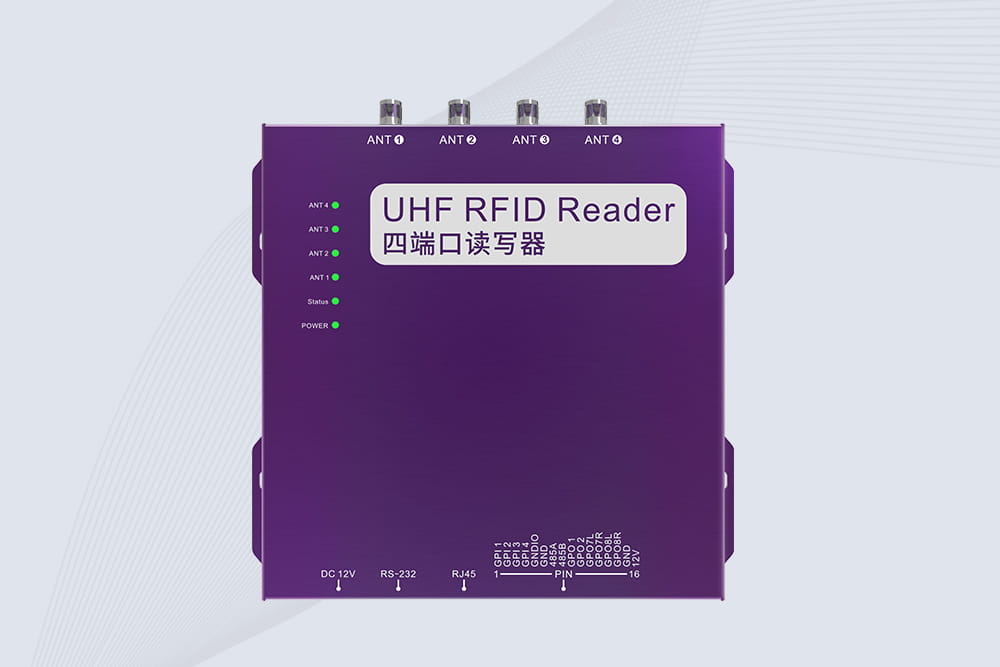
Cykeo CYKEO-R4 industrial UHF RFID Fixed Reader features 4 TNC ports, 400+ tags/sec speed, IP67 housing, and global frequency compliance for vehicle inspection, smart warehouse, and asset management systems.
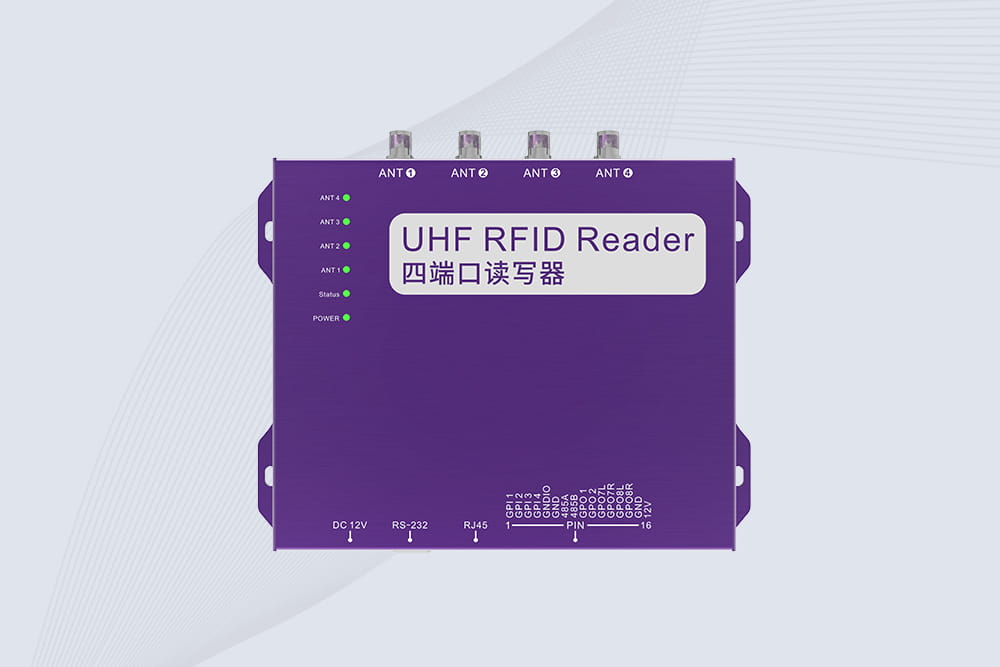
Cykeo’s CYKEO-R4L 4-port Fixed UHF RFID Reader delivers 400 tags/sec scanning, ISO 18000-6C compliance, and IP65 protection. Ideal for warehouse automation, manufacturing WIP tracking, and logistics management.
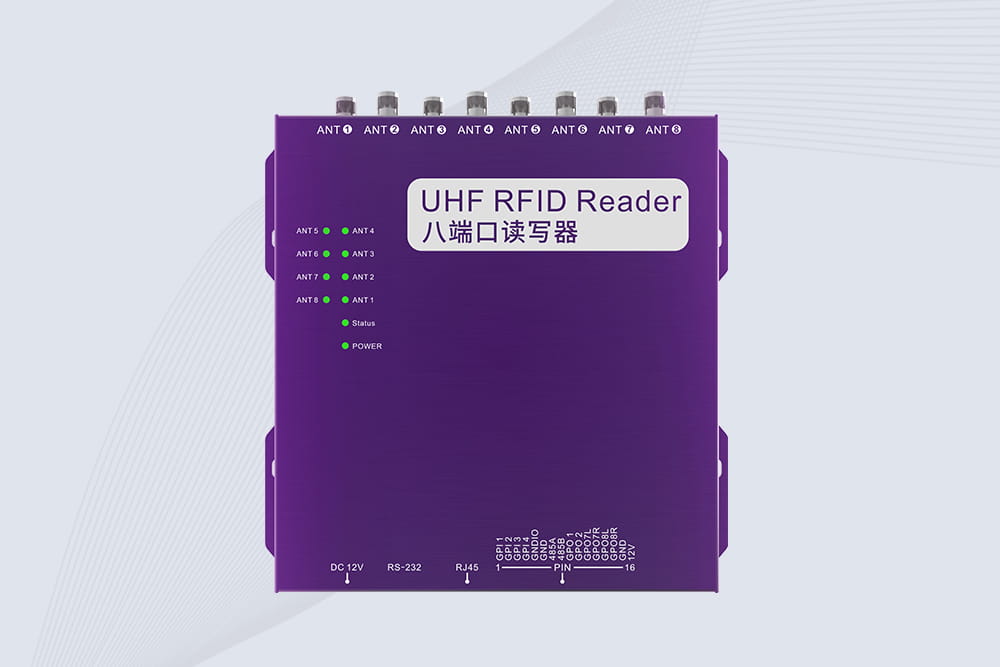
CYKEO CYKEO-R8L Fixed RFID Reader with 8-port UHF design, Impinj-based RF core and up to 20m read range. An industrial Fixed RFID Reader for vehicle inspection, warehouse portals, smart manufacturing lines and secure access checkpoints.
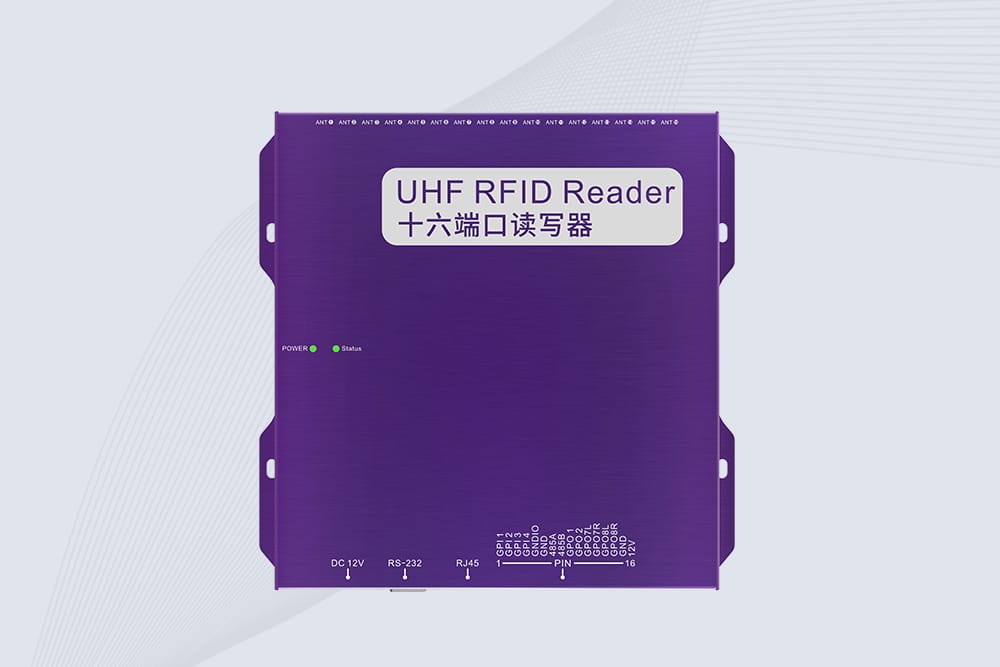
RFID Fixed Reader from CYKEO – the CYKEO-R16L 16-port UHF fixed reader for warehouses, smart cabinets, and production lines. Long-range, multi-tag reading, stable performance for 24/7 industrial use.

Need a smaller but powerful UHF RFID antenna? Learn how a fractal-based circularly polarized UHF RFID reader antenna delivers full performance in compact handheld and embedded designs.
More
RFID asset tracking manufacturing improves production visibility, reduces equipment loss, and automates inventory. Discover how Cykeo delivers reliable industrial RFID solutions for modern factories.
More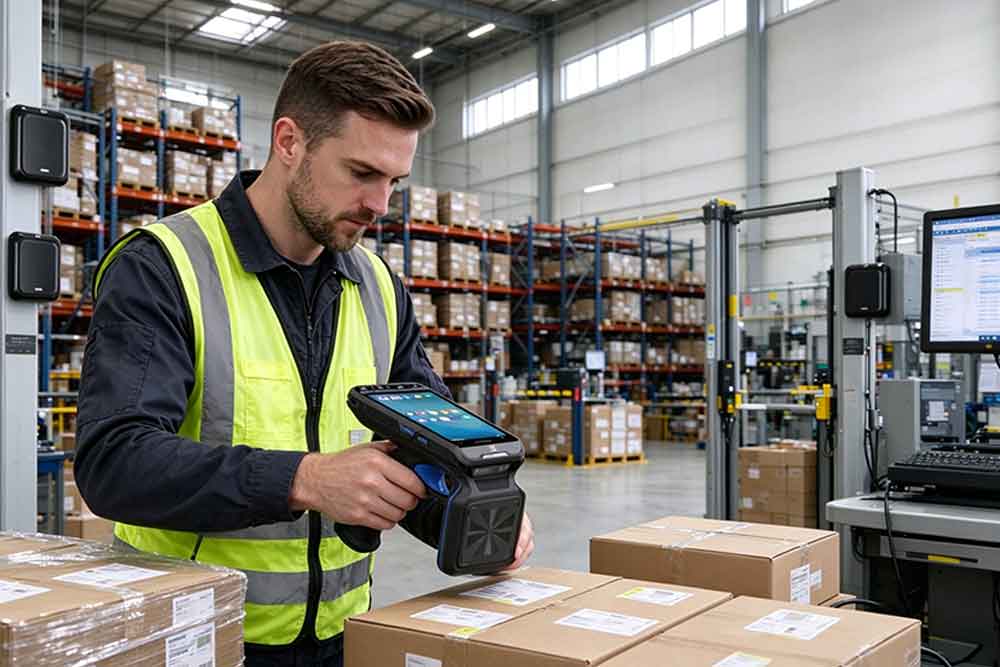
An RFID tracker uses RFID tags, readers, and software to identify tagged assets and record movement events without continuous GPS positioning.
More
Discover how Cykeo's new Beijing branch delivers cutting-edge RFID technology and tailored IoT solutions across six North China provinces, driving industrial digitalization with 48-hour delivery assurance.
More