This is probably one of the first questions customers ask when they contact an RFID supplier.
And it makes sense. Distance is easy to understand. A number like 10 meters or 20 meters looks simple when comparing products.
But after working on real RFID projects, you quickly notice something:
The number on the datasheet is not always the number you get at the installation site.
A long range RFID reader may achieve a long distance in an open test environment, but a warehouse full of metal racks, moving forklifts, and randomly positioned tags is a completely different situation.
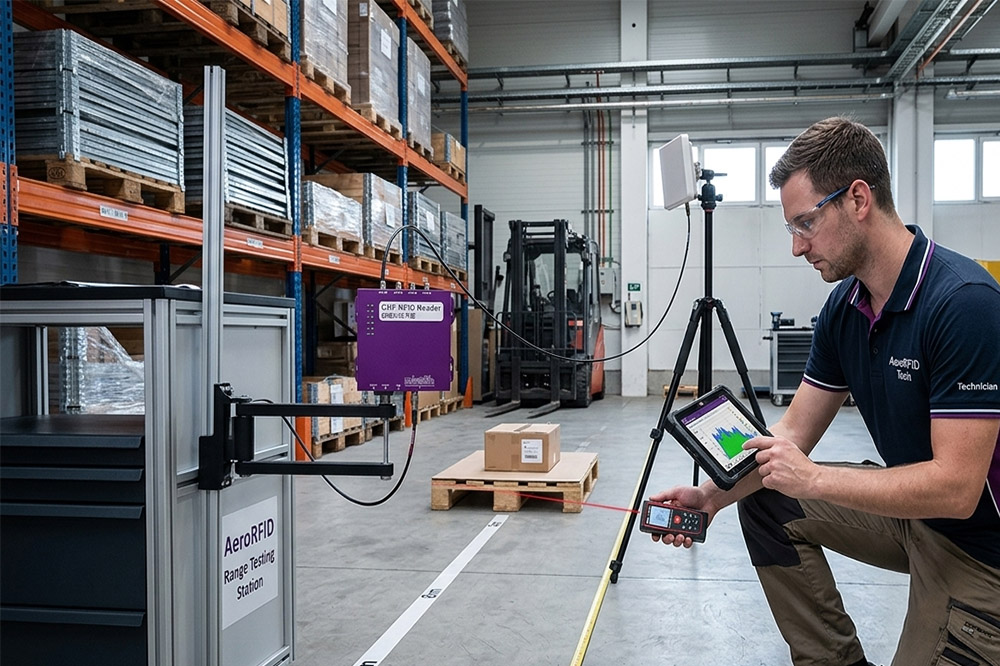
The actual reading distance depends on how the reader, antenna, tag, and environment work together.
So, how far can long range RFID reader actually read?
For UHF RFID systems, long range readers can commonly achieve:
3–5 meters in challenging environments
6–12 meters in typical industrial applications
15 meters or more in optimized open environments
However, these numbers are not fixed.
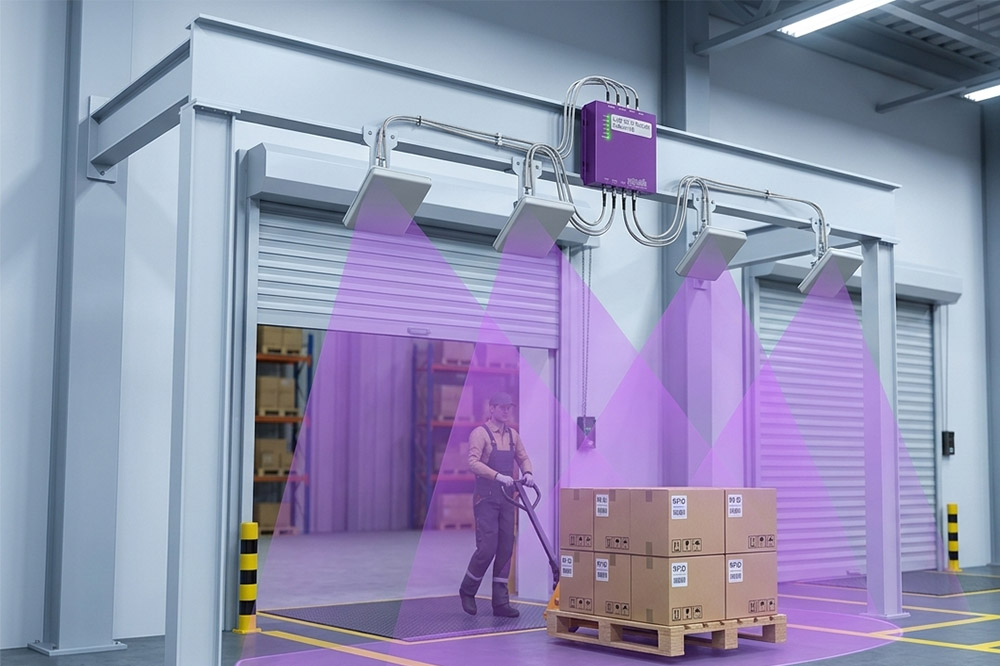
A reader installed at a warehouse dock door may perform differently from the same reader installed in a parking entrance.
The question is usually not:
“How far can it read?”
A better question is:
“Where do I need it to read, and where should it stop reading?”
1. Reader Power: More Power Does Not Always Mean Better
Reader output power is one of the first specifications people check.
Higher power can help increase reading distance because the RFID signal travels farther and reaches weaker tags.
But increasing power has a limit.
In real projects, too much power may create new problems:
Reading tags from unwanted areas
Increasing interference
Creating duplicate data
Making zone control harder
For example, in a warehouse dock door, reading a pallet 10 meters away sounds impressive.
But if the reader also captures pallets waiting in the next aisle, the system becomes difficult to manage.
Many experienced engineers adjust power based on the required reading zone, not maximum distance.
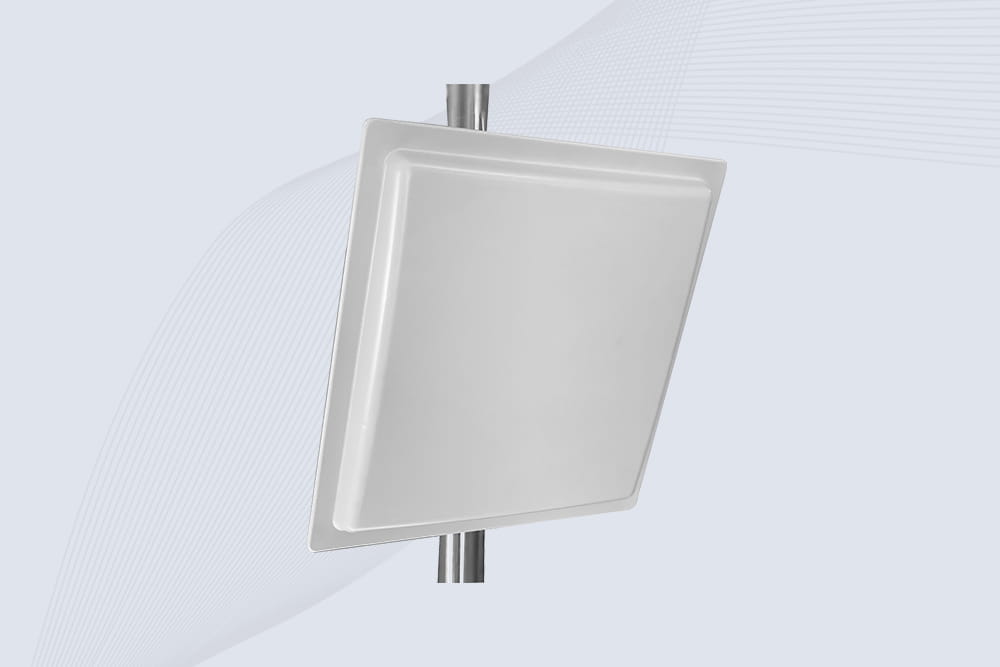
2. RFID Antenna Gain: The Reader Is Only Half of the System
One thing that surprises many new RFID users is how much the antenna affects performance.
A powerful reader with the wrong antenna setup may perform worse than an average reader with the correct antenna.
Antenna gain influences:
Signal coverage
Reading direction
Distance
Stability
For example:
Directional antennas
Usually work well for:
Warehouse gates
Parking lanes
Conveyor checkpoints
They focus energy in a specific direction.
Lower gain or wider coverage antennas
May work better when:
Tag positions change frequently
The reading area is larger
Object direction is unpredictable
In many projects, changing antenna placement solves problems faster than changing the reader.
3. Tag Type: The Smallest Part Can Limit the Whole System
The RFID tag is often overlooked.
People focus on the reader and antenna, but the tag is the part sending the signal back.
Different tags behave differently:
General-purpose labels
On-metal tags
Hard tags
High-performance industrial tags
Factors include:
Antenna design inside the tag
Tag size
Material compatibility
Chip sensitivity
For example, a standard paper RFID label may work well on cardboard boxes but perform poorly when attached directly to metal equipment.
A more expensive reader cannot completely fix an unsuitable tag.
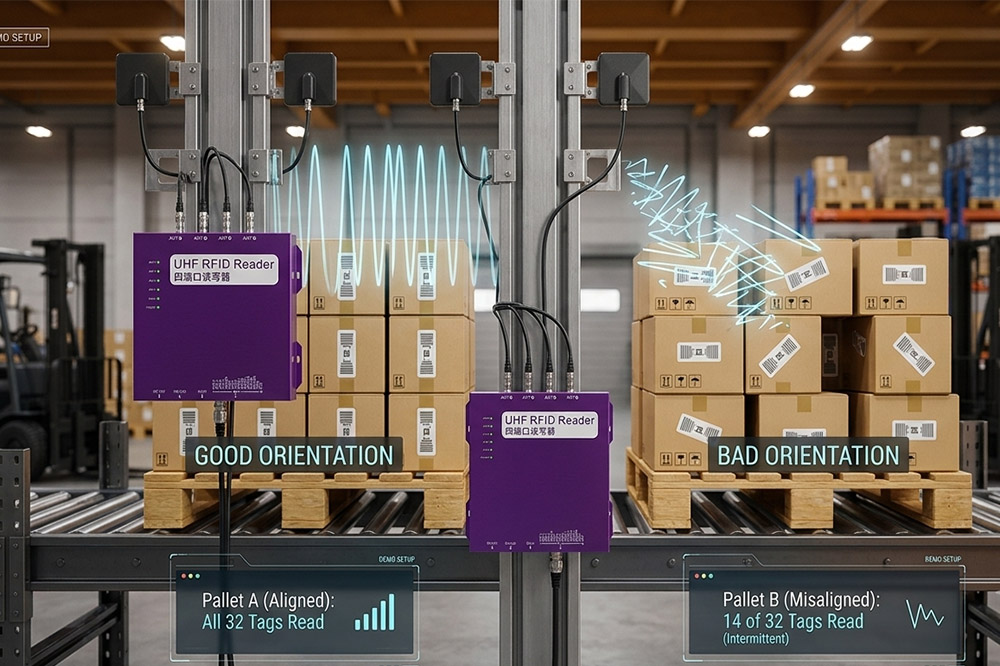
4. Tag Orientation: Direction Changes Everything
RFID does not behave like a barcode.
You cannot always point it directly at the tag and expect the same result every time.
Tag orientation affects:
Signal polarization
Communication stability
Read distance
This becomes obvious in applications like:
Forklift pallet movement
Tool tracking
Laundry management
Asset tracking
A tag facing the antenna directly may be read from a long distance.
The same tag rotated 90 degrees may perform differently.
This is why many industrial systems choose circular polarization antennas when tag direction cannot be controlled.
5. Environment: The Real Challenge Starts Here
Most RFID tests happen in controlled environments.
Real projects are different.
Common obstacles:
Metal
Metal can reflect and distort RF signals.
Examples:
Steel shelves
Equipment cabinets
Vehicle bodies
Liquid
Liquids absorb UHF signals.
Examples:
Food containers
Medical fluids
Chemical products
Crowded spaces
Multiple tags close together create a different reading environment.
Examples:
Pallet groups
Clothing racks
Inventory shelves
A system that works perfectly in an empty room may require adjustment after moving into production.
6. Frequency: Regional Rules and Performance Differences
UHF RFID systems usually operate around:
860–868 MHz in many European regions
902–928 MHz in North America and some other markets
Frequency affects:
Signal behavior
Regulatory compliance
Antenna selection
Reader configuration
For international projects, distributors and solution providers need to confirm regional requirements before selecting hardware.
A reader designed for one market may not be suitable for another without proper configuration.
7. Installation Height: Small Changes, Big Results
The mounting position of a reader or antenna can completely change performance.
Common installation mistakes:
Antenna mounted too high
Wrong angle toward the reading zone
Poor distance from metal structures
For warehouse gates, antenna height and angle are usually adjusted based on:
Door width
Pallet height
Forklift direction
Tag location
Sometimes moving an antenna 30 centimeters can improve performance more than increasing reader power.
8. Cable Loss: The Hidden Distance Killer
When using external antennas, cable selection matters.
Long antenna cables create signal loss.
A common mistake is installing antennas far away from the reader without considering cable quality.
Problems may include:
Reduced reading distance
Unstable performance
Lower antenna efficiency
For larger projects, engineers usually calculate cable length carefully before final installation.
Real Project Examples
Case 1: Warehouse Dock Door Tracking
A customer wanted to read pallets entering and leaving a warehouse.
Initial requirement:
“Need 15-meter reading distance.”
After testing, the team changed the approach:
Installed directional antennas
Adjusted antenna angle
Reduced unnecessary coverage
Final result:
A controlled 6–8 meter reading zone performed better than a wider 15-meter range.
The system became more accurate.
Case 2: Parking Vehicle Identification
A parking operator wanted automatic vehicle recognition.
The challenge was not distance.
The challenge was preventing one lane from reading another lane.
Solution:
Adjusted antenna direction
Reduced side coverage
Optimized installation height
The final system focused on accuracy instead of maximum range.
FAQ
What is the maximum distance of a long range RFID reader?
Depending on reader power, antenna, tag type, and environment, industrial UHF RFID readers commonly achieve several meters to more than 10 meters.
Why does my RFID reader not reach the advertised distance?
Datasheet distance is usually measured under controlled conditions. Real environments introduce interference from metal, tag position, and installation factors.
Does higher RFID reader power increase range?
It can increase range, but excessive power may create unwanted reads and reduce system accuracy.
Which antenna is best for long range RFID applications?
It depends on the project. Directional antennas are often used for controlled zones, while wider coverage antennas fit applications with unpredictable tag positions.
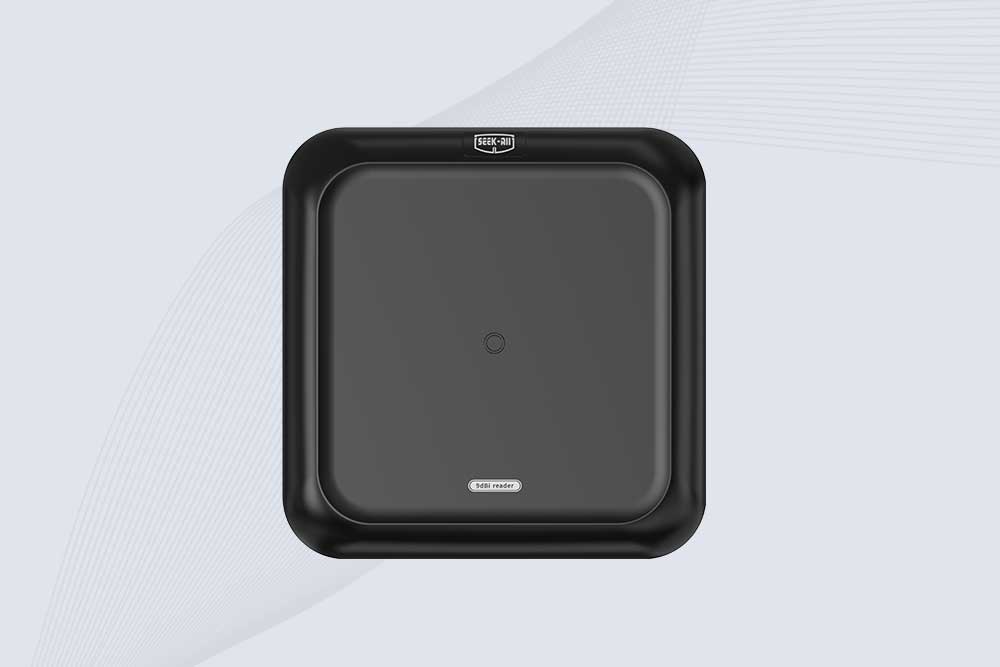
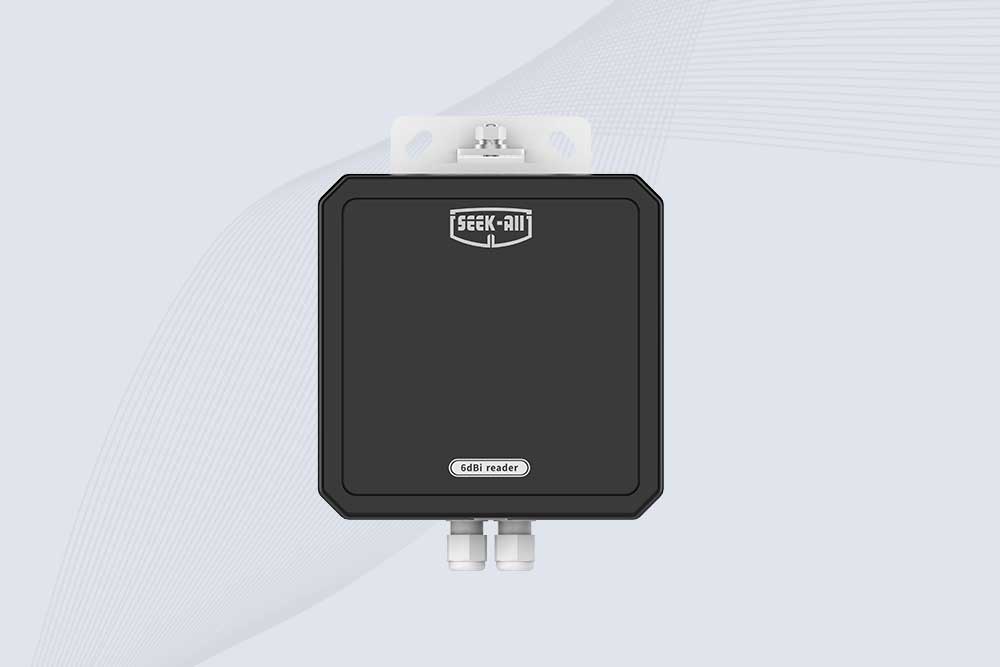
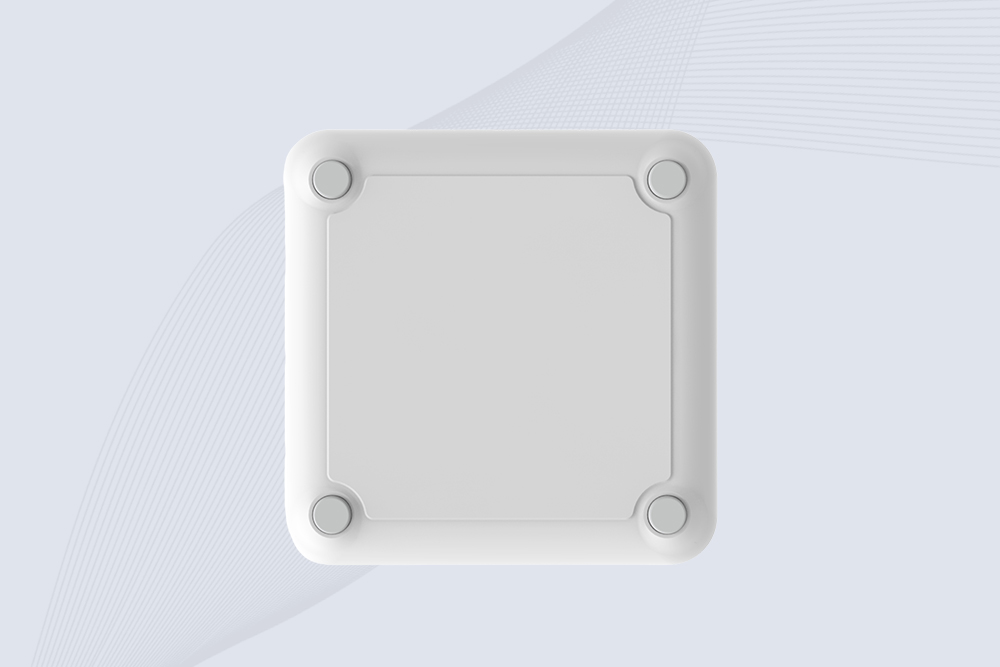
SSD-RA06L is an industrial UHF RFID reader with a built-in 6 dBi antenna, 3 m read range, 600+ tags/s, Ethernet, RS232, and optional Wi-Fi, 4G, and PoE.
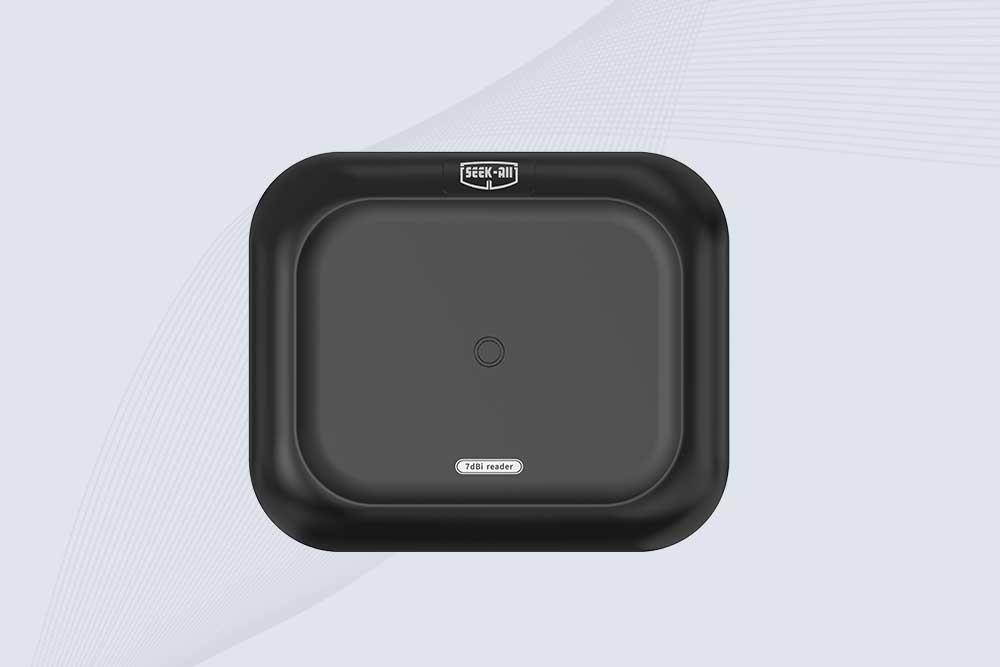
SSD-RA07L industrial UHF RFID reader with integrated 7 dBi antenna, up to 6 m reading distance, over 600 tags/s, Ethernet, RS232, and optional Wi-Fi, 4G, and PoE.
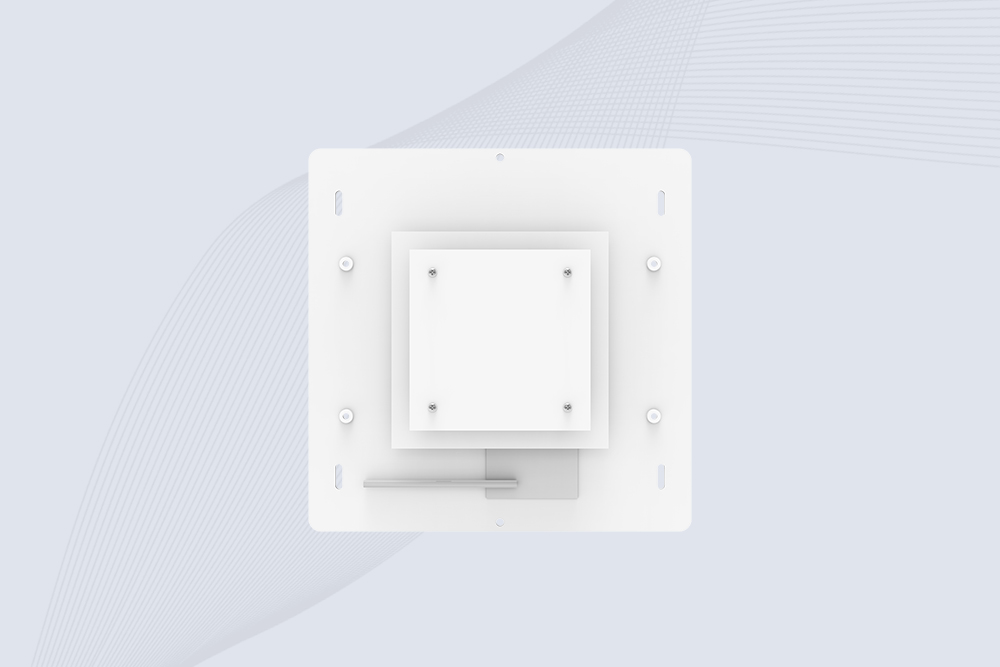
Explore the SSD-A07 UHF RFID antenna with 7 dBi gain, circular polarization, adjustable 840–960 MHz frequency, and 60°/75° beamwidth for stable RFID read/write performance.
SSD-A06 UHF RFID antenna with circular polarization, adjustable 840–960 MHz frequency, ≥4.5 dBi gain, and a compact directional design for RFID systems.
SSD-R16L Multi-Channel RFID Infrastructure for Automated Inventory Management ✔️ 16-Port High-Density RFID Reading Equipped with 16 SMA antenna ports, SSD-R16L supports multi-antenna deployment for warehouses, retail stores, logistics, production lines, and large-area RFID identification. ✔️ High-Speed & Long-Range Performance With up to 33…
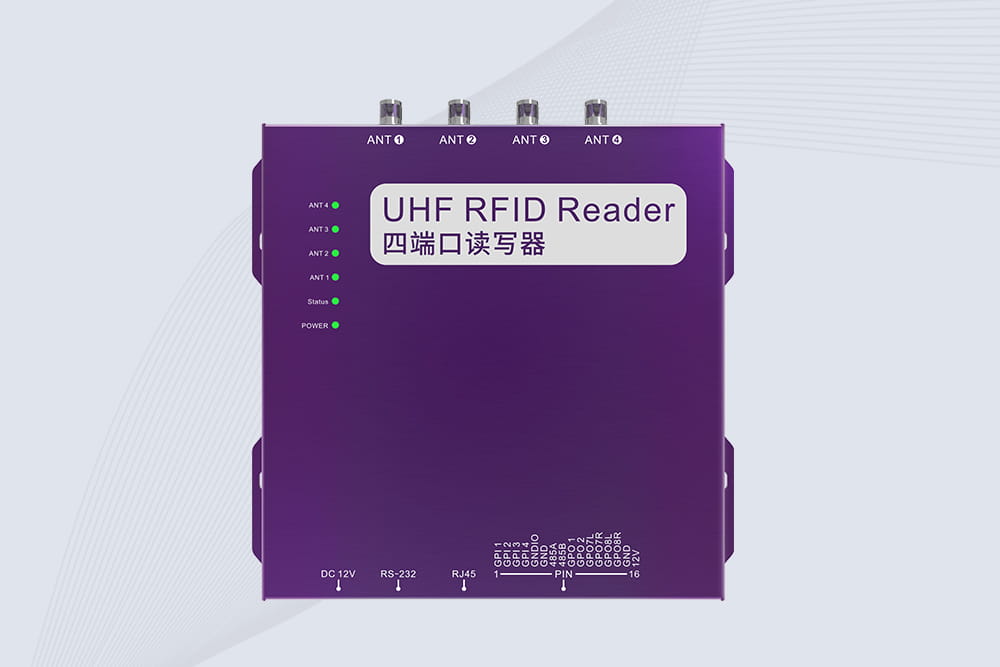
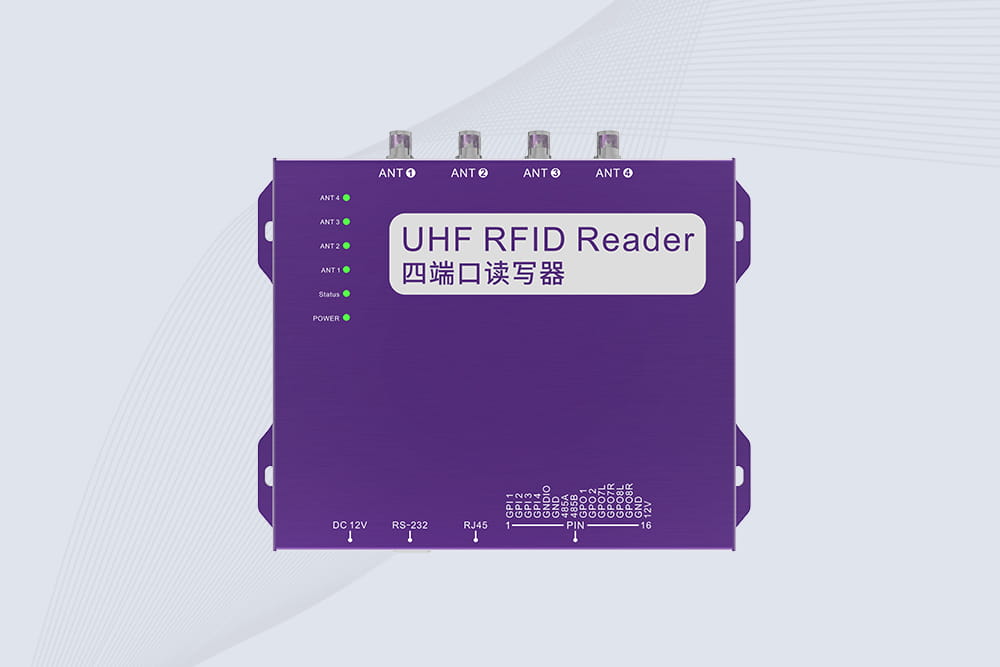
SSD-R8L 8-port UHF RFID reader with 33dBm output, up to 20m reading range and 600+ tags/s recognition. Ideal for warehouse, logistics, retail and asset tracking.
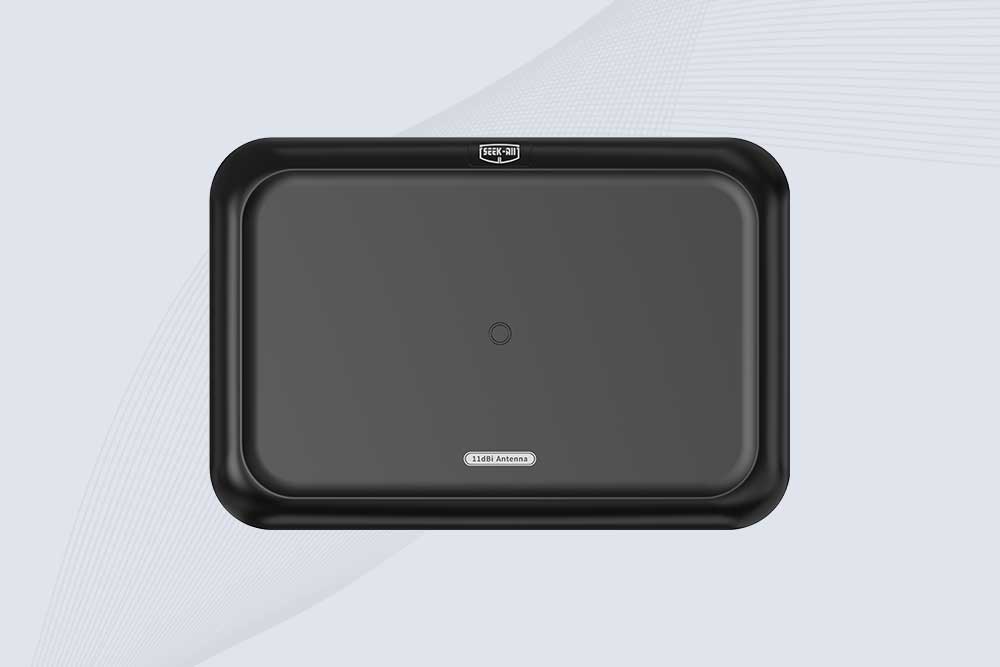
Cykeo CYKEO-A11 UHF RFID reader antenna delivers 11dBi gain, 840-960MHz frequency range, and IP65 ruggedness for retail, logistics, and industrial RFID systems. Features low VSWR and easy installation.
CYKEO Antenna RFID Reader delivers stable long-range UHF performance with a 10.5dBi directional design, built for warehouses, conveyor portals, and industrial RFID systems. This rfid reader antenna provides 20m+ read distance and rugged IP67 protection.
Cykeo CYKEO-A5B industrial Linear RFID Antenna delivers 5dBi gain, ≤1.5:1 VSWR, and IP65 rugged design for warehouse, production line, and logistics UHF systems.
Cykeo’s CYKEO-B12 Long Range RFID Antenna delivers 15m+ read range with 12dBi gain, IP65 rugged design, and global 840-960MHz UHF support. Ideal for warehouse/logistics asset tracking.
Cykeo CYKEO-B10 Long Distance RFID Antenna offers 10dBi gain, 840-960MHz frequency range, IP65 rating, and 20m+ coverage for logistics/warehousing/ETC systems. Low VSWR ensures stable signal transmission.
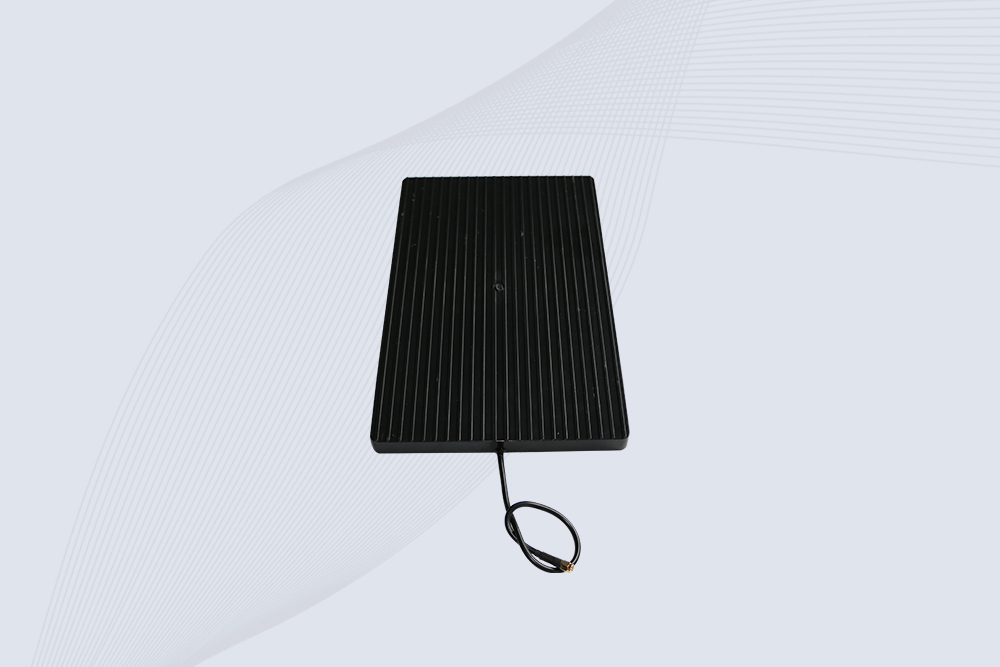
Cykeo CYKEO-A6 UHF RFID panel antenna features 6dBi gain, 840-960MHz broadband, IP65 metal-ready housing for logistics/smart retail. 18mm ultra-thin design with tool-free mounting.
Cykeo CK-A3 industrial antenna RFID UHF offers 5m+ tag detection, ≤1.3:1 VSWR, IP65 rugged design, and global UHF spectrum compatibility (840-960MHz) for warehouses, factories, and retail.
Cykeo CYKEO-B5 directional RFID antenna provides 5dBi gain with 60° narrow beamwidth for precise inventory tracking. IP65-rated, global UHF frequency support, and low VSWR.
Create your own high-performance DIY RFID antenna! 5dBi gain, 840-960MHz tunable, step-by-step guides. Compatible with Arduino, Raspberry Pi, and commercial UHF readers.
Cykeo CYKEO-A7 Flexible RFID Antenna features 840-960MHz wideband tuning, 7dBi gain, and IP68 rating for medical/retail/industrial curved surface deployments. 98% read accuracy with peel-and-stick installation.
Cykeo CYKEO-B5A industrial Passive RFID Antenna delivers 5dBi gain, 70° beamwidth, and -40°C~55°C operation for warehouses/smart cabinets. Compatible with Zebra/Impinj readers.
Cykeo’s CYKEO-A9B High Gain RFID Antenna delivers 15m+ read range with 9dBi amplification. Features IP54 rugged design, 840-960MHz bandwidth, and 80° beamwidth for warehouse/manufacturing RFID systems.
Cykeo’s enterprise-grade 8dbi Impinj RFID Antenna 10m+ read range with 840-960MHz tuning. Features IP65 housing, 1.4 VSWR, 35° beamwidth for retail/warehouse RFID systems.
Cykeo CYKEO-A9 industrial UHF RFID antenna delivers 9dBi gain, 840-960MHz frequency range, and IP65 protection for warehouse/logistics/retail RFID systems. Features N-type connector and ≤1.3:1 VSWR.
CYKEO UHF RFID Antenna built for long-distance and industrial applications. This antenna rfid uhf delivers strong gain, outdoor durability, and reliable tag performance in warehouses, yards, and vehicle ID systems.
CYKEO Antenna RFID delivers reliable long-range UHF performance in warehouses, retail shelves, and cold-chain environments. This compact uhf rfid antenna provides stable reads with circular polarization and ultra-wide 840–960 MHz support, ideal for industrial tracking, smart shelves, and asset monitoring.
Cykeo’s CYKEO-C8 UHF RFID antennas delivers 8dBi gain, 840-960MHz full-band coverage, and IP65 ruggedness for manufacturing/warehouse RFID systems. Industrial RFID Antennas Features
Cykeo’s 8dBi UHF RFID antenna and reader kit delivers 10m+ range, 840-960MHz broadband, and IP65 ruggedness for factories, warehouses, and logistics. ISO 18000-6C & EPC Gen2 certified.
Cykeo’s CYKEO-A12C UHF Large RFID Antenna delivers 12dBi gain, 840-960MHz global frequency, IP65 ruggedness for logistics/warehousing/automotive. 40° beamwidth ensures stable 15m+ tag reads.
CYKEO Near Field RFID Antenna provides precise 5–30 cm reading for shelves, cabinets, and workstations. This compact rfid shelf antenna delivers stable short-range performance around metal and clutter, ideal for pharmacies, libraries, and electronics sorting.
Cykeo’s industrial long range RFID reader delivers 20-meter scanning, 500+ tags/sec speed, and IP67 waterproof design for automated warehouses, logistics, and harsh environment applications.
Cykeo’s CYKEO-RA6L industrial RFID long range reader features 20m read distance, 500 tags/sec speed, and IP67 protection. Ideal for warehouse automation, manufacturing WIP tracking, and smart logistics. Supports ISO 18000-6C/6B protocols.
CYKEO Long Range RFID Tag Reader built for outdoor and industrial operations. This Outdoor RFID Reader delivers 20m read distance, fast tag processing, and IP67 durability for wide-area tracking.
Cykeo CYKEO-RA12L industrial Long Range RFID Reader delivers 20m read range, 200+ tags/sec scanning, and IP67 protection for manufacturing/logistics applications. Supports ISO 18000-6C/GB protocols.
Cykeo CYKEO-C1 industrial Forklift RFID Reader features 20m read range, 600 tags/sec scanning, Impinj R2000 chipset, and IP67 rugged design. Ideal for warehouse logistics and manufacturing. Supports ISO 18000-6C/6B protocols.
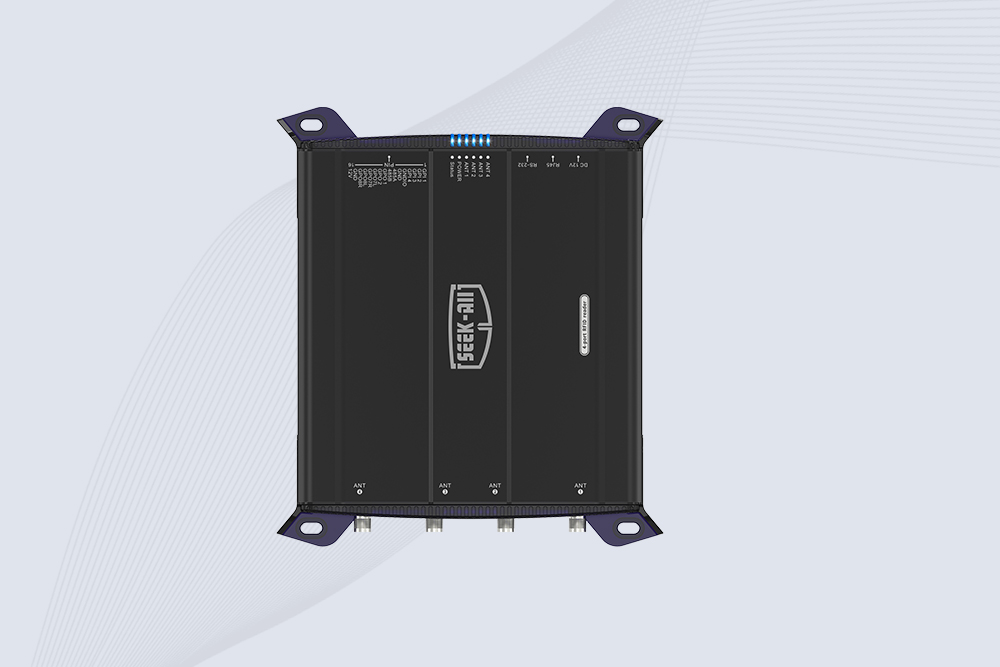
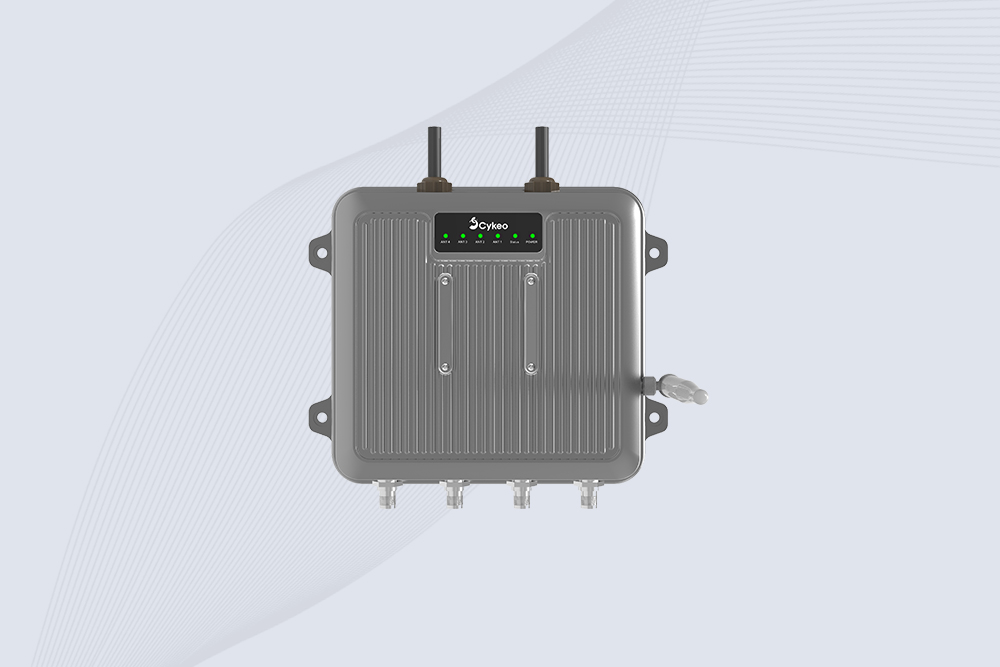
Cykeo CYKEO-R4 industrial UHF RFID Fixed Reader features 4 TNC ports, 400+ tags/sec speed, IP67 housing, and global frequency compliance for vehicle inspection, smart warehouse, and asset management systems.
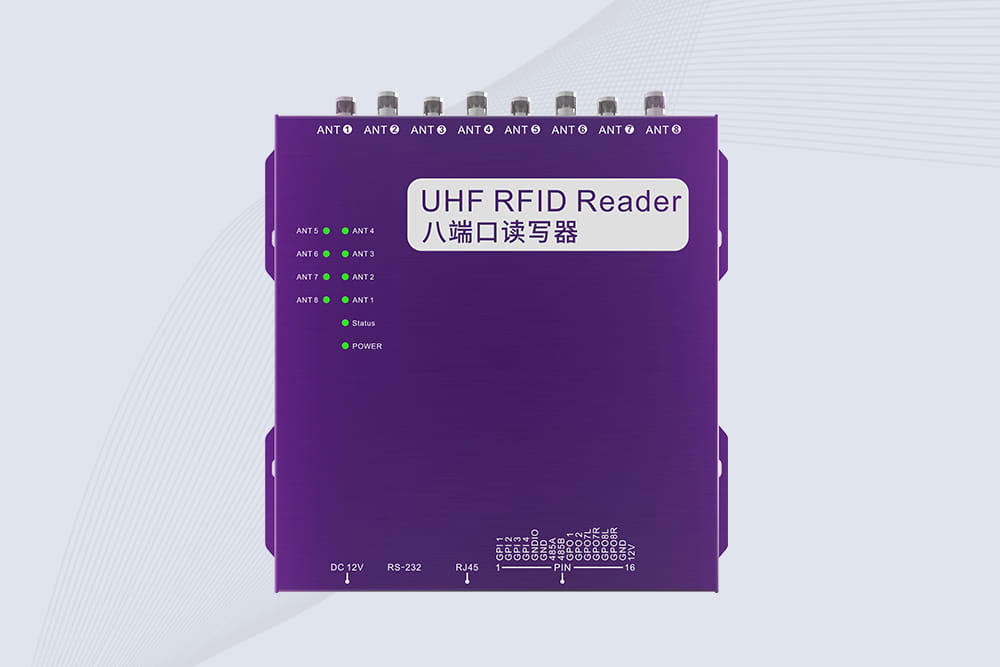
CYKEO CYKEO-R8L Fixed RFID Reader with 8-port UHF design, Impinj-based RF core and up to 20m read range. An industrial Fixed RFID Reader for vehicle inspection, warehouse portals, smart manufacturing lines and secure access checkpoints.
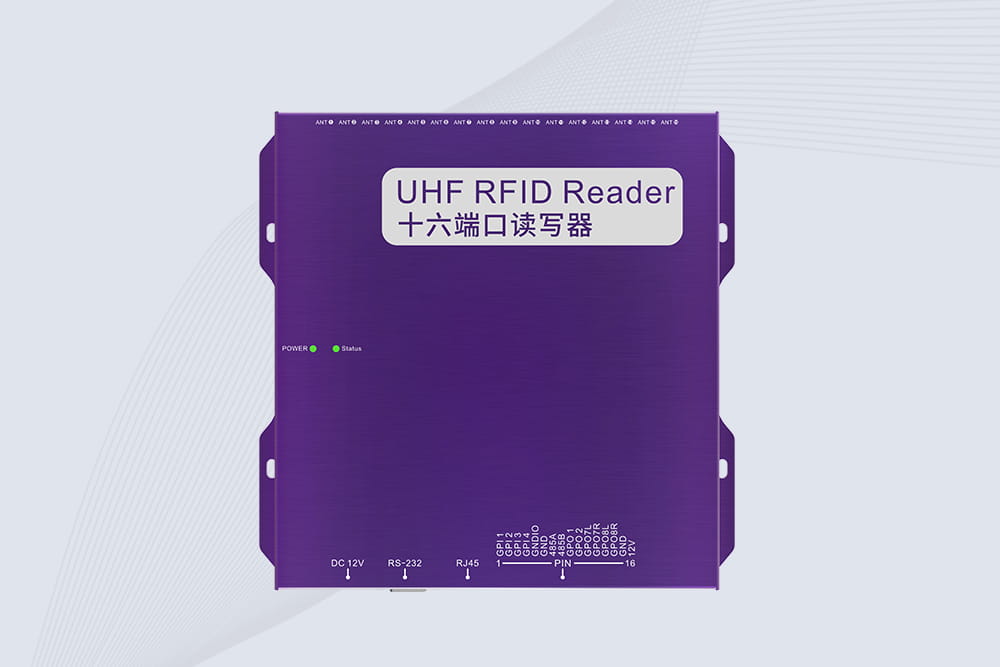
RFID Fixed Reader from CYKEO – the CYKEO-R16L 16-port UHF fixed reader for warehouses, smart cabinets, and production lines. Long-range, multi-tag reading, stable performance for 24/7 industrial use.
RFID Industry Writer | IoT & Asset Tracking Analyst
James writes about RFID technology, asset tracking, and the practical challenges of digital transformation across warehousing, retail, manufacturing, and logistics.
His work focuses on how RFID is applied in real-world operations—improving inventory visibility, automating workflows, and helping businesses manage assets with greater accuracy and efficiency.
He regularly covers topics including UHF RFID, smart cabinets, RFID portals, tool tracking, warehouse automation, and industrial IoT trends..
Discover how RFID access solutions improve security, automate entry management, and reduce operational costs. Learn about RFID cards, readers, tags, system architecture, industry applications, and how to choose the right solution for your business.
Discover which RFID tags are rewritable, reprogramming steps, security implications, and how to leverage reusable tags for cost-saving supply chain management.
How much does an RFID tool cabinet cost? Discover key pricing factors, cost ranges, and how to choose the right RFID tool tracking system for your budget.
 Cykeo RFID IoT Solution Products R&D Manufacturer