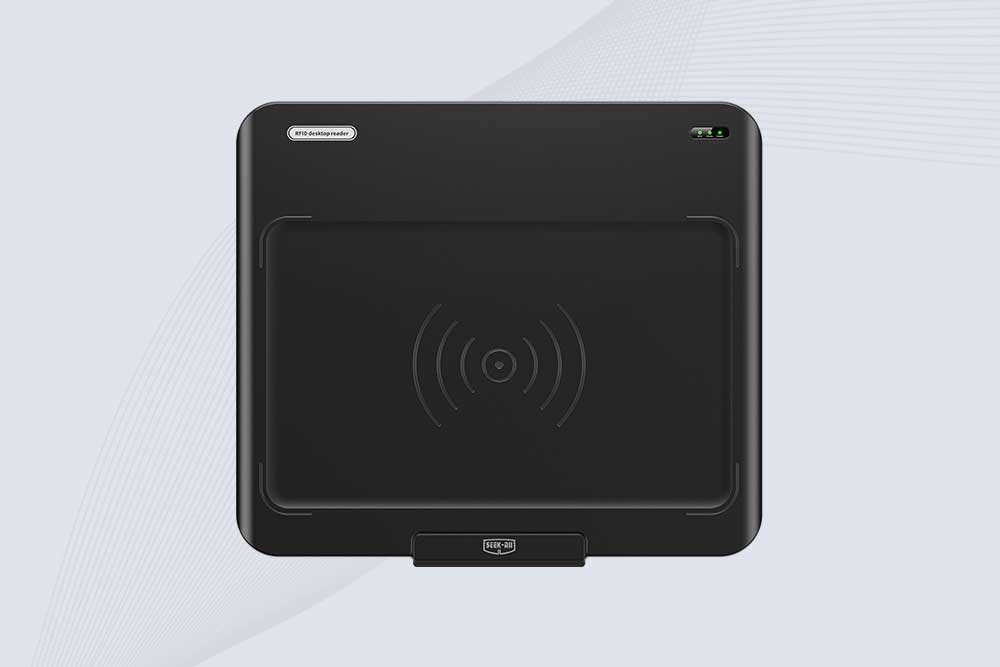
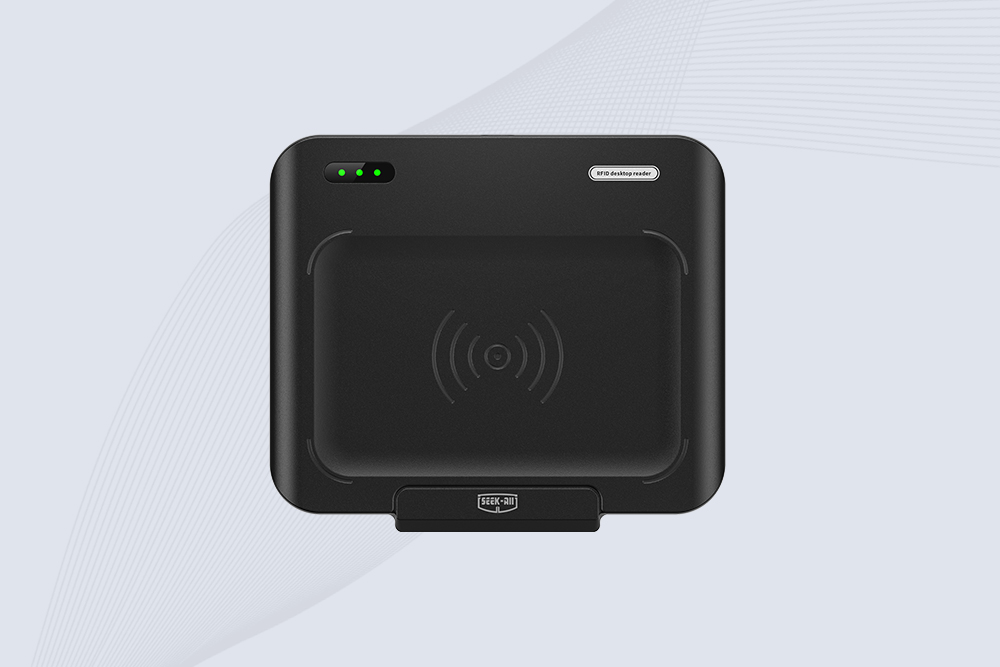
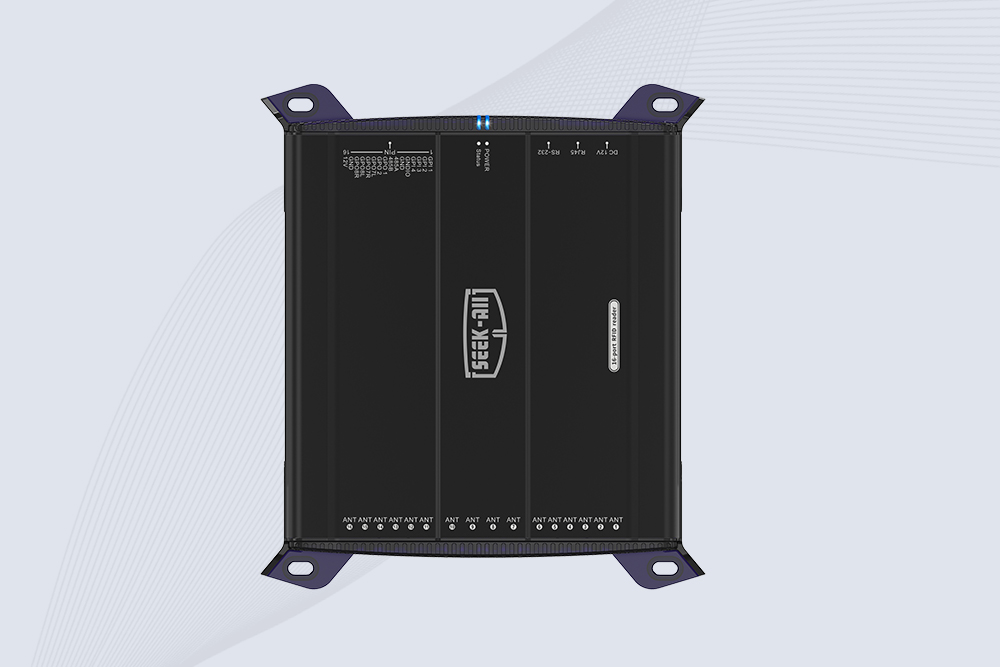
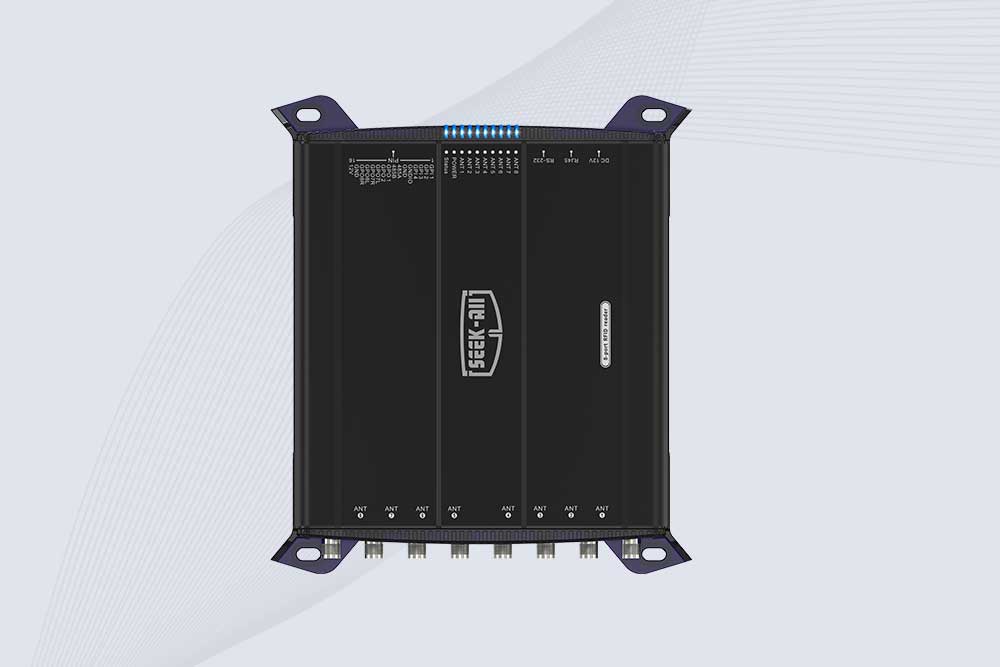
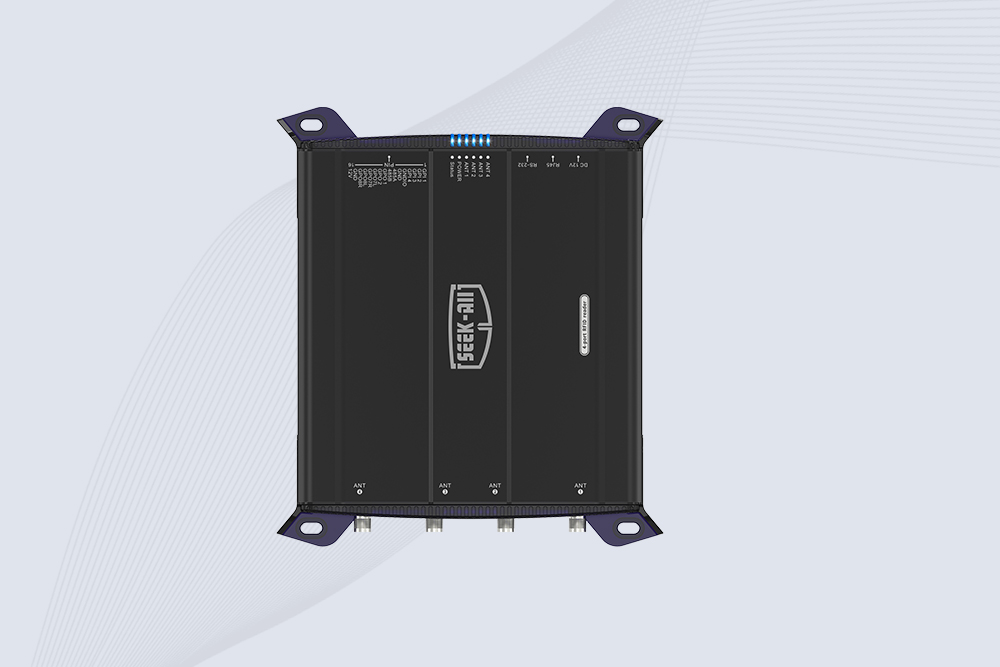
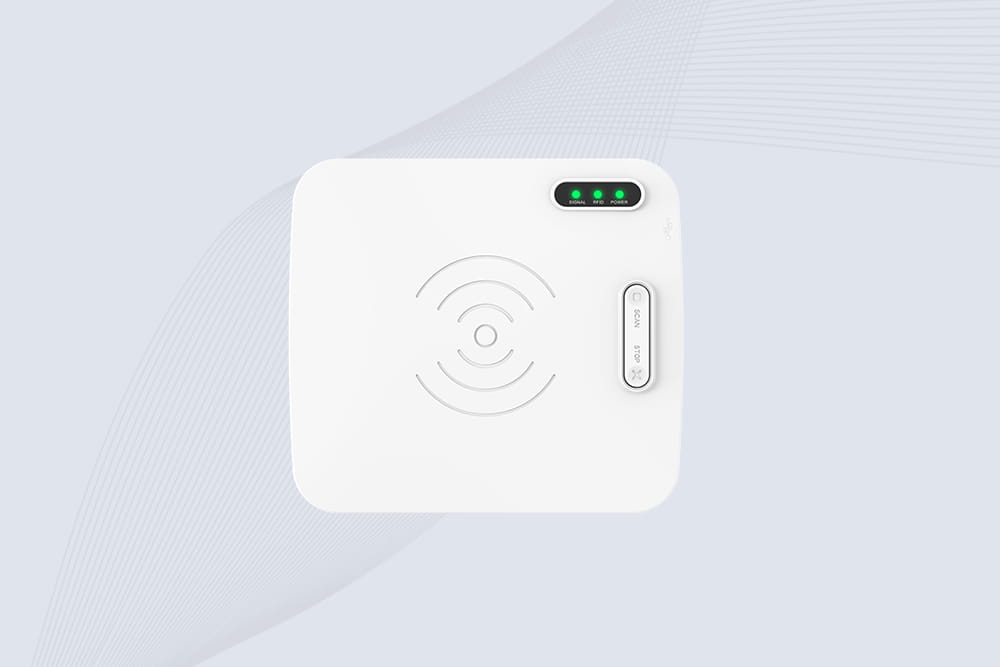
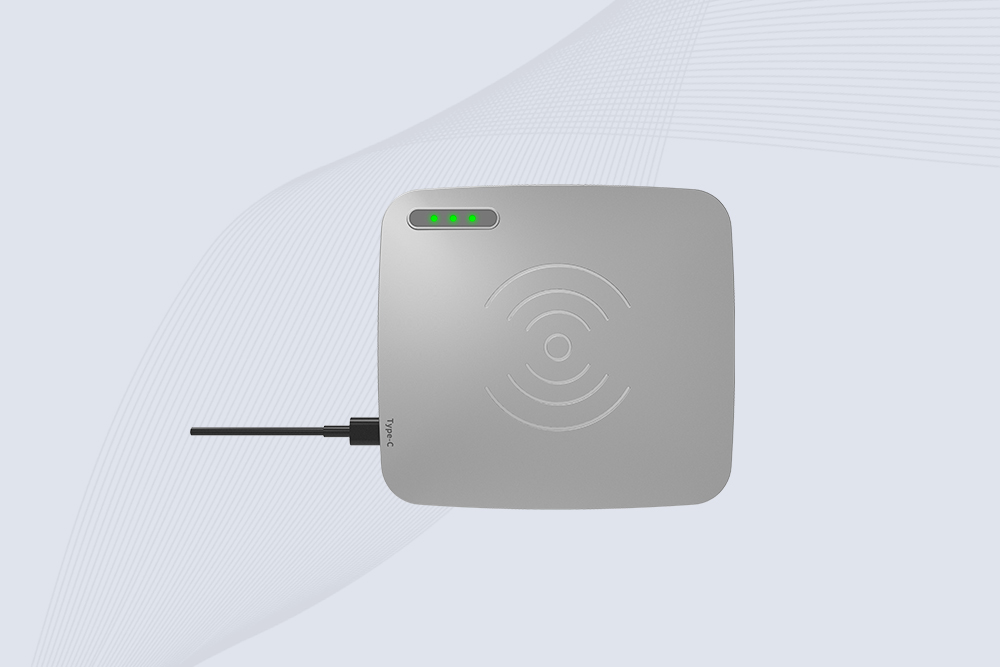
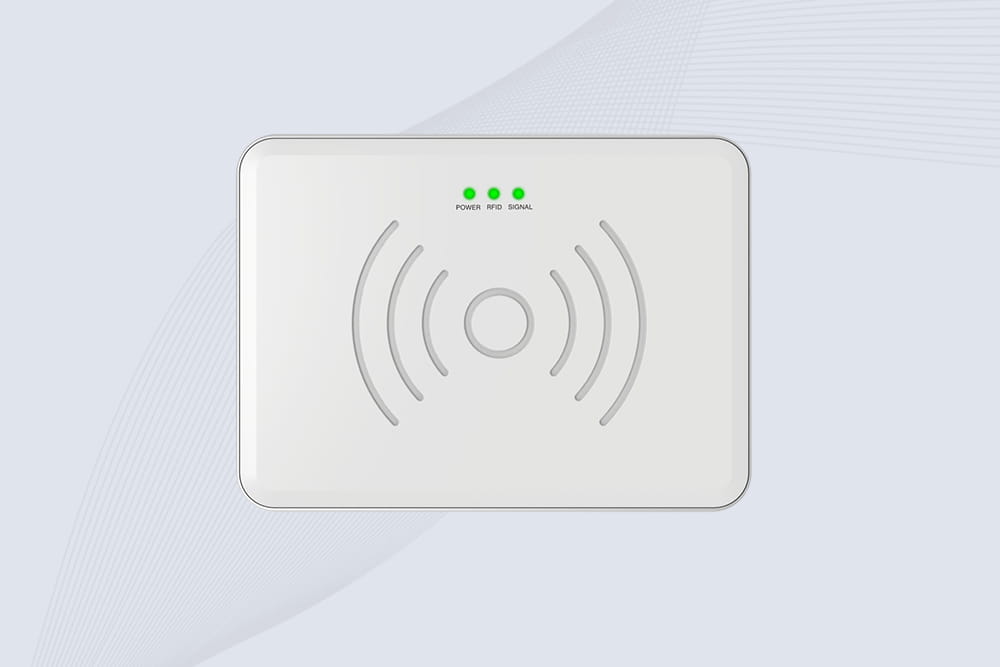
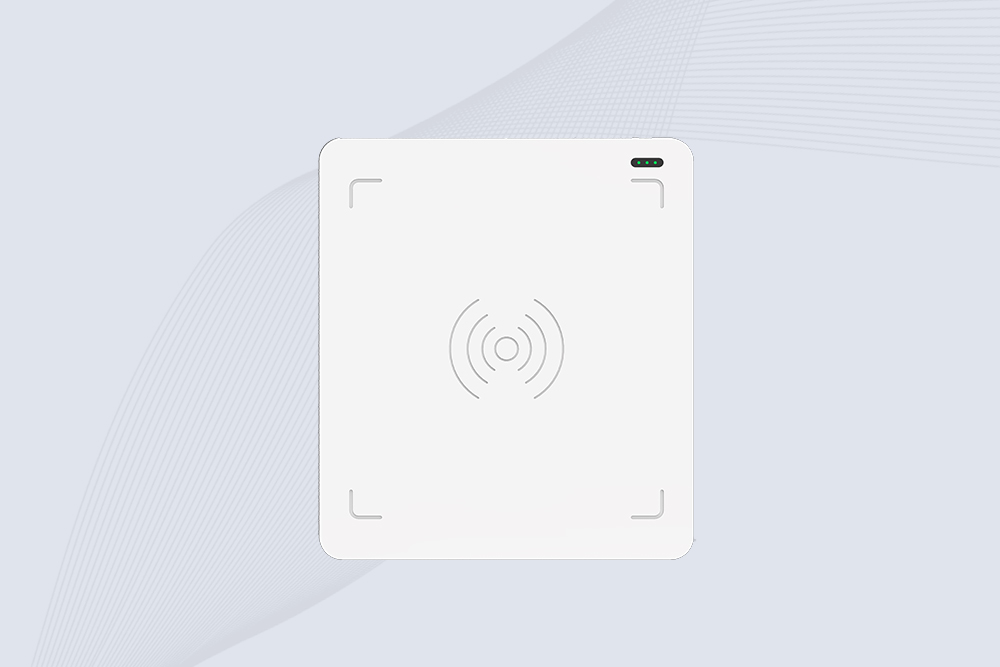
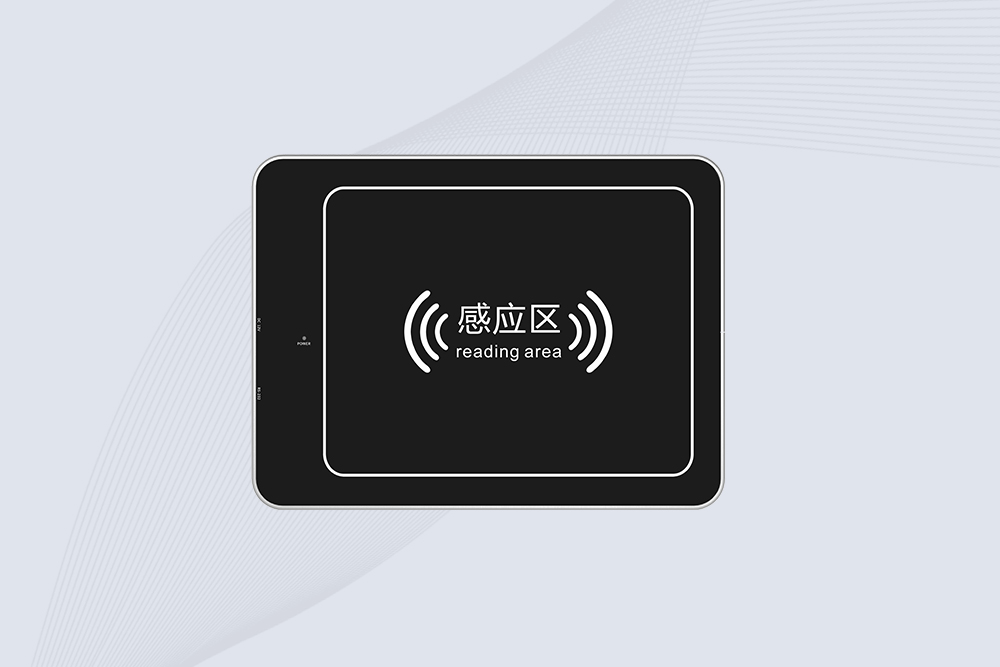
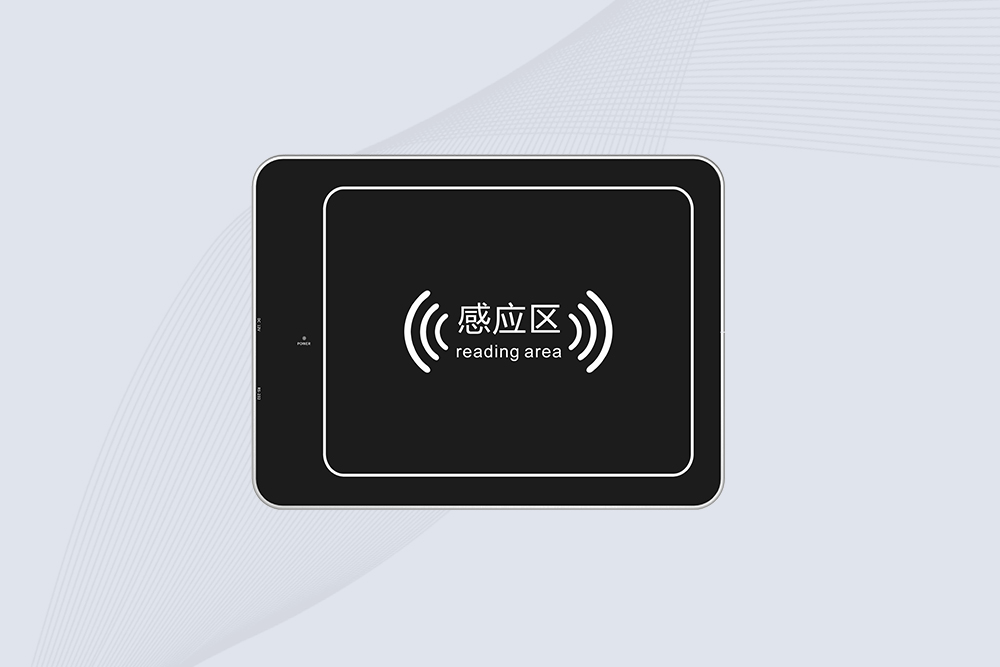
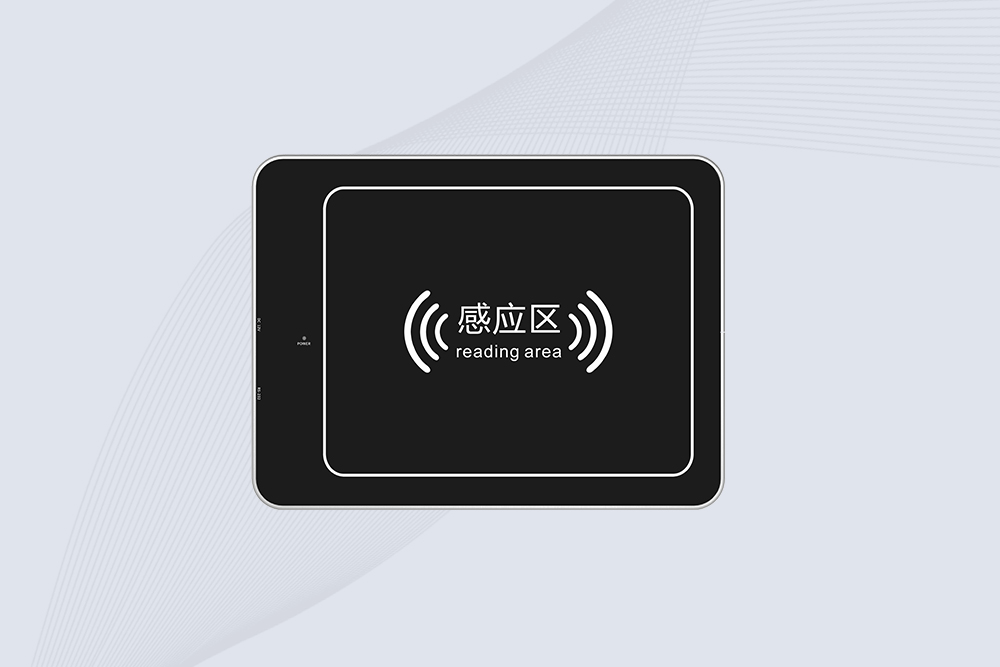
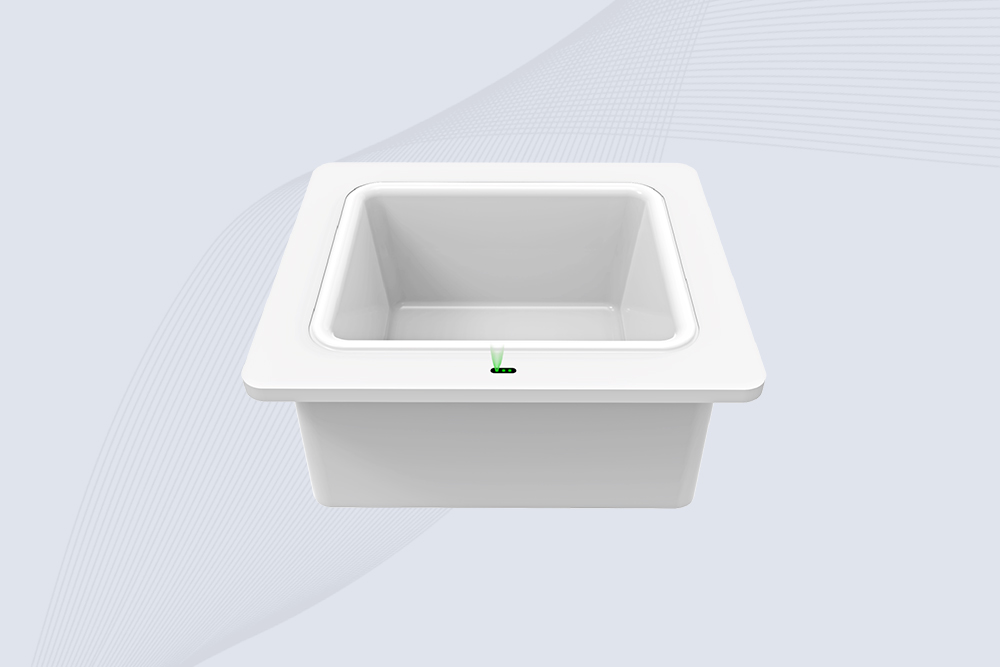
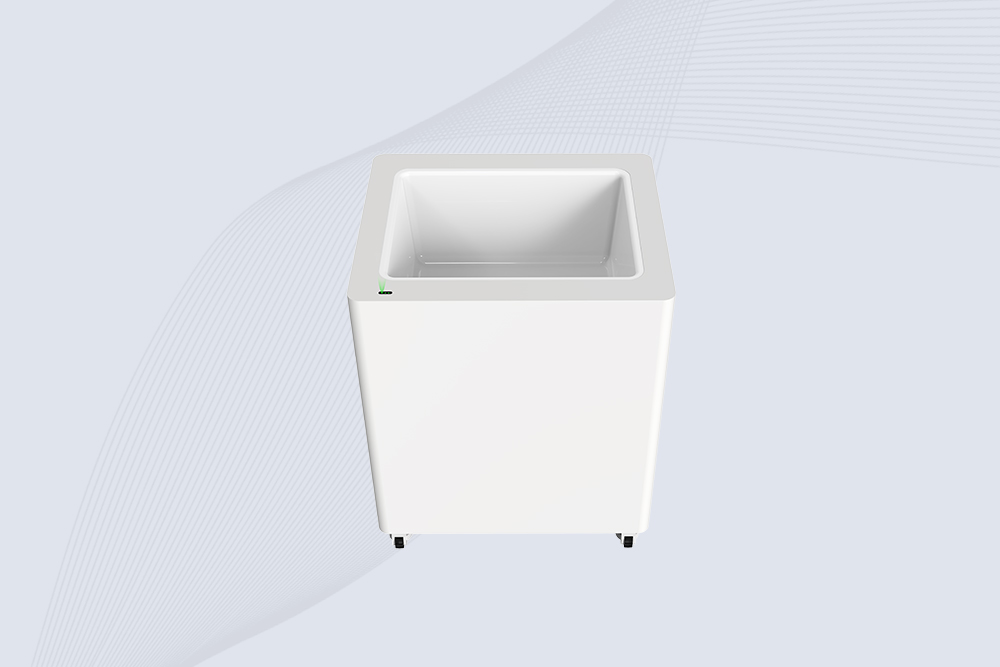
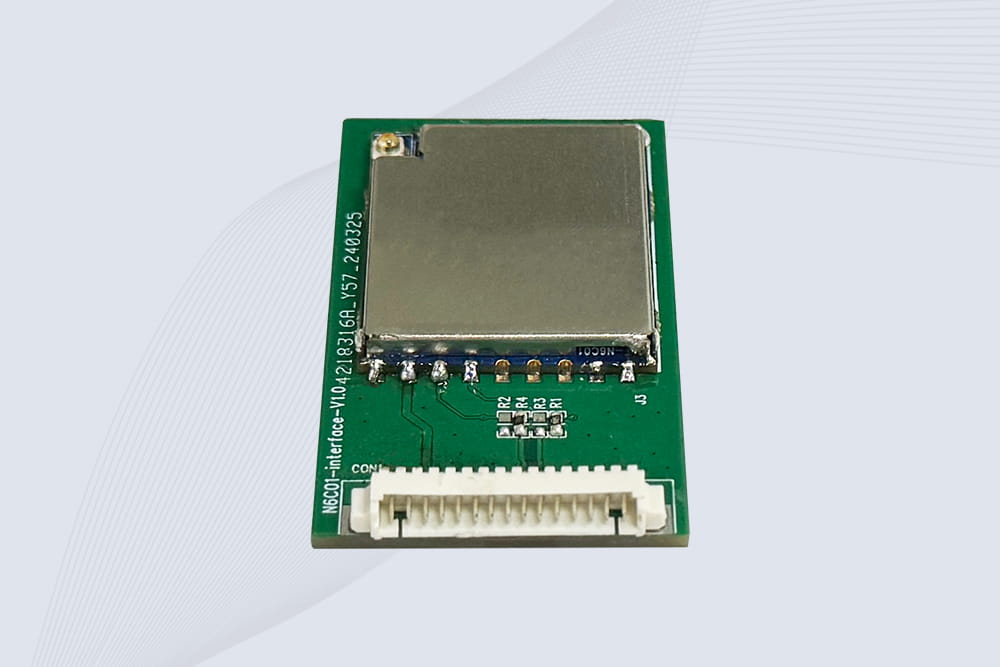
What is a rfid device? An RFID device is electronic equipment that communicates with RFID tags using radio waves to identify objects and exchange tag data. Depending on its design, an RFID device can read, write, or manage tags for inventory, assets, tools, textiles, libraries, and logistics.
That definition sounds simple. In actual RFID projects, however, the word device covers several very different pieces of equipment.
An RFID tag is attached to the physical object. The RFID device is the equipment that communicates with that tag. A reader installed beside a warehouse door behaves very differently from a small desktop reader used by a librarian to register books.
This distinction matters when specifying an RFID system.
What Is an RFID Device Used For?
An RFID device is primarily used to identify tagged objects without requiring direct visual contact with the tag.
Depending on the application, it can:
Read RFID tag identification data
Write information to compatible RFID tags
Register new tagged items
Detect multiple tags
Filter tag data
Capture RSSI information
Support inventory operations
Record item movement
Connect RFID information with management software
In a working environment, the RFID device becomes the link between a physical item and the digital system behind it.
For example, a tagged tool sitting in a cabinet is still a physical object. Once an RFID reader detects its tag, the system can associate that tag ID with the tool’s digital record.
That is where RFID becomes useful operationally.
RFID Device Types and Their Different Roles
Fixed RFID Devices
A fixed RFID reader normally stays in one location.
Typical installations include:
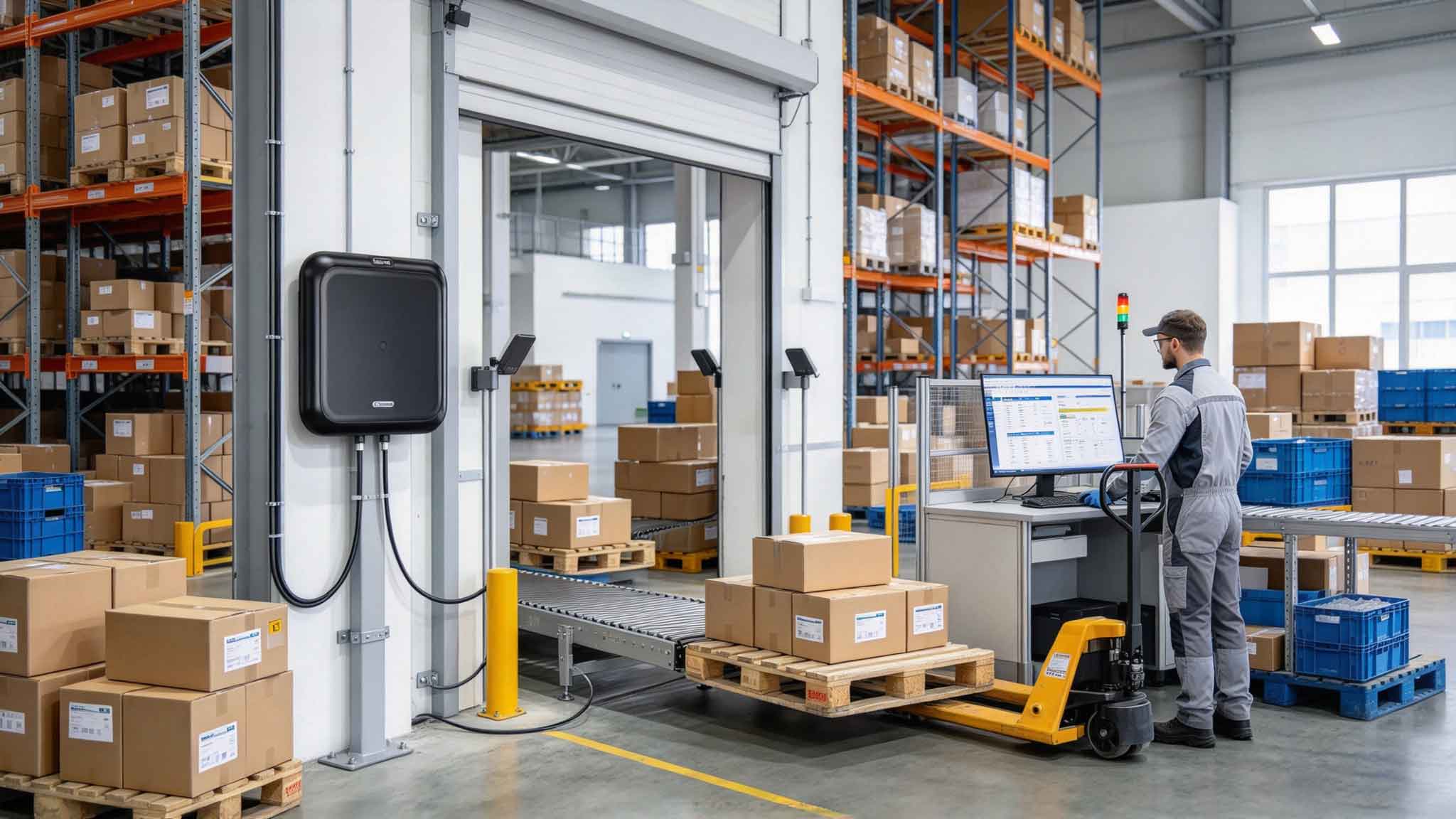
Warehouse entrances
Conveyor lines
Inventory checkpoints
Access areas
Production stations
The reader can be connected to one or more antennas, depending on the required coverage.
For a warehouse application, the objective is not necessarily to obtain the longest possible reading distance. The important question is whether the reader can reliably identify the tags passing through the intended reading zone without collecting unwanted tags nearby.
That difference is easy to miss during early system planning.
Handheld RFID Devices
Handheld RFID devices combine RFID reading hardware with a portable computer or terminal.
They are useful when an operator needs to move through a working area rather than bring every item to a fixed station.
Common applications include:
Warehouse stock checking
Asset searches
Tool inspections
Retail inventory
Field service
The operator can carry the device directly to shelves, storage areas, or equipment.
Desktop RFID Devices
Desktop RFID devices are designed for controlled, short-range operations.
They are particularly useful for:
RFID tag registration
Tag writing
Library item registration
Tool entry
Textile registration
Tag conversion
For these applications, a controlled reading area can actually be more useful than a long reading distance.
How Does an RFID Device Work?
RFID Device Communication With a Tag
An RFID system generally contains three important elements:
Component
Main Function
RFID Tag
Stores identification or other tag data
RFID Reader/Device
Sends and receives radio signals
Software
Processes and manages collected information
The RFID device communicates with the tag through radio frequency energy.
With passive RFID, the tag does not normally need its own battery. The reader supplies the radio-frequency energy required for communication, and the tag responds with its stored information.
Frequency matters.
Common RFID frequency families include:
LF: typically around 125–134 kHz
HF: 13.56 MHz
UHF: commonly used for longer-range industrial RFID applications
For UHF RFID, the GS1 EPC/RFID ecosystem is particularly important in supply-chain applications. GS1 identifies UHF RFID as part of its EPC technology framework for identifying physical objects and sharing information across supply chains.
This is also why an RFID device cannot be selected only by looking at a claimed reading distance. Frequency, tag construction, antenna design, surrounding materials, reader configuration, and application workflow all affect actual performance.
What Can an RFID Device Read?
Single-Tag and Multi-Tag Identification
One of the practical advantages of RFID is that a reader can detect multiple tags within its operating field.
That becomes useful when an operator needs to process a group of objects instead of scanning every barcode individually.
A typical workflow might look like this:
Tagged items → RFID device → Tag data → Software → Management record
In a library, for example, several tagged books can be placed within a controlled desktop reading area.
In a warehouse, many tagged cartons may pass through a reader zone.
The required device is different in each case.
The physical environment matters just as much as the RFID electronics.
RFID Device Performance Factors
Reading Range Is Only One Specification
When evaluating an RFID device, reading distance is often the first specification people ask about.
It should not be the only one.
Important specifications include:
Operating frequency
Output power
Read sensitivity
Multi-tag performance
Anti-collision capability
Communication interface
Antenna configuration
Supported RFID protocols
Environmental protection
Software and SDK support
For a controlled desktop station, a short reading range can be desirable because it reduces accidental reads from neighboring items.
For a warehouse portal, the design priorities are different.
This is one reason RFID equipment should be selected according to the actual working scene rather than simply choosing the highest-power reader available.
RFID Devices in Professional Applications
From Tag Registration to Daily Management
At Cykeo, RFID device development is closely connected with these practical operating requirements.
For example, a desktop RFID platform can be designed around controlled tag registration and writing rather than general-purpose long-distance inventory.
A typical workflow can include:
Place the RFID tag in the working area.
Read its existing identification data.
Register or modify the required information.
Write compatible data to the tag.
Read the tag again for verification.
Transfer the result to management software.
This kind of workflow is particularly relevant to libraries, tool management, laundry and textile operations, and other environments where RFID tags must be registered or rewritten repeatedly.
An RFID device connects physical inventory with digital identification data.
RFID Device Interfaces and Integration
Connecting RFID Hardware With Business Systems
An RFID device rarely operates in isolation in a commercial deployment.
Depending on the model, communication can use interfaces such as:
USB
RS-232
Ethernet
Wireless communication
Software integration is equally important.
A professional RFID device may provide SDKs, APIs, or development documentation so that RFID data can be incorporated into an existing application.
Cykeo provides development resources for professional RFID applications, including C# and Java materials for applicable desktop RFID solutions.
For system integrators, this can be more important than the appearance of the hardware itself. A reader that performs well but cannot communicate conveniently with the customer’s software can create unnecessary engineering work.
What Is a RFID Device in Everyday Business Operations?
A useful way to understand what is a rfid device is to stop thinking of it simply as a scanner.
It is an interface between radio-frequency identification tags and an information system.
A reader may sit beside a conveyor. A handheld unit may move through a warehouse. A desktop platform may remain beside a librarian all day.
They are different forms of the same basic technology, designed around different physical workflows.
For professional RFID projects, the useful question is therefore not simply “Which RFID device has the longest range?”
It is “What does the device need to identify, where will that happen, and what does the system need to do with the data afterward?”
RFID Device Applications by Industry
RFID Devices for Libraries
Libraries are a good example of why an RFID device should be designed around the workflow rather than treated as a generic scanner.
At a registration station, staff may need to register book tags, identify items, process borrowing and returns, and query records. A desktop RFID device keeps this work concentrated in a small, controlled area.
For tag registration, short-range reading can be an advantage. The operator wants the intended book or tag to be detected—not every tagged object sitting several meters away.
RFID Devices for Tools and Assets
Tool management creates a different requirement.
A tool can move between a storage cabinet, workshop, production area, and maintenance station. An RFID device can associate the tag with the tool’s digital record and support processes such as registration, checking, borrowing, and return.
The practical benefit is particularly noticeable when many similar tools are handled repeatedly.
RFID Devices for Textile Management
Laundry and linen operations also rely on repeated identification.
RFID-tagged uniforms, towels, bedding, and other textiles can be identified at designated processing points. The reader captures the tag information while software maintains the corresponding records.
Here, tag durability and installation method become just as important as reader performance.
RFID Reader Device vs. RFID Tag
They Perform Completely Different Jobs
One of the most common sources of confusion is treating the RFID tag and RFID device as the same thing.
They are not.
RFID Component
What It Does
RFID Tag
Carries the item’s electronic identity
RFID Reader
Communicates with and reads the tag
RFID Antenna
Sends and receives RF signals
RFID Software
Processes and manages the collected data
A tag might be attached to a book, garment, carton, or tool.
The RFID device remains part of the infrastructure used to communicate with that tag.
That distinction becomes important when designing a complete RFID solution because changing the tag does not automatically solve a reader or antenna problem.
What Makes a Professional RFID Device Different?
Anti-Collision and Multi-Tag Reading
In real applications, RFID devices may encounter several tags at once.
A warehouse reader, for example, may detect numerous tagged cartons within its RF field.
The reader therefore needs an anti-collision mechanism that allows multiple tags to be identified without treating their responses as one unreadable signal.
This is particularly important for inventory operations.
Stable Tag Writing
Reading and writing are not identical tasks.
Reading asks the device to retrieve information from the tag.
Writing requires the reader to transmit data to the tag and complete the write operation correctly.
For applications such as tag registration and tag conversion, writing stability matters considerably.
Cykeo desktop RFID platforms use proprietary signal-processing technology and support controlled near-field operation. Depending on the specific platform, output power can reach up to 33 dBm, while the working design can keep the reading area within approximately 30 cm and writing area within approximately 10 cm.
These figures are product-specific rather than universal RFID standards. Actual performance still depends on tag construction and installation conditions.
RFID Device Communication and Software Integration
USB, Serial, Ethernet and Development Interfaces
The physical interface determines how the RFID device communicates with the host system.
Common options include:
USB for desktop workstations
RS-232 for industrial equipment
Ethernet for network-connected readers
Wireless interfaces for portable applications
For developers, SDK and API availability can make a substantial difference.
Cykeo provides C# and Java development materials for applicable RFID platforms, allowing system developers to integrate RFID operations into their own applications instead of relying exclusively on standalone reader software.
A typical integration might pass information such as:
Tag EPC → Reader → Application → Database → Business operation
The final application could then associate that RFID identity with a book, tool, garment, product, or asset.
Choosing an RFID Device for a Specific Environment
Start With the Working Scene
Before choosing an RFID device, define the actual operating environment.
Requirement
Questions to Ask
Reading Zone
How large should the detection area be?
Tag Quantity
One tag or many simultaneously?
Writing
Does the application require tag rewriting?
Material
Are tags near metal, liquids, textiles, or paper?
Interface
USB, serial, Ethernet, or another connection?
Software
What system will receive the RFID data?
Installation
Desktop, handheld, fixed, or integrated?
This prevents a common mistake: selecting hardware according to a single impressive specification.
A 30 cm controlled reading area can be exactly what a tag-registration workstation needs. A warehouse portal may require a completely different reader and antenna configuration.
The application decides the hardware.
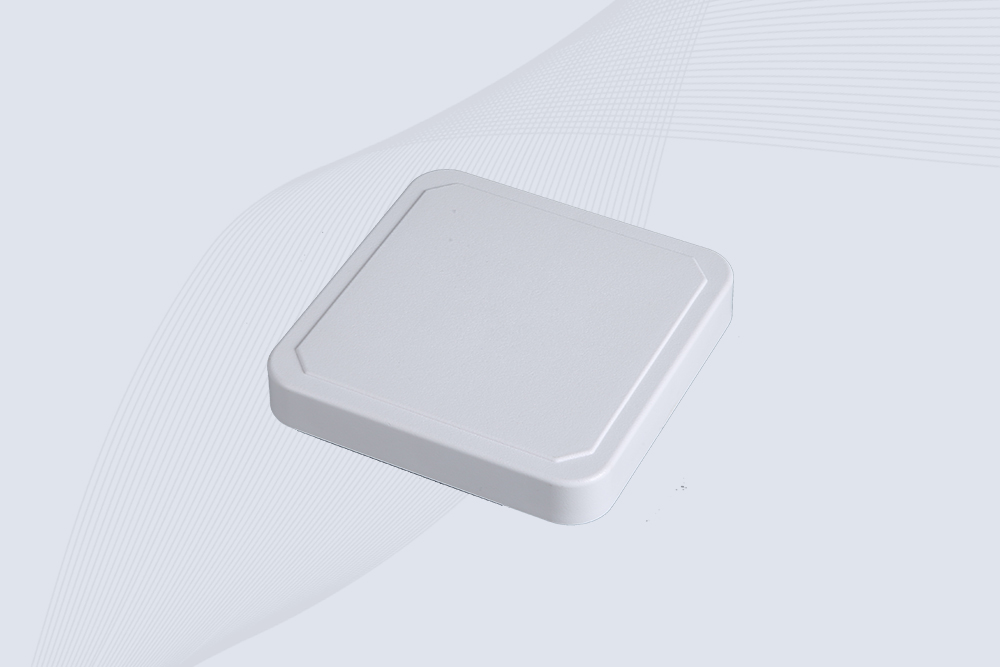
A desktop RFID device provides controlled short-range tag reading and writing for registration workflows.
RFID Device Performance: What Should Be Tested?
Testing the Device With the Actual Tag
RFID specifications provide a starting point, but practical testing should use the actual tag and application environment.
A useful test can examine:
Read consistency
Multi-tag recognition
Write success
Reading distance
Writing distance
Data filtering
RSSI behavior
Communication stability
For a desktop registration station, test the exact tags that operators will register.
For a warehouse system, test tags attached to the actual cartons, products, or pallets.
This matters because RFID performance is affected by the complete RF environment. A tag that performs well on an open workbench may behave differently when attached to a liquid container, metal tool, densely packed carton, or textile bundle.
RFID Device and RSSI Information
Using Signal Strength as Additional Information
Some RFID devices provide RSSI, or Received Signal Strength Indicator, which represents the strength of the received signal.
RSSI can be useful when developing RFID applications because it provides additional information about how strongly a tag signal is being received.
However, RSSI should not automatically be interpreted as an exact physical distance measurement.
The surrounding environment can influence RF signal strength.
Metal surfaces, tag orientation, antenna position, and other objects can all affect the observed value.
For professional applications, RSSI is better treated as an additional signal-quality parameter rather than a universal distance ruler.
Frequently Asked Questions About RFID Devices
1. What is a RFID device?
A RFID device is electronic equipment used to communicate with RFID tags. Depending on its design, it can read tag information, write compatible tag data, identify multiple tags, and transfer RFID information to software.
2. Is an RFID device the same as an RFID tag?
No. An RFID tag is attached to an object and stores identification information. An RFID device, such as a reader, communicates with the tag and collects its data.
3. What is an RFID reader device used for?
An RFID reader device detects RFID tags and retrieves their stored information. It can be used for inventory, asset management, logistics, library registration, textile management, and other identification applications.
4. Can an RFID device write information to a tag?
Yes, compatible RFID reader-writer devices can write data to supported RFID tags. Writing performance depends on the tag, reader output, RF environment, protocol, and software implementation.
5. Can one RFID device read multiple tags?
Yes. RFID devices designed for multi-tag operation can identify multiple tags within their RF field using anti-collision technology. Actual performance depends on tag density, reader configuration, antenna design, and environment.
6. How far can an RFID device read?
There is no single universal RFID reading distance. Range depends on frequency, reader power, antenna configuration, tag design, orientation, surrounding materials, and application conditions.
7. What RFID device should I use for tag registration?
A desktop RFID reader-writer with a controlled near-field area can be suitable for tag registration and rewriting. The appropriate device should be selected according to the tag type, required writing function, interface, software, and operating environment.
Why RFID Device Design Matters
A RFID device is more than a piece of radio hardware.
Its value comes from how well the reader, antenna, tag, communication interface, software, and working process fit together.
For a library registration desk, controlled short-range operation may be the priority.
For a warehouse, multi-tag recognition and reading-zone control may matter more.
For tool management, stable identification and software integration can become the practical focus.
That is why RFID projects should begin with the physical workflow—not with a specification sheet alone.
Cykeo develops RFID devices and platforms for applications including tag registration, tag writing, library management, tool entry, textile management, inventory identification, and other professional RFID workflows.
Understanding what is a rfid device ultimately means understanding its role in the complete identification system: the tag carries the identity, the RFID device communicates with it, and the software turns that interaction into useful operational information.
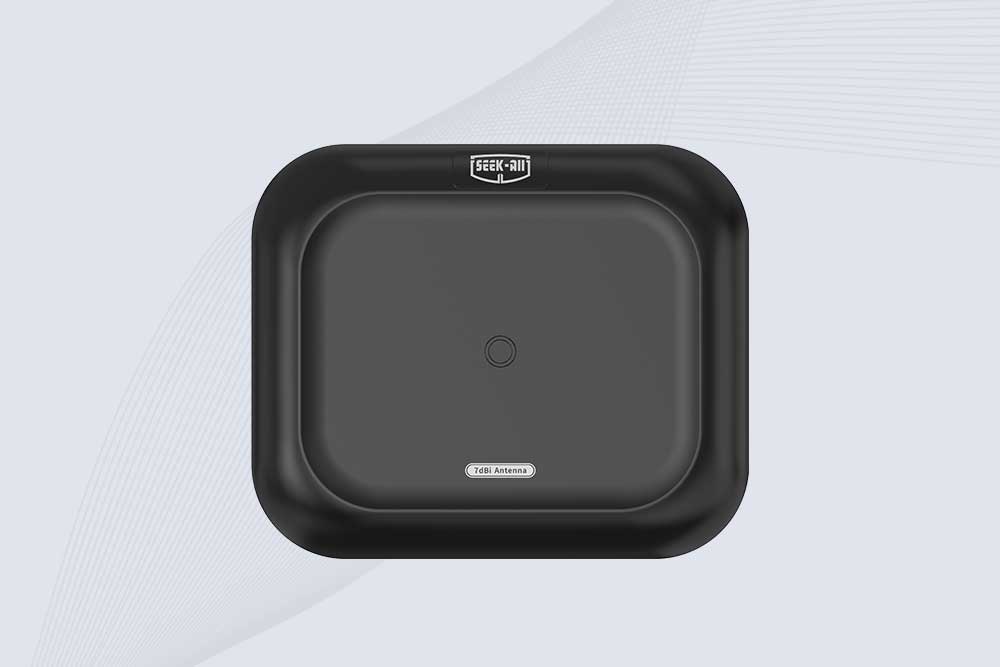
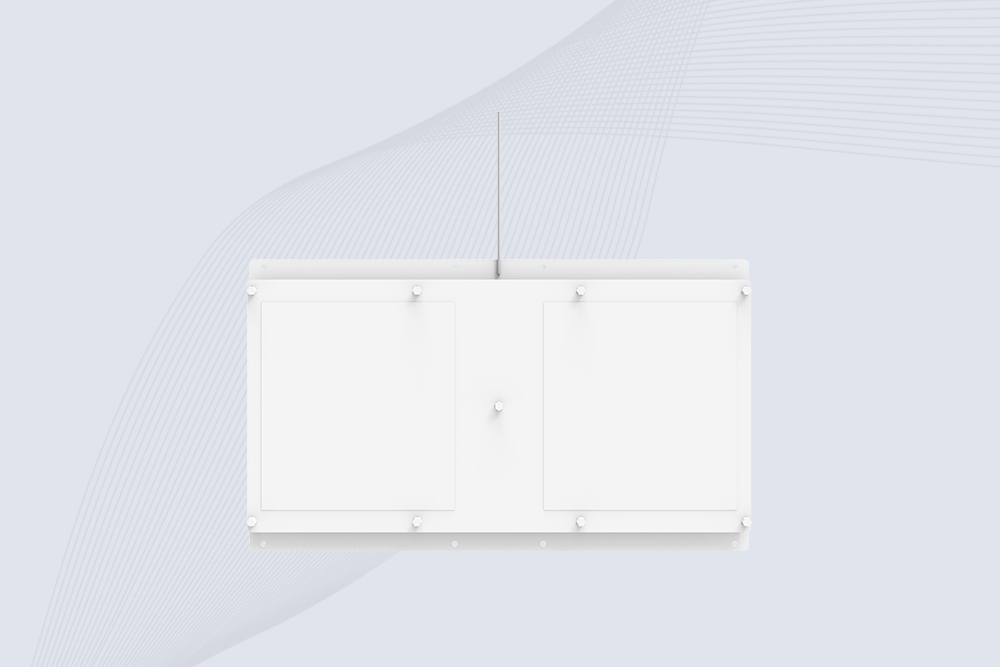
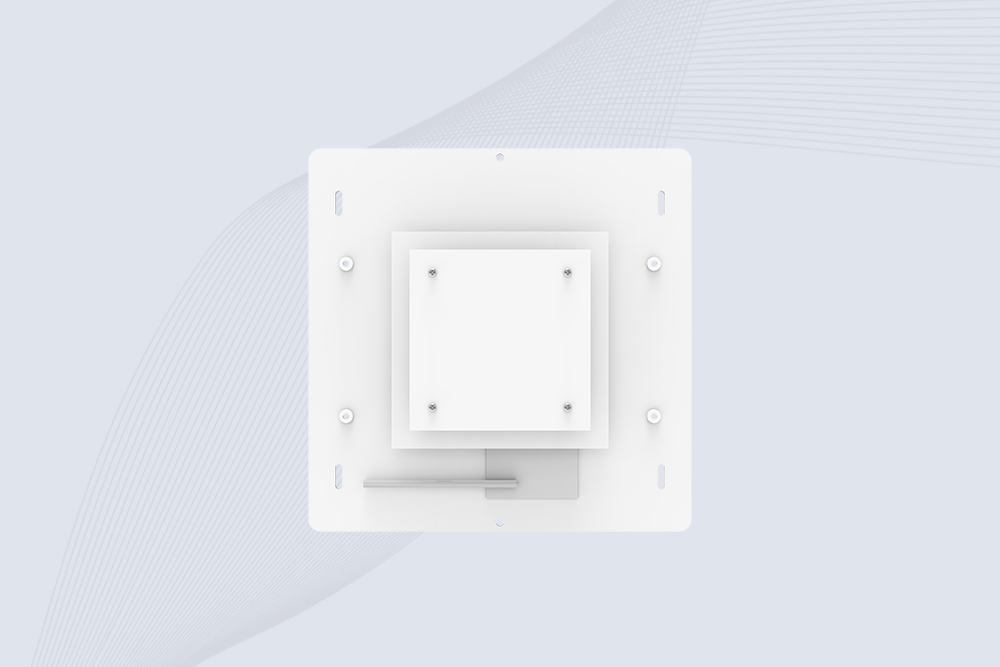
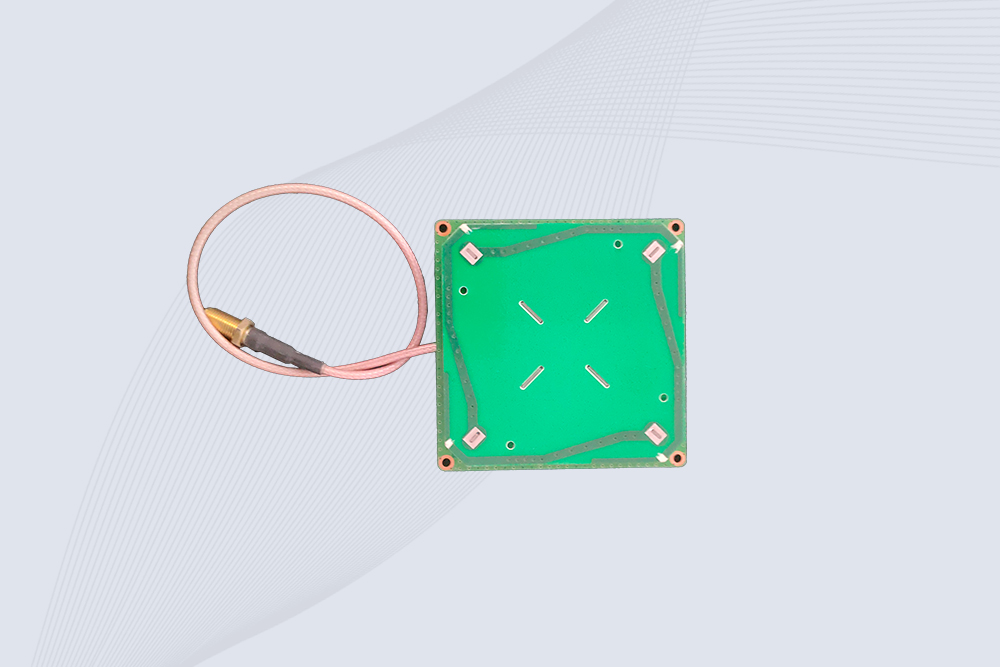
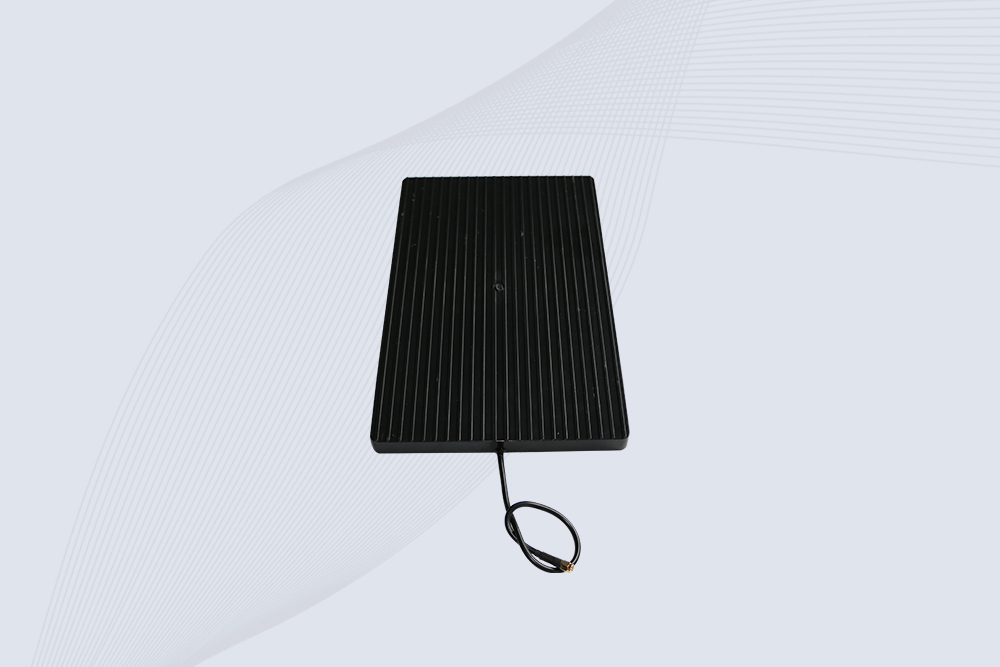
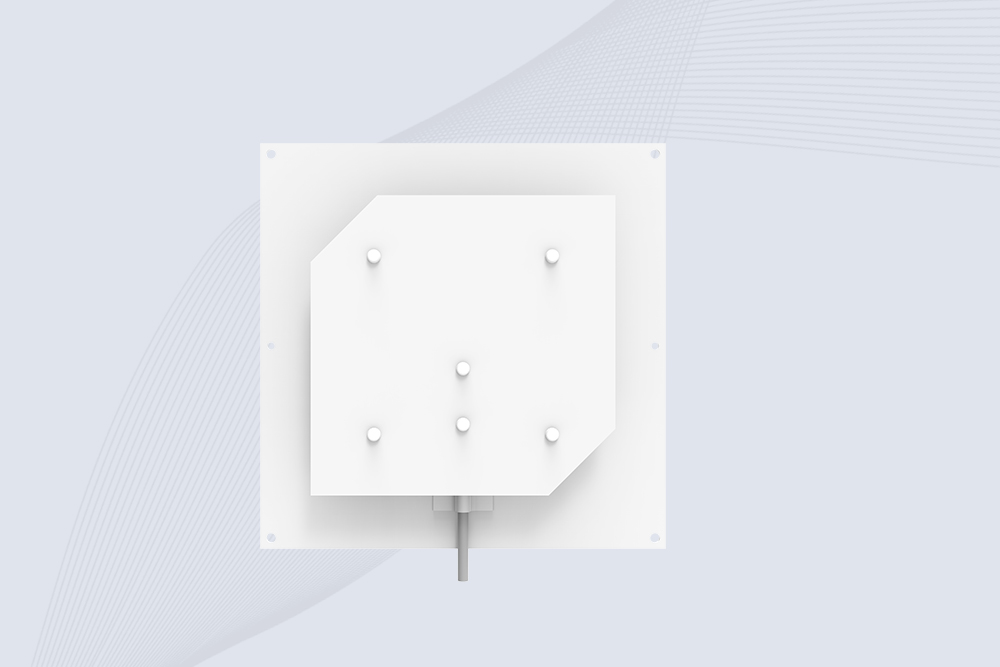
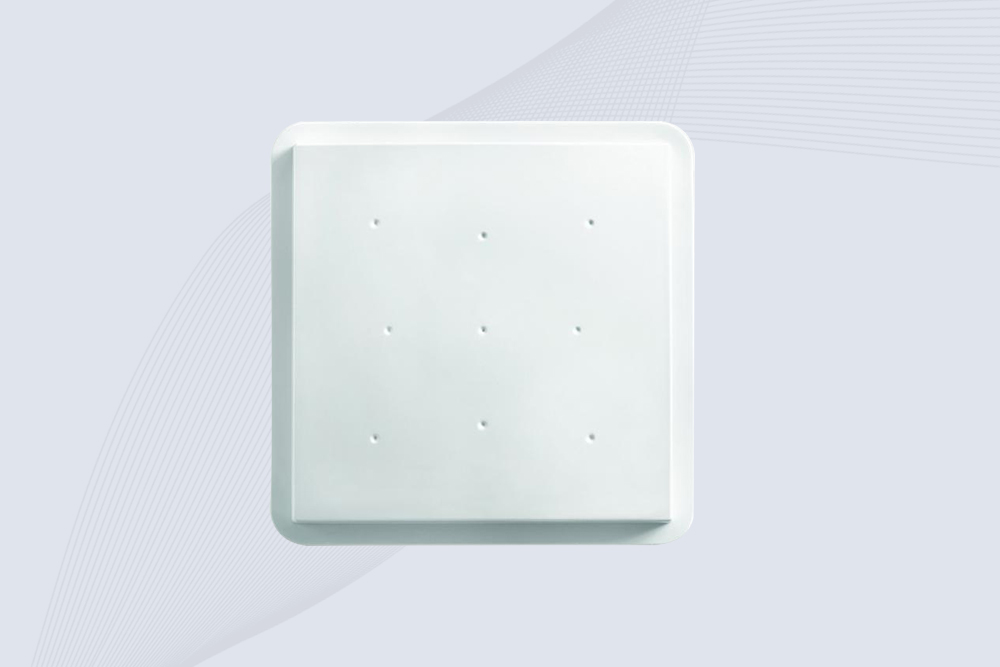
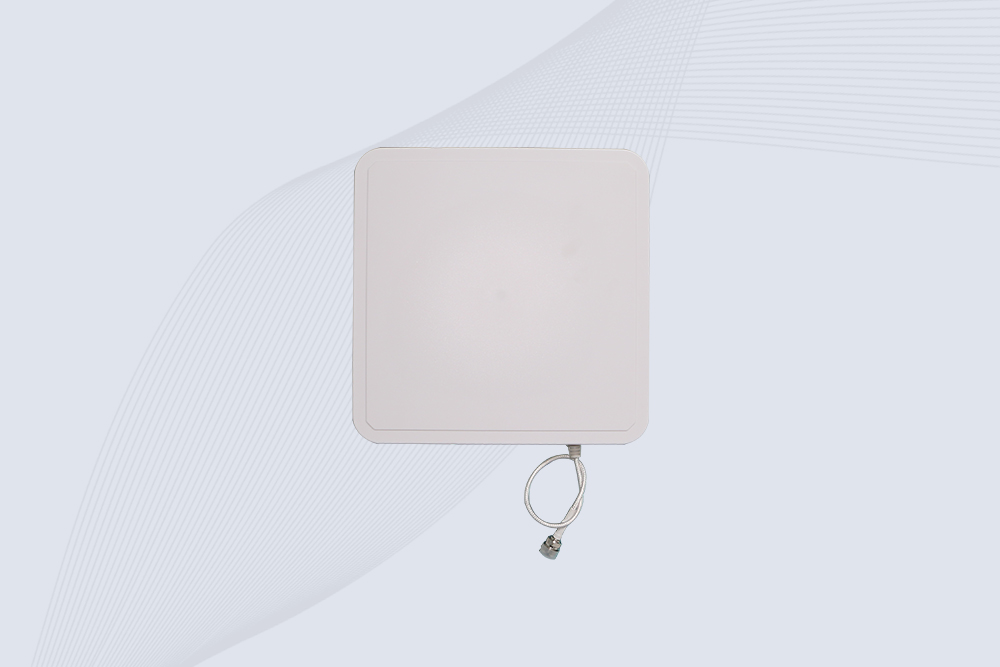
Explore the SSD-A07 UHF RFID antenna with 7 dBi gain, circular polarization, adjustable 840–960 MHz frequency, and 60°/75° beamwidth for stable RFID read/write performance.
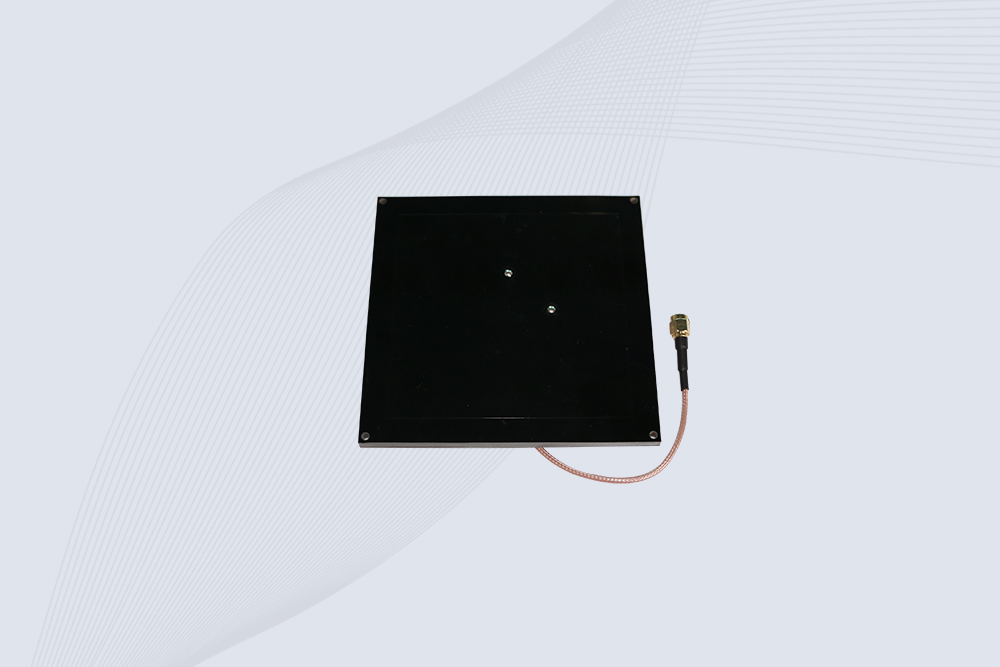
SSD-A06 UHF RFID antenna with circular polarization, adjustable 840–960 MHz frequency, ≥4.5 dBi gain, and a compact directional design for RFID systems.
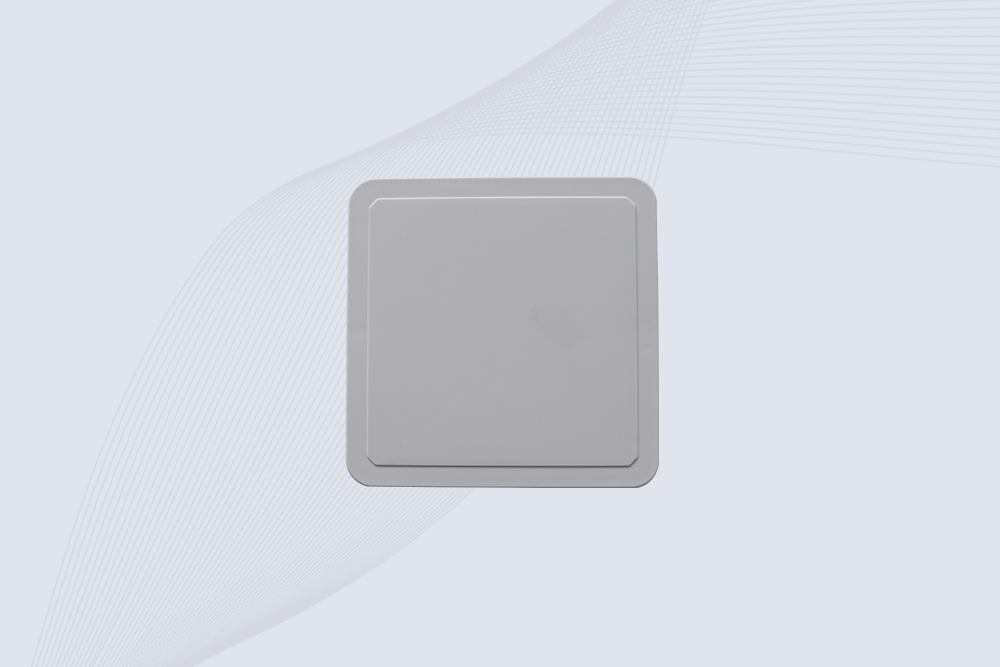
SSD-D3AL is a USB-HID UHF RFID reader with 0–30 cm reading, 0–15 cm writing, over 600 tags/s recognition, USB plug-and-play operation and OEM Logo customization.
SSD-D1AL is a compact USB UHF RFID reader with Impinj E710/X3M1 chipset, USB-HID, 600+ tags/s recognition, 4/8/16 antenna support and plug-and-play USB power.
SSD-R16L Multi-Channel RFID Infrastructure for Automated Inventory Management ✔️ 16-Port High-Density RFID Reading Equipped with 16 SMA antenna ports, SSD-R16L supports multi-antenna deployment for warehouses, retail stores, logistics, production lines, and large-area RFID identification. ✔️ High-Speed & Long-Range Performance With up to 33…
SSD-R8L 8-port UHF RFID reader with 33dBm output, up to 20m reading range and 600+ tags/s recognition. Ideal for warehouse, logistics, retail and asset tracking.
CYKEO CYKEO-D1LA USB RFID Reader is a compact desktop solution with near-field control for precise tag reading and encoding. Powered by USB, supporting ISO 18000-6C, and built for stable batch writing, this usb rfid tag reader fits retail, libraries, offices, and controlled RFID encoding tasks.
CYKEO CYKEO-D1L RFID scanner USB is a compact desktop UHF RFID scanner designed for short-range tag writing and verification. This usb rfid scanner supports batch encoding, stable 0–26 dBm output, and works across Windows, Linux, and Android systems.
CYKEO CYKEO-D1C USB RFID Card Reader is a near-field UHF desktop writer designed for secure, short-range tag encoding. With USB-C connectivity and stable 26 dBm output, this rfid reader usb c is ideal for badge issuance, label encoding, and controlled desktop RFID workflows.
CYKEO CYKEO-D2L RFID Reader USB is a compact desktop encoder built on the Impinj R500 chip. With near-field control and stable USB power, this usb rfid card reader delivers precise tag writing for offices, retail counters, and small-scale logistics encoding tasks.
CYKEO CYKEO-D3L USB RFID Tag Reader delivers stable UHF tag reading and writing for daily desktop and light industrial tasks. Designed for controlled short-range operation, this USB RFID Tag Reader works reliably with rfid tag and reader systems in libraries, tool tracking, and inventory registration.
The CYKEO CYKEO-D4L UHF RFID Tag Reader is a stable Desktop RFID Reader designed for accurate tag registration, borrowing, and return workflows. Built with the Impinj R2000 chip, this UHF RFID Tag Reader delivers controlled short-range reads for libraries, asset tracking, and inventory management environments.
The CYKEO CYKEO-D5L Desktop RFID Card Reader is a stable UHF RFID Card Reader designed for controlled short-range reading and writing. Built for libraries, tool rooms, and asset desks, this UHF RFID Card Reader supports dense tag handling, secure data processing, and easy USB integration.
The CYKEO CYKEO-D6L RFID Reader Writer is a heavy-duty Desktop RFID Reader designed for short-range, high-accuracy tag programming. Built for libraries, labs, and asset desks, this RFID Reader Writer supports batch processing, stable 33dBm output, and seamless integration with existing management systems.
Cykeo CYKEO-D8A embedded RFID badge reader offers 30+ tags/sec scanning, 20cm anti-crosstalk precision, and DC 12V power for unmanned stores, warehouses, and smart inventory systems.
Cykeo’s CYKEO-D8C UHF RFID gate reader achieves 200-tag/batch scanning with adjustable power control, ideal for retail inventory and smart warehouse management.
CYKEO Embedded RFID Modules are designed for compact industrial and IoT devices that require stable UHF performance. These UHF RFID Modules support global protocols, flexible power control, and reliable multi-tag reading for smart cabinets, production lines, and asset tracking systems.
CYKEO Embedded RFID Module is built for compact IoT and industrial devices that need stable UHF performance. This UHF module supports global protocols, low power operation, and reliable multi-tag reading for smart lockers, production lines, and always-on RFID systems.
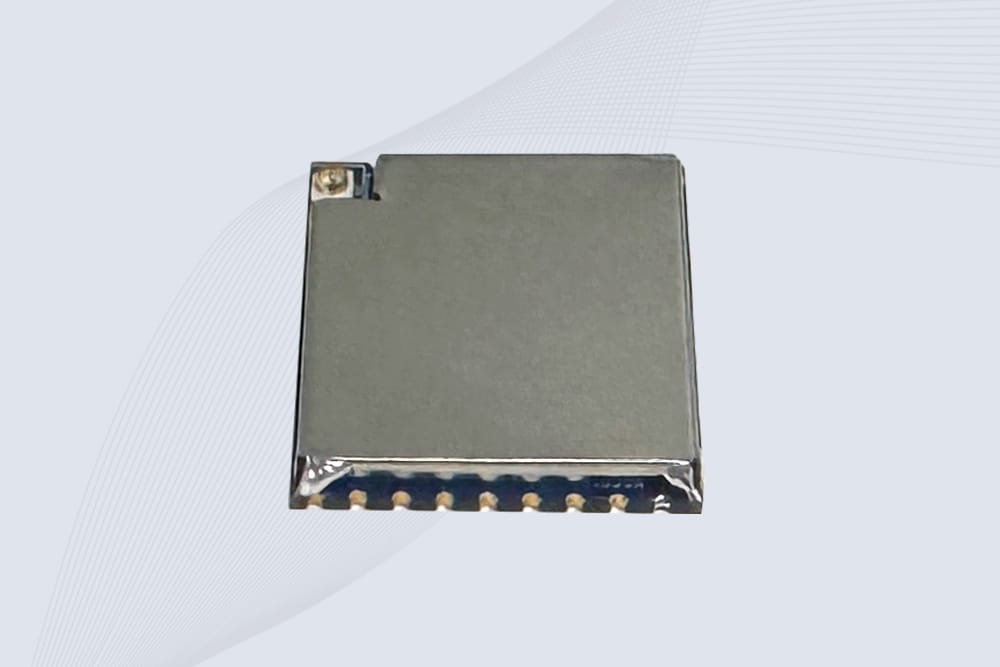
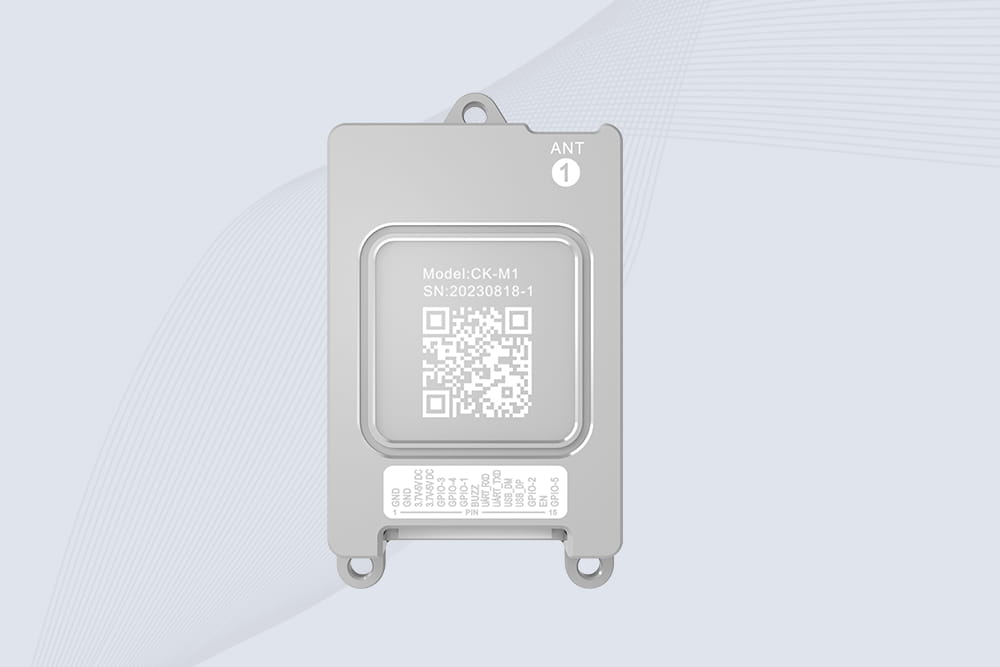
CYKEO CYKEO-M1 drone rfid module is a compact UHF RFID reader module designed for drones and UAV platforms. It supports long-range aerial scanning, fast multi-tag reading, and stable performance in wind, vibration, and outdoor environments.
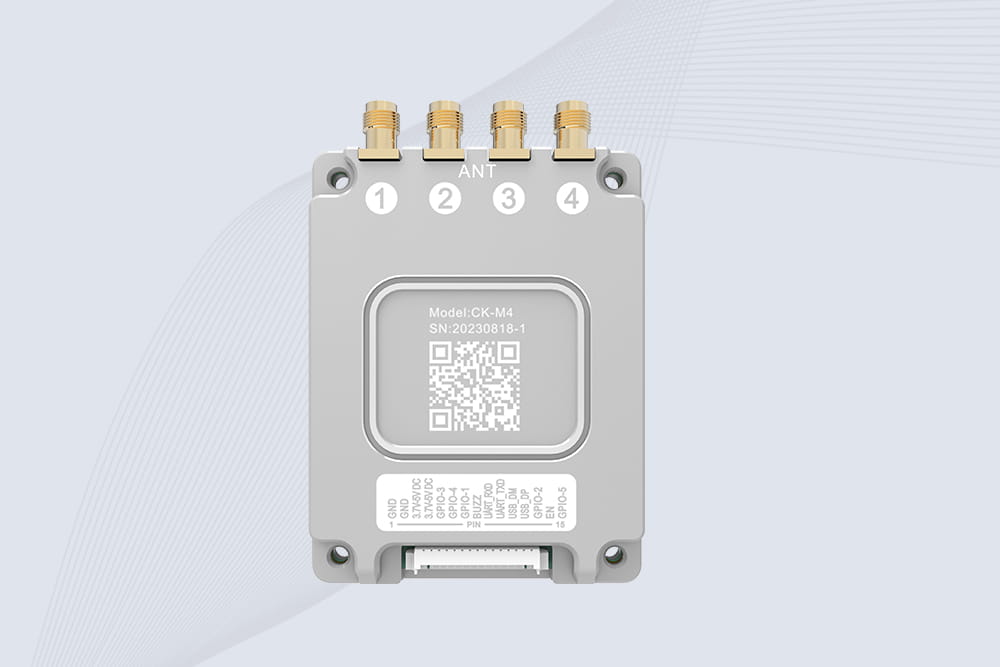
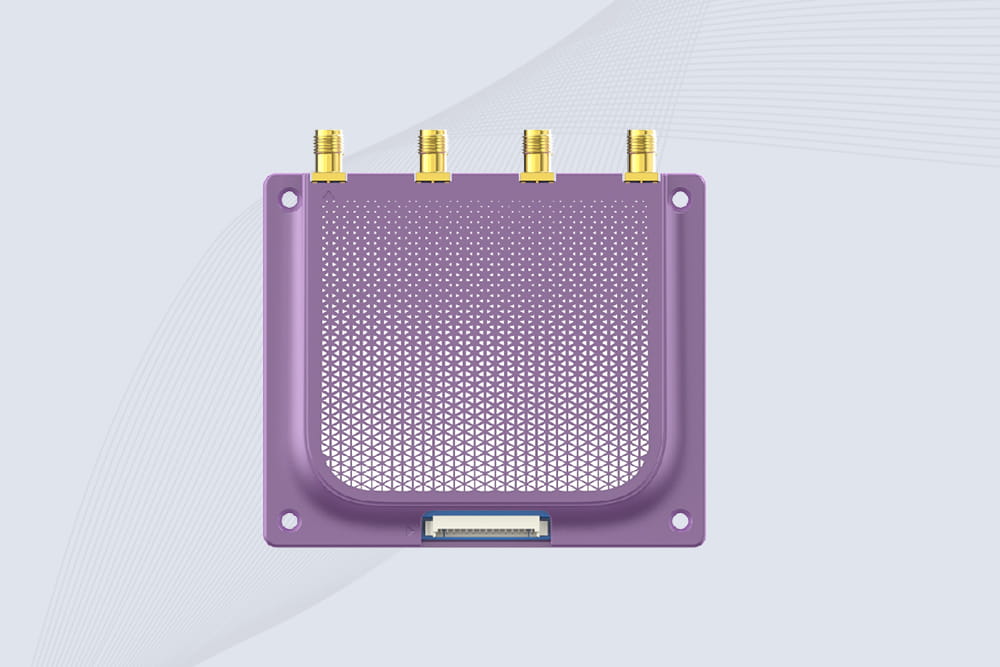
CYKEO CYKEO-M4 RC522 RFID Module is an industrial-grade UHF RFID reader with 4 ports, supporting ISO, EPC, and GB protocols. High-speed, accurate reading for IoT, automation, and warehouse applications.
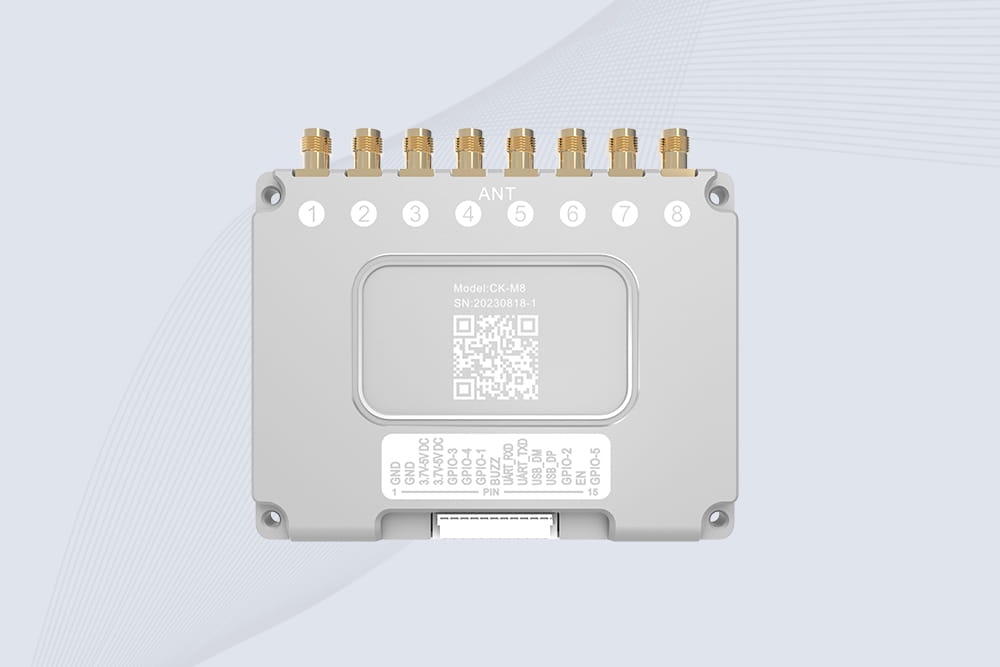
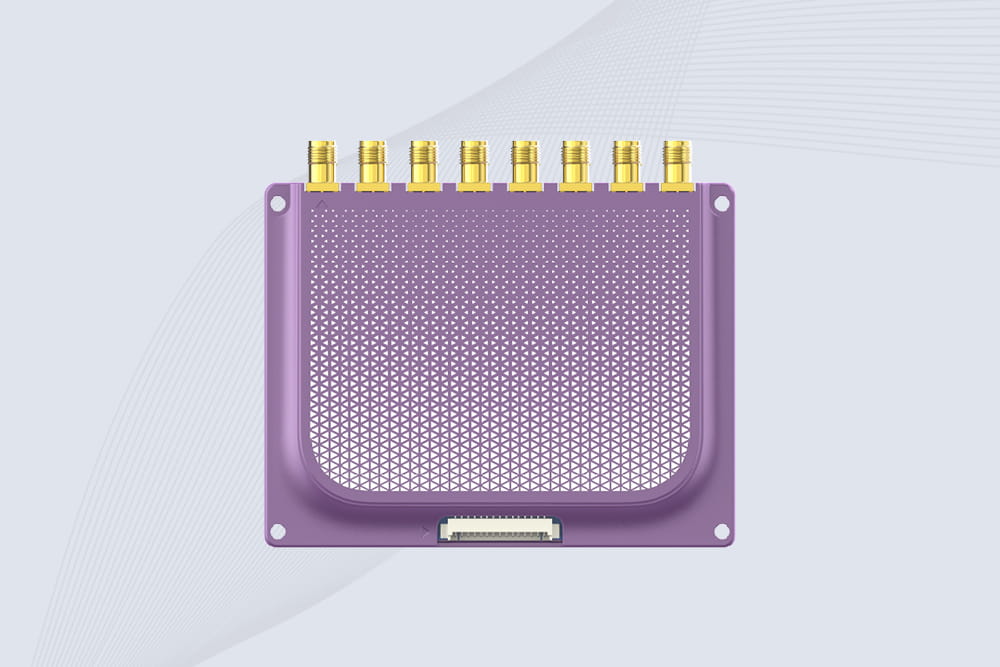
CYKEO CYKEO-M8 Module RFID is an 8-port UHF R2000 RFID Module designed for high-density, multi-tag environments. Stable 33dBm output, ISO & GB protocol support, ideal for warehouses, factories, and automated systems.
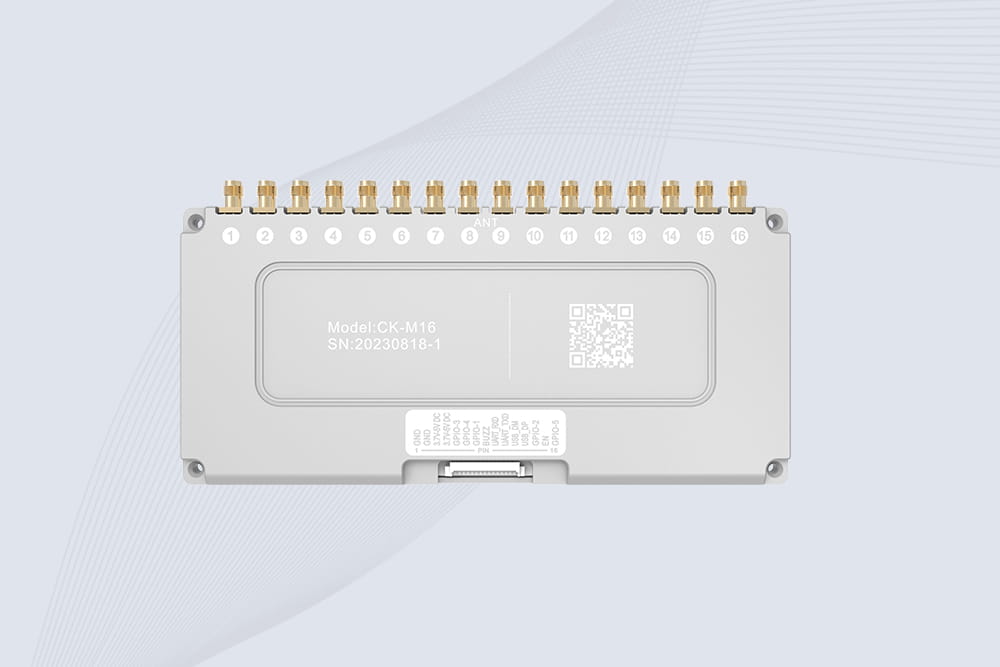
CYKEO CYKEO-M16 RFID Module is a 16-port UHF RFID reader module based on the R2000 chipset. Designed for dense tag environments, it supports ISO and GB standards and delivers stable multi-antenna control for industrial automation.
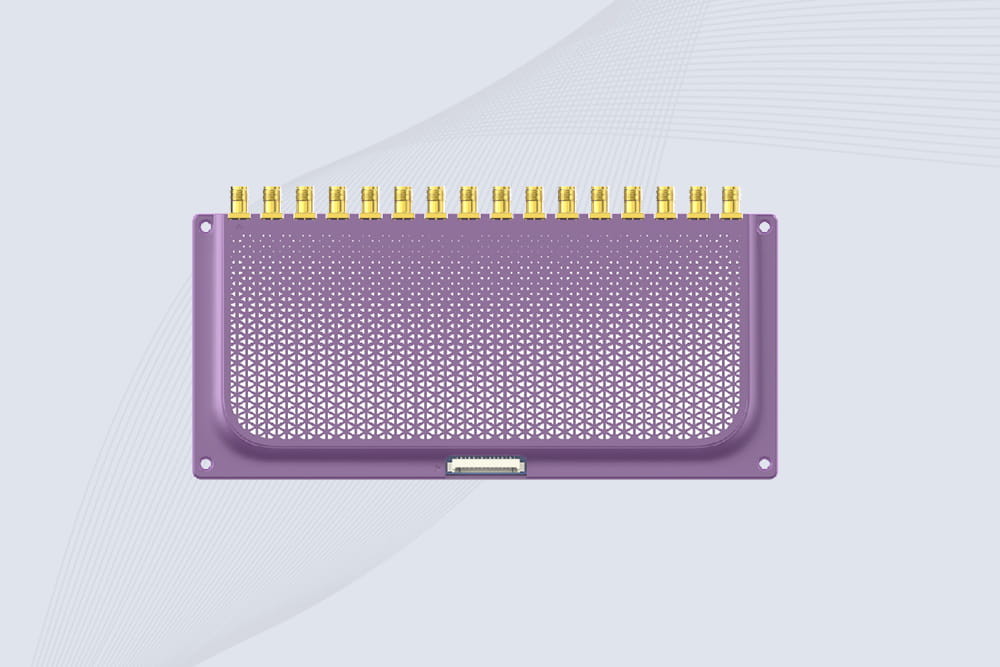
The CYKEO CYKEO-M16L RFID Reader Module is a 16-channel UHF RFID core designed for dense tag environments. With adjustable 33dBm output, multi-protocol support, and stable multi-antenna control, this RFID Tag Reader Module fits industrial automation, warehouse systems, and large-scale IoT deployments.
CYKEO CYKEO-M8L module RFID is a compact industrial UHF module built for dense tag and multi-antenna environments. With 8 RF ports, adjustable 33 dBm output, and ISO & GB protocol support, it is widely used in factories, warehouses, and automated tracking systems.
CYKEOCYKEO-M4L UHF RFID Module is a compact 4-channel RFID tag reader module designed for dense tag environments. Supporting ISO and GB protocols, it delivers stable reads up to 10 meters for industrial and IoT systems.
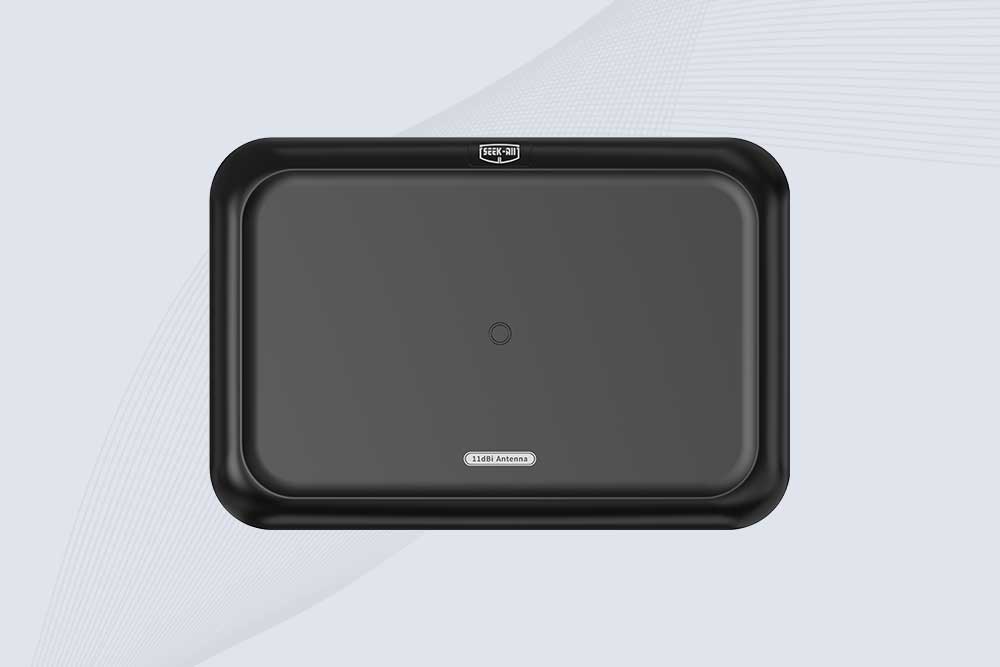
Cykeo CYKEO-A11 UHF RFID reader antenna delivers 11dBi gain, 840-960MHz frequency range, and IP65 ruggedness for retail, logistics, and industrial RFID systems. Features low VSWR and easy installation.
CYKEO Antenna RFID Reader delivers stable long-range UHF performance with a 10.5dBi directional design, built for warehouses, conveyor portals, and industrial RFID systems. This rfid reader antenna provides 20m+ read distance and rugged IP67 protection.
Cykeo CYKEO-A5B industrial Linear RFID Antenna delivers 5dBi gain, ≤1.5:1 VSWR, and IP65 rugged design for warehouse, production line, and logistics UHF systems.
Cykeo’s CYKEO-B12 Long Range RFID Antenna delivers 15m+ read range with 12dBi gain, IP65 rugged design, and global 840-960MHz UHF support. Ideal for warehouse/logistics asset tracking.
Cykeo CYKEO-B10 Long Distance RFID Antenna offers 10dBi gain, 840-960MHz frequency range, IP65 rating, and 20m+ coverage for logistics/warehousing/ETC systems. Low VSWR ensures stable signal transmission.
Cykeo CYKEO-A6 UHF RFID panel antenna features 6dBi gain, 840-960MHz broadband, IP65 metal-ready housing for logistics/smart retail. 18mm ultra-thin design with tool-free mounting.
Cykeo CK-A3 industrial antenna RFID UHF offers 5m+ tag detection, ≤1.3:1 VSWR, IP65 rugged design, and global UHF spectrum compatibility (840-960MHz) for warehouses, factories, and retail.
Cykeo CYKEO-B5 directional RFID antenna provides 5dBi gain with 60° narrow beamwidth for precise inventory tracking. IP65-rated, global UHF frequency support, and low VSWR.
Create your own high-performance DIY RFID antenna! 5dBi gain, 840-960MHz tunable, step-by-step guides. Compatible with Arduino, Raspberry Pi, and commercial UHF readers.
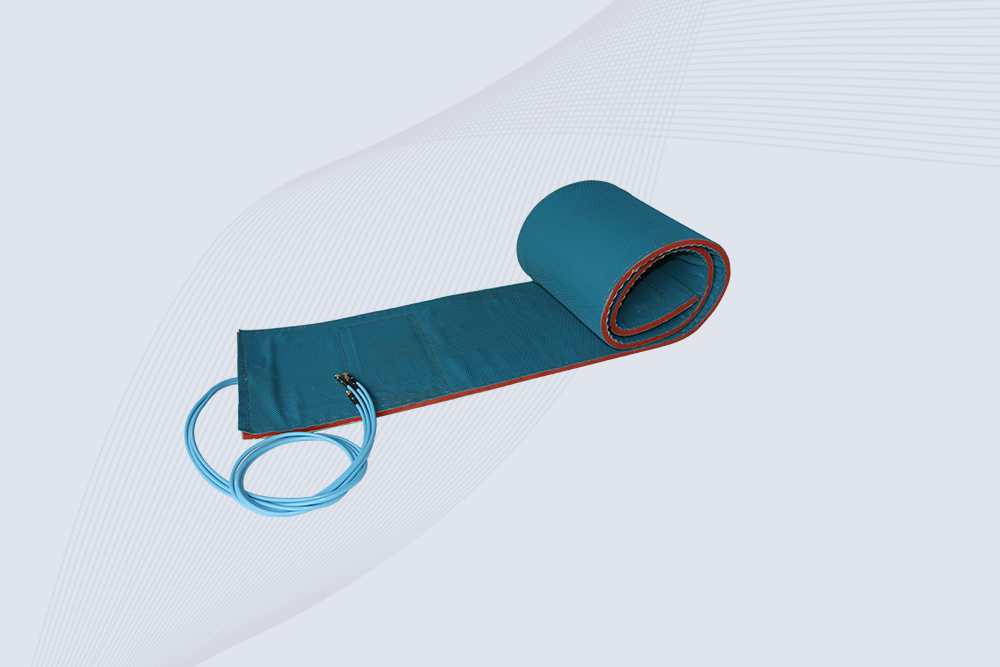
Cykeo CYKEO-A7 Flexible RFID Antenna features 840-960MHz wideband tuning, 7dBi gain, and IP68 rating for medical/retail/industrial curved surface deployments. 98% read accuracy with peel-and-stick installation.
Cykeo CYKEO-B5A industrial Passive RFID Antenna delivers 5dBi gain, 70° beamwidth, and -40°C~55°C operation for warehouses/smart cabinets. Compatible with Zebra/Impinj readers.
Cykeo’s CYKEO-A9B High Gain RFID Antenna delivers 15m+ read range with 9dBi amplification. Features IP54 rugged design, 840-960MHz bandwidth, and 80° beamwidth for warehouse/manufacturing RFID systems.
Cykeo’s enterprise-grade 8dbi Impinj RFID Antenna 10m+ read range with 840-960MHz tuning. Features IP65 housing, 1.4 VSWR, 35° beamwidth for retail/warehouse RFID systems.
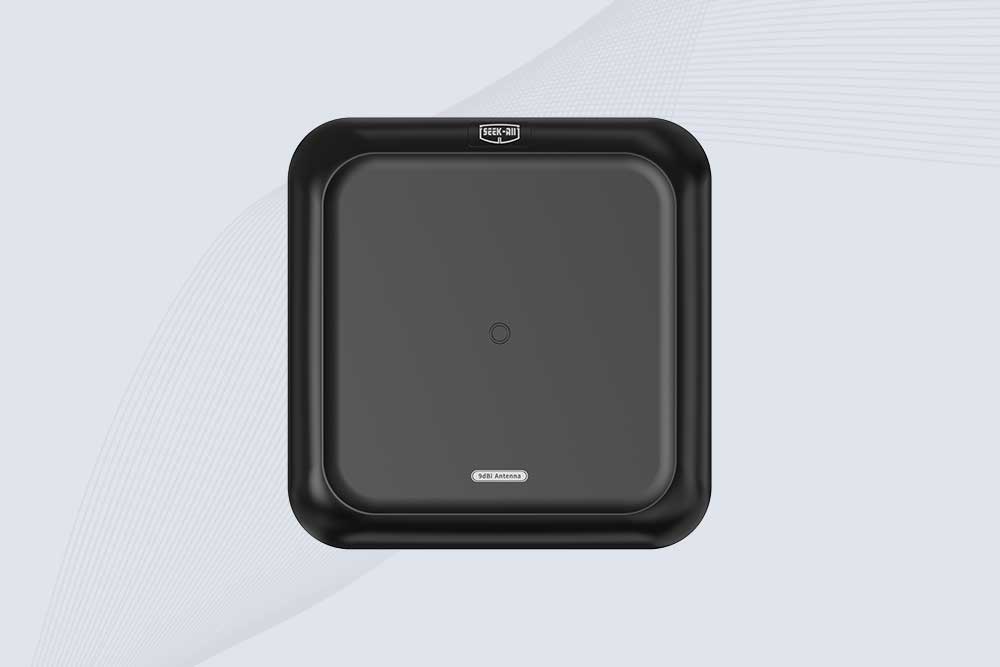
Cykeo CYKEO-A9 industrial UHF RFID antenna delivers 9dBi gain, 840-960MHz frequency range, and IP65 protection for warehouse/logistics/retail RFID systems. Features N-type connector and ≤1.3:1 VSWR.
CYKEO UHF RFID Antenna built for long-distance and industrial applications. This antenna rfid uhf delivers strong gain, outdoor durability, and reliable tag performance in warehouses, yards, and vehicle ID systems.
CYKEO Antenna RFID delivers reliable long-range UHF performance in warehouses, retail shelves, and cold-chain environments. This compact uhf rfid antenna provides stable reads with circular polarization and ultra-wide 840–960 MHz support, ideal for industrial tracking, smart shelves, and asset monitoring.
Cykeo’s CYKEO-C8 UHF RFID antennas delivers 8dBi gain, 840-960MHz full-band coverage, and IP65 ruggedness for manufacturing/warehouse RFID systems. Industrial RFID Antennas Features
Cykeo’s 8dBi UHF RFID antenna and reader kit delivers 10m+ range, 840-960MHz broadband, and IP65 ruggedness for factories, warehouses, and logistics. ISO 18000-6C & EPC Gen2 certified.
Discover expert tips for installing fixed long-range RFID readers in factories. Learn how Cykeo’s solutions ensure accuracy, durability, and seamless integration in industrial settings.
Passive RFID tags can communicate with readers without batteries and are widely used in logistics, retail, and asset management. This article explains their working principle, the backscatter mechanism, and compares active vs passive RFID tags to ...
Master RFID antenna installation in industrial settings with expert tips on placement, interference mitigation, and durability. Ensure optimal performance for warehouses and factories.
Learn how iPhones and Android devices can emulate RFID tags using NFC or third-party tools. Discover Cykeo’s mobile-compatible RFID readers for seamless integration.
 Cykeo RFID IoT Solution Products R&D Manufacturer