 Cykeo RFID IoT Solution Products R&D Manufacturer

RFID Tag vs NFC Tag: Fix Your Tech Choice Mistakes in 5 Minutes
609RFID tag vs NFC tag confusion? We cut through the noise: compare costs, hidden limitations & real-world fixes. Stop wasting money on wrong tech.
MoreAll RFID Product
In many industrial areas, vehicle management still depends on manual checking.
A truck arrives at the factory gate. The security guard checks the license plate, confirms the driver’s information, writes down the entry time, and opens the barrier.
This process works when traffic volume is low.
But when dozens or hundreds of vehicles enter every day, small delays start to appear. A truck waiting at the entrance can affect loading schedules. A wrong record can make it difficult to trace who entered a restricted area.
This is one reason more companies are looking at long range RFID readers for vehicle identification.
The idea is simple: attach an RFID tag to a vehicle, install RFID readers at important checkpoints, and let the system automatically identify vehicles as they pass.
The focus is not only reading from a long distance. In actual projects, companies usually care more about whether vehicles can move smoothly without stopping.
Vehicle tracking has a different requirement compared with normal asset tracking.
A worker carrying a tool can stop and scan.
A vehicle usually cannot.
Trucks entering a warehouse, buses arriving at a campus, or mining vehicles moving through a site need faster identification.
For example, at a logistics yard:
A truck arrives at the gate.
The RFID reader detects the vehicle tag several meters away.
The system checks the vehicle information.
The gate opens automatically if the vehicle has permission.
The driver does not need to leave the cabin.
This saves time, especially during busy periods.
Logistics companies often manage a large number of trucks every day.
Vehicles enter and leave for:
Manual registration creates several problems.
Sometimes drivers arrive during peak hours and security staff must process many vehicles at the same time.
A long range RFID reader installed at the entrance can automatically record:
For companies operating multiple warehouses, this information becomes useful when checking vehicle movement history.
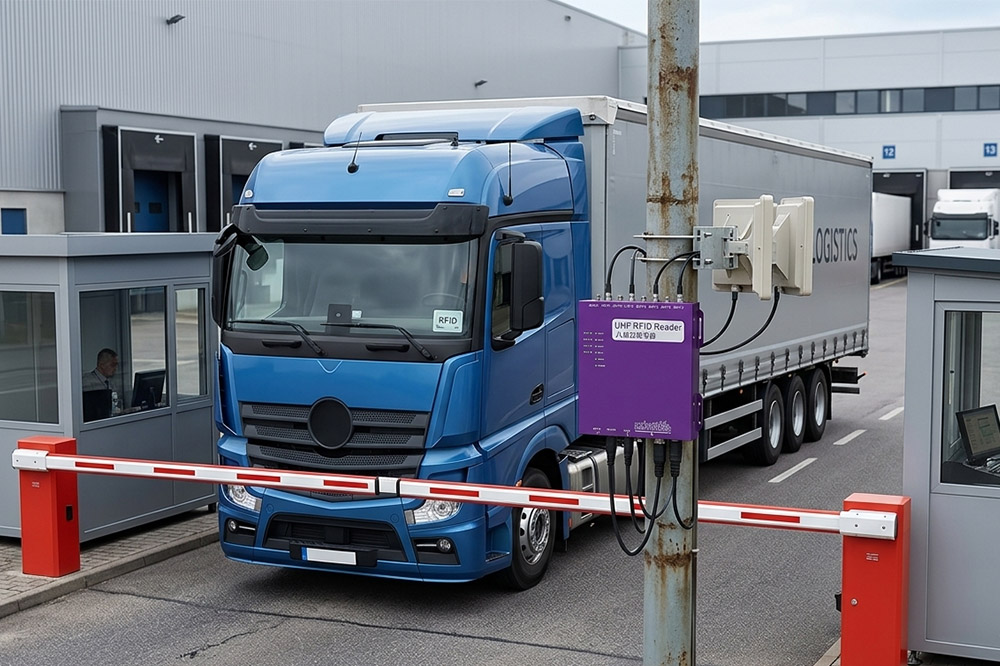
Campuses, industrial parks, and large facilities often have shuttle buses.
The challenge is not only knowing which bus arrived.
It is also controlling access.
For example:
A company campus may allow only registered shuttle buses to enter employee areas.
A university may need to manage dozens of buses during morning and evening periods.
With RFID vehicle identification, buses can be recognized automatically when approaching the gate.
The system can connect with:
The driver experience remains simple — just drive through.

Factories usually have different vehicle categories:
Not every vehicle should access every area.
A factory may install RFID readers at different entrances to create separate access zones.
For example:
A delivery truck enters the unloading area.
The RFID system identifies the vehicle.
The software checks authorization.
The barrier opens only if the vehicle matches the approved list.
This approach is often easier to manage than manually checking every vehicle.
Mining environments create additional challenges.
Vehicles operate in large areas, and conditions can be harsh.
Large trucks may move between:
GPS can show vehicle location, but RFID is often used for checkpoint identification.
A long range RFID reader placed at key points can record when vehicles pass specific locations.
This helps companies understand:
The exact setup depends on the site. Some mines need fixed readers, while others combine RFID with other tracking technologies.

Ports handle high volumes of vehicle traffic.
Container trucks need to enter, load, unload, and leave within strict time windows.
A delay at one checkpoint can affect the entire operation.
RFID vehicle identification can be used at:
When a vehicle arrives, the RFID system can automatically match it with transport information.
Operators can reduce manual registration work and improve vehicle flow.
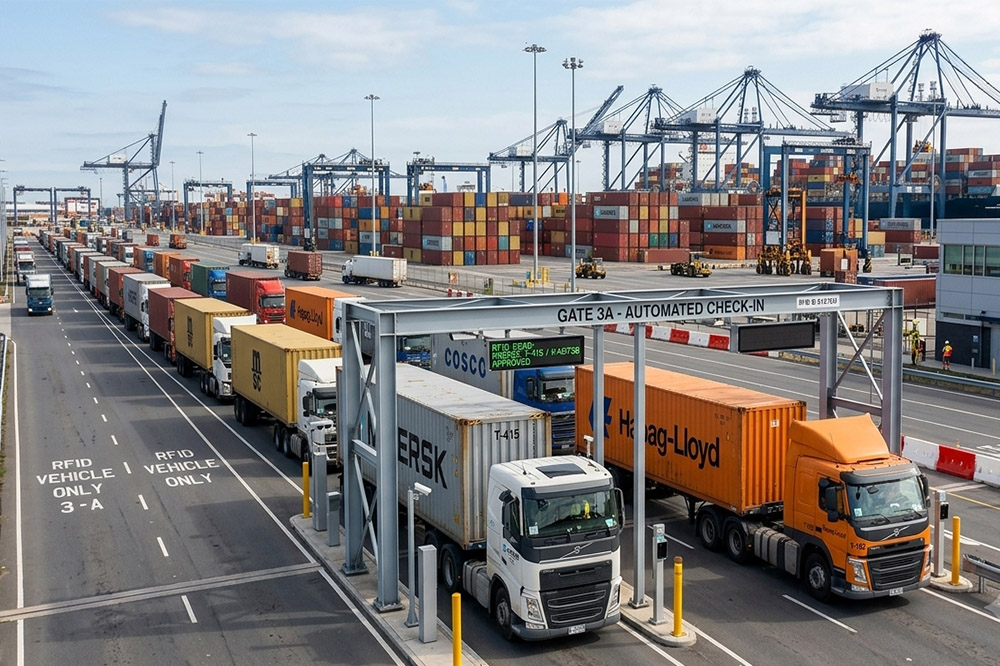
A vehicle RFID identification system usually includes three main parts.
The tag is attached to the vehicle.
Common installation locations include:
Different applications require different tag types.
Outdoor vehicles may need stronger tags with better protection against weather and vibration.
The RFID reader creates a detection zone.
When the vehicle enters this area, the rfid tag responds with stored information.
The reader collects the data and sends it to the control system.
Installation locations may include:
Antenna direction and installation height are important.
A reader installed incorrectly may cause missed reads or detect unwanted vehicles.
The reader collects identification data, but the software decides what happens next.
A complete system may include:
For large projects, software compatibility is usually discussed before hardware selection.
Many customers compare RFID with camera-based license plate recognition.
Both technologies have advantages.
License plate recognition depends on camera conditions:
RFID identification uses electronic tags, so recognition is usually more stable when vehicles move through controlled areas.
Some projects actually combine both technologies.
The camera provides visual confirmation, while RFID provides automatic identification.
A vehicle RFID project usually needs some planning.
The reading distance is only one factor.
Companies should consider:
A truck moving slowly inside a factory is different from a vehicle passing quickly through a highway checkpoint.
Outdoor applications may involve:
Industrial customers often require:
The hardware needs to fit into the existing system.
From factory entrances to mining roads and logistics yards, vehicle identification is becoming an important part of industrial automation.
A well-designed RFID system helps companies reduce manual checks and create clearer vehicle movement records.
For OEM customers, system integrators, and distributors looking for long range UHF RFID readers, antenna solutions, and customized vehicle identification equipment, choosing the right configuration for the environment is usually the first step.
Looking for Long Range RFID Readers for Vehicle Identification?
CYKEO provides UHF RFID readers, rfid antennas, and customized vehicle identification solutions for factories, logistics yards, campuses, mining sites, and ports.
Contact us for OEM/ODM RFID hardware solutions, integration support, and wholesale pricing.
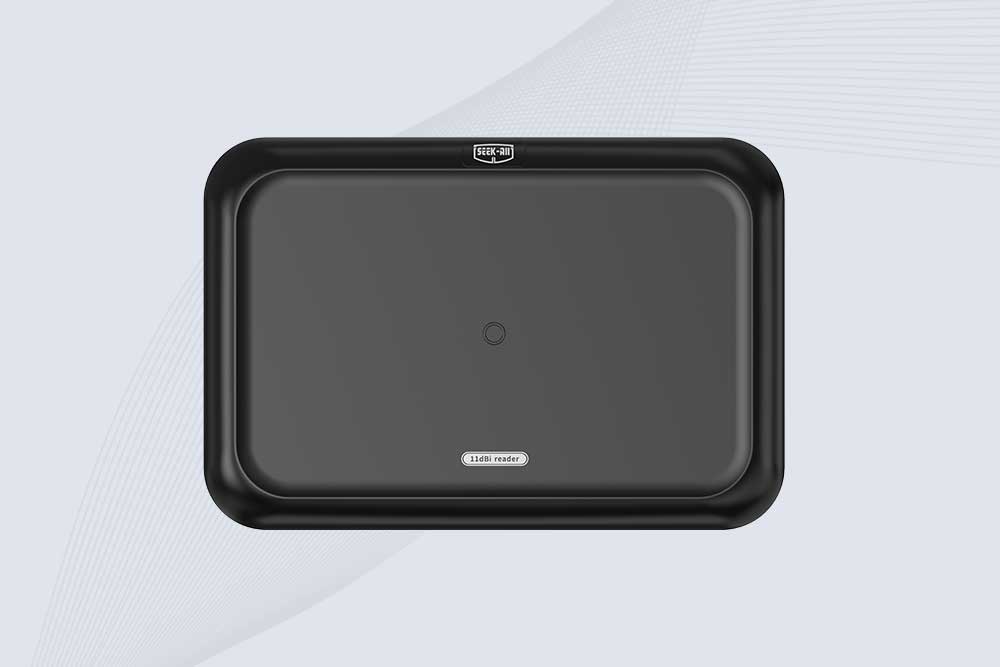
SSD-RA11L is an 11 dBi UHF RFID reader with up to 15m reading distance, 600+ tags/s speed, integrated antenna and flexible connectivity.
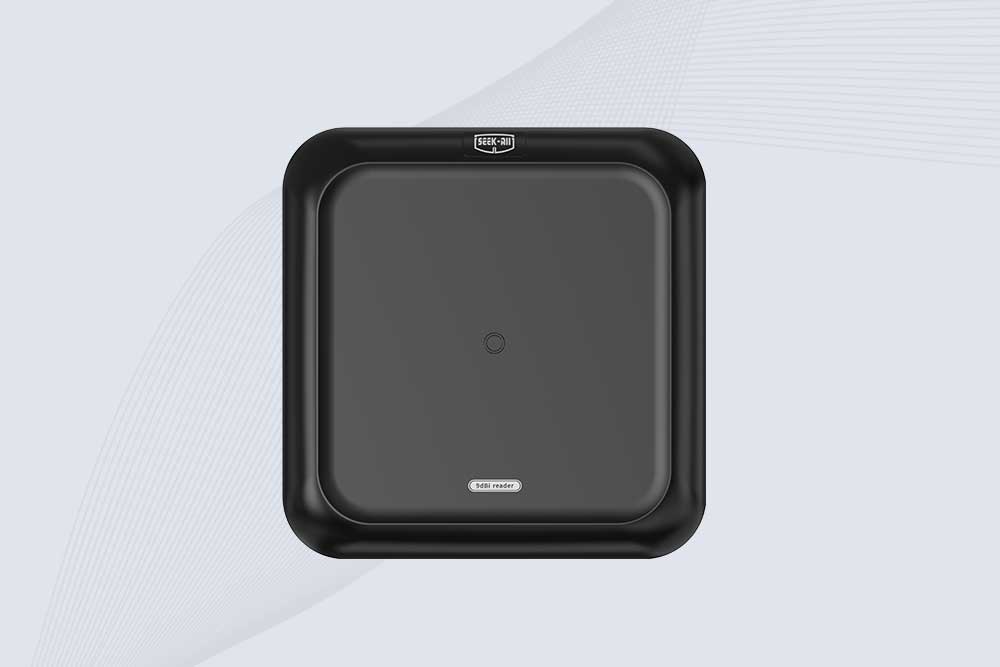
SSD-RA09L is a long range UHF RFID reader with a built-in 9 dBi antenna, 10m reading range, 600+ tags/s speed and flexible interfaces.
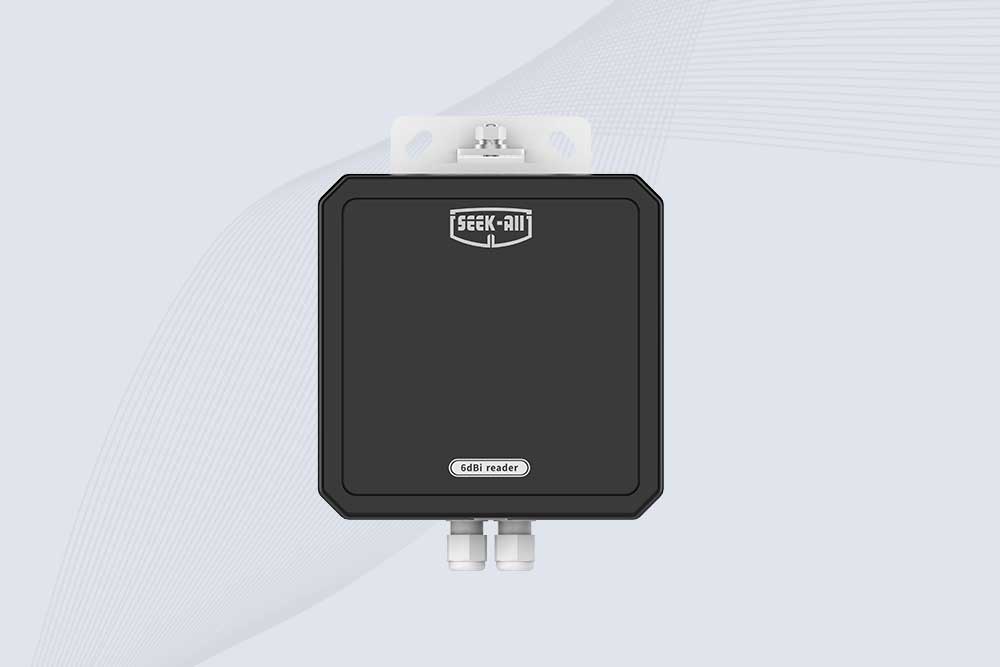
SSD-RA06L is an industrial UHF RFID reader with a built-in 6 dBi antenna, 3 m read range, 600+ tags/s, Ethernet, RS232, and optional Wi-Fi, 4G, and PoE.
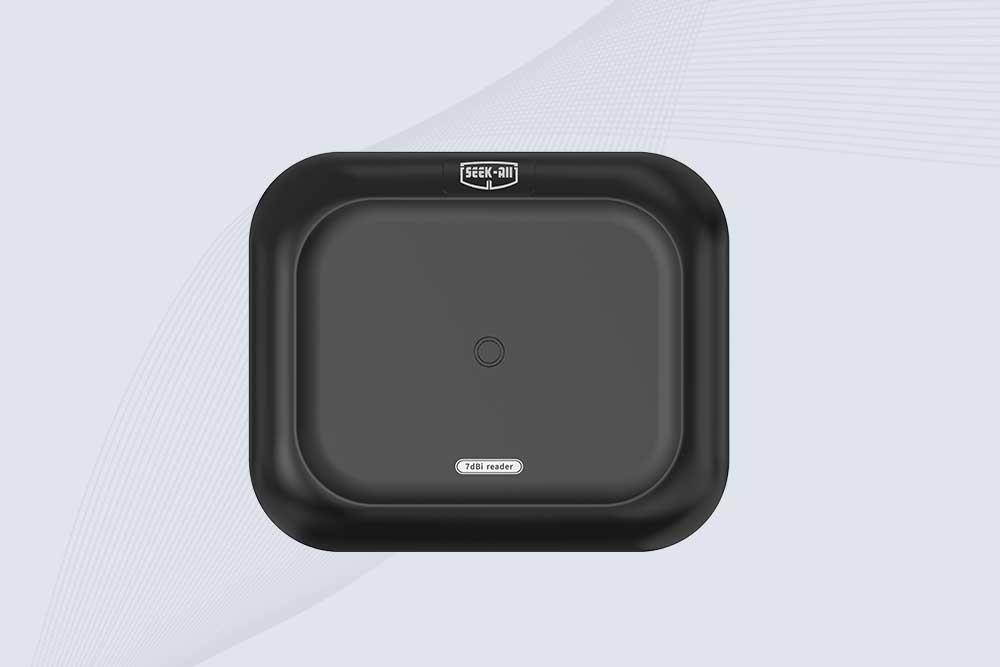
SSD-RA07L industrial UHF RFID reader with integrated 7 dBi antenna, up to 6 m reading distance, over 600 tags/s, Ethernet, RS232, and optional Wi-Fi, 4G, and PoE.
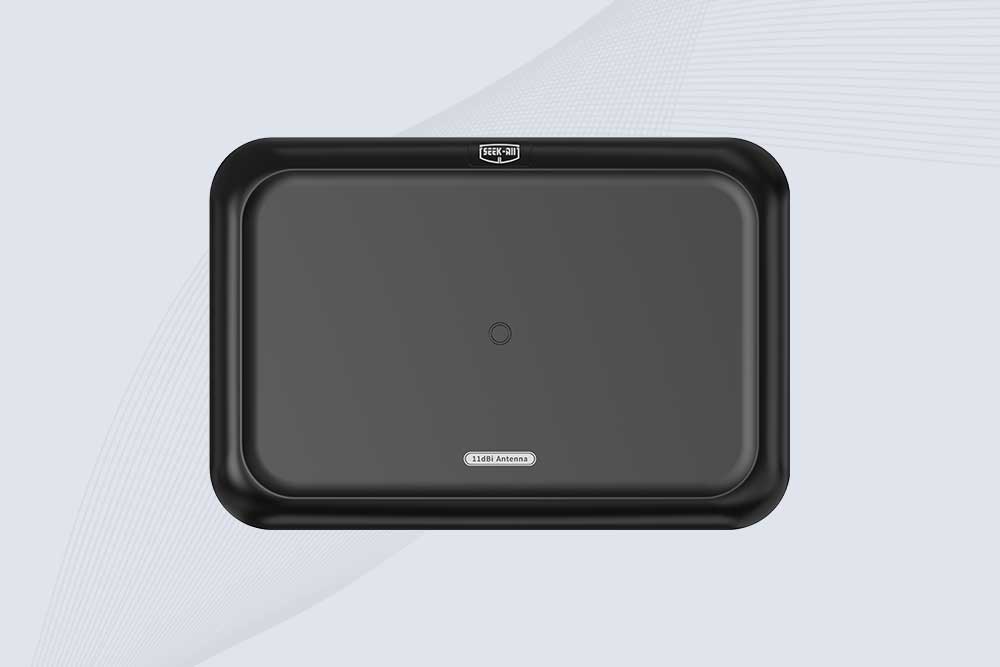
SSD-A11 UHF RFID antenna features 840–960 MHz adjustable frequency, ≥10.5 dBi gain, circular polarization and 50Ω impedance for fixed RFID systems.
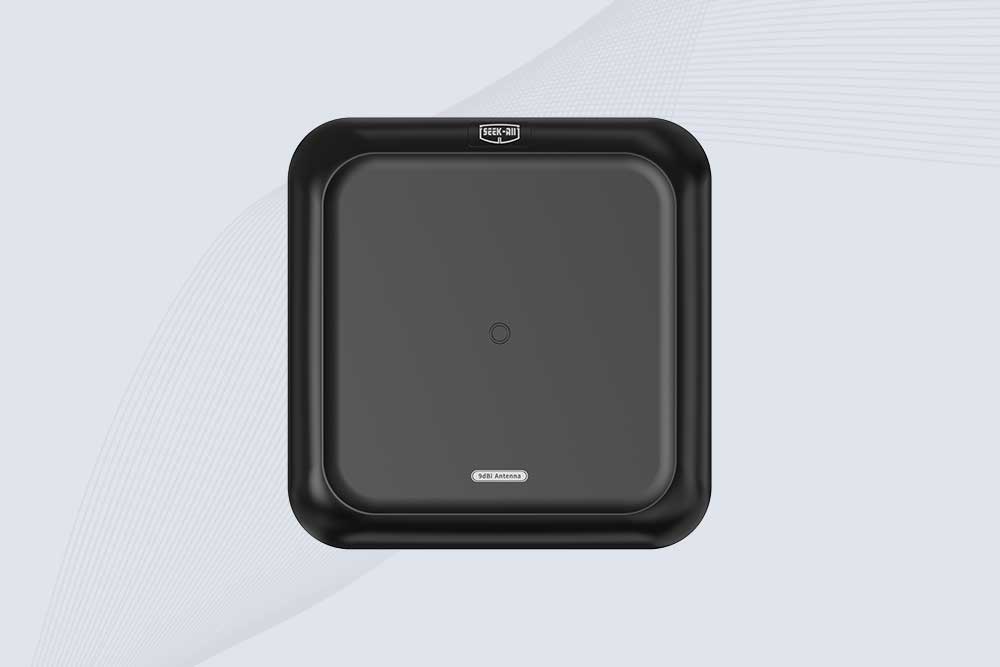
SSD-A09 is a 9 dBi UHF RFID antenna with 840–960 MHz adjustable frequency, circular polarization, 50Ω impedance and directional 60° × 60° coverage.
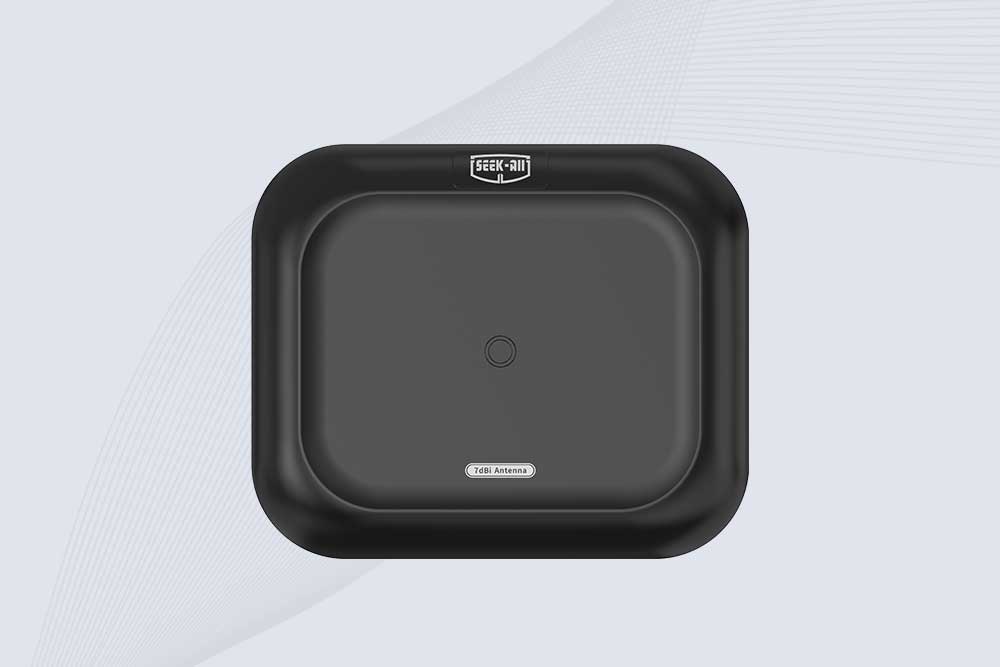
Explore the SSD-A07 UHF RFID antenna with 7 dBi gain, circular polarization, adjustable 840–960 MHz frequency, and 60°/75° beamwidth for stable RFID read/write performance.

SSD-A06 UHF RFID antenna with circular polarization, adjustable 840–960 MHz frequency, ≥4.5 dBi gain, and a compact directional design for RFID systems.
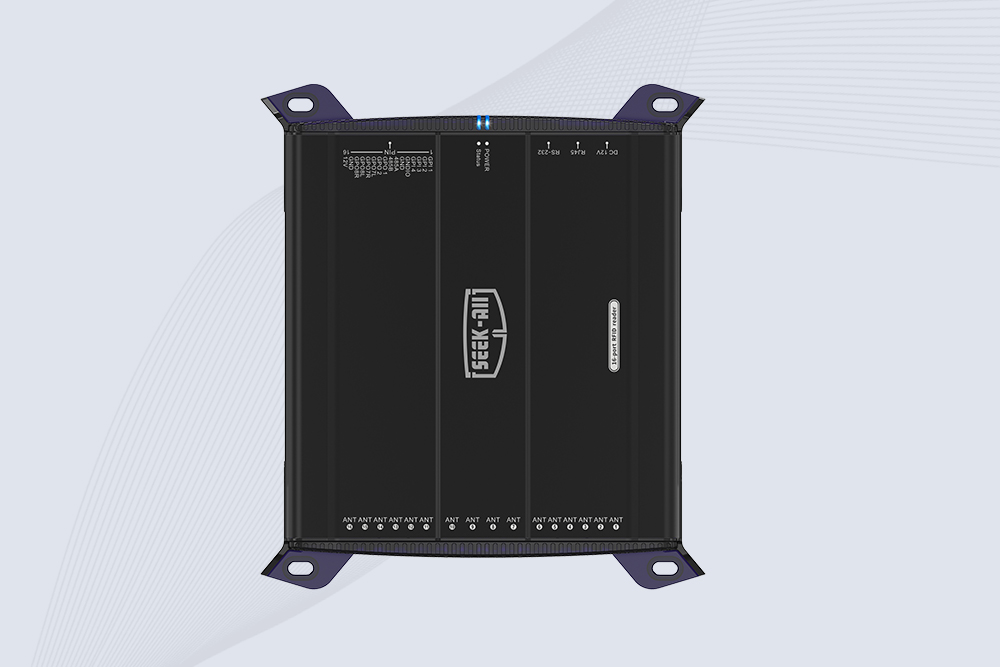
SSD-R16L Multi-Channel RFID Infrastructure for Automated Inventory Management ✔️ 16-Port High-Density RFID Reading Equipped with 16 SMA antenna ports, SSD-R16L supports multi-antenna deployment for warehouses, retail stores, logistics, production lines, and large-area RFID identification. ✔️ High-Speed & Long-Range Performance With up to 33…
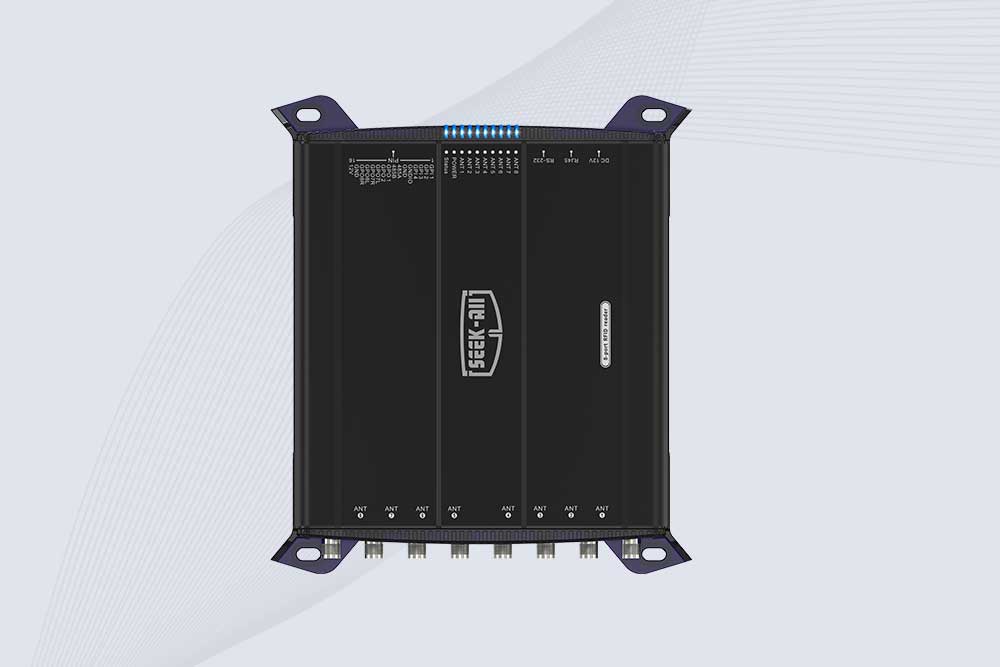
SSD-R8L 8-port UHF RFID reader with 33dBm output, up to 20m reading range and 600+ tags/s recognition. Ideal for warehouse, logistics, retail and asset tracking.
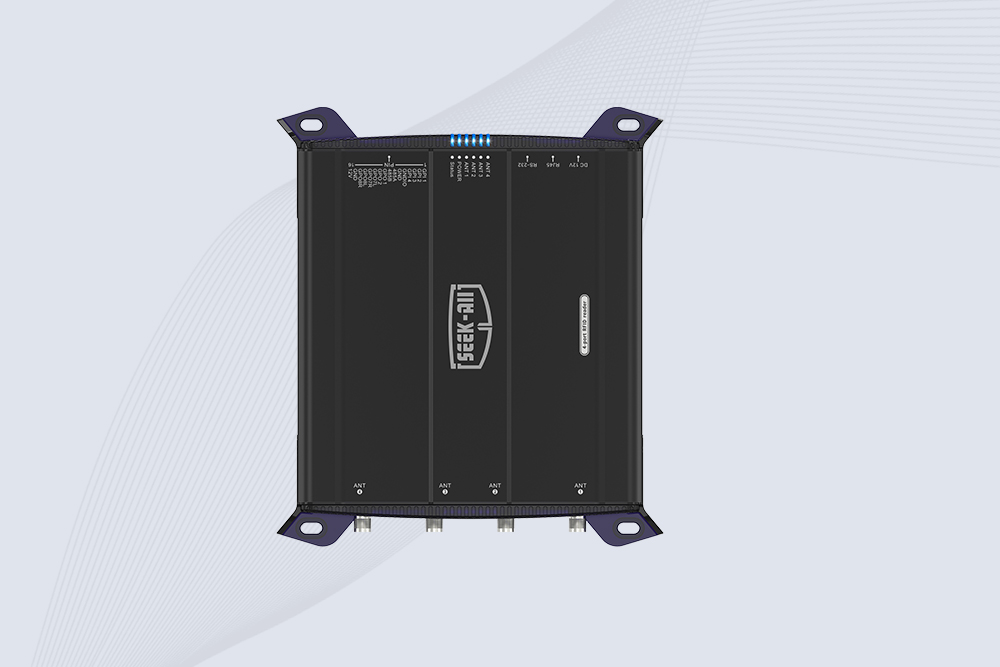
SSD-R4L is a 4-port UHF RFID fixed reader with 33dBm output power, up to 20m reading range, EPC C1G2 support and 600+ tags/s reading speed.
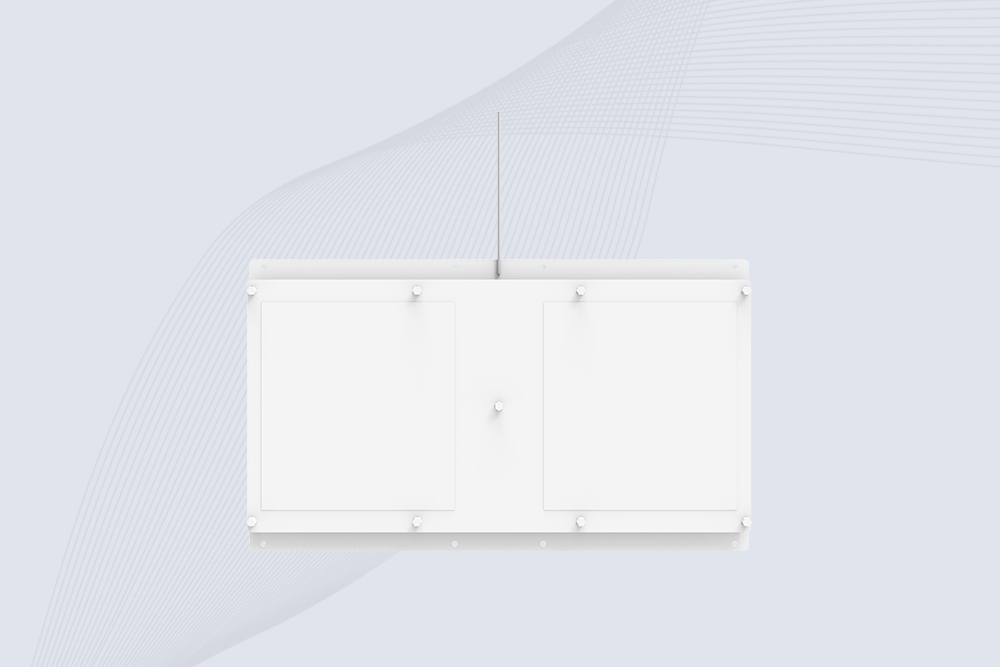
Cykeo CYKEO-A11 UHF RFID reader antenna delivers 11dBi gain, 840-960MHz frequency range, and IP65 ruggedness for retail, logistics, and industrial RFID systems. Features low VSWR and easy installation.

CYKEO Antenna RFID Reader delivers stable long-range UHF performance with a 10.5dBi directional design, built for warehouses, conveyor portals, and industrial RFID systems. This rfid reader antenna provides 20m+ read distance and rugged IP67 protection.

Cykeo CYKEO-PHF3 industrial HF RFID Antenna offers 24-point dynamic tracking, ISO 14443A/15693 protocols, metal-environment stability for archives/libraries/manufacturing.

Cykeo CYKEO-A5B industrial Linear RFID Antenna delivers 5dBi gain, ≤1.5:1 VSWR, and IP65 rugged design for warehouse, production line, and logistics UHF systems.

Cykeo’s CYKEO-B12 Long Range RFID Antenna delivers 15m+ read range with 12dBi gain, IP65 rugged design, and global 840-960MHz UHF support. Ideal for warehouse/logistics asset tracking.
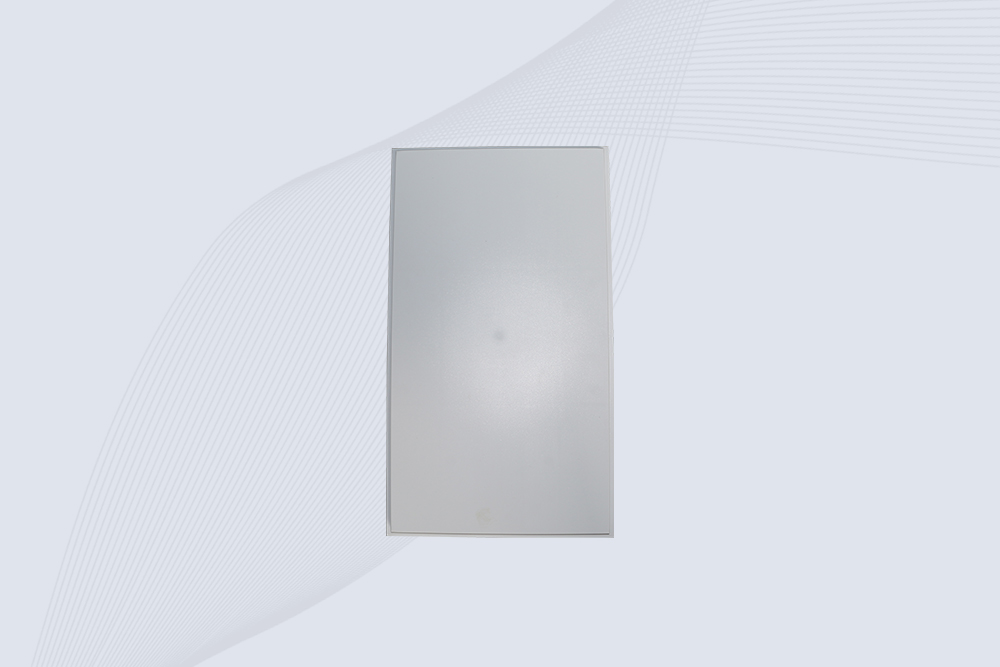
Cykeo CYKEO-B10 Long Distance RFID Antenna offers 10dBi gain, 840-960MHz frequency range, IP65 rating, and 20m+ coverage for logistics/warehousing/ETC systems. Low VSWR ensures stable signal transmission.
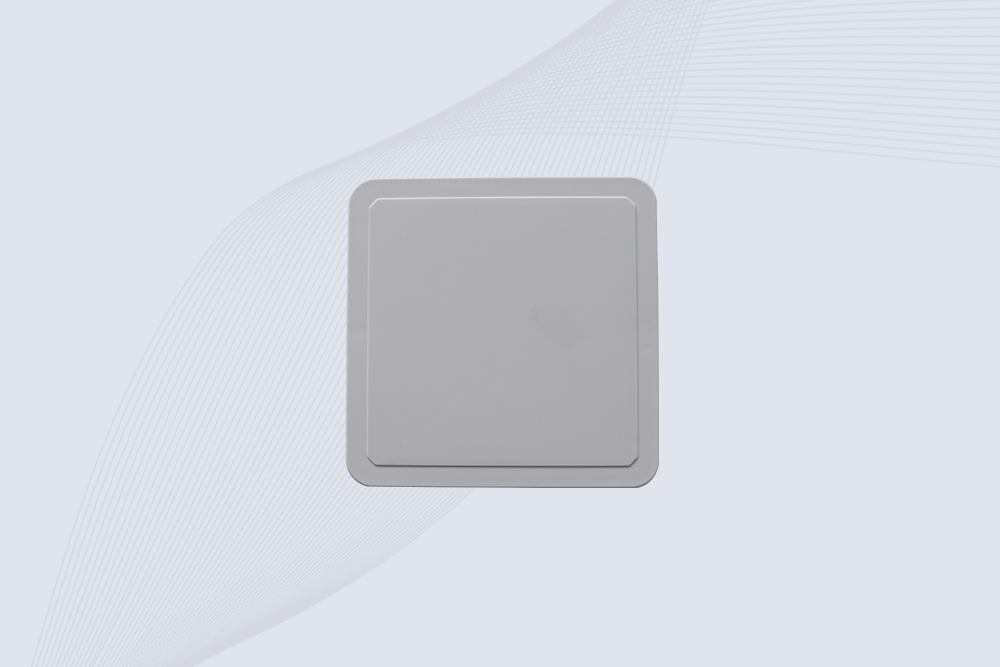
Cykeo CYKEO-A6 UHF RFID panel antenna features 6dBi gain, 840-960MHz broadband, IP65 metal-ready housing for logistics/smart retail. 18mm ultra-thin design with tool-free mounting.

Cykeo CK-A3 industrial antenna RFID UHF offers 5m+ tag detection, ≤1.3:1 VSWR, IP65 rugged design, and global UHF spectrum compatibility (840-960MHz) for warehouses, factories, and retail.
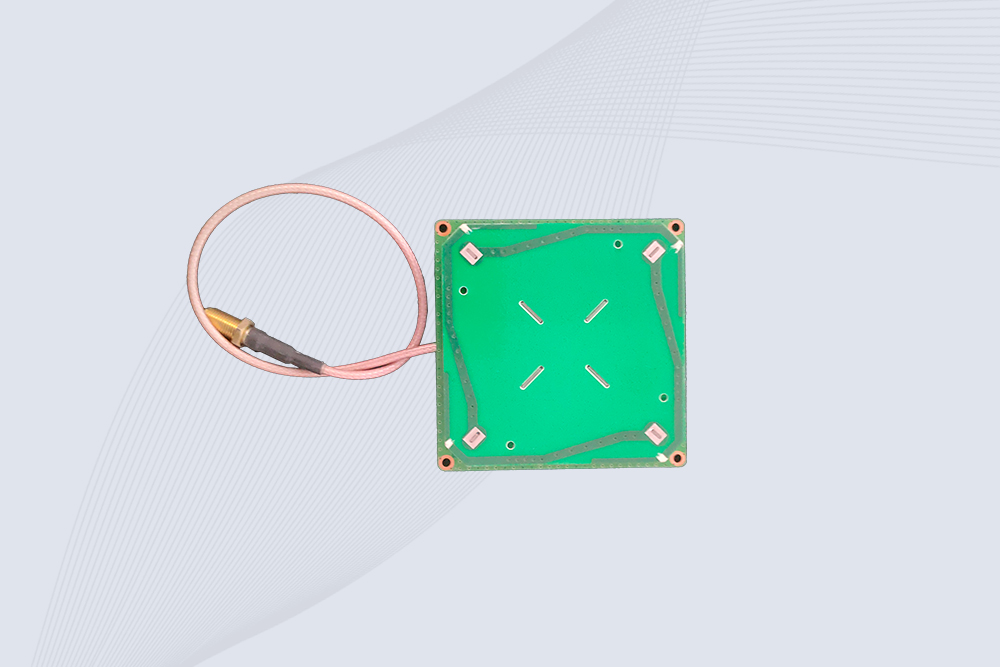
Cykeo CYKEO-B5 directional RFID antenna provides 5dBi gain with 60° narrow beamwidth for precise inventory tracking. IP65-rated, global UHF frequency support, and low VSWR.
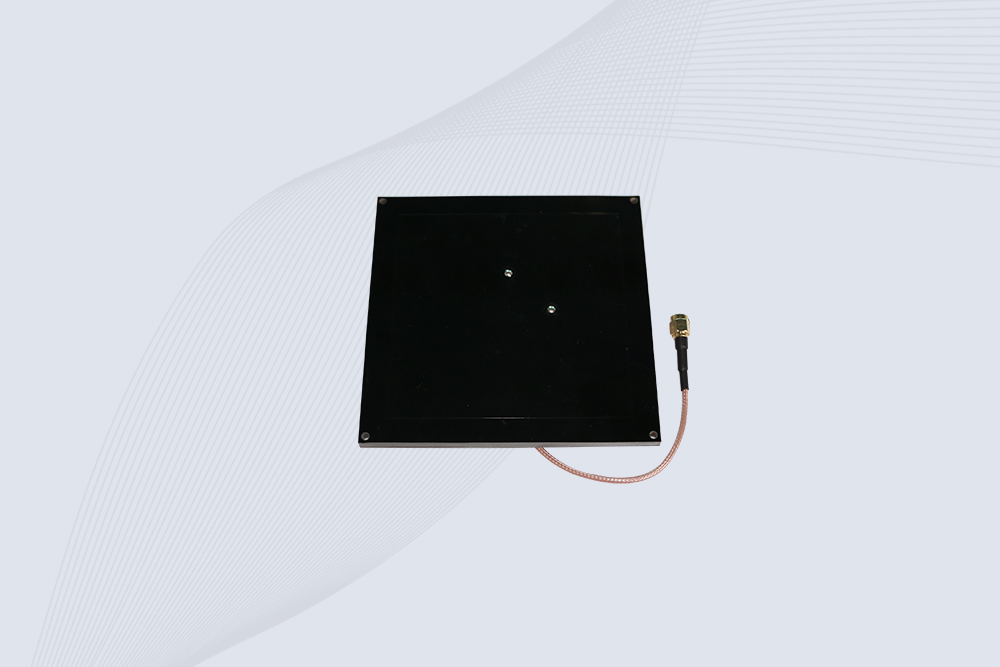
Create your own high-performance DIY RFID antenna! 5dBi gain, 840-960MHz tunable, step-by-step guides. Compatible with Arduino, Raspberry Pi, and commercial UHF readers.
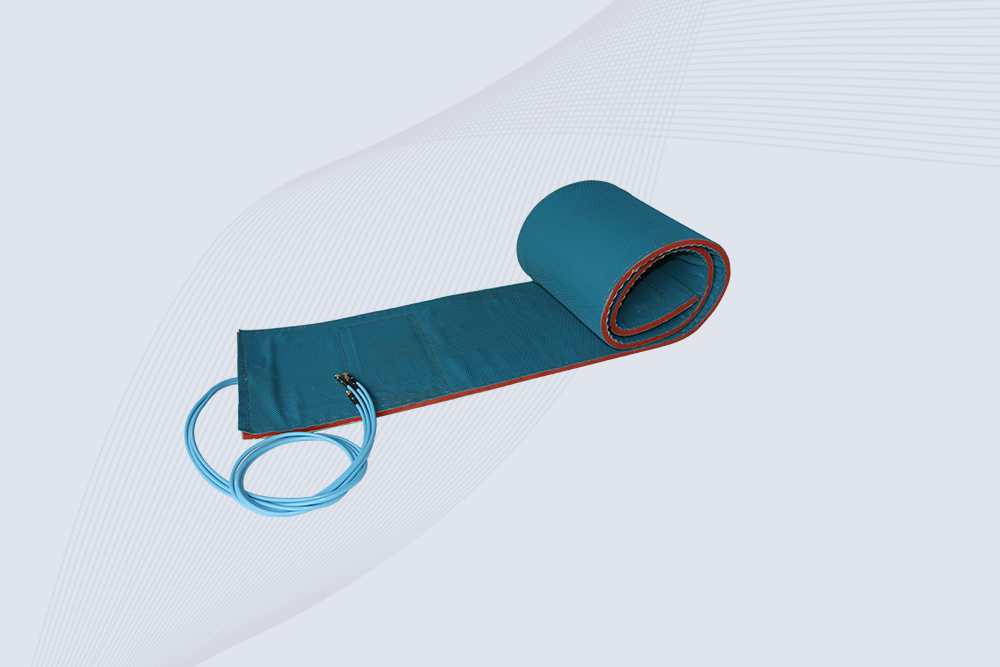
Cykeo CYKEO-A7 Flexible RFID Antenna features 840-960MHz wideband tuning, 7dBi gain, and IP68 rating for medical/retail/industrial curved surface deployments. 98% read accuracy with peel-and-stick installation.

Cykeo CYKEO-B5A industrial Passive RFID Antenna delivers 5dBi gain, 70° beamwidth, and -40°C~55°C operation for warehouses/smart cabinets. Compatible with Zebra/Impinj readers.
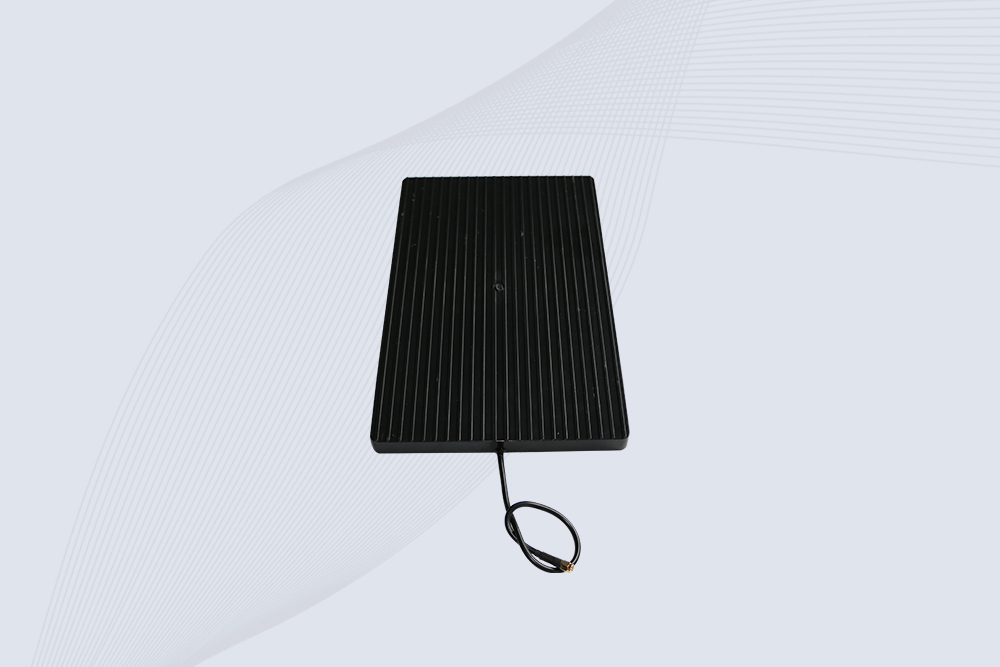
Cykeo’s CYKEO-A9B High Gain RFID Antenna delivers 15m+ read range with 9dBi amplification. Features IP54 rugged design, 840-960MHz bandwidth, and 80° beamwidth for warehouse/manufacturing RFID systems.

Cykeo’s enterprise-grade 8dbi Impinj RFID Antenna 10m+ read range with 840-960MHz tuning. Features IP65 housing, 1.4 VSWR, 35° beamwidth for retail/warehouse RFID systems.
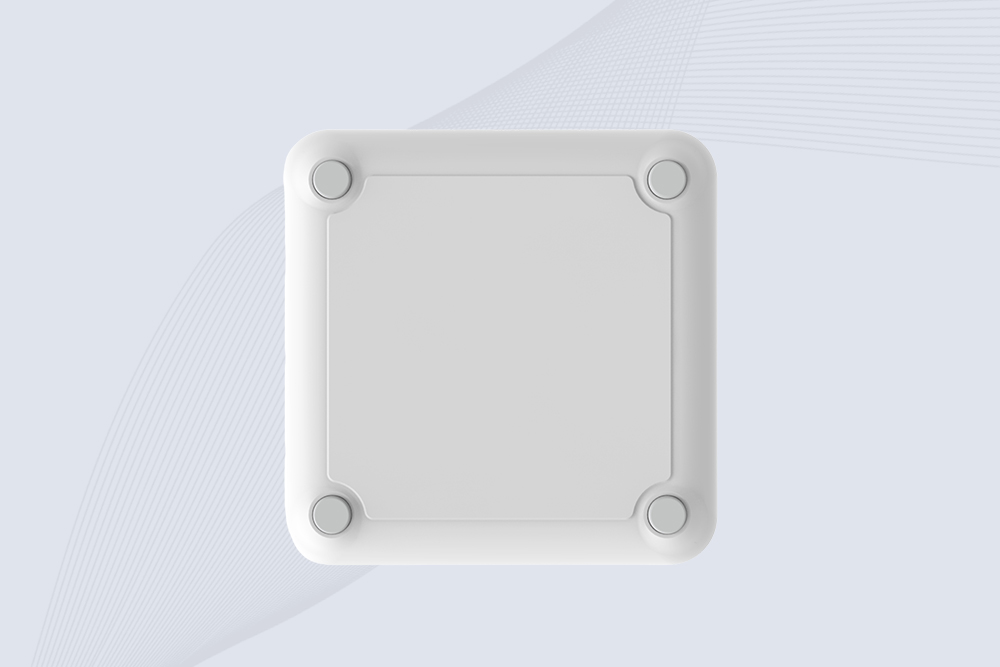
Cykeo CYKEO-A9 industrial UHF RFID antenna delivers 9dBi gain, 840-960MHz frequency range, and IP65 protection for warehouse/logistics/retail RFID systems. Features N-type connector and ≤1.3:1 VSWR.
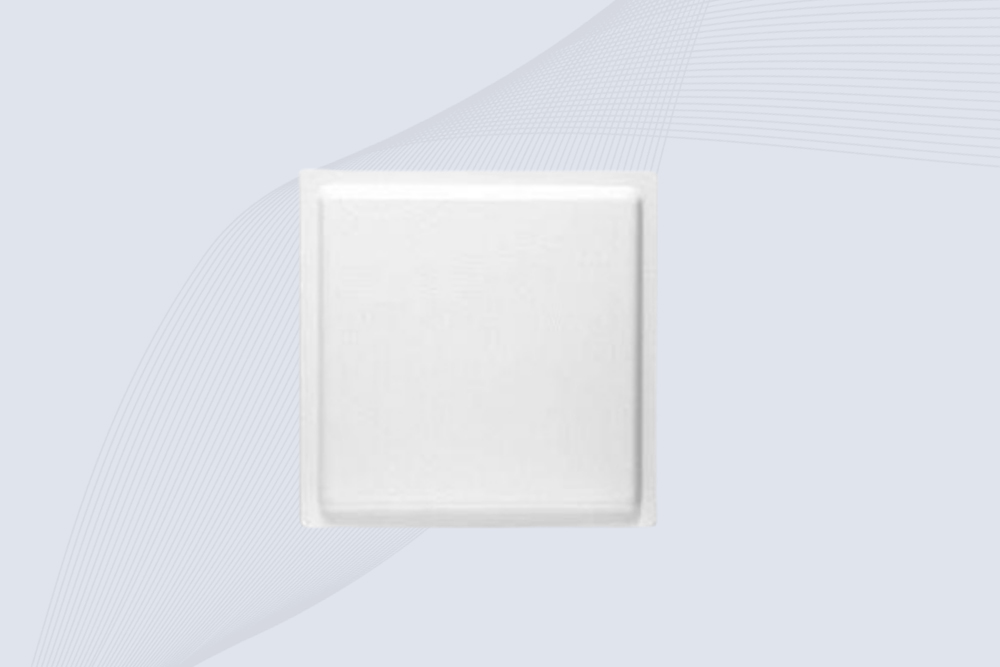
CYKEO UHF RFID Antenna built for long-distance and industrial applications. This antenna rfid uhf delivers strong gain, outdoor durability, and reliable tag performance in warehouses, yards, and vehicle ID systems.
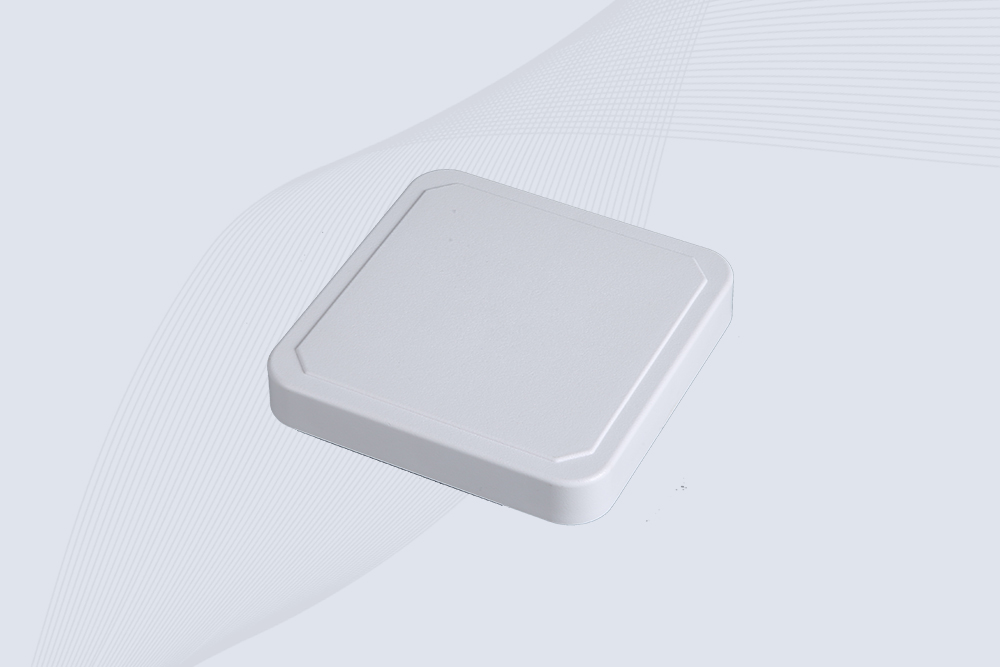
CYKEO Antenna RFID delivers reliable long-range UHF performance in warehouses, retail shelves, and cold-chain environments. This compact uhf rfid antenna provides stable reads with circular polarization and ultra-wide 840–960 MHz support, ideal for industrial tracking, smart shelves, and asset monitoring.
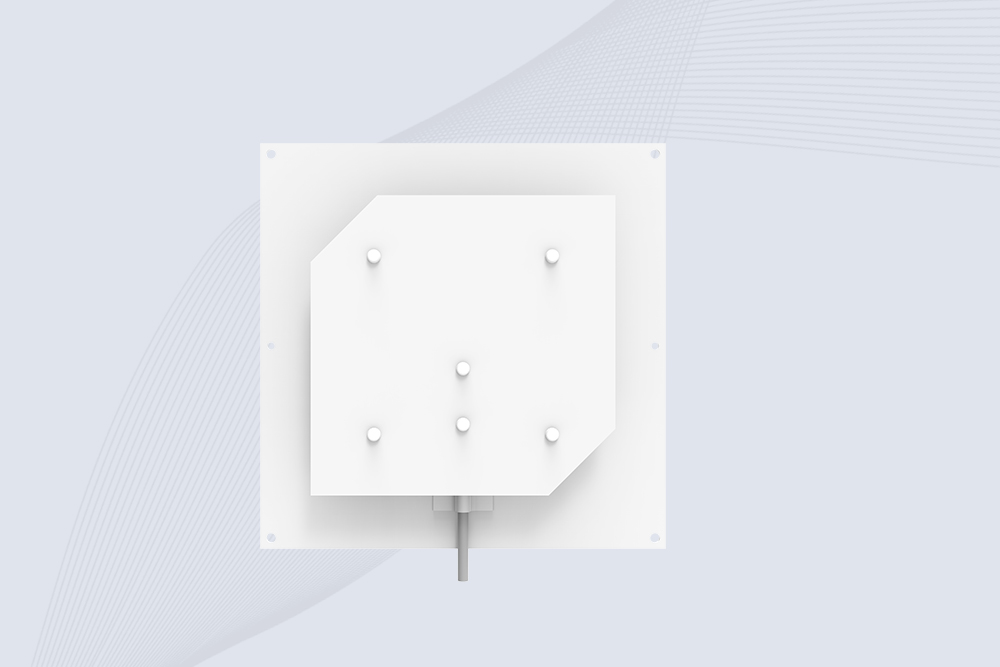
Cykeo’s CYKEO-C8 UHF RFID antennas delivers 8dBi gain, 840-960MHz full-band coverage, and IP65 ruggedness for manufacturing/warehouse RFID systems. Industrial RFID Antennas Features
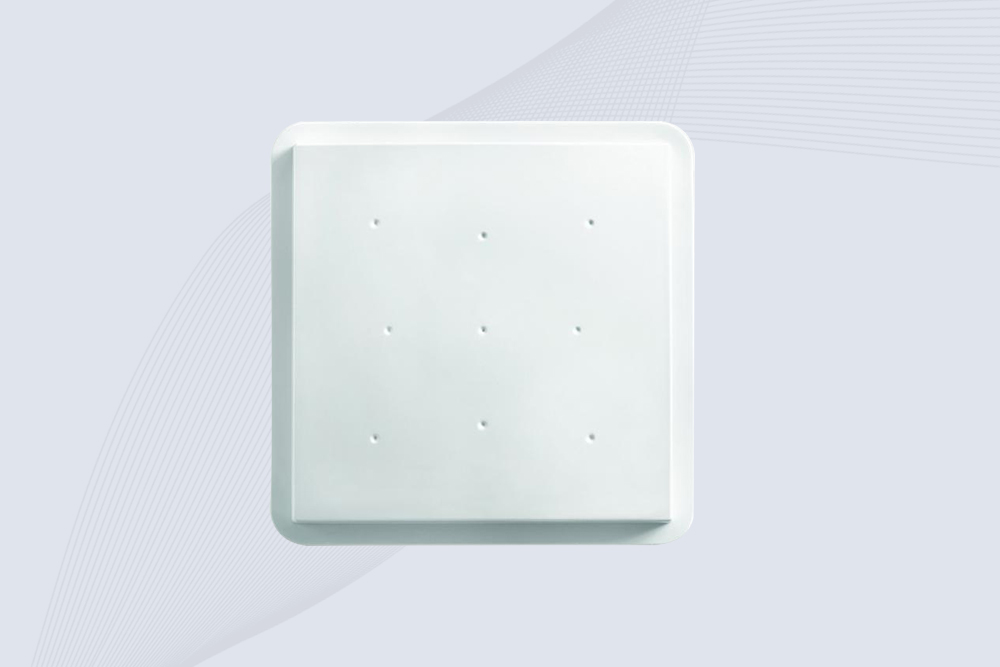
Cykeo’s 8dBi UHF RFID antenna and reader kit delivers 10m+ range, 840-960MHz broadband, and IP65 ruggedness for factories, warehouses, and logistics. ISO 18000-6C & EPC Gen2 certified.
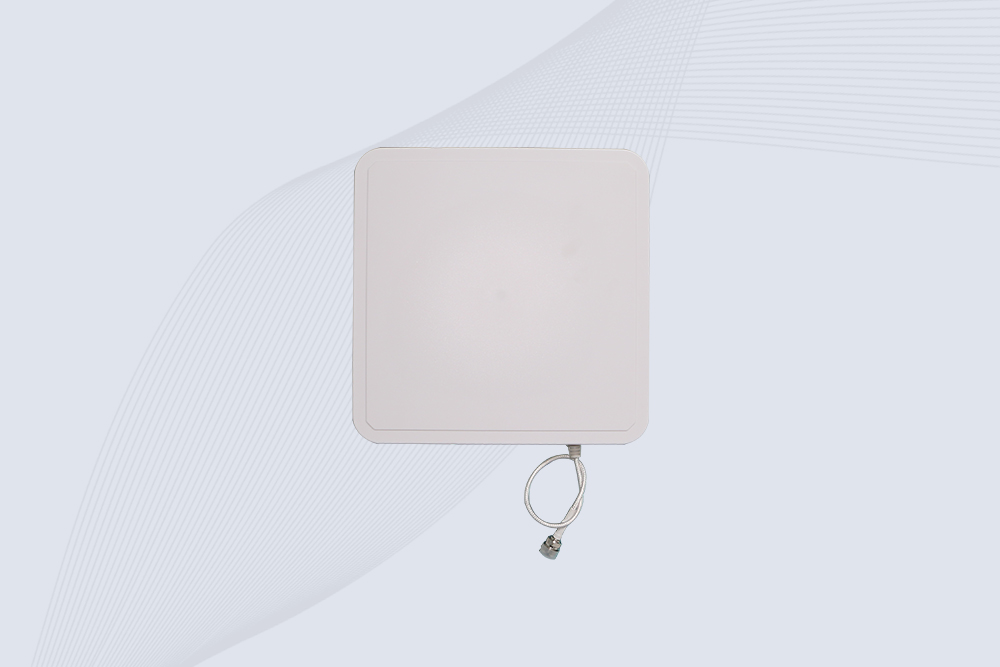
Cykeo CYKEO-A9A industrial UHF RFID reader and antenna kit delivers 10m range, 500 tags/sec, IP65 ruggedness for manufacturing/logistics. Supports EPC Gen2, ISO18000-6C.
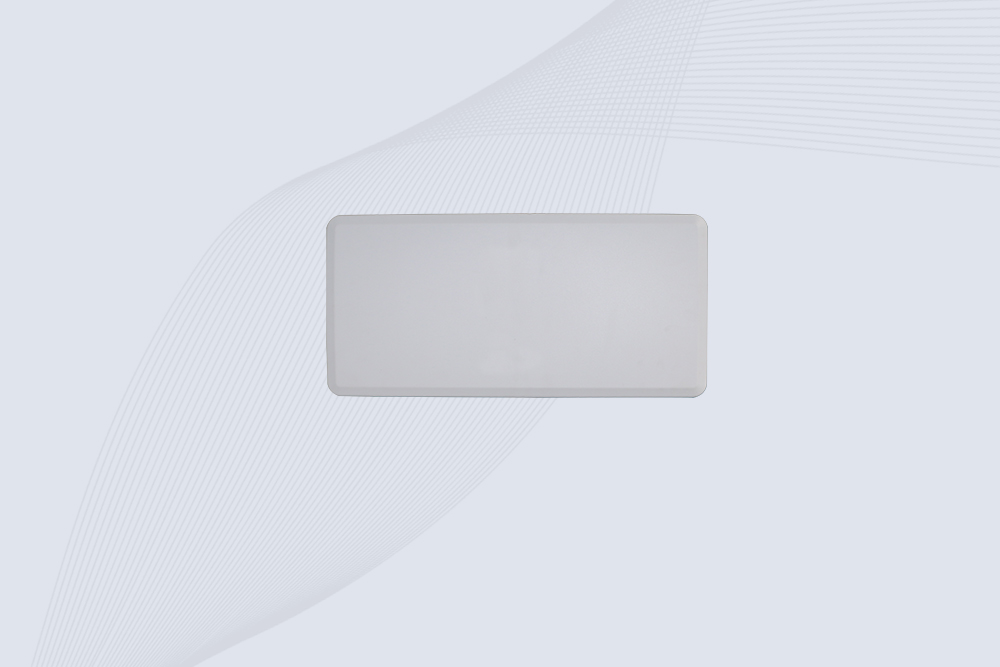
Cykeo’s CYKEO-A12C UHF Large RFID Antenna delivers 12dBi gain, 840-960MHz global frequency, IP65 ruggedness for logistics/warehousing/automotive. 40° beamwidth ensures stable 15m+ tag reads.

CYKEO Near Field RFID Antenna provides precise 5–30 cm reading for shelves, cabinets, and workstations. This compact rfid shelf antenna delivers stable short-range performance around metal and clutter, ideal for pharmacies, libraries, and electronics sorting.
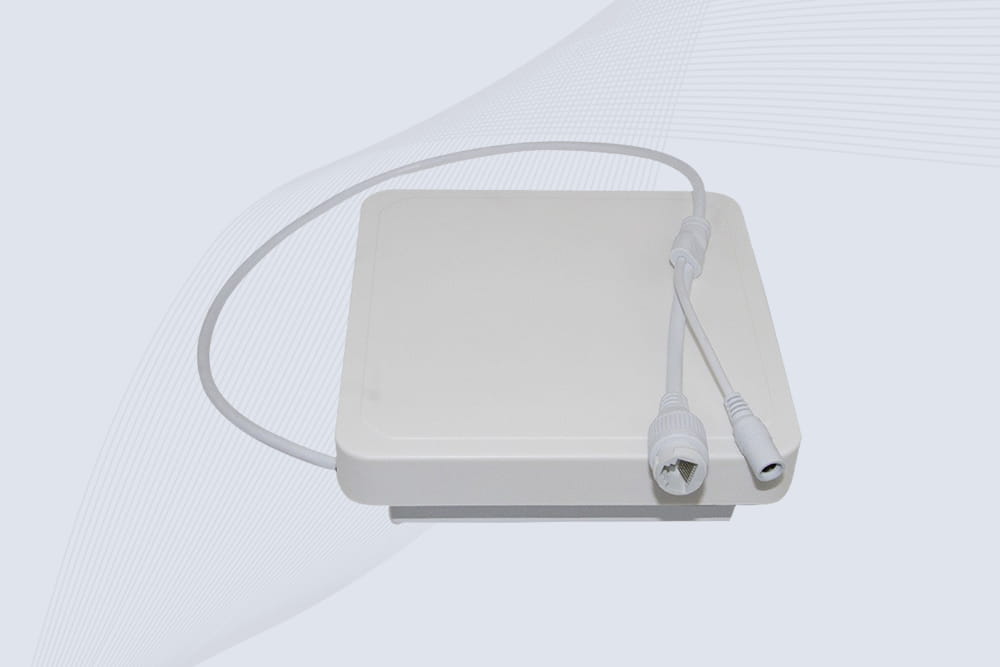
Cykeo’s industrial long range RFID reader delivers 20-meter scanning, 500+ tags/sec speed, and IP67 waterproof design for automated warehouses, logistics, and harsh environment applications.
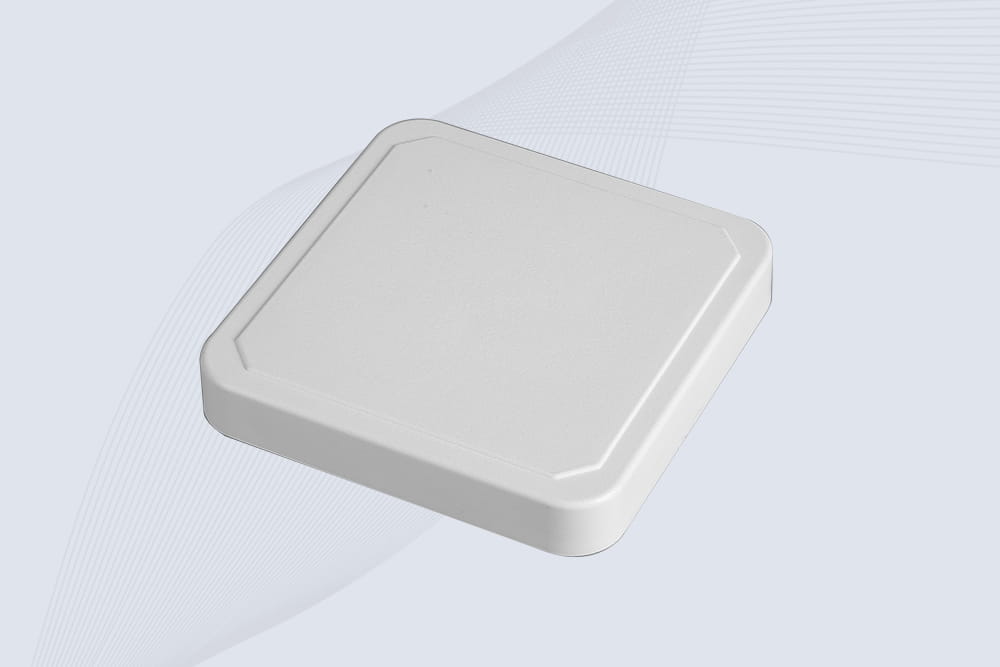
Cykeo’s CYKEO-RA6L industrial RFID long range reader features 20m read distance, 500 tags/sec speed, and IP67 protection. Ideal for warehouse automation, manufacturing WIP tracking, and smart logistics. Supports ISO 18000-6C/6B protocols.
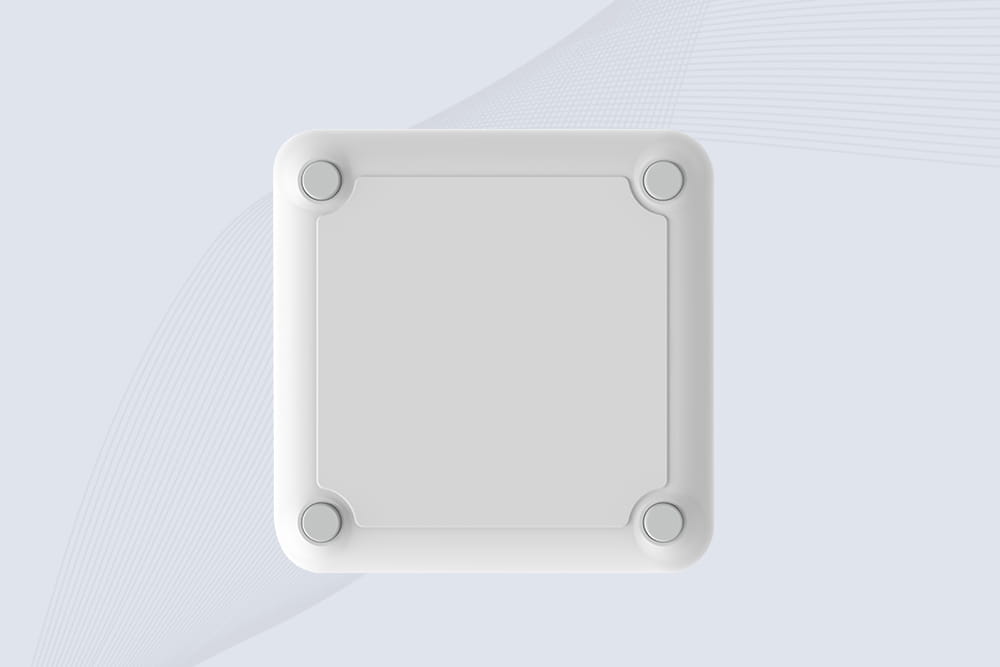
CYKEO Long Range RFID Tag Reader built for outdoor and industrial operations. This Outdoor RFID Reader delivers 20m read distance, fast tag processing, and IP67 durability for wide-area tracking.
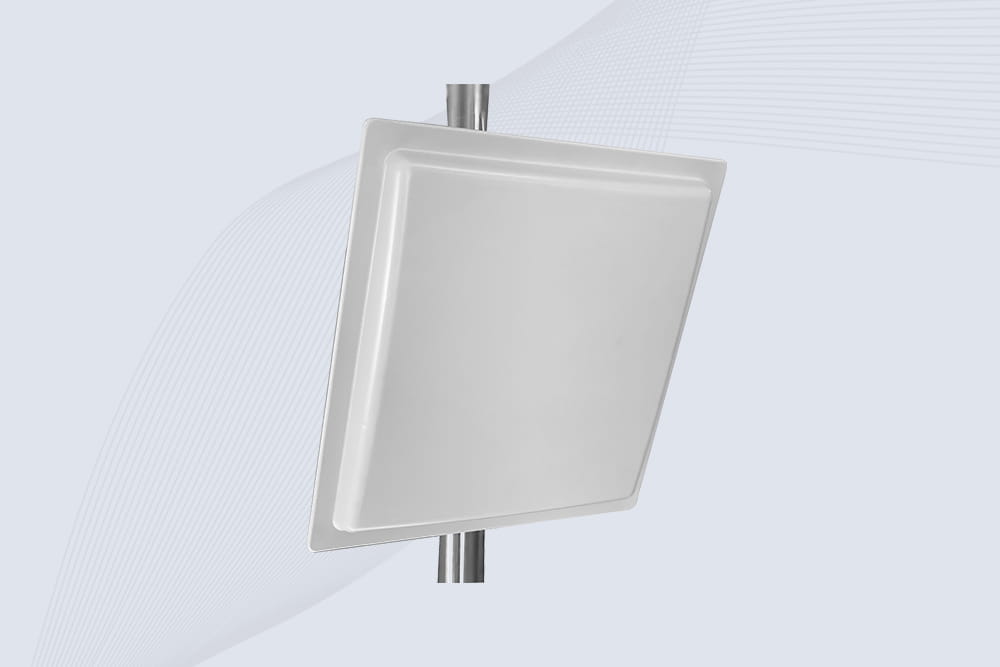
Cykeo CYKEO-RA12L industrial Long Range RFID Reader delivers 20m read range, 200+ tags/sec scanning, and IP67 protection for manufacturing/logistics applications. Supports ISO 18000-6C/GB protocols.
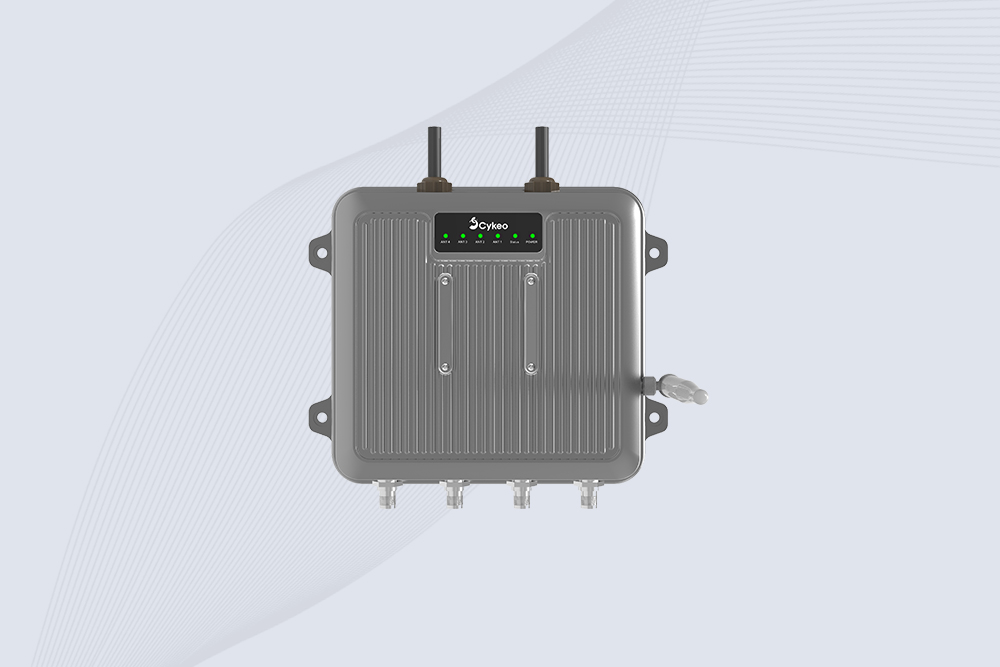
Cykeo CYKEO-C1 industrial Forklift RFID Reader features 20m read range, 600 tags/sec scanning, Impinj R2000 chipset, and IP67 rugged design. Ideal for warehouse logistics and manufacturing. Supports ISO 18000-6C/6B protocols.
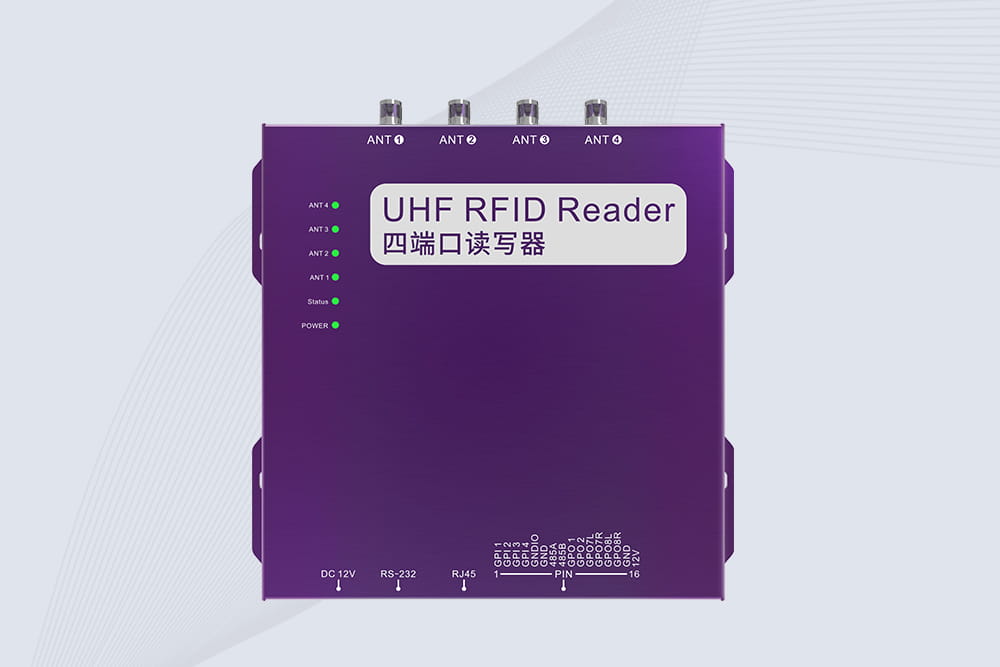
Cykeo CYKEO-R4 industrial UHF RFID Fixed Reader features 4 TNC ports, 400+ tags/sec speed, IP67 housing, and global frequency compliance for vehicle inspection, smart warehouse, and asset management systems.
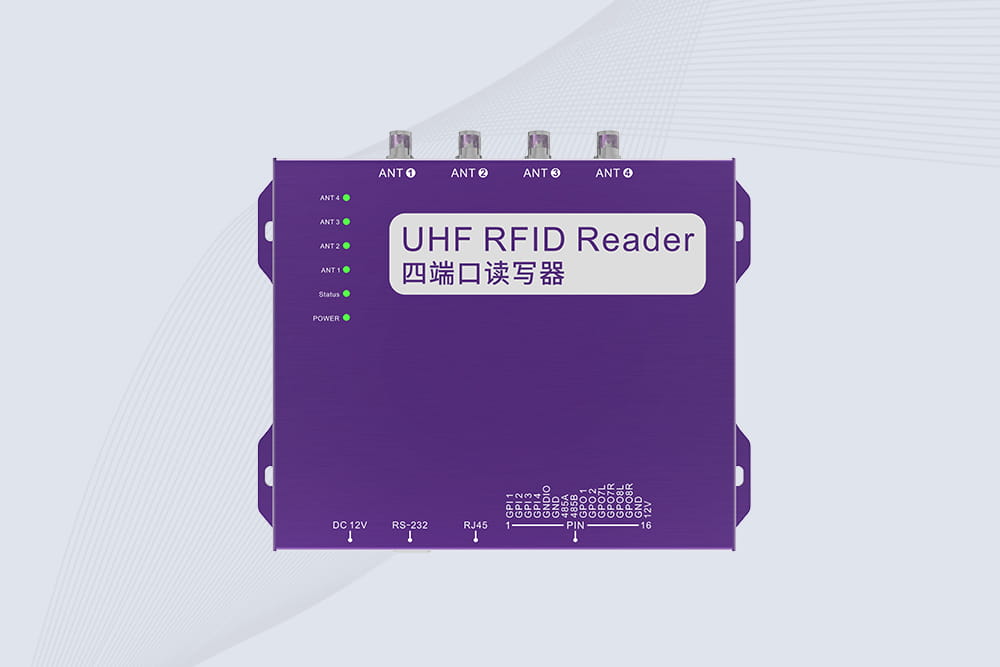
Cykeo’s CYKEO-R4L 4-port Fixed UHF RFID Reader delivers 400 tags/sec scanning, ISO 18000-6C compliance, and IP65 protection. Ideal for warehouse automation, manufacturing WIP tracking, and logistics management.
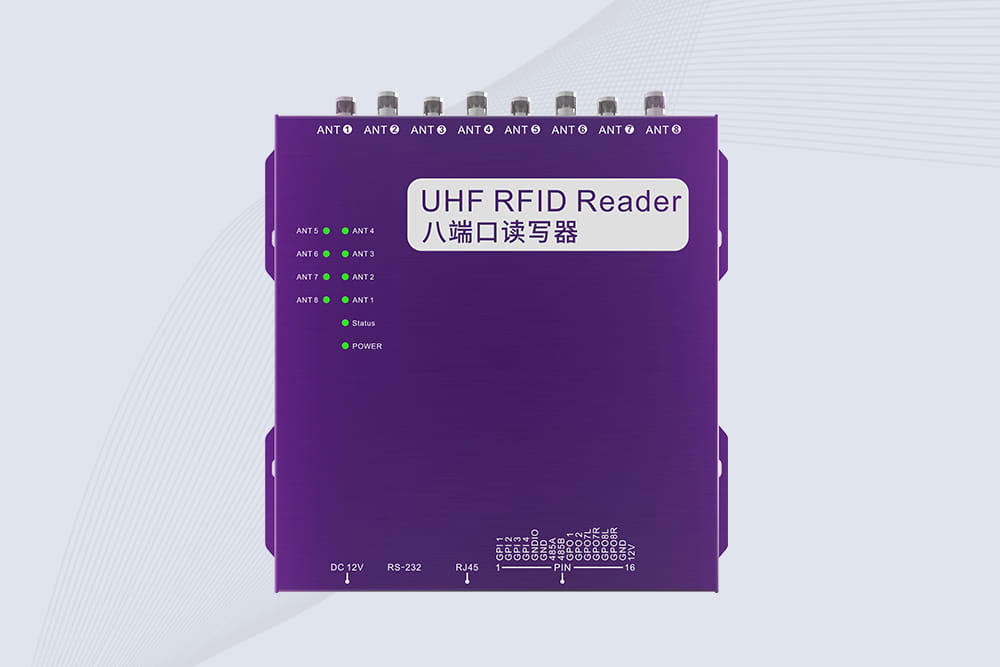
CYKEO CYKEO-R8L Fixed RFID Reader with 8-port UHF design, Impinj-based RF core and up to 20m read range. An industrial Fixed RFID Reader for vehicle inspection, warehouse portals, smart manufacturing lines and secure access checkpoints.
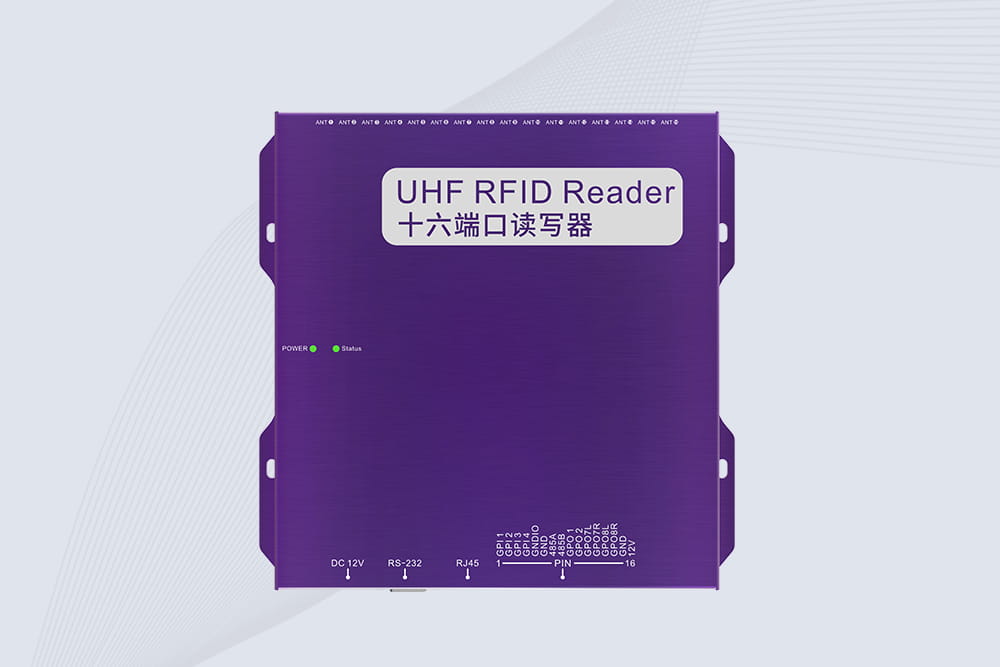
RFID Fixed Reader from CYKEO – the CYKEO-R16L 16-port UHF fixed reader for warehouses, smart cabinets, and production lines. Long-range, multi-tag reading, stable performance for 24/7 industrial use.
RFID Industry Writer | IoT & Asset Tracking Analyst
James writes about RFID technology, asset tracking, and the practical challenges of digital transformation across warehousing, retail, manufacturing, and logistics.
His work focuses on how RFID is applied in real-world operations—improving inventory visibility, automating workflows, and helping businesses manage assets with greater accuracy and efficiency.
He regularly covers topics including UHF RFID, smart cabinets, RFID portals, tool tracking, warehouse automation, and industrial IoT trends..

RFID tag vs NFC tag confusion? We cut through the noise: compare costs, hidden limitations & real-world fixes. Stop wasting money on wrong tech.
More
how to choose the right fixed RFID reader and integrate it with RFID antennas for warehouse automation, asset tracking, and industrial management.This guide helps RFID solution providers and system integrators about rfid integrator issue.
More
Learn how RFID systems are used in inventory control to improve stock accuracy, speed up warehouse operations, reduce inventory loss, and simplify inventory management across retail, logistics, healthcare, and manufacturing.
More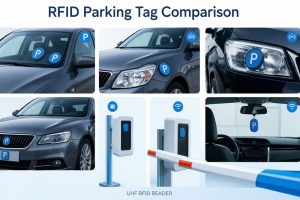
Not all RFID parking tags perform the same. Compare windshield tags, headlight tags, license plate tags, hang tags and active RFID tags by installation, reading distance, lifespan, cost and tamper resistance before selecting your parking access so...
More