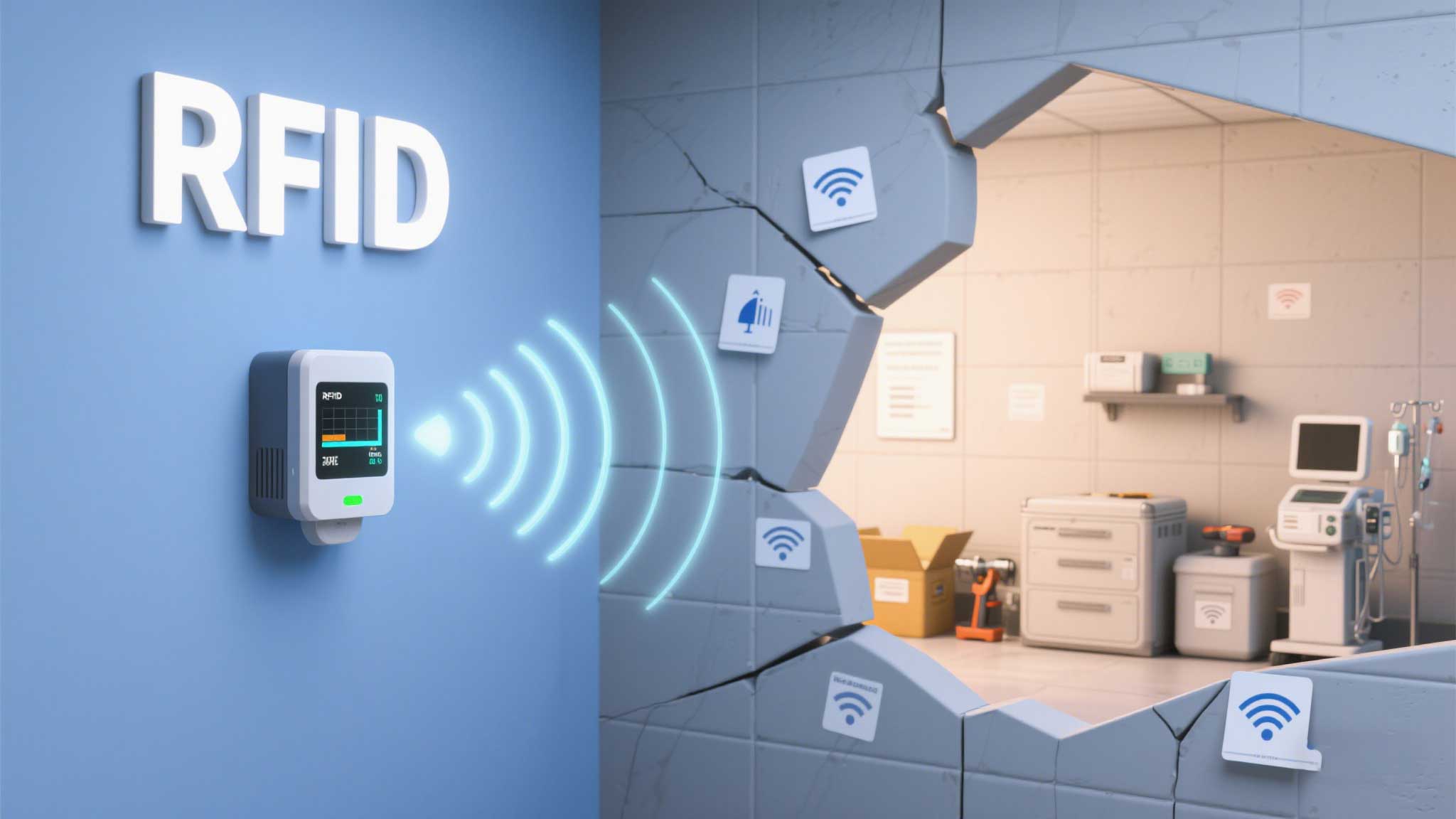
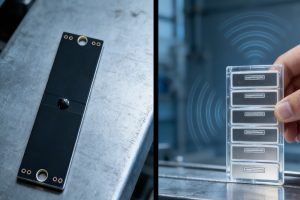
The idea of RFID readers scanning items through walls sounds like sci-fi, but real-world performance depends on materials, frequency, and reader power. While RFID signals can penetrate certain barriers, they’re not magic—understanding the limitations is key to optimizing your setup. Let’s break down the science and separate fact from fiction.
1. How RFID Signals Interact with Materials
RFID waves (UHF 860–960 MHz) pass through non-conductive materials like:
Drywall: Minimal signal loss (10–15% attenuation).
Wood: Up to 30% attenuation, depending on thickness.
Plastic: Almost no interference.
However, conductive materials like metal or concrete reinforced with rebar block signals entirely. Liquids (e.g., water tanks) also absorb UHF waves, reducing range by 50–70%.
2. Can RFID Readers Scan Through Walls?
Yes, but with caveats:
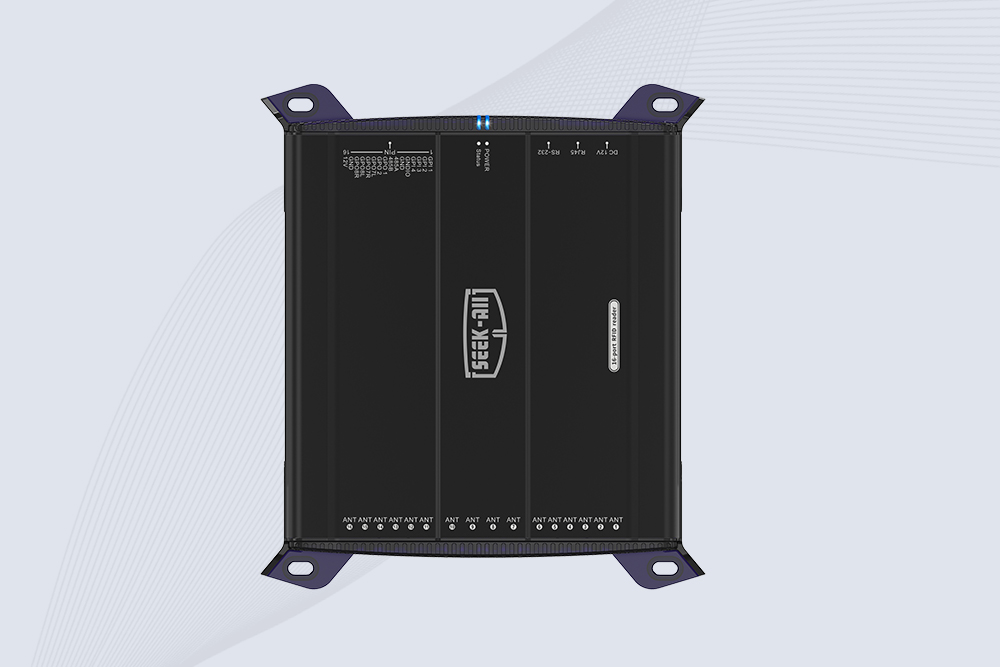
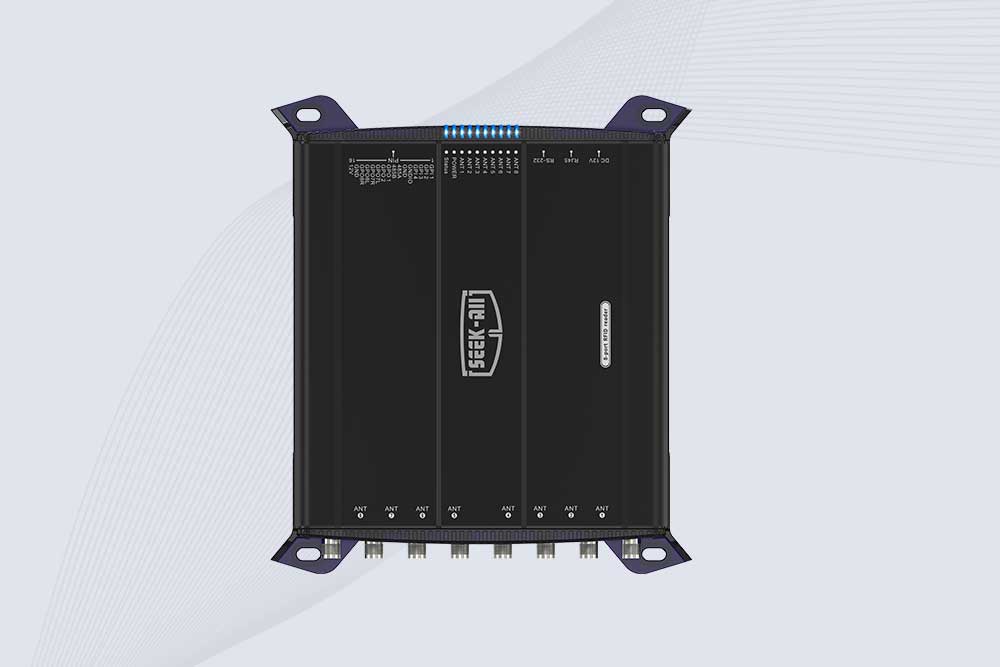
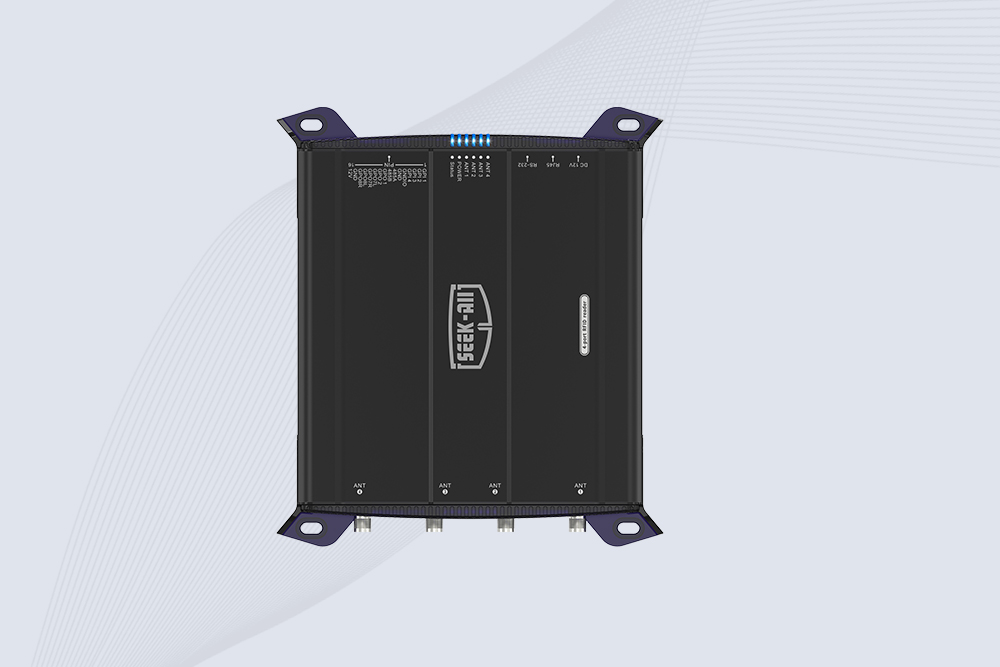
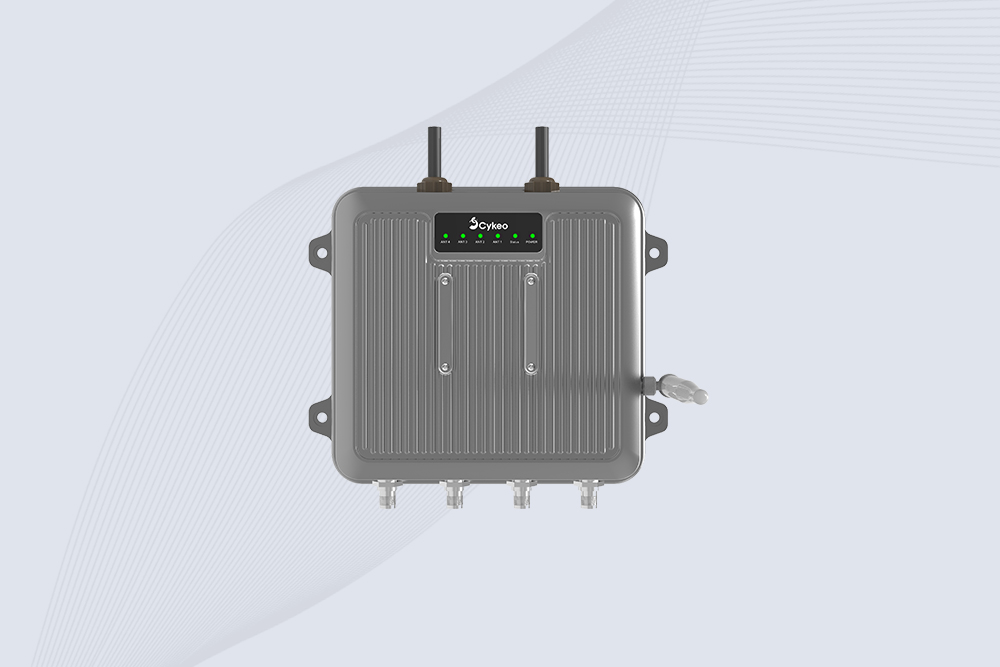
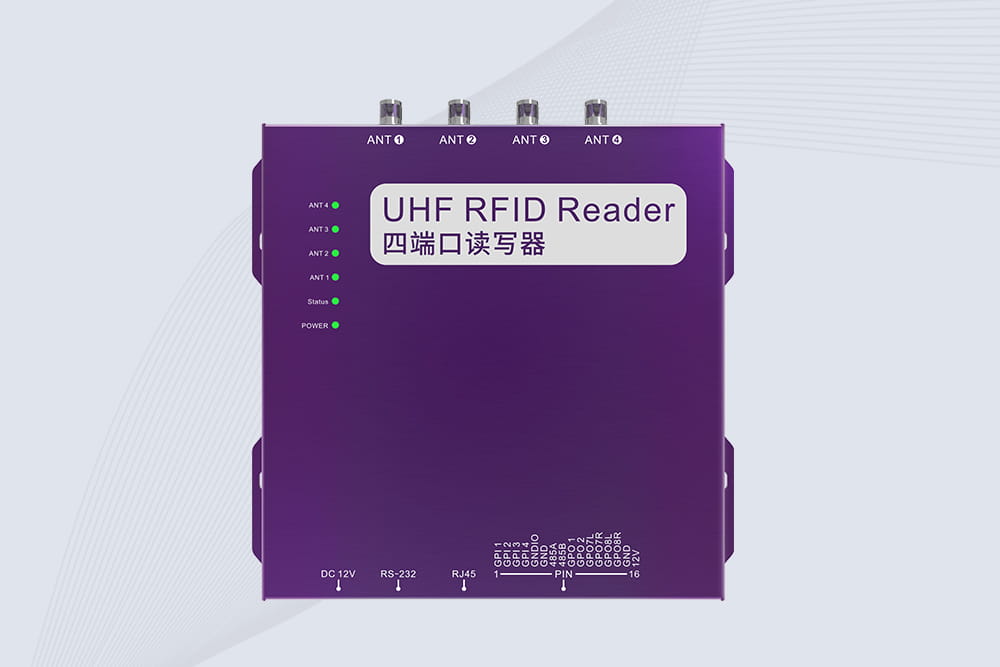
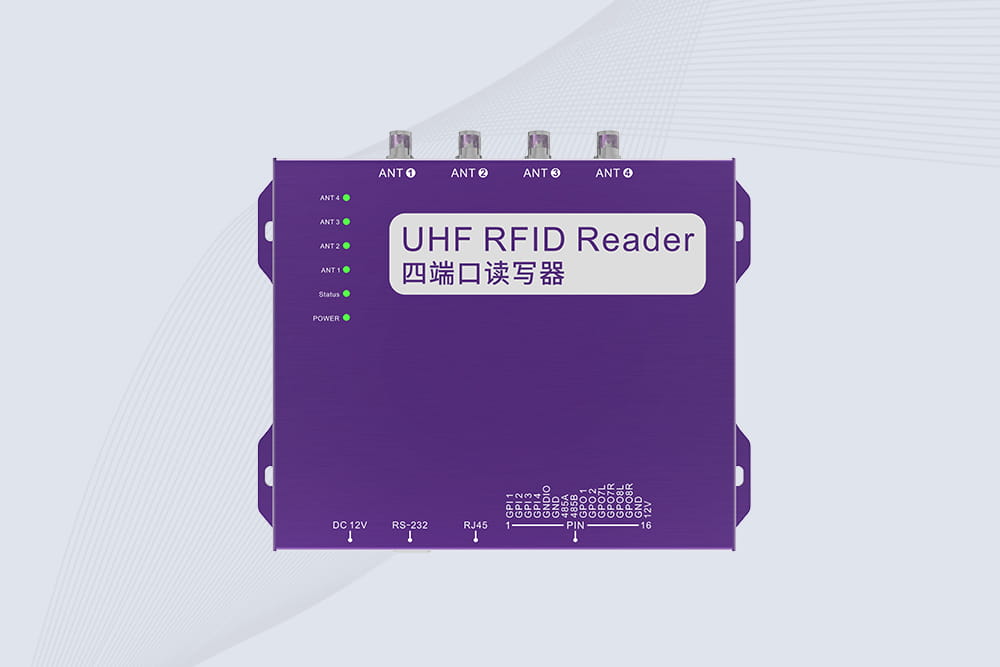
Thin, Non-Metallic Walls: A Cykeo UHF reader with 4W output can detect tags through a single drywall layer up to 15–20 feet away.
Multi-Layer Barriers: Brick or concrete walls require external antennas or repeaters to bypass obstacles.
Metal Walls: No penetration—tags must be placed on the same side as the reader.
3. Real-World Applications for Wall Penetration
Healthcare: Track medical equipment stored in closets (drywall). Cykeo’s MediScan system helps hospitals locate IV pumps through partition walls.
Retail Backrooms: Monitor inventory in adjacent storage areas without physical checks.
Smart Buildings: Scan maintenance tools through plastic or glass enclosures.
4. How to Improve RFID Penetration
Boost Reader Power: Increase transmit power (within legal limits) to amplify signal strength.
Use Directional Antennas: Focus energy toward the target zone, minimizing wall interference.
Install Repeaters: Extend coverage around corners or through thick barriers.
Why Cykeo’s Readers Excel in Challenging Environments
Cykeo’s industrial UHF readers feature adaptive signal algorithms that dynamically adjust to material interference, ensuring reliable reads through common barriers like drywall or wooden doors. Their systems are tested in multi-story warehouses and healthcare facilities, achieving 95%+ accuracy even with obstructions.
Learn what RFID asset tracking software is, how it works with RFID readers and tags, key features to look for, and how to implement it for your organization. Expert guidance from CYKEO engineers.
Learn how RFID reader modules are used in access control systems, smart cabinets, industrial security devices, and RFID-enabled entry management applications.
Confused about using RFID tags on metal? Learn the real difference between on-metal RFID tags and regular RFID tags, and choose the right solution for industrial and bulk applications.
Upgrade your library’s book management with the CK-DP10 RFID system. Speed up returns, reduce errors, and improve efficiency with automated check-ins. Learn how this smart technology enhances user experience and saves costs. Perfect for libraries ...
 Cykeo RFID IoT Solution Products R&D Manufacturer