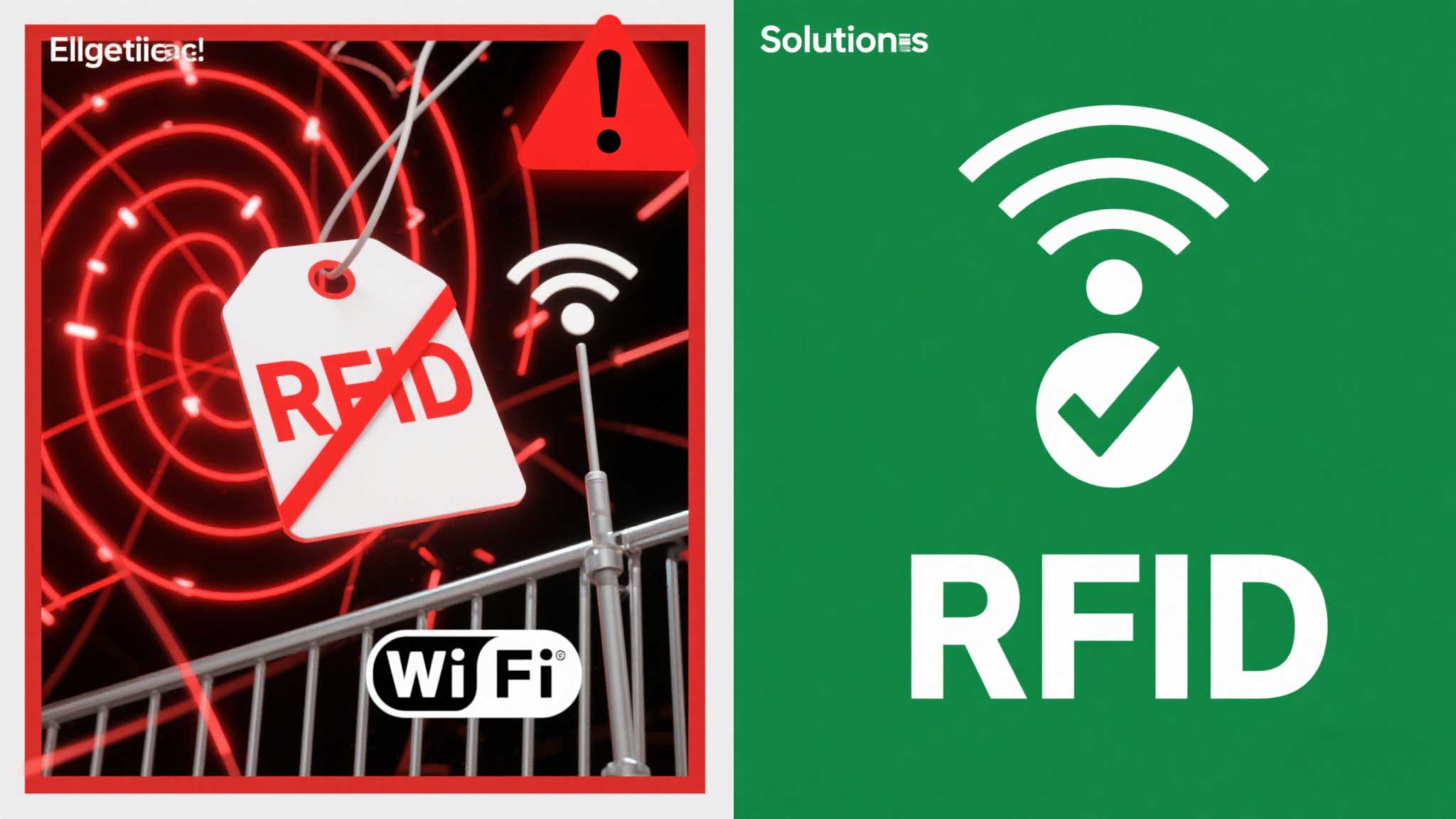
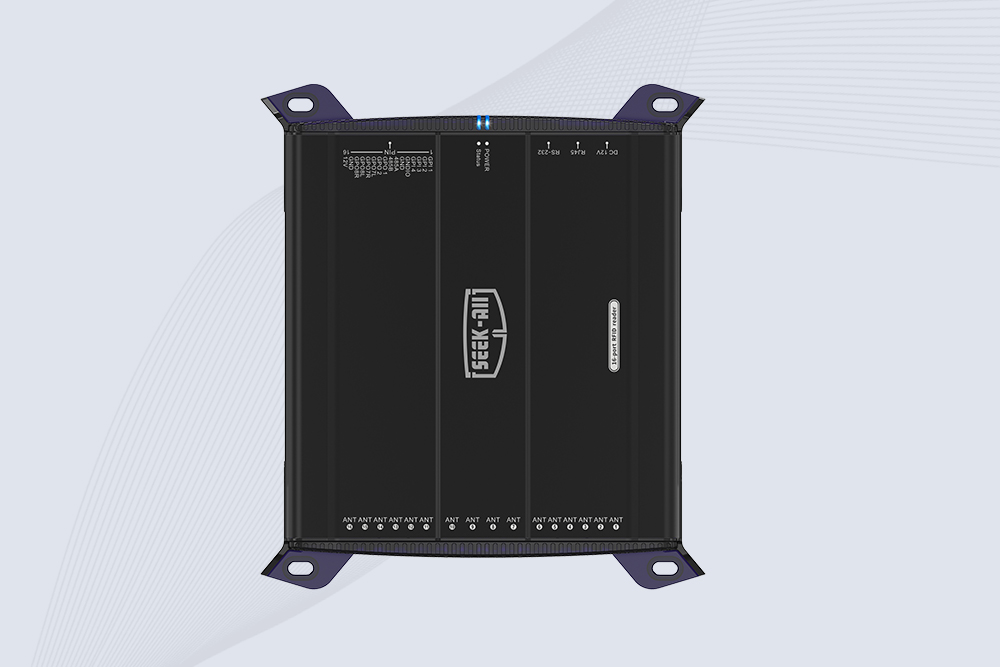
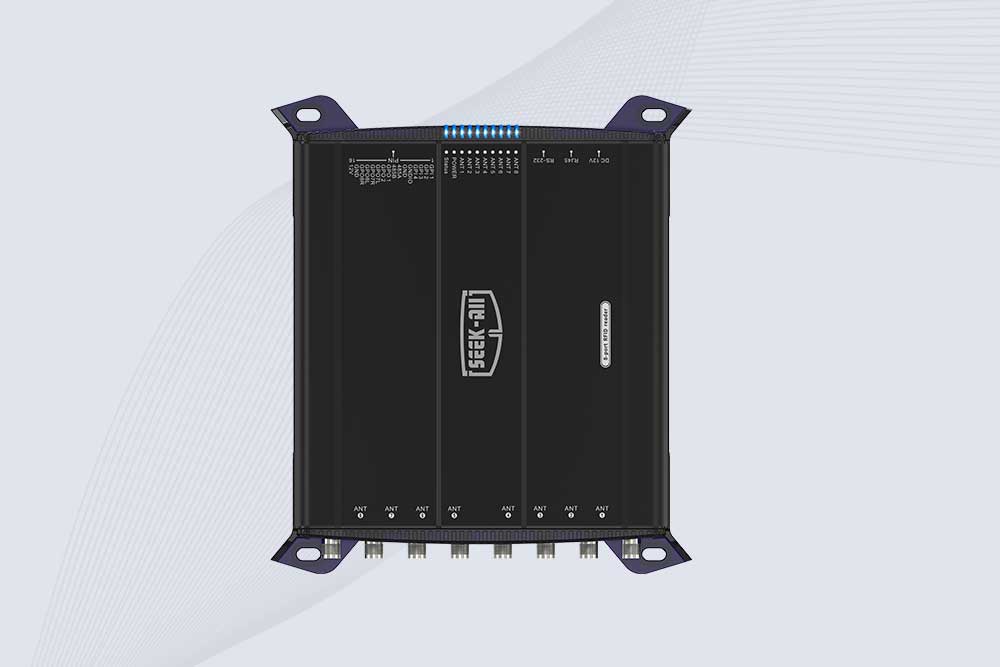
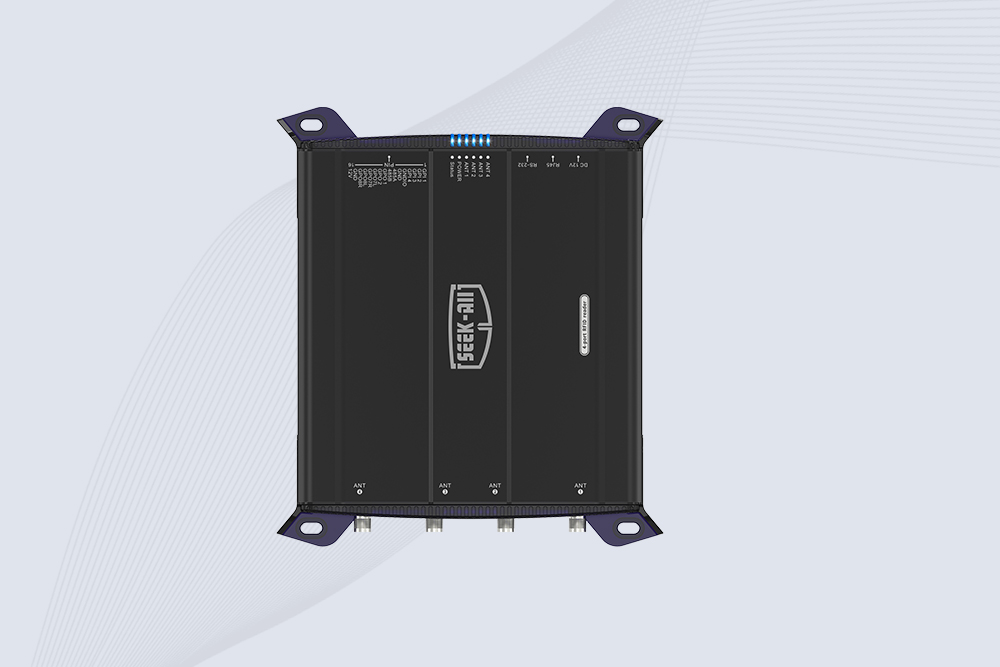
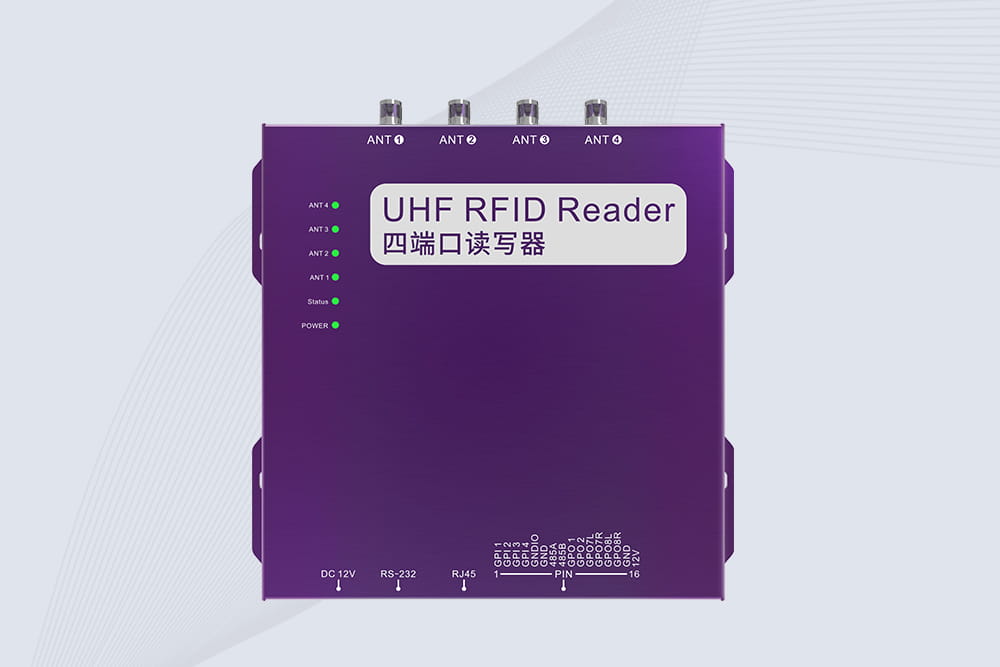
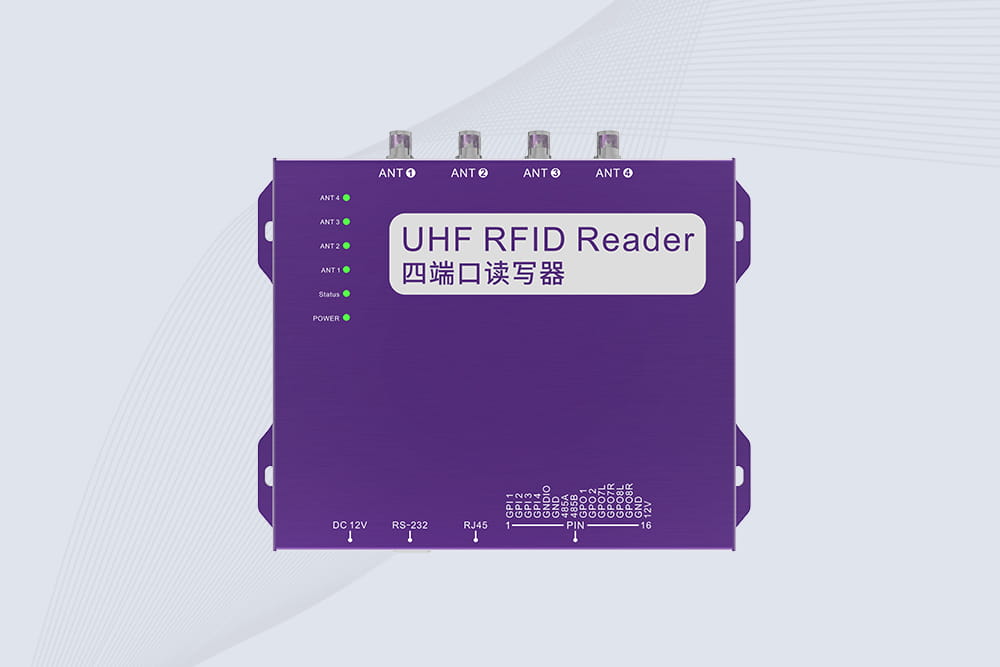
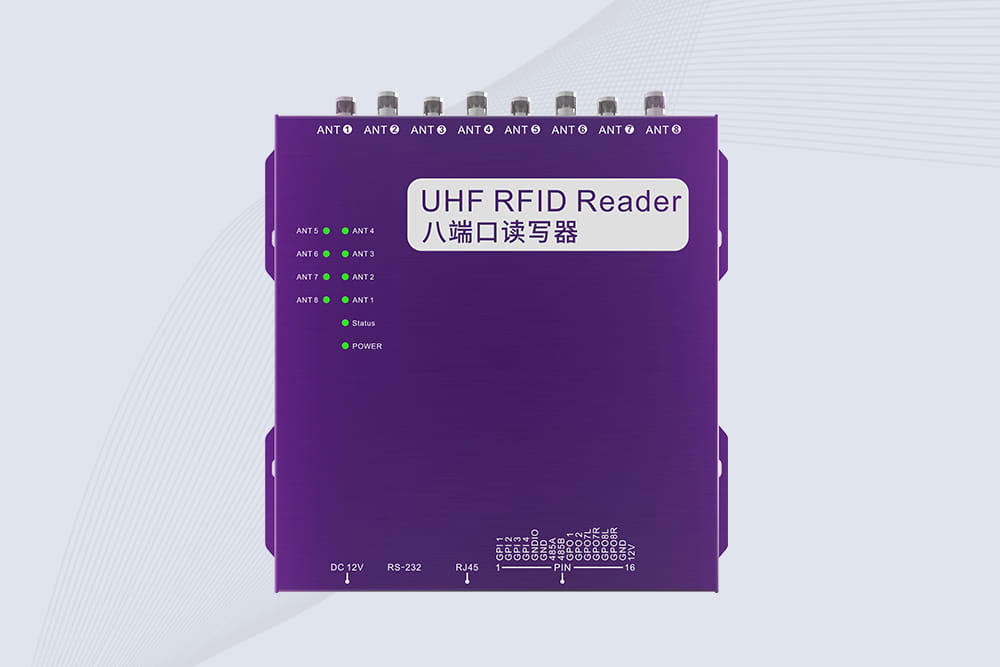
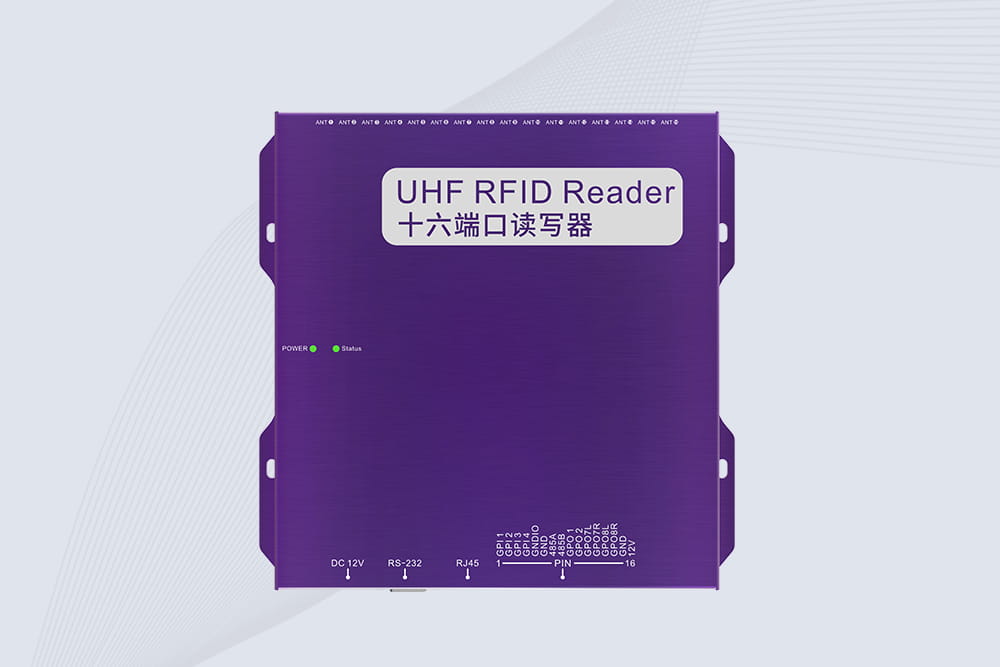
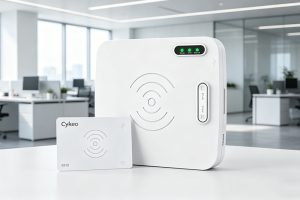
In bustling environments like warehouses, hospitals, or event venues, RFID readers often face signal interference from Wi-Fi, metal structures, and overlapping RFID systems. These disruptions lead to missed scans and inventory errors. Below, we outline six actionable strategies to minimize interference and ensure reliable performance even in the busiest settings.
1. Understand Common Sources of Interference
Electromagnetic Noise: Wi-Fi routers, Bluetooth devices, and machinery emit competing signals.
Physical Obstacles: Metal shelves, concrete walls, and liquids absorb or reflect RFID waves.
Reader Collision: Multiple readers scanning the same frequency in close proximity.
2. Optimize Frequency Selection
Most regions allow UHF RFID operation in 865–868 MHz (EU) or 902–928 MHz (US) ranges. Use software tools like Cykeo’s SpectraAnalyze to identify “clean” channels with minimal congestion and lock your readers onto those frequencies.
3. Deploy Anti-Collision Algorithms
Modern RFID readers use Dense Reader Mode (DRM) or Listen Before Talk (LBT) protocols to avoid overlapping signals. These algorithms stagger scan times or reduce power temporarily when interference is detected.
4. Shield Readers and Cables
Ferrite Cores: Attach to power and Ethernet cables to block high-frequency noise.
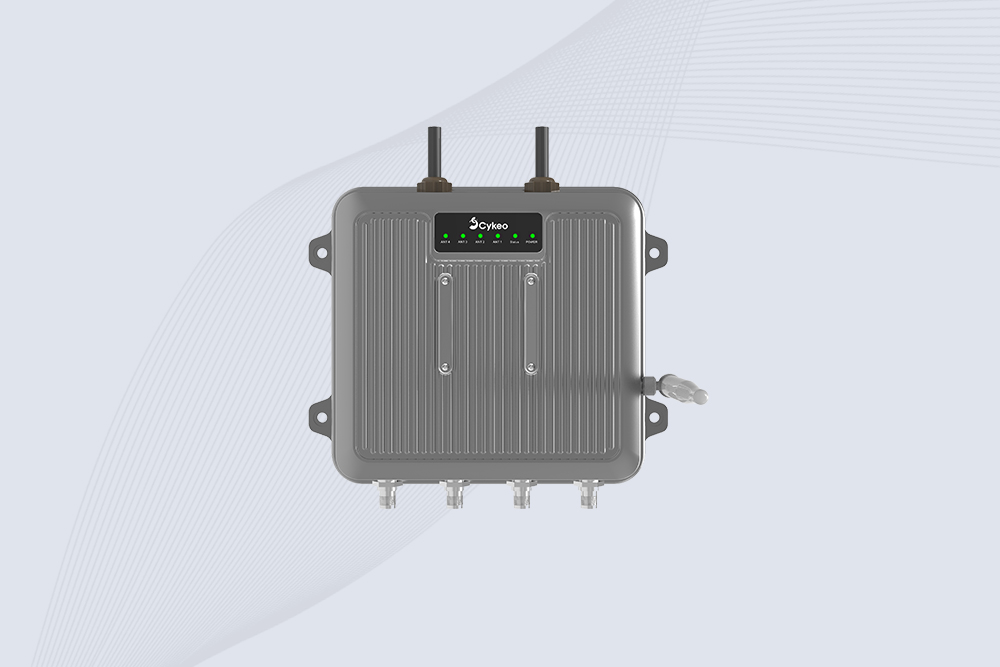
RFID-Enclosures: Metal housings with ventilation slots shield readers from external interference without overheating.
5. Use Directional Antennas
Replace omnidirectional antennas with linearly polarized directional antennas to focus signals into a narrow beam. This reduces cross-talk in areas with multiple readers. For example, Cykeo’s BeamFocus antennas cut interference by 60% in airport baggage-handling systems.
6. Schedule Scanning Cycles
In zones with 24/7 activity, program readers to scan during off-eak hours or alternate between areas. This prevents simultaneous transmissions that cause reader collision.
Why Cykeo’s Readers Thrive in Noisy Environments
Cykeo’s industrial readers incorporate adaptive frequency hopping and military-grade shielding to combat interference. Their systems are tested in environments like automotive plants (high metal content) and stadiums (crowded RF zones), achieving 98%+ read rates.
Learning how to install RFID HID reader from wall? Step-by-step for surface mount and flush mount installations. Wire colors, drill sizes, and reader testing. Real access control advice from CYKEO engineers.
Learn how to install a long range RFID scanner correctly. This guide covers antenna positioning, reader setup, interference control, and practical tips for RFID system integrators and wholesalers.
Printable RFID cards enable secure UHF identification and on-demand printing. Improve access control, asset tracking, and efficiency with Cykeo RFID card solutions.
Learn how to code rfid tags with professional RFID writers, software tools, and practical methods. Cykeo explains RFID programming for reliable tag management.
 Cykeo RFID IoT Solution Products R&D Manufacturer