 Cykeo RFID IoT Solution Products R&D Manufacturer
Can You Read RFID with NFC? Here’s the Real Answer.
424Can you read RFID with NFC? We explain the technical relationship between these technologies and when NFC is sufficient versus when you need dedicated RFID systems.
MoreAll RFID Product
Tracking livestock with long-range RFID readers requires balancing extended read distances (10–15+ meters) with reliable accuracy, even in challenging outdoor environments. Factors like animal movement, metal interference, and weather conditions can degrade performance. Below, we outline actionable strategies to ensure precise, consistent tracking for herds, flocks, or free-range operations.
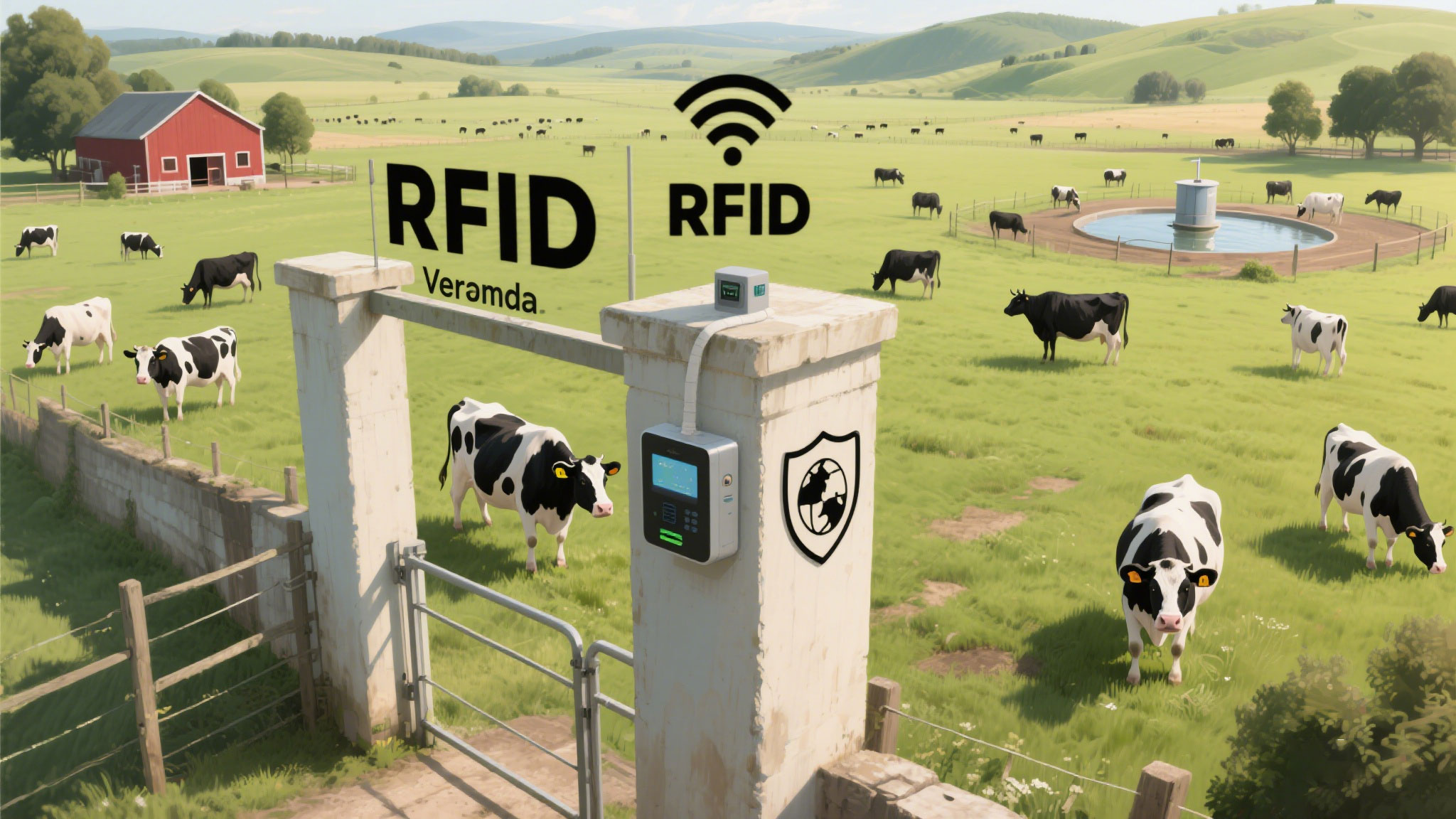
Cykeo’s ranch-ready RFID systems use dual-frequency readers to switch between UHF for field scans and LF for chute-side verification, ensuring 99% read rates.
A U.S. cattle ranch using Cykeo’s system reduced manual headcounts by 90% by automating scans at grazing zones and integrating data with FarmLogs.
Cykeo’s systems are field-tested in extreme conditions, from Australian outbacks to Nordic free-range farms. Their readers support GPS tagging for hybrid tracking, combining RFID scans with location data to monitor grazing patterns or disease outbreaks.
Can you read RFID with NFC? We explain the technical relationship between these technologies and when NFC is sufficient versus when you need dedicated RFID systems.
More
Learn how to make an RFID reader with real-world steps, components, and expert insights. Build, test, and optimize RFID systems using proven methods.
More
Discover what a UHF RFID reader is and how it enables long-range, bulk scanning for logistics, retail, and industrial tracking. Learn the technology from CYKEO.
More
RFID tag in car systems enable fast vehicle identification, access control, and tracking. Discover how CYKEO supports real-world deployments.
More