RFID systems are vulnerable to skimming, cloning, and unauthorized access, especially in industries handling sensitive data like healthcare, finance, and defense. A layered security approach—combining encryption, hardware safeguards, and strict access controls—is essential to prevent breaches. Below, we outline actionable strategies to fortify RFID systems against evolving cyber threats.
1. Encrypt RFID Data End-to-End
Tag-to-Reader Encryption:
Use AES-256 or RSA-2048 to encrypt tag data, rendering stolen information unusable.
Implement TLS 1.3 for secure communication between readers and backend servers.
Dynamic Authentication:
Employ challenge-response protocols where tags and readers validate each other before data exchange.
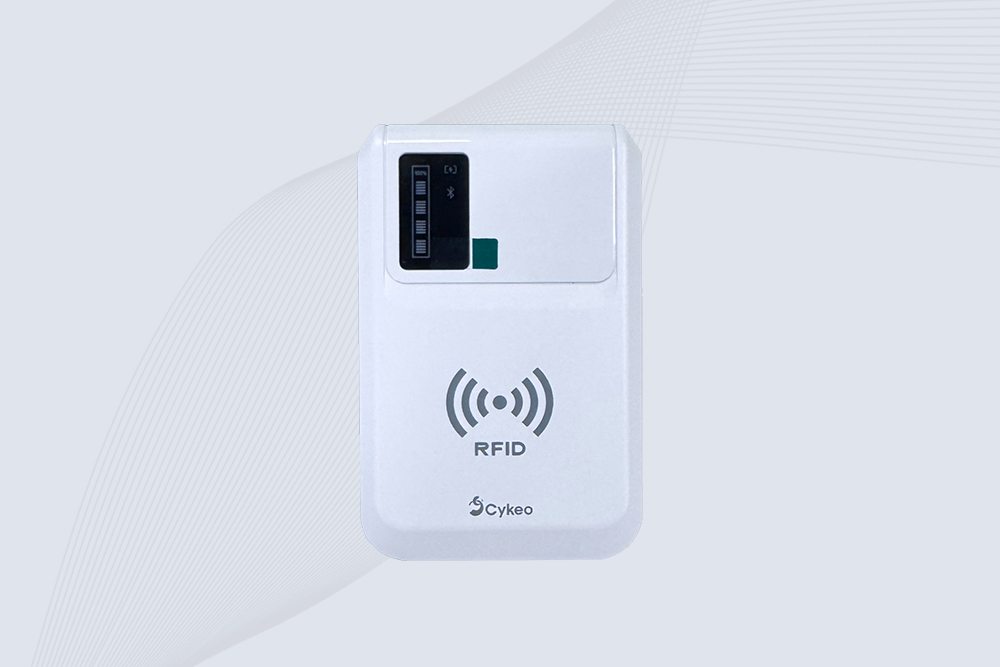
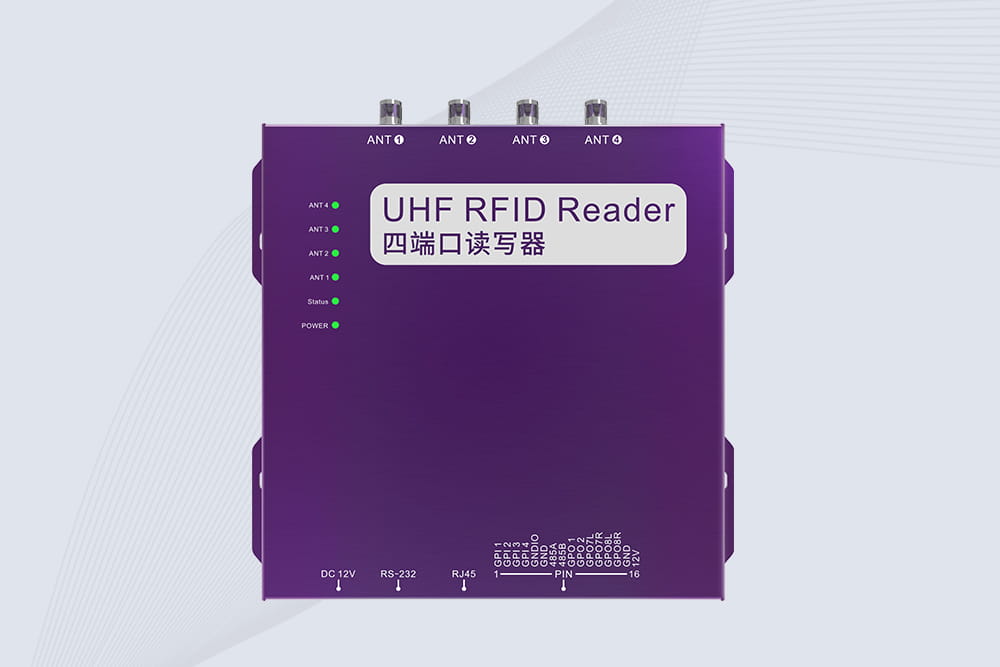
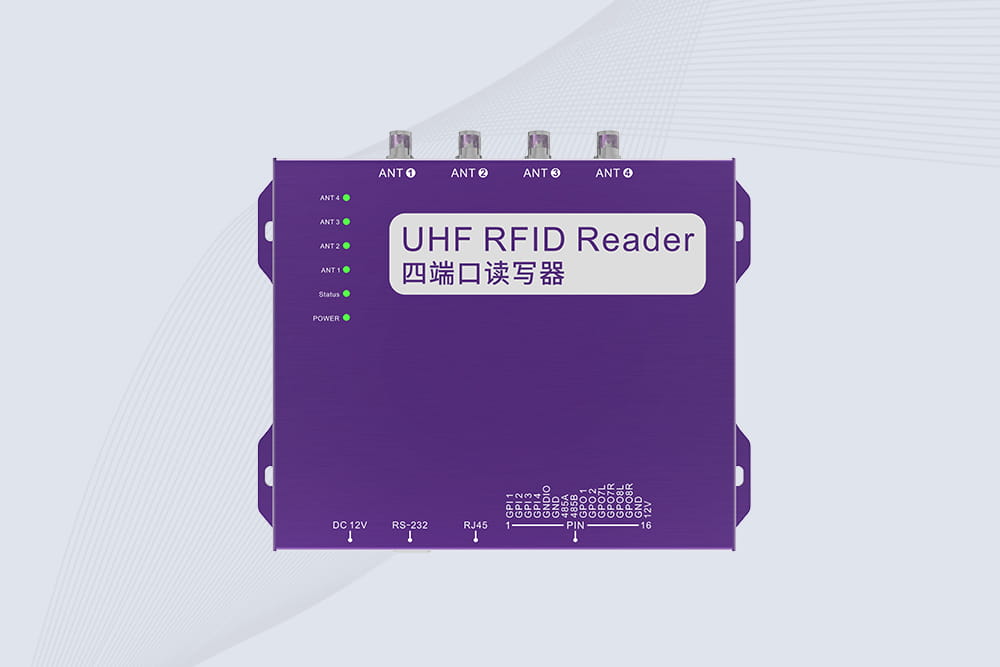
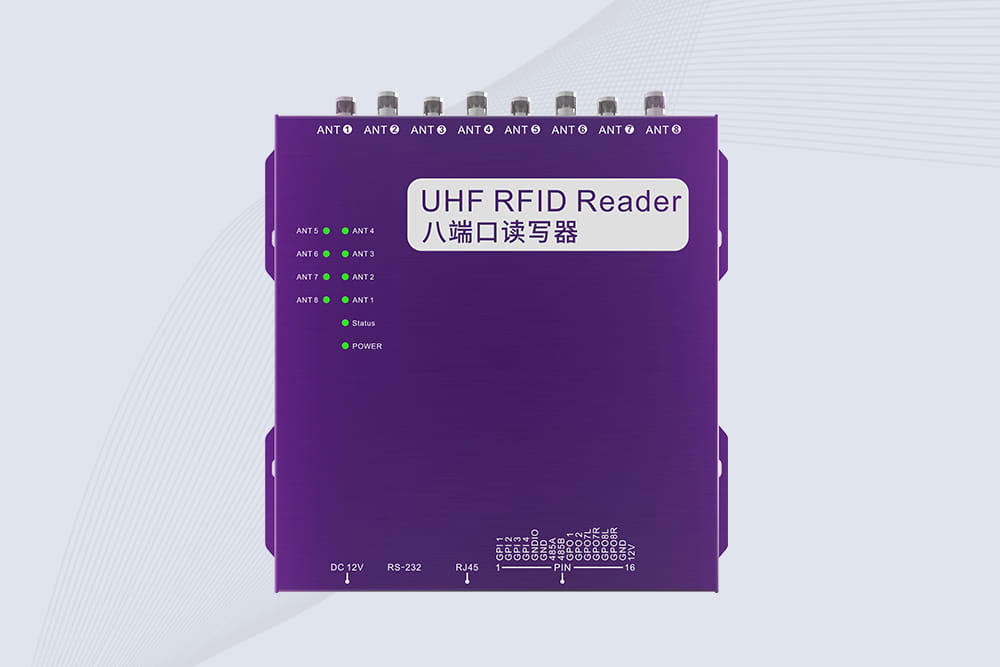
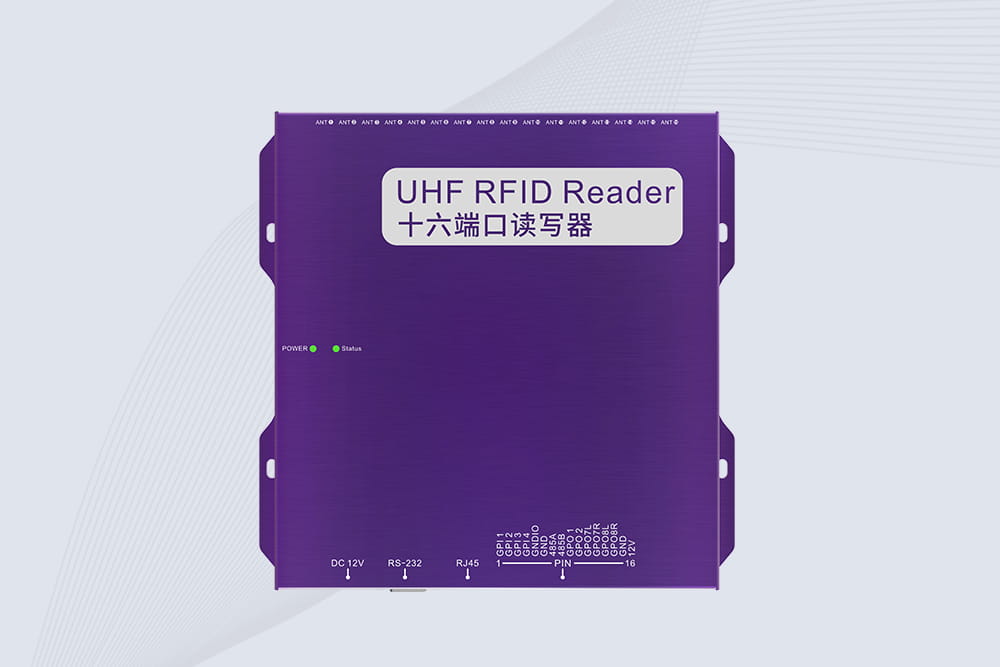
Cykeo’s RFID systems, for instance, use FIPS 140-2 compliant encryption and randomized RFID tag IDs to thwart replay attacks.
2. Restrict Physical and Network Access
Role-Based Access Control (RBAC):
Limit user permissions via biometric scans, smart cards, or PINs.
Segregate networks to isolate RFID systems from primary IT infrastructure.
Tamper-Proof Hardware:
Use readers with epoxy-sealed casings and tamper-evident seals that trigger data wipe if breached.
Deploy Faraday cages or shielded tags in high-risk areas to block rogue readers.
Enable frequency hopping (FHSS) to avoid fixed-channel snooping.
Tag Cloning:
Use read-only tags for immutable data (e.g., serial numbers) and cryptographic signatures for writable tags.
Malware:
Install anti-malware firmware with sandboxing to isolate suspicious processes.
A financial institution reduced cloning attempts by 90% after deploying Cykeo’s read-only tags with digital signatures.
4. Ensure Compliance and Auditing
Regulatory Standards:
Align with GDPR, HIPAA, or PCI-DSS requirements for data anonymization and breach reporting.
Audit Trails:
Log all read/write events with timestamps, user IDs, and locations for forensic analysis.
Use blockchain-based ledgers for immutable audit records in supply chains.
Penetration Testing:
Conduct quarterly ethical hacking simulations to identify vulnerabilities.
5. Update and Monitor Continuously
Firmware Patches:
Schedule automated updates to fix security flaws without downtime.
Real-Time Alerts:
Configure systems to flag unusual activity (e.g., repeated failed access attempts).
Employee Training:
Educate staff on phishing scams, social engineering, and secure RFID handling practices.
Why Cykeo Prioritizes RFID Security
Cykeo’s systems integrate hardware security modules (HSMs) and zero-trust architectures, ensuring compliance with strict military and healthcare standards. Their cloud-based dashboards provide real-time threat analytics, empowering IT teams to respond to breaches proactively.
Discover how to integrate long-range RFID readers into industrial systems. Learn about automated asset tracking, WMS/MES integration, and deployment strategies for warehouses, production lines, and gate management.
RFID enables businesses to identify, track, and automate physical objects by connecting RFID tags, readers, and digital systems for better operational visibi...
Learn how do RFID scanners work using radio waves to read tags instantly. Explore real-world data, field insights, and Cykeo solutions for efficient tracking systems.
Near-field and far-field antennas play different roles in RFID systems. Learn how they work, their advantages, and how RFID solution providers choose the right antenna for different applications.
 Cykeo RFID IoT Solution Products R&D Manufacturer