 Cykeo RFID IoT Solution Products R&D Manufacturer
Can RFID Track Animals: Complete Guide to RFID Animal Identification Technology
84Can RFID track animals? Discover how RFID animal tracking works, livestock identification methods, real applications, and Cykeo RFID solutions.
MoreAll RFID Product
To make an RFID reader, integrate an RF module, antenna, microcontroller, and firmware to transmit and receive radio signals, decode tag responses, and output data. In practice, most engineers use ready-made RF modules and focus on antenna tuning, power stability, and software integration for reliable performance.
I’ve seen teams try to “build from scratch” and abandon the effort halfway—not because it’s impossible, but because RF isn’t forgiving.
On a lab bench in 2022, we assembled a prototype reader using discrete components. It worked… intermittently. The breakthrough didn’t come from rewriting firmware—it came from reworking the antenna matching network.
That’s the hidden truth: building an RFID reader is less about code, more about RF physics.
At its simplest, an RFID reader includes:
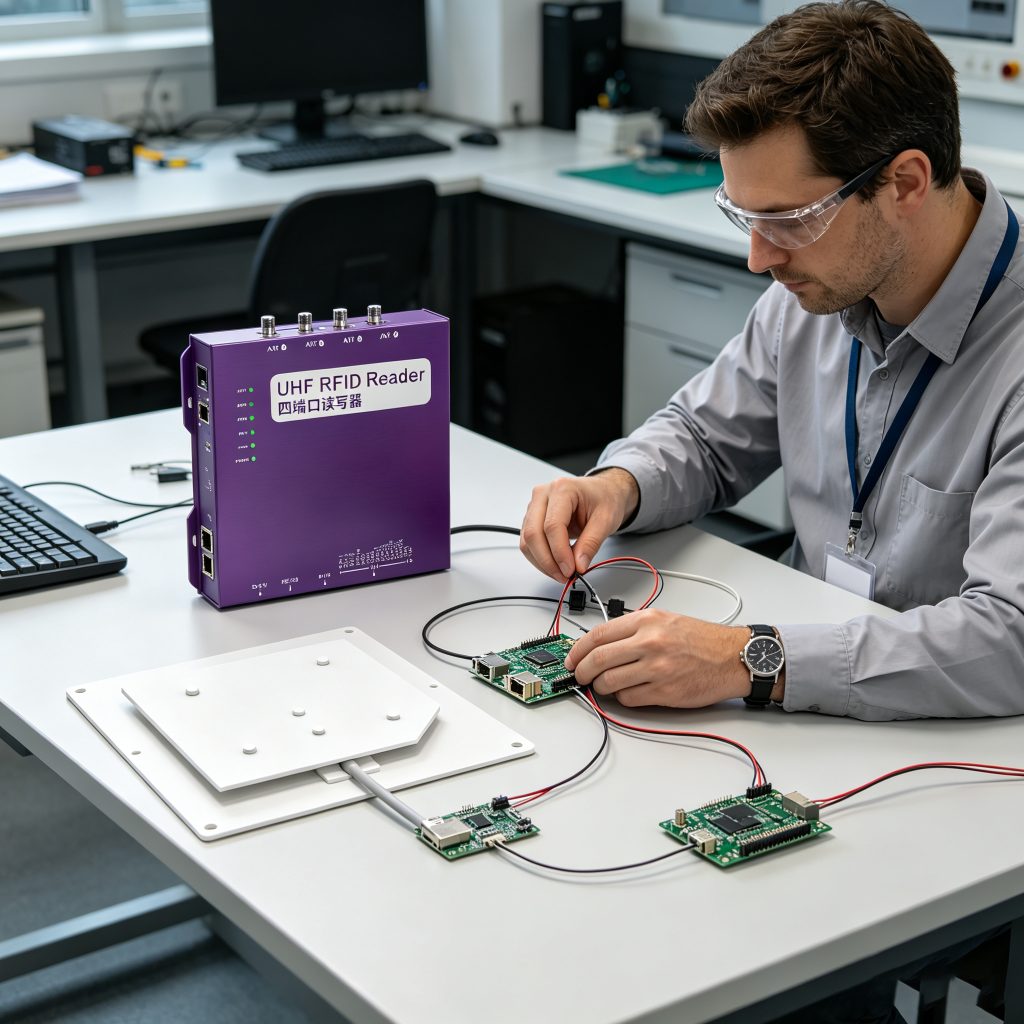
Avoid designing RF from scratch unless necessary. Use integrated modules:
This is where most failures happen.
According to RAIN RFID Alliance , modern systems rely heavily on anti-collision algorithms to process hundreds of tags simultaneously, which must be handled at firmware level.
From real projects, failure usually comes from:
| Issue | Root cause |
|---|---|
| Unstable reading | Poor RF shielding |
| Short range | Antenna mismatch |
| Tag miss rate | Weak anti-collision logic |
| Overheating | Inefficient power design |
In one internal test, a poorly tuned antenna reduced read range from 5 meters to less than 1.2 meters—same chip, same firmware.
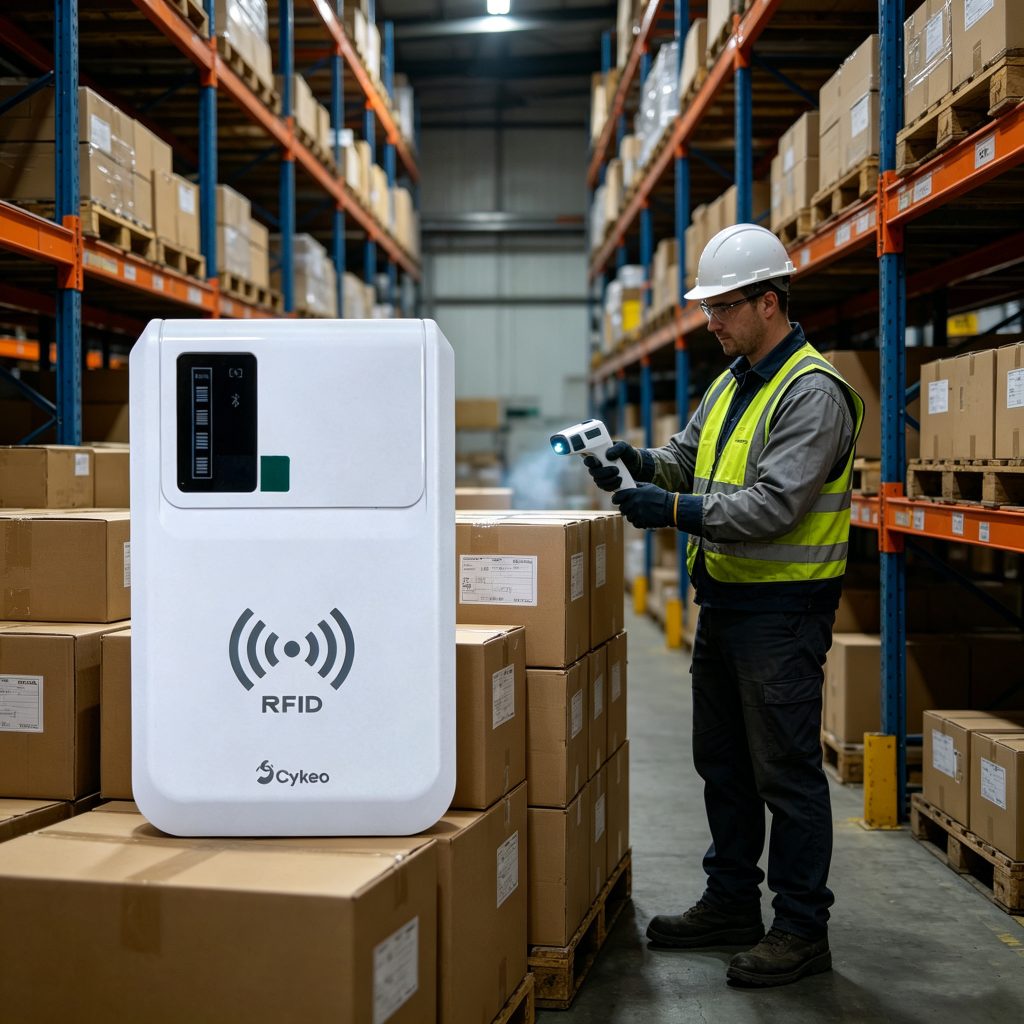
Let’s be direct—most commercial deployments don’t build readers.
According to GS1 standards compliance with EPC protocols is critical for interoperability—something DIY builds often struggle to maintain consistently.
Yes, but RF design complexity makes it challenging. Most use pre-built RF modules.
Depends on application. UHF (860–960 MHz) is common for logistics and tracking.
DIY prototypes can start low, but optimization costs time and testing resources.
Antenna tuning and RF stability—not coding.
After years around RFID systems, here’s the blunt takeaway:
You don’t “accidentally” build a good RFID reader.
You iterate, measure, adjust—and then repeat.
And eventually, you realize why companies like Cykeo invest heavily in RF engineering. Because in RFID, performance isn’t visible—but it’s everything.

Can RFID track animals? Discover how RFID animal tracking works, livestock identification methods, real applications, and Cykeo RFID solutions.
More
Discover if fixed RFID readers can operate in extreme temperatures. Learn how Cykeo’s industrial-grade solutions handle freezing cold, intense heat, and harsh environments.
More
Discover how to deploy RFID readers effectively for retail loss prevention. Learn about strategic placement, integration with EAS, and real-time inventory tracking.
More
Need to know how to read RFID card in Android? We explain the two paths: using phone NFC for basic reads & connecting to professional UHF readers via CYKEO’s SDK.
More