Warehouse automation sounds straightforward—until you actually start selecting hardware.
On paper, most RFID readers look similar. But once you move into real deployment, small differences turn into real problems:
Missed reads at dock doors
Unstable performance near metal shelves
Integration delays with WMS systems
A lot of people start by looking at brands like Impinj , which is a reasonable starting point.
But for warehouse automation specifically, what really matters isn’t the brand—it’s whether the reader fits your system architecture .
So instead of listing specs, let’s go through how experienced integrators actually choose.
1. Start with Your Warehouse Scenario (Not the Reader) Before you even look at a device, define your use case:
Common warehouse RFID scenarios:
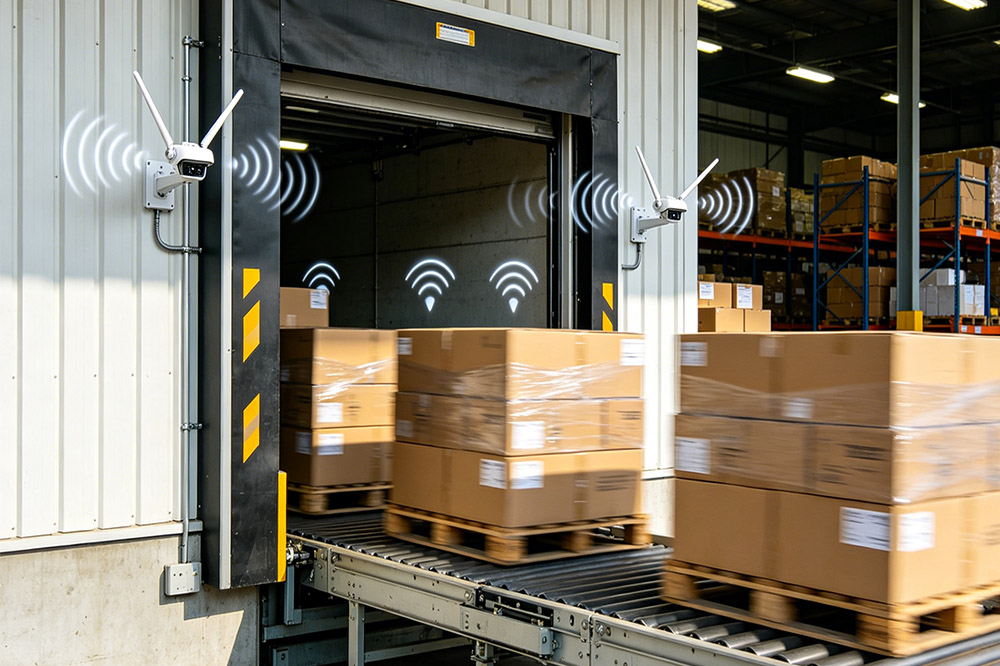
Dock door tracking (inbound / outbound)Shelf-level inventory tracking Conveyor belt identification RFID gate / tunnel systems
Each scenario requires a completely different setup.
Example:
Multiple antennas
Wide coverage
Fast multi-tag reading
Which means a handheld reader or basic setup simply won’t cut it.
2. Multi-Antenna Capability Is Non-Negotiable If there’s one thing people underestimate, it’s antenna configuration.
In warehouse environments:
Tags are moving
Orientation is inconsistent
Interference is everywhere
So your reader must support:
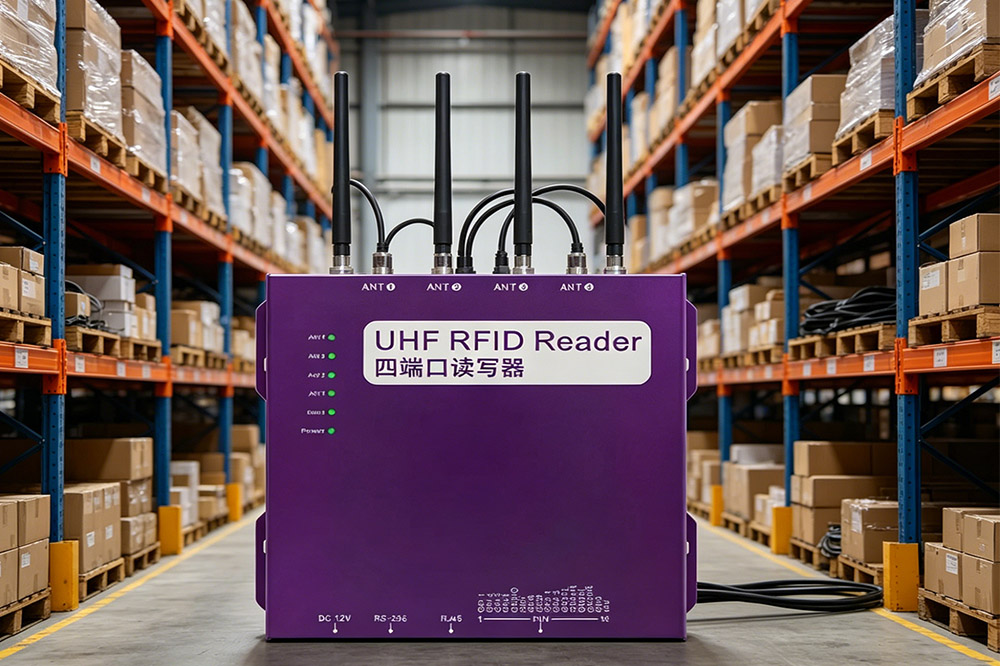
4 to 8 antenna ports (or more)
Flexible antenna switching
Stable RF output
This is where industrial-grade devices like UHF RFID fixed reader
They’re designed to work as part of a system—not just a standalone device.
3. Read Performance in High-Density Environments In a real warehouse, you’re not reading one tag—you’re reading:
Dozens of cartons
Entire pallets
Sometimes mixed SKUs
What you should look for:
Anti-collision performance
Fast tag processing speed
Consistent read rate (not just peak performance)
A common mistake is relying on lab specs.real-world stability over time .
4. Integration with WMS / ERP Systems This is where many projects slow down.
Your RFID reader should support:
Open SDK (Java, C#, Python, etc.)
RESTful APIs or middleware support
Easy connection to WMS / ERP
While Impinj offers solid tools, many industrial readers provide:
Faster customization
Less restrictive development environments
More responsive technical support
If your project timeline is tight, this can make a huge difference.
5. Deployment & Scalability Let’s say your system works well at 2 dock doors.
But what happens when you scale to:
20 dock doors?
Multiple warehouses?
Now you need:
Network-based device management
Stable long-term operation
Easy expansion without redesign
Industrial UHF RFID fixed readers are usually built with this in mind.
6. Environmental Adaptability Warehouses are not clean lab environments.
You’re dealing with:
Metal racks
Dust
Temperature variation
Continuous operation (24/7)
So hardware needs to be:
Rugged
Stable under interference
Designed for industrial use
This is another reason why many integrators move beyond standard retail-grade readers.
7. Cost vs Long-Term ROI This part is often misunderstood.
Yes, branded readers like Impinj may look like a “safe choice”.
But in warehouse automation, ROI depends on:
Deployment scale
Maintenance cost
Expansion flexibility
A slightly lower-cost but more flexible reader can:
Reduce total system cost
Improve deployment speed
Lower future upgrade cost
8. Quick Checklist (What Actually Matters) When evaluating a reader, ask:
Does it support multi-antenna deployment?
Can it handle high tag density reliably?
Is integration straightforward?
Can it scale across multiple sites?
Is it cost-effective for bulk deployment?
If the answer to any of these is “not sure,” it’s worth reconsidering.
Final Thoughts Choosing RFID reader for warehouse automation isn’t about picking the most well-known brand.
It’s about choosing something that:
Works under real conditions
Scales with your project
Doesn’t slow down integration
Makes financial sense long term
That’s why many system integrators end up selecting industrial UHF RFID fixed readers over more standardized options.
 Cykeo RFID IoT Solution Products R&D Manufacturer