 Cykeo RFID IoT Solution Products R&D Manufacturer
RFID Transponder: What Is It Really Doing in Your System?
381RFID transponder technology enables reliable identification across logistics, assets, and industry. Learn how it works and when to use it.
MoreAll RFID Product
If you’re in the process of planning an RFID system — whether for warehouse tracking, logistics automation, or smart access control — choosing the right reader is one of the most critical steps.
When you buy a UHF RFID four port fixed reader, you’re not just buying hardware. You’re buying the stability, range, and flexibility your entire solution will rely on.
A UHF RFID fixed reader with four ports can connect up to four antennas, allowing it to scan tags across multiple areas simultaneously.
This means one reader can manage several “zones” — for example, an entry gate, a packing station, and two inventory shelves — all under one control system.
Because of this multi-zone ability, four-port readers are the standard choice for professional RFID projects. They’re efficient, stable, and integrate well into automation lines or warehouse networks.
For RFID integrators, the four-port setup provides:
It’s a clean, professional approach to large-scale RFID system design.
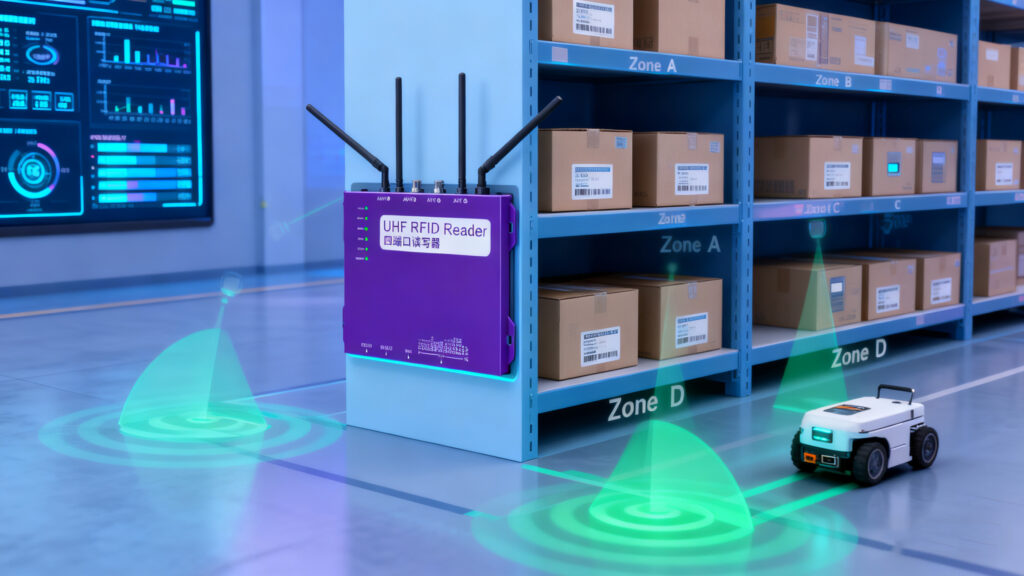
Before placing your order, always check these specs carefully:
| Specification | What It Means | Ideal Range / Note |
|---|---|---|
| Frequency Band | Must match your region’s radio regulations | 865–868 MHz (EU), 902–928 MHz (US) |
| Output Power | Controls tag read distance | +30–33 dBm for long range |
| Read Sensitivity | Determines how well it reads weak tags | −84 dBm or better |
| Read Rate | How many tags per second it can process | 500–1000 tags/sec typical |
| Interface Options | Connectivity (Ethernet, RS232, USB, PoE, GPIO) | Ethernet + PoE preferred |
| Environmental Rating | Durability for industrial use | IP52–IP65 |
| Software Integration | SDK and API for system connection | C#, Java, or REST API support |
If you’re integrating the reader into your own middleware or ERP, software SDK quality is often more important than raw reading distance.
Four-port UHF fixed readers shine in environments like:
Each antenna port can be configured for a specific direction or range, giving precise control over how tags are read.
Practical insights from the field:
A well-tuned reader with proper antennas can reach stable 95%+ read accuracy in complex layouts.
When buying for deployment or resale:
Avoid rushing procurement. A few hours of testing can save weeks of debugging later.
Choosing the right UHF RFID four-port fixed reader is about system reliability and integration efficiency, not just specs on paper.
For RFID solution providers, the right reader means easier setup, smoother performance, and happier clients.
When you’re ready to buy:
Do that — and your RFID system will perform exactly the way you promised your clients it would.
| Category | Key Takeaway |
|---|---|
| Best For | Warehouses, automation lines, logistics zones |
| Main Advantage | Four configurable antennas, one control unit |
| Typical Output | 30–33 dBm |
| Integration Focus | PoE + API-friendly SDK |
| Goal | Reliable, scalable RFID performance |
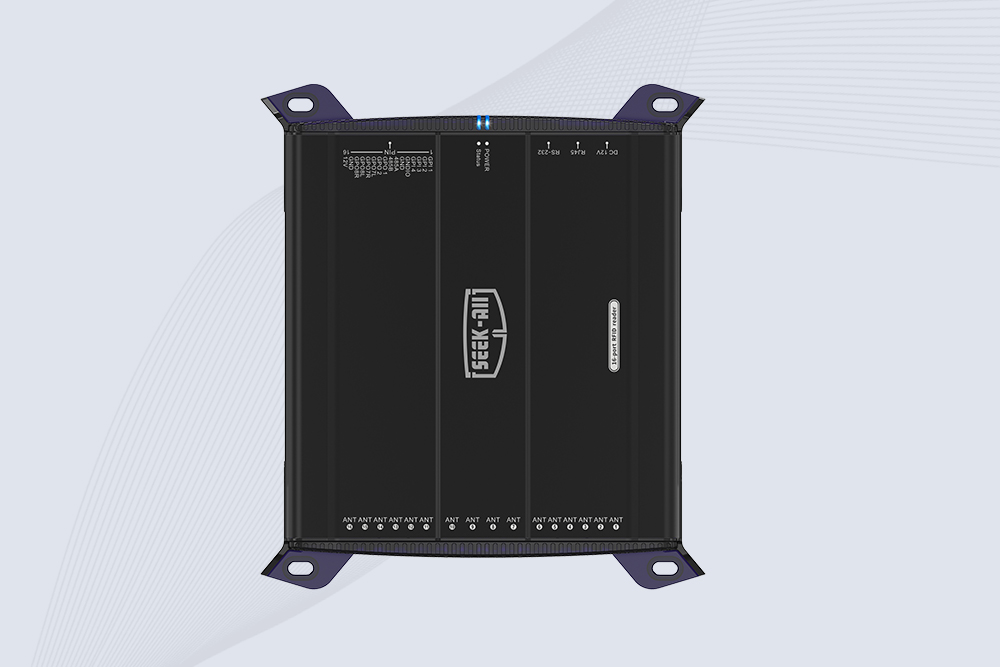
SSD-R16L Multi-Channel RFID Infrastructure for Automated Inventory Management ✔️ 16-Port High-Density RFID Reading Equipped with 16 SMA antenna ports, SSD-R16L supports multi-antenna deployment for warehouses, retail stores, logistics, production lines, and large-area RFID identification. ✔️ High-Speed & Long-Range Performance With up to 33…
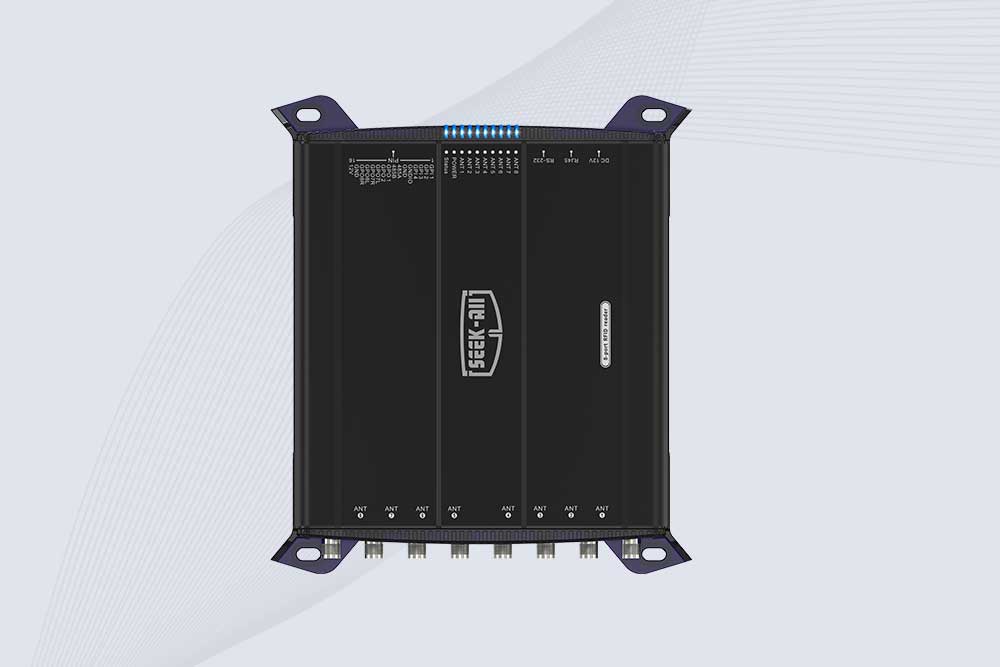
SSD-R8L 8-port UHF RFID reader with 33dBm output, up to 20m reading range and 600+ tags/s recognition. Ideal for warehouse, logistics, retail and asset tracking.
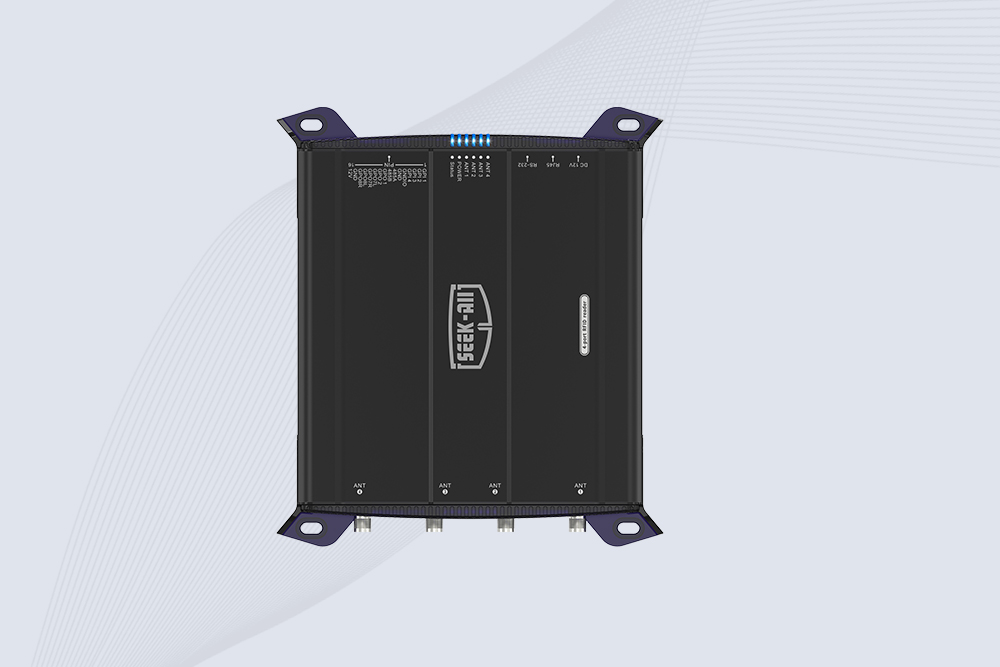
SSD-R4L is a 4-port UHF RFID fixed reader with 33dBm output power, up to 20m reading range, EPC C1G2 support and 600+ tags/s reading speed.
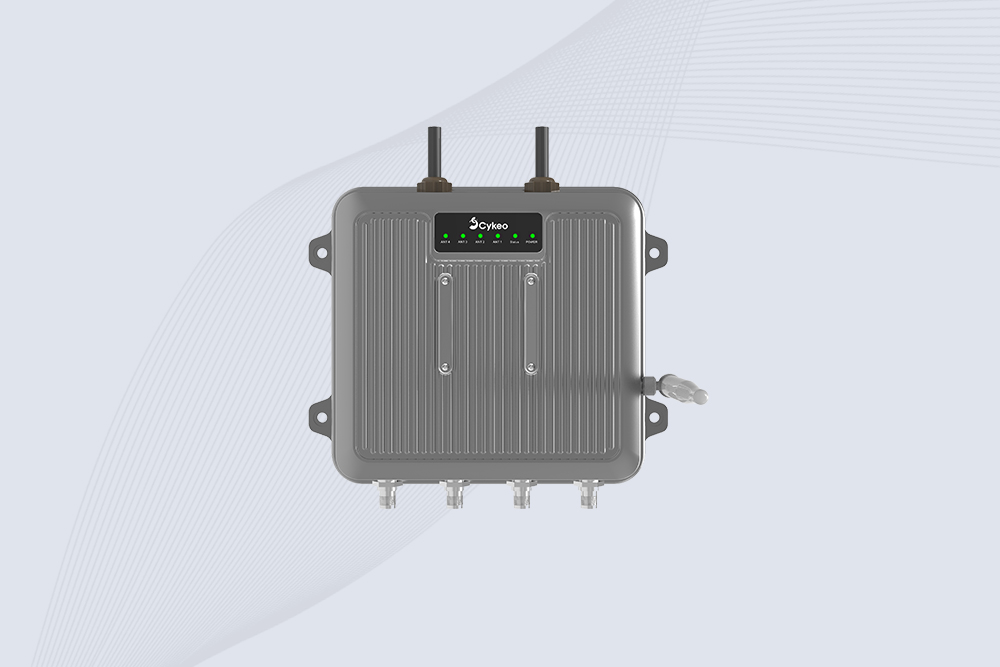
Cykeo CYKEO-C1 industrial Forklift RFID Reader features 20m read range, 600 tags/sec scanning, Impinj R2000 chipset, and IP67 rugged design. Ideal for warehouse logistics and manufacturing. Supports ISO 18000-6C/6B protocols.

RFID transponder technology enables reliable identification across logistics, assets, and industry. Learn how it works and when to use it.
More
RFID asset management software improves inventory visibility, asset tracking, and operational efficiency using UHF RFID technology and real-time monitoring.
More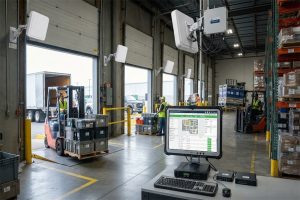
A long range RFID scanner for logistics helps identify tagged pallets, containers, cartons, and other assets as they move through warehouses, loading docks, ...
More
Learn how to build an RFID tool tracking system step by step. From RFID tags to tool cabinets and software integration, this guide covers everything you need.
More