 Cykeo RFID IoT Solution Products R&D Manufacturer
is rfid: Understanding UHF RFID Technology, Systems, and Real Applications
97RFID is a wireless identification technology that uses radio waves to exchange data between RFID tags and readers, enabling automatic identification and trac...
MoreAll RFID Product
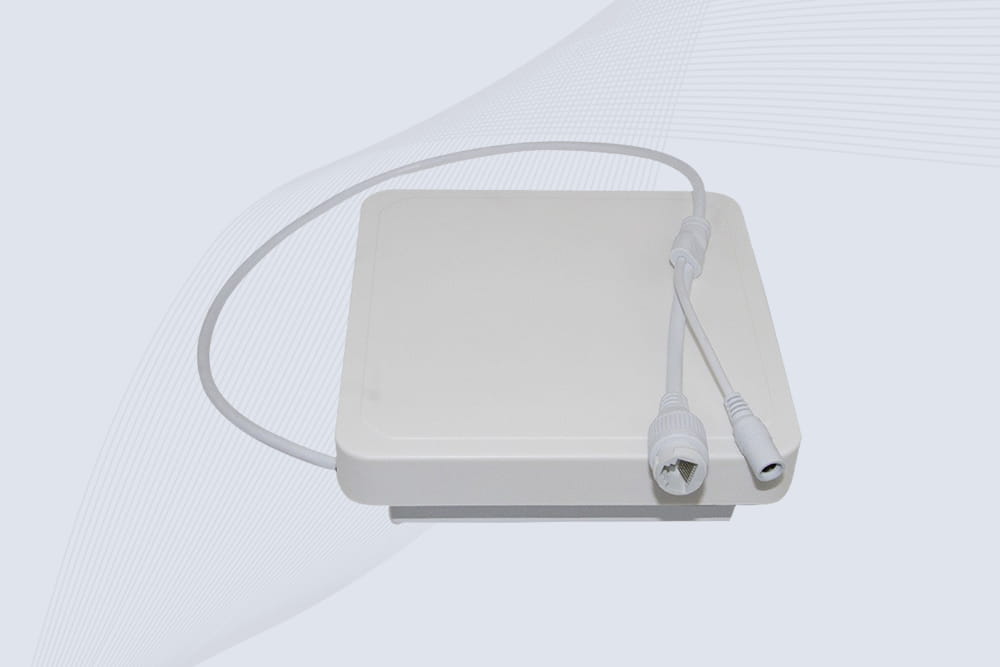
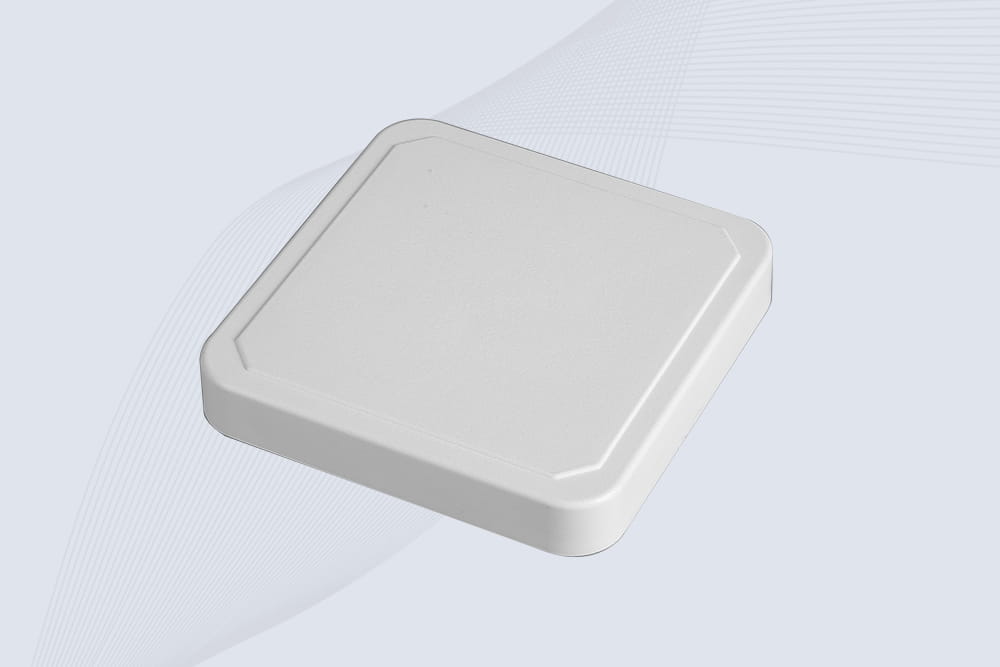
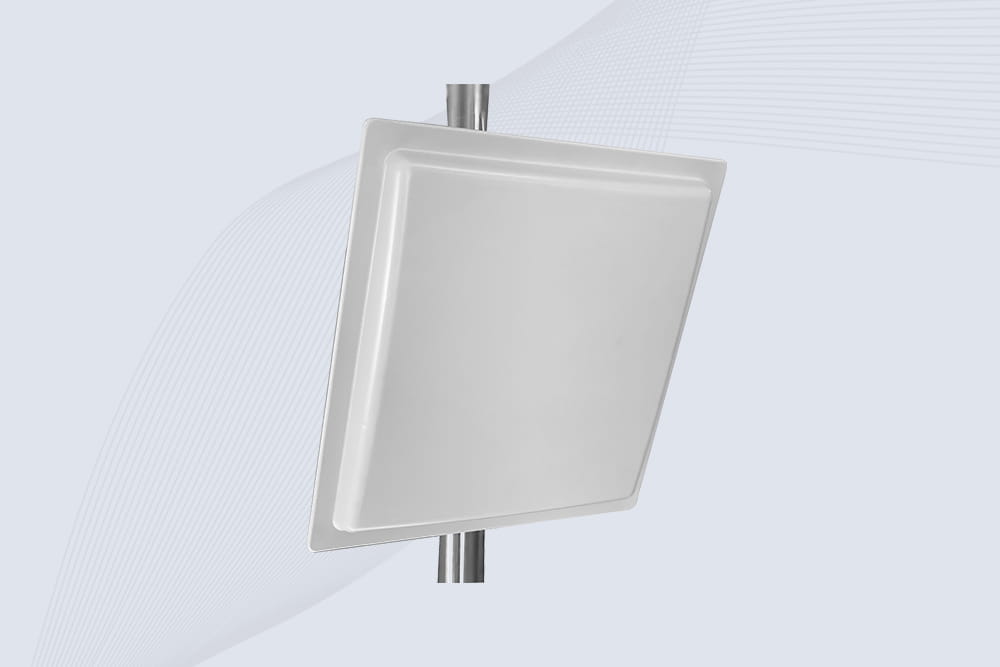
Installing fixed long-range RFID readers in factories requires careful planning to ensure reliable performance amid metal interference, high temperatures, and constant vibrations. Proper placement, antenna configuration, and integration with industrial systems are critical for maximizing ROI. Below, we break down step-by-step best practices to optimize your RFID deployment.
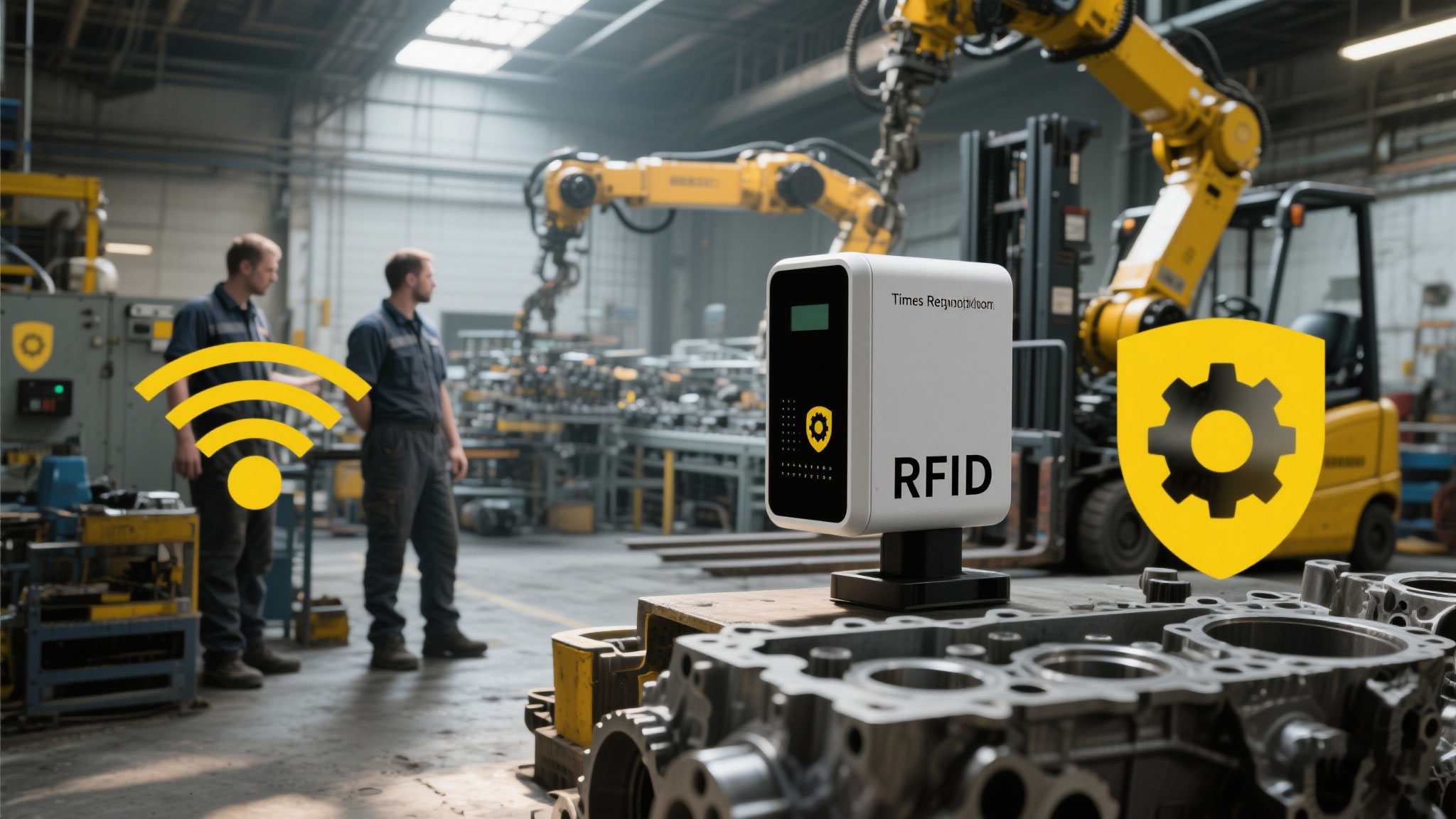
Cykeo’s fixed readers, for instance, use adaptive signal algorithms to maintain accuracy even near welding stations or robotic arms.
A European automotive plant reduced misreads by 60% after installing Cykeo’s vibration-resistant readers near assembly robots.
Cykeo’s fixed readers are pre-configured for factory environments, featuring multi-protocol support and modular designs. Their systems include auto-calibration tools to adapt to layout changes, minimizing downtime during production line reconfigurations.

RFID is a wireless identification technology that uses radio waves to exchange data between RFID tags and readers, enabling automatic identification and trac...
More
Industry Overview With the rapid advancement of the information age, file management methods have undergone profound transformations. While traditional file cabinets meet basic storage and management needs, their efficiency and accuracy are increa...
More
RFID wristband technology enables fast identification, secure access control, cashless payments, and real-time attendee tracking. Discover how Cykeo RFID solutions improve operational efficiency.
More
Learn how to obtain data from RFID tags via Bluetooth for seamless wireless workflows. Discover compatible devices, setup steps, and Cykeo’s Bluetooth-enabled RFID solutions.
More