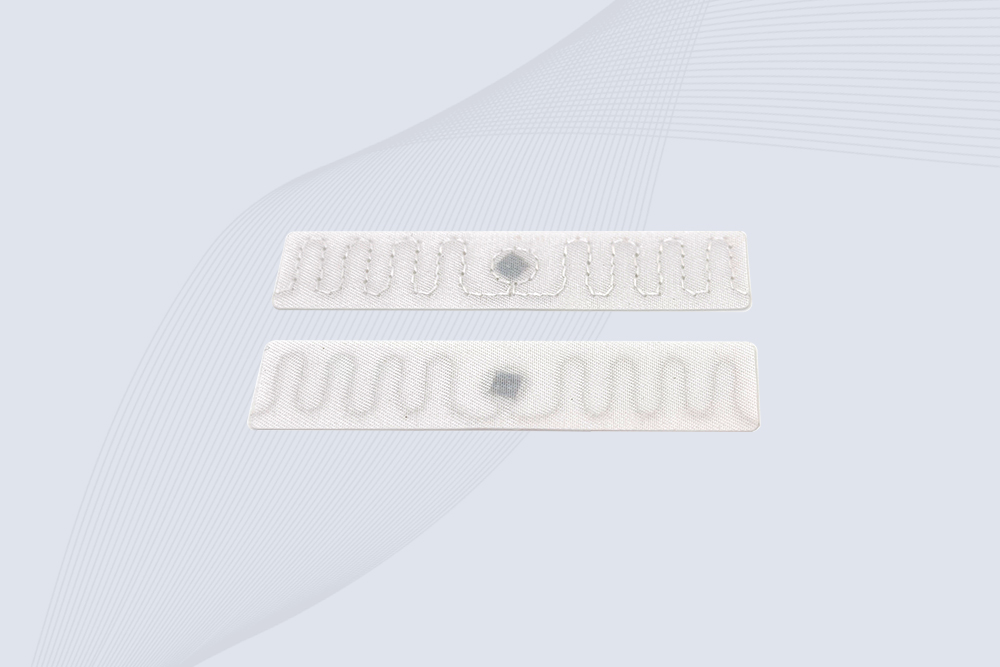
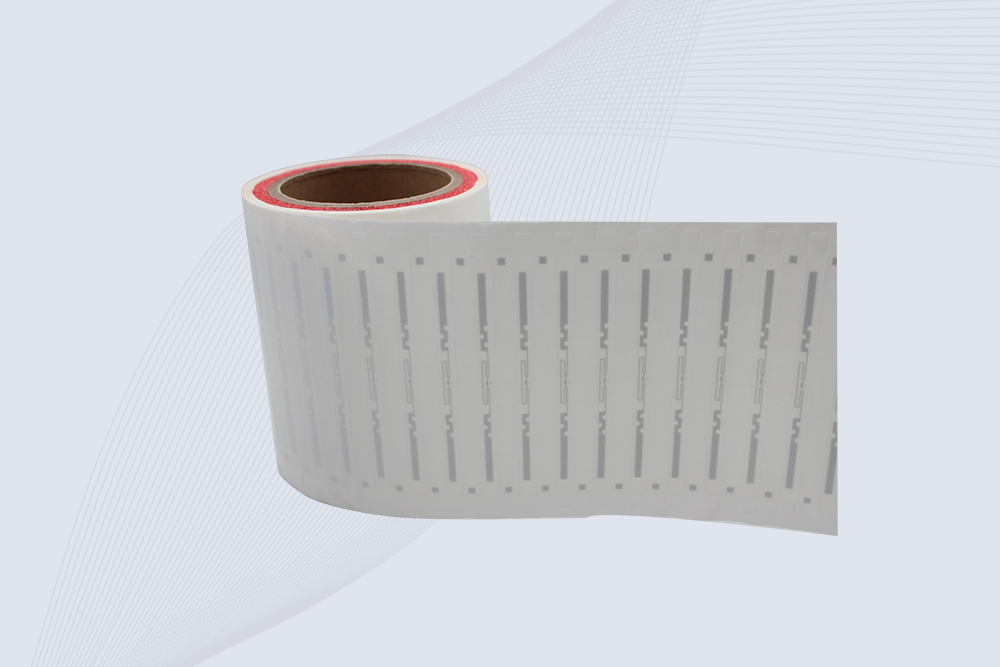
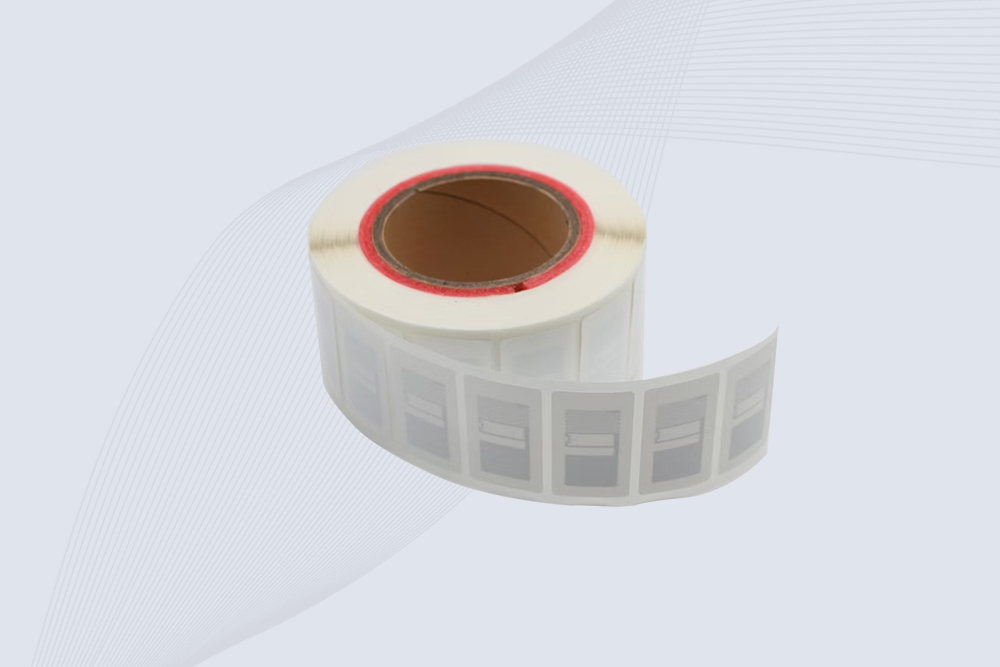
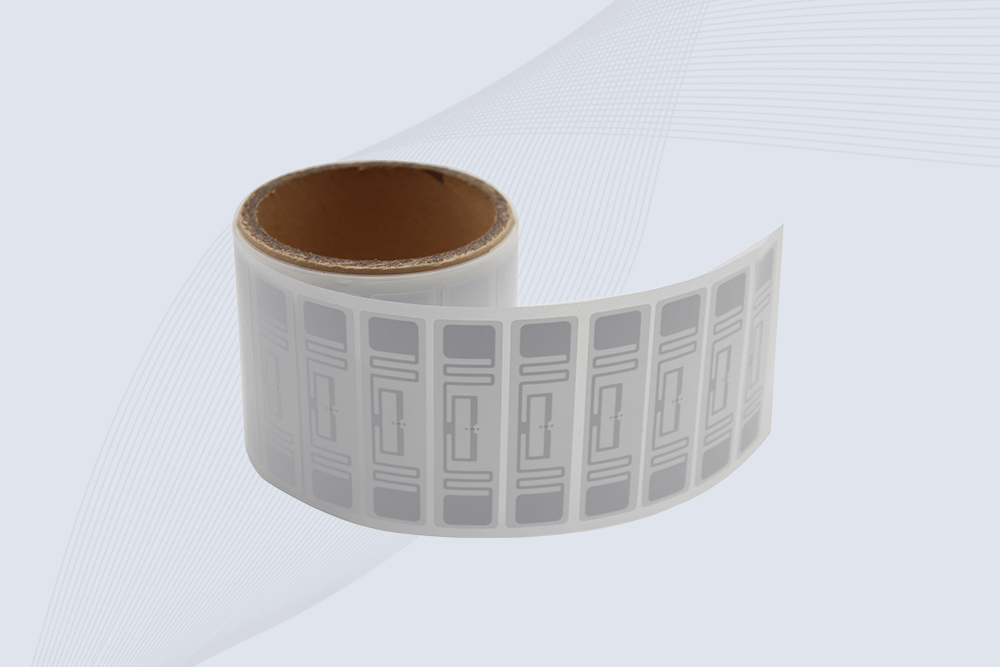
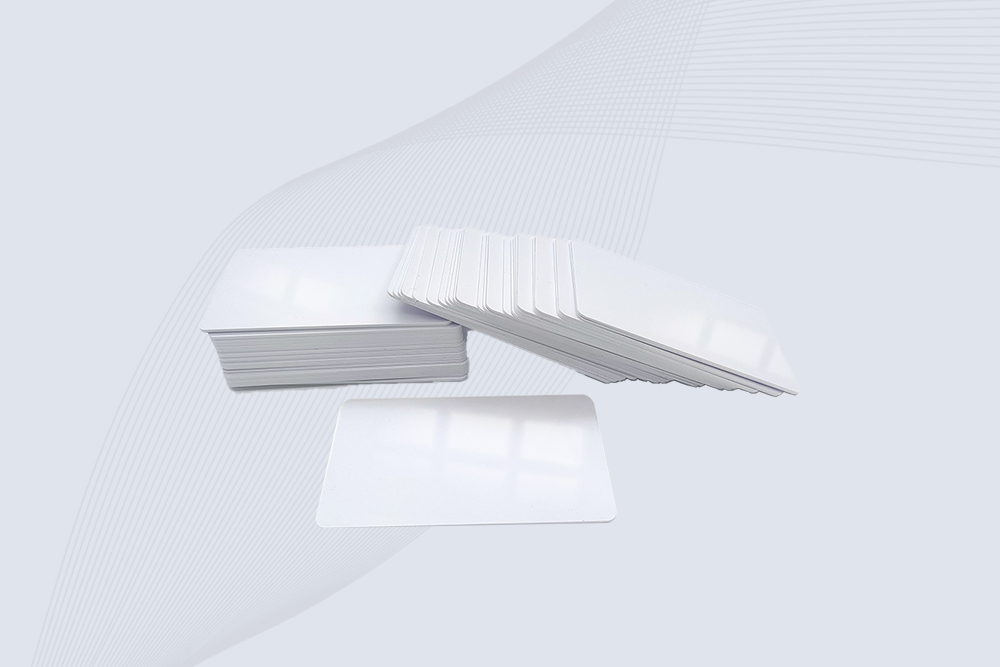
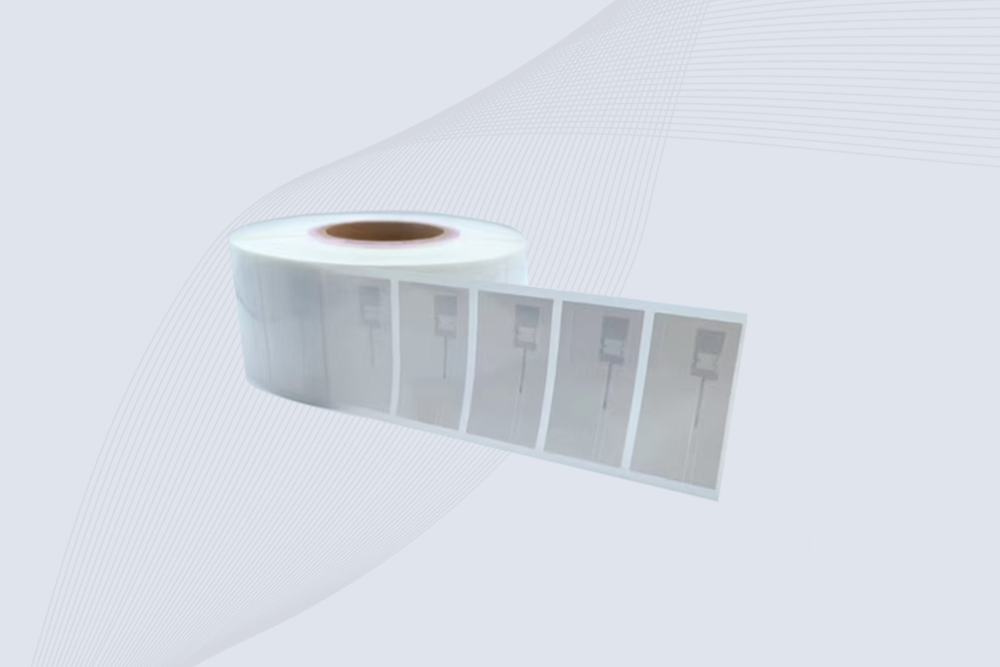
RFID tracking tags use ultra-high frequency (UHF) radio technology to identify, monitor, and trace assets automatically without manual scanning, helping businesses improve inventory accuracy and operational visibility.
In real deployments, the value of RFID tracking tags becomes obvious the moment staff stop searching for missing items. I remember standing inside a utility maintenance warehouse during a rainy overnight shutdown. Before RFID, technicians spent almost forty minutes locating calibrated torque tools. After deployment, the same equipment appeared instantly in the software dashboard.
Nobody celebrated dramatically. They simply stopped arguing about where the tools had gone.
That quiet operational shift is usually the strongest proof an RFID system is working.
What Are RFID Tracking Tags?
RFID tracking tags are electronic identifiers containing a microchip and antenna. They communicate with RFID readers using radio waves, allowing assets to be tracked automatically and in bulk.
Unlike barcode labels, RFID tags do not require direct visual scanning.
A properly configured UHF RFID system can identify hundreds of tagged items simultaneously.
According to GS1 RFID Standards Overview, EPC Gen2 and ISO 18000-6C standards remain the dominant global framework for UHF RFID tracking applications.
That compatibility matters in large deployments because companies rarely replace every device at once. Open standards keep expansion realistic.
Why Businesses Are Switching to RFID Tracking Tags
The problem is rarely inventory itself.
The real issue is delayed visibility.
A missing surgical consumable, an unreturned tool, or a misplaced warehouse pallet creates downstream delays that are expensive long before anyone notices them.
RFID tracking tags shorten that visibility gap dramatically.
Measured Industry Benefits
Research from the Auburn University RFID Lab has shown RFID-enabled inventory systems regularly achieve inventory accuracy above 95%, significantly improving operational reliability compared with manual counting systems.
In one manufacturing project we supported, weekly cycle counts dropped from nearly six labor hours to less than twenty minutes after introducing UHF RFID tracking tags.
The warehouse supervisor joked that the loudest sound afterward was employees wondering what to do with their extra time.
How UHF RFID Tracking Tags Work
Tag Communication Process
Each RFID tracking tag stores a unique identifier.
When a UHF RFID reader emits radio signals, nearby tags respond automatically. The reader then collects and processes tag data in real time.
Modern UHF RFID systems support:
Multi-tag reading
Anti-collision processing
Adjustable read range
RSSI signal filtering
Dense tag environments
Cykeo UHF RFID solutions support ISO 18000-6C / EPC Gen2 protocols and are designed for fast multi-tag identification in industrial and commercial environments.
Common Types of RFID Tracking Tags
Tag Type
Typical Application
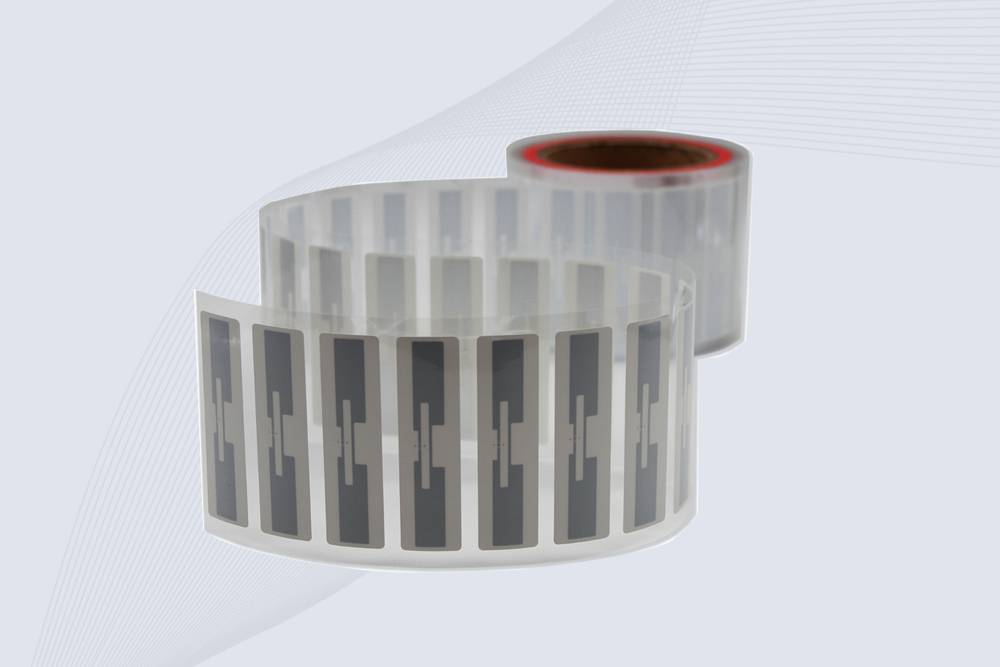
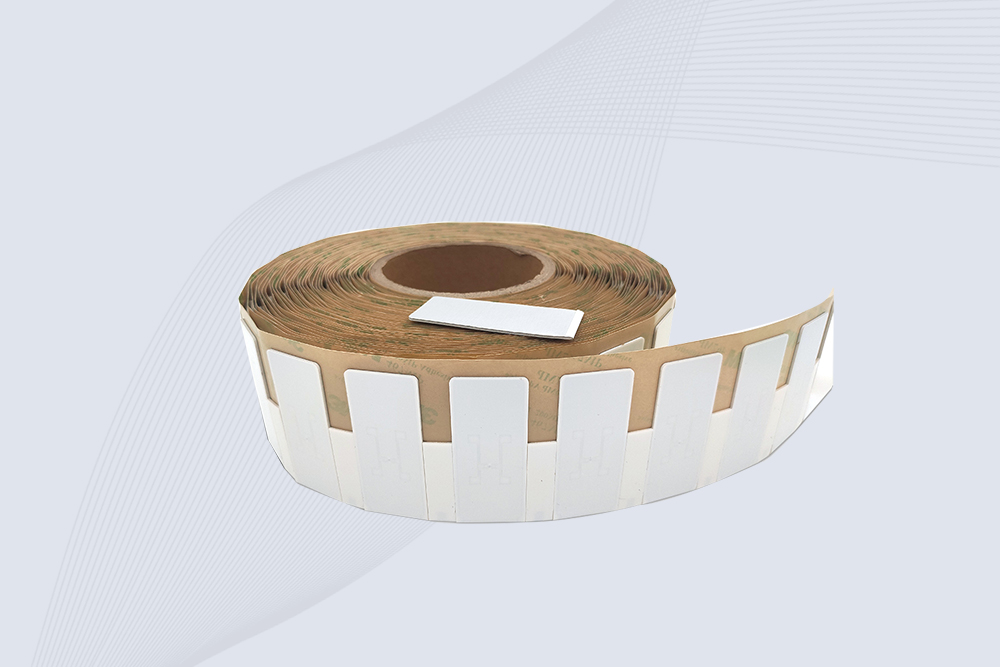
Paper RFID labels
Retail and carton tracking
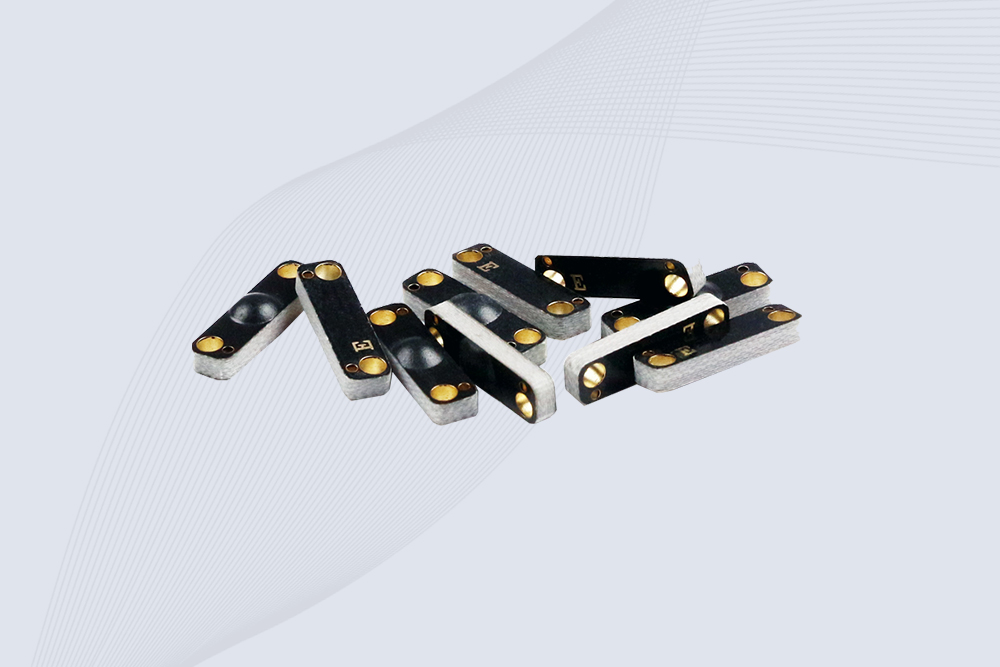
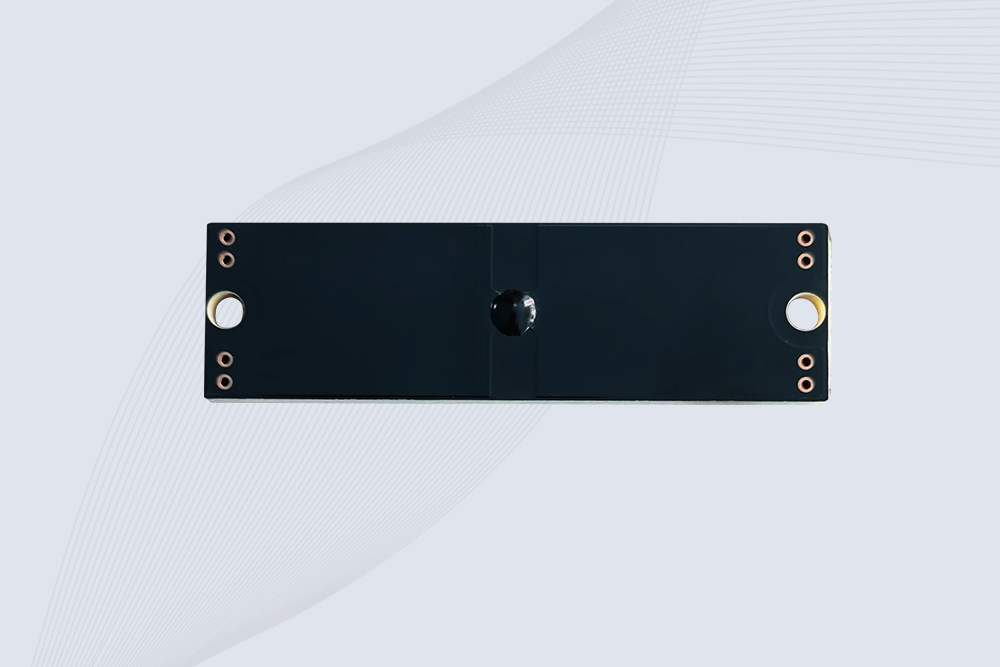
Anti-metal RFID tags
Industrial tools and machinery
Laundry RFID tags
Textile and uniform management
RFID flag tags
Cable and wire identification
Hard shell RFID tags
Outdoor equipment tracking
The choice depends heavily on material surfaces, environmental exposure, and read distance requirements.
That is where many first-time deployments fail. The cheapest tag is often the most expensive later.
UHF RFID tracking tags simplify large-scale inventory visibility and asset identification.
Where RFID Tracking Tags Perform Best
Industrial Tool Tracking
RFID tracking tags are widely used in:
Aviation maintenance
Utility operations
Rail inspection
Construction equipment management
Manufacturing workshops
Anti-metal UHF RFID tags allow precise tracking even on steel surfaces.
In field environments, durable encapsulated tags survive impacts, oil exposure, and temperature swings far better than printed barcodes.
Healthcare Asset Visibility
Hospitals increasingly rely on RFID tracking tags to manage:
RFID supports that transition naturally because data collection becomes passive instead of manual.
Retail and Logistics
Retail operations benefit from:
Faster replenishment
Reduced shrinkage
Real-time stock visibility
Automated receiving
Omnichannel inventory synchronization
According to McKinsey Supply Chain Research, visibility technologies such as RFID continue expanding across modern supply chains because of efficiency and fulfillment improvements.
Barcode Labels vs RFID Tracking Tags
Feature
Barcode
RFID Tracking Tags
Line-of-sight required
Yes
No
Bulk reading capability
Limited
Excellent
Automation level
Low
High
Read speed
Manual
Instant
Inventory accuracy
Moderate
Very high
Harsh environment durability
Moderate
Strong
The operational difference becomes very noticeable once inventory volume increases.
Challenges Most Integrators Learn the Hard Way
Metal Reflection Issues
Metal can distort radio signals if antenna tuning is poorly designed.
This is why anti-metal tag selection matters more than advertised read distance.
Overpowered Reading Zones
Bigger range is not always better.
In crowded warehouses, uncontrolled reading zones can trigger false reads from nearby assets. Good RFID design focuses on controlled precision—not just maximum power.
FAQ About RFID Tracking Tags
How far can RFID tracking tags be read?
Passive UHF RFID tracking tags typically support read distances ranging from several centimeters to over 10 meters depending on antenna design and environment.
Can RFID tracking tags work on metal surfaces?
Yes. Specialized anti-metal RFID tags are specifically designed for industrial steel surfaces and metallic assets.
Are RFID tracking tags reusable?
Most industrial RFID tags are reusable and designed for long operational lifecyclesDo RFID tracking tags require batteries?
Most passive UHF RFID tracking tags do not require batteries because they draw energy directly from the RFID reader signal.
Final Perspective
The strongest RFID deployments are rarely the flashiest.
Usually, the best systems are the ones employees stop thinking about because inventory simply becomes visible all the time.
That is where UHF RFID tracking tags deliver their real value—not just faster counting, but fewer blind spots across the entire operation.
Cykeo RFID tracking tags are designed for stable ultra-high frequency identification, dense tag environments, and long-term industrial reliability across demanding real-world applications.
CYKEO Passive RFID Tags are made for wet and high-humidity environments where standard labels do not last. This rfid passive tag is often used around liquids, chemicals and temperature changes, providing stable reading distance and long data life for industrial tracking.
CYKEO CYKEO-PCB1504 Metal RFID Tags is a compact anti-metal UHF RFID solution built for direct mounting on metal surfaces. With stable 8-meter read range, Ucode-8 chip, and long data retention, this rfid metal tag fits tools, containers, automotive parts, and industrial asset tracking.
CYKEO CYKEO-PCB7020 On-Metal RFID Tags are designed for reliable tracking on steel and metal surfaces. Built with an FR4 epoxy body and industrial-grade chips, these On-Metal RFID Tags deliver stable performance, long data life, and chemical resistance, making them a dependable RFID anti-metal tag for harsh environments.
The CYKEO CYKEO-60-25 Anti-Metal RFID Tag is built for metal surfaces where standard tags fail. Designed for long-range performance, harsh environments, and stable data retention, this Anti-Metal RFID Tag is ideal for industrial assets, containers, and equipment tracking using on metal RFID tags.
The CYKEO RFID Laundry Tag is designed for long-term textile identification in harsh laundry environments. Built to withstand high heat, chemicals, and repeated washing, this RFID Laundry Tag delivers stable performance for hotels, hospitals, and industrial laundry operations using laundry rfid tags at scale.
The CYKEO CYKEO-125-7 RFID Book Tag is designed for reliable book and document tracking in libraries and archives. This RFID Book Tag delivers long read range, dense placement support, and stable performance on shelves, making it a practical rfid tag on books for library automation, file management, and archival systems.
CYKEO RFID tags in hospitals are designed for sterile environments where accuracy matters. These autoclavable RFID tags support long-term tracking of surgical tools, implants, and medications, helping hospitals improve visibility, compliance, and patient safety.
CYKEO RFID Cable Tie Tag is built for reliable identification on metal surfaces. This UHF RFID Cable Tie Tag is widely used in rfid tags for inventory systems, industrial asset management and Hospital RFID Tags, offering stable read performance, long service life and global EPC Gen2 compatibility.
CYKEO RFID Asset Tag is designed for stable identification of metal assets in industrial environments. This UHF RFID Asset Tag is commonly used for rfid tag asset tracking on equipment, tools and containers, providing reliable reads, long service life and ISO/IEC 18000-6C support.
CYKEO UHF RFID Card is designed for fast identification and long-term use in industrial and commercial systems. Supporting ISO 18000-6C, this UHF RFID Card works at 860–960 MHz and is suitable for custom RFID cards used in asset tracking, access control and inventory management.
CYKEO HF RFID Cards are designed for secure and stable access control systems. These 13.56 MHz RFID key cards support ISO 14443-A, reliable rewriting and long service life, making HF RFID Cards suitable for offices, campuses, events and membership management.
CYKEO UHF RFID Tag is designed for reliable tracking of metal jewelry and high-value items. This Jewelry RFID Tag supports long-range reading up to 8 meters, anti-counterfeit protection and stable performance on metal, making it suitable for retail, inventory control and asset management.
Looking to buy RFID laundry tags in bulk? Learn how to choose durable industrial tags, reduce linen loss, and improve laundry efficiency with real-world insights.
This article systematically introduces the application value of rfid stickers for inventory in stock management, covering common tag types, functional features, and applicable scenarios to help enterprises select suitable options and improve asset...
A developer’s real-world experience integrating an RFID tool cabinet with ERP and IoT systems using RESTful and native APIs. Covers system workflows, real-time events, and practical integration insights for software teams and system integrators.
Explore how RFID Pharmacy Security Cabinets boost security, streamline inventory, and ensure compliance in pharmacies. Learn how this cost-effective solution offers long-term savings and peace of mind.
 Cykeo RFID IoT Solution Products R&D Manufacturer