A lot of factories don’t lose tools because people intentionally take them.
Most losses happen slowly through poor tracking.
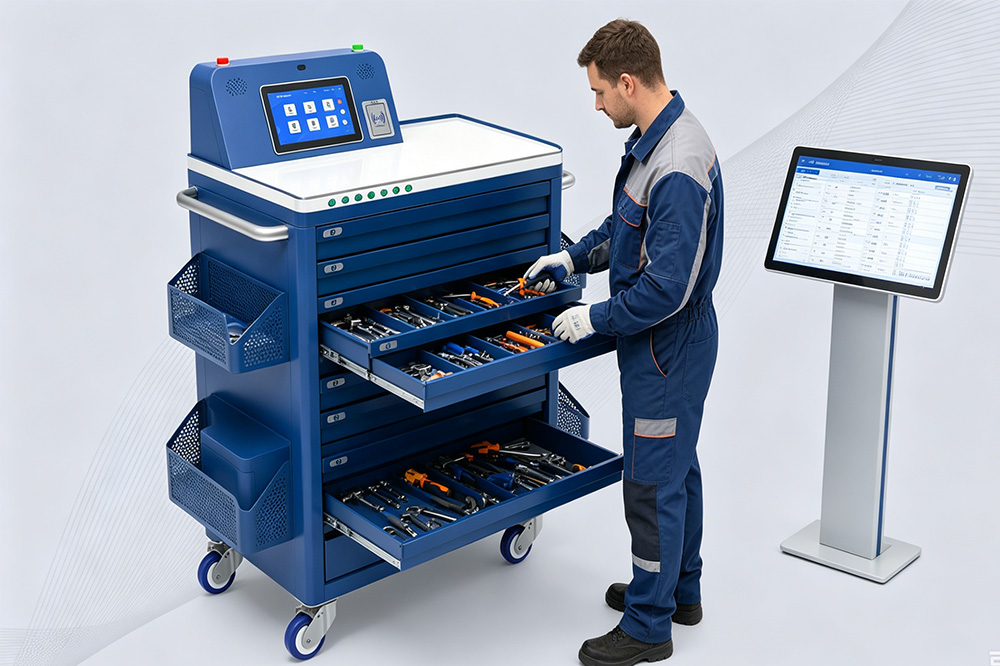
A torque wrench gets moved to another line. A calibrated instrument isn’t returned after maintenance. Shared tools end up in the wrong cabinet. Over time, inventory records stop matching reality.
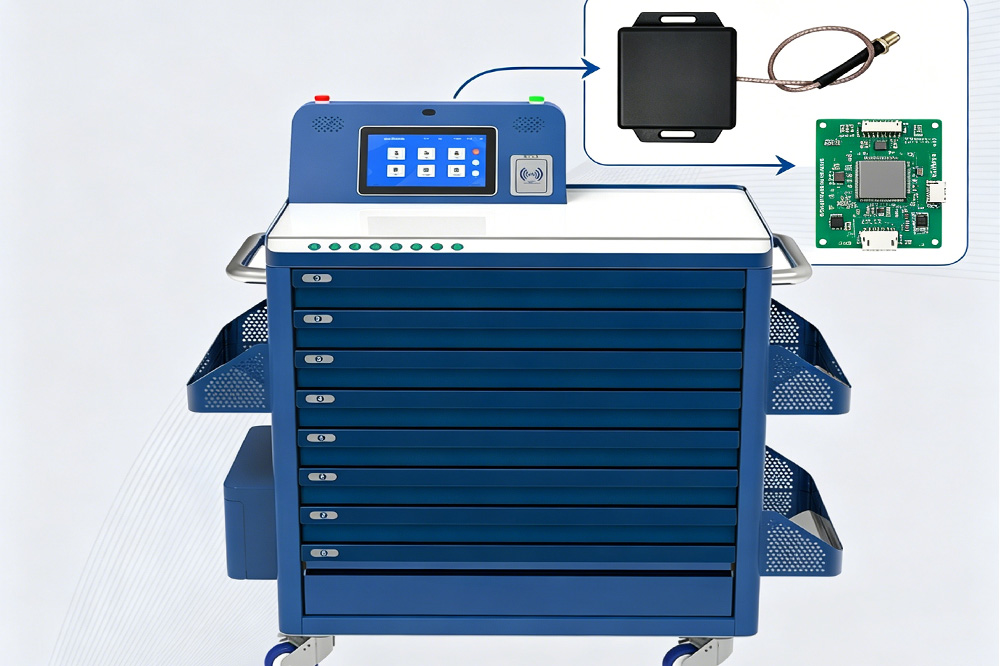
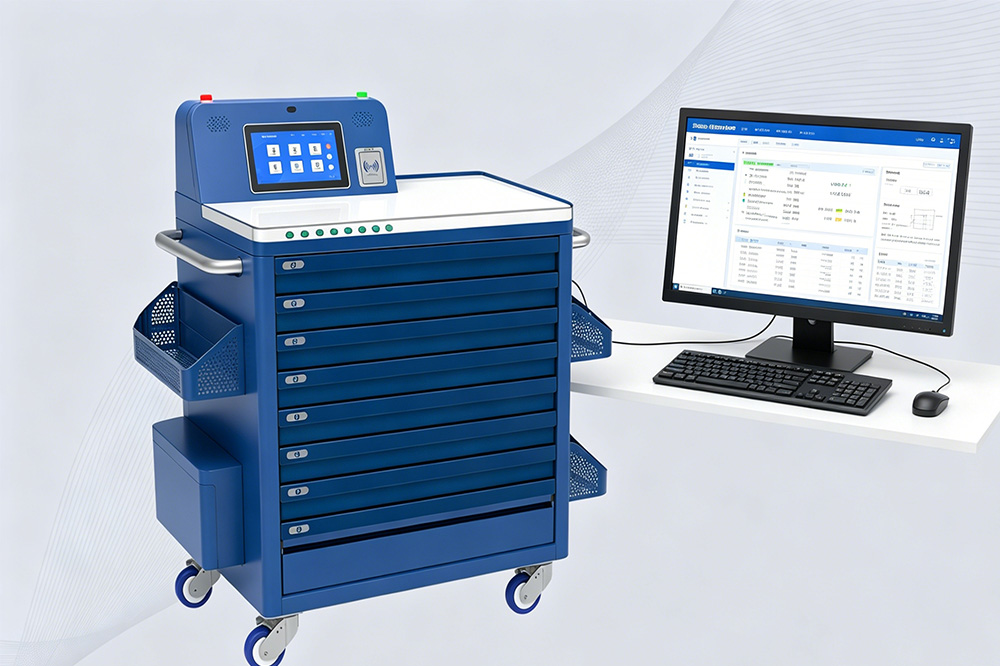
That’s one reason RFID smart tool management systems have become more common in manufacturing, aviation, rail maintenance, and industrial service environments.
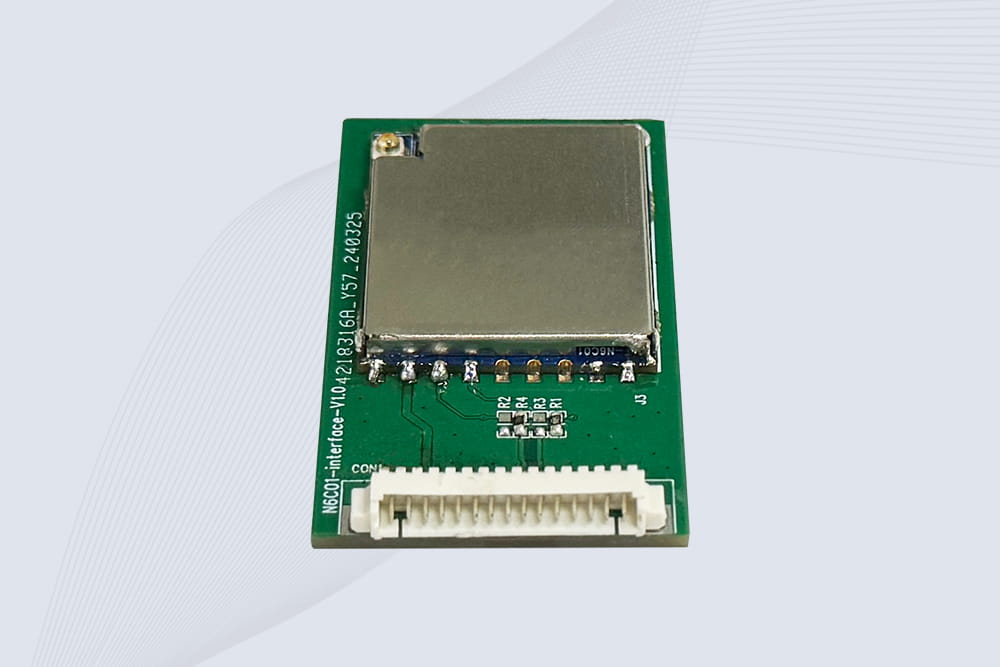
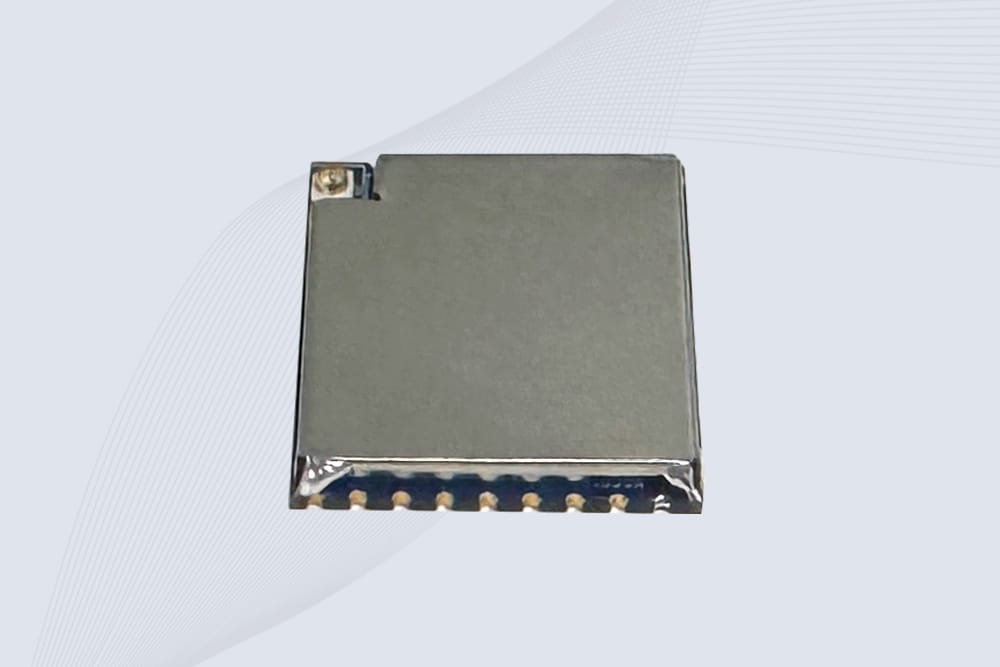
And behind most of those systems is an embedded RFID reader module handling the tracking quietly in the background.
Why Traditional Tool Tracking Often Breaks Down
Manual processes usually work at small scale.
But once operations involve:
Multiple shifts
Shared workstations
Hundreds of tools
Maintenance schedules
Calibration requirements
manual tracking becomes unreliable.
People forget to scan items. Logs get skipped. Tools are returned to the wrong location.
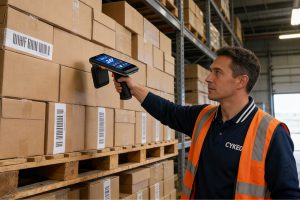
RFID solves part of this problem because the system can automatically identify tools without requiring operators to manually scan every item.
Why RFID Works Well for Tool Management
RFID systems allow cabinets and storage systems to detect:
Which tool was removed
Which tool was returned
Who accessed the cabinet
When activity happened
in real time.
This creates much better visibility compared to barcode-based systems.
Especially in environments where accountability matters, automated tracking reduces a huge amount of manual checking work.
Why More Smart Tool Cabinets Use Embedded RFID Modules
Earlier RFID systems often relied on external readers mounted around the cabinet.
Understanding RFID Hardware Helps During Integration
Many deployment problems become easier to solve once engineers understand how RFID modules actually work internally.
Things like:
RF tuning
Power management
Communication interfaces
Antenna matching
all affect cabinet performance later.
For engineers interested in the technical side of embedded RFID systems, this guide explains how RFID reader modules are built:how to make rfid reader module
It provides useful background for OEM developers working on custom RFID products.
UHF RFID Is Becoming Standard in Smart Tool Systems
Most industrial tool management systems now use UHF RFID because it supports:
Faster inventory scanning
Better multi-tag reading
Longer read distance
Improved automation efficiency
That’s why embedded UHF RFID modules are increasingly becoming part of smart cabinet infrastructure itself.
Smart cabinet RFID systems usually require multiple rounds of testing before deployment.
Integrators often adjust:
Antenna positions
RF power settings
Read timing
Cabinet structure
Software filtering logic
before achieving stable operation.
That process is normal.
The most reliable systems are usually the ones that went through enough real-world testing instead of relying only on lab demonstrations.
Final Thoughts
Smart tool management systems are no longer just storage cabinets with software attached.
More manufacturers are embedding RFID directly into the cabinet infrastructure itself.
And in many of those systems, the RFID reader module is quietly handling identification, inventory tracking, and access management every day without the user ever noticing it.
CYKEO Embedded RFID Modules are designed for compact industrial and IoT devices that require stable UHF performance. These UHF RFID Modules support global protocols, flexible power control, and reliable multi-tag reading for smart cabinets, production lines, and asset tracking systems.
CYKEO Embedded RFID Module is built for compact IoT and industrial devices that need stable UHF performance. This UHF module supports global protocols, low power operation, and reliable multi-tag reading for smart lockers, production lines, and always-on RFID systems.
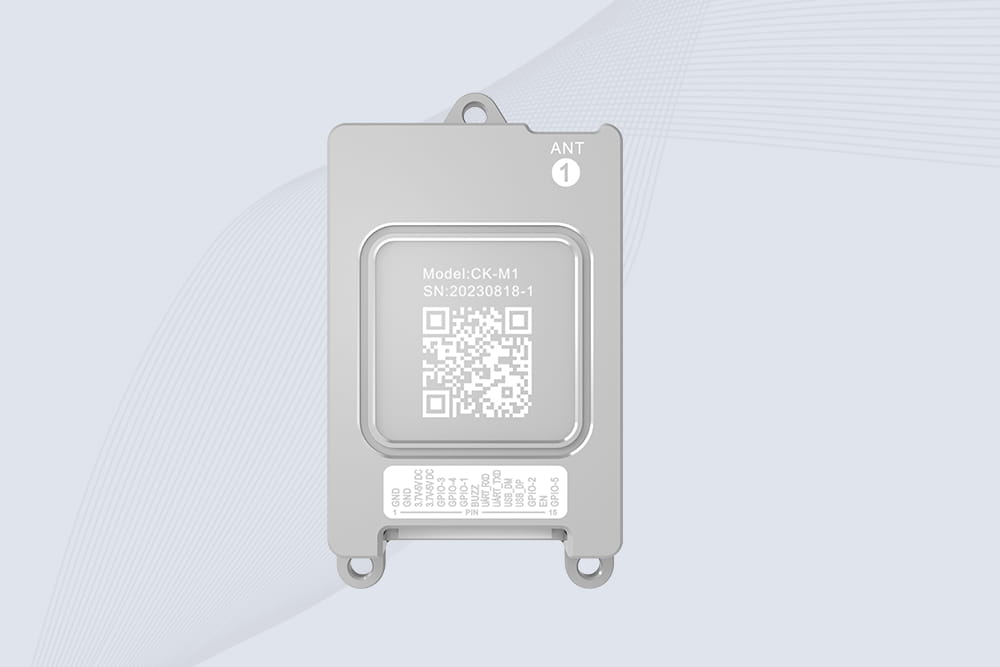
CYKEO CYKEO-M1 drone rfid module is a compact UHF RFID reader module designed for drones and UAV platforms. It supports long-range aerial scanning, fast multi-tag reading, and stable performance in wind, vibration, and outdoor environments.
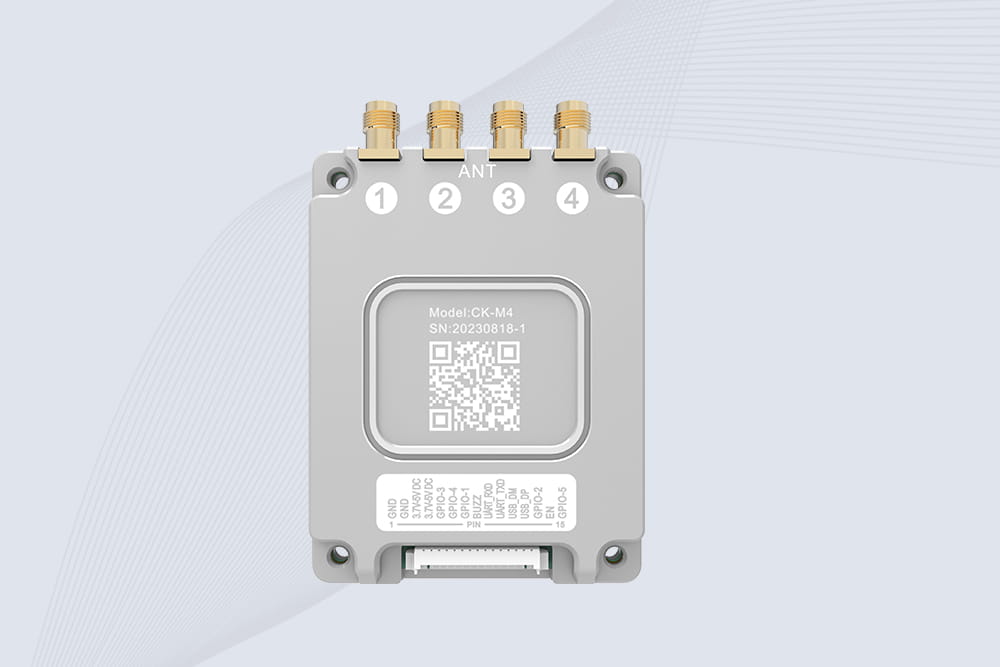
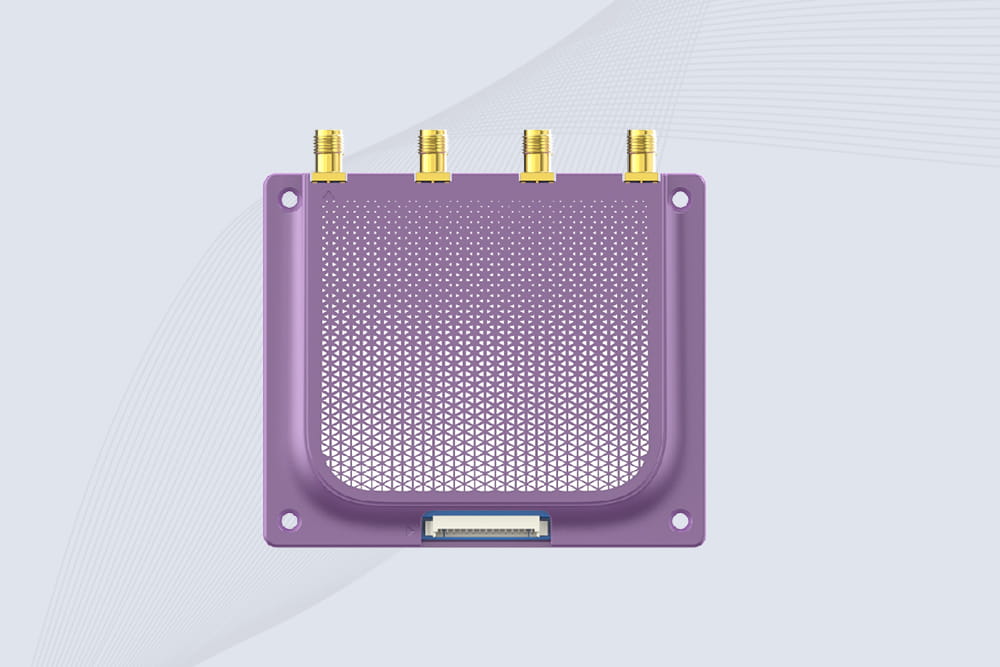
CYKEO CYKEO-M4 RC522 RFID Module is an industrial-grade UHF RFID reader with 4 ports, supporting ISO, EPC, and GB protocols. High-speed, accurate reading for IoT, automation, and warehouse applications.
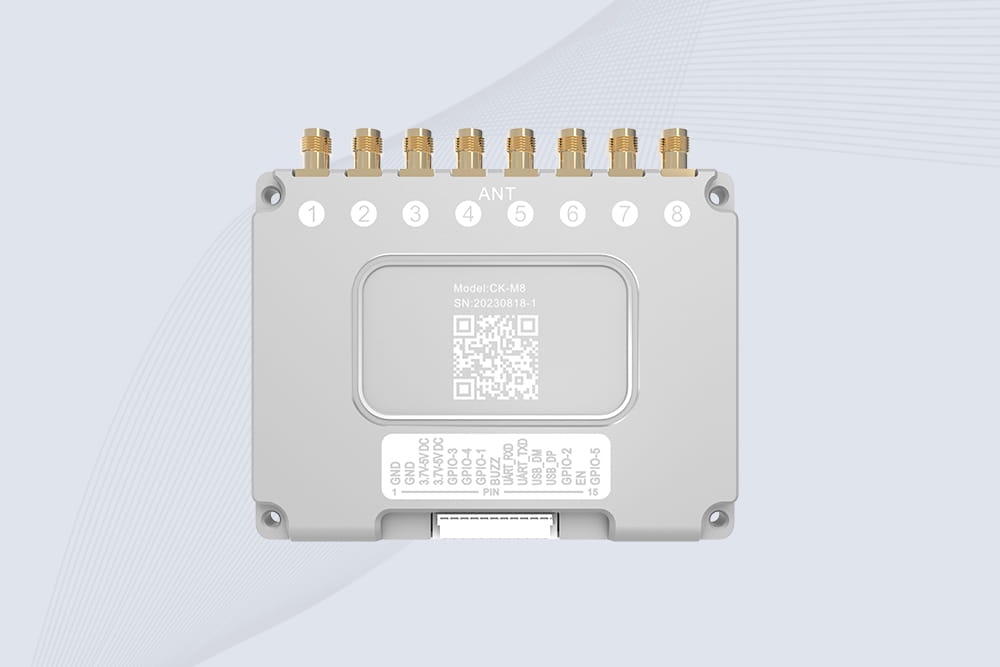
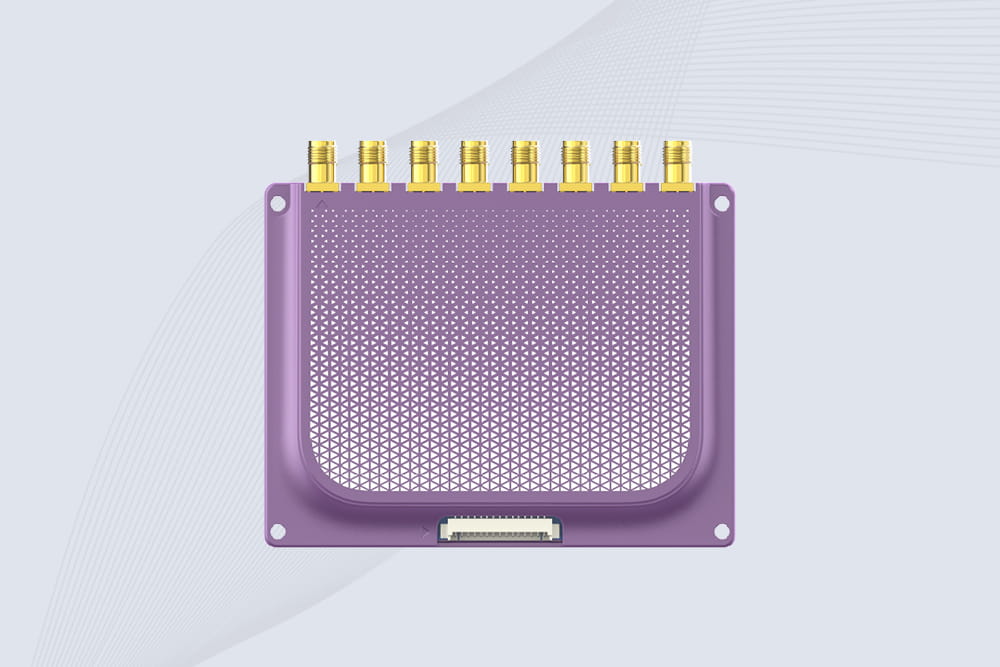
CYKEO CYKEO-M8 Module RFID is an 8-port UHF R2000 RFID Module designed for high-density, multi-tag environments. Stable 33dBm output, ISO & GB protocol support, ideal for warehouses, factories, and automated systems.
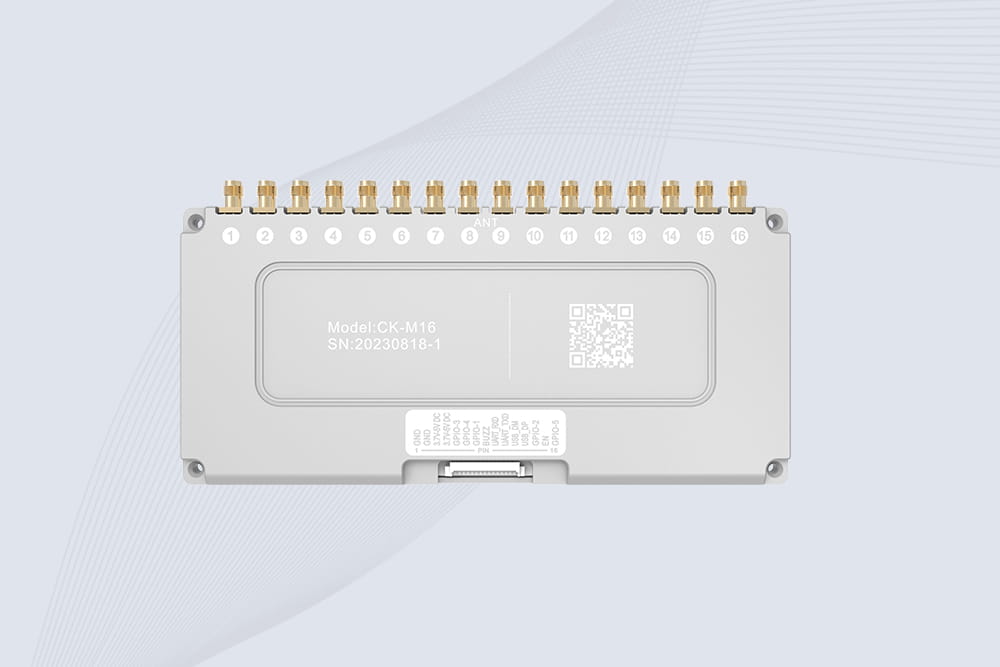
CYKEO CYKEO-M16 RFID Module is a 16-port UHF RFID reader module based on the R2000 chipset. Designed for dense tag environments, it supports ISO and GB standards and delivers stable multi-antenna control for industrial automation.
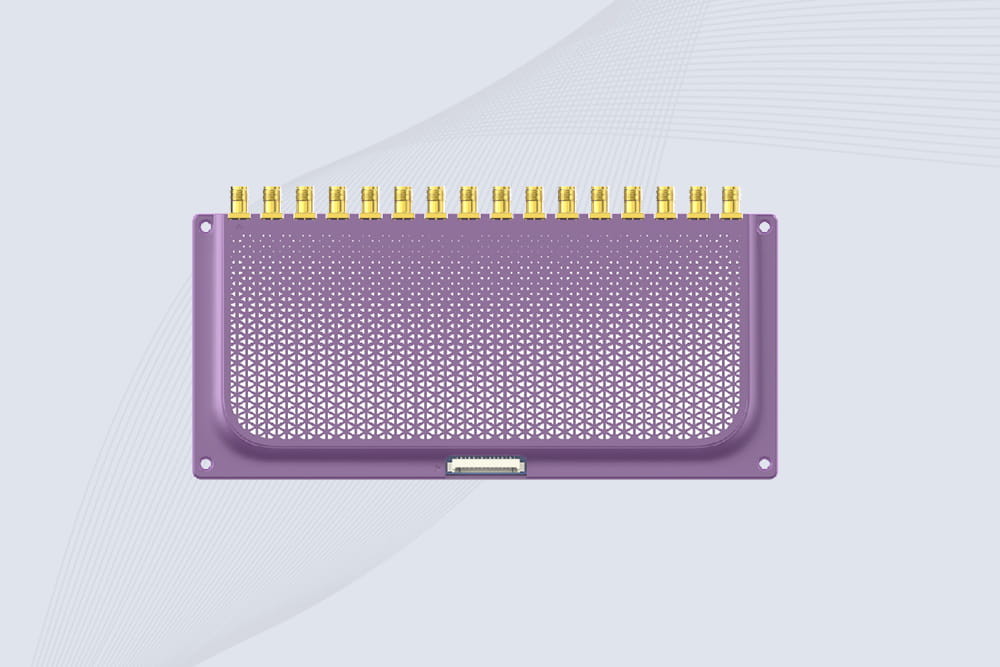
The CYKEO CYKEO-M16L RFID Reader Module is a 16-channel UHF RFID core designed for dense tag environments. With adjustable 33dBm output, multi-protocol support, and stable multi-antenna control, this RFID Tag Reader Module fits industrial automation, warehouse systems, and large-scale IoT deployments.
CYKEO CYKEO-M8L module RFID is a compact industrial UHF module built for dense tag and multi-antenna environments. With 8 RF ports, adjustable 33 dBm output, and ISO & GB protocol support, it is widely used in factories, warehouses, and automated tracking systems.
CYKEOCYKEO-M4L UHF RFID Module is a compact 4-channel RFID tag reader module designed for dense tag environments. Supporting ISO and GB protocols, it delivers stable reads up to 10 meters for industrial and IoT systems.
Can an RFID reader read multiple tags at once? Absolutely—UHF readers handle 500–750+ tags per second. But there’s a catch. Learn about anti-collision, real-world limits, and what kills read rates.
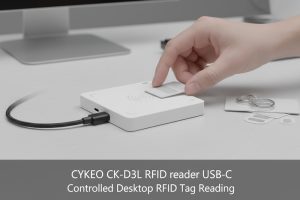
CYKEO RFID reader USB-C designed for developers and system integrators. This USB-C RFID reader supports tag reading, writing, and conversion, connects directly to PC software, and integrates easily with custom RFID management systems.
How to use RFID reader writer: Connect the device to software, place compatible RFID tags in the controlled area, write required data, and verify the program...
RFID technology is revolutionizing how hospitals manage medical equipment. This article explains how RFID enables real-time asset tracking, improves operational efficiency, and introduces Cykeo RFID smart cabinets to support your hospital digital ...
 Cykeo RFID IoT Solution Products R&D Manufacturer