Industrial RFID projects rarely fail because the tags can’t be read.
Most problems appear later, after deployment, when the system has to run continuously around machines, metal structures, electrical noise, and real production activity.
That’s where RFID integration becomes much more than simply connecting a reader and antenna.
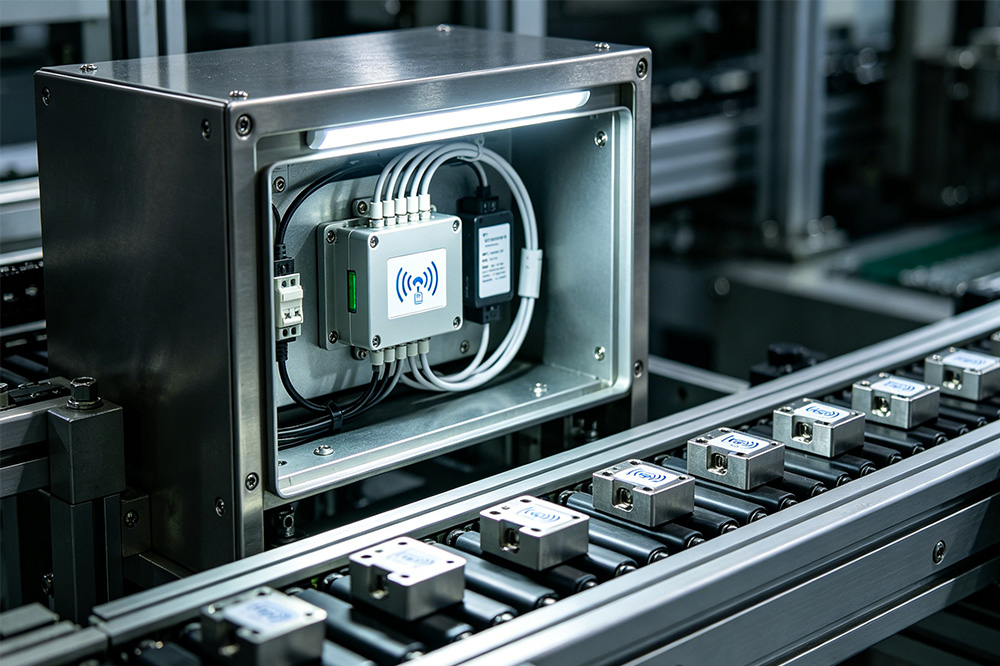
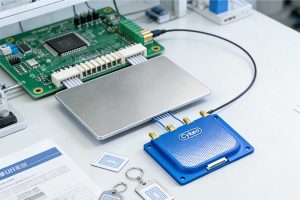
In modern industrial automation systems, more manufacturers are using embedded RFID reader modules directly inside machines, cabinets, conveyor systems, and control equipment instead of relying only on standalone RFID readers.
The reason is simple: embedded systems offer more flexibility, better control over RF behavior, and easier integration into automated workflows.
Why RFID Is Becoming Common in Industrial Automation
Factories today are under pressure to improve:
Inventory visibility
Traceability
Production efficiency
Error reduction
Equipment accountability
RFID helps automate data collection without requiring operators to stop and scan items manually.
That’s why RFID is increasingly used for:
Work-in-progress tracking
Tool management
Material identification
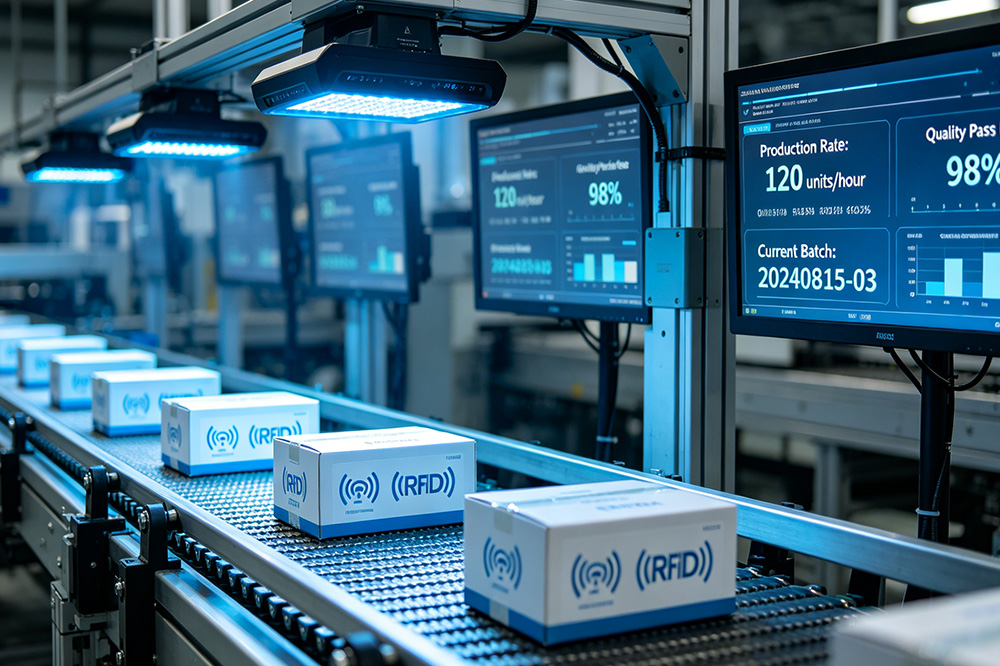
Conveyor automation
AGV routing
Production verification
In many facilities, RFID now operates quietly in the background as part of the production infrastructure itself.
Why Embedded RFID Modules Are Replacing Some Standalone Readers
Traditional RFID readers still work well for many fixed installations.
But industrial equipment manufacturers often need more flexibility than standalone readers can provide.
Instead of mounting external readers around a machine, engineers now integrate RFID modules directly inside the equipment.
That approach makes it easier to control:
Antenna placement
Mechanical structure
RF shielding
Communication interfaces
Software integration
For anyone still comparing the two hardware approaches, this breakdown of RFID modules vs standalone readers explains the differences clearly:rfid module vs rfid reader whats the difference
It’s especially useful for OEM manufacturers evaluating embedded RFID designs.
Industrial Environments Are Difficult for RFID
Factories are not clean RF environments.
Industrial RFID systems often have to operate around:
Metal machinery
Motors and electrical noise
Welding equipment
Dense storage racks
Moving materials
Variable tag orientations
All of these affect RF performance.
A setup that works perfectly during office testing may behave completely differently once installed beside active production equipment.
That’s why experienced integrators spend significant time testing systems inside the actual operating environment.
Antenna Design Usually Determines Real Performance
A lot of RFID problems blamed on “bad hardware” are actually antenna issues.
Especially in automation systems where:
Equipment is tightly packed
Space is limited
Metal surfaces surround the reader
Multiple read zones overlap
Integrators often test several antenna layouts before deployment.
Even small changes to:
Antenna angle
Distance from metal
Polarization direction
Cable routing
can noticeably improve stability.
Multi-Tag Reading Matters More Than Peak Range
Industrial systems rarely read one tag at a time.
A conveyor line may need to identify:
Multiple cartons
Tool trays
Production parts
Mixed inventory
simultaneously.
That’s where anti-collision performance becomes critical.
Reliable multi-tag reading is usually more important than chasing maximum read distance numbers from a datasheet.
RFID Modules Are Becoming Smaller and Easier to Integrate
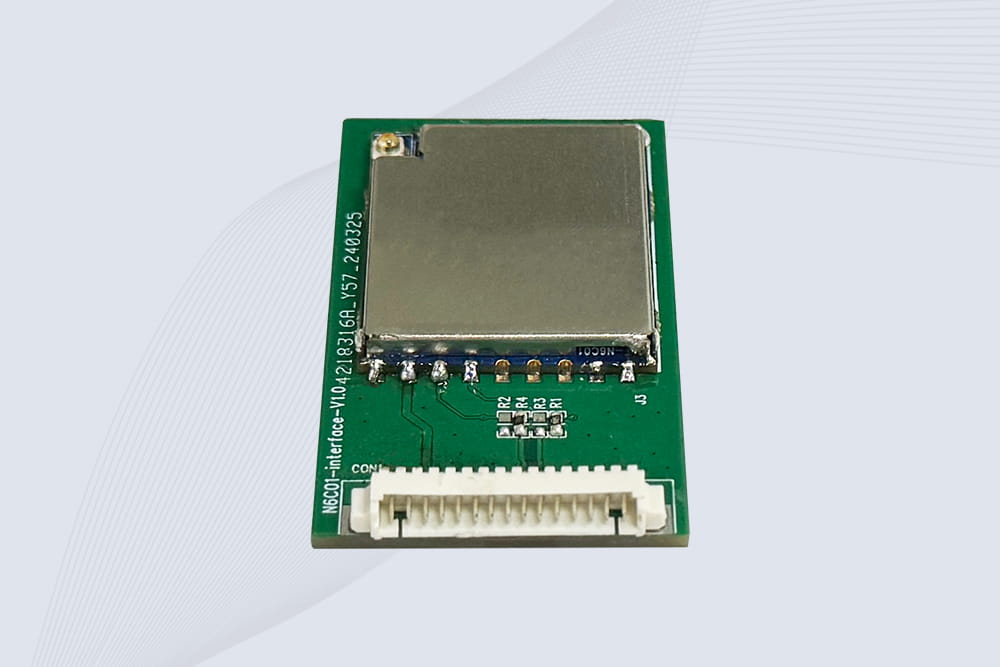
One reason embedded RFID adoption is increasing is hardware miniaturization.
Modern RFID modules are now compact enough to fit inside:
Industrial control panels
Smart cabinets
Mobile robots
Handheld terminals
Automated kiosks
without requiring large external hardware.
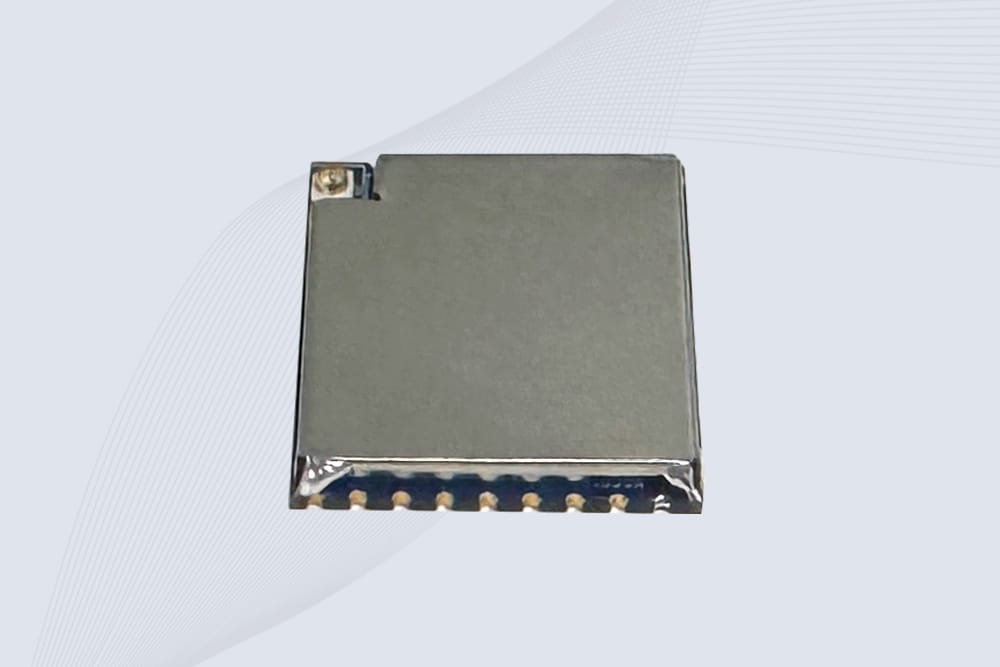
You can see examples of embedded RFID modules designed for industrial integration here:rfid reader module
These types of modules are commonly used in automation systems where space and integration flexibility matter.
SDK Integration Is Usually More Important Than Expected
The RFID hardware is only part of the project.
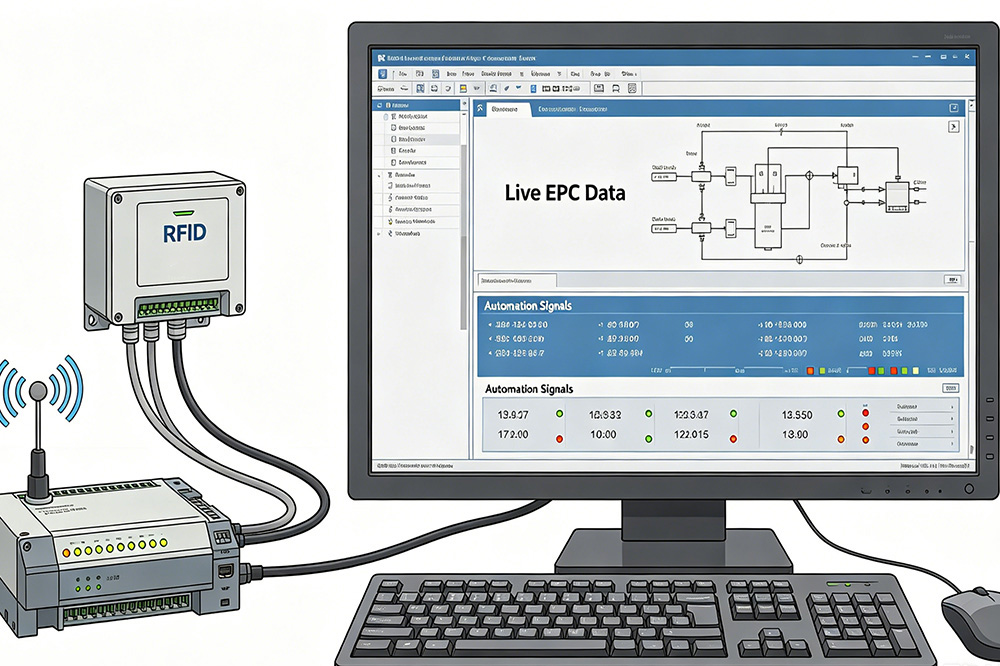
Industrial RFID systems often need to integrate with:
PLC systems
MES platforms
ERP software
WMS systems
Production databases
Cloud monitoring tools
This is where SDK quality becomes extremely important.
A stable API and good documentation can save a huge amount of integration time during development.
For engineers interested in understanding how RFID modules work internally, this guide is worth reading:how to make rfid reader module
It explains the relationship between RF hardware, firmware, and communication interfaces inside embedded RFID systems.
Many Industrial RFID Developers Start With Small Prototypes
A surprising number of industrial RFID projects begin with small development setups.
Before building full production systems, engineers often test ideas using:
Arduino boards
Raspberry Pi systems
DIY RFID setups
Small conveyor prototypes
This helps teams understand antenna behavior, serial communication, and tag performance before moving into larger deployments.
Industrial RFID projects usually require ongoing adjustment during deployment.
Integrators often tune:
RF power levels
Read timing
Antenna placement
Software filtering
Session parameters
before the system becomes stable under production conditions.
That tuning process is normal.
The most reliable RFID systems are usually the ones that went through enough real-world testing before going live.
Final Thoughts
Industrial RFID systems are becoming less visible and more deeply integrated into automation equipment itself.
Instead of adding RFID around a workflow, manufacturers are increasingly designing RFID directly into the workflow from the beginning.
And in many of those systems, the RFID reader module is the part quietly handling identification, tracking, and communication behind the scenes every day.
CYKEO Embedded RFID Modules are designed for compact industrial and IoT devices that require stable UHF performance. These UHF RFID Modules support global protocols, flexible power control, and reliable multi-tag reading for smart cabinets, production lines, and asset tracking systems.
CYKEO Embedded RFID Module is built for compact IoT and industrial devices that need stable UHF performance. This UHF module supports global protocols, low power operation, and reliable multi-tag reading for smart lockers, production lines, and always-on RFID systems.
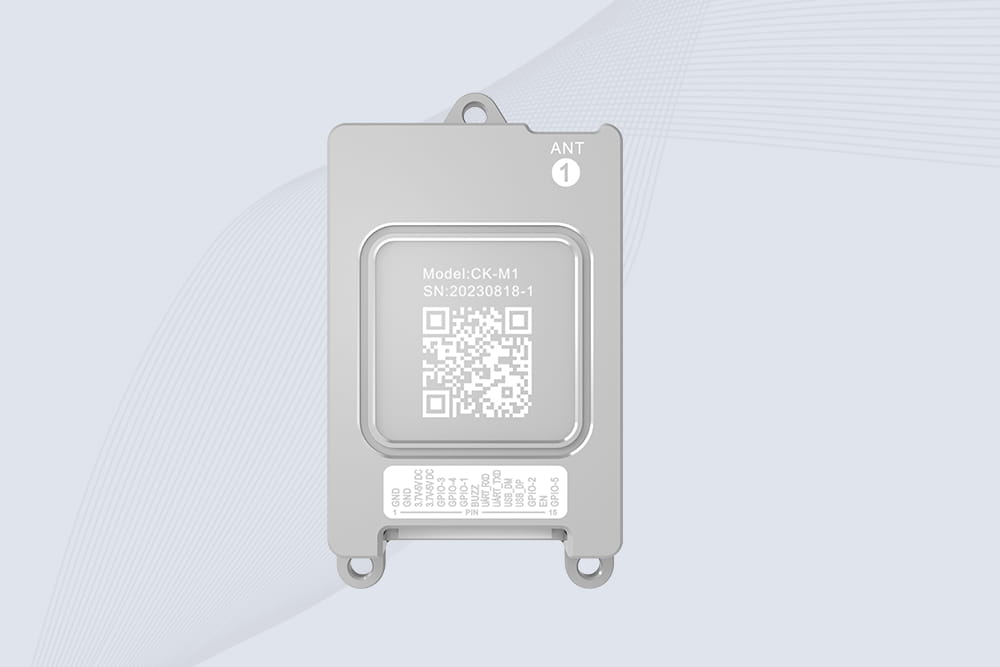
CYKEO CYKEO-M1 drone rfid module is a compact UHF RFID reader module designed for drones and UAV platforms. It supports long-range aerial scanning, fast multi-tag reading, and stable performance in wind, vibration, and outdoor environments.
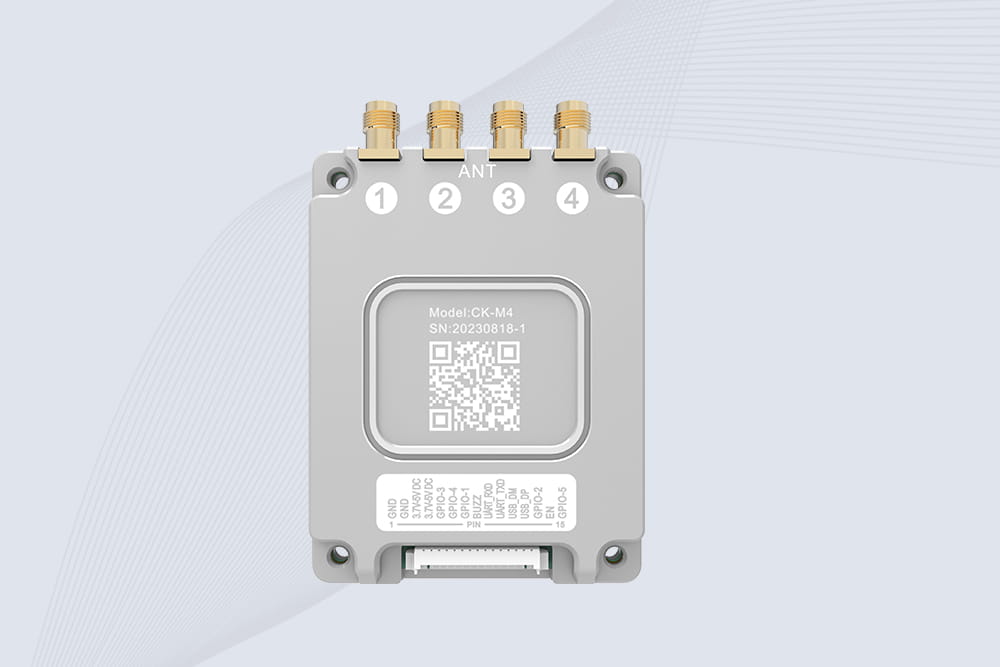
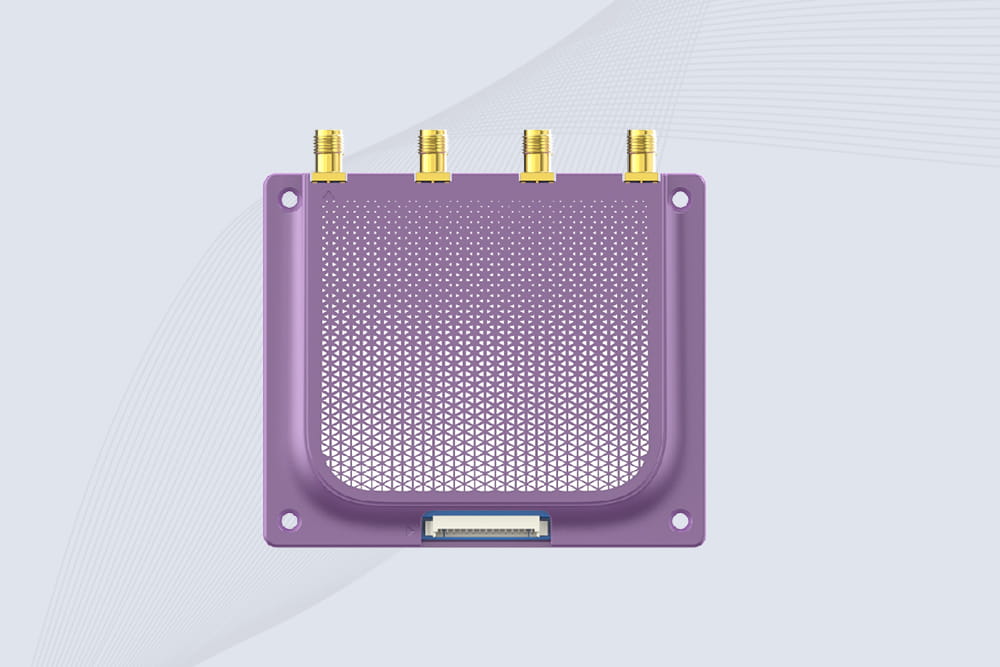
CYKEO CYKEO-M4 RC522 RFID Module is an industrial-grade UHF RFID reader with 4 ports, supporting ISO, EPC, and GB protocols. High-speed, accurate reading for IoT, automation, and warehouse applications.
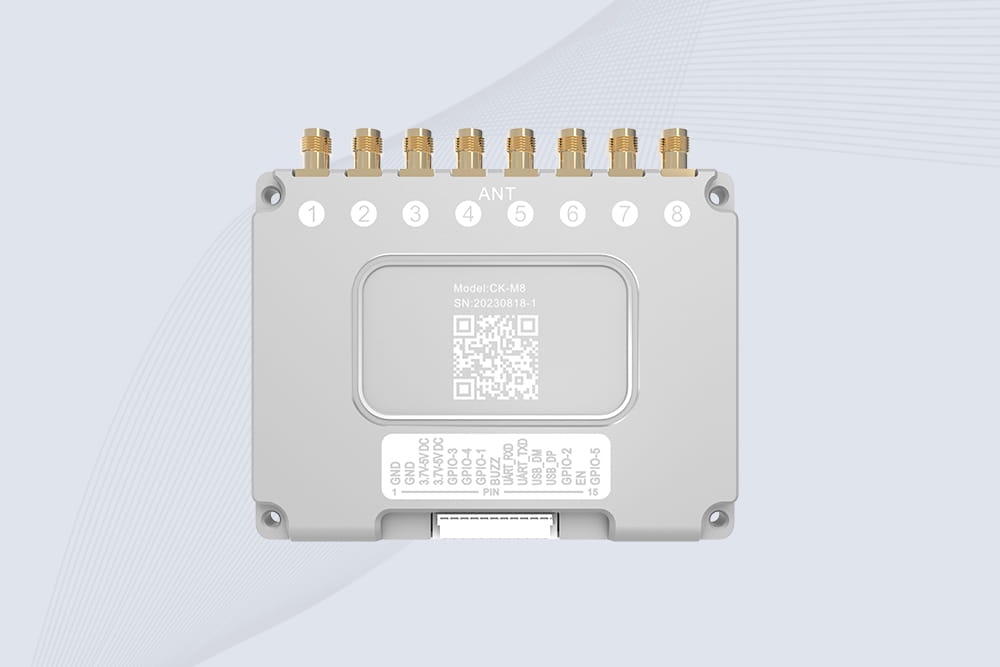
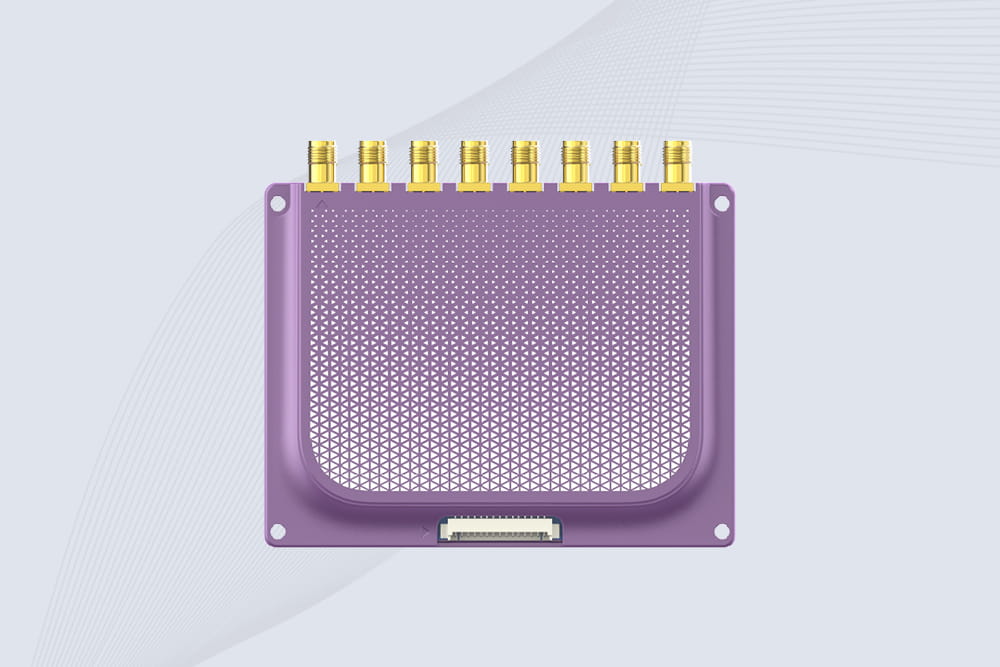
CYKEO CYKEO-M8 Module RFID is an 8-port UHF R2000 RFID Module designed for high-density, multi-tag environments. Stable 33dBm output, ISO & GB protocol support, ideal for warehouses, factories, and automated systems.
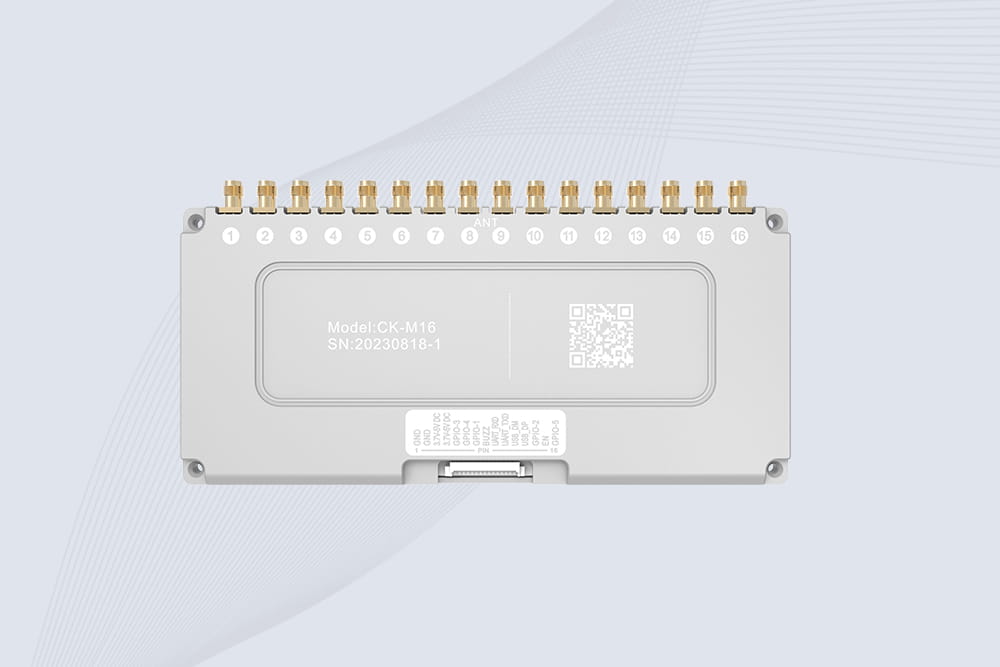
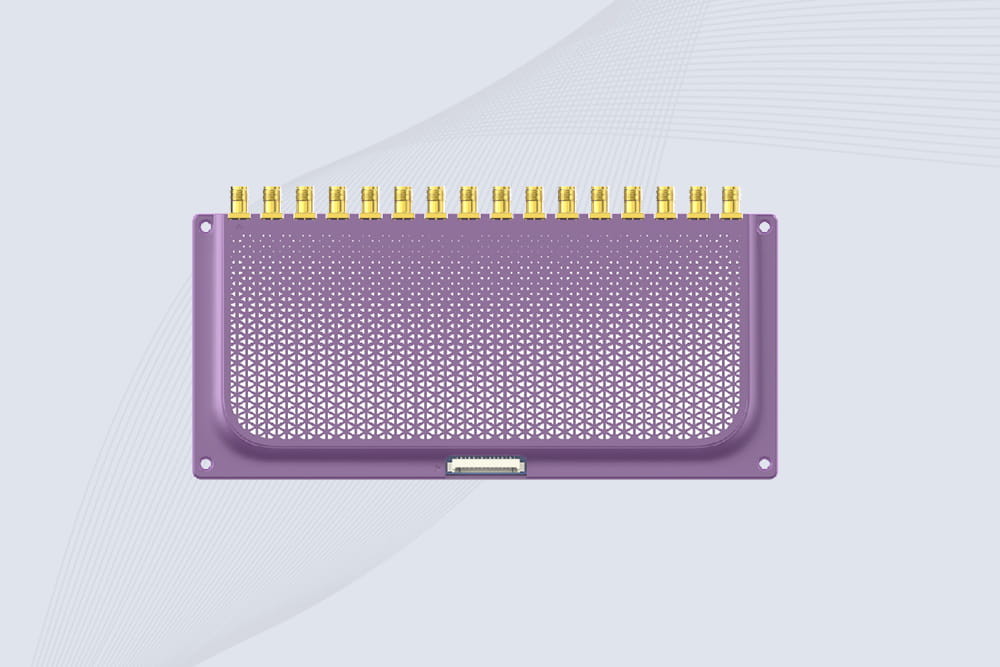
CYKEO CYKEO-M16 RFID Module is a 16-port UHF RFID reader module based on the R2000 chipset. Designed for dense tag environments, it supports ISO and GB standards and delivers stable multi-antenna control for industrial automation.
The CYKEO CYKEO-M16L RFID Reader Module is a 16-channel UHF RFID core designed for dense tag environments. With adjustable 33dBm output, multi-protocol support, and stable multi-antenna control, this RFID Tag Reader Module fits industrial automation, warehouse systems, and large-scale IoT deployments.
CYKEO CYKEO-M8L module RFID is a compact industrial UHF module built for dense tag and multi-antenna environments. With 8 RF ports, adjustable 33 dBm output, and ISO & GB protocol support, it is widely used in factories, warehouses, and automated tracking systems.
CYKEOCYKEO-M4L UHF RFID Module is a compact 4-channel RFID tag reader module designed for dense tag environments. Supporting ISO and GB protocols, it delivers stable reads up to 10 meters for industrial and IoT systems.
Explore how RFID kiosks transform self-checkout and payment workflows for businesses. Learn from real deployments, understand integration with Cykeo RFID readers and antennas, and discover solutions for developers and integrators.
Unsure what is an RFID reader module? This guide explains its role as the core hardware that powers access control, inventory tracking, and automated identification systems.
Compare RFID windshield tags, headlight tags, license plate tags, hang tags, and active RFID tags for parking systems. Learn the differences in installation, reading distance, lifespan, cost, and tamper resistance before selecting the right RFID p...
 Cykeo RFID IoT Solution Products R&D Manufacturer