 Cykeo RFID IoT Solution Products R&D Manufacturer
Can Flipper Zero Read RFID? Let’s Get Real.
871Trying to use a Flipper Zero for RFID tasks? This no-nonsense guide explains its real-world capabilities, its hard limits, and when you truly need an industrial system.
MoreAll RFID Product
RFID handheld readers are essential tools in warehousing, logistics, retail, and manufacturing industries. Their prices range from a few hundred to over a thousand US dollars. This variation is not random—it is the result of multiple factors involving hardware, software, and value-added services. This article explains the five core elements that influence the price of RFID handheld readers to help international buyers choose wisely and purchase rationally.
Reading range is one of the most critical concerns for buyers. In general:
Additionally, readers that support multiple frequency bands (such as UHF, HF, and LF) offer broader compatibility but come with a higher price tag.
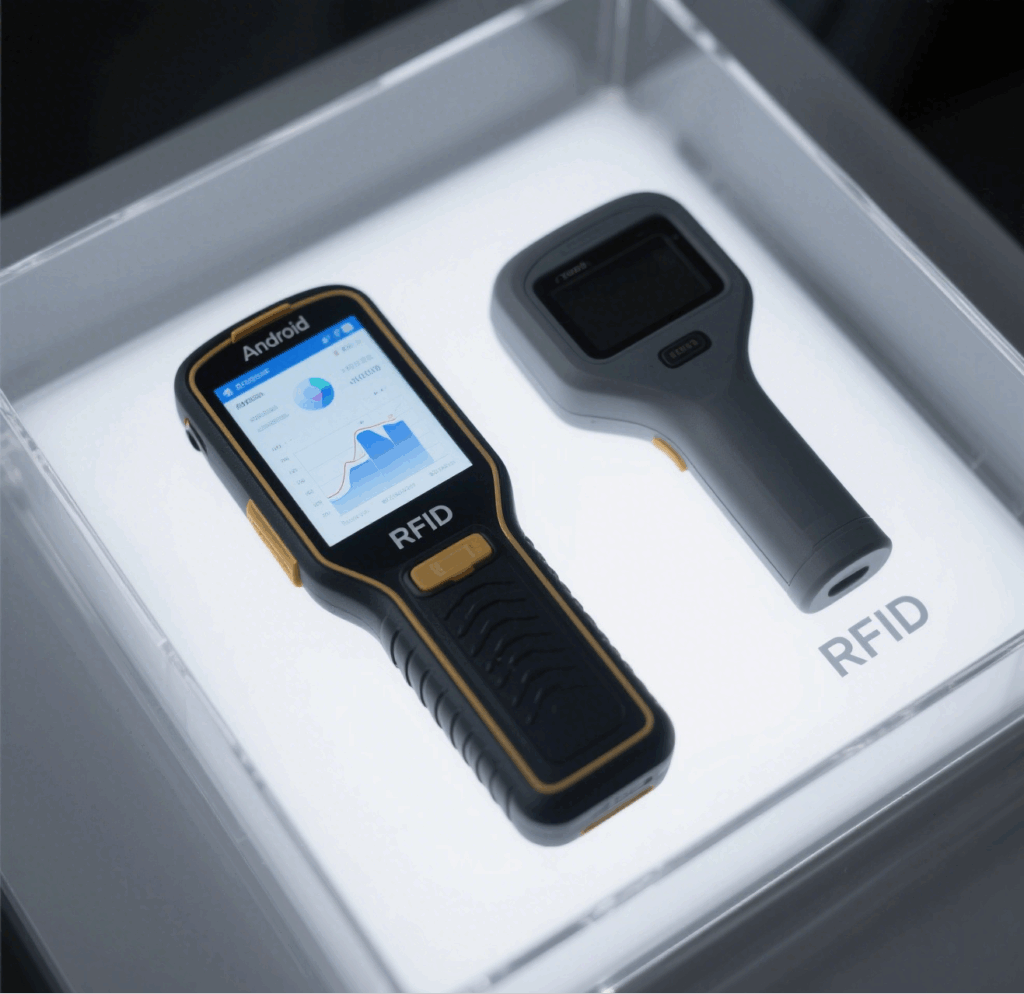
Modern RFID handheld terminals typically run Android OS, equipped with touchscreens to support WMS or ERP apps. However, higher configurations (e.g., octa-core processors, 4GB RAM, HD screens) significantly increase costs.
In contrast, basic models using Linux or custom firmware are more budget-friendly but offer limited functionality.
| System Type | Functional Advantage | Price Comparison |
|---|---|---|
| Android | Highly extendable, app-friendly | 🔺 Higher |
| Linux/Custom | Stable, cost-efficient | 🔻 Lower |
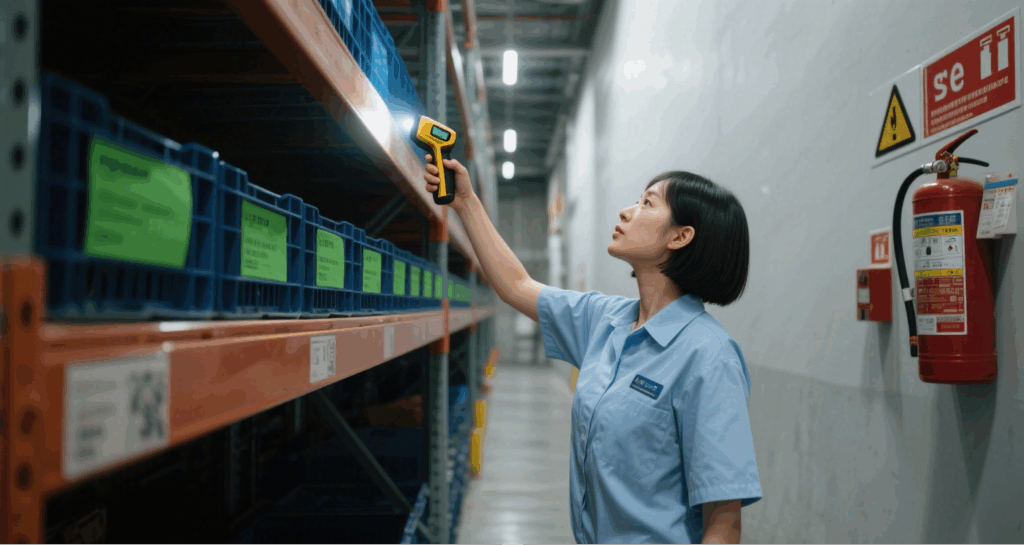
RFID handheld readers used in industrial settings must withstand dust, water, and impact. Common protection levels include:
Industrial-grade devices may also include high-capacity batteries (5000mAh+), low-temperature modules, and laser scanning heads, all of which contribute to higher pricing.

Many buyers look for multifunctional readers, such as:
These functions increase flexibility but also drive up costs. For example, an industrial RFID reader integrated with multiple modules can easily exceed $800–$1000.
Although RFID handheld reader prices can vary significantly, buyers should not focus solely on cost. Instead, they should consider application scenarios, performance needs, and after-sales service. Recommendations for buyers include:
By making informed selections and building long-term supplier partnerships, buyers can fully leverage the benefits of RFID handheld readers in warehousing, traceability, and logistics management.
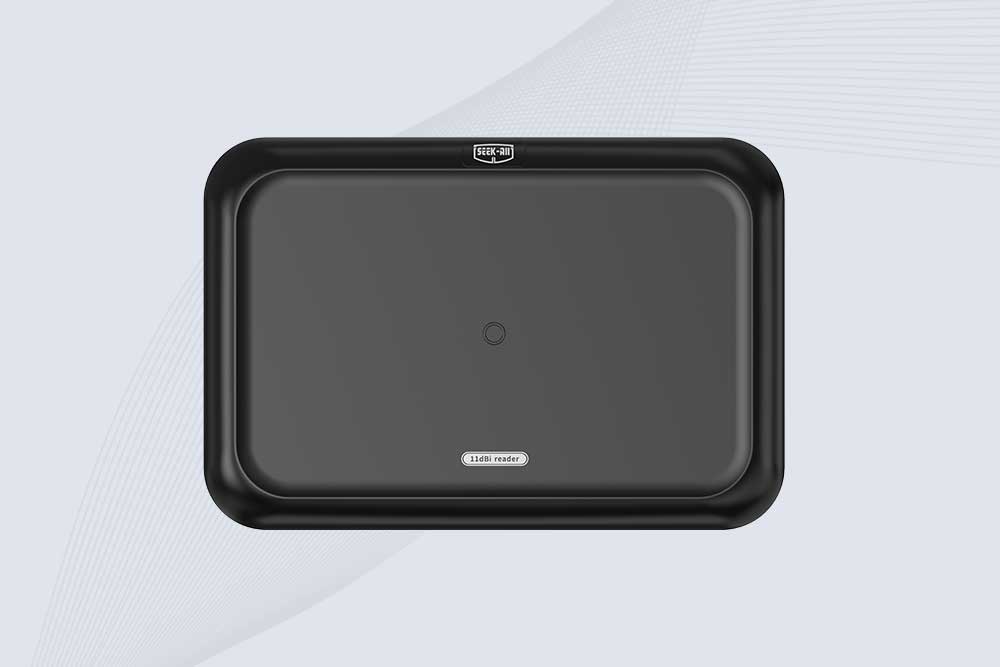
SSD-RA11L is an 11 dBi UHF RFID reader with up to 15m reading distance, 600+ tags/s speed, integrated antenna and flexible connectivity.
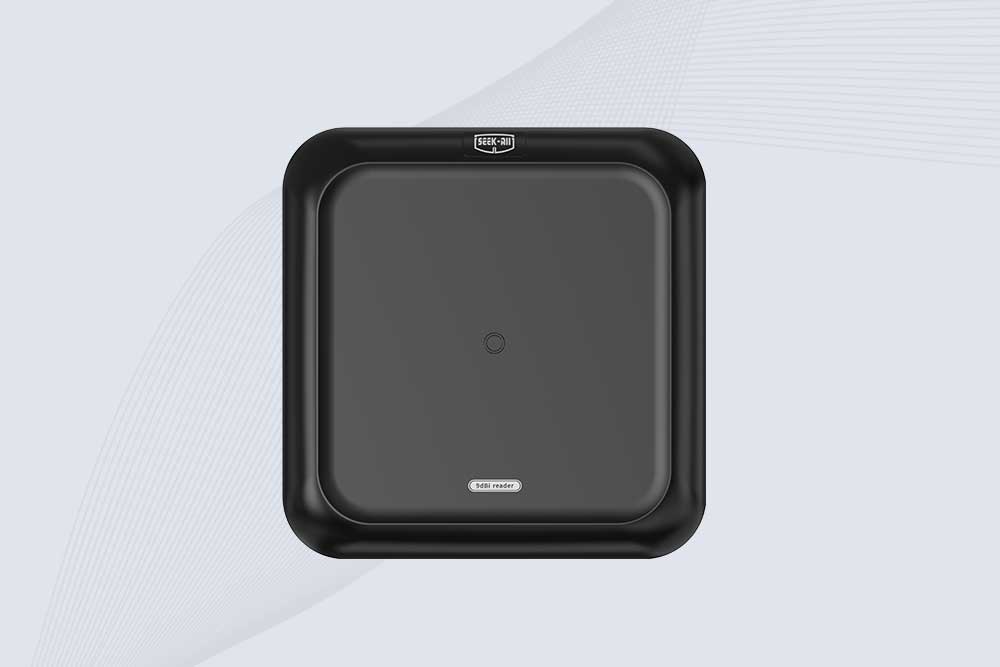
SSD-RA09L is a long range UHF RFID reader with a built-in 9 dBi antenna, 10m reading range, 600+ tags/s speed and flexible interfaces.
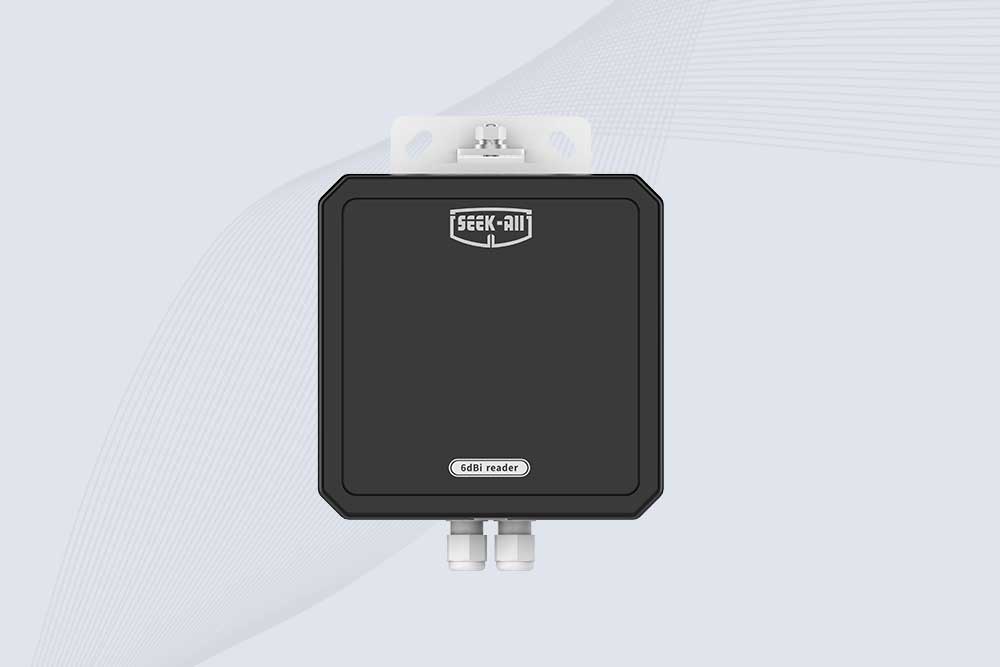
SSD-RA06L is an industrial UHF RFID reader with a built-in 6 dBi antenna, 3 m read range, 600+ tags/s, Ethernet, RS232, and optional Wi-Fi, 4G, and PoE.
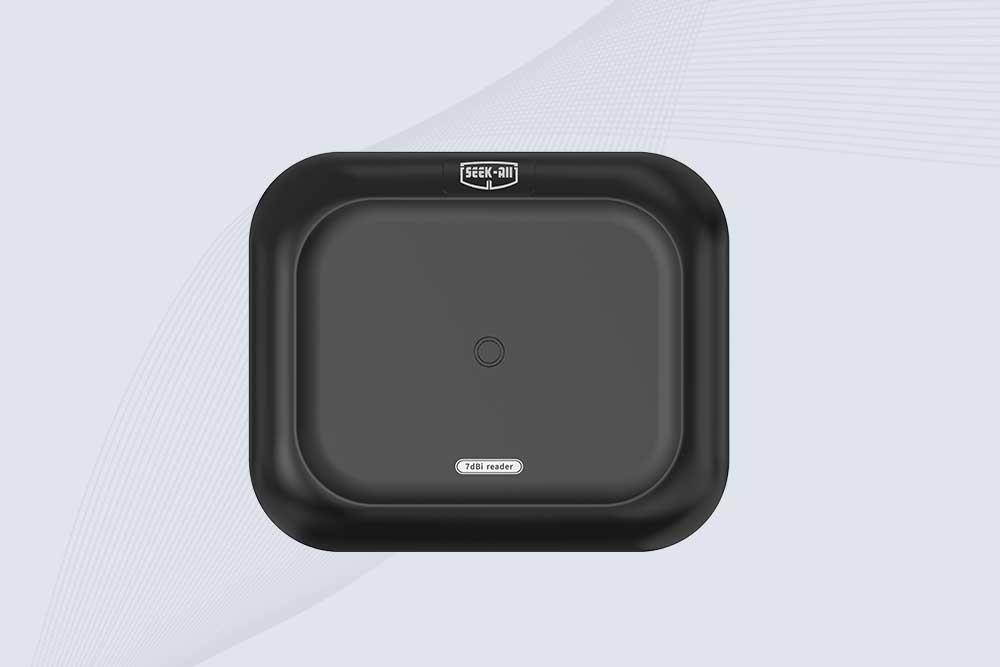
SSD-RA07L industrial UHF RFID reader with integrated 7 dBi antenna, up to 6 m reading distance, over 600 tags/s, Ethernet, RS232, and optional Wi-Fi, 4G, and PoE.
Trying to use a Flipper Zero for RFID tasks? This no-nonsense guide explains its real-world capabilities, its hard limits, and when you truly need an industrial system.
More
Unsure about how to choose an RFID antenna? Our practical 5-step guide cuts through the complexity, helping you match the right antenna to your specific project needs.
More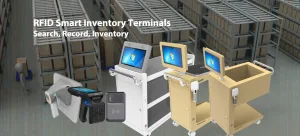
Inventory management is a vital aspect of business operations. It directly impacts asset security, cost control, and operational efficiency. However, traditional inventory methods often rely on manual processes, which are not only inefficient but ...
More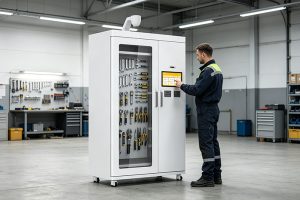
Discover small tool tracking devices from Cykeo for automated tool management, RFID tracking, secure checkout, and real-time inventory visibility in industrial environments.
More