 Cykeo RFID IoT Solution Products R&D Manufacturer
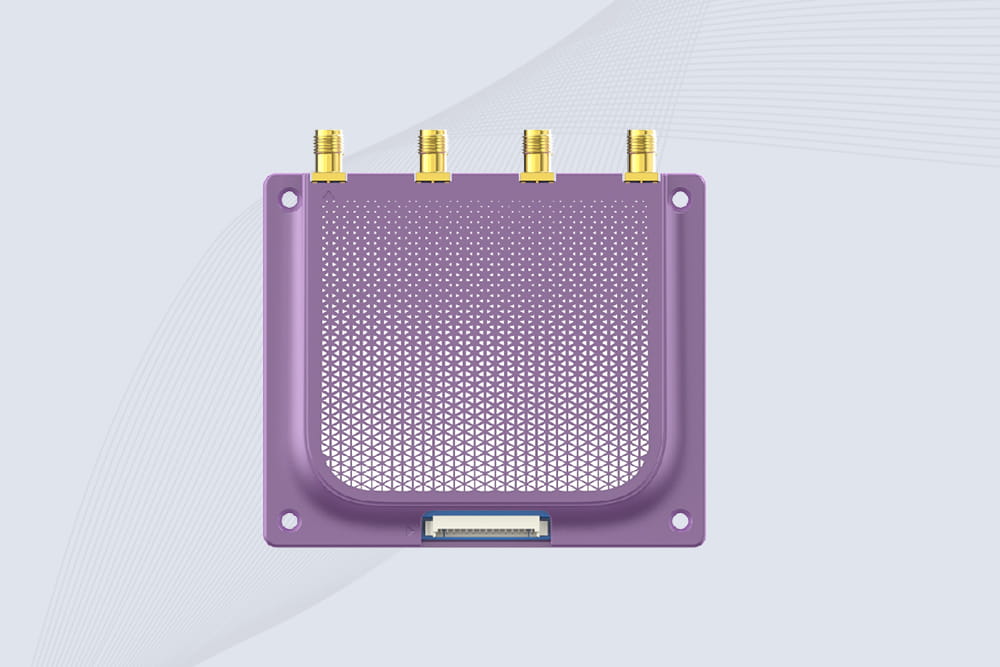
125kHz RFID Reader & Cykeo Four Ports UHF RFID Reader Leading the New Wave of Smart IoT Connectivity
1246125kHz RFID reader, with its unique performance characteristics, plays an irreplaceable role in many use cases.
MoreAll RFID Product
You installed RFID readers Module in your warehouse, but half the tags aren’t scanning. Workers are climbing shelves to rescan items, and deadlines are slipping. Sound familiar? Poor reader placement is often the culprit—not faulty tech. Let’s fix this with tactical positioning tricks that turn patchy coverage into seamless scans.
RFID signals behave like light beams: they reflect, scatter, and weaken. Key factors:
Pro Tip: Map your space with a grid to identify high-traffic zones and dead areas.
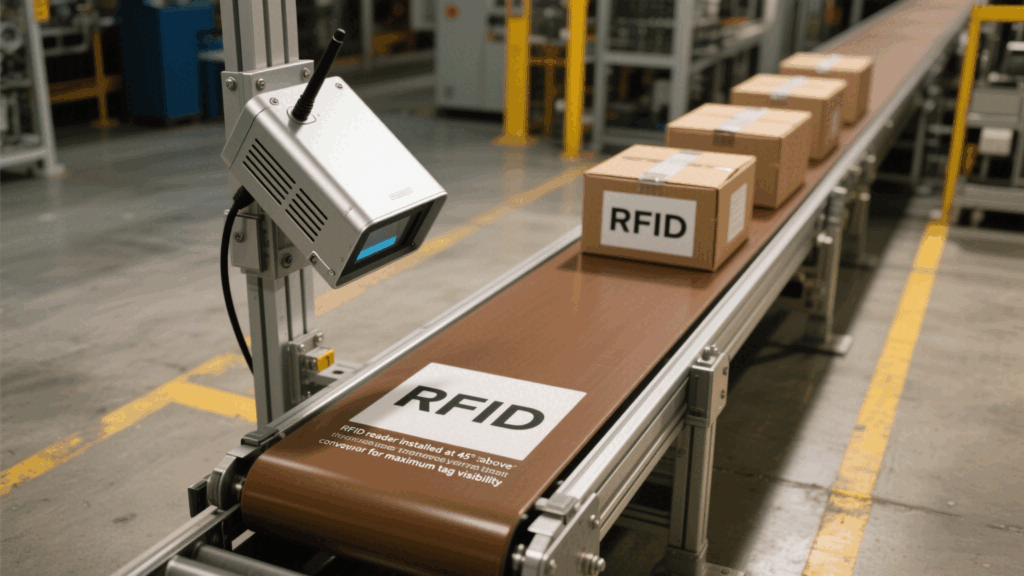
a. Elevate Readers for “Bird’s-Eye” Coverage
b. Angle Antennas Like Satellite Dishes
c. Space Readers Based on Material Density
Case Study: A Cykeo client boosted read rates from 65% to 98% by repositioning readers along loading docks.
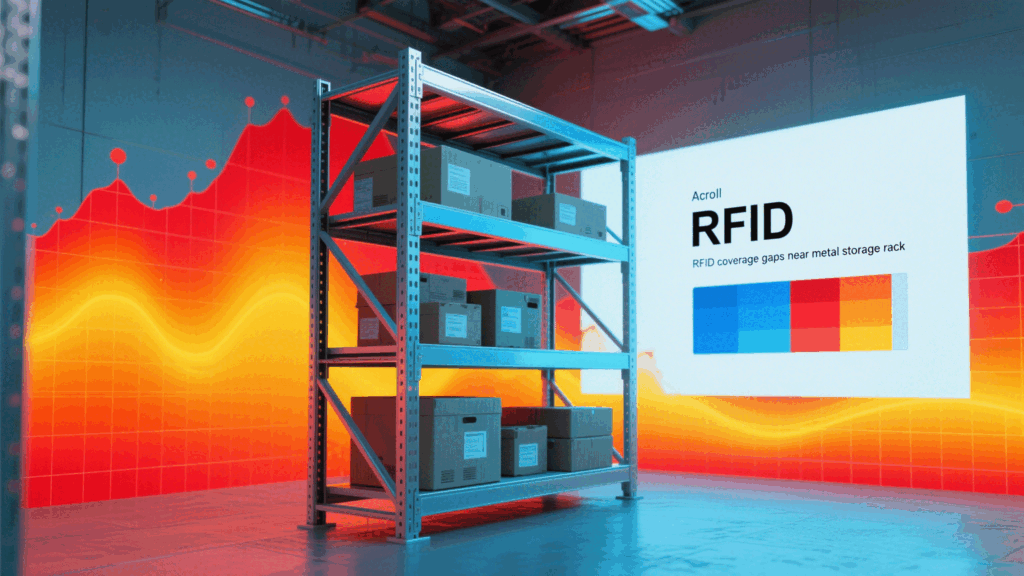
a. Near Metal Racks
b. Around Conveyor Belts
c. Doorways and Loading Docks
If DIY fixes fail:
Takeaway: Optimizing RFID reader placement isn’t about luck—it’s physics. Elevate, angle, and space readers strategically to match your environment’s quirks. Test relentlessly, tweak patiently, and watch those stubborn dead zones disappear.
125kHz RFID reader, with its unique performance characteristics, plays an irreplaceable role in many use cases.
More
Discover how keychain RFID technology improves key security, access control, and asset accountability. Learn why organizations choose Cykeo RFID key management solutions.
More
Wondering how many RFID can be read at once? Learn what affects bulk read rates, real-world examples, and how CYKEO readers maximize throughput.
More
A comprehensive guide to RFID building security, sharing practical experiences, challenges, and best practices for modern access control systems in real-world environments.
More