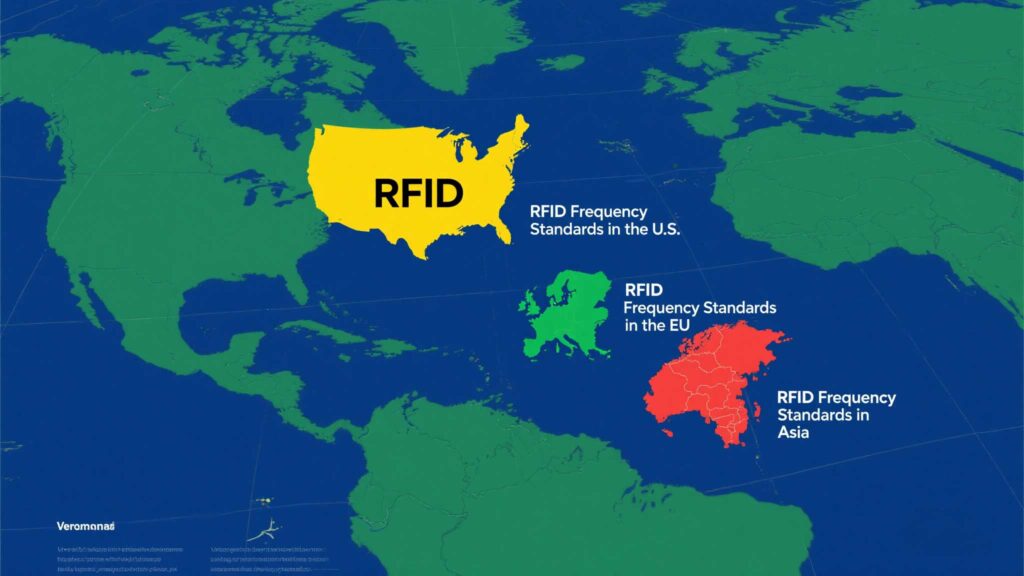
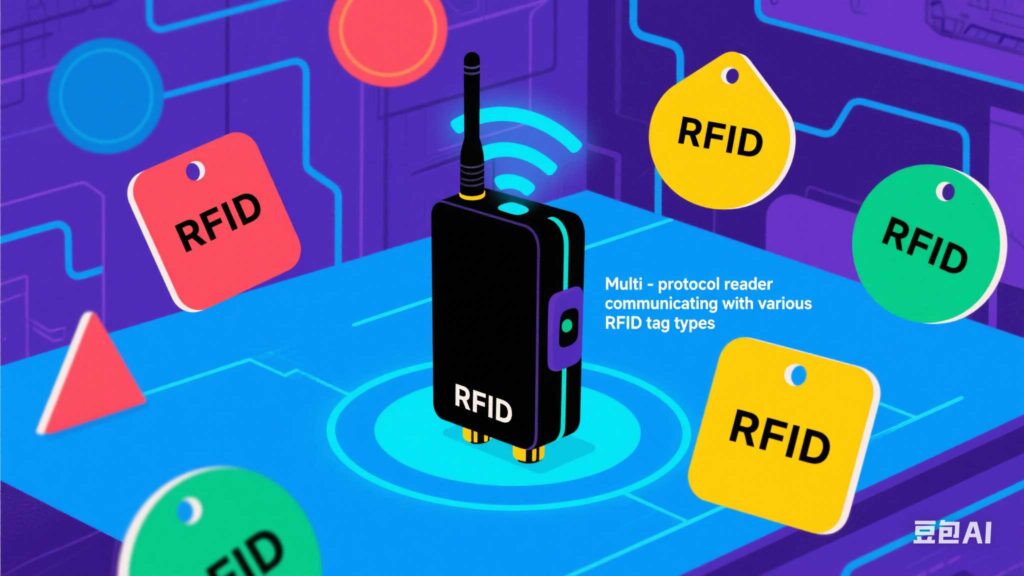
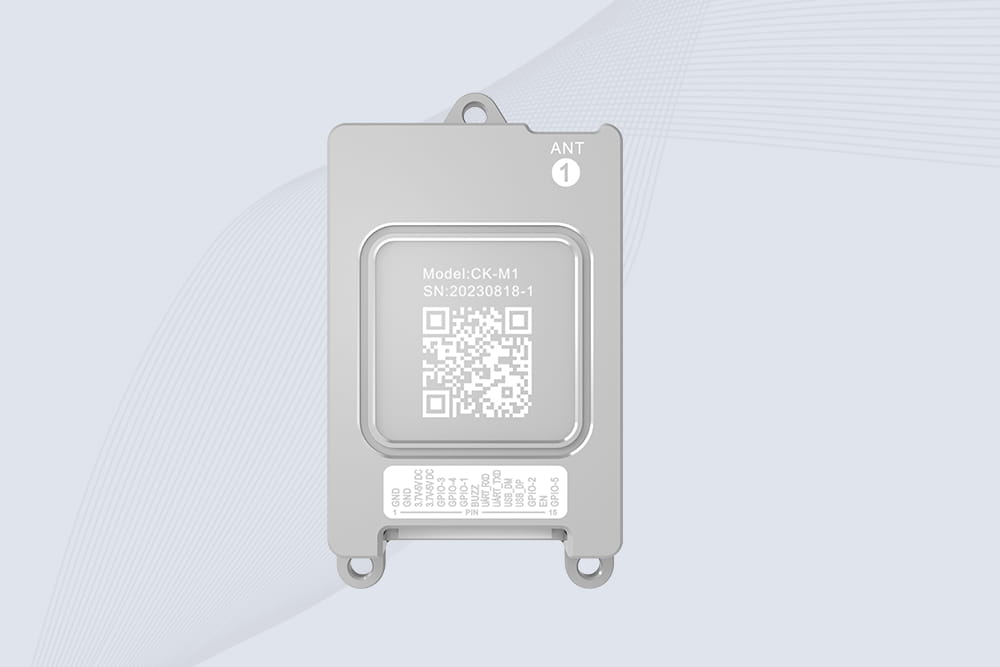
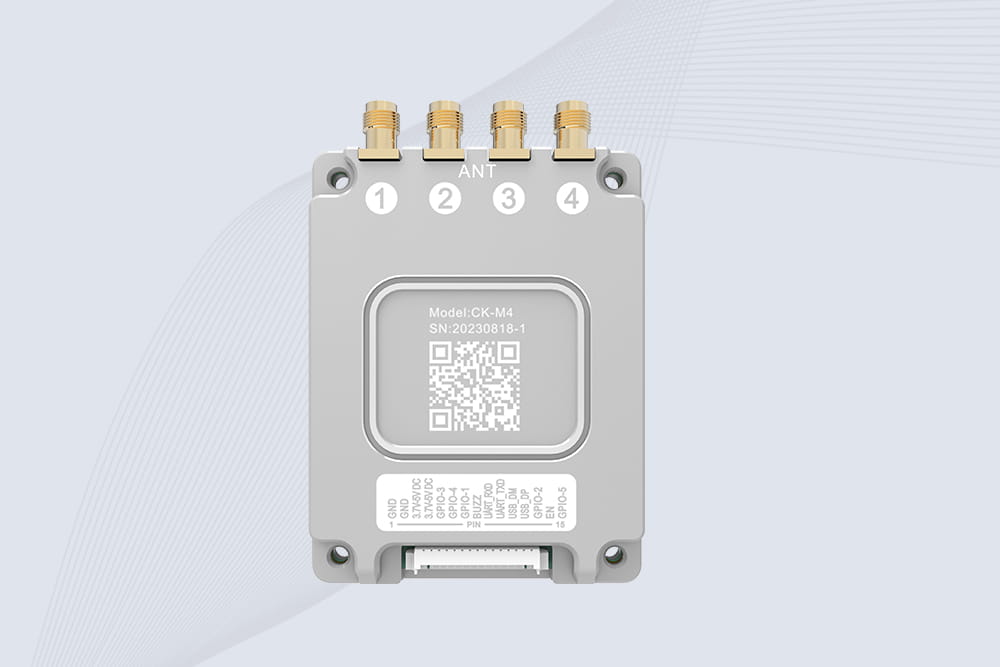
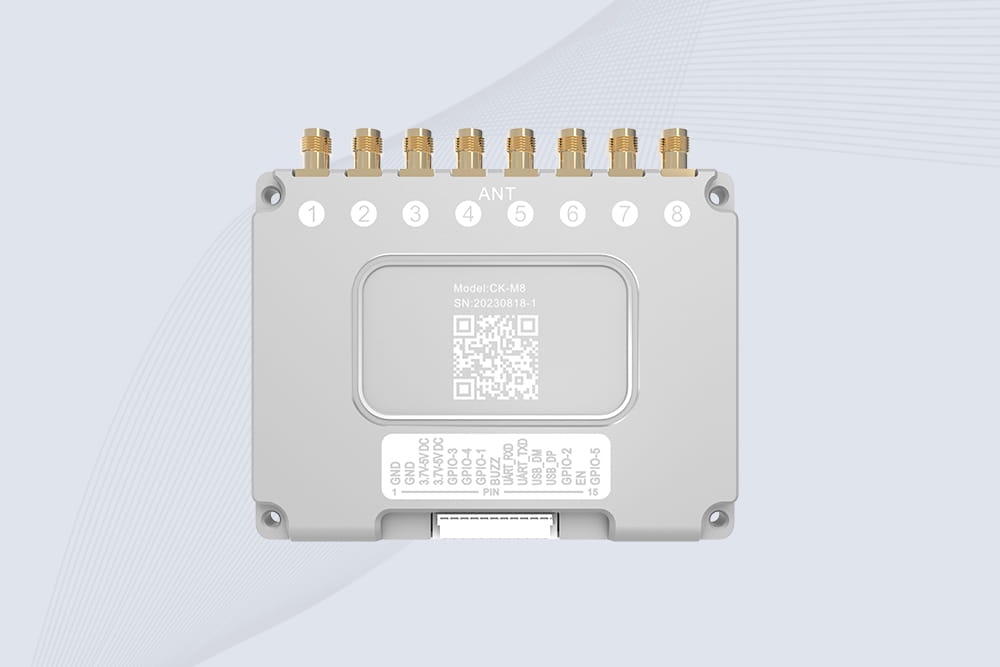
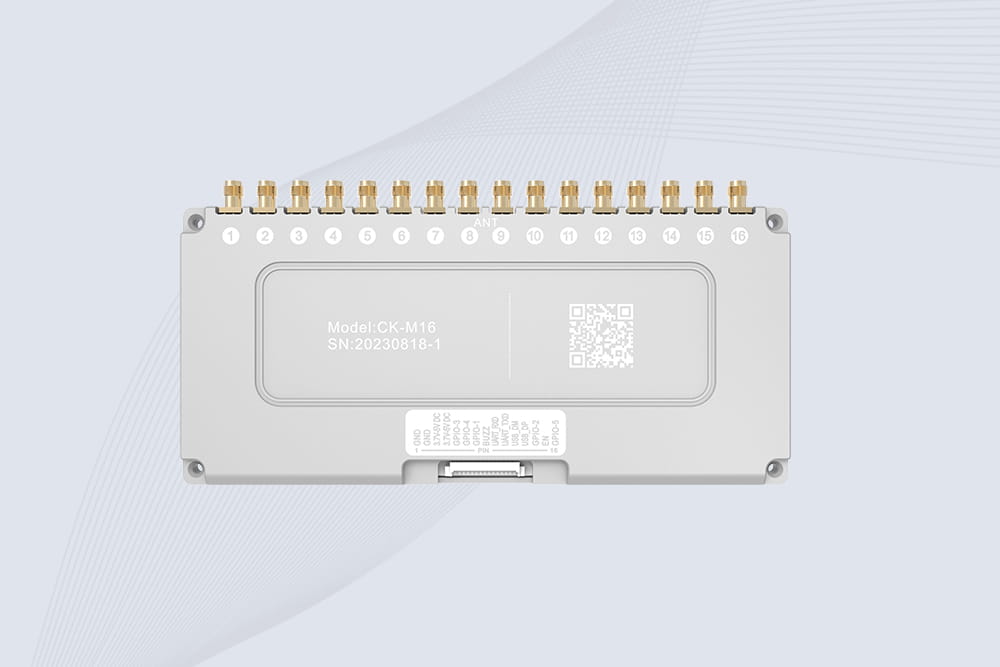
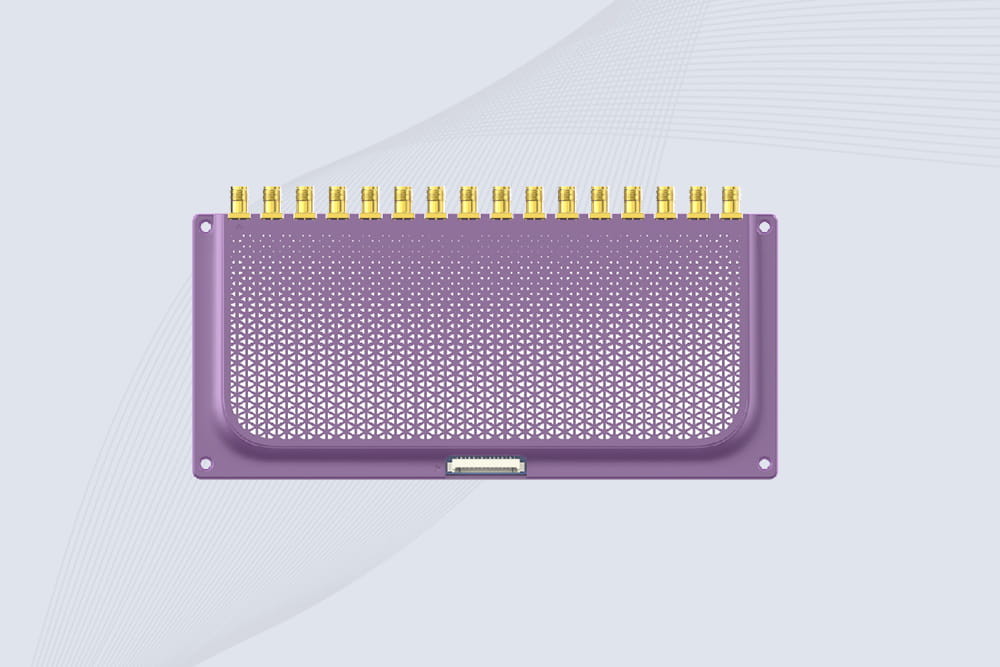
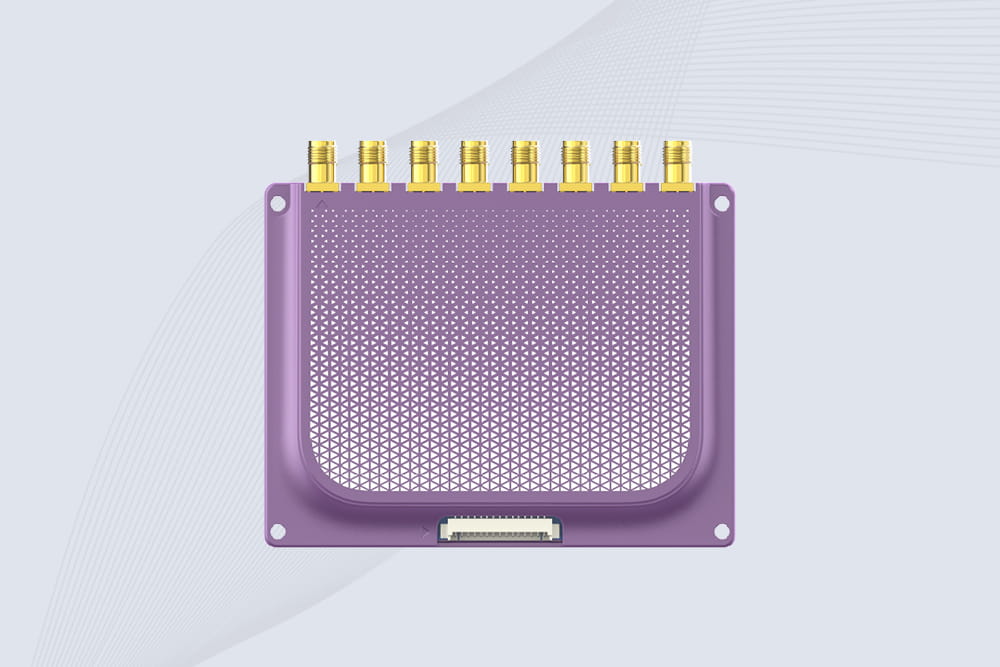
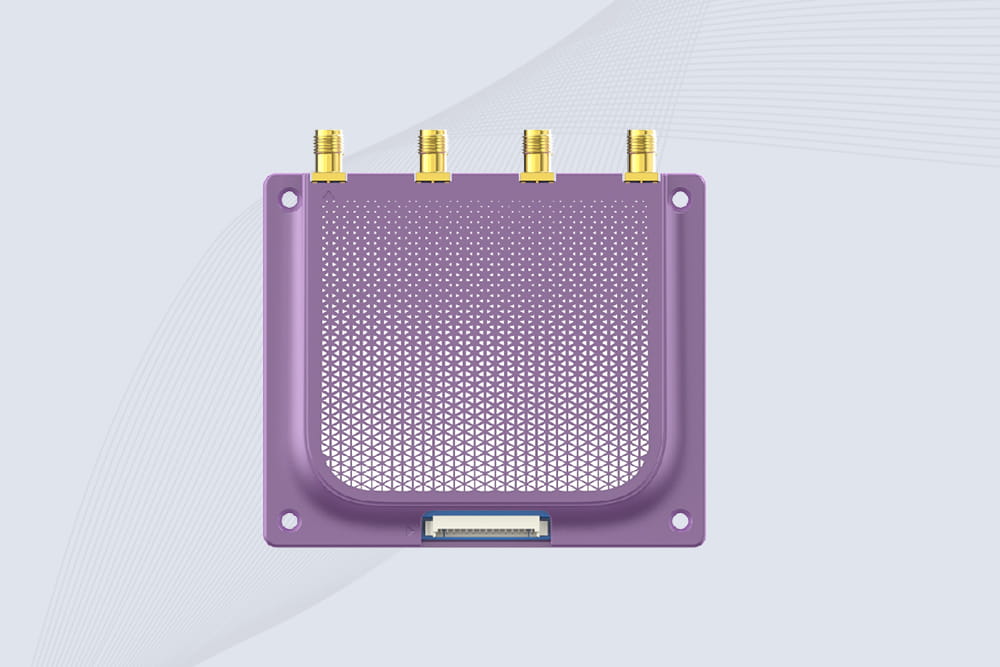
Picture this: Your warehouse in Berlin uses RFID tags that follow EPC Gen 2 standards. Your partner in Tokyo uses ISO 18000-3. Suddenly, shipments get delayed because your systems can’t talk to each other. Cue frustration, lost revenue, and frantic IT calls. Multi-protocol RFID modules fix this mess by speaking every RFID language—here’s why they’re non-negotiable for agile supply chains.
These are RFID readers or tags that support multiple communication standards (e.g., EPC, ISO, RAIN RFID). Think of them as polyglot translators in a world of fragmented RFID dialects.
Why It Matters:
Global Partners: Suppliers might use different RFID protocols.
Legacy Systems: Older facilities often run outdated standards.
Regions: Europe’s 865 MHz vs. the U.S.’s 915 MHz UHF bands.
2. How Multi-Protocol Modules Solve Supply Chain Chaos
a. No More “Lost in Translation” Scenarios
Scan ISO 14443 (common in Europe) and EPC Gen 2 (U.S. retail) tags with one device.
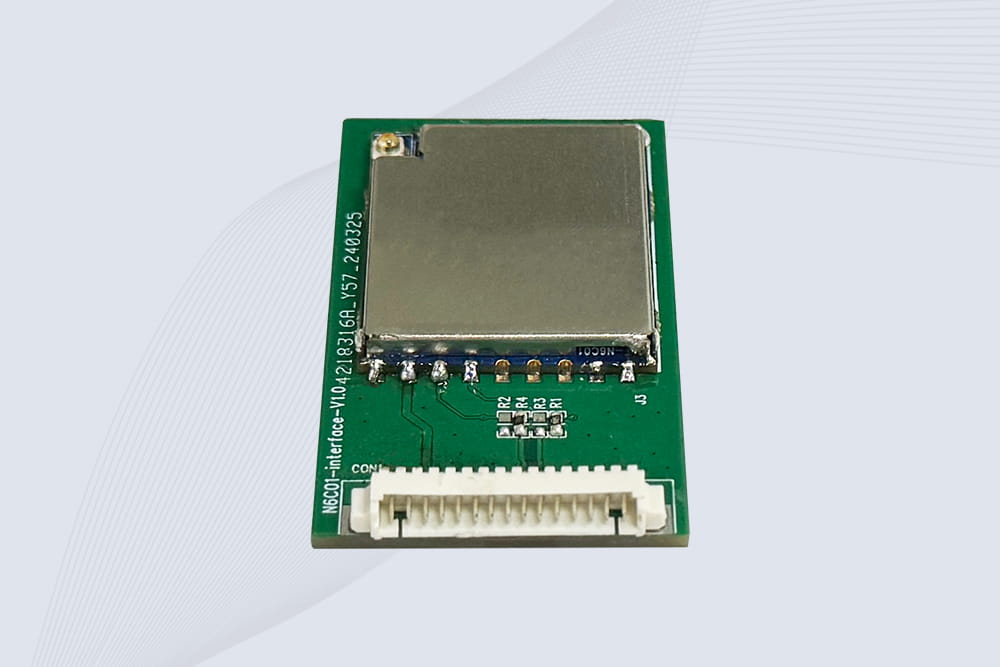
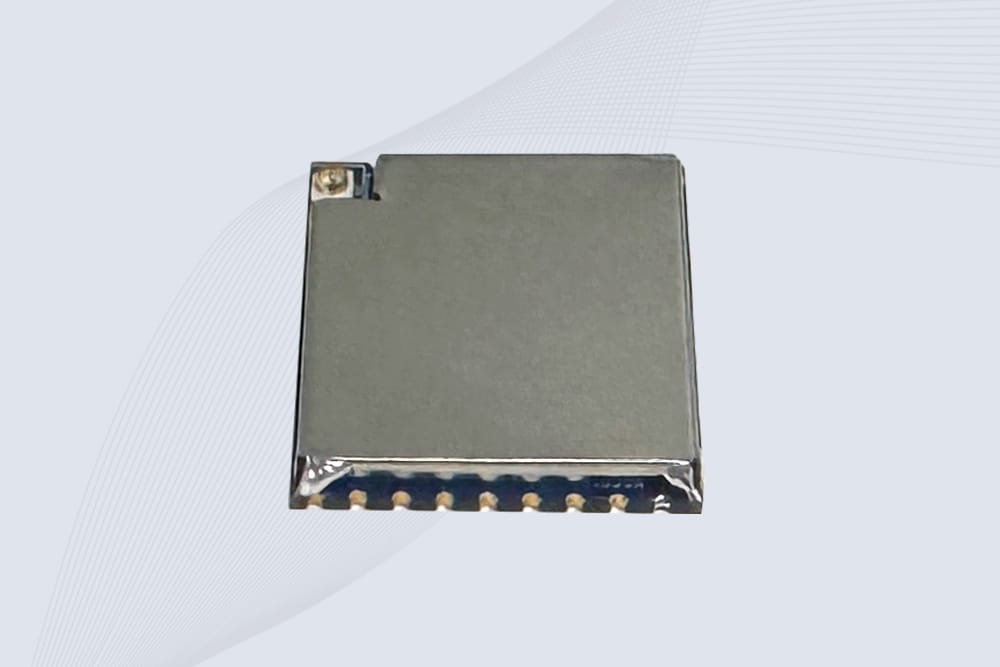
Example: Cykeo’s MP-800 series reads 10+ protocols, cutting cross-border delays by 70% for a logistics client.
b. Future-Proof Against Shifting Standards New RFID tech emerges every 3–5 years. Multi-protocol devices adapt via firmware updates, not hardware swaps.
c. Simplify Mergers & Acquisitions Integrate new partners’ systems overnight—no rip-and-replace drama.
3. Hidden Costs of Single-Protocol Systems
Manual Labor: Workers re-tagging items to match your system.
Downtime: 3–5 days of halted operations during system upgrades.
Lost Contracts: Clients prefer vendors who align with their standards.
Real Pain: A U.S. retailer lost a $2M deal with a Japanese distributor over RFID incompatibility.
4. Key Features to Look For
Protocol Range: Supports EPC Gen 2, ISO 15693, NFC, RAIN RFID, etc.
Frequency Agility: Adjusts to regional UHF bands (865–928 MHz).
Cloud Updates: Add new protocols via software, not hardware.
Red Flag: Vendors charging extra per protocol—transparency matters.
5. ROI: More Flexibility, Fewer Headaches
Upfront Cost: 20–30% pricier than single-protocol modules.
Savings:
Labor: Cut re-tagging costs by 50–80%.
Scalability: One device handles growth into new markets.
Durability: Cykeo’s modules last 8–10 years vs. 3–5 for outdated readers.
6. How to Test Before You Buy
Tag Diversity: Scan 10+ tag types (metal, liquid, legacy).
Speed Trials: Ensure reads don’t slow down with multiple protocols.
Vendor Support: Confirm firmware updates are free for 3+ years.
Takeaway: In supply chains, flexibility isn’t a luxury—it’s survival. Multi-protocol RFID modules erase compatibility barriers, slash costs, and keep you ready for whatever standards come next. Whether you’re a 3PL provider or a manufacturer, betting on single-protocol tech is like using a flip phone in 2024. Time to upgrade.
You know that awkward moment in class or at work when someone has to call out names, and half the time it’s wrong, or you lose track of who’s in or out? Well, that’s where RFID attendance monitoring systems step in, quietly fixing all those little...
RFID tool cabinet training helps employees understand how to authenticate, check out, return, and manage tools correctly in daily work. A practical training ...
Learn how to select the best handheld RFID reader for warehouse inventory management. Compare UHF range, durability, software integration, and budget-friendly options.
Improve tool control with Cykeo tool tagging system. Track, identify, and manage tools in real time with RFID technology for safer and smarter operations.
 Cykeo RFID IoT Solution Products R&D Manufacturer