 Cykeo RFID IoT Solution Products R&D Manufacturer
How RFID Scanners Work
1284explore in depth the working principles, application scenarios, and advantages of RFID scanners.
MoreAll RFID Product
Honestly, this question pops up everywhere now — offices, training centers, schools, even gyms:
“Is it time to move to an RFID attendance system?”
Let me give you the short version first:
If all you want is a simple, reliable way to stop dealing with messy sign-in sheets — without diving into complicated face recognition setups — RFID is probably the easiest win you’ll ever get.
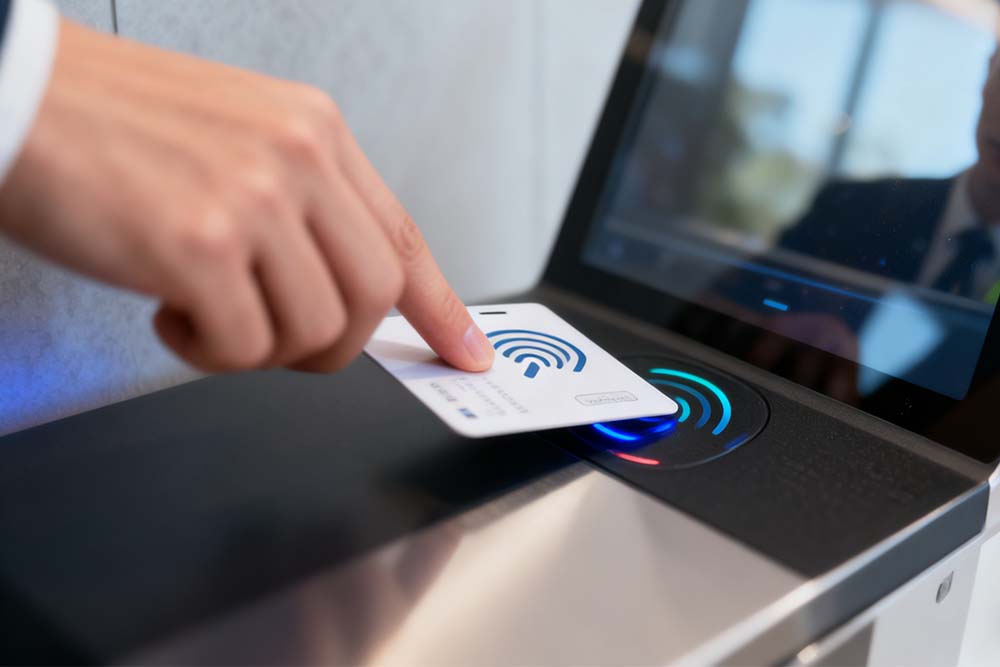
Think of it as a “tap-and-done” check-in system.
Everyone gets an RFID card or key fob. Inside it is a tiny chip with a unique ID.
When someone walks past or taps the reader, the system grabs that ID instantly and logs the timestamp. No buttons, no QR codes, no staring awkwardly into a camera.
It works just like a door access card — but with an attendance backend that automatically calculates working hours, presence records, reports, all that boring stuff nobody wants to do manually.
After dealing with real use cases, the reasons are pretty down-to-earth:
If you’ve ever seen the classic DIY builds (ESP8266 or ESP32 + MFRC522 + Google Sheets), you know how easy it is to create your own workflow: card UID + timestamp → database → done.
This part matters, because sugar-coating tech is how people get burned later.
The biggest problem? People can “buddy punch.”
You give someone your card, they tap it for you, and the system thinks you’re there.
If your environment already has a “who’s gonna help me clock in today” culture… RFID alone won’t fix it.
Other real-world issues:
RFID works great in places where people simply want a clean, efficient system — not a forensic identity check.
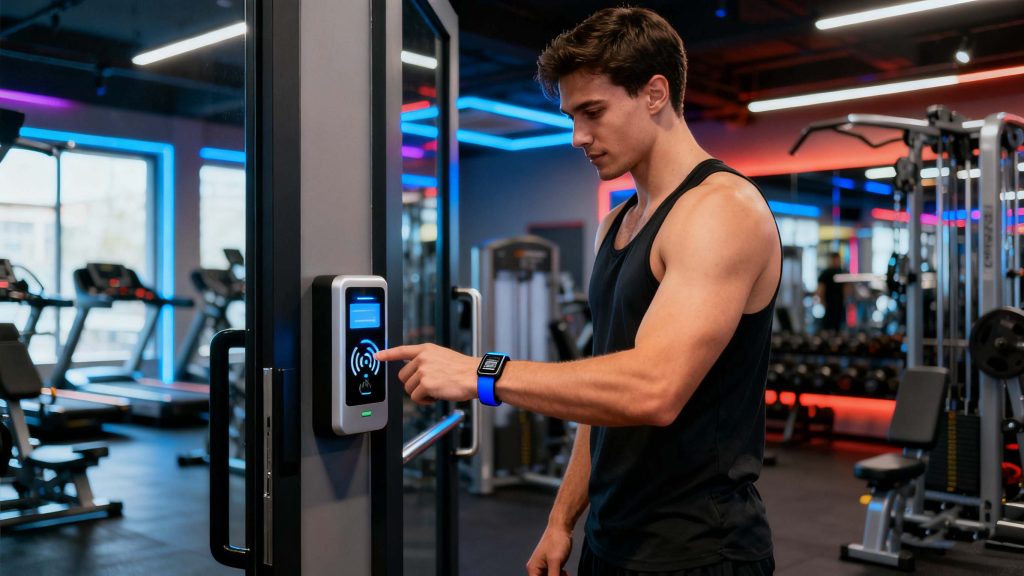
From everything I’ve seen, the perfect fits are:
Not the best choice for:
DIY is fun — but don’t ignore the boring parts.
Reader stability, network drops, UID reading errors… they all matter.
For commercial systems, always check:
Hardware is never the real value — the software is what makes or breaks an attendance system.
RFID attendance is like a good, simple lock.
If your priority is efficiency, low cost, and “I just want attendance handled without stress,” then RFID hits the sweet spot.
If you absolutely must verify someone’s identity with high accuracy — you’ll either need an extra verification step or a different system altogether.
But for everyday attendance tracking?
It’s honestly one of the best, most practical solutions out there.
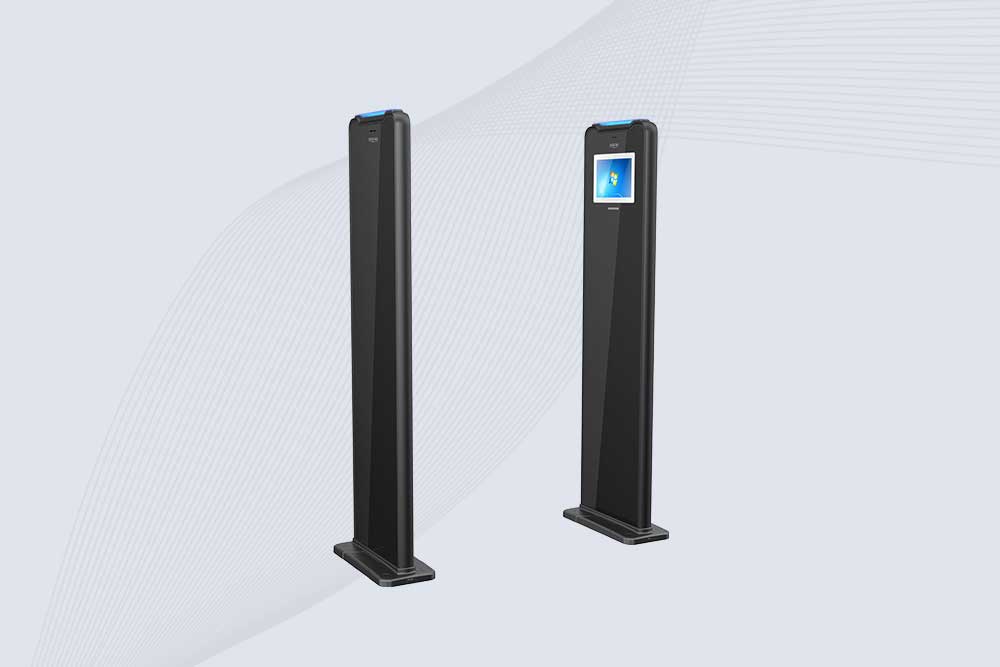
SSD-T4A-P Smart access control with real-time crowd tracking ✔️ AI Tag Filtering for Reduced Misreads SSD-T4A-P supports AI-based tag filtering and up to 6 EPC filtering sets, helping reduce unwanted reads and improve identification accuracy in busy entrances, exits, and retail environments. ✔️ Fast In & Out Detection with Visual & Audio…
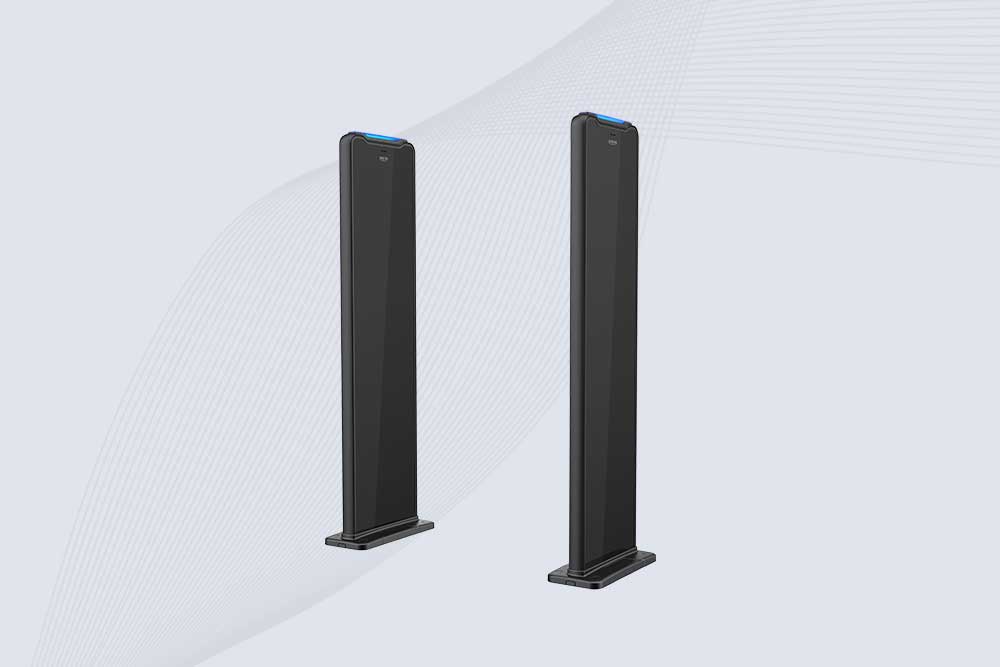
SSD-T4A UHF RFID Gate Reader with 11 dBi antenna, up to 10 m reading distance, AI tag filtering, in/out detection, 300,000 data storage, and TCP/HTTP/MQTT support.
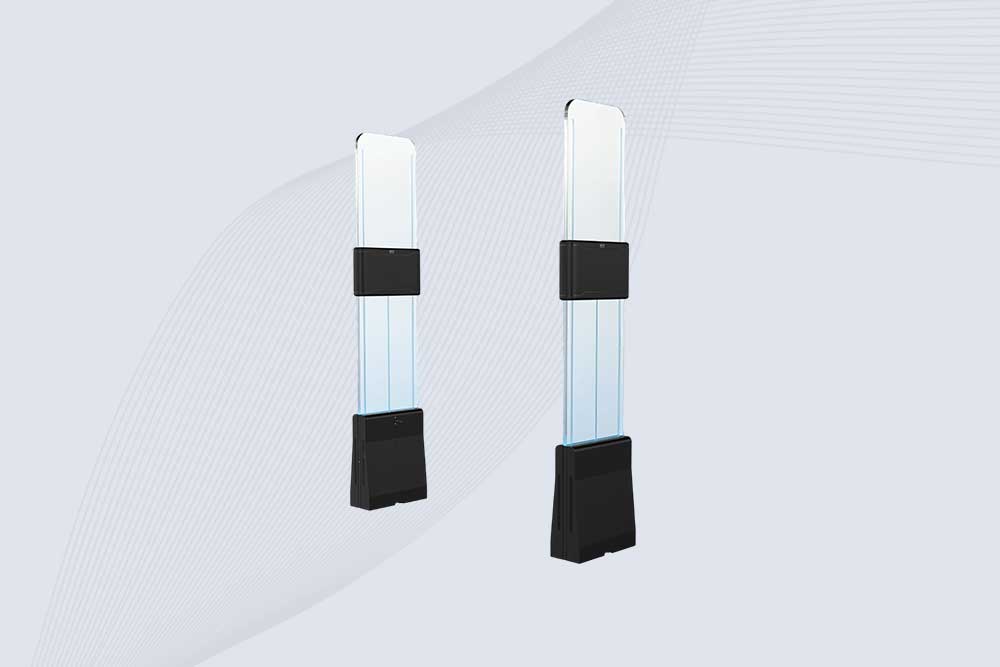
SSD-T2D UHF RFID Gate Reader with 11dBi circular antenna, Impinj E710/X3M1 chipset, up to 10m reading distance, AI tag filtering, in/out detection, and audio-visual alarms.
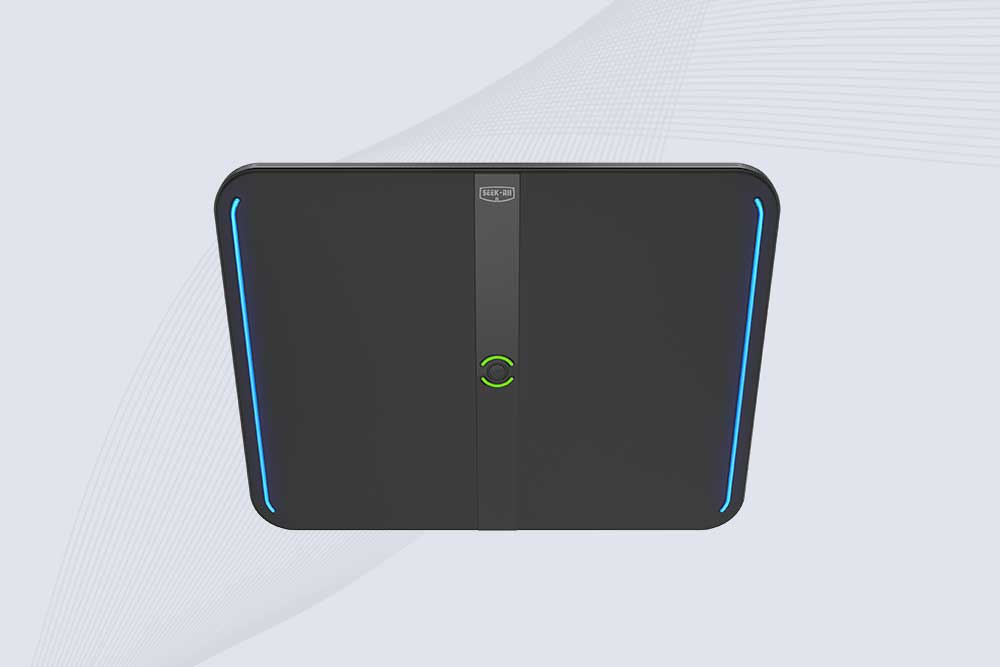
SSD-T1 ✔️ AI-Powered Tag Filtering SSD-T1 supports AI-based tag filtering with up to 6 EPC filtering sets, helping reduce unwanted tag reads and improve identification accuracy in busy retail and access-control environments. ✔️ Reliable In & Out Detection With a 7dBi antenna and a reading range of up to 2.5 meters, SSD-T1 can detect tagged i…
explore in depth the working principles, application scenarios, and advantages of RFID scanners.
More
Discover how RFID tool tracking systems improve industrial asset visibility, equipment room access control, and tool management. Learn how RFID antennas help manufacturers reduce lost tools and automate asset tracking.
More
Learn how to integrate a long range RFID reader SDK with Java, C#, Android, Linux and Windows. Explore REST API, TCP, Serial communication, development examples and logistics integration tips.
More
Compare RFID and barcode scanning technologies in warehouse, retail, logistics, and manufacturing. Discover their differences in efficiency, cost, and application suitability.
More