In a hospital, time is a living thing. It breathes urgency. Every minute matters, every small delay feels heavier than it should. What people don’t often notice is that one of the biggest slowdowns doesn’t happen inside the ER — it happens right outside, in the parking lot.
That’s where an RFID-based hospital parking system quietly changes everything. Not because it’s “smart” or “high-tech,” but because it restores order to a space that normally lives on the edge of chaos.
The Idea: A Smarter Gate, Not a Stricter One
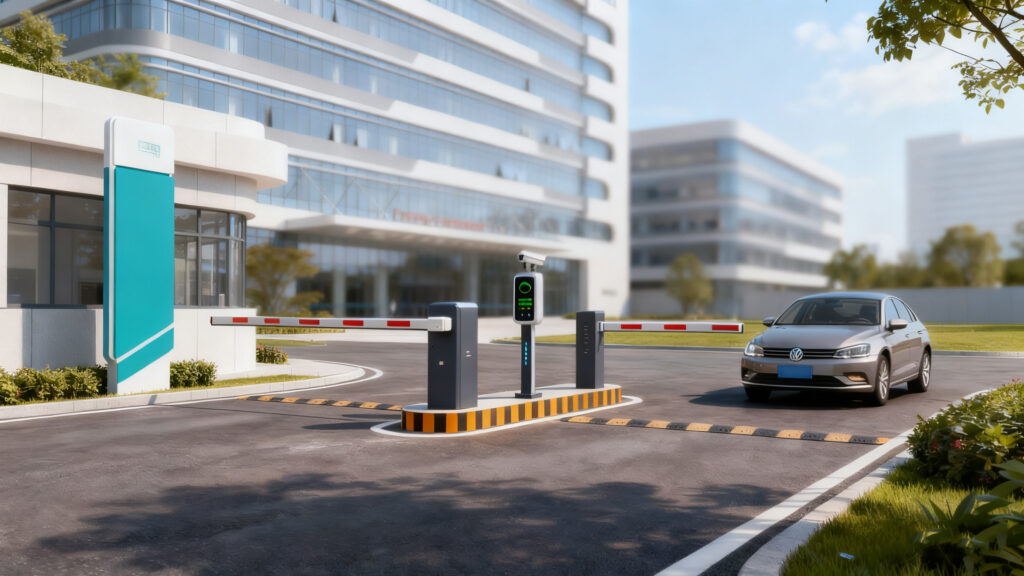
Picture this: you drive toward the hospital gate, the system already knows who you are.
Each vehicle that’s been authorized — from ambulances and staff cars to supply trucks — carries a small RFID tag. As soon as the car comes within range, the reader near the barrier picks it up, checks its identity, and opens the gate automatically. No badge waving, no paper tickets, no human guard stopping you.
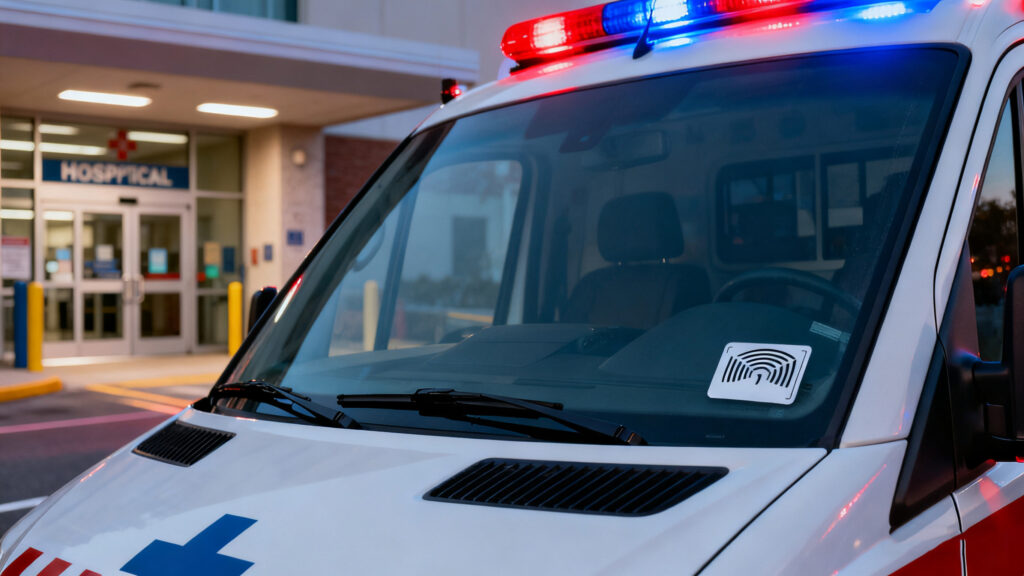
For emergency vehicles, this is a big deal. The moment an ambulance approaches, the gate opens without hesitation. What used to take 10 or 15 seconds now happens almost instantly — and in healthcare, that kind of time difference is life itself.
Why Hospitals Are Turning to RFID
Hospitals are complex little cities. You’ve got patients, doctors, delivery vans, cleaning staff, and visitors all trying to use the same roads and entrances. A manual parking system simply can’t tell who’s who fast enough. RFID systems solve this problem by automating identification and access in a way that’s both invisible and reliable.
Here’s what that means in practice:
Emergency vehicles get top priority. No more waiting behind visitors or delivery vans.
Staff and visitors are automatically separated. Different RFID tags mean different zones, and the system knows the rules.
Touchless entry for everyone. The process happens automatically — perfect for infection control and night shifts.
Full digital tracking. Every car’s movement is logged, giving the facility data it can actually use.
This isn’t just a faster system — it’s a calmer one. Everyone moves the way they should, without someone standing there directing traffic with a flashlight.
From Chaos to Coordination
Anyone who’s driven into a hospital parking lot during visiting hours knows the feeling: confusion, waiting, honking, no open spots in sight. RFID doesn’t just make the gate faster; it turns the entire flow into something measurable and manageable.
By recognizing each car in real time, the system can direct employees to staff-only zones, prevent unauthorized access, and keep emergency lanes open without human supervision. Over time, the data helps administrators redesign parking layouts and identify underused spaces.
It’s not just automation — it’s control through visibility.
The Technical Backbone — Simple Yet Powerful
A fully built hospital RFID parking system usually includes four basic components:
RFID Tags: Attached to vehicles — passive for staff and visitors, active for emergency fleets.
RFID Readers: Installed at entrances, exits, and emergency lanes.
Antennas and Controllers: To capture tag signals and send the command to open or lock gates.
Central Software: Manages permissions, records every entry and exit, and provides analytics.
The beauty lies in how these parts communicate. The reader picks up a tag, verifies it in milliseconds, and the barrier responds instantly. No one even notices the process — that’s how seamless it’s supposed to be.
Real-World Impact
Hospitals that have adopted RFID parking systems report serious improvements:
Ambulance entry time dropped from 15 seconds to under 2.
The data revealed underused parking zones that could be reassigned to delivery or staff parking.
These numbers aren’t theoretical; they’re the kind of quiet efficiency that affects both safety and patient outcomes.
Designing for Human Behavior, Not Just Vehicles
What makes RFID parking systems successful isn’t the hardware — it’s empathy. It’s built around the reality that not every driver behaves the same.
The ambulance driver doesn’t have time to stop and scan. The exhausted nurse arriving for a night shift just wants to park and get inside. The anxious visitor probably doesn’t know where to go at all.
By layering access levels into one unified system, RFID allows all of these people to move naturally — without extra thinking or waiting. It respects the human side of logistics.
The Future Is Contactless and Connected
The next phase of hospital mobility is already unfolding. RFID is merging with license plate recognition, mobile payment, and scheduling software to create something more connected than ever before.
Soon, hospital parking systems won’t just open gates — they’ll predict traffic patterns, auto-assign visitor spots, or even trigger alerts if an emergency lane is blocked. The technology fades into the background, leaving only the experience of smooth motion and saved time.
Because at the end of the day, when a gate opens before an ambulance even slows down, that’s not just smart technology — that’s humanity, quietly doing its job.
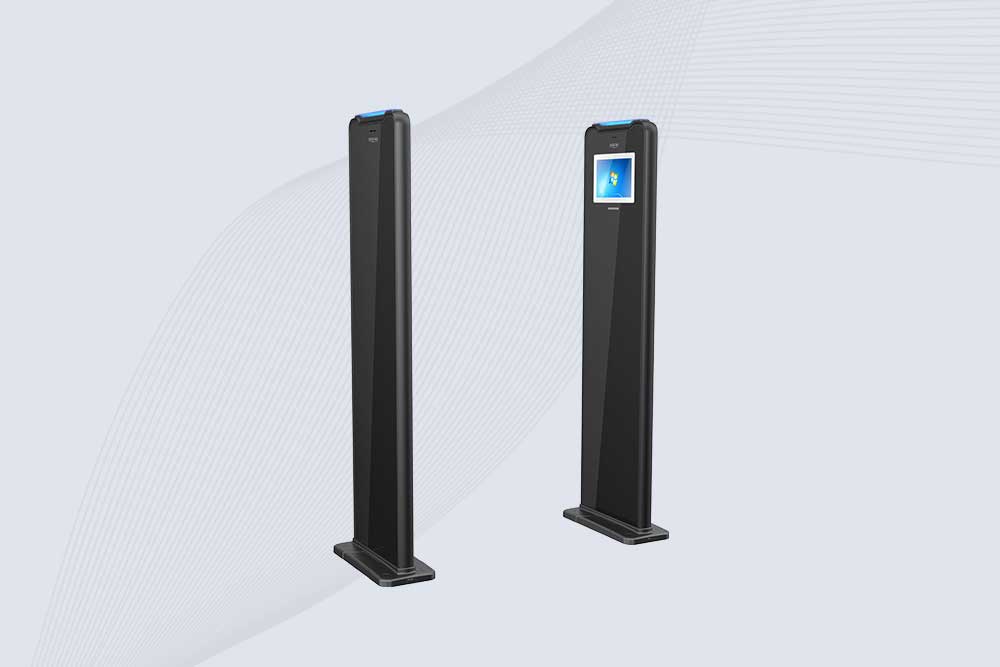
SSD-T4A-P Smart access control with real-time crowd tracking ✔️ AI Tag Filtering for Reduced Misreads SSD-T4A-P supports AI-based tag filtering and up to 6 EPC filtering sets, helping reduce unwanted reads and improve identification accuracy in busy entrances, exits, and retail environments. ✔️ Fast In & Out Detection with Visual & Audio…
SSD-T4A UHF RFID Gate Reader with 11 dBi antenna, up to 10 m reading distance, AI tag filtering, in/out detection, 300,000 data storage, and TCP/HTTP/MQTT support.
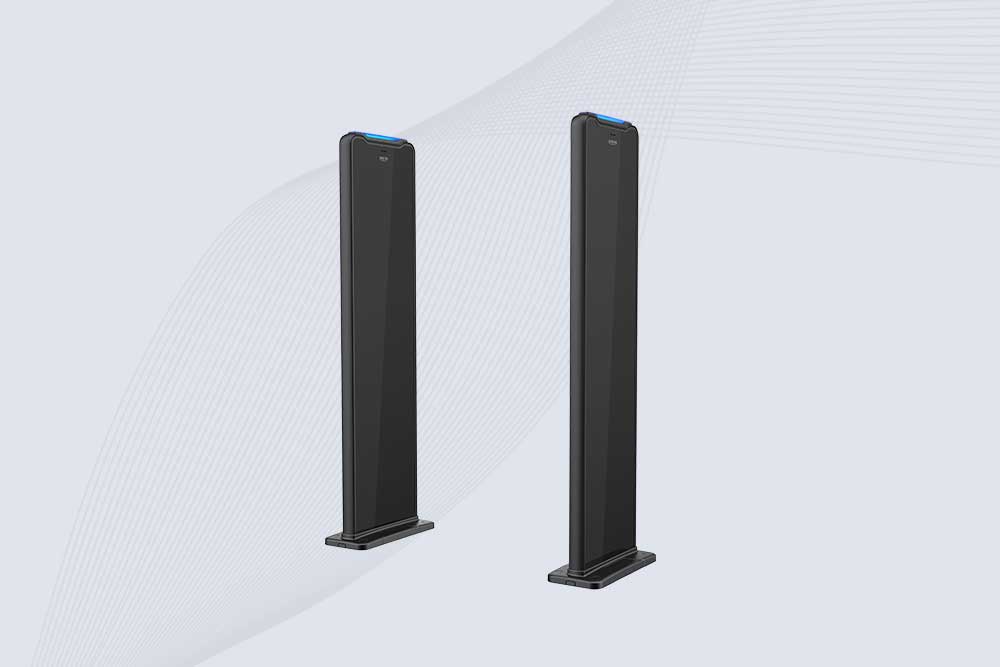
SSD-T2D UHF RFID Gate Reader with 11dBi circular antenna, Impinj E710/X3M1 chipset, up to 10m reading distance, AI tag filtering, in/out detection, and audio-visual alarms.
SSD-T1 ✔️ AI-Powered Tag Filtering SSD-T1 supports AI-based tag filtering with up to 6 EPC filtering sets, helping reduce unwanted tag reads and improve identification accuracy in busy retail and access-control environments. ✔️ Reliable In & Out Detection With a 7dBi antenna and a reading range of up to 2.5 meters, SSD-T1 can detect tagged i…
If you’ve ever tried replacing an RFID card or matching it with a new reader, you’ve probably run into the same problem most people do: you don’t actually know what frequency the card uses. At first glance, RFID cards all look almost identical. Bu...
Explore groundbreaking RFID applications beyond logistics, including interactive art, wildlife tracking, and smart agriculture. Discover how Cykeo pioneers creative RFID solutions.
how important is rfid blocking? Learn when RFID blocking matters, real security risks, expert insights, and whether RFID protection is necessary in modern systems.
 Cykeo RFID IoT Solution Products R&D Manufacturer