 Cykeo RFID IoT Solution Products R&D Manufacturer
What is Rfid tool tracker tag
70Tool tracker tag solutions help businesses track tools, reduce losses, improve accountability, and streamline inventory management using RFID technology.
MoreAll RFID Product
RFID blocking is moderately important for personal security in specific scenarios, but not essential for most industrial or controlled RFID systems due to encryption and limited read range.
That’s the honest answer. Not the marketing version. After deploying RFID systems across retail, logistics, and access control, I’ve rarely seen real-world attacks—but I’ve seen plenty of unnecessary fear.
Let’s separate perception from reality.
RFID blocking is primarily designed to prevent unauthorized scanning of contactless cards—think passports, credit cards, or ID badges.
According to NIST, RFID skimming is technically possible but requires close proximity and specialized equipment, limiting its practicality.
In other words: the risk exists—but it’s not widespread.
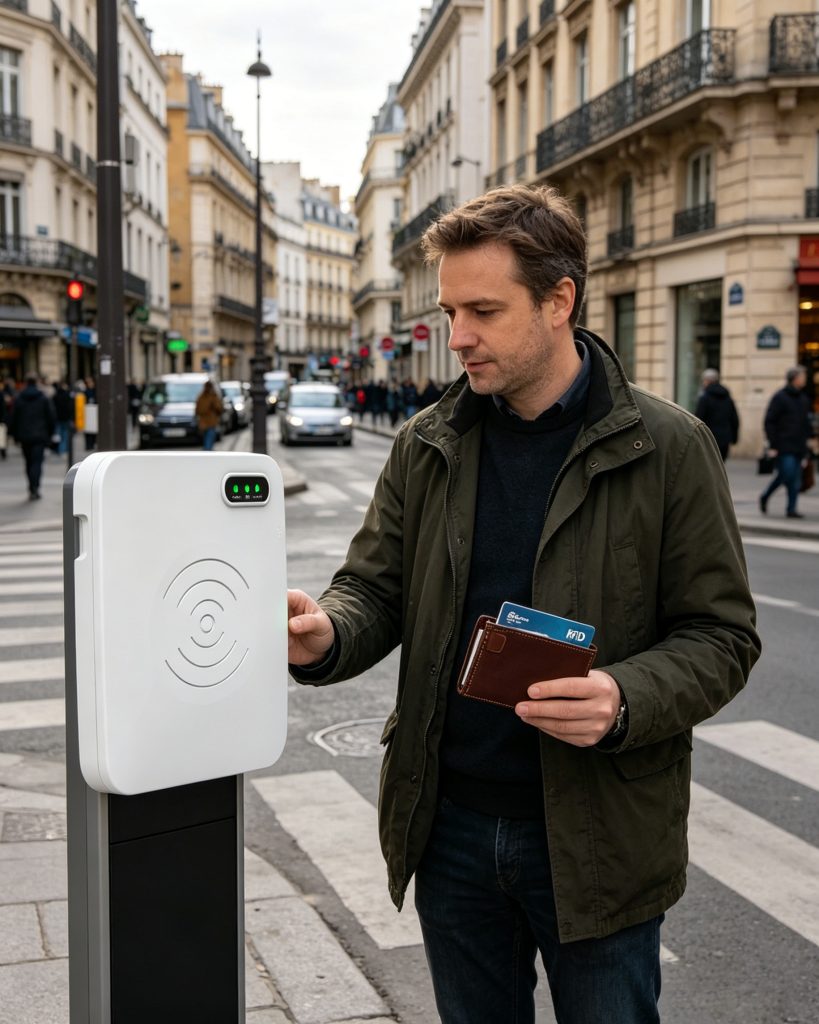
Let’s quantify the concern.
Research from European Union Agency for Cybersecurity highlights that most modern RFID payment systems use secure cryptographic protocols, significantly reducing exploitable risk.
From field observation: I’ve tested unauthorized reads in crowded retail setups—success rate was inconsistent and required positioning that would be obvious in real life.
RFID blocking makes sense when:
Blocking in these contexts can actually disrupt normal operations.
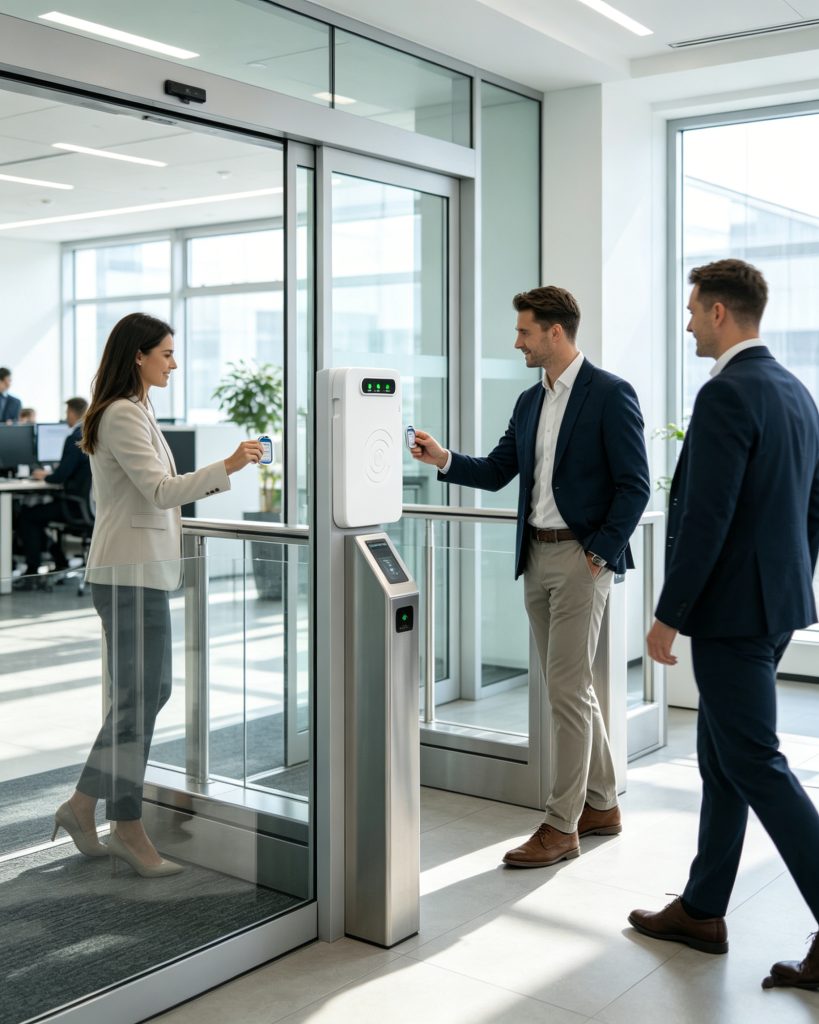
It’s possible—but not common. Most fraud happens digitally, not via RFID skimming.
It reduces one vector, but doesn’t address broader cybersecurity risks.
Incorrect. Industrial RFID relies on open readability—blocking would break the system.
In over a decade working with RFID systems:
What stands out is this: RFID systems are far more limited by physics than people assume. Distance, angle, and interference all work against unauthorized access.
| Scenario | RFID Blocking Importance |
|---|
| Contactless credit cards | Medium |
| Passports / ID cards | Medium–High |
| Warehouse RFID tracking | Not needed |
| Industrial automation | Not needed |
| Access control systems | Low |
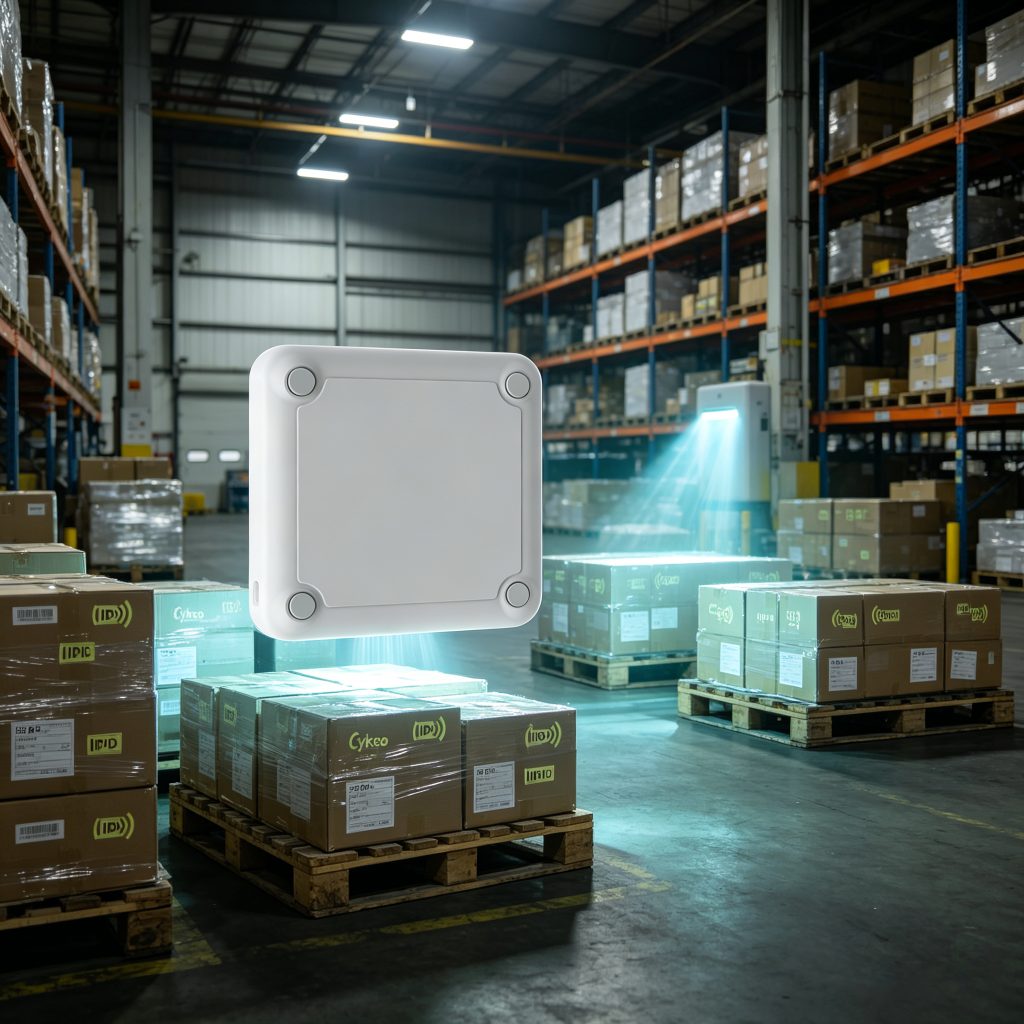
Yes, it uses shielding materials to prevent RF signals from reaching the card.
It’s technically possible but requires close proximity and specialized equipment.
If you frequently use contactless cards in crowded areas, it’s a reasonable precaution.
Tool tracker tag solutions help businesses track tools, reduce losses, improve accountability, and streamline inventory management using RFID technology.
More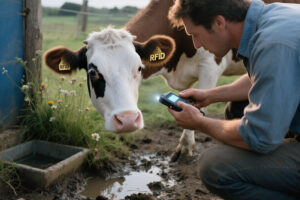
How is RFID technology used in agriculture? Discover real-world applications for livestock, equipment, and crop management with cost analysis.
More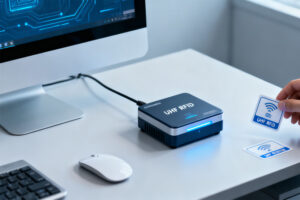
How UHF RFID reader desktop setup helps streamline tag encoding, product verification, and short-range inventory tasks. Learn real-world setup tips, performance limits, and integration advice.
More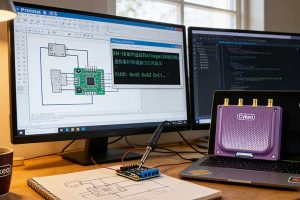
Struggling with how to add RFID module in Proteus? Follow our practical guide to find, install, and simulate common RFID readers like EM-18 in your schematic design.
More