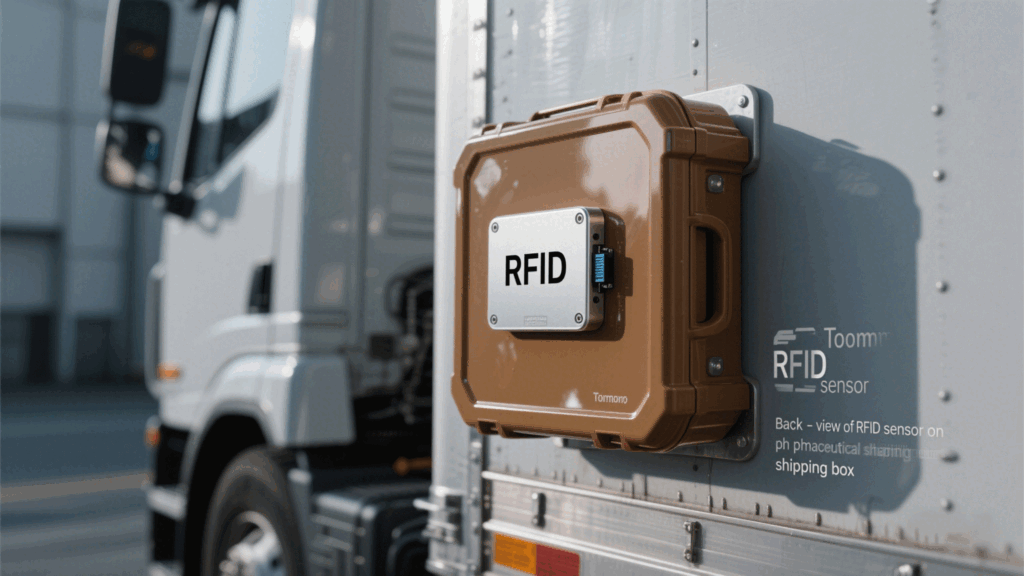
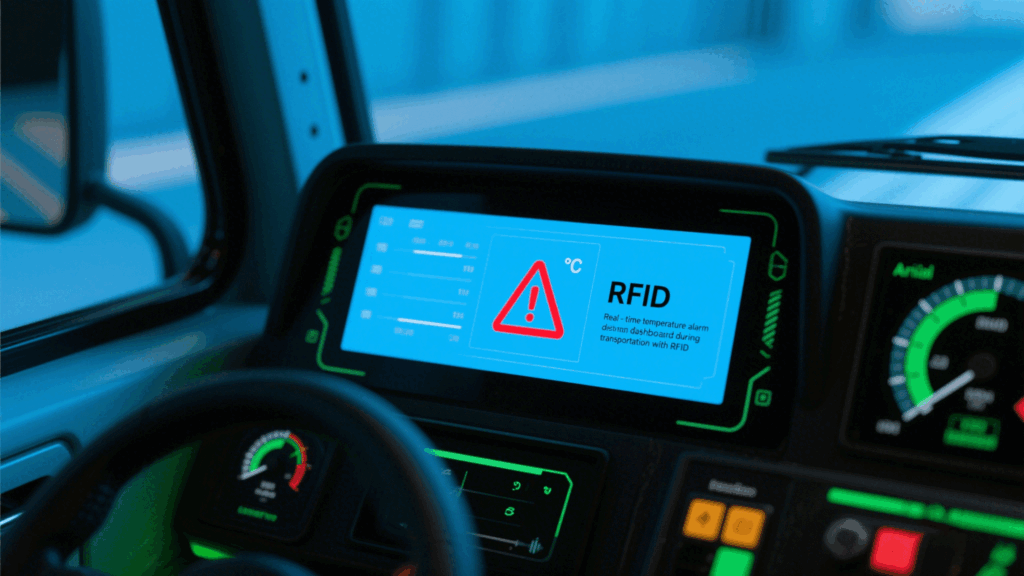
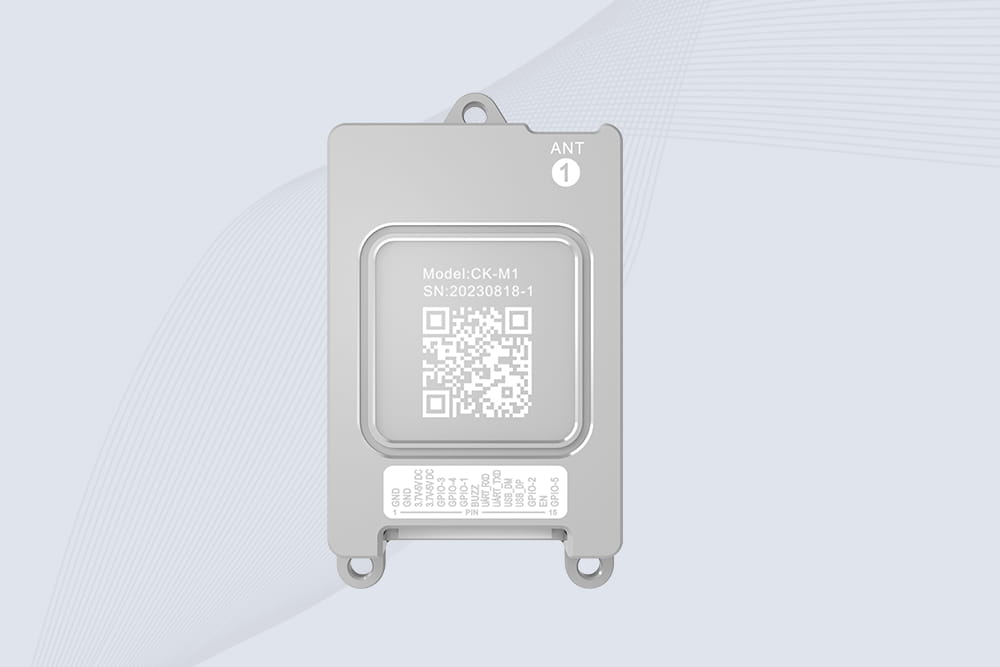
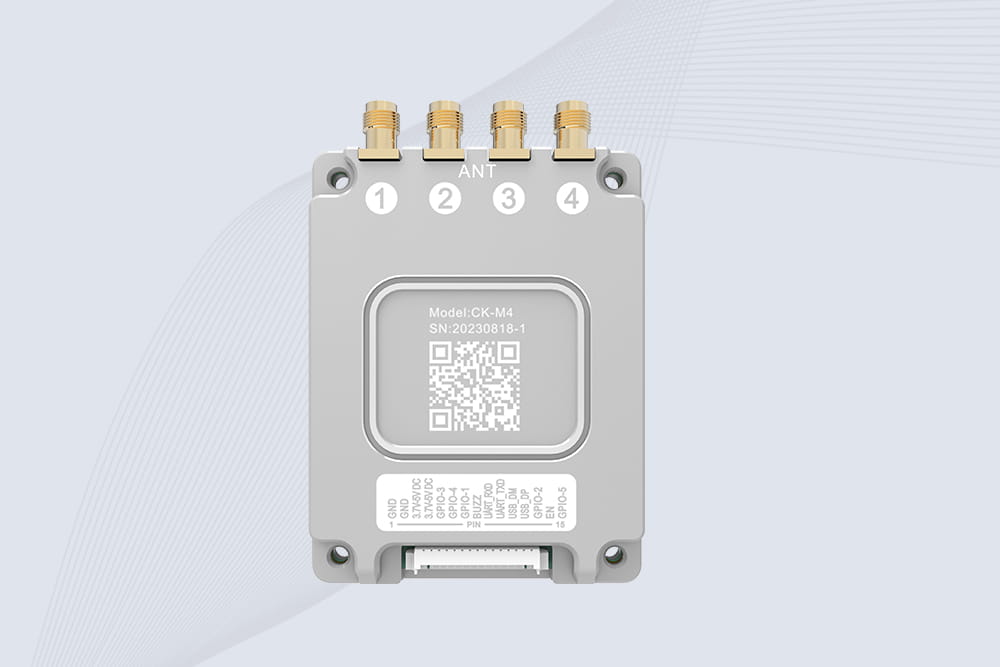
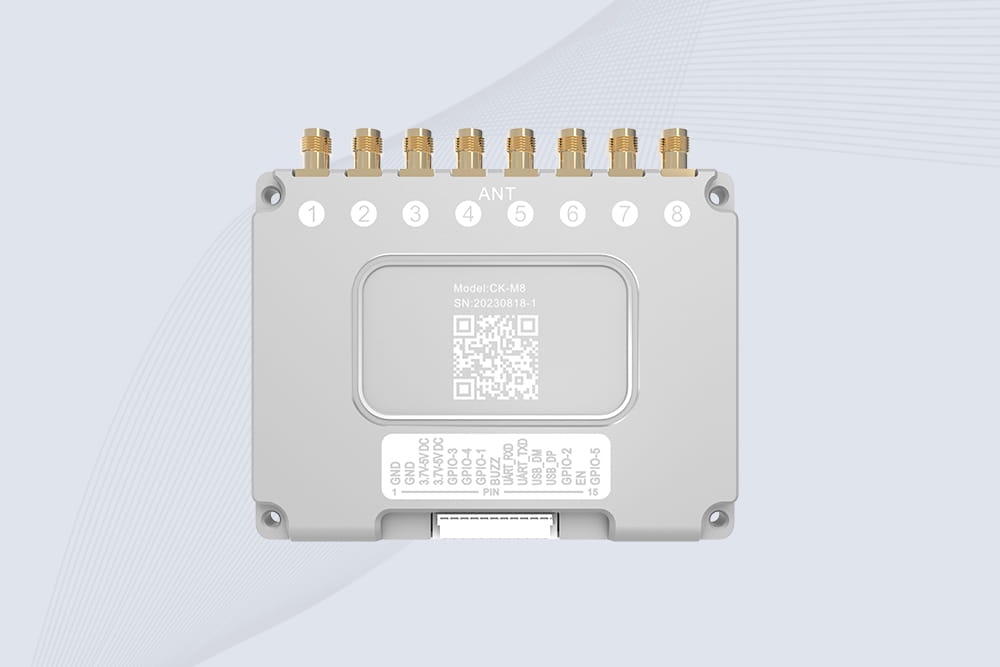
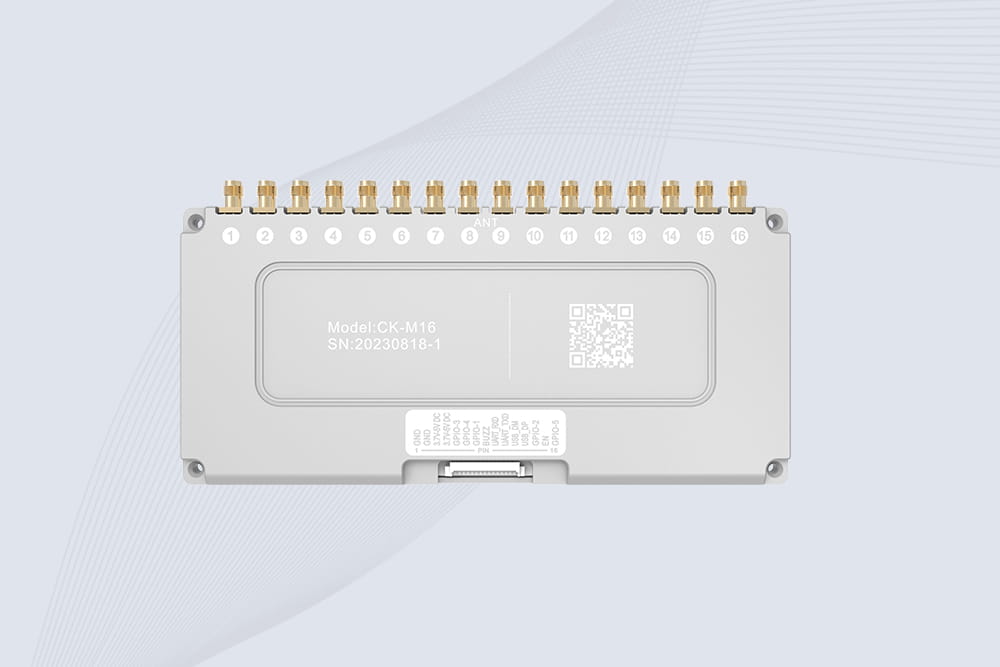
Imagine a shipment of COVID vaccines arriving at a clinic, only to find out they’ve been exposed to subzero temperatures—ruining $500,000 worth of doses. Or a gourmet seafood delivery reaching a restaurant spoiled because a cooler malfunctioned. Cold chain failures aren’t just costly; they’re life-threatening. RFID sensor modules fix this by delivering real-time temperature, humidity, and location data—ensuring your sensitive shipments stay safe from factory to fridge.
1. Why Cold Chain Monitoring Can’t Rely on Manual Checks
Human Error: Logging temps every 4 hours? Missed checks = blind spots.
Lag Time: By the time you spot a freezer failure, goods are already ruined.
Regulatory Risks: FDA, WHO, and EU mandates require precise, auditable records.
RFID sensors automate monitoring, slashing risks and paperwork.
2. How RFID Sensor Modules Work in the Cold Chain
a. The Tech Breakdown
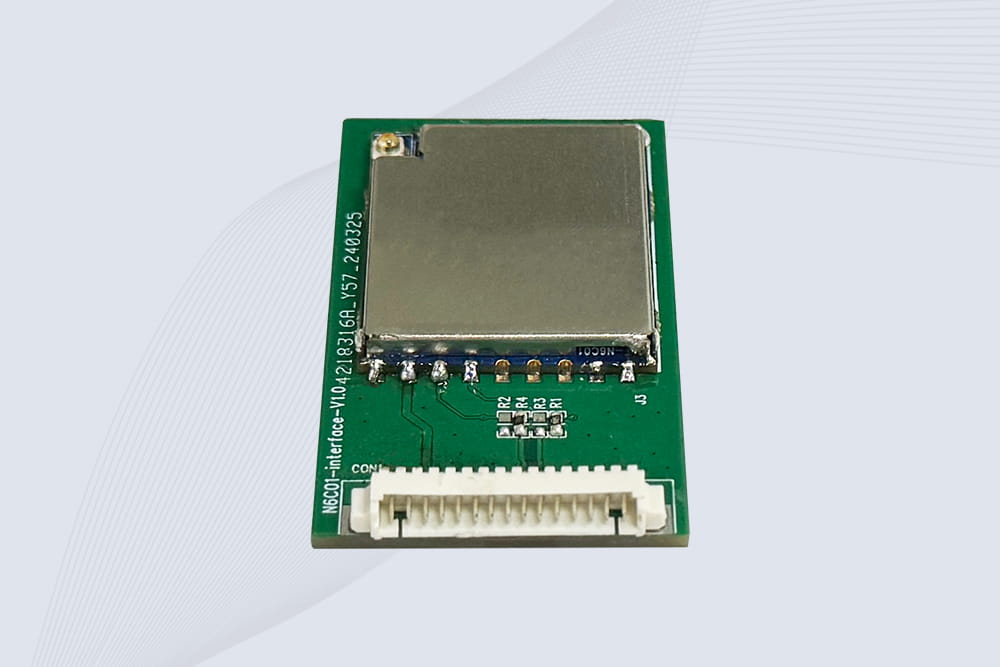
Smart Tags: RFID tags with embedded sensors (temperature, humidity, shock).
Readers: Handheld or fixed readers collect data at checkpoints.
Cloud Software: Analyzes trends and sends SMS/email alerts for breaches.
b. Real-World Workflow
Tag vaccines at the factory.
Readers at warehouses, trucks, and clinics scan RFID tags automatically.
Managers view dashboards to confirm temps stayed between 2–8°C.
Case Study: Cykeo’s frost-resistant tags helped a biotech firm cut vaccine spoilage by 92% across 15 countries.
3. Top Benefits Beyond Temperature Tracking
Location Tracking: GPS-enabled tags pinpoint shipments in transit.
Tamper Evidence: Alerts if a package is opened prematurely.
Compliance Reports: Auto-generate audit trails for FDA/WHO inspections.
4. Beating Cold Chain Challenges with RFID
a. Extreme Temperatures
Problem: Standard tags fail in -30°C freezers or 40°C trucks.
Fix: Use ruggedized tags with silicone casing and cold-rated batteries (like Cykeo’s Polar series).
b. Connectivity Dead Zones
Problem: No signal in remote areas or during flights.
Fix: Tags store 30+ days of data, syncing once they reconnect.
c. Cost Concerns
Problem: Replacing spoiled goods costs 10x more than RFID tags.
Fix: Start with high-value items (vaccines, biologics) and scale.
5. Best Practices for Flawless Monitoring
Tag Placement: Attach sensors to individual items, not just pallets.
Pre-Chill Tags: Acclimate tags to cold temps before applying.
Regular Calibration: Test sensors quarterly against certified thermometers.
Pro Tip: Pair RFID with blockchain for tamper-proof records—ideal for regulated industries.
6. Future Trends: Smarter, Smaller, Cheaper
AI Predictions: Algorithms forecast freezer failures before they happen.
Miniaturization: Grain-sized sensors for vials and syringes.
Battery-Free Tags: Harvest energy from ambient radio waves.
Takeaway: RFID sensor modules are the silent guardians of the cold chain. They catch risks in real-time, protect your bottom line, and keep compliance teams smiling. Whether you’re shipping salmon or mRNA vaccines, investing in Cykeo-grade tech today means fewer nightmares tomorrow.
Cykeo hosted UAE industry leaders to demonstrate RFID solutions for supply chain optimization, smart retail, and sustainable cities. Explore how our partnership drives operational efficiency.
Can an RFID chip be read through away? We decode what this question really means—read range vs. material penetration—and give you straight answers from real-world deployments.
rfid automation manufacturing improves production visibility, cuts manual errors, and boosts traceability with real-time RFID automation systems from Cykeo.
Looking for a portable scanner for RFID projects? Learn how RFID solution providers choose portable scanners based on battery life, scanning distance, integration, durability, and application requirements.
 Cykeo RFID IoT Solution Products R&D Manufacturer