 Cykeo RFID IoT Solution Products R&D Manufacturer

Can RFID Readers Track Items in Real-Time? Accuracy Unveiled
1033Can RFID readers track items in real-time? Discover the technology behind RFID accuracy, latency limits, and how Cykeo optimizes tracking for critical industries.
MoreAll RFID Product
When companies start an RFID deployment, many people focus on RFID tags and readers first. However, in mobile applications, the portable scanner often becomes the device that directly affects daily operation efficiency.
Unlike fixed RFID readers installed in warehouses or production lines, a portable scanner gives operators the flexibility to move around, collect data in different areas, and perform inventory checks without installing additional infrastructure.
For RFID solution providers, choosing the right portable scanner is not only about reading distance or scanning speed. Battery performance, communication methods, software integration, and working environment all determine whether the final RFID solution can run smoothly.
A portable scanner is a mobile RFID reading device designed to capture tag information while being carried by an operator.
In an RFID solution, a typical workflow includes:
RFID tag → Portable scanner → Application software → Database / ERP system
Compared with traditional barcode devices, RFID portable scanners can identify multiple tagged items at the same time without direct line-of-sight scanning.
This makes them suitable for:
For example, warehouse workers can walk through aisles and quickly collect hundreds of tag IDs instead of manually scanning each item one by one.
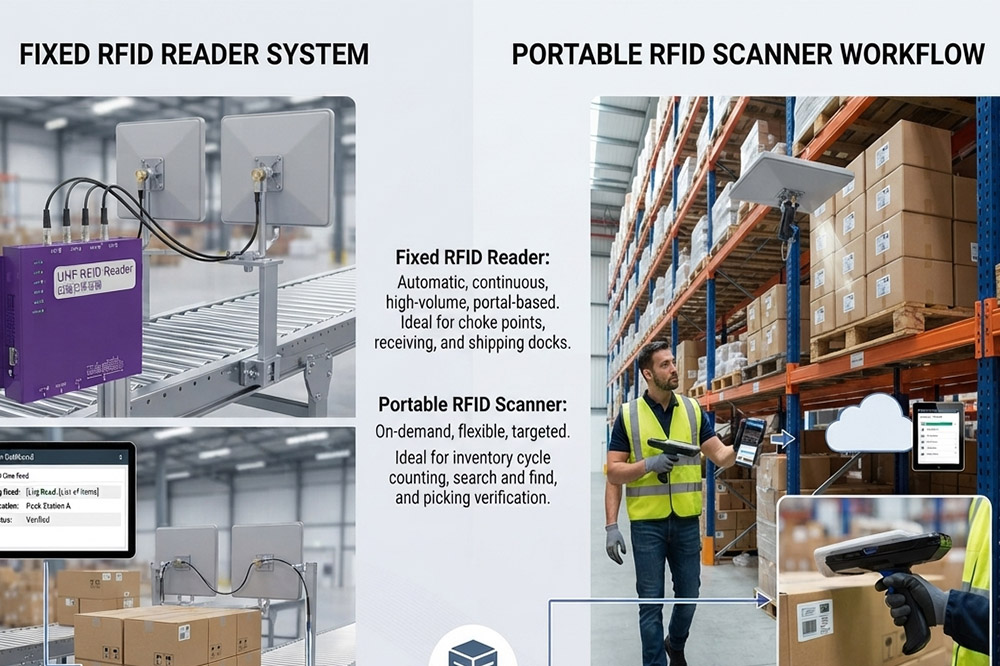
For mobile RFID projects, battery life is one of the most important selection factors.
A portable scanner is usually used continuously for several hours. If the battery cannot support a full working shift, operators need frequent charging or battery replacement, which affects productivity.
When evaluating battery performance, RFID solution providers should consider:
The actual working time depends on:
Industrial RFID handheld devices are usually designed for long working hours. Some models support around 12 hours of continuous operation depending on configuration and usage conditions.
For warehouses, factories, and logistics centers operating multiple shifts, replaceable batteries can reduce downtime.
A technician can replace a battery within seconds instead of stopping the device for charging.
This is especially important for:
A portable scanner must match the application environment.
Different projects require different reading distances.
For example:
Suitable for:
A compact RFID scanner with lower power consumption may be enough.
Suitable for:
A stronger UHF RFID portable scanner is preferred.
Some industrial handheld RFID scanners can achieve long reading ranges and high-speed tag collection, depending on antenna design and environmental conditions.
However, solution providers should avoid choosing the longest range device blindly.
A longer range is not always better.
In some applications, excessive reading distance can create unwanted tag reads from nearby areas.
The right portable scanner should provide:
For RFID solution providers, hardware is only one part of the project.
A portable scanner must communicate with customer systems, including:
Before selecting a device, check:
Common options include:
A good RFID portable scanner should provide:
This allows integrators to develop customized workflows instead of relying only on standard applications.
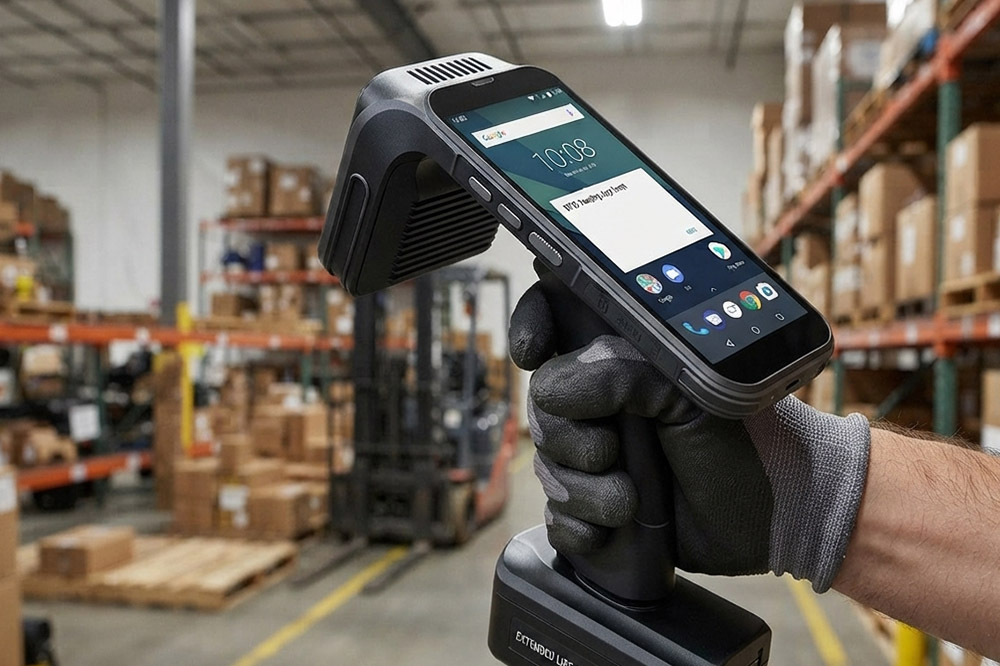
Many portable scanners are used in challenging environments.
A warehouse or factory device may experience:
Therefore, industrial RFID projects usually require:
Protection against:
For industrial applications, dustproof and water-resistant designs improve reliability.
For example, rugged handheld RFID terminals are commonly designed with IP65/IP67 protection levels for warehouse and manufacturing environments.
The choice depends on the project workflow.
| Requirement | Portable Scanner | Fixed RFID Reader |
|---|---|---|
| Mobile inventory | ✓ Best choice | Limited |
| Warehouse stock checking | ✓ | ✓ |
| Automatic gate detection | Limited | ✓ |
| Manual asset searching | ✓ | Limited |
| Real-time monitoring | Medium | Excellent |
| Flexible deployment | Excellent | Requires installation |
Many large RFID projects actually combine both solutions:
This hybrid approach gives companies better coverage and operational flexibility.
Workers can scan shelves, pallets, and storage locations quickly.
Benefits include:
Manufacturing companies use portable RFID scanners to locate and verify tools.
Operators can quickly check whether:
Retail stores use portable RFID scanners for:
Employees can complete inventory tasks much faster compared with barcode scanning.
Before recommending a portable scanner to customers, system integrators should evaluate:
Is it used indoors, outdoors, cold storage, or production areas?
Does the customer need:
Will the device work:
Does the customer need:
Can the scanner support:
A portable scanner is more than a mobile RFID reader. It is the operational interface between RFID technology and employees.
For RFID solution providers, selecting the correct device requires balancing:
A well-designed portable RFID solution can help customers improve inventory accuracy, reduce labor costs, and build a more efficient asset management system.
When planning an RFID project, choosing the right portable scanner at the beginning can significantly improve long-term system performance.
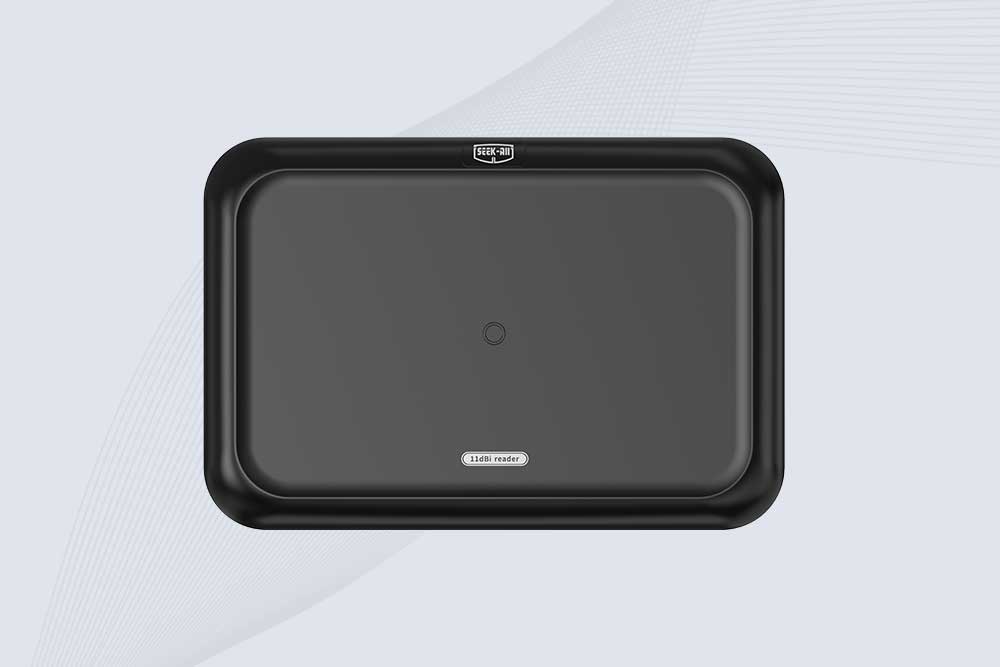
SSD-RA11L is an 11 dBi UHF RFID reader with up to 15m reading distance, 600+ tags/s speed, integrated antenna and flexible connectivity.
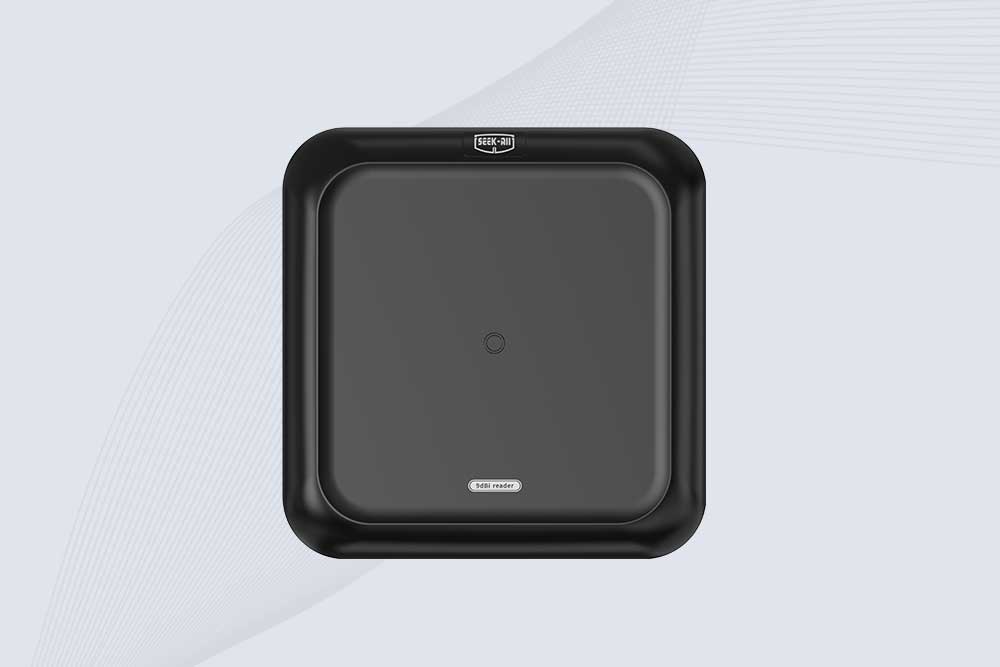
SSD-RA09L is a long range UHF RFID reader with a built-in 9 dBi antenna, 10m reading range, 600+ tags/s speed and flexible interfaces.
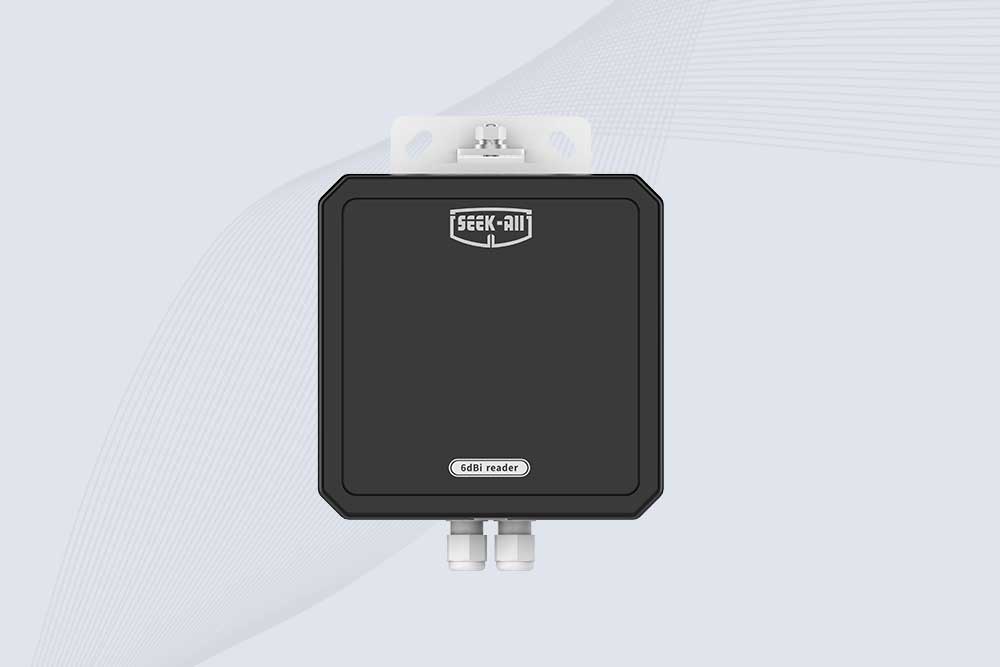
SSD-RA06L is an industrial UHF RFID reader with a built-in 6 dBi antenna, 3 m read range, 600+ tags/s, Ethernet, RS232, and optional Wi-Fi, 4G, and PoE.
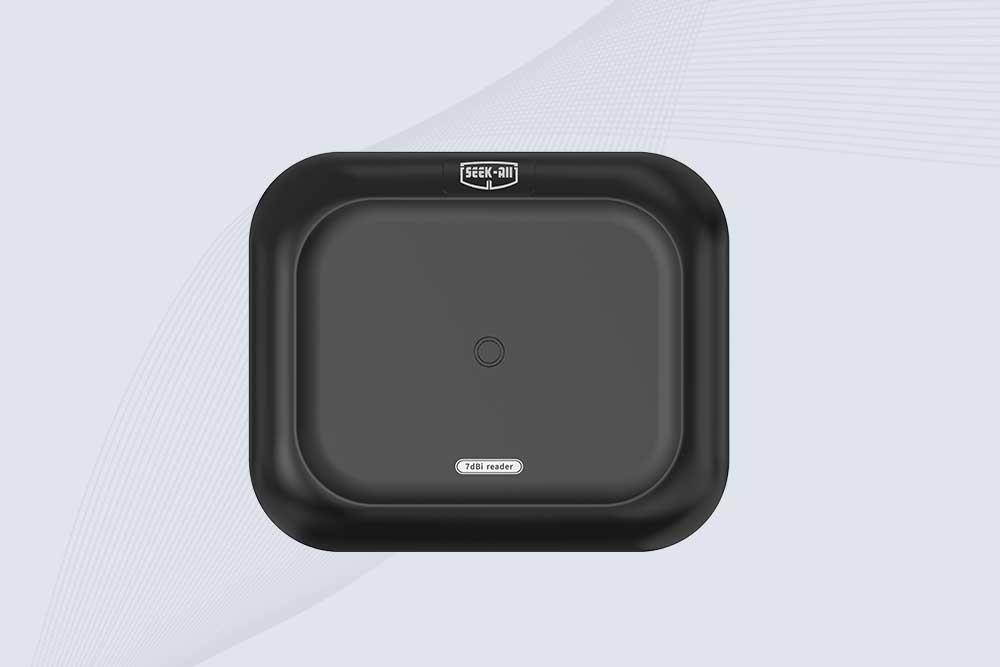
SSD-RA07L industrial UHF RFID reader with integrated 7 dBi antenna, up to 6 m reading distance, over 600 tags/s, Ethernet, RS232, and optional Wi-Fi, 4G, and PoE.
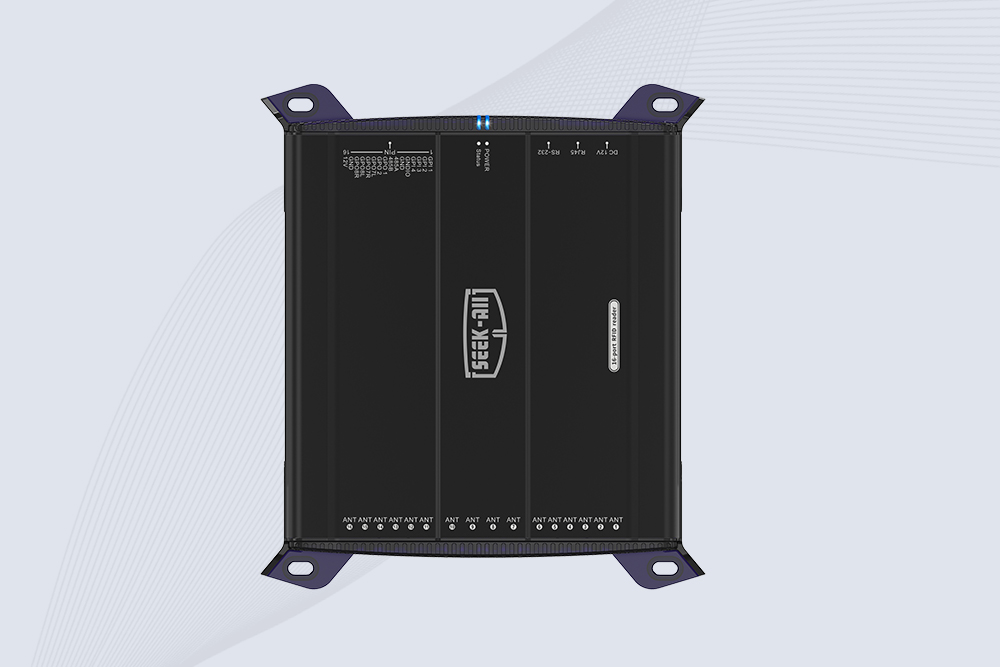
SSD-R16L Multi-Channel RFID Infrastructure for Automated Inventory Management ✔️ 16-Port High-Density RFID Reading Equipped with 16 SMA antenna ports, SSD-R16L supports multi-antenna deployment for warehouses, retail stores, logistics, production lines, and large-area RFID identification. ✔️ High-Speed & Long-Range Performance With up to 33…
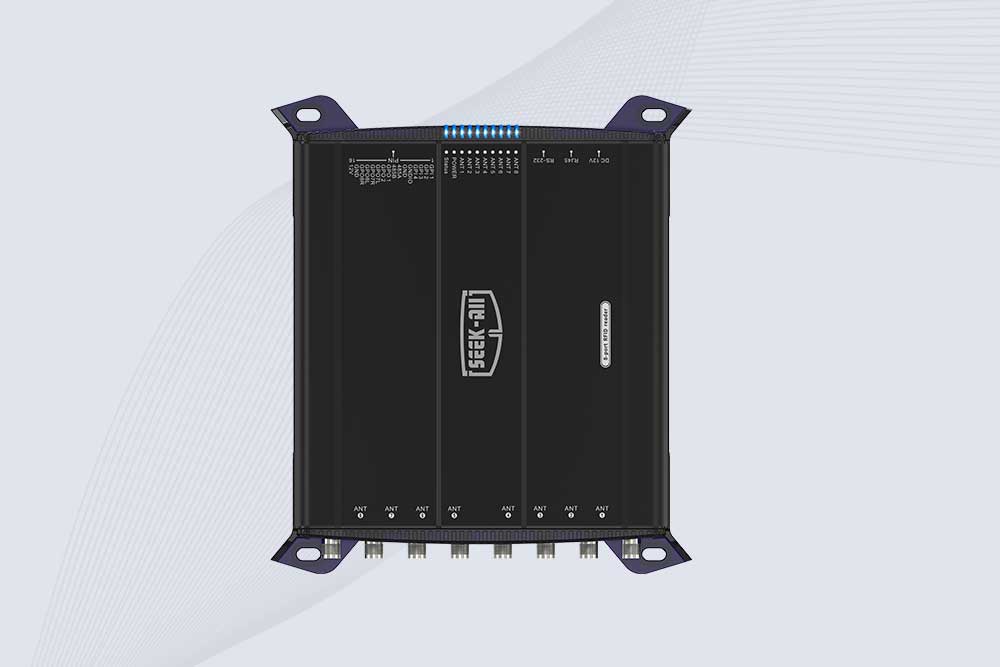
SSD-R8L 8-port UHF RFID reader with 33dBm output, up to 20m reading range and 600+ tags/s recognition. Ideal for warehouse, logistics, retail and asset tracking.
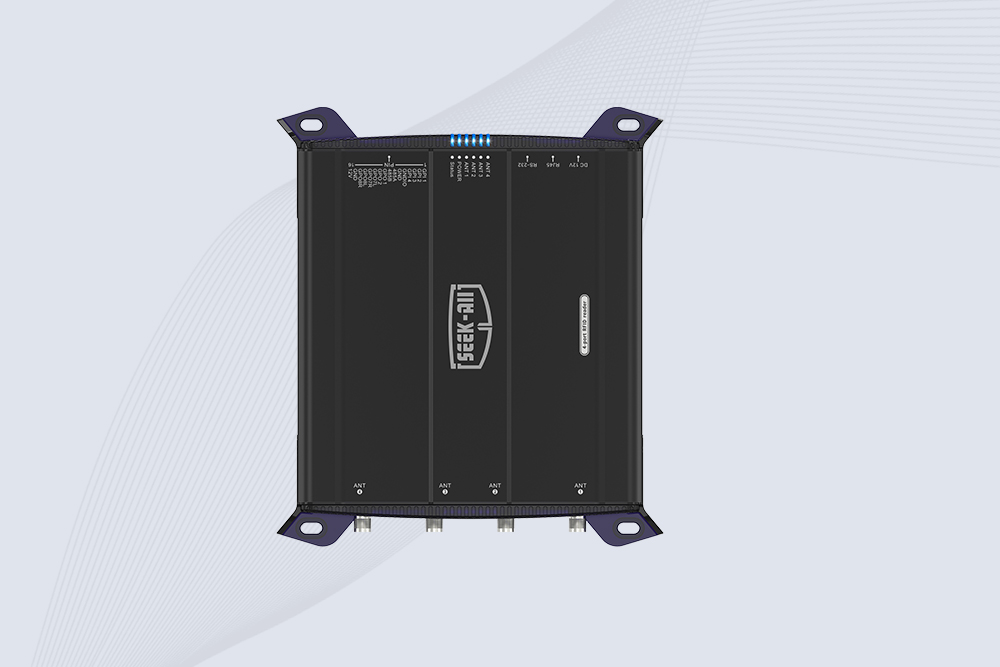
SSD-R4L is a 4-port UHF RFID fixed reader with 33dBm output power, up to 20m reading range, EPC C1G2 support and 600+ tags/s reading speed.
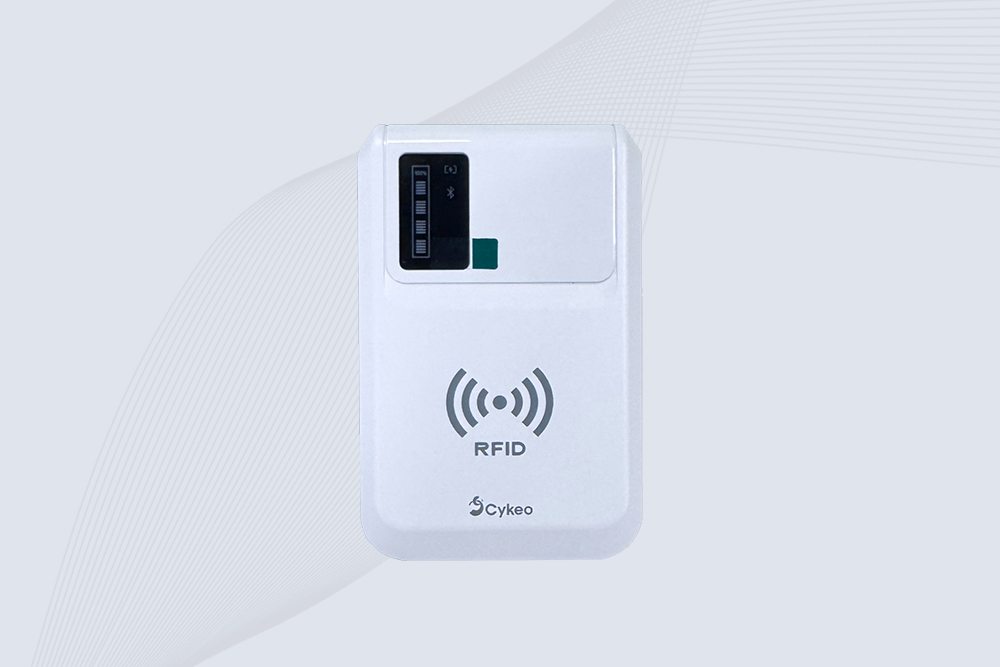
Cykeo CYKEO-B5L portable iPhone RFID reader features 8m range, 500 tags/sec scanning, and built-in 10000mAh charger. Perfect for retail/warehouse teams needing iOS integration.
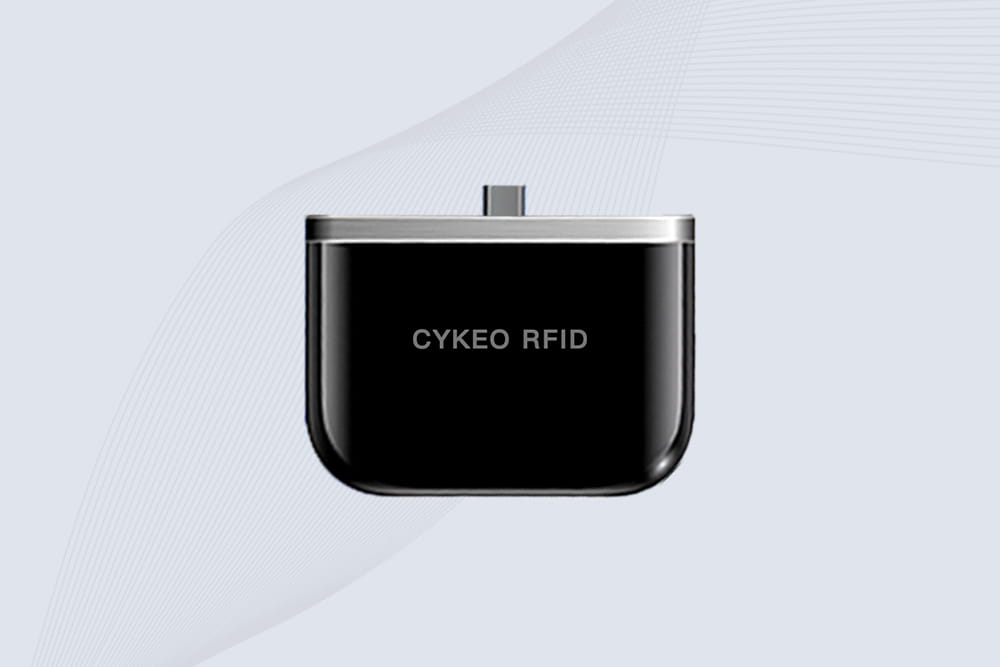
Cykeo CYKEO-B4L Android RFID reader features 37g magnetic phone attachment, 30cm UHF scanning, and Java/C# SDK for mobile asset tracking. Ideal for anti-counterfeit and warehouse verification.
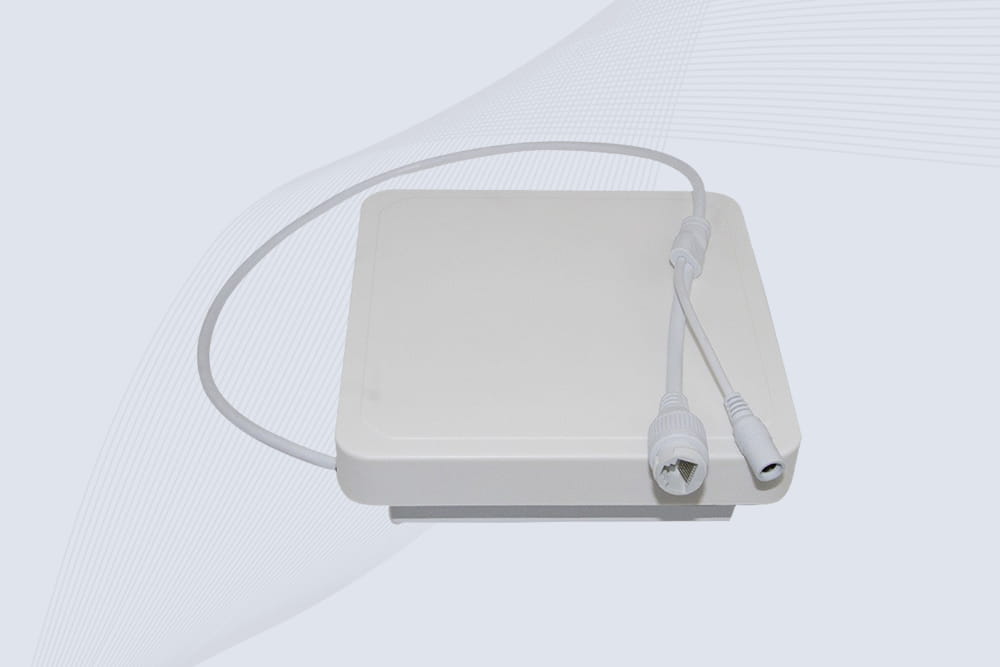
Cykeo’s industrial long range RFID reader delivers 20-meter scanning, 500+ tags/sec speed, and IP67 waterproof design for automated warehouses, logistics, and harsh environment applications.
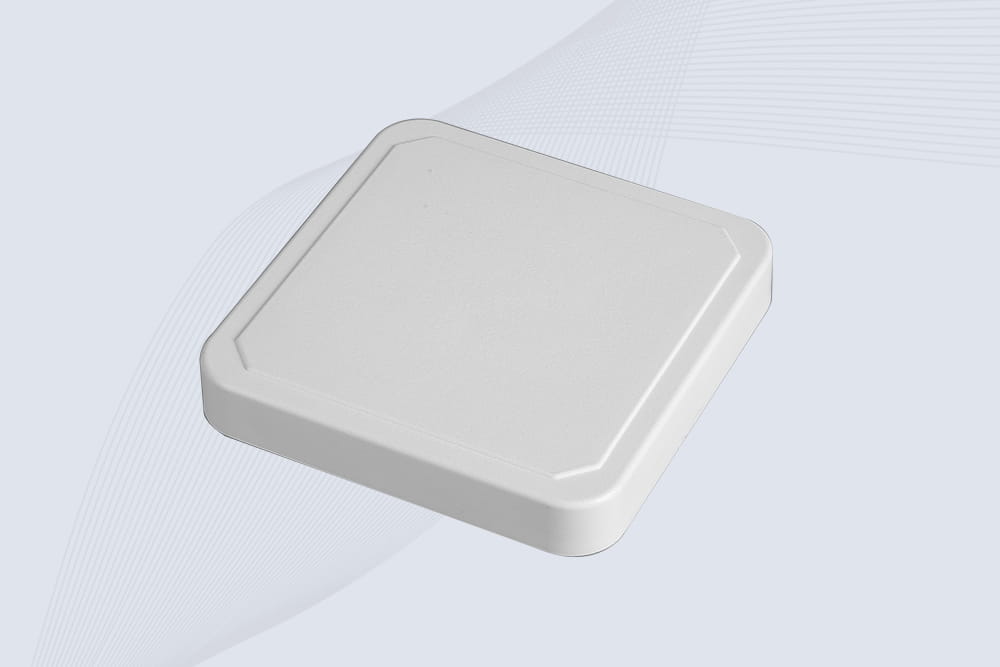
Cykeo’s CYKEO-RA6L industrial RFID long range reader features 20m read distance, 500 tags/sec speed, and IP67 protection. Ideal for warehouse automation, manufacturing WIP tracking, and smart logistics. Supports ISO 18000-6C/6B protocols.
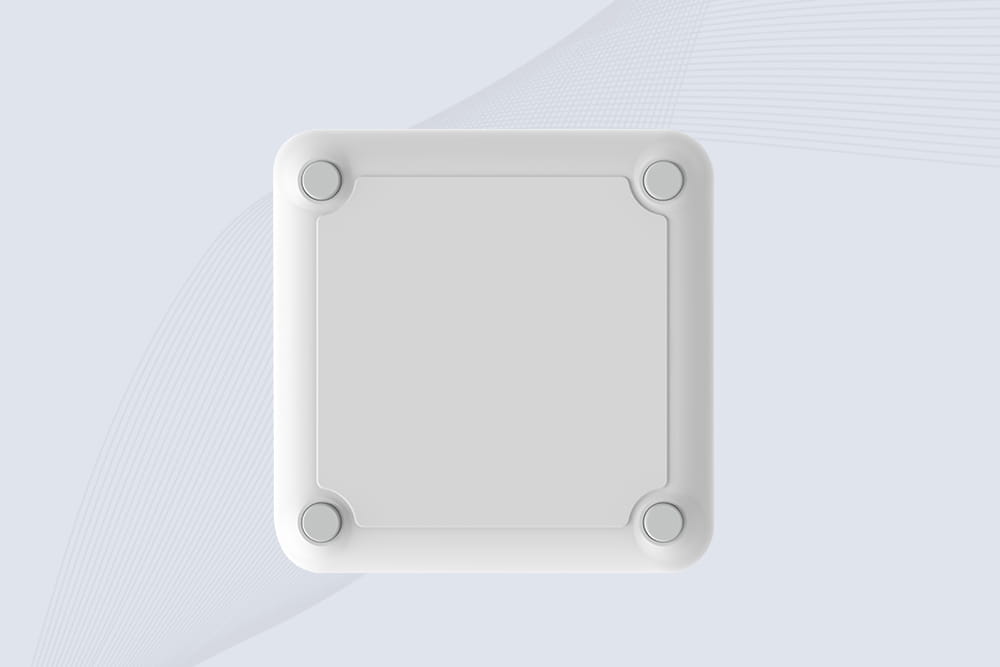
CYKEO Long Range RFID Tag Reader built for outdoor and industrial operations. This Outdoor RFID Reader delivers 20m read distance, fast tag processing, and IP67 durability for wide-area tracking.
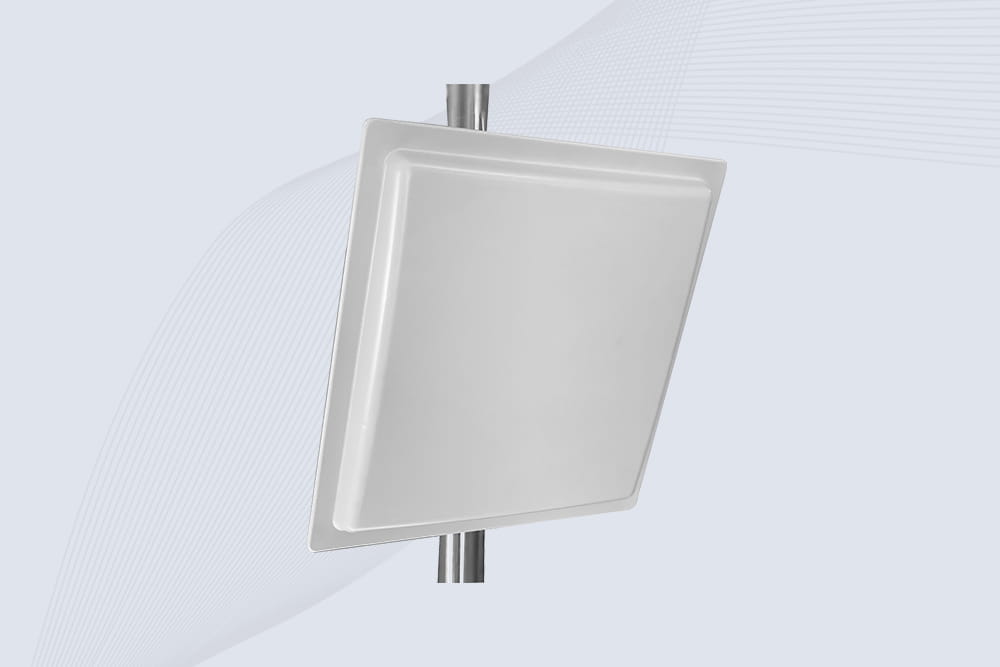
Cykeo CYKEO-RA12L industrial Long Range RFID Reader delivers 20m read range, 200+ tags/sec scanning, and IP67 protection for manufacturing/logistics applications. Supports ISO 18000-6C/GB protocols.
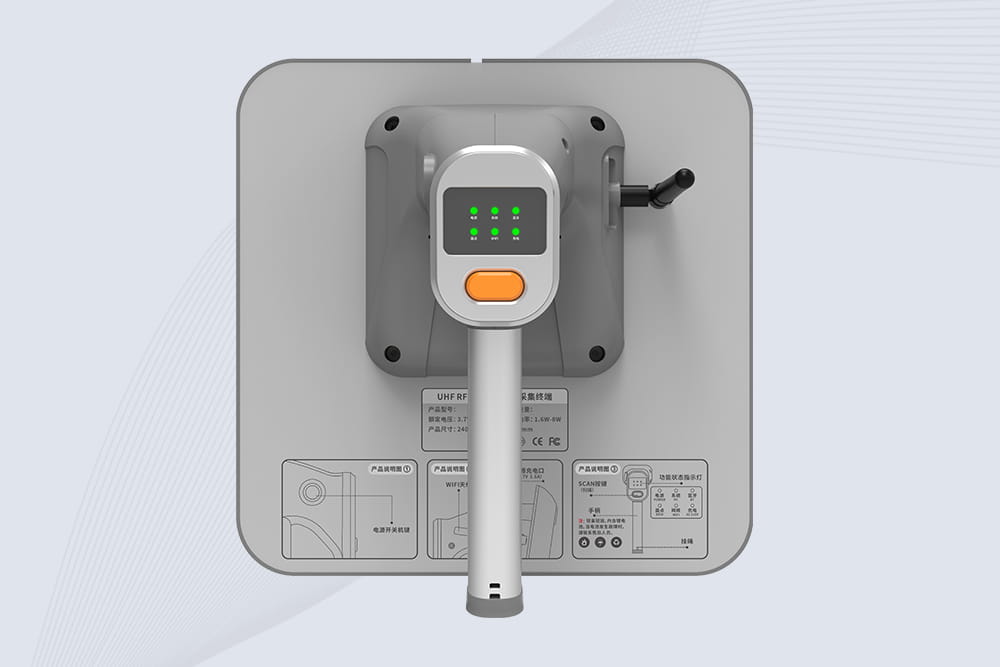
Cykeo CYKEO-B9 UHF Bluetooth handheld RFID scanner features 12m UHF range, 200+ tags/sec scanning, IP67 rugged design for retail/warehouse/pharma. Supports Android SDK & real-time Bluetooth 5.0 transmission.
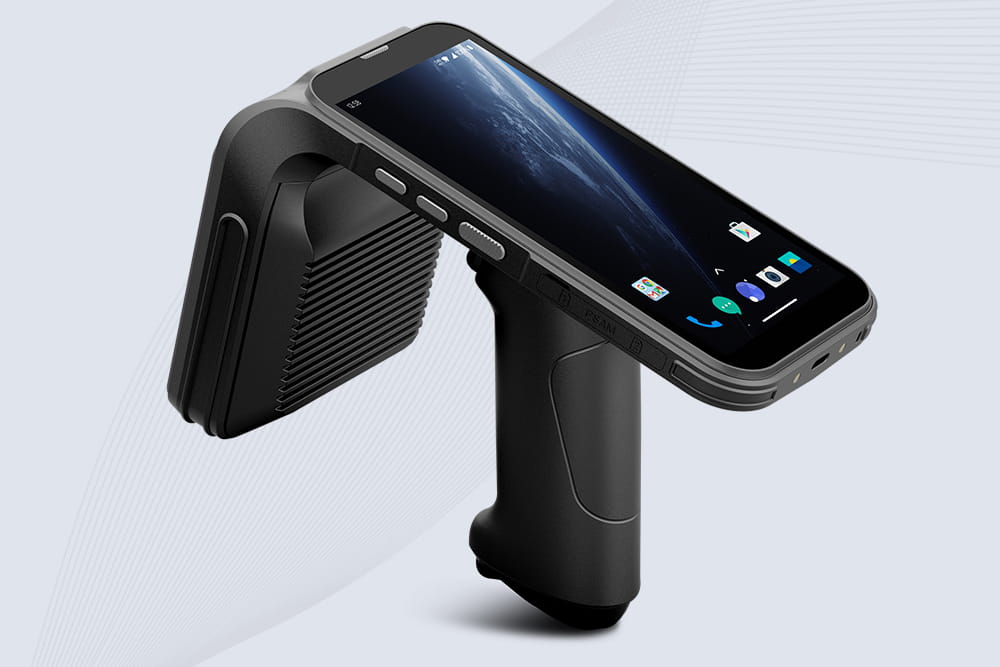
Cykeo CYKEO-B4 UHF Handheld RFID Reader scanner delivers 1300 tags/sec reading, 30m UHF range, and 12-hour battery life. IP65 rugged design with barcode/NFC/ID scanning for retail/manufacturing/logistics.
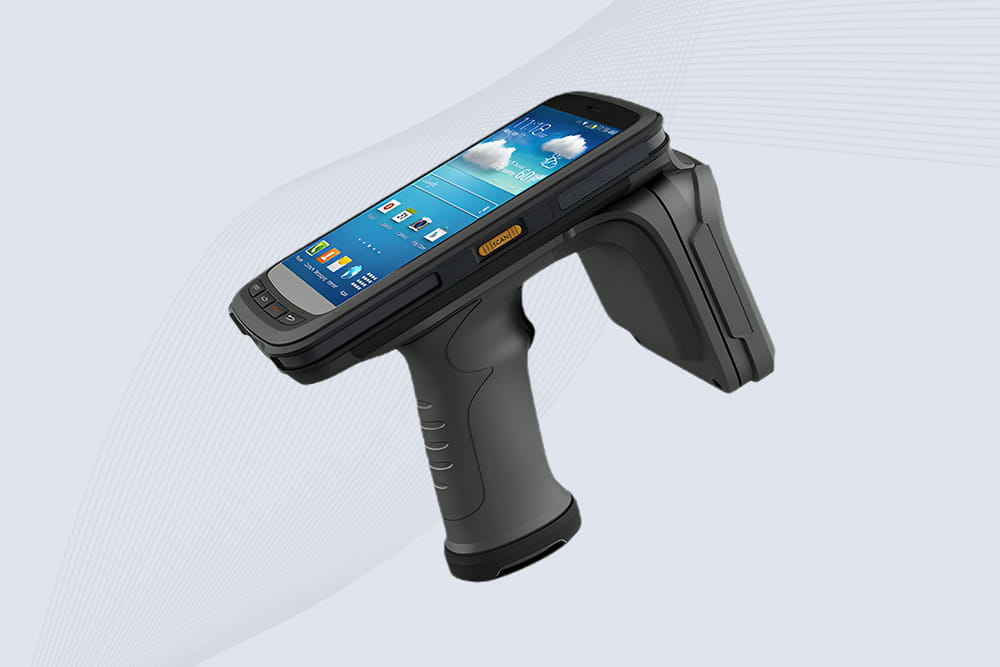
Cykeo CYKEO-B2 industrial UHF RFID handheld Scanner offers 10m range, 500 tags/sec scanning, Android 11 OS, and IP65 rugged design for retail/warehouse/manufacturing.
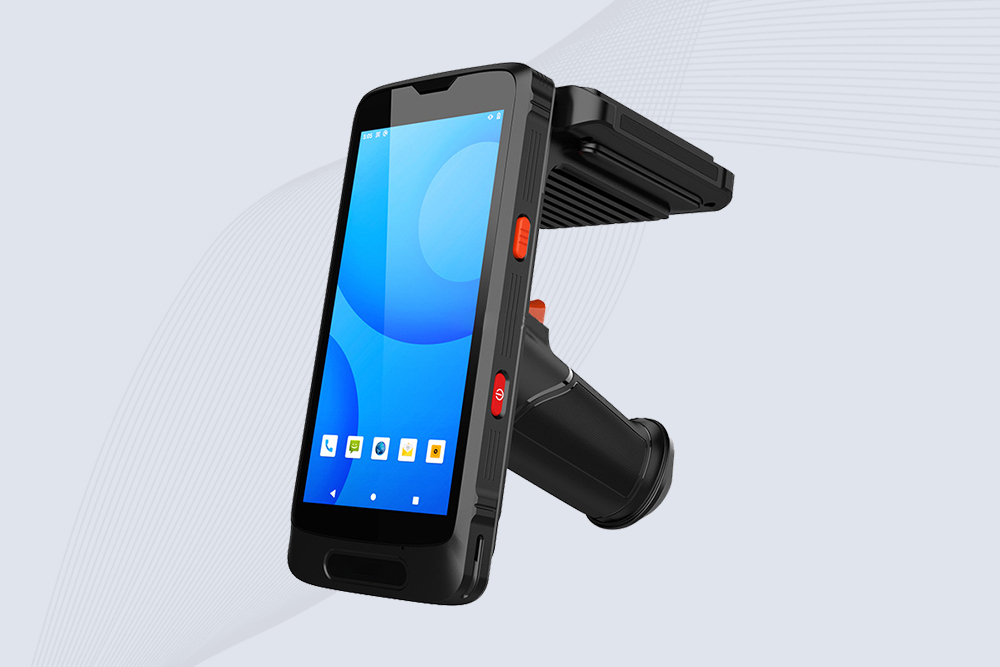
Cykeo CYKEO-B3 industrial RFID Reader Handheld, terminal offers 2m read range, multi-protocol scanning (NFC/barcode/ID), Android 10 OS, and IP65 ruggedness for logistics/retail/manufacturing.
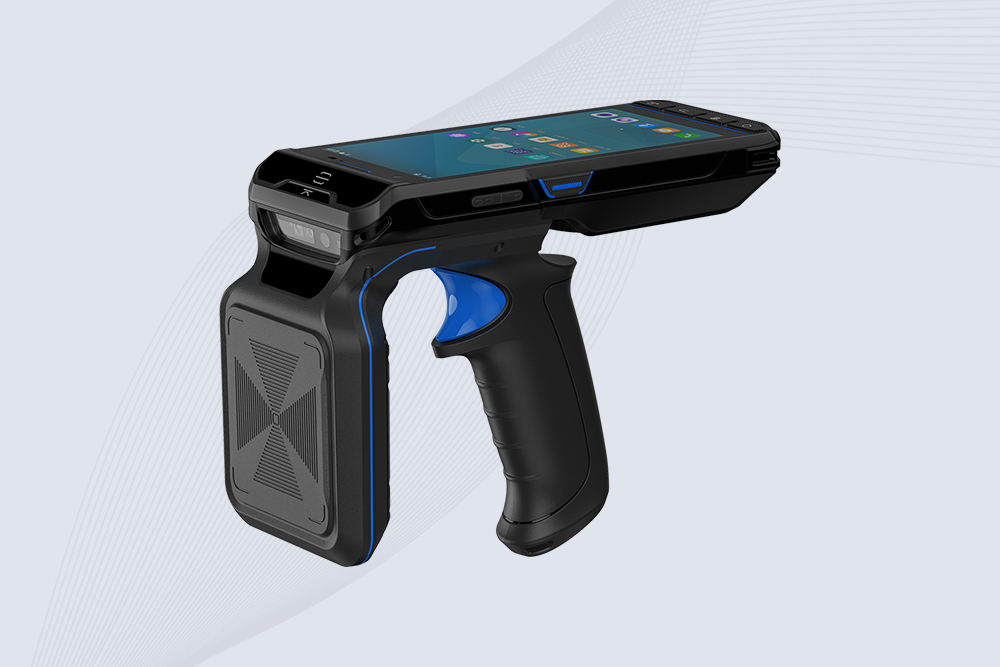
Cykeo CYKEO-B3L industrial handheld UHF RFID Reader terminal features 20m read range, 500 tags/sec scanning, Android 13 OS, 12-hour battery for logistics/retail/manufacturing. Supports barcode/NFC/ID reading.
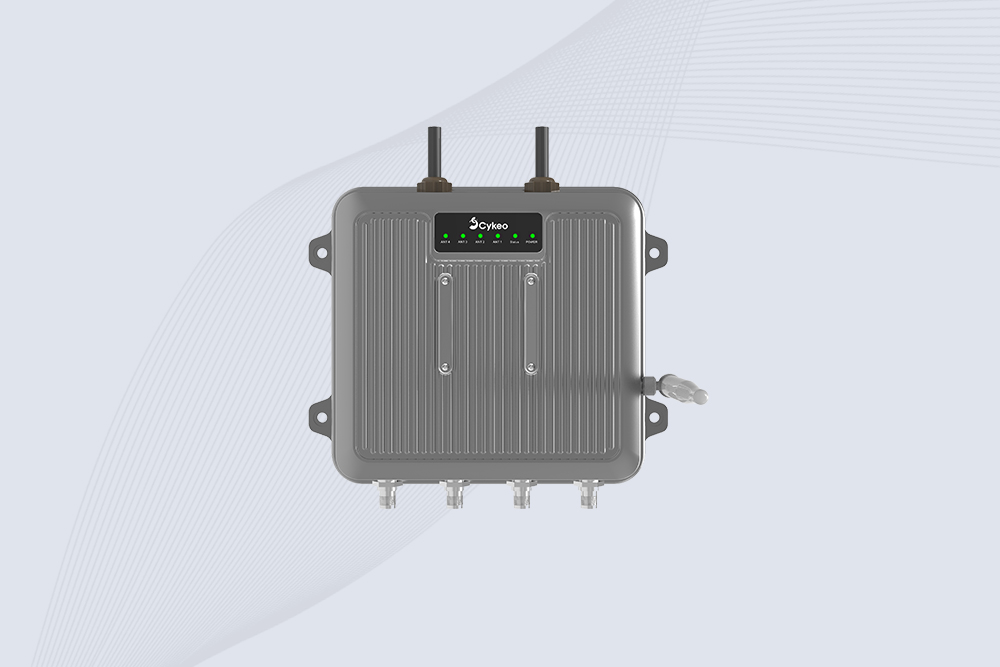
Cykeo CYKEO-C1 industrial Forklift RFID Reader features 20m read range, 600 tags/sec scanning, Impinj R2000 chipset, and IP67 rugged design. Ideal for warehouse logistics and manufacturing. Supports ISO 18000-6C/6B protocols.
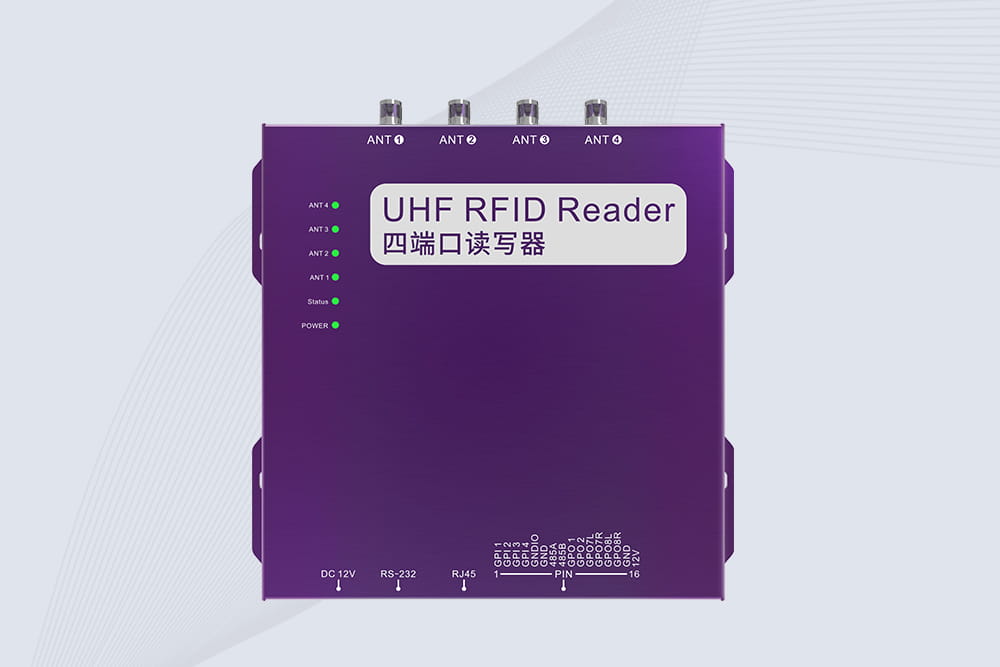
Cykeo CYKEO-R4 industrial UHF RFID Fixed Reader features 4 TNC ports, 400+ tags/sec speed, IP67 housing, and global frequency compliance for vehicle inspection, smart warehouse, and asset management systems.
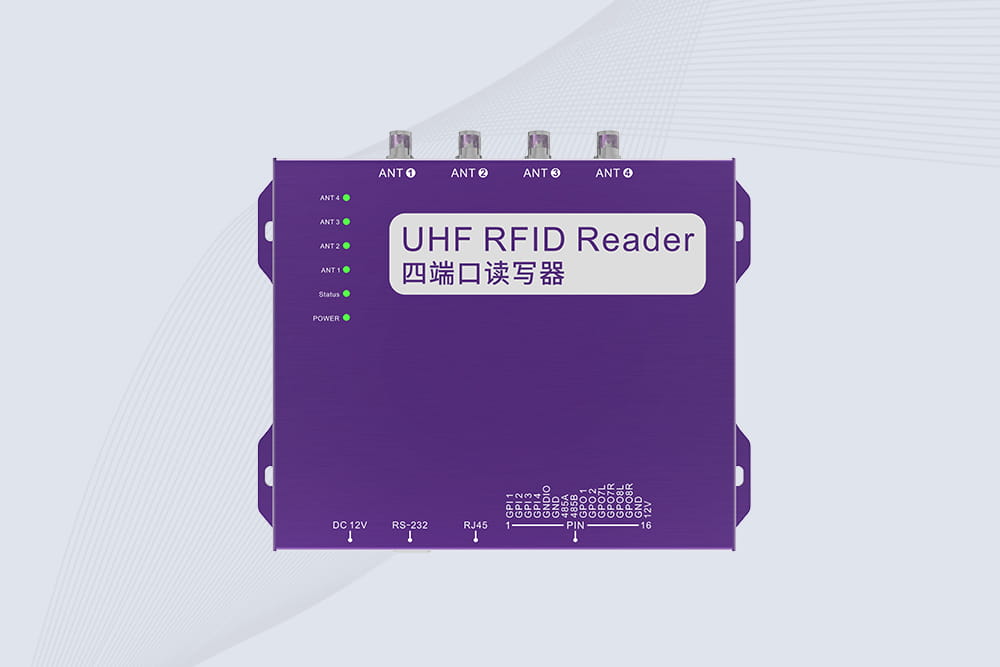
Cykeo’s CYKEO-R4L 4-port Fixed UHF RFID Reader delivers 400 tags/sec scanning, ISO 18000-6C compliance, and IP65 protection. Ideal for warehouse automation, manufacturing WIP tracking, and logistics management.
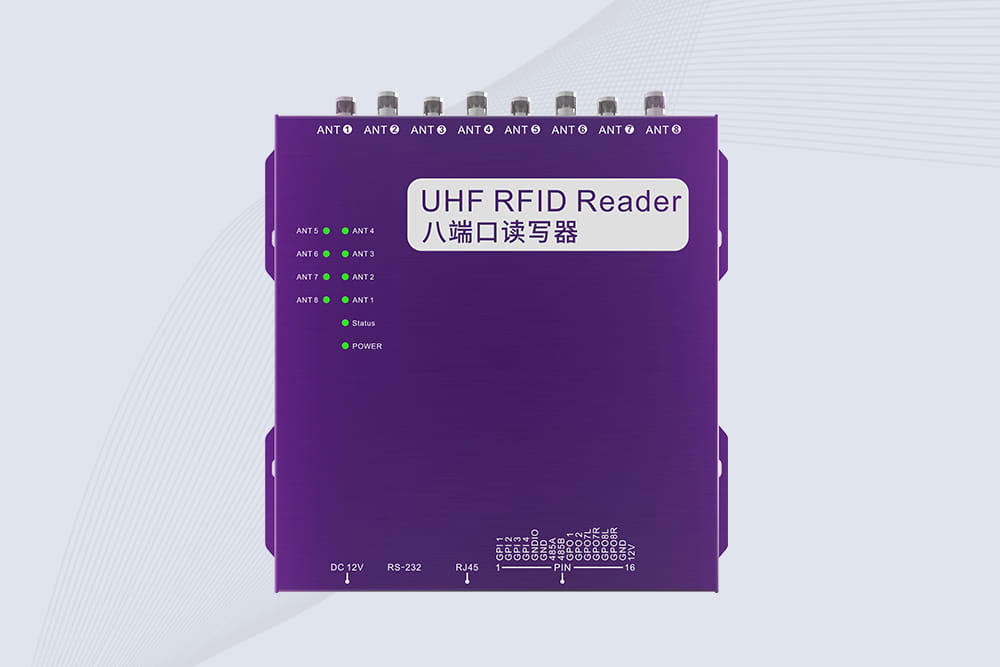
CYKEO CYKEO-R8L Fixed RFID Reader with 8-port UHF design, Impinj-based RF core and up to 20m read range. An industrial Fixed RFID Reader for vehicle inspection, warehouse portals, smart manufacturing lines and secure access checkpoints.
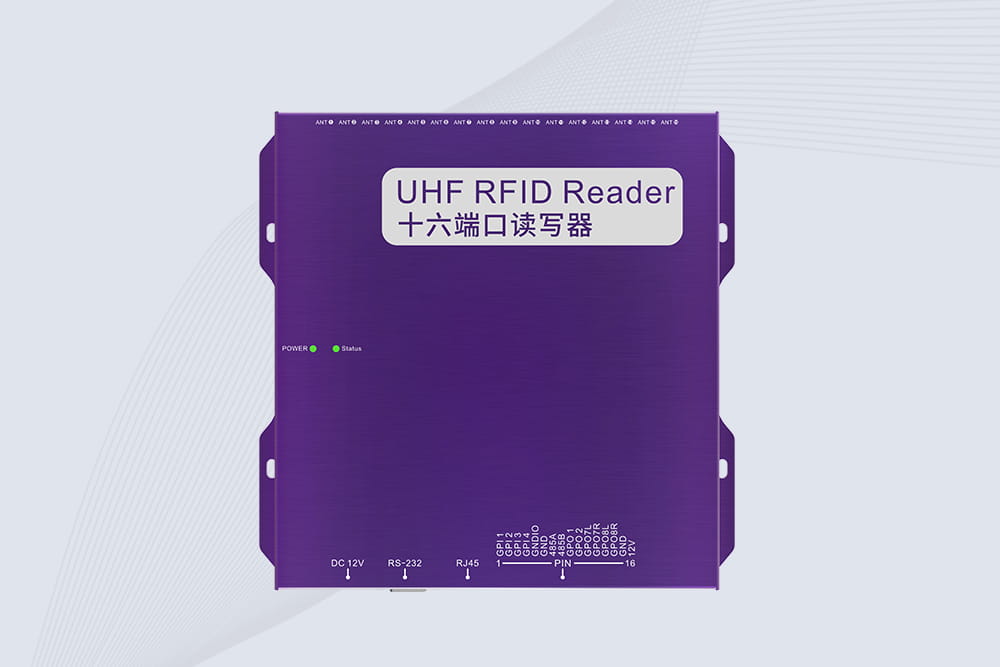
RFID Fixed Reader from CYKEO – the CYKEO-R16L 16-port UHF fixed reader for warehouses, smart cabinets, and production lines. Long-range, multi-tag reading, stable performance for 24/7 industrial use.
RFID Industry Writer | IoT & Asset Tracking Analyst
James writes about RFID technology, asset tracking, and the practical challenges of digital transformation across warehousing, retail, manufacturing, and logistics.
His work focuses on how RFID is applied in real-world operations—improving inventory visibility, automating workflows, and helping businesses manage assets with greater accuracy and efficiency.
He regularly covers topics including UHF RFID, smart cabinets, RFID portals, tool tracking, warehouse automation, and industrial IoT trends..
Can RFID readers track items in real-time? Discover the technology behind RFID accuracy, latency limits, and how Cykeo optimizes tracking for critical industries.
More
RFID reader module solutions enable seamless RFID integration for manufacturing, logistics, asset tracking, and IoT applications.Learn how Cykeo RFID reader modules improve data capture accuracy and automation efficiency.
More
Discover the essential features to prioritize when choosing a handheld RFID scanner for seamless asset tracking. Learn how Cykeo’s solutions deliver reliability and efficiency.
More
RFID how does it work explained with real data, UHF reader performance, and deployment insights. Discover how Cykeo improves tracking speed and accuracy.
More