 Cykeo RFID IoT Solution Products R&D Manufacturer
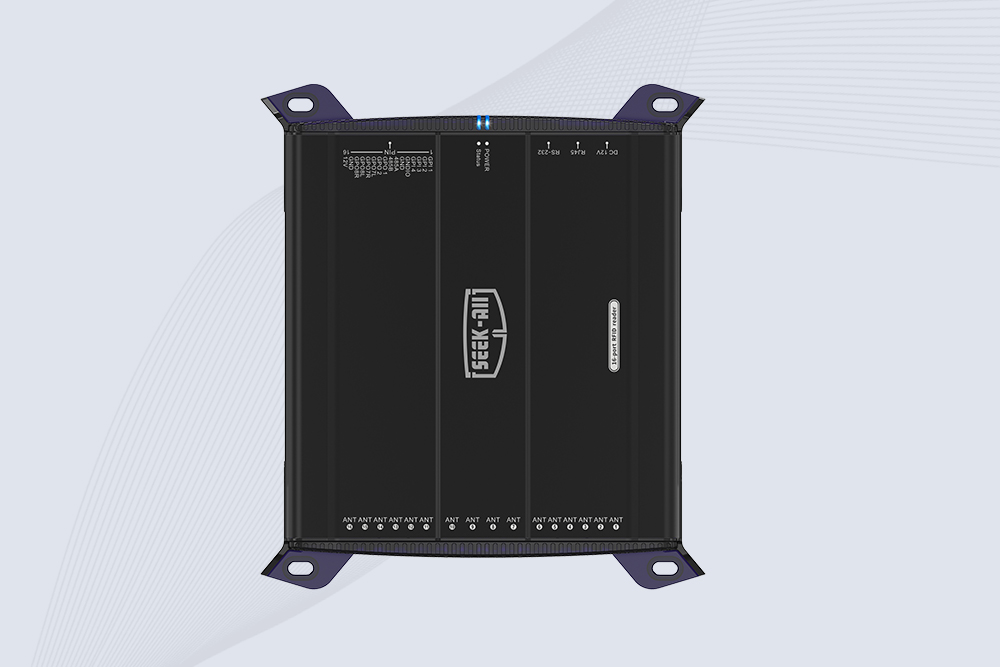
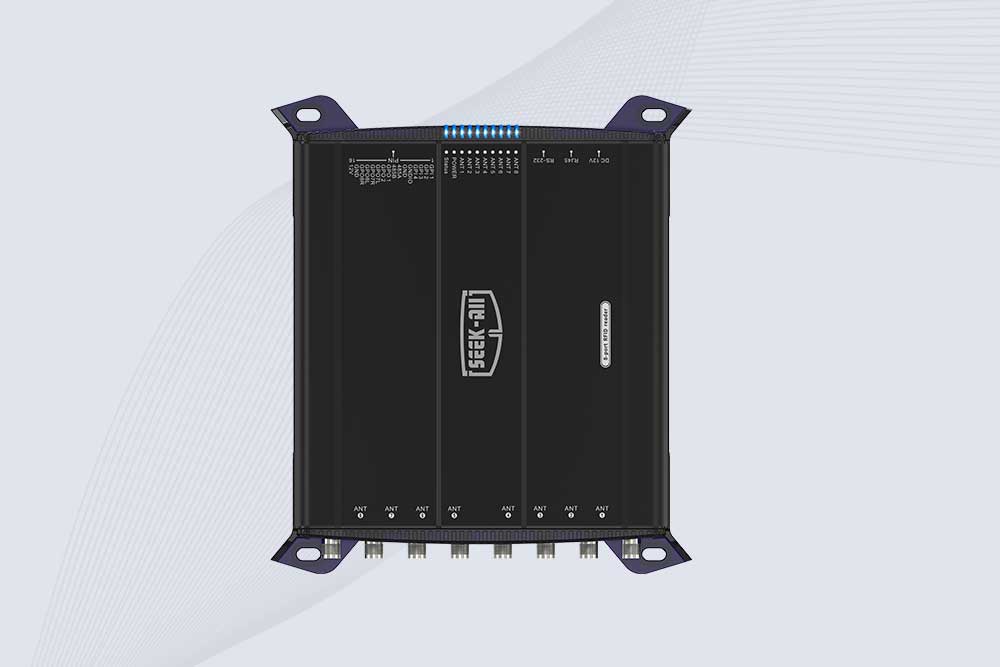
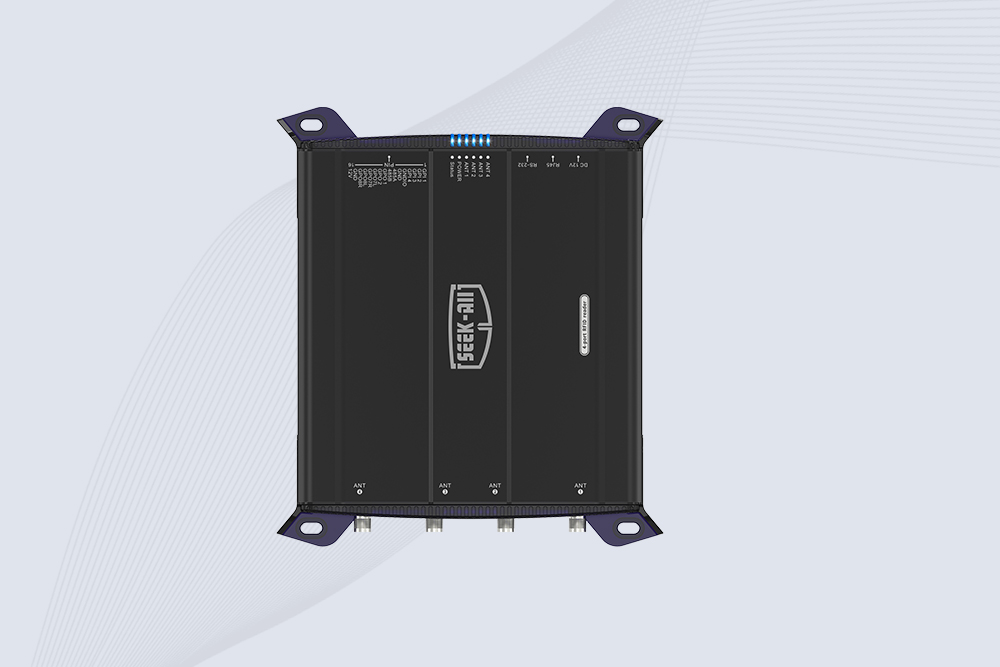
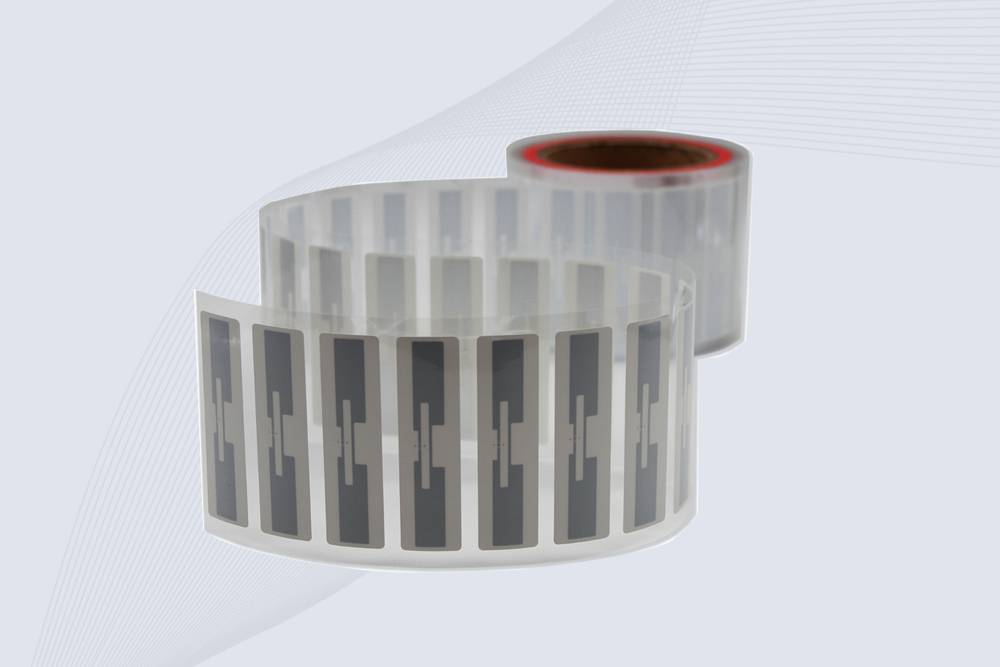

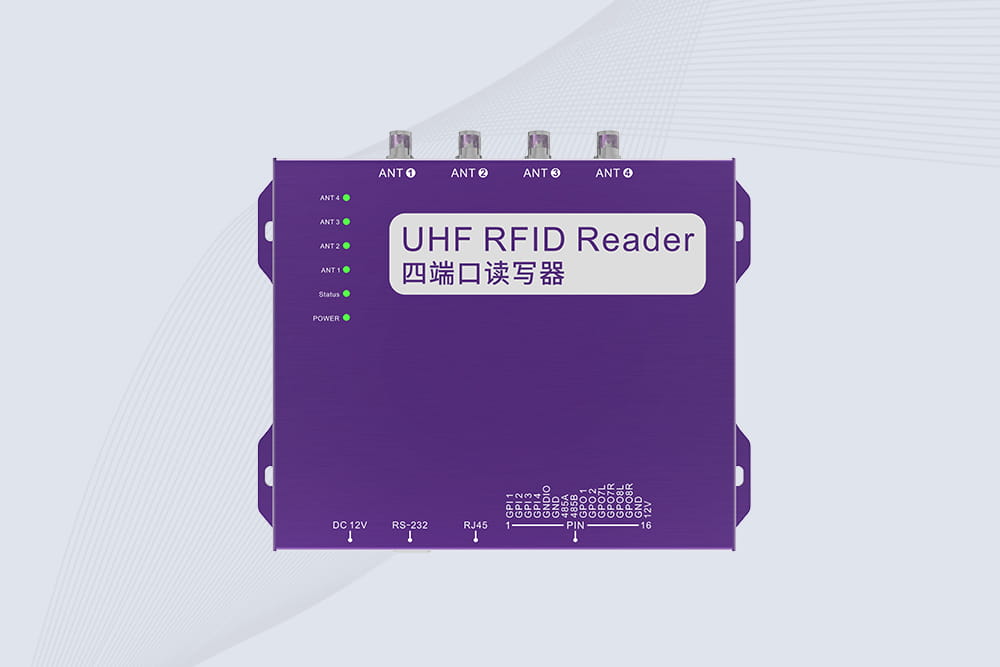
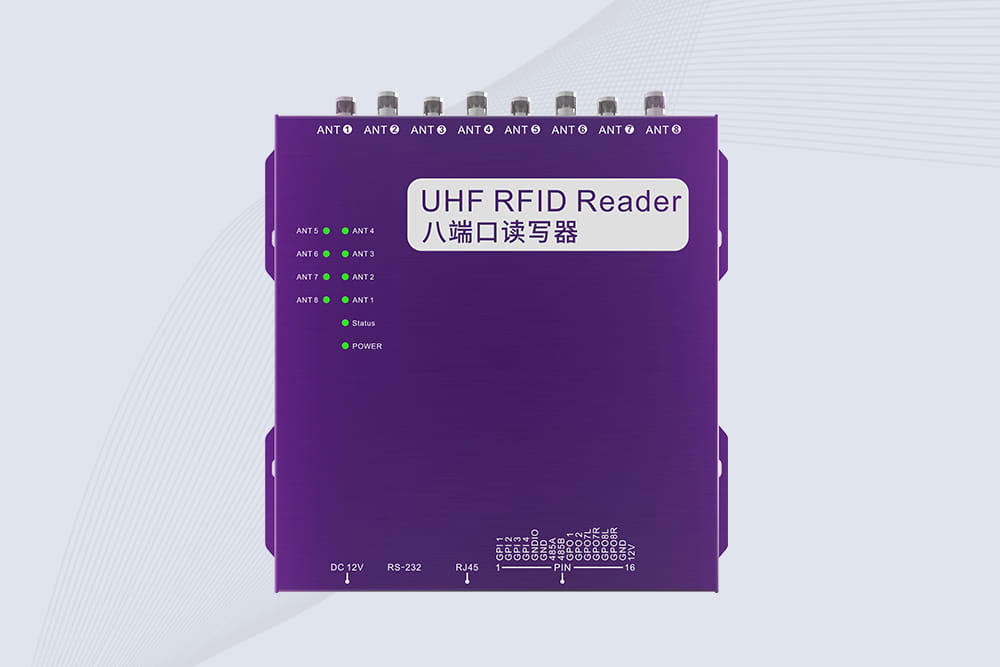
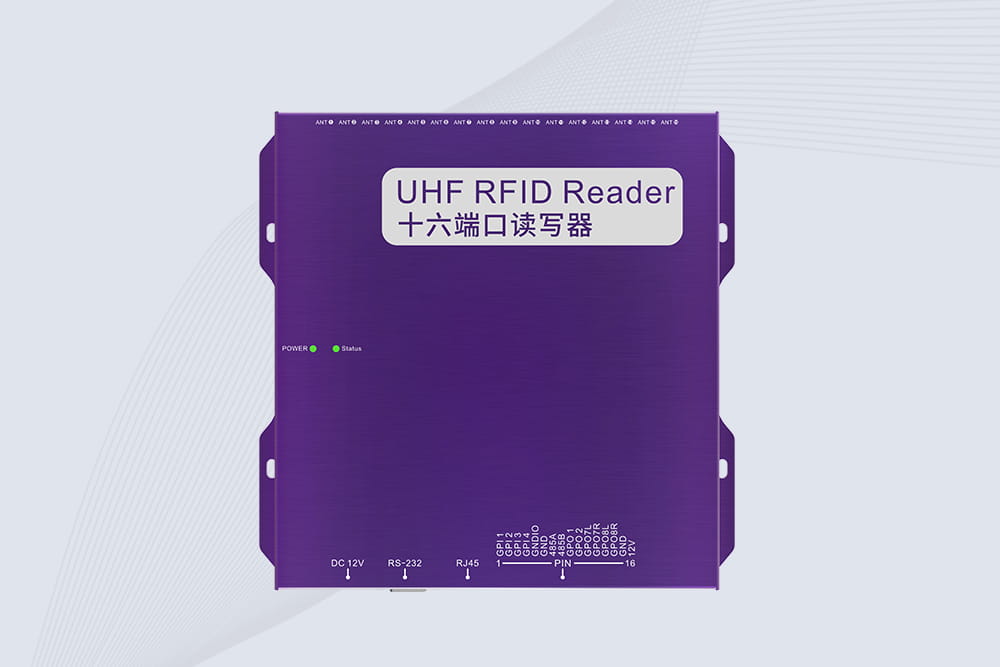
What is an RFID Reader?
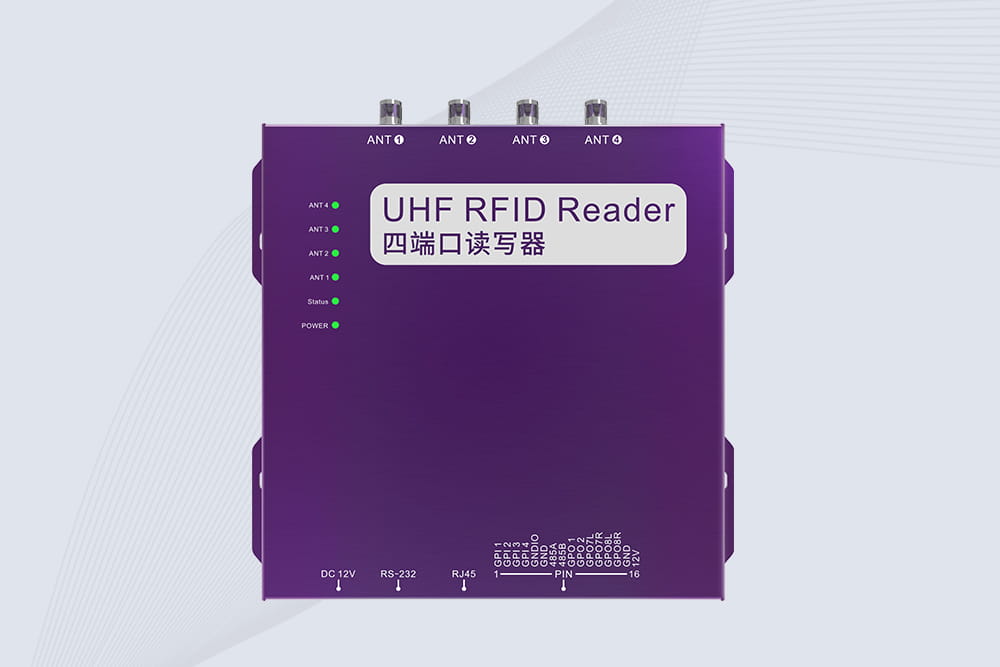
323If you're asking "what is an RFID reader?", get the plain-English answer here. Learn how this device scans without sight and powers modern tracking from warehouses to retail.
MoreAll RFID Product
Real-time tracking is a holy grail for industries like healthcare, logistics, and manufacturing. While RFID technology can provide near-instant updates, its accuracy and latency depend on tag type, reader configuration, and environmental factors. Here’s a breakdown of what “real-time” truly means for RFID systems—and how to maximize reliability.
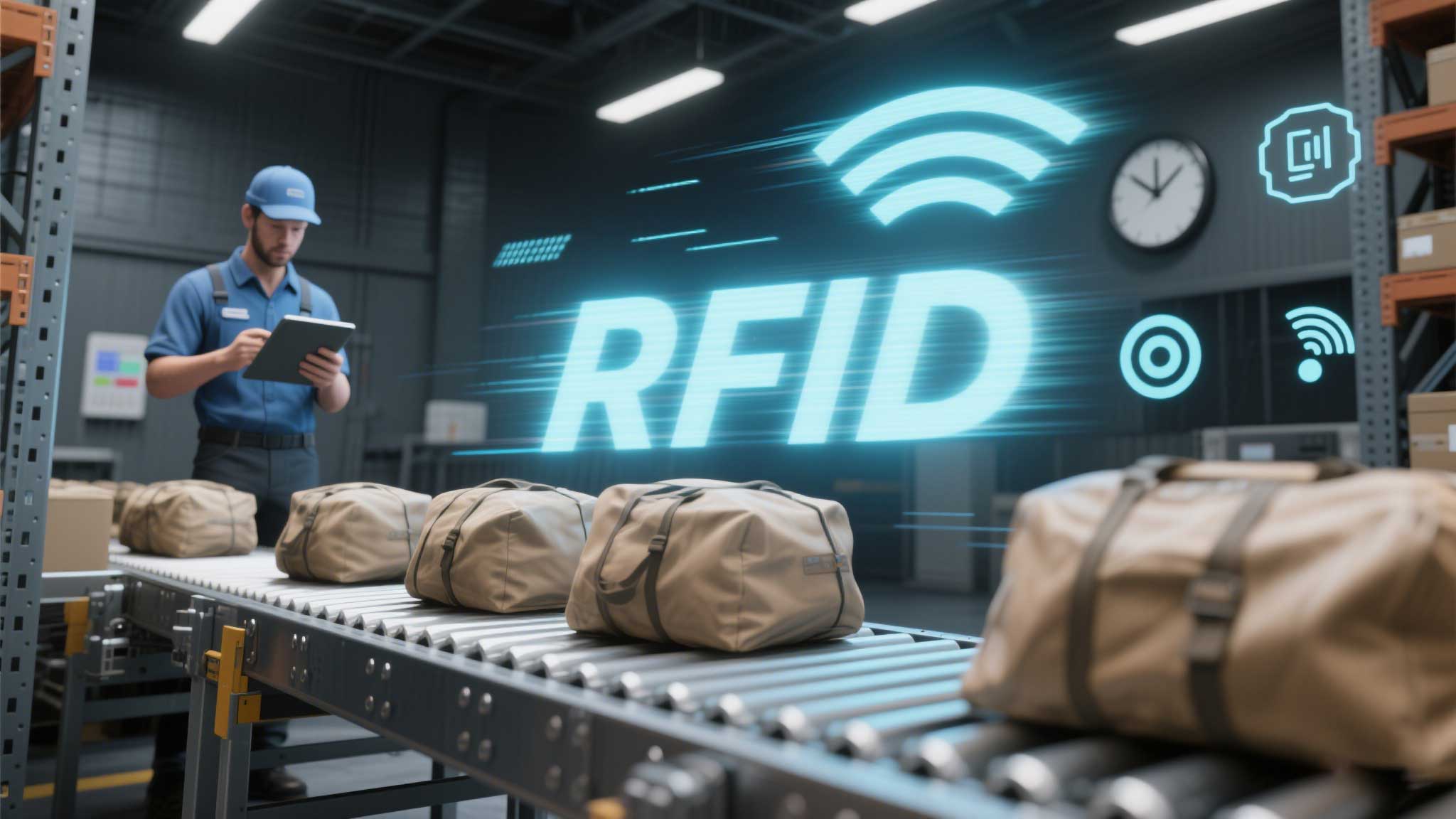
Cykeo’s LiveTrack Platform merges active RFID with edge computing, processing location data on-device to bypass cloud latency. Their systems are deployed in airports to monitor luggage carts, ensuring updates every 0.8 seconds during peak hours.
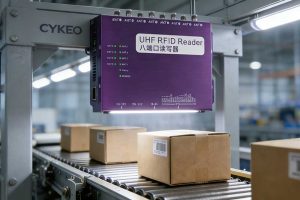
If you're asking "what is an RFID reader?", get the plain-English answer here. Learn how this device scans without sight and powers modern tracking from warehouses to retail.
More
Programming RFID cards is a critical step in IoT systems for identity verification and data exchange. Widely used in access control, warehouse logistics, and smart factories, this article introduces the principles, methods, and common applications...
More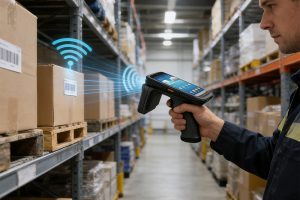
Discover how handheld RFID scanners simplify warehouse inventory management. Learn real-world solutions for faster cycle counts, accurate asset tracking, and live warehouse visibility
More
Wondering what a good RFID reader can detect in real-world use? We break down detection range, speed, material penetration & how CYKEO ensures reliability.
More