 Cykeo RFID IoT Solution Products R&D Manufacturer
How Work RFID Tracking Tags For Equipment
46tracking tags for equipment enable real-time asset visibility, loss reduction, and automated inventory control. Learn Cykeo RFID tracking solutions for industrial use.
MoreAll RFID Product
Walk into a modern factory floor and it might look calm — just shelves, conveyors, and a few status lights blinking quietly. But behind that calm rhythm, there’s a silent guardian keeping everything in check — the RFID stationary reader. It doesn’t move, it doesn’t talk, yet it’s the one making sure the entire workflow actually runs the way it should.
An RFID stationary reader, sometimes called a fixed reader, is basically the eyes of the system. You mount it once — above a conveyor, next to a dock door, or on a wall — and it just keeps watching. Constantly.
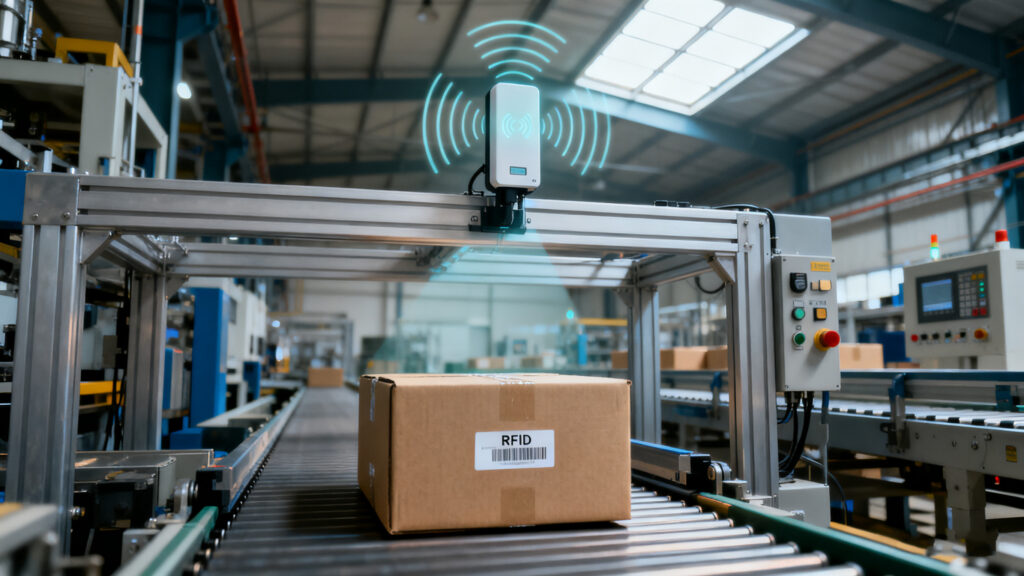
Unlike a handheld scanner, there’s no button to press, no person needed to walk around and wave it at boxes. It just lives there, quietly reading every tag that crosses its line of sight, feeding data straight into the system.
In logistics, movement can be the enemy of efficiency. Sure, a handheld reader gives flexibility, but imagine scanning a thousand pallets manually every single day. That’s where a stationary reader earns its value.
It’s built for automation — covering a wide zone, picking up hundreds of tags per second, and syncing instantly with the backend. You don’t “use” it so much as you trust it to be part of the infrastructure.
Where handheld readers depend on people, stationary systems don’t wait around. They create an always-on feedback loop. A tagged box rolls past? The reader catches it instantly. Inventory updates happen in real time. Production data doesn’t need verification later — it’s already accurate the first time.
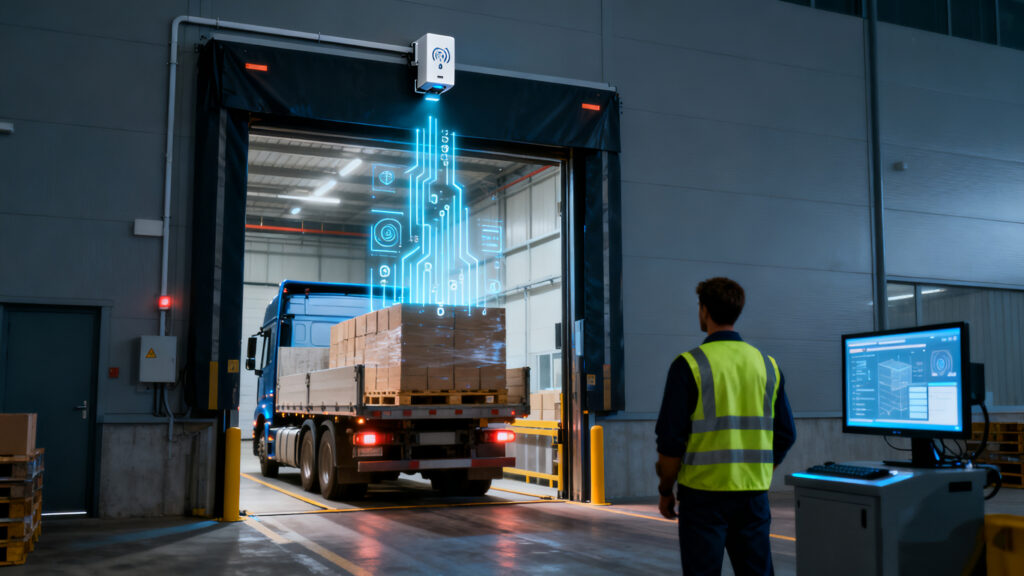
In warehouses, you’ll find stationary readers sitting above dock doors or gate points, automatically logging what enters and what leaves. No scanning guns, no waiting.
On production lines, they’re placed near conveyors to confirm each part is where it should be, keeping assembly flow clean and traceable.
In retail, they’re often hidden inside shelves or checkout counters, quietly tracking items and preventing those awkward “out of stock but system says available” moments.
And in hospitals, these devices track valuable equipment or even patient tags — not as surveillance, but as safety assurance. No more lost wheelchairs or misplaced surgical kits.
Setting up a stationary RFID reader isn’t just screwing it into a wall and plugging it in. There’s real engineering behind it — field geometry, antenna orientation, and environmental interference.
Metal racks can mess with signals, temperature swings can alter read range, and electromagnetic noise from machinery can cause blind spots.
That’s why installers often say they “paint with radio waves.” The goal is to shape the invisible field so every tag, whether it’s on a steel bin or a moving pallet, can be picked up cleanly.
When it’s tuned right, the system almost disappears — it just works. You don’t have to think about it. It becomes part of the environment, like air conditioning or Wi-Fi — invisible but essential.
It’s not really about which one is better — it’s about what kind of rhythm your operation runs on.
If your workflow depends on mobility — walking aisles, doing spot checks, or handling small batches — a handheld reader is great.
But if you’re managing bulk movement, 24/7 tracking, or automated logistics, a stationary setup wins every time.
Yes, it costs more upfront and needs some installation effort, but that’s the price of automation. In the long run, it pays itself back with accuracy, speed, and the beautiful thing every manager wants: reliability without extra labor.
The funny thing about RFID stationary readers is that they never move — yet they keep everything else moving smoothly.
They are the quiet operators of the digital warehouse, the translators between physical assets and real-time data.
“Stationary” might sound boring, but in the world of automation, it’s the still things that actually keep the world spinning.
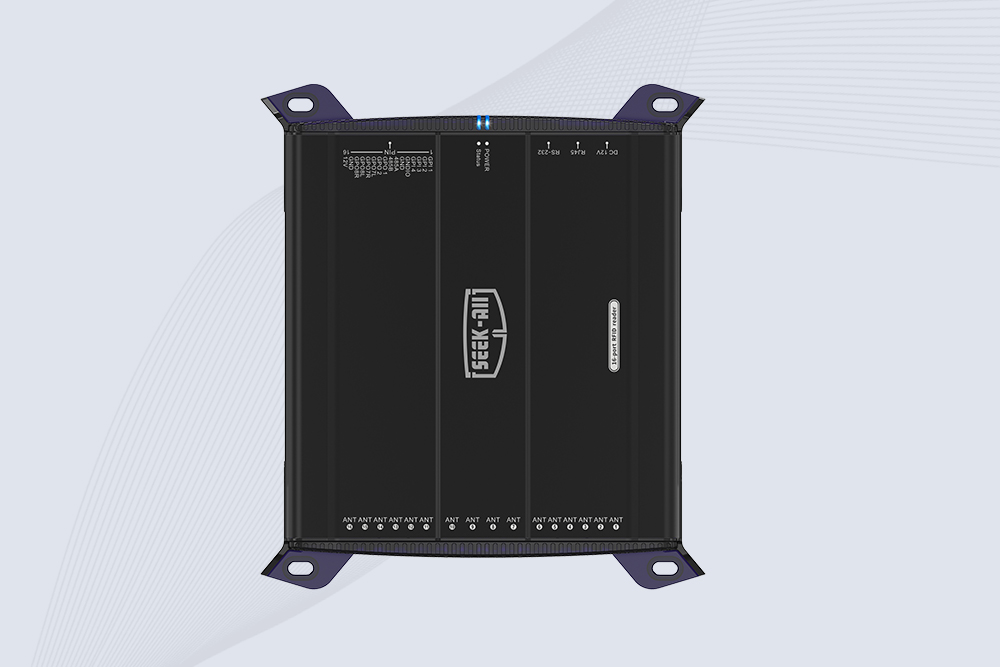
SSD-R16L Multi-Channel RFID Infrastructure for Automated Inventory Management ✔️ 16-Port High-Density RFID Reading Equipped with 16 SMA antenna ports, SSD-R16L supports multi-antenna deployment for warehouses, retail stores, logistics, production lines, and large-area RFID identification. ✔️ High-Speed & Long-Range Performance With up to 33…
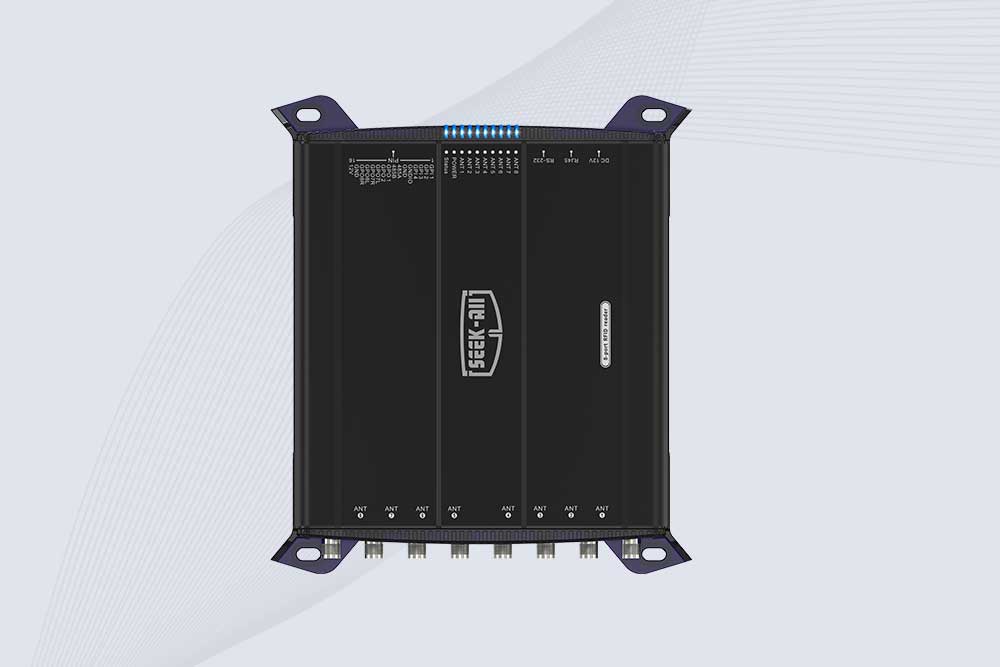
SSD-R8L 8-port UHF RFID reader with 33dBm output, up to 20m reading range and 600+ tags/s recognition. Ideal for warehouse, logistics, retail and asset tracking.
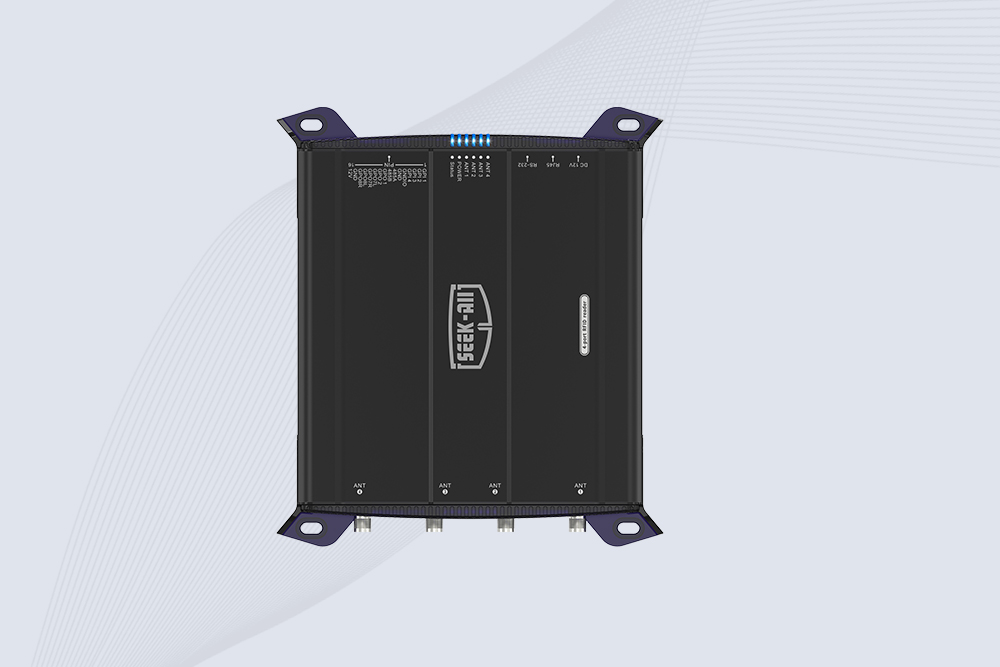
SSD-R4L is a 4-port UHF RFID fixed reader with 33dBm output power, up to 20m reading range, EPC C1G2 support and 600+ tags/s reading speed.
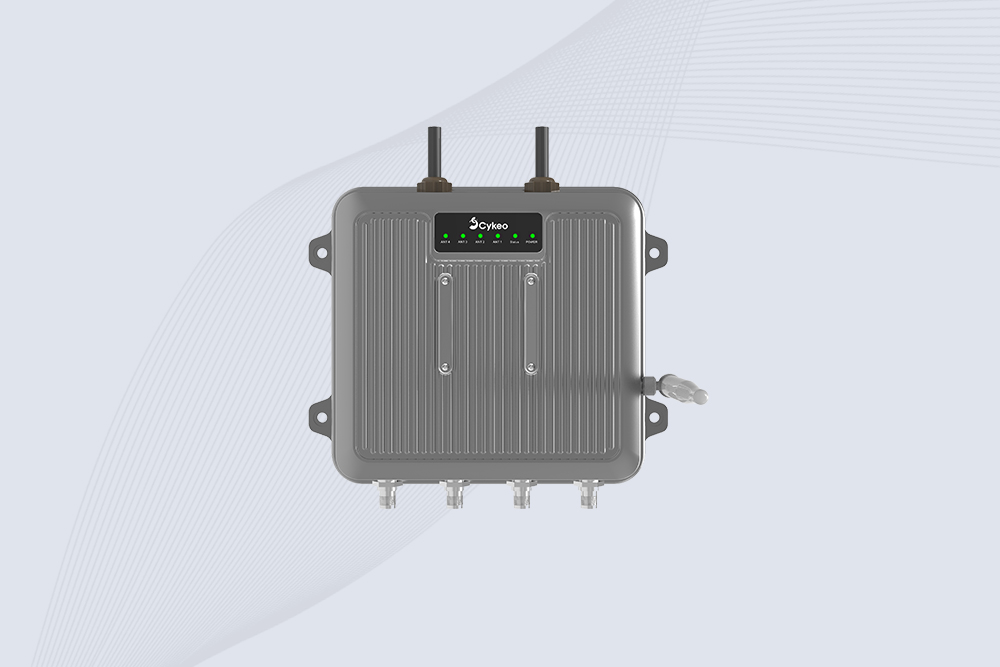
Cykeo CYKEO-C1 industrial Forklift RFID Reader features 20m read range, 600 tags/sec scanning, Impinj R2000 chipset, and IP67 rugged design. Ideal for warehouse logistics and manufacturing. Supports ISO 18000-6C/6B protocols.
tracking tags for equipment enable real-time asset visibility, loss reduction, and automated inventory control. Learn Cykeo RFID tracking solutions for industrial use.
More
Discover how RFID warehouse automation reduces labor costs, minimizes errors, and optimizes inventory. Learn actionable strategies for supply chain savings.
More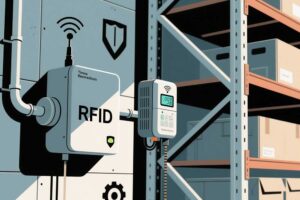
Discover proven methods to eliminate RFID signal interference in high-density environments. Learn how Cykeo’s solutions enhance accuracy for warehouses, hospitals, and logistics hubs.
More
A realistic, no-fluff guide to RFID attendance systems. Learn how RFID check-in works, where it fits, the pros and cons, and what to consider before deploying it in your organization.
More