 Cykeo RFID IoT Solution Products R&D Manufacturer
RFID for Tool Tracking: Streamlining Safety and Operations in High-Risk Industries
455Discover how RFID for tool tracking enhances safety, compliance, and efficiency in high-risk industries. Learn about Cykeo’s automated solutions.
MoreAll RFID Product
Sometimes, when you swipe your subway card, flash an employee badge, or grab a box from a warehouse, you’re interacting with an “invisible wave.” That tiny chip—a RFID tag—is like a secret code in the digital world, telling the system, “I’m here.”
RFID (Radio Frequency Identification) might feel high-tech, but its principle is surprisingly simple: a reader emits a radio wave, the tag’s coil senses energy, and its chip “wakes up” and responds.
Some tags are passive, powered by the reader; others carry their own battery and speak up proactively. They come in low frequency (LF) for animals or short-range access, high frequency (HF) for payments or tickets, and ultra-high frequency (UHF) for warehouses, retail, and logistics.
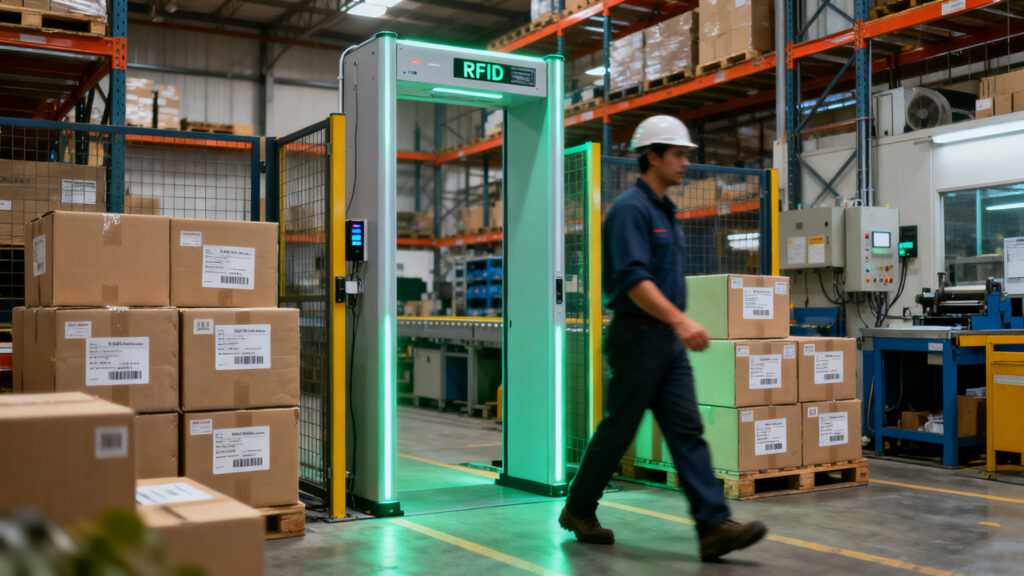
But it’s not just about frequency—it’s an “environment philosophy.” Metal reflects signals, moisture absorbs energy, angles distort coupling. In real-world deployment, engineers adjust antennas, test read angles, and move tags slightly—like conducting an invisible symphony.
Humans use RFID in far more interesting ways than textbooks suggest.
In a warehouse, thousands of items pass through RFID gates, and the system recognizes them in seconds, no scanning required. Operators just watch a live inventory dashboard flicker with updates.
In a surgical suite, instruments, drapes, even patient wristbands carry RFID tags. They don’t just get “seen”—they are “remembered”: which instruments entered the sterile zone, which drape wasn’t collected, which patient is at which stage—all digitally logged.
And in retail, RFID tells stories that feel like magic. You try on a shirt, and the smart mirror suggests other colors; at checkout, the entire basket is scanned in one sweep. It’s not illusion—it’s hundreds of UHF tags and antennas working in quiet coordination.
A RFID tag isn’t readable everywhere. Metal surfaces reflect and cancel signals; water absorbs energy; plastic alters coupling. Engineers respond with “on-metal tags,” waterproof encapsulation, ceramic backings, or even flexible sew-in tags.
Every material choice carries trade-offs: the tougher the tag, the pricier it is; the more precise the encapsulation, the thicker it gets. In warehouses, managers constantly weigh “cost vs. read distance”: every millimeter shaved from a tag could mean thousands of dollars in inventory savings—or losses.
Anyone who deploys RFID knows it’s “smart, but imperfect.” Signals get blocked by forklifts, readers might detect items on neighboring shelves, or too many tags read at once can confuse the system.
The real value isn’t the hardware—it’s the system strategy: filtering, deduplication, timestamps, spatial logic. RFID is the starting point of data collection, not the final answer.

RFID isn’t just for warehouses. It quietly inhabits everyday life:
People have mixed feelings: convenience vs. privacy. But most passive RFID tags have short read distances; the real “remote surveillance” comes from the smart devices we carry. RFID is quietly doing its recognition work.
Tomorrow, RFID may no longer be called “tags.” Flexible chips can be printed on packaging, fabrics, even skin patches; sensors could measure temperature, humidity, or vibrations. Shipping containers won’t just be “read”—they’ll report their environment autonomously.
RFID will evolve from an identification tool into the nervous system of the Internet of Things.
If barcodes are names humans give objects, RFID is the language letting objects “speak.”
It’s not flashy futurism—it just gives systems a bit more perception.
In cold-chain warehouses at dawn, during retail inventory night shifts, or inside operating rooms, countless invisible electromagnetic signals quietly record the order of human activity.
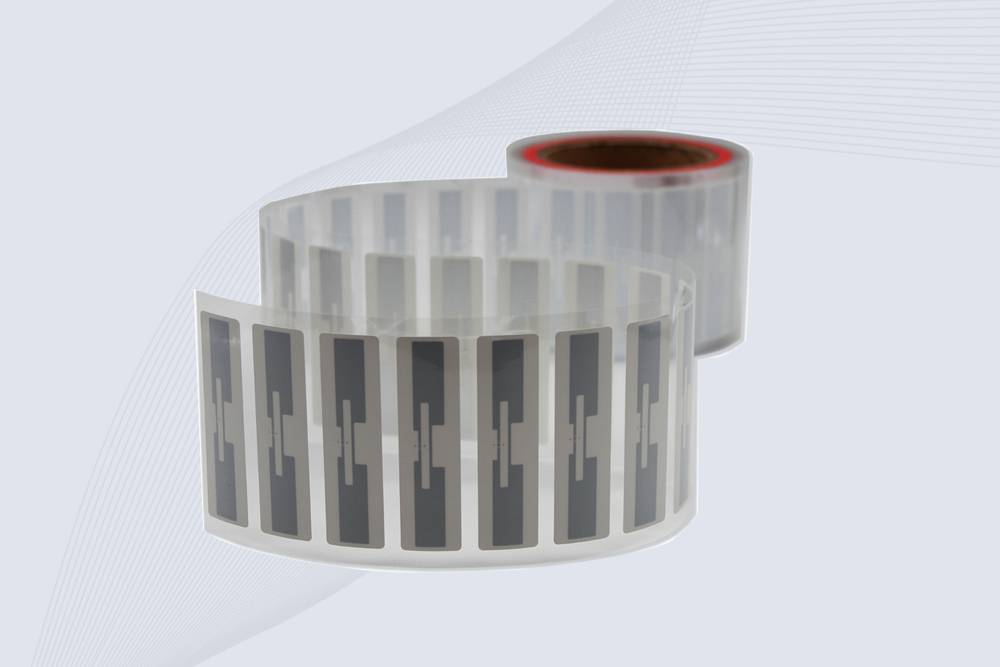
CYKEO Passive RFID Tags are made for wet and high-humidity environments where standard labels do not last. This rfid passive tag is often used around liquids, chemicals and temperature changes, providing stable reading distance and long data life for industrial tracking.
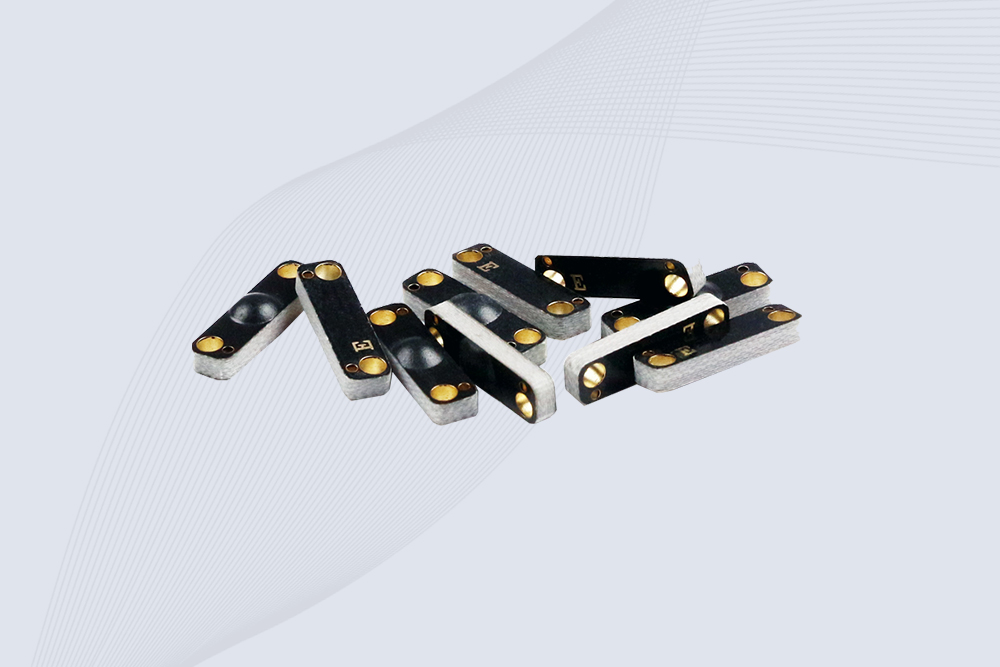
CYKEO CYKEO-PCB1504 Metal RFID Tags is a compact anti-metal UHF RFID solution built for direct mounting on metal surfaces. With stable 8-meter read range, Ucode-8 chip, and long data retention, this rfid metal tag fits tools, containers, automotive parts, and industrial asset tracking.
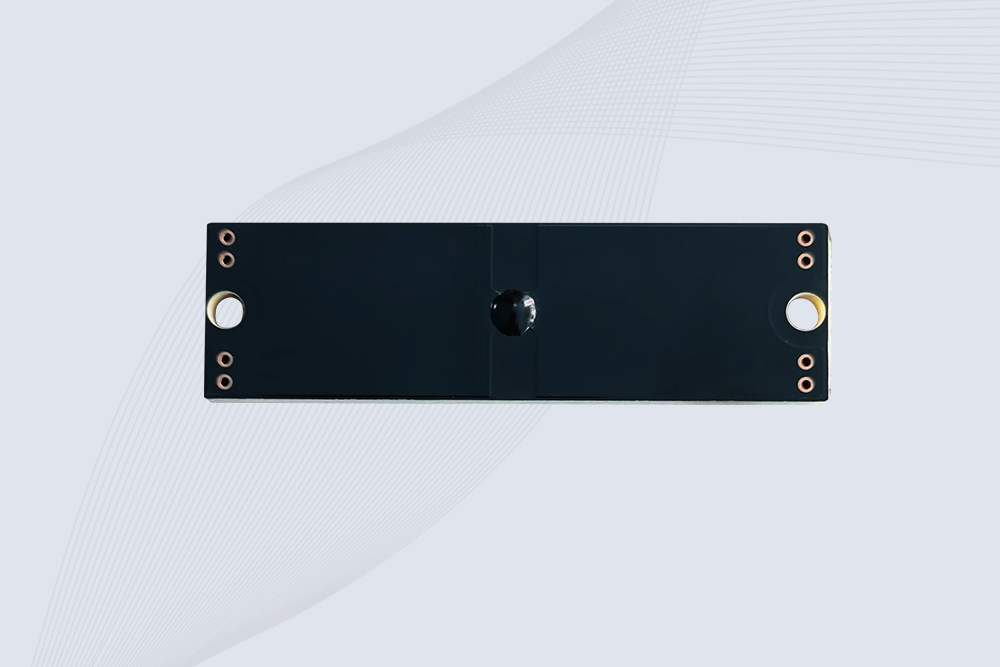
CYKEO CYKEO-PCB7020 On-Metal RFID Tags are designed for reliable tracking on steel and metal surfaces. Built with an FR4 epoxy body and industrial-grade chips, these On-Metal RFID Tags deliver stable performance, long data life, and chemical resistance, making them a dependable RFID anti-metal tag for harsh environments.
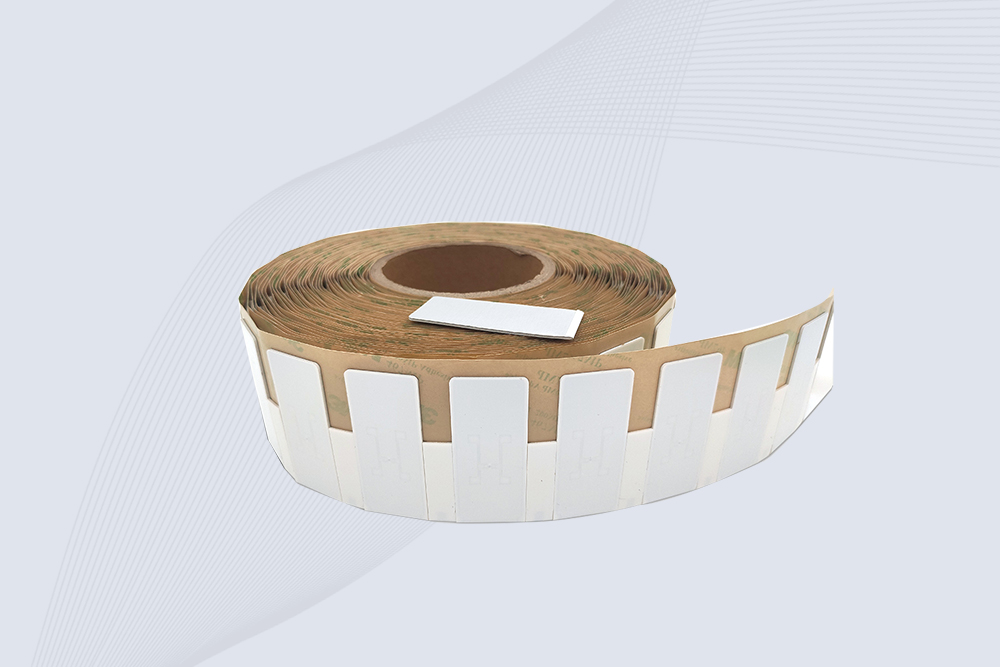
The CYKEO CYKEO-60-25 Anti-Metal RFID Tag is built for metal surfaces where standard tags fail. Designed for long-range performance, harsh environments, and stable data retention, this Anti-Metal RFID Tag is ideal for industrial assets, containers, and equipment tracking using on metal RFID tags.

Discover how RFID for tool tracking enhances safety, compliance, and efficiency in high-risk industries. Learn about Cykeo’s automated solutions.
More
Learn about radio frequency identification tags—what they are, how they work, the different types (LF, HF, UHF), and their applications in retail, logistics, and access control. Expert guidance from CYKEO engineers.
More
RFID readers vs barcode scanners: Discover which technology delivers faster scans, fewer errors, and higher efficiency for your workflow. Expert analysis inside.
More
Discover the real-world advantages of UHF integrated readers — compact design, fewer cables, and stable performance. Learn how RFID engineers use them with Cykeo RFID handheld readers and tags for smooth, reliable industrial automation.
More