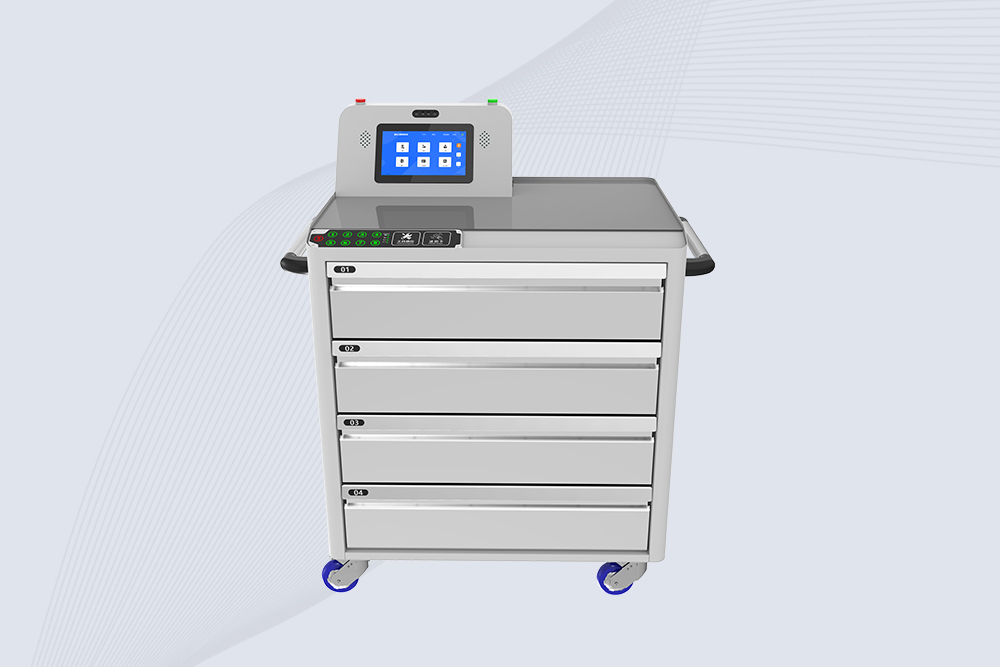
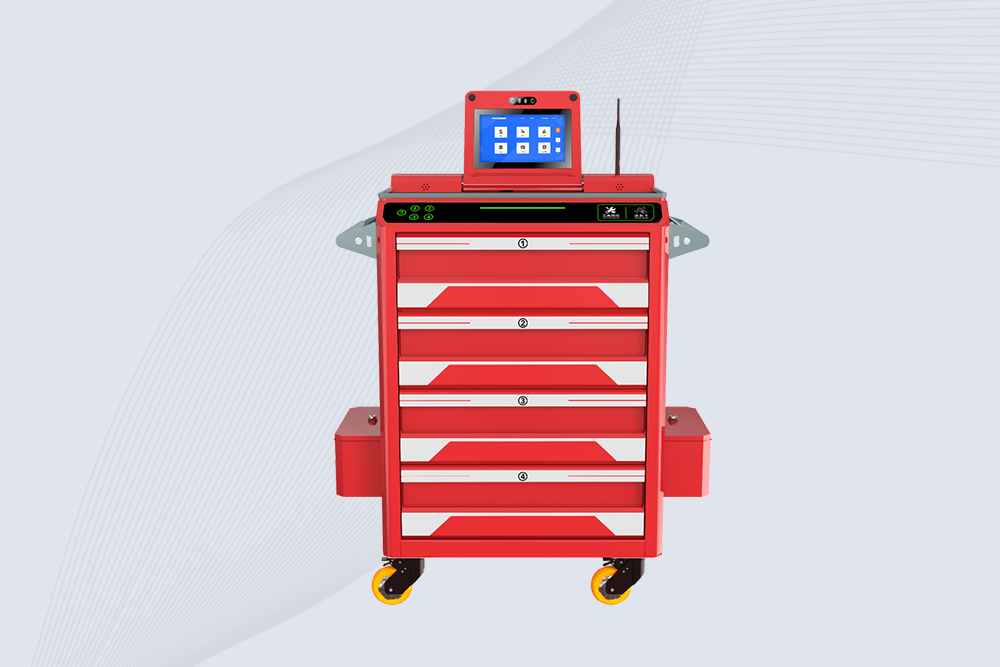
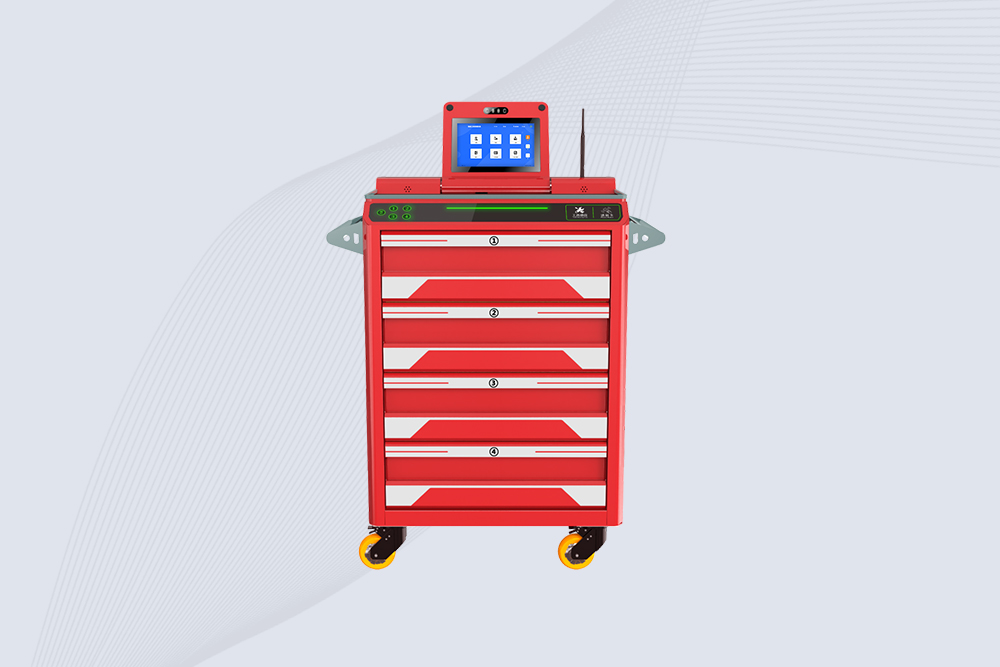
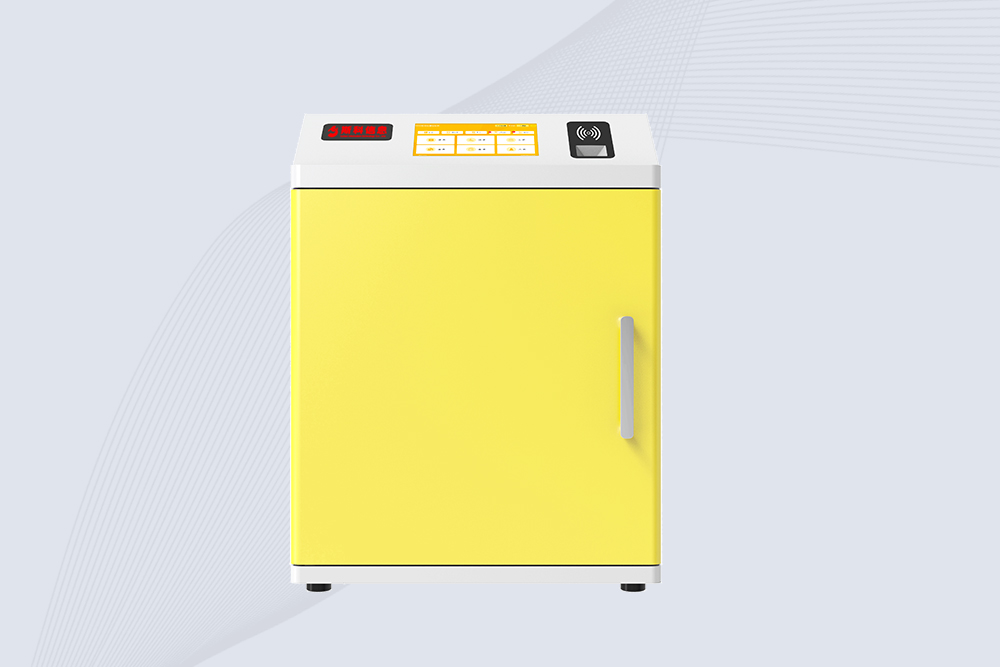
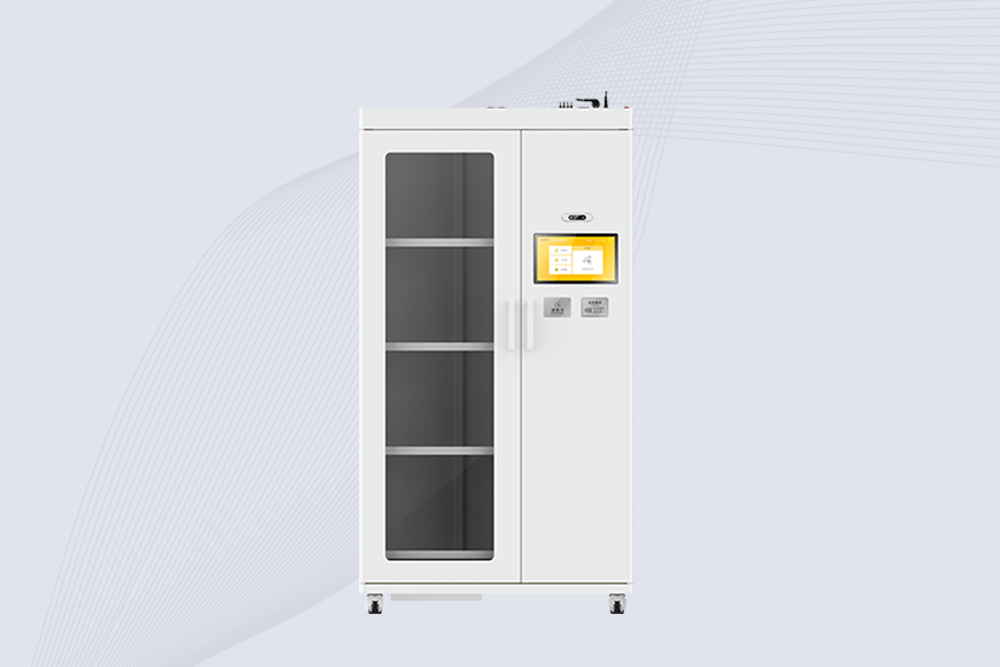
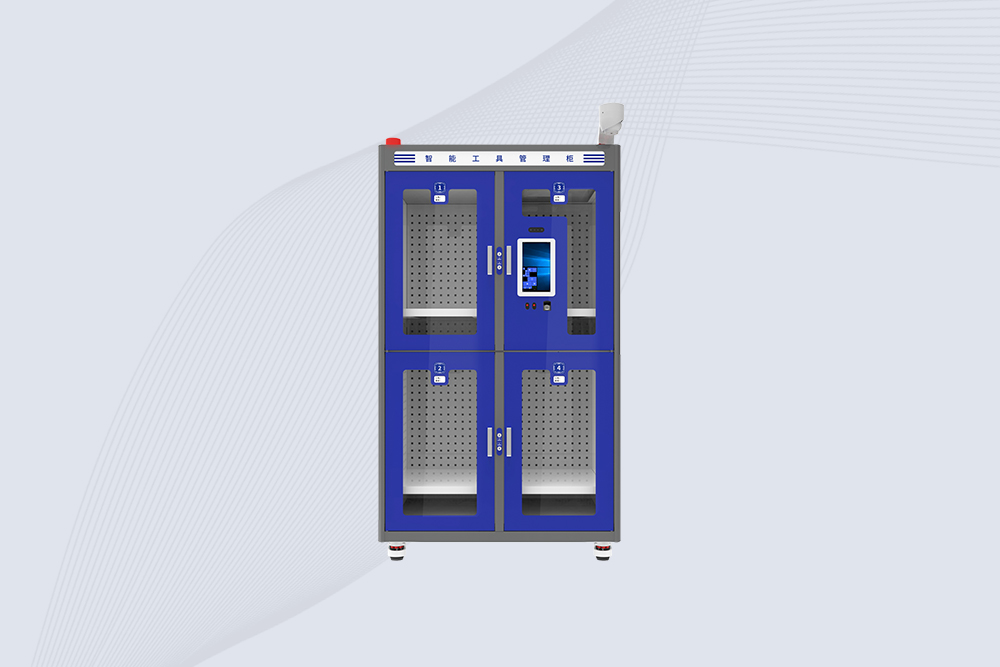
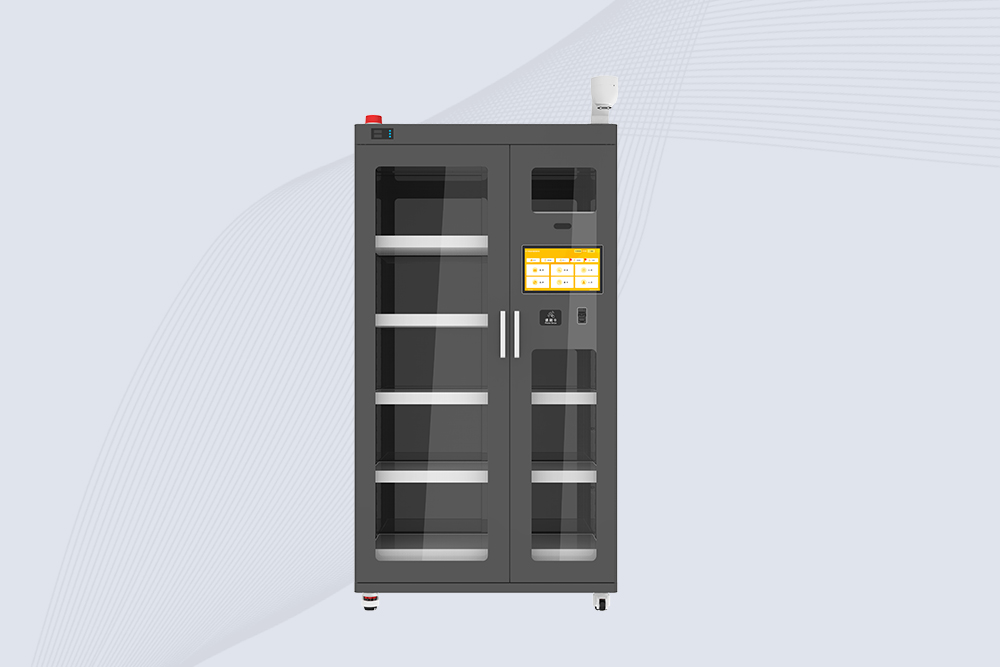
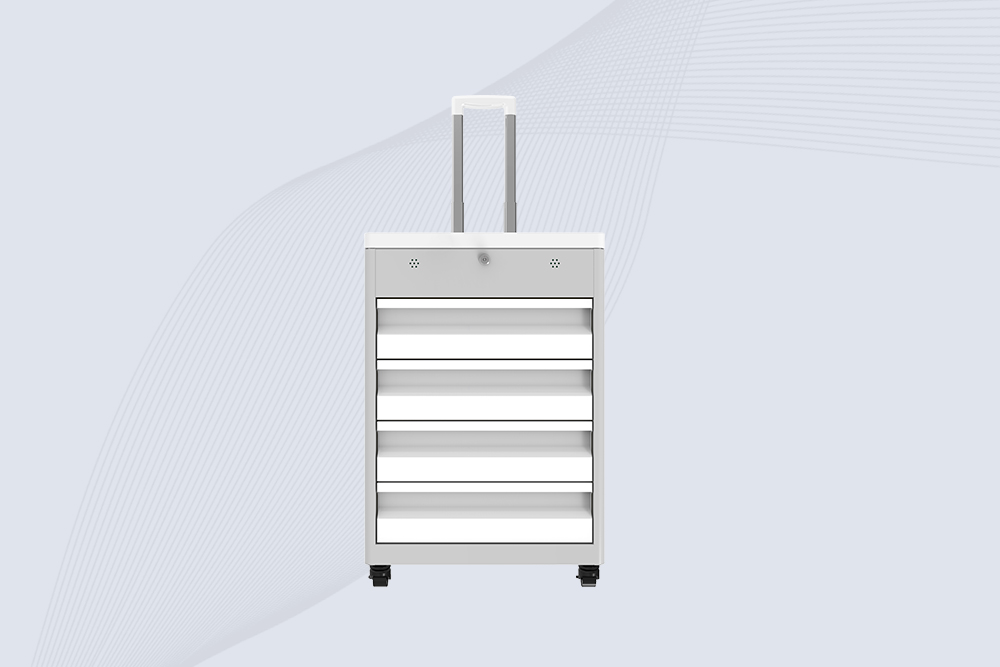
High-value tools create a different management problem from ordinary workshop tools.
A missing screwdriver may be inconvenient. A missing torque wrench, precision measuring instrument, specialized maintenance tool, or expensive production tool can create a much larger operational and financial problem.
Traditional storage methods often depend on labels, sign-out sheets, or employees remembering where a tool was placed.
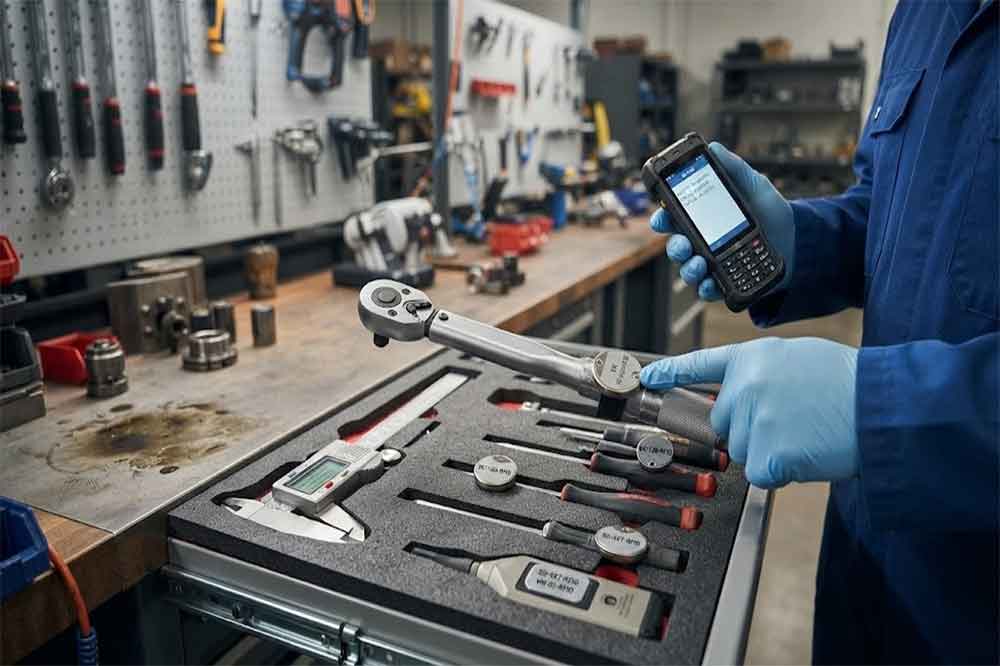
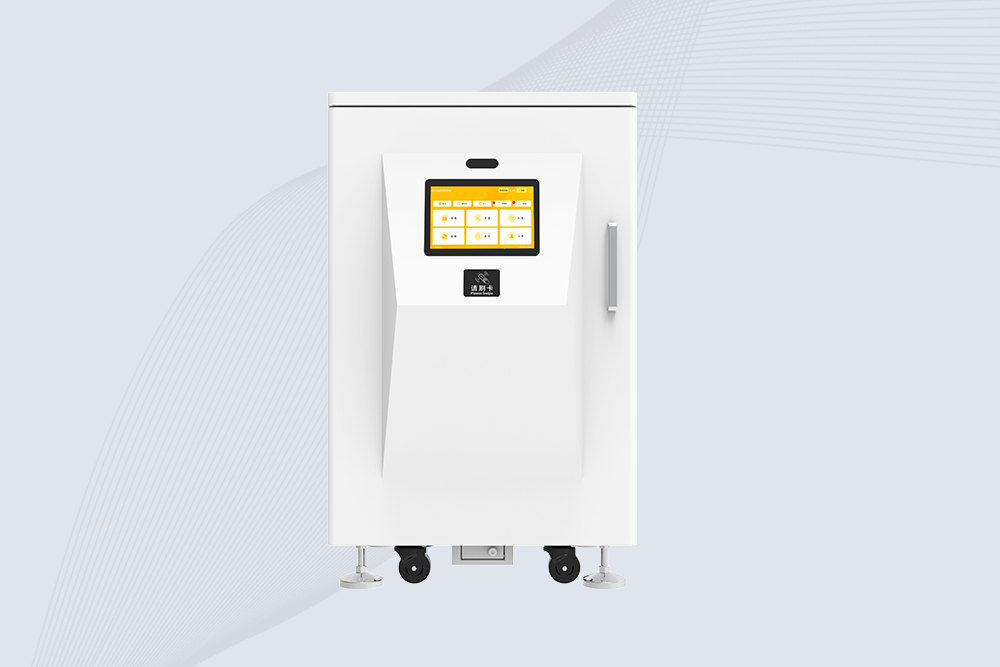
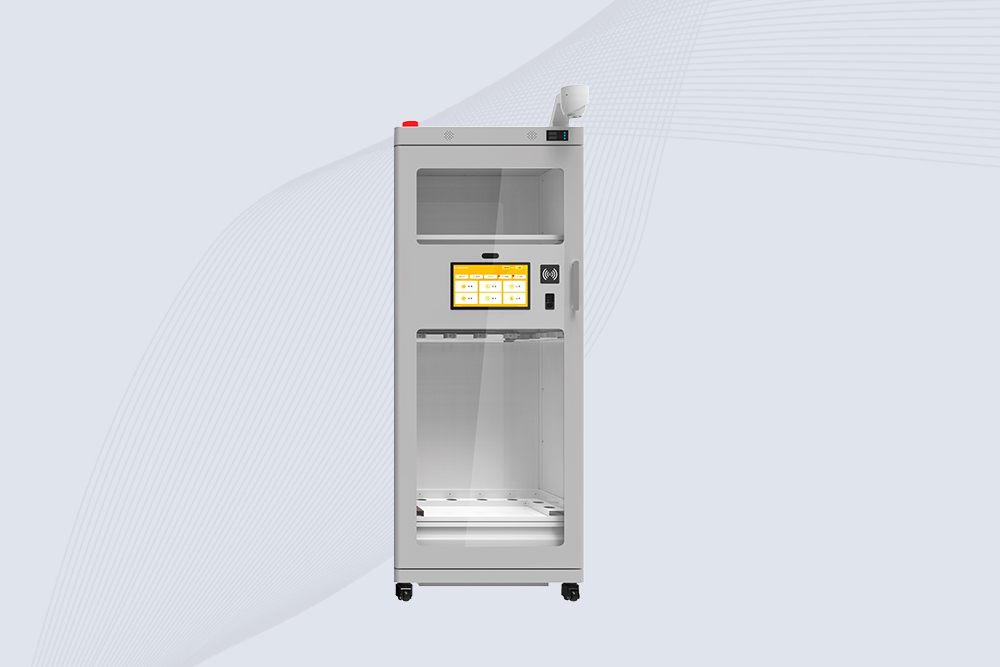
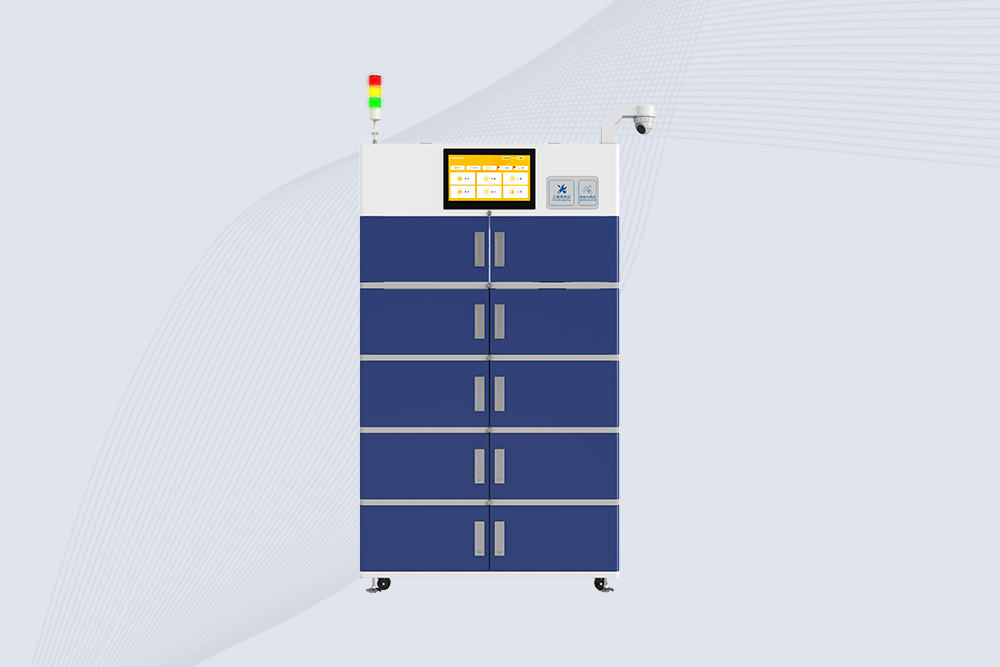
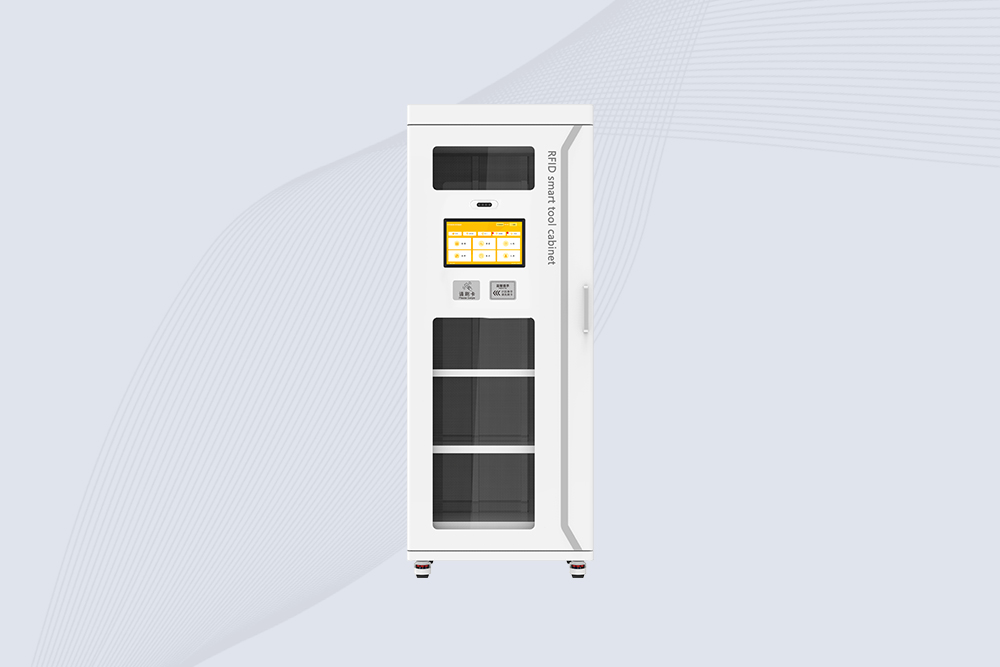
An RFID tool cabinet can connect the physical tool with its RFID identity, user, storage location, and transaction history. This creates a more structured way to manage tools that require tighter control.
1. Why High-Value Tools Need More Control
High-value tools often have several characteristics:
High replacement cost
Limited availability
Specialized applications
Calibration requirements
Restricted users
Frequent movement
High operational importance
A tool may leave a tool room, move to a production area, and return several hours later.
Without a clear transaction record, it can become difficult to answer simple questions:
Who took the tool?
When was it removed?
Has it been returned?
Where should it be now?
Was it used for the correct task?
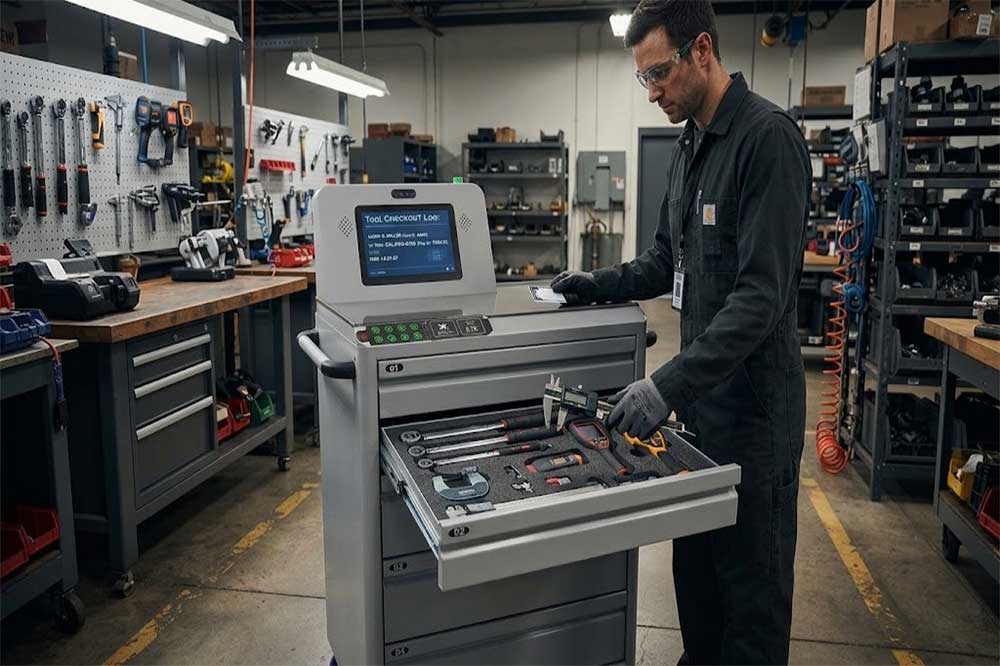
An RFID tool cabinet can help record these events automatically.
2. What Counts as a High-Value Tool?
The definition varies by organization.
Examples can include:
Precision torque wrenches
Calibration instruments
Specialized electrical tools
Inspection equipment
Aerospace maintenance tools
Production-specific tools
Diagnostic equipment
Specialized power tools
Measurement devices
Expensive hand tools
Value is not always determined by purchase price.
A relatively inexpensive tool may still be critical if production cannot continue without it.
Therefore, organizations should consider both financial value and operational importance when deciding which tools require enhanced control.
3. RFID Identification for Individual Tools
The first step is giving each controlled tool a unique RFID identity.
A typical record may include:
Field
Example
Tool ID
TW-00428
Tool Name
Digital Torque Wrench
RFID Tag
TAG-00428
Category
Calibration Tool
Department
Maintenance
Cabinet
Cabinet A
Status
Available
Calibration Date
2026-10-15
This allows the RFID system to distinguish one tool from another.
Two identical torque wrenches can therefore have different digital records even though they look almost the same physically.
4. Use Suitable RFID Tags
High-value tools are often made from metal.
Metal surfaces can affect RFID performance, so tag selection matters.
Depending on the tool, an on-metal RFID tag may be more appropriate than a standard label.
The tag should also survive the working environment.
Consider:
Impact
Oil
Dust
Moisture
Cleaning
Temperature
Repeated handling
Tool surface material
The tag should not interfere with the normal use of the tool.
For expensive equipment, the physical attachment method is also important. A tag that becomes detached can break the relationship between the physical tool and its digital identity.
5. Control Who Can Access High-Value Tools
Not every employee needs access to every tool.
An RFID smart tool cabinet can use user authentication before allowing access.
Depending on the system, authentication may involve:
RFID employee card
RFID badge
PIN
Barcode
Biometric identification
User account
Permissions can then be assigned according to:
Department
Job role
Tool category
Certification
Work assignment
Supervisor approval
For example, a specialized calibration tool could be limited to authorized technicians.
This creates a stronger access-control process than simply keeping the tool in an unlocked cabinet.
6. Record Every Checkout and Return
For high-value tools, the transaction history is often as important as the current location.
A typical transaction can record:
User
Tool
Cabinet
Date
Time
Action
Tool status
For example:
09:12 — Technician 1025 — Tool TW-00428 — Checked Out
Later:
14:36 — Technician 1025 — Tool TW-00428 — Returned
This provides a basic accountability trail.
It also makes it easier for supervisors to investigate missing tools without asking every employee individually.
7. Automated Tool Checkout
A high-value tool management workflow can be structured as:
User Authentication → Tool Selection → Cabinet Access → Tool Detection → Checkout Record
When the tool is removed, the RFID system identifies its tag and updates the tool status.
The user does not necessarily need to manually enter every tool number.
This can make the process more practical when employees need several tools for a maintenance task.
The exact workflow depends on the cabinet hardware and software configuration.
8. Prevent Unauthorized Tool Removal
Access control can be particularly useful when tools are expensive, restricted, or safety-critical.
The system can define which users are allowed to access specific tool categories.
If an unauthorized user attempts to access a restricted tool, the system can record the event or prevent access depending on the configured workflow.
Possible control methods include:
Permission verification
Electronic locking
User authentication
Supervisor approval
Access logs
Exception alerts
The objective is not simply to lock the cabinet.
It is to connect the right person with the right tool and the right transaction record.
9. Track Missing or Overdue Tools
A high-value tool should not disappear from the management system simply because an employee has taken it away.
The system can maintain a status such as:
Available → Checked Out → In Use → Returned
If a tool remains checked out beyond an expected period, the management platform can flag it for review.
The actual overdue rules should be defined according to the company’s workflow.
For example:
Maintenance task duration
Shift schedule
Tool category
Employee responsibility
Work-order deadline
This makes overdue management more practical than using one fixed time limit for every tool.
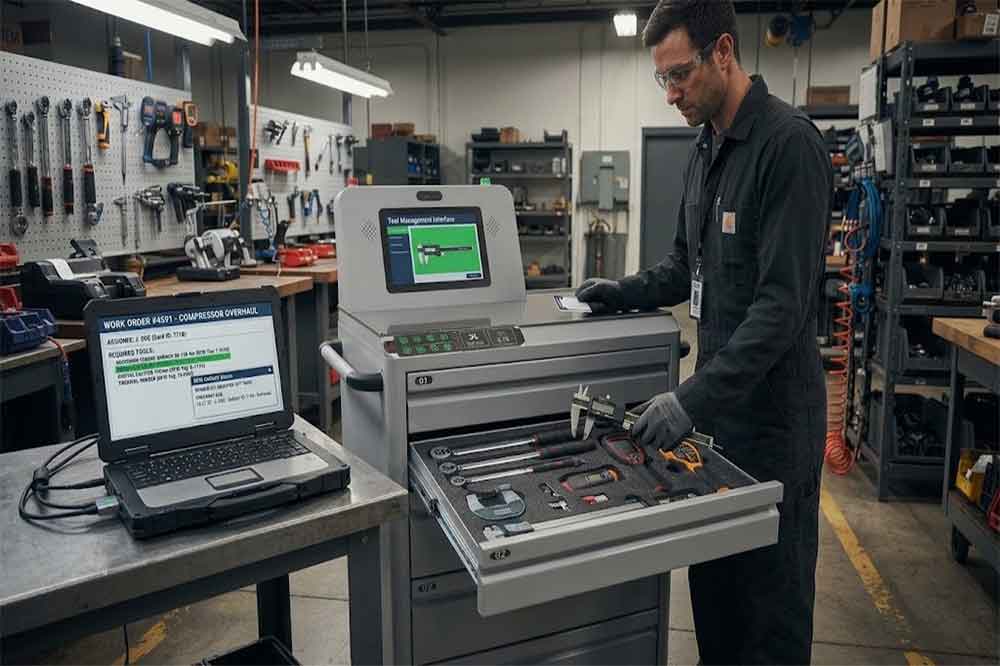
10. Connect Tools With Work Orders
High-value tools are often used for specific maintenance or production tasks.
This creates an opportunity to connect tool transactions with work orders.
For example:
Work Order WO-10285
Required:
Torque wrench
Calibration meter
Specialized diagnostic tool
The technician accesses the RFID cabinet.
The system records the tools used for the work order.
When the task is complete, the tools are returned.
This can create a more complete operational record.
For organizations using CMMS or maintenance software, this information may also be transferred through system integration.
11. Manage Calibrated Tools
Calibration adds another layer of control.
A tool may be physically available but not suitable for use because its calibration period has expired.
For example:
Tool: Digital Torque Wrench Status: Available Calibration: Expired
The system should distinguish between physical availability and operational availability.
Possible tool statuses include:
Available
Checked Out
In Maintenance
Calibration Due
Calibration Expired
Restricted
Retired
This is particularly useful for precision measurement tools.
The exact rules should be configured according to the organization’s quality procedures.
12. Maintain an Audit Trail
For high-value tools, managers may need historical information rather than only the current status.
An audit trail can contain:
User access
Tool checkout
Tool return
Permission changes
Tool status changes
Inventory events
Maintenance records
Calibration records
This creates a history of how the tool has been managed.
When a discrepancy occurs, the organization can review the relevant events instead of reconstructing the history manually.
13. Detect Unusual Tool Activity
Once transaction data accumulates, unusual patterns may become easier to identify.
Examples include:
A tool repeatedly checked out for unusually long periods
Frequent access by unexpected users
Repeated missing-tool events
High usage of a specific tool
Tools repeatedly returned to the wrong area
Unexpected activity outside normal working periods
These patterns do not automatically prove misuse.
They are signals that may require operational review.
This distinction is important when designing an industrial tool accountability system.
14. High-Value Tools in Different Industries
Manufacturing
Production-specific tools may need controlled access to reduce downtime and improve availability.
Aerospace and Aviation Maintenance
Specialized tools can be expensive, limited in quantity, and subject to strict maintenance or calibration procedures.
Automotive Manufacturing
Torque tools, diagnostic equipment, and specialized production tools may need clear assignment and tracking.
Electronics Manufacturing
Precision tools and measurement equipment may require controlled storage and usage records.
Energy and Industrial Maintenance
Maintenance teams may share specialized tools across different work areas.
Laboratories
Precision instruments and specialized equipment can benefit from individual identification and access records.
The exact RFID configuration should be adapted to the operating environment rather than copied directly from another industry.
15. RFID Tool Cabinet vs. Manual High-Value Tool Control
Manual control can work in small operations with few tools and limited users.
However, manual methods may become difficult when:
Tool quantities increase
Multiple shifts share tools
Several departments use the same tools
Tools move frequently
Audit requirements increase
Calibration information must be tracked
Managers need historical transaction data
An RFID cabinet provides automated identification and digital records, but it also requires appropriate hardware, software, tagging, and implementation.
The right approach depends on the organization’s actual requirements.
16. Choosing an RFID Cabinet for High-Value Tools
When selecting a cabinet, consider:
Tool characteristics
Measure tool dimensions, materials, weight, and tag mounting locations.
Storage structure
Decide whether shelves, drawers, compartments, or mixed storage are required.
Access control
Determine whether every tool should have the same permission level.
RFID performance
Test actual tools rather than relying only on theoretical reading specifications.
Software
Check whether the system can record users, transactions, tool status, and audit history.
Integration
Consider ERP, MES, WMS, CMMS, or custom software requirements.
Environment
Evaluate dust, temperature, moisture, vibration, and other industrial conditions.
Expansion
Consider whether additional cabinets or departments may be added later.
17. Start With a Controlled Pilot
For high-value tools, a pilot deployment can be useful before a full rollout.
A practical pilot might include:
One RFID tool cabinet
20–50 selected tools
Several authorized users
One department
Real maintenance or production tasks
Test:
Tool identification
User authentication
Checkout
Return
Unauthorized access
Inventory
Calibration status
Reporting
Software integration
The pilot provides actual operational data before the organization expands the system.
Conclusion
High-value tools require more than simple storage. Organizations need to know where critical tools are, who accessed them, when they were removed, whether they were returned, and whether they remain suitable for use.
An RFID tool cabinet can connect individual tools with user authentication, access permissions, transaction history, inventory records, calibration information, and enterprise software.
The most effective implementation starts with the actual tools and workflow. Tag performance, cabinet layout, user permissions, software integration, and audit requirements should all be tested before large-scale deployment.
For organizations managing expensive, specialized, or operationally critical tools, RFID can provide a structured foundation for more accountable tool management.
For organizations managing many shared tools,RFID tool tracking can provide individual identification and a clearer record of tool movement.
A controlled RFID tool checkout system can then connect the employee with the specific high-value tool being removed from storage.
Companies with broader access-control requirements can also use an RFID tool control system to manage permissions for restricted tools and departments.
For enterprise projects, RFID Tool Cabinet Software Integration can connect tool transactions with maintenance, production, inventory, or employee systems.
Frequently Asked Questions
1. Can RFID track expensive tools?
Yes. Each tool can receive a unique RFID tag and be associated with its own digital record, allowing the system to track checkout, return, location, user, and status information.
2. Can an RFID cabinet restrict tool access?
Yes. User authentication and permission rules can be configured so that specific employees or departments can access selected tools.
3. Can RFID track calibrated tools?
Yes. The software can associate tools with calibration information and status. Organizations can define rules for tools that are due for calibration or have expired calibration.
4. Can RFID connect tools with work orders?
Yes. Through software integration, tool checkout and return events can potentially be associated with CMMS work orders or other maintenance systems.
5. Is RFID necessary for every expensive tool?
Not necessarily. RFID is more useful when tools are frequently shared, difficult to track manually, operationally important, or subject to access and audit requirements.
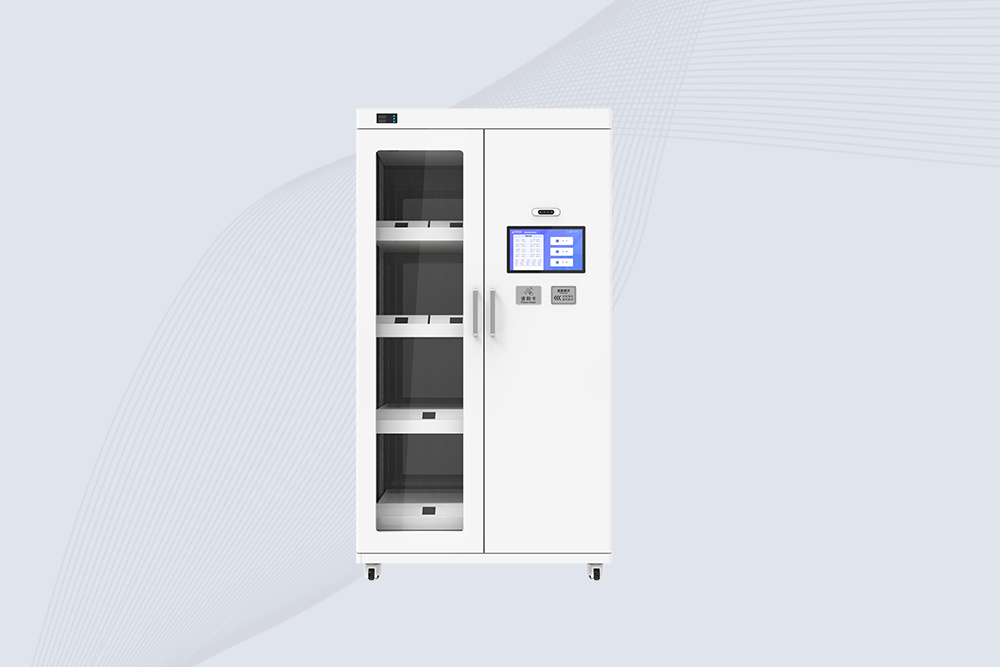
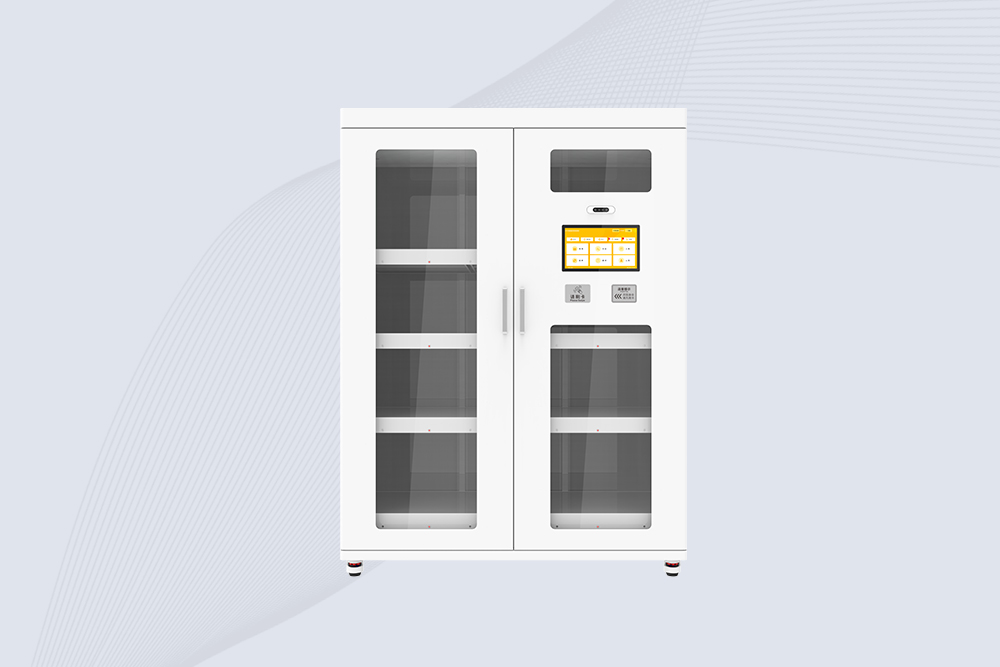
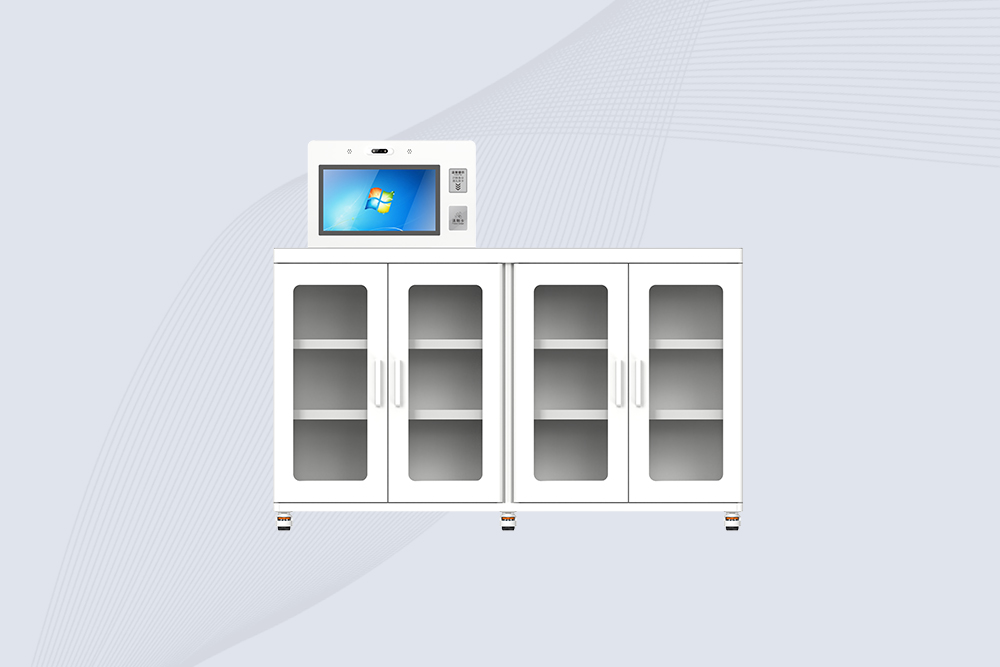
Cykeo’s RFID Smart Tool Cabinet enables 10-second tool audits, user access control & real-time alerts for construction/oil/gas. Features 21.5″ touchscreen, IP54 steel body & -30°C~60°C operation. Supports SAP/Oracle integration.
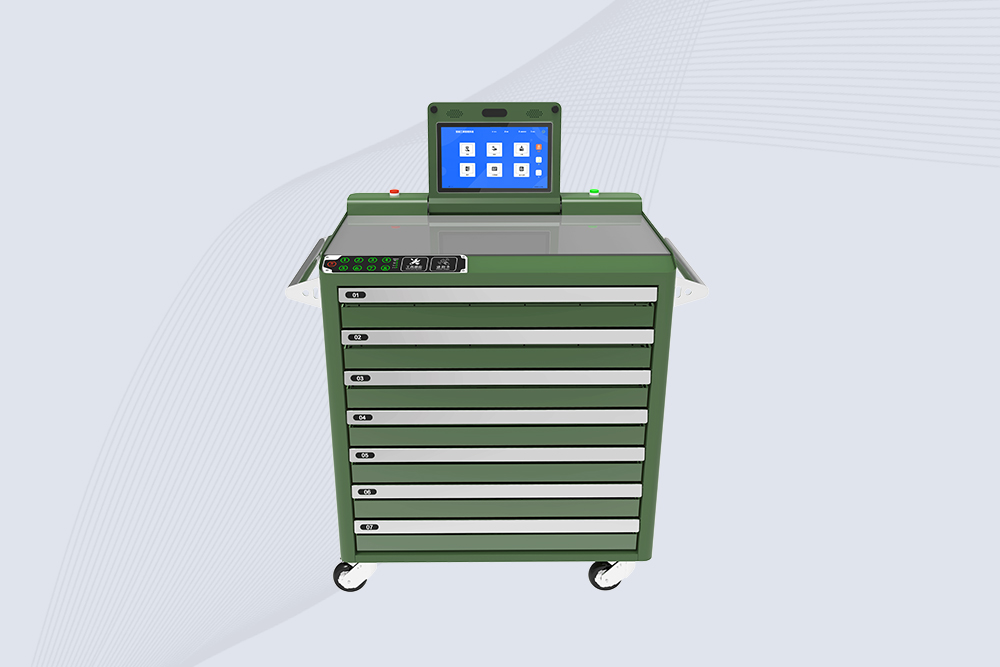
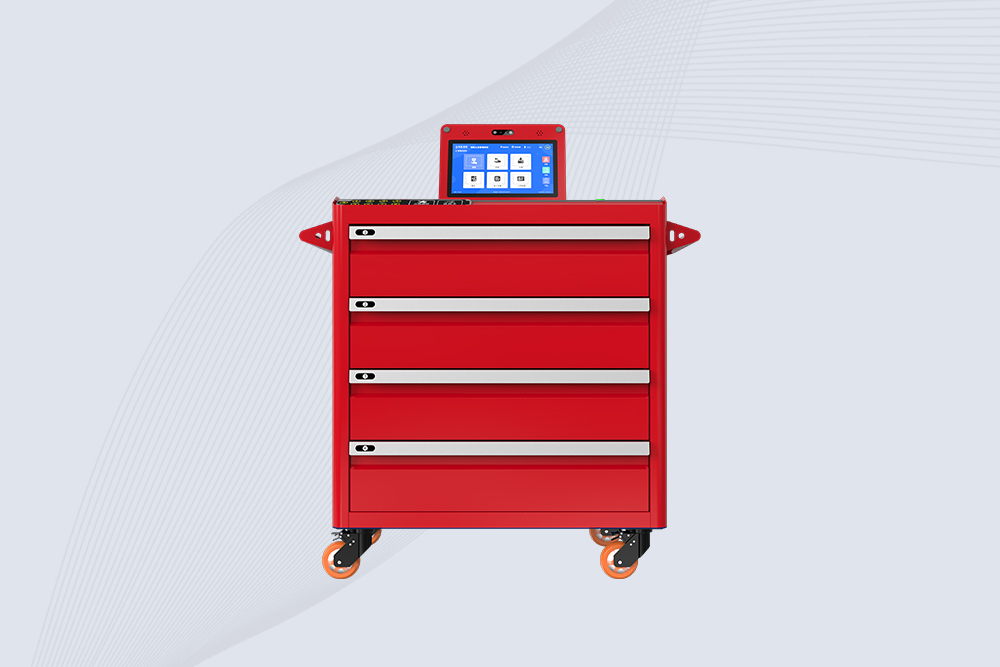
Cykeo’s industrial RFID Tool Cart features 14″ touchscreen, 400+ tool scanning, and carbon steel construction for aviation MRO, power plants and construction sites. 5-second inventory scans.
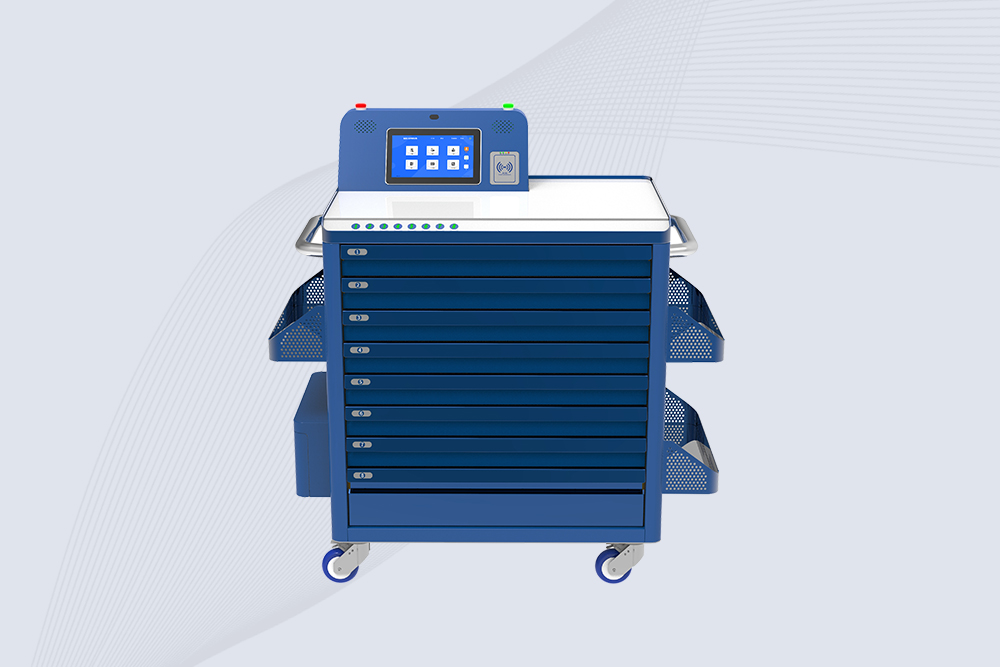
Cykeo CYKEO-TC RFID multi-drawer tool cart manages 300+ tools via UHF RFID, features fingerprint/face recognition, Android/Windows OS, and SAP integration for nuclear/railway/fire safety sectors. IP54 rated for harsh environments.
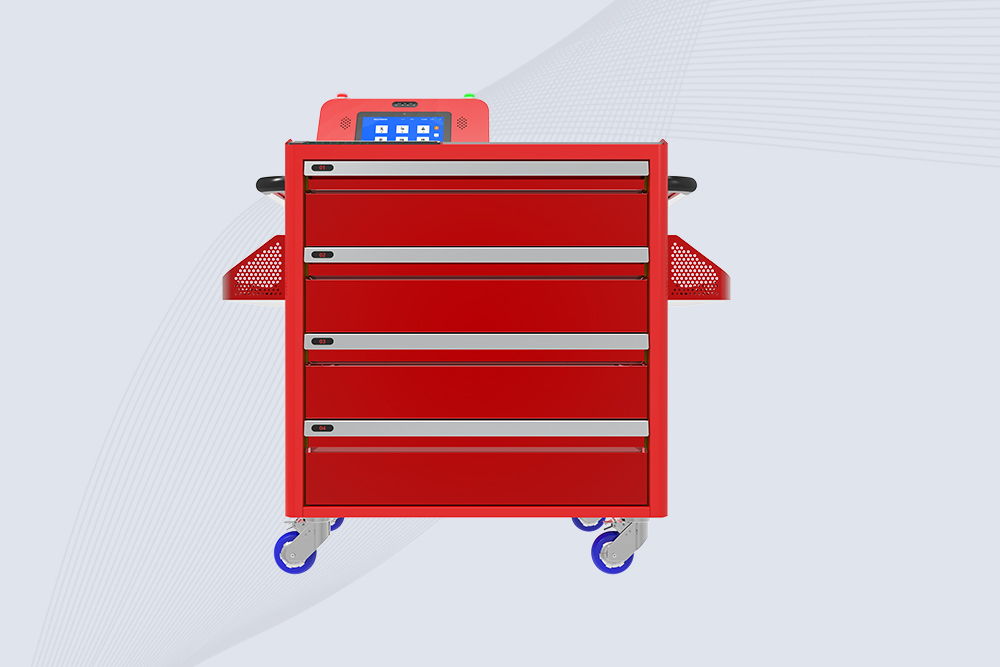
Cykeo CYKEO-GTC4 RFID tool inventory cart manages 300+ tools via UHF RFID, features instant scanning, fingerprint/face recognition, and SAP integration for nuclear/railway/fire safety sectors. IP54 rated for harsh environments.
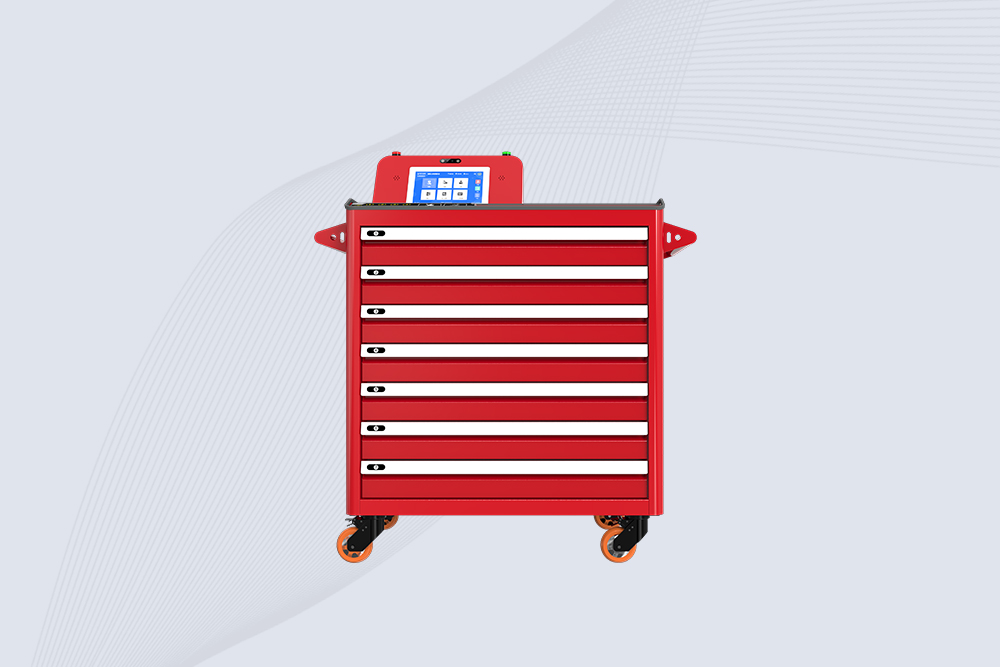
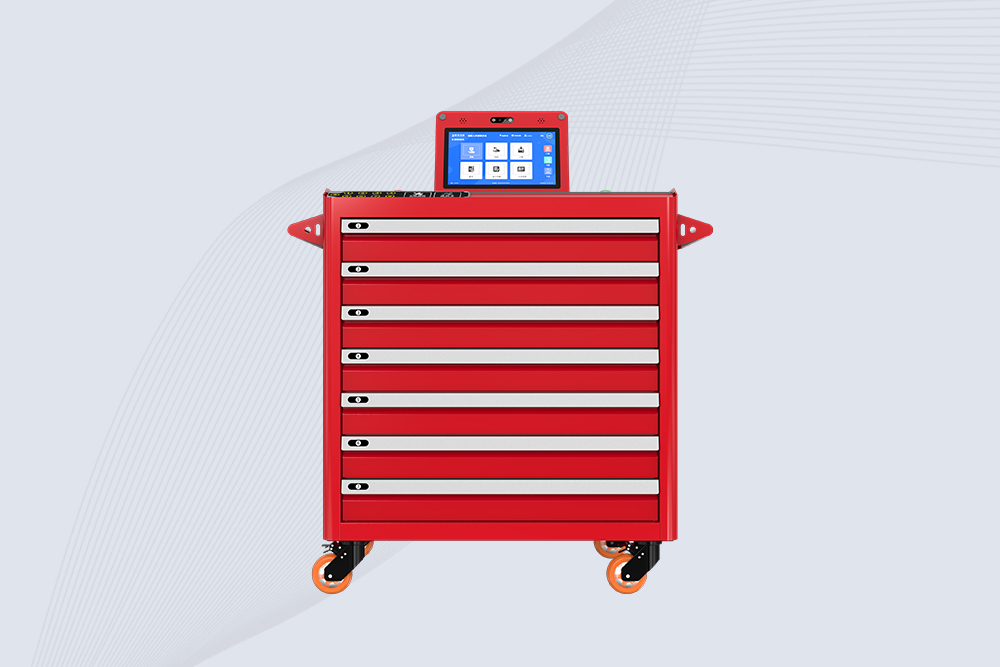
Cykeo CYKEO-GTC7A RFID real-time tool tracking cart features 99.9% accuracy, FOD prevention, and SAP integration for aviation/plant maintenance. Military-grade construction.
Cykeo CYKEO-GTC4B RFID mobile tool cart delivers 300-tool verification in 7 seconds with modular drawers, ≤150W power, and SAP integration for industrial/aviation use.
Cykeo CYKEO-GTC4C RFID workshop tool control cart delivers 300-tool inventory in 3 seconds with 10hr battery, SAP integration, and FOD prevention for industrial workshops.
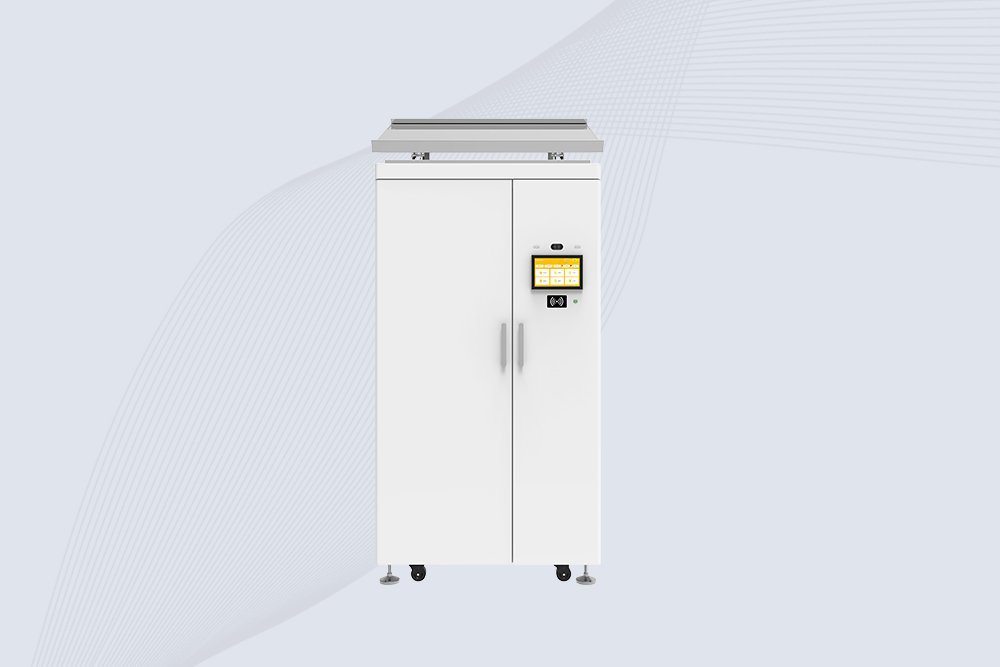
Cykeo’s off-grid RFID tool inventory system features solar/wind power, -30°C~60°C operation, and military-grade durability for mining/energy/military sectors.
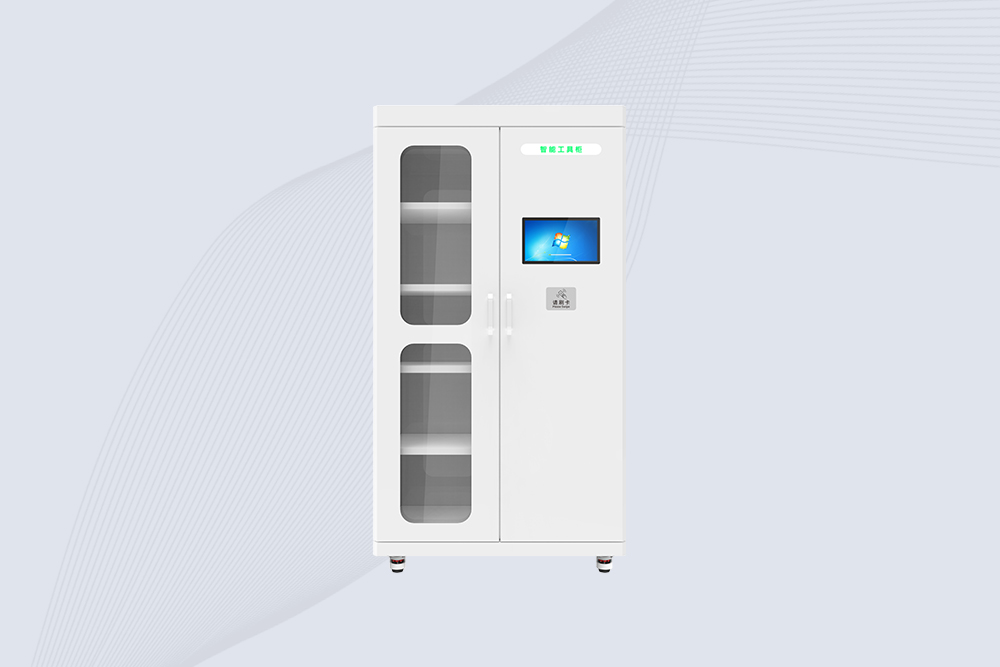
Cykeo’s RFID multi-drawer tool cabinet features 5 adjustable drawers, biometric access, and 99.9% scan accuracy for automotive/aerospace manufacturing.
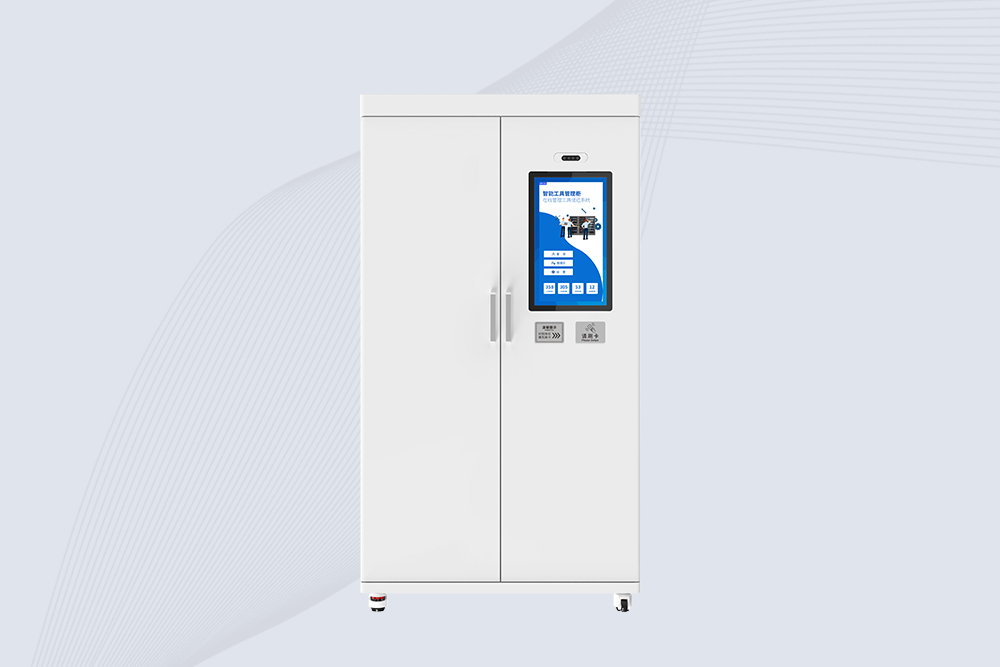
Cykeo CYKEO-GT1B industrial RFID tool storage cabinet features Impinj R2000 UHF technology, 1,000+ tool capacity, IP54 protection, and Windows/Android OS for manufacturing/aviation MRO. Includes auto check-in/out and SAP/Oracle sync.
Cykeo CYKEO-GT3C industrial RFID tool checkout system Cabinet features millimeter-wave scanning, 280-layer storage, dual OS, and 99.9% accuracy for aviation/semiconductor sectors. Supports auto check-in/out and real-time SAP sync.
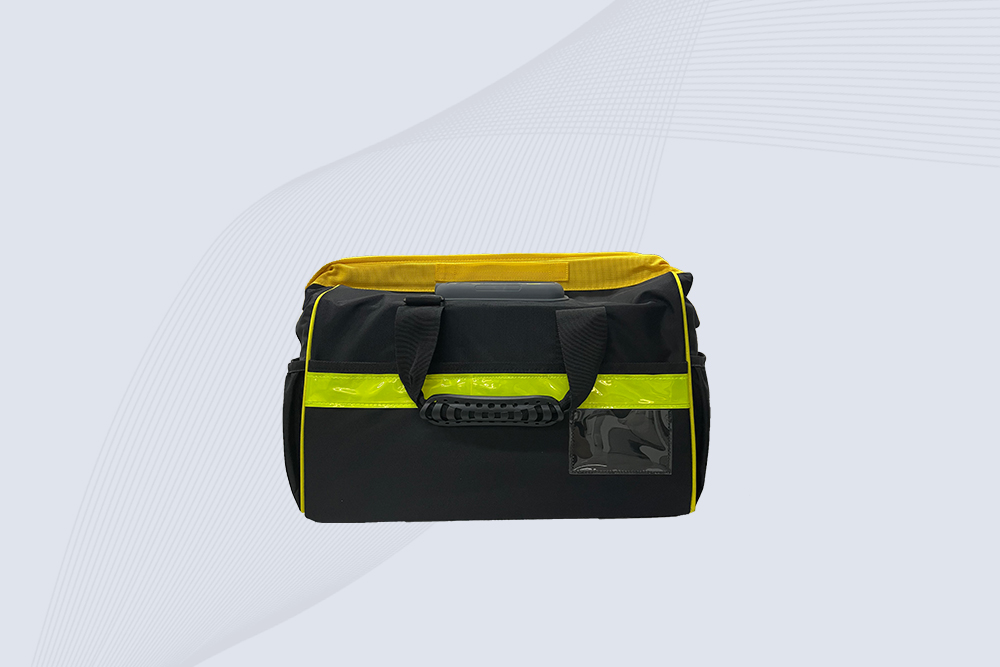
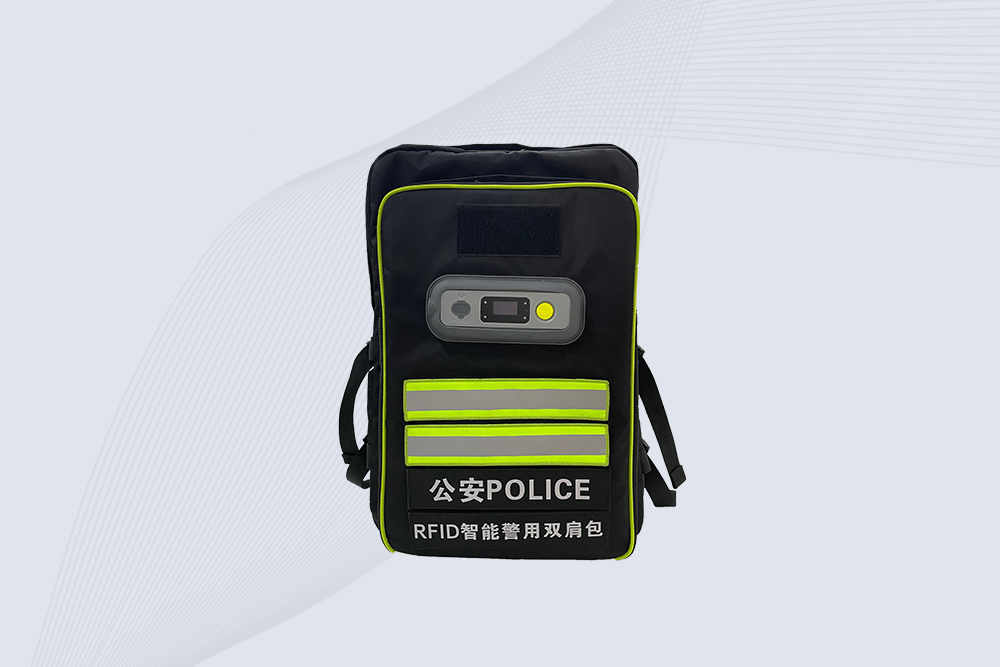
Discover the CYKEO-B1A Industrial RFID Backpack featuring advanced tool tracking technology with 25cm RF shielding, 7-day battery life, and wearable design for field maintenance professionals.
RFID Industry Writer | IoT & Asset Tracking Analyst
James writes about RFID technology, asset tracking, and the practical challenges of digital transformation across warehousing, retail, manufacturing, and logistics.
His work focuses on how RFID is applied in real-world operations—improving inventory visibility, automating workflows, and helping businesses manage assets with greater accuracy and efficiency.
He regularly covers topics including UHF RFID, smart cabinets, RFID portals, tool tracking, warehouse automation, and industrial IoT trends..
Learn proven strategies to improve RFID handheld reader battery life in field operations. Discover power-saving settings, maintenance tips, and Cykeo’s rugged solutions.
This article systematically introduces the application value of rfid stickers for inventory in stock management, covering common tag types, functional features, and applicable scenarios to help enterprises select suitable options and improve asset...
Learn how far a long range RFID reader can really read. Explore the factors affecting RFID read distance, including reader power, antenna gain, tag type, frequency, installation, and real project examples.
how RFID technology and the CK-G0628 Smart RFID Book Locker create a 24/7 self-service borrowing and returning system for libraries, schools, archives, and institutions. Boost efficiency, security, and user experience with RFID-driven automation.
 Cykeo RFID IoT Solution Products R&D Manufacturer