 Cykeo RFID IoT Solution Products R&D Manufacturer
What is an RFID Card Reader?
187Learn what an RFID card reader is, how it works, and where it’s used. Discover how RFID card readers improve access control, security, and daily operations.
MoreAll RFID Product
To use an RFID reader writer, connect the device to a computer, open compatible RFID software, place the RFID tag within the effective range, then read existing data or write new information into the tag memory. The correct operation depends on selecting compatible tags, controlling the reading environment, and verifying written data after programming.
In real RFID deployments, a reader writer is not simply a device that transfers information between hardware and tags. It is a working interface between physical objects and digital systems. During previous RFID implementation projects, I found that the most common problems occurred before the writing process even started: incorrect tag selection, unstable communication, unsuitable reading distance, or missing verification steps.
Cykeo desktop RFID reader writers are designed for controlled tag interaction scenarios such as RFID card issuing, label programming, small-scale settlement equipment, and tag registration stations. Unlike long-range RFID readers used in warehouses, desktop reader writers focus on precision. The near-field antenna design helps keep the operating area controlled, reducing accidental reads from nearby RFID tags.
An RFID reader writer combines two functions in one device:
RFID reading: Captures stored information from RFID tags or cards.
RFID writing: Encodes new information into supported tag memory areas.
The actual workflow depends on the application. A company preparing access cards may only need to write user identification data, while a product management system may need to associate every RFID tag with inventory records.
| Function | Purpose | Typical Application |
|---|---|---|
| Read tag information | Identify existing RFID data | Asset registration and verification |
| Write tag information | Store new RFID data | Card issuing and label encoding |
| Batch writing | Program multiple tags efficiently | Large quantity RFID preparation |
| Tag filtering | Select required tags during operation | Prevent incorrect programming |
The first step is connecting the RFID reader writer with the computer or application system. Cykeo desktop RFID reader writers support Type-C communication, allowing convenient connection with modern computer equipment.
A stable communication connection is important because tag writing requires continuous data transmission. If communication is interrupted during programming, the tag may not store complete information.
Professional RFID reader writers normally work with dedicated software tools. The software allows users to:
Detect connected RFID hardware.
Read tag identification information.
Select memory areas for writing.
Input required data.
Verify successful programming.
Export tag records.
Cykeo provides automatic card writing and reading DEMO software, allowing users to quickly test RFID operations before integrating the hardware into their own applications.
Position control is one of the most important parts of using an RFID reader writer. A device with excessive reading distance may detect unwanted tags around the workstation.
The Cykeo RFID desktop reader writer uses a near-field antenna structure. The reading distance can be controlled within 30 cm, while the writing distance can be controlled within 10 cm. This design is especially useful for card programming desks, tag registration stations, and small RFID payment devices.
Many users initially focus on maximum RFID reading distance, but desktop programming applications require a different approach. The goal is not to read every nearby tag. The goal is to communicate with the intended tag only.
For example, when an operator writes information to a blank RFID card, several unused cards may be placed nearby. A long-range reader could identify multiple tags at the same time, increasing the risk of writing data to the wrong item.
A controlled near-field working area creates a more predictable process.
Reduces unwanted tag detection.
Improves operator efficiency.
Makes card issuing more reliable.
Supports repeatable production workflows.
Stable writing performance depends on several technical factors, including output power, antenna design, software control, and tag compatibility.
The Cykeo RFID reader writer supports up to 33 dBm output power, providing stable writing capability for daily programming operations. It also supports fast tag filtering and batch writing functions, helping users process multiple RFID tags more efficiently.
| Feature | Practical Benefit |
|---|---|
| 33 dBm maximum output | Improves writing stability |
| Near-field antenna | Controls reading and writing range |
| Batch writing support | Improves RFID preparation efficiency |
| Automatic DEMO software | Simplifies testing and operation |
| C# and Java resources | Supports custom software development |
| Type-C communication | Easy connection with computers |

RFID reader writers are used in many industries where companies need to connect physical tags with digital information. In my experience working with RFID deployment projects, the difference between a simple demonstration and a reliable production system is usually the workflow design around the reader writer.
A reader writer placed on a technician’s desk may look simple, but it often becomes the starting point of an entire tracking process. A single encoded tag can later represent a product, medical item, tool, document, or access credential inside a management system.
One common application is RFID card preparation. Organizations can write employee information, membership data, or identification records into compatible RFID cards before distribution.
A desktop RFID reader writer is suitable for this environment because operators need a predictable working area. They do not need a warehouse-scale reading distance. They need accuracy, repeatability, and a simple software workflow.
Employee access card programming.
Membership card creation.
Visitor identification card registration.
Smart service card management.
Before RFID tracking begins, tags usually need to be associated with specific assets. The reader writer provides the connection point between the physical RFID tag and the digital database.
For example, a company managing tools may first encode each RFID tag with a unique identification number. After installation, the same tag can be used for borrowing records, inventory checks, and location management.
| Application | RFID Reader Writer Role |
|---|---|
| Tool management | Encode tags before attaching them to equipment |
| Retail products | Create product identification records |
| Library management | Register books and media items |
| Medical supplies | Associate tags with inventory information |
Improving RFID performance is not only about increasing power. A well-designed workflow often produces better results than simply using stronger RF output.
Based on practical RFID testing experience, I recommend focusing on these areas:
Different RFID tags have different antenna designs, chip structures, and performance characteristics. The reader writer should be tested with the exact tag model used in production.
Metal surfaces, electromagnetic interference, and nearby RFID tags can influence performance. A clean workstation with stable positioning usually creates more consistent results.
A successful write command does not always mean the workflow is complete. Professional RFID systems normally perform a read-back verification to confirm the stored data.
For companies building customized RFID applications, software integration is essential. Cykeo provides C# and Java development materials, allowing engineers to connect reader writer functions with existing business systems.
Cykeo develops RFID hardware for practical business environments where reliability and integration matter. The desktop RFID reader writer combines controlled RF performance with software support for professional users.
| Cykeo Feature | Application Value |
|---|---|
| Near-field antenna design | Provides accurate short-range RFID operation |
| Reading distance within 30 cm | Reduces unnecessary tag detection |
| Writing distance within 10 cm | Improves programming accuracy |
| 33 dBm maximum output | Supports stable tag writing |
| Automatic read/write DEMO software | Speeds up product evaluation |
| Batch writing and filtering | Improves large-volume tag preparation |
| C# and Java development resources | Supports custom RFID applications |
| Type-C communication | Provides convenient computer connection |

| Problem | Possible Reason | Solution |
|---|---|---|
| RFID tag cannot be detected | Incorrect tag type or connection issue | Check tag compatibility and communication settings |
| Writing operation fails | Tag position or software settings are incorrect | Place tag correctly and verify writing parameters |
| Multiple tags respond together | Reading area is too large | Adjust operating distance or use controlled antenna design |
| Software cannot communicate | Driver or interface problem | Check Type-C connection and application configuration |
Connect the RFID reader writer to a computer, open compatible RFID software, place the tag inside the effective range, select the required memory area, write the information, and verify the result by reading the tag again.
Yes. A reader writer is designed to perform both operations. It can capture existing RFID information and store new data into compatible RFID tags depending on the supported protocol and memory structure.
Controlled distance prevents unwanted tags from being detected during programming. For desktop applications such as card issuing and tag registration, accuracy is usually more important than maximum reading distance.
Yes. Many professional RFID reader writers support batch writing functions. Software filtering, verification, and proper tag management help maintain accuracy when preparing large quantities of RFID tags.
The software depends on the application. Basic testing can use DEMO software, while developers can integrate RFID functions using available programming resources such as C# and Java development tools.
RFID reader writers are used in access control, retail, logistics, healthcare, manufacturing, libraries, and asset management systems where tags need to be programmed before tracking or identification.
Understanding how to use rfid reader writer requires more than connecting hardware and software. Reliable RFID programming depends on controlled communication, suitable tags, accurate verification, and a workflow designed around the real operating environment. With proper configuration, RFID reader writers become a practical foundation for efficient tag management and digital identification systems.
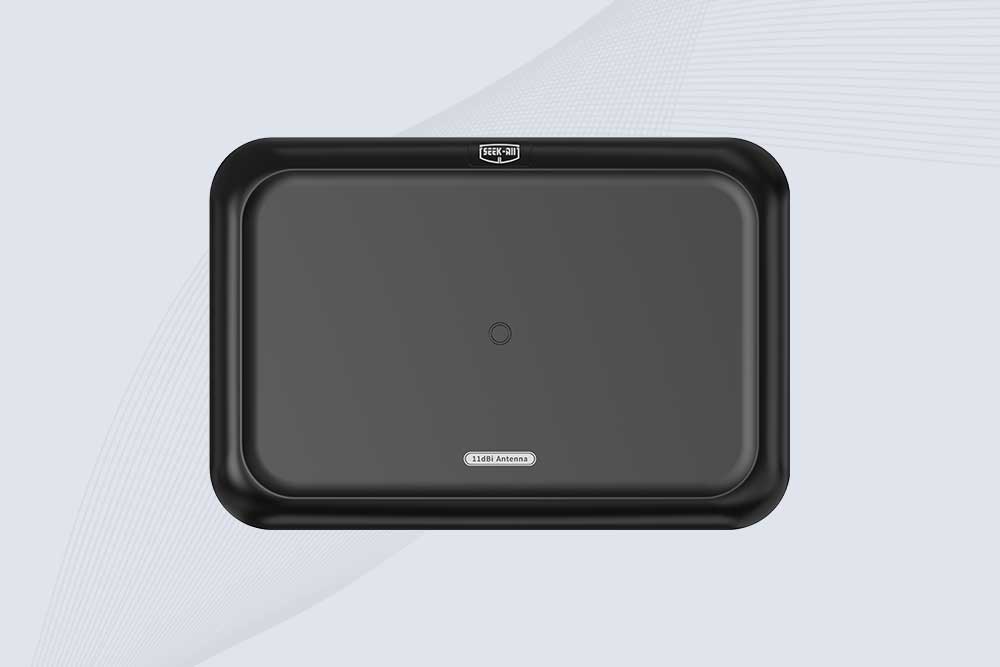
SSD-A11 UHF RFID antenna features 840–960 MHz adjustable frequency, ≥10.5 dBi gain, circular polarization and 50Ω impedance for fixed RFID systems.
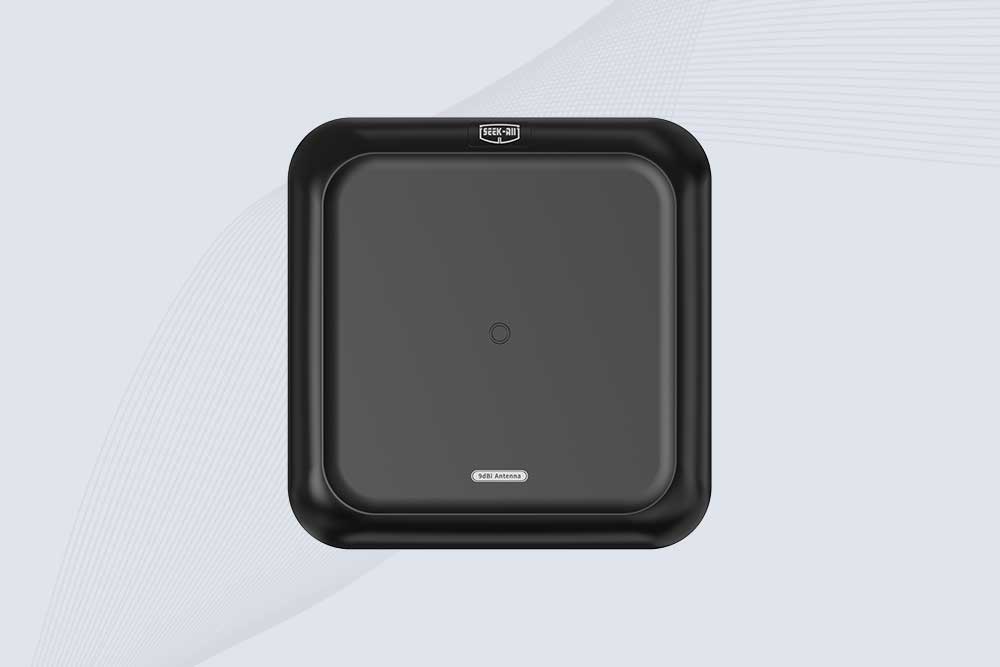
SSD-A09 is a 9 dBi UHF RFID antenna with 840–960 MHz adjustable frequency, circular polarization, 50Ω impedance and directional 60° × 60° coverage.
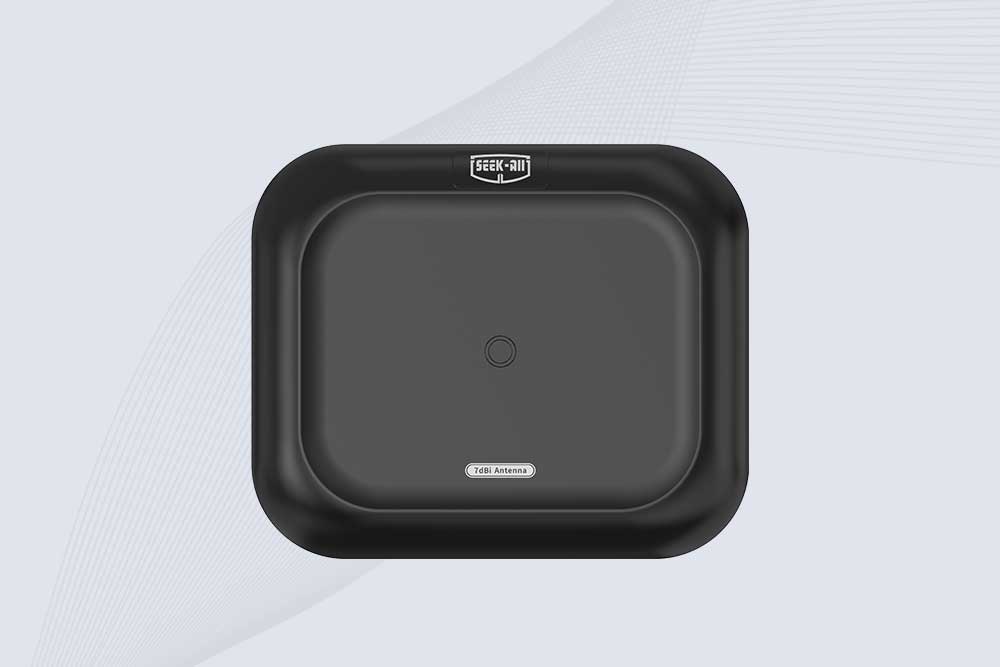
Explore the SSD-A07 UHF RFID antenna with 7 dBi gain, circular polarization, adjustable 840–960 MHz frequency, and 60°/75° beamwidth for stable RFID read/write performance.

SSD-A06 UHF RFID antenna with circular polarization, adjustable 840–960 MHz frequency, ≥4.5 dBi gain, and a compact directional design for RFID systems.

Discover SSD-D4AL, a USB-HID UHF RFID reader with 4/8/16 antenna options, Impinj E710/X3M1 chipset, plug-and-play USB power, and OEM customization.
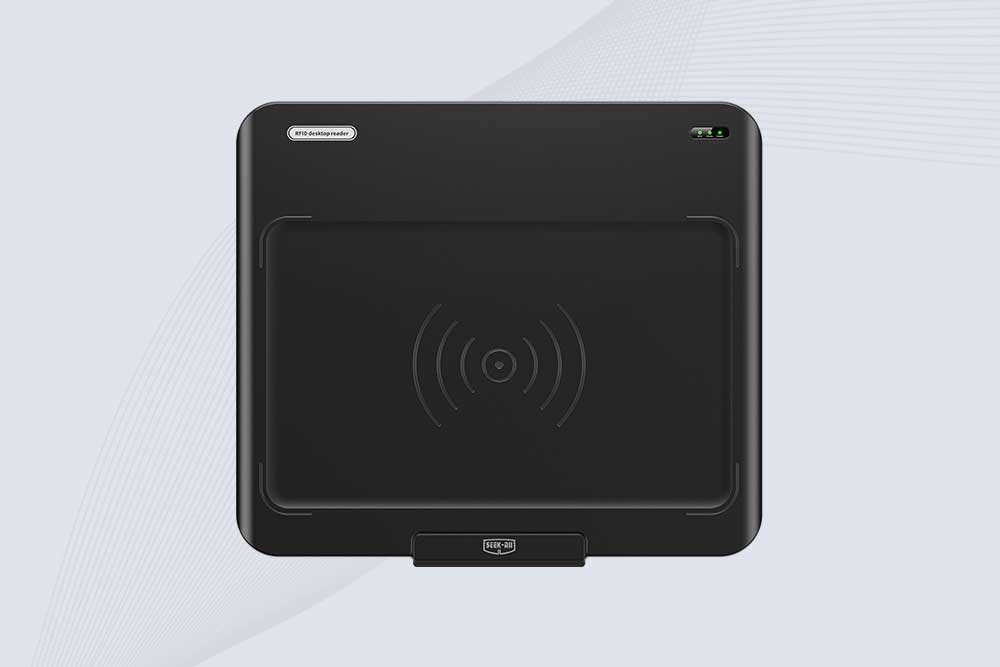
SSD-D3AL is a USB-HID UHF RFID reader with 0–30 cm reading, 0–15 cm writing, over 600 tags/s recognition, USB plug-and-play operation and OEM Logo customization.
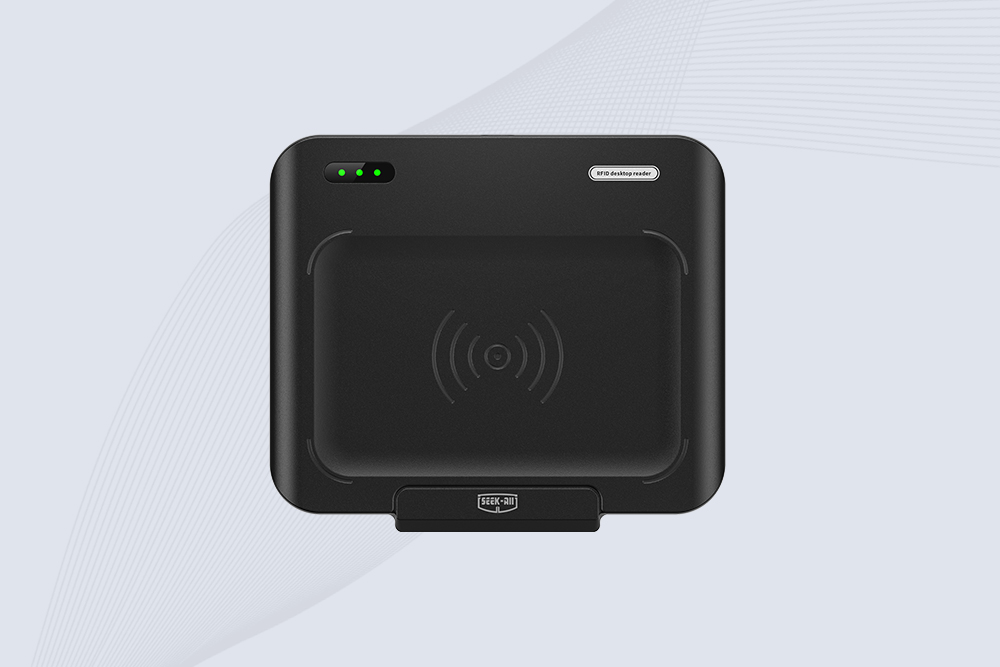
SSD-D1AL is a compact USB UHF RFID reader with Impinj E710/X3M1 chipset, USB-HID, 600+ tags/s recognition, 4/8/16 antenna support and plug-and-play USB power.

CYKEO CYKEO-D1LA USB RFID Reader is a compact desktop solution with near-field control for precise tag reading and encoding. Powered by USB, supporting ISO 18000-6C, and built for stable batch writing, this usb rfid tag reader fits retail, libraries, offices, and controlled RFID encoding tasks.
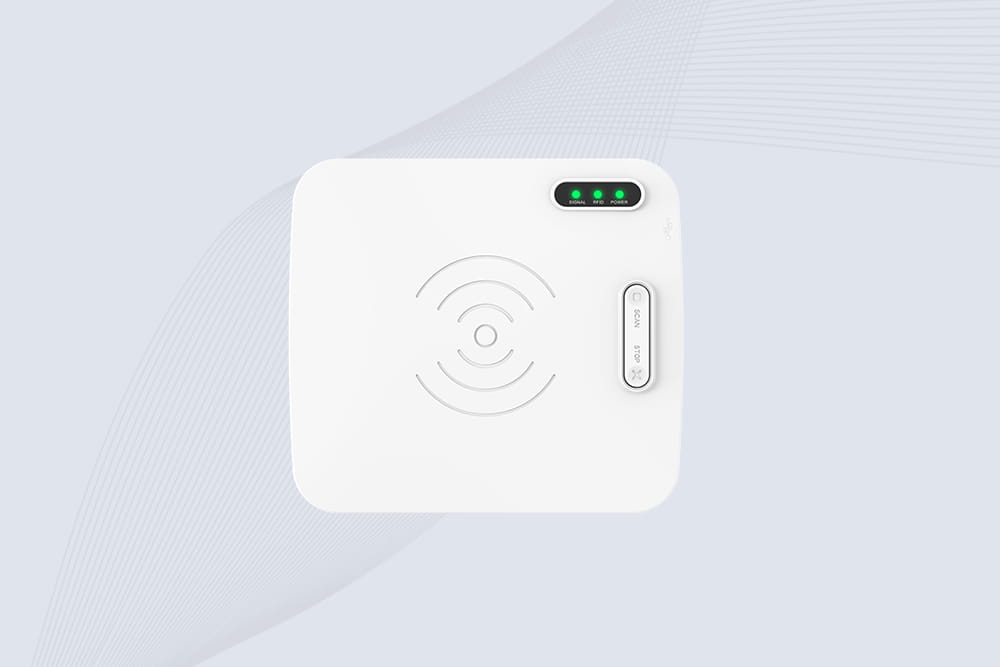
CYKEO CYKEO-D1L RFID scanner USB is a compact desktop UHF RFID scanner designed for short-range tag writing and verification. This usb rfid scanner supports batch encoding, stable 0–26 dBm output, and works across Windows, Linux, and Android systems.
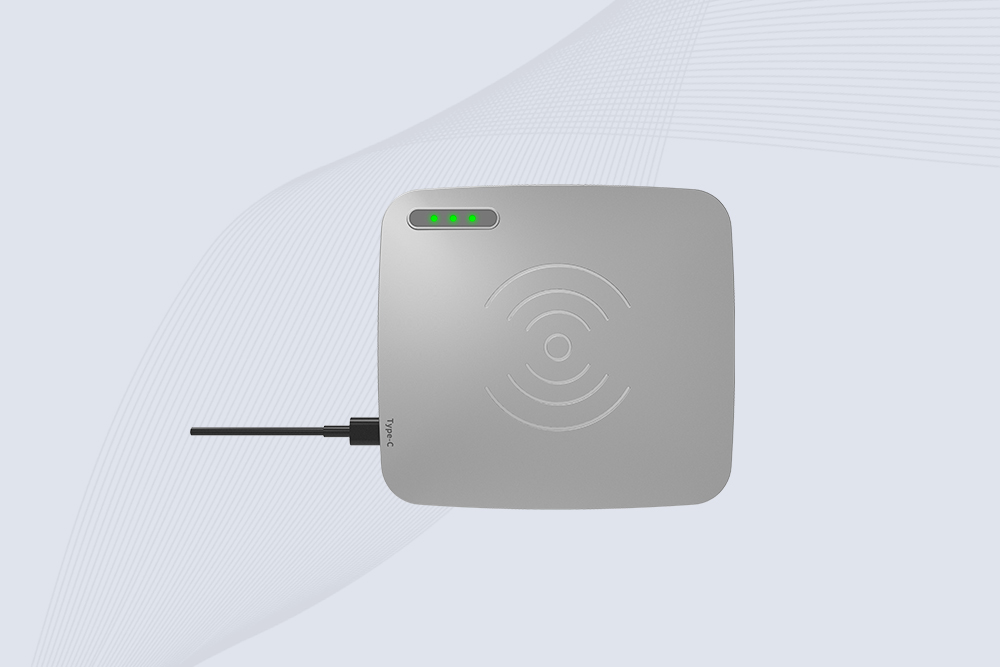
CYKEO CYKEO-D1C USB RFID Card Reader is a near-field UHF desktop writer designed for secure, short-range tag encoding. With USB-C connectivity and stable 26 dBm output, this rfid reader usb c is ideal for badge issuance, label encoding, and controlled desktop RFID workflows.
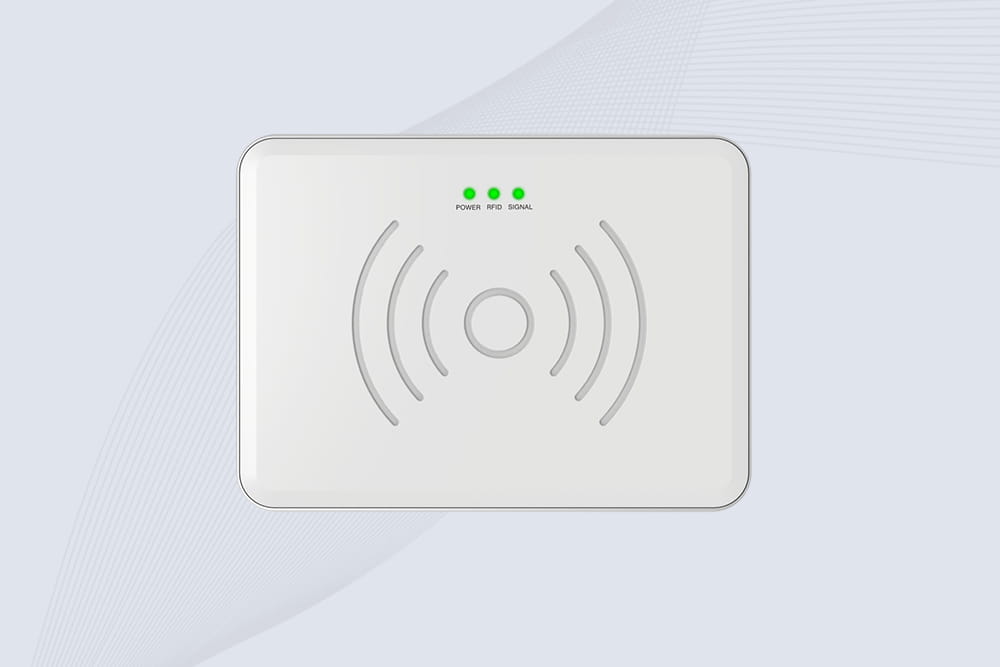
CYKEO CYKEO-D2L RFID Reader USB is a compact desktop encoder built on the Impinj R500 chip. With near-field control and stable USB power, this usb rfid card reader delivers precise tag writing for offices, retail counters, and small-scale logistics encoding tasks.
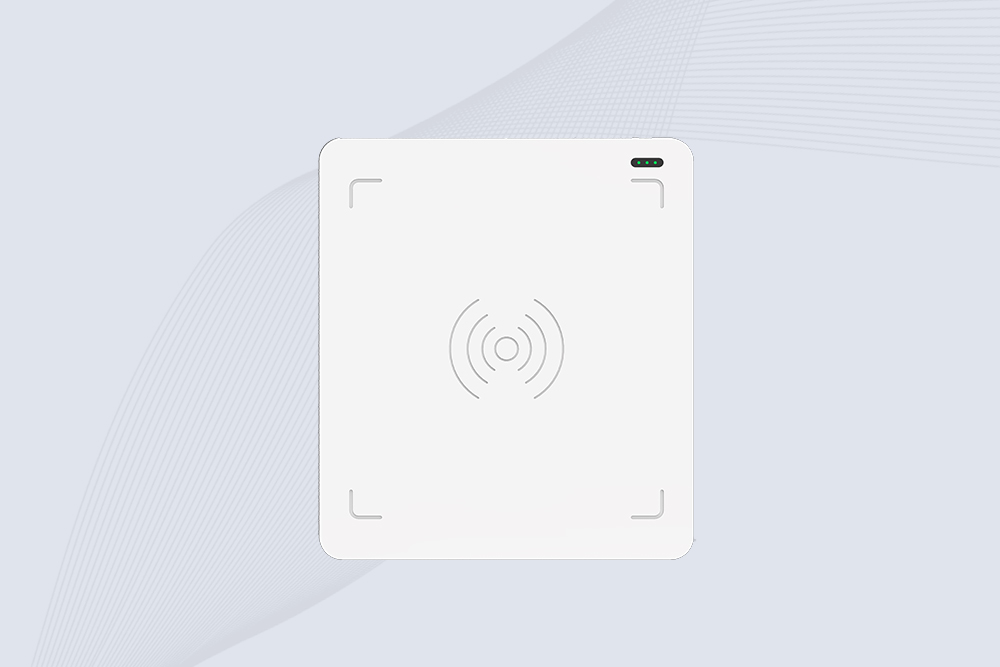
CYKEO CYKEO-D3L USB RFID Tag Reader delivers stable UHF tag reading and writing for daily desktop and light industrial tasks. Designed for controlled short-range operation, this USB RFID Tag Reader works reliably with rfid tag and reader systems in libraries, tool tracking, and inventory registration.
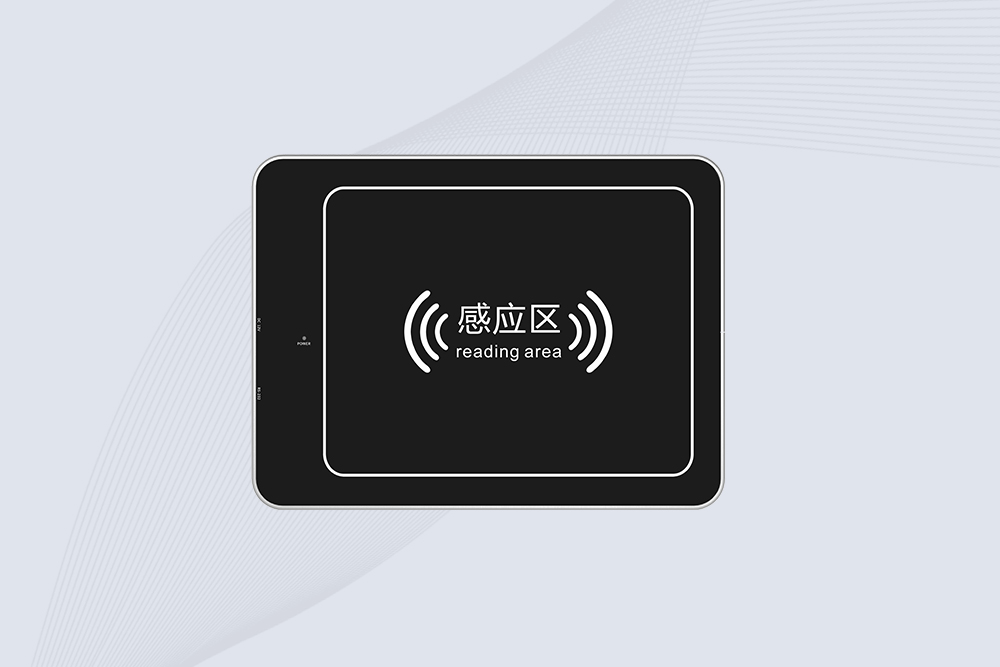
The CYKEO CYKEO-D4L UHF RFID Tag Reader is a stable Desktop RFID Reader designed for accurate tag registration, borrowing, and return workflows. Built with the Impinj R2000 chip, this UHF RFID Tag Reader delivers controlled short-range reads for libraries, asset tracking, and inventory management environments.
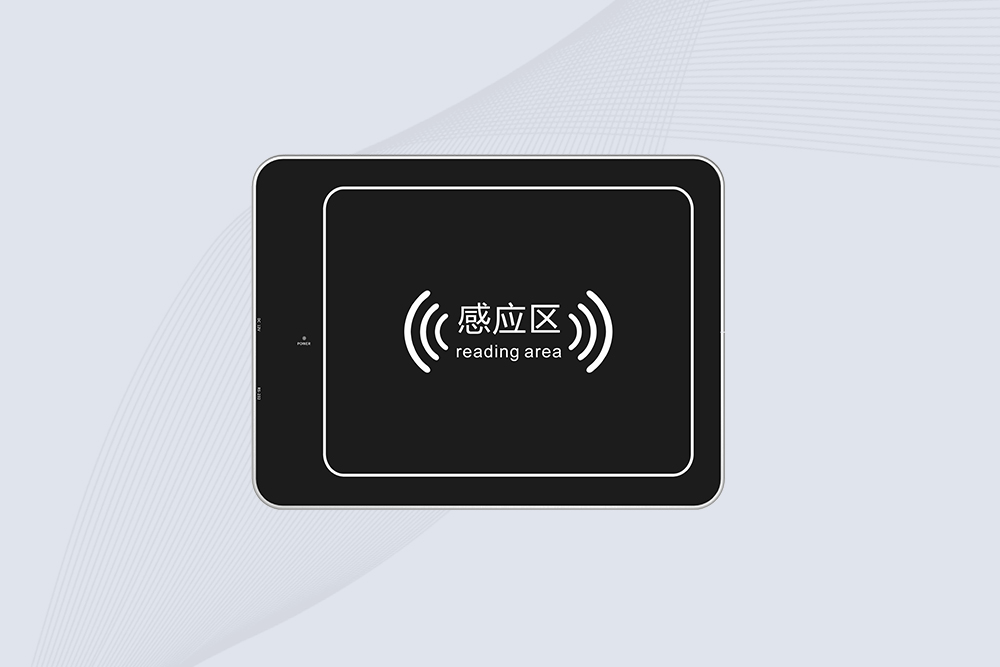
The CYKEO CYKEO-D5L Desktop RFID Card Reader is a stable UHF RFID Card Reader designed for controlled short-range reading and writing. Built for libraries, tool rooms, and asset desks, this UHF RFID Card Reader supports dense tag handling, secure data processing, and easy USB integration.
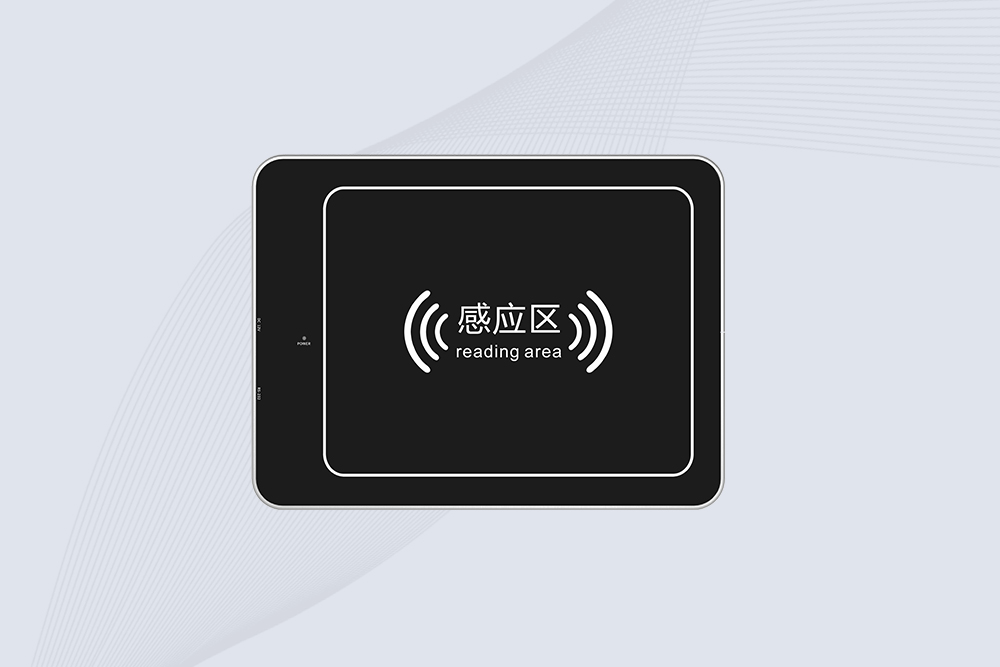
The CYKEO CYKEO-D6L RFID Reader Writer is a heavy-duty Desktop RFID Reader designed for short-range, high-accuracy tag programming. Built for libraries, labs, and asset desks, this RFID Reader Writer supports batch processing, stable 33dBm output, and seamless integration with existing management systems.
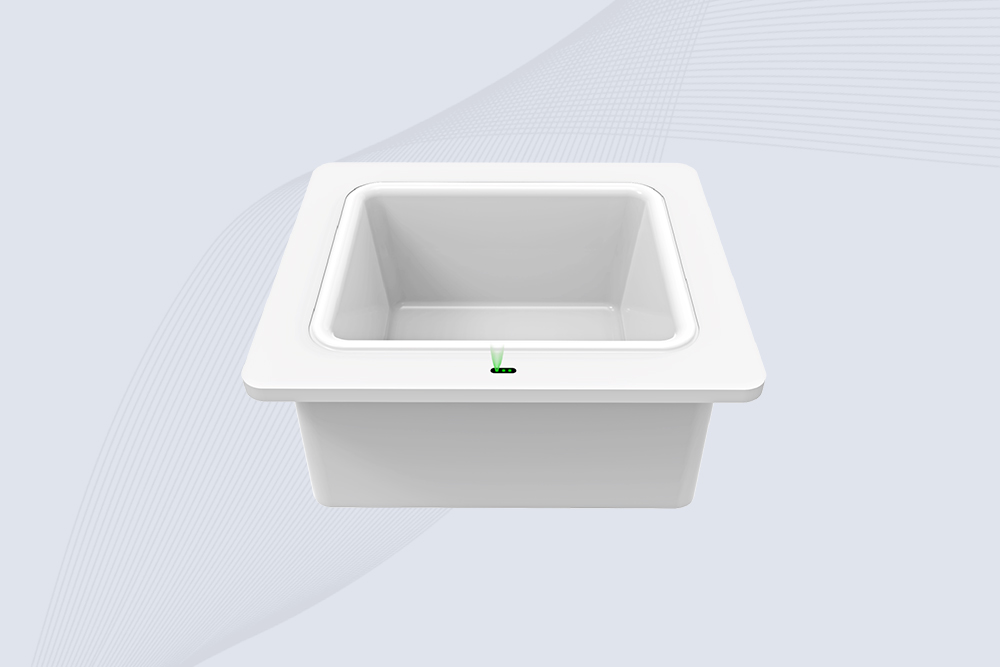
Cykeo CYKEO-D8B UHF RFID tunnel and RFID Desktop Reader features 30+ items batch reading,
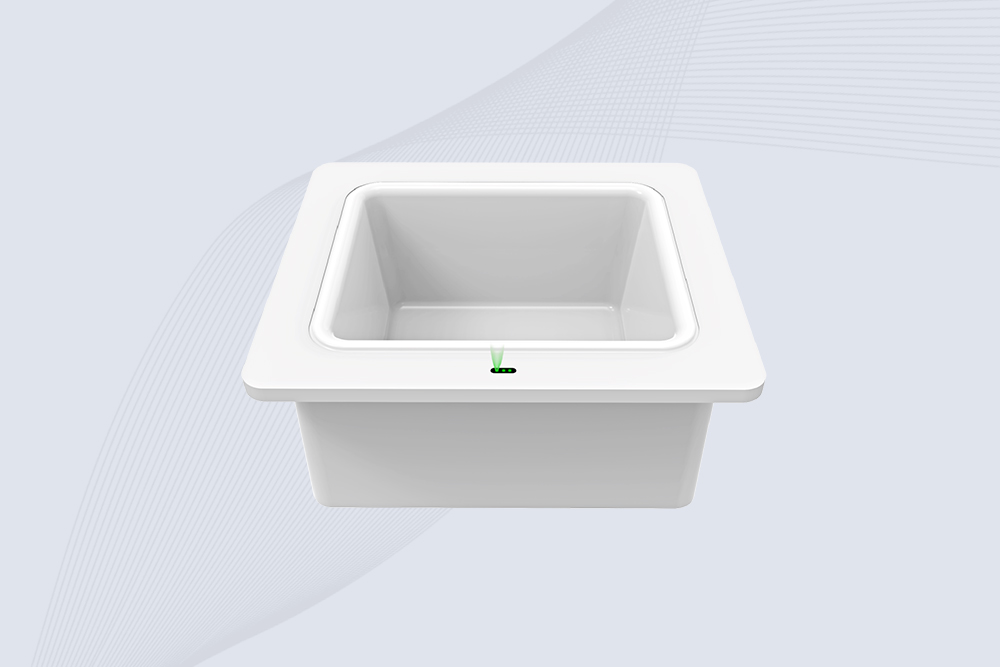
Cykeo CYKEO-D8A embedded RFID badge reader offers 30+ tags/sec scanning, 20cm anti-crosstalk precision, and DC 12V power for unmanned stores, warehouses, and smart inventory systems.
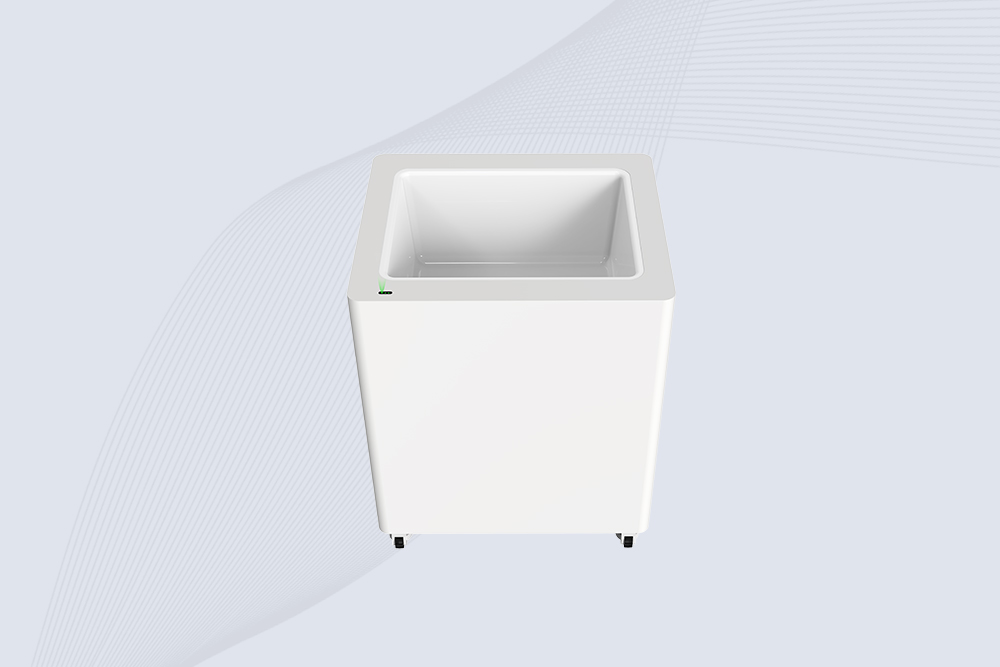
Cykeo’s CYKEO-D8C UHF RFID gate reader achieves 200-tag/batch scanning with adjustable power control, ideal for retail inventory and smart warehouse management.
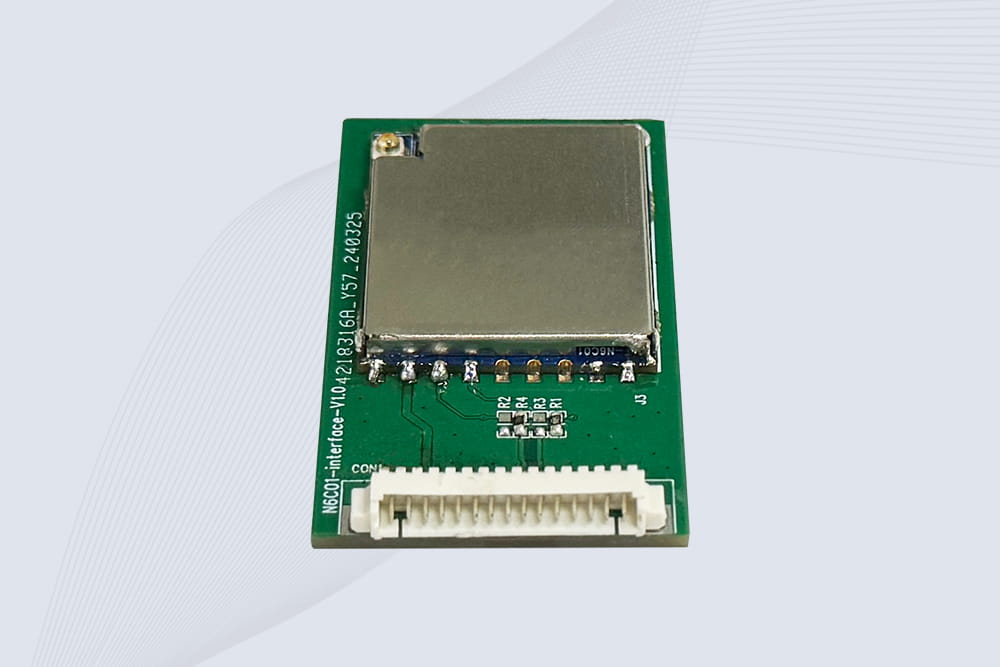
CYKEO Embedded RFID Modules are designed for compact industrial and IoT devices that require stable UHF performance. These UHF RFID Modules support global protocols, flexible power control, and reliable multi-tag reading for smart cabinets, production lines, and asset tracking systems.
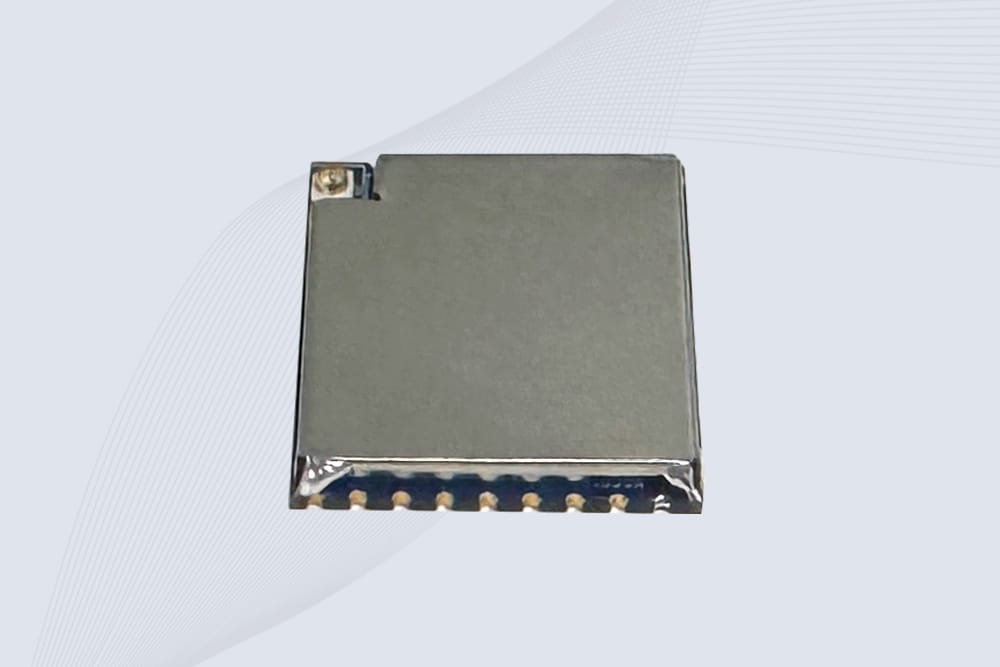
CYKEO Embedded RFID Module is built for compact IoT and industrial devices that need stable UHF performance. This UHF module supports global protocols, low power operation, and reliable multi-tag reading for smart lockers, production lines, and always-on RFID systems.
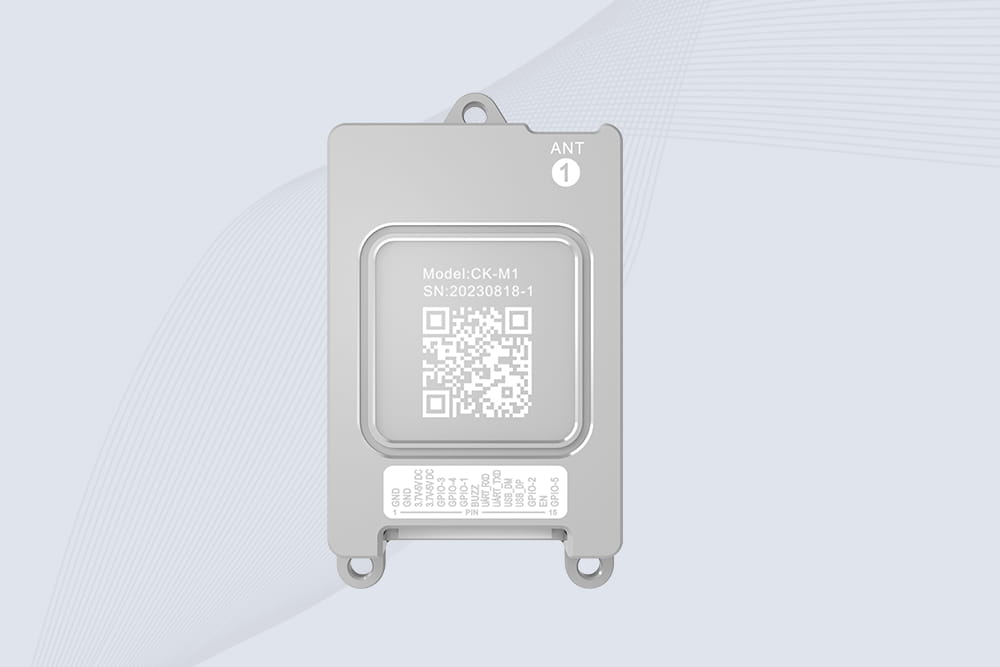
CYKEO CYKEO-M1 drone rfid module is a compact UHF RFID reader module designed for drones and UAV platforms. It supports long-range aerial scanning, fast multi-tag reading, and stable performance in wind, vibration, and outdoor environments.
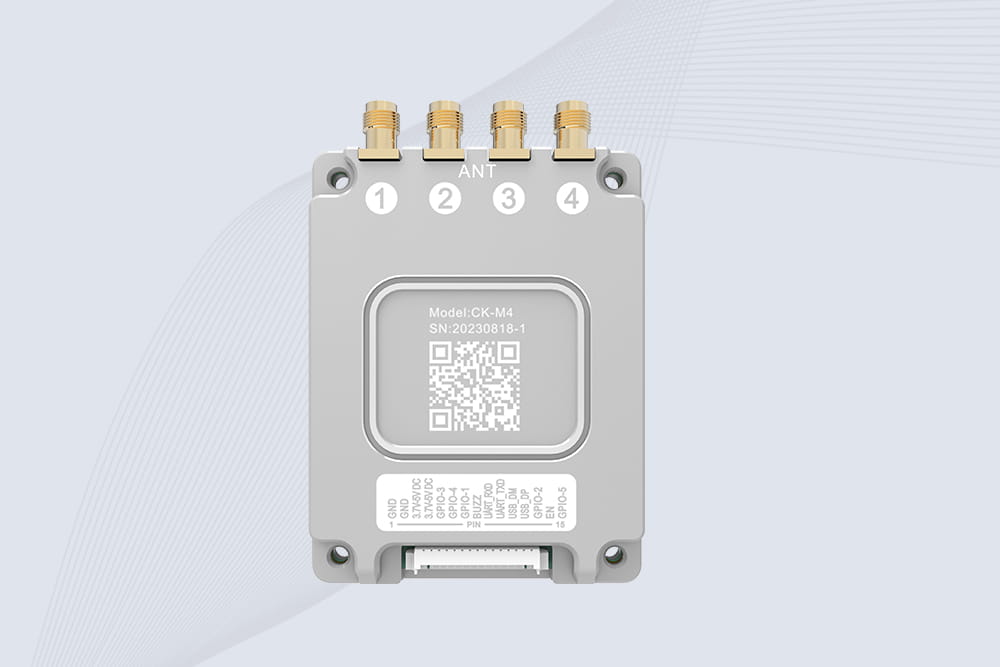
CYKEO CYKEO-M4 RC522 RFID Module is an industrial-grade UHF RFID reader with 4 ports, supporting ISO, EPC, and GB protocols. High-speed, accurate reading for IoT, automation, and warehouse applications.
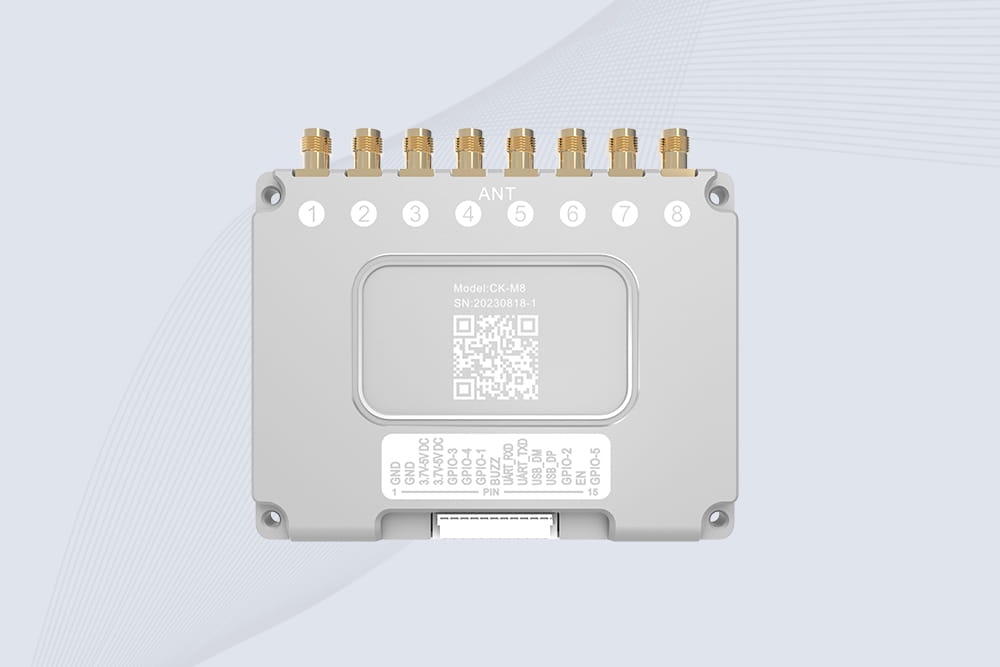
CYKEO CYKEO-M8 Module RFID is an 8-port UHF R2000 RFID Module designed for high-density, multi-tag environments. Stable 33dBm output, ISO & GB protocol support, ideal for warehouses, factories, and automated systems.
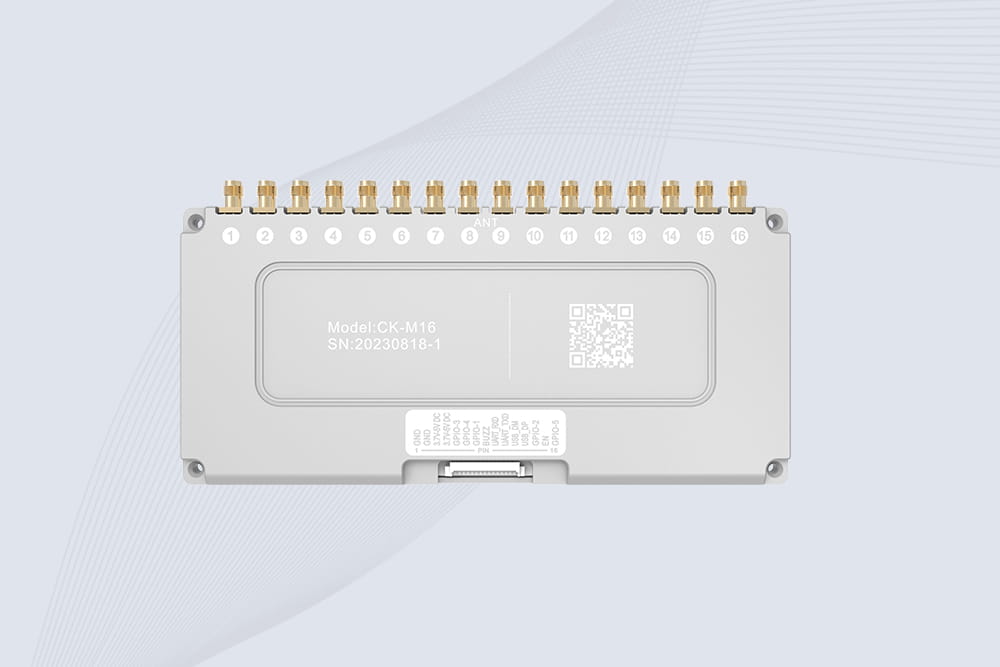
CYKEO CYKEO-M16 RFID Module is a 16-port UHF RFID reader module based on the R2000 chipset. Designed for dense tag environments, it supports ISO and GB standards and delivers stable multi-antenna control for industrial automation.
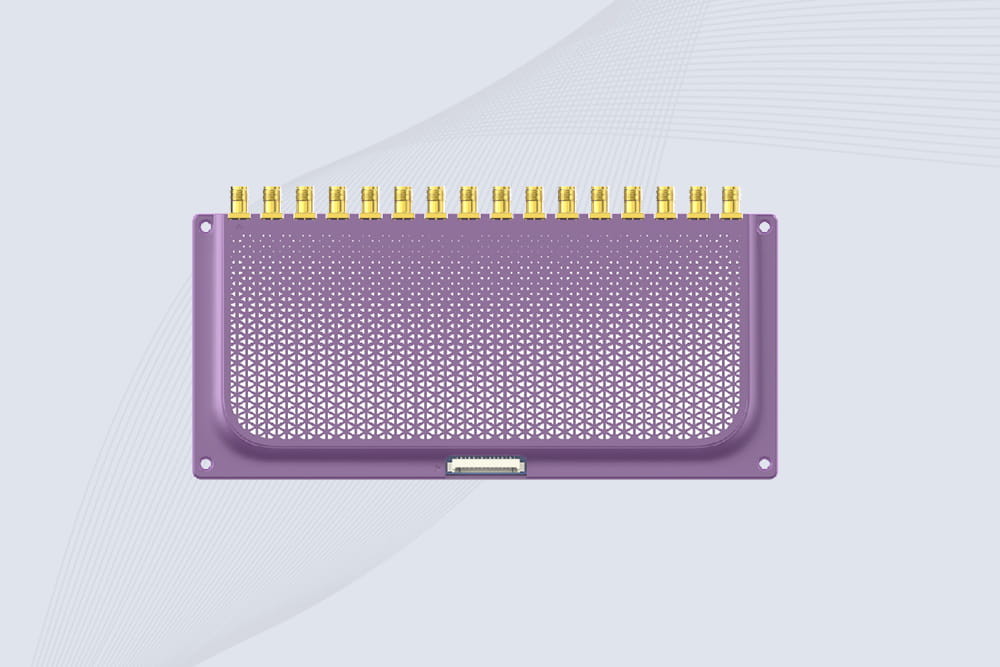
The CYKEO CYKEO-M16L RFID Reader Module is a 16-channel UHF RFID core designed for dense tag environments. With adjustable 33dBm output, multi-protocol support, and stable multi-antenna control, this RFID Tag Reader Module fits industrial automation, warehouse systems, and large-scale IoT deployments.
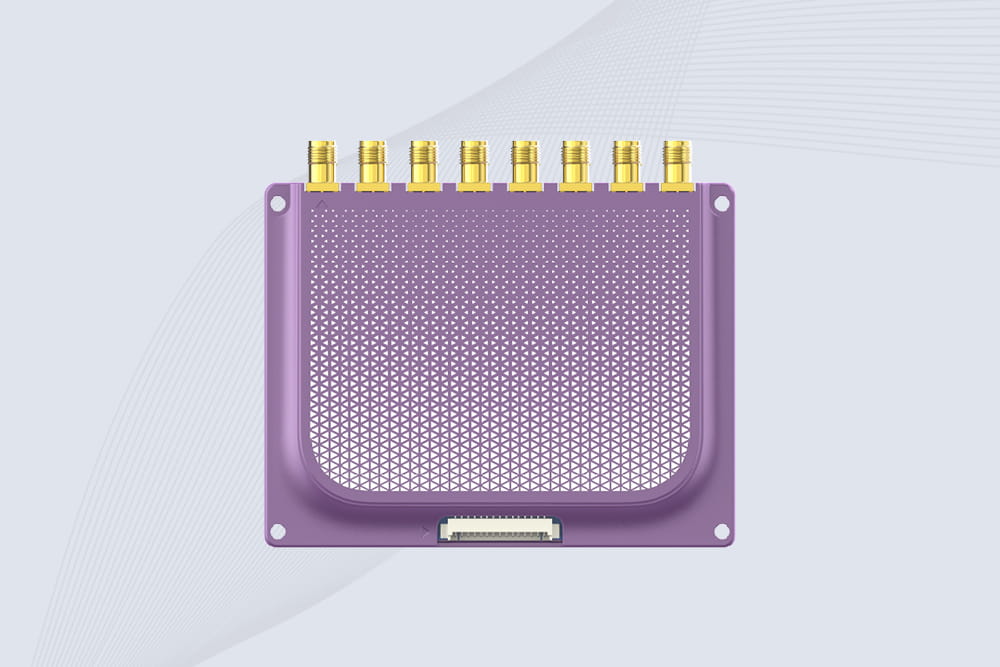
CYKEO CYKEO-M8L module RFID is a compact industrial UHF module built for dense tag and multi-antenna environments. With 8 RF ports, adjustable 33 dBm output, and ISO & GB protocol support, it is widely used in factories, warehouses, and automated tracking systems.
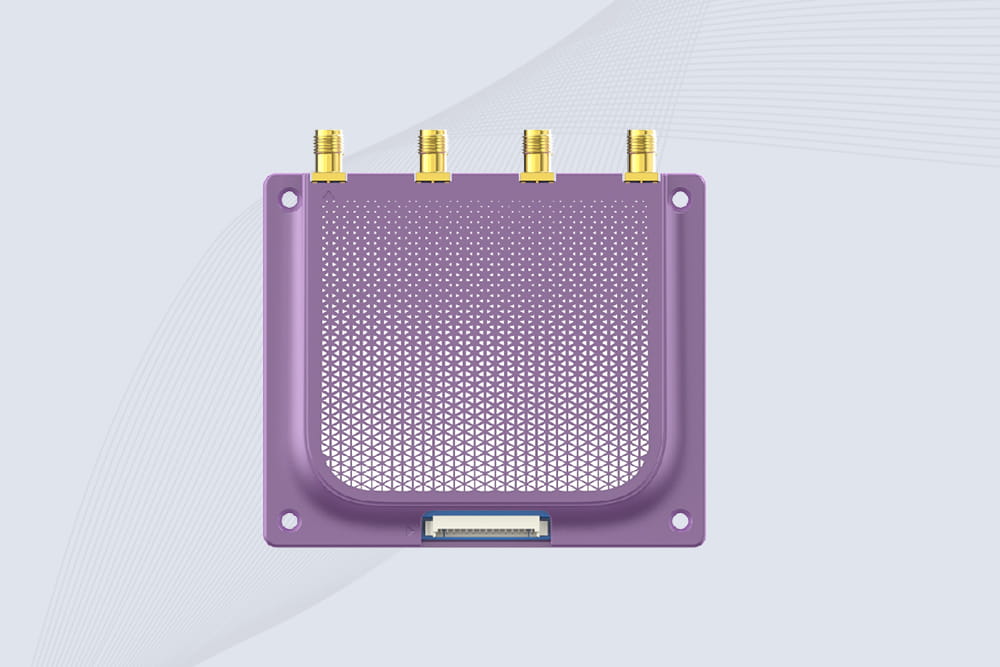
CYKEOCYKEO-M4L UHF RFID Module is a compact 4-channel RFID tag reader module designed for dense tag environments. Supporting ISO and GB protocols, it delivers stable reads up to 10 meters for industrial and IoT systems.
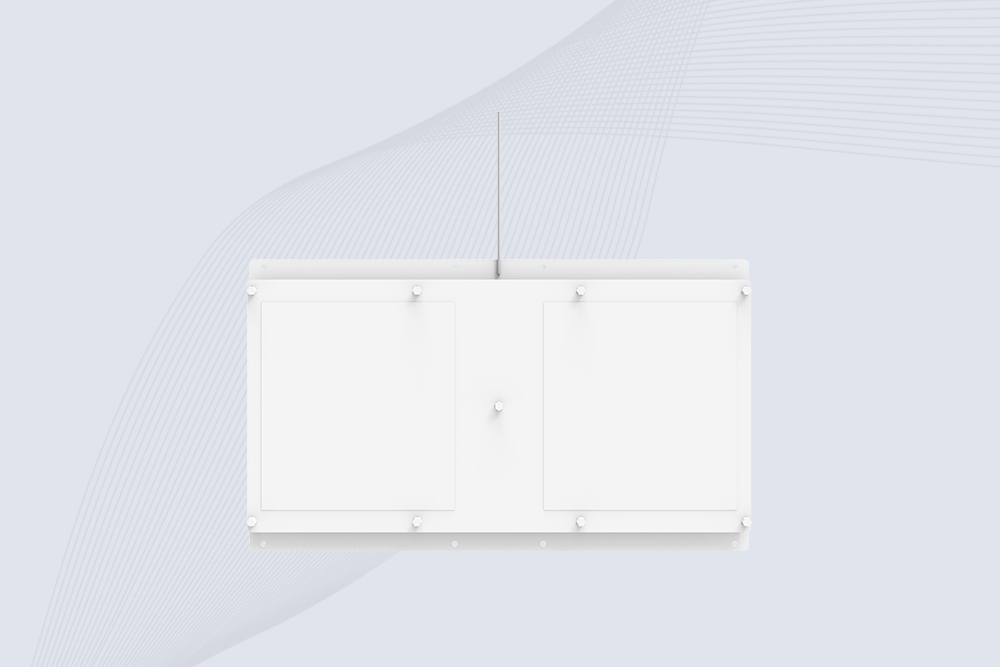
Cykeo CYKEO-A11 UHF RFID reader antenna delivers 11dBi gain, 840-960MHz frequency range, and IP65 ruggedness for retail, logistics, and industrial RFID systems. Features low VSWR and easy installation.
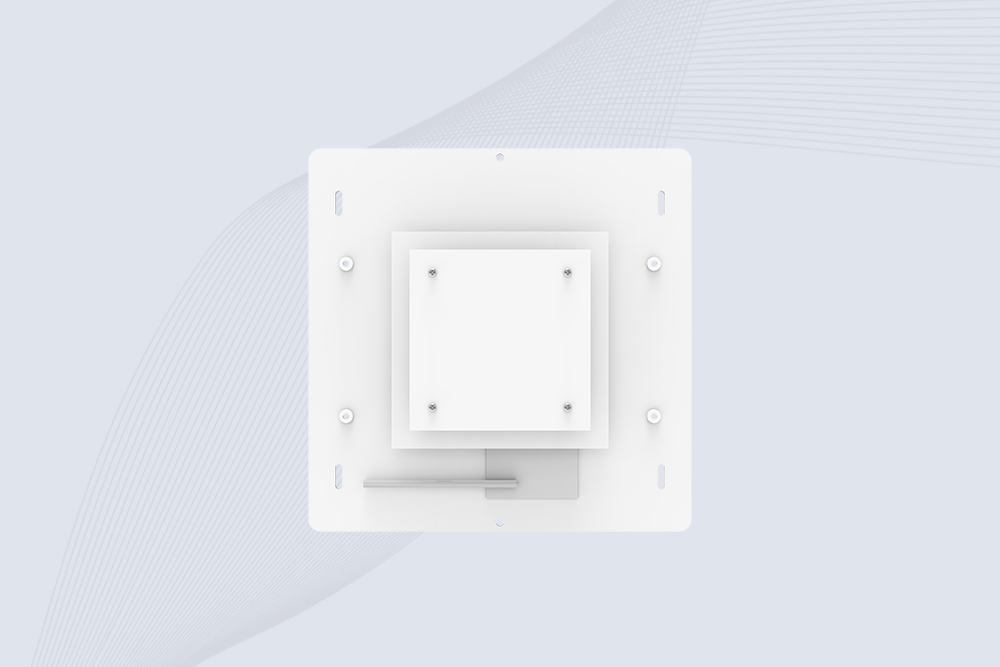
CYKEO Antenna RFID Reader delivers stable long-range UHF performance with a 10.5dBi directional design, built for warehouses, conveyor portals, and industrial RFID systems. This rfid reader antenna provides 20m+ read distance and rugged IP67 protection.

Cykeo CYKEO-PHF3 industrial HF RFID Antenna offers 24-point dynamic tracking, ISO 14443A/15693 protocols, metal-environment stability for archives/libraries/manufacturing.

Cykeo CYKEO-A5B industrial Linear RFID Antenna delivers 5dBi gain, ≤1.5:1 VSWR, and IP65 rugged design for warehouse, production line, and logistics UHF systems.

Cykeo’s CYKEO-B12 Long Range RFID Antenna delivers 15m+ read range with 12dBi gain, IP65 rugged design, and global 840-960MHz UHF support. Ideal for warehouse/logistics asset tracking.
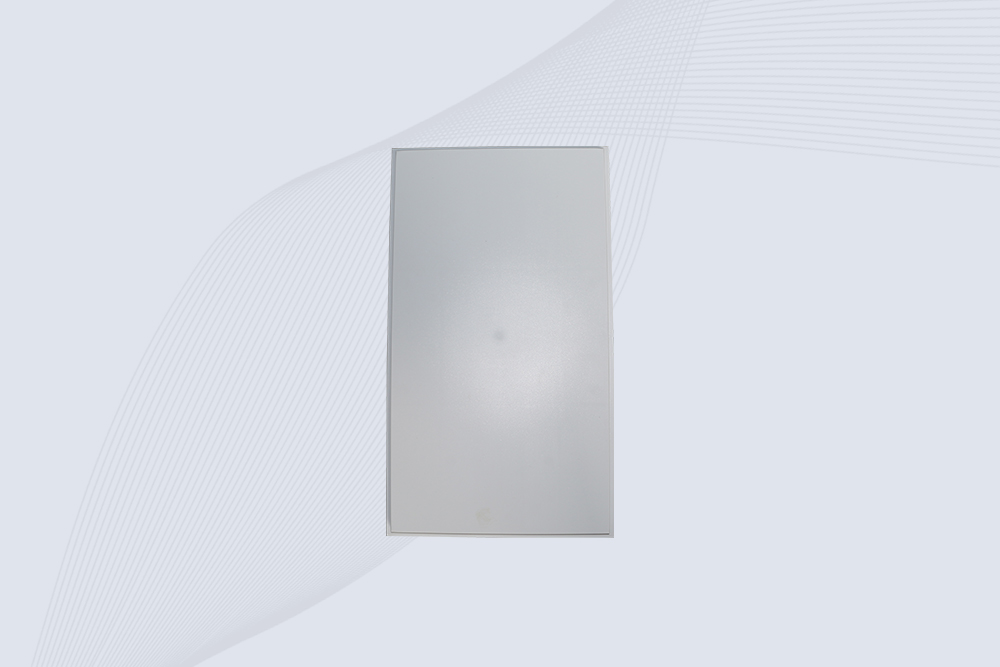
Cykeo CYKEO-B10 Long Distance RFID Antenna offers 10dBi gain, 840-960MHz frequency range, IP65 rating, and 20m+ coverage for logistics/warehousing/ETC systems. Low VSWR ensures stable signal transmission.
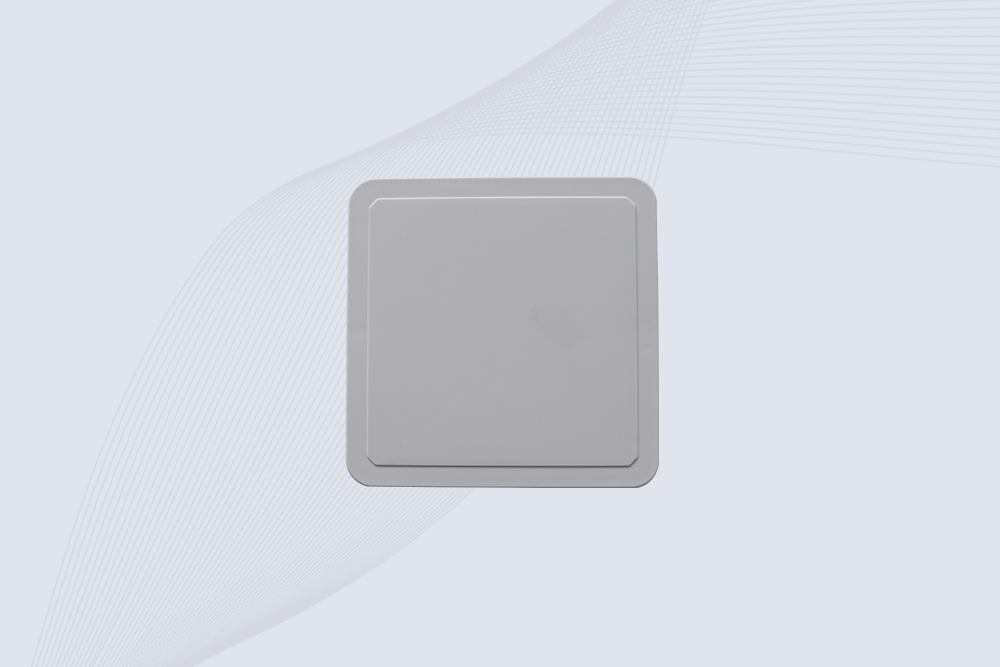
Cykeo CYKEO-A6 UHF RFID panel antenna features 6dBi gain, 840-960MHz broadband, IP65 metal-ready housing for logistics/smart retail. 18mm ultra-thin design with tool-free mounting.

Cykeo CK-A3 industrial antenna RFID UHF offers 5m+ tag detection, ≤1.3:1 VSWR, IP65 rugged design, and global UHF spectrum compatibility (840-960MHz) for warehouses, factories, and retail.
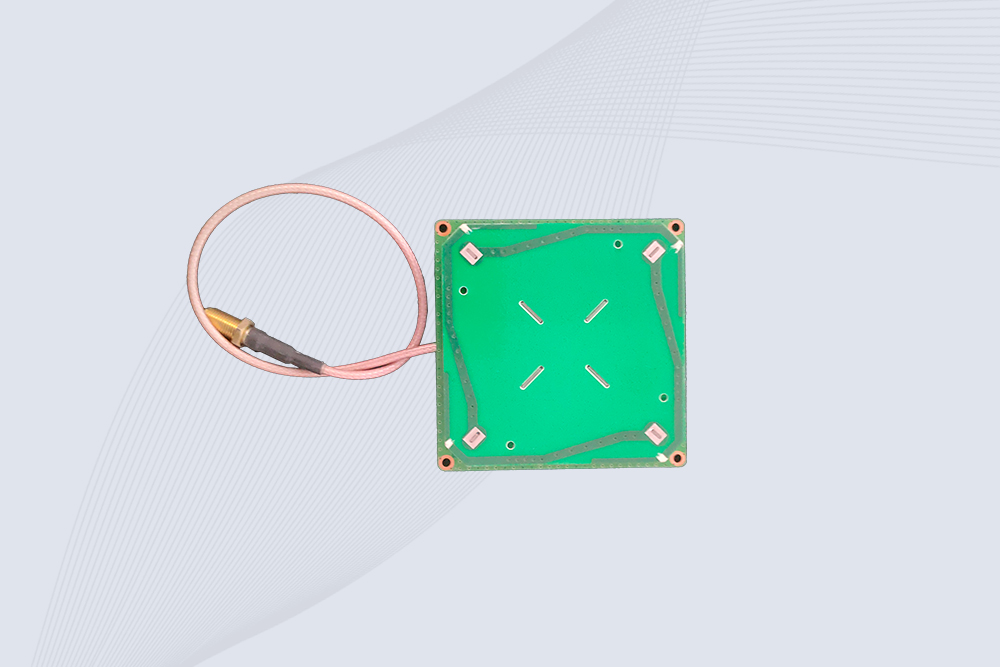
Cykeo CYKEO-B5 directional RFID antenna provides 5dBi gain with 60° narrow beamwidth for precise inventory tracking. IP65-rated, global UHF frequency support, and low VSWR.
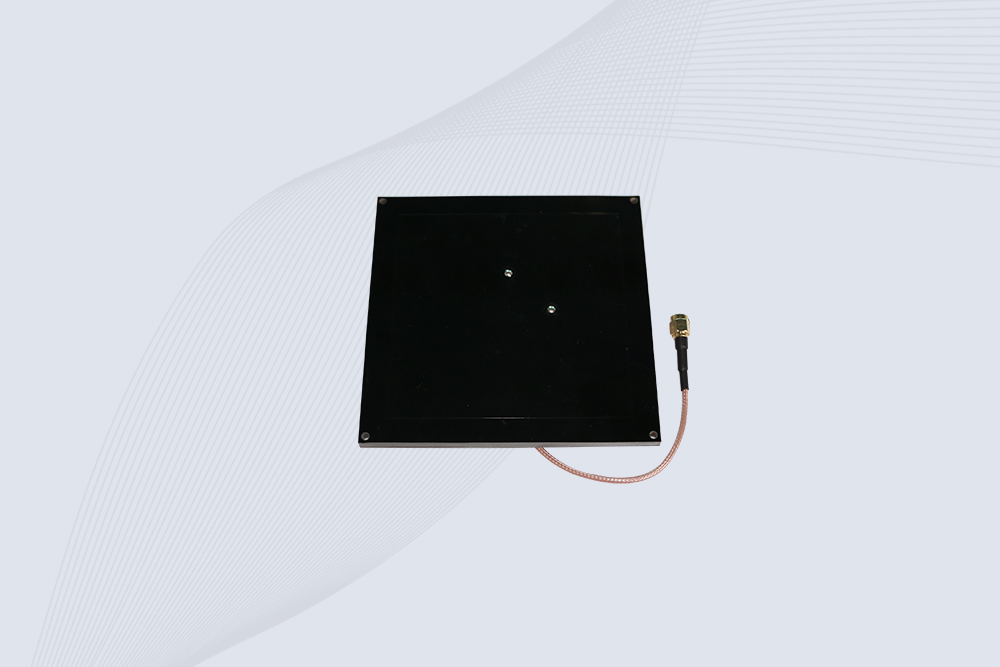
Create your own high-performance DIY RFID antenna! 5dBi gain, 840-960MHz tunable, step-by-step guides. Compatible with Arduino, Raspberry Pi, and commercial UHF readers.
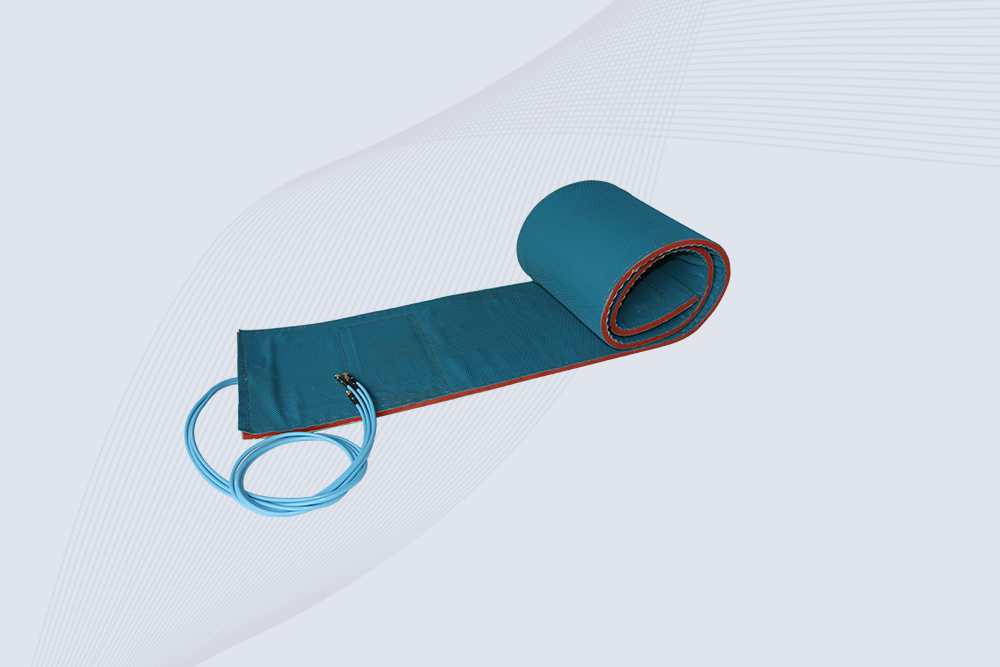
Cykeo CYKEO-A7 Flexible RFID Antenna features 840-960MHz wideband tuning, 7dBi gain, and IP68 rating for medical/retail/industrial curved surface deployments. 98% read accuracy with peel-and-stick installation.
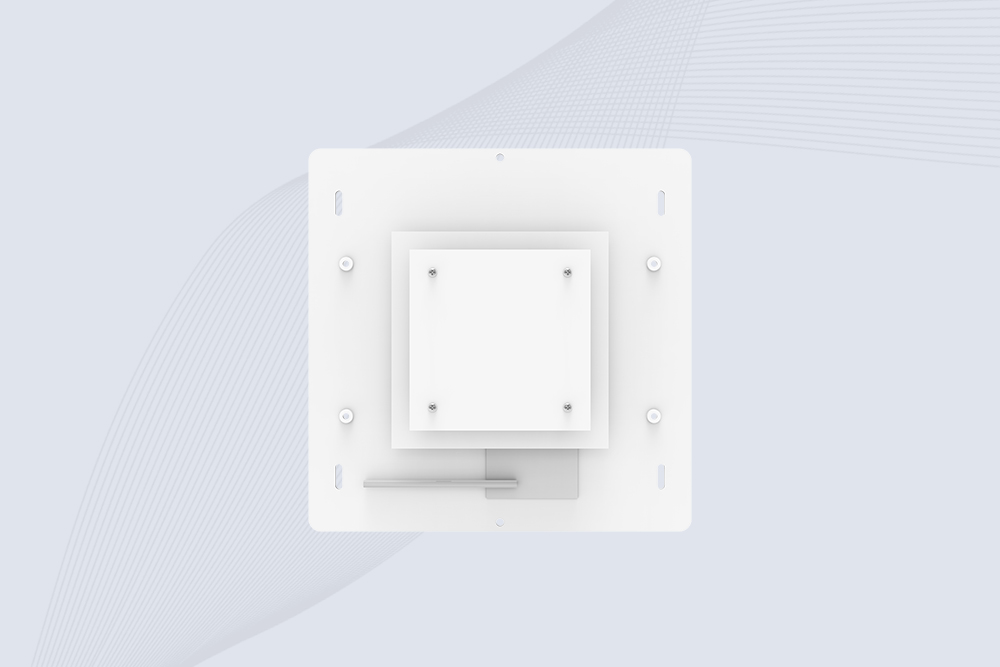
Cykeo CYKEO-B5A industrial Passive RFID Antenna delivers 5dBi gain, 70° beamwidth, and -40°C~55°C operation for warehouses/smart cabinets. Compatible with Zebra/Impinj readers.
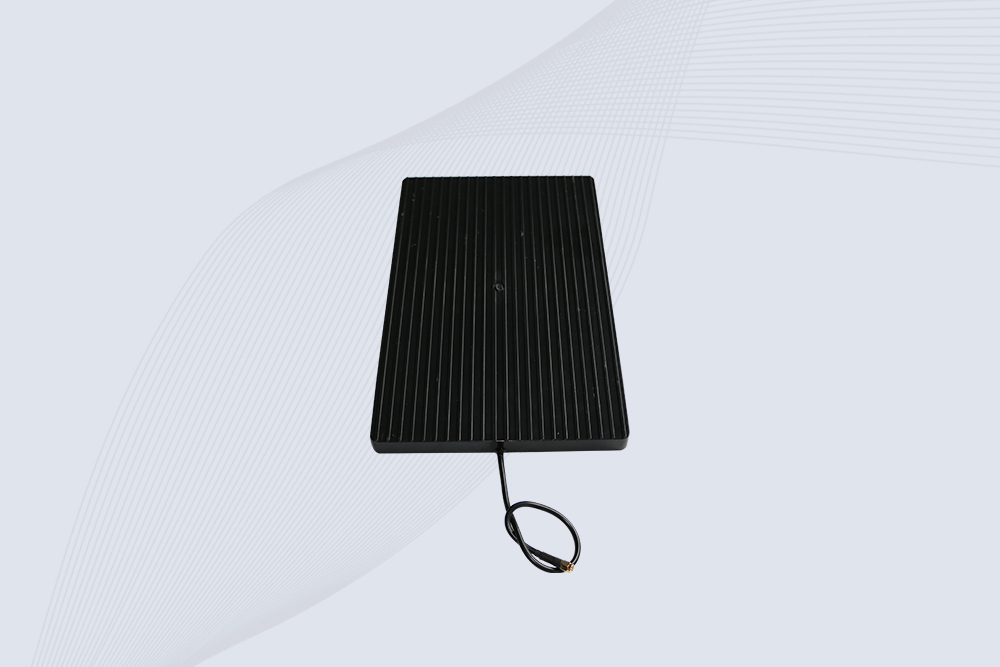
Cykeo’s CYKEO-A9B High Gain RFID Antenna delivers 15m+ read range with 9dBi amplification. Features IP54 rugged design, 840-960MHz bandwidth, and 80° beamwidth for warehouse/manufacturing RFID systems.

Cykeo’s enterprise-grade 8dbi Impinj RFID Antenna 10m+ read range with 840-960MHz tuning. Features IP65 housing, 1.4 VSWR, 35° beamwidth for retail/warehouse RFID systems.
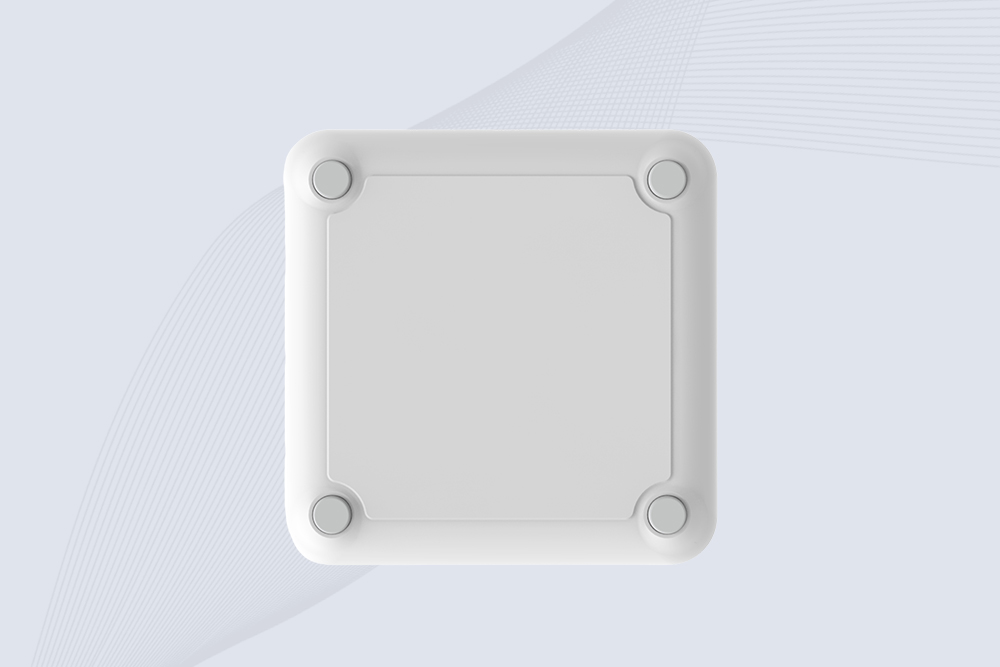
Cykeo CYKEO-A9 industrial UHF RFID antenna delivers 9dBi gain, 840-960MHz frequency range, and IP65 protection for warehouse/logistics/retail RFID systems. Features N-type connector and ≤1.3:1 VSWR.
CYKEO UHF RFID Antenna built for long-distance and industrial applications. This antenna rfid uhf delivers strong gain, outdoor durability, and reliable tag performance in warehouses, yards, and vehicle ID systems.
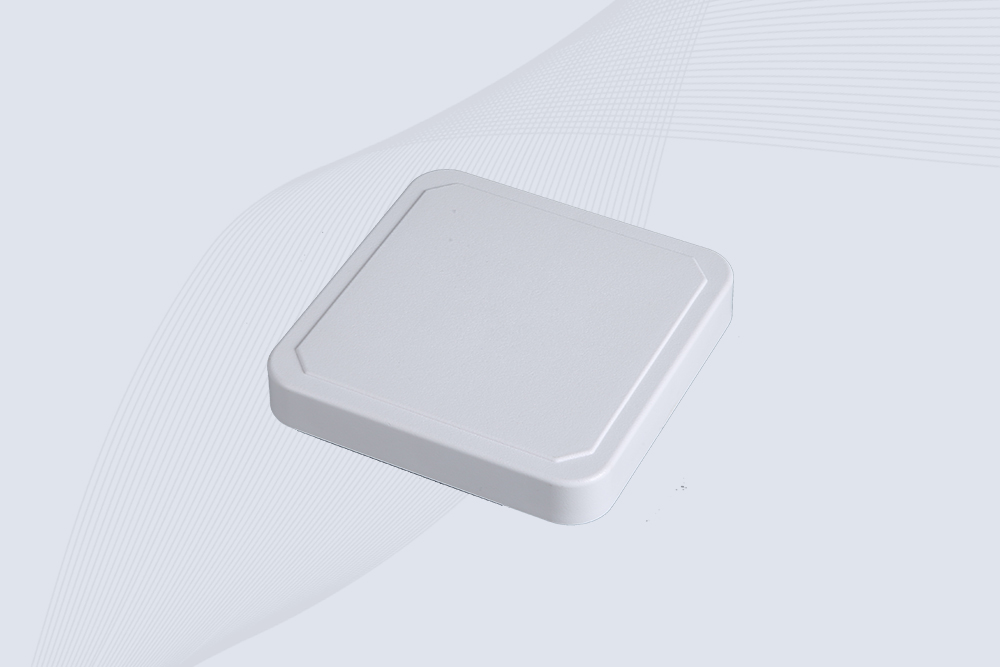
CYKEO Antenna RFID delivers reliable long-range UHF performance in warehouses, retail shelves, and cold-chain environments. This compact uhf rfid antenna provides stable reads with circular polarization and ultra-wide 840–960 MHz support, ideal for industrial tracking, smart shelves, and asset monitoring.
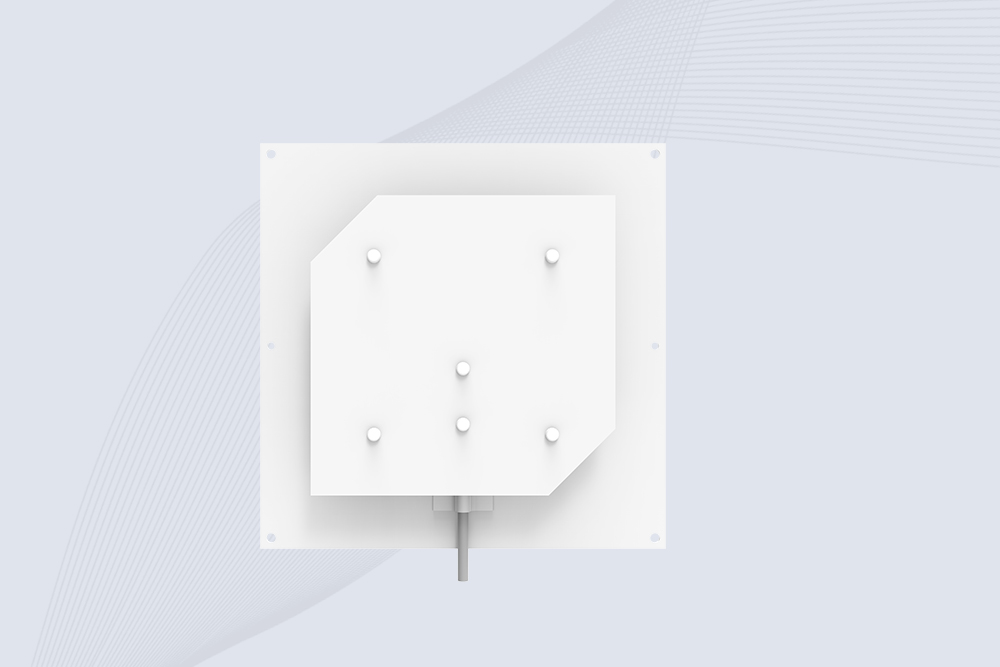
Cykeo’s CYKEO-C8 UHF RFID antennas delivers 8dBi gain, 840-960MHz full-band coverage, and IP65 ruggedness for manufacturing/warehouse RFID systems. Industrial RFID Antennas Features
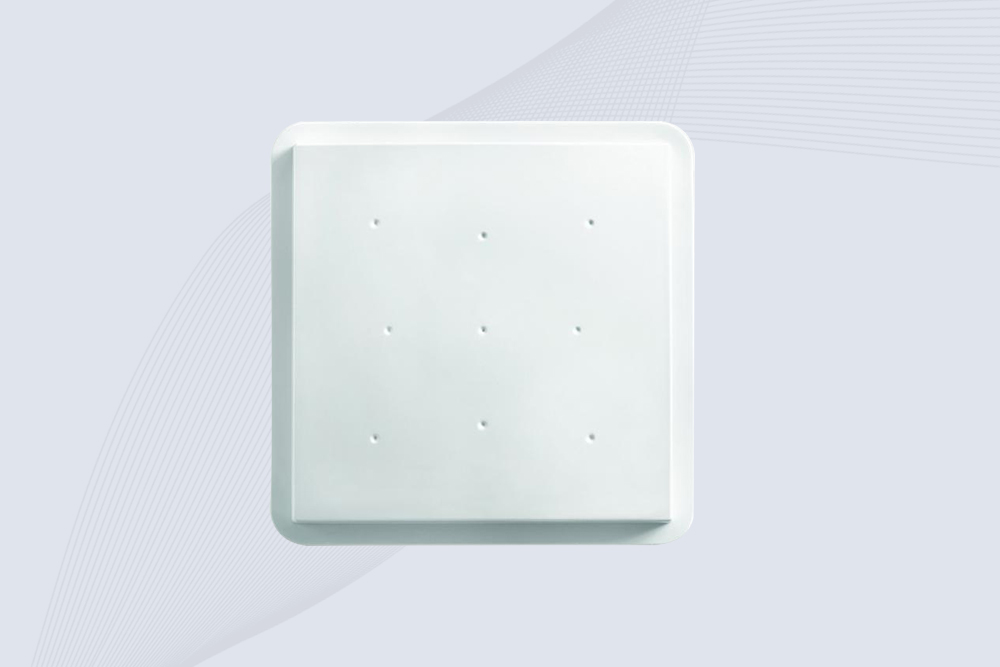
Cykeo’s 8dBi UHF RFID antenna and reader kit delivers 10m+ range, 840-960MHz broadband, and IP65 ruggedness for factories, warehouses, and logistics. ISO 18000-6C & EPC Gen2 certified.
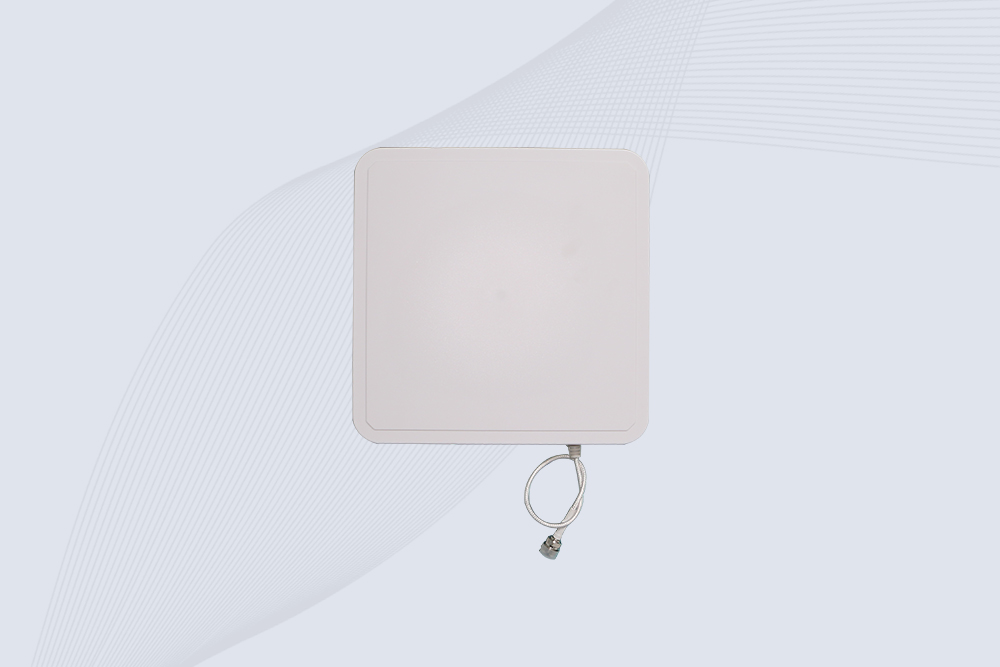
Cykeo CYKEO-A9A industrial UHF RFID reader and antenna kit delivers 10m range, 500 tags/sec, IP65 ruggedness for manufacturing/logistics. Supports EPC Gen2, ISO18000-6C.
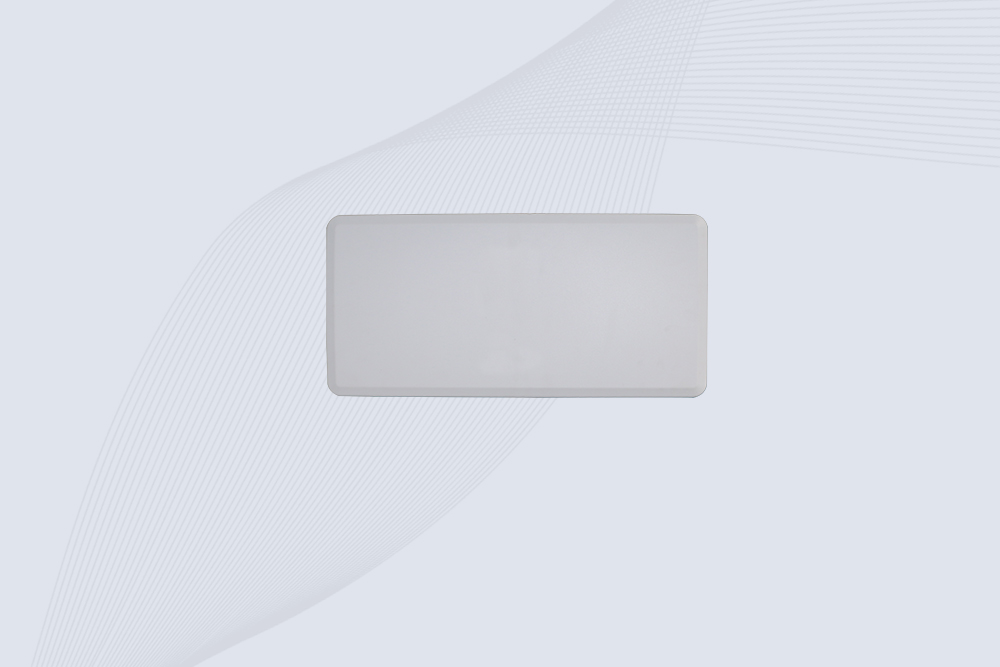
Cykeo’s CYKEO-A12C UHF Large RFID Antenna delivers 12dBi gain, 840-960MHz global frequency, IP65 ruggedness for logistics/warehousing/automotive. 40° beamwidth ensures stable 15m+ tag reads.

CYKEO Near Field RFID Antenna provides precise 5–30 cm reading for shelves, cabinets, and workstations. This compact rfid shelf antenna delivers stable short-range performance around metal and clutter, ideal for pharmacies, libraries, and electronics sorting.

Learn what an RFID card reader is, how it works, and where it’s used. Discover how RFID card readers improve access control, security, and daily operations.
More
rfid wristband system improves access control, cashless payment, and attendee tracking using Cykeo ultra-high frequency RFID technology.
More
When selectingRFID Bluetooth Reader, factors like frequency, communication protocols, battery life, reading range, and system compatibility are critical. This guide breaks down each key parameter to help enterprises make informed decisions and boo...
More
Struggling with HF RFID interference in your library? Learn how to reduce signal issues, improve scan accuracy, and keep your inventory system running smoothly.
More