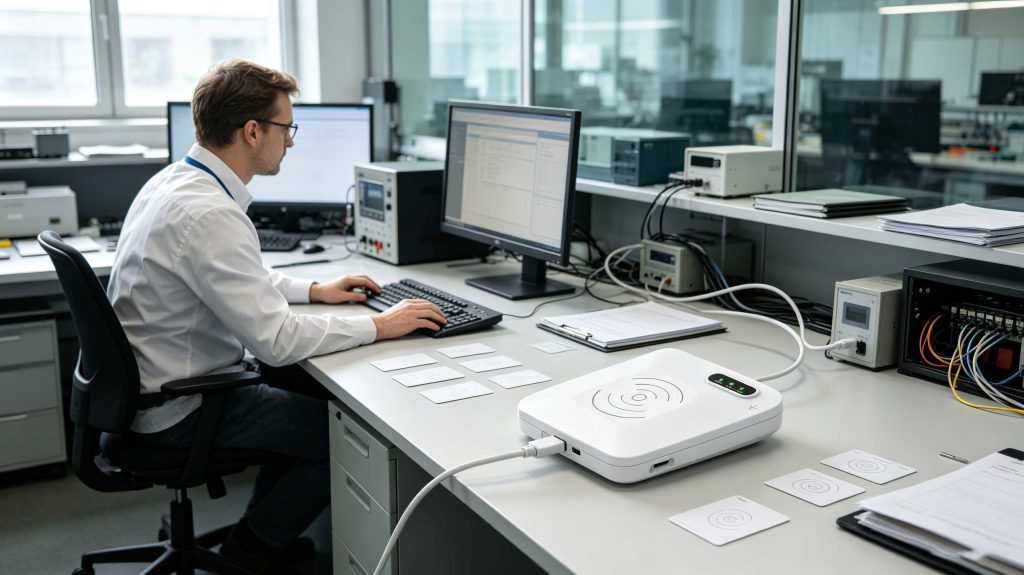
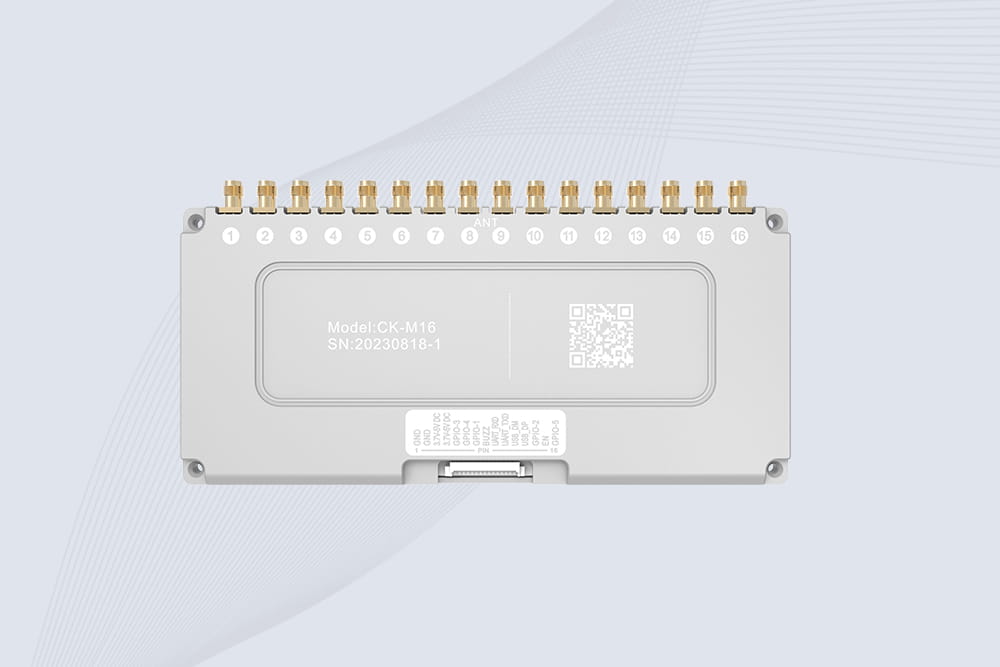
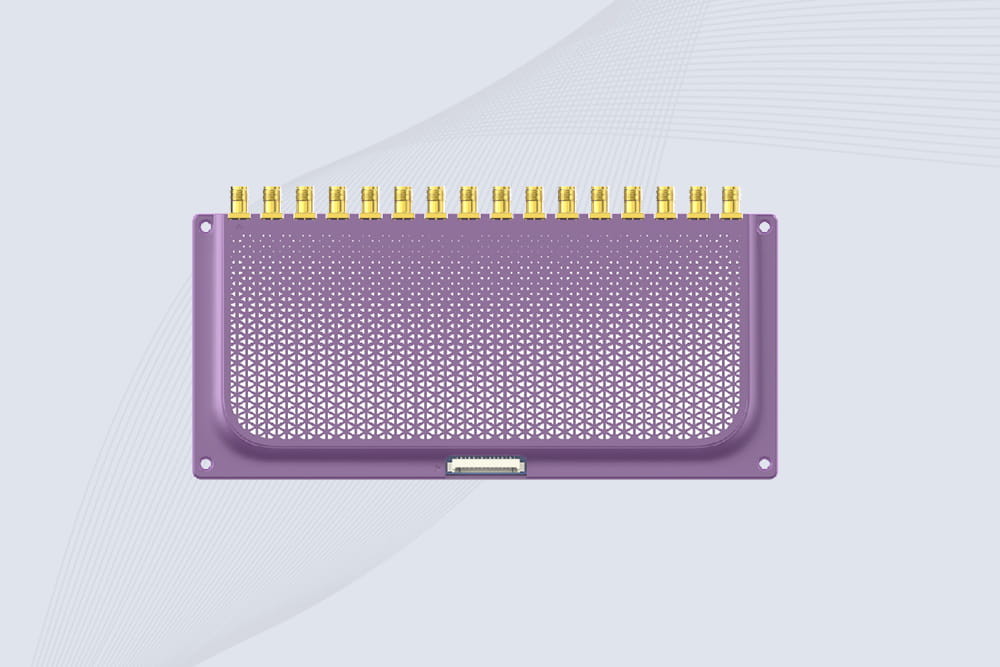
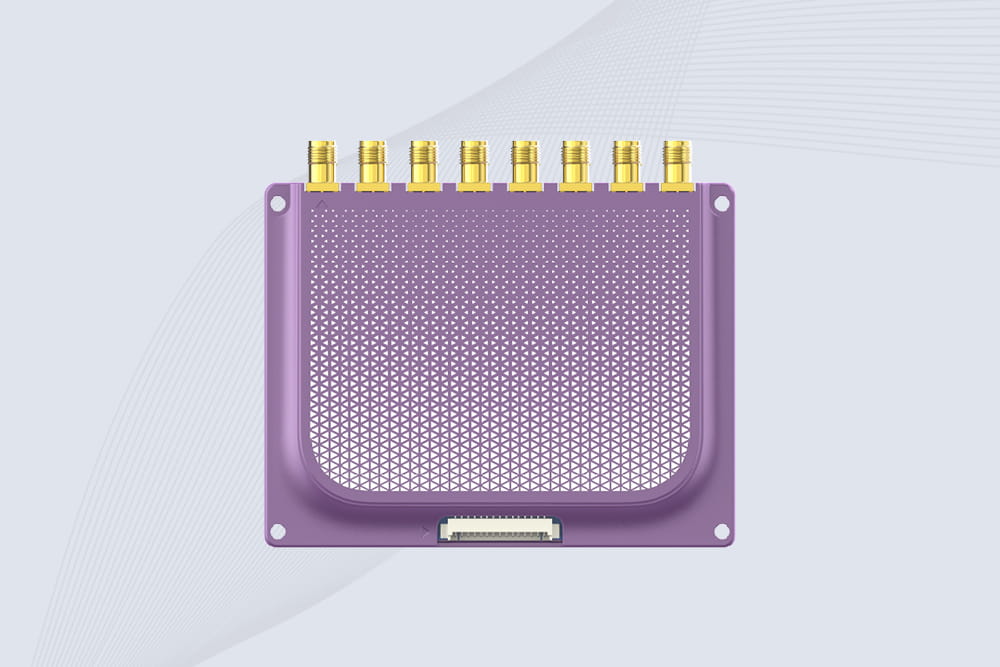
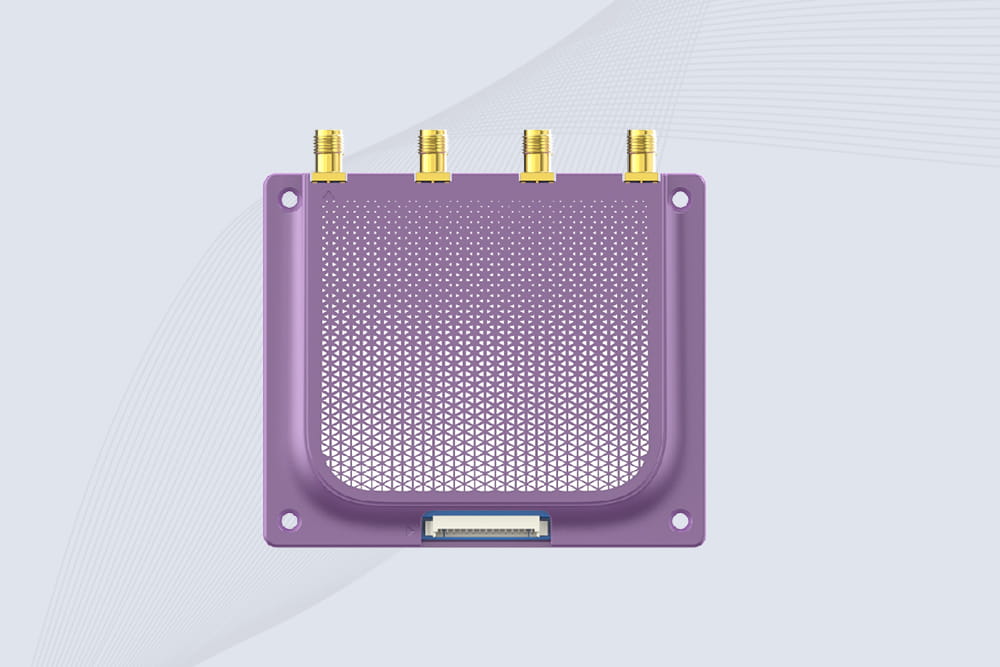
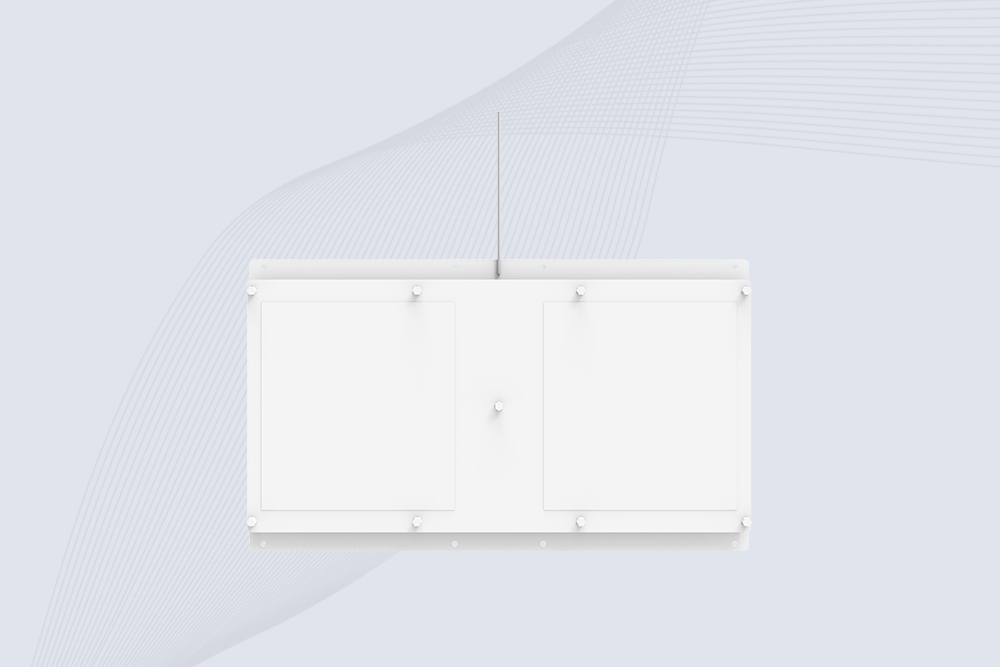
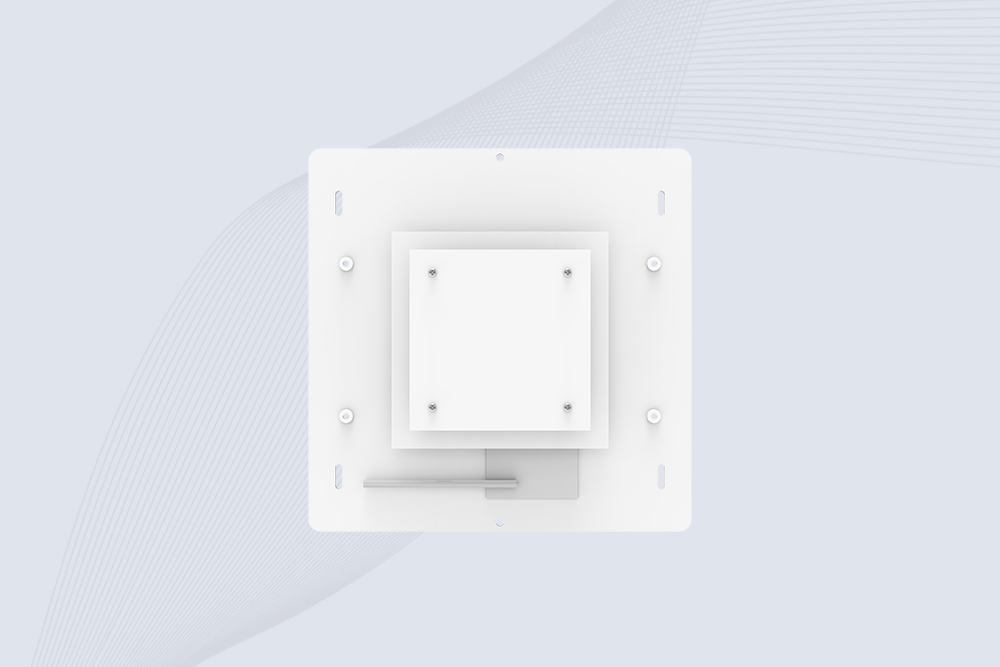
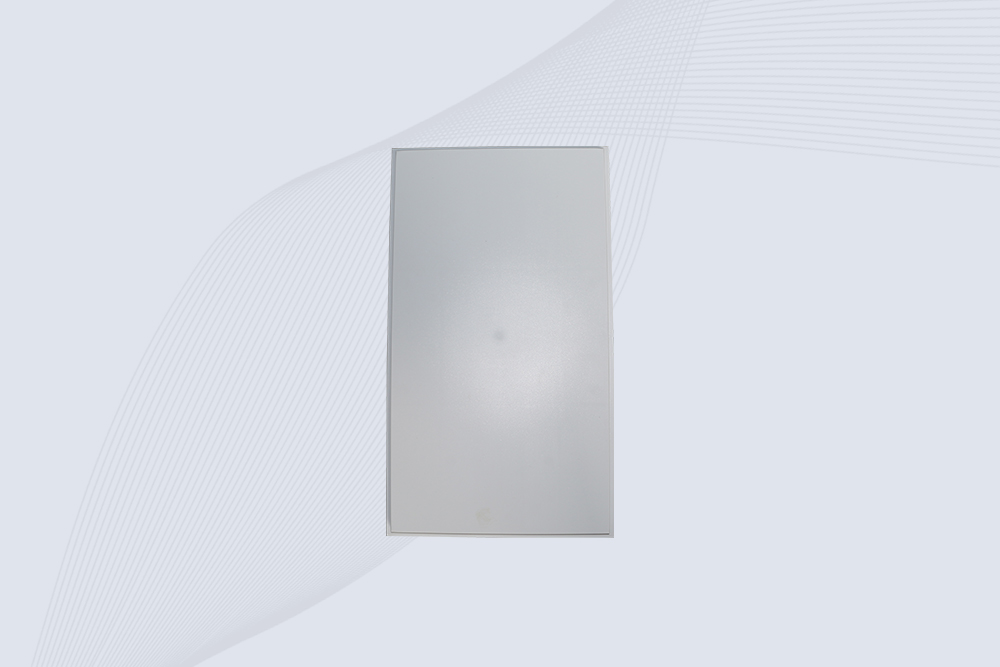
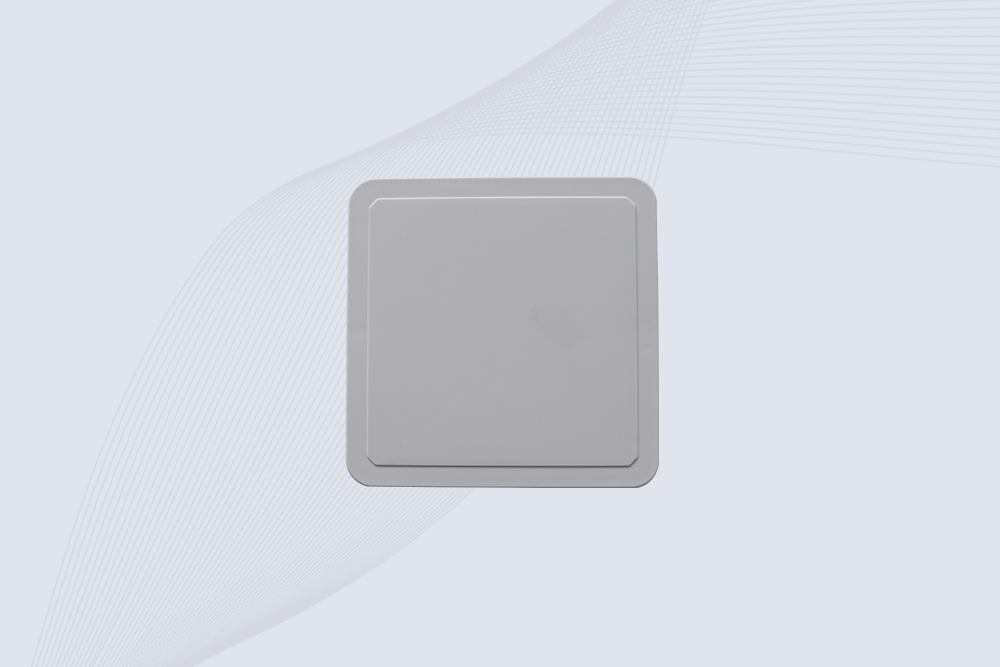
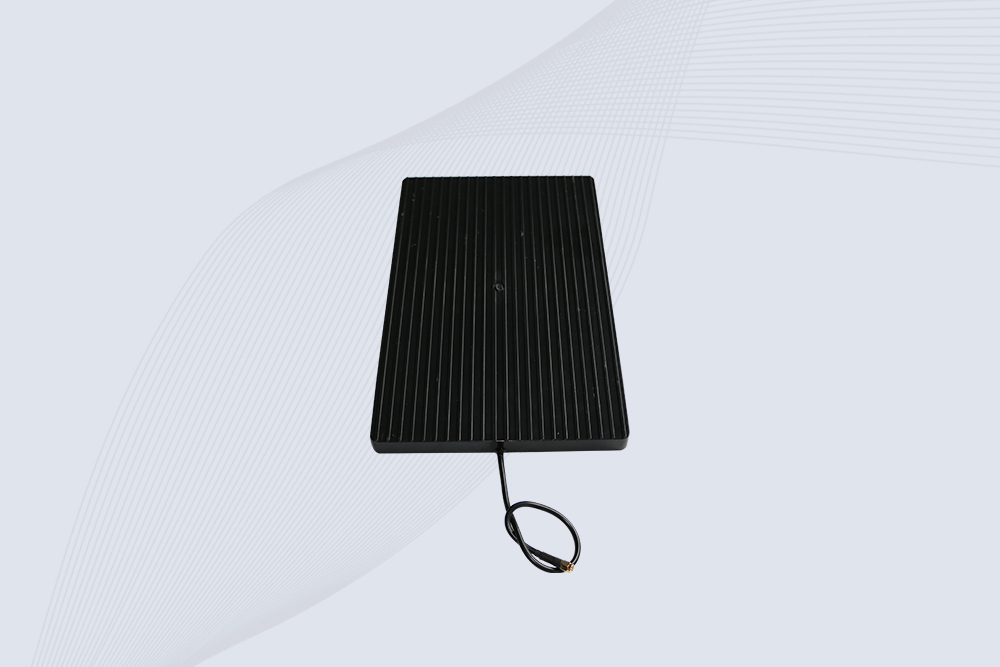
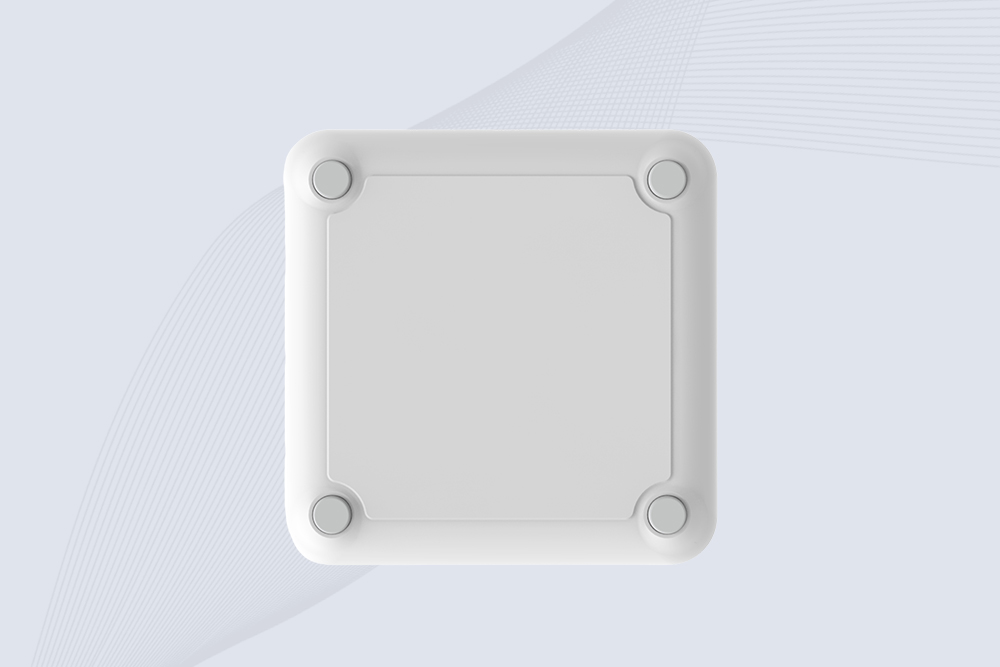
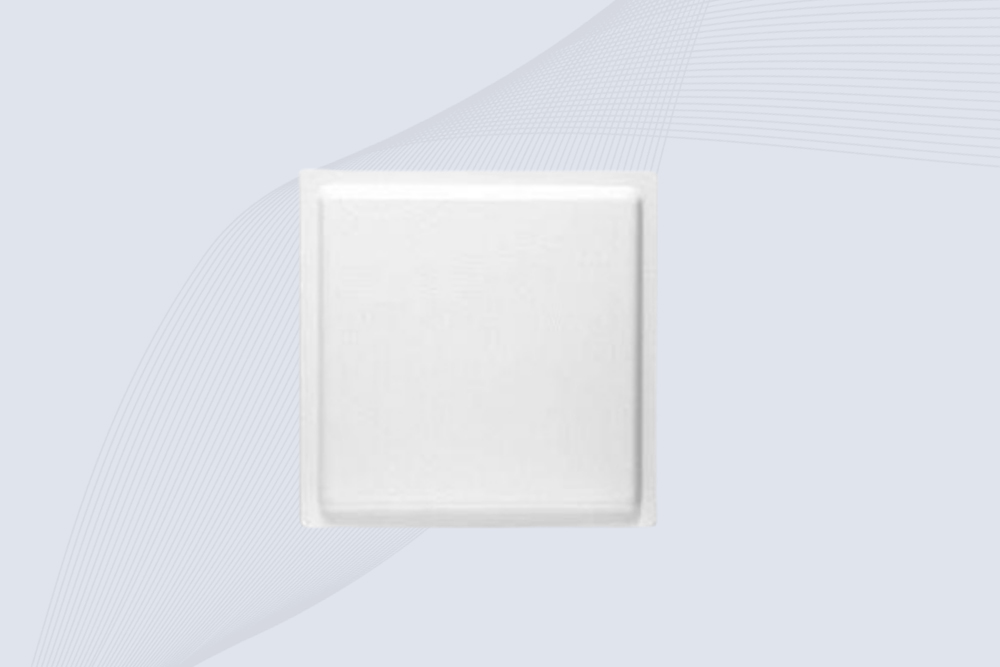
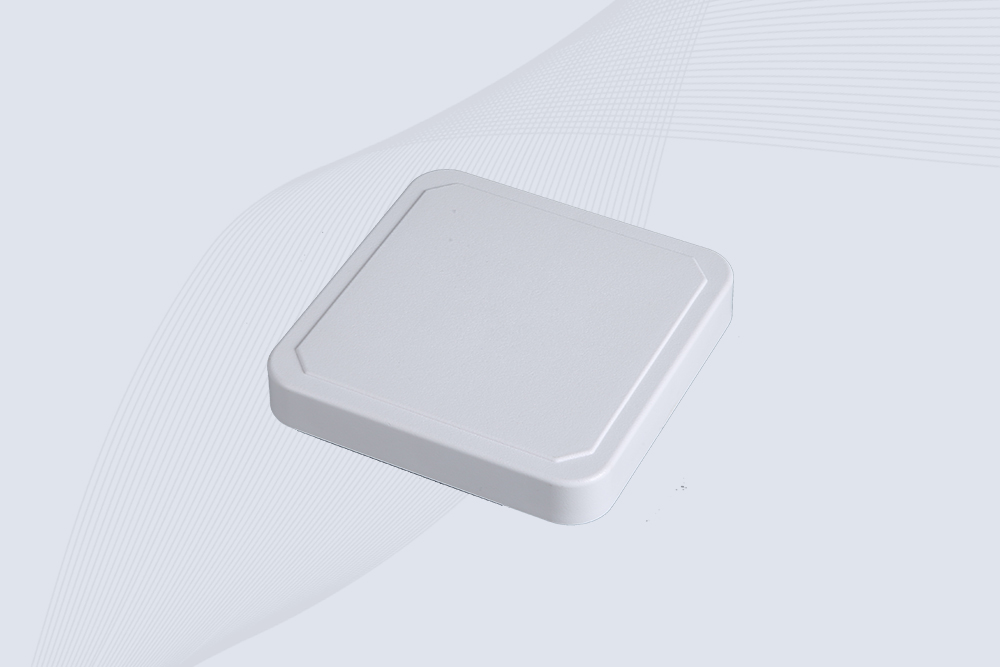
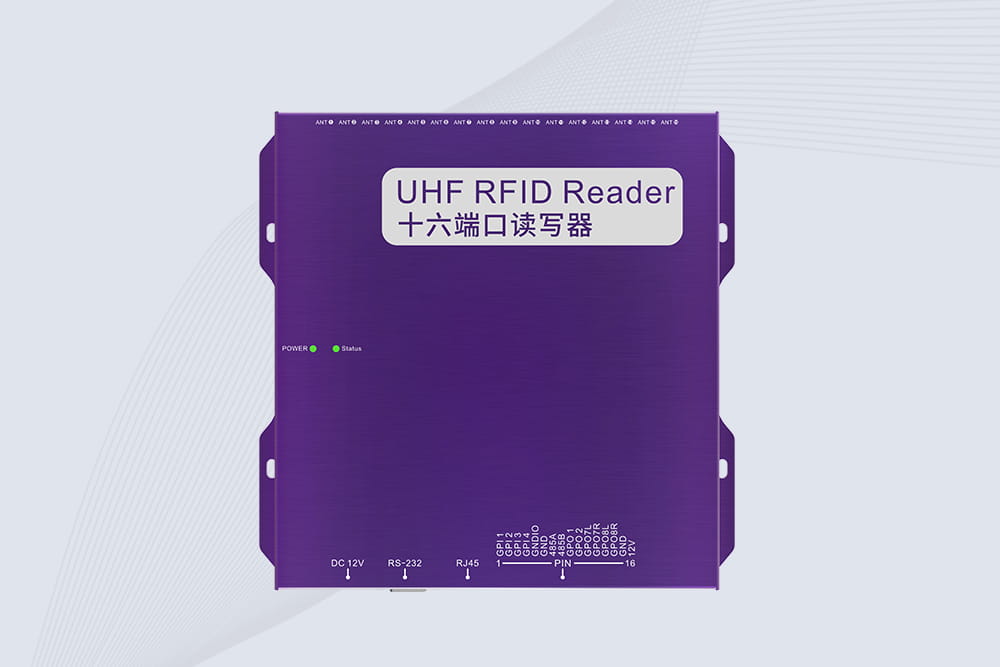
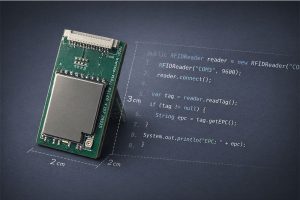
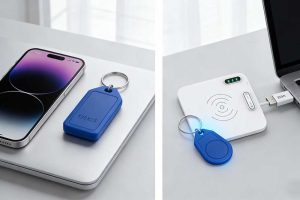
To use an RFID reader, connect the reader to a computer or control system, install compatible software, place the RFID tag within the reading area, and capture or write tag data according to the application. For desktop RFID readers, successful operation depends on correct communication settings, suitable software, controlled reading distance, and stable tag interaction.
In practical RFID projects, I have found that many failures are not caused by the reader hardware itself. They usually happen because the reader, tag type, software workflow, and operating environment were not matched correctly during deployment. A desktop RFID reader used for issuing cards requires different settings from a warehouse reader designed for long-range inventory tracking.
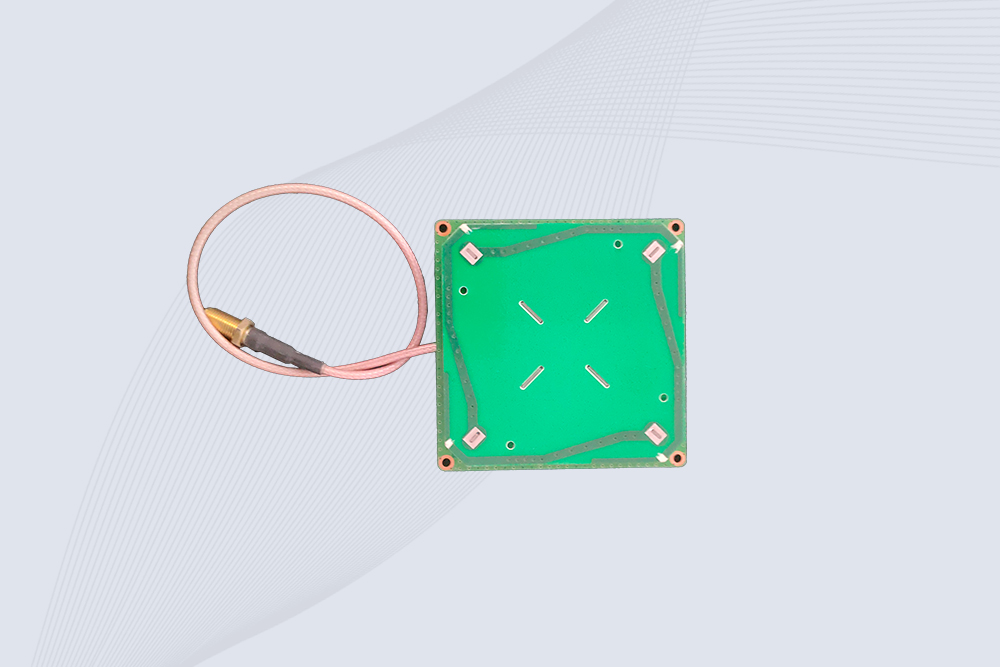
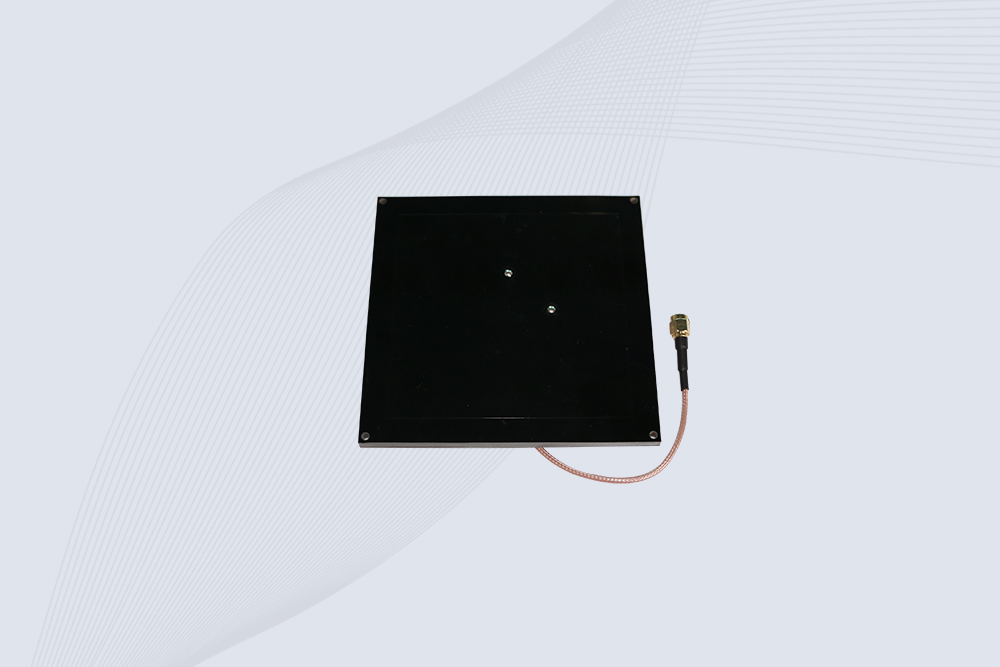
Cykeo designs RFID reader solutions for different application scenarios, including desktop RFID writing stations where operators need controlled reading and writing performance. The desktop RFID reader uses a near-field antenna design to keep the operating area focused, helping reduce unwanted reads from nearby tags while improving reliability during daily card issuing and tag encoding operations.
How to Use RFID Reader for Reading and Writing Tags
An RFID reader performs two primary functions: reading stored tag information and writing new data into compatible RFID tags. The actual workflow depends on whether the device is being used for identification, registration, inventory, payment, access control, or tag programming.
Basic RFID Reader Operation Process
Connect the RFID reader through the supported communication interface. Open the RFID demonstration software or customer-developed application. Place the RFID card or tag inside the effective reading area. Read existing tag information or select the required memory area for writing. Verify the written data after programming. Save the tag information into the business system if required.
For desktop RFID applications, controlling the reading range is often more important than achieving maximum distance. When multiple tags are placed on a desk, excessive reading distance can create incorrect identification results. A near-field antenna helps create a more predictable working area.
RFID Reader Function
Practical Application
Important Consideration
Read RFID tags
Identify cards, labels, or assets
Ensure compatible frequency and protocol
Write RFID tags
Create new tag records or encode information
Verify writing success after programming
Batch tag writing
Large quantity card or label preparation
Use filtering and management functions
RFID card issuing
Membership, access, and identification systems
Connect reader data with software database
Using Desktop RFID Reader for Controlled Tag Programming
Desktop RFID readers are commonly used where operators need a stable workstation for repeated reading and writing tasks. Unlike long-range fixed rfid readers, desktop models focus on precision and controlled operation.
The Cykeo desktop RFID reader adopts a near-field antenna structure. The reading distance can be controlled within 30 cm, while the writing distance can be controlled within 10 cm. This design reduces accidental activation of nearby tags and makes the device suitable for desktop card issuing, label programming, and small-scale settlement equipment.
During actual testing, a controlled writing area is especially valuable when operators handle stacks of blank RFID cards or multiple tagged items. Without proper range control, a reader may detect several unintended tags, creating additional verification work.
Key Advantages of a Desktop RFID Reader
Compact design: Small size allows convenient placement on office desks, production stations, and service counters.
Stable writing performance: Maximum output power reaches 33 dBm, supporting reliable tag writing operations.
Controlled reading area: Near-field antenna technology keeps reading within approximately 30 cm and writing within approximately 10 cm.
Software support: Automatic card writing and reading DEMO software simplifies operation and testing.
Batch programming capability: Supports rapid writing of multiple RFID tags with filtering functions.
Developer resources: Provides C# and Java development materials for system integration.
Communication flexibility: Supports Type-C communication for convenient connection with modern computers.
How RFID Reader Software Improves Daily Operations
The reader itself only provides the communication bridge between the tag and the application. The software determines how efficiently users can manage the workflow.
A practical RFID issuing system normally requires:
Automatic tag detection. Reading EPC or stored tag information. Writing required data into supported memory areas. Recording successful programming results. Filtering unwanted tags during batch operations. Exporting or connecting data with business software.
For Cykeo desktop RFID reader users, DEMO software is provided to simplify initial operation. Developers can also integrate RFID functions into their own systems through available C# and Java resources.
A desktop RFID reader provides controlled tag reading and writing for professional RFID applications.
How to Select the Right RFID Reader for Your Application
The correct RFID reader depends on the operating environment rather than only the technical specification. A warehouse entrance, production line, retail counter, and desktop issuing station all require different reader characteristics.
Application
Recommended RFID Reader Type
Card issuing workstation
Desktop RFID reader with controlled range
Warehouse inventory
Handheld or fixed UHF RFID reader
Production tracking
Industrial RFID reader with integration capability
Retail settlement
Compact RFID reader with reliable tag detection
How to Connect and Configure an RFID Reader
After selecting the correct RFID reader, the next step is connecting the device with the working environment. For desktop RFID readers, installation is usually simple because the device is designed for direct communication with a computer or application system.
The typical setup process includes:
Connect the RFID reader: Use the supported Type-C communication interface to connect the reader with a computer. Install the software: Open the RFID demonstration software or integrated application. Select the RFID protocol: Confirm that the reader supports the required RFID tag type. Test reading: Place a compatible RFID card or tag inside the operating range and verify identification. Test writing: Write sample data and perform a read-back verification. Integrate with the system: Use available development resources when connecting RFID functions with existing software.
In engineering projects, I usually recommend completing a small-scale test before deploying dozens or hundreds of workstations. A reader that performs well with one tag may behave differently when operators use different card materials, tag thicknesses, or working habits.
How to Use RFID Reader for Batch Tag Writing
Batch writing is one of the most valuable functions for desktop RFID applications. Instead of manually programming every RFID tag individually, operators can prepare large quantities of tags through a faster workflow.
A reliable batch writing process normally includes:
Importing the tag information list. Connecting the RFID reader with writing software. Automatically identifying each blank RFID tag. Writing the required information into the correct memory area. Reading back the written data for confirmation. Exporting completed tag records.
The challenge in batch programming is not only speed. It is preventing incorrect data assignment. When several tags are close together, unnecessary reads may interrupt the process. This is why near-field antenna technology is important for desktop RFID writing stations.
The Cykeo desktop RFID reader focuses the RF field around the operating area. With reading distance controlled within 30 cm and writing distance within 10 cm, operators can work with greater confidence during card issuing, label programming, and small equipment registration tasks.
Practical Applications of Desktop RFID Readers
Although RFID readers are widely used in logistics and inventory management, desktop RFID readers solve a different problem: controlled interaction between people, software, and individual RFID tags.
RFID Card Issuing
Many access control, membership, and identification systems require thousands of cards to be prepared before use. A desktop RFID reader allows staff to encode cards at a fixed workstation instead of using complicated industrial equipment.
Small RFID Settlement Equipment
Compact RFID readers can also be integrated into desktop settlement devices where users need fast identification and controlled card interaction. The short working range helps reduce accidental reading of nearby cards.
Tag Registration and Product Management
Before RFID tags enter a tracking system, each tag often needs to be registered with product information. Desktop RFID readers provide a convenient point where operators can associate physical tags with digital records.
Cykeo RFID Reader Integration Advantages
For companies developing RFID-based applications, hardware performance is only one part of the project. Software integration, development support, and stable communication are equally important.
The Cykeo desktop RFID reader provides:
Feature
Business Value
33 dBm maximum output power
Provides stable RFID writing performance
Near-field antenna design
Controls operating range and reduces unwanted reads
Automatic read/write DEMO software
Allows quick testing and deployment evaluation
Batch writing and filtering support
Improves efficiency during large tag preparation
C# and Java development resources
Supports customized software integration
Type-C communication
Simplifies connection with modern computer systems
Desktop RFID readers support accurate RFID card programming and tag management workflows.
Common RFID Reader Problems and Solutions
Problem
Possible Cause
Solution
RFID tag cannot be detected
Wrong tag type or communication problem
Confirm compatibility and connection settings
Writing fails repeatedly
Incorrect tag position or unstable communication
Place the tag inside the writing area and verify power settings
Multiple tags detected
Reading range too large
Use controlled-range reader configuration
Software cannot communicate
Driver or interface issue
Check Type-C connection and application settings
FAQ About how to use rfid reader
1. How to use rfid reader for writing RFID tags?
Connect the RFID reader to the computer, open compatible software, place the RFID tag within the effective writing range, select the required memory area, and write the data. Always perform a read-back check after writing to confirm the information was stored correctly.
2. Can an RFID reader write and read the same tag?
Yes. Many RFID reader writers support both reading existing tag information and writing new data. The supported functions depend on the RFID protocol, tag memory structure, and reader capability.
3. Why is a near-field antenna useful in an RFID reader?
A near-field antenna helps control the RFID operating area. For desktop applications, this reduces accidental reading of nearby tags and creates a more predictable environment for card issuing and tag programming.
4. Can RFID readers write multiple tags at once?
Yes. Some RFID reader systems support batch writing functions. However, successful batch programming requires suitable software, tag management, filtering functions, and controlled RF conditions.
5. What software is needed to use an RFID reader?
The required software depends on the application. Basic testing can use RFID DEMO software, while commercial systems can integrate the reader through development resources such as C# or Java SDK materials.
6. How far can a desktop RFID reader read tags?
The practical distance depends on antenna design, tag type, power settings, and environment. Cykeo desktop RFID readers use near-field antenna technology with reading distance controlled within approximately 30 cm and writing distance within approximately 10 cm.
Final Note:
how to use rfid reader depends on selecting the right reader design for the actual workflow. For desktop RFID applications, controlled range, stable writing performance, software support, and easy integration are the factors that determine whether the device becomes a reliable daily production tool.
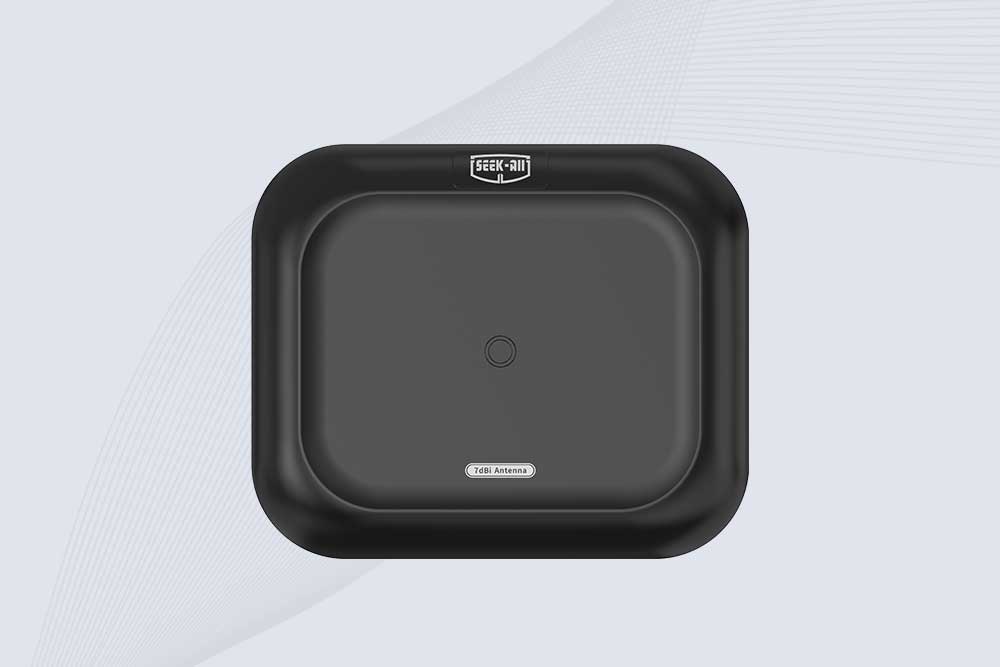
Explore the SSD-A07 UHF RFID antenna with 7 dBi gain, circular polarization, adjustable 840–960 MHz frequency, and 60°/75° beamwidth for stable RFID read/write performance.
SSD-A06 UHF RFID antenna with circular polarization, adjustable 840–960 MHz frequency, ≥4.5 dBi gain, and a compact directional design for RFID systems.
SSD-R16L Multi-Channel RFID Infrastructure for Automated Inventory Management ✔️ 16-Port High-Density RFID Reading Equipped with 16 SMA antenna ports, SSD-R16L supports multi-antenna deployment for warehouses, retail stores, logistics, production lines, and large-area RFID identification. ✔️ High-Speed & Long-Range Performance With up to 33…
SSD-R8L 8-port UHF RFID reader with 33dBm output, up to 20m reading range and 600+ tags/s recognition. Ideal for warehouse, logistics, retail and asset tracking.
CYKEO Embedded RFID Modules are designed for compact industrial and IoT devices that require stable UHF performance. These UHF RFID Modules support global protocols, flexible power control, and reliable multi-tag reading for smart cabinets, production lines, and asset tracking systems.
CYKEO Embedded RFID Module is built for compact IoT and industrial devices that need stable UHF performance. This UHF module supports global protocols, low power operation, and reliable multi-tag reading for smart lockers, production lines, and always-on RFID systems.
CYKEO CYKEO-M1 drone rfid module is a compact UHF RFID reader module designed for drones and UAV platforms. It supports long-range aerial scanning, fast multi-tag reading, and stable performance in wind, vibration, and outdoor environments.
CYKEO CYKEO-M4 RC522 RFID Module is an industrial-grade UHF RFID reader with 4 ports, supporting ISO, EPC, and GB protocols. High-speed, accurate reading for IoT, automation, and warehouse applications.
CYKEO CYKEO-M8 Module RFID is an 8-port UHF R2000 RFID Module designed for high-density, multi-tag environments. Stable 33dBm output, ISO & GB protocol support, ideal for warehouses, factories, and automated systems.
CYKEO CYKEO-M16 RFID Module is a 16-port UHF RFID reader module based on the R2000 chipset. Designed for dense tag environments, it supports ISO and GB standards and delivers stable multi-antenna control for industrial automation.
The CYKEO CYKEO-M16L RFID Reader Module is a 16-channel UHF RFID core designed for dense tag environments. With adjustable 33dBm output, multi-protocol support, and stable multi-antenna control, this RFID Tag Reader Module fits industrial automation, warehouse systems, and large-scale IoT deployments.
CYKEO CYKEO-M8L module RFID is a compact industrial UHF module built for dense tag and multi-antenna environments. With 8 RF ports, adjustable 33 dBm output, and ISO & GB protocol support, it is widely used in factories, warehouses, and automated tracking systems.
CYKEOCYKEO-M4L UHF RFID Module is a compact 4-channel RFID tag reader module designed for dense tag environments. Supporting ISO and GB protocols, it delivers stable reads up to 10 meters for industrial and IoT systems.
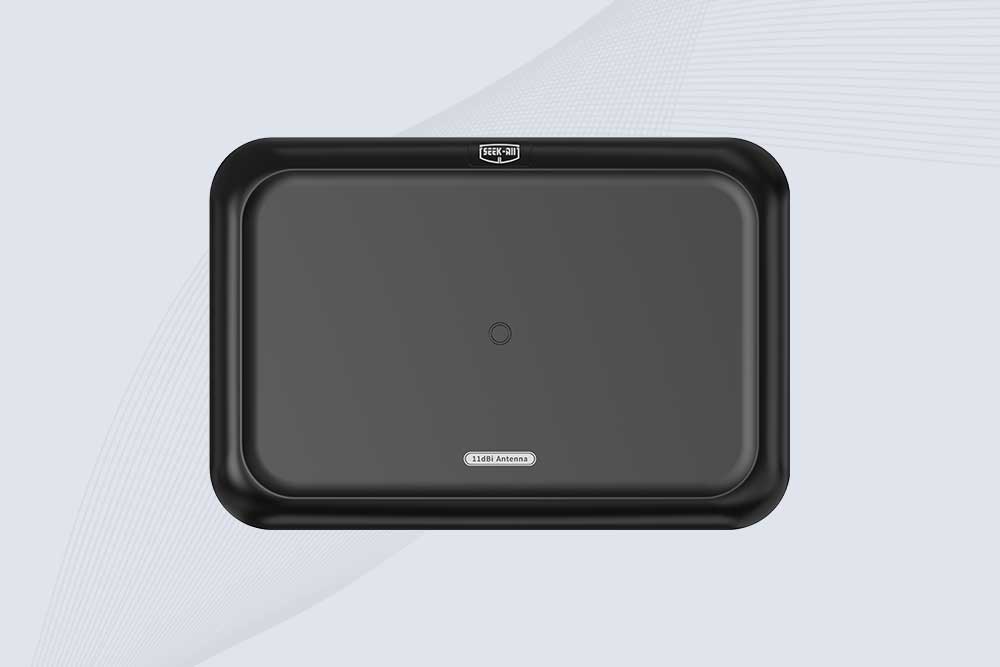
Cykeo CYKEO-A11 UHF RFID reader antenna delivers 11dBi gain, 840-960MHz frequency range, and IP65 ruggedness for retail, logistics, and industrial RFID systems. Features low VSWR and easy installation.
CYKEO Antenna RFID Reader delivers stable long-range UHF performance with a 10.5dBi directional design, built for warehouses, conveyor portals, and industrial RFID systems. This rfid reader antenna provides 20m+ read distance and rugged IP67 protection.
Cykeo CYKEO-A5B industrial Linear RFID Antenna delivers 5dBi gain, ≤1.5:1 VSWR, and IP65 rugged design for warehouse, production line, and logistics UHF systems.
Cykeo’s CYKEO-B12 Long Range RFID Antenna delivers 15m+ read range with 12dBi gain, IP65 rugged design, and global 840-960MHz UHF support. Ideal for warehouse/logistics asset tracking.
Cykeo CYKEO-B10 Long Distance RFID Antenna offers 10dBi gain, 840-960MHz frequency range, IP65 rating, and 20m+ coverage for logistics/warehousing/ETC systems. Low VSWR ensures stable signal transmission.
Cykeo CYKEO-A6 UHF RFID panel antenna features 6dBi gain, 840-960MHz broadband, IP65 metal-ready housing for logistics/smart retail. 18mm ultra-thin design with tool-free mounting.
Cykeo CK-A3 industrial antenna RFID UHF offers 5m+ tag detection, ≤1.3:1 VSWR, IP65 rugged design, and global UHF spectrum compatibility (840-960MHz) for warehouses, factories, and retail.
Cykeo CYKEO-B5 directional RFID antenna provides 5dBi gain with 60° narrow beamwidth for precise inventory tracking. IP65-rated, global UHF frequency support, and low VSWR.
Create your own high-performance DIY RFID antenna! 5dBi gain, 840-960MHz tunable, step-by-step guides. Compatible with Arduino, Raspberry Pi, and commercial UHF readers.
Cykeo CYKEO-A7 Flexible RFID Antenna features 840-960MHz wideband tuning, 7dBi gain, and IP68 rating for medical/retail/industrial curved surface deployments. 98% read accuracy with peel-and-stick installation.
Cykeo CYKEO-B5A industrial Passive RFID Antenna delivers 5dBi gain, 70° beamwidth, and -40°C~55°C operation for warehouses/smart cabinets. Compatible with Zebra/Impinj readers.
Cykeo’s CYKEO-A9B High Gain RFID Antenna delivers 15m+ read range with 9dBi amplification. Features IP54 rugged design, 840-960MHz bandwidth, and 80° beamwidth for warehouse/manufacturing RFID systems.
Cykeo’s enterprise-grade 8dbi Impinj RFID Antenna 10m+ read range with 840-960MHz tuning. Features IP65 housing, 1.4 VSWR, 35° beamwidth for retail/warehouse RFID systems.
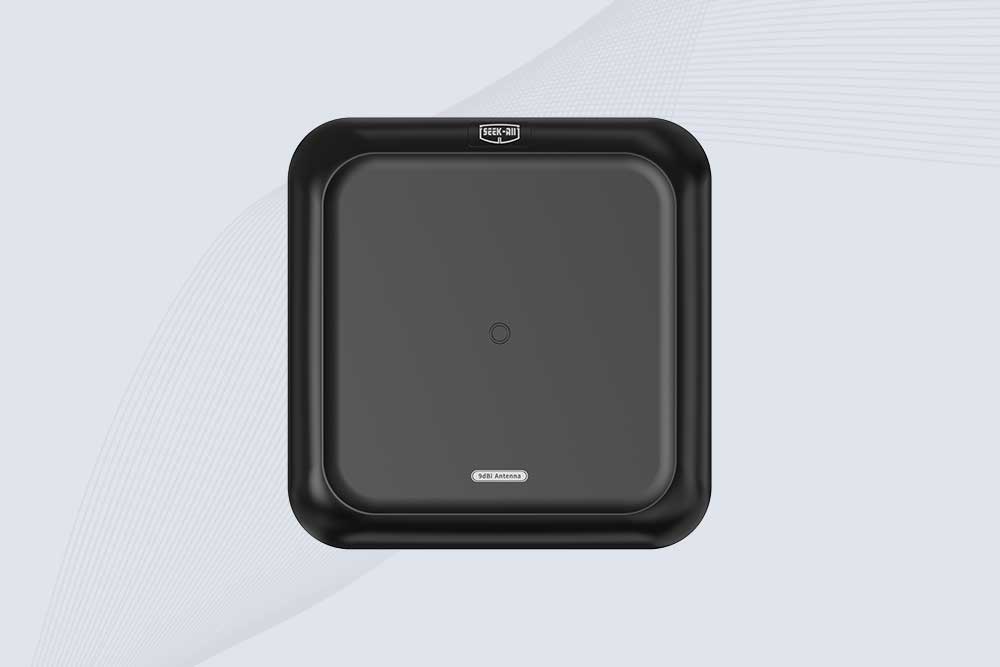
Cykeo CYKEO-A9 industrial UHF RFID antenna delivers 9dBi gain, 840-960MHz frequency range, and IP65 protection for warehouse/logistics/retail RFID systems. Features N-type connector and ≤1.3:1 VSWR.
CYKEO UHF RFID Antenna built for long-distance and industrial applications. This antenna rfid uhf delivers strong gain, outdoor durability, and reliable tag performance in warehouses, yards, and vehicle ID systems.
CYKEO Antenna RFID delivers reliable long-range UHF performance in warehouses, retail shelves, and cold-chain environments. This compact uhf rfid antenna provides stable reads with circular polarization and ultra-wide 840–960 MHz support, ideal for industrial tracking, smart shelves, and asset monitoring.
Cykeo’s CYKEO-C8 UHF RFID antennas delivers 8dBi gain, 840-960MHz full-band coverage, and IP65 ruggedness for manufacturing/warehouse RFID systems. Industrial RFID Antennas Features
Cykeo’s 8dBi UHF RFID antenna and reader kit delivers 10m+ range, 840-960MHz broadband, and IP65 ruggedness for factories, warehouses, and logistics. ISO 18000-6C & EPC Gen2 certified.
Cykeo’s CYKEO-A12C UHF Large RFID Antenna delivers 12dBi gain, 840-960MHz global frequency, IP65 ruggedness for logistics/warehousing/automotive. 40° beamwidth ensures stable 15m+ tag reads.
CYKEO Near Field RFID Antenna provides precise 5–30 cm reading for shelves, cabinets, and workstations. This compact rfid shelf antenna delivers stable short-range performance around metal and clutter, ideal for pharmacies, libraries, and electronics sorting.
Cykeo CYKEO-C1 industrial Forklift RFID Reader features 20m read range, 600 tags/sec scanning, Impinj R2000 chipset, and IP67 rugged design. Ideal for warehouse logistics and manufacturing. Supports ISO 18000-6C/6B protocols.
Cykeo CYKEO-R4 industrial UHF RFID Fixed Reader features 4 TNC ports, 400+ tags/sec speed, IP67 housing, and global frequency compliance for vehicle inspection, smart warehouse, and asset management systems.
CYKEO CYKEO-R8L Fixed RFID Reader with 8-port UHF design, Impinj-based RF core and up to 20m read range. An industrial Fixed RFID Reader for vehicle inspection, warehouse portals, smart manufacturing lines and secure access checkpoints.
RFID Fixed Reader from CYKEO – the CYKEO-R16L 16-port UHF fixed reader for warehouses, smart cabinets, and production lines. Long-range, multi-tag reading, stable performance for 24/7 industrial use.
Cykeo UHF embedded RFID modules are designed for developers who need stable performance, clean APIs, and real SDK support. Easy to integrate, predictable in real systems, and ready for custom development.
Need to know if your iPhone can read 125kHz RFID tags? We explain why iPhones can't, the technology gap, and what solutions actually work for these access cards and fobs.
RFID access management isn’t just about tapping a card to open doors. This word guide explores real-world use cases in offices, warehouses, hospitals, and schools—highlighting benefits, common pitfalls, and practical lessons learned.
Learn how RFID for tools helps factories track, manage, and secure tools in real time. Discover how RFID tool cabinets improve efficiency, reduce loss, and support industrial operations.
 Cykeo RFID IoT Solution Products R&D Manufacturer