 Cykeo RFID IoT Solution Products R&D Manufacturer

RFID Privacy Risks: How to Secure Your Data in 2025
1396Protect your business from RFID data breaches in 2025. Cykeo reveals top risks, encryption strategies, and compliant solutions for secure RFID tagging.
MoreAll RFID Product
A tool checkout process may look simple: an employee takes a tool, uses it, and returns it.
In a busy workshop, however, that simple process can become difficult to control. Several employees may borrow tools at the same time, equipment can move between departments, and some tools may not return to their original storage location.
Paper sign-out sheets and spreadsheets can record these movements, but they depend on employees entering information correctly every time.
An RFID tool checkout system provides a more automated approach. By combining RFID tags, readers, user authentication, software, and controlled storage, companies can connect each tool movement with a specific user and transaction.
An RFID tool checkout system uses radio frequency identification technology to automate the process of issuing and returning tools.
Each tool receives an RFID tag with a unique identity. When the tool is removed from or returned to a designated RFID reading area, the system detects the tag.
The software can then associate the tool with a user and update its status.
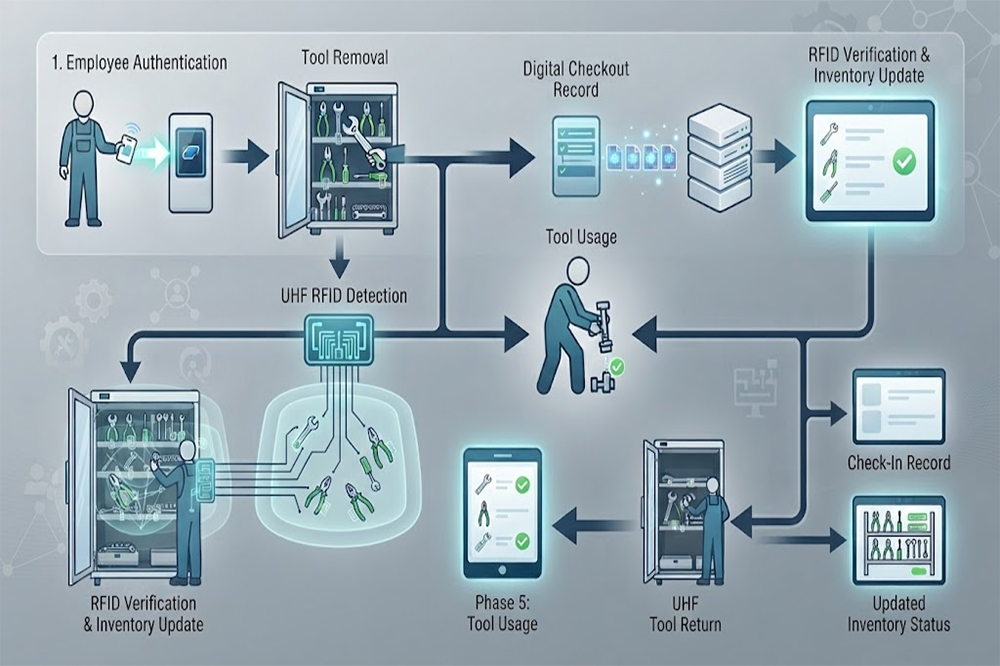
A typical workflow may look like this:
User authentication → Tool removal → RFID identification → Checkout record → Tool use → Tool return → RFID verification → Inventory update
The system can therefore provide more than a simple “tool available” or “tool missing” status.
It can create a history of who borrowed the tool, when it was borrowed, and whether it was returned.
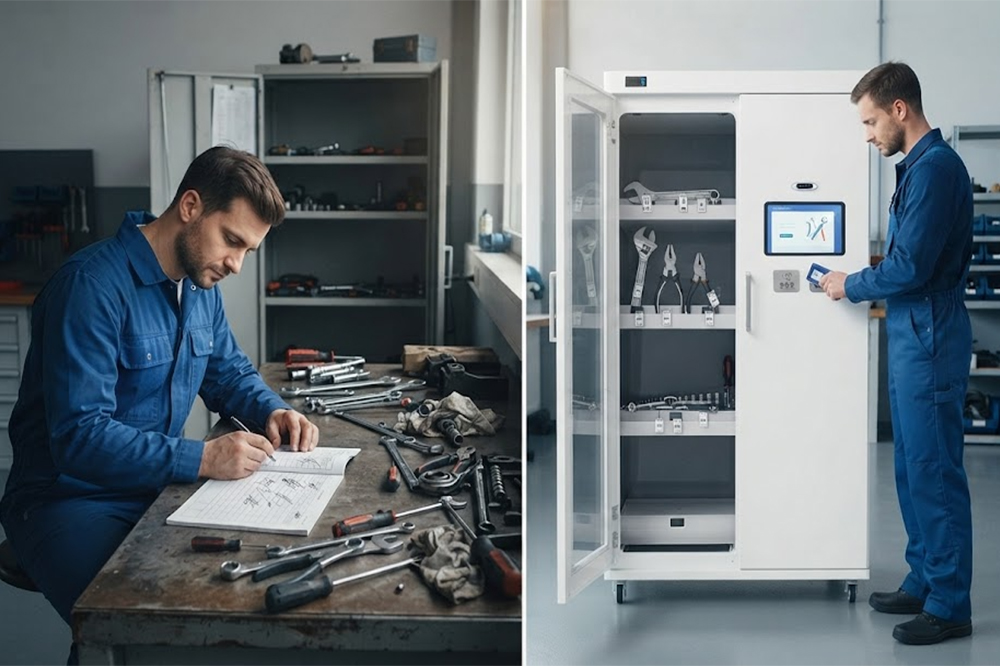
Manual checkout processes are not necessarily wrong.
They can work well in a small workshop with a limited number of tools.
The problem appears when the tool room becomes busy.
An employee may forget to write down a tool number. Another person may borrow equipment while the administrator is away. A tool may be returned after hours without anyone updating the spreadsheet.
Over time, the records and the physical inventory can become different.
This creates several questions:
An RFID system can capture much of this information automatically.
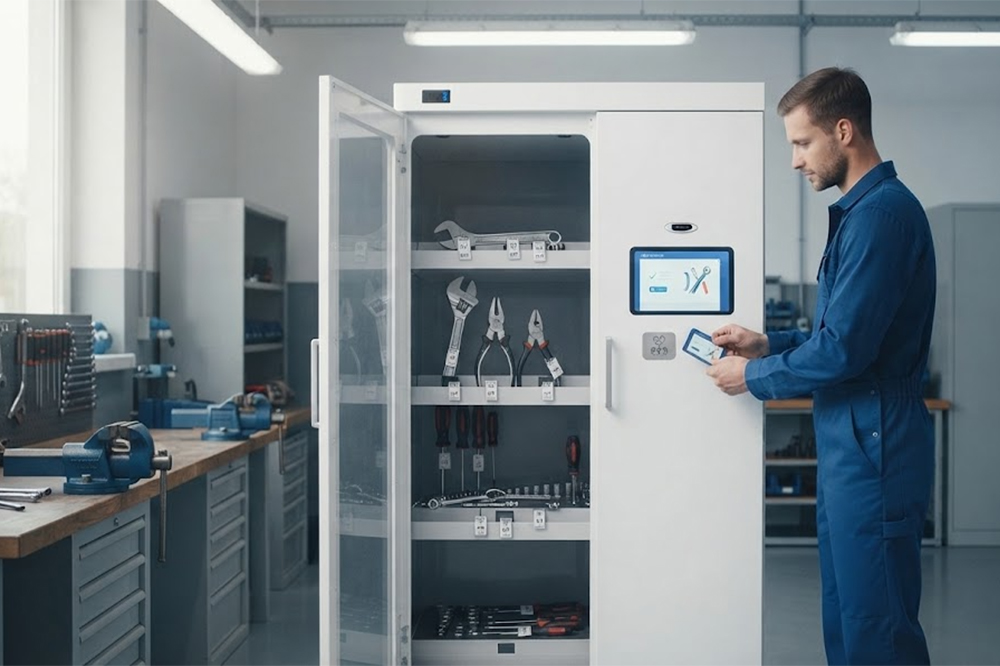
Before accessing tools, the employee can authenticate through a touchscreen, RFID card, PIN, biometric method, or another supported identification method.
The system creates a connection between the user and the upcoming transaction.
When the employee removes one or more tools, the RFID reader detects the tags.
There is no need to manually enter every tool number when the system is designed for automatic identification.
The software receives the RFID identification data and matches it with the tool records.
The system can then create a checkout transaction containing information such as:
The tool status can change from Available to Checked Out.
When the employee returns the tool, the RFID system detects it again.
The software can verify that the tool belongs to the expected inventory and update the status.
The record can change from:
Checked Out → Returned → Available
If a tool is missing from the expected return, the system can flag the transaction for investigation.
An RFID tool cabinet is one of the most controlled ways to implement automated tool checkout.
The cabinet can combine:
Instead of having an employee manually record every transaction, the cabinet can identify tools as they are removed or returned.
This approach is particularly useful when tools are expensive, shared between multiple technicians, or required for safety-critical maintenance.
A cabinet can also provide a controlled storage location outside normal working hours.
Yes, UHF RFID can identify multiple tagged tools within a suitable reading zone.
This is useful when a technician needs a complete set of tools for a maintenance task.
For example, an employee may take:
The system can identify multiple tagged items without requiring the employee to scan every tool individually.
The actual reading performance depends on the tags, tool materials, antenna layout, cabinet construction, reader configuration, and surrounding RF environment.
Testing the real tools before deployment remains important.
Tool checkout is not only about knowing where equipment is.
It is also about accountability.
When every checkout is associated with a user, organizations can establish a clearer responsibility chain.
For example:
Technician A → Tool 0185 → Checked out at 08:42
Later:
Technician A → Tool 0185 → Returned at 14:17
This information can be useful when a tool cannot be found.
Instead of asking everyone in the workshop, the administrator can first review the transaction history.
This does not mean the system automatically proves what happened to a missing tool. It provides a documented record that helps staff investigate the situation.
Not every tool needs the same level of control.
Basic hand tools may not justify strict checkout procedures.
High-value equipment, calibrated instruments, specialized aviation tools, and safety-critical tools may require stronger control.
An RFID checkout system can help organizations apply different management rules according to tool type.
For example:
This creates a more flexible management process.
Checkout and inventory management should not operate as separate systems.
When a tool is checked out, the available inventory should change.
When it is returned, the inventory should update again.
This creates a continuous relationship:
Checkout → Tool Status → Inventory → Return → Inventory Update
The same RFID data can therefore support several management functions.
For a deeper look at automated inventory counting, see RFID tool inventory management.
Tracking also becomes more useful when checkout records are connected to tool movement history. Our guide to RFID tool tracking explains this part in more detail.
An RFID checkout system can also connect tool use with employee information.
Depending on the system, administrators may be able to view:
This information can support operational management.
It may also help identify recurring workflow problems. For example, if a particular group of tools is frequently returned late, managers can investigate whether the issue comes from storage location, job duration, shift changes, or another process problem.
A useful checkout system should not stop at recording the original transaction.
It should also help manage exceptions.
If a tool remains checked out beyond its expected return period, the system can flag the transaction.
Depending on the software, it may support:
These functions turn the system from a simple checkout database into a broader tool management platform.
Before selecting an RFID solution, consider the actual workflow.
How many tools will be managed today, and how many might be added later?
Are most tools metal? If so, suitable on-metal RFID tags may be required.
Does everyone have access to every tool, or are some tools restricted?
Will tools be stored in a cabinet, cart, open room, or controlled entrance?
Does the system need to connect with an ERP, maintenance platform, warehouse system, or existing tool management software?
If several employees need tools at the same time, the checkout process should not become a new bottleneck.
These questions help determine whether a smart cabinet, RFID tool cart, fixed reader, handheld reader, or another configuration makes sense.
An RFID tool checkout system can replace many manual steps in the borrowing and return process.
By connecting users, RFID-tagged tools, and digital records, companies can improve visibility over tool usage and create a clearer record of responsibility.
The strongest systems do more than record checkout events. They connect tool checkout, inventory, tracking, user management, and storage into one workflow.
For organizations managing large numbers of shared or high-value tools, this approach can make daily tool control more consistent while reducing repetitive administrative work.
RFID tool checkout system combines tags, readers, antennas, cabinets, and software, making it an important application within RFID Tools & Devices.
Automated checkout is only one part of a complete RFID tool management system, which can also cover inventory, tracking, access control, and maintenance records.
Once a tool has been checked out, RFID tool tracking can provide additional visibility into its movement and current status.
Every checkout and return can also update RFID tool inventory management records, keeping the expected inventory closer to the physical inventory.
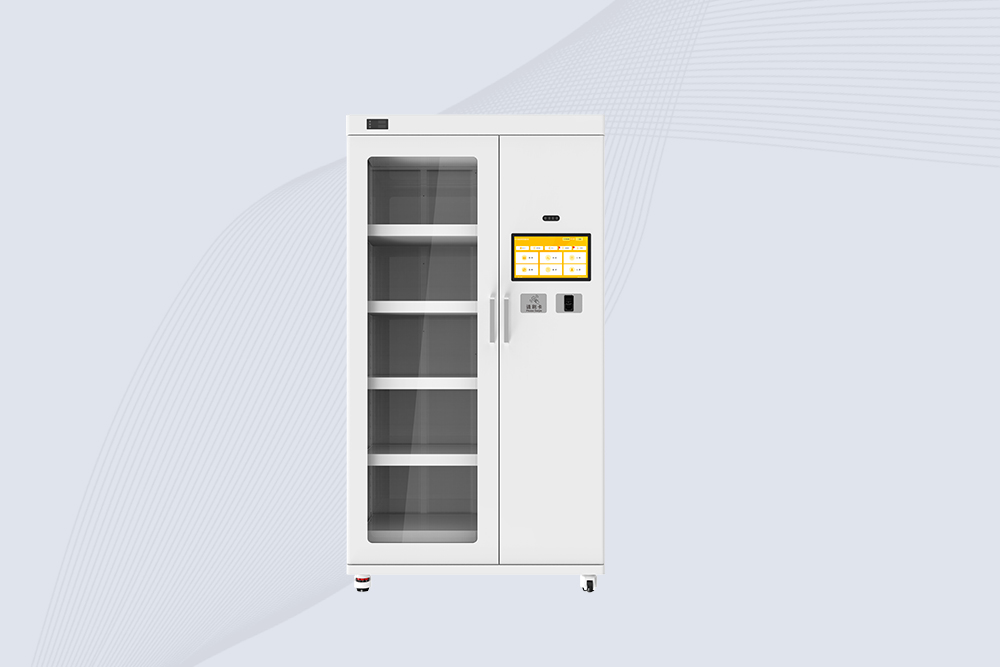
Cykeo’s RFID Smart Tool Cabinet enables 10-second tool audits, user access control & real-time alerts for construction/oil/gas. Features 21.5″ touchscreen, IP54 steel body & -30°C~60°C operation. Supports SAP/Oracle integration.
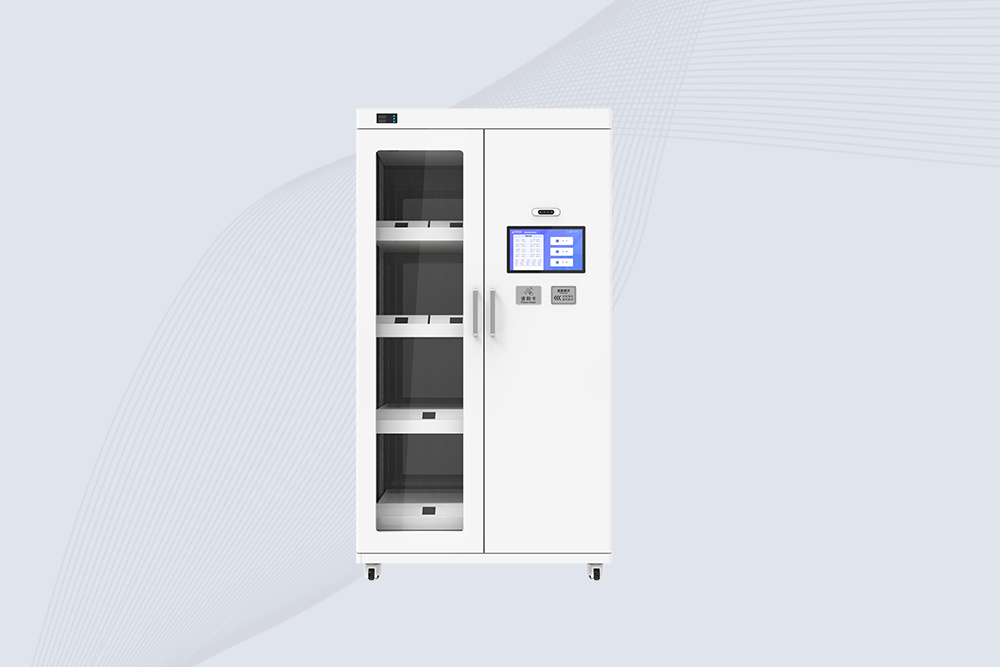
Cykeo’s Intelligent Weighing Tool Cabinet combines weight sensors & RFID for 100% tool accountability. Features solar/4G options, IP54 steel-glass body & nuclear/rail compliance. Supports SAP/Oracle integration.
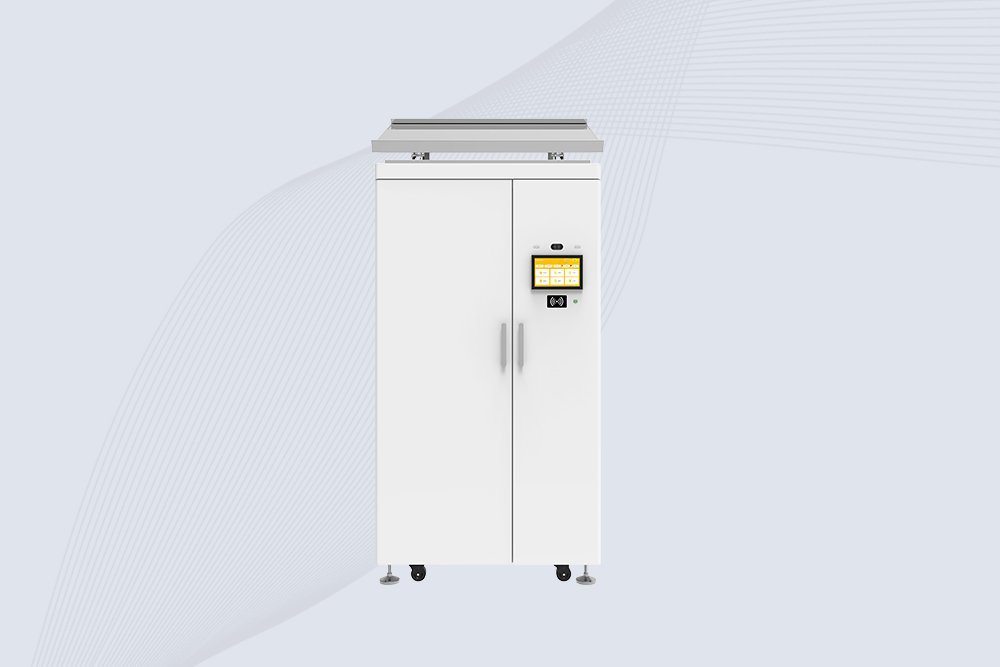
Cykeo’s solar-powered RFID Inventory Tool Cabinet enables 5-second audits for remote sites. Features 160W solar, Android 7.1, 4G & extreme temp operation for oil/energy/mining sectors.
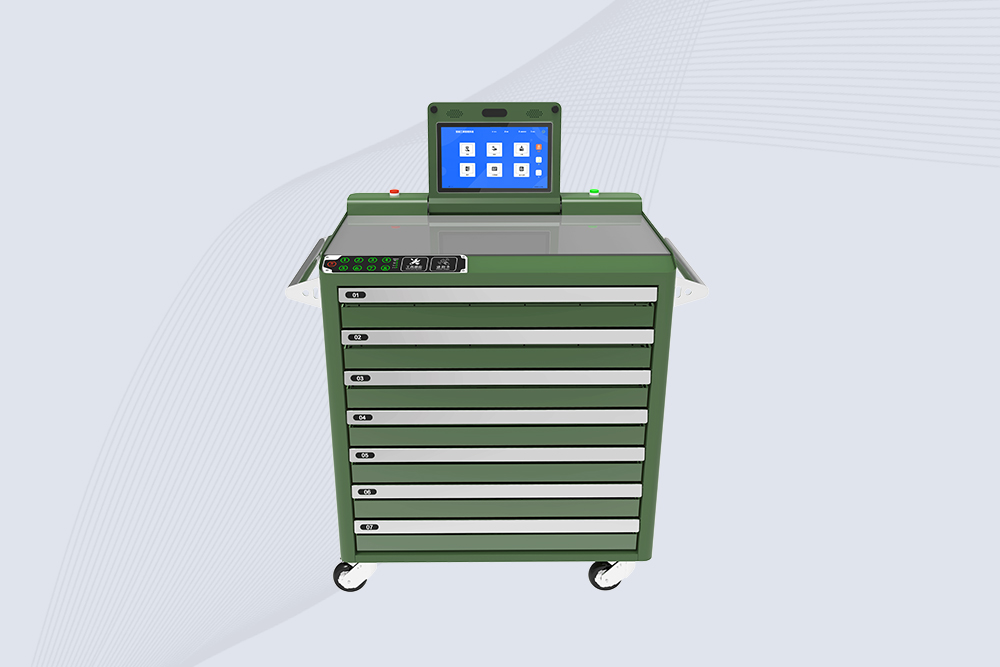
Cykeo’s industrial RFID Tool Cart features 14″ touchscreen, 400+ tool scanning, and carbon steel construction for aviation MRO, power plants and construction sites. 5-second inventory scans.
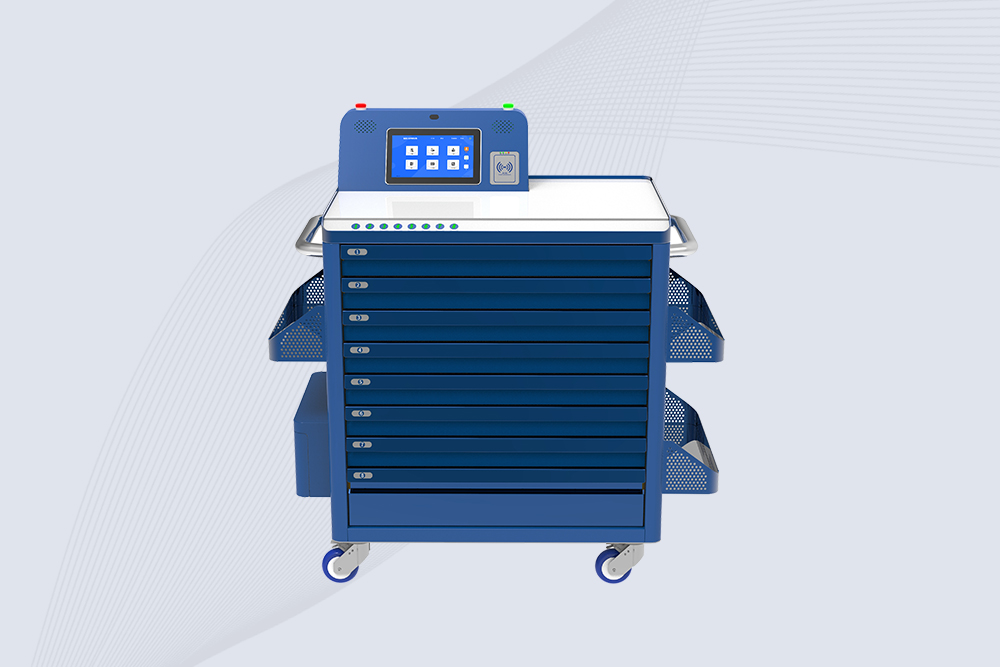
Cykeo CYKEO-TC RFID multi-drawer tool cart manages 300+ tools via UHF RFID, features fingerprint/face recognition, Android/Windows OS, and SAP integration for nuclear/railway/fire safety sectors. IP54 rated for harsh environments.
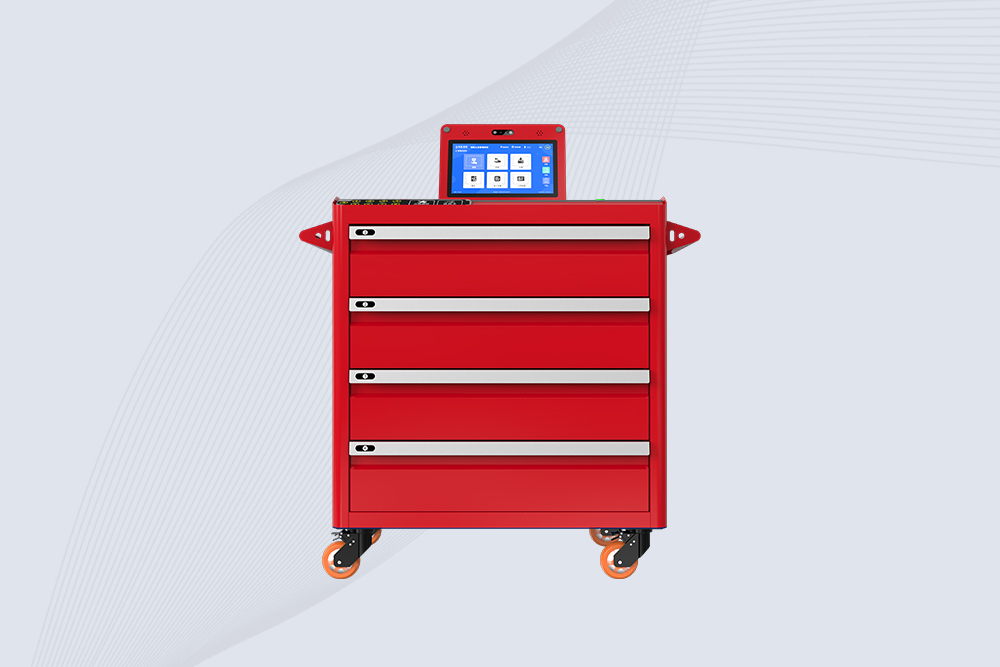
Cykeo CYKEO-GTC4 RFID tool inventory cart manages 300+ tools via UHF RFID, features instant scanning, fingerprint/face recognition, and SAP integration for nuclear/railway/fire safety sectors. IP54 rated for harsh environments.
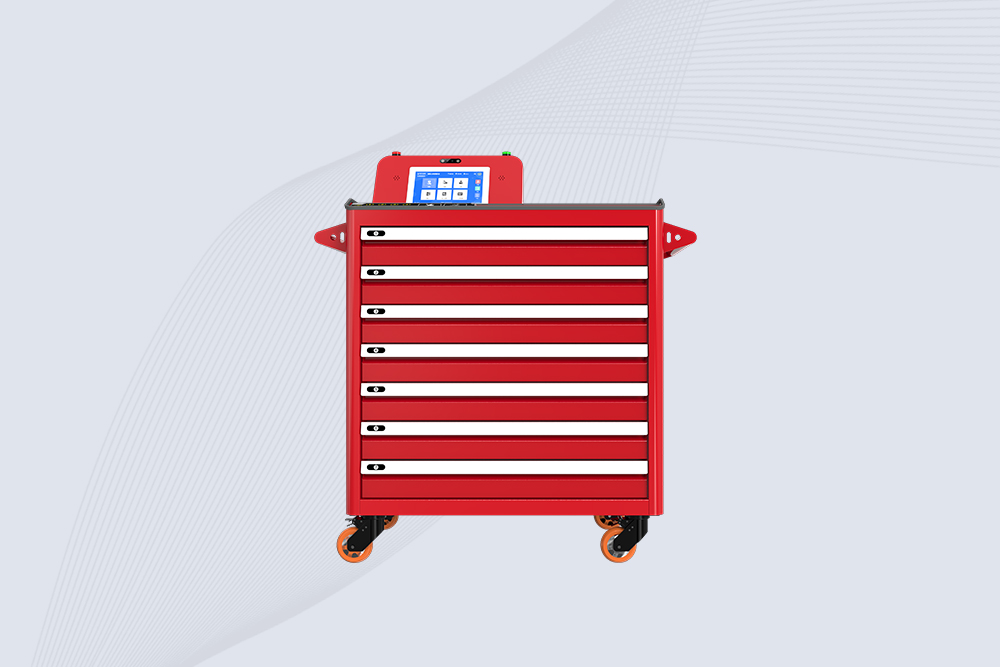
Cykeo CYKEO-GTC7 RFID aviation maintenance cart features military-grade build, blockchain audits, and predictive tool alerts for aircraft MRO. Achieves EASA/FAA compliance.
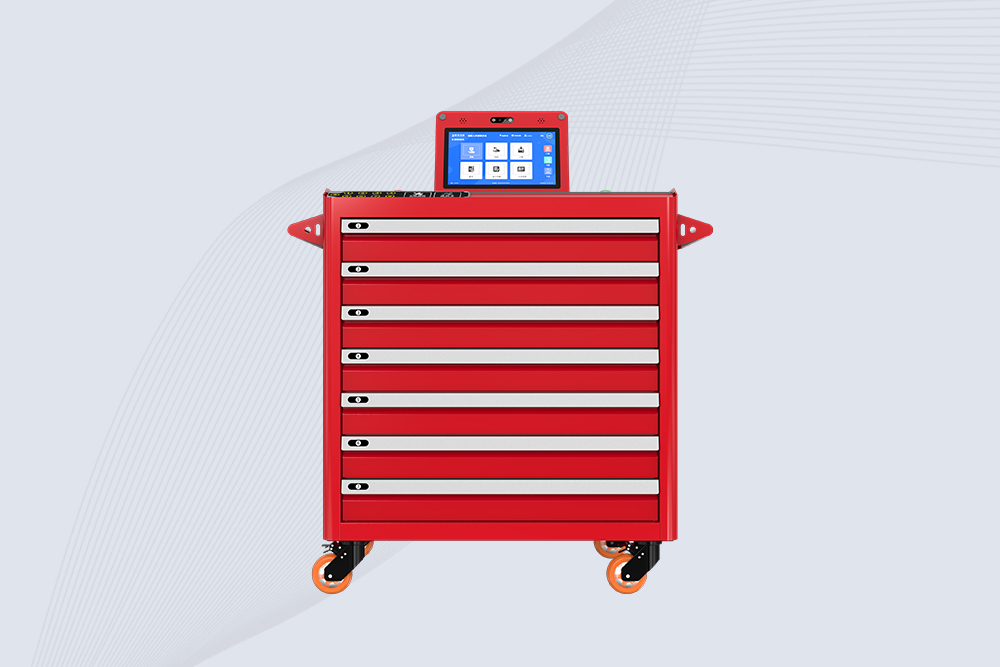
Cykeo CYKEO-GTC7A RFID real-time tool tracking cart features 99.9% accuracy, FOD prevention, and SAP integration for aviation/plant maintenance. Military-grade construction.
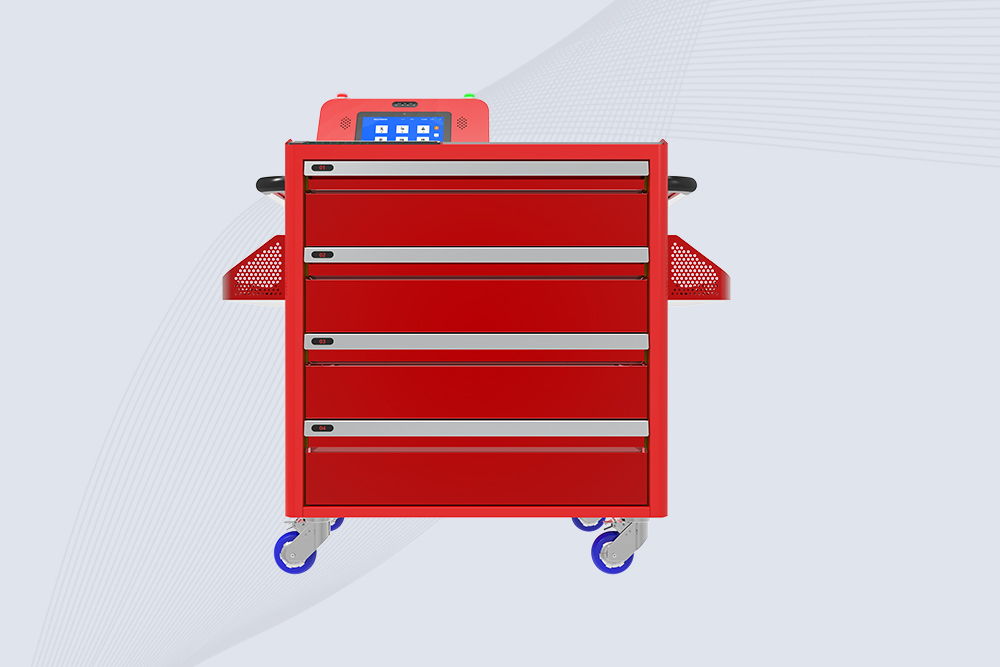
Cykeo CYKEO-GTC4B RFID mobile tool cart delivers 300-tool verification in 7 seconds with modular drawers, ≤150W power, and SAP integration for industrial/aviation use.
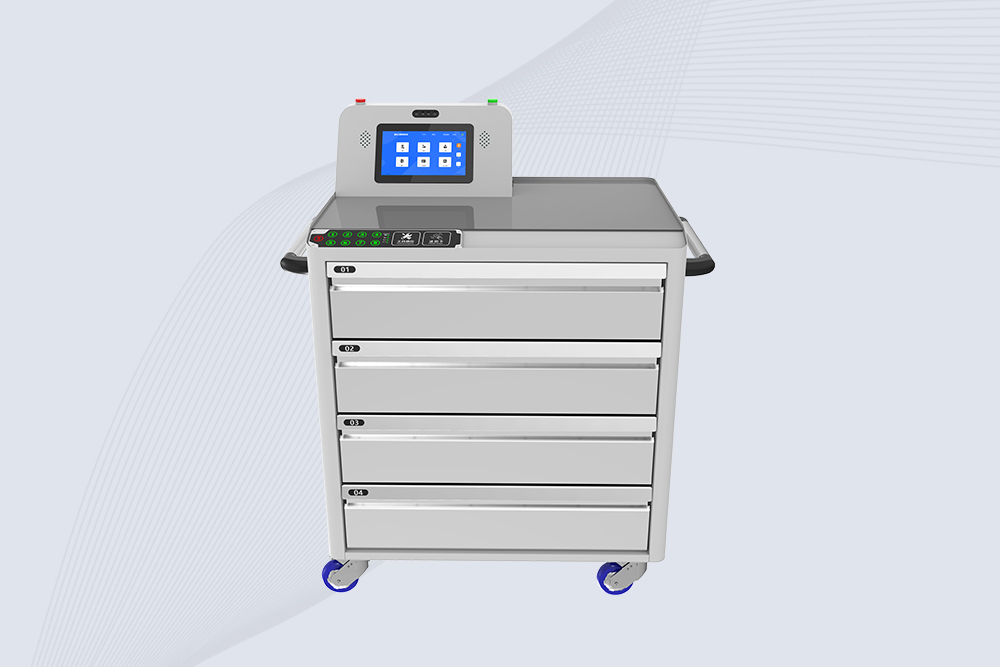
Cykeo CYKEO-GTC4C RFID workshop tool control cart delivers 300-tool inventory in 3 seconds with 10hr battery, SAP integration, and FOD prevention for industrial workshops.
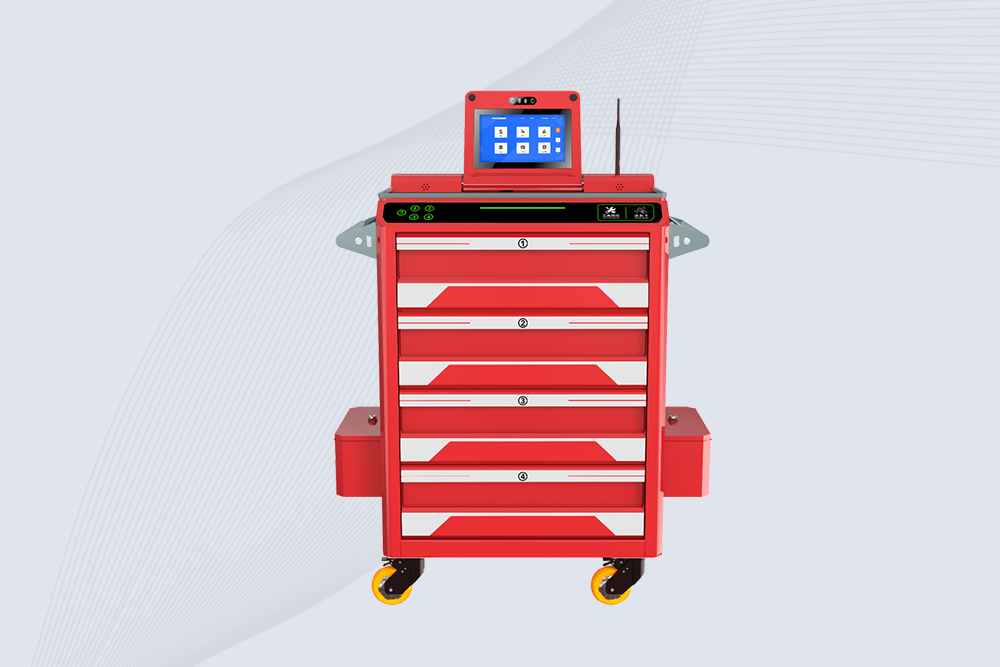
Cykeo’s CYKEO-GTC4A multi-drawer RFID tool cart delivers 7-second aviation tool inventories, 10-hour battery, and dual authentication. ISO 18000-6C compliant for MRO/manufacturing.
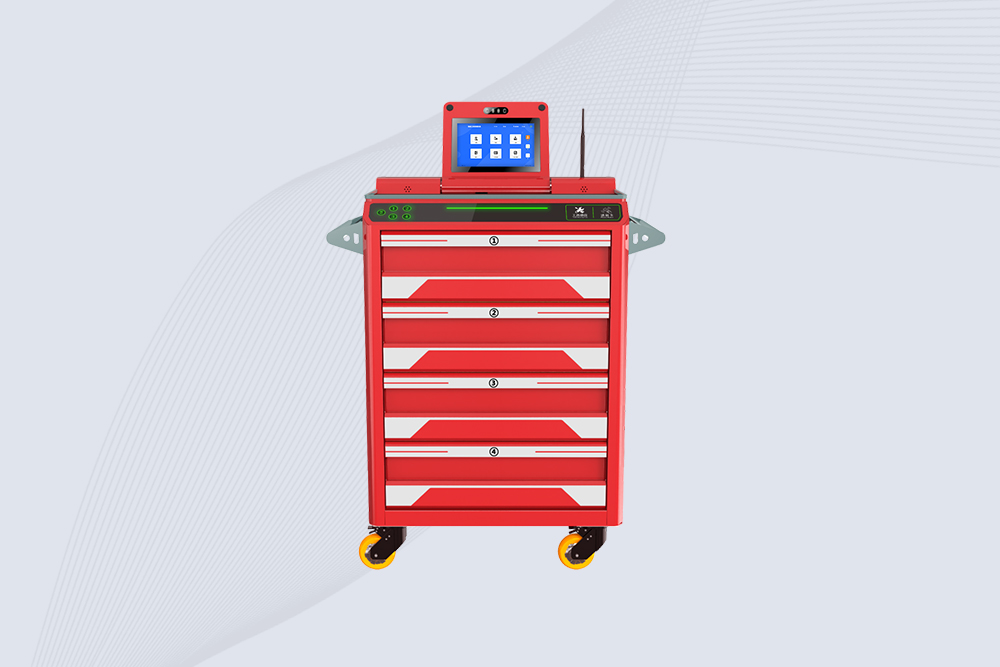
Cykeo’s MIL-STD RFID tool tracking cart scans 300 tools in 7 seconds, with -20°C~60°C operation and FOD prevention for aviation/energy industries.
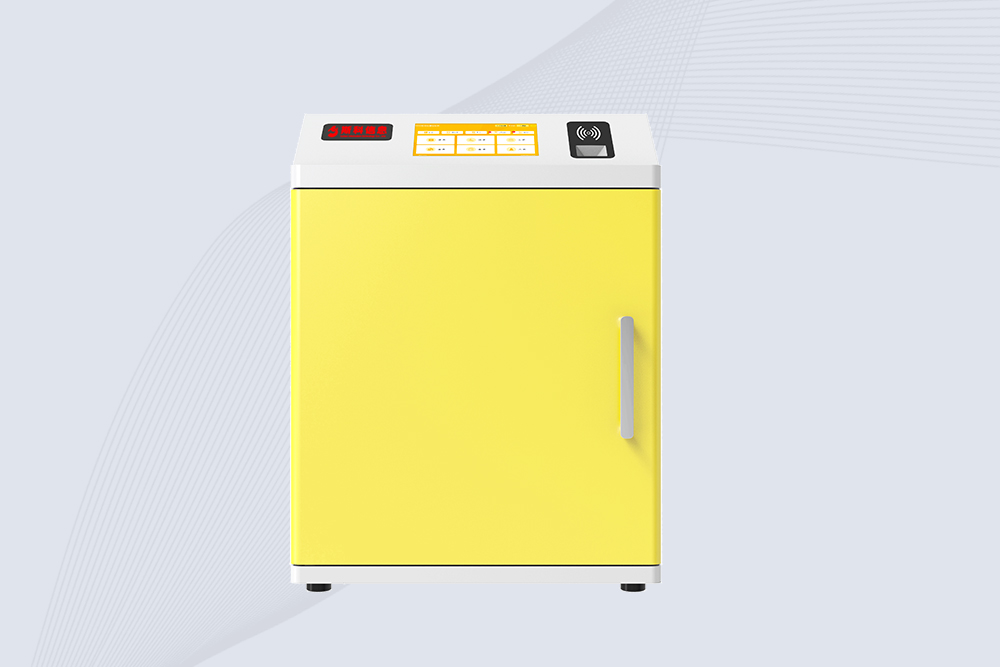
Cykeo’s space-saving RFID tool management cabinet offers 1000-tool capacity, ≤5s scans, and 24/7 unmanned operation for manufacturing/assembly plants.
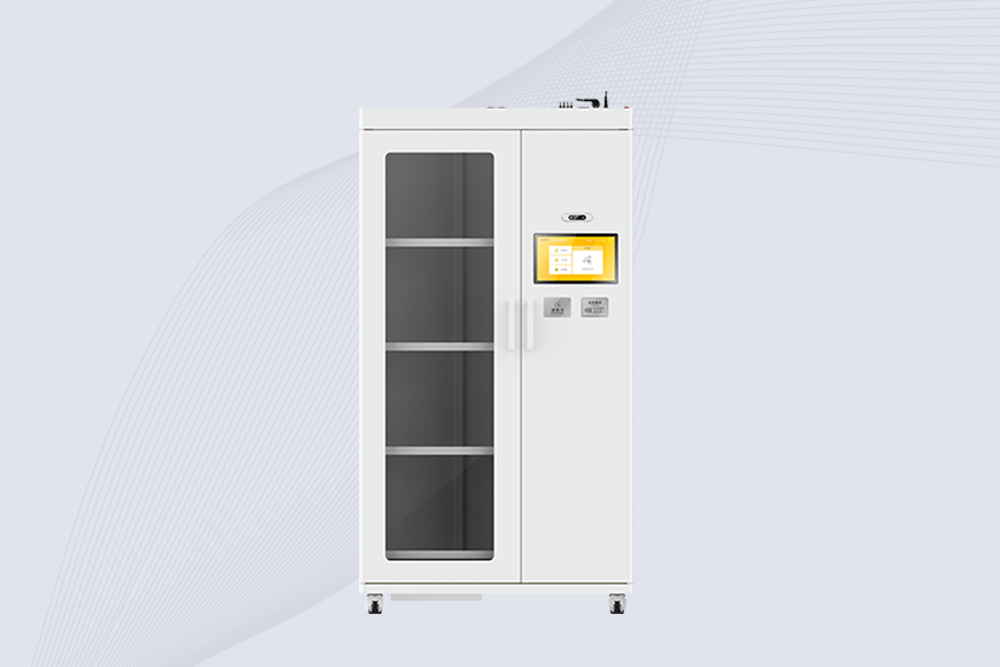
Cykeo’s RFID industrial tool cabinet offers modular shelves, 21.5″ touchscreen, and voice guidance for manufacturing/energy sectors. 24/7 operation with ≤80W power.
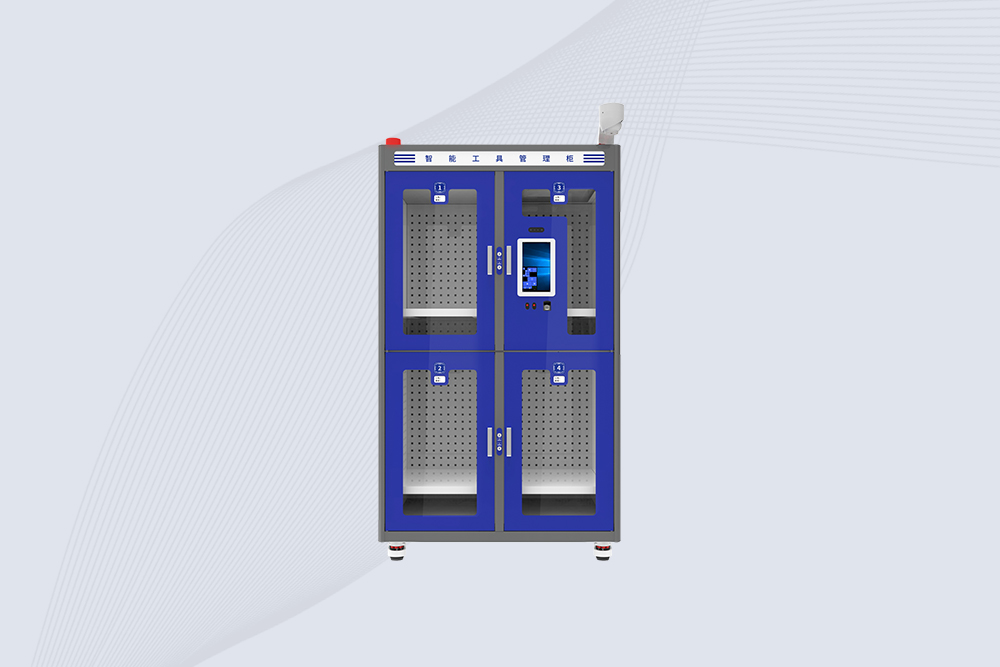
Cykeo’s RFID secure tool cabinet features 4 lockable compartments, ≤150W power, and 24/7 monitoring for pharma/aerospace/electronics industries.
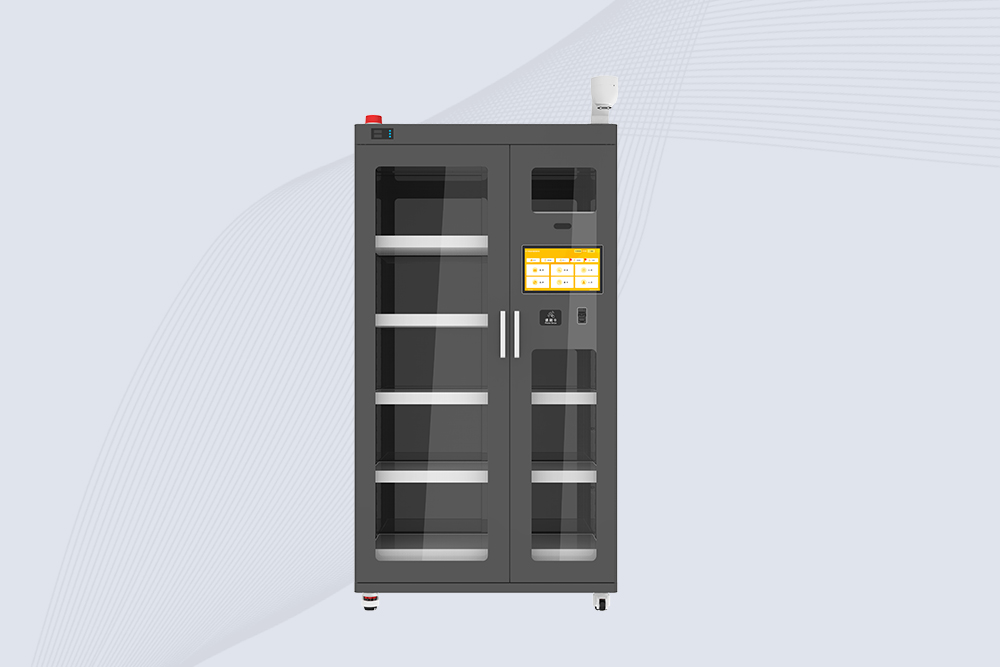
Cykeo’s RFID aviation tool cabinet features triple authentication, 14″ HD touchscreen, and thermostatic control for aircraft MRO/FAA compliance.
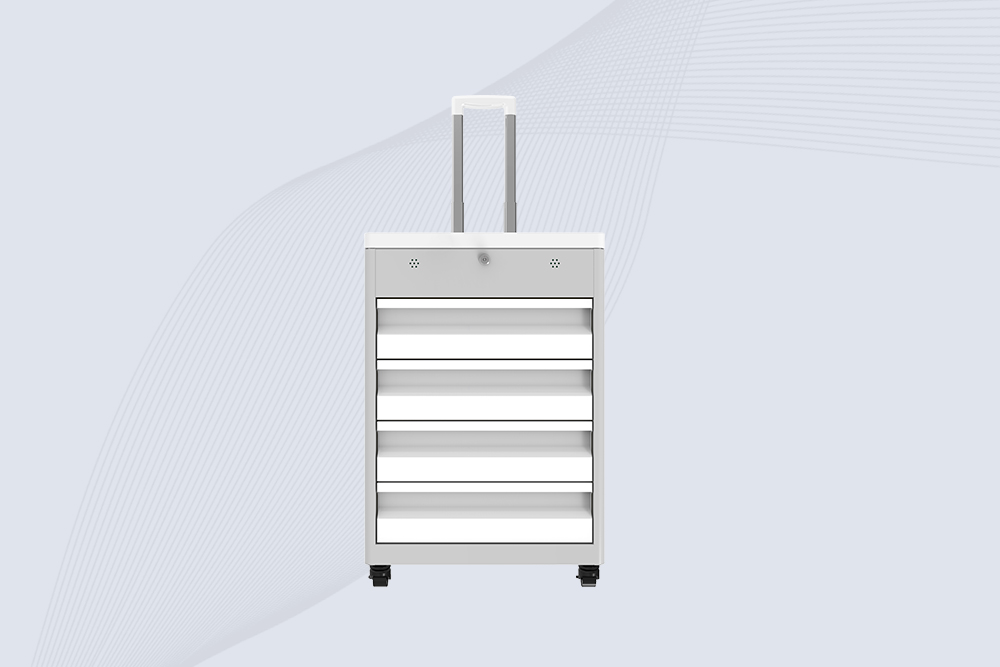
Cykeo’s RFID tool tracking system delivers self-service check-in/out, real-time alerts, and multilingual interface for correctional/military security.
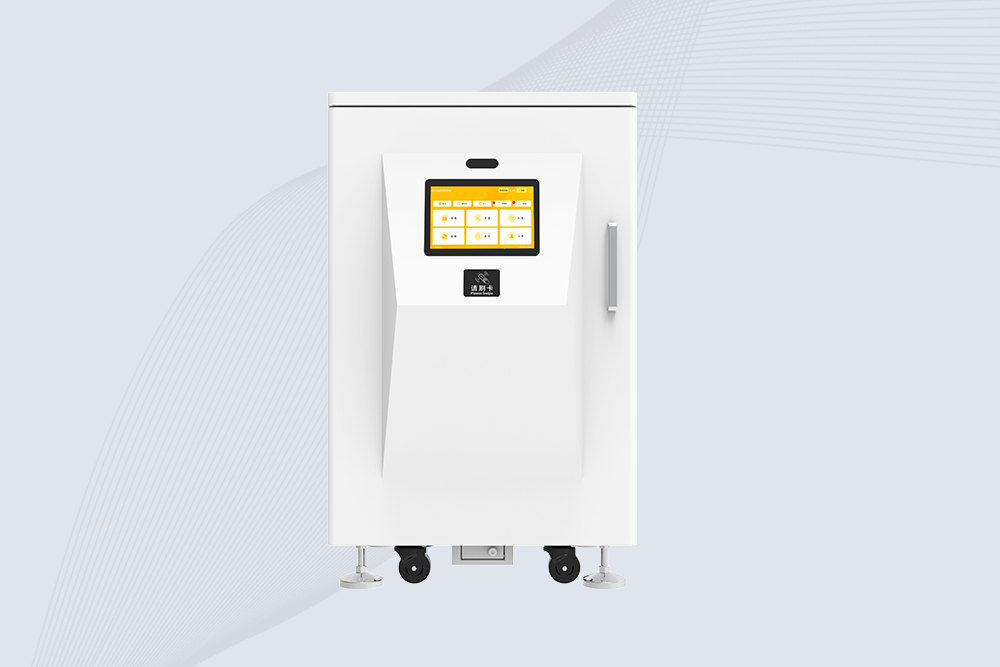
Cykeo’s off-grid RFID tool inventory system features solar/wind power, -30°C~60°C operation, and military-grade durability for mining/energy/military sectors.
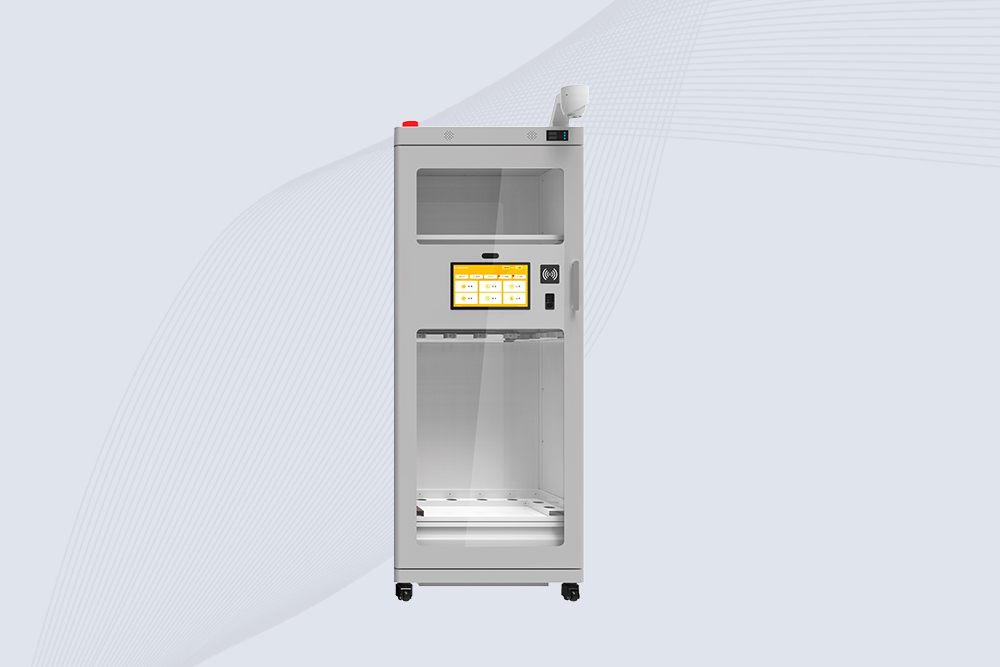
Cykeo’s industrial RFID tool accountability cabinet delivers 99.9% scan accuracy, adjustable shelves, and 24/7 operation for automotive/aerospace manufacturing.
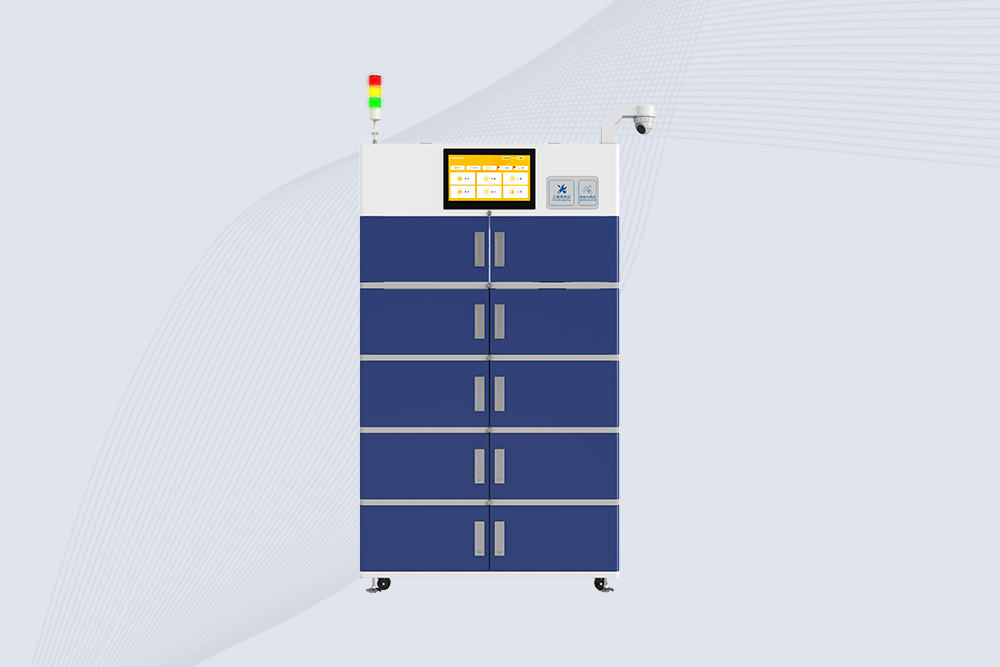
Cykeo’s RFID multi-drawer tool cabinet features 5 adjustable drawers, biometric access, and 99.9% scan accuracy for automotive/aerospace manufacturing.
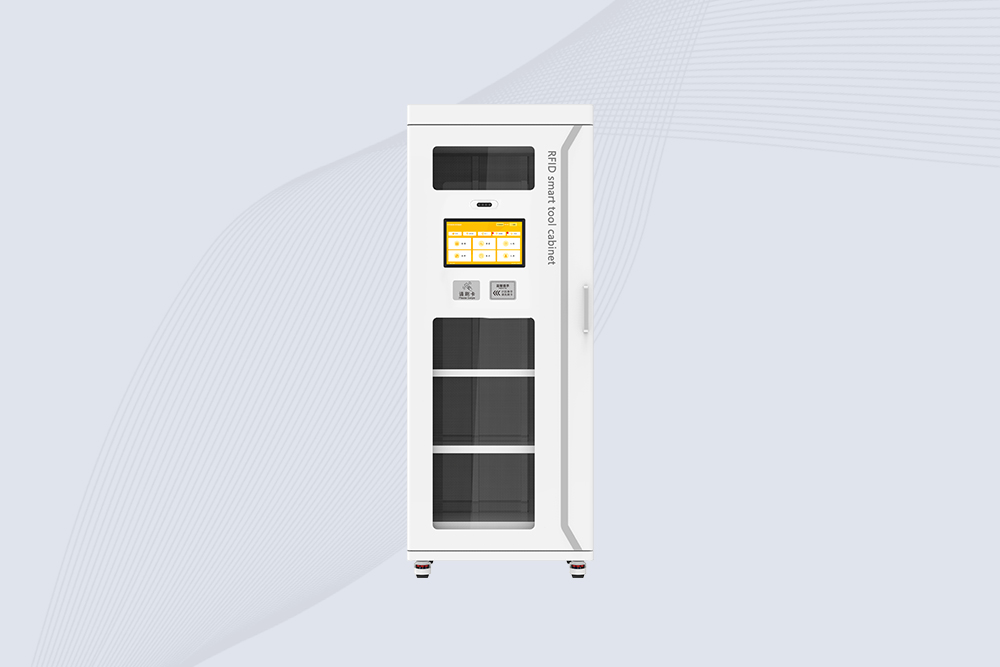
Cykeo’s RFID Automated Tool Cabinet delivers military security, adjustable shelving, and Java/C# SDK integration for defense/aerospace manufacturing.
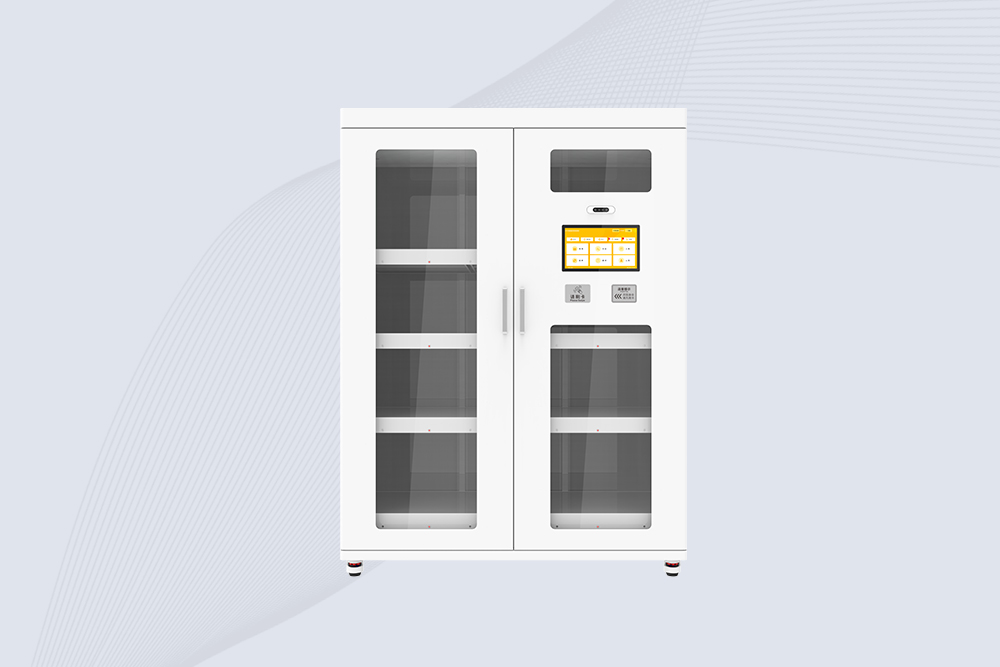
Cykeo’s RFID scalable tool cabinet features multi-unit management, voice guidance, and semi-outdoor durability for automotive/construction/logistics.
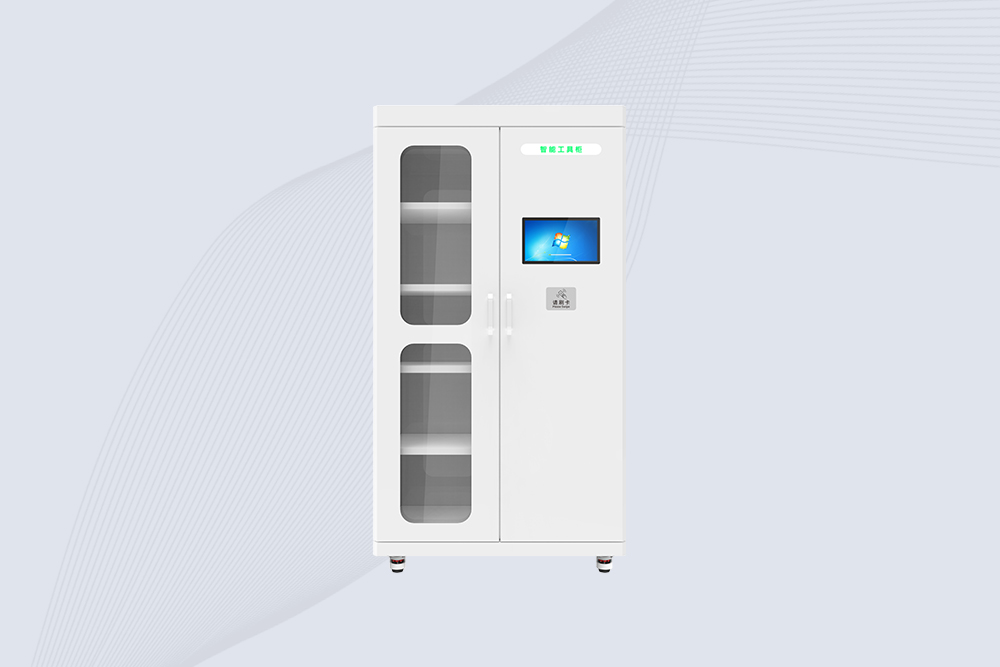
Cykeo CYKEO-GT1B industrial RFID tool storage cabinet features Impinj R2000 UHF technology, 1,000+ tool capacity, IP54 protection, and Windows/Android OS for manufacturing/aviation MRO. Includes auto check-in/out and SAP/Oracle sync.
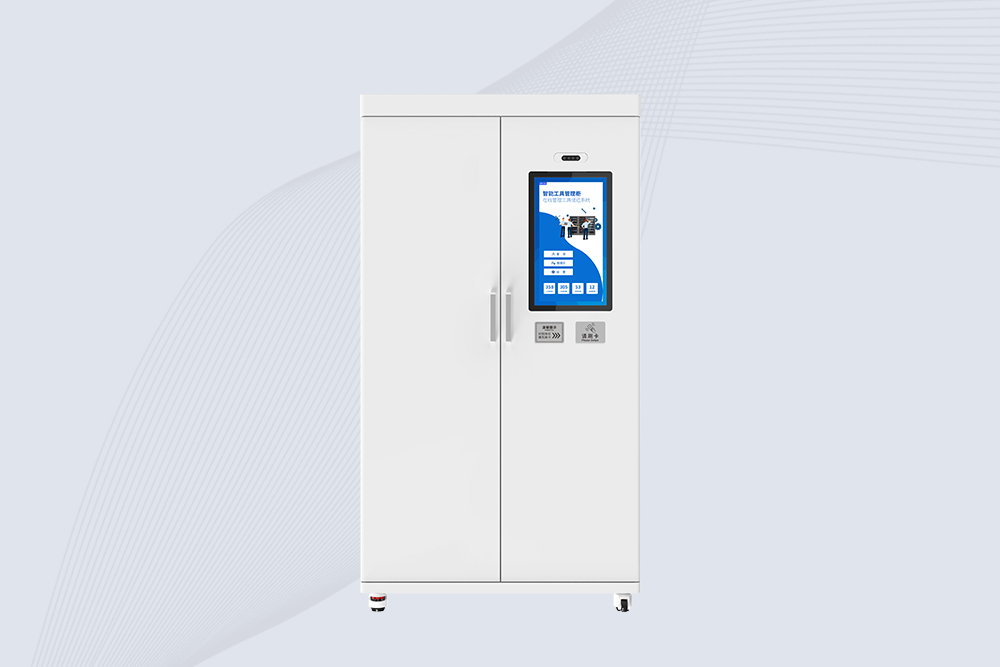
Cykeo CYKEO-GT3C industrial RFID tool checkout system Cabinet features millimeter-wave scanning, 280-layer storage, dual OS, and 99.9% accuracy for aviation/semiconductor sectors. Supports auto check-in/out and real-time SAP sync.
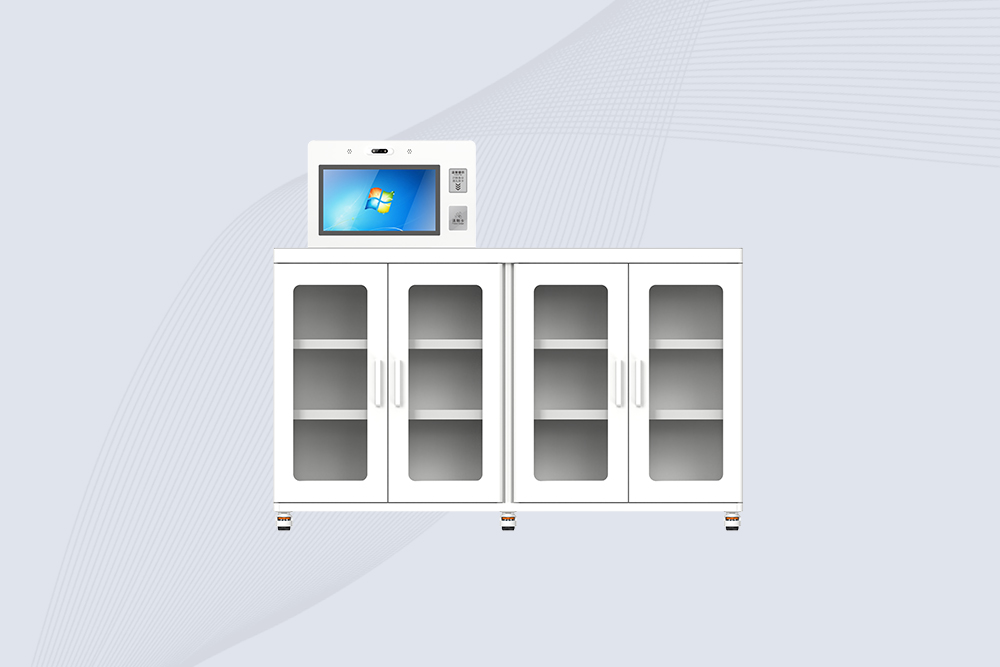
Cykeo CYKEO-GT3D RFID smart tool cabinet offers 5-second inventory scanning for 300+ tools, dual authentication, and 24/7 automated management for industrial facilities.
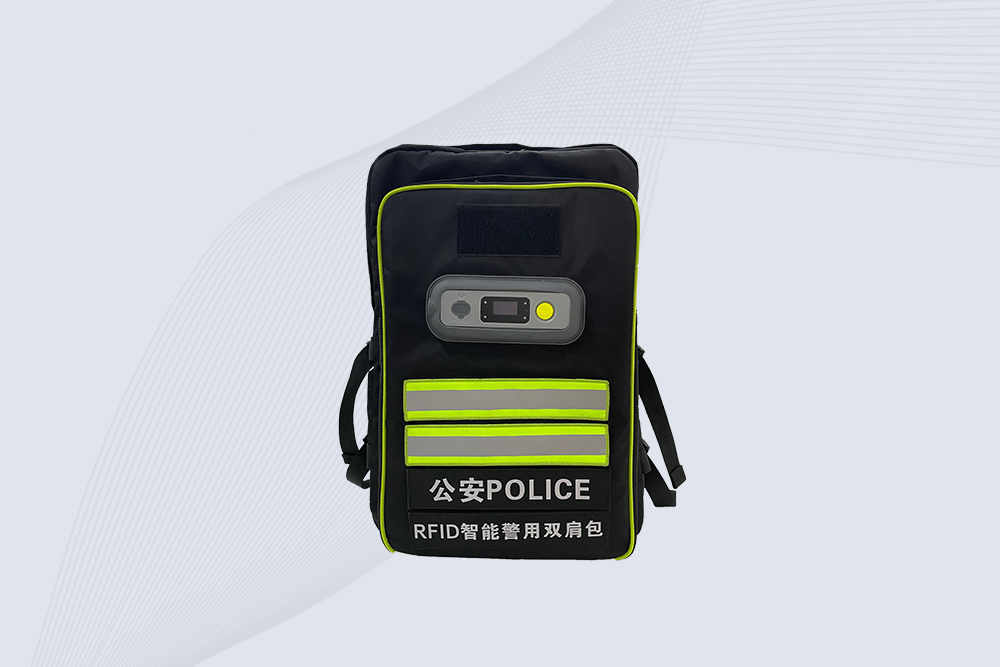
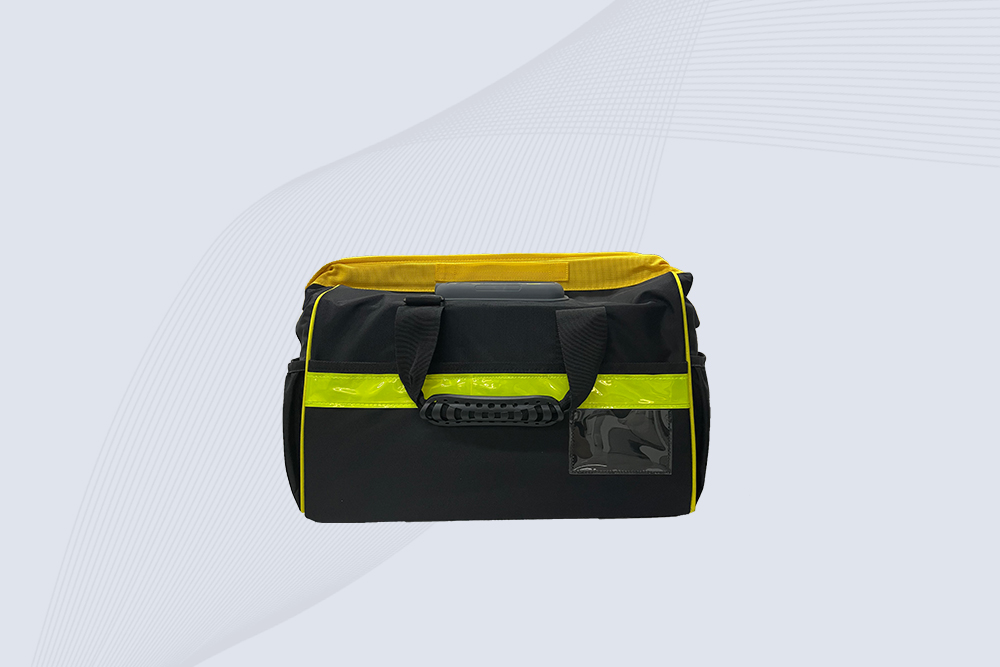
Discover the CYKEO-B1A Industrial RFID Backpack featuring advanced tool tracking technology with 25cm RF shielding, 7-day battery life, and wearable design for field maintenance professionals.
RFID Industry Writer | IoT & Asset Tracking Analyst
James writes about RFID technology, asset tracking, and the practical challenges of digital transformation across warehousing, retail, manufacturing, and logistics.
His work focuses on how RFID is applied in real-world operations—improving inventory visibility, automating workflows, and helping businesses manage assets with greater accuracy and efficiency.
He regularly covers topics including UHF RFID, smart cabinets, RFID portals, tool tracking, warehouse automation, and industrial IoT trends..

Protect your business from RFID data breaches in 2025. Cykeo reveals top risks, encryption strategies, and compliant solutions for secure RFID tagging.
More
Discover how RFID scanners improve inventory efficiency, enable real-time asset tracking, and support logistics, retail, and healthcare industries. Learn how to choose the right device for your needs.
More
Discover whether long-range RFID readers can work through metal or concrete walls. Learn how Cykeo’s systems overcome interference in industrial and construction environments.
More
how to check rfid number quickly and accurately using professional readers. Learn proven methods, tools, and real-world tips to read RFID IDs with high reliability.
More