 Cykeo RFID IoT Solution Products R&D Manufacturer

Bluetooth RFID Handheld Reader: When Do You Actually Need It?
56Not sure if you need a Bluetooth RFID handheld reader? Learn when it makes sense and how it compares to integrated devices.
MoreAll RFID Product
E-commerce fulfillment centers handle a large number of orders, totes, cartons, picking batches, returns, and outbound shipments every day. A small tracking error can cause a missed order, incorrect parcel, delayed dispatch, or unnecessary manual checking.
Barcode systems remain useful, but they normally require a clear view of the label and a scanning action at each checkpoint. A long range RFID scanner can identify tagged objects without requiring every tag to be directly visible. When installed at the right locations, it helps fulfillment operators monitor order movement, reusable containers, picking batches, packing activities, and outbound handovers.
The goal is not to replace every barcode process. Instead, RFID can reduce repetitive scanning work and provide automatic visibility at important movement points.
A typical fulfillment center includes several connected stages:
Each stage may involve different workers, containers, conveyors, carts, and software systems. When tracking depends only on manual confirmation, the system may show that an order was picked even though the tote is still waiting in a staging area.
Common operational problems include:
A long range RFID scanner can create automatic reading points at doors, conveyor transitions, staging lanes, packing areas, and dispatch gates. These reading points help connect physical movement with the fulfillment management system.
A typical RFID fulfillment solution includes four main elements:
The RFID reader sends radio signals through the antenna. When a compatible tag enters the reading zone, it responds with its stored identification data. The software then associates the tag ID with an order, tote, batch, location, or shipment record.
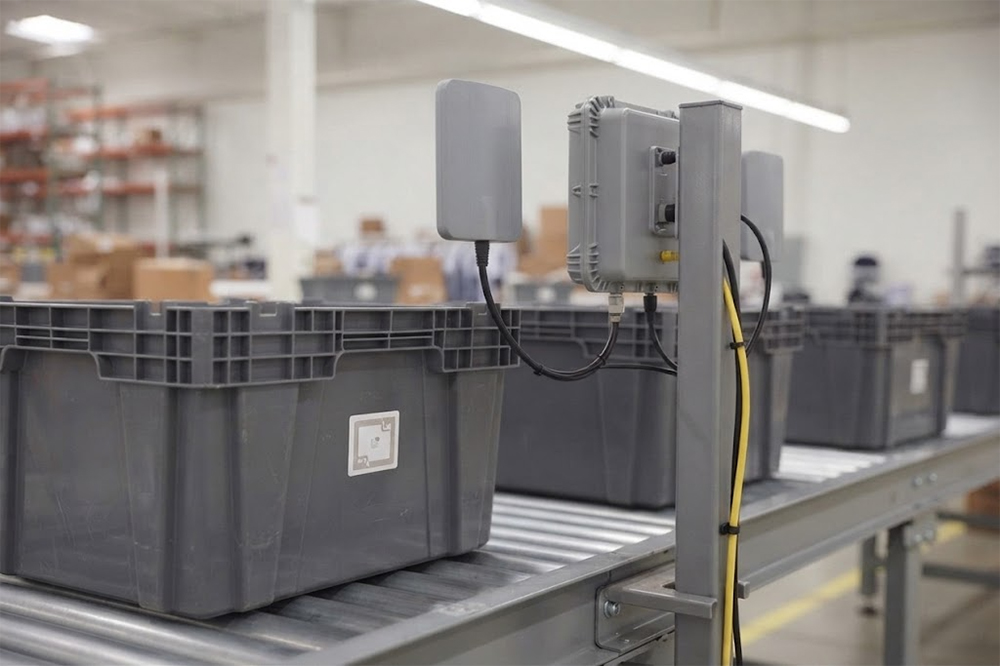
For example, a tote may carry an RFID tag linked to:
The tag itself does not need to store the complete order. In many systems, it only provides a unique ID, while the fulfillment software holds the detailed business information.
This approach allows the same physical container to be tracked through multiple stages without printing a new label at every checkpoint.
The most practical RFID targets in a fulfillment center are objects that move repeatedly or pass through controlled checkpoints.
Reusable totes are often shared between receiving, storage, picking, packing, and returns. Without automatic tracking, they can accumulate in the wrong area or disappear into another process.
RFID can help record:
This is particularly useful when a fulfillment center owns thousands of reusable containers.
Many facilities release orders in waves. A picking cart or batch container may include several orders that must remain separated until consolidation.
An RFID tag can identify the cart, batch, or container as it moves between:
The reader does not need to identify every individual item to provide value. Tracking the container or batch can already improve process visibility.
RFID can be used to identify cartons before they are sealed, after they are sealed, or when they pass through an outbound gate.
The system can compare the carton ID with the expected order record and generate an alert when:
Item-level RFID may be suitable for selected product categories, but carton-level tracking is often easier to implement as a first project.
At receiving, workers may unload goods from suppliers and move them to temporary staging areas. Barcode scanning can confirm individual cartons, but the process becomes slower when many containers pass through the same entrance.
A long range RFID scanner installed at a receiving gate can automatically record tagged pallets, totes, or cartons entering the facility.
The receiving system can compare the detected IDs with the expected delivery information. This helps identify:
After receiving, RFID can also support putaway confirmation. When a tagged tote or pallet passes through a designated area, the system can record the movement and update the container location.
The reading zone must be carefully designed. A reader positioned near several storage aisles may detect tags from neighboring locations, so directional antennas, shielding, power adjustment, and software filtering may be necessary.
Order picking is one of the most important stages in e-commerce fulfillment. A picking error can affect customer satisfaction, shipping costs, and return rates.
RFID can support picking in several ways.
A cart may be assigned to a picking wave or a group of orders. RFID checkpoints can confirm when the cart leaves the staging area, enters a picking zone, or returns to consolidation.
This creates a movement history without requiring workers to scan the cart manually at every transition.
An RFID tag on a tote can be linked to a specific order batch. When the tote reaches a consolidation or packing station, the system can check whether it is expected there.
If the wrong tote arrives, the software can show an exception message before the order proceeds further.
In large facilities, orders may be divided between different picking zones. RFID can help monitor the movement of containers between these zones.
The system may record:
RFID does not automatically guarantee picking accuracy. The fulfillment software still needs correct order logic, and workers may need barcode or visual confirmation for individual products. RFID works best as an additional layer of process control.
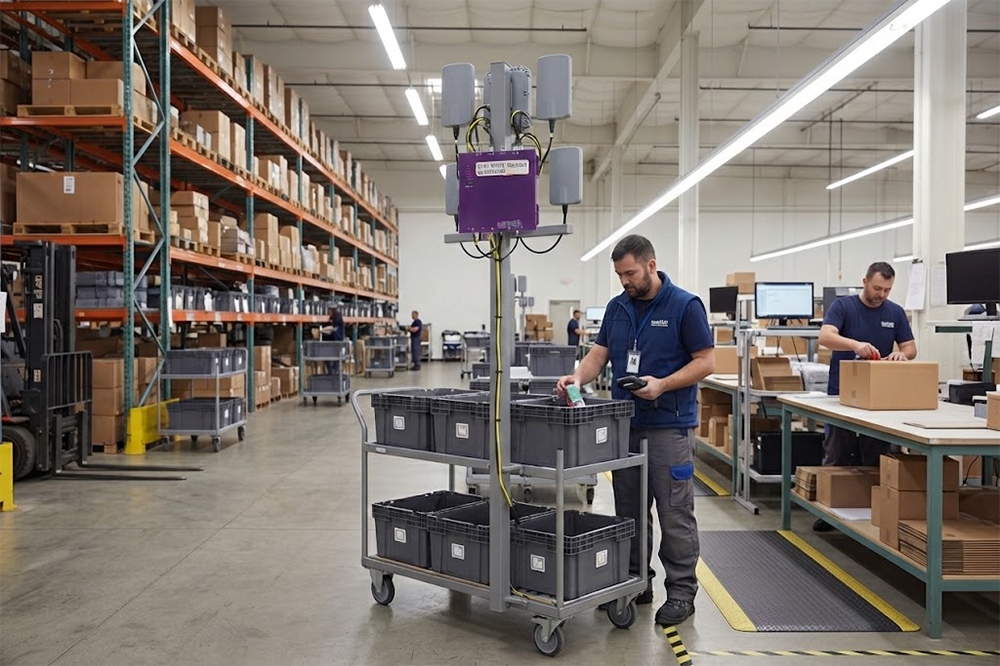
After picking, order items may be brought together before packing. This stage can create confusion when many totes or order batches arrive at the same time.
A long range RFID scanner near the consolidation area can identify incoming containers and match them with the expected order group.
At the packing station, RFID can help confirm:
For high-volume operations, the reader may be connected to a local display or workstation. The software can show the expected order information as the tagged container enters the reading zone.
This reduces the need for workers to stop and search for a label, although visual confirmation may still be required for certain products or compliance processes.
Outbound sorting involves moving packed orders toward carrier lanes, dispatch doors, or regional distribution areas. A long range RFID scanner can be installed at a conveyor transition, sortation lane, or shipping gate.
The system can compare the detected carton or container ID with the expected destination.
Possible actions include:
The reader’s actual performance depends on tag placement, carton material, conveyor speed, antenna layout, and the distance between the tag and antenna. Testing is necessary before selecting the final reader power and antenna arrangement.
Returns often follow a different route from normal outbound orders. Returned goods may move through inspection, grading, repacking, restocking, repair, or disposal.
RFID can help identify reusable return containers and track their movement through the returns area.
A tagged container can be associated with:
For individual product tracking, RFID tags may be applied to selected product categories or internal handling units. However, not every product requires an RFID tag. The project should focus on products and containers where automatic identification creates measurable operational value.
RFID can improve movement visibility, but it is not a plug-and-play replacement for every barcode scanner.
Tags placed close to metal surfaces, liquids, dense products, or electronic components may have reduced reading performance. The best tag location should be tested with real packaging and actual products.
A long range RFID scanner may detect tags outside the intended area if the reading zone is too open. This can create false movement records.
Possible controls include:
When several totes or cartons pass through a gate at the same time, the system must determine whether they belong to the same batch or different orders.
The software should use event timing, reader location, expected workflow, and container status to avoid assigning every detected tag to the same transaction.
Cardboard is generally RFID-friendly, but some products and packaging may contain metalized films, liquids, dense materials, or conductive components. These materials can affect reading distance and consistency.
A practical test should use the actual tote, carton, tag, and product combination instead of relying only on laboratory specifications.
The most reliable fulfillment RFID systems do not simply install a powerful reader and expect it to identify everything nearby.
Each reading point should have a clear business purpose.
Examples include:
For each zone, define:
This approach is more effective than trying to maximize reading distance everywhere.
A long range RFID scanner becomes useful when its data is connected to the fulfillment system.
Depending on the project, integration may involve:
Common integration methods include Ethernet, TCP/IP, serial communication, digital inputs and outputs, REST APIs, or an SDK supplied by the reader manufacturer.
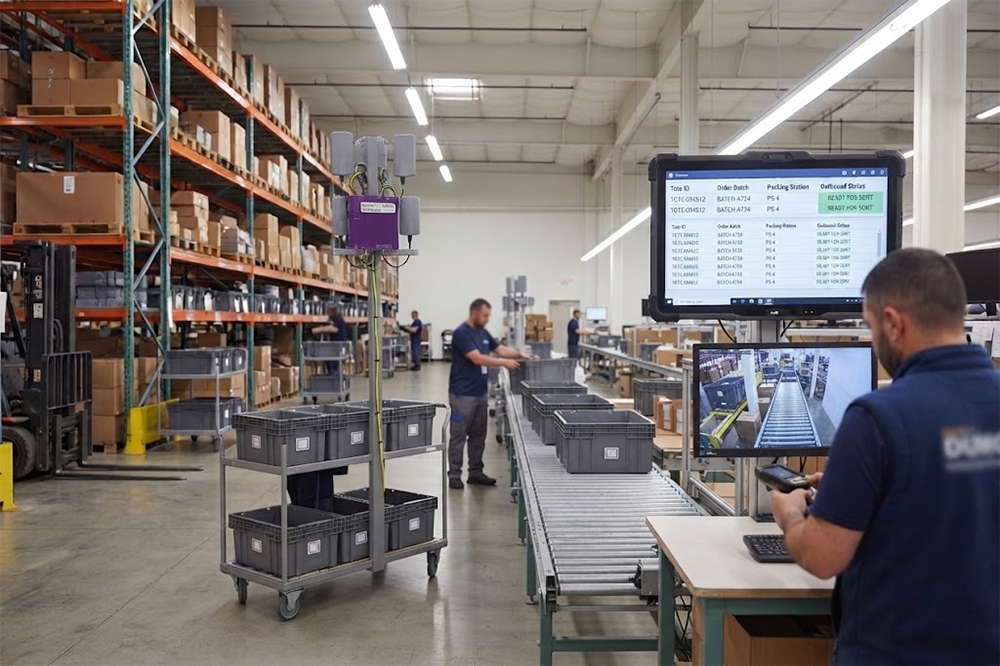
A typical event may look like this:
The software should also prevent duplicate events. A tag remaining in the reading zone for several seconds should not create multiple receiving or shipping transactions.
Consider a fulfillment center that uses reusable totes for multi-order picking.
Each tote receives an RFID tag linked to its container ID. When a tote is assigned to a picking wave, the software connects the tote ID with the relevant order batch.
As the tote moves through the facility:
This workflow does not require RFID tags on every individual product. Tracking the reusable container may already provide better visibility and reduce manual scanning.
Before full deployment, conduct a site test using real operating conditions.
The test should include:
Measure more than maximum reading distance. Important indicators include:
A reader that performs well in an open test may behave differently when installed beside conveyors, racks, motors, metal frames, or other RFID equipment.
When selecting a long range RFID scanner for an e-commerce fulfillment project, consider:
The final selection should be based on the complete reading zone, not only the reader’s advertised maximum distance.
A long range RFID scanner can help e-commerce fulfillment centers track reusable totes, order batches, picking carts, cartons, returns, and outbound movements with less manual scanning.
The strongest applications usually involve controlled movement points where the system needs to know that a tagged object has entered, left, or reached a specific area. RFID can improve fulfillment visibility, but successful deployment depends on tag selection, antenna placement, reading-zone control, software integration, and testing with real packaging.
For many fulfillment centers, starting with tote tracking, batch movement, or outbound carton verification provides a practical way to measure value before expanding into more complex item-level RFID tracking.
For facilities that need to connect fulfillment operations with stock visibility, RFID warehouse inventory tracking can provide a broader view of container and inventory movement.
For apparel fulfillment, RFID for clothing inventory can connect store-level product visibility with warehouse picking and order preparation.
Explore long range RFID scanner solutions for fixed reading points, multi-antenna installations, warehouse gates, conveyors, and industrial tracking applications.
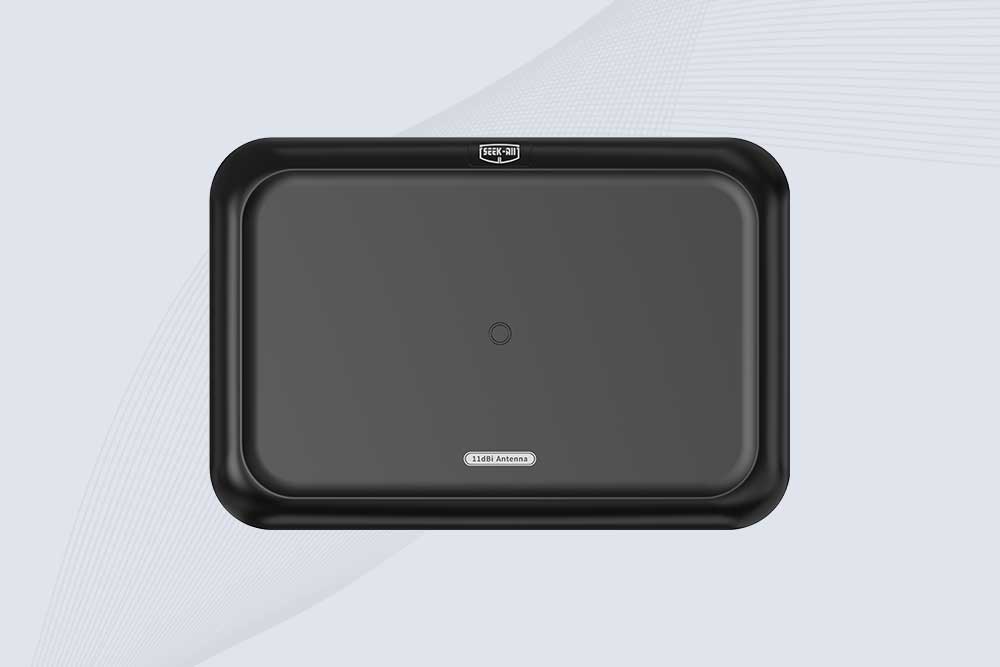
SSD-A11 UHF RFID antenna features 840–960 MHz adjustable frequency, ≥10.5 dBi gain, circular polarization and 50Ω impedance for fixed RFID systems.
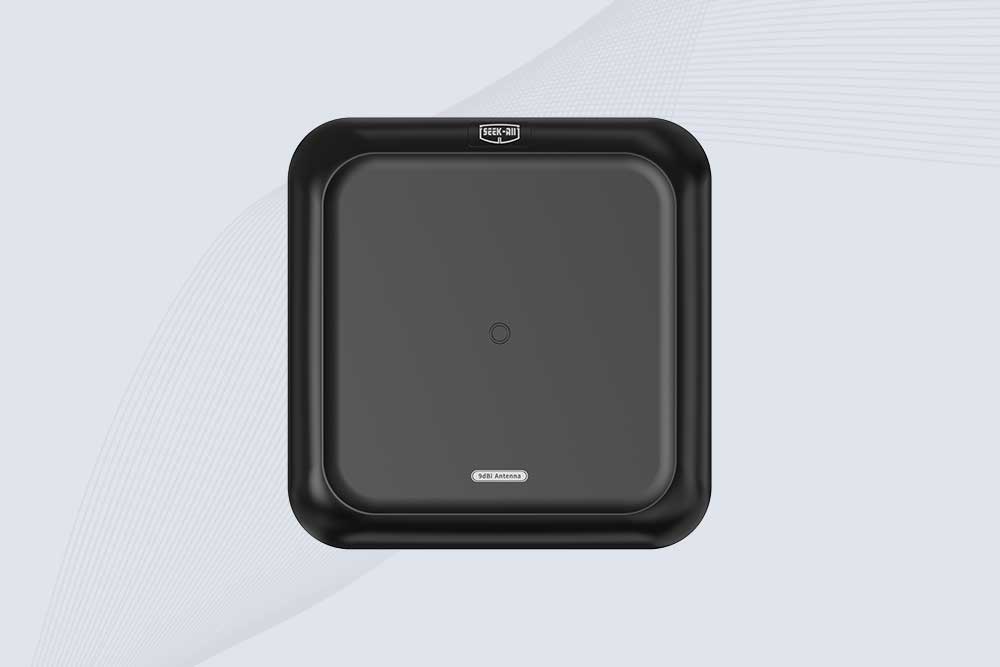
SSD-A09 is a 9 dBi UHF RFID antenna with 840–960 MHz adjustable frequency, circular polarization, 50Ω impedance and directional 60° × 60° coverage.
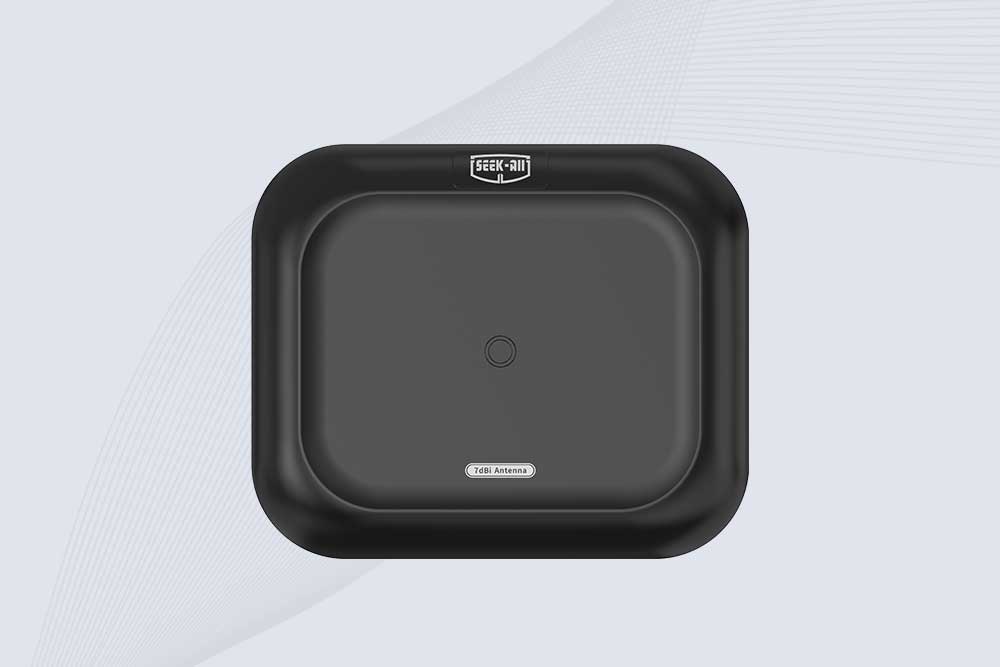
Explore the SSD-A07 UHF RFID antenna with 7 dBi gain, circular polarization, adjustable 840–960 MHz frequency, and 60°/75° beamwidth for stable RFID read/write performance.

SSD-A06 UHF RFID antenna with circular polarization, adjustable 840–960 MHz frequency, ≥4.5 dBi gain, and a compact directional design for RFID systems.
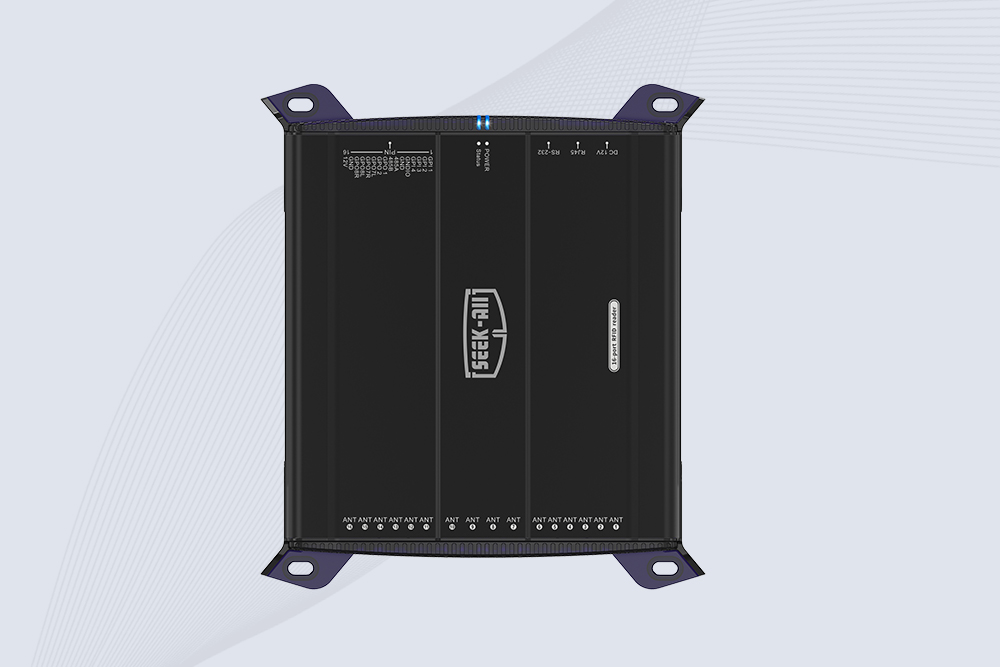
SSD-R16L Multi-Channel RFID Infrastructure for Automated Inventory Management ✔️ 16-Port High-Density RFID Reading Equipped with 16 SMA antenna ports, SSD-R16L supports multi-antenna deployment for warehouses, retail stores, logistics, production lines, and large-area RFID identification. ✔️ High-Speed & Long-Range Performance With up to 33…
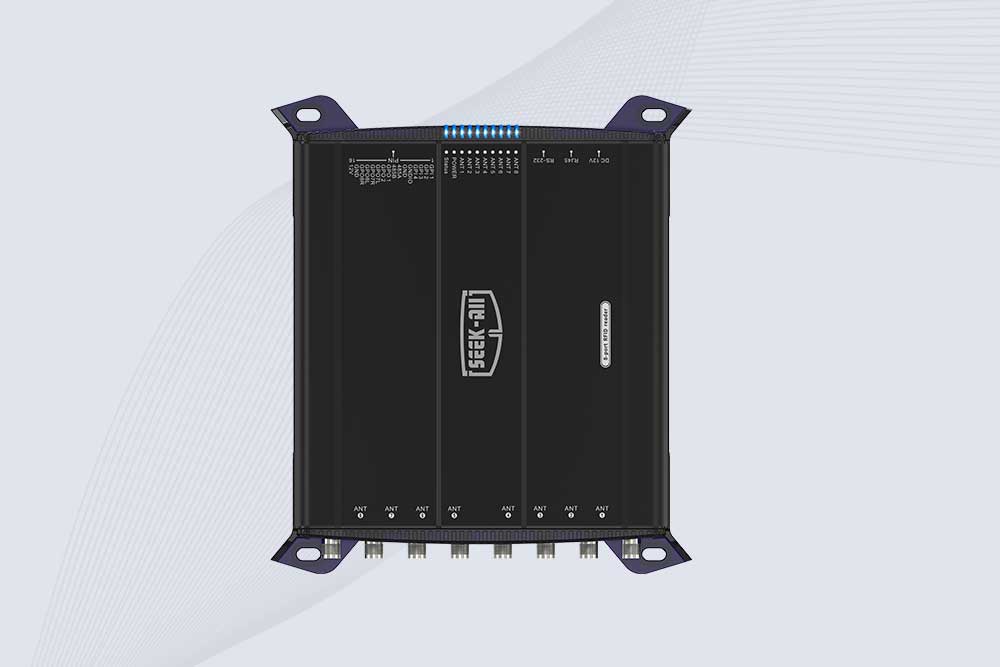
SSD-R8L 8-port UHF RFID reader with 33dBm output, up to 20m reading range and 600+ tags/s recognition. Ideal for warehouse, logistics, retail and asset tracking.
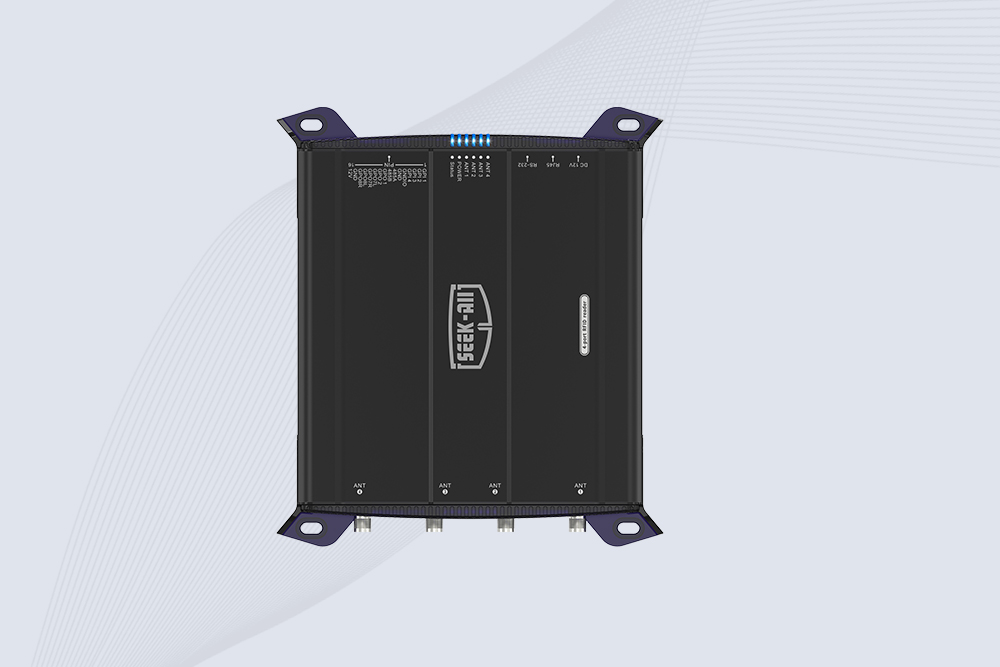
SSD-R4L is a 4-port UHF RFID fixed reader with 33dBm output power, up to 20m reading range, EPC C1G2 support and 600+ tags/s reading speed.
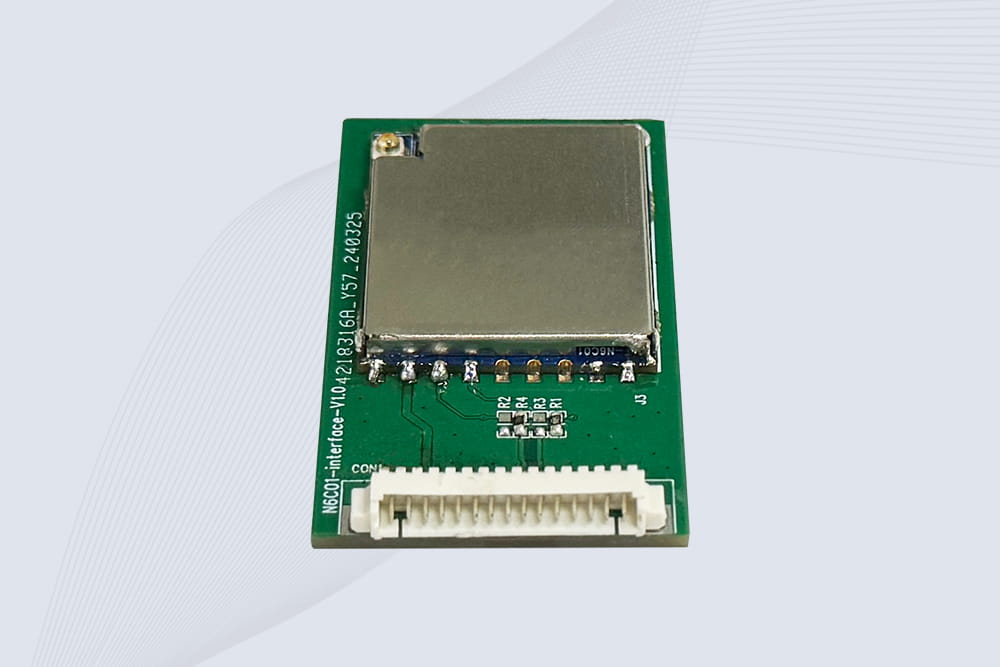
CYKEO Embedded RFID Modules are designed for compact industrial and IoT devices that require stable UHF performance. These UHF RFID Modules support global protocols, flexible power control, and reliable multi-tag reading for smart cabinets, production lines, and asset tracking systems.
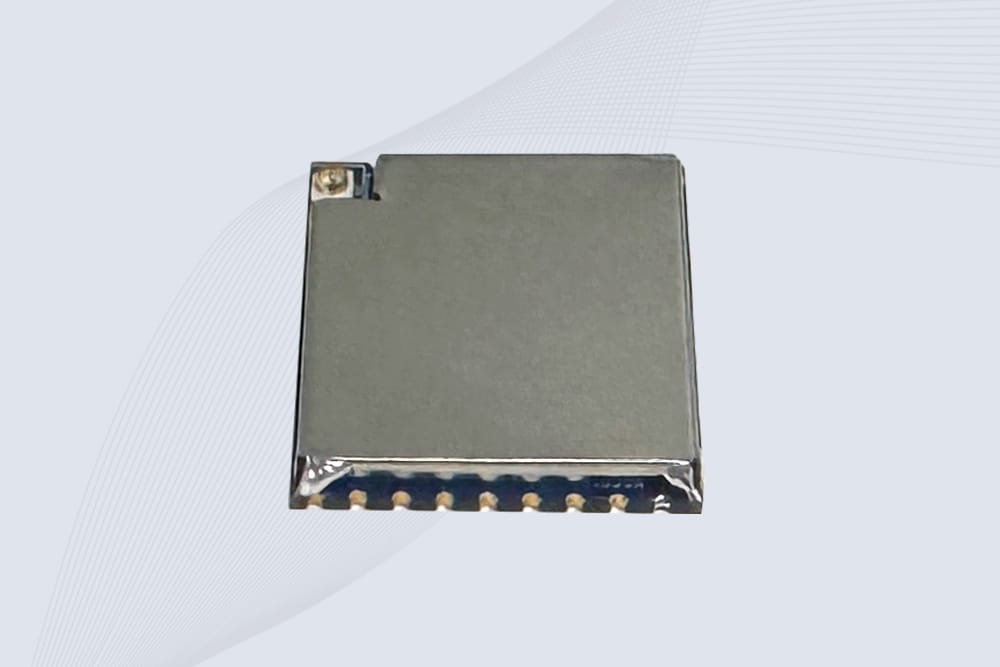
CYKEO Embedded RFID Module is built for compact IoT and industrial devices that need stable UHF performance. This UHF module supports global protocols, low power operation, and reliable multi-tag reading for smart lockers, production lines, and always-on RFID systems.
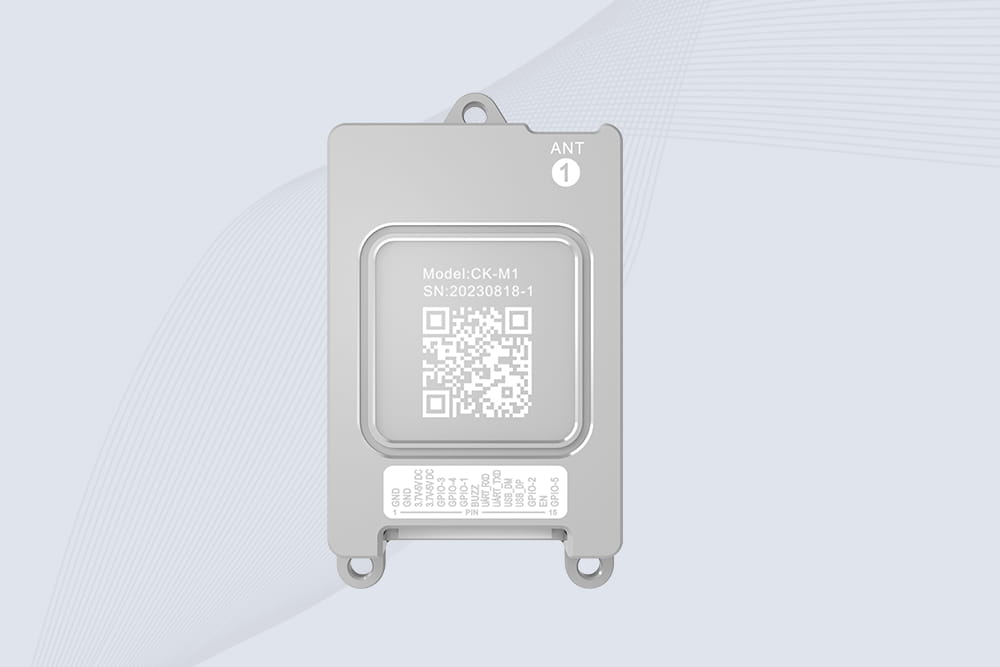
CYKEO CYKEO-M1 drone rfid module is a compact UHF RFID reader module designed for drones and UAV platforms. It supports long-range aerial scanning, fast multi-tag reading, and stable performance in wind, vibration, and outdoor environments.
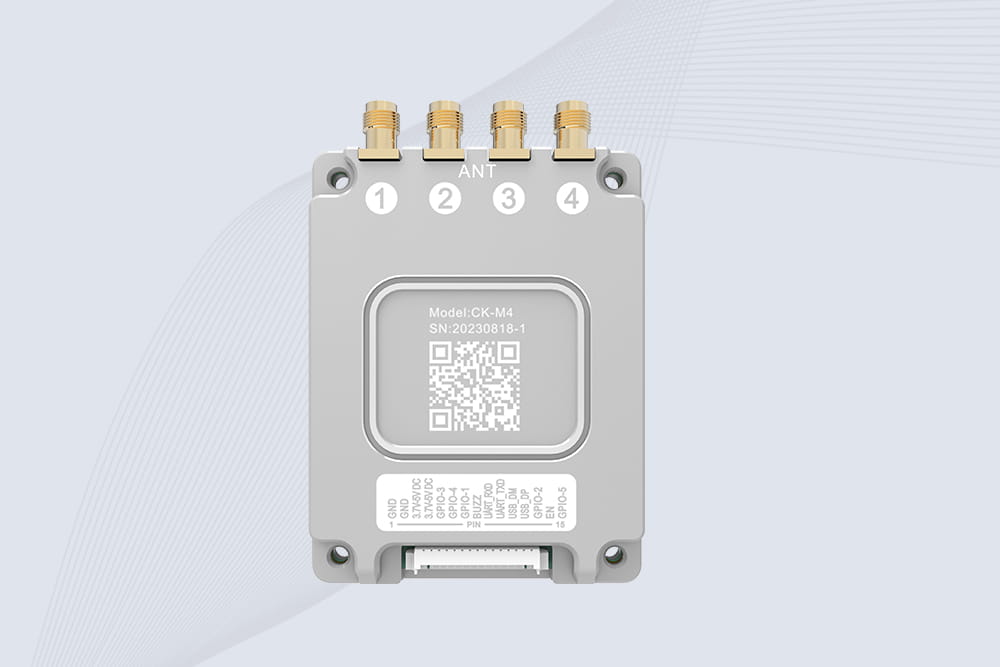
CYKEO CYKEO-M4 RC522 RFID Module is an industrial-grade UHF RFID reader with 4 ports, supporting ISO, EPC, and GB protocols. High-speed, accurate reading for IoT, automation, and warehouse applications.
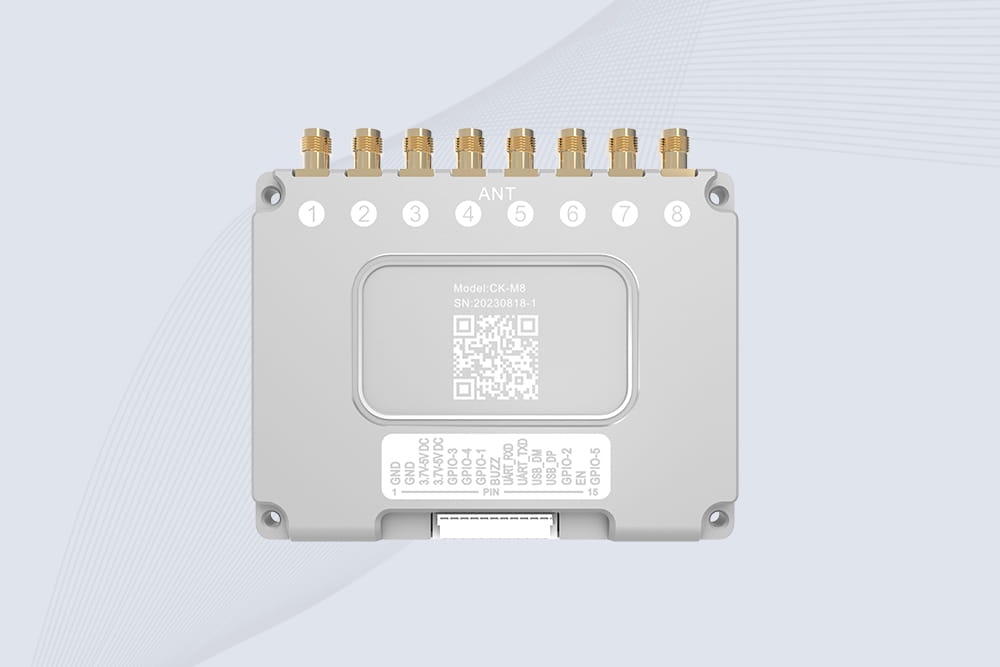
CYKEO CYKEO-M8 Module RFID is an 8-port UHF R2000 RFID Module designed for high-density, multi-tag environments. Stable 33dBm output, ISO & GB protocol support, ideal for warehouses, factories, and automated systems.
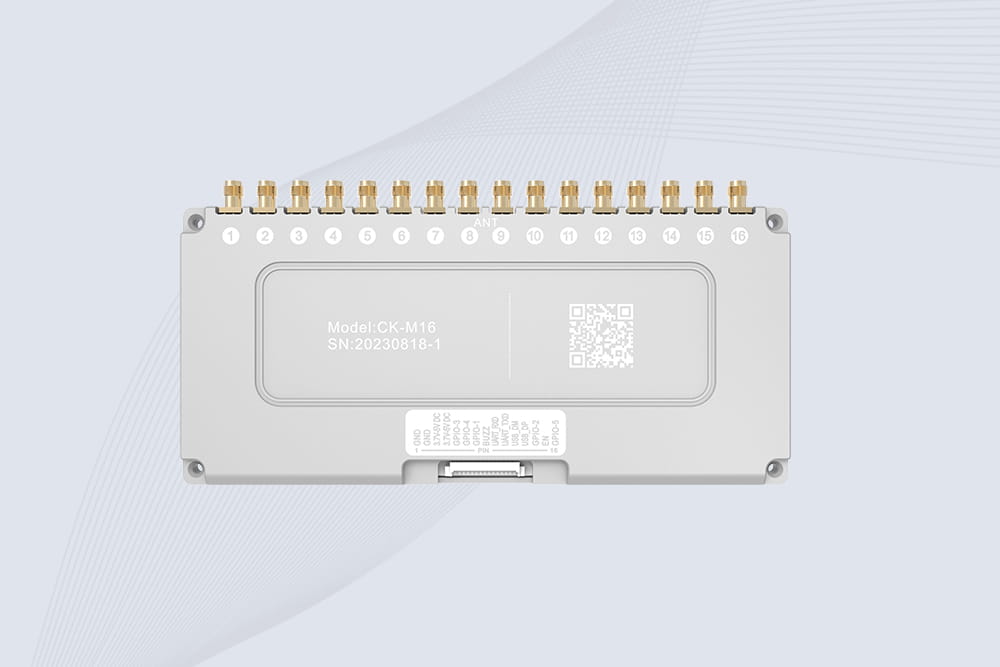
CYKEO CYKEO-M16 RFID Module is a 16-port UHF RFID reader module based on the R2000 chipset. Designed for dense tag environments, it supports ISO and GB standards and delivers stable multi-antenna control for industrial automation.
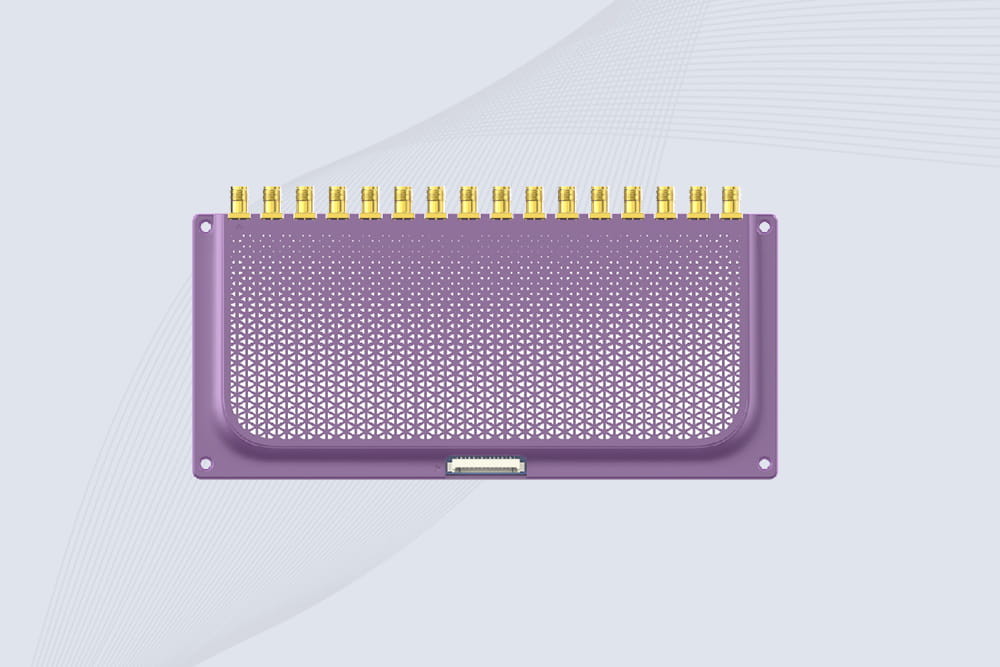
The CYKEO CYKEO-M16L RFID Reader Module is a 16-channel UHF RFID core designed for dense tag environments. With adjustable 33dBm output, multi-protocol support, and stable multi-antenna control, this RFID Tag Reader Module fits industrial automation, warehouse systems, and large-scale IoT deployments.
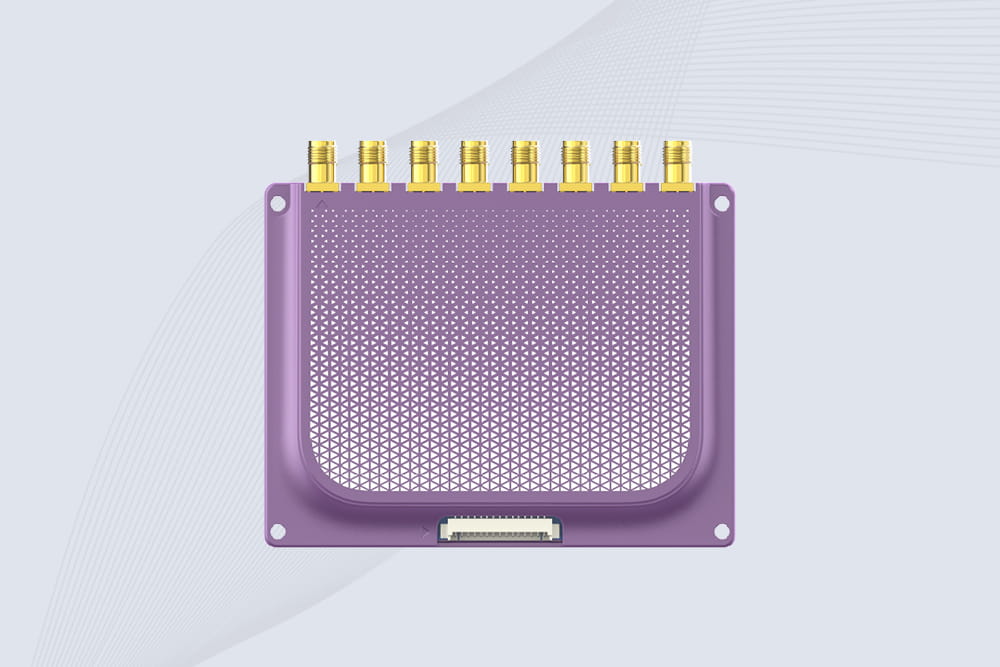
CYKEO CYKEO-M8L module RFID is a compact industrial UHF module built for dense tag and multi-antenna environments. With 8 RF ports, adjustable 33 dBm output, and ISO & GB protocol support, it is widely used in factories, warehouses, and automated tracking systems.
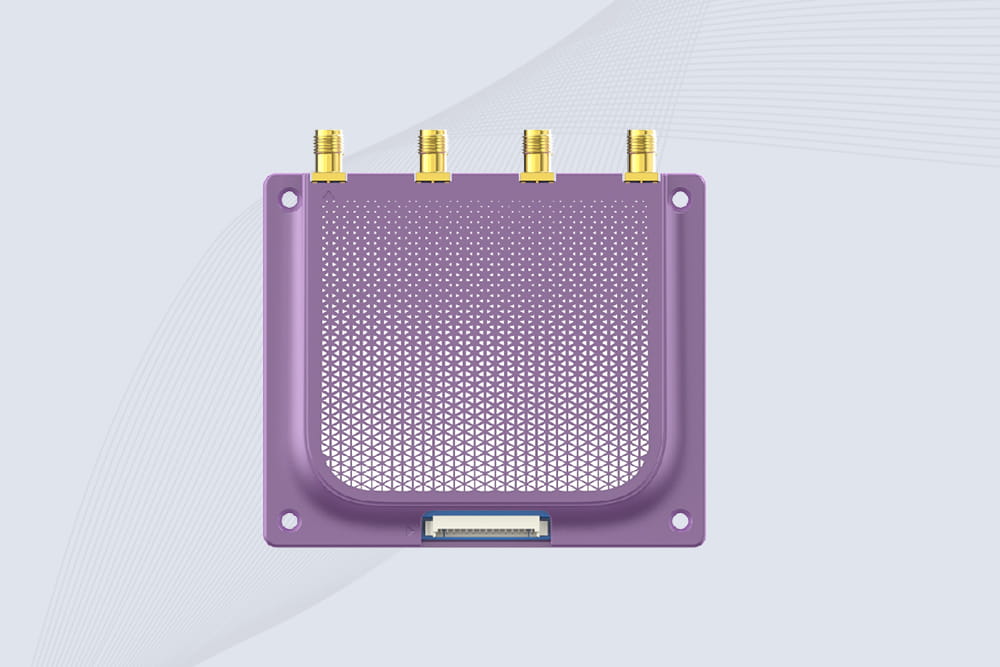
CYKEOCYKEO-M4L UHF RFID Module is a compact 4-channel RFID tag reader module designed for dense tag environments. Supporting ISO and GB protocols, it delivers stable reads up to 10 meters for industrial and IoT systems.
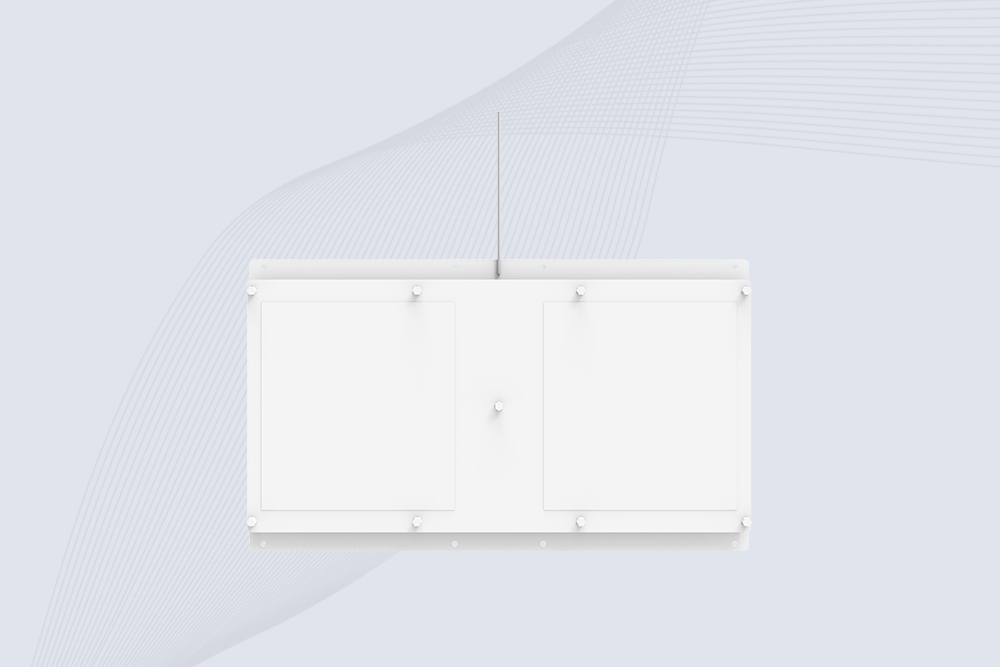
Cykeo CYKEO-A11 UHF RFID reader antenna delivers 11dBi gain, 840-960MHz frequency range, and IP65 ruggedness for retail, logistics, and industrial RFID systems. Features low VSWR and easy installation.
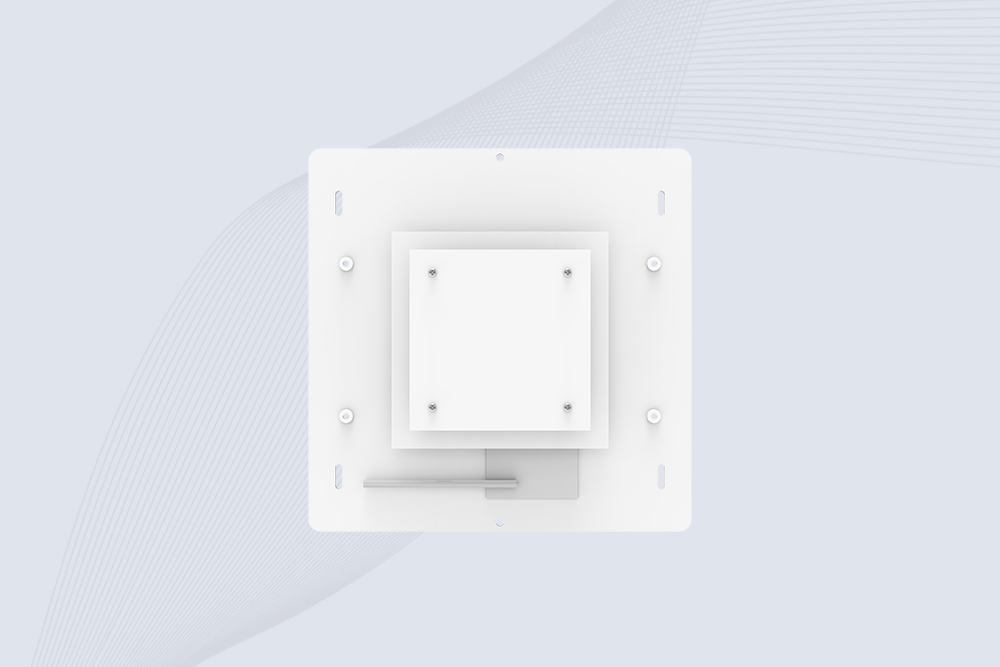
CYKEO Antenna RFID Reader delivers stable long-range UHF performance with a 10.5dBi directional design, built for warehouses, conveyor portals, and industrial RFID systems. This rfid reader antenna provides 20m+ read distance and rugged IP67 protection.

Cykeo CYKEO-PHF3 industrial HF RFID Antenna offers 24-point dynamic tracking, ISO 14443A/15693 protocols, metal-environment stability for archives/libraries/manufacturing.

Cykeo CYKEO-A5B industrial Linear RFID Antenna delivers 5dBi gain, ≤1.5:1 VSWR, and IP65 rugged design for warehouse, production line, and logistics UHF systems.

Cykeo’s CYKEO-B12 Long Range RFID Antenna delivers 15m+ read range with 12dBi gain, IP65 rugged design, and global 840-960MHz UHF support. Ideal for warehouse/logistics asset tracking.
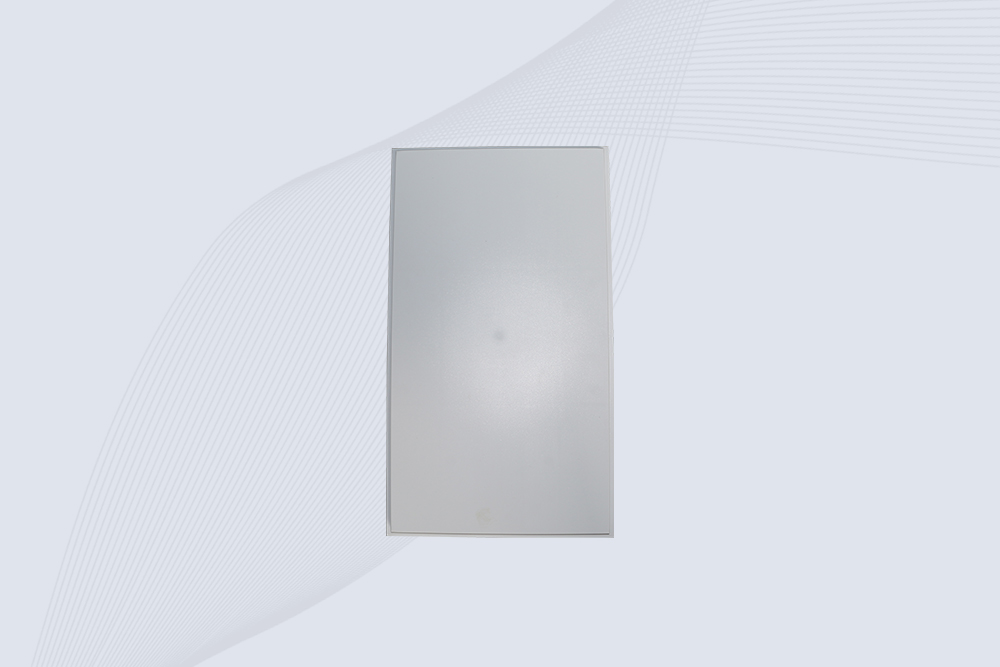
Cykeo CYKEO-B10 Long Distance RFID Antenna offers 10dBi gain, 840-960MHz frequency range, IP65 rating, and 20m+ coverage for logistics/warehousing/ETC systems. Low VSWR ensures stable signal transmission.
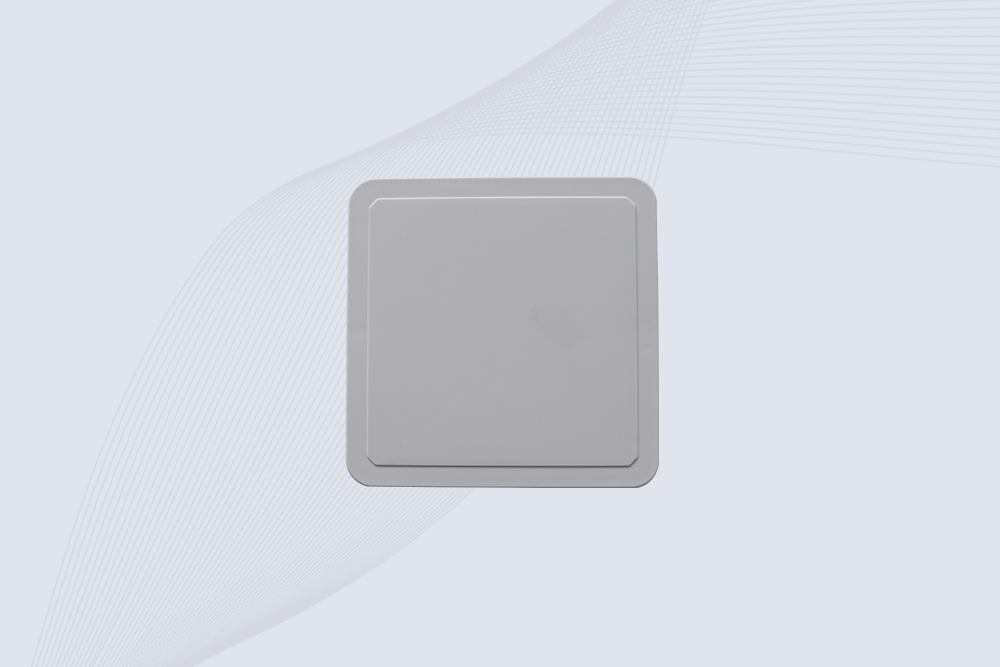
Cykeo CYKEO-A6 UHF RFID panel antenna features 6dBi gain, 840-960MHz broadband, IP65 metal-ready housing for logistics/smart retail. 18mm ultra-thin design with tool-free mounting.

Cykeo CK-A3 industrial antenna RFID UHF offers 5m+ tag detection, ≤1.3:1 VSWR, IP65 rugged design, and global UHF spectrum compatibility (840-960MHz) for warehouses, factories, and retail.
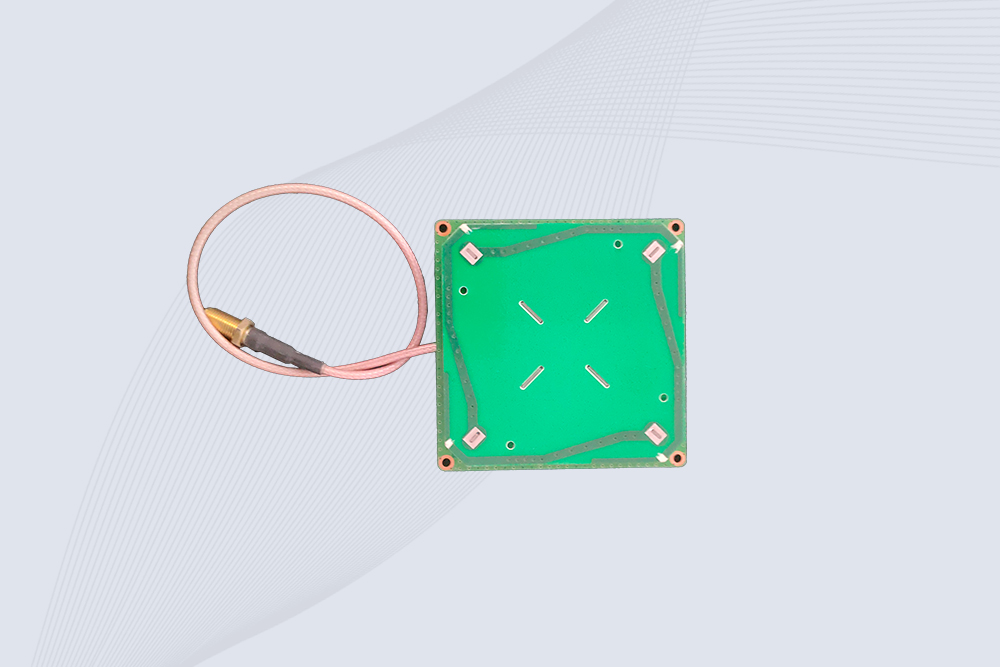
Cykeo CYKEO-B5 directional RFID antenna provides 5dBi gain with 60° narrow beamwidth for precise inventory tracking. IP65-rated, global UHF frequency support, and low VSWR.
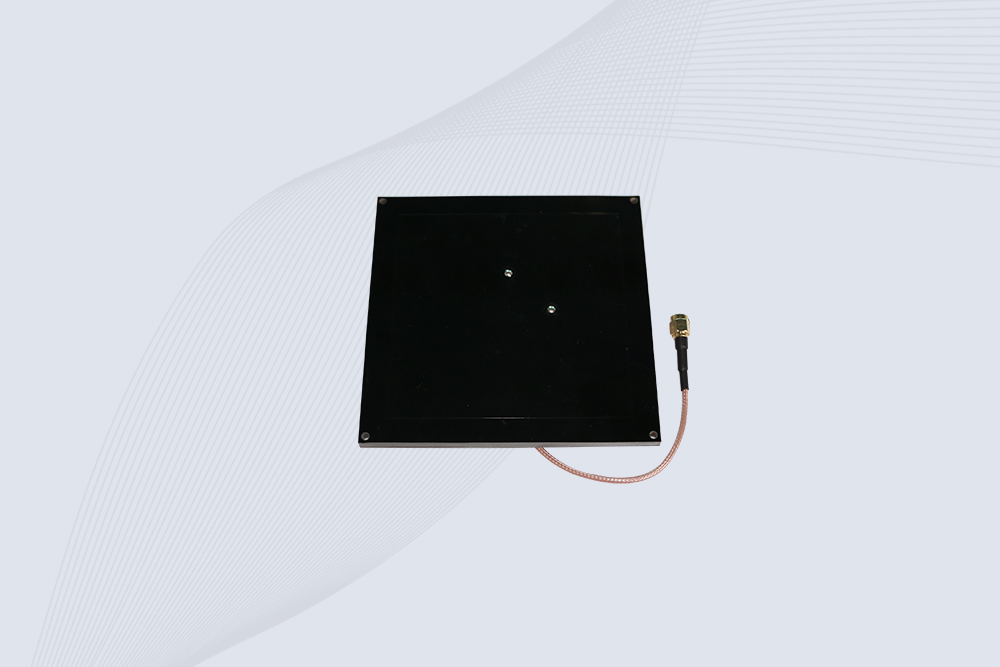
Create your own high-performance DIY RFID antenna! 5dBi gain, 840-960MHz tunable, step-by-step guides. Compatible with Arduino, Raspberry Pi, and commercial UHF readers.
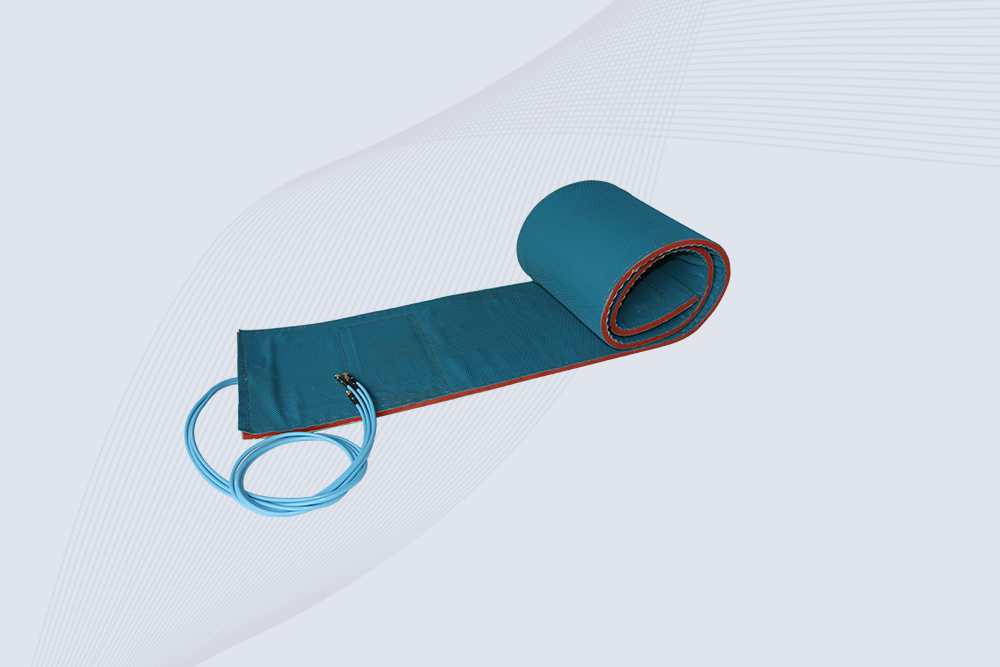
Cykeo CYKEO-A7 Flexible RFID Antenna features 840-960MHz wideband tuning, 7dBi gain, and IP68 rating for medical/retail/industrial curved surface deployments. 98% read accuracy with peel-and-stick installation.
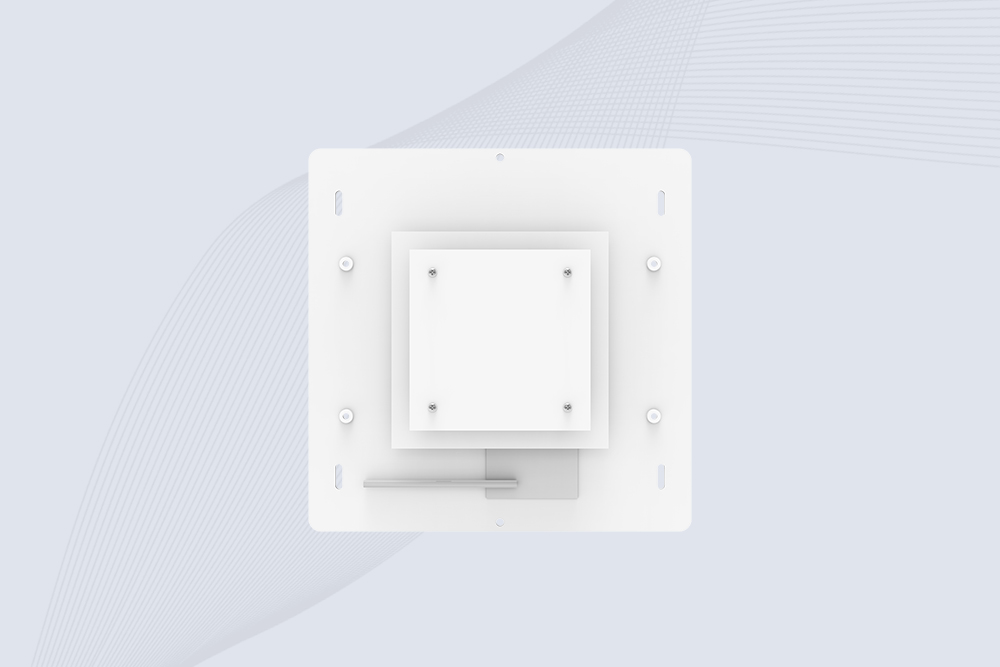
Cykeo CYKEO-B5A industrial Passive RFID Antenna delivers 5dBi gain, 70° beamwidth, and -40°C~55°C operation for warehouses/smart cabinets. Compatible with Zebra/Impinj readers.
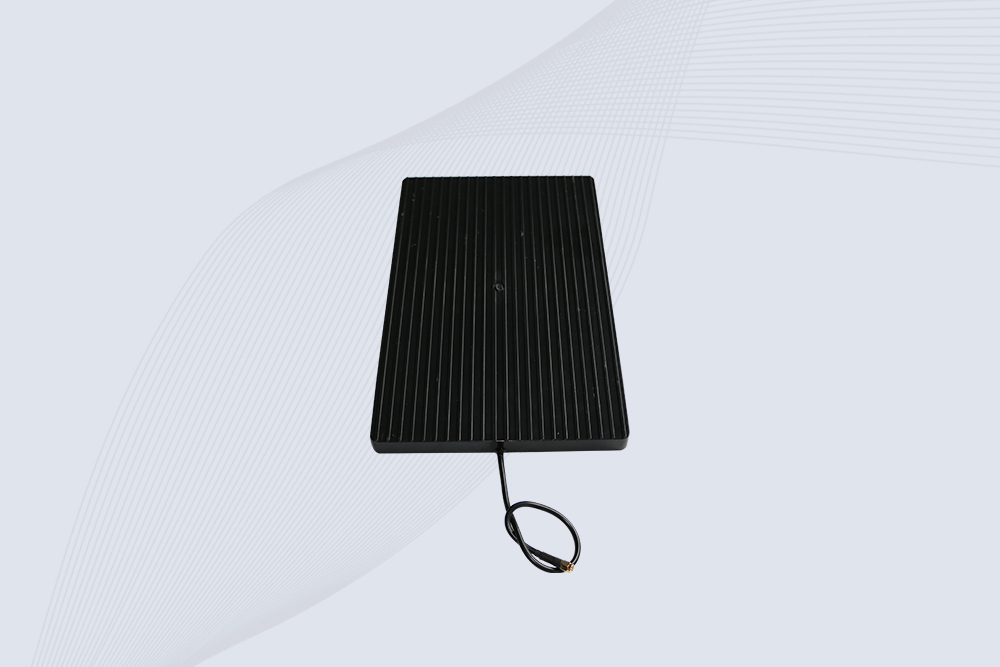
Cykeo’s CYKEO-A9B High Gain RFID Antenna delivers 15m+ read range with 9dBi amplification. Features IP54 rugged design, 840-960MHz bandwidth, and 80° beamwidth for warehouse/manufacturing RFID systems.

Cykeo’s enterprise-grade 8dbi Impinj RFID Antenna 10m+ read range with 840-960MHz tuning. Features IP65 housing, 1.4 VSWR, 35° beamwidth for retail/warehouse RFID systems.
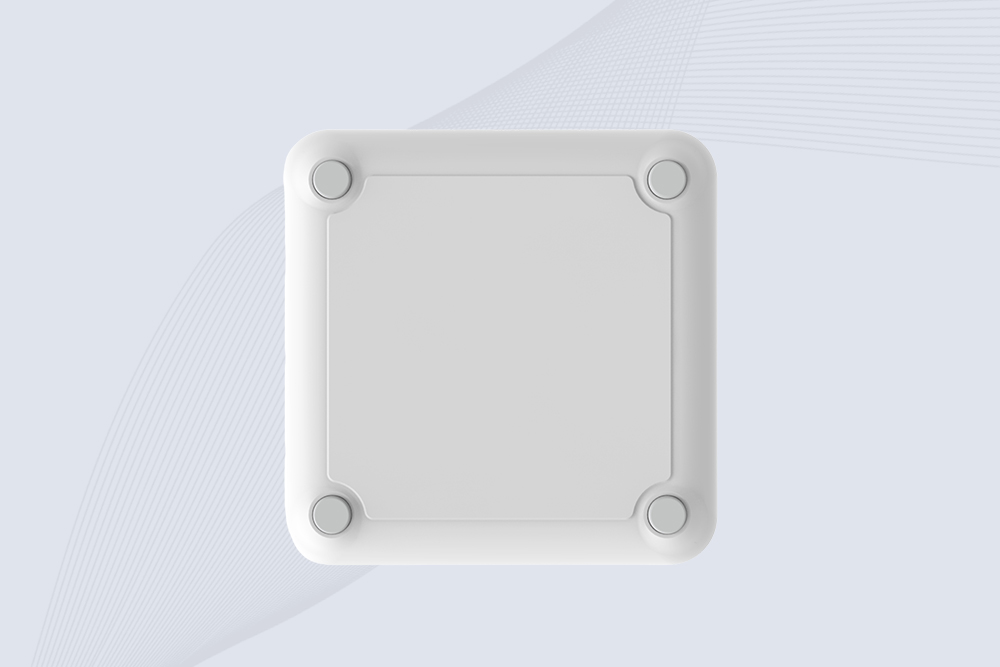
Cykeo CYKEO-A9 industrial UHF RFID antenna delivers 9dBi gain, 840-960MHz frequency range, and IP65 protection for warehouse/logistics/retail RFID systems. Features N-type connector and ≤1.3:1 VSWR.
CYKEO UHF RFID Antenna built for long-distance and industrial applications. This antenna rfid uhf delivers strong gain, outdoor durability, and reliable tag performance in warehouses, yards, and vehicle ID systems.
CYKEO Antenna RFID delivers reliable long-range UHF performance in warehouses, retail shelves, and cold-chain environments. This compact uhf rfid antenna provides stable reads with circular polarization and ultra-wide 840–960 MHz support, ideal for industrial tracking, smart shelves, and asset monitoring.
Cykeo’s CYKEO-C8 UHF RFID antennas delivers 8dBi gain, 840-960MHz full-band coverage, and IP65 ruggedness for manufacturing/warehouse RFID systems. Industrial RFID Antennas Features
Cykeo’s 8dBi UHF RFID antenna and reader kit delivers 10m+ range, 840-960MHz broadband, and IP65 ruggedness for factories, warehouses, and logistics. ISO 18000-6C & EPC Gen2 certified.
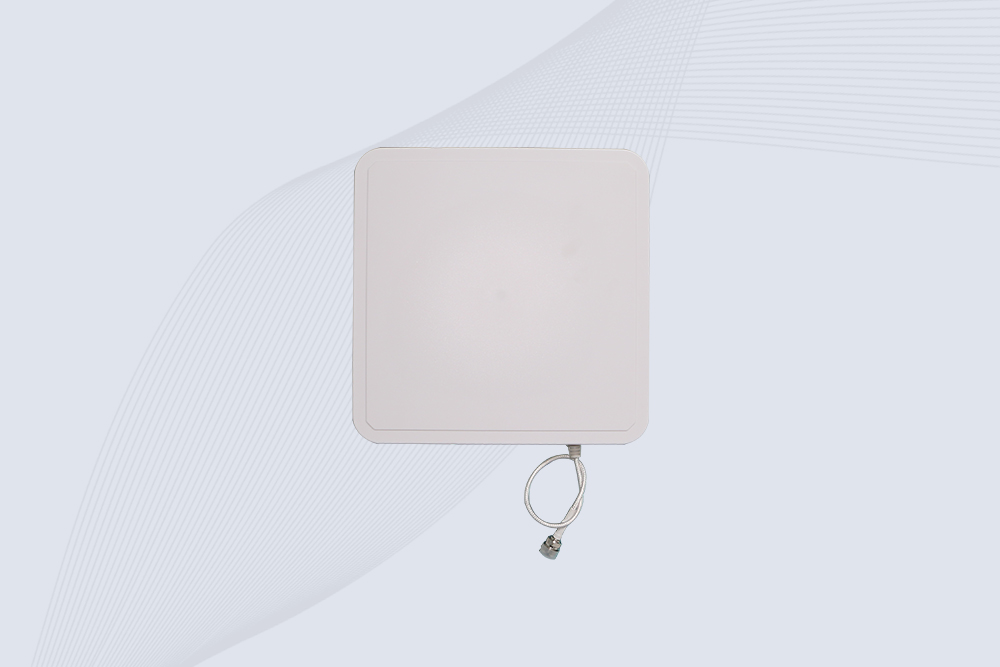
Cykeo CYKEO-A9A industrial UHF RFID reader and antenna kit delivers 10m range, 500 tags/sec, IP65 ruggedness for manufacturing/logistics. Supports EPC Gen2, ISO18000-6C.
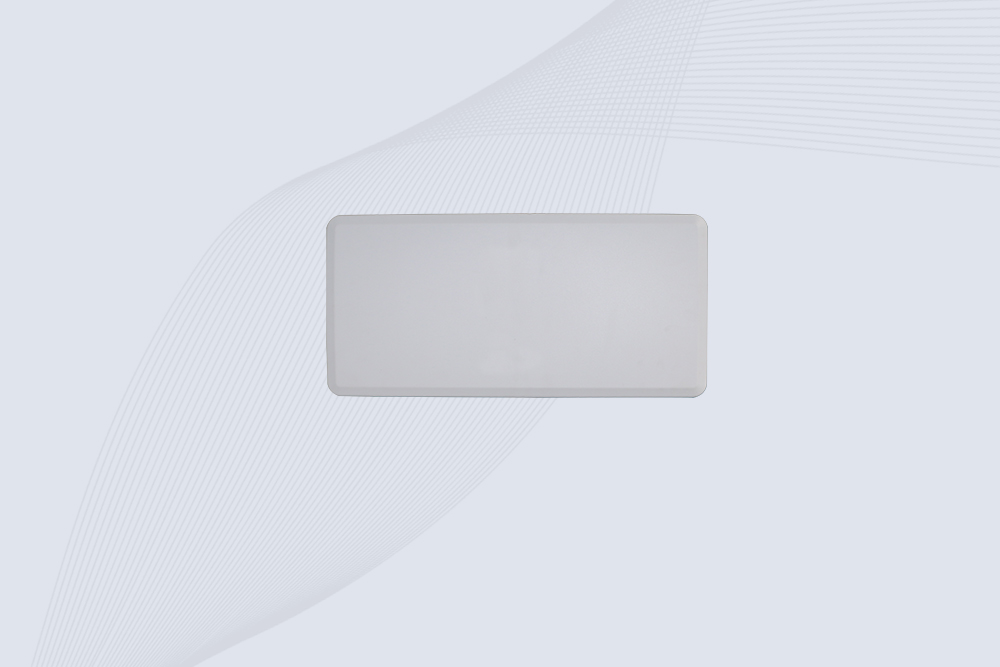
Cykeo’s CYKEO-A12C UHF Large RFID Antenna delivers 12dBi gain, 840-960MHz global frequency, IP65 ruggedness for logistics/warehousing/automotive. 40° beamwidth ensures stable 15m+ tag reads.

CYKEO Near Field RFID Antenna provides precise 5–30 cm reading for shelves, cabinets, and workstations. This compact rfid shelf antenna delivers stable short-range performance around metal and clutter, ideal for pharmacies, libraries, and electronics sorting.
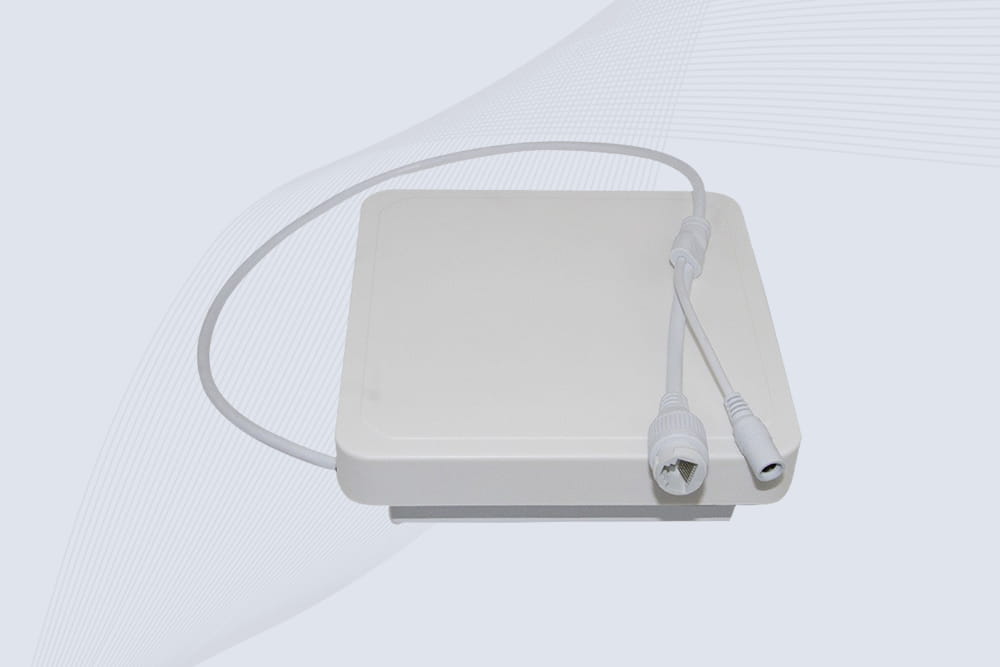
Cykeo’s industrial long range RFID reader delivers 20-meter scanning, 500+ tags/sec speed, and IP67 waterproof design for automated warehouses, logistics, and harsh environment applications.
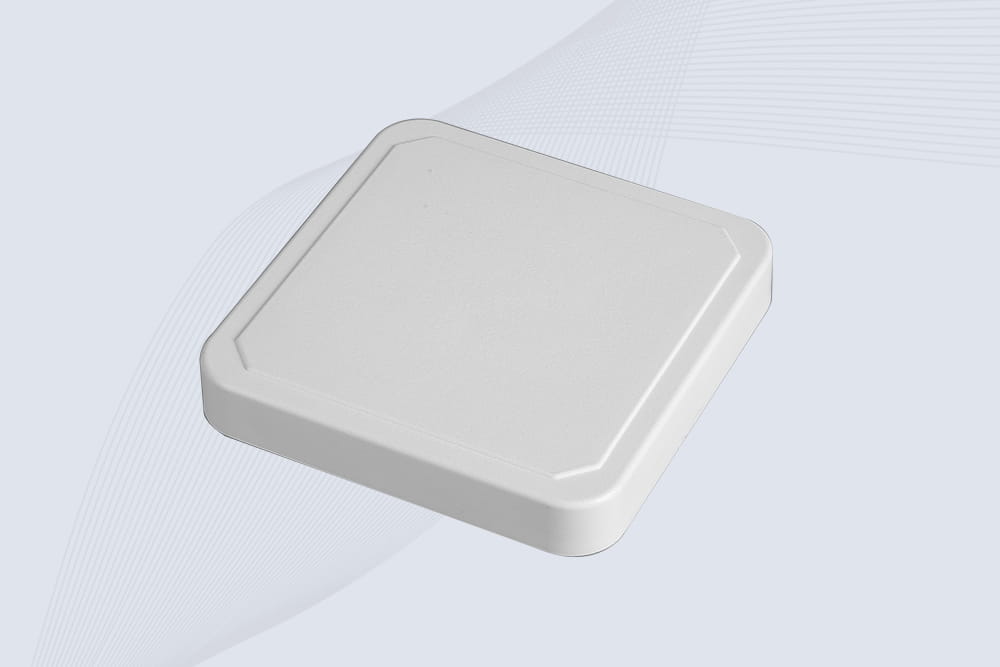
Cykeo’s CYKEO-RA6L industrial RFID long range reader features 20m read distance, 500 tags/sec speed, and IP67 protection. Ideal for warehouse automation, manufacturing WIP tracking, and smart logistics. Supports ISO 18000-6C/6B protocols.
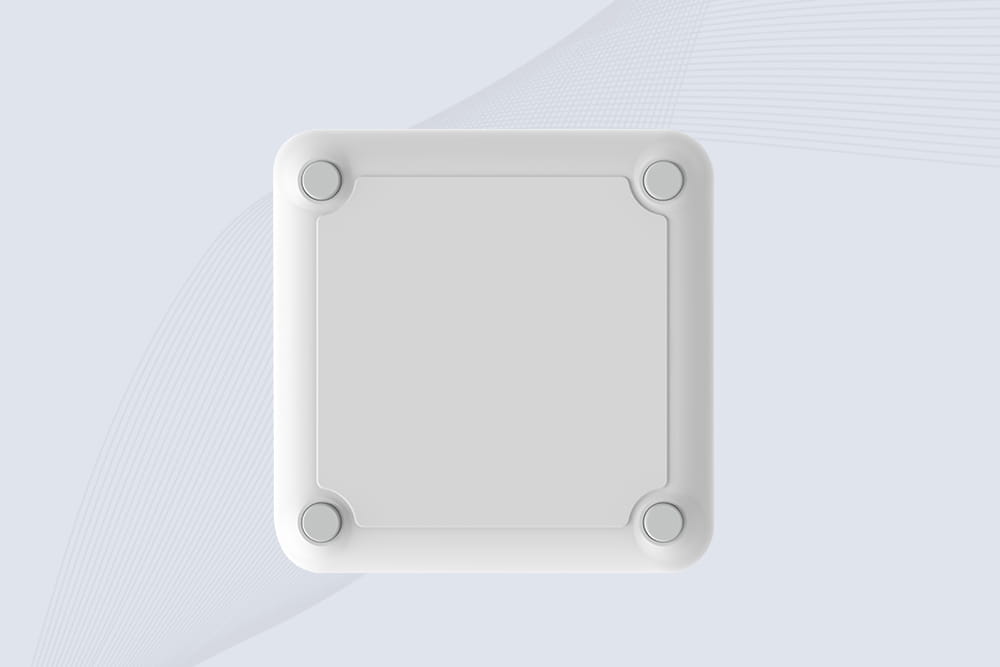
CYKEO Long Range RFID Tag Reader built for outdoor and industrial operations. This Outdoor RFID Reader delivers 20m read distance, fast tag processing, and IP67 durability for wide-area tracking.
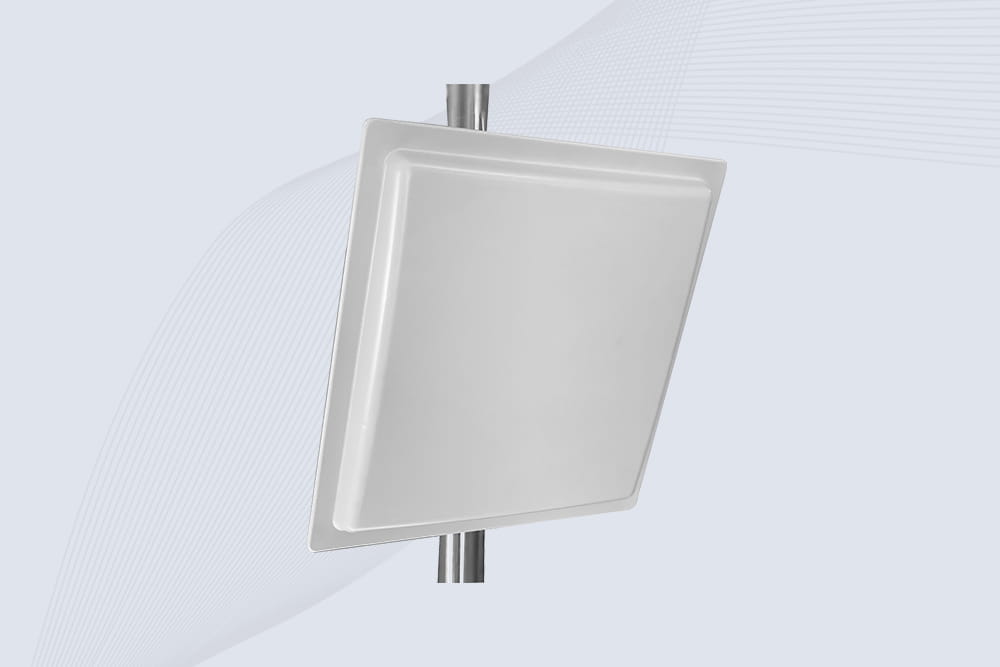
Cykeo CYKEO-RA12L industrial Long Range RFID Reader delivers 20m read range, 200+ tags/sec scanning, and IP67 protection for manufacturing/logistics applications. Supports ISO 18000-6C/GB protocols.
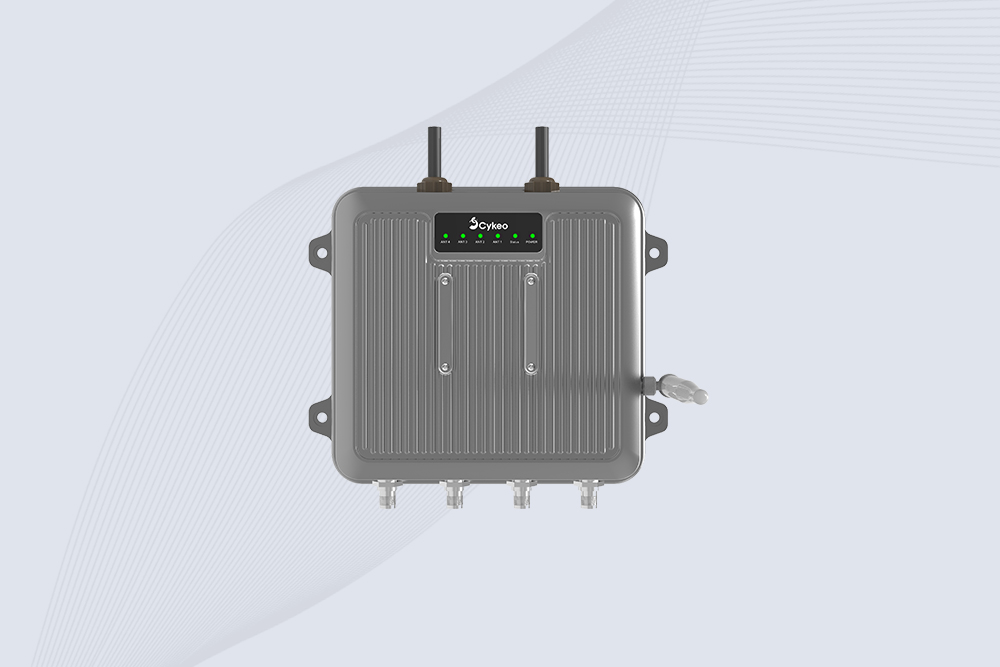
Cykeo CYKEO-C1 industrial Forklift RFID Reader features 20m read range, 600 tags/sec scanning, Impinj R2000 chipset, and IP67 rugged design. Ideal for warehouse logistics and manufacturing. Supports ISO 18000-6C/6B protocols.
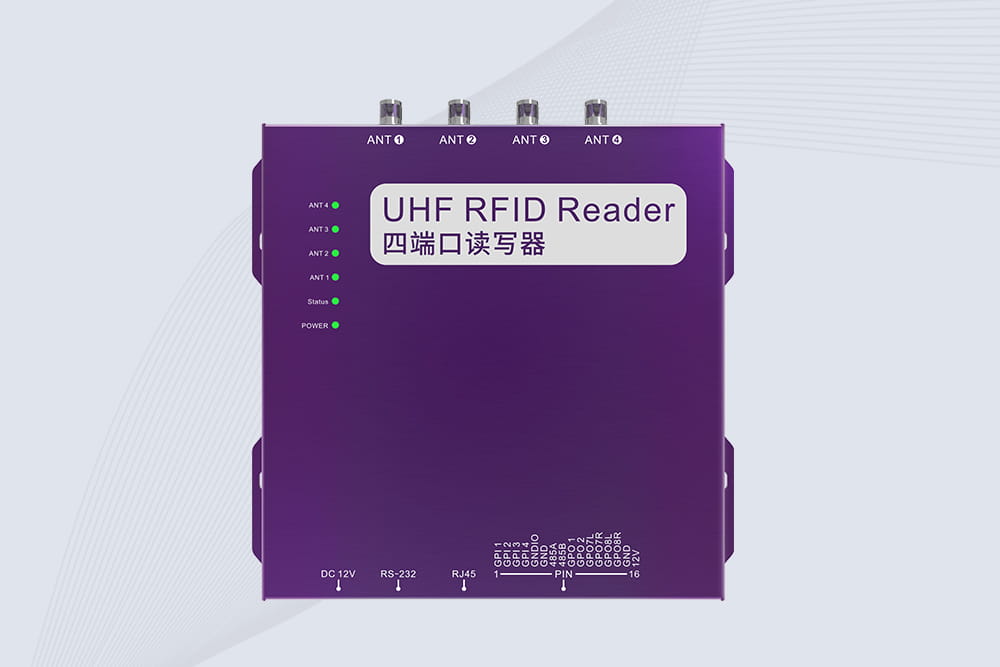
Cykeo CYKEO-R4 industrial UHF RFID Fixed Reader features 4 TNC ports, 400+ tags/sec speed, IP67 housing, and global frequency compliance for vehicle inspection, smart warehouse, and asset management systems.
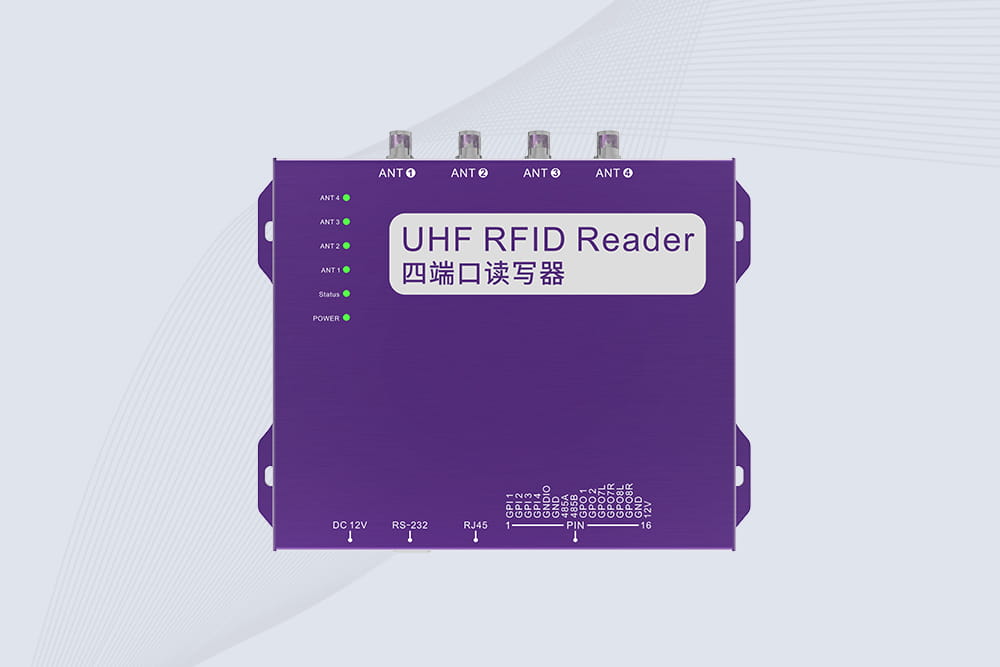
Cykeo’s CYKEO-R4L 4-port Fixed UHF RFID Reader delivers 400 tags/sec scanning, ISO 18000-6C compliance, and IP65 protection. Ideal for warehouse automation, manufacturing WIP tracking, and logistics management.
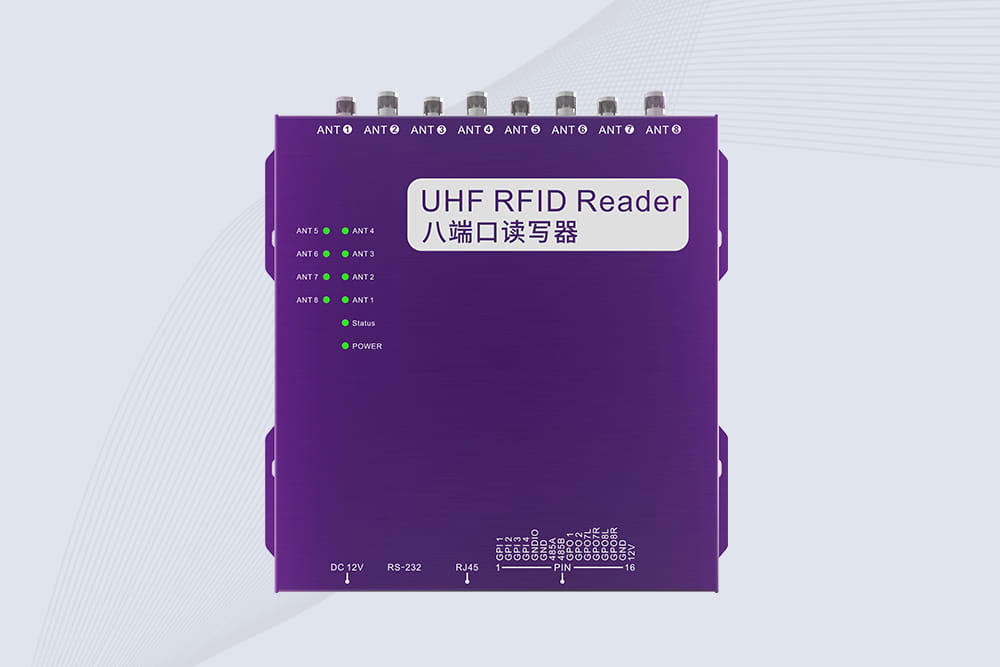
CYKEO CYKEO-R8L Fixed RFID Reader with 8-port UHF design, Impinj-based RF core and up to 20m read range. An industrial Fixed RFID Reader for vehicle inspection, warehouse portals, smart manufacturing lines and secure access checkpoints.
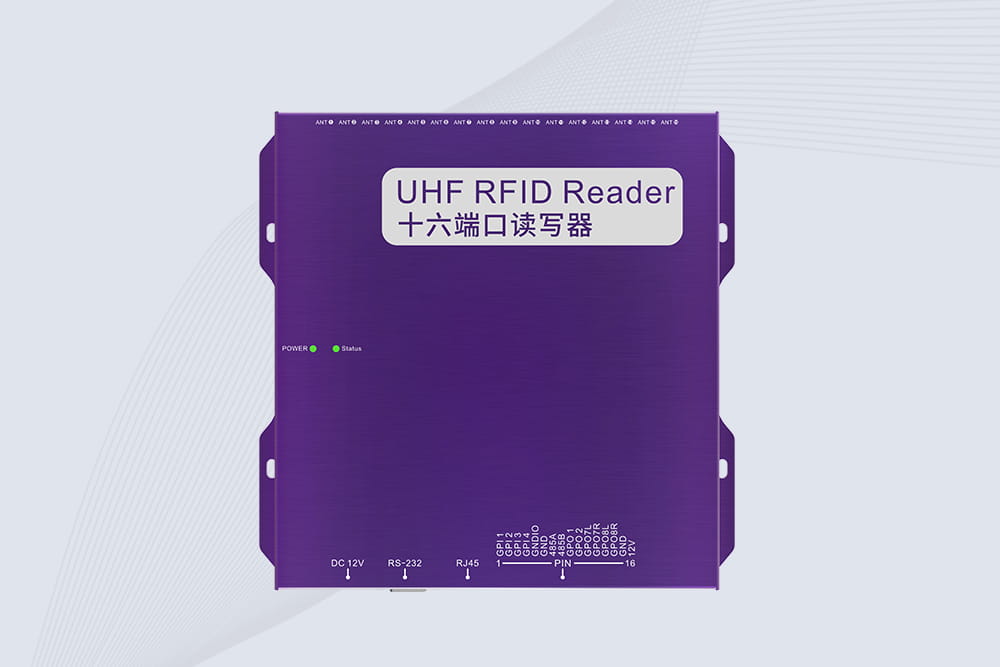
RFID Fixed Reader from CYKEO – the CYKEO-R16L 16-port UHF fixed reader for warehouses, smart cabinets, and production lines. Long-range, multi-tag reading, stable performance for 24/7 industrial use.
RFID Industry Writer | IoT & Asset Tracking Analyst
James writes about RFID technology, asset tracking, and the practical challenges of digital transformation across warehousing, retail, manufacturing, and logistics.
His work focuses on how RFID is applied in real-world operations—improving inventory visibility, automating workflows, and helping businesses manage assets with greater accuracy and efficiency.
He regularly covers topics including UHF RFID, smart cabinets, RFID portals, tool tracking, warehouse automation, and industrial IoT trends..

Not sure if you need a Bluetooth RFID handheld reader? Learn when it makes sense and how it compares to integrated devices.
More
Looking for RFID for phones? Learn what smartphones can really do, where they fail, and how CYKEO readers turn phones into RFID tools.
More
how USB RFID Readers with open SDK support streamline RFID tag writing, batch encoding, and system integration. Perfect for solution providers, developers, and warehouse automation.
More
If you've ever walked through a busy manufacturing plant, one thing becomes obvious very quickly—parts are constantly moving. Some move between production lines. Others wait beside machines. Finished products head toward packaging while empty pall...
More