A workshop can have a clear tool storage area and still struggle to control its equipment.
Tools move between technicians, production lines, maintenance rooms, vehicles, and temporary work areas. Some are borrowed for a few minutes, while others remain outside storage for several days. When these movements are not recorded, managers may lose track of tool ownership, availability, and condition.
This becomes more serious when tools are expensive, calibrated, safety-critical, or shared by multiple teams.
An RFID tool control system helps organize this process by connecting physical tools with digital records, user permissions, storage locations, and usage history. Instead of relying entirely on manual checks, companies can use RFID technology to identify tools and monitor important control points automatically.
What Is an RFID Tool Control System?
An RFID tool control system is a combination of hardware and software used to manage tool access, movement, storage, and accountability.
Each tool receives a unique RFID identity. When the tool enters a reading zone, the system can identify it and update its status.
The system may also connect the tool with a user, department, work order, or maintenance task.
This creates a more complete record than simply counting tools in storage.
Why Workshops Need Better Tool Control
Tool control becomes difficult when equipment is shared and frequently moved.
A factory maintenance team may use the same torque wrench across several production lines. An aviation department may need to control calibrated tools carefully. A repair workshop may send tool kits to different service locations.
Without a clear control process, several problems can appear:
Tools are returned to the wrong location
Employees cannot find required equipment
Missing tools are discovered too late
Expired or damaged tools remain in circulation
Manual records become inconsistent
Managers cannot identify the last responsible user
An RFID system does not replace every management rule. It helps make those rules easier to apply and monitor.
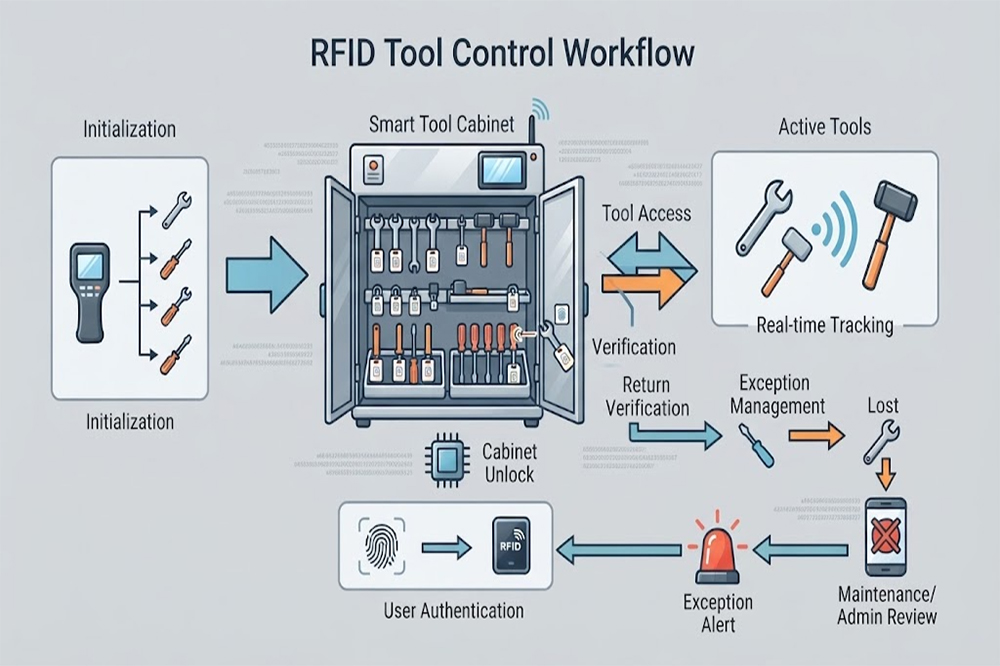
How Does RFID Tool Control Work?
1. Assign a Digital Identity
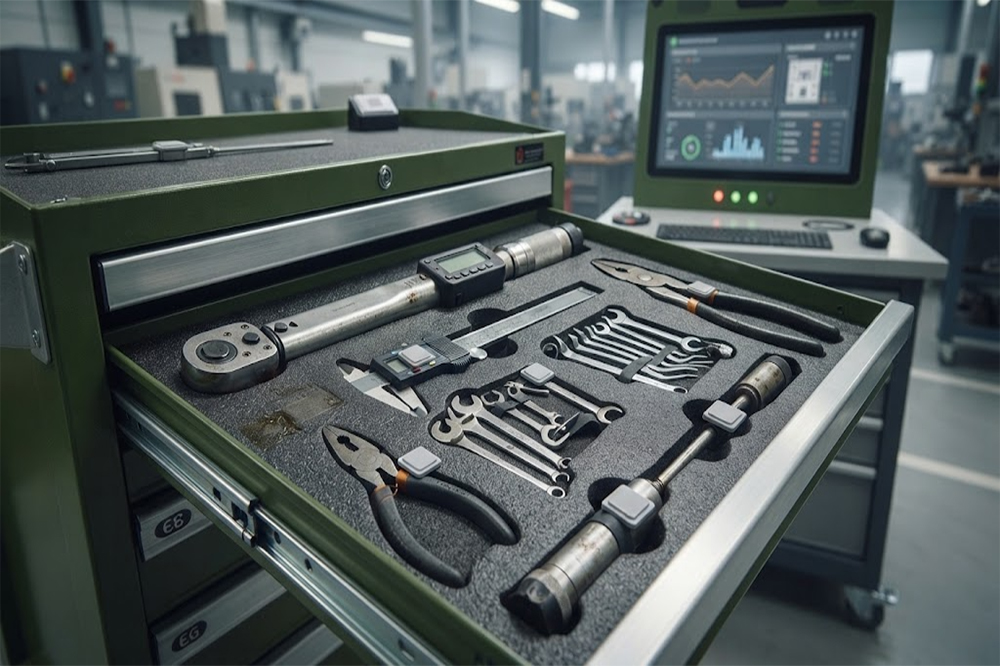
Each tool receives an RFID tag linked to a record in the management system.
The record may include:
Tool number
Tool name
Tool category
Storage location
Assigned department
Calibration status
Maintenance status
Authorized users
For metal tools, suitable on-metal RFID tags may be required.
2. Define Access Rules
Not every employee needs access to every tool.
The system can apply different access rules based on user role, department, training, or authorization level.
For example, standard hand tools may be available to all technicians, while specialized measuring equipment may require approval.
3. Identify Tool Movement
When a user removes or returns a tool through an RFID-enabled cabinet, cart, or reading zone, the reader detects the tag.
The software can then update the tool status and connect the movement with the user.
Possible statuses include:
Available → Checked Out → In Use → Returned → Available
Additional statuses may include:
Under Maintenance → Calibration Required → Restricted → Missing
4. Monitor Exceptions
A tool control system should also identify unusual situations.
Examples include:
A tool is overdue
A restricted tool is accessed
A tool is returned to the wrong location
A tool is missing from expected inventory
A calibrated tool is overdue for inspection
A tool remains checked out after a work order is completed
These exceptions allow managers to focus on problems instead of checking every tool manually.
RFID Tool Control and User Accountability
One of the main benefits of RFID tool control is the connection between a tool and its user.
When employees authenticate before accessing tools, the system can record:
Who accessed the tool
Which tool was taken
When it was taken
Where it was stored
When it was returned
Whether the tool was overdue
This creates a clearer responsibility chain.
For example:
User: Technician B Tool: Torque Wrench 024 Checkout Time: 09:15 Return Time: 13:40 Status: Returned
These records can help managers investigate missing tools and understand usage patterns.
However, the data should be treated as a record of system activity. It may not explain every event that happens after a tool leaves the reading area.
Controlling High-Value and Restricted Tools
Some tools require stricter control than others.
A basic screwdriver may only need inventory tracking. A calibrated torque wrench, specialized aviation tool, or high-value testing instrument may require additional controls.
An RFID tool control system can support different management levels.
Standard Tools
Basic RFID identification
General checkout records
Routine inventory checks
High-Value Tools
User authentication
Detailed movement history
Restricted access
Overdue notifications
Calibrated Tools
Calibration status
Inspection reminders
Maintenance records
Restricted use after expiration
Safety-Critical Tools
Authorized-user access
Mandatory return checks
Work-order association
Exception alerts
This flexible structure helps companies apply stronger controls where they are actually needed.
RFID Tool Cabinets and Tool Carts
Different workplaces need different storage and control methods.
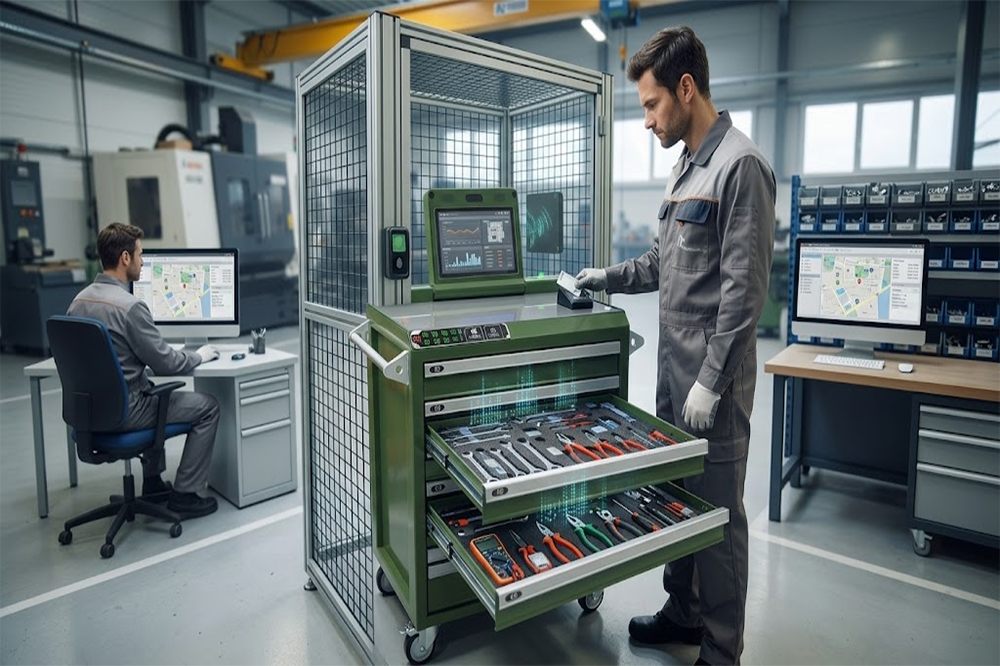
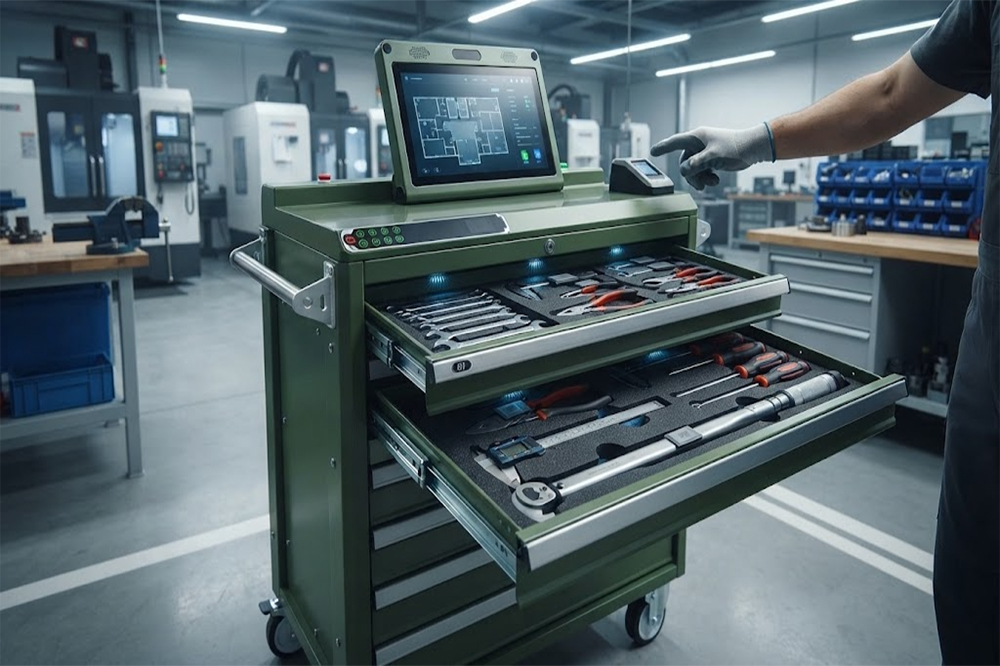
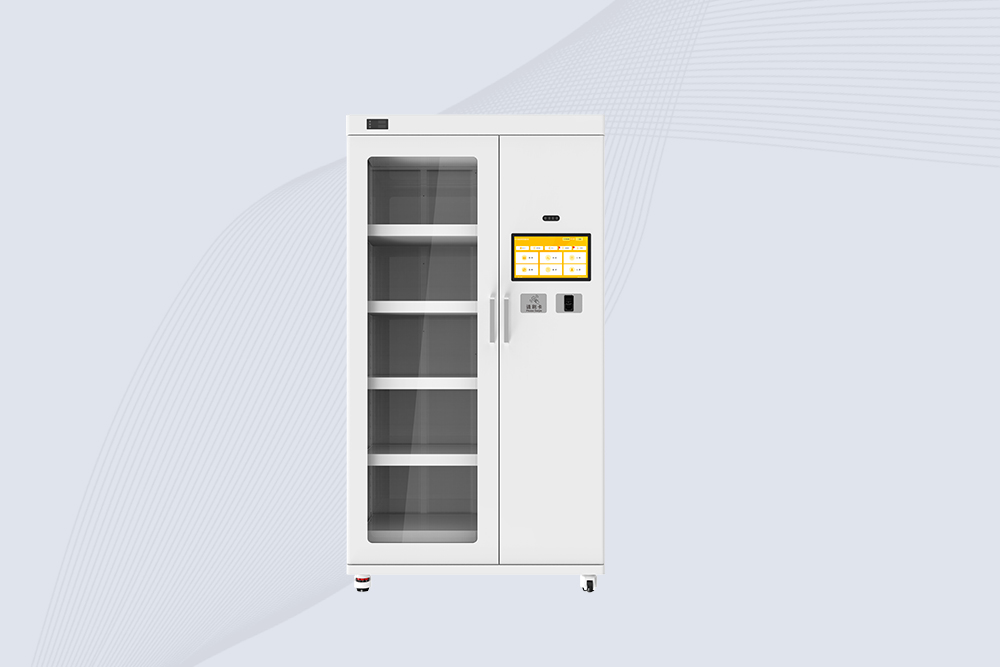
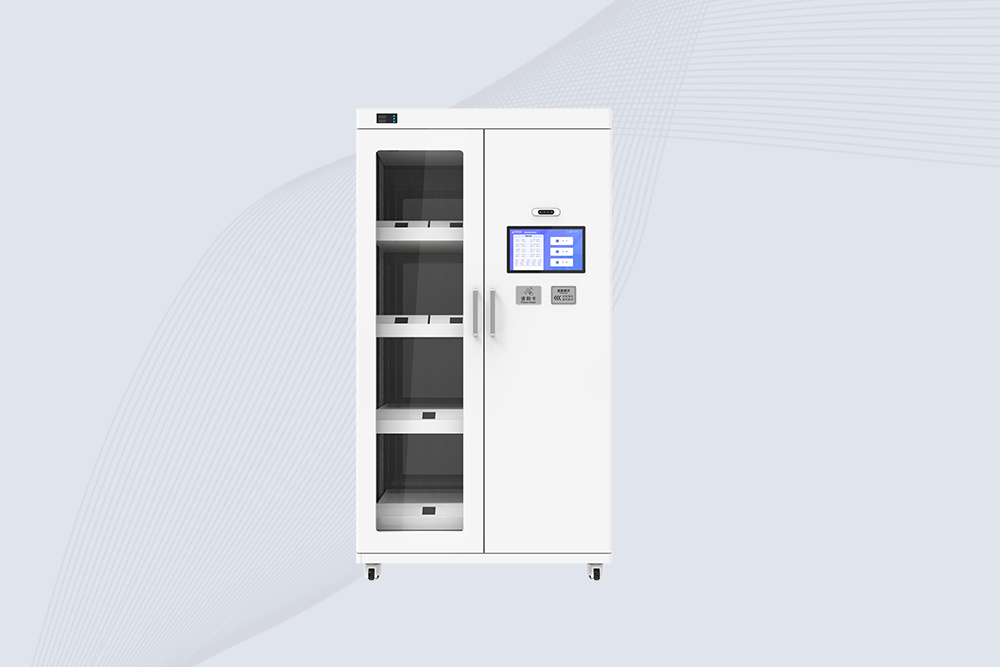
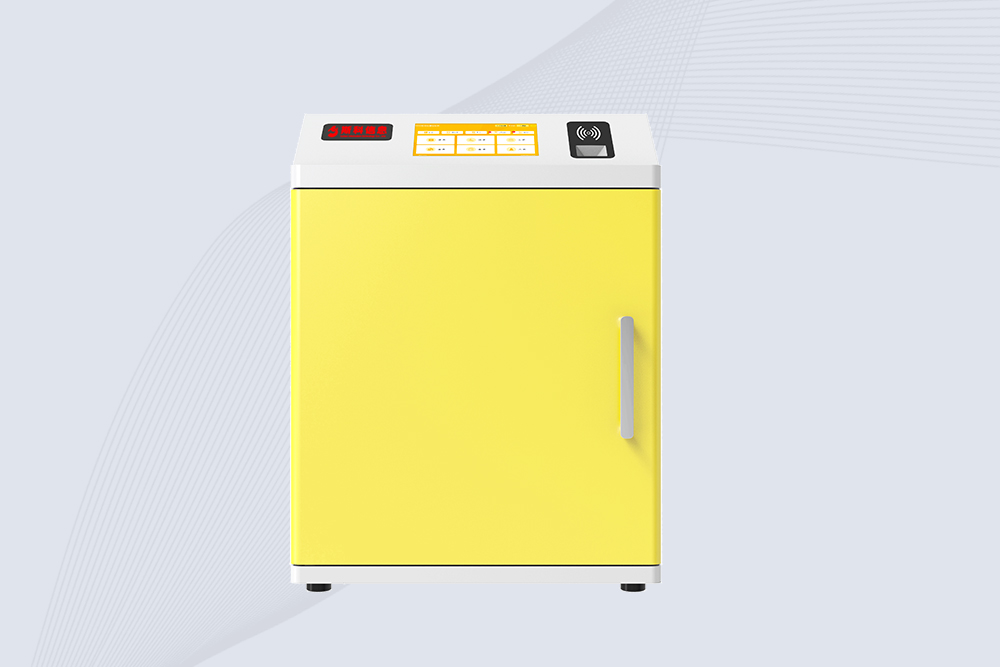
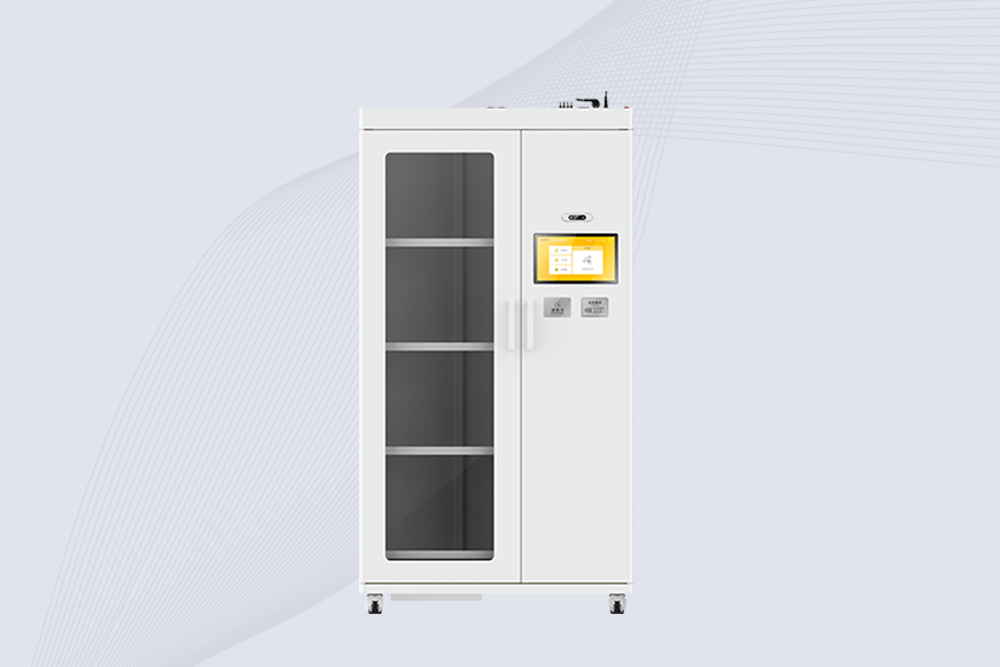
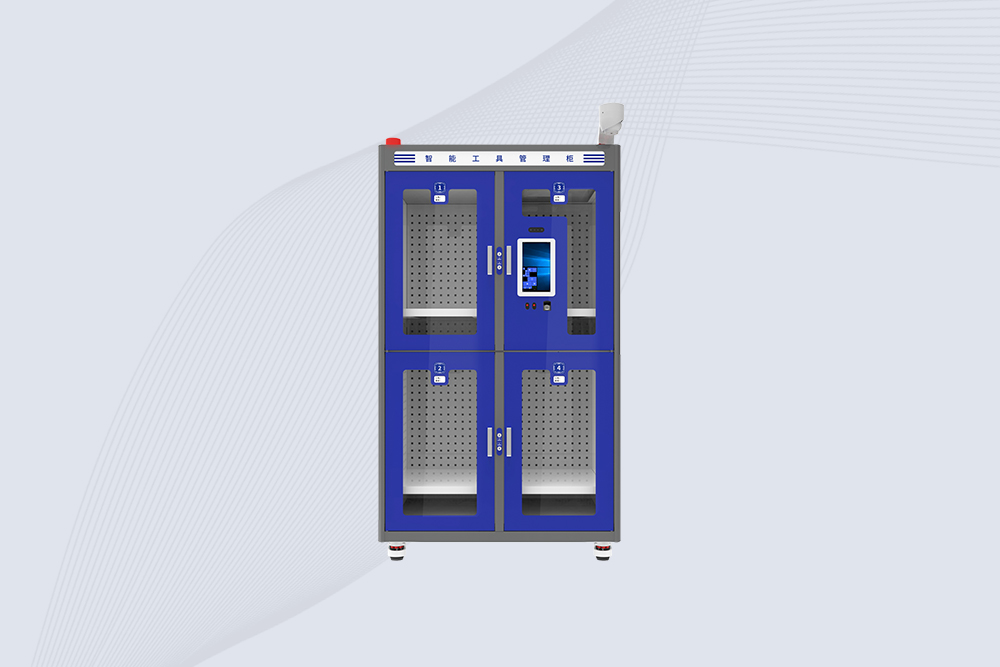
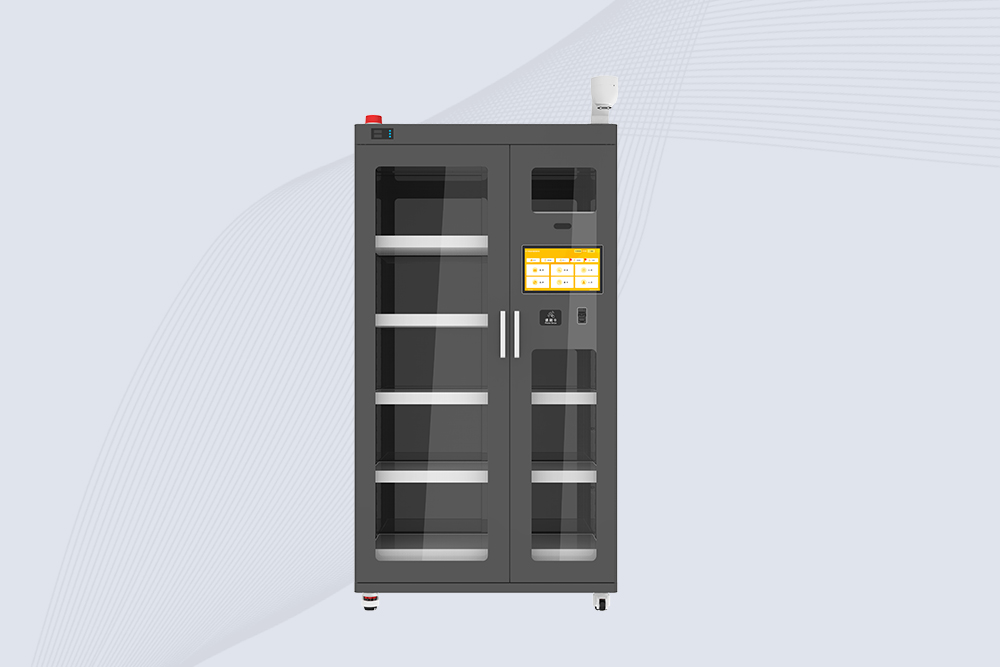
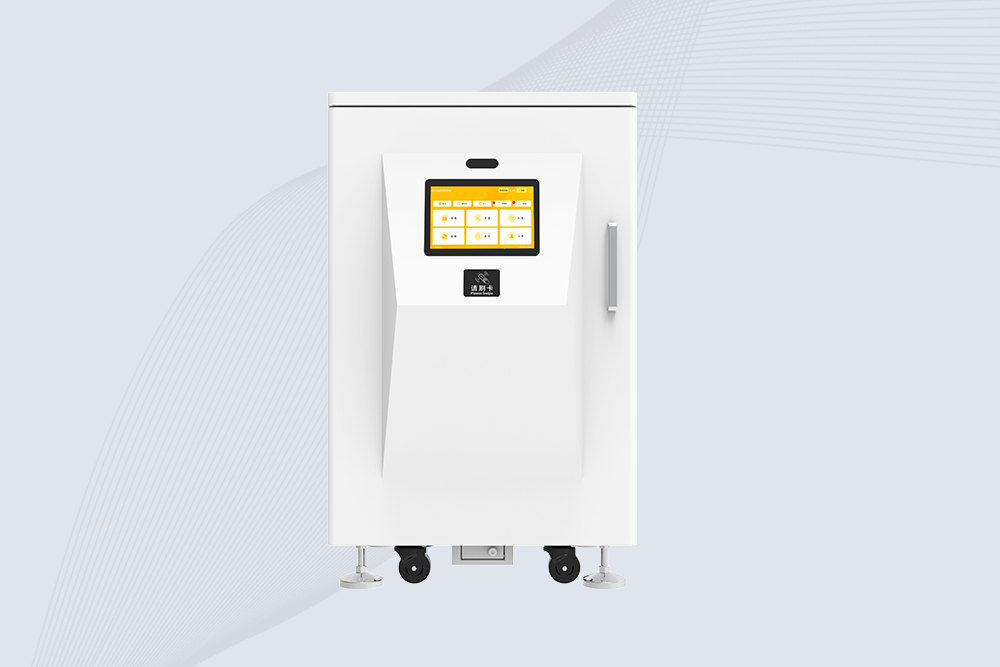
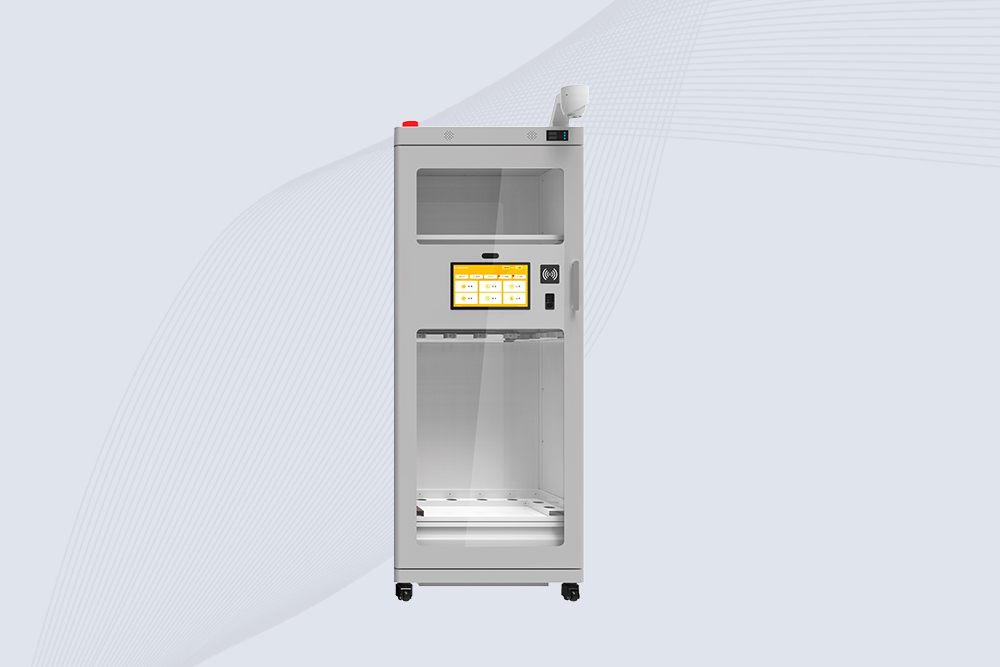
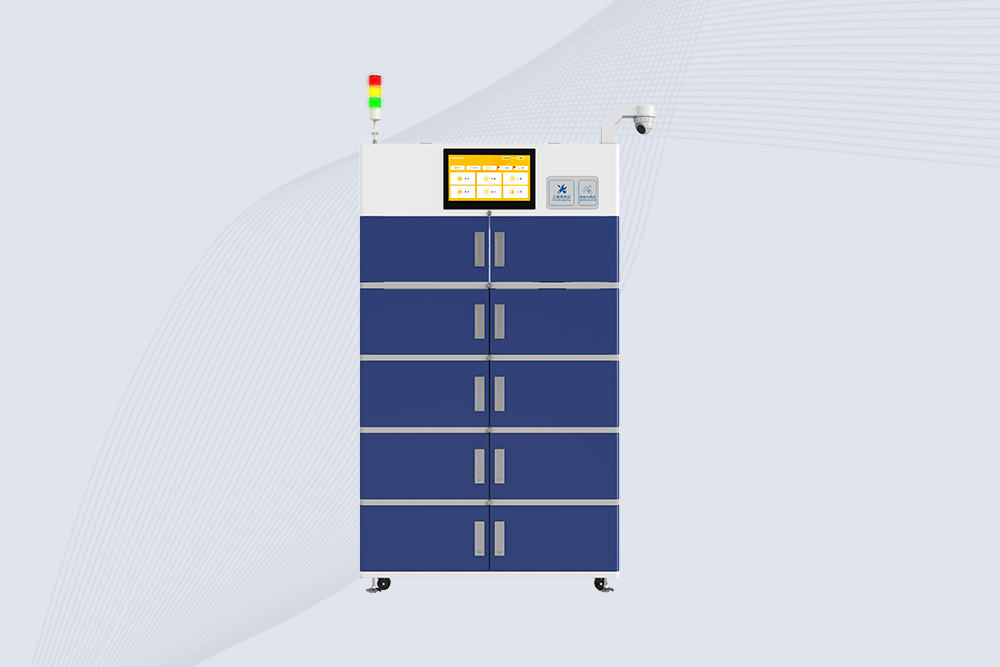
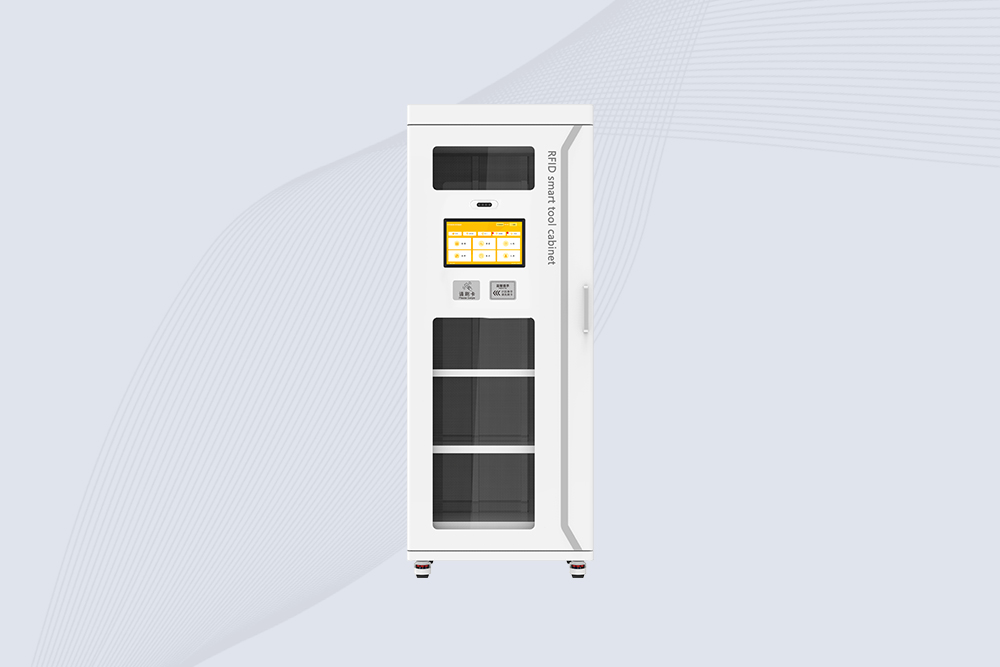
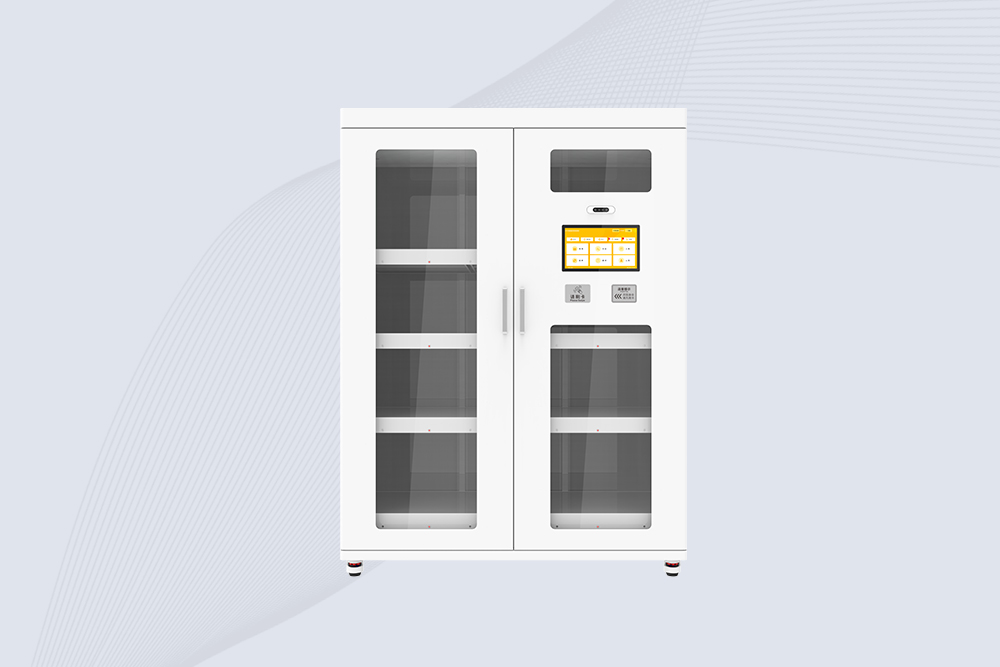
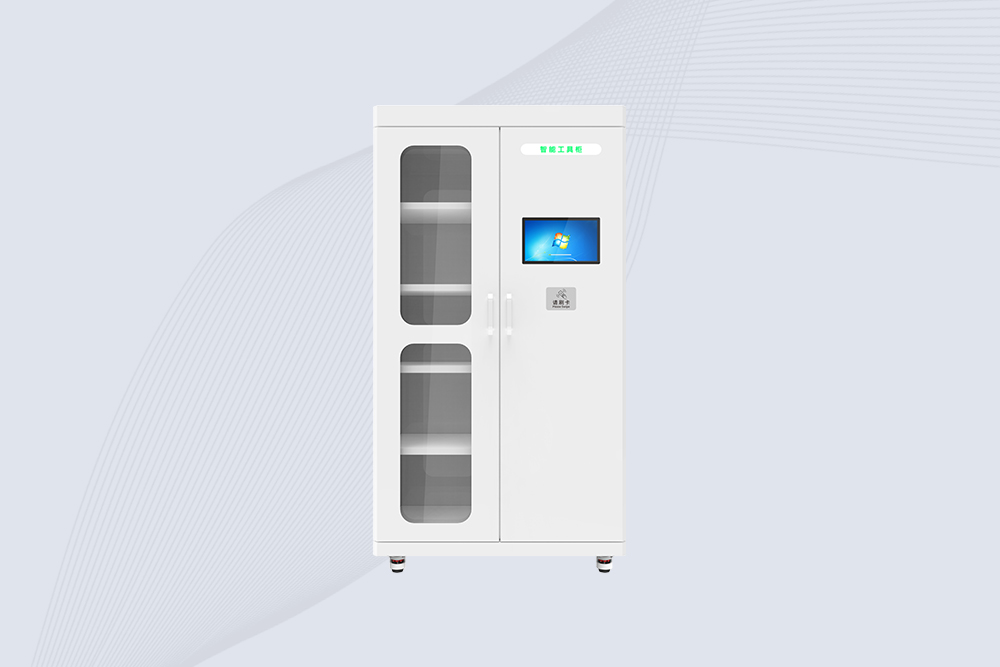
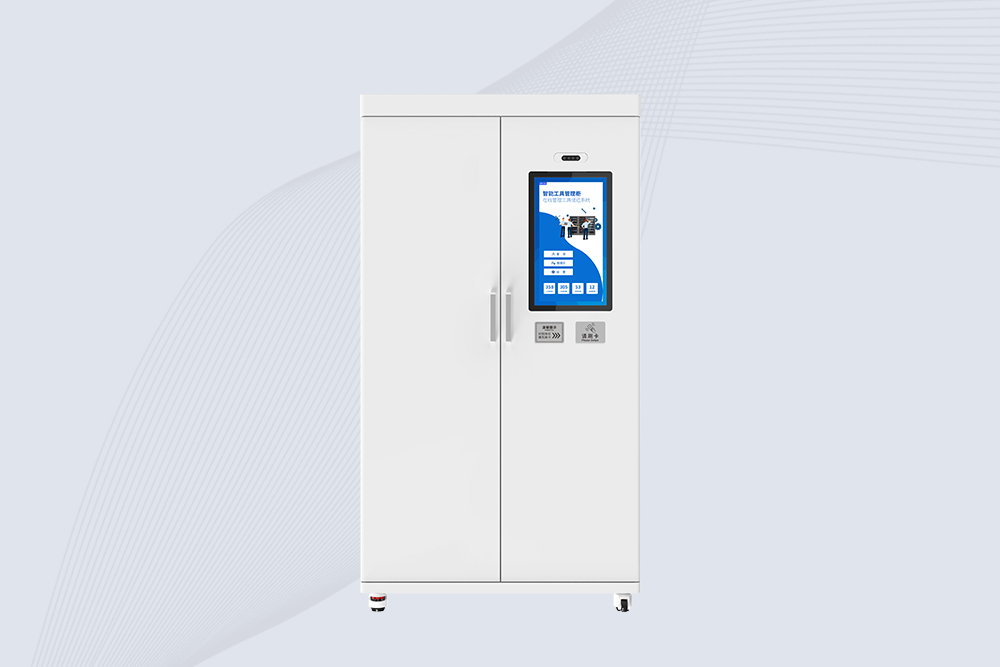
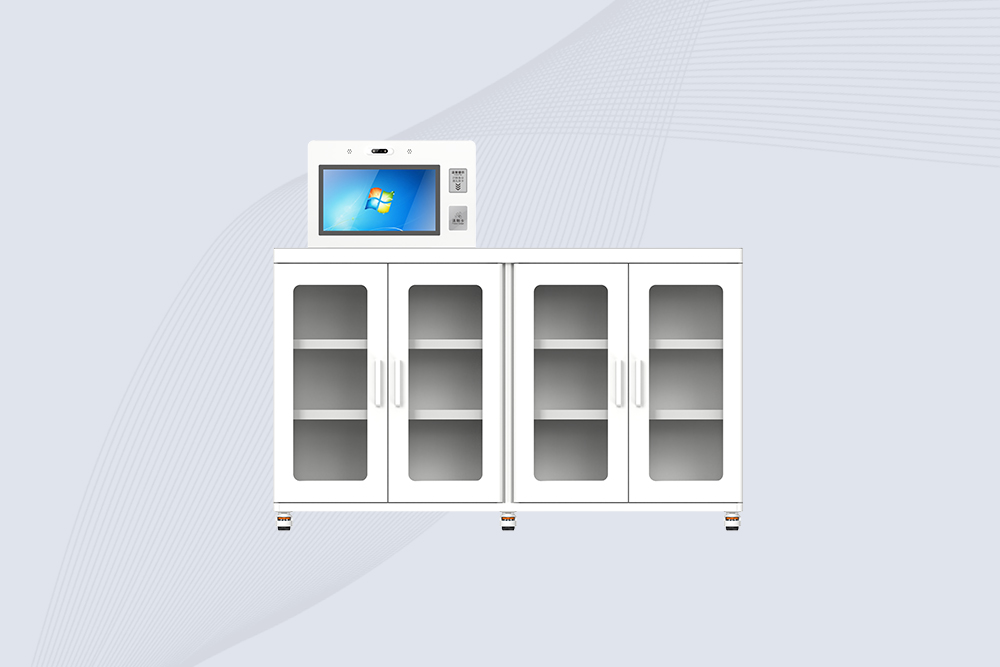
An RFID tool cabinet is suitable for centralized storage. It can combine secure access, automatic tool identification, inventory checking, and user management.
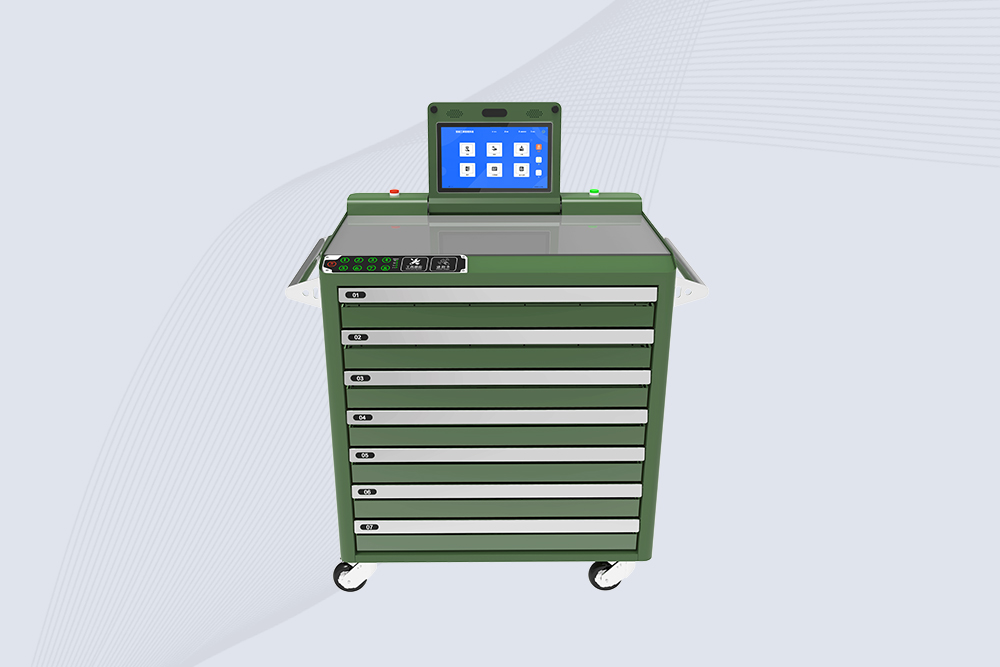
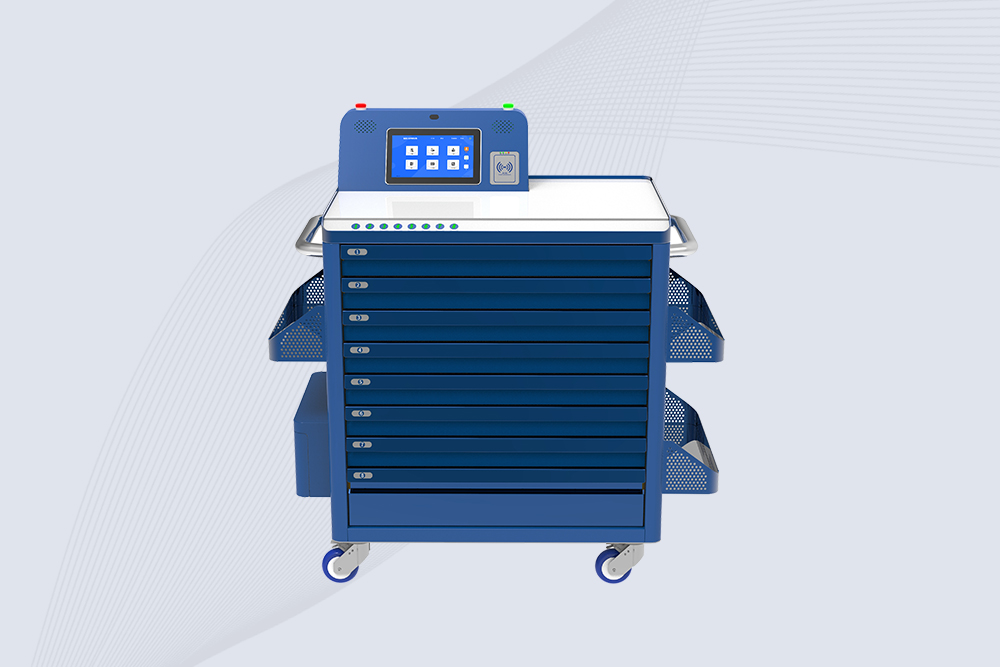
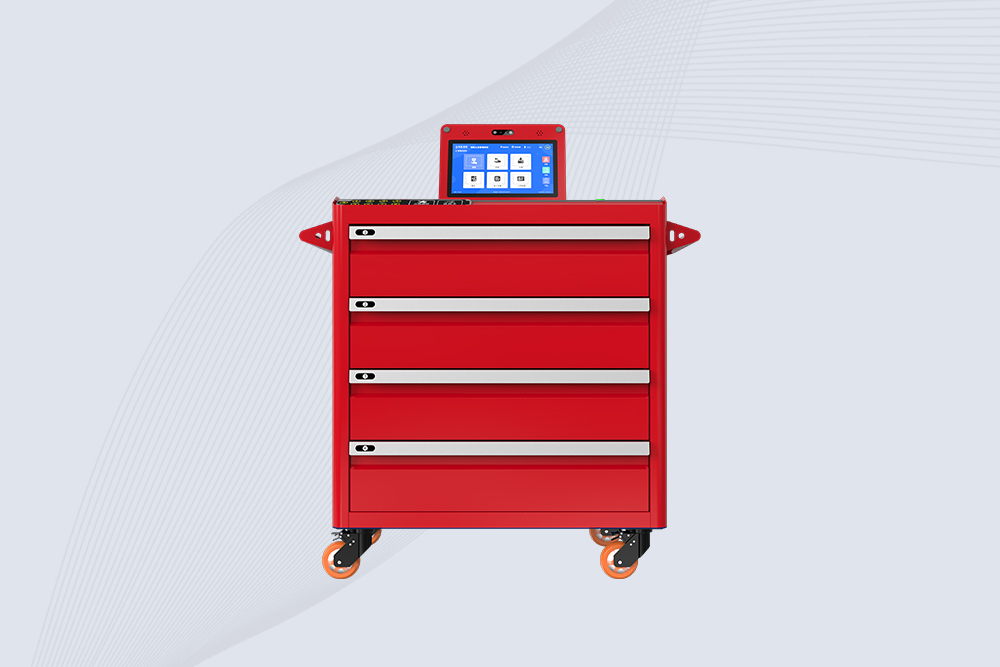
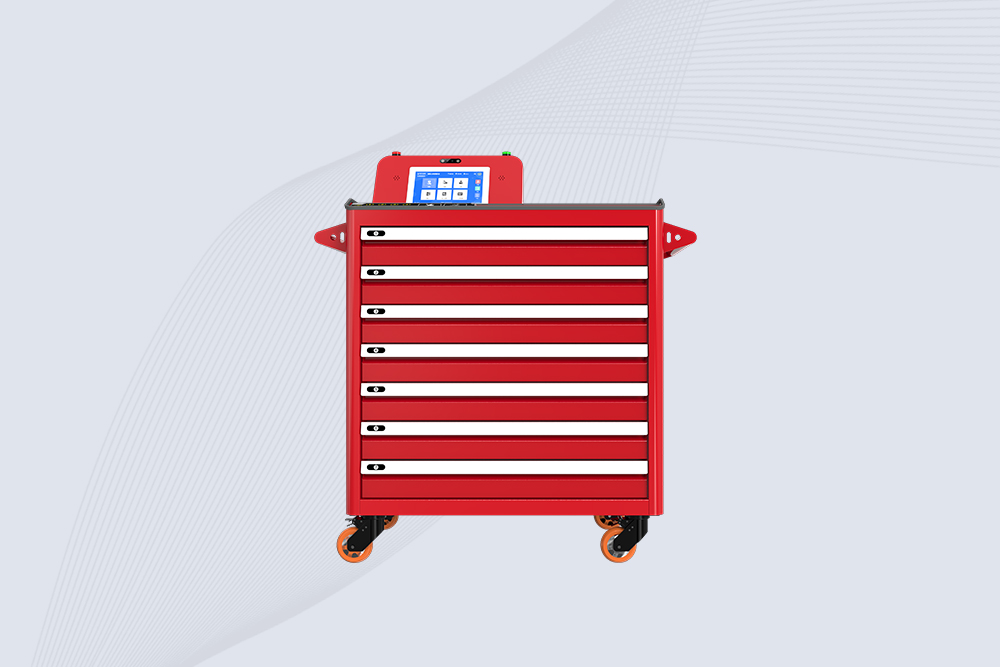
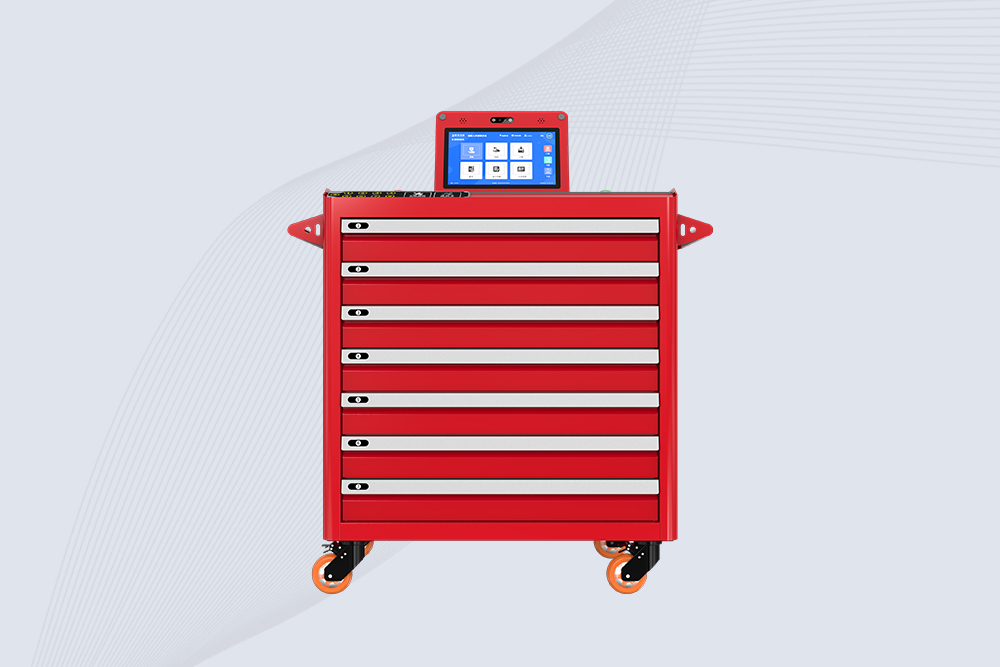
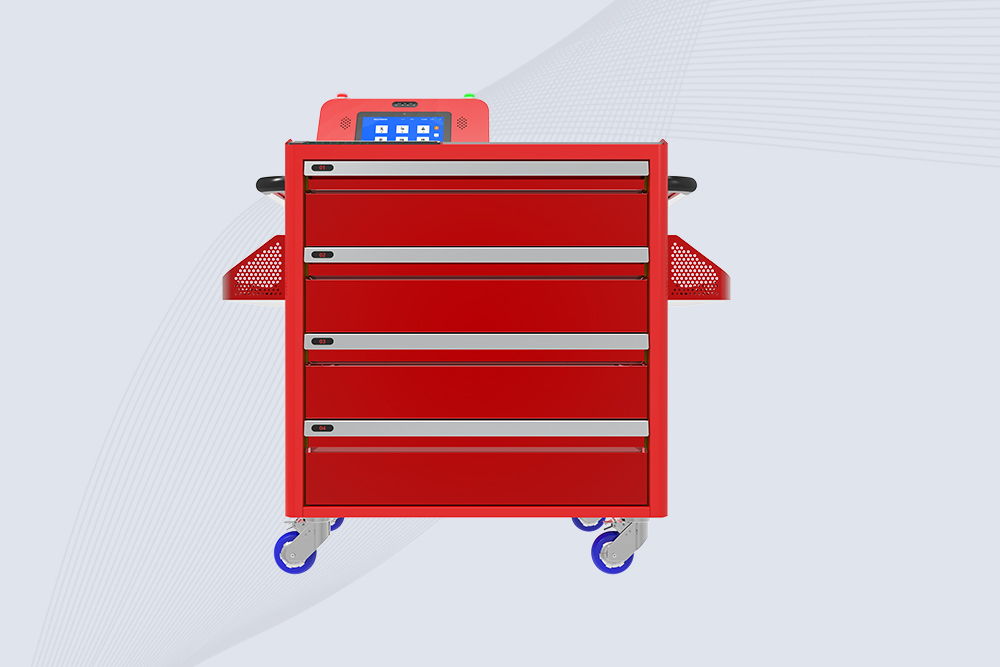
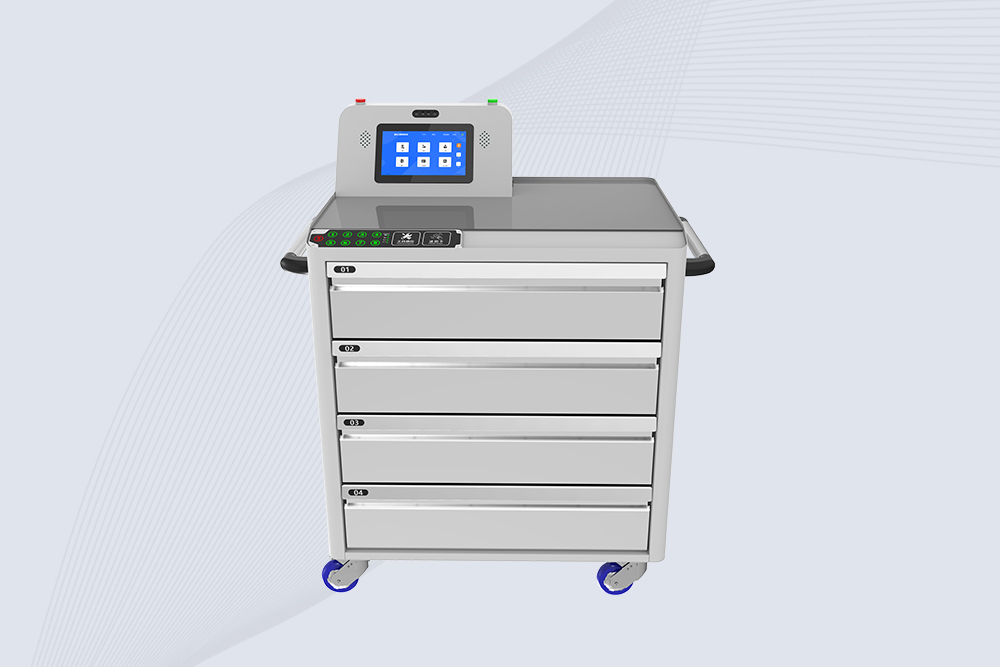
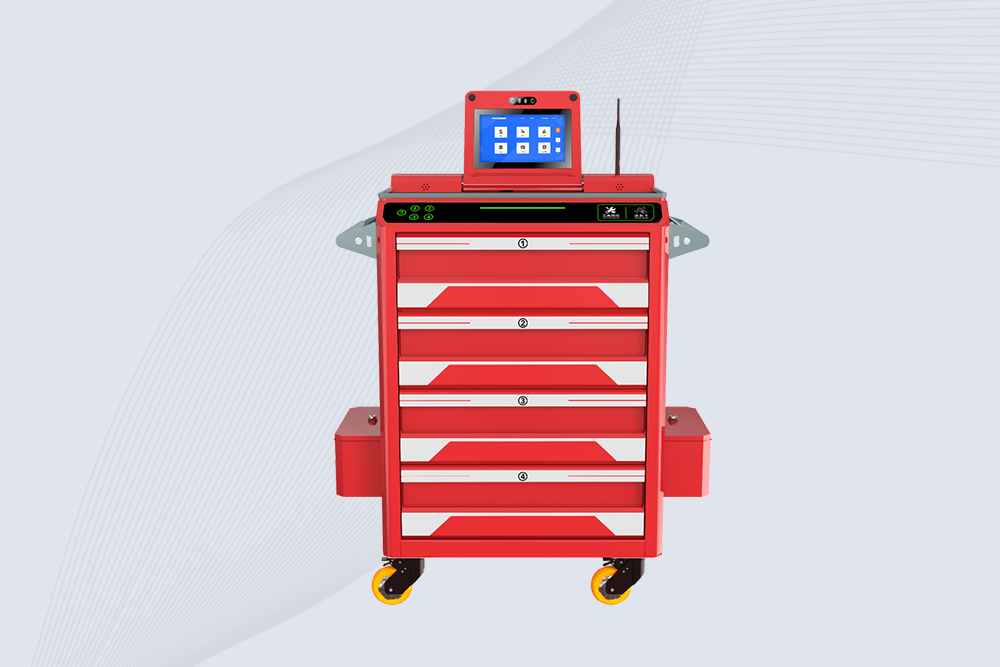
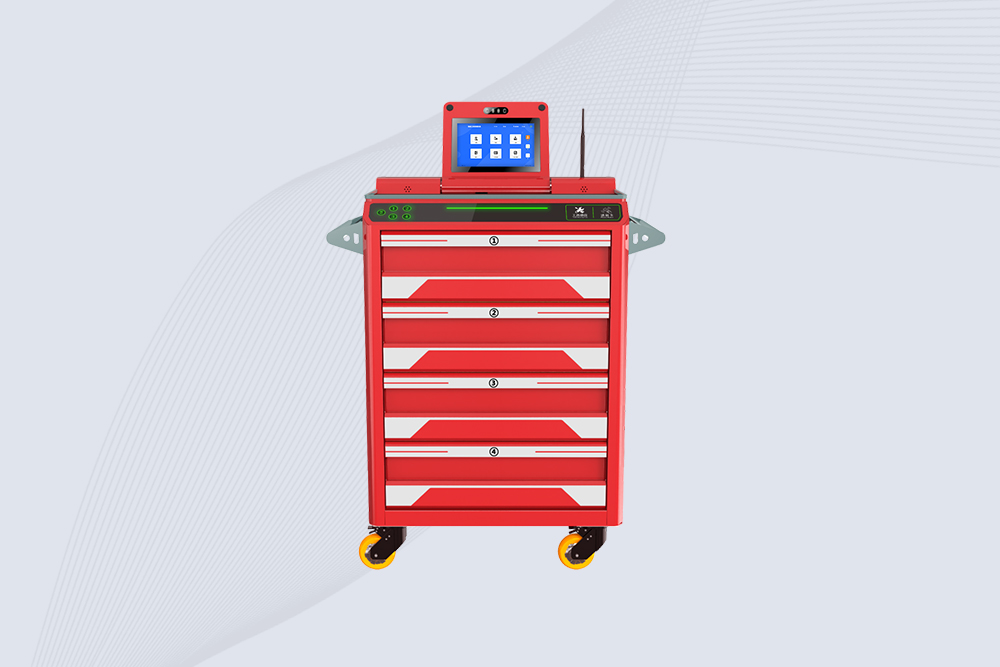
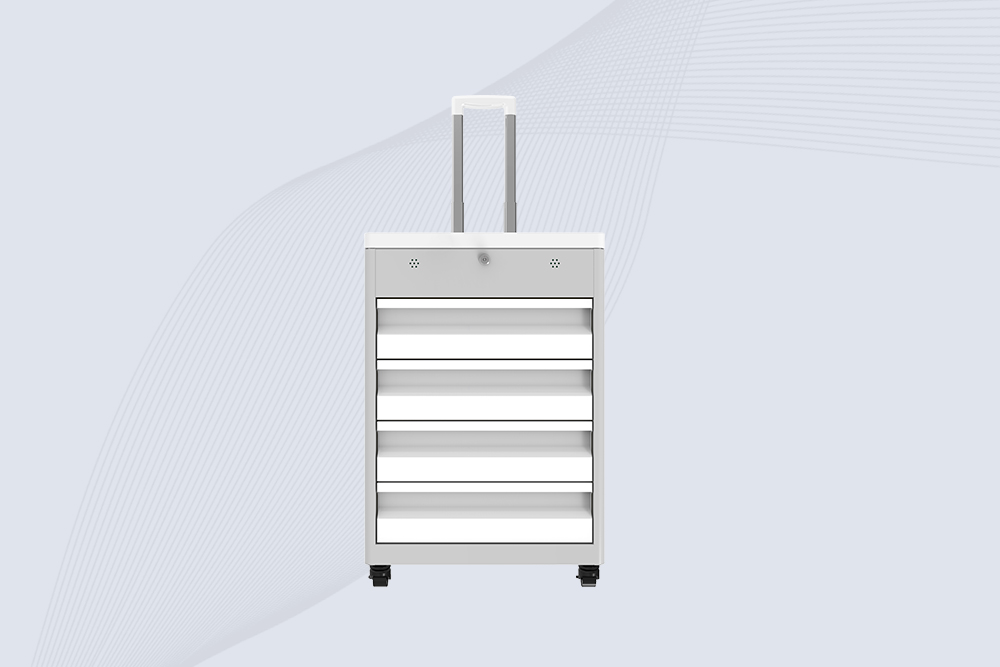
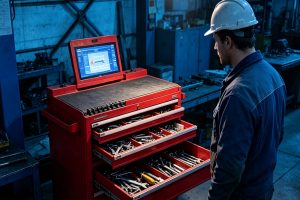
An RFID tool cart is more suitable when technicians need to move a complete tool set between work areas.
A fixed RFID reading zone may work well at the entrance of a tool room or maintenance area.
Handheld RFID readers can support mobile inventory checks and investigations.
The right choice depends on how tools move through the workplace.
A centralized tool room may benefit from a smart cabinet, while a mobile maintenance team may need an RFID cart or handheld device.
RFID Tool Control for Maintenance Work Orders
Tool control can become more useful when connected to maintenance tasks.
For example, a technician may receive a work order requiring several specific tools.
The system can record which tools were issued for that task and verify whether they were returned after the work was completed.
This can help organizations:
Prepare tool kits
Associate tools with work orders
Check tool returns
Identify missing equipment
Review tool usage history
Support maintenance documentation
The exact functions depend on the software and integration design, but the principle is straightforward: connect tool activity with the work being performed.
Improving Tool Availability
Tool control is not only about restricting access.
It should also help employees find and use tools efficiently.
When tool status is updated digitally, technicians can check whether a tool is available before walking to the storage area.
Managers can also identify tools that are frequently unavailable or repeatedly misplaced.
This information may support decisions about:
Adding duplicate tools
Changing storage locations
Creating dedicated tool kits
Adjusting checkout rules
Improving workshop layout
Replacing unreliable equipment
Better control can therefore support productivity, not just security.
RFID Tool Control and Inventory Management
Tool control and inventory management are closely connected.
Inventory management focuses on whether the physical tools match the expected records.
Tool control adds information about access, responsibility, usage, and restrictions.
For a broader explanation of inventory counting, see RFID tool inventory management.
For movement history and location visibility, see RFID tool tracking.
For automated borrowing and return processes, see RFID tool checkout system.
Together, these functions create a more complete RFID tool management system.
Choosing an RFID Tool Control System
Before selecting a solution, review the actual tool environment.
Tool Types
Are the tools metal, plastic, electronic, calibrated, or safety-critical?
Access Requirements
Does every employee have the same permission level?
Storage Method
Are tools stored in cabinets, carts, drawers, shelves, or vehicles?
Usage Frequency
Do tools move constantly, or are they stored for long periods?
Reading Conditions
Are there nearby metal surfaces, dense tool arrangements, or possible RF interference?
Software Requirements
Does the system need to connect with ERP, maintenance, warehouse, or work-order software?
Future Expansion
Can the system support more tools, users, storage locations, and departments later?
These factors influence the choice of RFID tags, readers, antennas, cabinets, carts, and software.
Final Thoughts
An RFID tool control system helps workshops and factories create a clearer connection between tools, users, storage locations, and operational records.
It can improve access control, tool accountability, inventory visibility, and the management of high-value or restricted equipment.
The most effective solution is not simply a reader installed beside a cabinet. It is a complete workflow that combines suitable RFID hardware, reliable tags, software rules, user authentication, and practical operating procedures.
When RFID tool control is connected with tracking, inventory, checkout, and maintenance records, companies can build a more consistent and manageable tool management process.
RFID tool control system combines tags, readers, antennas, cabinets, carts, and software, making it an important application ofRFID Tools & Devices.
A controlled RFID tool checkout systemcan connect user authentication with tool borrowing and return records.
Frequently Asked Questions
1. What is an RFID tool control system?
It is a system that uses RFID tags, readers, software, and access rules to manage tool usage, storage, movement, and user accountability.
2. Can RFID restrict access to certain tools?
Yes. An RFID tool control system can use user authentication and permission rules to limit access to high-value, calibrated, or safety-critical tools.
3. Can RFID track tool maintenance status?
Yes. Tool records can include calibration dates, inspection status, repair information, and restrictions. The exact functions depend on the software.
4. Can RFID tool control connect with work orders?
Yes. Depending on the system, tools can be associated with maintenance tasks or work orders to record which equipment was issued and returned.
5. Is an RFID tool cabinet required?
No. RFID tool control can use smart cabinets, tool carts, fixed reading zones, or handheld readers. The right option depends on the workplace and tool workflow.
Cykeo’s RFID Smart Tool Cabinet enables 10-second tool audits, user access control & real-time alerts for construction/oil/gas. Features 21.5″ touchscreen, IP54 steel body & -30°C~60°C operation. Supports SAP/Oracle integration.
Cykeo’s industrial RFID Tool Cart features 14″ touchscreen, 400+ tool scanning, and carbon steel construction for aviation MRO, power plants and construction sites. 5-second inventory scans.
Cykeo CYKEO-TC RFID multi-drawer tool cart manages 300+ tools via UHF RFID, features fingerprint/face recognition, Android/Windows OS, and SAP integration for nuclear/railway/fire safety sectors. IP54 rated for harsh environments.
Cykeo CYKEO-GTC4 RFID tool inventory cart manages 300+ tools via UHF RFID, features instant scanning, fingerprint/face recognition, and SAP integration for nuclear/railway/fire safety sectors. IP54 rated for harsh environments.
Cykeo CYKEO-GTC7A RFID real-time tool tracking cart features 99.9% accuracy, FOD prevention, and SAP integration for aviation/plant maintenance. Military-grade construction.
Cykeo CYKEO-GTC4B RFID mobile tool cart delivers 300-tool verification in 7 seconds with modular drawers, ≤150W power, and SAP integration for industrial/aviation use.
Cykeo CYKEO-GTC4C RFID workshop tool control cart delivers 300-tool inventory in 3 seconds with 10hr battery, SAP integration, and FOD prevention for industrial workshops.
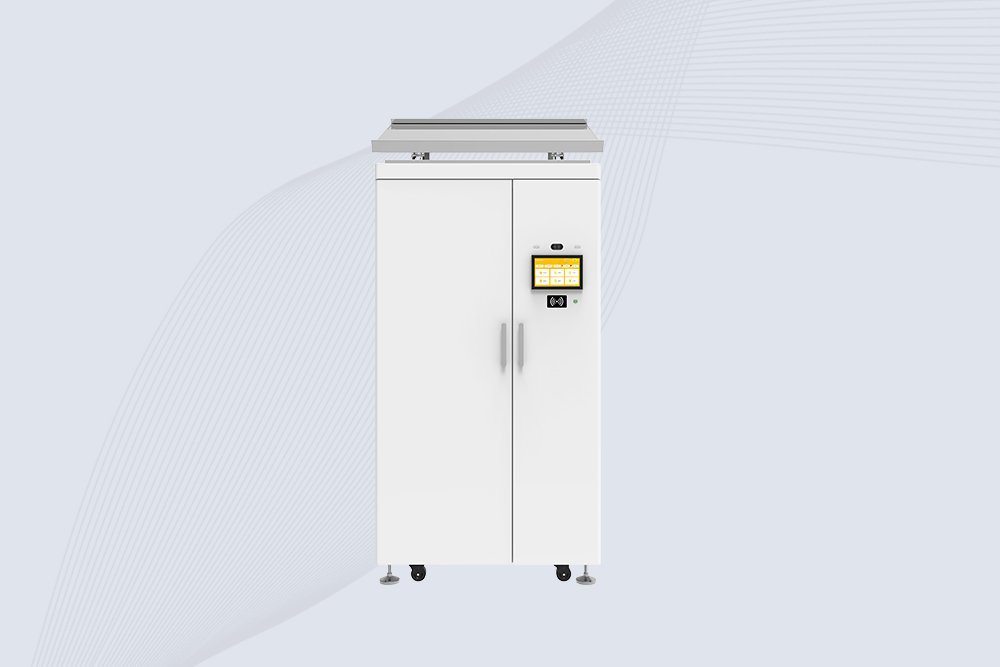
Cykeo’s off-grid RFID tool inventory system features solar/wind power, -30°C~60°C operation, and military-grade durability for mining/energy/military sectors.
Cykeo’s RFID multi-drawer tool cabinet features 5 adjustable drawers, biometric access, and 99.9% scan accuracy for automotive/aerospace manufacturing.
Cykeo CYKEO-GT1B industrial RFID tool storage cabinet features Impinj R2000 UHF technology, 1,000+ tool capacity, IP54 protection, and Windows/Android OS for manufacturing/aviation MRO. Includes auto check-in/out and SAP/Oracle sync.
Cykeo CYKEO-GT3C industrial RFID tool checkout system Cabinet features millimeter-wave scanning, 280-layer storage, dual OS, and 99.9% accuracy for aviation/semiconductor sectors. Supports auto check-in/out and real-time SAP sync.
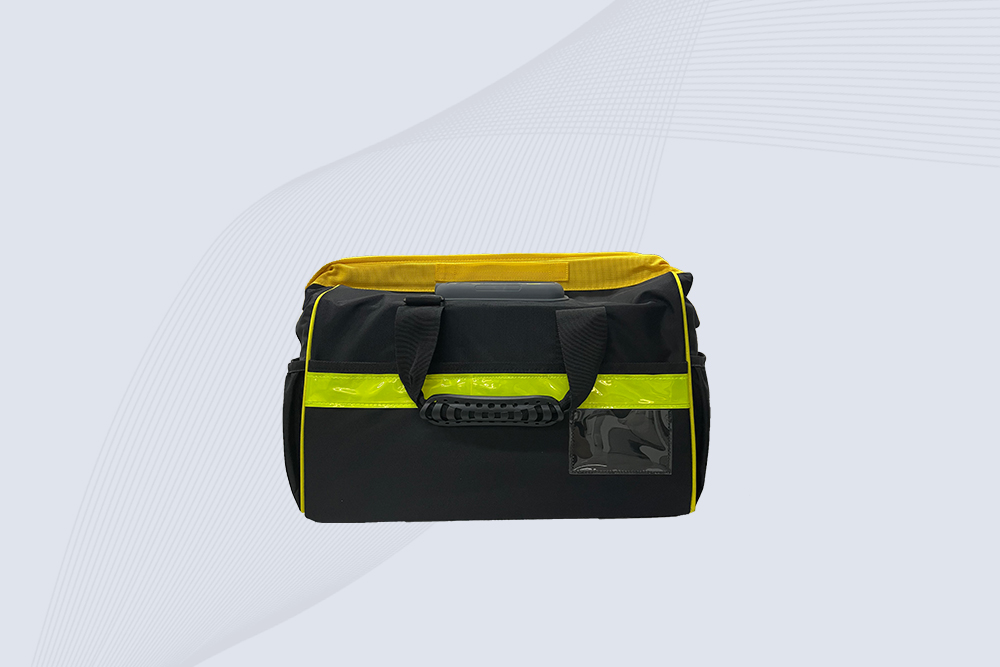
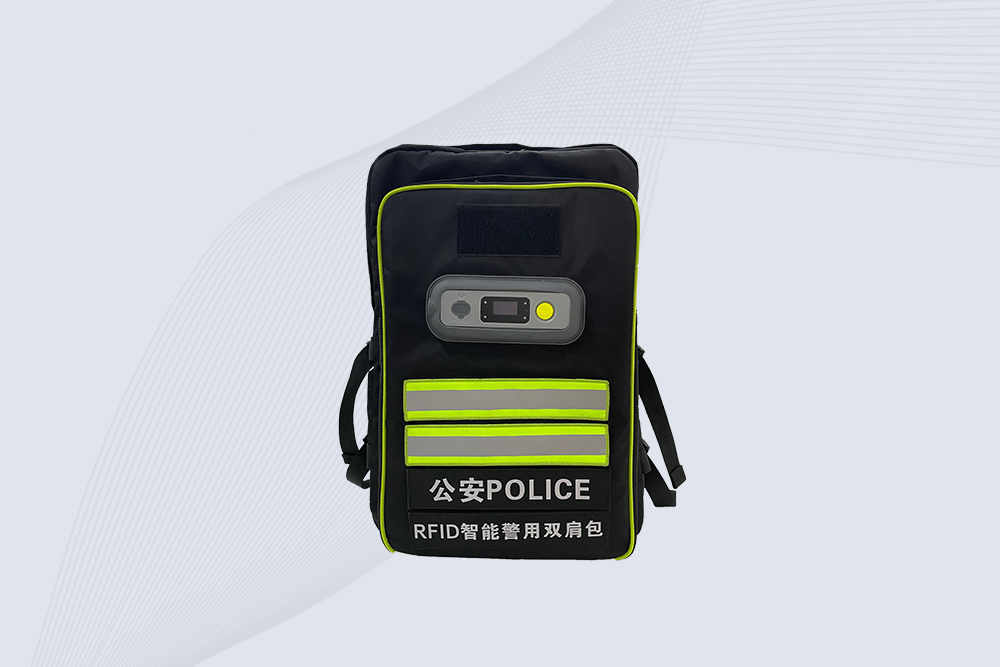
Discover the CYKEO-B1A Industrial RFID Backpack featuring advanced tool tracking technology with 25cm RF shielding, 7-day battery life, and wearable design for field maintenance professionals.
RFID Industry Writer | IoT & Asset Tracking Analyst
James writes about RFID technology, asset tracking, and the practical challenges of digital transformation across warehousing, retail, manufacturing, and logistics.
His work focuses on how RFID is applied in real-world operations—improving inventory visibility, automating workflows, and helping businesses manage assets with greater accuracy and efficiency.
He regularly covers topics including UHF RFID, smart cabinets, RFID portals, tool tracking, warehouse automation, and industrial IoT trends..
How many layers of aluminum foil can block RFID signals? Learn how aluminum foil affects RFID tags, NFC cards, and UHF RFID systems, plus practical advice for RFID suppliers, distributors, and project buyers.
Struggling with tool loss in your factory? Discover how RFID tool cabinets help reduce tool loss by up to 90% with real-time tracking and access control.
How RFID tags improve fashion inventory accuracy by delivering real-time stock visibility, reducing inventory errors, and optimizing retail operations with Cykeo RFID.
Can all RFID readers read all RFID cards? Absolutely not. Here’s why your 125 kHz access card won’t work with a UHF inventory reader—and what actually happens when frequencies clash.
 Cykeo RFID IoT Solution Products R&D Manufacturer