 Cykeo RFID IoT Solution Products R&D Manufacturer
fixed rfid reader: How Does It Enable Continuous Asset Tracking?
125Discover how fixed rfid reader systems enable automated tracking, real-time visibility, and high-efficiency asset management in warehouses and logistics.
MoreAll RFID Product
Asset tracking usually isn’t a problem — until it is.
At first, it’s just small things:
Then it builds up.
People spend more time searching than working.
Purchases increase because items are “missing.”
And no one fully trusts the data anymore.
This is where RFID starts to come into the conversation.
There are different ways to build an RFID system, but handheld readers are often the easiest place to start.
Why?
Because they don’t force you to redesign your entire workflow.
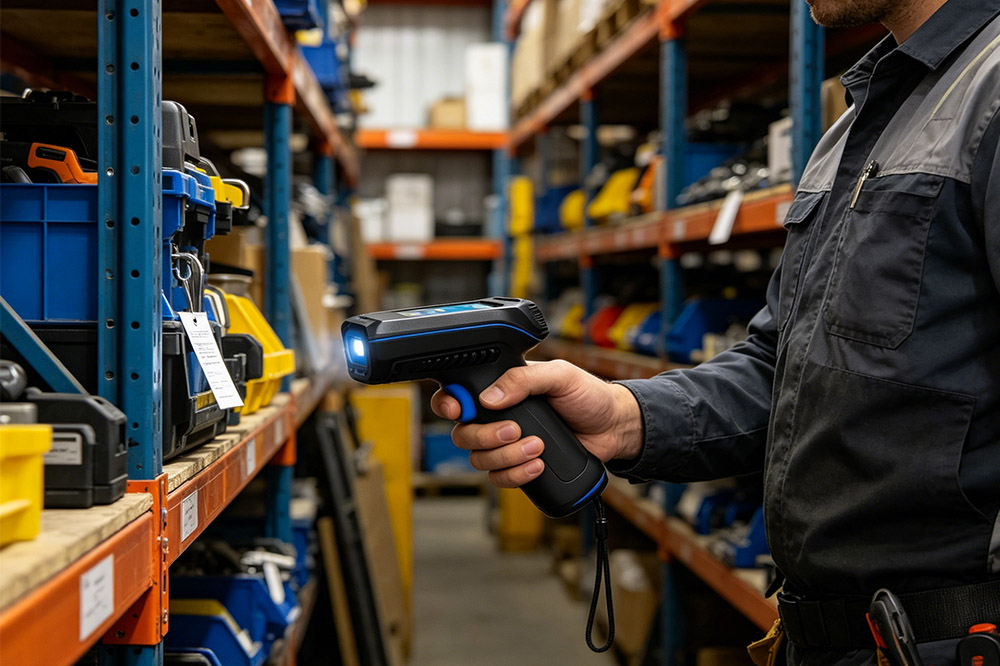
With an RFID handheld reader writer, you can:
If you’re still exploring options, it helps to review different RFID handheld reader solutions based on how and where your assets are used.
A typical setup is simpler than most people expect:
That’s it.
You don’t need full automation to start seeing value.
Instead of manually searching, staff can:
This alone can save hours every week.
Traditional audits take time.
With RFID:
That leads to better data — not just faster processes.
When visibility improves:
This is often where the ROI comes from.
For companies with multiple sites, handheld readers help:
Mobility is key here.A rugged RFID handheld reader writer is especially useful when assets are spread across warehouses, yards, or field locations.
A few issues come up repeatedly:
RFID works best when it fits into existing processes — not when it tries to replace everything at once.
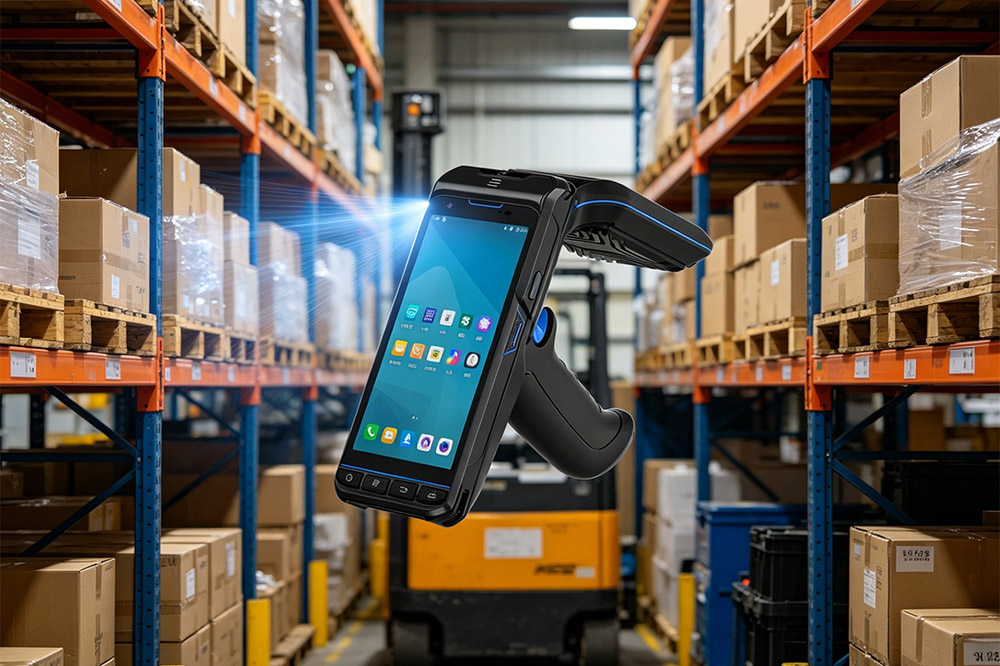
Not all devices are suitable for asset tracking.
What usually matters:
You can compare different portable RFID handheld reader models based on these factors before making a decision.
You don’t need a full system on day one.
A practical approach:
Most successful projects start this way.
As your system grows, you might add:
But even then, handheld devices remain useful for:
Asset tracking doesn’t fail because of technology — it fails because it’s hard to maintain.
RFID handheld readers make it easier by reducing effort, improving visibility, and fitting into real workflows.
If your team is spending too much time searching for assets, that’s usually the signal to start.
Guide Recommendations
What Are the Best Handheld RFID Readers for Small Business Inventory?
How to Choose the Best RFID Handheld Reader for Warehouse Inventory?
Handheld RFID Readers: Working Principle, Product Types, and Selection Guide
What are the best handheld RFID readers for tracking tools on construction sites?
What Is RFID Handheld Reader? Mobile Scanning for Inventory and Assets
What Are the Most Durable Handheld RFID Readers for Construction Sites?
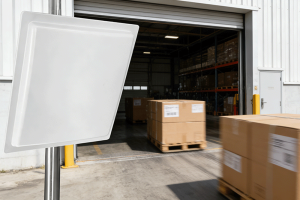
Discover how fixed rfid reader systems enable automated tracking, real-time visibility, and high-efficiency asset management in warehouses and logistics.
More
Chipless RFID is emerging as next-generation identification technology. This article compares its structure, working principle, frequency, data capacity, and cost with traditional RFID, helping businesses evaluate its use cases.
More
Wondering "how far can a long-range RFID reader reach"? Real numbers from 12m to 200m+ for parking, yards, and warehouses. No fluff, just actual ranges with CYKEO.
More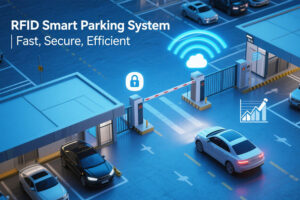
This article provides a deep dive into smart RFID parking systems, covering the technology principles, key components, application scenarios, and advantages. It highlights how RFID improves parking efficiency and security, driving the evolution of...
More