 Cykeo RFID IoT Solution Products R&D Manufacturer
How Far Can a Passive RFID Reader Read?
0Wondering how far a passive RFID reader can read? Learn what really affects RFID read range, including antennas, tags, installation and environmental conditions.
MoreAll RFID Product
On paper, a lot of RFID handheld readers look similar.
Same frequency, similar range, similar specs.
But once they hit the warehouse floor or a factory environment, the gap shows up fast.
Some devices keep working.
Some start having issues within weeks.
That’s usually the point where people start asking about rugged RFID handheld readers — not before.
If you’re still early in the selection stage, it’s worth looking through different RFID handheld reader options first. The differences aren’t always obvious until you compare them side by side.
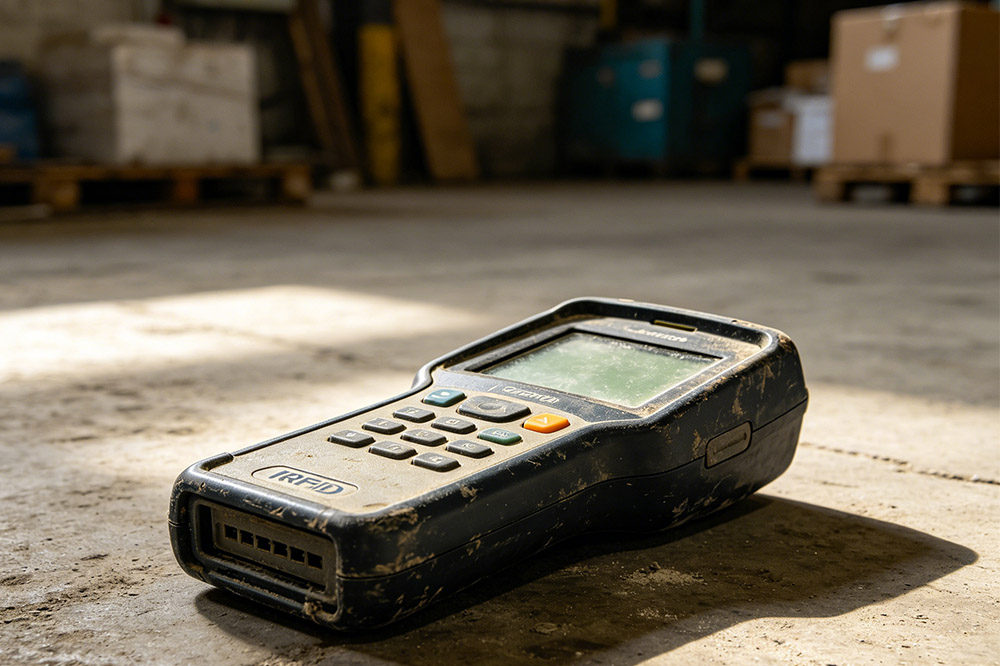
Forget the spec sheet language for a second.
In practice, “rugged” just means this:
That’s it.
If a device can’t handle those things, it’s not really built for industrial use — even if the specs look good.
A common pattern looks like this:
At that point, the initial savings don’t really matter anymore.
This is why many teams move straight to something like a rugged RFID handheld reader writer if they already know the environment is demanding.
Not every project needs a rugged device.
But if you’re working in any of these conditions, it’s usually the safer choice:
In these cases, “normal” devices tend to wear out faster than expected.
It’s not just about durability.
It’s about consistency over time.
A device might work perfectly on day one.
But if performance drops after a month — slower reads, missed tags, battery issues — that becomes a bigger problem than outright failure.
Rugged devices are built to avoid that gradual decline.
This is where opinions usually split.
Some buyers focus on upfront cost.
Others look at total cost over time.
In real projects, what usually happens is:
So even if a rugged device costs more initially, it often ends up being the cheaper option over time.
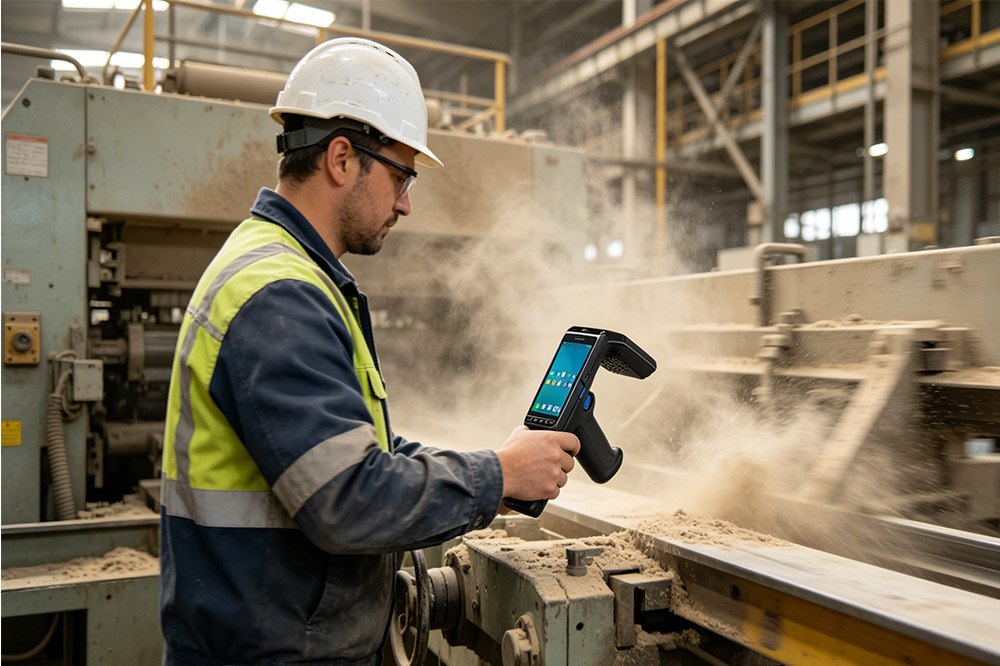
You probably do if:
You probably don’t if:
If you’re unsure, don’t overthink it.
Test in your real environment.
Use the same tags, same workflow, same conditions.
You can start by comparing a few UHF RFID handheld reader models and see how they perform in practice.
The difference usually shows up pretty quickly.
A rugged RFID handheld reader isn’t about having a “better” device.
It’s about having something that keeps working when everything else gets messy.
If your operation depends on consistency, it’s not really an upgrade — it’s just the right tool for the job.
Guide Recommendations
What Are the Best Handheld RFID Readers for Small Business Inventory?
How to Choose the Best RFID Handheld Reader for Warehouse Inventory?
Handheld RFID Readers: Working Principle, Product Types, and Selection Guide
What are the best handheld RFID readers for tracking tools on construction sites?
What Is RFID Handheld Reader? Mobile Scanning for Inventory and Assets
What Are the Most Durable Handheld RFID Readers for Construction Sites?

Wondering how far a passive RFID reader can read? Learn what really affects RFID read range, including antennas, tags, installation and environmental conditions.
More
Discover how a UHF RFID reader antenna affects reading distance, accuracy, and system performance. Learn practical tips for warehouses, manufacturing, logistics, and OEM RFID projects.
More
Cykeo’s medical RFID systems reduce hospital compliance risks by 82%. Learn FDA/ISO standards for surgical tools tracking, patient wristbands & data security.
More
How rfid tags work explained with real RFID engineering insights. Learn how RFID chips, readers, EPC codes and smart workstations create accurate identification systems.
More