How to Choose the Correct RFID Antenna: Stop Gambling, Start Matching
Choosing an RFID antenna can feel overwhelming. You’re presented with a dozen nearly identical-looking panels, all promising peak performance. The secret isn’t about finding the “best” antenna, but the right one for your exact situation. How to choose the correct RFID antenna is a process of matching technical specs to physical realities. Let’s break down the real-world factors that move the needle from frustrating failure to reliable reads.
Step 1: Diagnose Your Physical Environment (The Biggest Variable)
Before you look at a single spec sheet, look at the actual space. Your environment dictates nearly everything. Ask yourself:
- Indoors or Outdoors? Outdoor antennas need rugged, waterproof housings (IP67 or higher) to survive rain, dust, and UV exposure. An indoor antenna in an outdoor setting will fail quickly.
- What’s Nearby? Metal reflects RF signals, creating dead zones and interference. If mounting near metal shelving or walls, you specifically need a near-metal antenna design. Liquids (like cases of bottled liquid) absorb RF energy, requiring careful power planning.
- How Noisy is the RF Landscape? Warehouses full of Wi-Fi, motors, and other readers create interference. A robust antenna with good filtering helps your signal cut through the noise.
Step 2: Define What “Read” Means for Your Operation
“Working” isn’t a spec. You need to define success with clear metrics for your specific use case.
- Required Read Range: Do you need to read tags from 10 meters away at a dock door, or 10 centimeters away on a tool crib shelf? Don’t just guess—measure the distance.
- Field of View (Beamwidth): Should the antenna cover a wide gate or a narrow conveyor tunnel? Antenna beamwidth controls this. A wide beam covers a broad area close up; a narrow beam focuses energy for longer range in a specific direction.
- Speed and Tag Orientation: Are tags flying by on a high-speed conveyor? Are they tumbling randomly in a bin? Fast, random orientations almost always demand a circular polarized antenna.
Step 3: Understand the Technical Handshake (It’s a System)
The antenna doesn’t work in isolation. Matching the antenna to your application environment means ensuring it works seamlessly with your other gear.
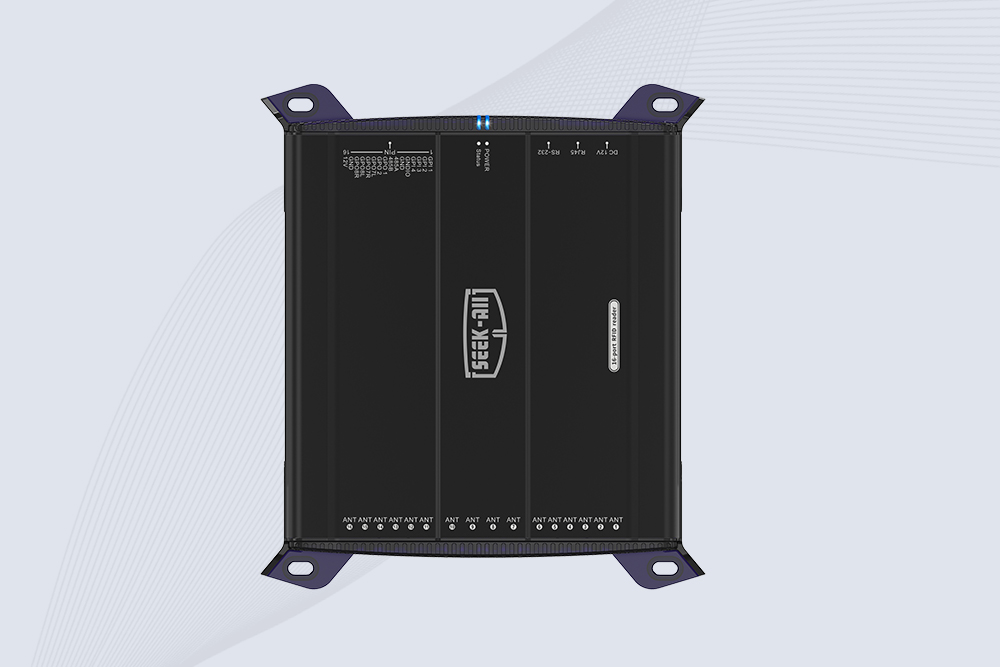
- Reader Compatibility: Verify the connector type (RP-TNC is most common) and ensure the antenna’s frequency range (e.g., 865-868 MHz for EU, 902-928 MHz for US) matches your reader’s region.
- Cable Type and Length: For runs over 5 meters, you need low-loss coaxial cable (like LMR-400). Standard cable can lose too much signal strength over distance.
- Tag Type: Your specific tags matter. Some antenna patterns are better optimized for smaller, lower-sensitivity tags.
Step 4: Decode the Spec Sheet (Focus on These Three)
Ignore the marketing fluff. On the datasheet, these are the critical factors for selecting an RFID antenna:
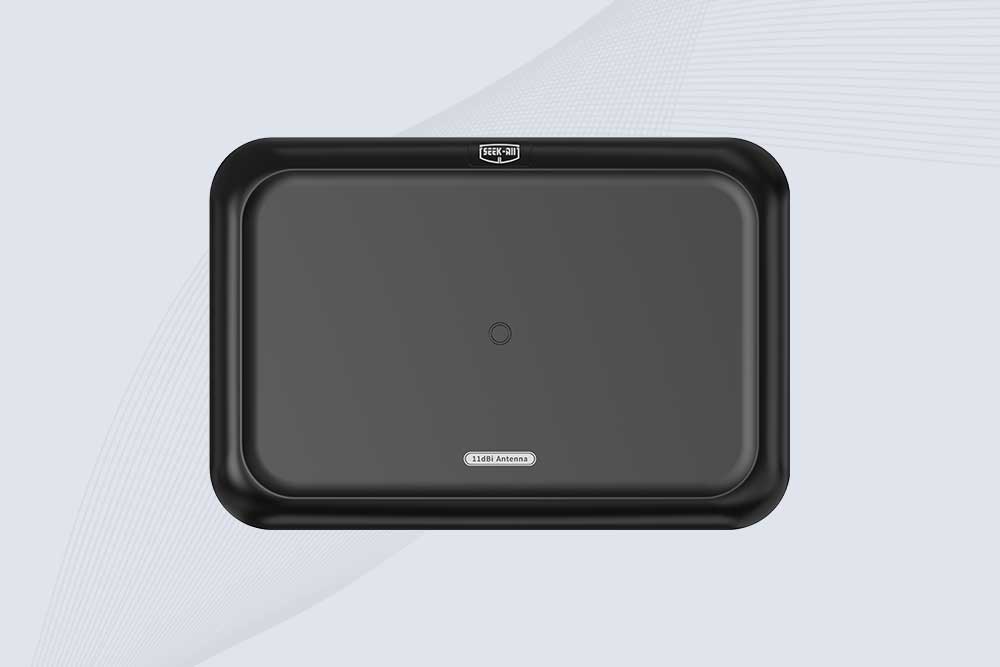
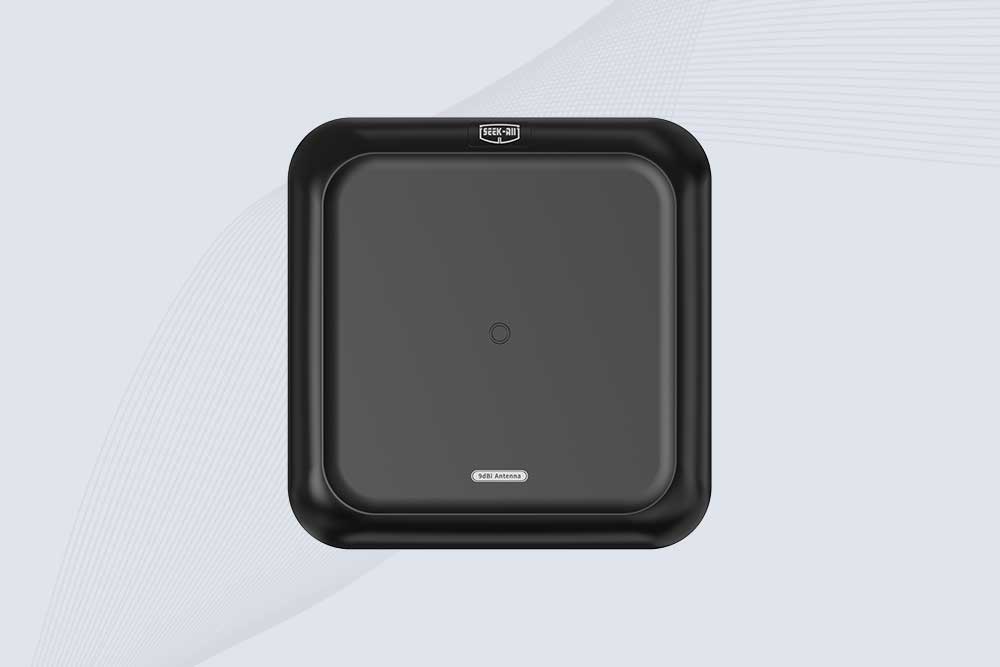
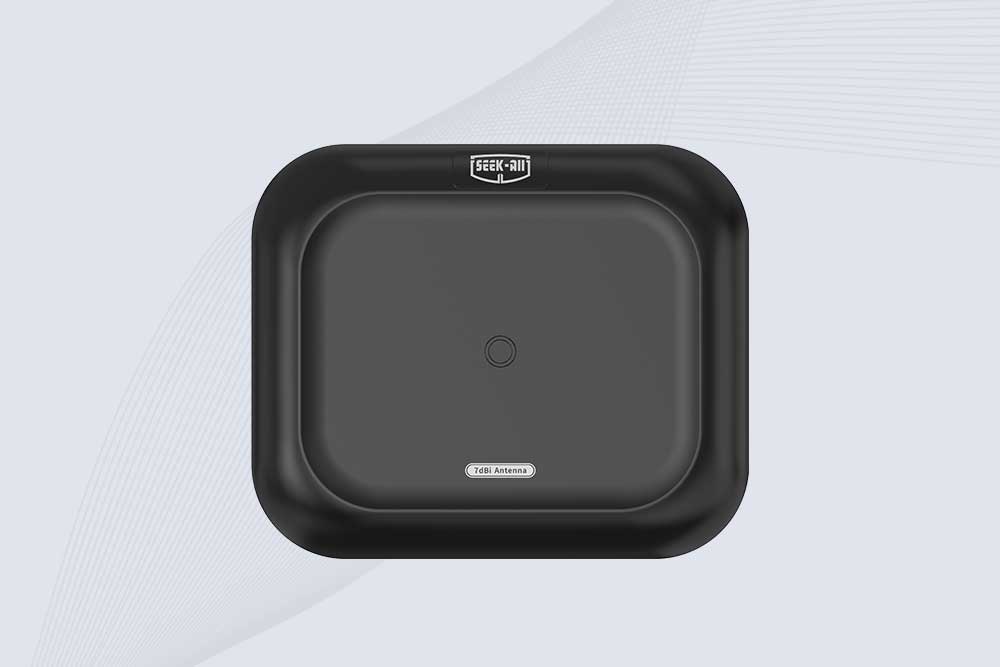
- Gain (measured in dBi): This isn’t “power.” It’s a measure of how focused the energy is. Higher gain (e.g., 9 dBi) creates a tighter, longer-range beam. Lower gain (e.g., 6 dBi) gives a wider, shorter-range coverage. More gain isn’t always better—it can create blind spots close to the antenna.
- Polarization: This is crucial. Circular Polarized (CP) is the versatile choice for unpredictable tag angles. Linear Polarized (LP) gives longer range but only if tags are aligned perfectly. For 95% of inventory applications, CP is the default.
- Beamwidth: Listed in degrees (e.g., 70° x 60°). This tells you the shape of the coverage area. Match it to your read zone.
Step 5: Test Before You Fully Commit (The Non-Negotiable Step)
Your final step in learning how to choose the correct RFID antenna is validation. Theory and specs can be wrong for your unique setup.
- Rent or borrow two candidate antennas.
- Test them in your actual environment with your actual tags and items.
- Measure real metrics: Read rate percentage, maximum reliable distance, and consistency.
This on-site testing is the best investment you can make. It prevents costly, large-scale mistakes. To simplify the initial selection, tools like a CYKEO antenna selection guide can point you in the right direction based on your answers about environment and goals.
Choosing the correct antenna isn’t about finding a universal winner. It’s about being a matchmaker between a precise RF tool and your specific physical and operational challenges. Getting this match right is what transforms an RFID project from a technical experiment into a reliable business asset.
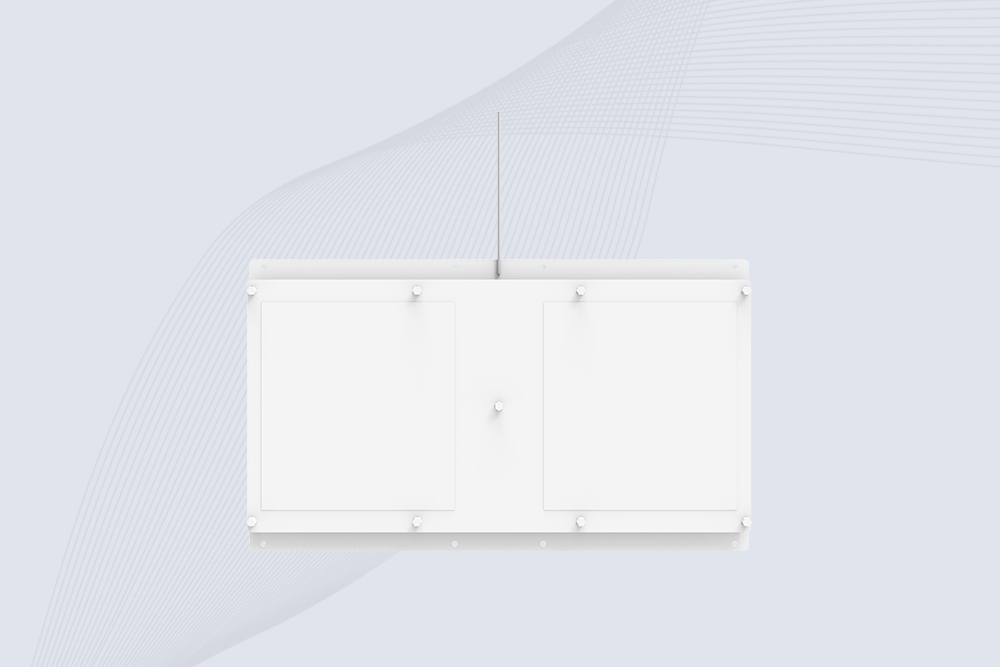
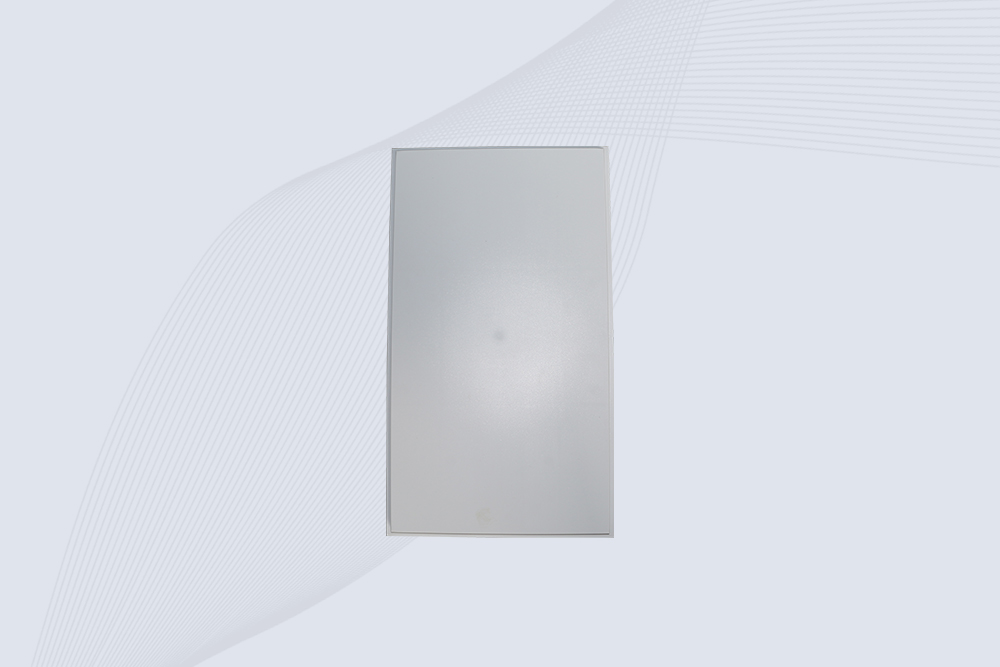
RFID Antennas Recommendation
 Cykeo RFID IoT Solution Products R&D Manufacturer