 Cykeo RFID IoT Solution Products R&D Manufacturer
on metal rfid tags – Industrial Asset Identification for Metal Surfaces
100on metal rfid tags enable stable tracking on steel surfaces. Cykeo RFID systems improve accuracy for tools, assets, and industrial environments.
MoreAll RFID Product
RFID chip types are classified by frequency, memory structure, and application environment. UHF RFID chips are widely used for inventory tracking, logistics automation, industrial assets, and high-speed multi-tag identification.
The first time I compared different RFID chip types side by side was during a warehouse migration project where two visually identical tags behaved completely differently once attached to metal containers. One chip handled dense inventory reads smoothly. The other collapsed under signal reflection. Same antenna size. Same printer. Entirely different silicon behavior underneath.
That experience changed how I evaluate RFID systems. Most failures are not caused by rfid readers. They start with chip selection.
RFID chips are generally divided into three frequency categories:
| RFID Type | Frequency Range | Typical Read Distance | Common Applications |
|---|---|---|---|
| LF RFID | 125–134 kHz | Short | Animal ID, access control |
| HF RFID | 13.56 MHz | Medium | Smart cards, libraries |
| UHF RFID | 860–960 MHz | Long | Warehousing, logistics, inventory |
Among these, UHF RFID has become dominant in industrial tracking because it supports:
According to GS1 EPCglobal standards, UHF RFID operating under EPC Gen2 protocols has become one of the most widely adopted RFID architectures for global supply chains.
In real deployments, inventory speed matters more than theoretical chip memory.
A logistics customer once asked for the “largest memory RFID chip available.” After field testing, they realized they only needed stable EPC encoding and fast anti-collision performance. Excessive memory increased cost without improving workflow.
That happens surprisingly often.
Modern UHF RFID chips can support thousands of rfid tag reads within seconds when paired with optimized antenna systems.
According to Auburn University RFID Lab performance studies, properly deployed UHF RFID systems regularly exceed 99% read accuracy in controlled retail and logistics environments.

These chips contain permanent factory-coded data. They are stable but less flexible.
Typical usage:
These support updating stored information multiple times.
Applications include:
Cykeo deployments typically use read-write UHF RFID structures because industrial workflows rarely stay static for long.
Some advanced RFID chip types integrate environmental sensing.
These may monitor:
Cold-chain pharmaceutical storage increasingly relies on these sensor-based RFID structures.
Not all RFID chips store data the same way.
| Memory Bank | Function |
|---|---|
| EPC | Product identity |
| TID | Unique chip identification |
| User Memory | Custom application data |
| Reserved | Security/password functions |
In practice, EPC performance stability matters more than oversized user memory for most warehouse operations.
A chip with clean RF sensitivity often outperforms a “larger” chip in difficult environments.
One thing brochures rarely explain: chip orientation affects performance almost as much as antenna design.
During a shelving project involving chemical storage bins, rotating a UHF RFID label by roughly 20 degrees improved read consistency dramatically near liquid containers.
RF energy behaves unpredictably around metal and fluids. Experienced installers account for this immediately.
Good RFID deployments are usually the result of careful tuning, not brute-force transmission power.
Cykeo focuses on UHF RFID technologies designed for high-density industrial identification environments.
Typical supported applications include:
Key capabilities include:
The practical goal is simple: predictable reads under real conditions.
Not just good numbers in a clean laboratory.
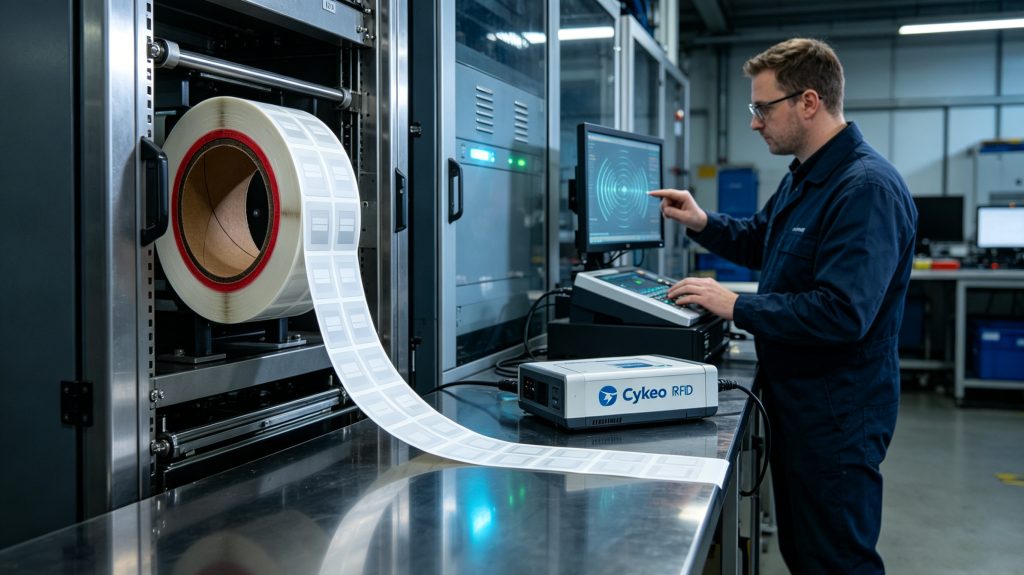
The primary RFID chip types are LF, HF, and UHF RFID chips, classified by operating frequency and application requirements.
UHF RFID chips support long-range reading, rapid multi-tag scanning, and large-scale inventory automation.
Yes. Read-write RFID chips can store and update custom EPC or user memory data depending on chip structure.
Yes. Frequency range, chip sensitivity, antenna design, and environmental conditions all influence read performance.
Choosing among RFID chip types is less about selecting the “most advanced” chip and more about matching RF behavior to the environment.
Warehouses, laboratories, metal shelves, medical storage rooms — each changes signal behavior differently.
That is why experienced RFID deployments focus on stability first, specifications second.
Cykeo continues developing UHF RFID solutions built for practical industrial performance where consistent identification matters every day.
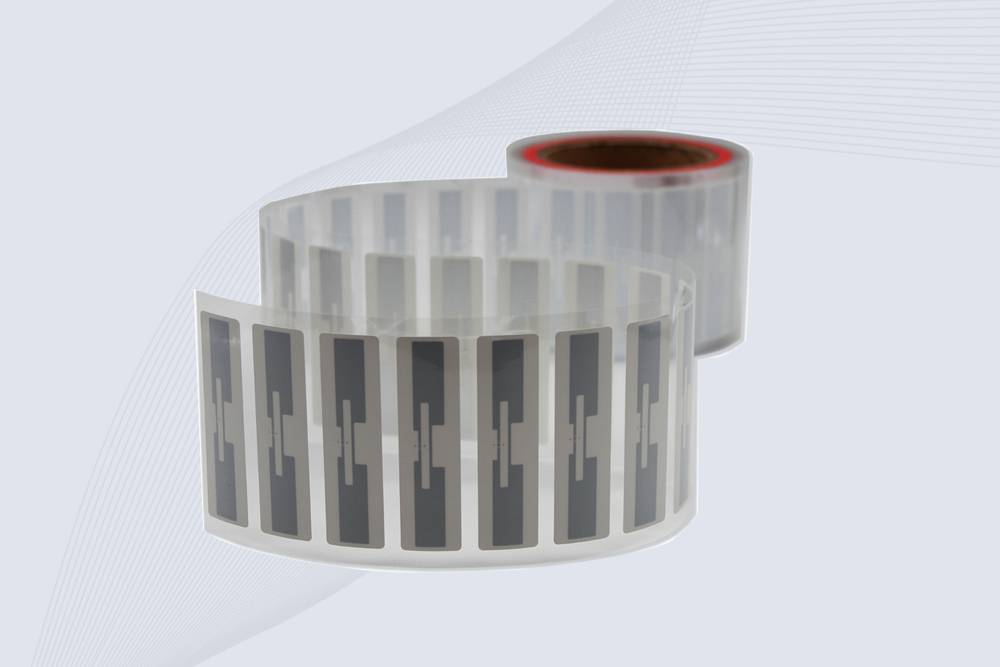
CYKEO Passive RFID Tags are made for wet and high-humidity environments where standard labels do not last. This rfid passive tag is often used around liquids, chemicals and temperature changes, providing stable reading distance and long data life for industrial tracking.
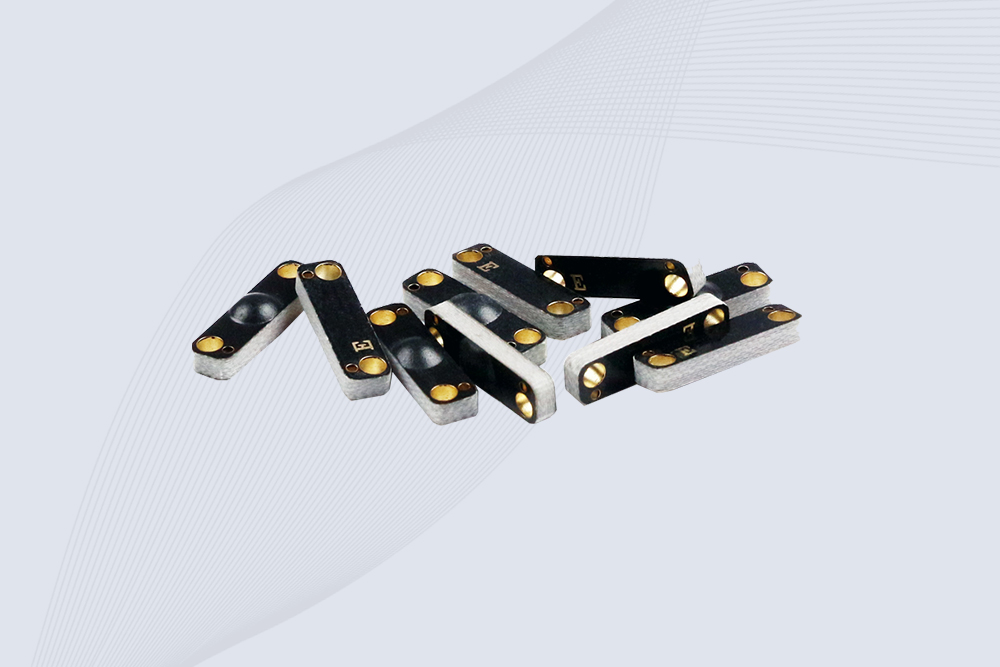
CYKEO CYKEO-PCB1504 Metal RFID Tags is a compact anti-metal UHF RFID solution built for direct mounting on metal surfaces. With stable 8-meter read range, Ucode-8 chip, and long data retention, this rfid metal tag fits tools, containers, automotive parts, and industrial asset tracking.
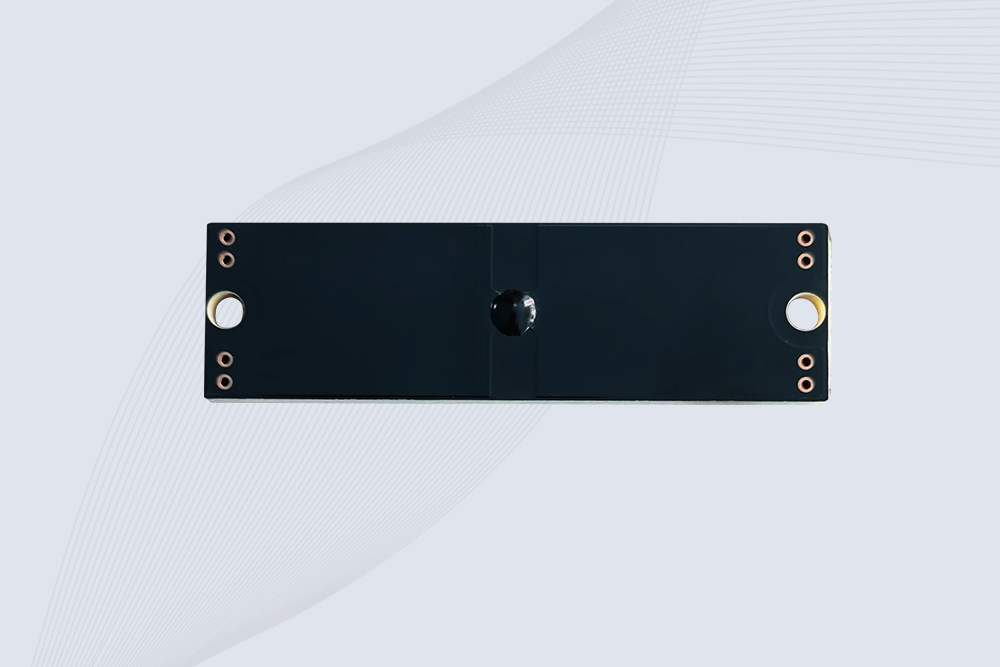
CYKEO CYKEO-PCB7020 On-Metal RFID Tags are designed for reliable tracking on steel and metal surfaces. Built with an FR4 epoxy body and industrial-grade chips, these On-Metal RFID Tags deliver stable performance, long data life, and chemical resistance, making them a dependable RFID anti-metal tag for harsh environments.
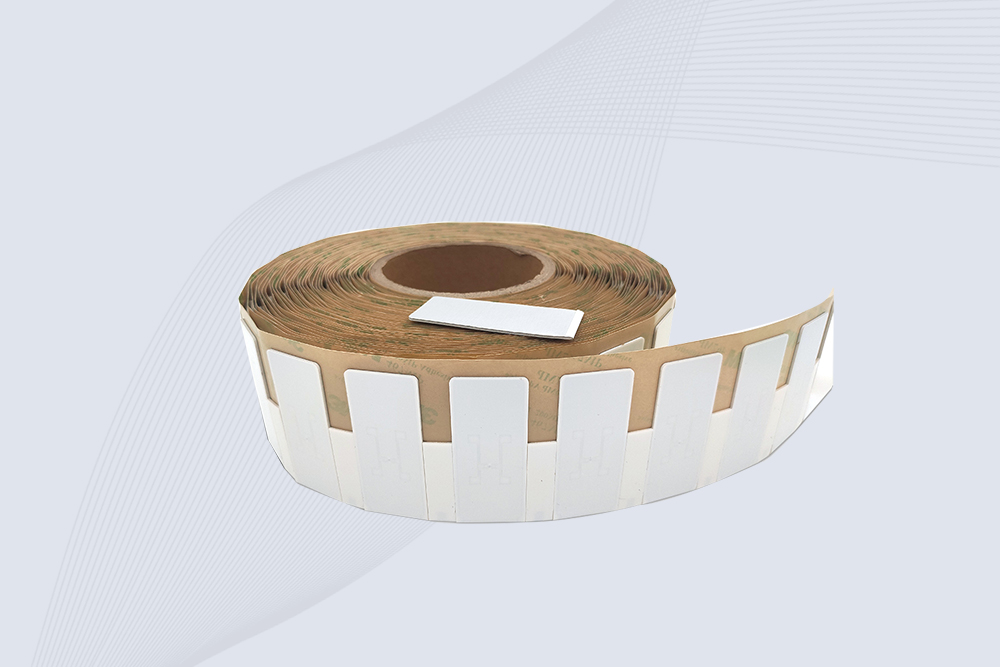
The CYKEO CYKEO-60-25 Anti-Metal RFID Tag is built for metal surfaces where standard tags fail. Designed for long-range performance, harsh environments, and stable data retention, this Anti-Metal RFID Tag is ideal for industrial assets, containers, and equipment tracking using on metal RFID tags.
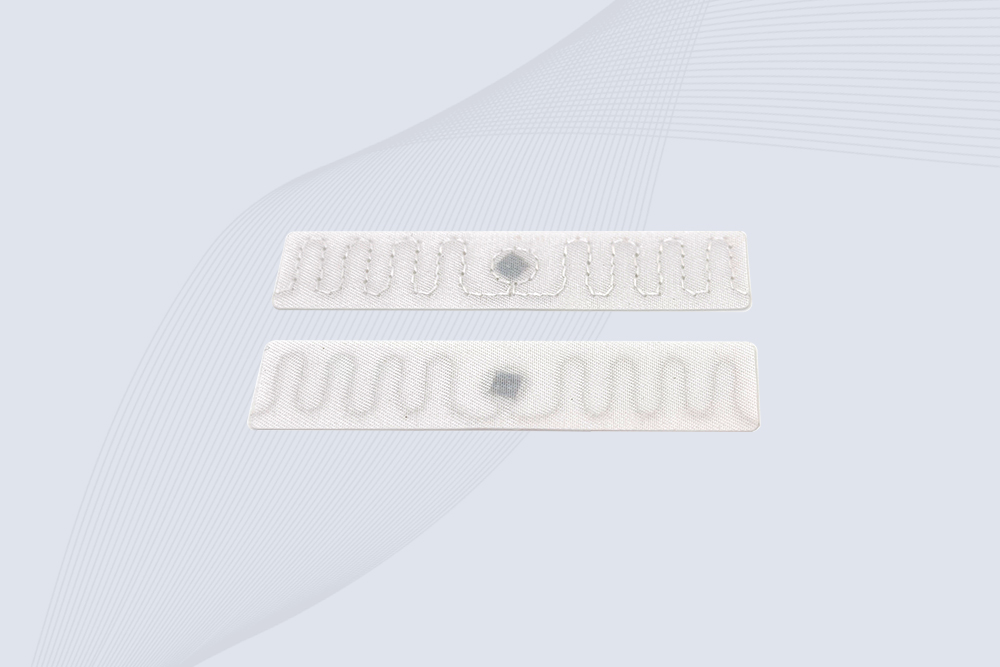
The CYKEO RFID Laundry Tag is designed for long-term textile identification in harsh laundry environments. Built to withstand high heat, chemicals, and repeated washing, this RFID Laundry Tag delivers stable performance for hotels, hospitals, and industrial laundry operations using laundry rfid tags at scale.
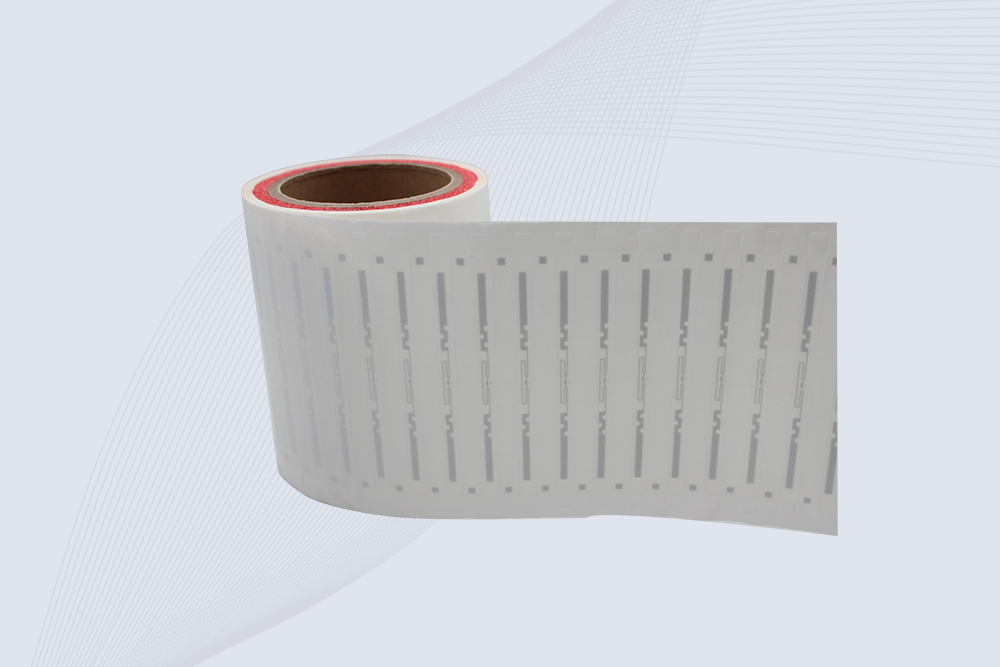
The CYKEO CYKEO-125-7 RFID Book Tag is designed for reliable book and document tracking in libraries and archives. This RFID Book Tag delivers long read range, dense placement support, and stable performance on shelves, making it a practical rfid tag on books for library automation, file management, and archival systems.
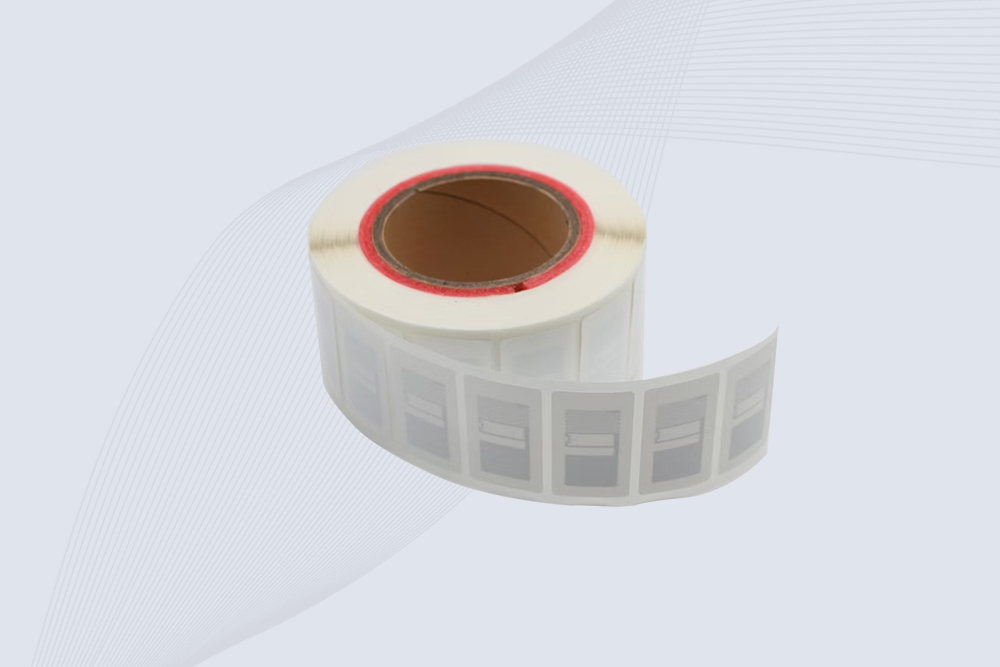
CYKEO RFID tags in hospitals are designed for sterile environments where accuracy matters. These autoclavable RFID tags support long-term tracking of surgical tools, implants, and medications, helping hospitals improve visibility, compliance, and patient safety.

CYKEO RFID Cable Tie Tag is built for reliable identification on metal surfaces. This UHF RFID Cable Tie Tag is widely used in rfid tags for inventory systems, industrial asset management and Hospital RFID Tags, offering stable read performance, long service life and global EPC Gen2 compatibility.
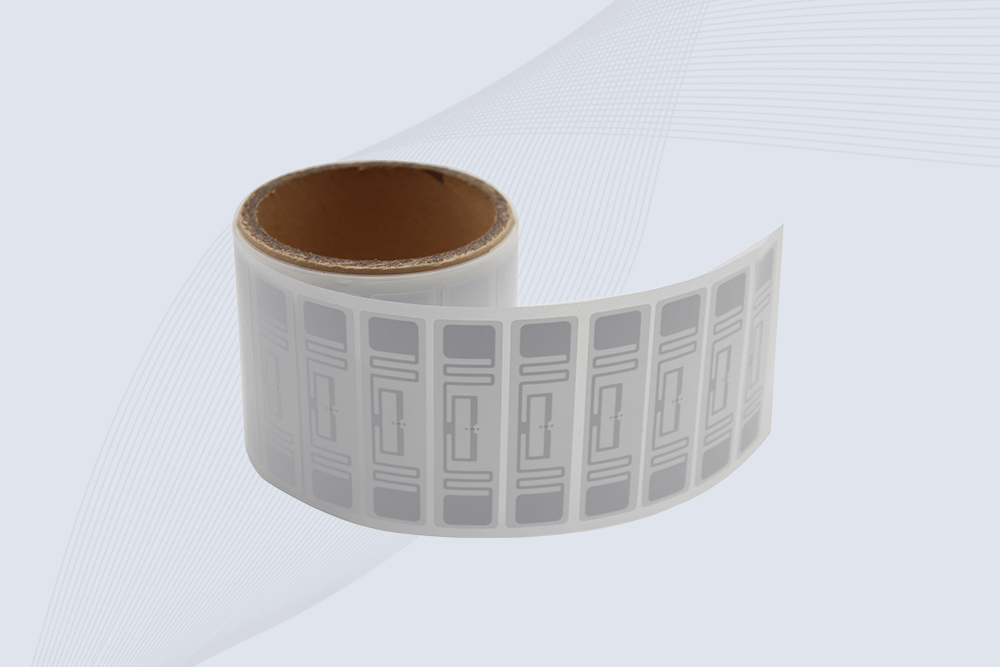
CYKEO RFID Asset Tag is designed for stable identification of metal assets in industrial environments. This UHF RFID Asset Tag is commonly used for rfid tag asset tracking on equipment, tools and containers, providing reliable reads, long service life and ISO/IEC 18000-6C support.

CYKEO UHF RFID Card is designed for fast identification and long-term use in industrial and commercial systems. Supporting ISO 18000-6C, this UHF RFID Card works at 860–960 MHz and is suitable for custom RFID cards used in asset tracking, access control and inventory management.
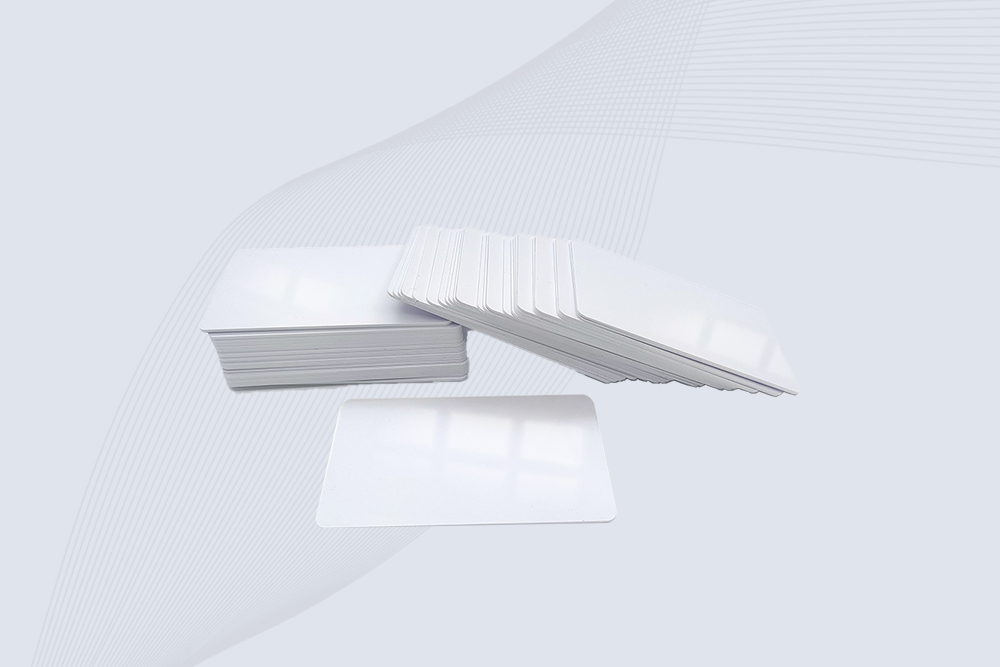
CYKEO HF RFID Cards are designed for secure and stable access control systems. These 13.56 MHz RFID key cards support ISO 14443-A, reliable rewriting and long service life, making HF RFID Cards suitable for offices, campuses, events and membership management.
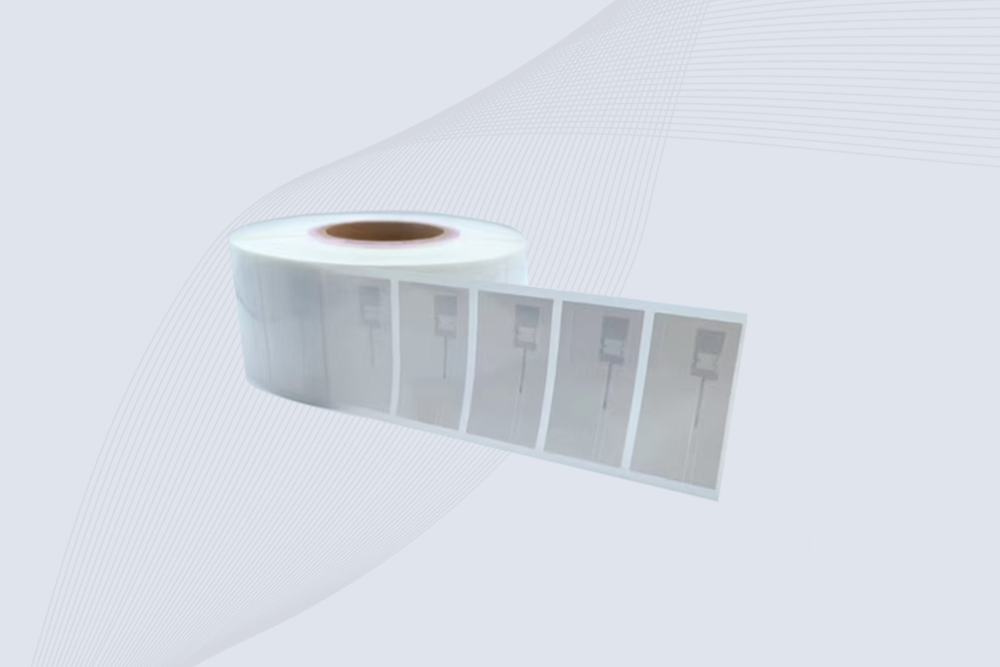
CYKEO UHF RFID Tag is designed for reliable tracking of metal jewelry and high-value items. This Jewelry RFID Tag supports long-range reading up to 8 meters, anti-counterfeit protection and stable performance on metal, making it suitable for retail, inventory control and asset management.

on metal rfid tags enable stable tracking on steel surfaces. Cykeo RFID systems improve accuracy for tools, assets, and industrial environments.
More
Learn how rfid tag label technology enables fast tracking, real-time inventory, and automation across retail, logistics, and asset management systems.
More
Learn how an RFID tag tracking system helps businesses locate, monitor, and manage assets in real time. Discover how RFID tags, readers, and frequencies work together to boost visibility, accuracy, and efficiency across industries.
More
Discover what does rfid do and how RFID technology improves asset tracking, inventory accuracy, and automation with Cykeo professional RFID solutions.
More