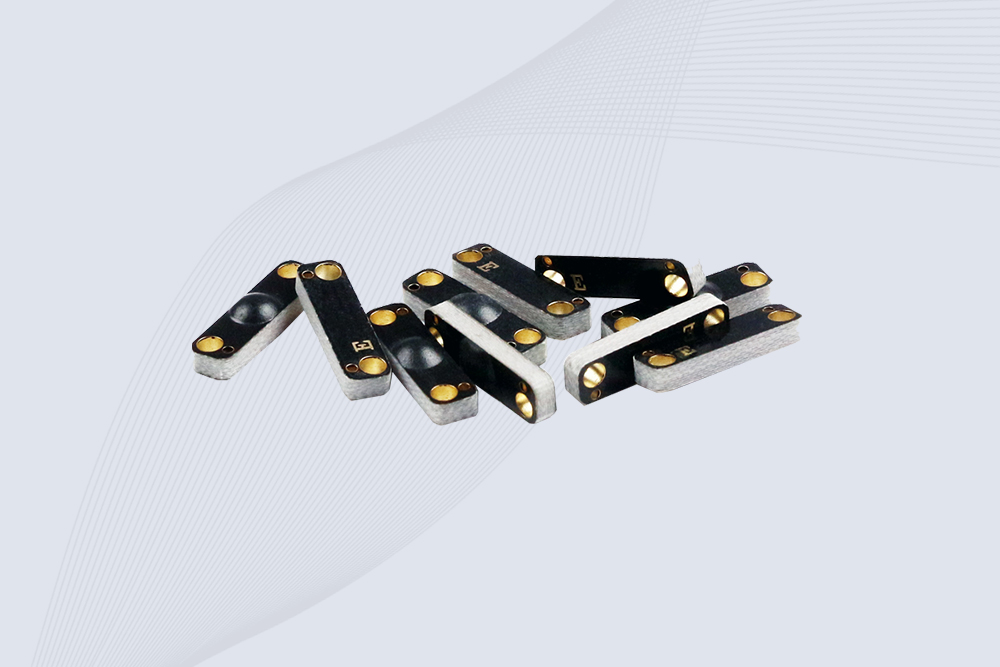
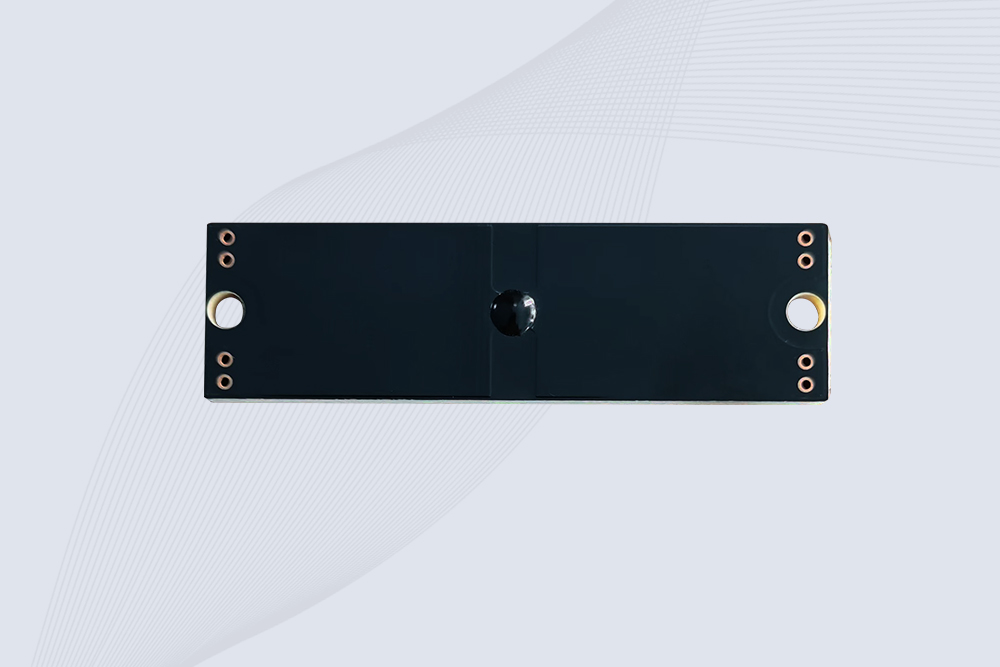
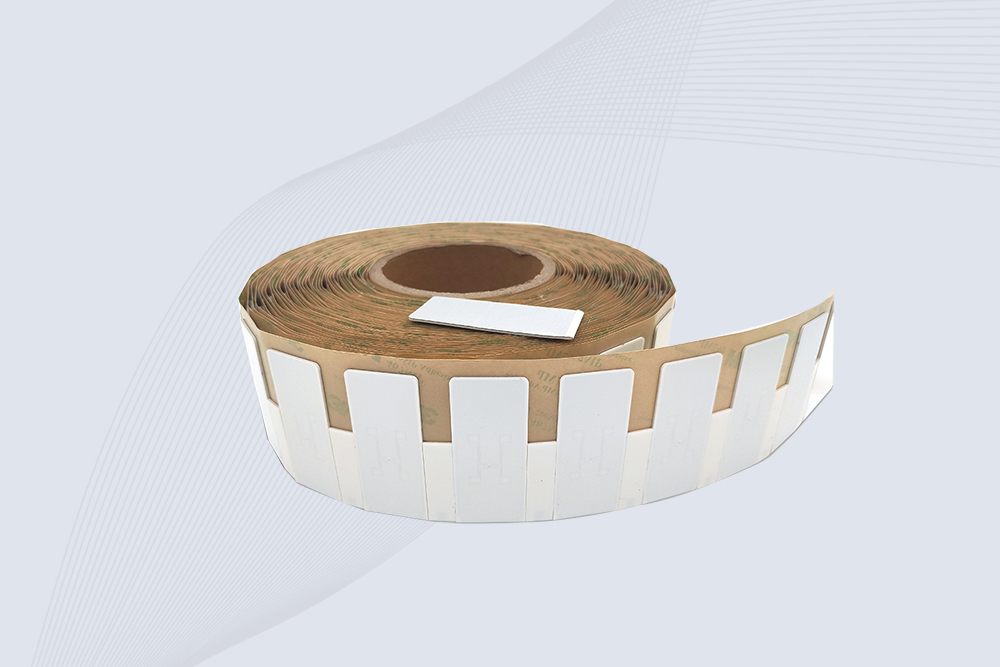
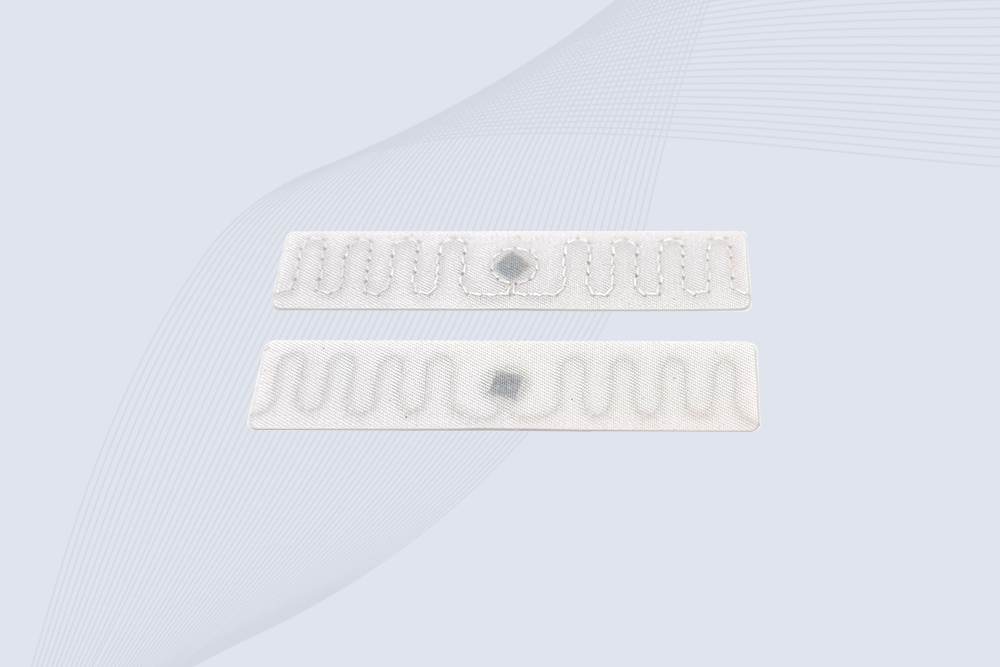
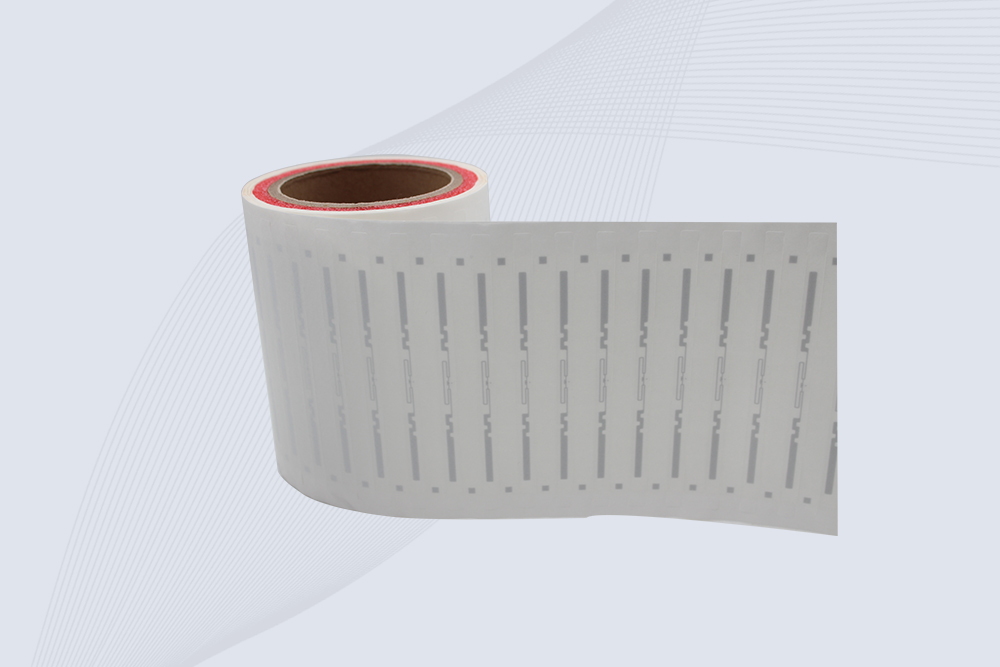
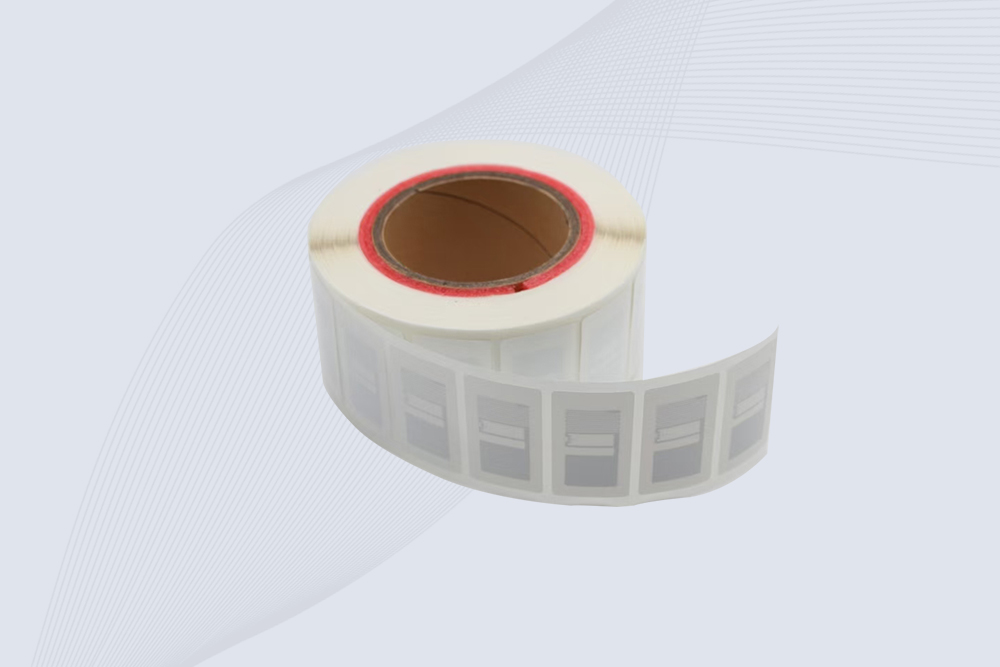
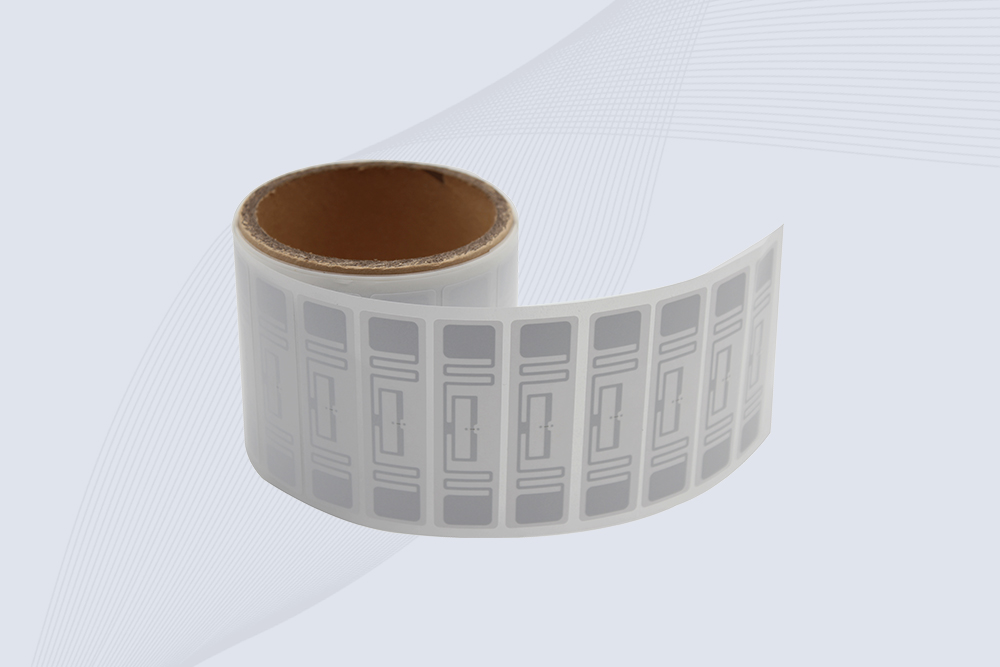
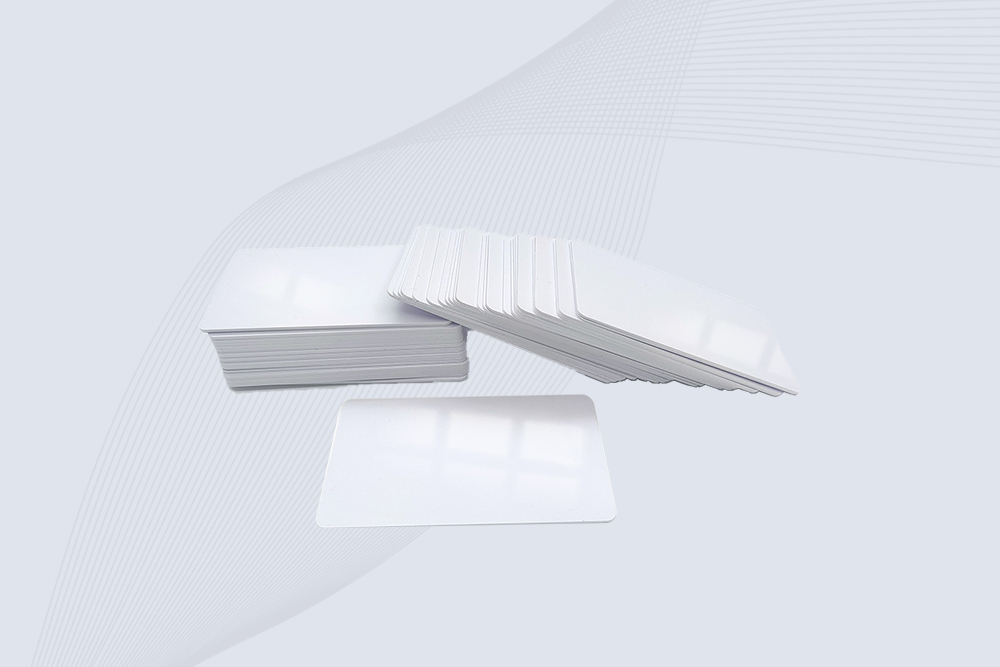
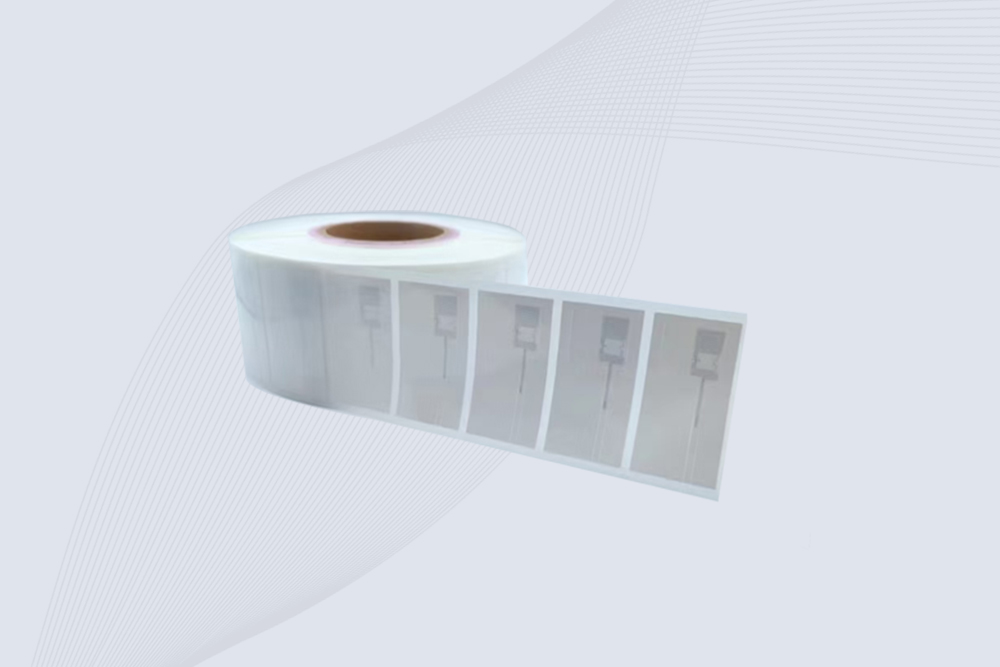
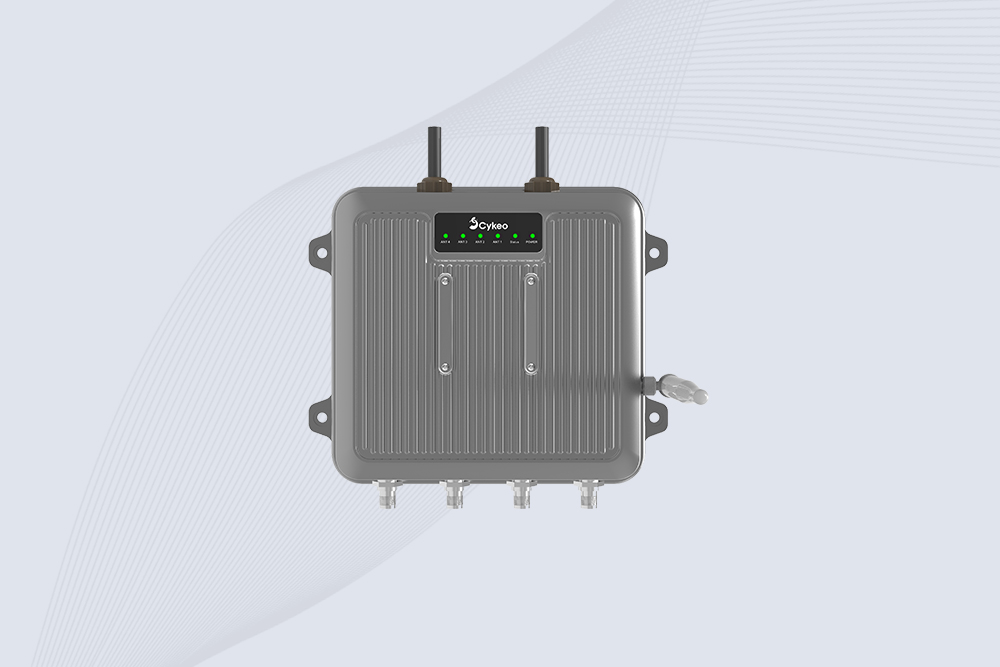
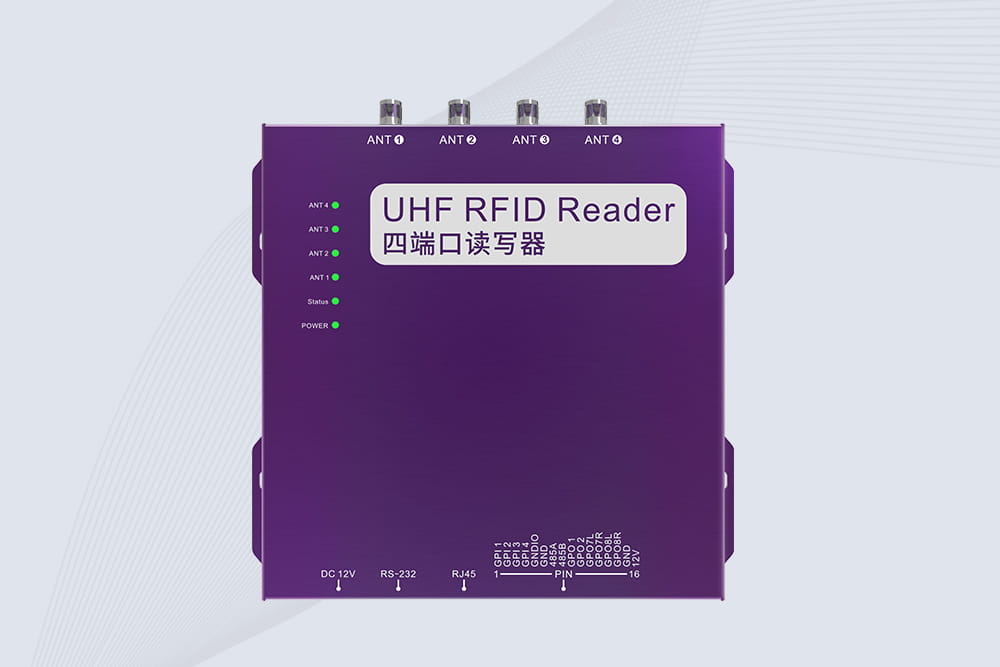
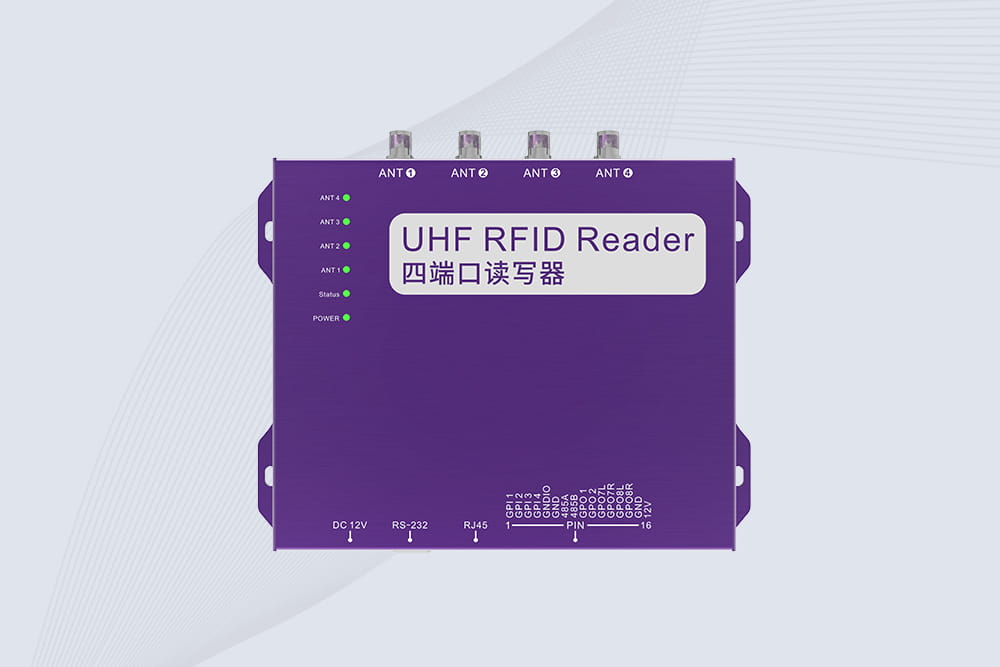
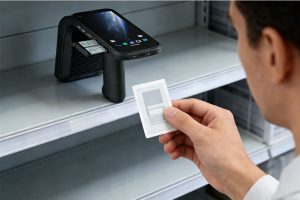
A radio frequency tag stores a unique digital identity that can be read wirelessly by an RFID reader without direct line of sight. It enables automatic asset identification, inventory tracking, logistics management, and industrial automation while reducing manual scanning and improving operational accuracy.
Several years ago, while commissioning an RFID system at a European manufacturing plant, I noticed something unexpected. Operators still relied on handwritten pallet notes, even though every pallet already carried an RFID tag. Their explanation was simple: they trusted the tag, but they couldn’t see what it represented. After redesigning the labeling process and integrating RFID with the warehouse management system, manual paperwork almost disappeared. That project reinforced a lesson I’ve encountered repeatedly—a radio frequency tag creates value only when it becomes part of a complete operational workflow.
What Is a Radio Frequency Tag?
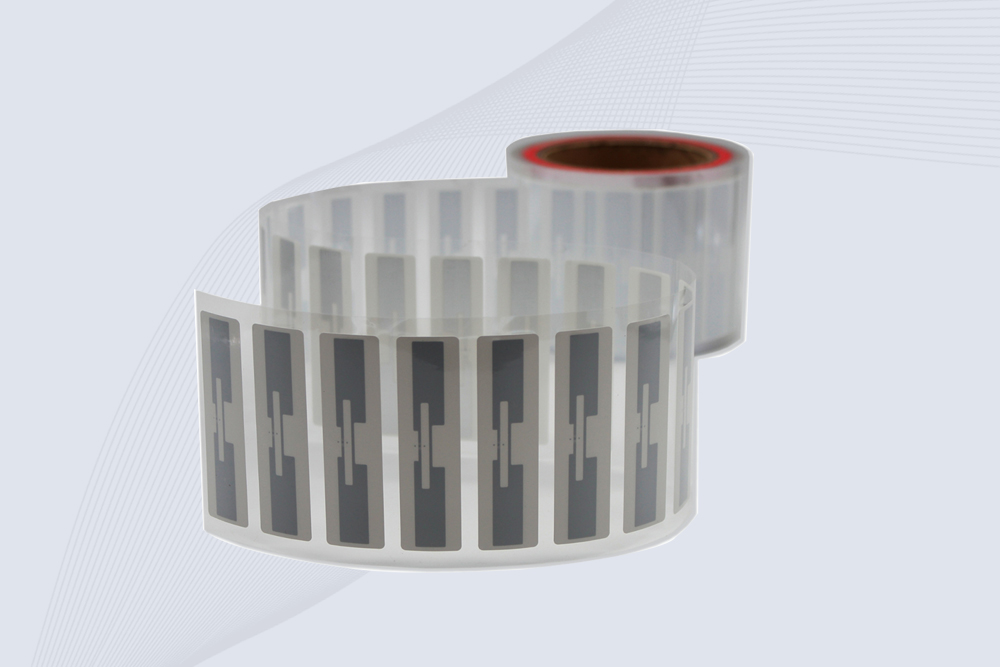
A radio frequency tag, commonly known as an RFID tag, is a small electronic device containing an integrated circuit (IC) and an antenna. It communicates with an RFID reader using radio waves, allowing information to be captured automatically without physical contact.
Depending on the application, RFID tags may operate in:
Low Frequency (LF): 125 kHz / 134.2 kHz
High Frequency (HF): 13.56 MHz
Ultra High Frequency (UHF): 860–960 MHz
Each frequency is designed for different operating environments, read distances, and industry requirements.
Typical information stored inside a radio frequency tag includes:
Electronic Product Code (EPC)
Asset ID
Serial number
Manufacturing data
Inspection history
User-defined information
Why Are Radio Frequency Tags Replacing Traditional Identification Methods?
Traditional barcode labels require direct visibility.
RFID doesn’t.
That difference becomes significant in busy warehouses, production lines, and logistics hubs where hundreds of items move simultaneously.
Key advantages include:
Feature
Operational Benefit
Contactless identification
Faster operations
No line-of-sight required
Higher productivity
Simultaneous tag reading
Improved inventory efficiency
Unique digital identity
Accurate asset traceability
Long service life
Lower maintenance costs
Passive operation
Battery-free reliability
One warehouse customer reduced annual inventory counting from several days to only a few hours after introducing RFID portal readers. The technology itself wasn’t revolutionary—the elimination of repetitive manual scanning was.
Cykeo radio frequency tag technology enables automatic identification of inventory in a modern warehouse.
Common Applications of Radio Frequency Tags
Radio frequency tags support digital identification across numerous industries.
Warehouse Management
Automatically identifies pallets, cartons, and storage locations.
Asset Tracking
Monitors tools, computers, laboratory equipment, and reusable containers.
Manufacturing
Tracks work-in-progress materials throughout production.
Retail Inventory
Supports inventory counting, omnichannel fulfillment, and loss prevention.
Healthcare
Improves visibility of medical devices, pharmaceuticals, and laboratory samples.
Transportation & Logistics
Enables shipment verification, fleet management, and container tracking.
How to Choose the Right Radio Frequency Tag
Selecting the correct RFID tag involves more than choosing a chip.
Based on our deployment experience, engineers should evaluate:
Operating Environment
Will the tag be exposed to:
Metal surfaces?
High temperatures?
Outdoor weather?
Chemicals?
Frequent cleaning?
Reading Distance
Different applications require different RFID frequencies.
LF: Close-range identification
HF: Medium-range access and smart cards
UHF: Long-range logistics and asset tracking
Mounting Surface
Standard labels perform differently from on-metal RFID tags.
Matching the tag to its installation surface significantly improves performance.
Customization Options
Cykeo supports:
EPC encoding
Custom printing
Logo printing
Barcode integration
QR code printing
Multiple chip options
Industry Data Supporting RFID Growth
The global RFID industry continues to expand rapidly.
According to the RAIN Alliance, billions of passive UHF RFID tags are deployed worldwide each year across logistics, retail, manufacturing, aviation, healthcare, and industrial automation.
Meanwhile, GS1 reports that RFID implementations can improve inventory accuracy to over 99% when deployed using standardized identification practices, reducing manual counting and improving supply chain visibility.
These industry findings closely reflect the improvements our engineering team observes after customers migrate from barcode-only identification systems.
Field Experience from Cykeo Engineers
One customer initially believed every RFID tag should offer the longest possible reading distance.
After visiting the production facility, we discovered the opposite.
Certain workstations required only precise identification within a narrow zone.
Using specialized RFID tags with carefully controlled read ranges produced better results than increasing reader power.
That project reinforced an important engineering principle:
The best RFID system is the one designed around the operational process—not the one with the highest specifications.
At Cykeo, every recommendation begins with understanding the customer’s environment before selecting the appropriate radio frequency tag.
Cykeo RFID tags help maintenance teams automatically identify tools and equipment.
Frequently Asked Questions
What is a radio frequency tag used for?
A radio frequency tag is used for automatic identification and tracking of assets, inventory, equipment, vehicles, and products across manufacturing, logistics, retail, and healthcare.
Does a radio frequency tag require a battery?
Most passive RFID tags do not require batteries. They are powered by the electromagnetic field generated by an RFID reader.
Can radio frequency tags be used on metal?
Yes. Specialized on-metal RFID tags are designed to operate reliably when attached directly to metallic surfaces.
Does Cykeo provide customized RFID tags?
Yes. Cykeo offers customized radio frequency tag solutions with multiple chip options, form factors, printing services, EPC encoding, and OEM manufacturing support.
Conclusion
A radio frequency tag is much more than a digital label. It forms the foundation of intelligent identification systems that improve warehouse management, industrial automation, asset tracking, logistics, and retail operations. With customizable designs, high-performance RFID chips, and broad compatibility across global standards, Cykeo radio frequency tag solutions help organizations build more accurate, efficient, and connected operations.
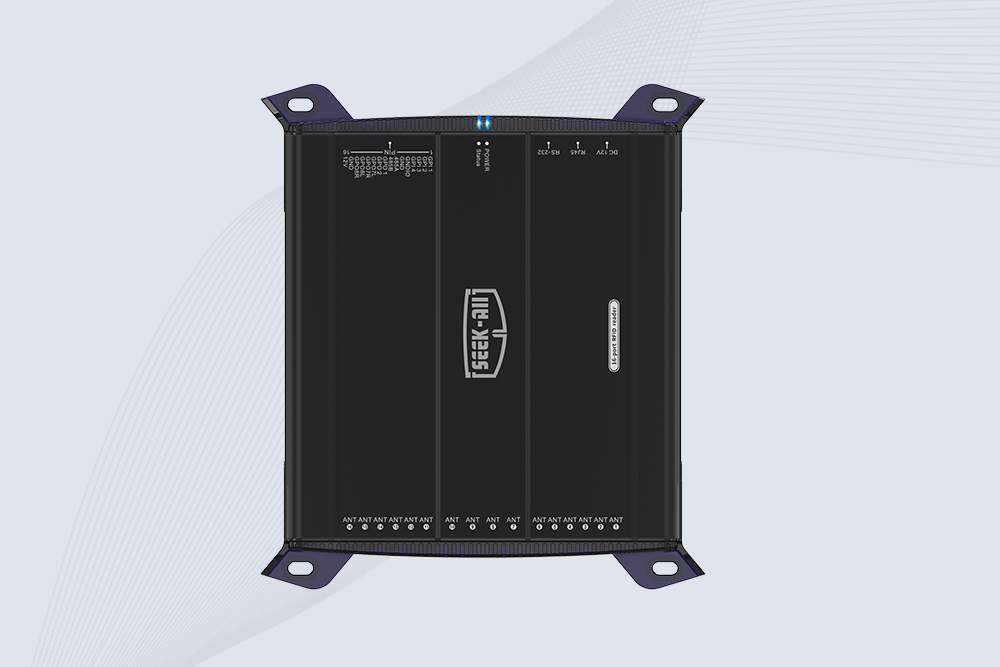
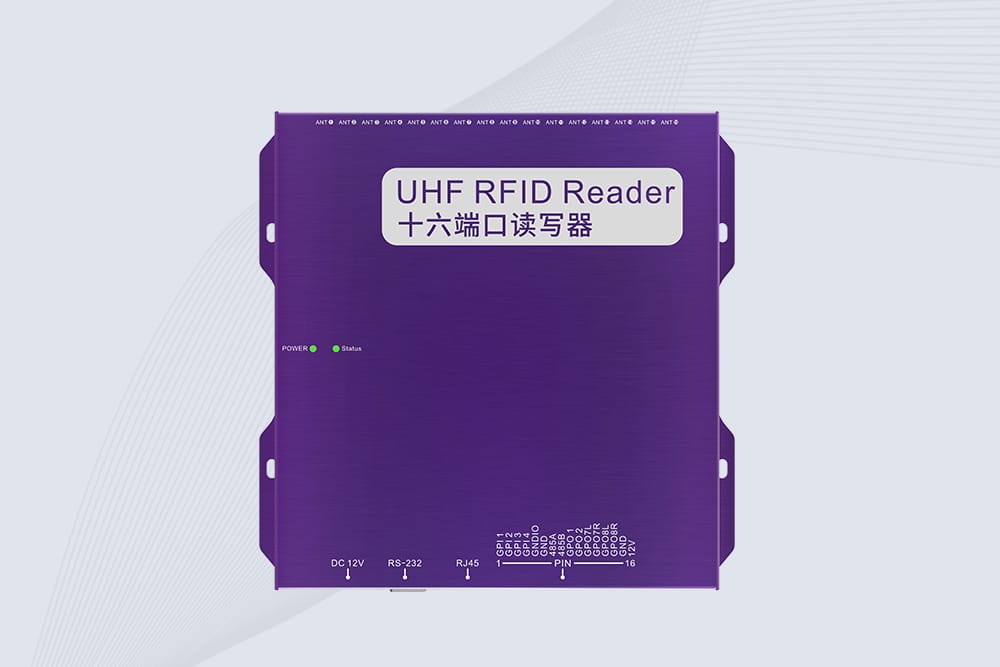
SSD-R16L Multi-Channel RFID Infrastructure for Automated Inventory Management ✔️ 16-Port High-Density RFID Reading Equipped with 16 SMA antenna ports, SSD-R16L supports multi-antenna deployment for warehouses, retail stores, logistics, production lines, and large-area RFID identification. ✔️ High-Speed & Long-Range Performance With up to 33…
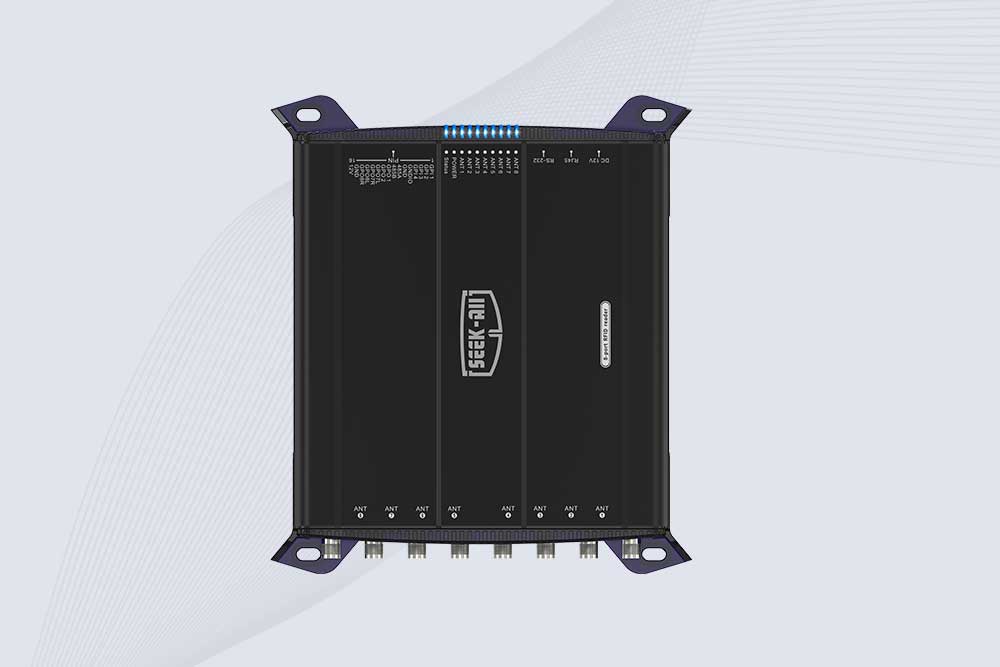
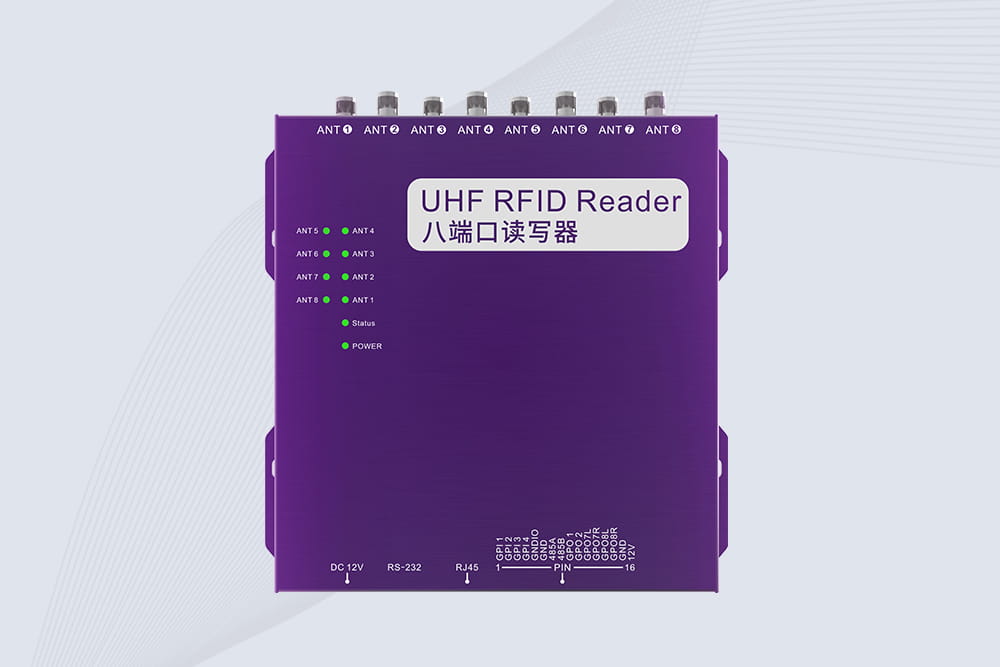
SSD-R8L 8-port UHF RFID reader with 33dBm output, up to 20m reading range and 600+ tags/s recognition. Ideal for warehouse, logistics, retail and asset tracking.
CYKEO Passive RFID Tags are made for wet and high-humidity environments where standard labels do not last. This rfid passive tag is often used around liquids, chemicals and temperature changes, providing stable reading distance and long data life for industrial tracking.
CYKEO CYKEO-PCB1504 Metal RFID Tags is a compact anti-metal UHF RFID solution built for direct mounting on metal surfaces. With stable 8-meter read range, Ucode-8 chip, and long data retention, this rfid metal tag fits tools, containers, automotive parts, and industrial asset tracking.
CYKEO CYKEO-PCB7020 On-Metal RFID Tags are designed for reliable tracking on steel and metal surfaces. Built with an FR4 epoxy body and industrial-grade chips, these On-Metal RFID Tags deliver stable performance, long data life, and chemical resistance, making them a dependable RFID anti-metal tag for harsh environments.
The CYKEO CYKEO-60-25 Anti-Metal RFID Tag is built for metal surfaces where standard tags fail. Designed for long-range performance, harsh environments, and stable data retention, this Anti-Metal RFID Tag is ideal for industrial assets, containers, and equipment tracking using on metal RFID tags.
The CYKEO RFID Laundry Tag is designed for long-term textile identification in harsh laundry environments. Built to withstand high heat, chemicals, and repeated washing, this RFID Laundry Tag delivers stable performance for hotels, hospitals, and industrial laundry operations using laundry rfid tags at scale.
The CYKEO CYKEO-125-7 RFID Book Tag is designed for reliable book and document tracking in libraries and archives. This RFID Book Tag delivers long read range, dense placement support, and stable performance on shelves, making it a practical rfid tag on books for library automation, file management, and archival systems.
CYKEO RFID tags in hospitals are designed for sterile environments where accuracy matters. These autoclavable RFID tags support long-term tracking of surgical tools, implants, and medications, helping hospitals improve visibility, compliance, and patient safety.
CYKEO RFID Cable Tie Tag is built for reliable identification on metal surfaces. This UHF RFID Cable Tie Tag is widely used in rfid tags for inventory systems, industrial asset management and Hospital RFID Tags, offering stable read performance, long service life and global EPC Gen2 compatibility.
CYKEO RFID Asset Tag is designed for stable identification of metal assets in industrial environments. This UHF RFID Asset Tag is commonly used for rfid tag asset tracking on equipment, tools and containers, providing reliable reads, long service life and ISO/IEC 18000-6C support.
CYKEO UHF RFID Card is designed for fast identification and long-term use in industrial and commercial systems. Supporting ISO 18000-6C, this UHF RFID Card works at 860–960 MHz and is suitable for custom RFID cards used in asset tracking, access control and inventory management.
CYKEO HF RFID Cards are designed for secure and stable access control systems. These 13.56 MHz RFID key cards support ISO 14443-A, reliable rewriting and long service life, making HF RFID Cards suitable for offices, campuses, events and membership management.
CYKEO UHF RFID Tag is designed for reliable tracking of metal jewelry and high-value items. This Jewelry RFID Tag supports long-range reading up to 8 meters, anti-counterfeit protection and stable performance on metal, making it suitable for retail, inventory control and asset management.
Cykeo CYKEO-C1 industrial Forklift RFID Reader features 20m read range, 600 tags/sec scanning, Impinj R2000 chipset, and IP67 rugged design. Ideal for warehouse logistics and manufacturing. Supports ISO 18000-6C/6B protocols.
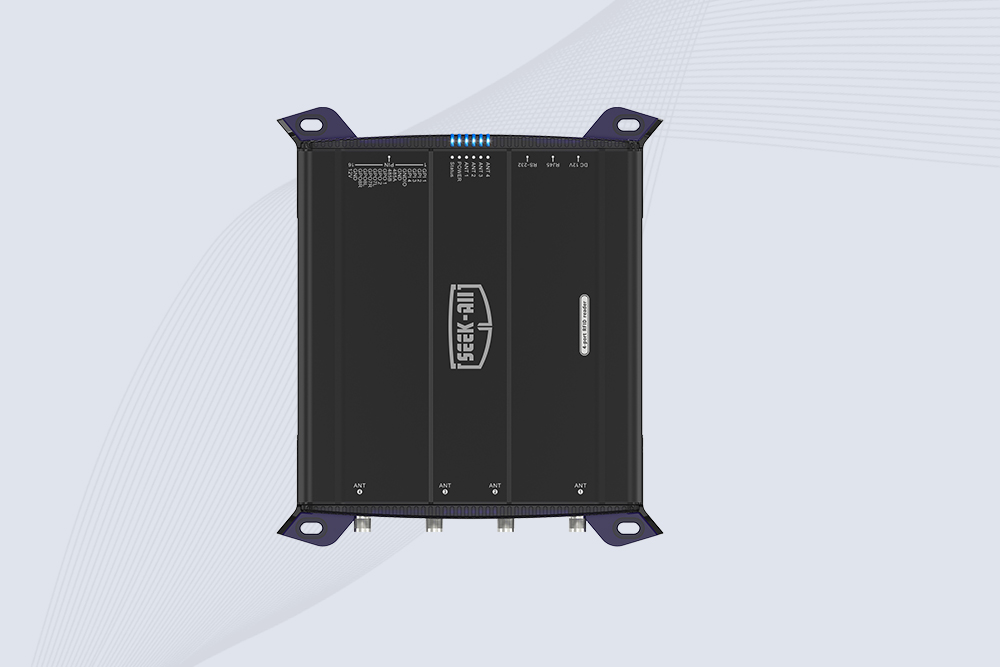
Cykeo CYKEO-R4 industrial UHF RFID Fixed Reader features 4 TNC ports, 400+ tags/sec speed, IP67 housing, and global frequency compliance for vehicle inspection, smart warehouse, and asset management systems.
CYKEO CYKEO-R8L Fixed RFID Reader with 8-port UHF design, Impinj-based RF core and up to 20m read range. An industrial Fixed RFID Reader for vehicle inspection, warehouse portals, smart manufacturing lines and secure access checkpoints.
RFID Fixed Reader from CYKEO – the CYKEO-R16L 16-port UHF fixed reader for warehouses, smart cabinets, and production lines. Long-range, multi-tag reading, stable performance for 24/7 industrial use.
Improve inventory accuracy and speed with RFID stocktake solutions. The CK-DP13A RFID Inventory Tracking Station reads hundreds of items in seconds and integrates with ERP/WMS systems. Flexible setup with RFID readers and antennas makes it ideal f...
Unlock the power of UHF RFID with this easy-to-follow guide on programming RFID cards and applying UHF RFID technology in asset management, logistics, and smart warehousing. Learn how to streamline your operations with real-world insights and prac...
Find the best rfid reader writer for industrial applications. Cykeo provides reliable RFID read/write solutions with high accuracy, fast data processing, and flexible integration.
 Cykeo RFID IoT Solution Products R&D Manufacturer