 Cykeo RFID IoT Solution Products R&D Manufacturer

Can RFID Reader Read Multiple Tags at Once?
231can rfid reader read multiple tags at once? Learn how UHF RFID readers identify multiple tags simultaneously and improve inventory, checkout, and tag-writing efficiency.
MoreAll RFID Product
What’s the meaning of RFID? RFID stands for Radio Frequency Identification, a technology that uses radio waves to identify tagged objects and capture their data. Businesses use RFID to track inventory, manage assets, identify products, and automate workflows without requiring every tag to be scanned individually.
The term appears on product labels, access cards, warehouse equipment, library systems, and industrial tracking devices. Yet RFID does not describe one specific machine or one universal tracking method. It refers to a family of technologies that communicate with compatible tags using radio-frequency signals.
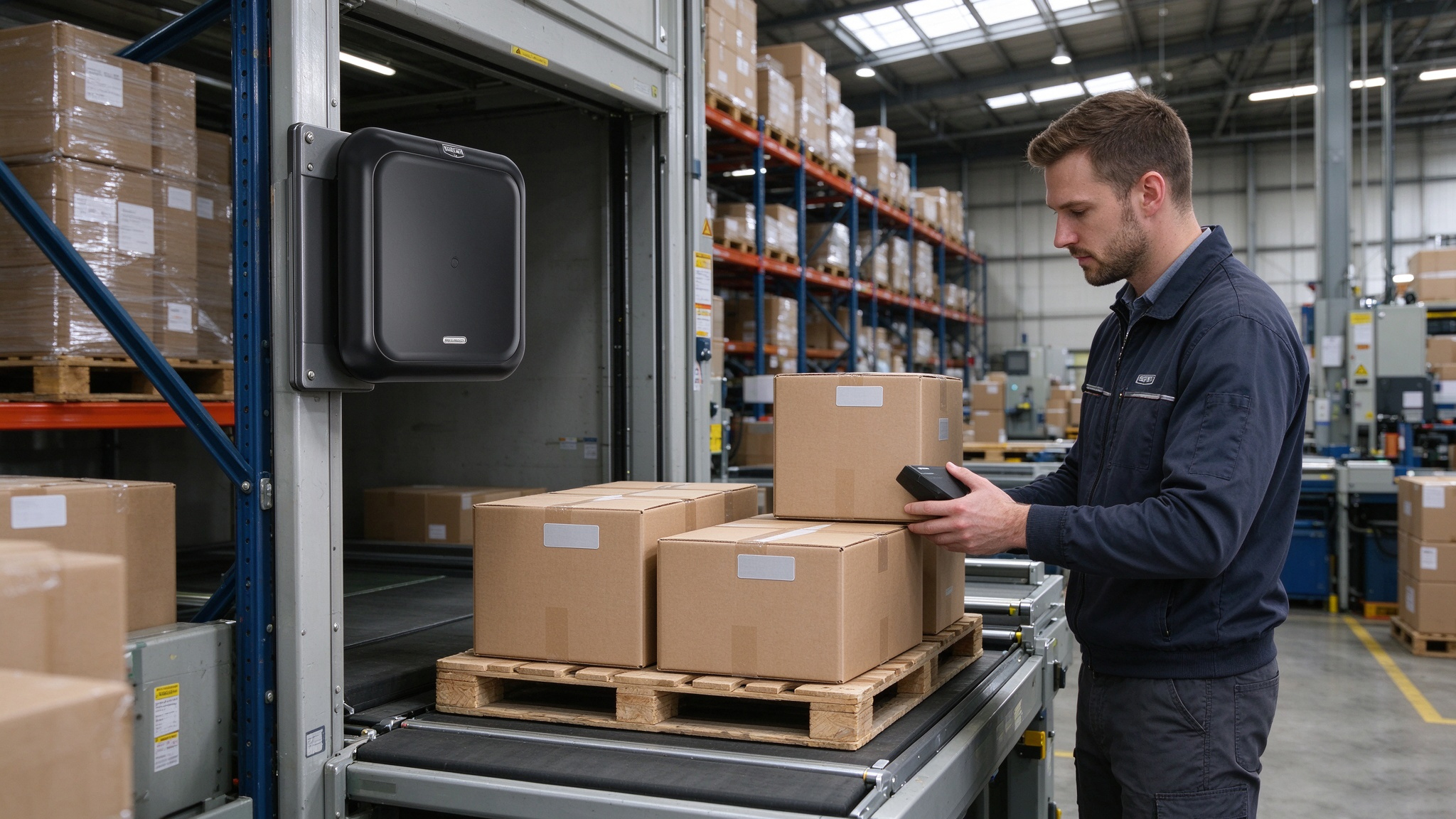
Consider a warehouse receiving area. A worker moves a pallet of cartons through a designated passage. If the cartons carry compatible RFID tags and the reader is configured correctly, the system can capture their identifiers as they pass through the reading zone. Software can then compare the captured data with an expected shipment or inventory record.
That last step is important. Reading a tag does not automatically confirm that a shipment is correct or that an item has been put away properly. Those decisions depend on the application, the data associated with each tag, and the rules used to process the read.
For businesses exploring RFID, understanding the meaning is only the beginning. The practical question is how identification technology fits the real workflow—and whether it can collect dependable data under the conditions where it will be used.
RFID stands for Radio Frequency Identification.
An RFID tag may be attached to a carton, embedded in a product label, incorporated into an access card, or mounted on a reusable asset. A reader communicates with the tag and receives the information it provides. Software connects that information to an item record or business process.
RFID is therefore not the same as GPS. GPS-based systems determine geographic position using satellite signals and other positioning methods, while ordinary RFID systems identify tags within a reader’s communication zone. An RFID installation may record that an item passed a particular doorway, but it does not inherently provide continuous global location tracking.
The exact information depends on the tag and system design. Some tags provide a unique or assigned identifier that software uses to look up a product record. Other tags support additional user memory or application-specific data.
For example, a warehouse tag might carry an identifier associated with a stock-keeping unit, carton, or individual asset. The business database can store the product name, location, quantity, and transaction history separately.
This separation is useful. The tag does not necessarily need to store a complete product record. A compact identifier can connect the physical item to information maintained by the host system.
It also means that RFID does not automatically guarantee data accuracy. If the wrong identifier is assigned to an item, or the database record is outdated, the radio communication may work correctly while the business record remains wrong.
A typical RFID workflow has three core components: a tag, a reader, and software. Antennas, network equipment, middleware, and application-specific hardware may also be required, depending on the installation.
The tag contains a chip and an antenna in many common designs. The chip stores identification data, while the antenna enables radio communication.
Passive RFID tags do not require their own battery to operate. They obtain energy from the reader’s radio-frequency field and respond under the appropriate communication protocol. Active RFID tags use an onboard battery, while battery-assisted designs combine a battery with reader-dependent communication behavior.
The reader sends a radio signal and receives the tag’s response. In a passive UHF RFID system, the tag commonly communicates through backscatter, modulating the reflected radio signal.
A reader may detect several tags in the same area. Supported anti-collision protocols help coordinate communication among those tags, although actual results depend on tag population, configuration, interference, and the speed at which items move.
The reader passes captured data to a connected computer, controller, middleware platform, or business application. The software can associate the identifier with an inventory record, process a transaction, or flag an exception.
A useful example is a tool room. A rfid reader may identify a tagged tool, but the application must still determine whether that tool is being issued, returned, transferred, or counted. The same identifier can support different workflows depending on the context.
The practical distinction: RFID captures identification data; the connected system determines how that data is used.
RFID is not one uniform technology. Different frequency bands have different communication characteristics, and selecting the wrong type can lead to a system that does not suit the application.
| RFID type | Common frequency | Typical applications |
|---|---|---|
| Low Frequency (LF) | 125 or 134.2 kHz | Animal identification and selected access-control systems |
| High Frequency (HF) | 13.56 MHz | Contactless cards, library applications, ticketing, and NFC |
| Ultra-High Frequency (UHF) | Commonly within 860–960 MHz globally, depending on regional regulations | Warehouse inventory, retail, logistics, and industrial asset tracking |
GS1 identifies LF, HF, and UHF as major RFID frequency categories. Their operating characteristics and read distances differ, so the best choice depends on the required identification task rather than the acronym alone.
Passive UHF RFID, also known as RAIN RFID, is widely used for item identification and inventory applications. It can support reading multiple tags within a configured area without requiring an operator to point a scanner at every label.
GS1 states that passive UHF tags typically have a read range of several metres, with longer distances possible under special conditions. Its guidance also emphasizes that antenna characteristics and tag orientation affect the shape of the readable zone.
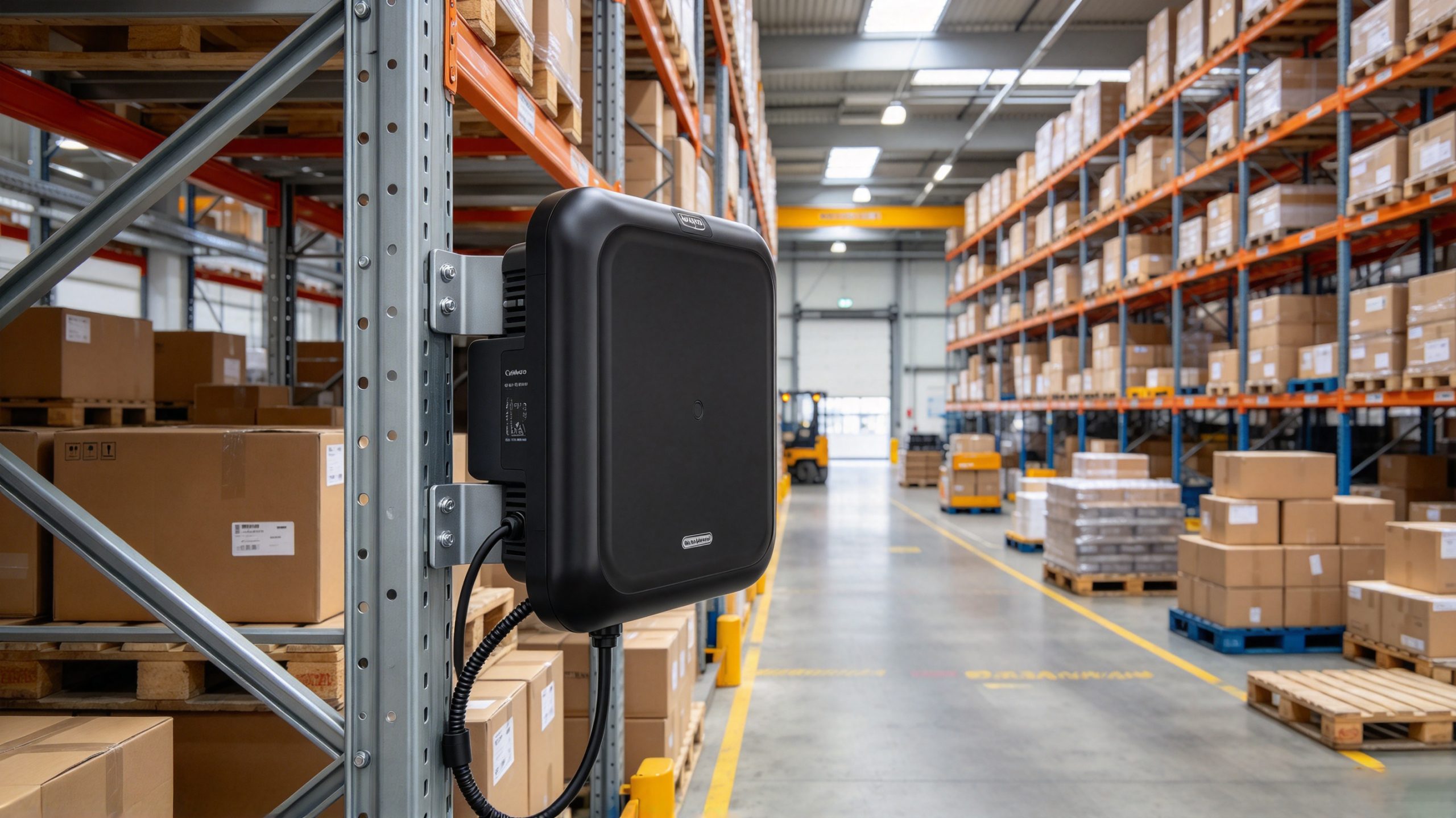
This is a practical consideration for a warehouse. If the reader captures tags on nearby shelves when it should only identify cartons crossing a receiving doorway, extra read distance may create more problems than it solves. Reader placement, antenna direction, tag position, and software filtering should be considered together.
The meaning of RFID becomes easier to understand when connected to everyday business tasks. RFID is useful where organizations need to identify physical items and connect those identities to digital records.
Warehouses can use RFID tags on individual products, cartons, pallets, and reusable containers. Readers installed at receiving points, dispatch areas, or selected workstations can capture identifiers as tagged items move through the operation.
Typical applications include:
RFID can reduce the need for individual barcode scans in suitable workflows, but it does not remove the need for accurate item records or exception handling. A tag read is only useful when the application can associate it with the correct item and event.
Retailers can use RFID labels to support stock counts, replenishment, product identification, and selected checkout or loss-prevention processes. Item-level identification can help staff compare system records with products physically present in the store or stockroom.
Libraries use RFID tags to identify books and other materials. Depending on the equipment and software, the system can support tag registration, circulation, self-service borrowing and returns, and inventory checks.
A desktop RFID reader used by library staff has a different purpose from a self-service borrowing station. The reader captures tag data; the application and library management system process the corresponding transaction.
RFID can help organizations identify tools, maintenance equipment, containers, and other reusable assets. In a controlled tool room, for example, a tagged tool can be associated with a record of its issue, return, or inventory status.
The reader alone does not establish who is authorized to take an item or whether a return is complete. Those controls depend on the wider application, identity verification, and business rules.
RFID is already used across retail, logistics, manufacturing, and other identification applications. Industry figures can help illustrate the scale of deployment, but they need to be read in context.
The RAIN Alliance reported that manufacturers shipped 42.7 billion RAIN RFID tag chips globally in 2025. This was below the record reported for 2024, reflecting factors such as semiconductor inventory cycles and uncertainty in some markets. The figure represents tag-chip shipments reported by participating manufacturers, not the number of active RFID installations or the number of individual products currently being tracked.
For a business planning an RFID project, this statistic shows the scale of the tag ecosystem—not whether RFID will automatically improve a particular operation. The decision should be based on the actual problem: the cost of manual scanning, the frequency of inventory discrepancies, the difficulty of tracking reusable assets, and the need to record item movement.
A smaller deployment with a well-defined read zone and accurate software may deliver more useful results than a larger system installed without clear operational requirements.
For a business evaluating RFID, several details deserve attention before hardware is selected.
An RFID installation can look correct on paper and still behave differently once cartons, tools, people, and nearby equipment enter the reading area. Troubleshooting should start with the observed failure rather than immediately increasing reader power.
| Problem | Possible cause | Practical check |
|---|---|---|
| Some tags are not detected | Tag orientation, unsuitable tag type, weak coupling, or interference | Test tag placement and confirm compatibility with the reader |
| Tags from nearby shelves are detected | Read zone is too broad or antenna direction is unsuitable | Adjust antenna placement and power, then retest the boundary |
| The same item appears repeatedly | A moving tag remains in the read zone or software lacks duplicate filtering | Review event rules and filtering logic |
| Tags work on cardboard but not metal | Metal affects the tag’s RF performance | Test a suitable on-metal tag in its actual mounting position |
| Reader detects tags but the application shows no transaction | Connection, protocol, software, or data-mapping issue | Check reader communication, application logs, and identifier mapping |
A higher power setting can help when tags are outside the effective reading area, but it can also expand the zone into adjacent areas and increase unwanted reads. In a warehouse doorway, that may mean capturing items that are sitting on a nearby shelf instead of only those crossing the threshold.
GS1’s guidance on passive UHF RFID notes that read range varies with the reader, RF interference, rfid antenna characteristics, and tag orientation. It also points out that the shape of the readable volume can be more important than the maximum distance.
A better process is to define the desired read zone, test representative tags in real positions, and adjust one variable at a time. That makes it easier to identify whether the problem comes from tag selection, antenna geometry, reader configuration, or software logic.
RFID means Radio Frequency Identification. It is a technology that uses radio waves to identify tagged objects. A reader captures information from a compatible tag, and software can connect that identifier to a product, asset, credential, or business transaction.
No. RFID stands for Radio Frequency Identification. Tracking is one of its common applications. An RFID system can identify items at particular reading points, allowing software to record movements or inventory events. Standard RFID alone does not necessarily provide continuous location tracking.
RFID uses radio-frequency communication, while a barcode is read optically. RFID can detect multiple compatible tags within a read zone without requiring each tag to be visually scanned. Barcodes are often less expensive to print and work well for individual scanning. Many organizations use both.
Not always. Passive RFID tags draw energy from a reader’s radio-frequency field and do not require their own battery for communication. Active RFID tags use onboard batteries, and battery-assisted passive designs have different power and communication characteristics.
There is no single universal distance. LF and HF systems often operate at shorter distances, while passive UHF RFID commonly supports reads over several metres under suitable conditions. The actual range depends on the reader, antenna, tag, installation, and surrounding environment.
Many passive UHF tags store a compact identifier that software uses to look up a record. Some tags offer additional memory for application data. GS1 notes that storage capacity depends on the tag and its intended use; simple identifier-focused tags can use 96-bit or 128-bit identifiers.
No. RFID is especially useful when automated identification, multiple-tag reading, or movement capture provides a clear operational benefit. If inventory is small and individual barcode scanning is already effective, RFID may not justify the added tag, reader, and integration costs. A pilot using actual items is a sensible way to assess suitability.
What’s the meaning of RFID? RFID stands for Radio Frequency Identification, a technology that uses radio waves to identify tagged objects and connect physical items with digital information. It supports applications ranging from contactless identification to warehouse inventory, retail operations, library management, and industrial asset tracking.
Its value depends on how well the complete system works. Tags must suit the objects they identify, readers must capture the intended items, and software must turn those reads into accurate records and useful business events. A long read range alone is not enough.
For Cykeo customers considering RFID, the sensible starting point is a specific operational need: reducing manual scans, recording goods movement, improving inventory visibility, or managing reusable assets. Test the proposed solution under real working conditions before committing to a full deployment.
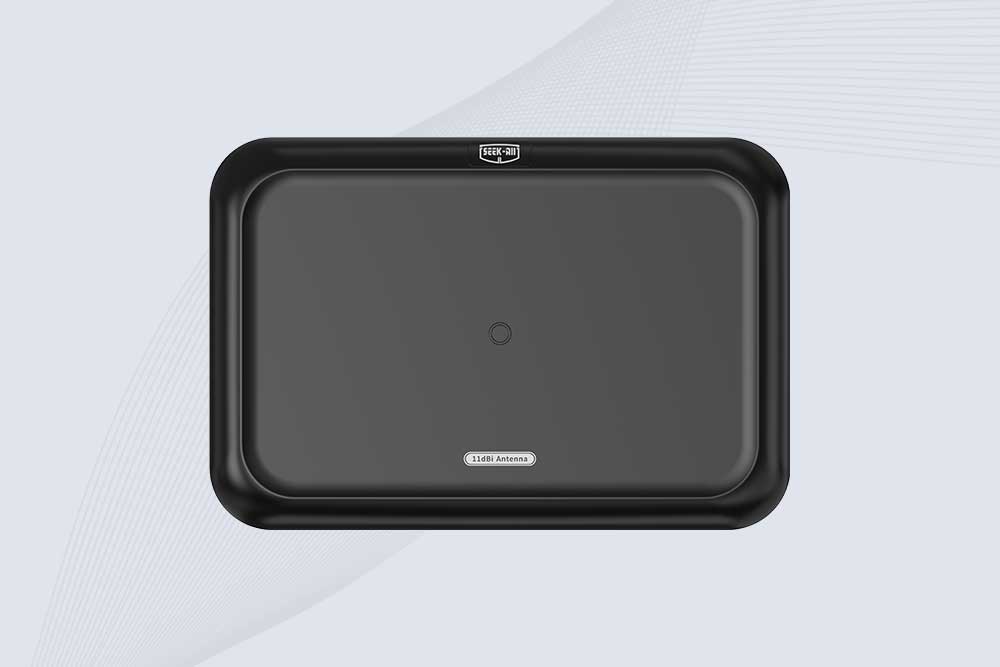
SSD-A11 UHF RFID antenna features 840–960 MHz adjustable frequency, ≥10.5 dBi gain, circular polarization and 50Ω impedance for fixed RFID systems.
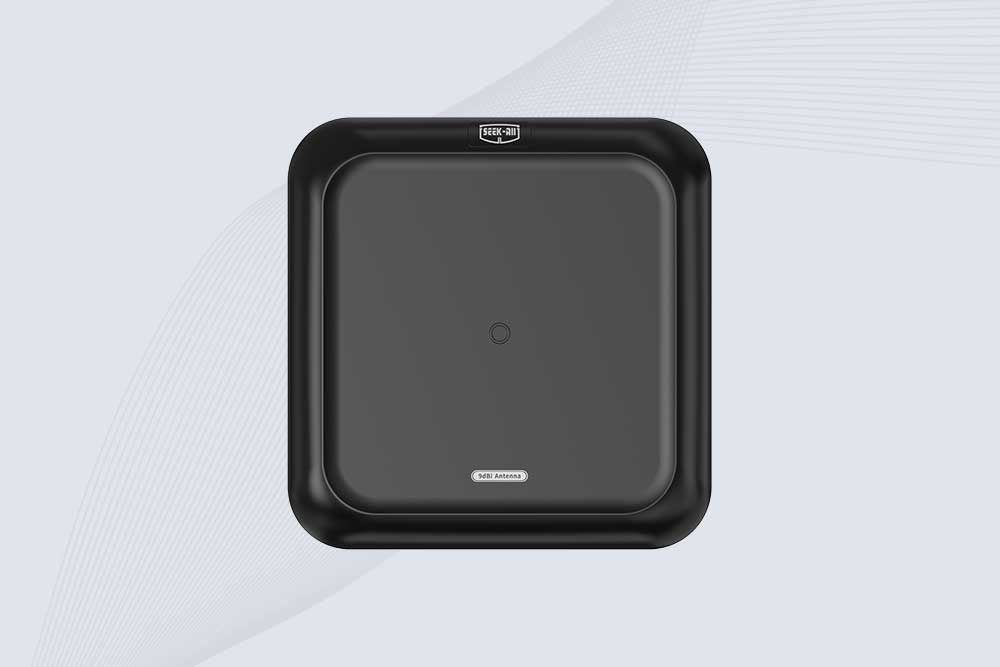
SSD-A09 is a 9 dBi UHF RFID antenna with 840–960 MHz adjustable frequency, circular polarization, 50Ω impedance and directional 60° × 60° coverage.
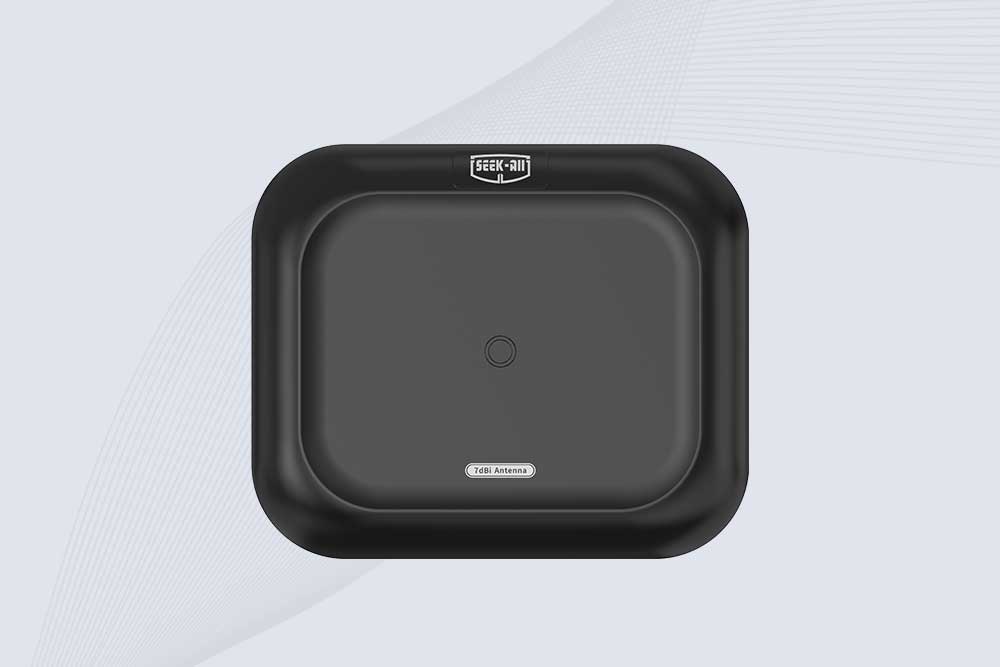
Explore the SSD-A07 UHF RFID antenna with 7 dBi gain, circular polarization, adjustable 840–960 MHz frequency, and 60°/75° beamwidth for stable RFID read/write performance.

SSD-A06 UHF RFID antenna with circular polarization, adjustable 840–960 MHz frequency, ≥4.5 dBi gain, and a compact directional design for RFID systems.

Discover SSD-D4AL, a USB-HID UHF RFID reader with 4/8/16 antenna options, Impinj E710/X3M1 chipset, plug-and-play USB power, and OEM customization.
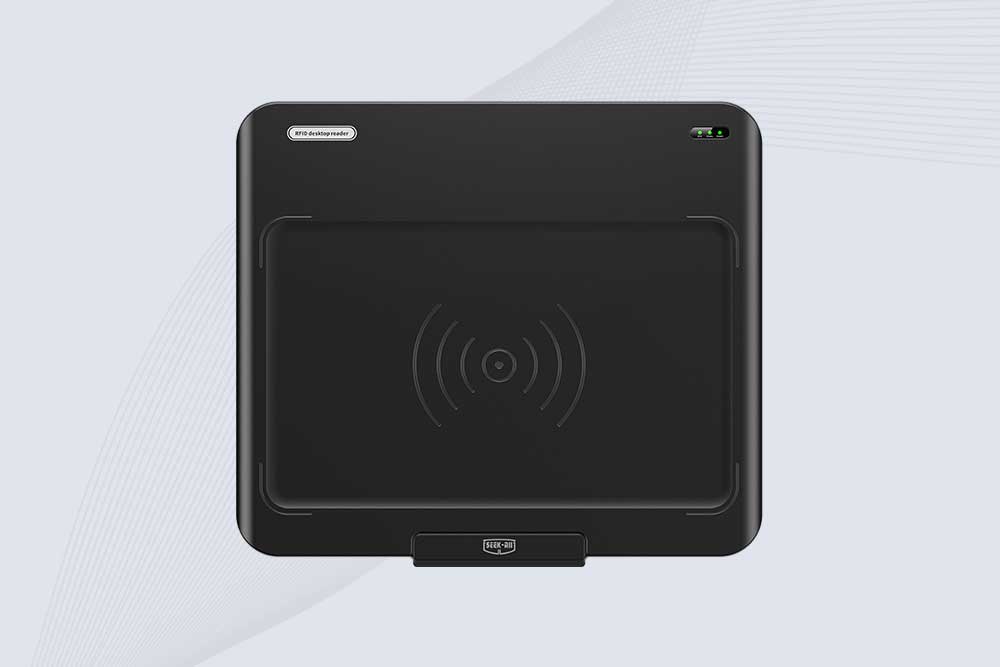
SSD-D3AL is a USB-HID UHF RFID reader with 0–30 cm reading, 0–15 cm writing, over 600 tags/s recognition, USB plug-and-play operation and OEM Logo customization.
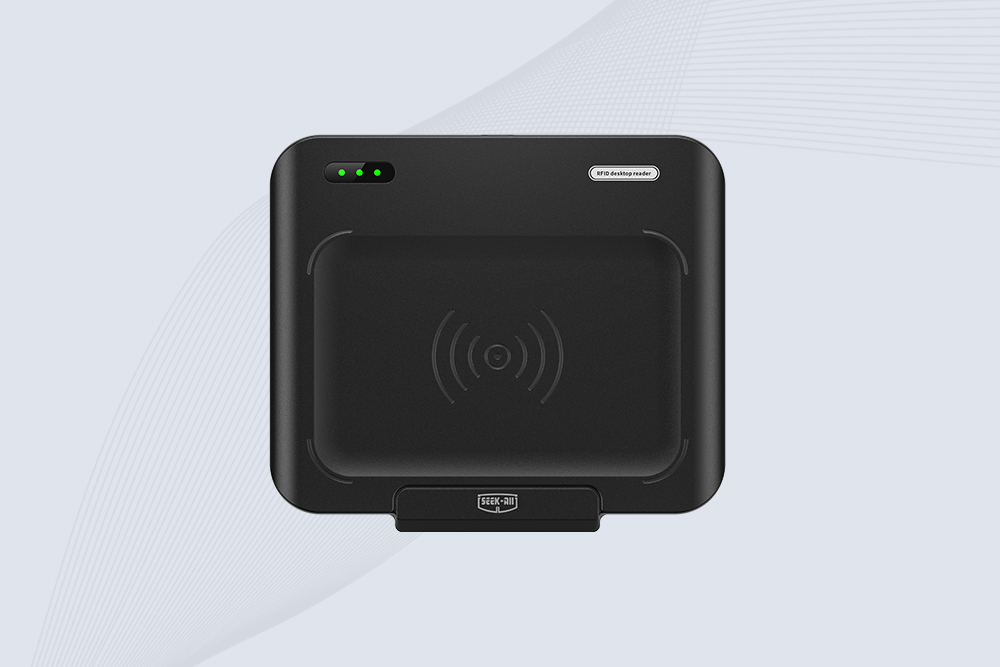
SSD-D1AL is a compact USB UHF RFID reader with Impinj E710/X3M1 chipset, USB-HID, 600+ tags/s recognition, 4/8/16 antenna support and plug-and-play USB power.
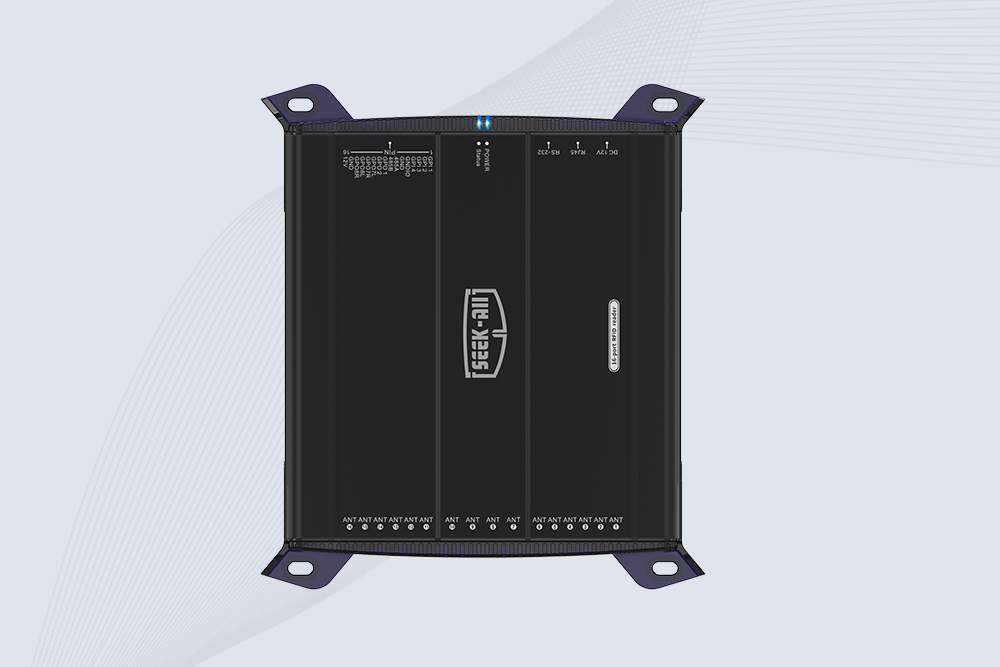
SSD-R16L Multi-Channel RFID Infrastructure for Automated Inventory Management ✔️ 16-Port High-Density RFID Reading Equipped with 16 SMA antenna ports, SSD-R16L supports multi-antenna deployment for warehouses, retail stores, logistics, production lines, and large-area RFID identification. ✔️ High-Speed & Long-Range Performance With up to 33…
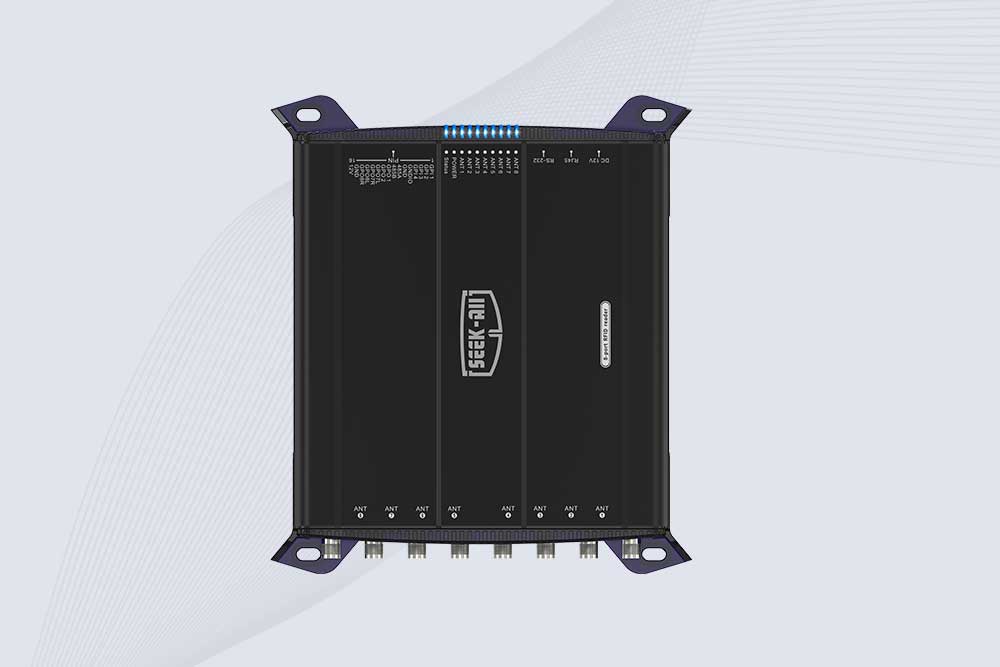
SSD-R8L 8-port UHF RFID reader with 33dBm output, up to 20m reading range and 600+ tags/s recognition. Ideal for warehouse, logistics, retail and asset tracking.
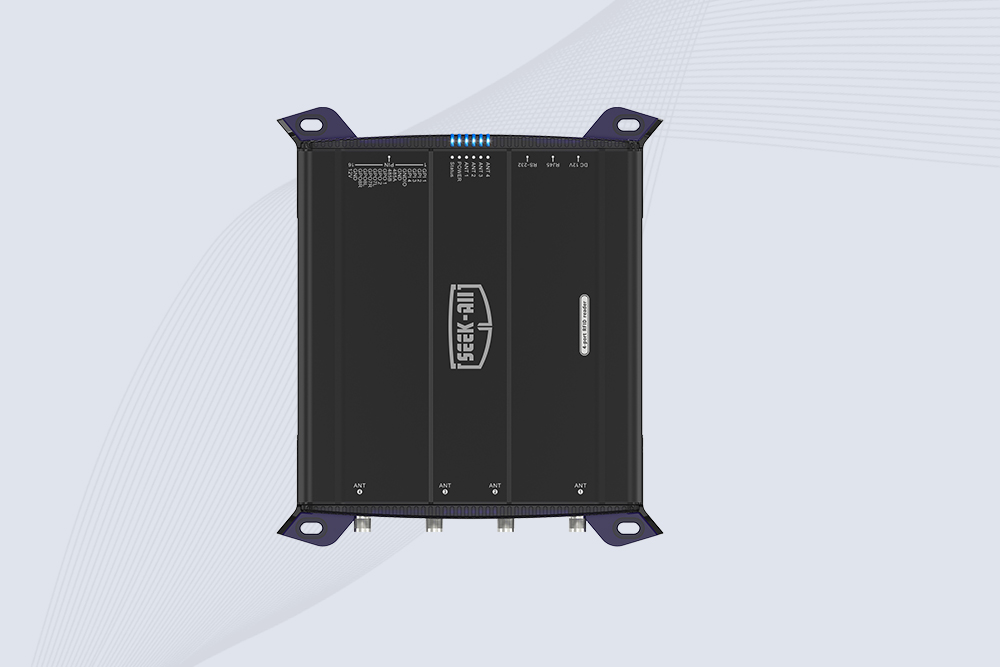
SSD-R4L is a 4-port UHF RFID fixed reader with 33dBm output power, up to 20m reading range, EPC C1G2 support and 600+ tags/s reading speed.

CYKEO CYKEO-D1LA USB RFID Reader is a compact desktop solution with near-field control for precise tag reading and encoding. Powered by USB, supporting ISO 18000-6C, and built for stable batch writing, this usb rfid tag reader fits retail, libraries, offices, and controlled RFID encoding tasks.
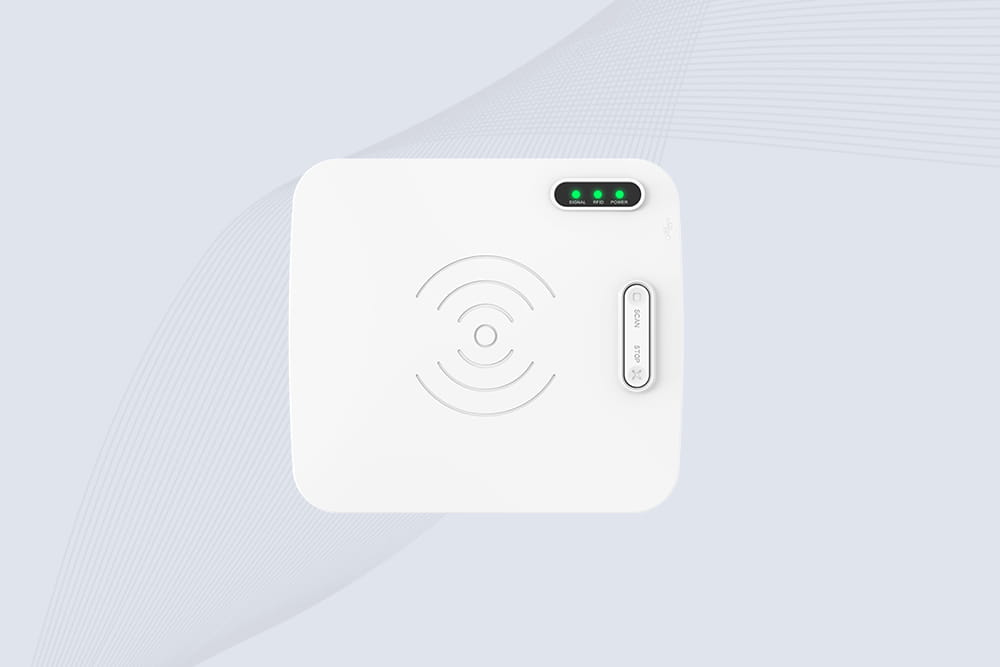
CYKEO CYKEO-D1L RFID scanner USB is a compact desktop UHF RFID scanner designed for short-range tag writing and verification. This usb rfid scanner supports batch encoding, stable 0–26 dBm output, and works across Windows, Linux, and Android systems.
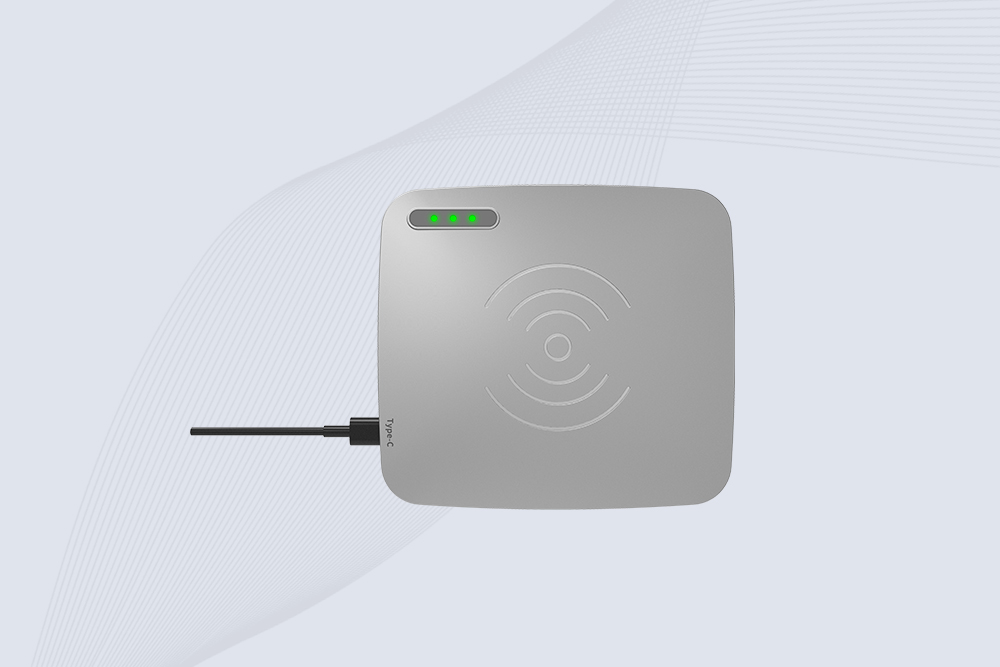
CYKEO CYKEO-D1C USB RFID Card Reader is a near-field UHF desktop writer designed for secure, short-range tag encoding. With USB-C connectivity and stable 26 dBm output, this rfid reader usb c is ideal for badge issuance, label encoding, and controlled desktop RFID workflows.
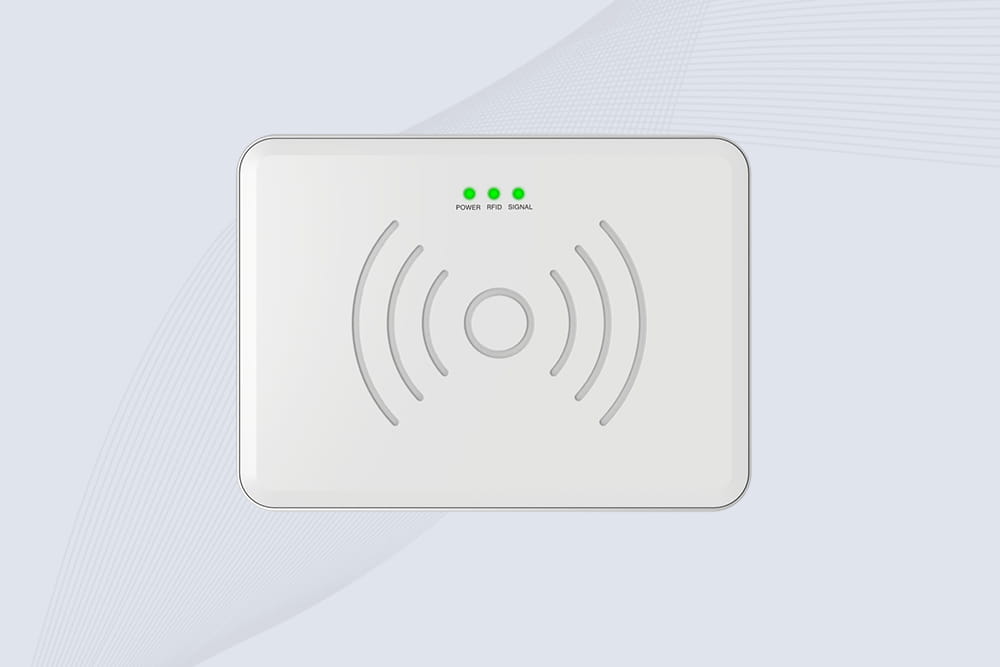
CYKEO CYKEO-D2L RFID Reader USB is a compact desktop encoder built on the Impinj R500 chip. With near-field control and stable USB power, this usb rfid card reader delivers precise tag writing for offices, retail counters, and small-scale logistics encoding tasks.
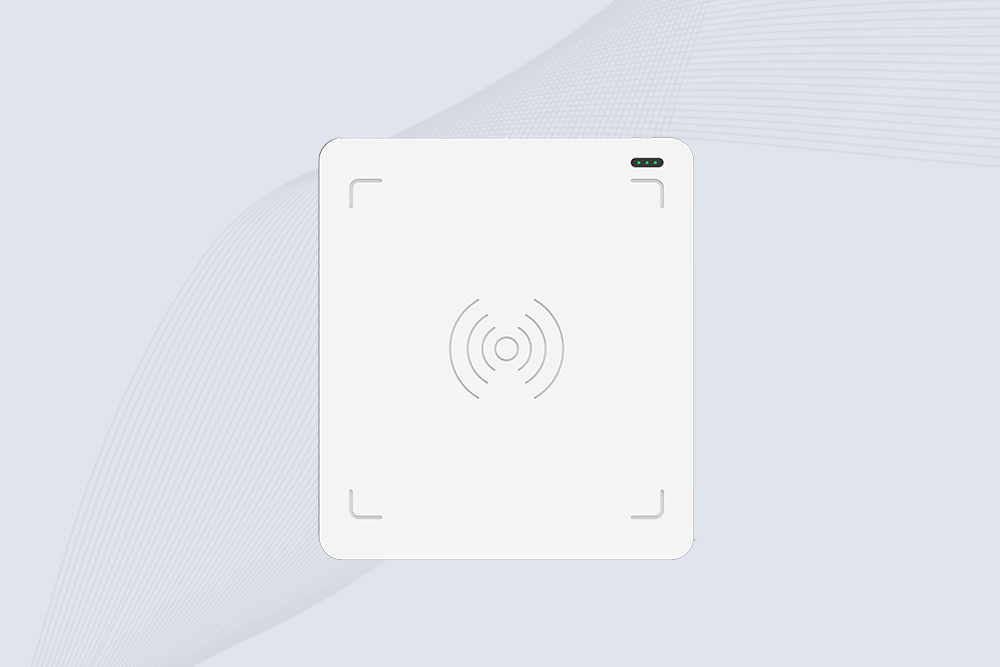
CYKEO CYKEO-D3L USB RFID Tag Reader delivers stable UHF tag reading and writing for daily desktop and light industrial tasks. Designed for controlled short-range operation, this USB RFID Tag Reader works reliably with rfid tag and reader systems in libraries, tool tracking, and inventory registration.
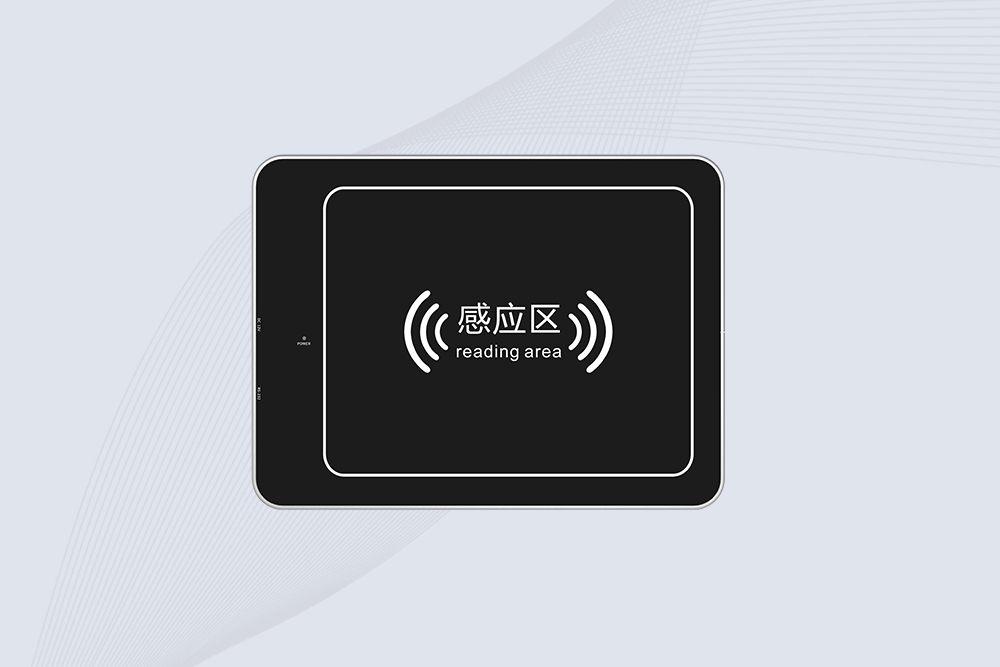
The CYKEO CYKEO-D4L UHF RFID Tag Reader is a stable Desktop RFID Reader designed for accurate tag registration, borrowing, and return workflows. Built with the Impinj R2000 chip, this UHF RFID Tag Reader delivers controlled short-range reads for libraries, asset tracking, and inventory management environments.
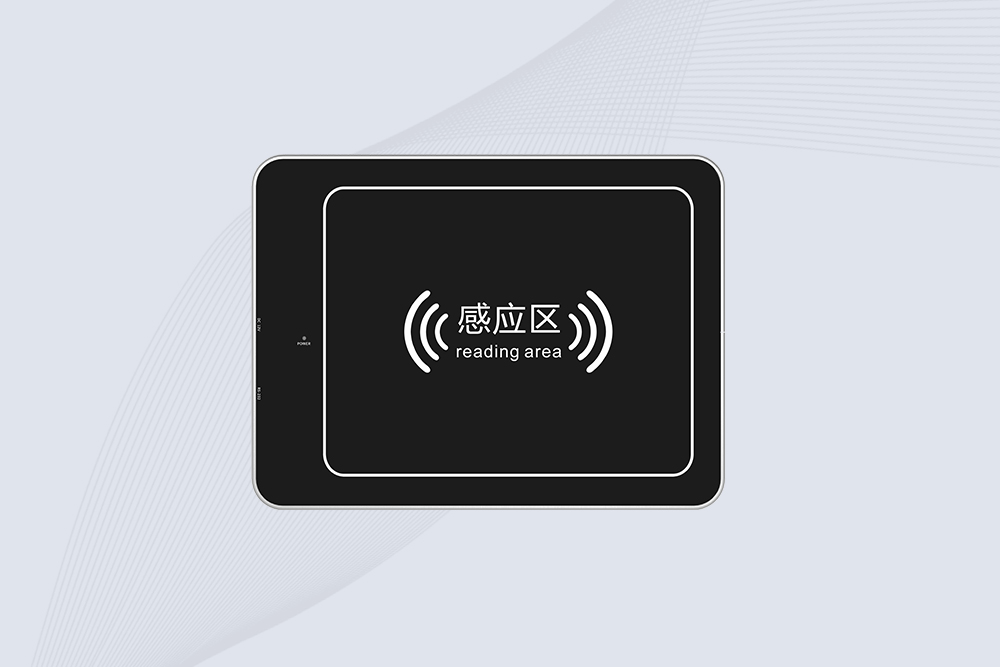
The CYKEO CYKEO-D5L Desktop RFID Card Reader is a stable UHF RFID Card Reader designed for controlled short-range reading and writing. Built for libraries, tool rooms, and asset desks, this UHF RFID Card Reader supports dense tag handling, secure data processing, and easy USB integration.
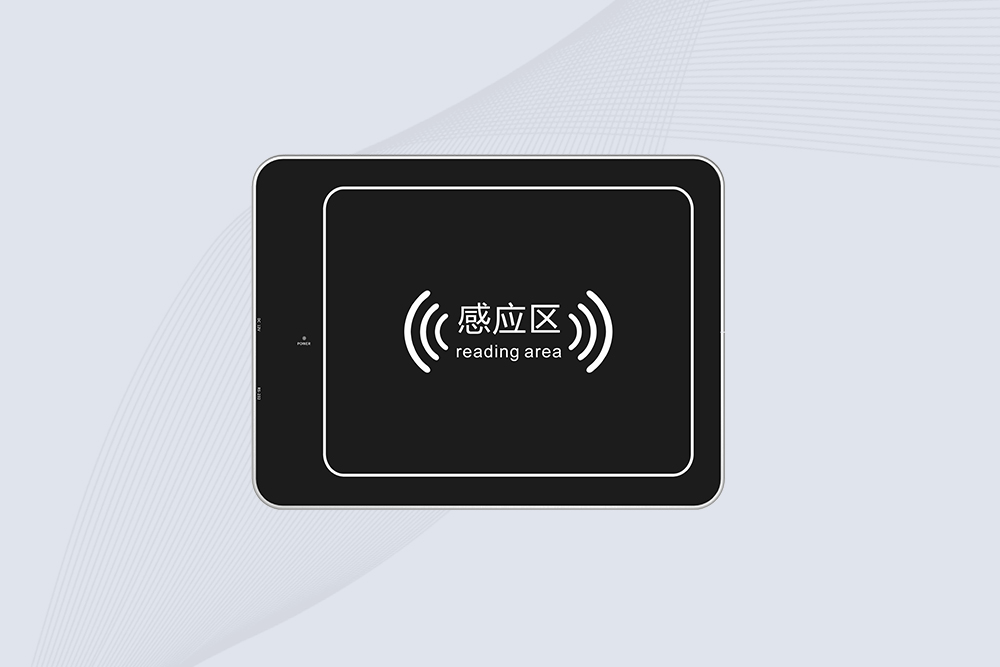
The CYKEO CYKEO-D6L RFID Reader Writer is a heavy-duty Desktop RFID Reader designed for short-range, high-accuracy tag programming. Built for libraries, labs, and asset desks, this RFID Reader Writer supports batch processing, stable 33dBm output, and seamless integration with existing management systems.
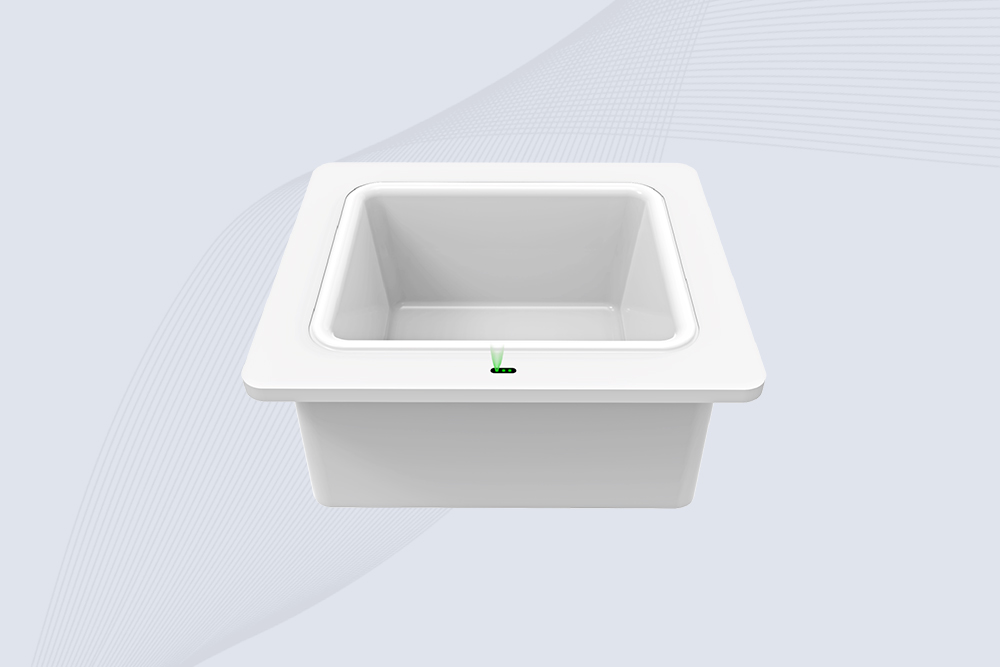
Cykeo CYKEO-D8B UHF RFID tunnel and RFID Desktop Reader features 30+ items batch reading,
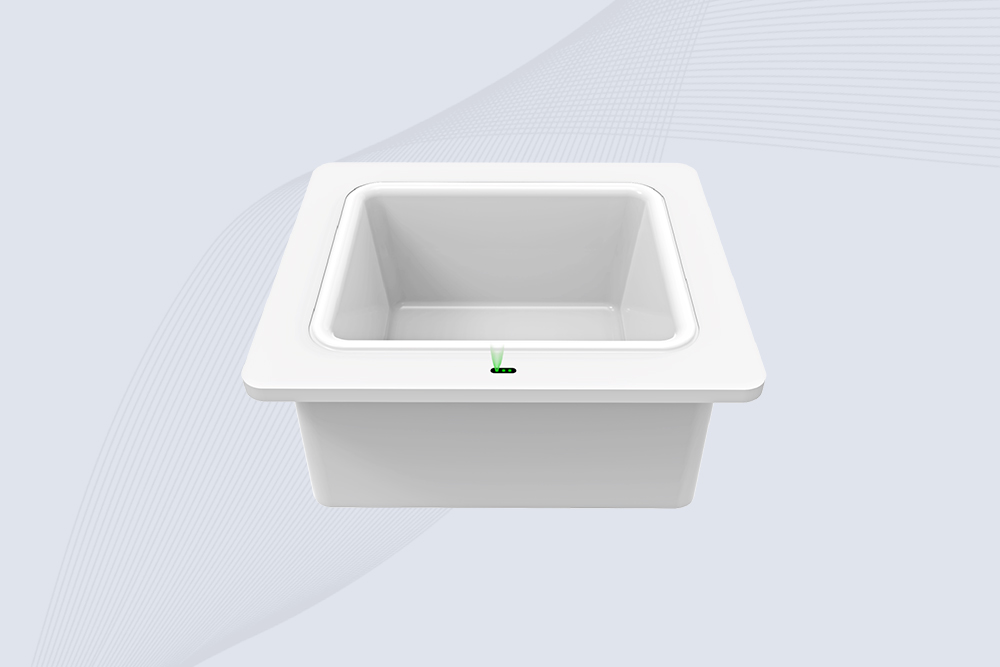
Cykeo CYKEO-D8A embedded RFID badge reader offers 30+ tags/sec scanning, 20cm anti-crosstalk precision, and DC 12V power for unmanned stores, warehouses, and smart inventory systems.
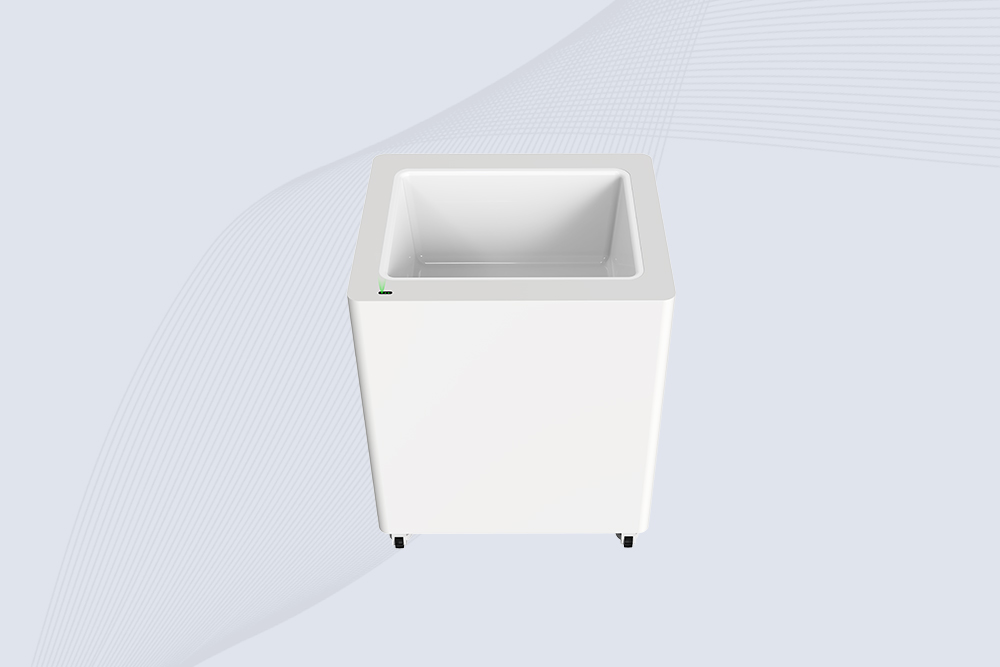
Cykeo’s CYKEO-D8C UHF RFID gate reader achieves 200-tag/batch scanning with adjustable power control, ideal for retail inventory and smart warehouse management.
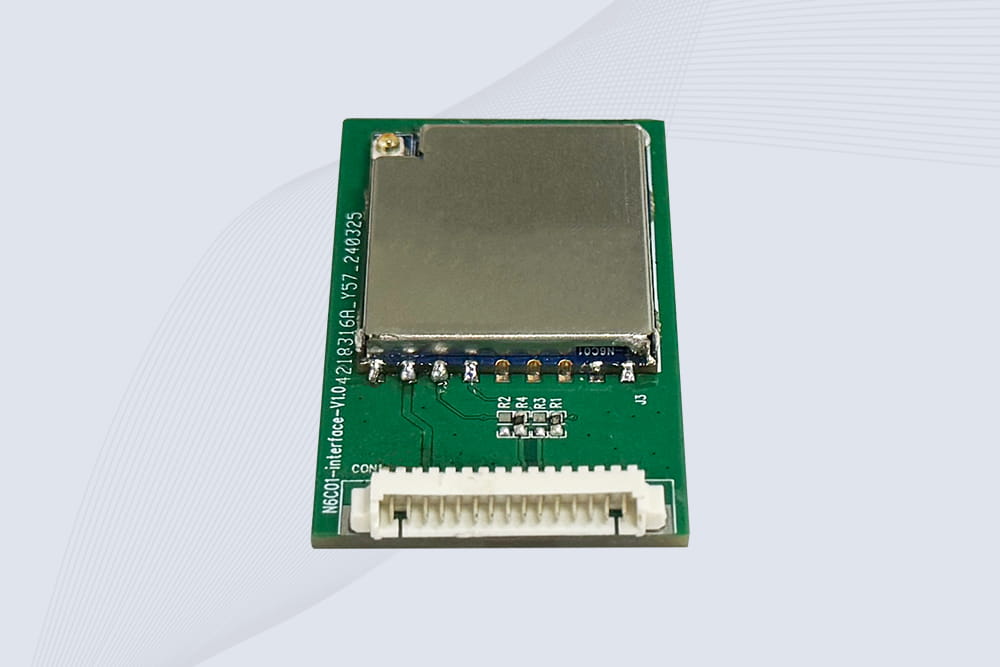
CYKEO Embedded RFID Modules are designed for compact industrial and IoT devices that require stable UHF performance. These UHF RFID Modules support global protocols, flexible power control, and reliable multi-tag reading for smart cabinets, production lines, and asset tracking systems.
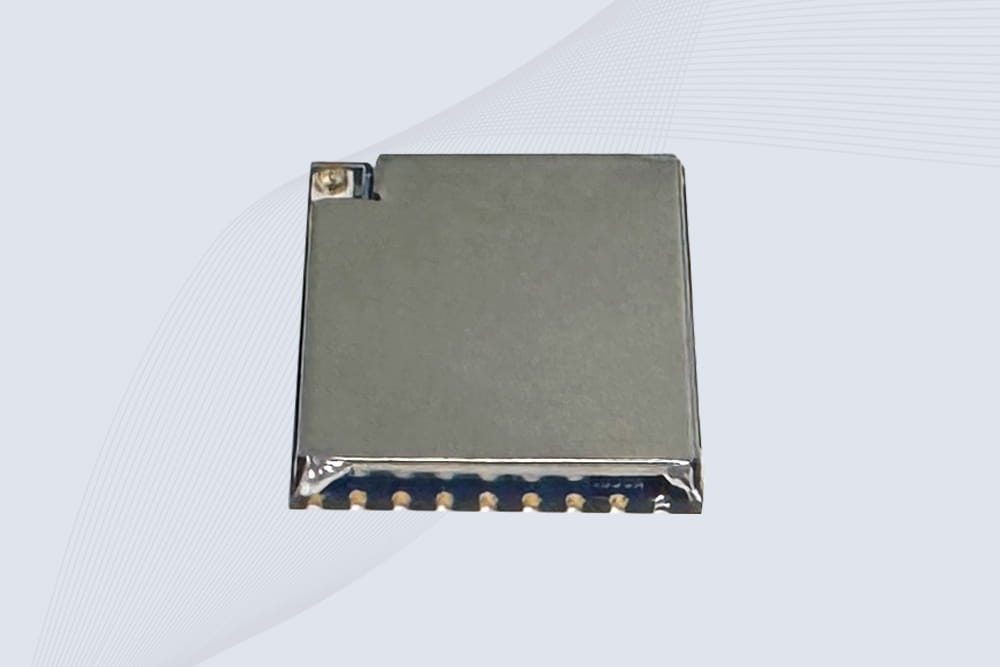
CYKEO Embedded RFID Module is built for compact IoT and industrial devices that need stable UHF performance. This UHF module supports global protocols, low power operation, and reliable multi-tag reading for smart lockers, production lines, and always-on RFID systems.
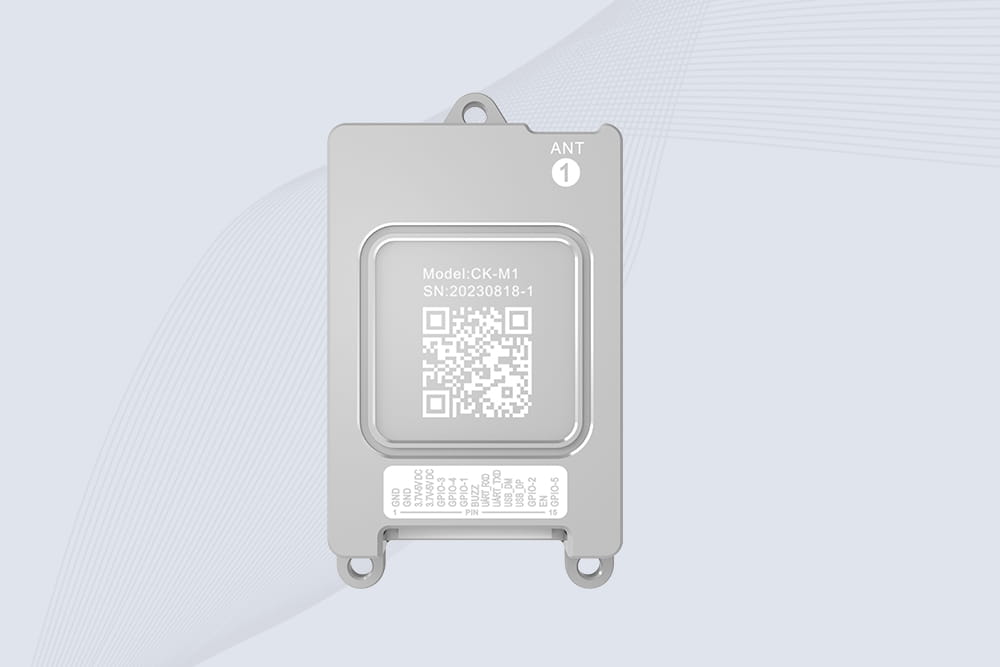
CYKEO CYKEO-M1 drone rfid module is a compact UHF RFID reader module designed for drones and UAV platforms. It supports long-range aerial scanning, fast multi-tag reading, and stable performance in wind, vibration, and outdoor environments.
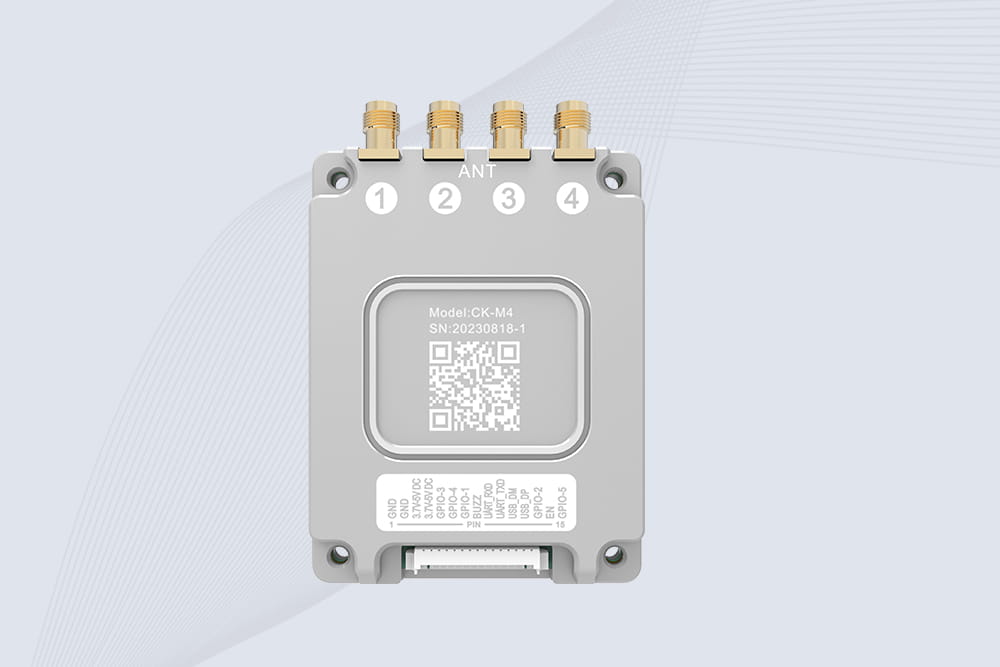
CYKEO CYKEO-M4 RC522 RFID Module is an industrial-grade UHF RFID reader with 4 ports, supporting ISO, EPC, and GB protocols. High-speed, accurate reading for IoT, automation, and warehouse applications.
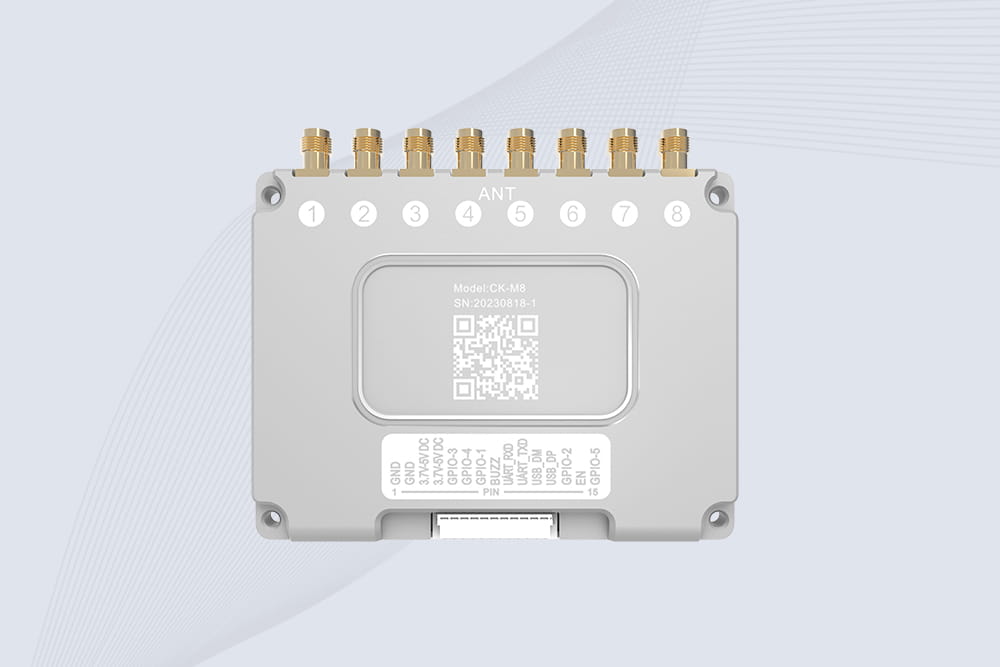
CYKEO CYKEO-M8 Module RFID is an 8-port UHF R2000 RFID Module designed for high-density, multi-tag environments. Stable 33dBm output, ISO & GB protocol support, ideal for warehouses, factories, and automated systems.
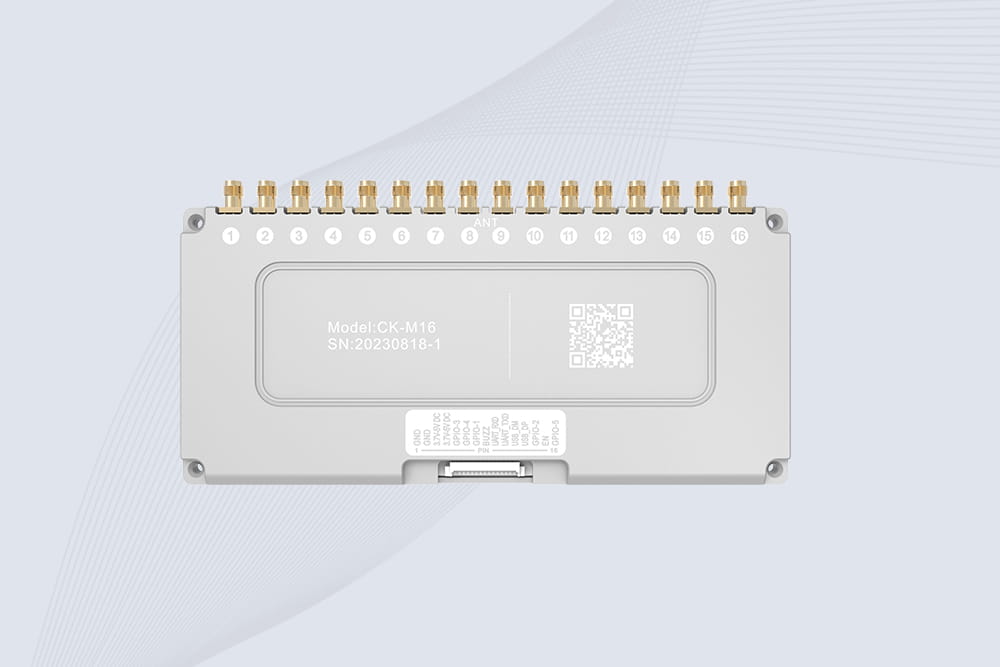
CYKEO CYKEO-M16 RFID Module is a 16-port UHF RFID reader module based on the R2000 chipset. Designed for dense tag environments, it supports ISO and GB standards and delivers stable multi-antenna control for industrial automation.
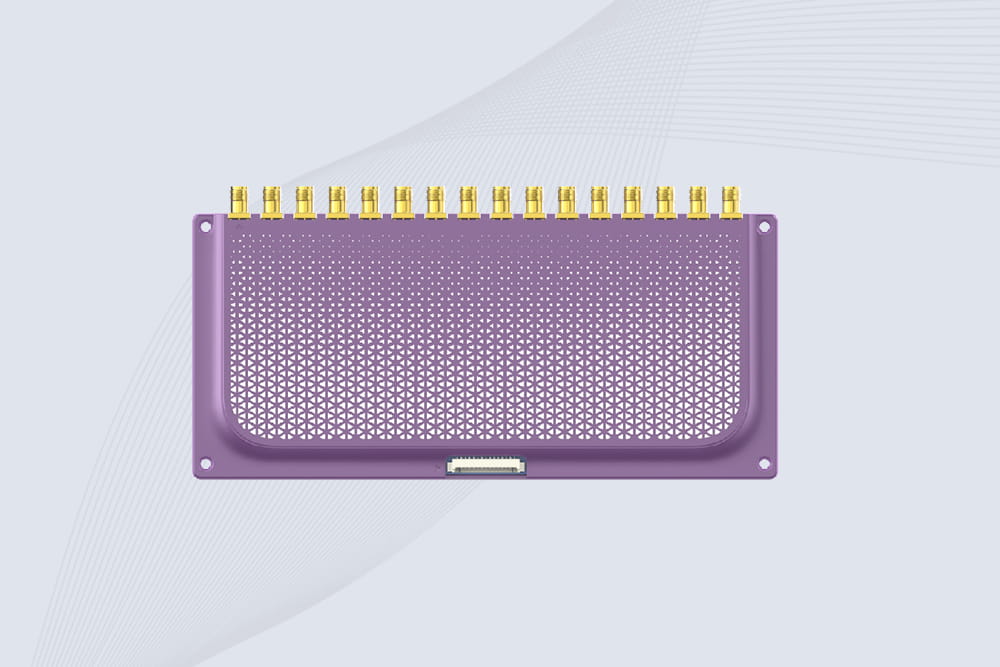
The CYKEO CYKEO-M16L RFID Reader Module is a 16-channel UHF RFID core designed for dense tag environments. With adjustable 33dBm output, multi-protocol support, and stable multi-antenna control, this RFID Tag Reader Module fits industrial automation, warehouse systems, and large-scale IoT deployments.
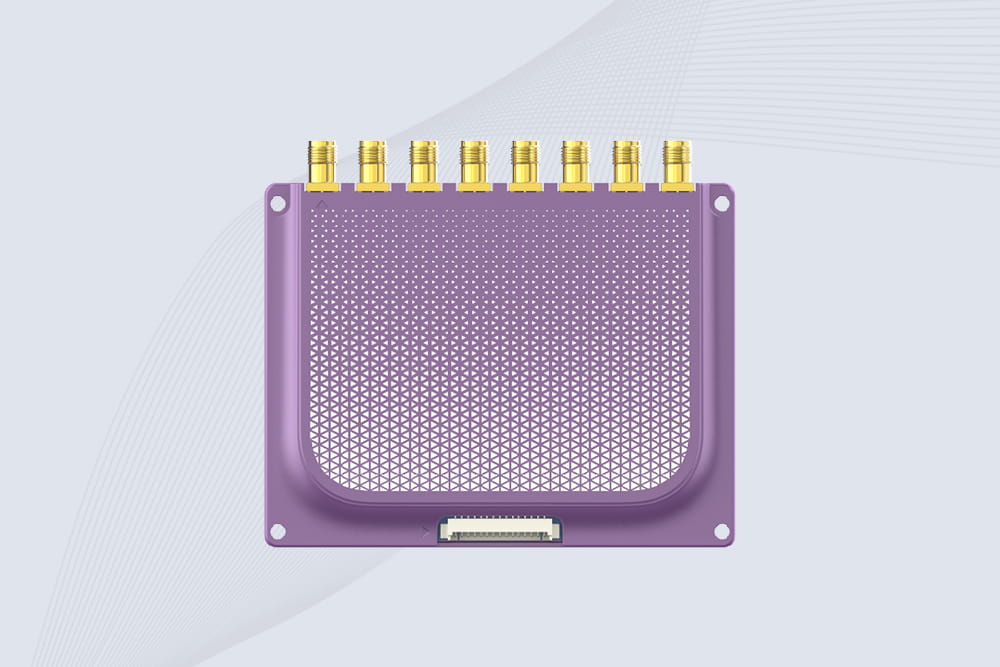
CYKEO CYKEO-M8L module RFID is a compact industrial UHF module built for dense tag and multi-antenna environments. With 8 RF ports, adjustable 33 dBm output, and ISO & GB protocol support, it is widely used in factories, warehouses, and automated tracking systems.
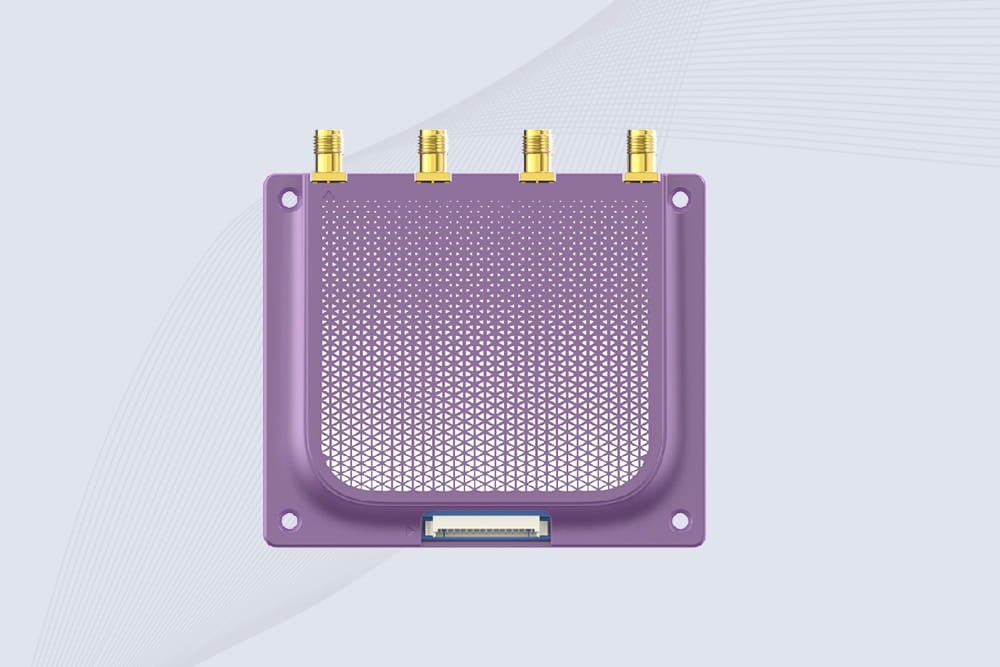
CYKEOCYKEO-M4L UHF RFID Module is a compact 4-channel RFID tag reader module designed for dense tag environments. Supporting ISO and GB protocols, it delivers stable reads up to 10 meters for industrial and IoT systems.
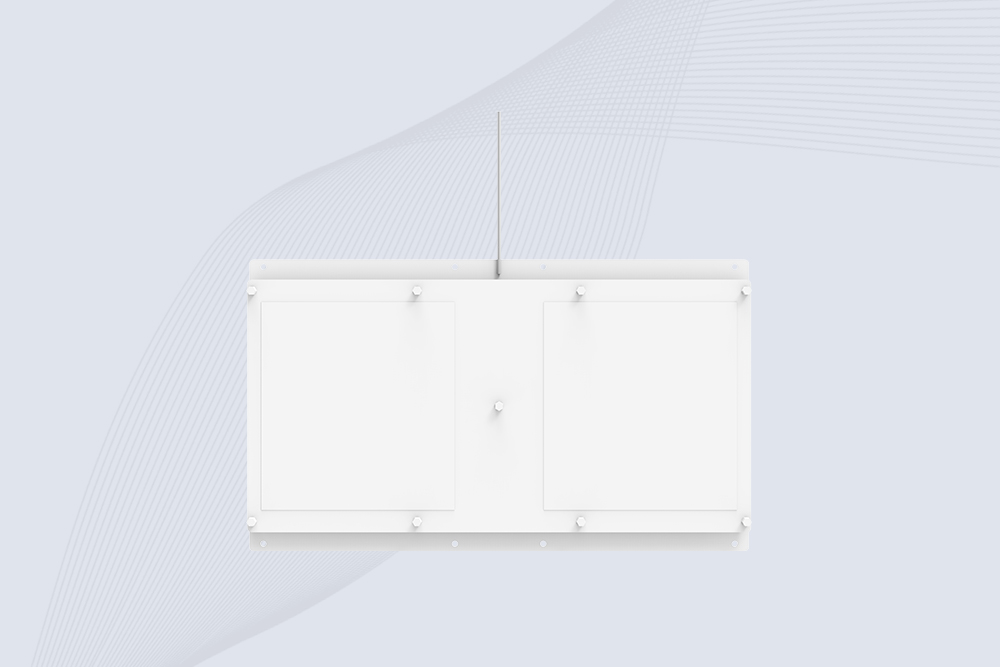
Cykeo CYKEO-A11 UHF RFID reader antenna delivers 11dBi gain, 840-960MHz frequency range, and IP65 ruggedness for retail, logistics, and industrial RFID systems. Features low VSWR and easy installation.
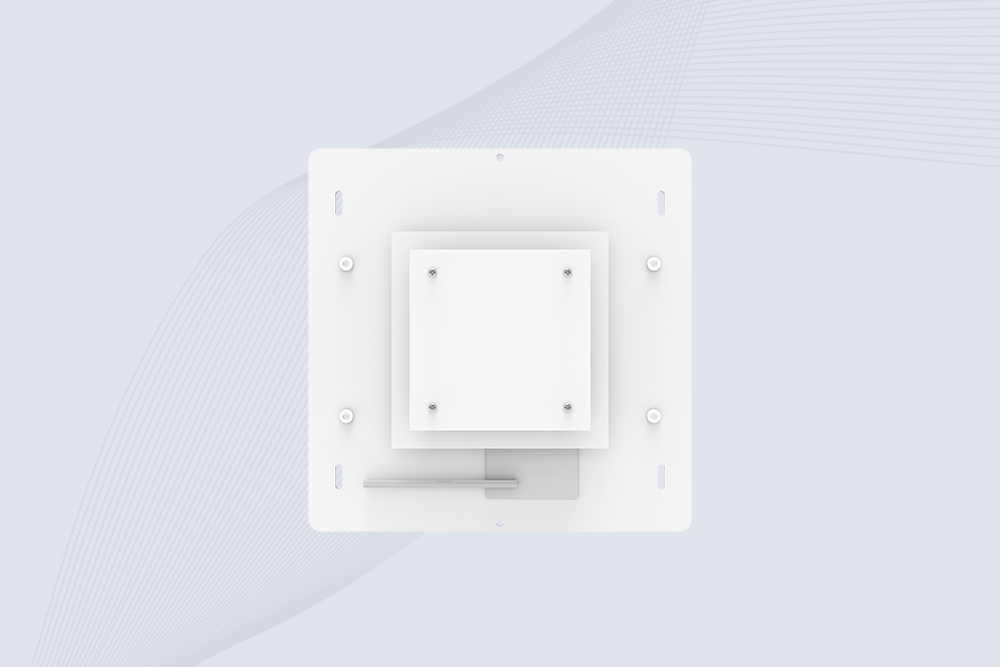
CYKEO Antenna RFID Reader delivers stable long-range UHF performance with a 10.5dBi directional design, built for warehouses, conveyor portals, and industrial RFID systems. This rfid reader antenna provides 20m+ read distance and rugged IP67 protection.

Cykeo CYKEO-PHF3 industrial HF RFID Antenna offers 24-point dynamic tracking, ISO 14443A/15693 protocols, metal-environment stability for archives/libraries/manufacturing.

Cykeo CYKEO-A5B industrial Linear RFID Antenna delivers 5dBi gain, ≤1.5:1 VSWR, and IP65 rugged design for warehouse, production line, and logistics UHF systems.

Cykeo’s CYKEO-B12 Long Range RFID Antenna delivers 15m+ read range with 12dBi gain, IP65 rugged design, and global 840-960MHz UHF support. Ideal for warehouse/logistics asset tracking.
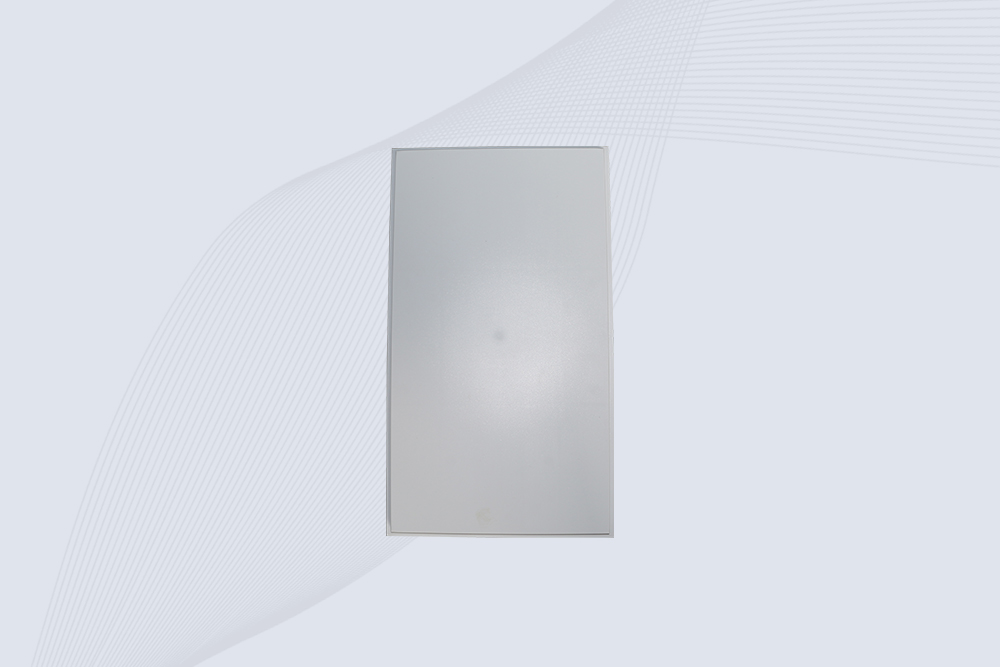
Cykeo CYKEO-B10 Long Distance RFID Antenna offers 10dBi gain, 840-960MHz frequency range, IP65 rating, and 20m+ coverage for logistics/warehousing/ETC systems. Low VSWR ensures stable signal transmission.
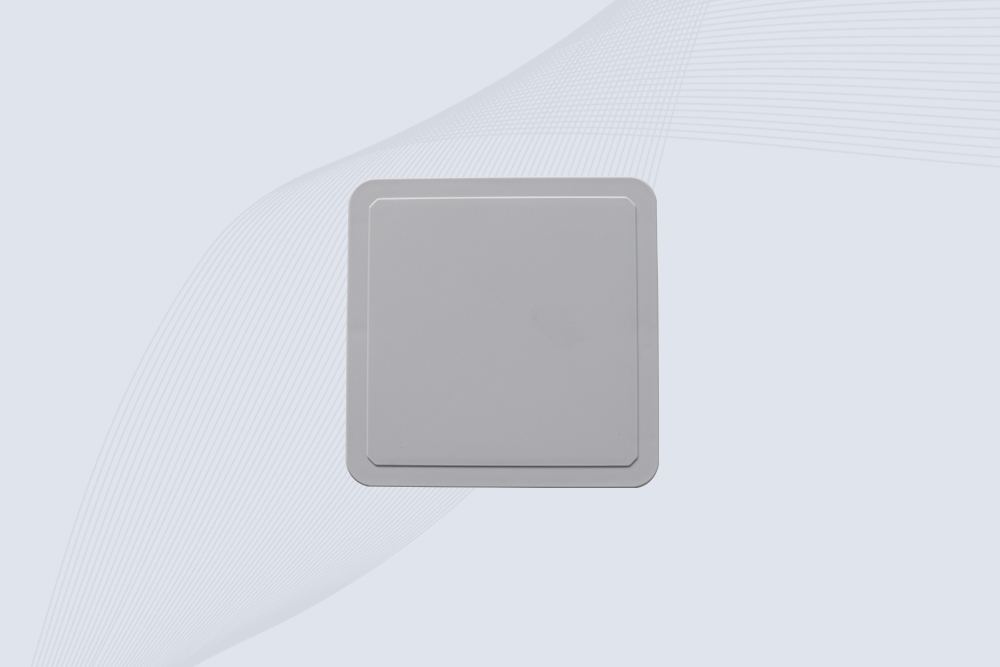
Cykeo CYKEO-A6 UHF RFID panel antenna features 6dBi gain, 840-960MHz broadband, IP65 metal-ready housing for logistics/smart retail. 18mm ultra-thin design with tool-free mounting.

Cykeo CK-A3 industrial antenna RFID UHF offers 5m+ tag detection, ≤1.3:1 VSWR, IP65 rugged design, and global UHF spectrum compatibility (840-960MHz) for warehouses, factories, and retail.
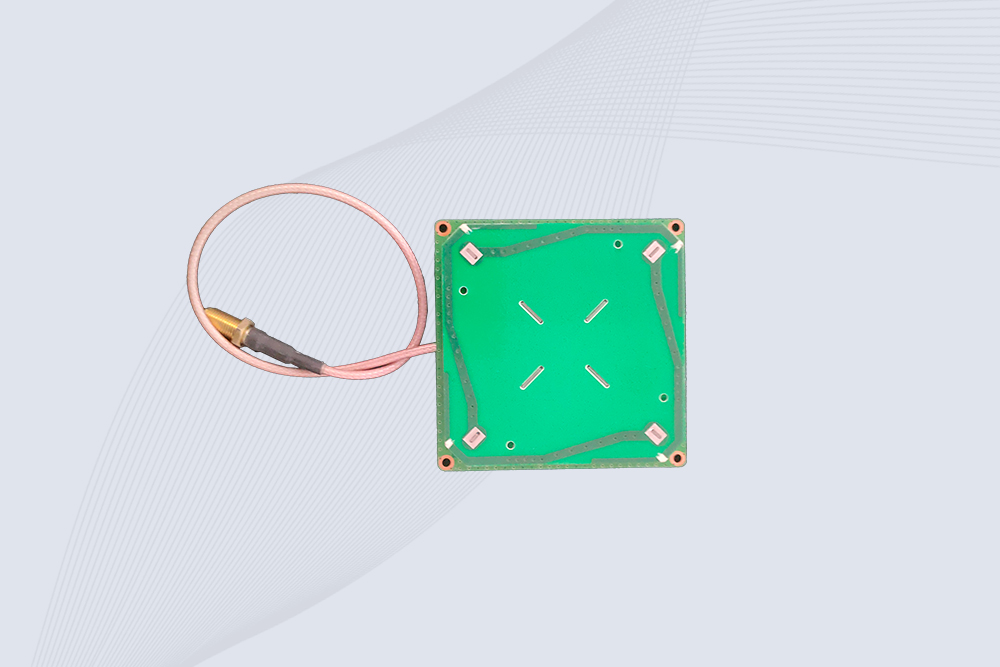
Cykeo CYKEO-B5 directional RFID antenna provides 5dBi gain with 60° narrow beamwidth for precise inventory tracking. IP65-rated, global UHF frequency support, and low VSWR.
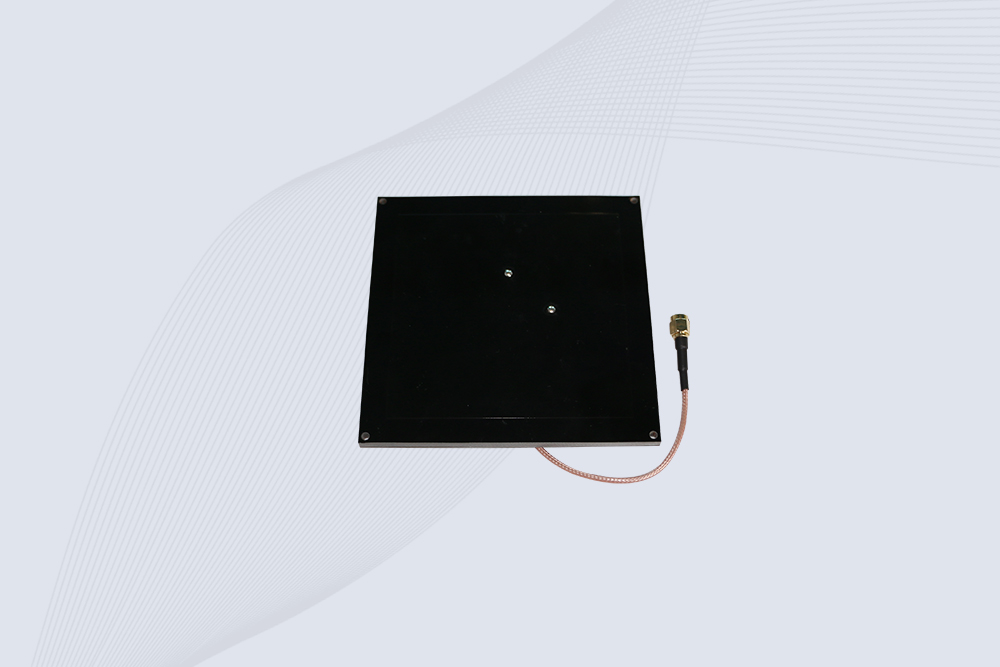
Create your own high-performance DIY RFID antenna! 5dBi gain, 840-960MHz tunable, step-by-step guides. Compatible with Arduino, Raspberry Pi, and commercial UHF readers.
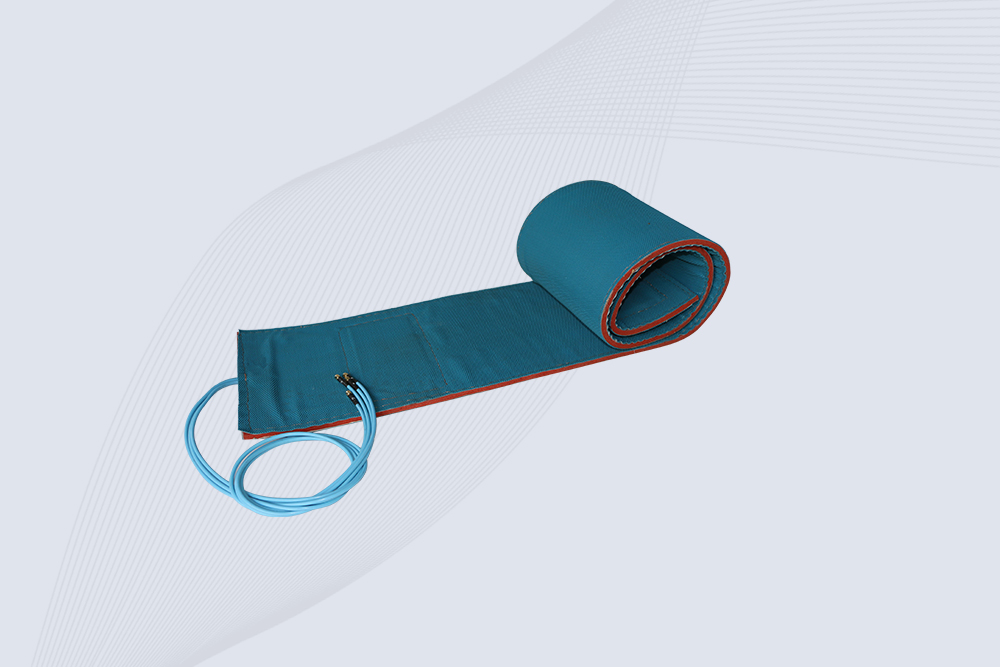
Cykeo CYKEO-A7 Flexible RFID Antenna features 840-960MHz wideband tuning, 7dBi gain, and IP68 rating for medical/retail/industrial curved surface deployments. 98% read accuracy with peel-and-stick installation.
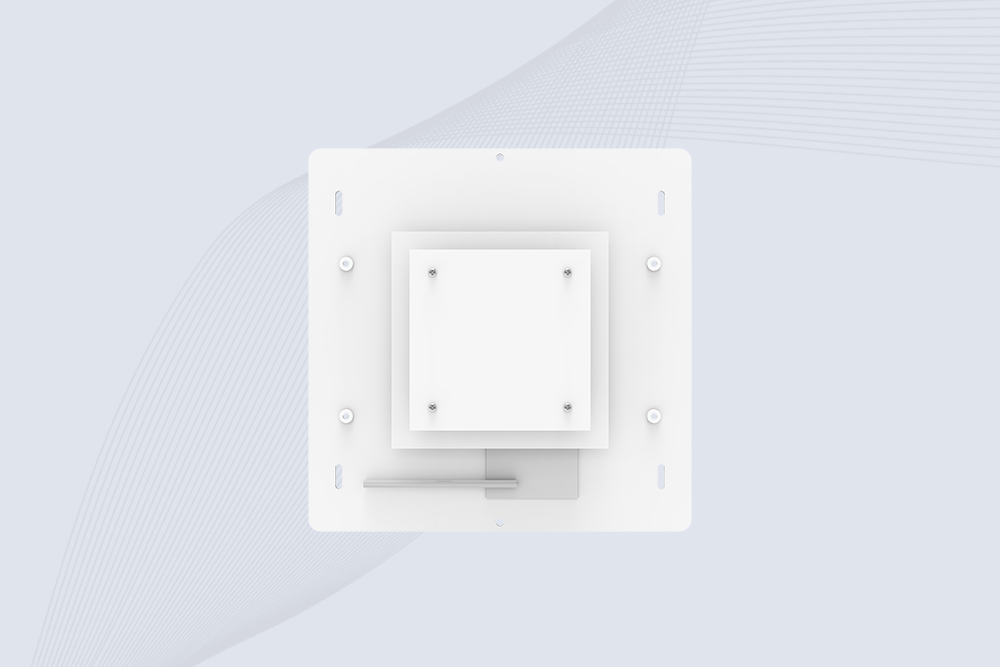
Cykeo CYKEO-B5A industrial Passive RFID Antenna delivers 5dBi gain, 70° beamwidth, and -40°C~55°C operation for warehouses/smart cabinets. Compatible with Zebra/Impinj readers.
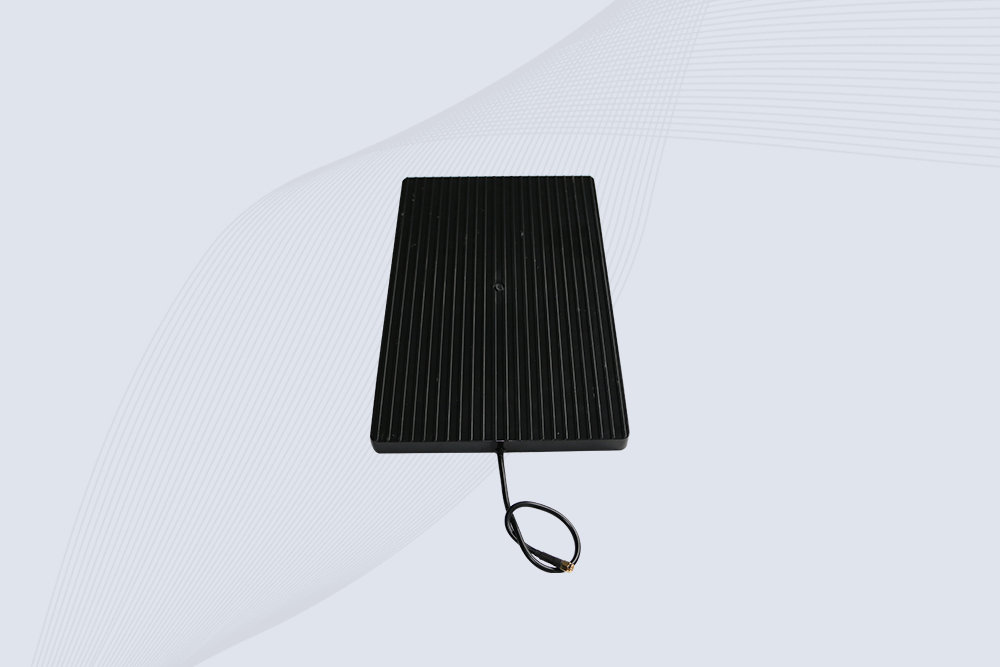
Cykeo’s CYKEO-A9B High Gain RFID Antenna delivers 15m+ read range with 9dBi amplification. Features IP54 rugged design, 840-960MHz bandwidth, and 80° beamwidth for warehouse/manufacturing RFID systems.

Cykeo’s enterprise-grade 8dbi Impinj RFID Antenna 10m+ read range with 840-960MHz tuning. Features IP65 housing, 1.4 VSWR, 35° beamwidth for retail/warehouse RFID systems.
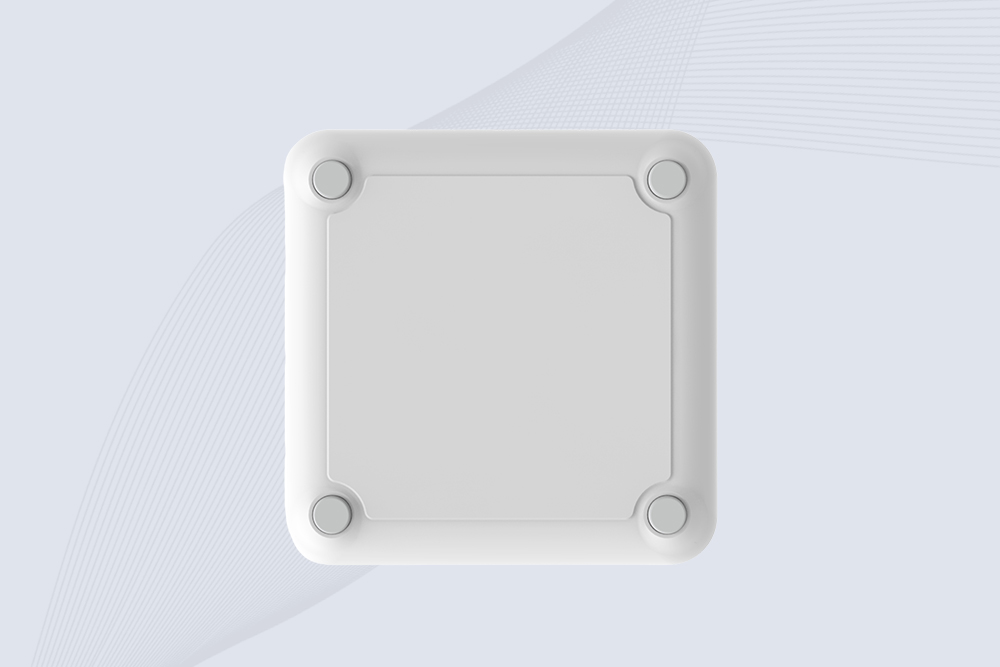
Cykeo CYKEO-A9 industrial UHF RFID antenna delivers 9dBi gain, 840-960MHz frequency range, and IP65 protection for warehouse/logistics/retail RFID systems. Features N-type connector and ≤1.3:1 VSWR.
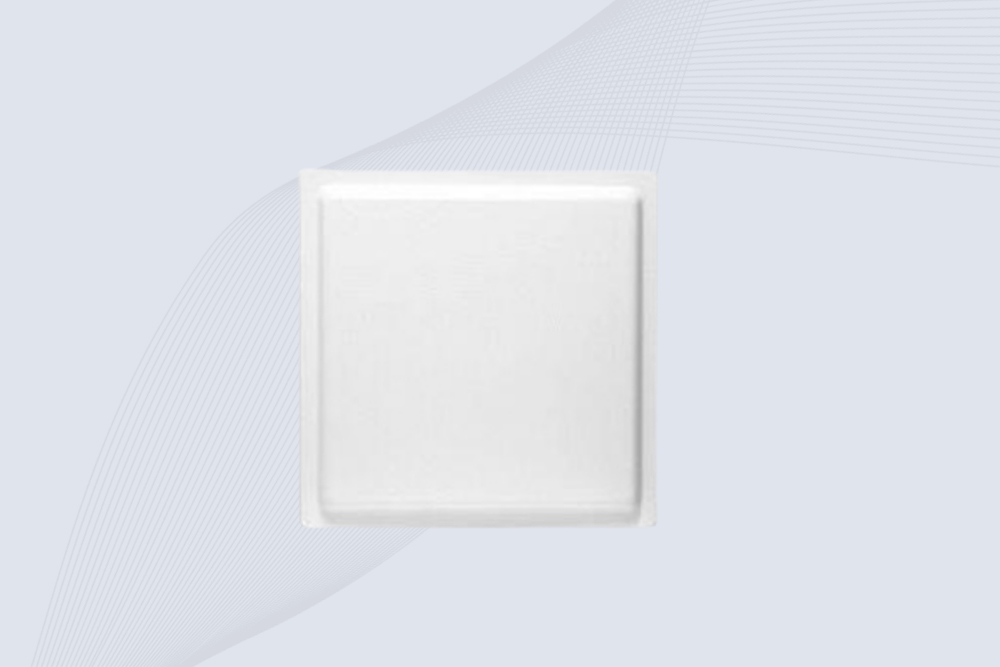
CYKEO UHF RFID Antenna built for long-distance and industrial applications. This antenna rfid uhf delivers strong gain, outdoor durability, and reliable tag performance in warehouses, yards, and vehicle ID systems.
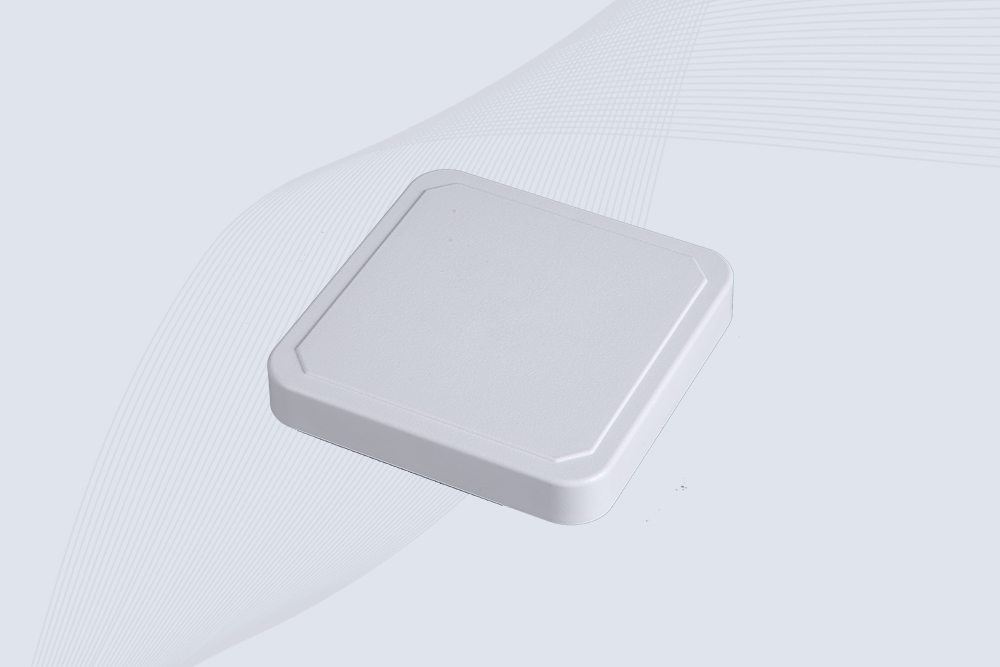
CYKEO Antenna RFID delivers reliable long-range UHF performance in warehouses, retail shelves, and cold-chain environments. This compact uhf rfid antenna provides stable reads with circular polarization and ultra-wide 840–960 MHz support, ideal for industrial tracking, smart shelves, and asset monitoring.
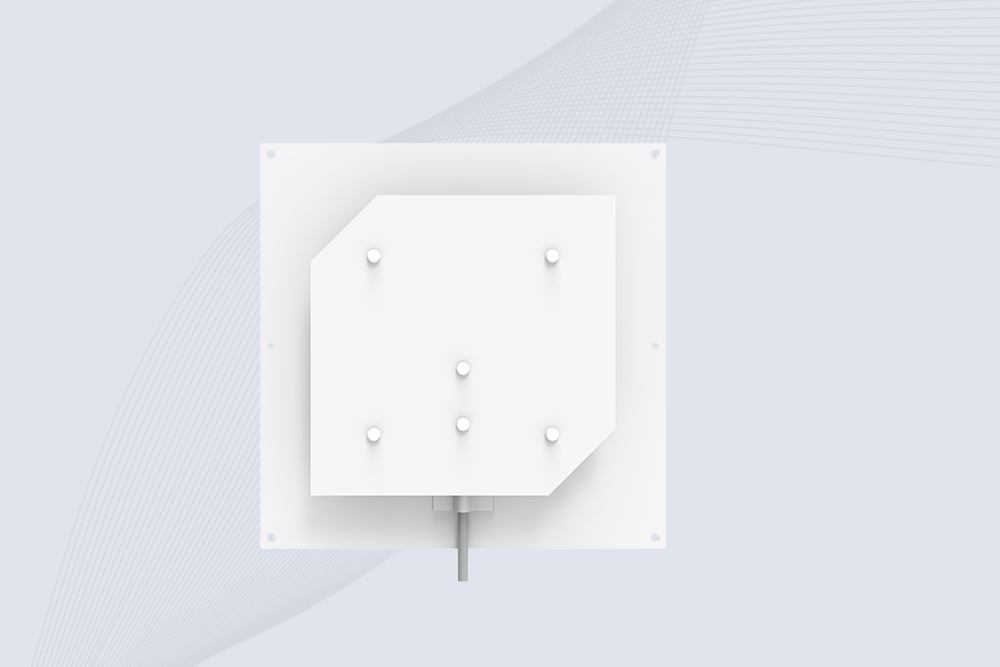
Cykeo’s CYKEO-C8 UHF RFID antennas delivers 8dBi gain, 840-960MHz full-band coverage, and IP65 ruggedness for manufacturing/warehouse RFID systems. Industrial RFID Antennas Features
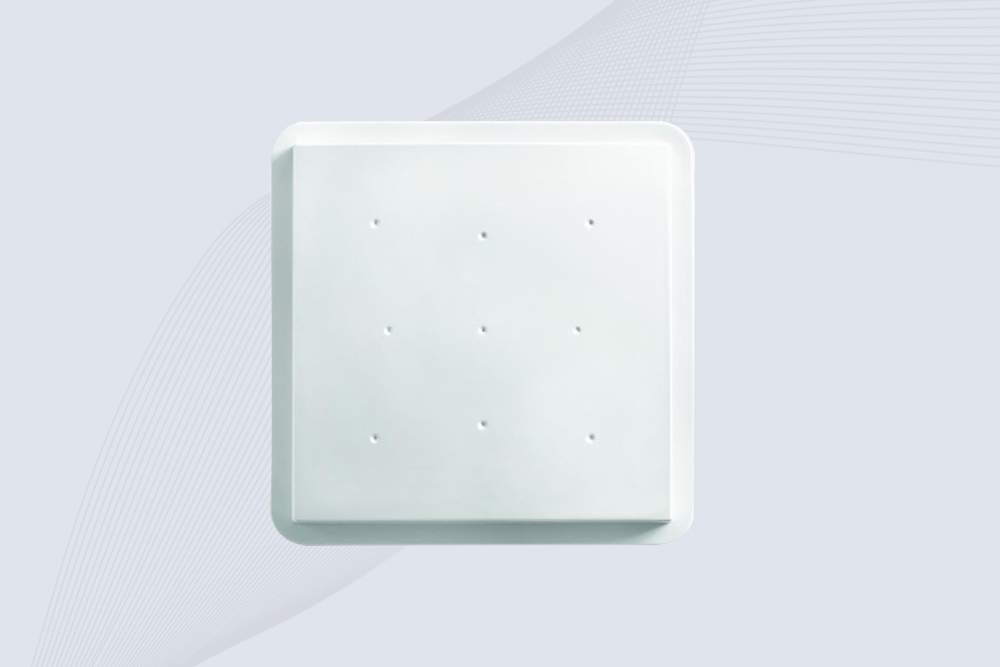
Cykeo’s 8dBi UHF RFID antenna and reader kit delivers 10m+ range, 840-960MHz broadband, and IP65 ruggedness for factories, warehouses, and logistics. ISO 18000-6C & EPC Gen2 certified.
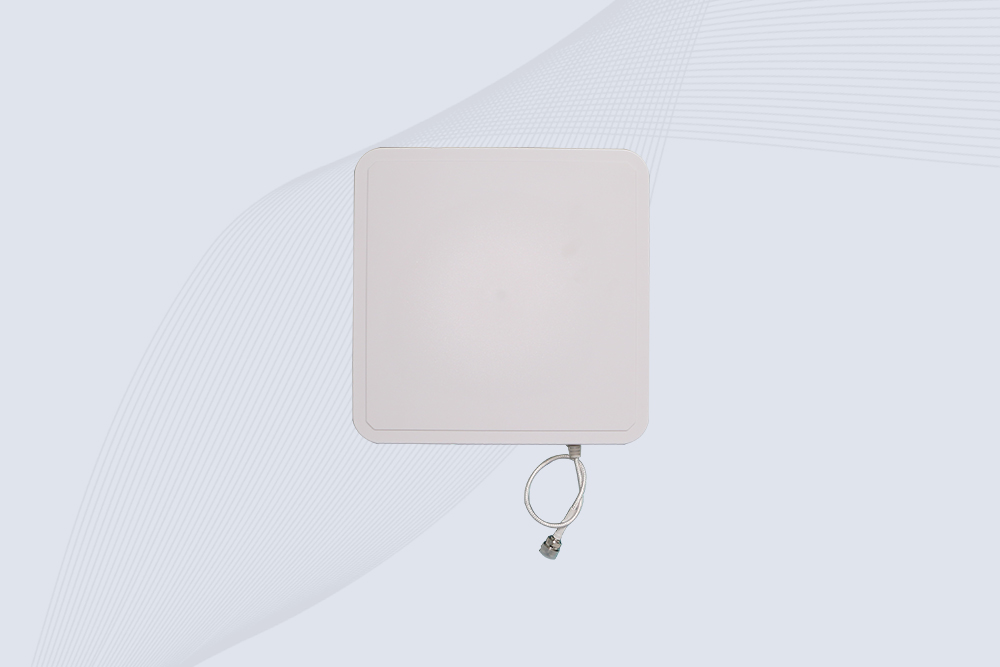
Cykeo CYKEO-A9A industrial UHF RFID reader and antenna kit delivers 10m range, 500 tags/sec, IP65 ruggedness for manufacturing/logistics. Supports EPC Gen2, ISO18000-6C.

can rfid reader read multiple tags at once? Learn how UHF RFID readers identify multiple tags simultaneously and improve inventory, checkout, and tag-writing efficiency.
More
Protect your fixed RFID readers from cyber threats with Cykeo’s expert strategies. Learn encryption, network hardening, and compliance practices to safeguard sensitive data.
More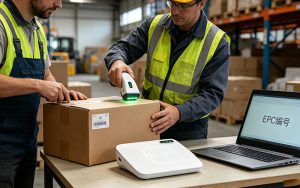
how to check rfid number quickly and accurately using professional readers. Learn proven methods, tools, and real-world tips to read RFID IDs with high reliability.
More
Understand RFID antenna range and the factors that affect reading distance, including antenna gain, RFID tags, reader power, installation environment, and application design.
More