Yes. A UHF/RAIN RFID reader can identify multiple RFID tags within its read field during the same inventory process, without requiring line-of-sight or one-by-one scanning. The practical result depends on reader sensitivity, antenna design, tag placement, RF interference, tag density, and software filtering
How Can an RFID Reader Read Multiple Tags at Once?
The important distinction is that “at once” does not mean that a reader receives every tag through one identical radio transaction.
A UHF RFID reader creates an RF interrogation field. Multiple passive tags in that field respond according to the RFID air-interface protocol, while the reader manages the tag population through an anti-collision inventory process.
This is why a stack of tagged garments, medical supplies, tools, or boxed products can be identified without presenting each item separately.
The GS1 EPC Gen2v2 standard defines the air-interface used by many RAIN RFID systems and includes commands specifically designed for RFID communication and tag management.
For engineering teams, the useful question is therefore not simply “How many tags can it read?”
It is:
How many correctly identified tags can the complete system recover within the available read window?
That distinction matters on a production floor.
What Happens Inside the Read Zone?
A typical multi-tag inventory cycle looks roughly like this:
The reader generates an RF field through its antenna.
Passive tags harvest enough RF energy to respond.
Tags participate in an inventory process.
The reader separates tag responses using the protocol’s anti-collision mechanisms.
EPC or other configured data is captured.
The application removes duplicate reads and applies filtering rules.
The final tag population is passed to the business system.
Modern RAIN RFID systems can handle very large tag populations. Impinj, for example, states that RAIN RFID readers can identify and locate more than 1,000 tagged items per second under suitable system conditions.
That number should not be copied directly into every product specification, however. Field performance varies substantially.
One RFID reader can capture multiple tagged items in a single reading session, reducing manual scanning steps.
Why Tag Density Changes RFID Performance
This is where many RFID demonstrations look better than real deployments.
Put ten shirts on a table and the reader may appear effortless. Put several hundred densely packed garments into a metal-sided trolley, move it through a doorway, and the RF environment becomes very different.
Impinj’s published testing illustrates the trade-off particularly well. Its reader-mode testing with 20 tags showed roughly a 10× difference in read rate between certain operating modes, while sensitivity differences affected read range as well.
So a reader capable of fast multi-tag reading is not automatically the best reader for every application.
A dense hospital supply cabinet may need controlled near-field behavior. A retail checkout station may prioritize fast population recognition. A conveyor portal has another problem entirely: tags may only remain inside the antenna field for a few seconds.
Cykeo Approach: Multi-Tag Reading With Controlled Read Zones
For Cykeo desktop RFID equipment, the design objective is not simply to maximize radio range.
That can actually make a small workstation harder to operate.
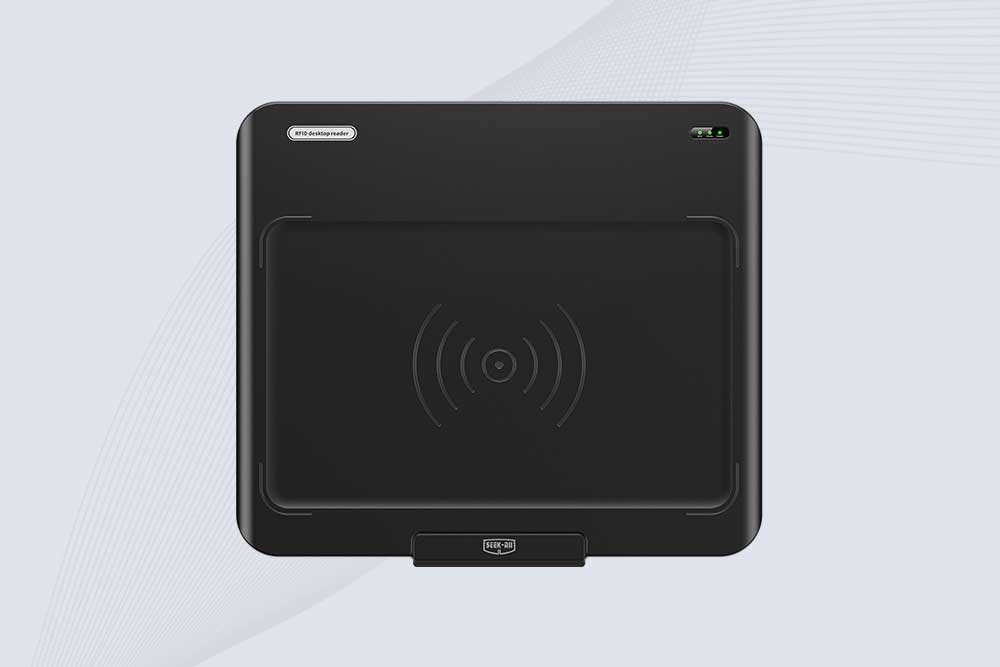
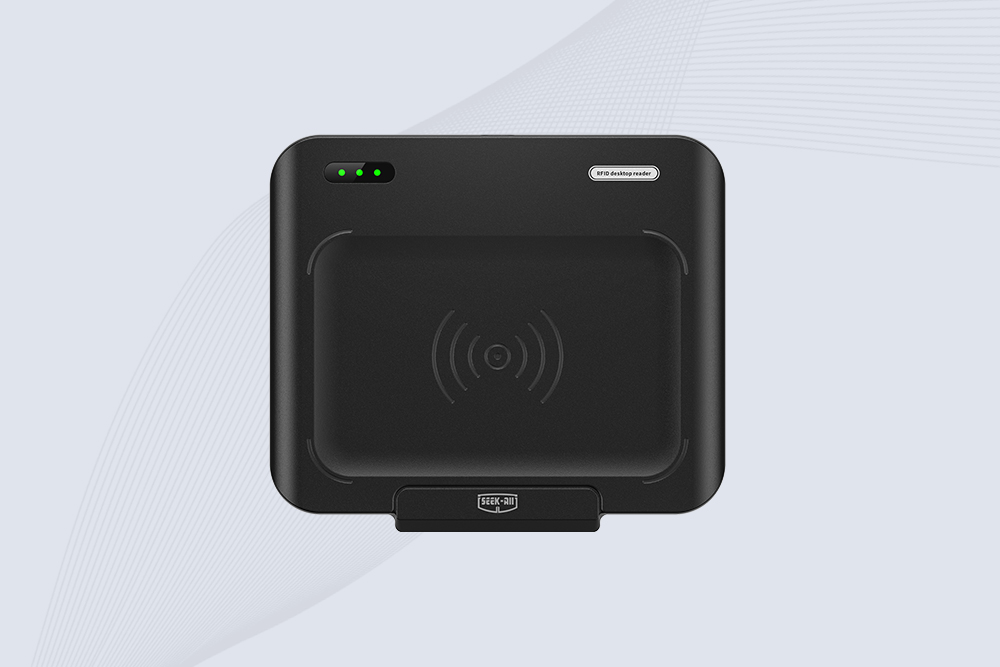
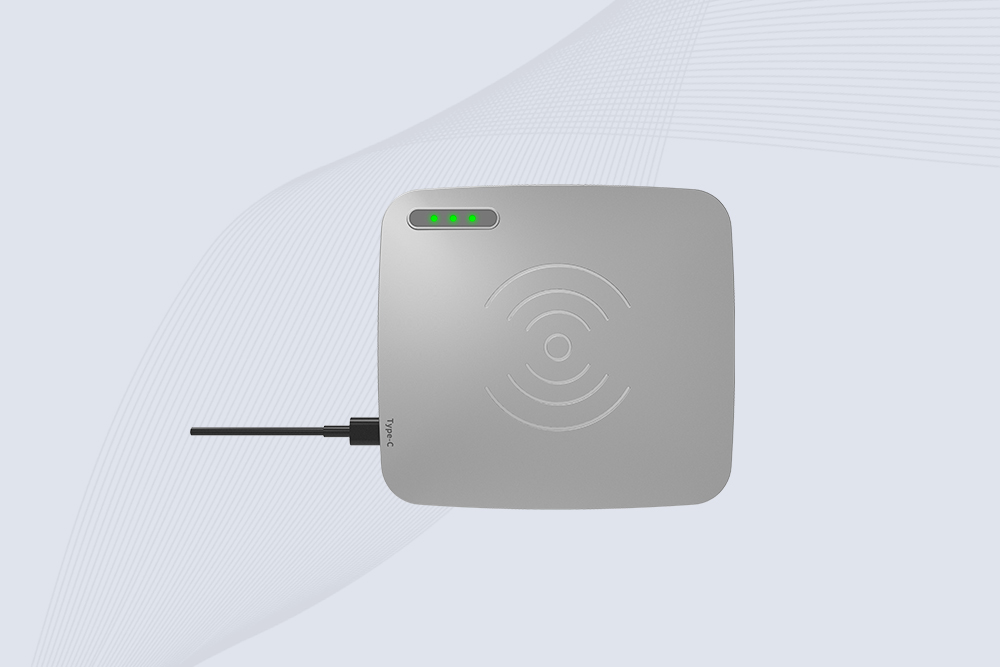
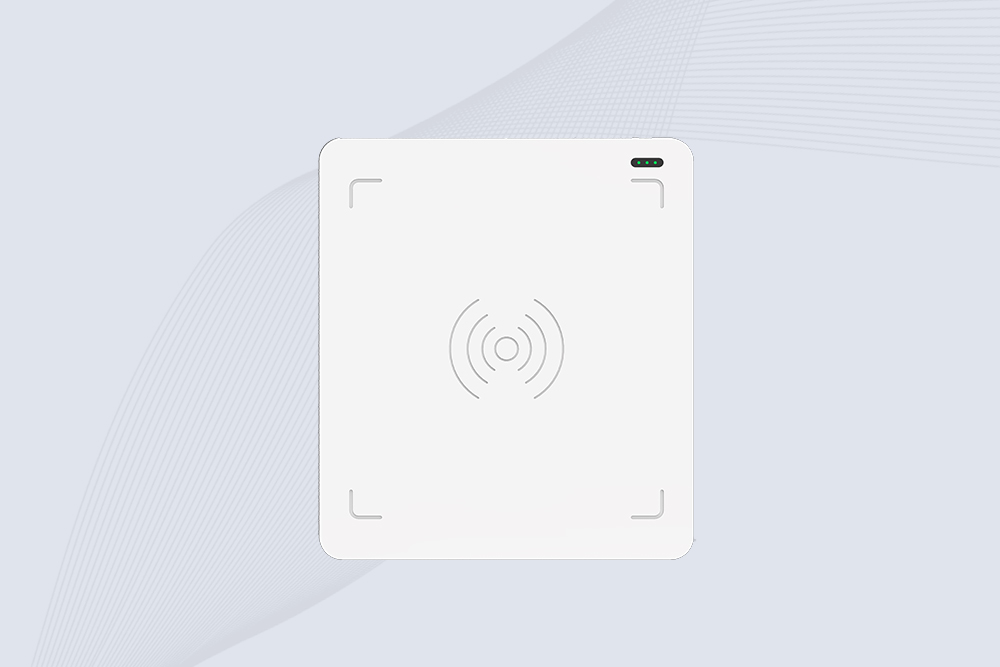
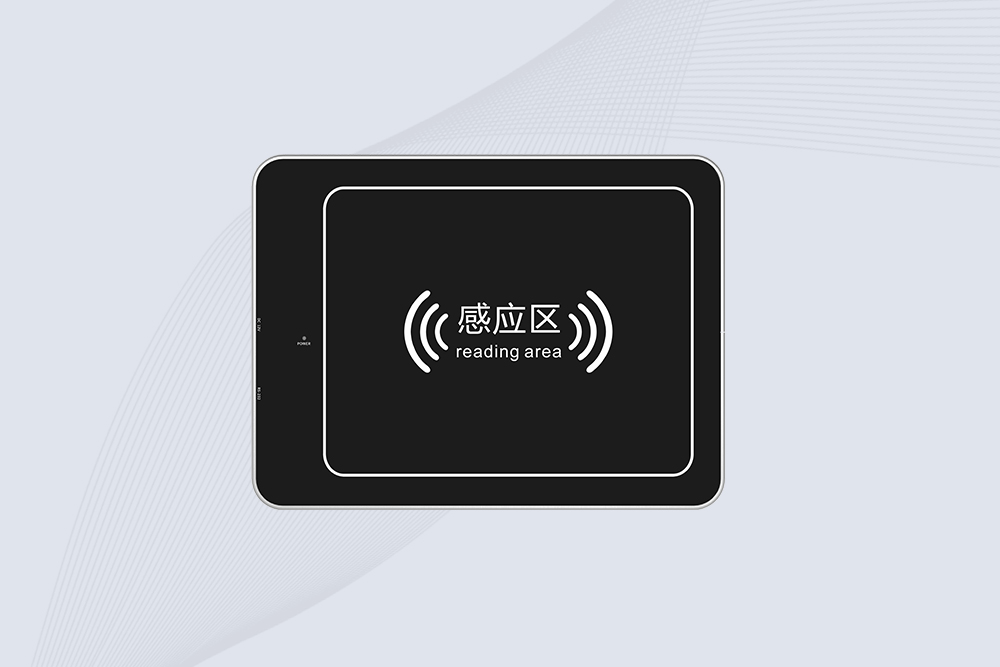
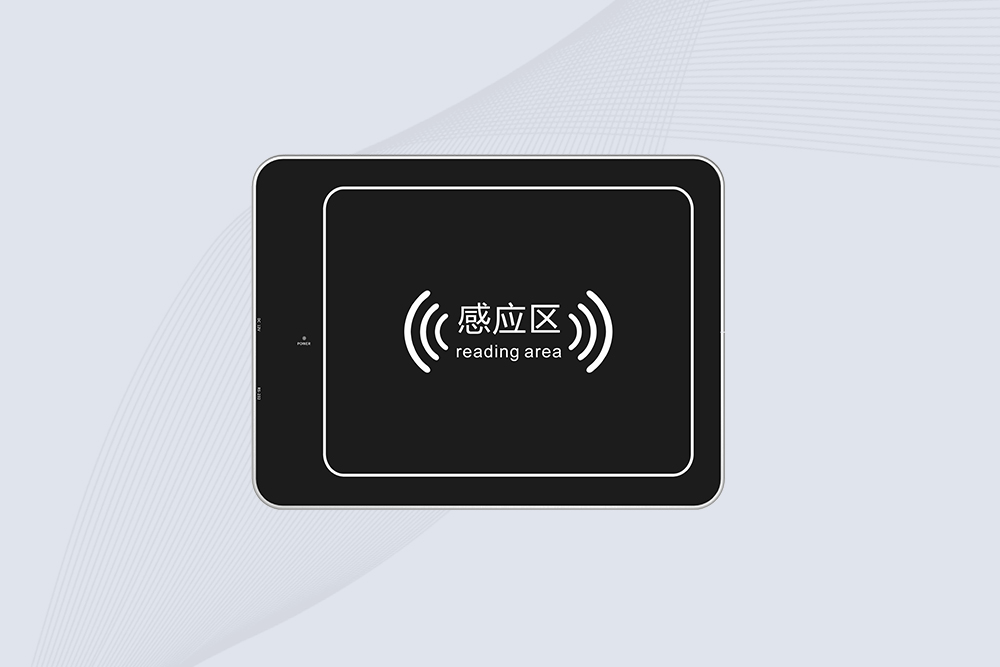
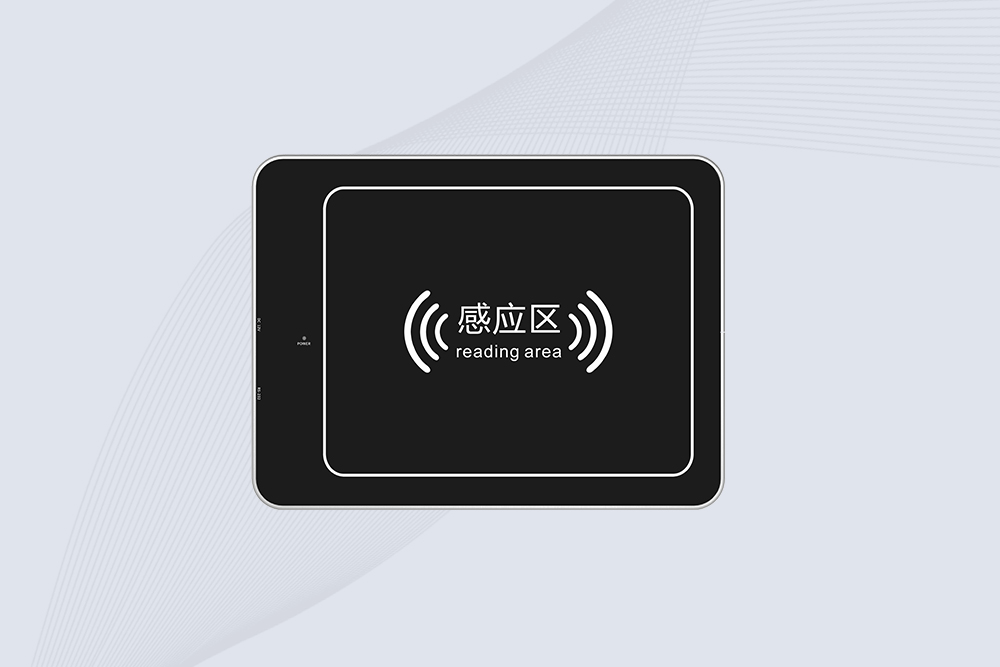
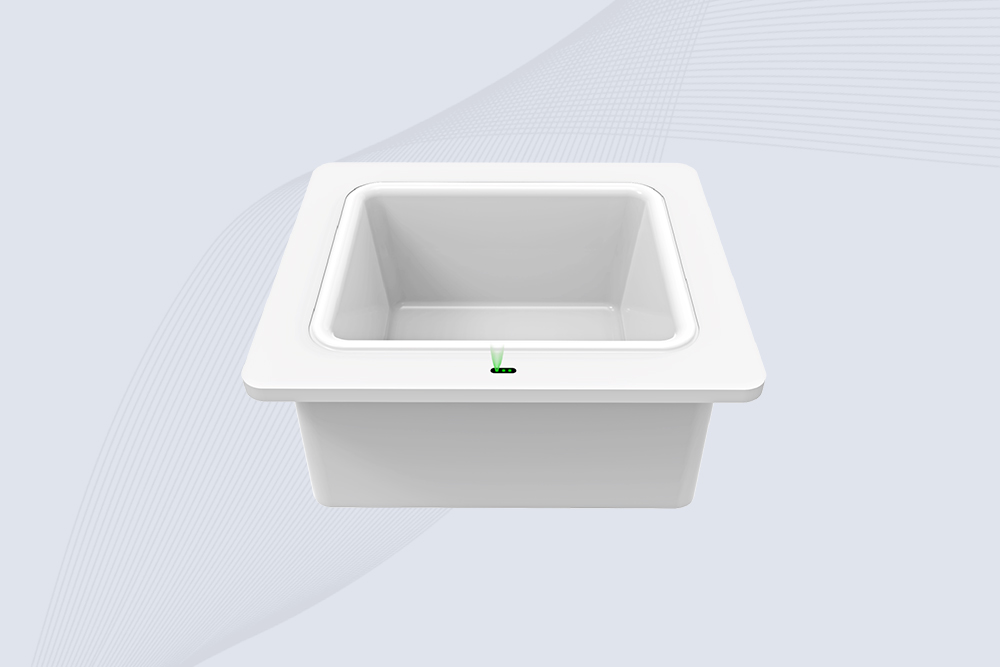
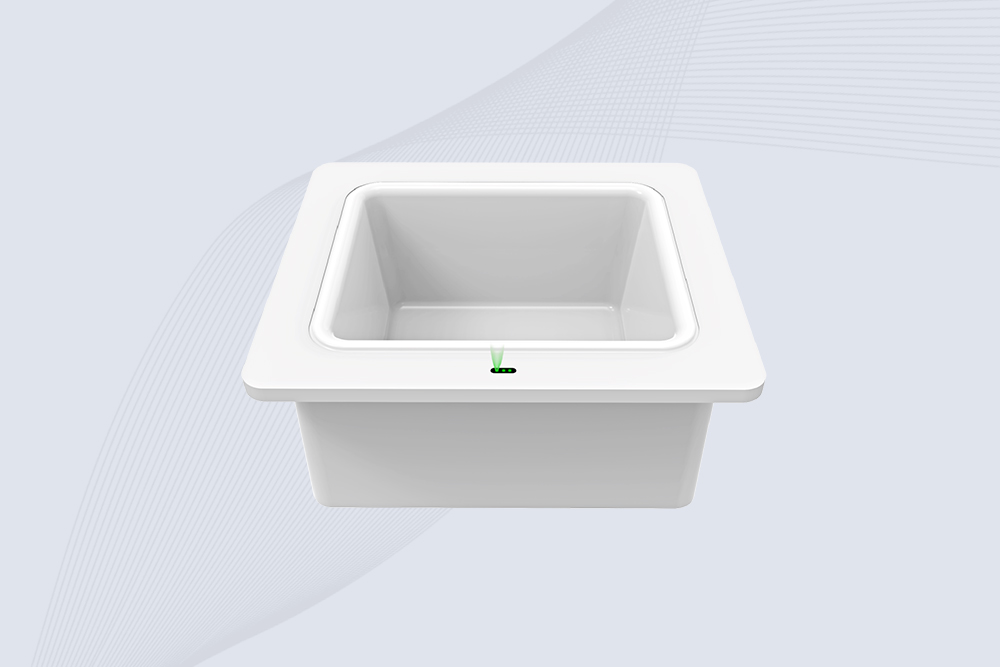
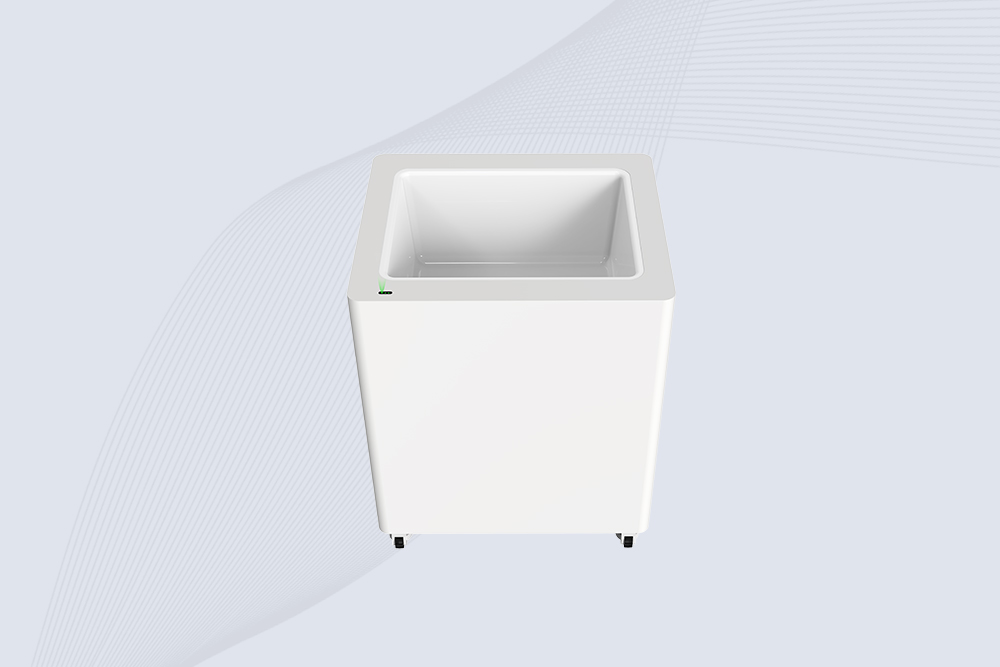
The RFID desktop card/tag issuing and reading platform uses a near-field antenna to keep the effective reading area controlled. The specified operating range can be kept to approximately 30 cm for reading and 10 cm for writing, depending on the application and installation conditions.
That behavior is valuable when an operator is writing one selected batch of tags on a desk.
A long-range reader could accidentally detect tags sitting nearby. In a tag-issuing environment, that is not necessarily an advantage.
Cykeo’s platform also supports:
Batch RFID tag writing
Automatic card/tag writing
Rapid tag filtering
Reading demonstration software
Type-C communication
C# development materials
Java development materials
Up to 33 dBm maximum port output
Controlled near-field read/write zones
The 33 dBm maximum output specification should not be interpreted as a guaranteed writing distance or success rate. Antenna coupling, tag design, regional RF regulations, tag orientation, and the material environment all influence actual performance.
That is the difference between a component specification and a deployment result.
Multi-Tag RFID Reading vs Single-Tag Scanning
Characteristic
RFID Multi-Tag Reading
Barcode Scanning
Multiple items
Yes
Usually one item at a time
Line of sight
Not normally required
Required
Item orientation
More flexible
Barcode must face scanner
Simultaneous identification
Supported
Generally sequential
Reading through packaging
Possible depending on material
Usually requires visible code
Individual writing
Supported with compatible tags/readers
Barcode itself is normally printed
Data filtering
Software-based
Scanner/application dependent
Best advantage
Fast item population capture
Simple, low-cost identification
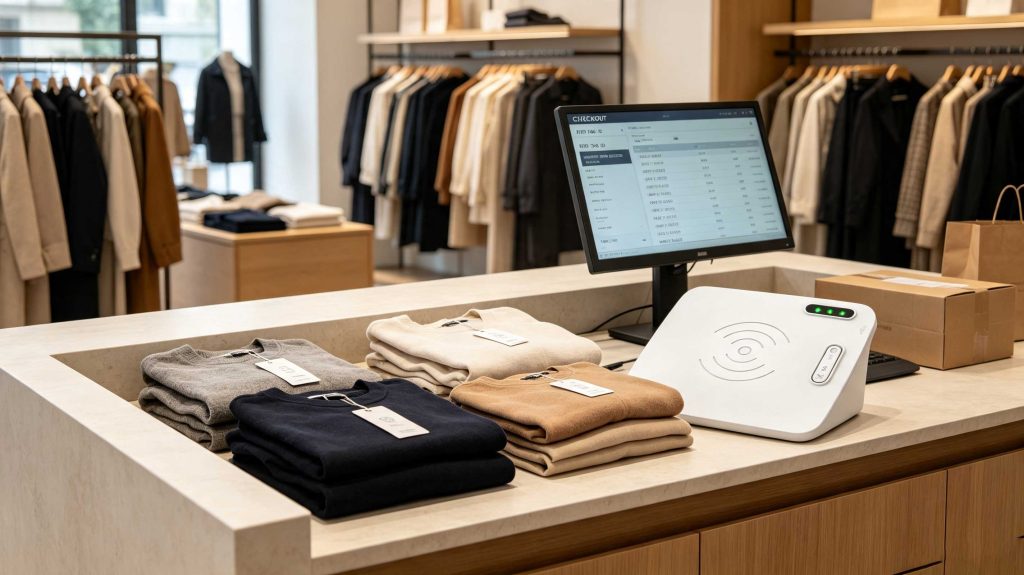
The distinction becomes particularly obvious at a checkout counter.
An employee scanning ten garments individually has to present each barcode to the optical scanner. With a correctly designed RFID checkout station, the reader can interrogate the tagged population within the defined read area and deliver multiple EPC records to the application.
That is the operational reason RFID can reduce repetitive scanning work—not because RFID somehow “sees everything,” but because the radio protocol and reader architecture are designed for population-level identification.
RFID Reader Performance: What Should Be Measured?
During an actual deployment test, I would record more than the maximum read rate.
A useful acceptance test should include:
Test item
What to measure
Read completeness
Percentage of expected tags detected
Duplicate rate
Repeated reads before software filtering
Read latency
Time required to identify the tag population
Write success
Successful writes / attempted writes
Read-zone containment
Whether unwanted nearby tags are detected
Tag orientation
Performance under realistic orientations
Dense population
Performance with actual tag quantity
Environmental interference
Performance near metal, electronics, liquids, etc.
This is particularly important for RFID tag writing.
Reading several tags is one problem. Writing several tags accurately is another.
For a desktop issuing station, controlled coupling is often more useful than maximum range. A successful system should write the intended tags, reject or filter unintended tags, and give the operator a clear confirmation.
Industry Applications for Multi-Tag RFID Reading
Retail and Apparel
RFID can identify multiple garments placed within a checkout or inventory area. This is useful for:
Fast checkout
Stock counting
Receiving
Store replenishment
Item verification
Loss-prevention workflows
For Cykeo-style desktop equipment, near-field control is particularly relevant where an operator is issuing or managing tags at a workstation rather than scanning an entire room.
Hospital Pharmacy and Medical Supplies
RFID can support batch identification of tagged medical supplies, medication containers, or inventory units.
The challenge here is often not tag quantity alone. Packaging materials, liquids, metal containers, and tightly packed items can alter RF behavior. Modern RAIN RFID guidance explicitly recognizes that materials such as metal and glass can affect tag performance.
Tool Rooms
A tool cabinet or workstation can use RFID to identify multiple tagged tools during inventory or return processes.
This reduces the need to present every tool individually to a barcode scanner, particularly when tools are placed in a controlled read zone.
Deployment Strategy: Start With the Read Zone
For a real project, I recommend defining the physical read zone before choosing the final reader configuration.
Step 1 — Define the population
Determine whether the system will normally encounter:
5–20 tags
20–100 tags
Hundreds of tags
Moving tag populations
Dense stacked tags
Step 2 — Define the unwanted reads
This is frequently overlooked.
If the application is a desktop writer, ask:
Should a tag 40 cm away be detected?
If the answer is no, maximum read range is the wrong optimization target.
Step 3 — Test the actual tags
Do not test with a generic RFID inlay and assume the production tag will behave identically.
Test the final:
Tag size
IC
Antenna
Adhesive
Product material
Mounting position
Packaging
Step 4 — Measure population-level performance
Use the real number of tags and realistic positioning.
A reader that performs perfectly with five tags may behave differently with fifty tightly packed tags.
A near-field desktop RFID reader can identify multiple tags within a controlled reading zone for fast issuing, writing, and verification.
FAQ
1. Can RFID readers read multiple tags simultaneously?
Yes. UHF/RAIN RFID readers are specifically designed to inventory multiple tags within their RF field using anti-collision protocols.
2. How many RFID tags can a reader read at once?
There is no universal number. Reader architecture, antenna configuration, tag sensitivity, tag density, RF environment, and read-window duration all affect the result. Some commercial RAIN systems publish rates exceeding 1,000 tags per second under defined conditions.
3. Can RFID read multiple tags without line of sight?
Yes. Unlike optical barcode scanning, UHF RFID generally does not require direct visual alignment between the reader and tag.
4. Can RFID write multiple tags?
Compatible RFID readers can write tag memory, but multi-tag writing requires careful control. A system must ensure that the intended tag—not an unintended nearby tag—is selected for writing.
5. Does more RFID power always mean faster reading?
No. Higher power can increase the available RF energy, but excessive read-zone expansion can introduce unwanted reads and interference. Reader mode and antenna configuration matter as much as transmit power.
6. Why does RFID sometimes miss tags?
Common causes include poor tag orientation, unsuitable tag design, metal or liquid interference, insufficient sensitivity, excessive tag density, antenna placement, and an unsuitable RF configuration.
SEO Ending
Can RFID reader read multiple tags at once? Yes—and that capability is one of the main reasons UHF RFID is used for inventory, retail checkout, hospital supply management, tool tracking, and automated identification.
But the strongest RFID installations are rarely the ones with the longest advertised range. They are the ones where the read zone, tag population, antenna, reader power, software filtering, and physical workflow have been engineered together.
For Cykeo, this is particularly relevant to desktop RFID applications. Controlled near-field reading, batch tag writing, filtering, Type-C communication, and development support can make the equipment practical at the workstation—not merely impressive in a laboratory demonstration.
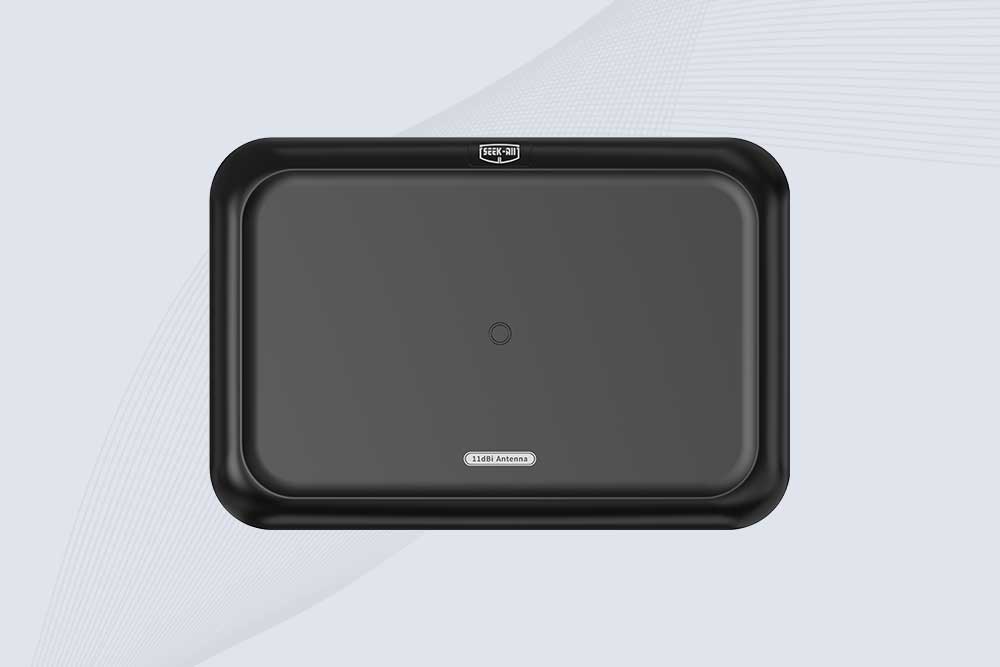
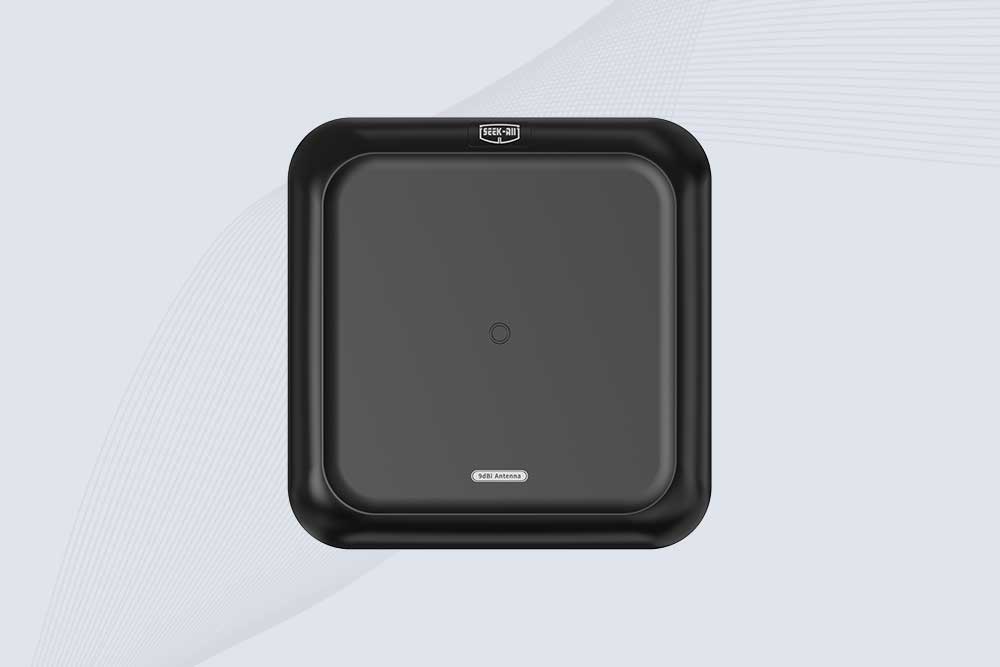
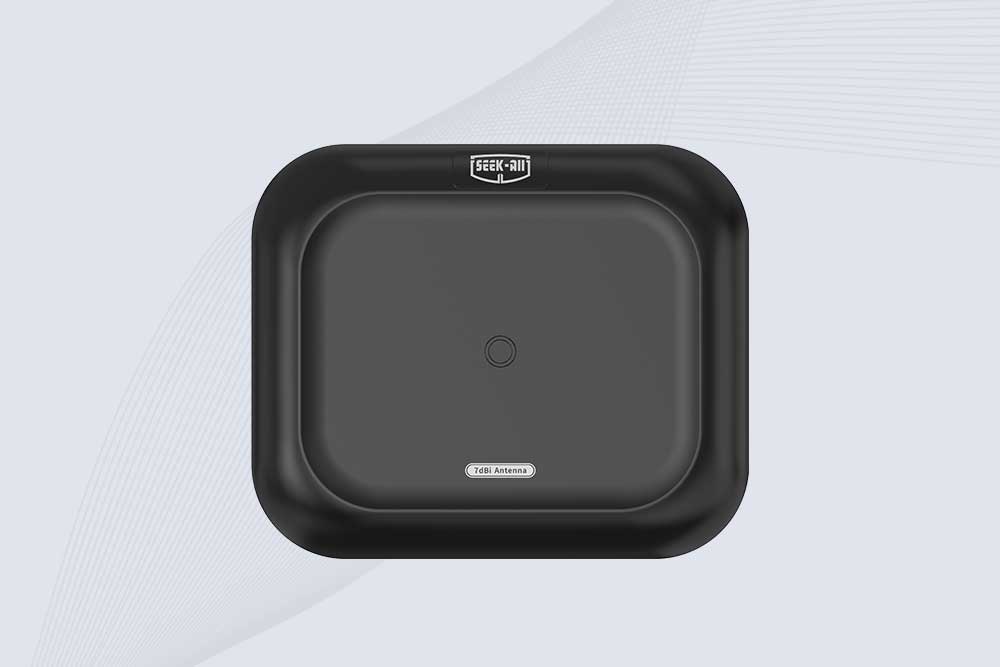
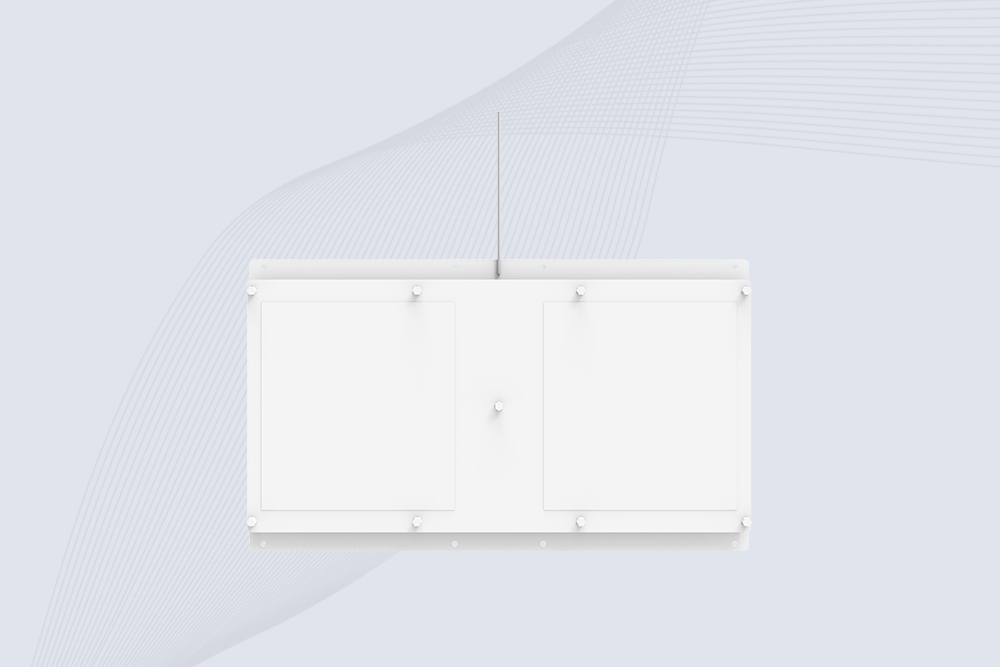
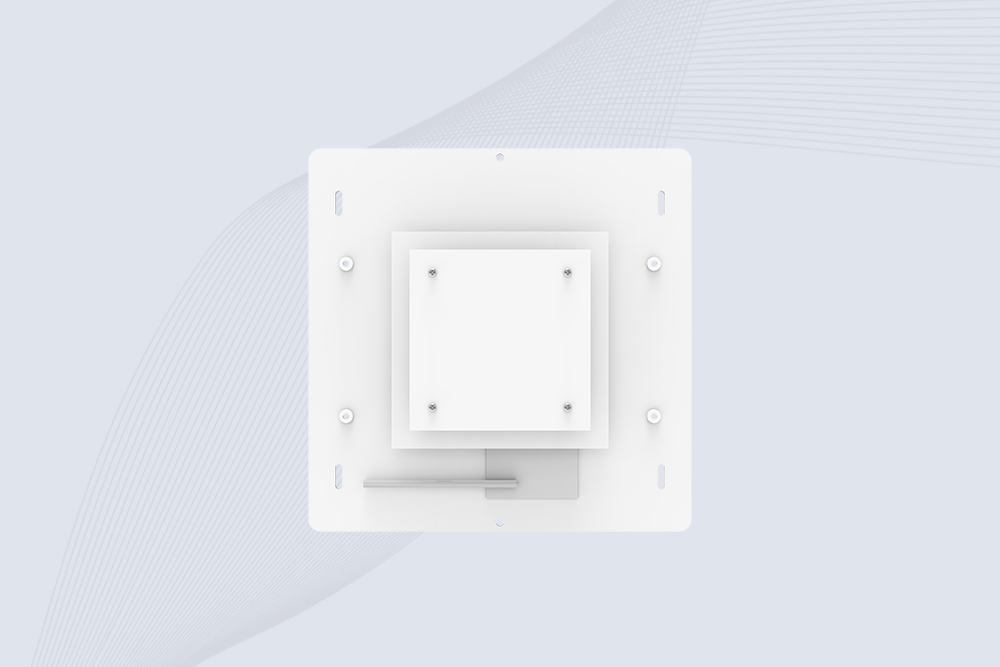
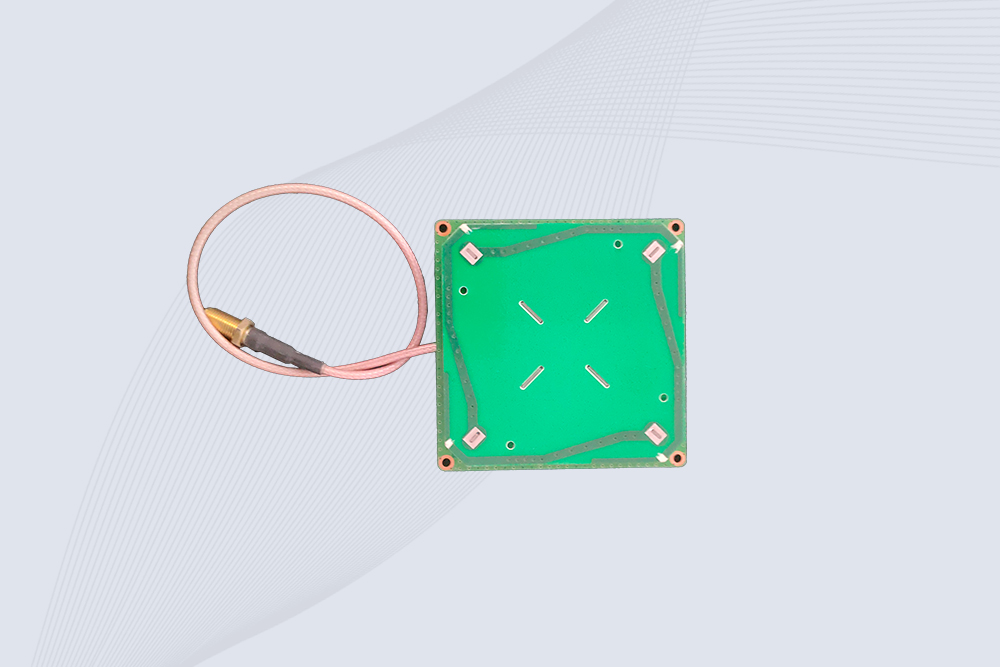
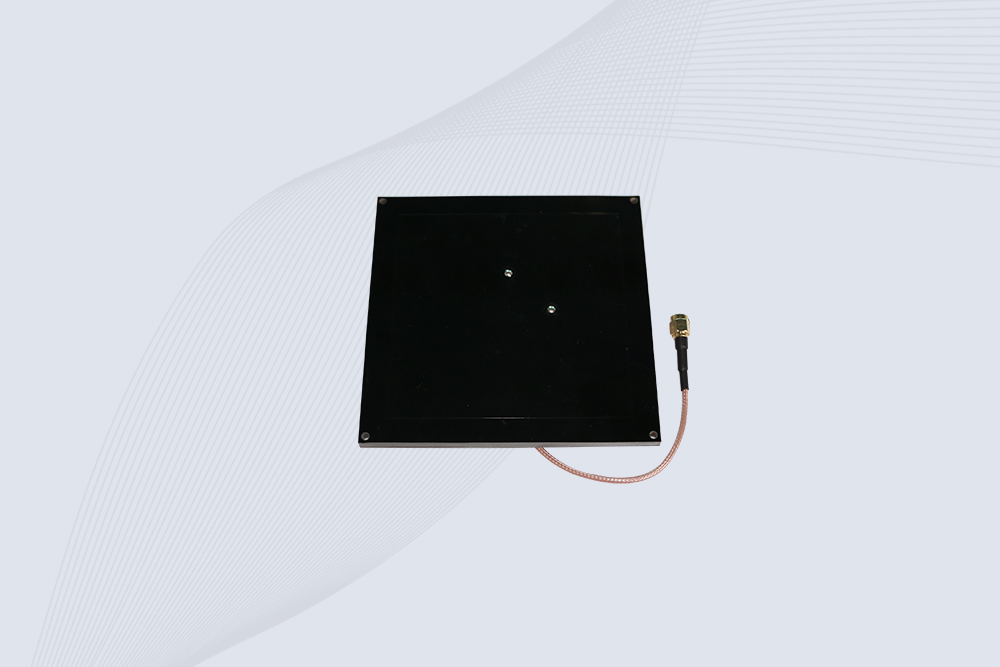
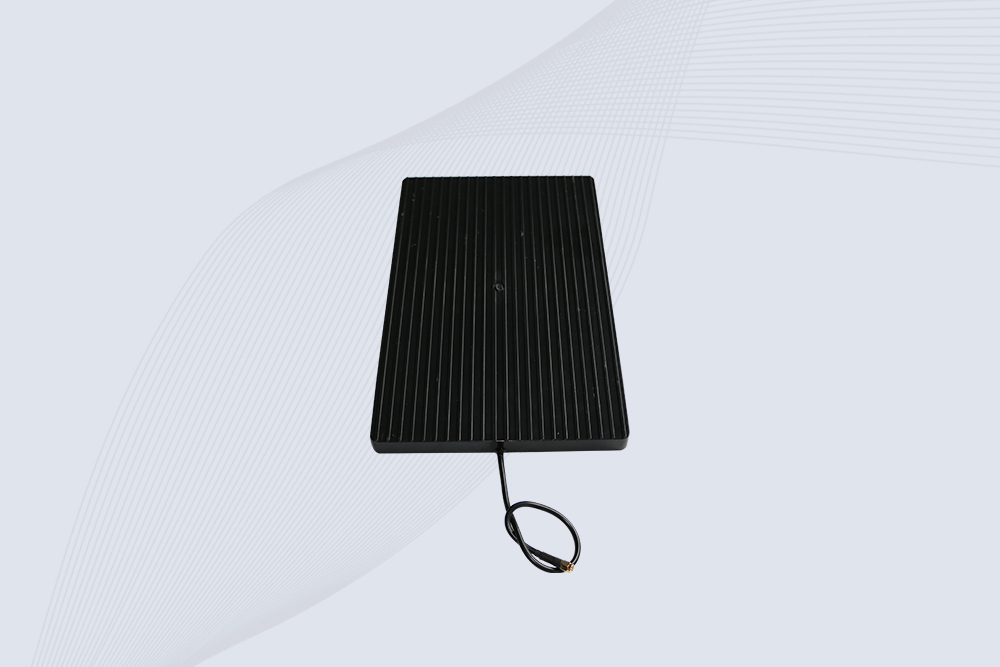
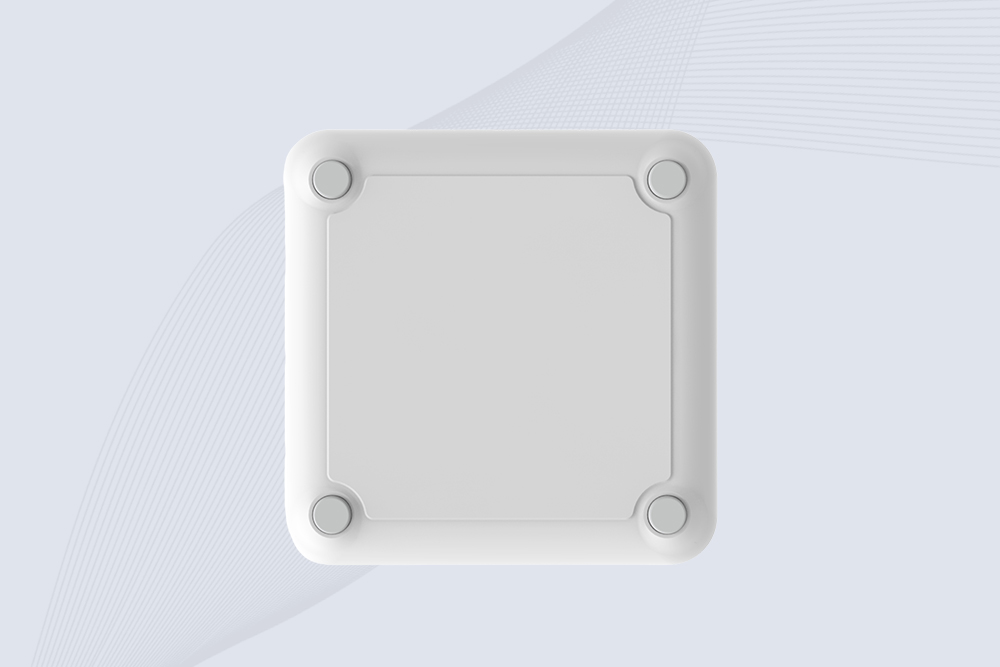
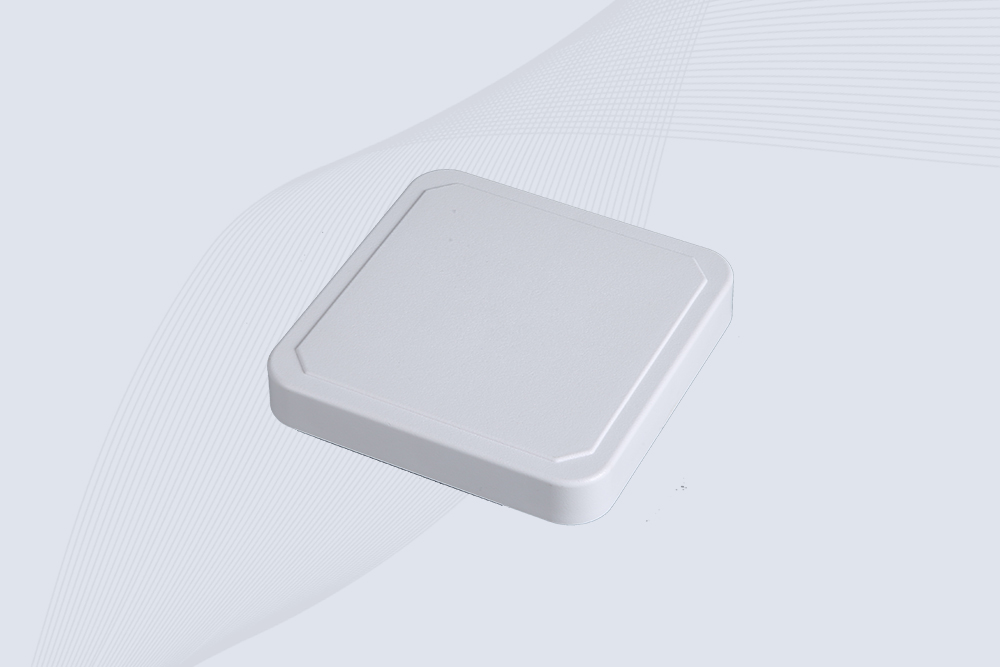
Explore the SSD-A07 UHF RFID antenna with 7 dBi gain, circular polarization, adjustable 840–960 MHz frequency, and 60°/75° beamwidth for stable RFID read/write performance.
SSD-A06 UHF RFID antenna with circular polarization, adjustable 840–960 MHz frequency, ≥4.5 dBi gain, and a compact directional design for RFID systems.
SSD-D3AL is a USB-HID UHF RFID reader with 0–30 cm reading, 0–15 cm writing, over 600 tags/s recognition, USB plug-and-play operation and OEM Logo customization.
SSD-D1AL is a compact USB UHF RFID reader with Impinj E710/X3M1 chipset, USB-HID, 600+ tags/s recognition, 4/8/16 antenna support and plug-and-play USB power.
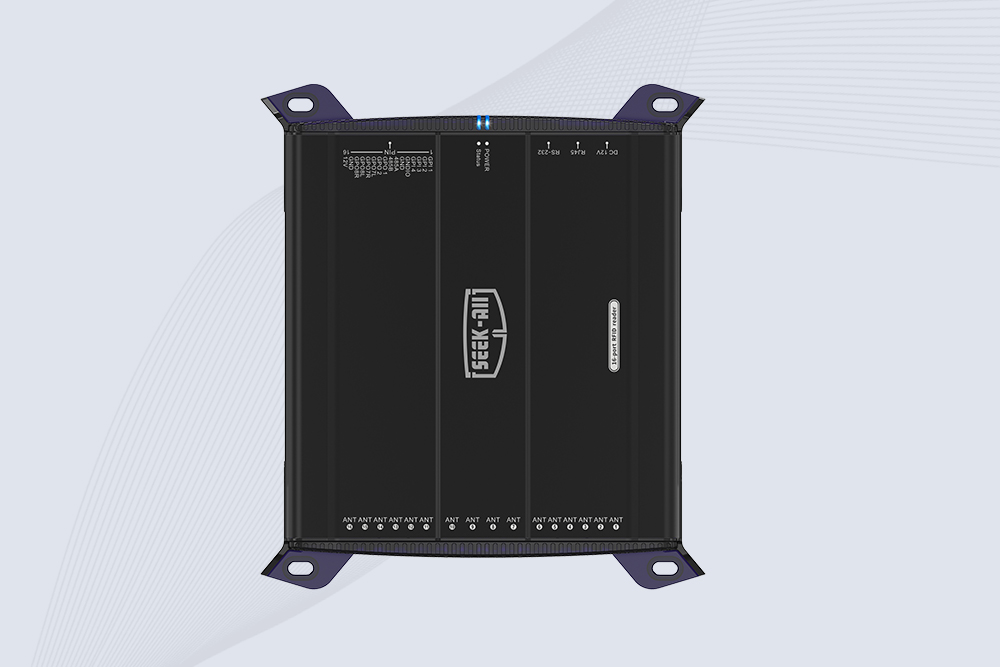
SSD-R16L Multi-Channel RFID Infrastructure for Automated Inventory Management ✔️ 16-Port High-Density RFID Reading Equipped with 16 SMA antenna ports, SSD-R16L supports multi-antenna deployment for warehouses, retail stores, logistics, production lines, and large-area RFID identification. ✔️ High-Speed & Long-Range Performance With up to 33…
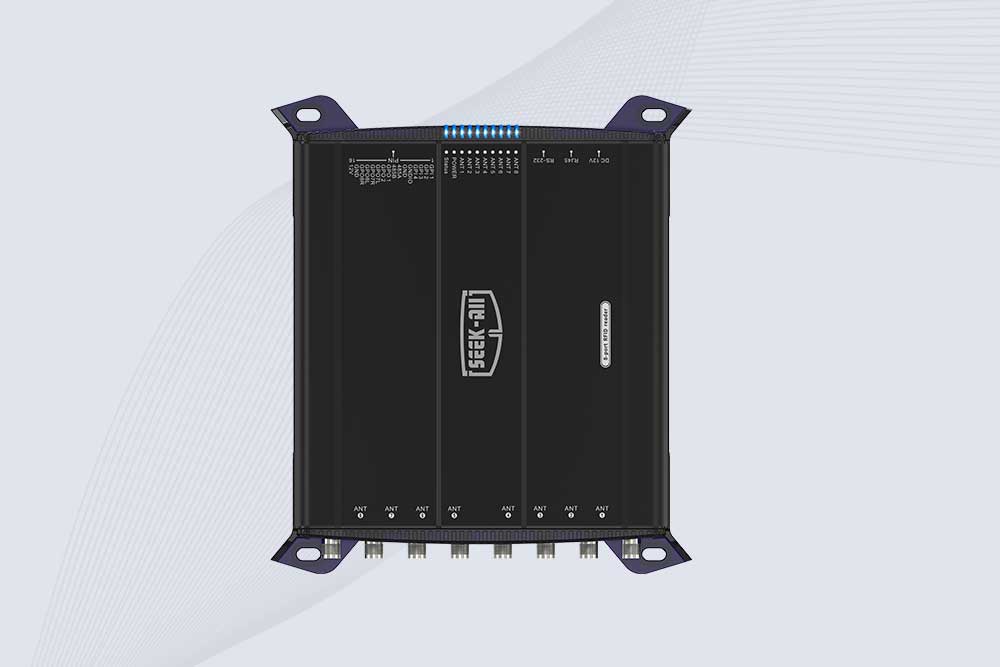
SSD-R8L 8-port UHF RFID reader with 33dBm output, up to 20m reading range and 600+ tags/s recognition. Ideal for warehouse, logistics, retail and asset tracking.
CYKEO CYKEO-D1LA USB RFID Reader is a compact desktop solution with near-field control for precise tag reading and encoding. Powered by USB, supporting ISO 18000-6C, and built for stable batch writing, this usb rfid tag reader fits retail, libraries, offices, and controlled RFID encoding tasks.
CYKEO CYKEO-D1L RFID scanner USB is a compact desktop UHF RFID scanner designed for short-range tag writing and verification. This usb rfid scanner supports batch encoding, stable 0–26 dBm output, and works across Windows, Linux, and Android systems.
CYKEO CYKEO-D1C USB RFID Card Reader is a near-field UHF desktop writer designed for secure, short-range tag encoding. With USB-C connectivity and stable 26 dBm output, this rfid reader usb c is ideal for badge issuance, label encoding, and controlled desktop RFID workflows.
CYKEO CYKEO-D2L RFID Reader USB is a compact desktop encoder built on the Impinj R500 chip. With near-field control and stable USB power, this usb rfid card reader delivers precise tag writing for offices, retail counters, and small-scale logistics encoding tasks.
CYKEO CYKEO-D3L USB RFID Tag Reader delivers stable UHF tag reading and writing for daily desktop and light industrial tasks. Designed for controlled short-range operation, this USB RFID Tag Reader works reliably with rfid tag and reader systems in libraries, tool tracking, and inventory registration.
The CYKEO CYKEO-D4L UHF RFID Tag Reader is a stable Desktop RFID Reader designed for accurate tag registration, borrowing, and return workflows. Built with the Impinj R2000 chip, this UHF RFID Tag Reader delivers controlled short-range reads for libraries, asset tracking, and inventory management environments.
The CYKEO CYKEO-D5L Desktop RFID Card Reader is a stable UHF RFID Card Reader designed for controlled short-range reading and writing. Built for libraries, tool rooms, and asset desks, this UHF RFID Card Reader supports dense tag handling, secure data processing, and easy USB integration.
The CYKEO CYKEO-D6L RFID Reader Writer is a heavy-duty Desktop RFID Reader designed for short-range, high-accuracy tag programming. Built for libraries, labs, and asset desks, this RFID Reader Writer supports batch processing, stable 33dBm output, and seamless integration with existing management systems.
Cykeo CYKEO-D8A embedded RFID badge reader offers 30+ tags/sec scanning, 20cm anti-crosstalk precision, and DC 12V power for unmanned stores, warehouses, and smart inventory systems.
Cykeo’s CYKEO-D8C UHF RFID gate reader achieves 200-tag/batch scanning with adjustable power control, ideal for retail inventory and smart warehouse management.
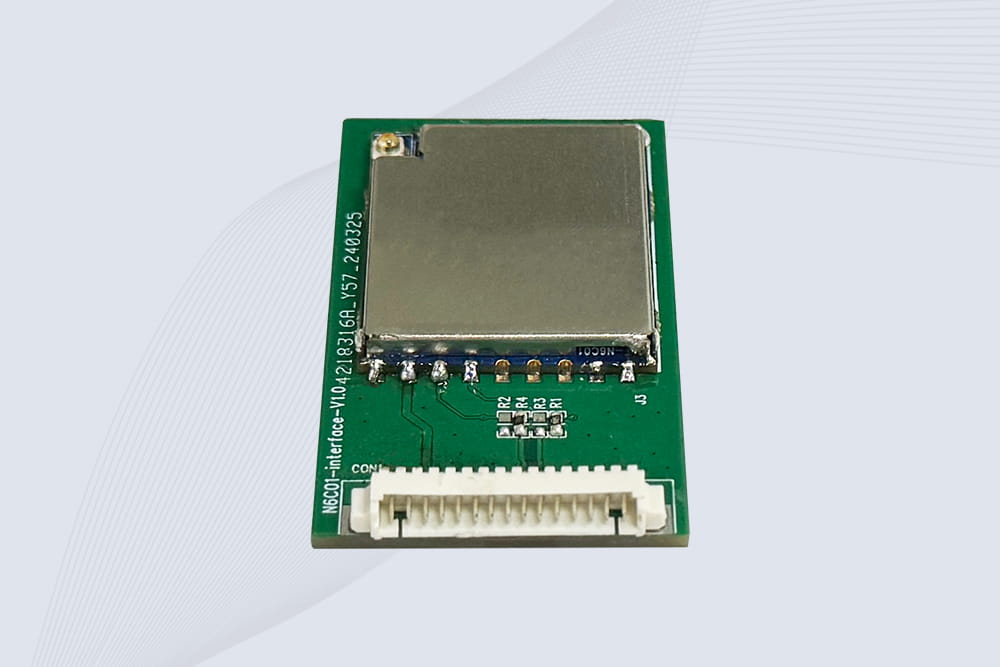
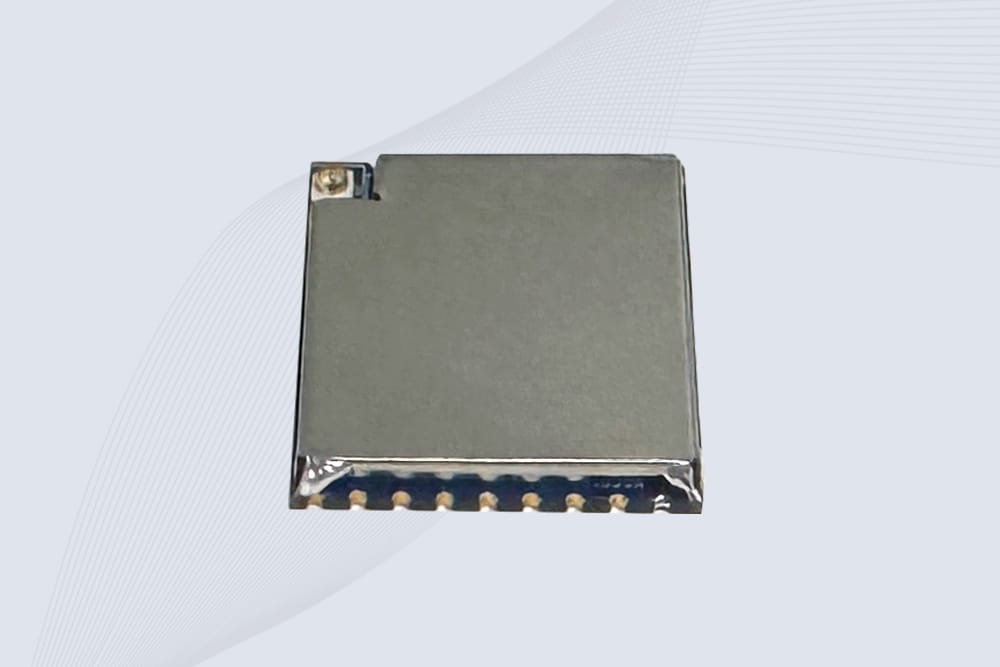
CYKEO Embedded RFID Modules are designed for compact industrial and IoT devices that require stable UHF performance. These UHF RFID Modules support global protocols, flexible power control, and reliable multi-tag reading for smart cabinets, production lines, and asset tracking systems.
CYKEO Embedded RFID Module is built for compact IoT and industrial devices that need stable UHF performance. This UHF module supports global protocols, low power operation, and reliable multi-tag reading for smart lockers, production lines, and always-on RFID systems.
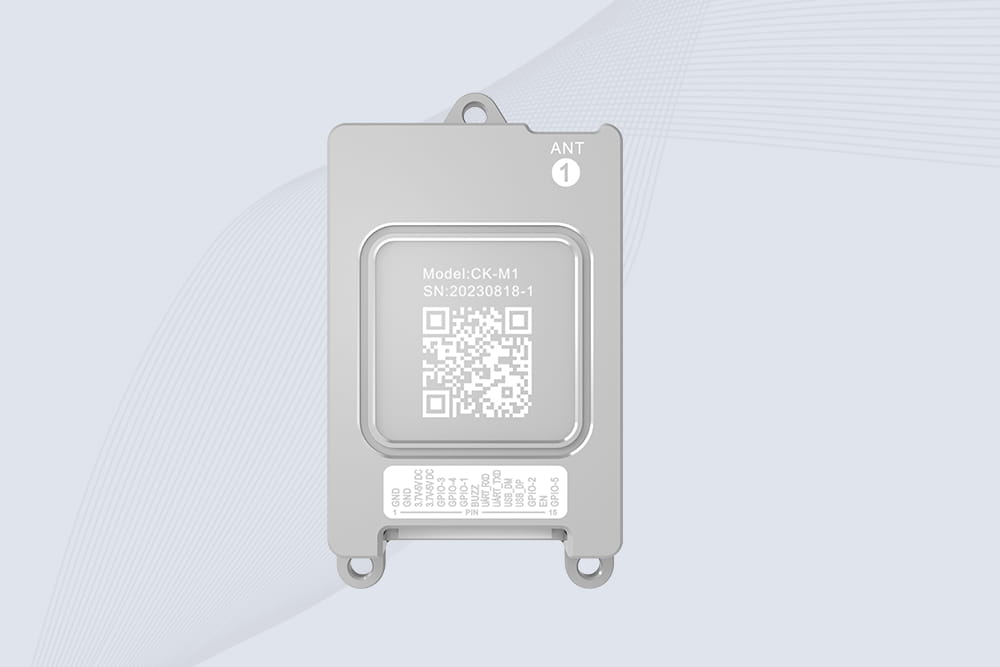
CYKEO CYKEO-M1 drone rfid module is a compact UHF RFID reader module designed for drones and UAV platforms. It supports long-range aerial scanning, fast multi-tag reading, and stable performance in wind, vibration, and outdoor environments.
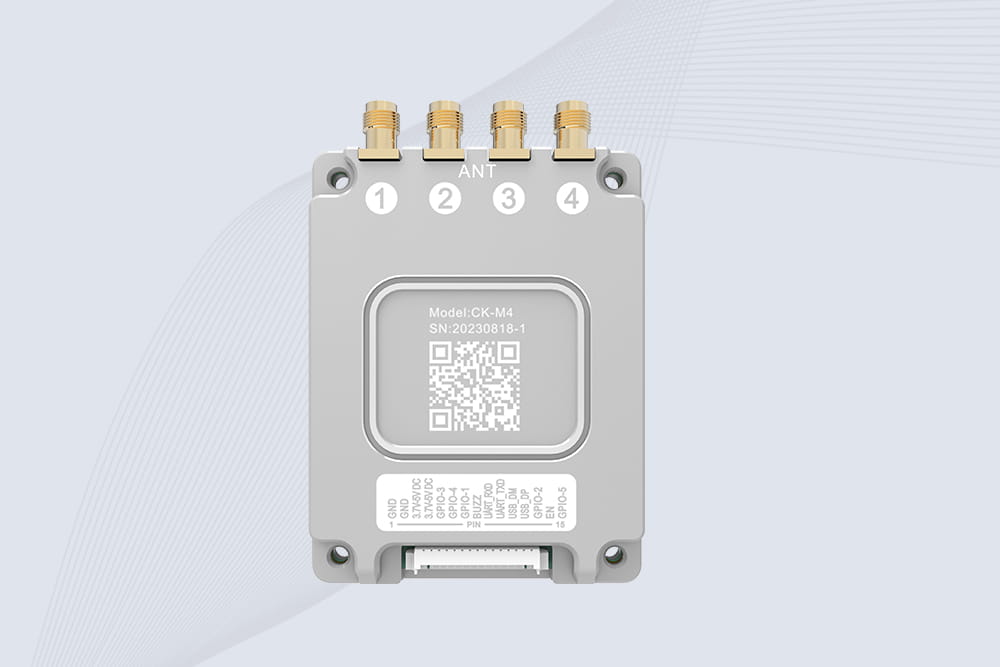
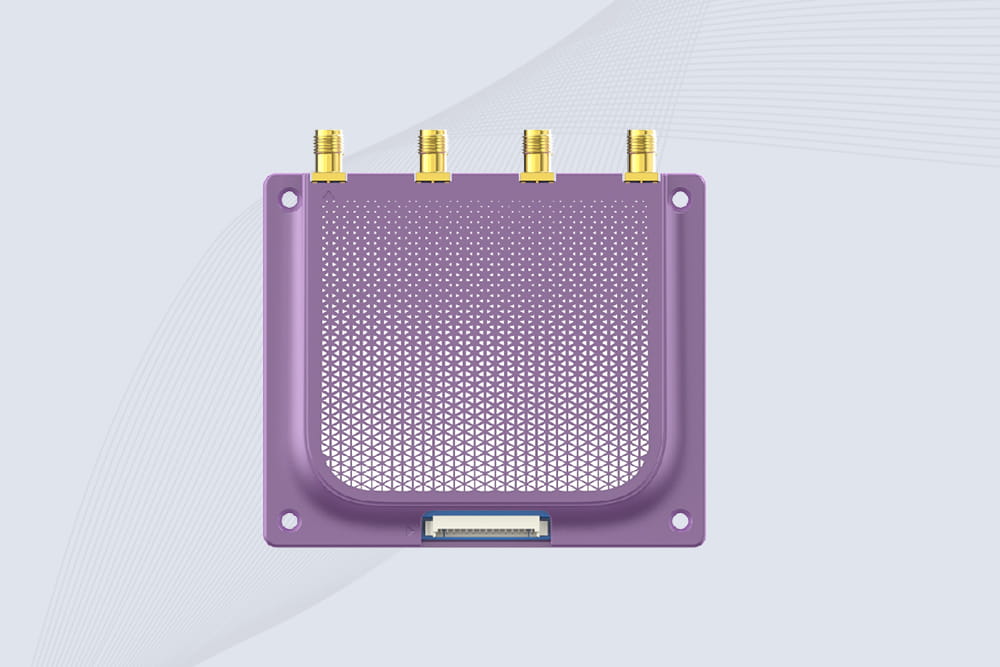
CYKEO CYKEO-M4 RC522 RFID Module is an industrial-grade UHF RFID reader with 4 ports, supporting ISO, EPC, and GB protocols. High-speed, accurate reading for IoT, automation, and warehouse applications.
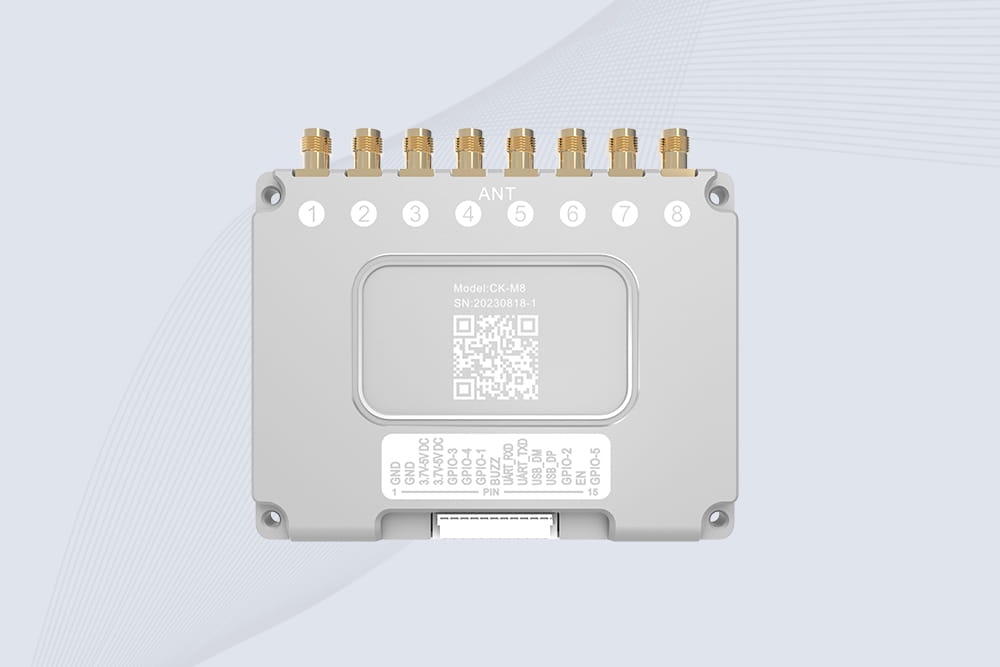
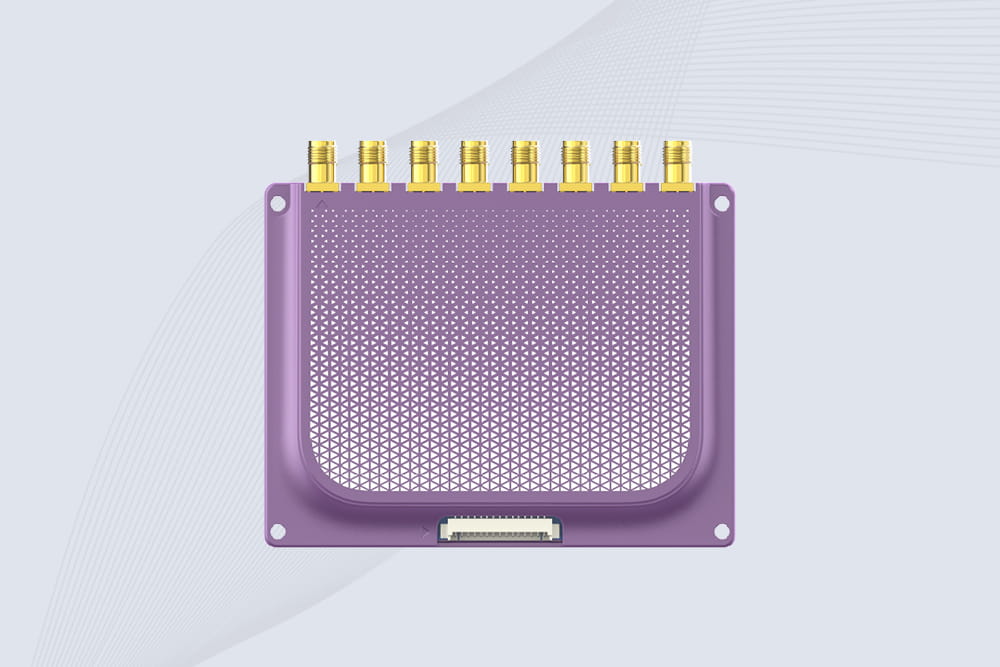
CYKEO CYKEO-M8 Module RFID is an 8-port UHF R2000 RFID Module designed for high-density, multi-tag environments. Stable 33dBm output, ISO & GB protocol support, ideal for warehouses, factories, and automated systems.
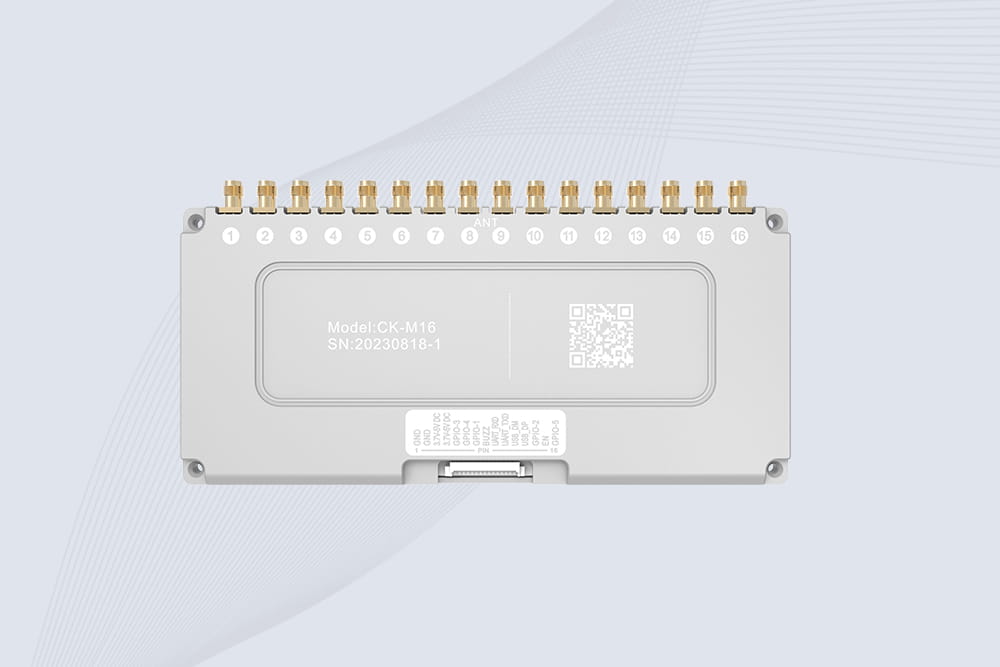
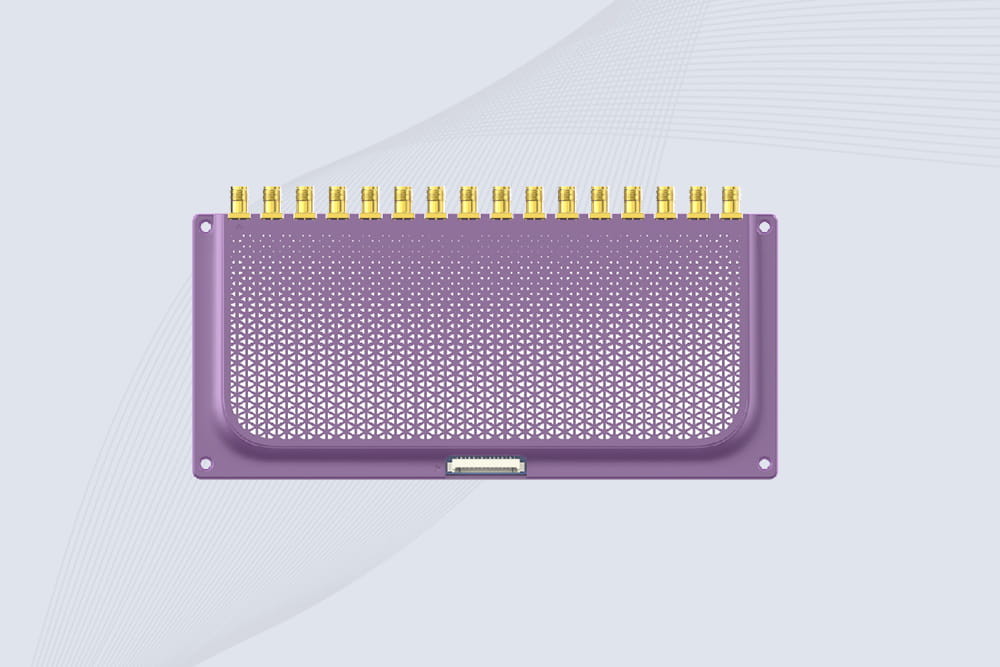
CYKEO CYKEO-M16 RFID Module is a 16-port UHF RFID reader module based on the R2000 chipset. Designed for dense tag environments, it supports ISO and GB standards and delivers stable multi-antenna control for industrial automation.
The CYKEO CYKEO-M16L RFID Reader Module is a 16-channel UHF RFID core designed for dense tag environments. With adjustable 33dBm output, multi-protocol support, and stable multi-antenna control, this RFID Tag Reader Module fits industrial automation, warehouse systems, and large-scale IoT deployments.
CYKEO CYKEO-M8L module RFID is a compact industrial UHF module built for dense tag and multi-antenna environments. With 8 RF ports, adjustable 33 dBm output, and ISO & GB protocol support, it is widely used in factories, warehouses, and automated tracking systems.
CYKEOCYKEO-M4L UHF RFID Module is a compact 4-channel RFID tag reader module designed for dense tag environments. Supporting ISO and GB protocols, it delivers stable reads up to 10 meters for industrial and IoT systems.
Cykeo CYKEO-A11 UHF RFID reader antenna delivers 11dBi gain, 840-960MHz frequency range, and IP65 ruggedness for retail, logistics, and industrial RFID systems. Features low VSWR and easy installation.
CYKEO Antenna RFID Reader delivers stable long-range UHF performance with a 10.5dBi directional design, built for warehouses, conveyor portals, and industrial RFID systems. This rfid reader antenna provides 20m+ read distance and rugged IP67 protection.
Cykeo CYKEO-A5B industrial Linear RFID Antenna delivers 5dBi gain, ≤1.5:1 VSWR, and IP65 rugged design for warehouse, production line, and logistics UHF systems.
Cykeo’s CYKEO-B12 Long Range RFID Antenna delivers 15m+ read range with 12dBi gain, IP65 rugged design, and global 840-960MHz UHF support. Ideal for warehouse/logistics asset tracking.
Cykeo CYKEO-B10 Long Distance RFID Antenna offers 10dBi gain, 840-960MHz frequency range, IP65 rating, and 20m+ coverage for logistics/warehousing/ETC systems. Low VSWR ensures stable signal transmission.
Cykeo CYKEO-A6 UHF RFID panel antenna features 6dBi gain, 840-960MHz broadband, IP65 metal-ready housing for logistics/smart retail. 18mm ultra-thin design with tool-free mounting.
Cykeo CK-A3 industrial antenna RFID UHF offers 5m+ tag detection, ≤1.3:1 VSWR, IP65 rugged design, and global UHF spectrum compatibility (840-960MHz) for warehouses, factories, and retail.
Cykeo CYKEO-B5 directional RFID antenna provides 5dBi gain with 60° narrow beamwidth for precise inventory tracking. IP65-rated, global UHF frequency support, and low VSWR.
Create your own high-performance DIY RFID antenna! 5dBi gain, 840-960MHz tunable, step-by-step guides. Compatible with Arduino, Raspberry Pi, and commercial UHF readers.
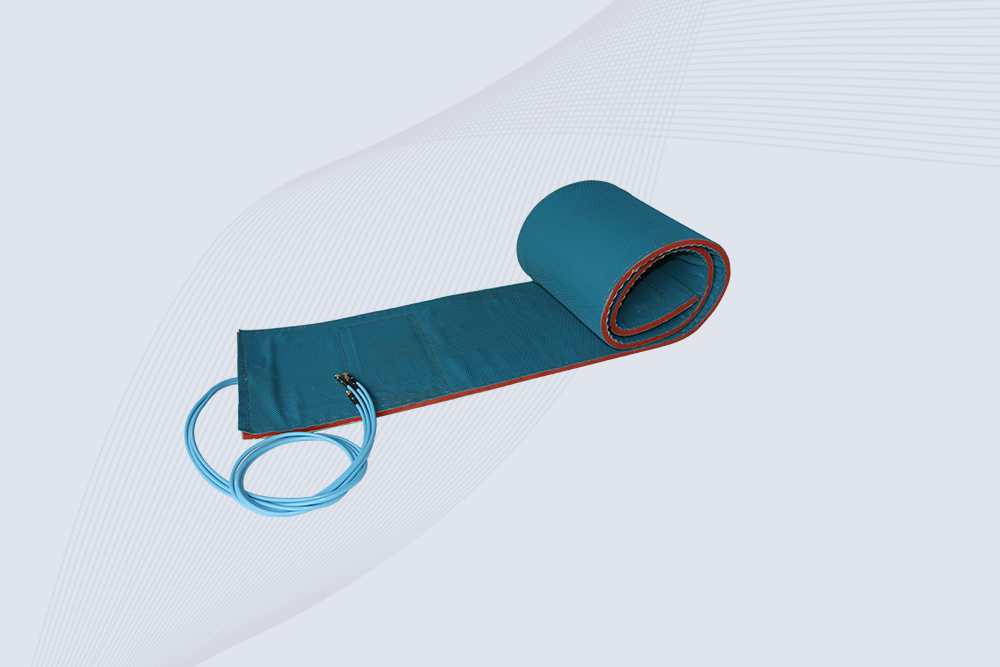
Cykeo CYKEO-A7 Flexible RFID Antenna features 840-960MHz wideband tuning, 7dBi gain, and IP68 rating for medical/retail/industrial curved surface deployments. 98% read accuracy with peel-and-stick installation.
Cykeo CYKEO-B5A industrial Passive RFID Antenna delivers 5dBi gain, 70° beamwidth, and -40°C~55°C operation for warehouses/smart cabinets. Compatible with Zebra/Impinj readers.
Cykeo’s CYKEO-A9B High Gain RFID Antenna delivers 15m+ read range with 9dBi amplification. Features IP54 rugged design, 840-960MHz bandwidth, and 80° beamwidth for warehouse/manufacturing RFID systems.
Cykeo’s enterprise-grade 8dbi Impinj RFID Antenna 10m+ read range with 840-960MHz tuning. Features IP65 housing, 1.4 VSWR, 35° beamwidth for retail/warehouse RFID systems.
Cykeo CYKEO-A9 industrial UHF RFID antenna delivers 9dBi gain, 840-960MHz frequency range, and IP65 protection for warehouse/logistics/retail RFID systems. Features N-type connector and ≤1.3:1 VSWR.
CYKEO UHF RFID Antenna built for long-distance and industrial applications. This antenna rfid uhf delivers strong gain, outdoor durability, and reliable tag performance in warehouses, yards, and vehicle ID systems.
CYKEO Antenna RFID delivers reliable long-range UHF performance in warehouses, retail shelves, and cold-chain environments. This compact uhf rfid antenna provides stable reads with circular polarization and ultra-wide 840–960 MHz support, ideal for industrial tracking, smart shelves, and asset monitoring.
Cykeo’s CYKEO-C8 UHF RFID antennas delivers 8dBi gain, 840-960MHz full-band coverage, and IP65 ruggedness for manufacturing/warehouse RFID systems. Industrial RFID Antennas Features
Cykeo’s 8dBi UHF RFID antenna and reader kit delivers 10m+ range, 840-960MHz broadband, and IP65 ruggedness for factories, warehouses, and logistics. ISO 18000-6C & EPC Gen2 certified.
Discover how RFID manufacturing solutions improve production visibility, WIP tracking, inventory accuracy, and asset management. Learn how Cykeo helps manufacturers automate operations.
This article provides a comprehensive overview of livestock RFID readers, including how they work, key features, usage scenarios, and buying tips—helping users improve animal identification efficiency and optimize farm operations.
Can you track RFID chips? Learn how passive and active RFID tracking works, what determines location accuracy, and how Cykeo RFID systems capture reliable asset movement data.
Discover what is a rfid card, how RFID cards store and transmit data, and how Cykeo RFID solutions improve identification, tracking, and smart management.
 Cykeo RFID IoT Solution Products R&D Manufacturer