In many RFID projects, the hardest part is not the tag or the reader itself. It’s the software connection in between.
If you are building a warehouse system, a library checkout platform, a tool tracking application, or any kind of internal management software, you probably don’t want a bulky reader or a complicated industrial device sitting on a desk. You want something small, predictable, and easy to talk to from your own code. That is exactly where the CYKEO CK-D1L RFID USB scanner fits in.
This device was designed from day one for software developers, not just end users.
A Desktop RFID USB Scanner That Behaves Like a Tool, Not a Machine
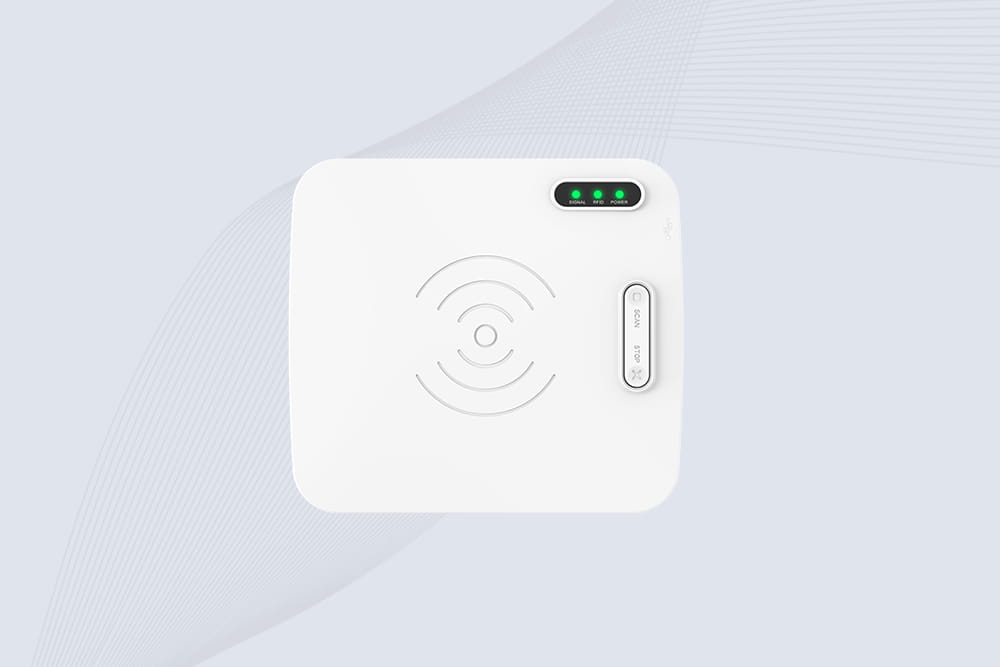
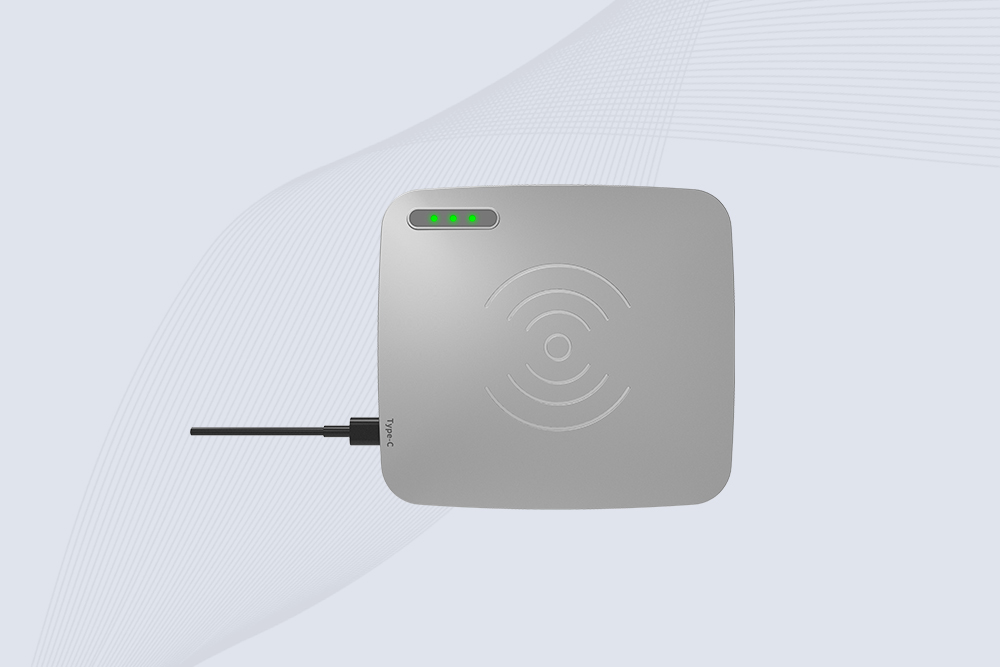
The CK-D1L is a compact USB RFID scanner that connects directly to a computer through a USB Type-C cable. No network setup. No power adapter. No background services you have to fight with.
Plug it in, launch the demo software, and it’s ready.
Because it uses a near-field antenna, the read and write range stays tightly controlled. In real use, this matters more than people think. You don’t want the reader grabbing the wrong tag when you’re issuing cards or initializing labels. With the CK-D1L, reading stays within about 30 cm, and writing stays within 10 cm, which keeps operations clean and predictable.
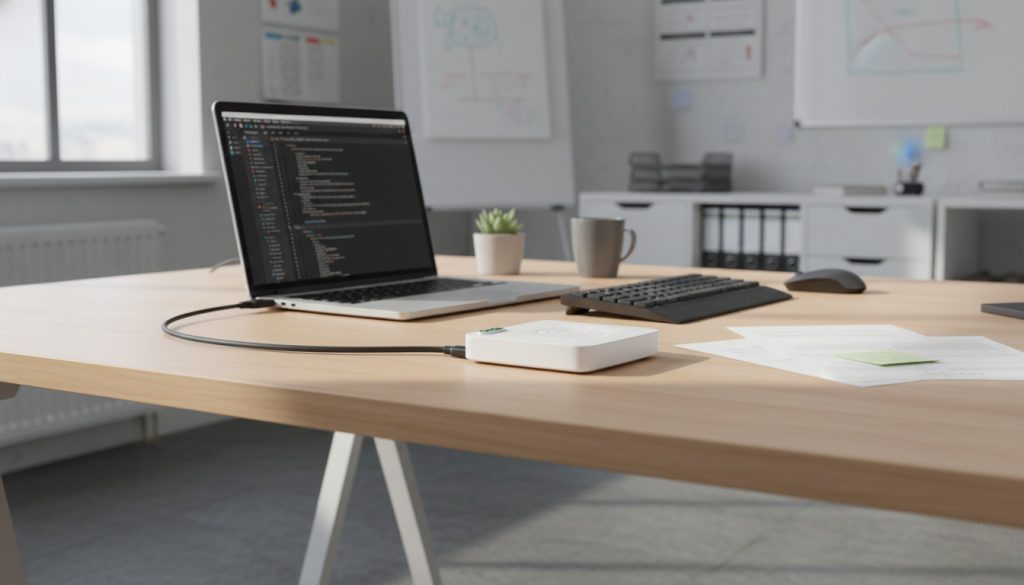
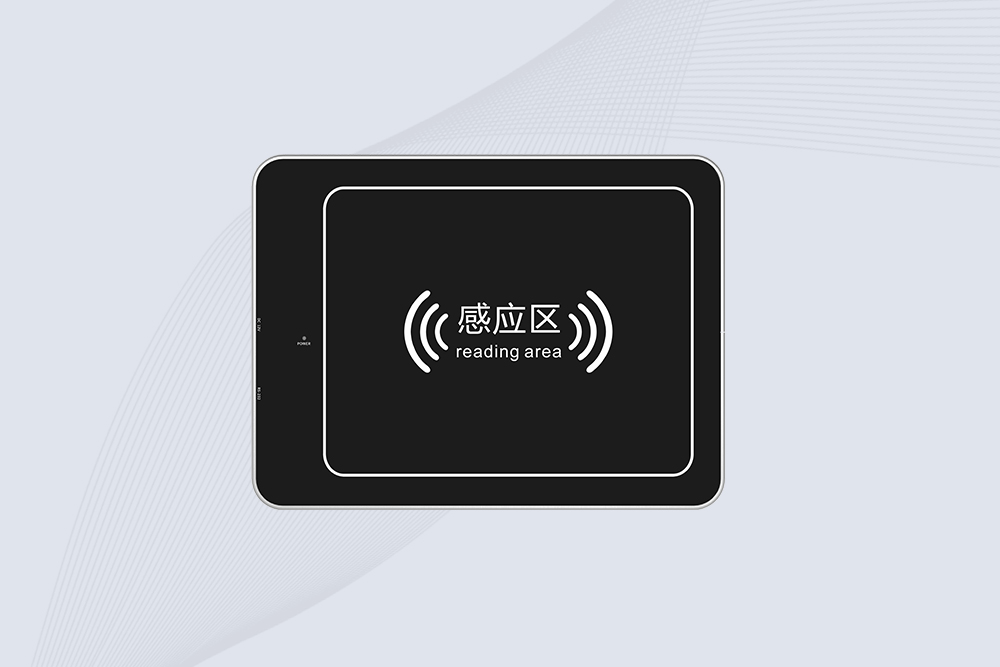
CK-D1LA used as a desktop RFID USB scanner during software development
Why Developers Prefer Controlled Read Ranges
From a software point of view, RFID errors usually don’t come from the code. They come from unexpected tag reads.
The CK-D1L avoids that by design. The near-field antenna keeps things local. When your application sends a write command, the reader doesn’t guess. It writes to the tag placed in front of it. That’s it.
This makes the device especially useful for:
Desktop tag issuing
Card initialization
Label data conversion
Small checkout or settlement stations
RFID testing during software development
Demo Software That Actually Helps You Build
We’ve seen many RFID devices ship with demo tools that are either too simple or too locked down. CK-D1L is different.
CYKEO provides ready-to-use demo software for reading and writing RFID tags, as well as C# and Java development resources. The demo is not just for testing hardware. It shows how tag data is structured, filtered, and returned to your system.
Most customers use the demo as a bridge. First, they test workflows. Then they integrate the same logic into their own software system.
What Software Teams Usually Struggle With (And How This Helps)
Software teams working with RFID often face the same problems:
Unstable write results
Over-reading nearby tags
Complicated SDKs
Too many parameters to manage
Hardware that behaves differently across environments
The CK-D1L solves these in very practical ways:
Stable write output up to 26 dBm
Clear, limited read/write zones
Simple USB communication
Predictable behavior on every desk
Lightweight ABS housing that doesn’t overheat
This is why many teams keep one on every developer’s desk.
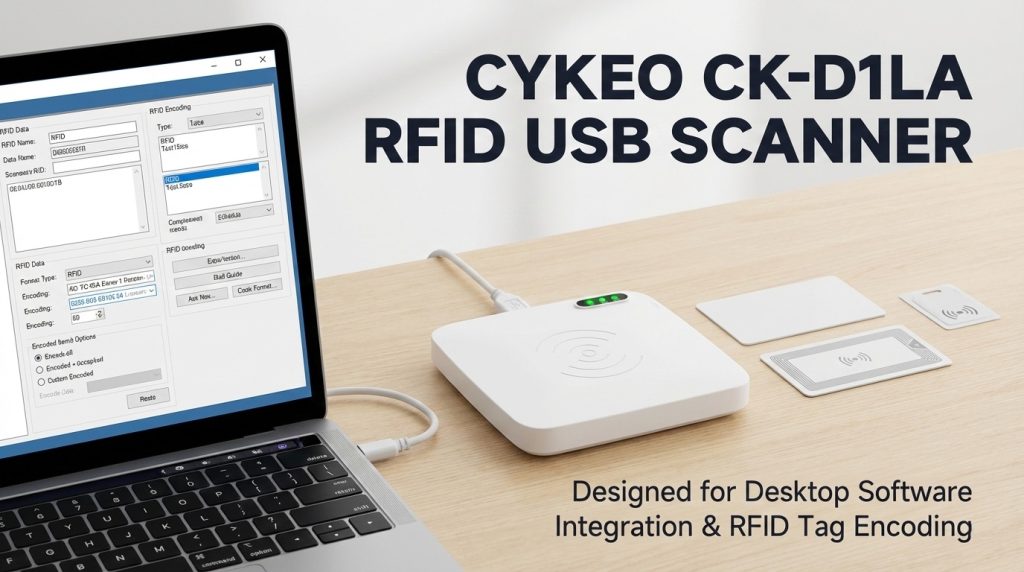
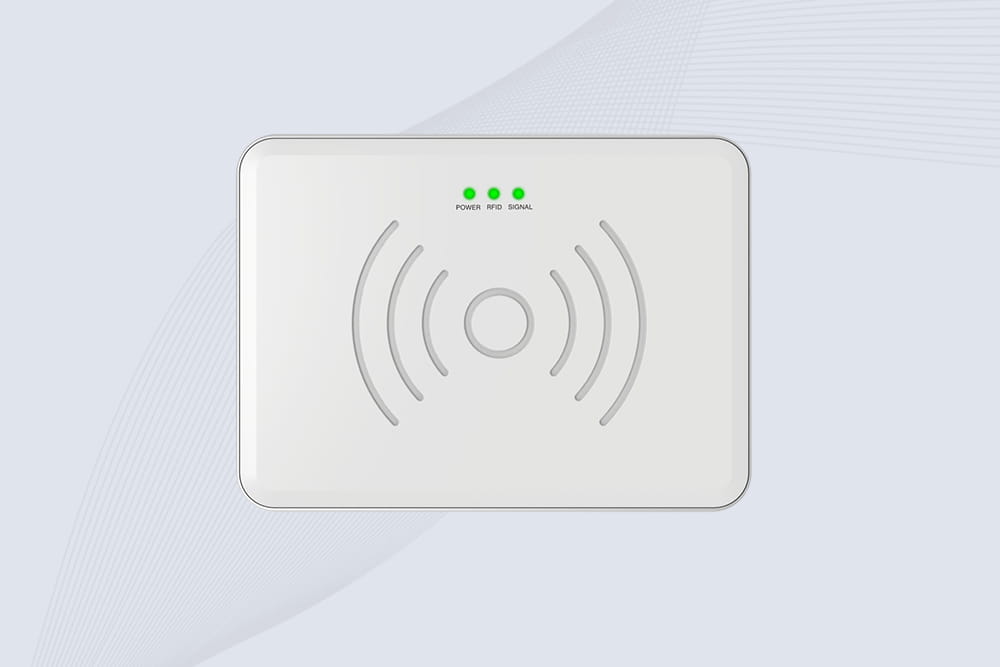
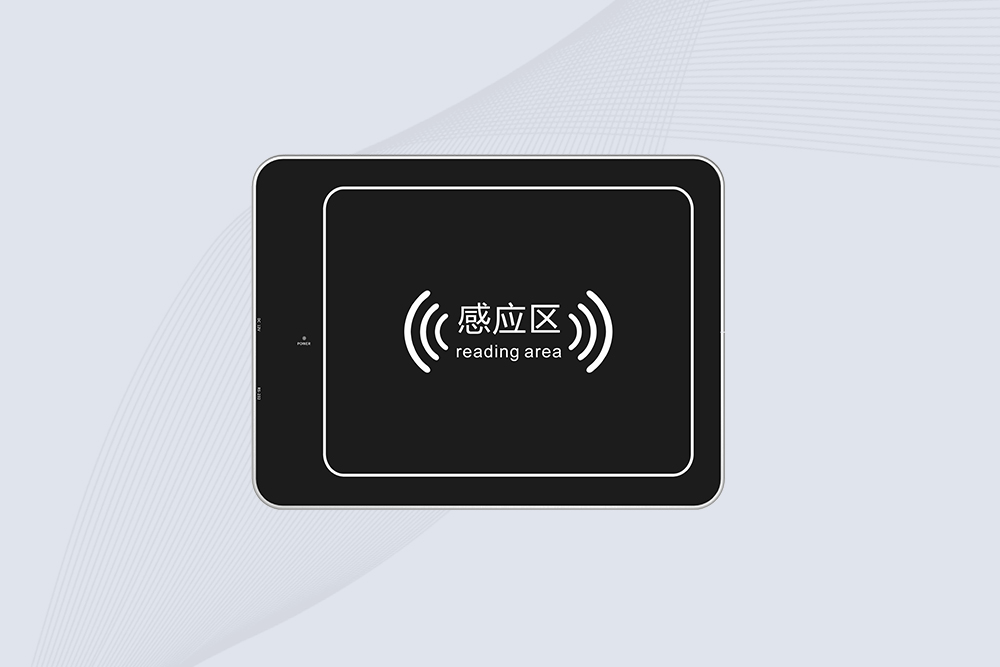
CYKEO CK-D1L – Compact RFID USB scanner for software systems
Despite its size, the CK-D1L supports:
ISO 18000-6C / EPC C1G2
ISO 18000-6B
Circular polarization
Adjustable output power from 1 to 26 dBm
It weighs only 200 grams, which makes it easy to move between desks, offices, or demo rooms.
Seamless Integration with Your Own Software System
The real value of an RFID USB scanner is not how fast it reads tags, but how easily your system can use the data.
Once integrated, your application can:
Read EPC or user memory
Write structured data to tags
Filter tags automatically
Trigger actions based on tag presence
Log operations for auditing
This makes the CK-D1L a natural fit for custom software platforms, not just off-the-shelf tools.
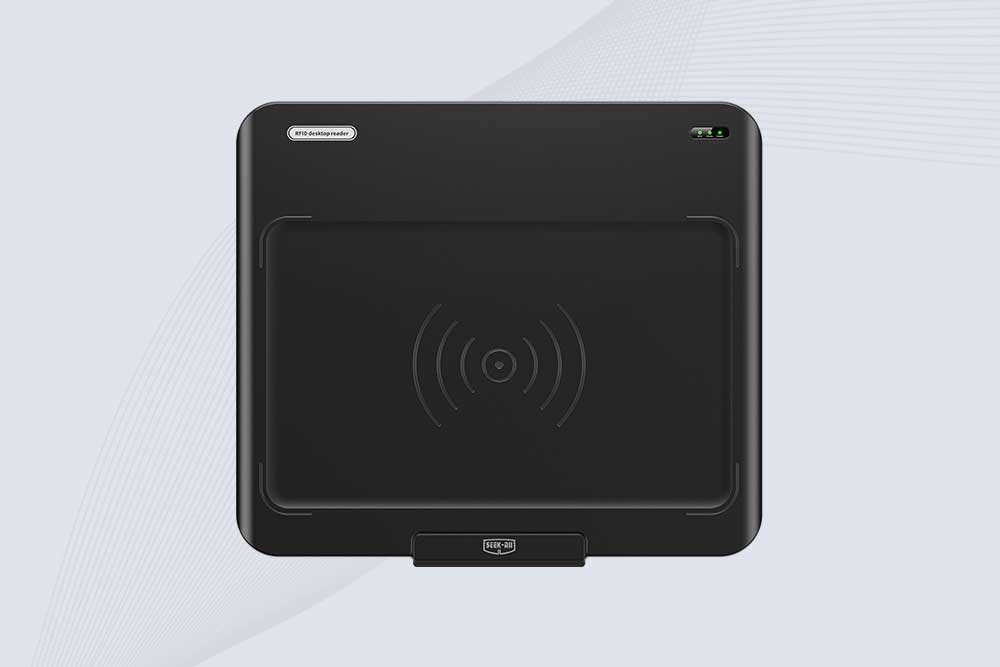
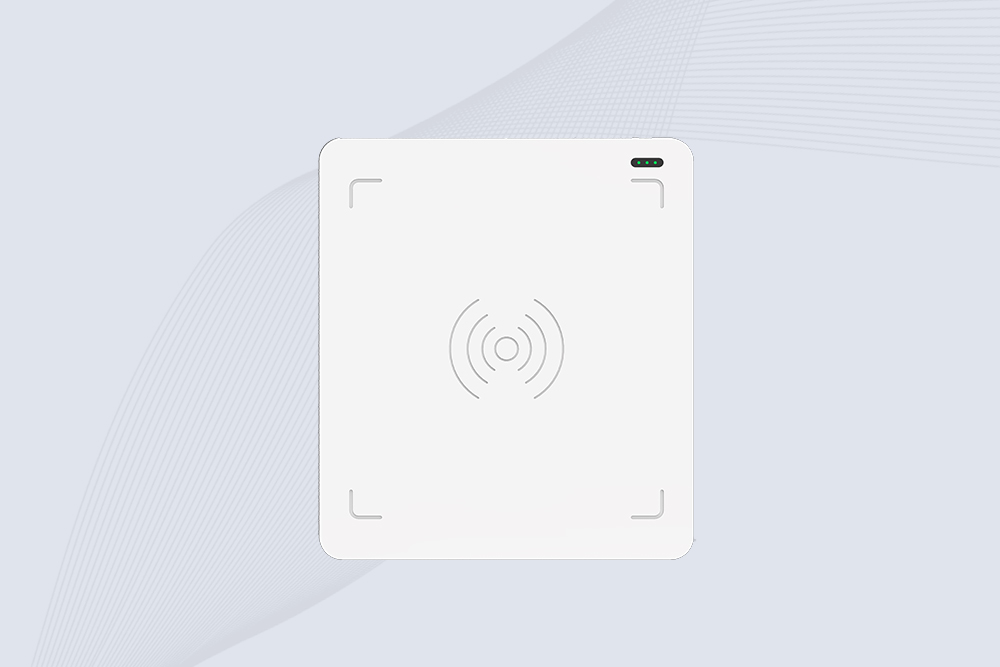
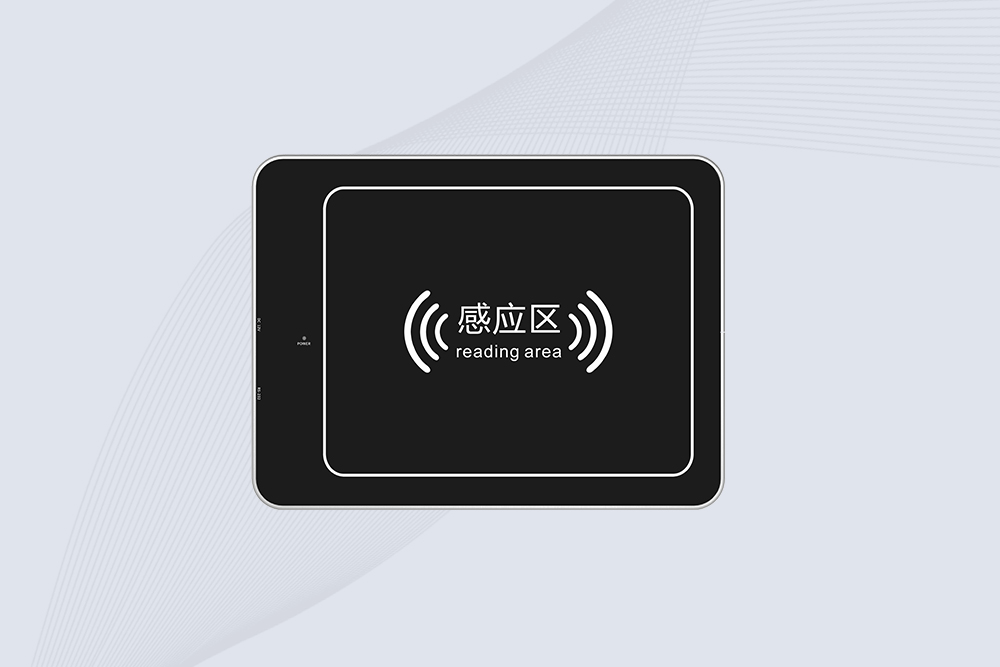
CK-D1LA integrated into a custom desktop software system
Who This RFID USB Scanner Is Really For
The CK-D1L is built for people who write code, test systems, and deploy software:
Software development teams
System integrators
RFID solution providers
Internal IT departments
Startups building RFID-enabled platforms
If your software needs reliable RFID input without complexity, this device fits naturally into your workflow.
CYKEO doesn’t design hardware to impress on paper. The focus is on how the device behaves in daily use. The CK-D1L is quiet, stable, and predictable — exactly what developers want.
You plug it in. You read a tag. You write data. Your software gets what it expects.
Discover how long range RFID scanners help hospitals track medical equipment, reduce asset loss, improve inventory visibility, and build more efficient healthcare management systems.
Discover how a hospital parking system using RFID improves emergency vehicle access, speeds up gate operations, and organizes staff and visitor parking through touchless automation and smart data tracking.
Learn the 7 key factors to choose the right RFID tag for your application, including frequency, read range, tag type, durability, memory, cost, and compliance.
Learn how far a long range RFID scanner can read and what really affects RFID distance performance. A practical guide for RFID integrators, distributors, and industrial project buyers.
 Cykeo RFID IoT Solution Products R&D Manufacturer