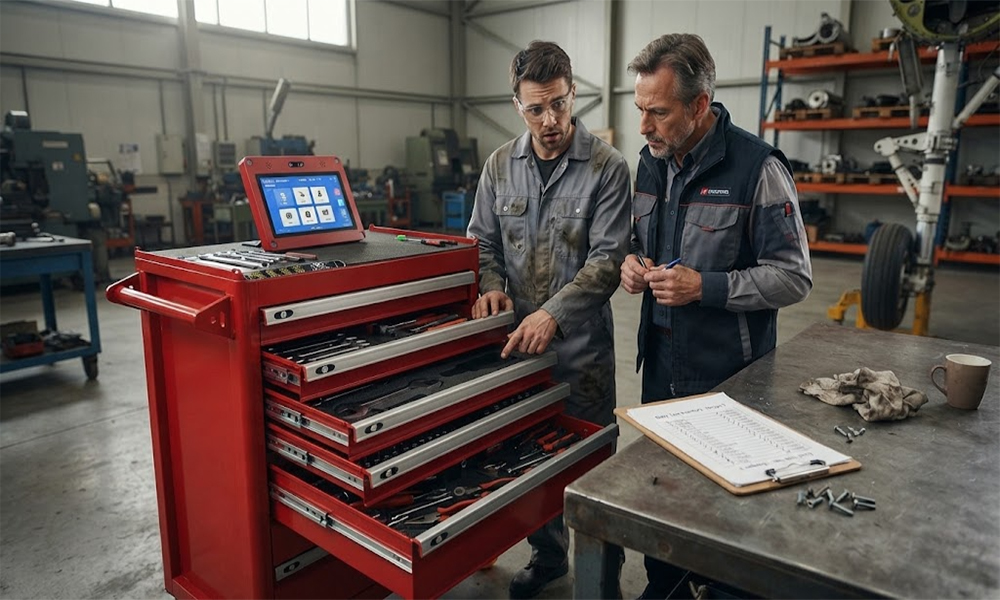
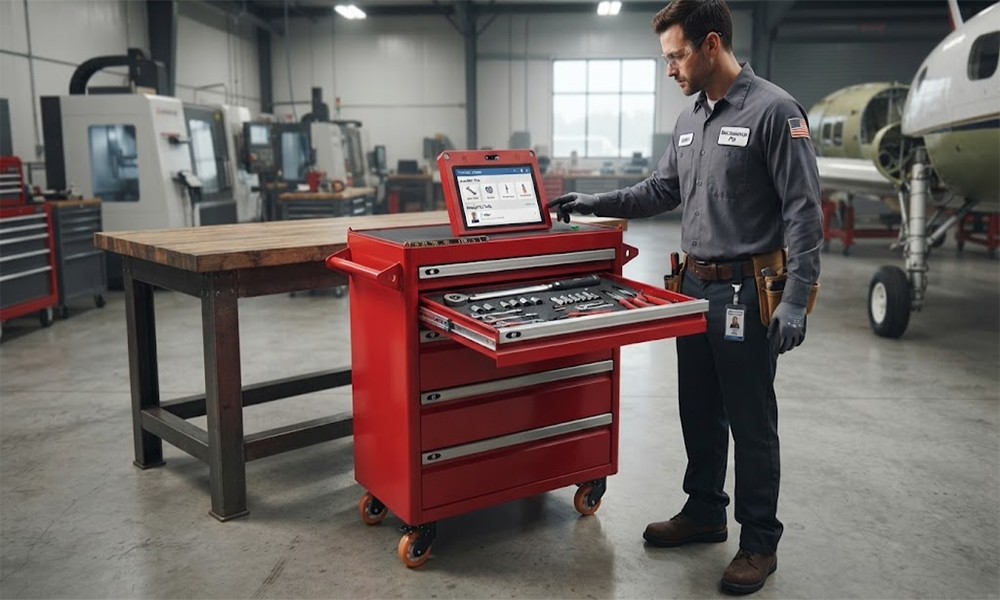
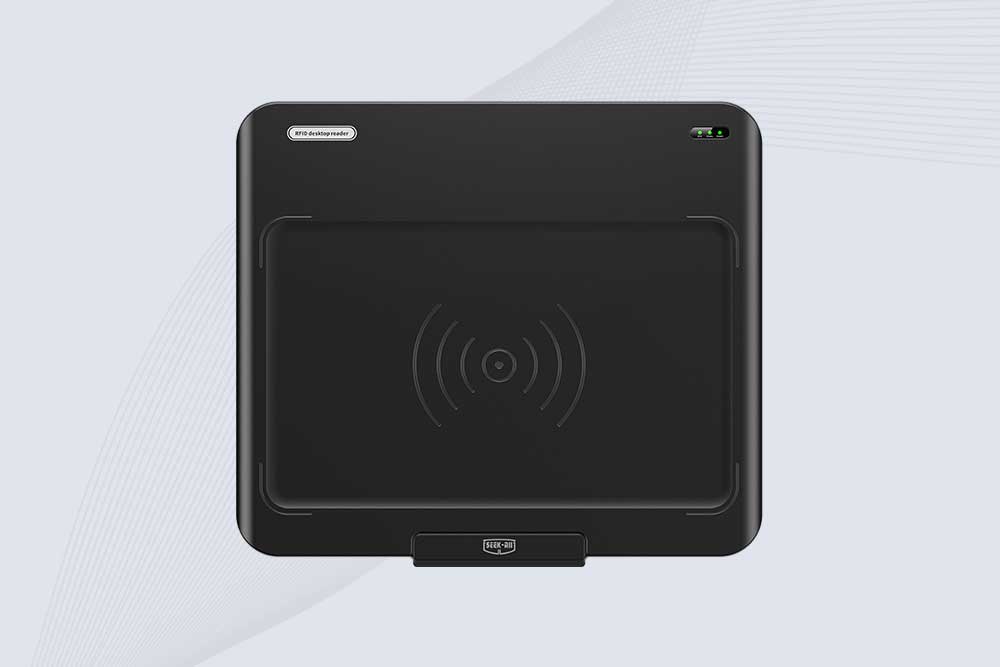
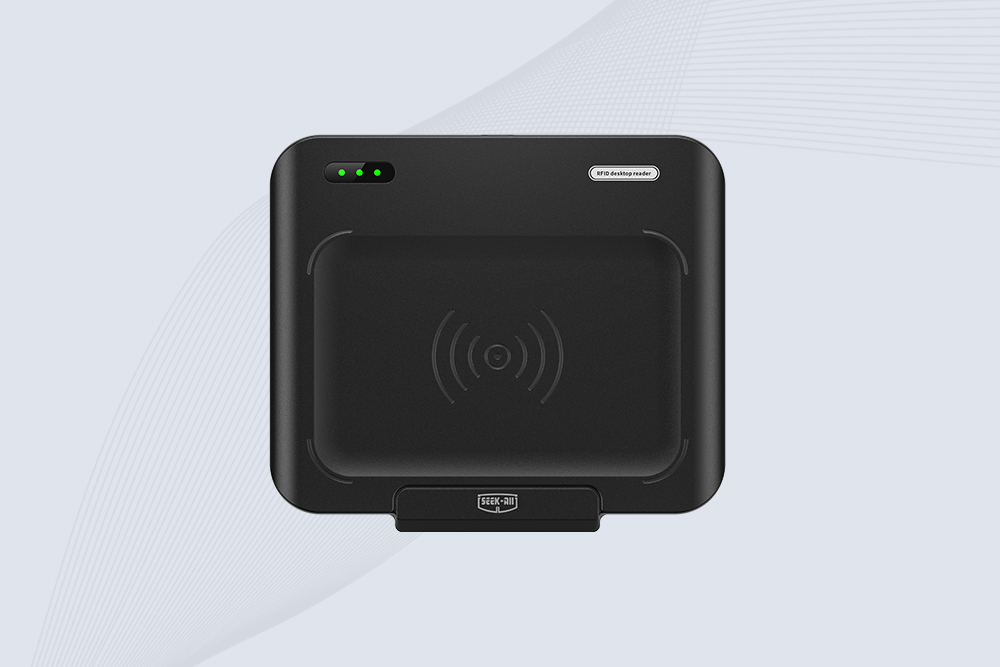
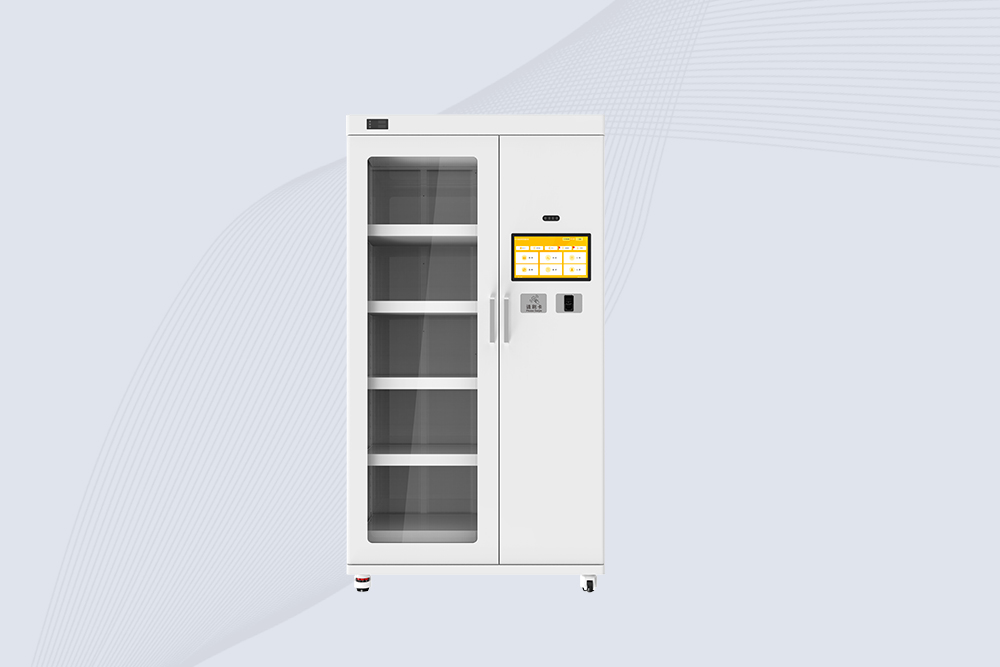
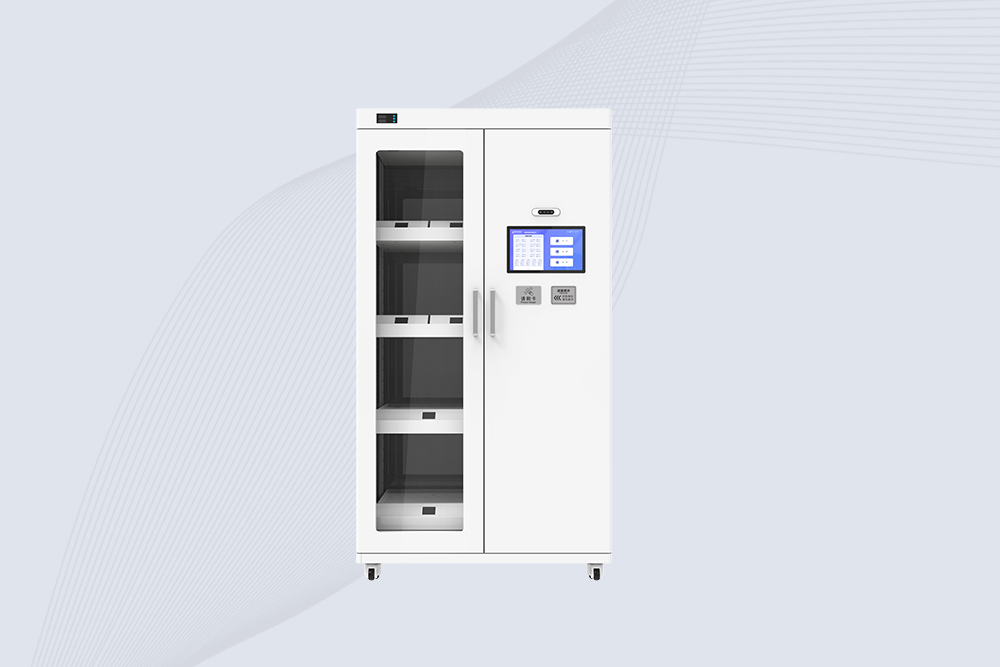
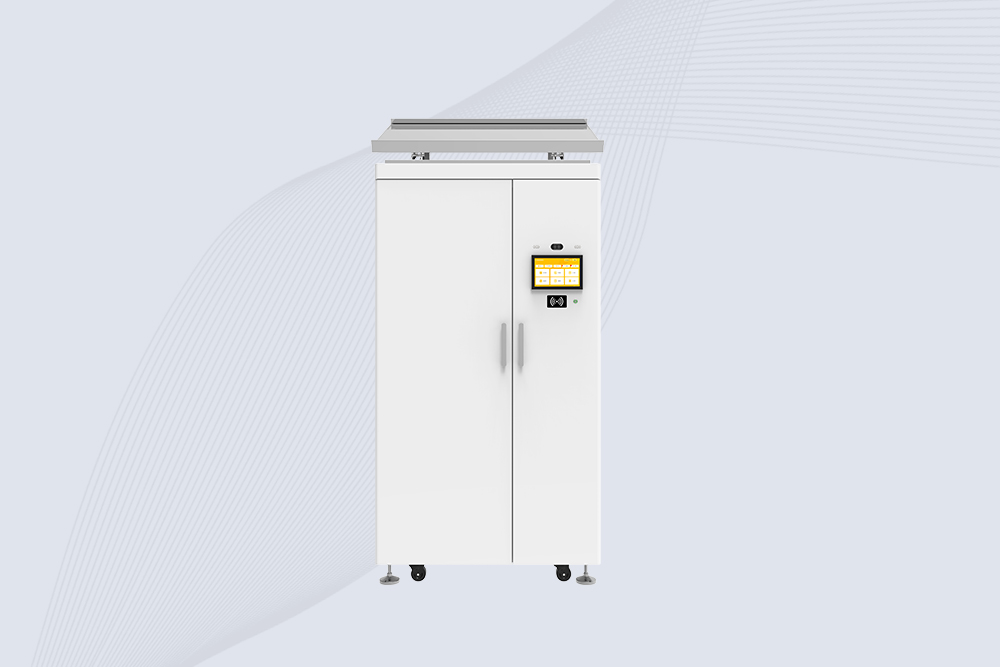
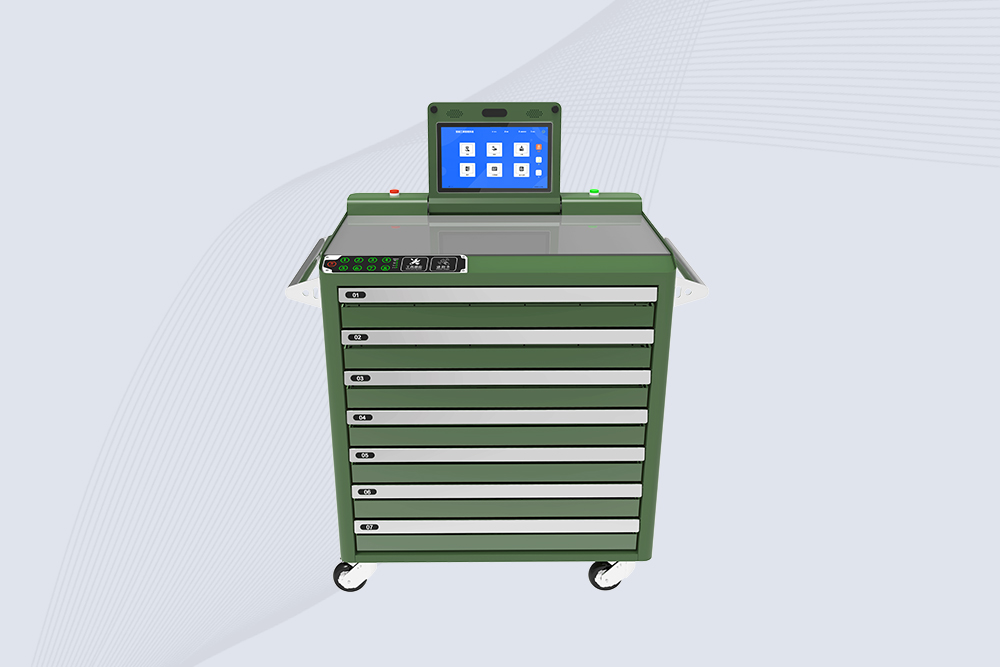
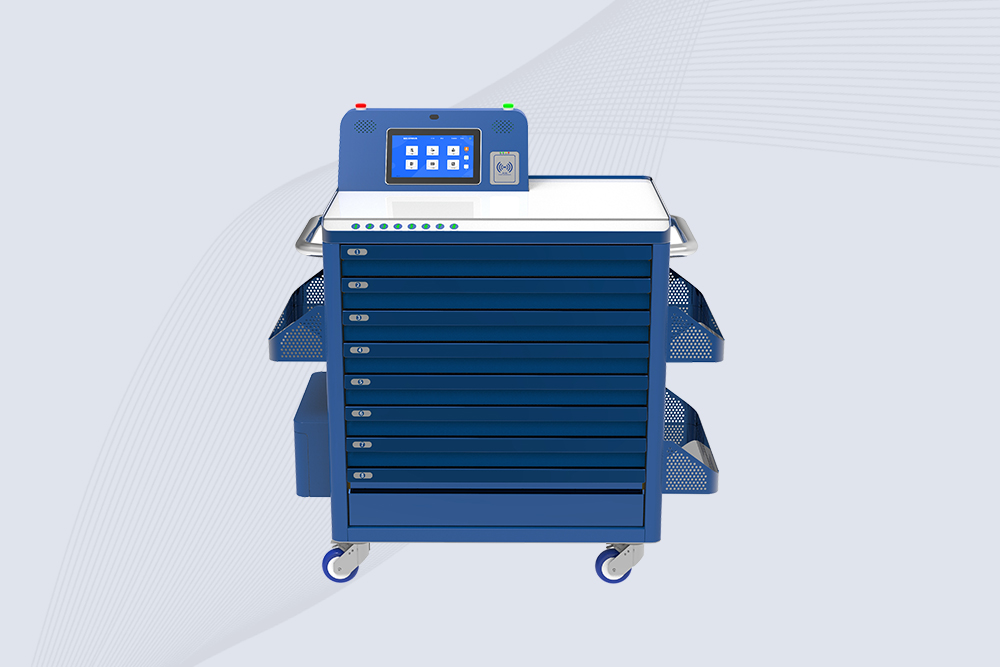
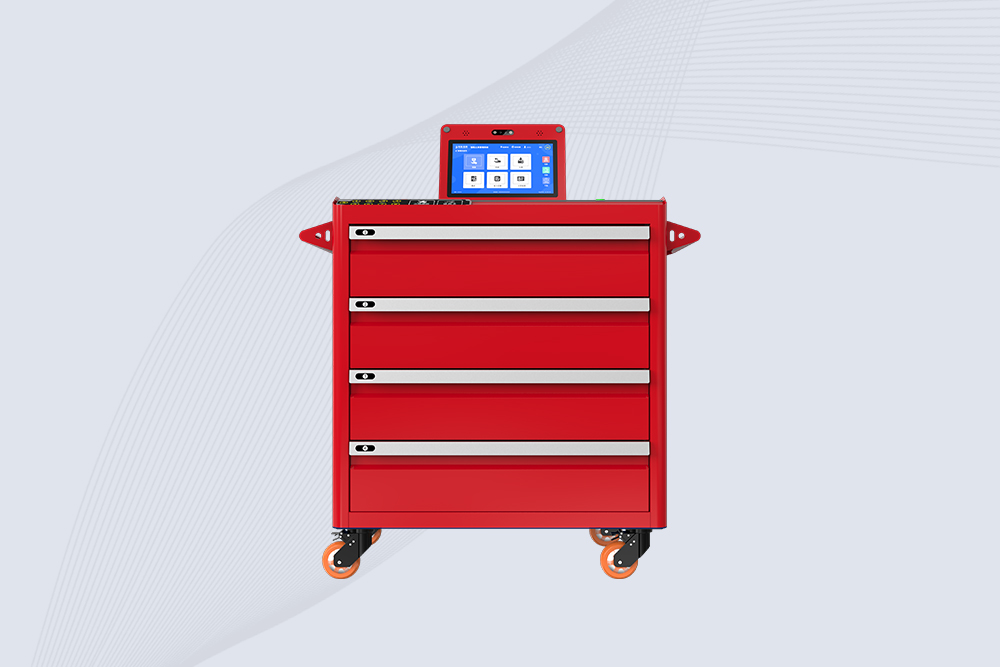
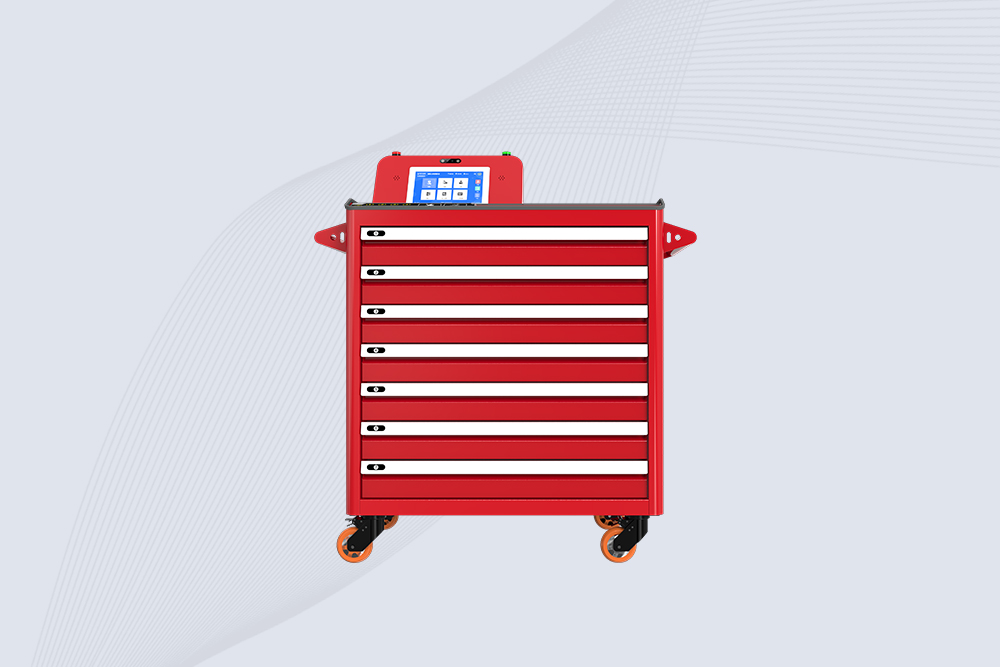
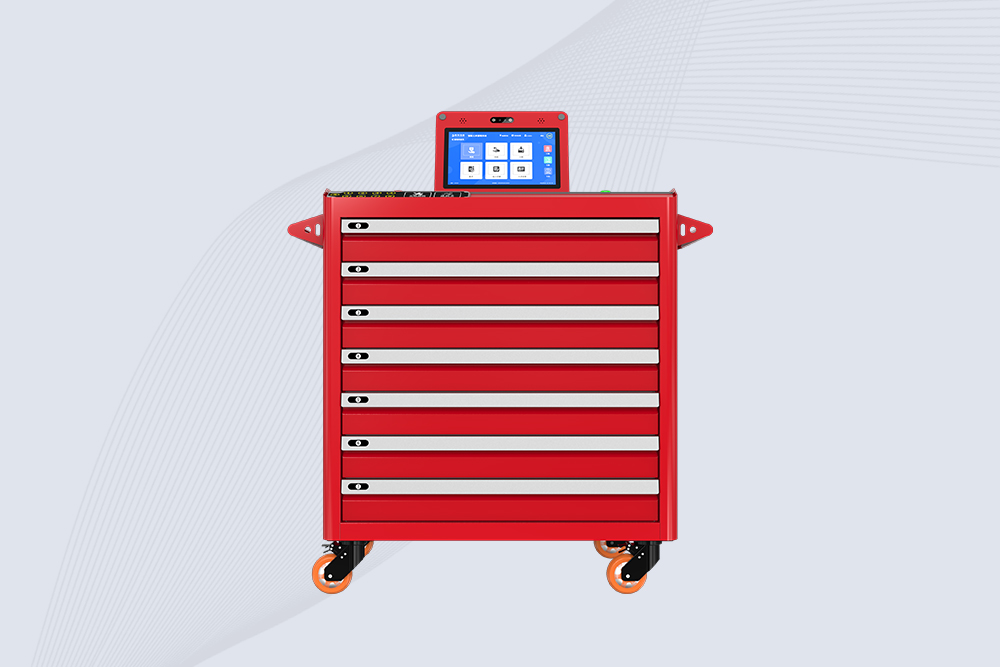
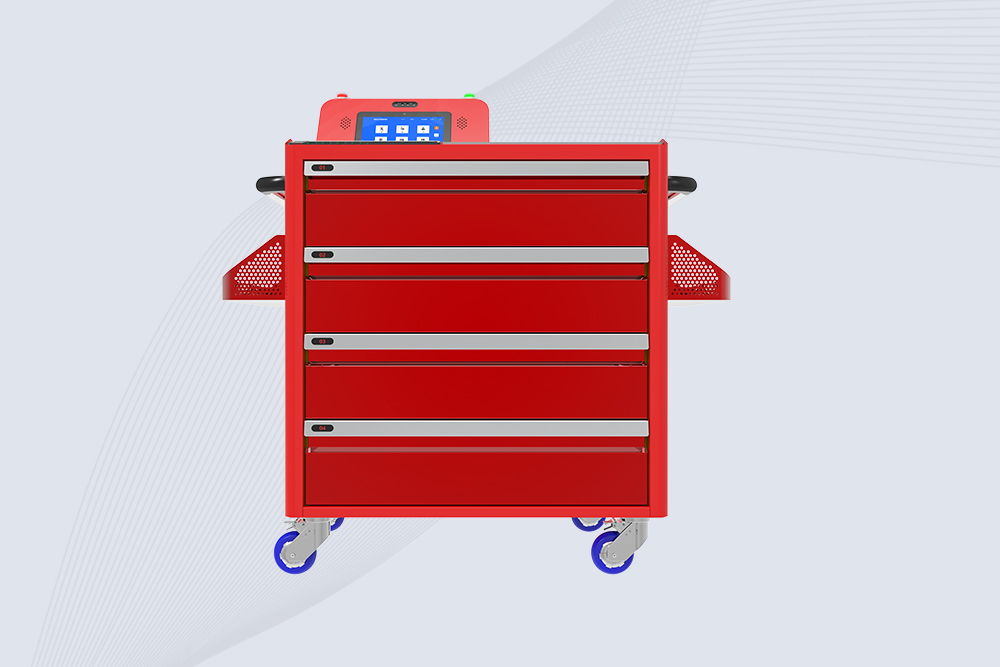
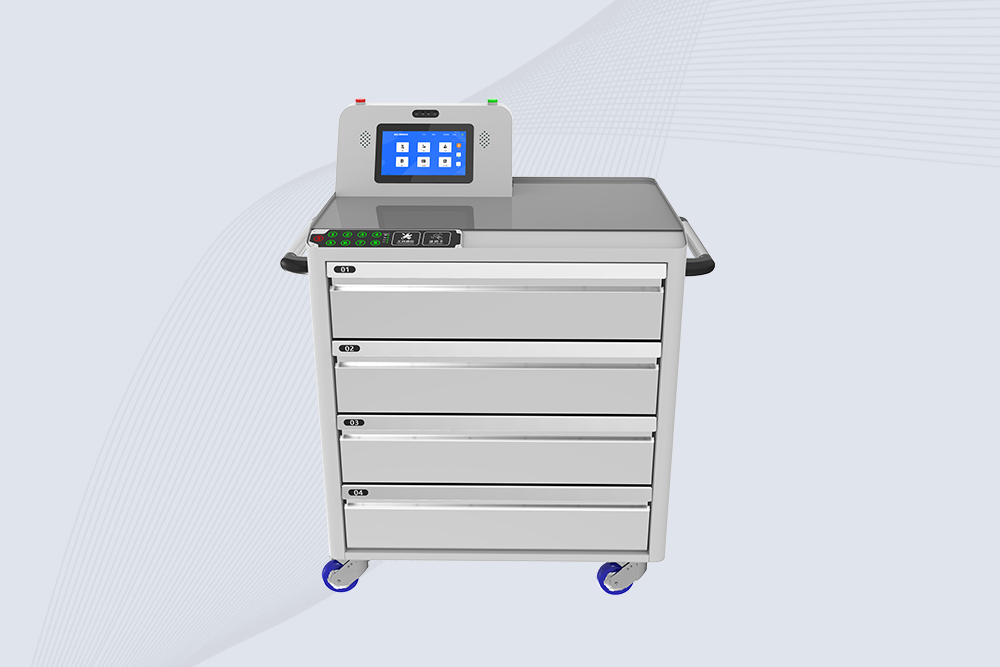
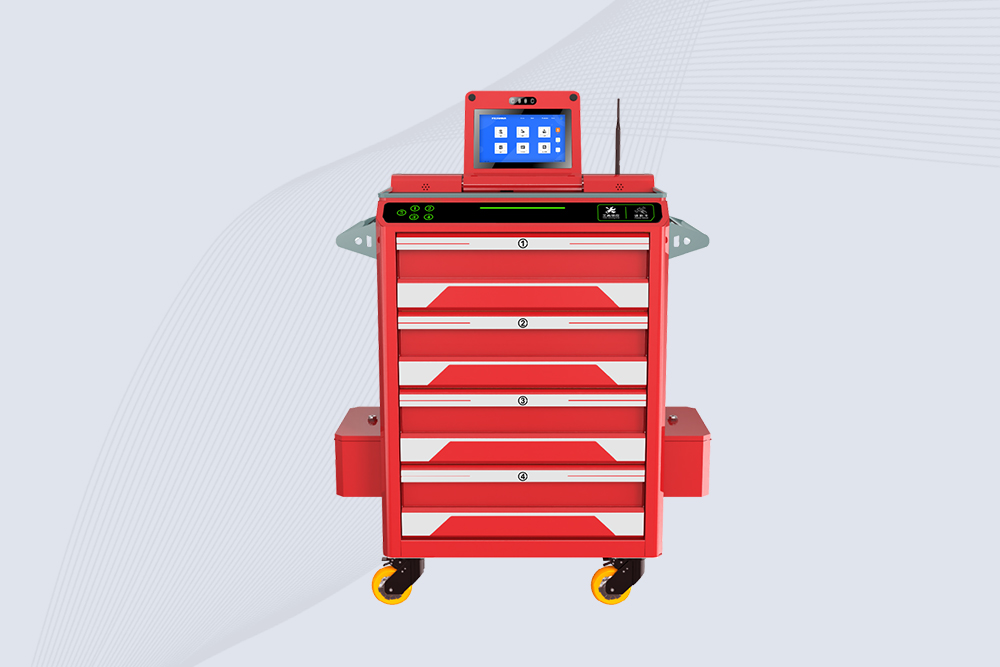
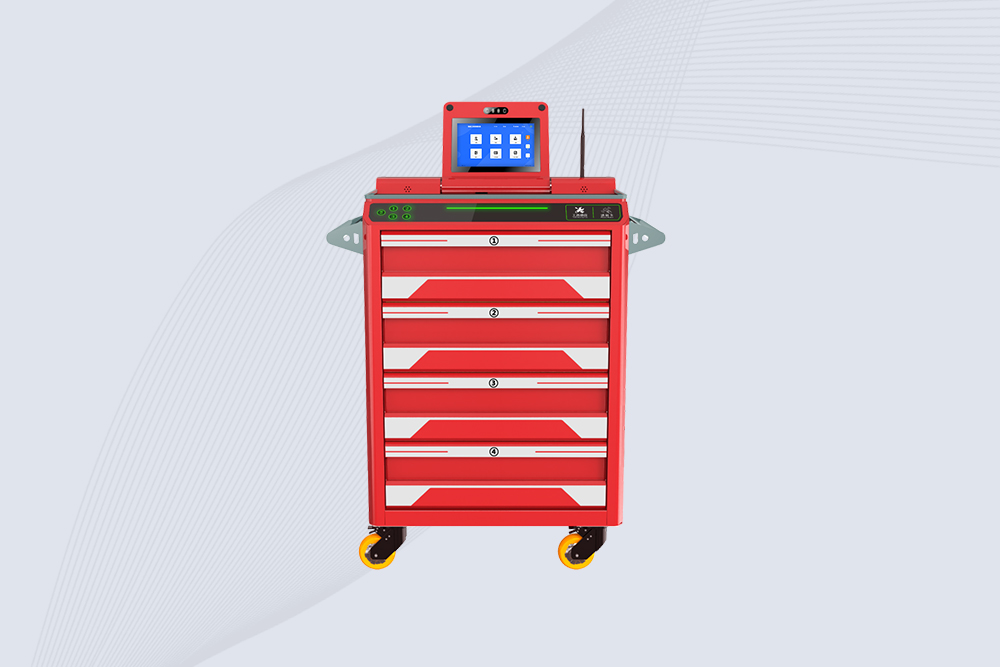
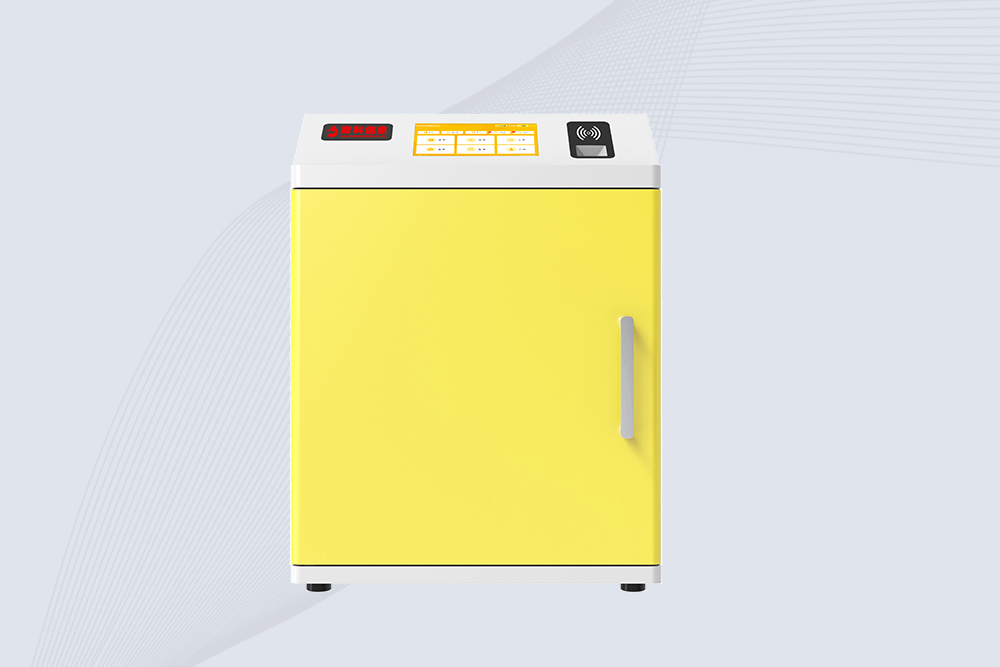
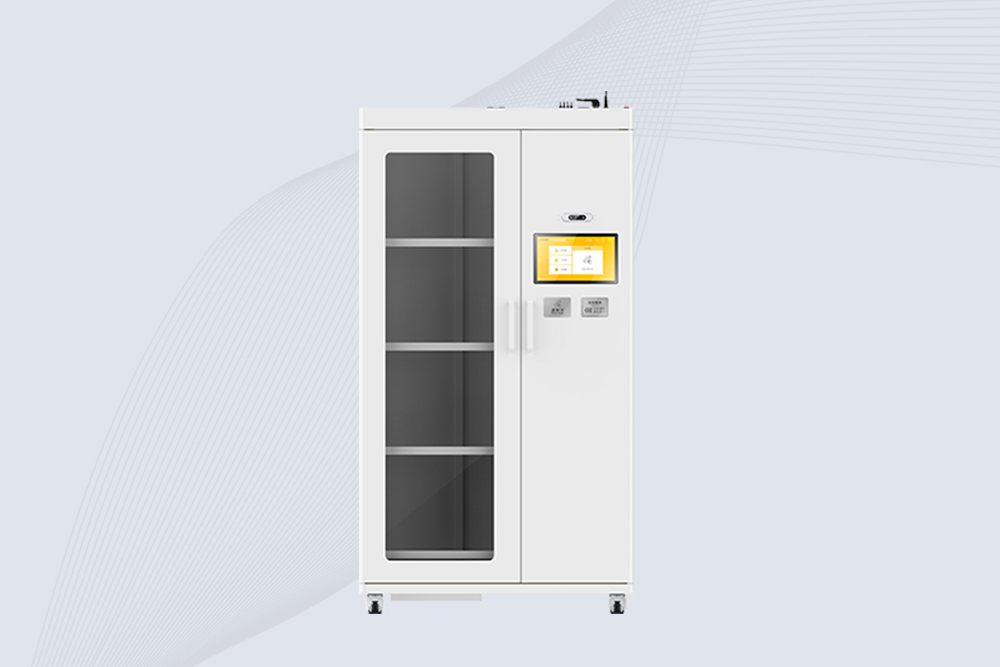
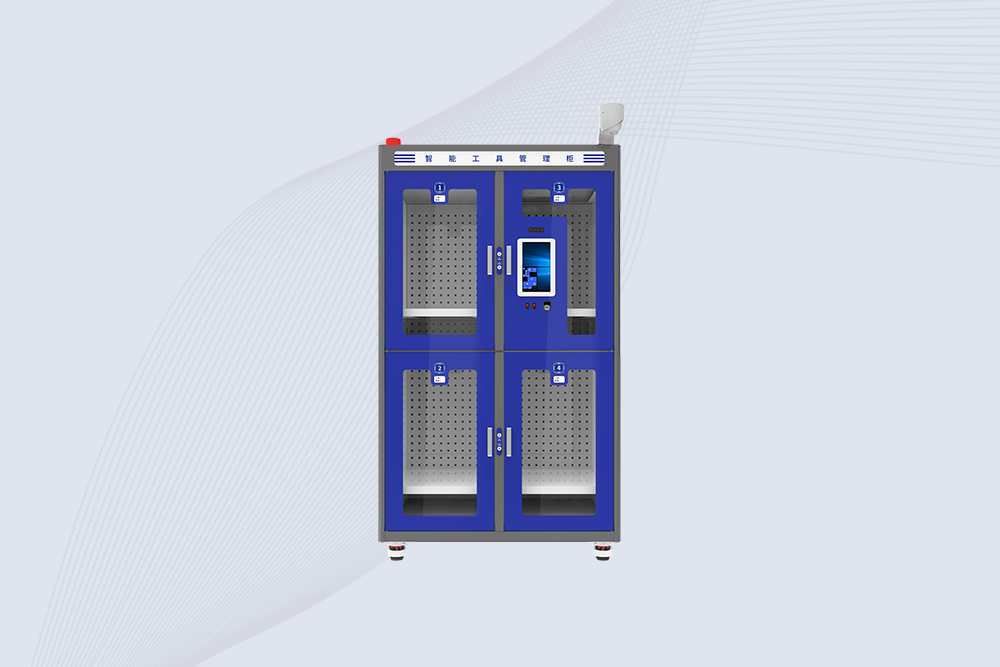
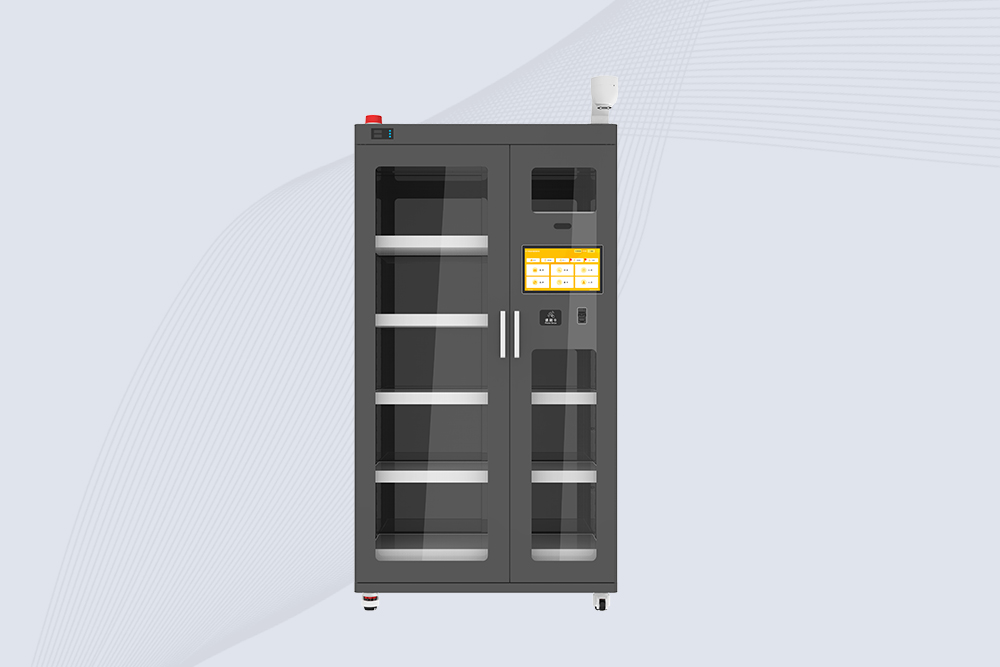
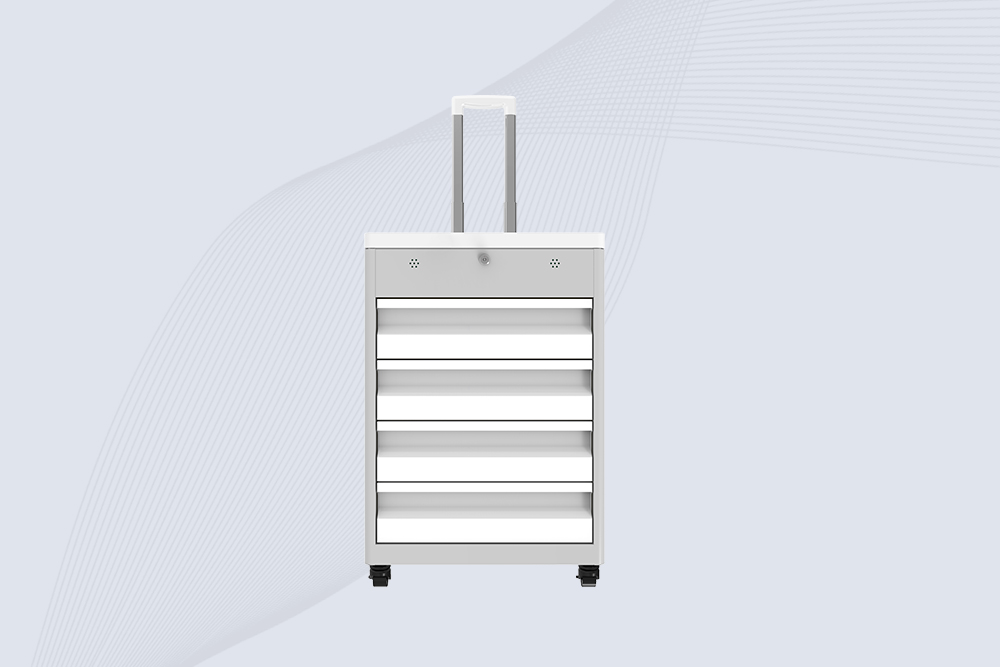
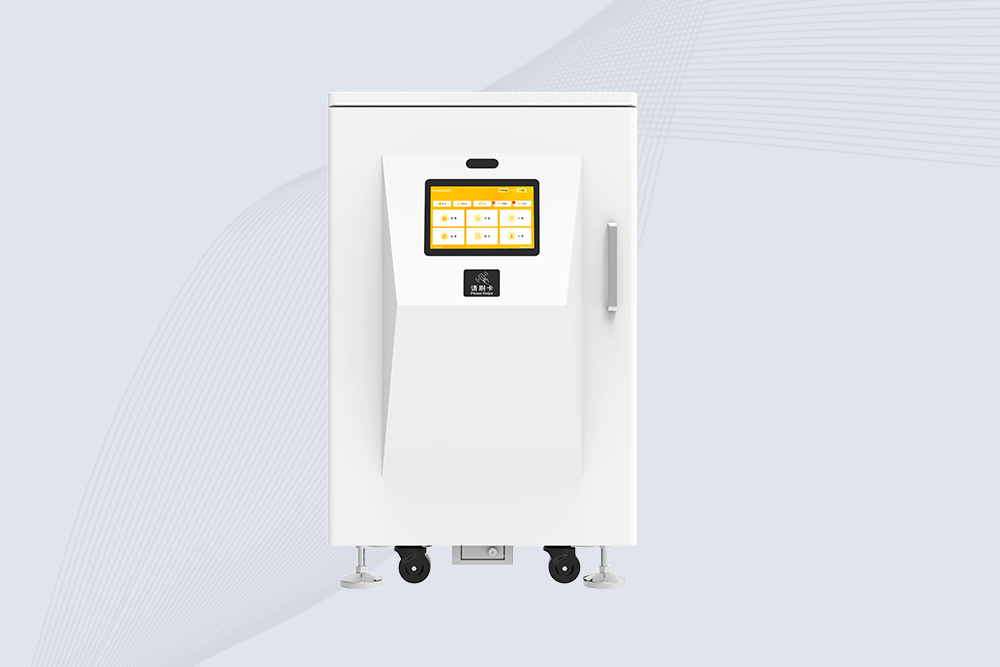
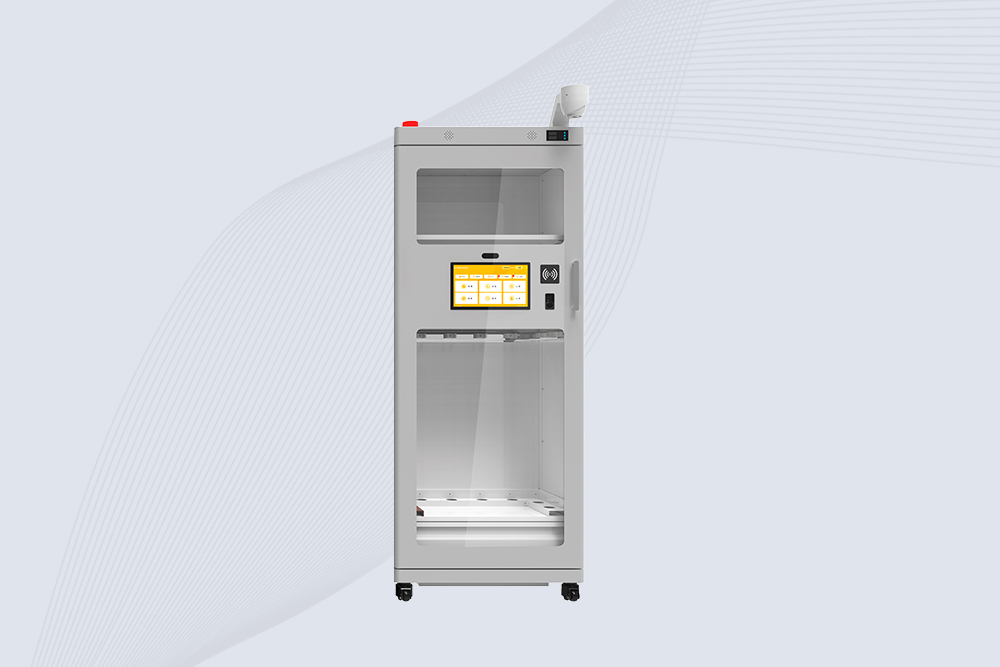
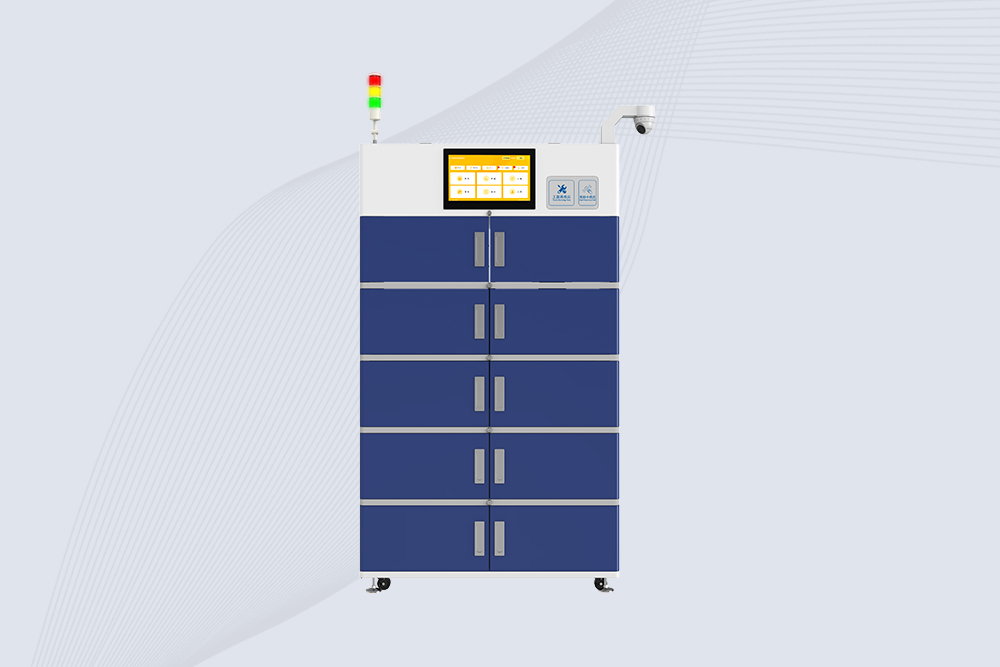
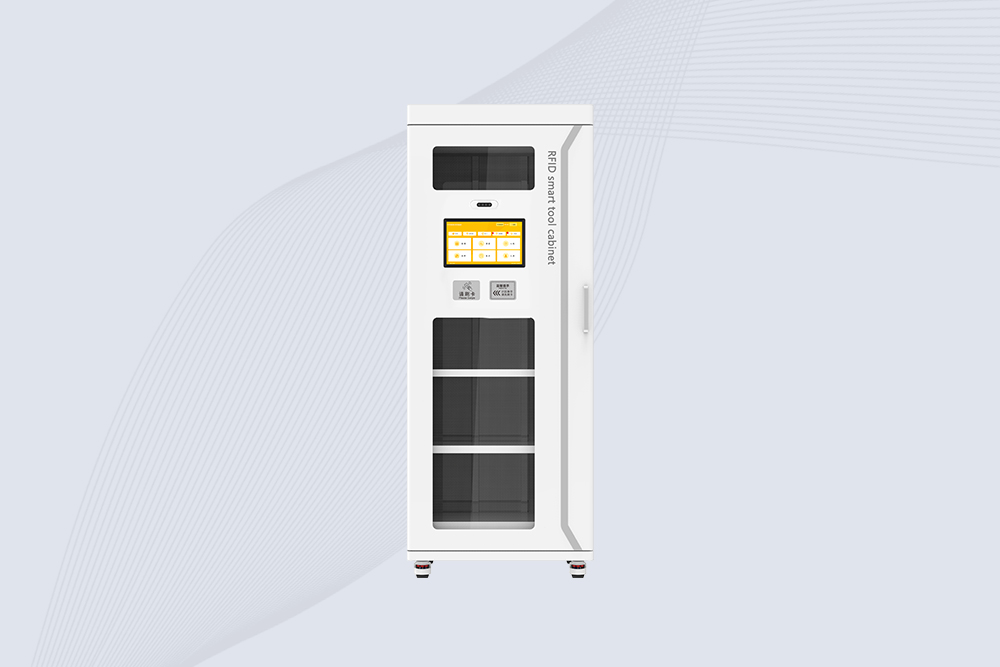
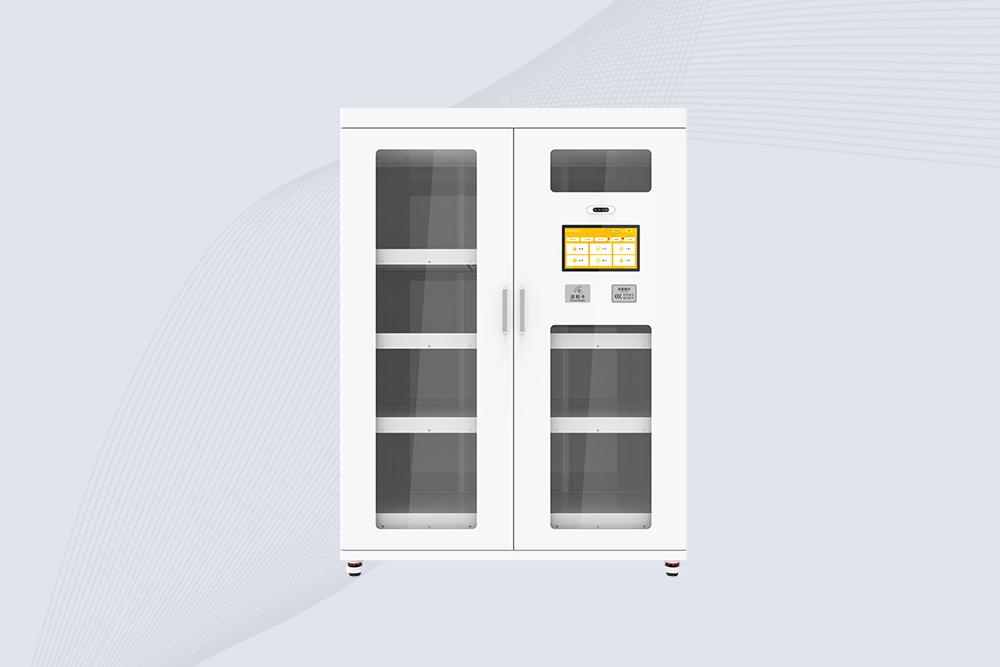
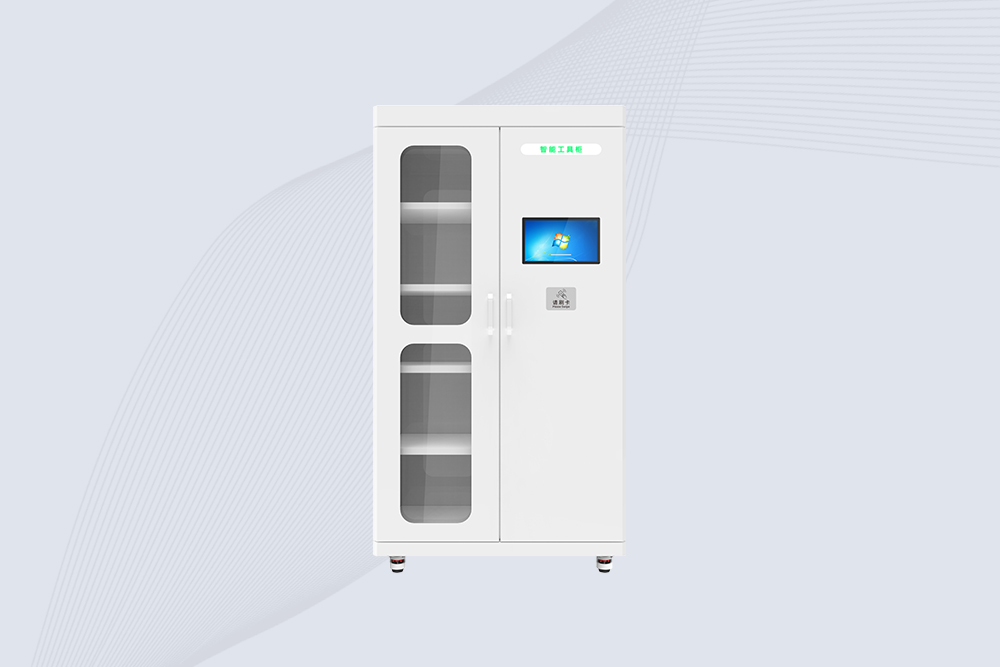
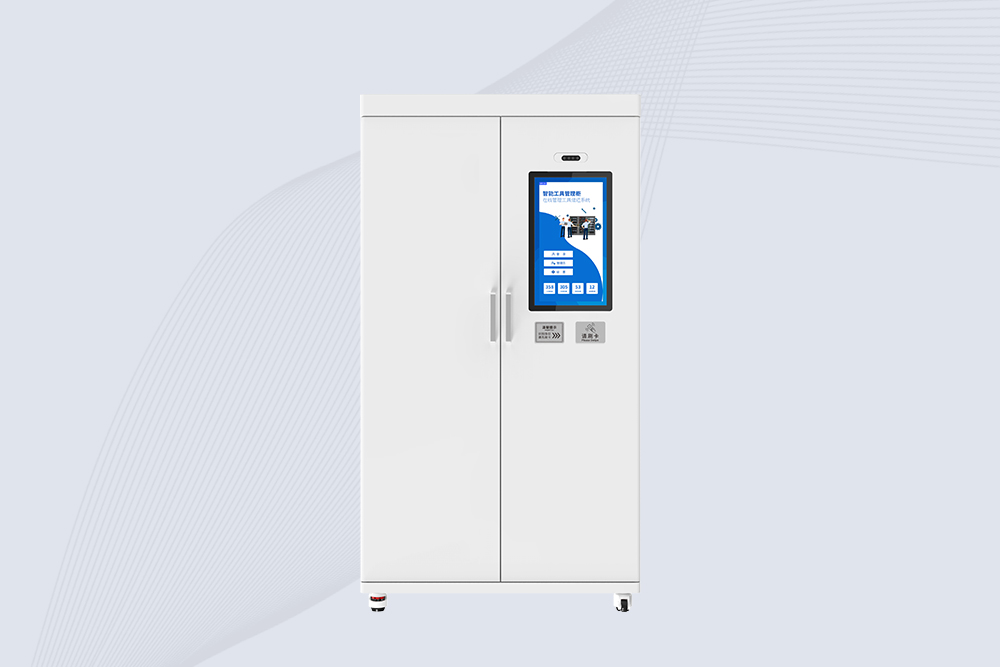
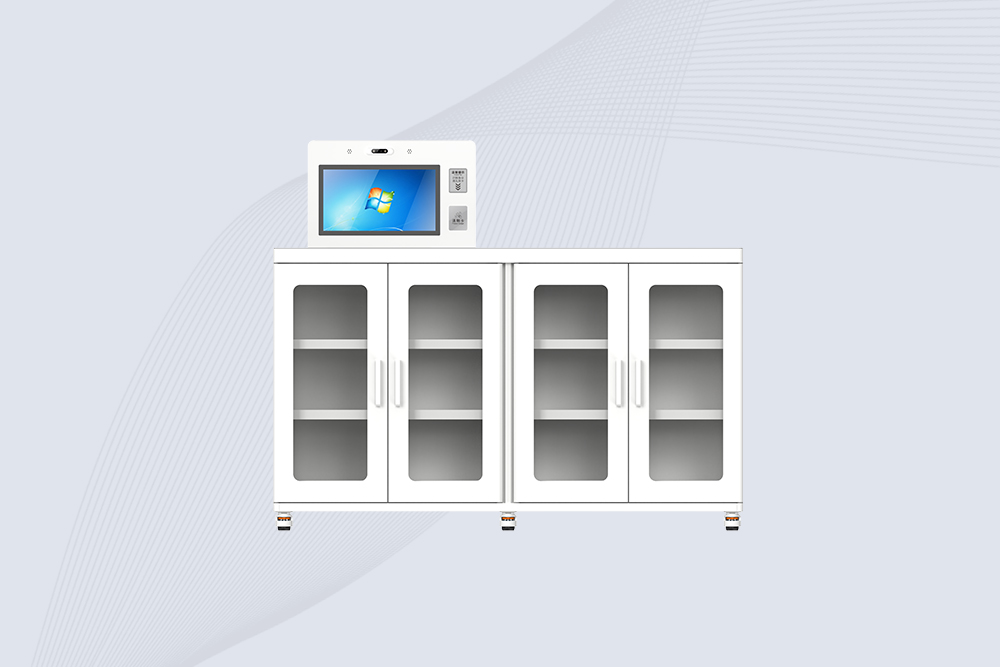
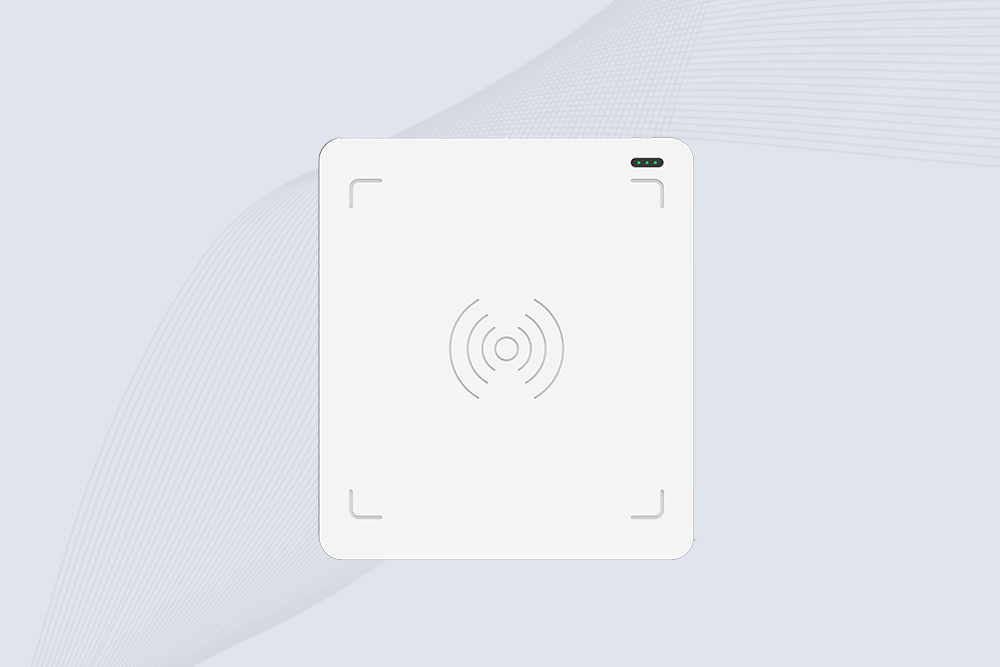
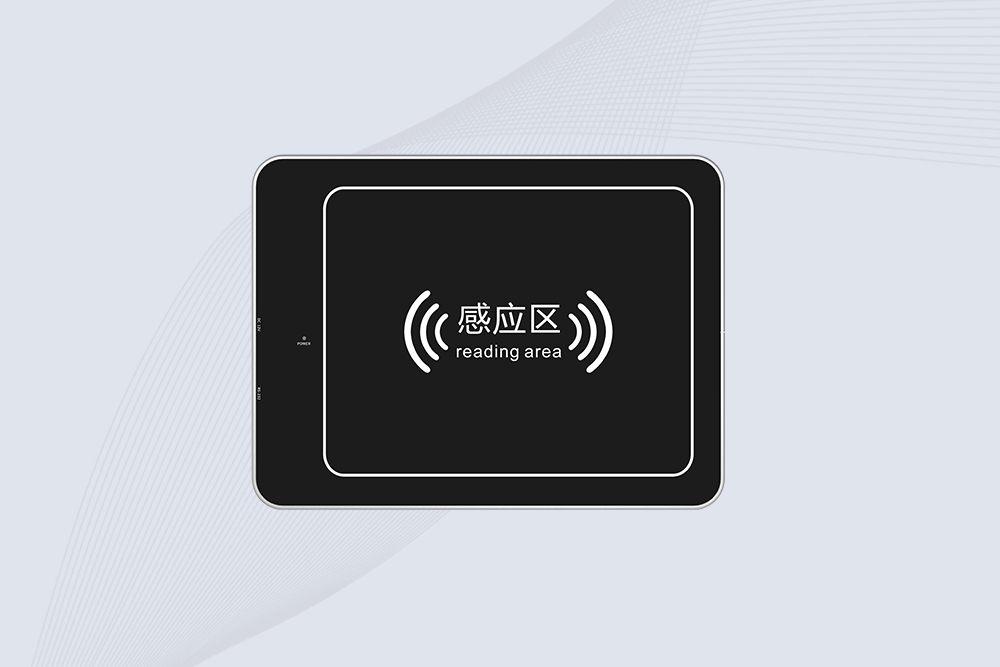
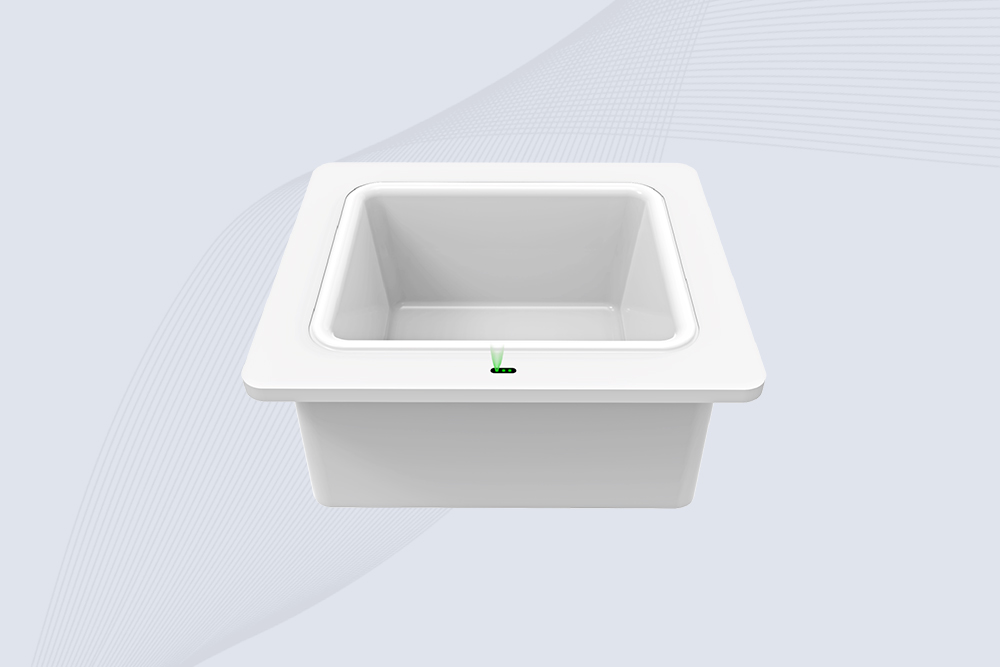
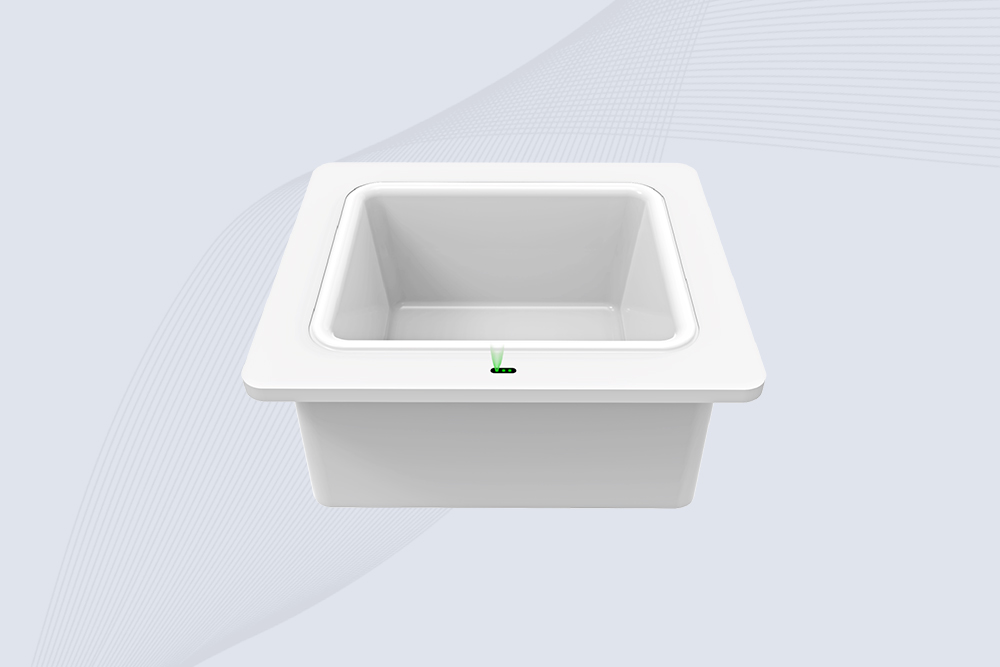
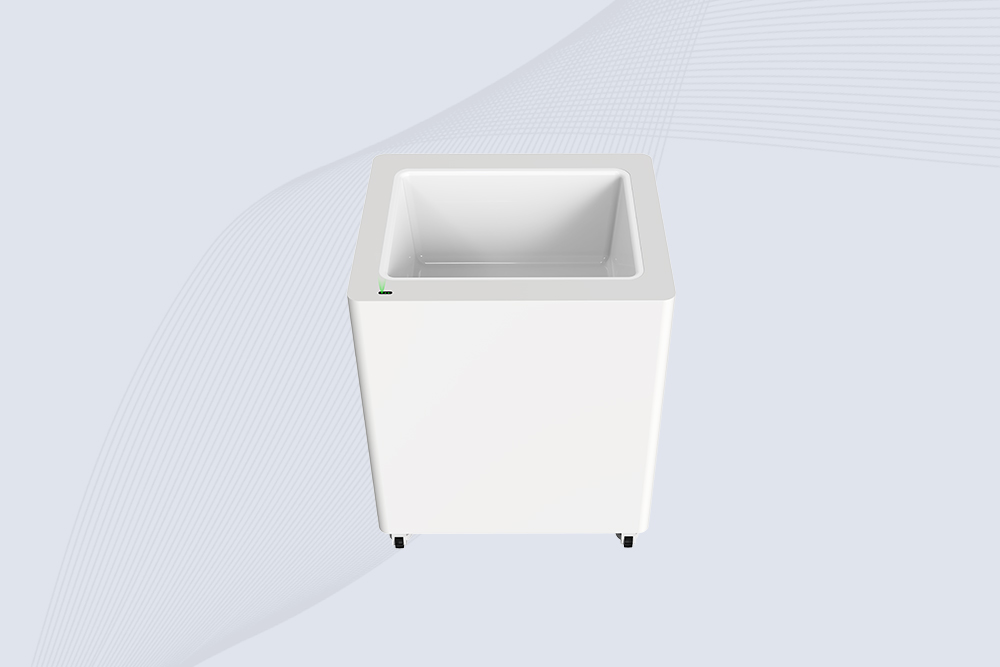
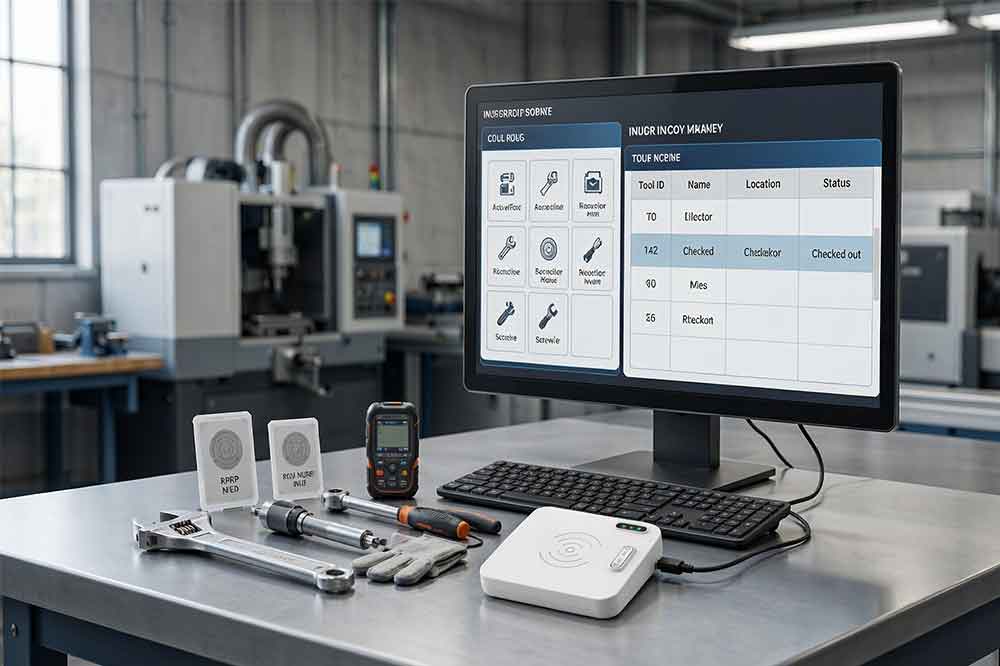
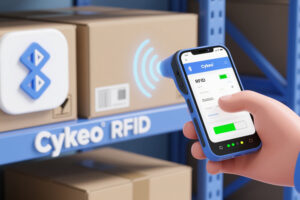
RFID tool tracking connects physical tools with digital usage records, making it easier to know who has a tool, when it was checked out, and whether it was returned. USB RFID readers work well for controlled registration and verification stations, while Cykeo smart RFID cabinets can take the process further with automated checkout, user authentication, inventory control, and system integration.
A missing tool does not always look like a serious problem at first.
Someone takes a torque wrench from the tool room. Another person assumes it will be returned later. A few hours pass, and nobody remembers exactly who took it.
Then the tool is needed again.
It is not in the cabinet.
Someone starts calling around.
This kind of situation happens in workshops, factories, aviation maintenance, construction sites, and energy facilities. The problem is not necessarily the value of one tool. Sometimes the bigger cost is not knowing where the tool is, who used it, and whether it was returned correctly.
This is where RFID tool tracking becomes interesting.
A USB RFID reader can be used as part of a controlled tool registration or checkout workstation. For larger deployments, RFID can go further with smart cabinets that automatically identify tools as they are taken out or returned.
Cykeo’s RFID product range includes USB readers, RFID smart cabinets, RFID inventory systems, and related hardware for building these kinds of systems.
Before selecting a reader for tool management, it is worth understanding the different USB RFID scanner types and the applications they are best suited for. Our USB RFID Scanner Guide provides a broader introduction to USB RFID reader selection.
The Old Tool Room Problem
Let’s imagine a maintenance workshop with 300 tools.
There is a cabinet along the wall.
The tools are organized by type, but during a busy shift, that organization does not always survive.
A technician needs a tool.
They open the cabinet.
Take it.
Go back to work.
Later, somebody else needs the same tool.
The cabinet record says it should be there.
It isn’t.
So the supervisor starts asking:
Who has it?
That question is surprisingly difficult to answer if the process depends on paper, spreadsheets, or memory.
A barcode system can improve the situation, but usually requires the barcode to be presented to a scanner.
RFID takes a different approach.
The tool can carry an RFID tag, and the reader can identify the tag electronically.
How RFID Tool Tracking Changes the Workflow
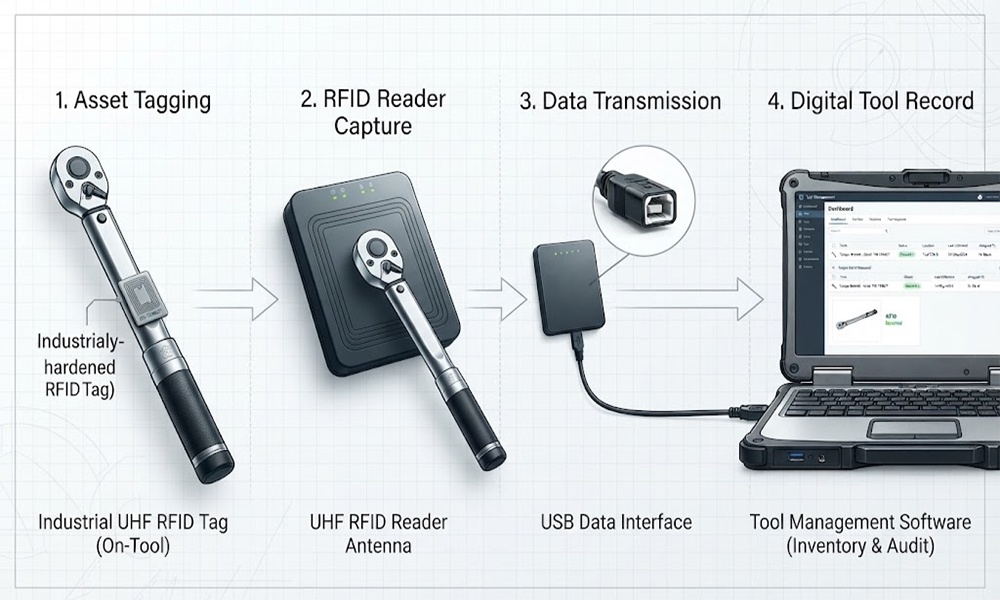
A basic RFID tool management process might look like this:
Tool
↓
RFID Tag
↓
RFID Reader
↓
USB / Controller
↓
Tool Management Software
↓
Checkout / Return Record
The important part is the connection between the physical tool and the digital record.
For example:
RFID ID: 30008452 Tool: Digital Torque Wrench Location: Maintenance Room A Status: Checked Out User: Technician 024 Time: 09:42
Now the tool room has something more useful than a simple statement saying:
“The wrench is missing.”
It has a record that can be investigated.
Where USB RFID Reader Fits
A USB RFID reader is not necessarily the entire tool tracking system.
This distinction matters.
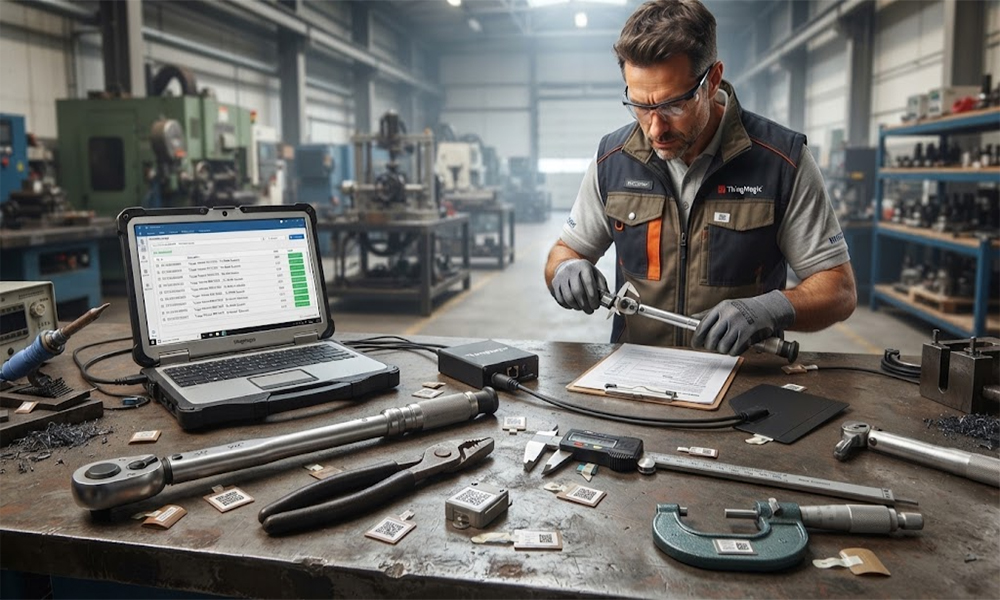
For a simple tool registration station, a USB reader can be enough.
An operator connects the reader to a computer, places a tagged tool in the reading area, and registers or verifies the RFID tag.
This can be useful during:
Tool tagging
Asset registration
Tool return
Tool issue
RFID tag encoding
Inventory verification
Maintenance records
Cykeo’s USB reader range is designed for controlled, short-range applications and can connect to PCs, industrial terminals, or embedded equipment. The company also provides SDKs and APIs for software integration.
For a tool room with hundreds of items, however, a USB reader at one desk may not be enough.
That is where a smart cabinet becomes much more interesting.
From USB Reader to a Smart Tool Cabinet
Imagine replacing the ordinary tool cabinet with an RFID-enabled cabinet.
A technician identifies themselves.
The cabinet unlocks.
They take a tool.
The system records the transaction.
When the tool is returned, the RFID system detects it again.
The software can update the status.
It sounds simple, but the hardware behind it is more involved than just putting one USB reader inside a metal cabinet.
The cabinet needs controlled RF coverage, appropriate antennas, tag placement, access control, and software logic.
This is why smart cabinet projects are usually treated as a complete system, not just a reader purchase.
Cykeo’s RFID smart cabinet product line is designed around this type of application. Its industrial GT1B tool cabinet, for example, is described as supporting automatic tool check-in/check-out and tracking more than 1,000 tools, with ERP integration options.
If you are still comparing USB RFID readers for desktop tool registration or asset identification, see our guide to USB RFID scanners before choosing the hardware for your project.
Tool Tracking Is Not Only About “Where Is It?”
Location is useful, but it is only one piece.
A good tool management system can also answer questions such as:
Who checked out the tool?
When was it taken?
Has it been returned?
Which tools are currently missing?
Does the tool require calibration?
Which department is using it?
How often is a particular tool being used?
That last question can be surprisingly useful.
If a company owns ten expensive tools but only uses two regularly, the purchasing team may eventually notice that the other eight are not being used efficiently.
On the other hand, if one tool is constantly being checked out, perhaps the workshop needs another one.
RFID does not make that decision.
It simply gives the company better data to work with.
The Calibration Problem
Tool calibration is another reason RFID tool management can become a high-value project.
Think about torque wrenches, measurement equipment, testing tools, or other instruments that need scheduled calibration.
A normal cabinet can tell you where the tool is supposed to be.
An RFID-based system can associate the tool’s RFID identity with its maintenance record.
For example:
Tool ID: TW-0188 Last Calibration: June 2026 Next Calibration: December 2026 Status: Available
If the system knows that a tool has reached its calibration date, the software can flag it before the tool goes back into normal circulation.
Cykeo’s GT1B smart cabinet page specifically describes calibration reminders as part of its tool-management workflow.
For aviation, industrial maintenance, energy, and other environments where equipment control matters, this can be more valuable than simply knowing where the tool is.
Why Smart Cabinets Are Attractive for High-Value Projects
For a normal warehouse inventory project, the customer may only need to know:
“What do we have?”
A tool management project often asks more:
“Who used it, when was it taken, where is it now, and is it still approved for use?”
That makes the project more complicated.
It also makes the potential project value higher.
A smart cabinet can combine:
RFID identification
User authentication
Tool checkout
Tool return
Inventory records
Access control
Calibration reminders
Software integration
Cykeo’s GT4 RFID multi-drawer tool cabinet, for example, combines RFID with biometric access and ERP integration, while its product page describes five adjustable steel drawers and high-density tool tracking.
The exact configuration should depend on the customer’s workflow rather than simply choosing the largest cabinet.
What About Metal Tools?
This is one point buyers should discuss early.
Many industrial tools are metal.
That can make RFID tag selection and antenna design more important.
A standard RFID label that works well on a cardboard box may not behave the same way when attached directly to a steel wrench or metal component.
For tool tracking, the RFID tag, mounting position, cabinet structure, antenna arrangement, and reader configuration all need to be considered together.
This is one reason I would not recommend buying hundreds of RFID tags before testing them on the actual tools.
A sample test can reveal a lot.
A Practical Tool Management Workflow
For a system integrator, the workflow could be built in stages.
Stage 1 — Tag the Tools
Assign an RFID tag to each managed tool.
Stage 2 — Register the Tools
Associate each RFID ID with the tool record.
Stage 3 — Identify the User
Use an employee card, PIN, fingerprint, face recognition, or another authentication method.
Stage 4 — Check Out the Tool
The system records who took the tool and when.
Stage 5 — Use the Tool
The technician performs the maintenance or production task.
Stage 6 — Return the Tool
The RFID system identifies the returned tool.
Stage 7 — Update the Record
The software changes the tool status back to available or flags an exception.
This may look straightforward on paper.
The real work usually appears during integration.
USB RFID Reader or Smart RFID Cabinet?
They solve related problems, but they are not the same thing.
USB RFID Reader
A better fit when the customer needs:
Desktop tool registration
Tag encoding
Tool verification
Small-scale inventory
Development and testing
Existing PC-based applications
Cykeo’s USB readers are intended for controlled reading and writing applications and can be integrated with desktop or embedded systems.
RFID Smart Cabinet
A better fit when the customer needs:
Automated tool checkout
Controlled tool access
Real-time tool status
Large tool inventories
User authentication
ERP integration
Calibration management
For example, Cykeo’s GT3C RFID tool checkout cabinet is designed around automatic check-in/check-out and includes a multi-antenna detection area for tool identification.
So if a customer tells you:
“We only need to register 100 tools at a workstation.”
A USB RFID reader may be enough.
If they say:
“We have 1,000 tools across an aviation maintenance facility and need to know who takes every tool.”
Now you are probably talking about a much larger RFID solution.
What System Integrators Should Ask Before Buying
For distributors and equipment providers, the first conversation should not start with:
“How many readers do you need?”
Ask about the operation first.
How many tools?
What types of tools?
Are they mostly metal?
How are tools currently checked out?
Does the customer need user authentication?
Does the system need ERP integration?
Does the customer want automatic return detection?
Are calibration records required?
Is the cabinet indoors or in a harsher environment?
These questions help determine whether the project needs a USB reader, embedded RFID hardware, a smart cabinet, or a combination.
Cykeo provides RFID readers, smart cabinets, antennas, tags, RFID inventory systems, SDKs, and APIs, allowing system integrators to build a solution around the customer’s workflow rather than starting from one fixed hardware model.
For OEM and wholesale projects, it is worth testing the actual tools and RFID tags before moving to mass production. Metal tools, cabinet construction, tag position, and reading zones can all affect the final result.
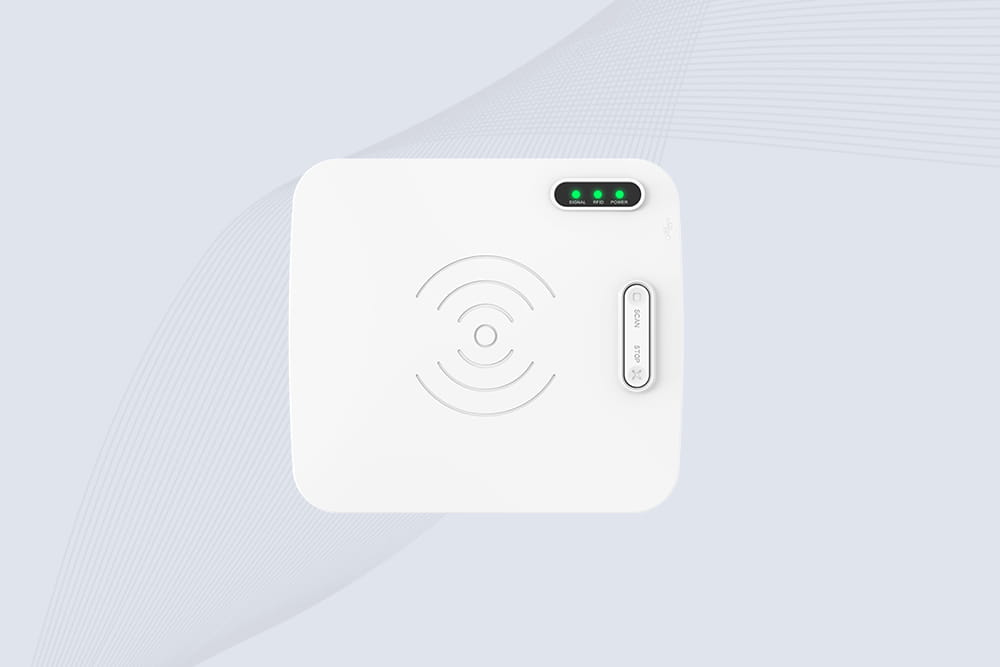
SSD-D3AL is a USB-HID UHF RFID reader with 0–30 cm reading, 0–15 cm writing, over 600 tags/s recognition, USB plug-and-play operation and OEM Logo customization.
SSD-D1AL is a compact USB UHF RFID reader with Impinj E710/X3M1 chipset, USB-HID, 600+ tags/s recognition, 4/8/16 antenna support and plug-and-play USB power.
Cykeo’s RFID Smart Tool Cabinet enables 10-second tool audits, user access control & real-time alerts for construction/oil/gas. Features 21.5″ touchscreen, IP54 steel body & -30°C~60°C operation. Supports SAP/Oracle integration.
Cykeo’s industrial RFID Tool Cart features 14″ touchscreen, 400+ tool scanning, and carbon steel construction for aviation MRO, power plants and construction sites. 5-second inventory scans.
Cykeo CYKEO-TC RFID multi-drawer tool cart manages 300+ tools via UHF RFID, features fingerprint/face recognition, Android/Windows OS, and SAP integration for nuclear/railway/fire safety sectors. IP54 rated for harsh environments.
Cykeo CYKEO-GTC4 RFID tool inventory cart manages 300+ tools via UHF RFID, features instant scanning, fingerprint/face recognition, and SAP integration for nuclear/railway/fire safety sectors. IP54 rated for harsh environments.
Cykeo CYKEO-GTC7A RFID real-time tool tracking cart features 99.9% accuracy, FOD prevention, and SAP integration for aviation/plant maintenance. Military-grade construction.
Cykeo CYKEO-GTC4B RFID mobile tool cart delivers 300-tool verification in 7 seconds with modular drawers, ≤150W power, and SAP integration for industrial/aviation use.
Cykeo CYKEO-GTC4C RFID workshop tool control cart delivers 300-tool inventory in 3 seconds with 10hr battery, SAP integration, and FOD prevention for industrial workshops.
Cykeo’s off-grid RFID tool inventory system features solar/wind power, -30°C~60°C operation, and military-grade durability for mining/energy/military sectors.
Cykeo’s RFID multi-drawer tool cabinet features 5 adjustable drawers, biometric access, and 99.9% scan accuracy for automotive/aerospace manufacturing.
Cykeo CYKEO-GT1B industrial RFID tool storage cabinet features Impinj R2000 UHF technology, 1,000+ tool capacity, IP54 protection, and Windows/Android OS for manufacturing/aviation MRO. Includes auto check-in/out and SAP/Oracle sync.
Cykeo CYKEO-GT3C industrial RFID tool checkout system Cabinet features millimeter-wave scanning, 280-layer storage, dual OS, and 99.9% accuracy for aviation/semiconductor sectors. Supports auto check-in/out and real-time SAP sync.
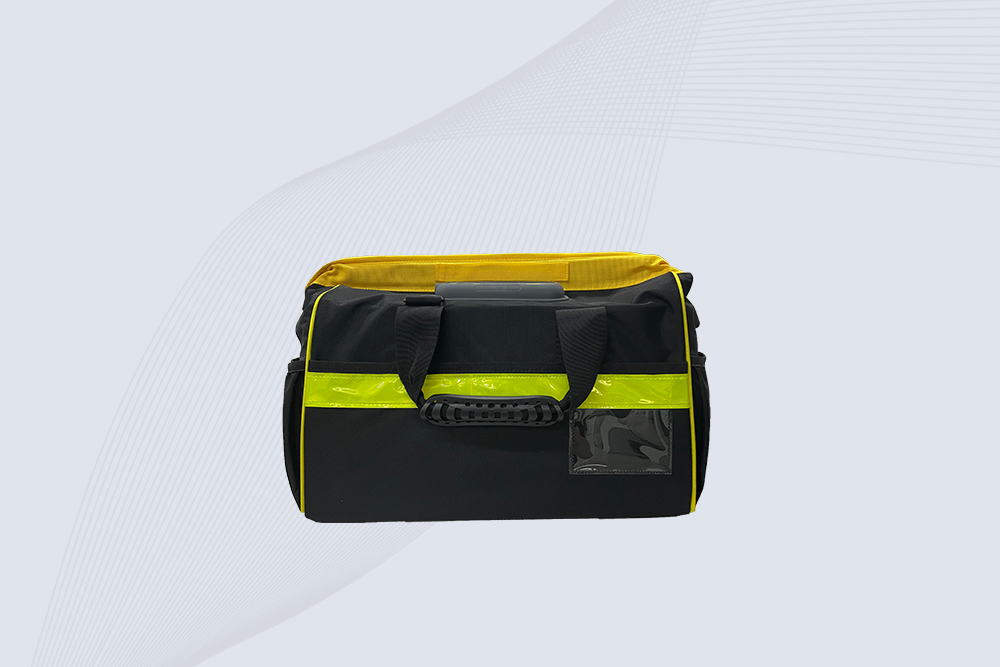
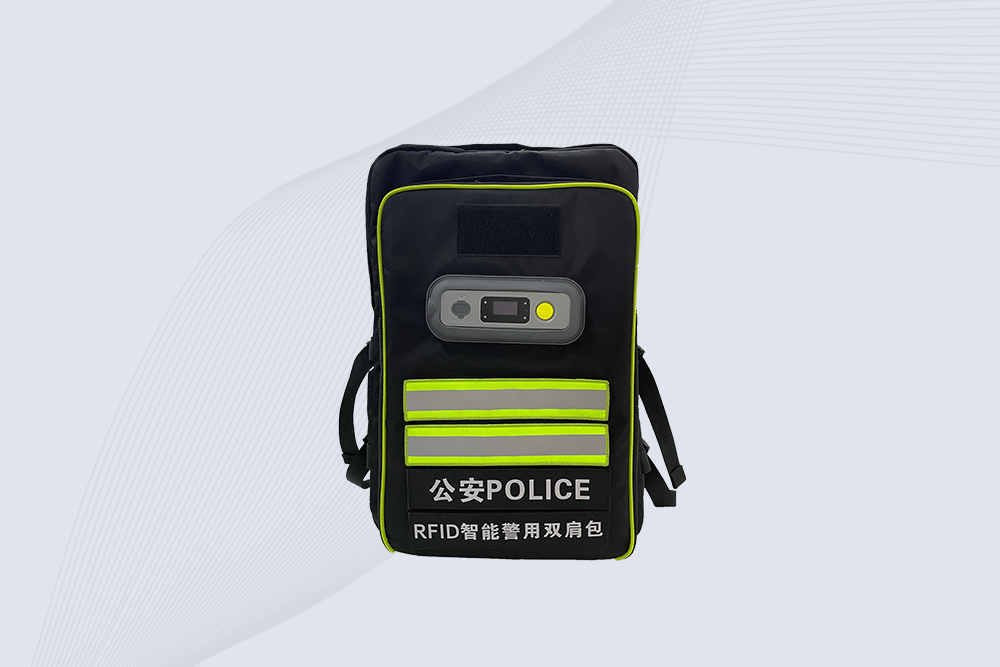
Discover the CYKEO-B1A Industrial RFID Backpack featuring advanced tool tracking technology with 25cm RF shielding, 7-day battery life, and wearable design for field maintenance professionals.
CYKEO CYKEO-D1LA USB RFID Reader is a compact desktop solution with near-field control for precise tag reading and encoding. Powered by USB, supporting ISO 18000-6C, and built for stable batch writing, this usb rfid tag reader fits retail, libraries, offices, and controlled RFID encoding tasks.
CYKEO CYKEO-D1L RFID scanner USB is a compact desktop UHF RFID scanner designed for short-range tag writing and verification. This usb rfid scanner supports batch encoding, stable 0–26 dBm output, and works across Windows, Linux, and Android systems.
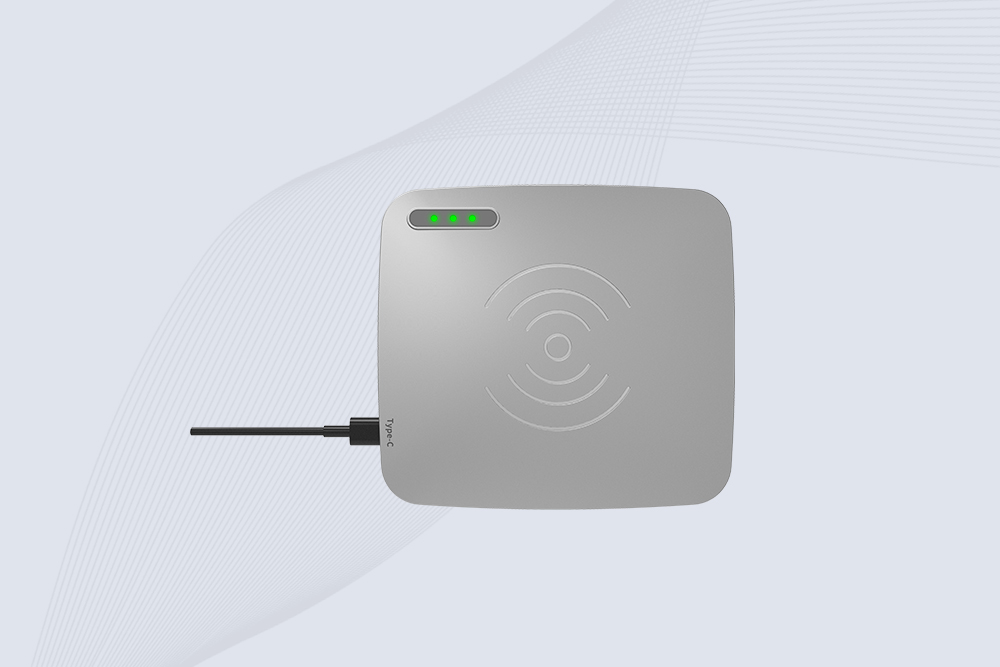
CYKEO CYKEO-D1C USB RFID Card Reader is a near-field UHF desktop writer designed for secure, short-range tag encoding. With USB-C connectivity and stable 26 dBm output, this rfid reader usb c is ideal for badge issuance, label encoding, and controlled desktop RFID workflows.
CYKEO CYKEO-D2L RFID Reader USB is a compact desktop encoder built on the Impinj R500 chip. With near-field control and stable USB power, this usb rfid card reader delivers precise tag writing for offices, retail counters, and small-scale logistics encoding tasks.
CYKEO CYKEO-D3L USB RFID Tag Reader delivers stable UHF tag reading and writing for daily desktop and light industrial tasks. Designed for controlled short-range operation, this USB RFID Tag Reader works reliably with rfid tag and reader systems in libraries, tool tracking, and inventory registration.
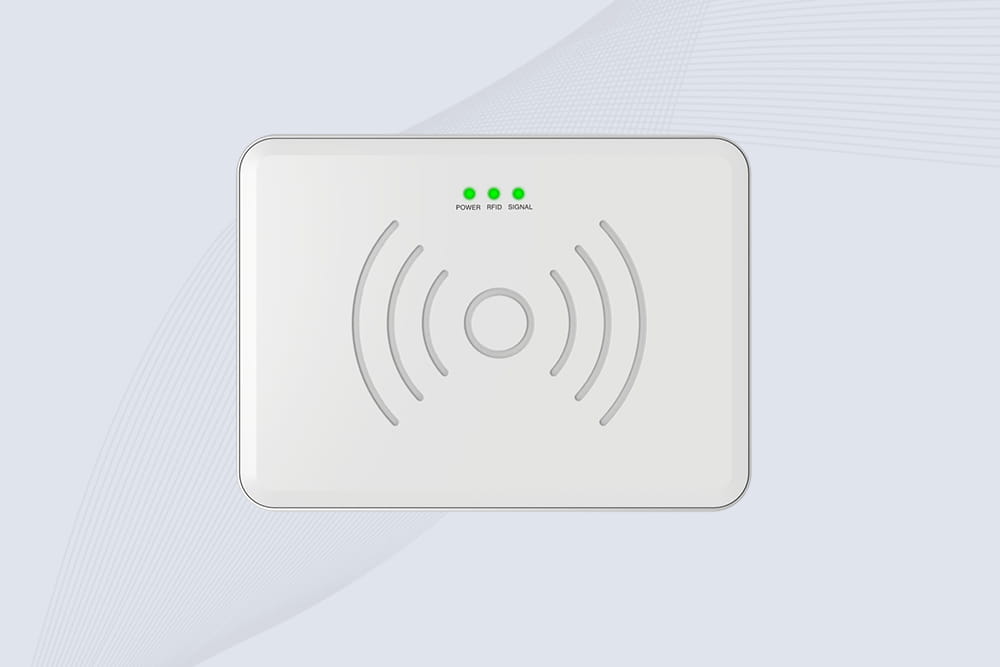
The CYKEO CYKEO-D4L UHF RFID Tag Reader is a stable Desktop RFID Reader designed for accurate tag registration, borrowing, and return workflows. Built with the Impinj R2000 chip, this UHF RFID Tag Reader delivers controlled short-range reads for libraries, asset tracking, and inventory management environments.
The CYKEO CYKEO-D5L Desktop RFID Card Reader is a stable UHF RFID Card Reader designed for controlled short-range reading and writing. Built for libraries, tool rooms, and asset desks, this UHF RFID Card Reader supports dense tag handling, secure data processing, and easy USB integration.
The CYKEO CYKEO-D6L RFID Reader Writer is a heavy-duty Desktop RFID Reader designed for short-range, high-accuracy tag programming. Built for libraries, labs, and asset desks, this RFID Reader Writer supports batch processing, stable 33dBm output, and seamless integration with existing management systems.
Cykeo CYKEO-D8A embedded RFID badge reader offers 30+ tags/sec scanning, 20cm anti-crosstalk precision, and DC 12V power for unmanned stores, warehouses, and smart inventory systems.
Cykeo’s CYKEO-D8C UHF RFID gate reader achieves 200-tag/batch scanning with adjustable power control, ideal for retail inventory and smart warehouse management.
RFID Industry Writer | IoT & Asset Tracking Analyst
James writes about RFID technology, asset tracking, and the practical challenges of digital transformation across warehousing, retail, manufacturing, and logistics.
His work focuses on how RFID is applied in real-world operations—improving inventory visibility, automating workflows, and helping businesses manage assets with greater accuracy and efficiency.
He regularly covers topics including UHF RFID, smart cabinets, RFID portals, tool tracking, warehouse automation, and industrial IoT trends..
Learn how far RFID tags can be read, including UHF, HF, and NFC ranges. A practical guide for RFID solution providers, system integrators, and bulk RFID tag buyers.
Explain how USB RFID readers help manufacturers, maintenance teams, workshops, and industrial facilities track tools, record check-in and check-out activity,...
Learn what RFID cable tie tags are, how they work, and why industries use them for asset tracking, cable management, and inventory control. A practical guide for buyers and engineers.
Learn how to obtain data from RFID tags via Bluetooth for seamless wireless workflows. Discover compatible devices, setup steps, and Cykeo’s Bluetooth-enabled RFID solutions.
 Cykeo RFID IoT Solution Products R&D Manufacturer