 Cykeo RFID IoT Solution Products R&D Manufacturer
RFID Passive and Active Tags: What You Need to Know
638Learn the key differences between RFID passive and active tags, how they work, and where each type is used. Find out which RFID tag suits your project best.
MoreAll RFID Product
Yes, RFID can be used for tracking products, assets, tools, inventory, and equipment by assigning each item an RFID identity and capturing its movement through strategically positioned readers. Unlike barcode scanning, RFID can identify multiple tagged items without requiring direct line-of-sight.
The important point is that RFID does not automatically provide GPS-style continuous location tracking. In most deployments, tracking means recording where and when a tagged object was detected by an RFID reader.
That distinction matters when designing the system.
A practical RFID tracking system normally contains four elements:
The basic event may look like:
RFID Tag → Antenna → Reader → Middleware → Database → Tracking Application
If a tagged tool passes through a reader-equipped doorway at 10:14 AM, the system can record:
Tool ID + Reader ID + Timestamp + Location
Move that same tool through another controlled zone, and a second event is generated.
This is how RFID becomes a tracking technology rather than simply an identification technology.
RFID tracking is particularly useful when organizations need to know which item moved, where it was detected, and when the event occurred.
Common applications include:
| Application | Typical tracking target | RFID value |
|---|---|---|
| Retail | Clothing and merchandise | Inventory visibility |
| Warehouse | Cartons, pallets, containers | Receiving and movement tracking |
| Hospitals | Equipment, supplies, medication containers | Asset visibility |
| Tool rooms | Tools and maintenance equipment | Check-in/check-out |
| Manufacturing | WIP, components, returnable containers | Process tracking |
| Libraries | Books and media | Automated inventory |
| Logistics | Totes and reusable assets | Transit and handoff visibility |
GS1 identifies RAIN RFID as a technology used primarily for fast asset identification, inventory and tracking, with passive UHF systems potentially providing read ranges of up to 10 meters depending on the environment.
That “depending on the environment” is not a minor qualification. It is one of the first things I look at during a deployment.
This is where many project specifications go wrong.
A passive UHF RFID tag normally does not continuously transmit its location.
Instead, the reader creates a detection zone.
For example:
Warehouse entrance
→ Reader detects pallet
→ System records arrival
Storage area
→ Reader detects pallet again
→ System records location
Shipping gate
→ Reader detects pallet
→ System records departure
The software can then reconstruct the item’s movement history from these events.
For applications requiring continuous outdoor geographic positioning, RFID may need to work alongside technologies such as GPS, cellular connectivity, Bluetooth or other RTLS technologies.
The biggest practical advantage is not simply radio communication.
It is the ability to capture many item identities in a single read operation.
With conventional barcode processes, an operator normally has to position a scanner toward each barcode.
RFID changes the physical workflow.
A reader can detect multiple tags within its RF field without requiring an operator to locate every label individually.
Auburn University’s RFID Research Center conducted field experiments involving 62 retail stores and five product categories and reported that RFID-enabled processes reduced inventory record inaccuracy, with one study reporting approximately 26% reduction in inventory record inaccuracy.
That is much more meaningful than simply saying “RFID is faster.”
It connects the technology to the problem retailers actually care about: whether the inventory database reflects what is physically in the store.
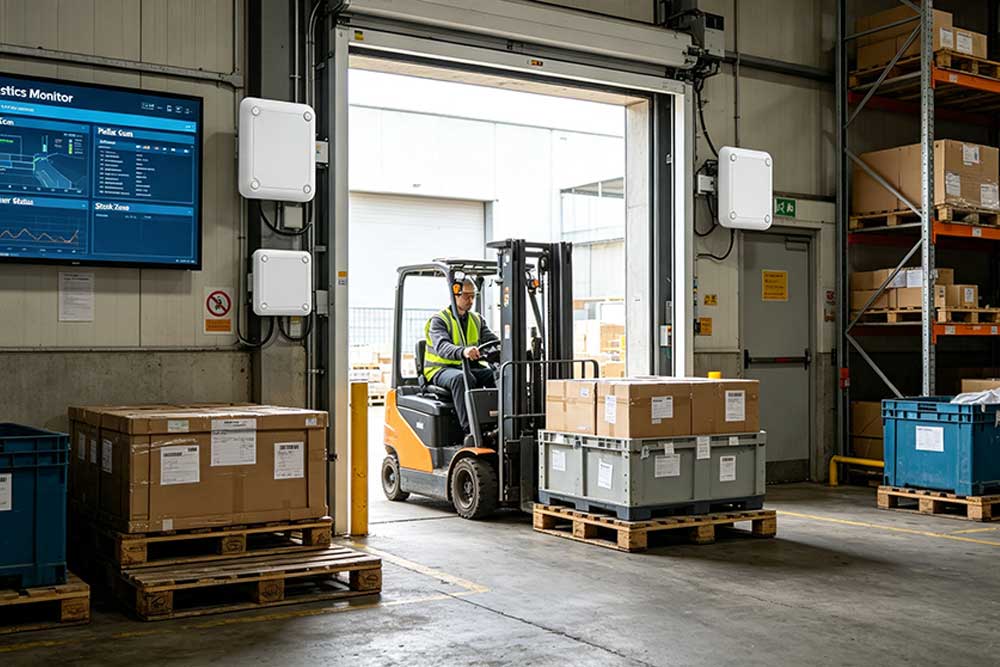
In field deployments, I pay more attention to where the reader is installed than to the headline read-distance number printed on a product specification sheet.
A reader positioned at a doorway creates a different tracking system from a reader mounted above a storage rack.
Typical tracking points include:
Auburn’s RFID deployment guidance specifically recommends auditing effective read rates during pilots and investigating sources of missed reads, including tag problems, weak tags and missing tags.
That is consistent with what happens in real installations: RF performance is a physical problem before it becomes a software problem.
A tag that works perfectly on cardboard may behave very differently when attached to:
For UHF RFID, antenna orientation, tag placement, reader power, reader position and surrounding materials all influence the effective detection zone.
GS1’s RFID guidance also distinguishes between different RFID frequency technologies and notes that UHF/RAIN RFID is particularly suited to fast asset identification, inventory and tracking.
A useful tracking system does not simply store “Tag Detected.”
It should associate the read with operational context.
| Data | Example |
|---|---|
| Tag ID | EPC 3008… |
| Reader | Receiving Door 02 |
| Timestamp | 10:14:32 |
| Location | Warehouse Receiving |
| Event | Arrival |
| Asset | Tool Cart 018 |
| Operator | Authorized user |
| Status | In inventory |
GS1’s RFID standards architecture includes the EPC Tag Data Standard, Low-Level Reader Protocol and application-level event standards, illustrating that RFID deployment extends beyond the physical tag and reader.
When someone asks “Can RFID be used for tracking?”, I would first ask a different question:
What event do you need to track?
If the answer is:
“When the pallet enters the warehouse.”
RFID is a strong candidate.
If the requirement is:
“Show the pallet’s exact latitude and longitude every second.”
Passive RFID alone is probably the wrong technology.
For a tool room:
“Tell me which tools left without being returned.”
RFID can be extremely effective.
For a hospital:
“Tell me which tagged equipment was last detected in the imaging department.”
Again, RFID can provide useful location-event history.
The system becomes valuable when these events are connected to the organization’s actual workflow.
| Feature | RFID | Barcode |
|---|---|---|
| Line of sight | Usually not required | Usually required |
| Multiple-item identification | Yes | Generally one at a time |
| Automatic detection | Yes | Usually operator-driven |
| Read distance | Can be several meters with suitable UHF setup | Usually short |
| Environmental sensitivity | Tag/material dependent | Print/visibility dependent |
| Item-level tracking | Excellent for suitable deployments | Possible but more labor-intensive |
| Infrastructure | Readers + antennas + software | Scanner + software |
| Best strength | Automated identification events | Low-cost visual identification |
RFID should not replace barcode simply because it is newer. In many operations, the two technologies work well together.
Cykeo RFID solutions can be configured around fixed readers, antennas, RFID tags and software interfaces to create tracking points throughout an operational environment.
For example:
Asset tag
↓
Cykeo UHF RFID reader
↓
Reader interface / middleware
↓
Tracking database
↓
Warehouse, retail, hospital or tool-management application
The reader’s job is to capture reliable RF events.
The software’s job is to understand what those events mean.
That separation is important.
A missed read at a warehouse gate is an RF deployment issue. A correctly captured tag that is assigned to the wrong asset in the database is a data-management issue. They require different solutions.
For an RFID tracking project, the reader is not simply a device that “reads tags.” It is the point where a physical movement becomes a digital event.
Cykeo’s UHF RFID reader solutions can be configured for fixed reading points, handheld inventory work, desktop identification and OEM integration. Depending on the application, readers can support multi-tag identification, adjustable RF output, anti-collision processing and interfaces such as Ethernet or serial communication.
The engineering advantage is flexibility at the detection point.
A warehouse may need a fixed reader at a dock door. A tool room may need a controlled doorway plus a handheld reader for searching. A retail store may require RFID at the checkout counter while using handheld equipment for cycle counting.
One reader architecture does not have to serve every workflow.
From a deployment perspective, I would normally examine:
That last point is frequently underestimated.
A reader can produce thousands of technically correct RF observations that are operationally useless if the application cannot distinguish a new arrival from the same tag being detected repeatedly.
A production RFID tracking system is better viewed as a layered architecture.
RFID Tag → Antenna → RFID Reader
The tag carries the identity. The antenna creates the RF coverage pattern. The reader handles the radio communication and retrieves tag data.
Reader → Filtering → Event Logic
This is where raw reads become meaningful events.
For example, if a tag is detected 80 times while passing through a doorway, the application usually does not need 80 separate “arrival” records.
The system can consolidate those reads into:
Asset A-1028 detected at Receiving Door 02 at 10:14:32.
Event → Business Rule → Database
The event may trigger:
The final layer connects RFID data to existing business systems.
A typical architecture looks like:
RFID TAGS
↓
ANTENNAS
↓
CYKEO RFID READERS
↓
EDGE FILTERING / EVENT PROCESSING
↓
RFID MIDDLEWARE
↓
WMS / ERP / MES / ASSET MANAGEMENT
↓
DASHBOARD / ALERT / REPORTING
GS1’s EPCIS standard is particularly relevant here. It describes visibility data in terms of what, when, where, why and how, allowing information about products and assets to be shared across systems and supply-chain participants.
This is why RFID architecture should be designed around events, not merely reader specifications.
A useful event record might contain:
| Field | Example |
|---|---|
| Asset ID | TOOL-00482 |
| Tag EPC | 3008… |
| Reader | CYKEO-GATE-02 |
| Location | Tool Room Exit |
| Timestamp | 14:32:18 |
| Event | Checkout |
| Operator | User 028 |
| Status | In Use |
GS1’s traceability framework similarly distinguishes Critical Tracking Events such as receiving, packing, shipping, transporting and storing from the data elements used to describe those events.
That gives system designers a useful mental model:
Don’t ask only “Did the reader see the tag?”
Ask:
“What business event should this read create?”
RFID performance cannot be reduced to one advertised read-distance figure.
A more useful comparison looks at the entire operating condition.
| Factor | Strong RFID Deployment | Weak RFID Deployment |
|---|---|---|
| Tag selection | Matched to material | Generic tag everywhere |
| Reader placement | Controlled detection zone | Wide uncontrolled coverage |
| Antenna | Correct polarization/orientation | Poorly positioned |
| Power | Tuned to environment | Maximum power by default |
| Tag density | Tested under real load | Tested with one tag |
| Metal/liquid | Validated during pilot | Ignored until production |
| Software | Read filtering and event logic | Raw reads sent directly |
| Validation | Field-tested | Datasheet-only decision |
Auburn University’s field research is useful evidence here. One study covered 62 retail stores and five product categories, and reported about a 26% reduction in inventory record inaccuracy from RFID-enabled inventory processes.
The important lesson is not the number itself.
The study was performed in actual stores, not only in a laboratory.
That is exactly how RFID equipment should be evaluated.
| Capability | RFID | Barcode |
|---|---|---|
| Direct line of sight | Usually unnecessary | Generally required |
| Multiple tags | Yes | Usually sequential |
| Automated portal reading | Strong use case | Limited |
| Manual searching | Handheld RFID possible | Barcode scanner |
| Identification distance | Potentially several meters | Usually short |
| Tag readability | Depends on RF environment | Depends on print/visibility |
| Data capacity | Tag memory available depending on type | Encoded visual data |
| Infrastructure cost | Higher | Lower |
| Best application | Automated movement visibility | Simple identification |
RFID does not make barcode obsolete.
A barcode may remain the better choice for a low-volume process where an operator already handles each item. RFID becomes more compelling when the business wants automatic, repeated, multi-item identification.
NFC and UHF RFID are sometimes treated as interchangeable because both use radio technology. They are not.
| Requirement | UHF RFID | NFC |
|---|---|---|
| Bulk item reading | Excellent fit | Poor fit |
| Longer read distance | Stronger | Very short |
| Smartphone interaction | Limited depending on system | Excellent |
| Inventory counting | Strong | Weak |
| Product authentication | Possible | Strong use case |
| Retail checkout | Strong | Possible for interaction/payment |
| Portal tracking | Strong | Generally unsuitable |
For warehouse inventory or doorway tracking, UHF RFID is normally the more appropriate technology.
For a consumer touching a product with a smartphone, NFC can make much more sense.
Retail is one of the clearest RFID applications.
A tagged garment can be identified during receiving, moved into the stockroom, counted during inventory and detected again at checkout.
Auburn’s field experiments provide unusually useful evidence because the research involved real retail stores rather than purely controlled laboratory conditions. The larger experiment involved 31 RFID treatment stores and 31 control stores.
For Cykeo-style deployment, fixed readers can handle defined movement points while handheld readers support detailed stocktaking.
Hospital environments create a different challenge.
The objective may not be “count every product.”
It may be:
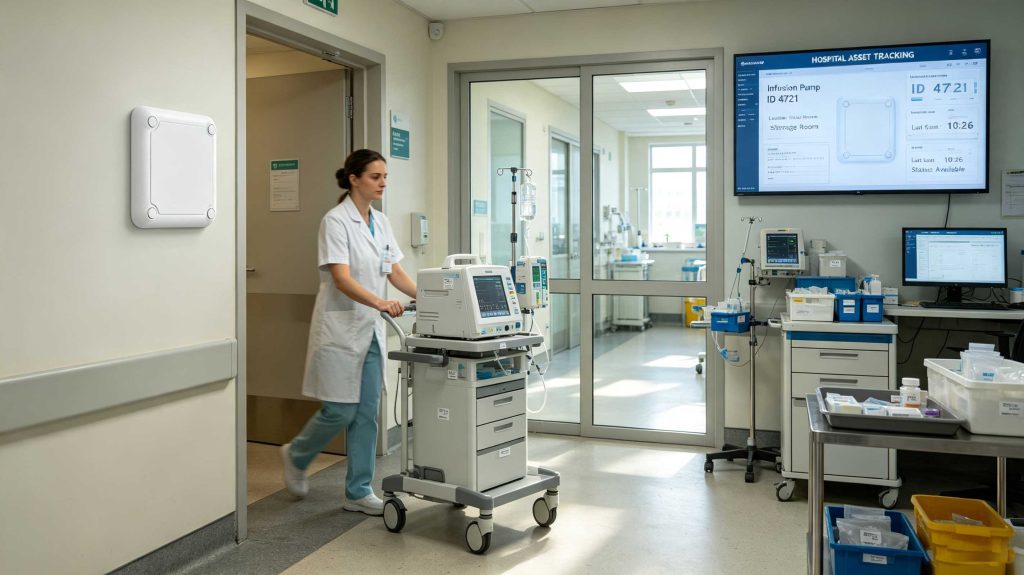
Where was the infusion pump last detected?
Which equipment is currently in the department?
Which assets have not returned to the equipment room?
RFID can create location-event records at controlled entrances, storage areas and handover points.
For expensive mobile equipment, combining fixed readers with handheld search capability can be more practical than attempting room-level continuous localization.
Tool tracking is particularly suitable for RFID because the workflow is event-driven.
Tool issued → Tool leaves room → Tool returns → Tool checked back in
A tagged tool can be associated with a person, work order or maintenance task.
If a tool is detected leaving an authorized area without a corresponding checkout event, the software can generate an alert.
This is where RFID shifts from inventory counting into operational control.
I would not begin by installing readers throughout an entire facility.
Start with one movement that has measurable business value.
Write down the exact event:
Test the actual product.
Not a sample cardboard box.
If the final asset is steel, test the tag on steel.
If it contains liquid, test the tag beside the liquid container.
Install one reader and antenna configuration.
Measure:
A stationary tag on a workbench proves very little.
Run:
Only after the RF layer is stable should the project connect to WMS, ERP, MES or asset software.
Once one zone is reliable, replicate the proven configuration rather than redesigning every location independently.
The most common problem is not that RFID technology cannot read the tag.
It is that the system was designed around an idealized RF environment.
Typical problems include:
Research into RFID localization also shows why exact physical positioning should not automatically be assumed from ordinary RFID reads. A 2021 study of fashion stores explored fixture-level localization and reported more than 90% accuracy under its specific experimental approach, while also identifying practical integration challenges.
In other words, RFID can provide excellent tracking events without necessarily functioning as centimeter-level indoor positioning.
Yes. Fixed readers can automatically detect tagged assets when they enter defined RF coverage zones. The system then records the detection event with time and location information.
It depends on the architecture. Standard passive RFID generally provides reader-zone location, not continuous GPS-style coordinates. More precise localization requires additional readers, algorithms or complementary positioning technologies.
Read distance depends on frequency, tag design, reader power, antenna configuration, installation and surrounding materials. A UHF RFID system can achieve long-range detection, but the actual production range must be validated on-site.
Yes. Multi-tag identification is one of UHF RFID’s major advantages and makes it suitable for inventory, warehouse and portal applications.
Not universally. RFID is stronger when automatic, non-line-of-sight or multi-item identification is required. Barcodes remain attractive for simple, low-cost manual identification.
Yes. RFID can record tool check-in, check-out and movement events and can associate those events with users or work orders.
Not necessarily. RFID readers can communicate with local systems through Ethernet, serial or other interfaces. Internet or cloud connectivity depends on the overall application architecture.
Can RFID be used for tracking? Absolutely—but successful RFID tracking is built around controlled detection zones, appropriate tags, properly positioned readers and meaningful event processing.
Cykeo approaches RFID deployment from the physical layer upward: tag selection, antenna positioning, reader configuration, multi-tag performance and system integration are considered together.
For inventory, tools, hospital equipment, retail merchandise and warehouse assets, that distinction matters.
The objective is not to produce more RFID reads.
It is to produce trustworthy movement information from physical objects.
That is where RFID tracking becomes useful.
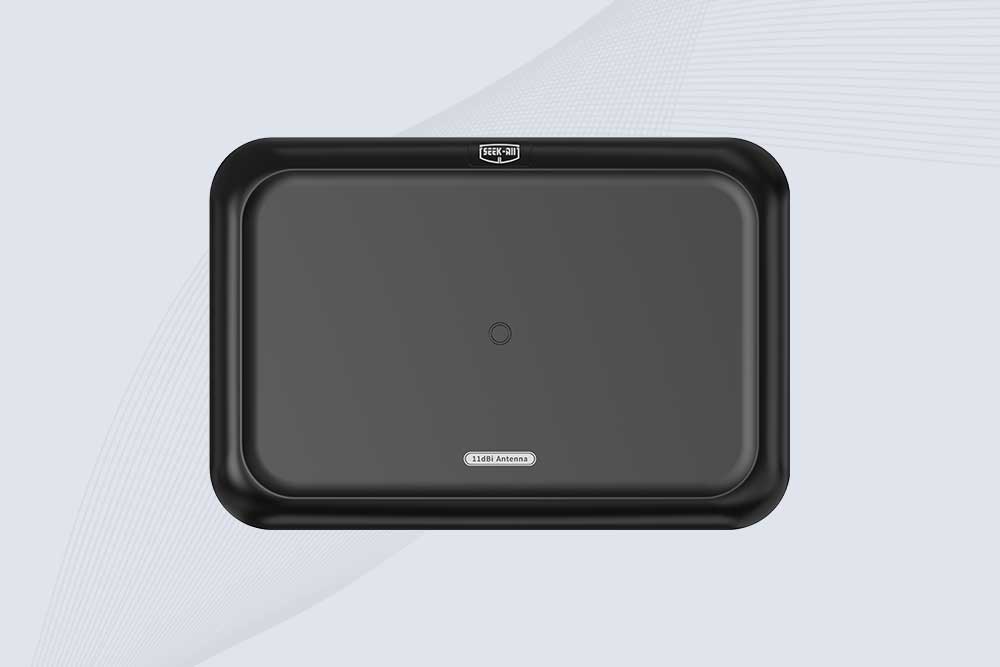
SSD-A11 UHF RFID antenna features 840–960 MHz adjustable frequency, ≥10.5 dBi gain, circular polarization and 50Ω impedance for fixed RFID systems.
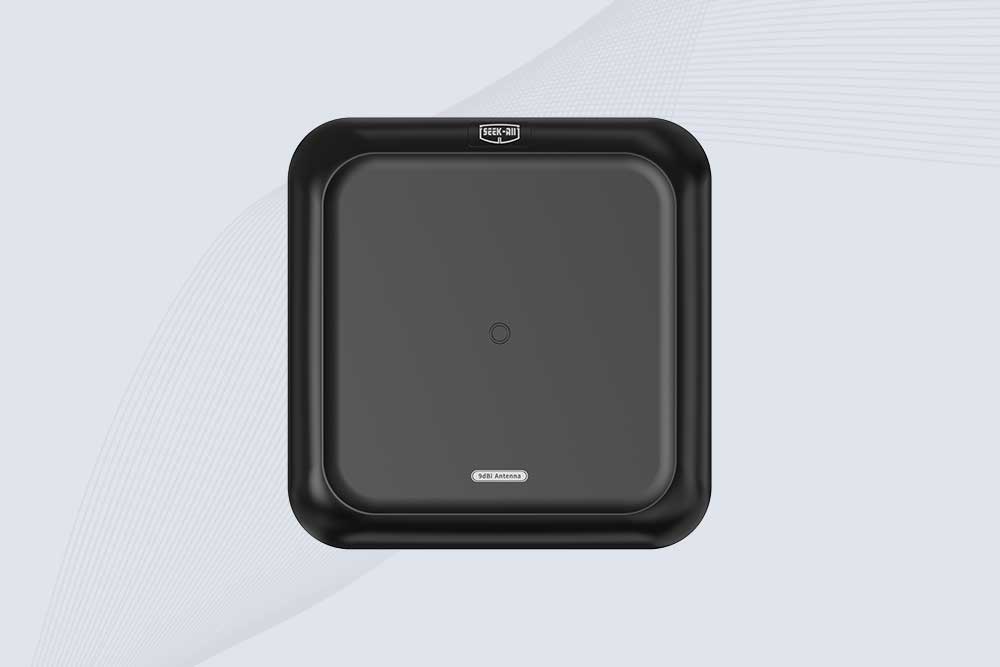
SSD-A09 is a 9 dBi UHF RFID antenna with 840–960 MHz adjustable frequency, circular polarization, 50Ω impedance and directional 60° × 60° coverage.
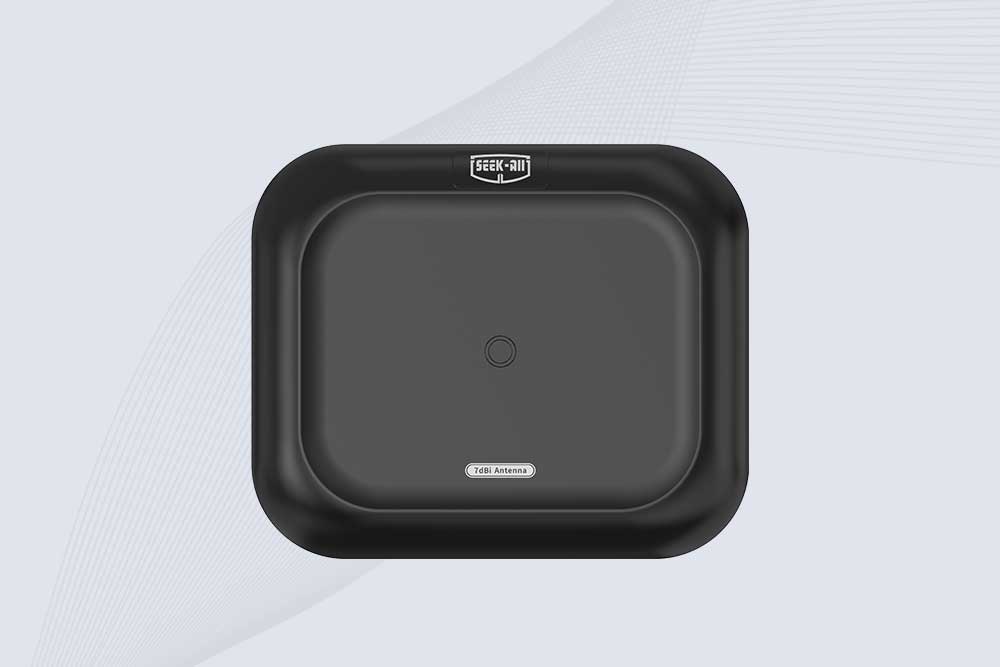
Explore the SSD-A07 UHF RFID antenna with 7 dBi gain, circular polarization, adjustable 840–960 MHz frequency, and 60°/75° beamwidth for stable RFID read/write performance.

SSD-A06 UHF RFID antenna with circular polarization, adjustable 840–960 MHz frequency, ≥4.5 dBi gain, and a compact directional design for RFID systems.
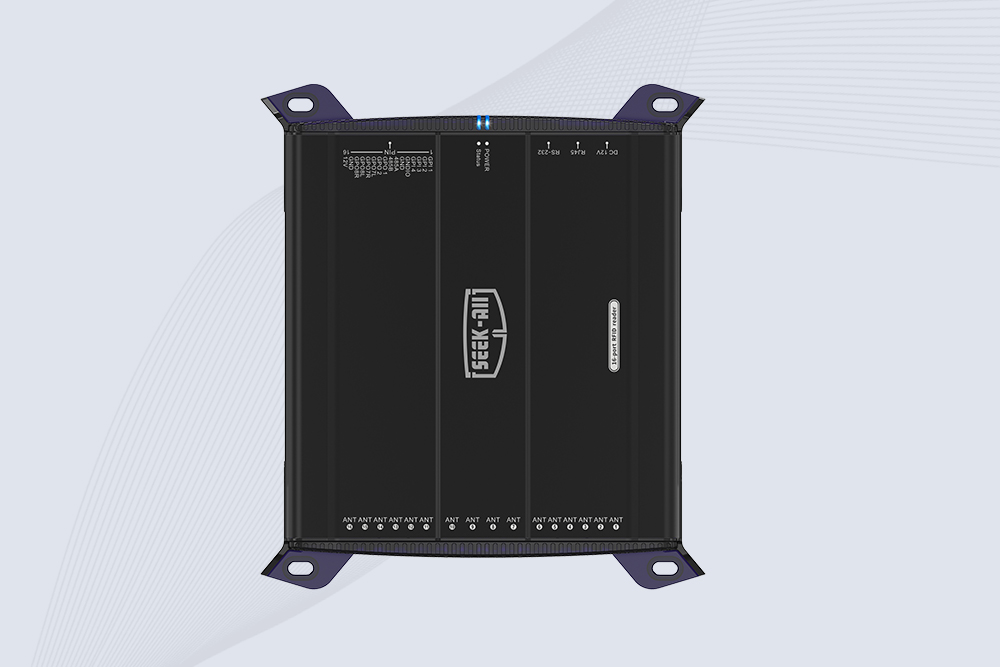
SSD-R16L Multi-Channel RFID Infrastructure for Automated Inventory Management ✔️ 16-Port High-Density RFID Reading Equipped with 16 SMA antenna ports, SSD-R16L supports multi-antenna deployment for warehouses, retail stores, logistics, production lines, and large-area RFID identification. ✔️ High-Speed & Long-Range Performance With up to 33…
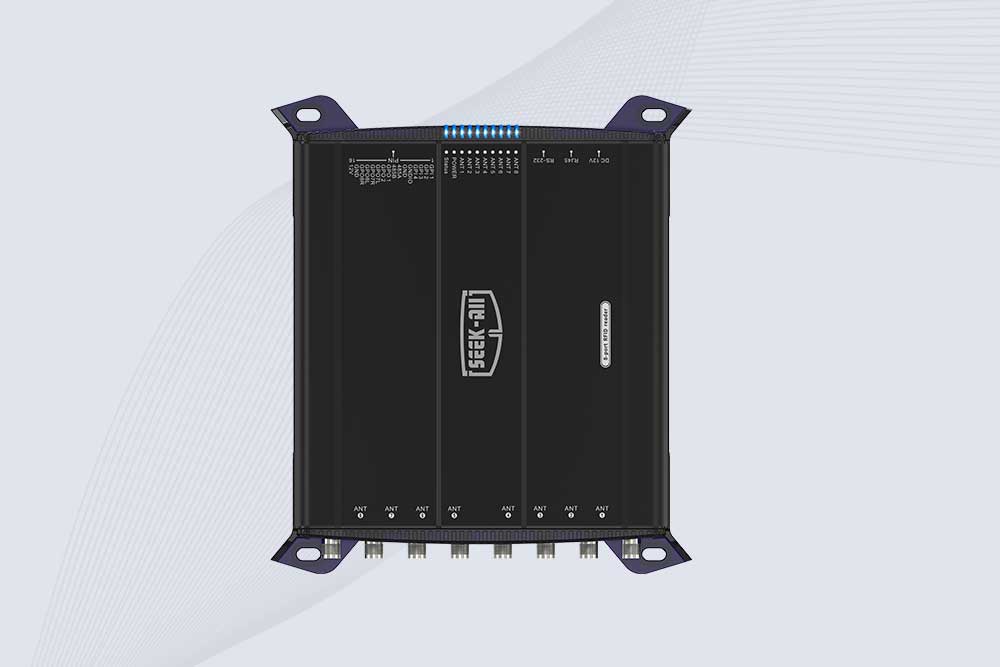
SSD-R8L 8-port UHF RFID reader with 33dBm output, up to 20m reading range and 600+ tags/s recognition. Ideal for warehouse, logistics, retail and asset tracking.
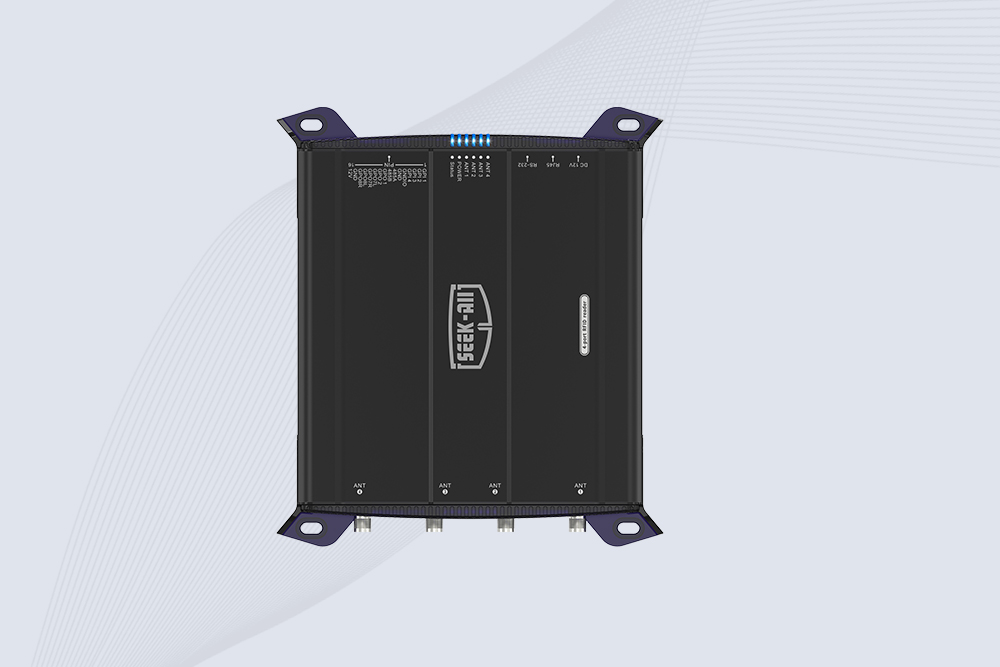
SSD-R4L is a 4-port UHF RFID fixed reader with 33dBm output power, up to 20m reading range, EPC C1G2 support and 600+ tags/s reading speed.
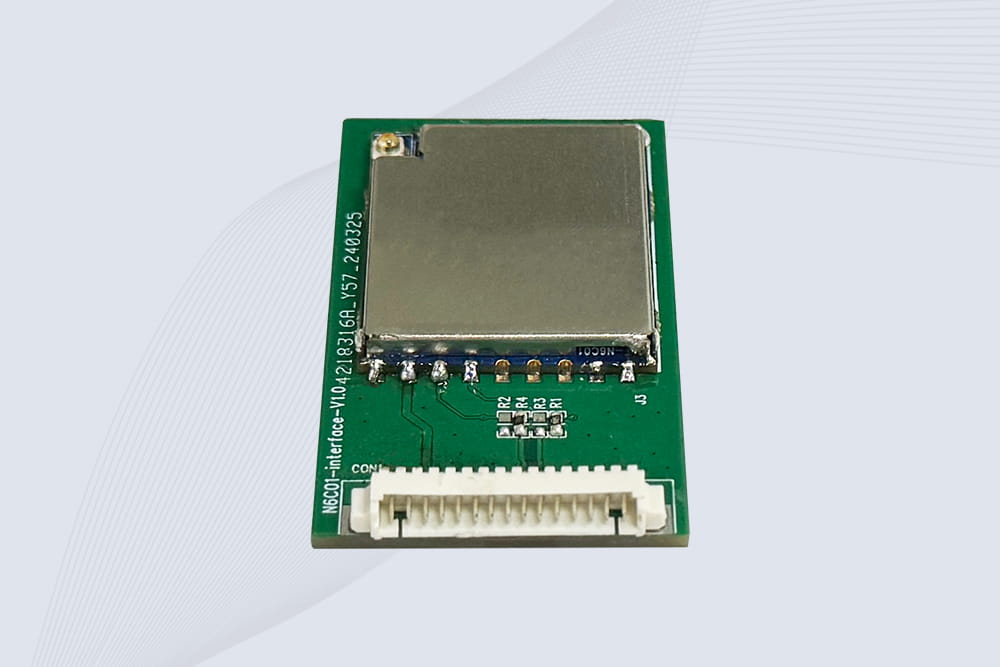
CYKEO Embedded RFID Modules are designed for compact industrial and IoT devices that require stable UHF performance. These UHF RFID Modules support global protocols, flexible power control, and reliable multi-tag reading for smart cabinets, production lines, and asset tracking systems.
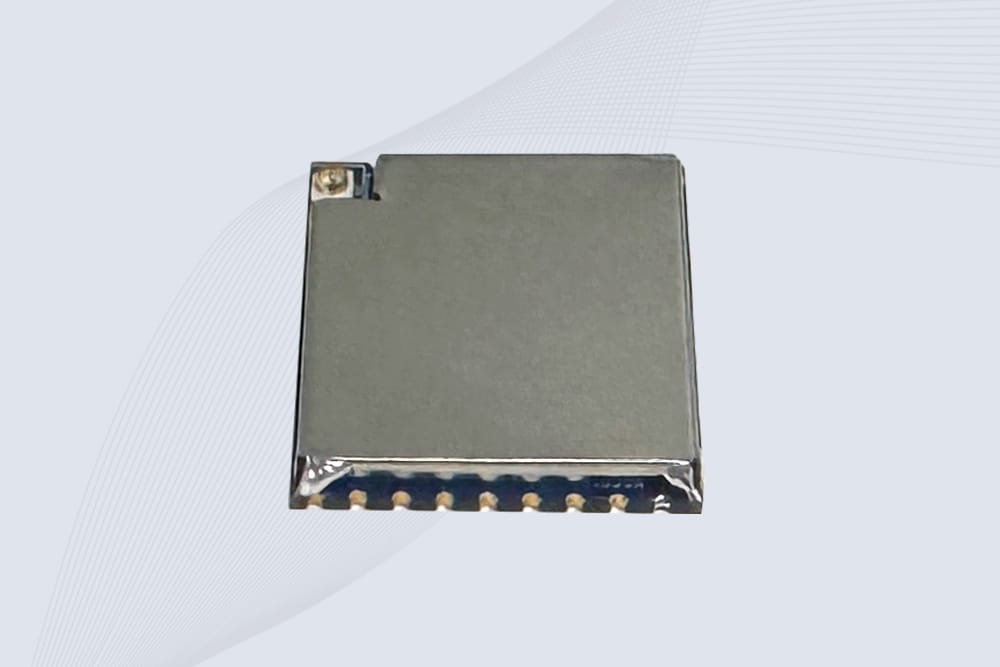
CYKEO Embedded RFID Module is built for compact IoT and industrial devices that need stable UHF performance. This UHF module supports global protocols, low power operation, and reliable multi-tag reading for smart lockers, production lines, and always-on RFID systems.
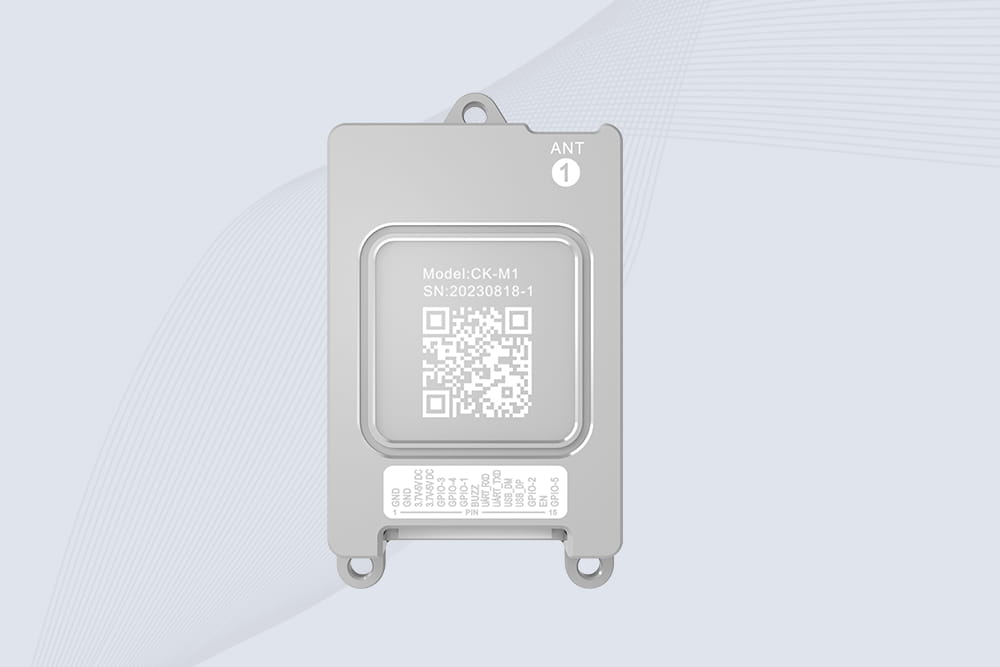
CYKEO CYKEO-M1 drone rfid module is a compact UHF RFID reader module designed for drones and UAV platforms. It supports long-range aerial scanning, fast multi-tag reading, and stable performance in wind, vibration, and outdoor environments.
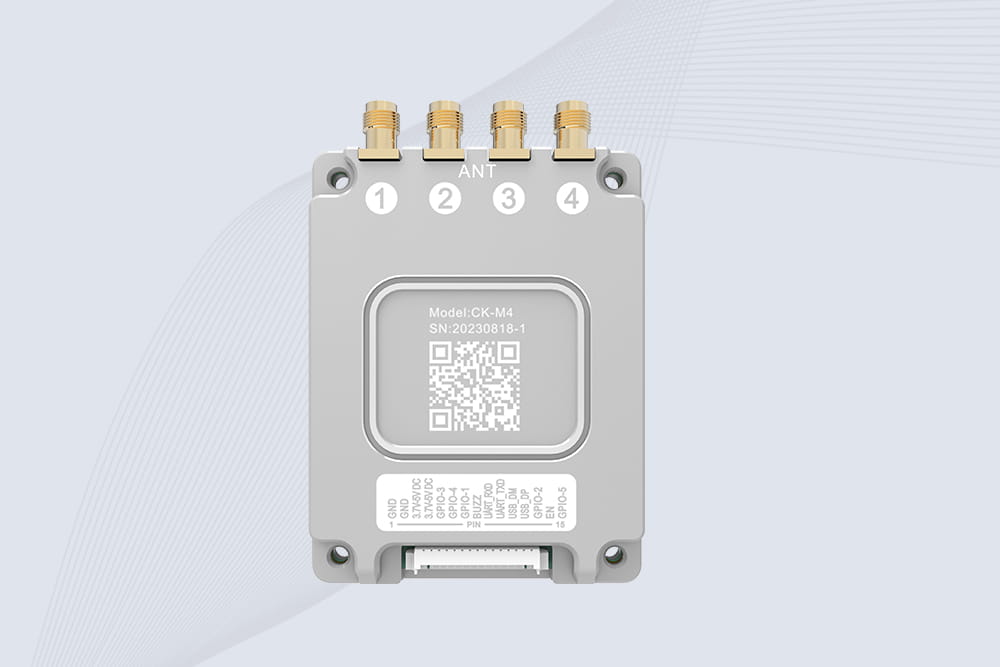
CYKEO CYKEO-M4 RC522 RFID Module is an industrial-grade UHF RFID reader with 4 ports, supporting ISO, EPC, and GB protocols. High-speed, accurate reading for IoT, automation, and warehouse applications.
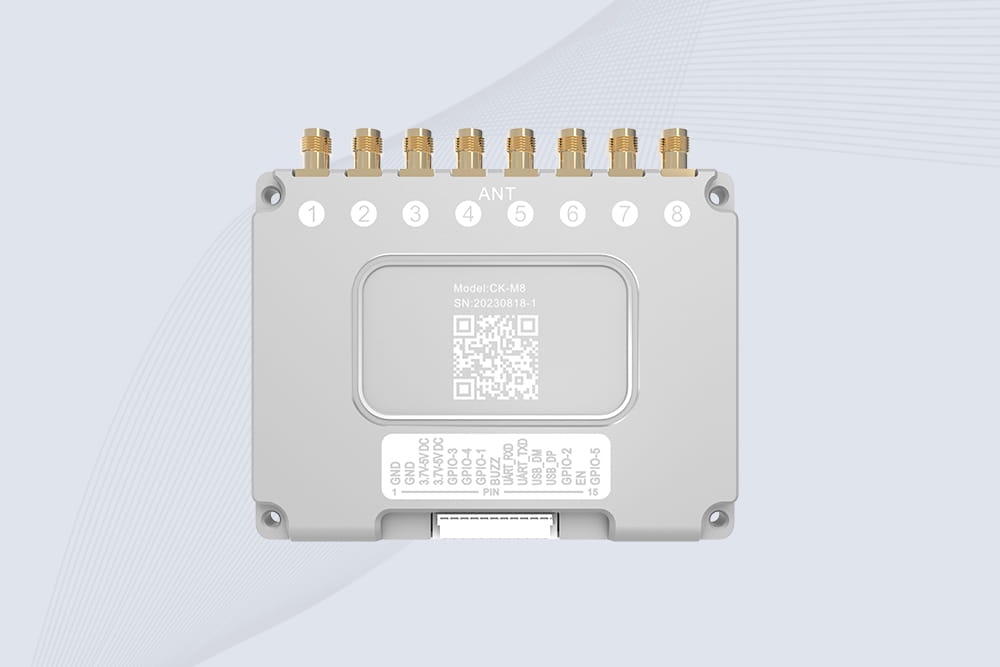
CYKEO CYKEO-M8 Module RFID is an 8-port UHF R2000 RFID Module designed for high-density, multi-tag environments. Stable 33dBm output, ISO & GB protocol support, ideal for warehouses, factories, and automated systems.
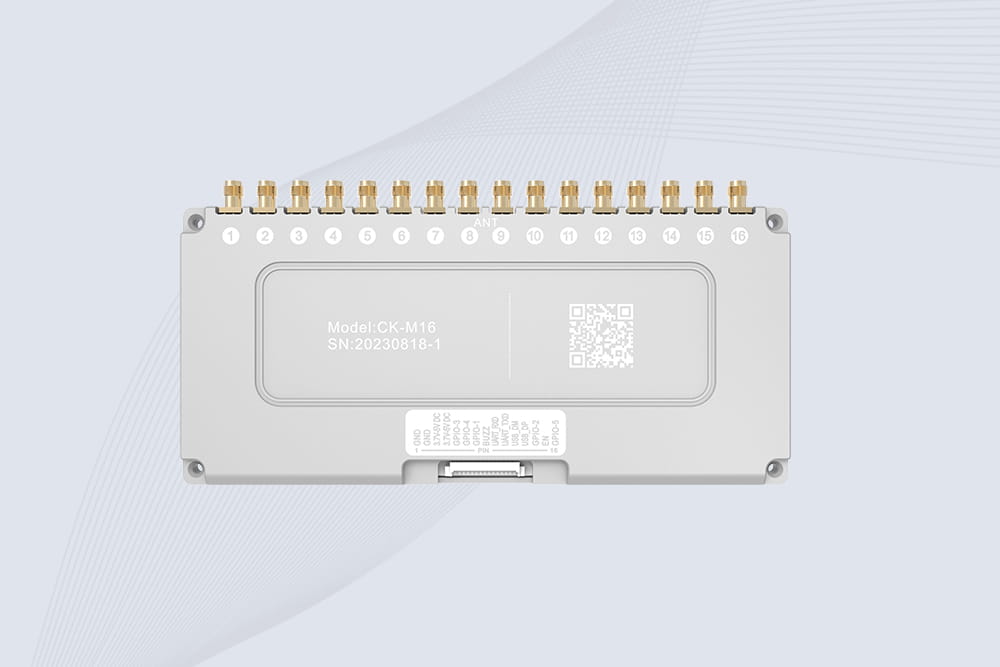
CYKEO CYKEO-M16 RFID Module is a 16-port UHF RFID reader module based on the R2000 chipset. Designed for dense tag environments, it supports ISO and GB standards and delivers stable multi-antenna control for industrial automation.
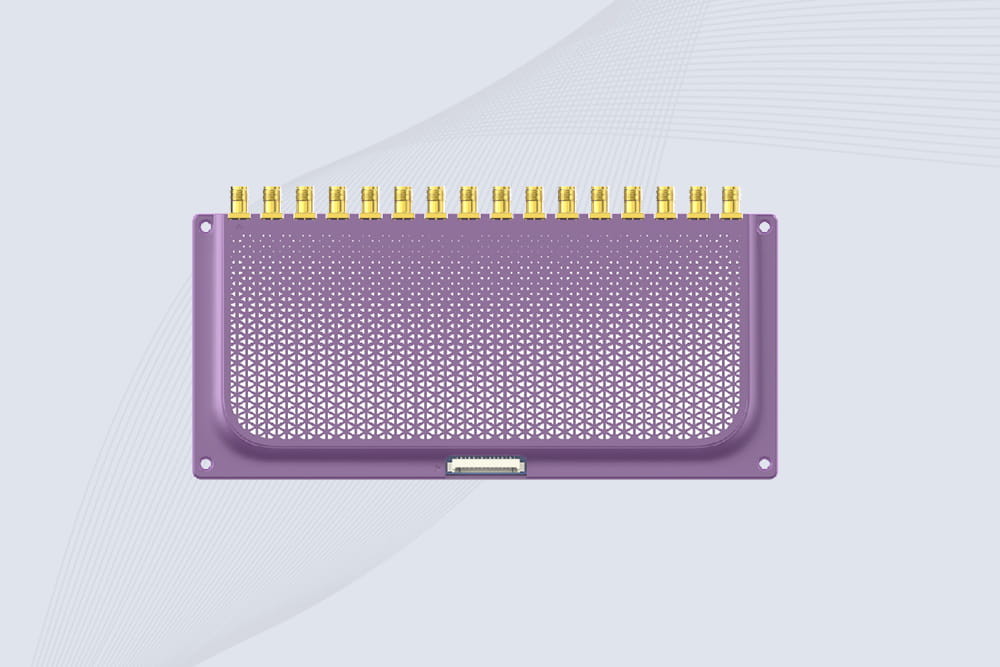
The CYKEO CYKEO-M16L RFID Reader Module is a 16-channel UHF RFID core designed for dense tag environments. With adjustable 33dBm output, multi-protocol support, and stable multi-antenna control, this RFID Tag Reader Module fits industrial automation, warehouse systems, and large-scale IoT deployments.
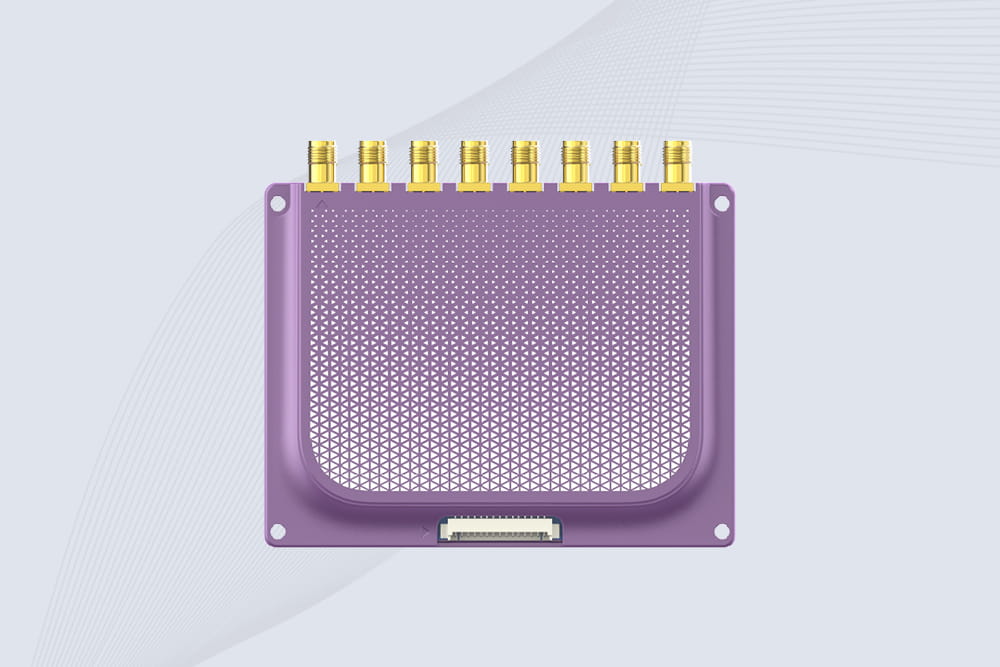
CYKEO CYKEO-M8L module RFID is a compact industrial UHF module built for dense tag and multi-antenna environments. With 8 RF ports, adjustable 33 dBm output, and ISO & GB protocol support, it is widely used in factories, warehouses, and automated tracking systems.
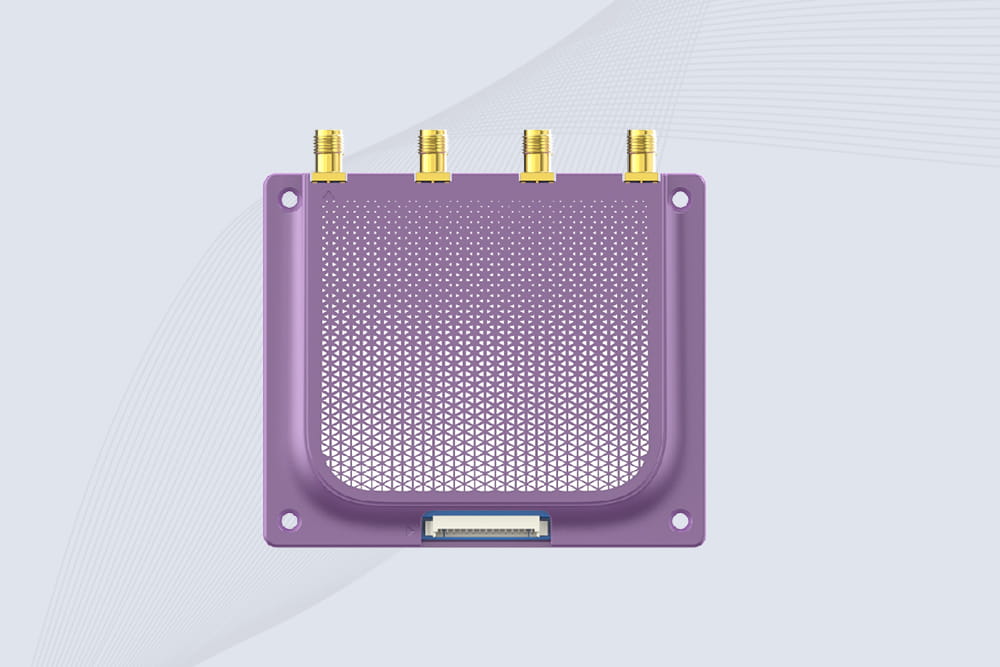
CYKEOCYKEO-M4L UHF RFID Module is a compact 4-channel RFID tag reader module designed for dense tag environments. Supporting ISO and GB protocols, it delivers stable reads up to 10 meters for industrial and IoT systems.
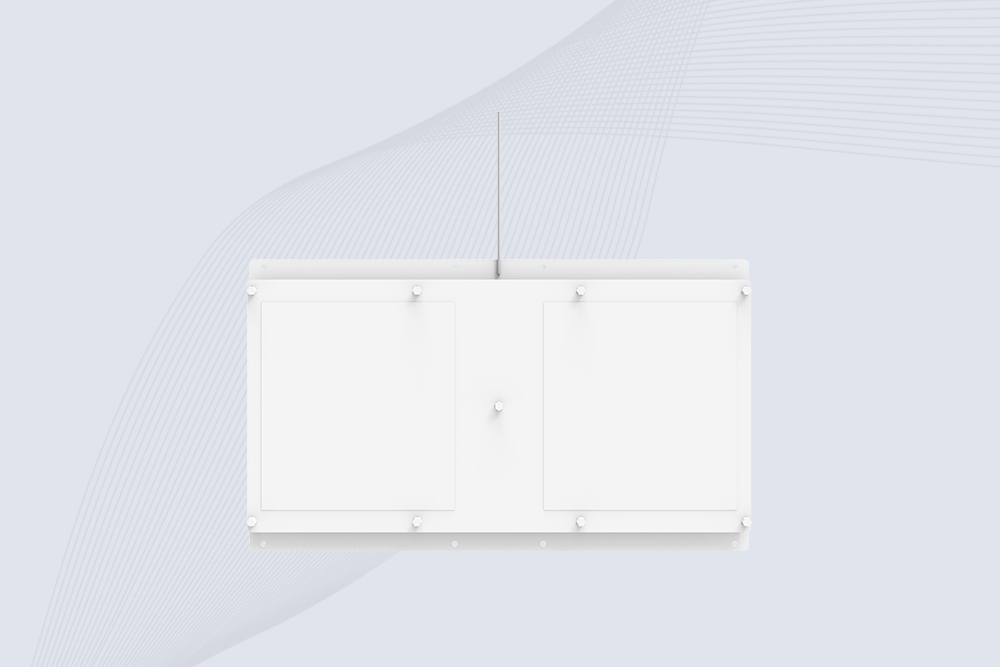
Cykeo CYKEO-A11 UHF RFID reader antenna delivers 11dBi gain, 840-960MHz frequency range, and IP65 ruggedness for retail, logistics, and industrial RFID systems. Features low VSWR and easy installation.

CYKEO Antenna RFID Reader delivers stable long-range UHF performance with a 10.5dBi directional design, built for warehouses, conveyor portals, and industrial RFID systems. This rfid reader antenna provides 20m+ read distance and rugged IP67 protection.

Cykeo CYKEO-PHF3 industrial HF RFID Antenna offers 24-point dynamic tracking, ISO 14443A/15693 protocols, metal-environment stability for archives/libraries/manufacturing.

Cykeo CYKEO-A5B industrial Linear RFID Antenna delivers 5dBi gain, ≤1.5:1 VSWR, and IP65 rugged design for warehouse, production line, and logistics UHF systems.

Cykeo’s CYKEO-B12 Long Range RFID Antenna delivers 15m+ read range with 12dBi gain, IP65 rugged design, and global 840-960MHz UHF support. Ideal for warehouse/logistics asset tracking.
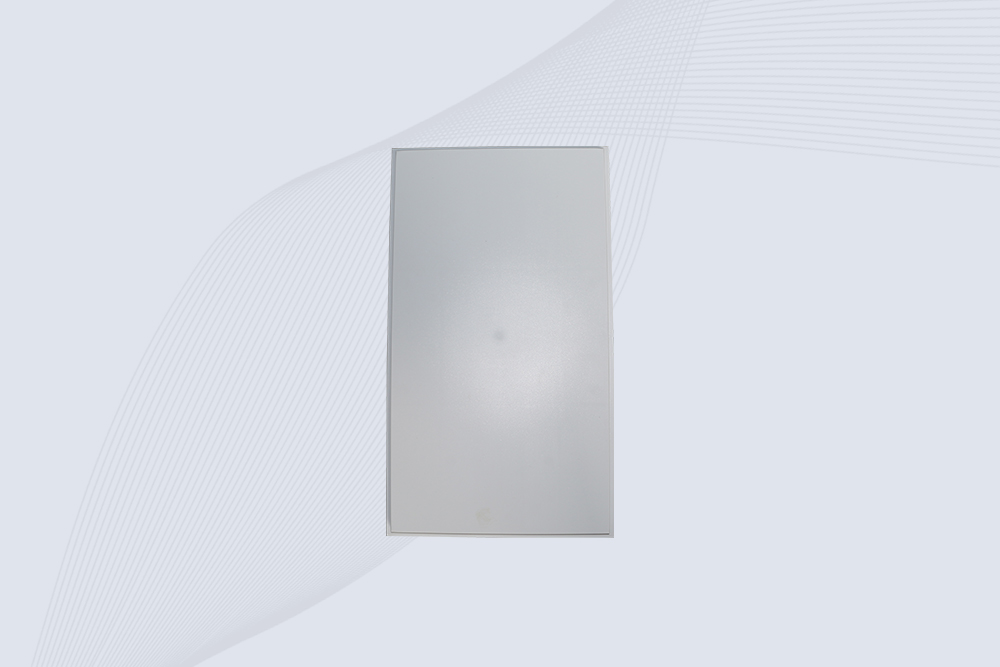
Cykeo CYKEO-B10 Long Distance RFID Antenna offers 10dBi gain, 840-960MHz frequency range, IP65 rating, and 20m+ coverage for logistics/warehousing/ETC systems. Low VSWR ensures stable signal transmission.
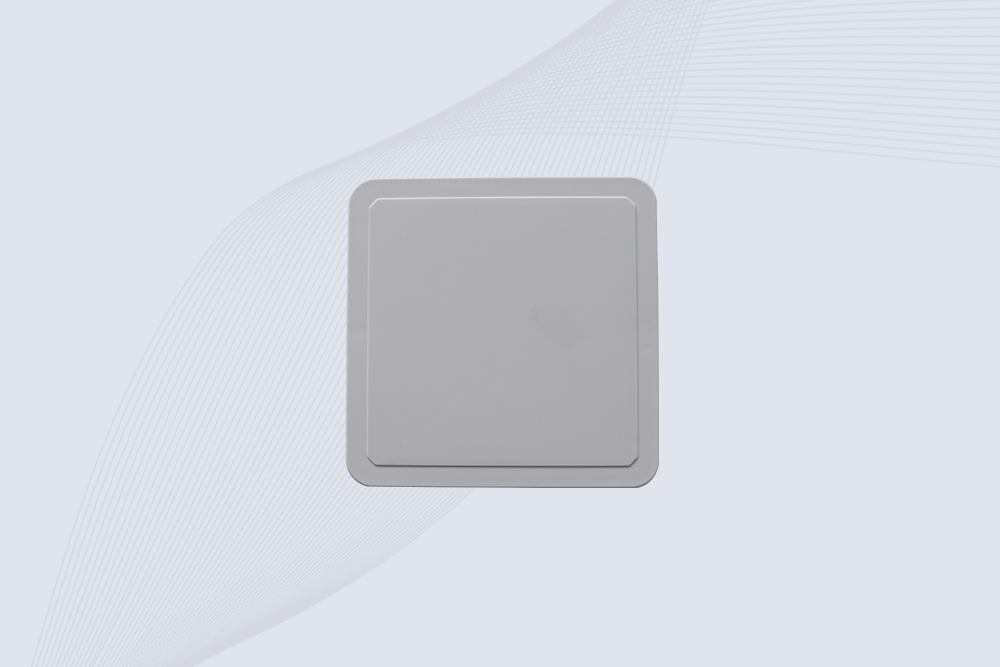
Cykeo CYKEO-A6 UHF RFID panel antenna features 6dBi gain, 840-960MHz broadband, IP65 metal-ready housing for logistics/smart retail. 18mm ultra-thin design with tool-free mounting.

Cykeo CK-A3 industrial antenna RFID UHF offers 5m+ tag detection, ≤1.3:1 VSWR, IP65 rugged design, and global UHF spectrum compatibility (840-960MHz) for warehouses, factories, and retail.
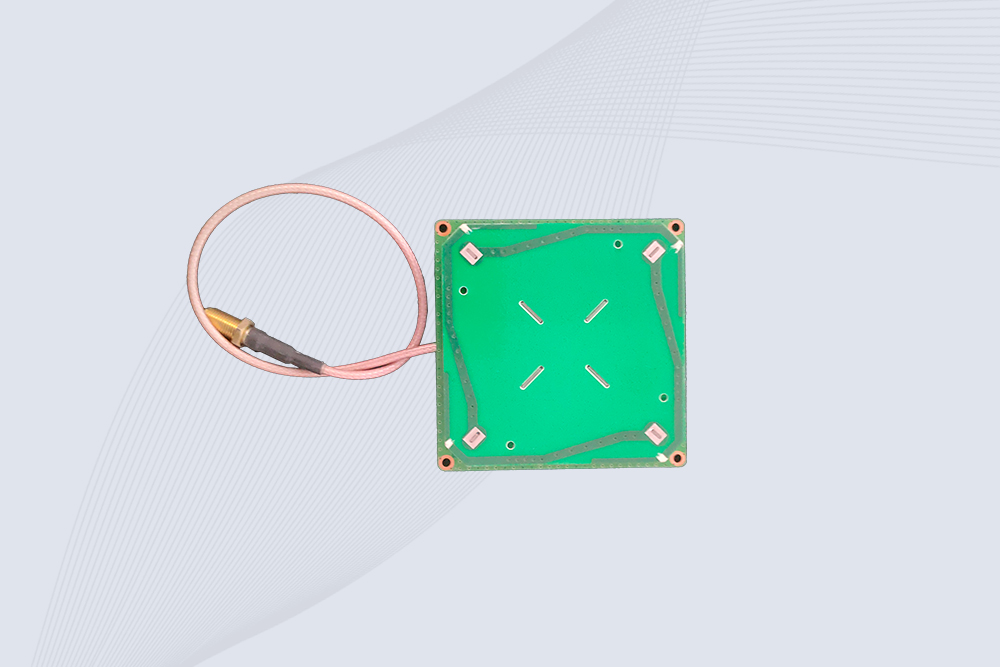
Cykeo CYKEO-B5 directional RFID antenna provides 5dBi gain with 60° narrow beamwidth for precise inventory tracking. IP65-rated, global UHF frequency support, and low VSWR.
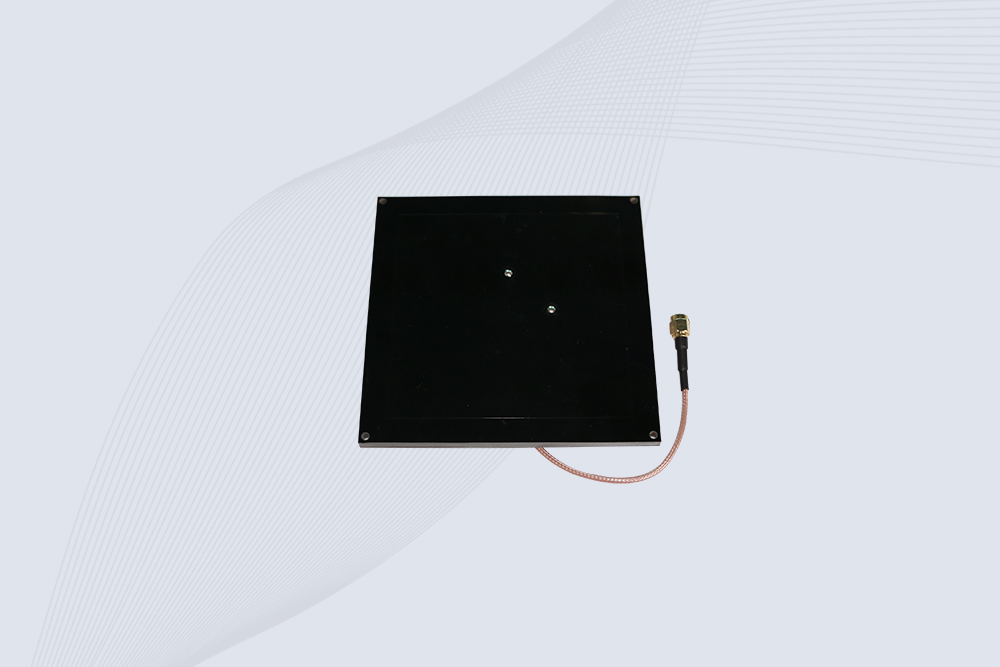
Create your own high-performance DIY RFID antenna! 5dBi gain, 840-960MHz tunable, step-by-step guides. Compatible with Arduino, Raspberry Pi, and commercial UHF readers.
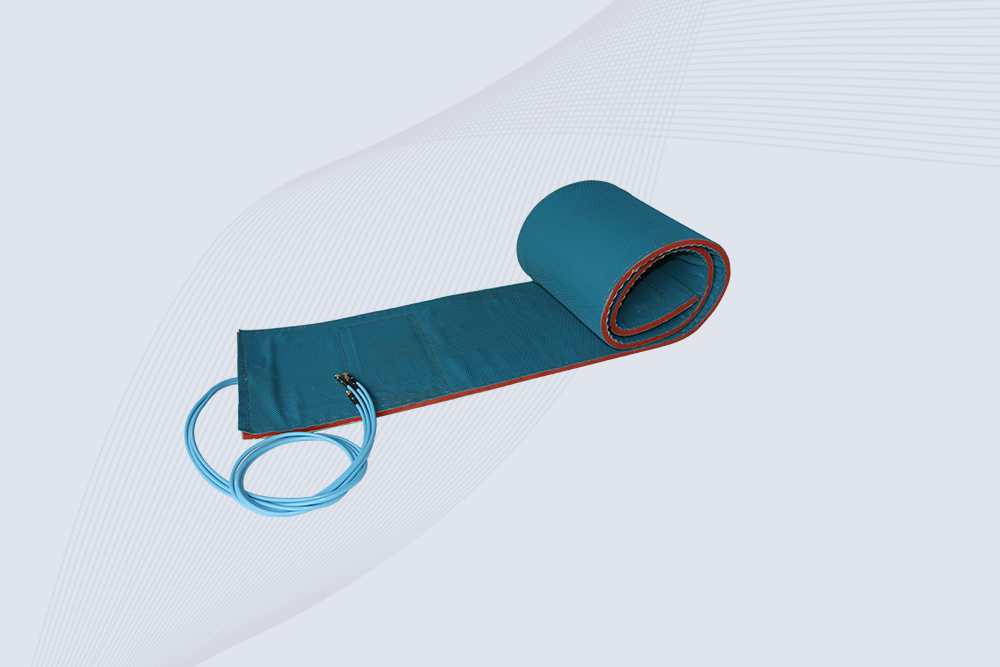
Cykeo CYKEO-A7 Flexible RFID Antenna features 840-960MHz wideband tuning, 7dBi gain, and IP68 rating for medical/retail/industrial curved surface deployments. 98% read accuracy with peel-and-stick installation.

Cykeo CYKEO-B5A industrial Passive RFID Antenna delivers 5dBi gain, 70° beamwidth, and -40°C~55°C operation for warehouses/smart cabinets. Compatible with Zebra/Impinj readers.
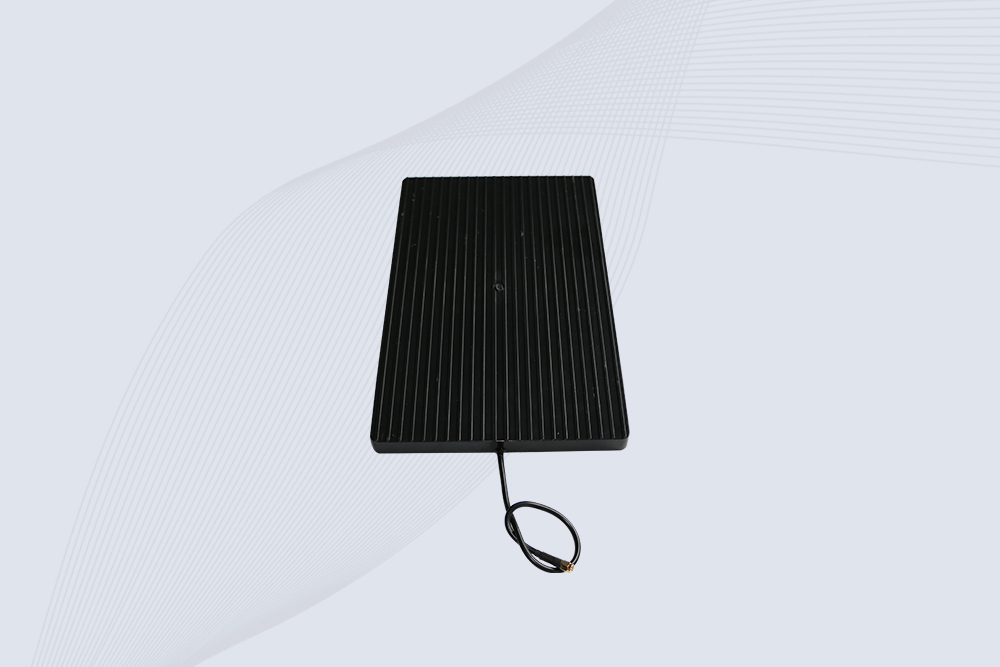
Cykeo’s CYKEO-A9B High Gain RFID Antenna delivers 15m+ read range with 9dBi amplification. Features IP54 rugged design, 840-960MHz bandwidth, and 80° beamwidth for warehouse/manufacturing RFID systems.

Cykeo’s enterprise-grade 8dbi Impinj RFID Antenna 10m+ read range with 840-960MHz tuning. Features IP65 housing, 1.4 VSWR, 35° beamwidth for retail/warehouse RFID systems.
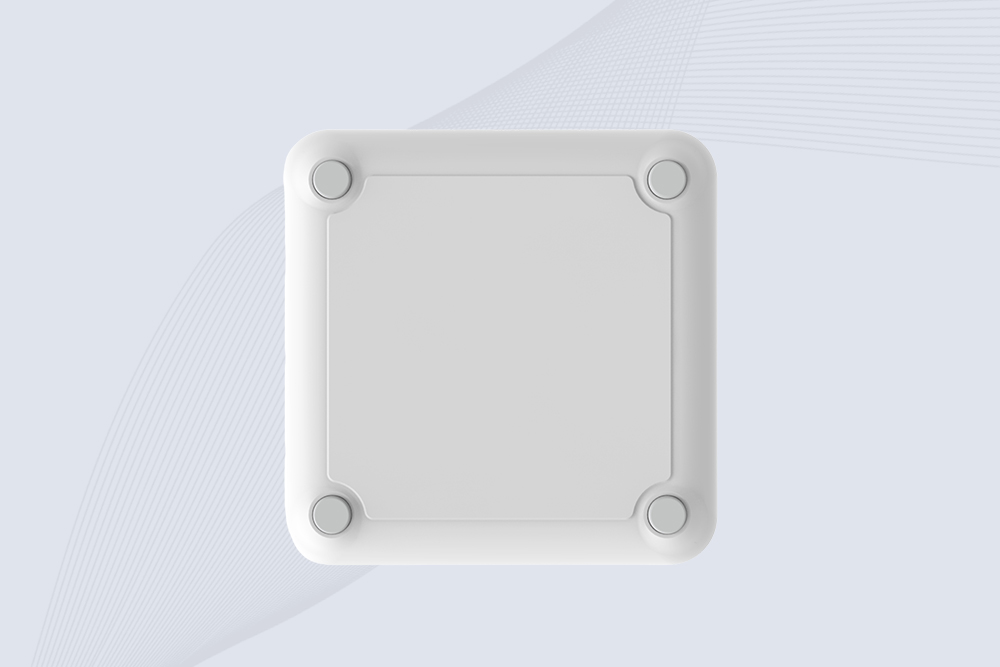
Cykeo CYKEO-A9 industrial UHF RFID antenna delivers 9dBi gain, 840-960MHz frequency range, and IP65 protection for warehouse/logistics/retail RFID systems. Features N-type connector and ≤1.3:1 VSWR.
CYKEO UHF RFID Antenna built for long-distance and industrial applications. This antenna rfid uhf delivers strong gain, outdoor durability, and reliable tag performance in warehouses, yards, and vehicle ID systems.
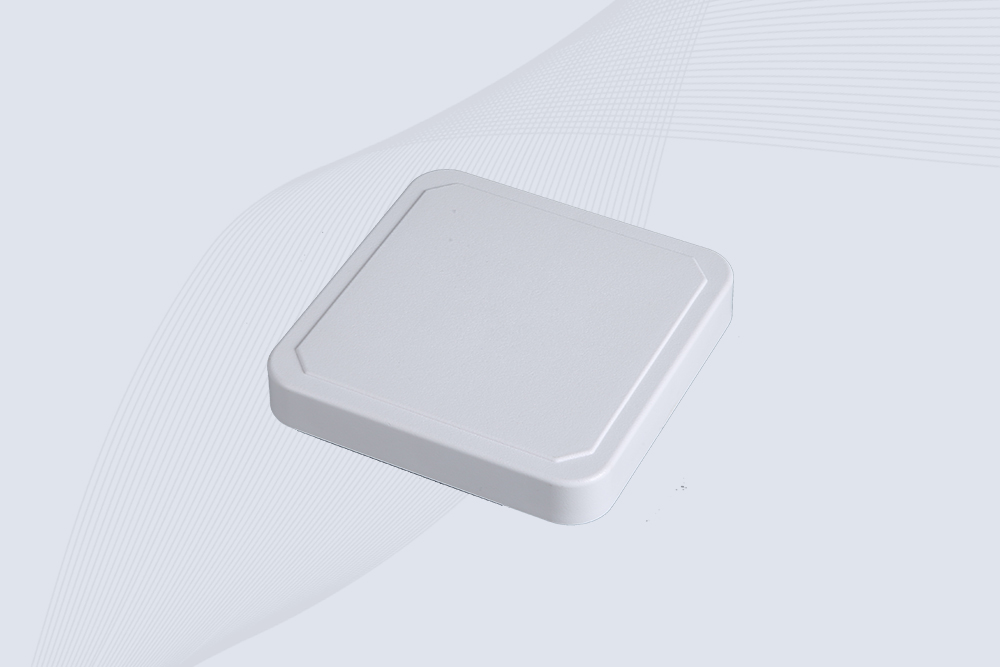
CYKEO Antenna RFID delivers reliable long-range UHF performance in warehouses, retail shelves, and cold-chain environments. This compact uhf rfid antenna provides stable reads with circular polarization and ultra-wide 840–960 MHz support, ideal for industrial tracking, smart shelves, and asset monitoring.
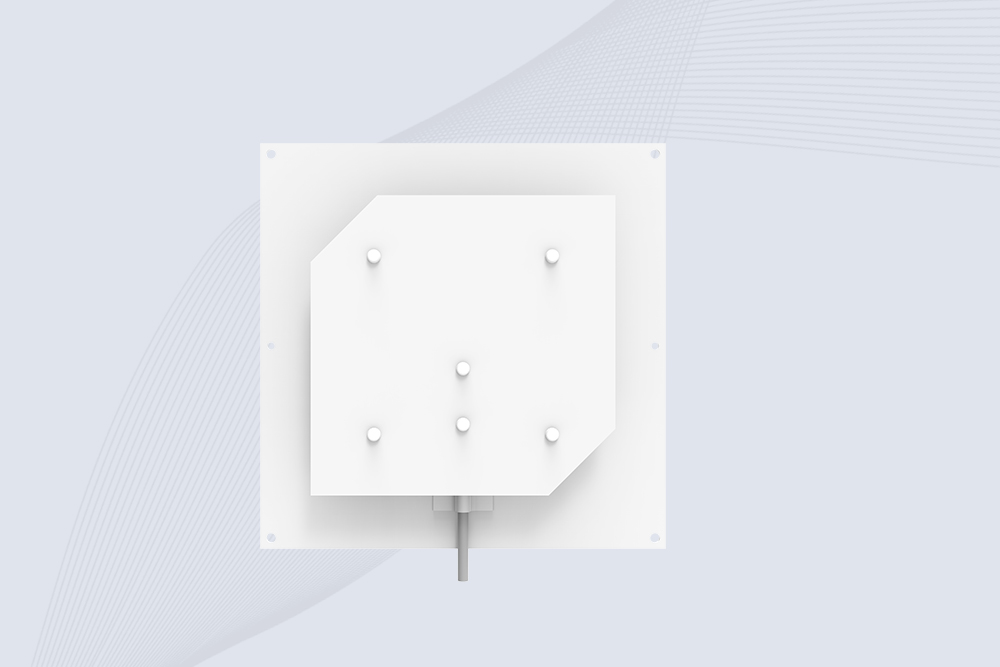
Cykeo’s CYKEO-C8 UHF RFID antennas delivers 8dBi gain, 840-960MHz full-band coverage, and IP65 ruggedness for manufacturing/warehouse RFID systems. Industrial RFID Antennas Features
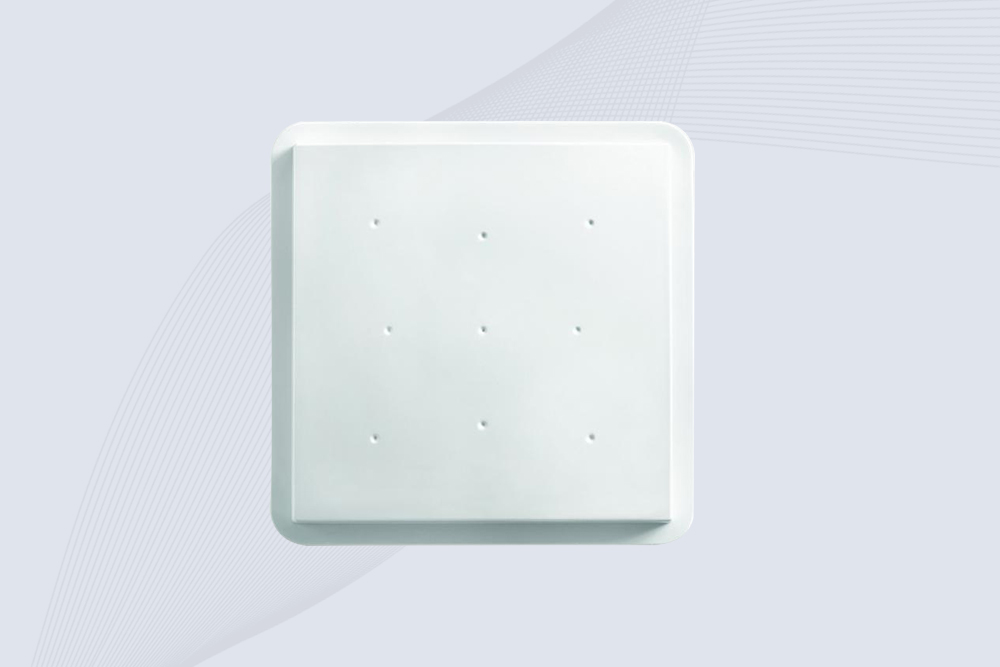
Cykeo’s 8dBi UHF RFID antenna and reader kit delivers 10m+ range, 840-960MHz broadband, and IP65 ruggedness for factories, warehouses, and logistics. ISO 18000-6C & EPC Gen2 certified.
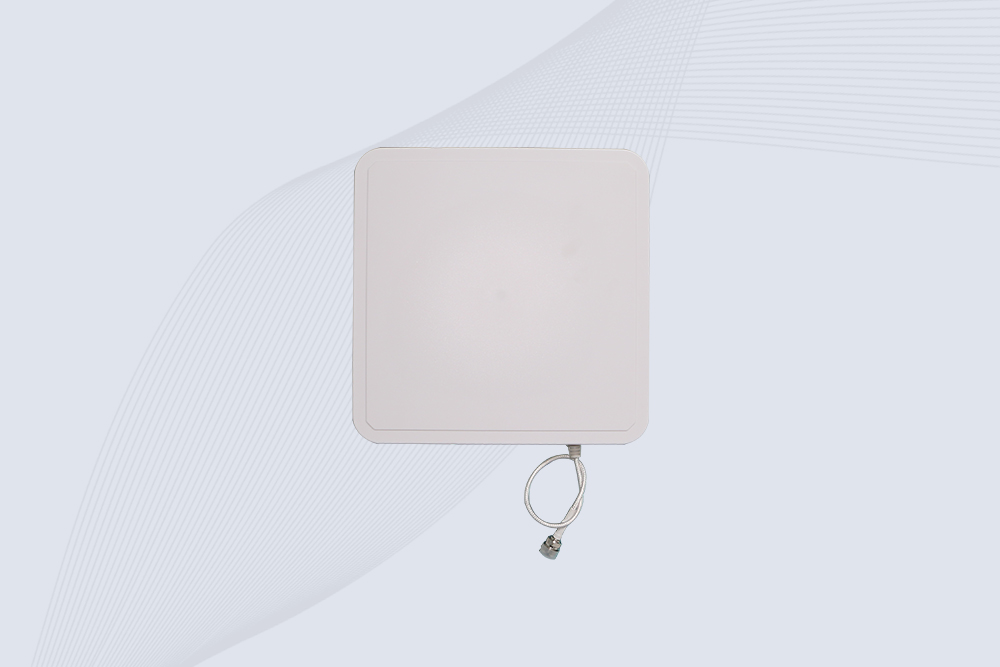
Cykeo CYKEO-A9A industrial UHF RFID reader and antenna kit delivers 10m range, 500 tags/sec, IP65 ruggedness for manufacturing/logistics. Supports EPC Gen2, ISO18000-6C.
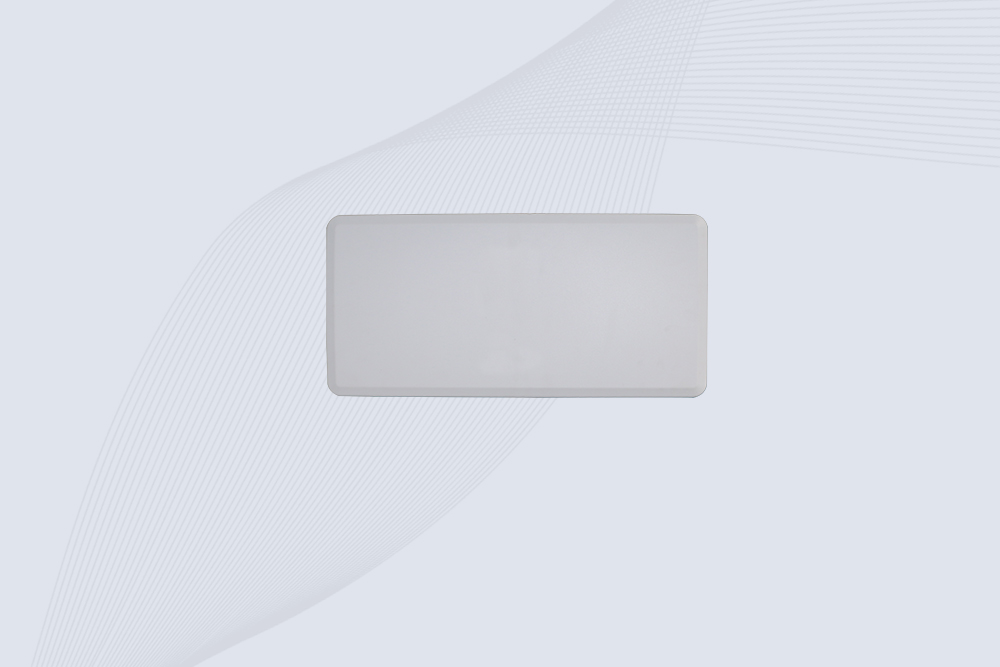
Cykeo’s CYKEO-A12C UHF Large RFID Antenna delivers 12dBi gain, 840-960MHz global frequency, IP65 ruggedness for logistics/warehousing/automotive. 40° beamwidth ensures stable 15m+ tag reads.

CYKEO Near Field RFID Antenna provides precise 5–30 cm reading for shelves, cabinets, and workstations. This compact rfid shelf antenna delivers stable short-range performance around metal and clutter, ideal for pharmacies, libraries, and electronics sorting.
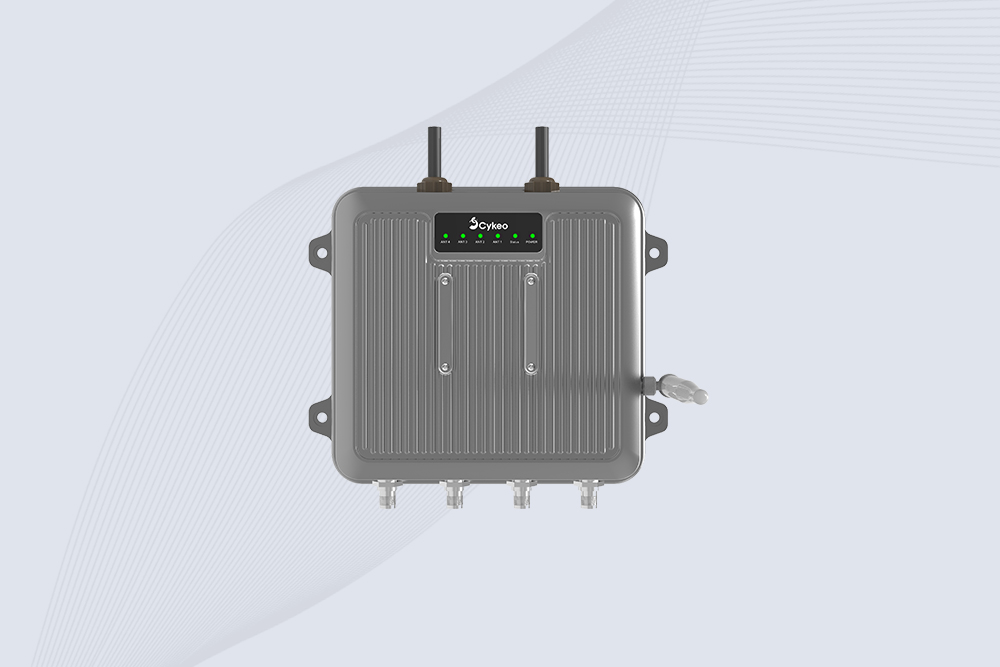
Cykeo CYKEO-C1 industrial Forklift RFID Reader features 20m read range, 600 tags/sec scanning, Impinj R2000 chipset, and IP67 rugged design. Ideal for warehouse logistics and manufacturing. Supports ISO 18000-6C/6B protocols.
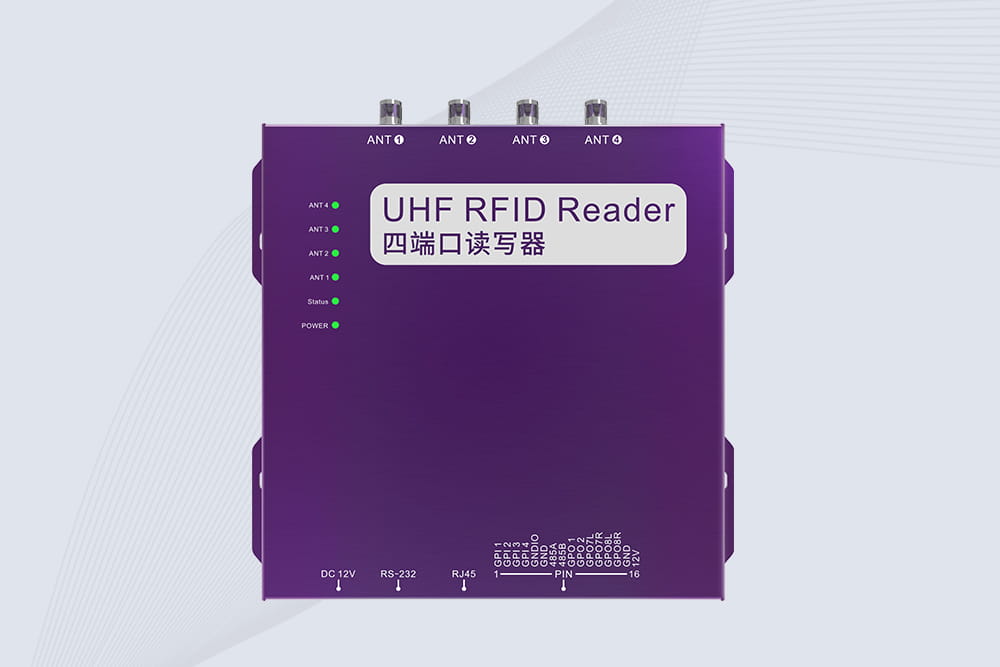
Cykeo CYKEO-R4 industrial UHF RFID Fixed Reader features 4 TNC ports, 400+ tags/sec speed, IP67 housing, and global frequency compliance for vehicle inspection, smart warehouse, and asset management systems.
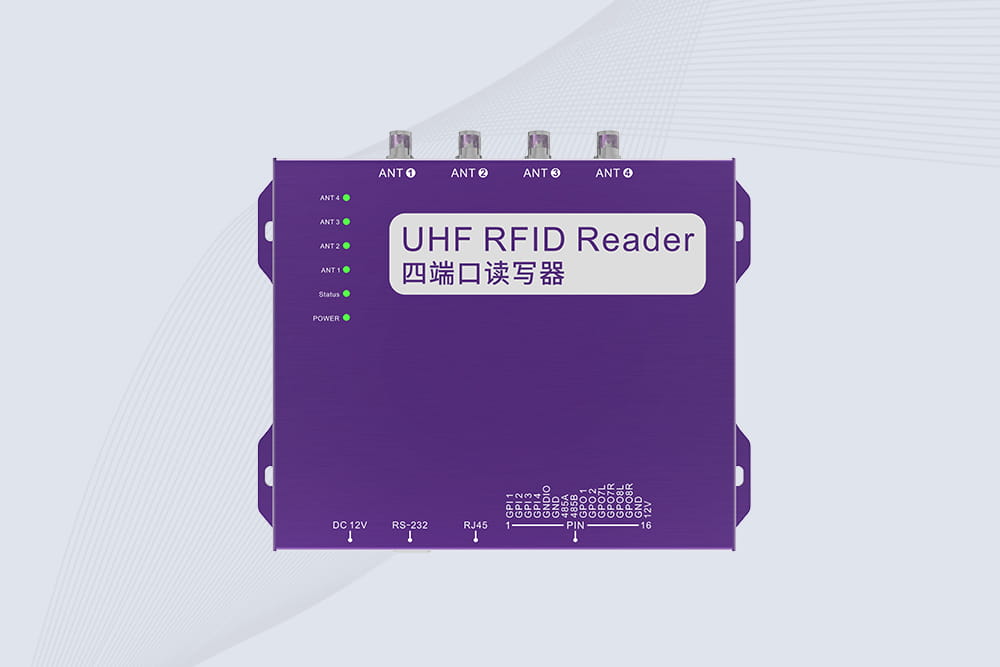
Cykeo’s CYKEO-R4L 4-port Fixed UHF RFID Reader delivers 400 tags/sec scanning, ISO 18000-6C compliance, and IP65 protection. Ideal for warehouse automation, manufacturing WIP tracking, and logistics management.
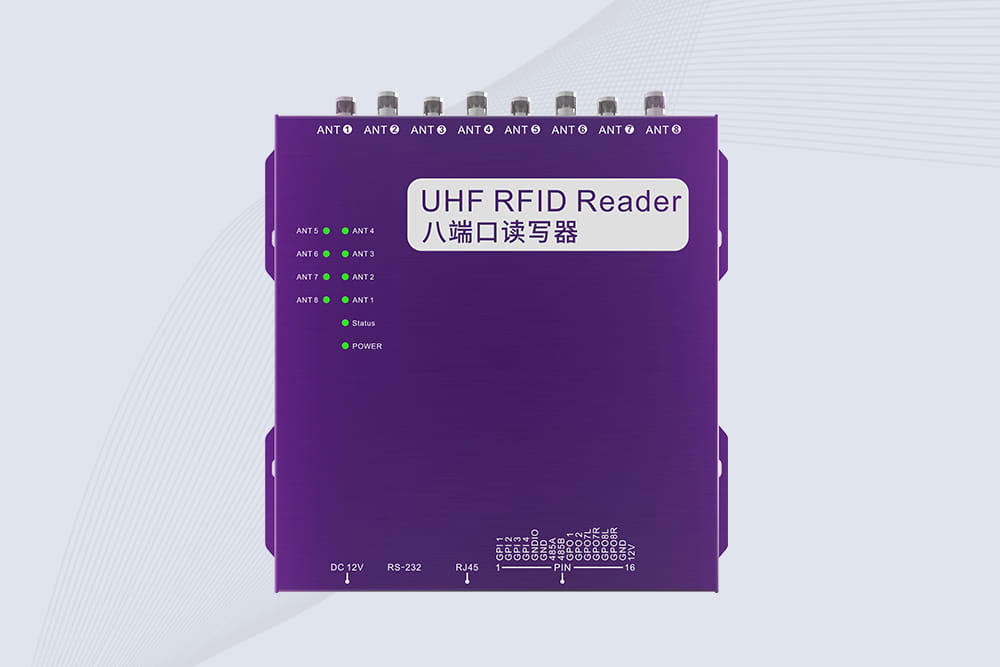
CYKEO CYKEO-R8L Fixed RFID Reader with 8-port UHF design, Impinj-based RF core and up to 20m read range. An industrial Fixed RFID Reader for vehicle inspection, warehouse portals, smart manufacturing lines and secure access checkpoints.
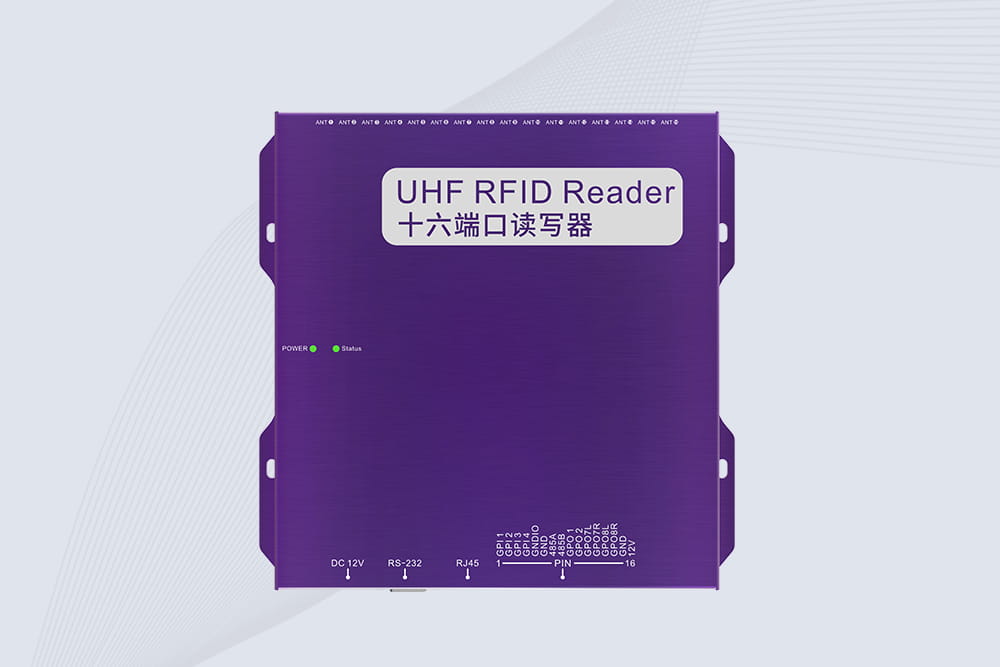
RFID Fixed Reader from CYKEO – the CYKEO-R16L 16-port UHF fixed reader for warehouses, smart cabinets, and production lines. Long-range, multi-tag reading, stable performance for 24/7 industrial use.
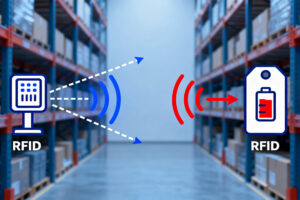
Learn the key differences between RFID passive and active tags, how they work, and where each type is used. Find out which RFID tag suits your project best.
More
A system integrator’s practical view on deploying a hospital parking system using RFID, focusing on modular reader integration, antenna placement, on-site tuning, and system compatibility.
More
Learn how to read an rfid chip with professional RFID readers, antennas, and software. Discover practical methods, technical factors, and Cykeo RFID solutions.
More
Learn how RFID tags for vehicle tracking work, where they are used, and how to choose the right solution for parking systems, logistics, and fleet management.
More