 Cykeo RFID IoT Solution Products R&D Manufacturer

What Is RFID Ear Tags ?How it for Livestock Tracking Efficiency
169RFID ear tags improve livestock tracking, health management, and traceability with faster identification and accurate farm data collection. Discover Cykeo RFID solutions.
MoreAll RFID Product
RFID stands for Radio Frequency Identification. It is a technology that uses radio waves to identify tagged objects and transfer identification data to a reader. Depending on the system, RFID can identify products, track inventory, manage library materials, control access, and support automated workflows without requiring every tag to be scanned individually.
The abbreviation appears on product labels, access cards, warehouse equipment, and retail systems. Yet knowing the full name is only the starting point. To understand what RFID actually does, it helps to look at how a tag communicates with a reader and why different RFID systems behave differently in real applications.
RFID is short for Radio Frequency Identification. Each word describes part of the technology:
An RFID system generally includes an RFID tag, a reader with an antenna, and software that processes the data. The tag stores identifying information or other data supported by its design. The reader communicates with the tag and receives information, while the connected application interprets that information in context.
For example, a warehouse worker may move a carton through a reading area. Instead of scanning each product’s barcode separately, an appropriately configured RFID system can identify multiple compatible tags within its reading zone. The software can then associate the captured identifiers with inventory records.
That distinction matters: RFID identifies tagged objects; the connected software determines what those identifiers mean in a business process.

A typical RFID identification sequence follows these steps:
Not every RFID tag has the same capabilities. Some are designed primarily to provide an identifier, while others support additional memory or functions. Read distance and reliability also depend on the tag, reader, antenna, environment, and operating frequency.
RFID is not one single radio system. The operating frequency, tag design, and intended reading environment determine which type is suitable for a particular task.
| RFID type | Typical frequency or power design | Common applications |
|---|---|---|
| LF (Low Frequency) | Commonly 125–134 kHz | Animal identification and selected access or industrial applications |
| HF (High Frequency) | Commonly 13.56 MHz | Contactless cards, ticketing, NFC, and selected item-tracking systems |
| UHF (Ultra-High Frequency) | Commonly 860–960 MHz, depending on the standard and region | Retail inventory, warehouse operations, and supply-chain tracking |
| Active RFID | Uses a powered tag with its own transmitter | Selected long-range asset-tracking and location systems |
GS1 identifies UHF passive RFID, also known as RAIN RFID, as a widely implemented technology for industrial and retail applications. Its EPC Gen2 air-interface standard defines communication between compatible UHF readers and passive tags in the 860–930 MHz range. Actual permitted operating frequencies depend on the country or region.
A passive RFID tag generally has no battery. It uses energy from the reader’s radio signal to operate and communicates by reflecting or modulating that signal. An active RFID tag has its own power source and transmitter, allowing it to broadcast a signal.
The distinction affects cost, maintenance, and application design. Passive tags are commonly used when many relatively inexpensive items need identification. Active systems may be more appropriate for applications involving powered tags and longer-range tracking requirements. Neither type is automatically the best choice for every project.

RFID is used in several sectors, although the specific system varies:
For businesses, the value often comes from linking a tag identifier to useful operational data. GS1’s Electronic Product Code (EPC), for example, provides a standardized way to identify physical objects in business processes. The EPC is not the same thing as RFID itself: RFID is the communication technology, while EPC is one identification scheme that can be carried by compatible tags.
When someone asks what rfid stands for, the answer is Radio Frequency Identification. But selecting an RFID system requires more than understanding the abbreviation. A reader’s advertised range does not guarantee the same range for every tag or product. Metal surfaces, liquids, tag orientation, surrounding radio conditions, and antenna placement can all affect performance.
For a real installation, test the tags on the actual products and in the intended reading area. In a warehouse, that may mean checking a full carton rather than a single loose tag. In retail, it may mean testing mixed products together. These simple checks reveal problems that a specification sheet alone cannot resolve.

Understanding what rfid stands for is the first step. Choosing the right system means matching the technology to the job: what needs to be identified, how quickly it must be read, and where the reading will take place.
A retail stockroom, for example, may need to identify dozens of tagged garments in a short period. An access-control system has a different requirement: it must read a credential and connect it to an authorization decision. The same broad technology can support both applications, but the equipment and system configuration are not interchangeable.
Before selecting RFID equipment, consider these factors:
The last point is particularly important in dense environments. A reader that detects many tags is useful only when the system can distinguish the intended items from nearby tags that should not be included in the transaction.
RFID stands for Radio Frequency Identification. It is a technology that uses radio waves to identify compatible tagged objects and transfer information to a reader. RFID is used in applications such as retail inventory management, warehouse tracking, access control, and library operations.
In simple terms, RFID allows a system to recognize an object using a radio signal and a compatible tag. The reader captures information from the tag, and software can use that information to identify a product, check an asset record, or support a business process.
An RFID tag is a device attached to or incorporated into an object that stores identifying data or other supported information. A typical tag contains a microchip and an antenna. Some tags are passive and rely on energy from the reader, while active tags use their own power source.
Not always. Passive RFID tags generally do not require an internal battery because they obtain the energy needed to communicate from the reader’s radio-frequency field. Active RFID tags use a power source, usually a battery, to support their operation. The appropriate choice depends on the application and required performance.
No. RFID uses radio communication between a reader and a compatible tag, while a barcode reader typically captures an optical pattern. Depending on the setup, RFID can identify multiple tags within a reading area without requiring each one to be individually presented to a scanner. Barcodes remain useful for low-cost identification and many everyday checkout processes.
NFC, or Near Field Communication, is a short-range wireless technology operating at 13.56 MHz. It is related to high-frequency RFID but is designed for specific close-range interactions, including contactless payments and device pairing. RFID is a broader category covering different frequencies, tag designs, and operating ranges. Not every RFID system supports NFC.
Retailers use RFID to identify tagged merchandise, support stocktaking, and improve inventory visibility. Warehouses can use it to identify cartons, containers, and assets as they pass through reading areas. The actual benefit depends on tag coverage, reader placement, data integration, and the accuracy of the surrounding business process.
An RFID reading should not automatically be treated as proof that an item has been sold, moved, or received. The reader captures tag data; the application interprets that data and records the corresponding business event.
For example, a reader detecting a tagged carton at a warehouse doorway does not necessarily establish that the carton has been assigned to the correct shipment. The software must connect the tag identifier to the appropriate inventory record and interpret the reading within the workflow.
GS1’s RFID standards address more than the radio link. They also cover identifier formats and communication between readers and software, helping different components work together.
For implementation teams, this distinction leads to three useful checks:
These checks help prevent a common design mistake: treating successful tag detection as equivalent to a successful business transaction.
Yes. RFID reader can communicate with compatible tags without an internet connection. However, access to product databases, remote monitoring, cloud applications, or centralized inventory records may depend on network connectivity. Whether the complete system can operate offline depends on its software and local data configuration.
No. Readers and tags must support compatible radio frequencies and communication protocols. A UHF reader cannot be assumed to read every LF or HF tag, and even compatible tags may perform differently depending on their design and surroundings. Confirm compatibility before purchasing equipment or deploying a system.
EPC stands for Electronic Product Code. It is an identification scheme used to identify physical objects and other entities in business processes. Compatible RFID tags can carry EPC identifiers, allowing readers and connected software to associate tagged items with relevant records. EPC is an identifier format, not another name for RFID.
Not exactly. Contactless cards may use HF RFID-related technology, including NFC-compatible communication, but RFID covers a much wider range of systems. NFC operates at 13.56 MHz and is designed for very short-range interactions, including tap-to-pay applications. A general-purpose RFID reader will not necessarily communicate with every payment card or NFC device.

Discover SSD-D4AL, a USB-HID UHF RFID reader with 4/8/16 antenna options, Impinj E710/X3M1 chipset, plug-and-play USB power, and OEM customization.
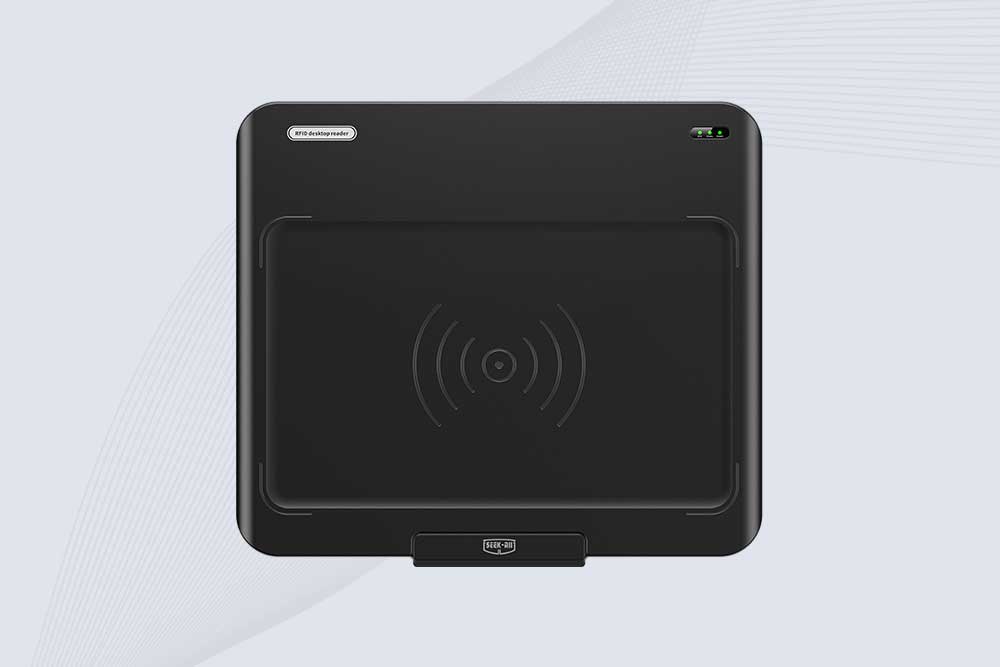
SSD-D3AL is a USB-HID UHF RFID reader with 0–30 cm reading, 0–15 cm writing, over 600 tags/s recognition, USB plug-and-play operation and OEM Logo customization.
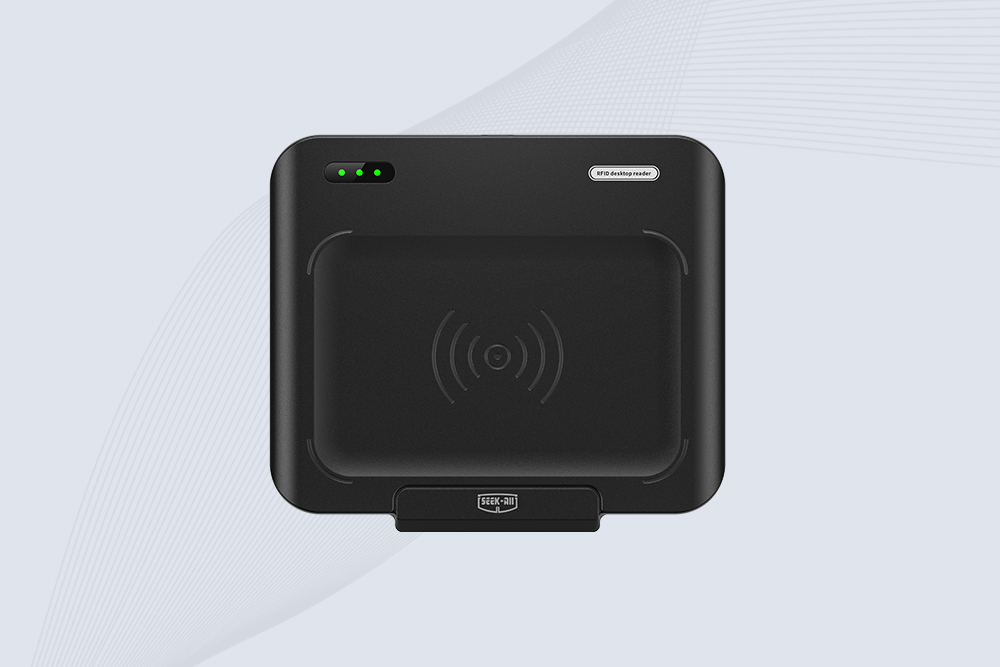
SSD-D1AL is a compact USB UHF RFID reader with Impinj E710/X3M1 chipset, USB-HID, 600+ tags/s recognition, 4/8/16 antenna support and plug-and-play USB power.

SSD-R16L Multi-Channel RFID Infrastructure for Automated Inventory Management ✔️ 16-Port High-Density RFID Reading Equipped with 16 SMA antenna ports, SSD-R16L supports multi-antenna deployment for warehouses, retail stores, logistics, production lines, and large-area RFID identification. ✔️ High-Speed & Long-Range Performance With up to 33…

SSD-R8L 8-port UHF RFID reader with 33dBm output, up to 20m reading range and 600+ tags/s recognition. Ideal for warehouse, logistics, retail and asset tracking.

SSD-R4L is a 4-port UHF RFID fixed reader with 33dBm output power, up to 20m reading range, EPC C1G2 support and 600+ tags/s reading speed.

CYKEO CYKEO-D1LA USB RFID Reader is a compact desktop solution with near-field control for precise tag reading and encoding. Powered by USB, supporting ISO 18000-6C, and built for stable batch writing, this usb rfid tag reader fits retail, libraries, offices, and controlled RFID encoding tasks.
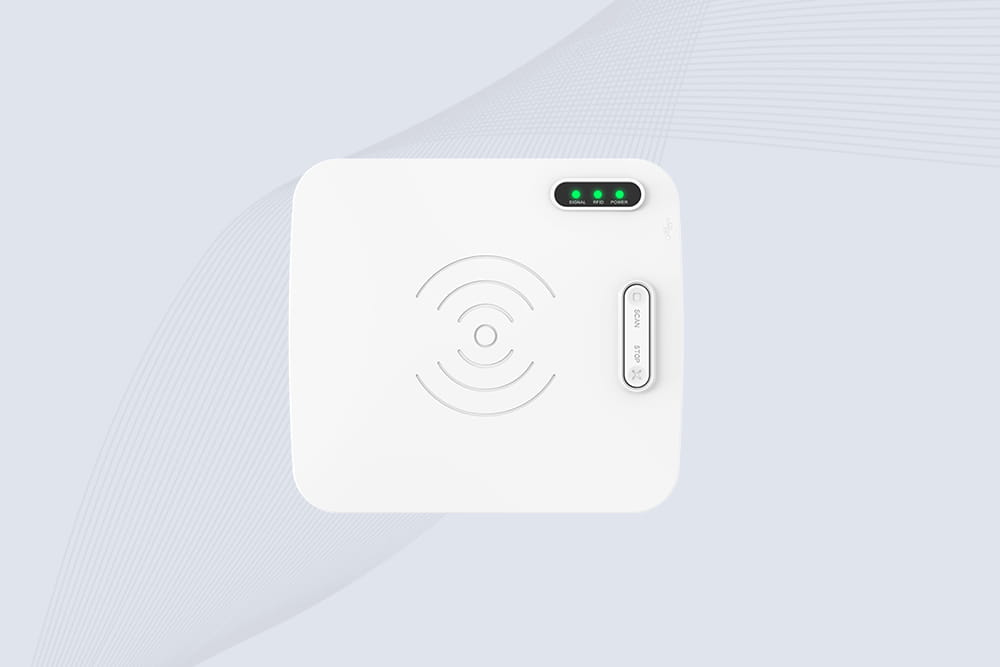
CYKEO CYKEO-D1L RFID scanner USB is a compact desktop UHF RFID scanner designed for short-range tag writing and verification. This usb rfid scanner supports batch encoding, stable 0–26 dBm output, and works across Windows, Linux, and Android systems.
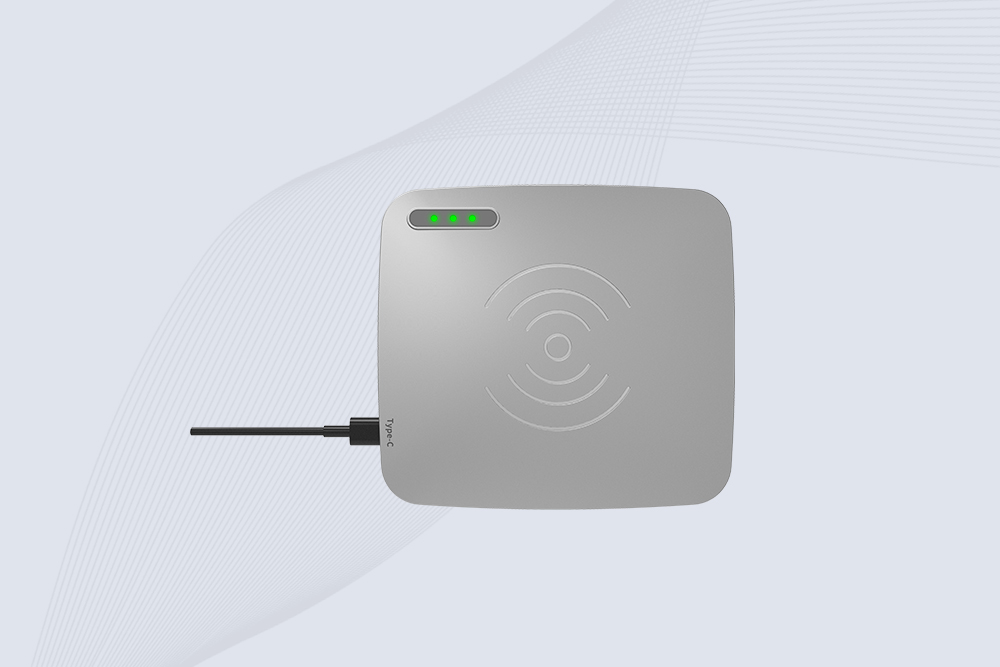
CYKEO CYKEO-D1C USB RFID Card Reader is a near-field UHF desktop writer designed for secure, short-range tag encoding. With USB-C connectivity and stable 26 dBm output, this rfid reader usb c is ideal for badge issuance, label encoding, and controlled desktop RFID workflows.
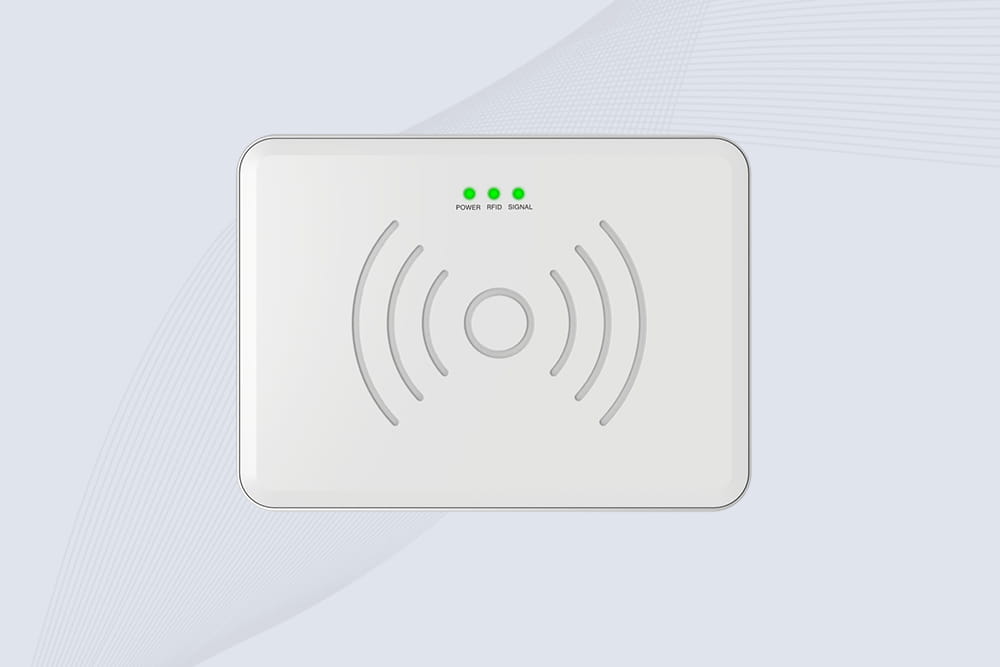
CYKEO CYKEO-D2L RFID Reader USB is a compact desktop encoder built on the Impinj R500 chip. With near-field control and stable USB power, this usb rfid card reader delivers precise tag writing for offices, retail counters, and small-scale logistics encoding tasks.
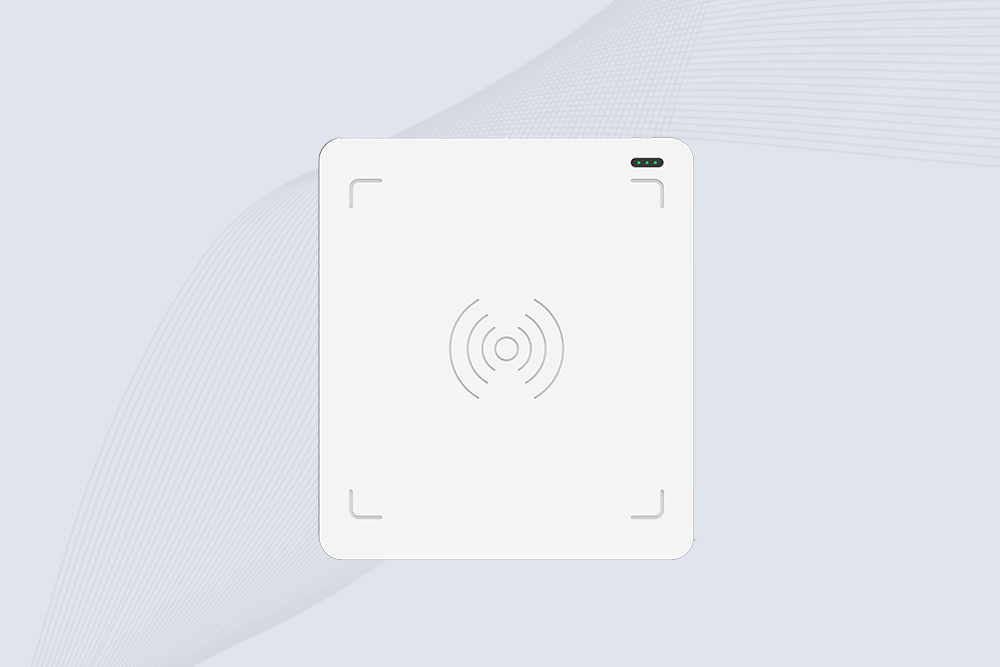
CYKEO CYKEO-D3L USB RFID Tag Reader delivers stable UHF tag reading and writing for daily desktop and light industrial tasks. Designed for controlled short-range operation, this USB RFID Tag Reader works reliably with rfid tag and reader systems in libraries, tool tracking, and inventory registration.
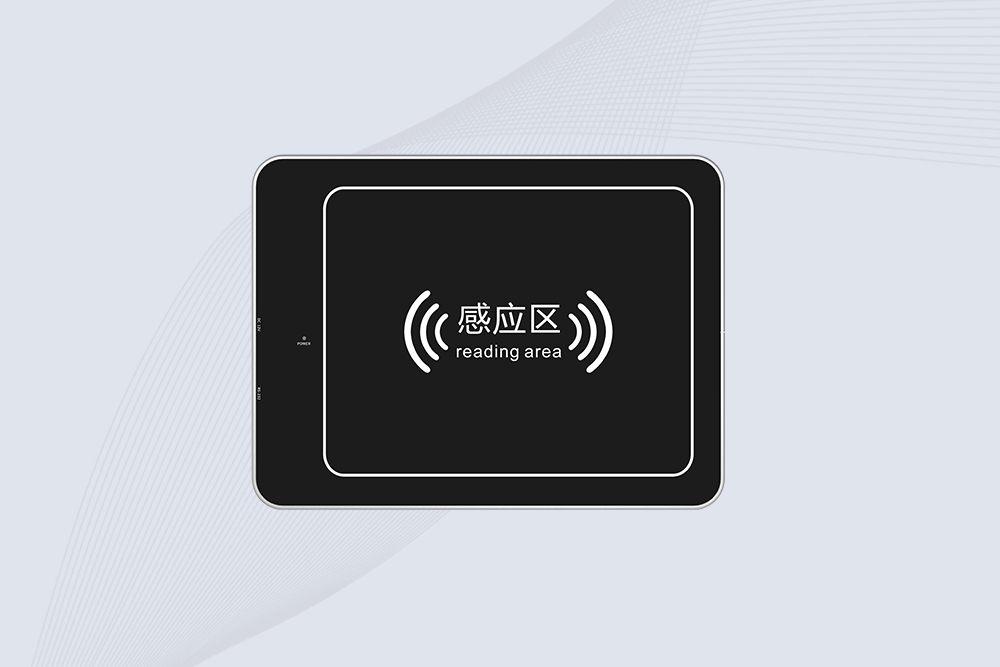
The CYKEO CYKEO-D4L UHF RFID Tag Reader is a stable Desktop RFID Reader designed for accurate tag registration, borrowing, and return workflows. Built with the Impinj R2000 chip, this UHF RFID Tag Reader delivers controlled short-range reads for libraries, asset tracking, and inventory management environments.
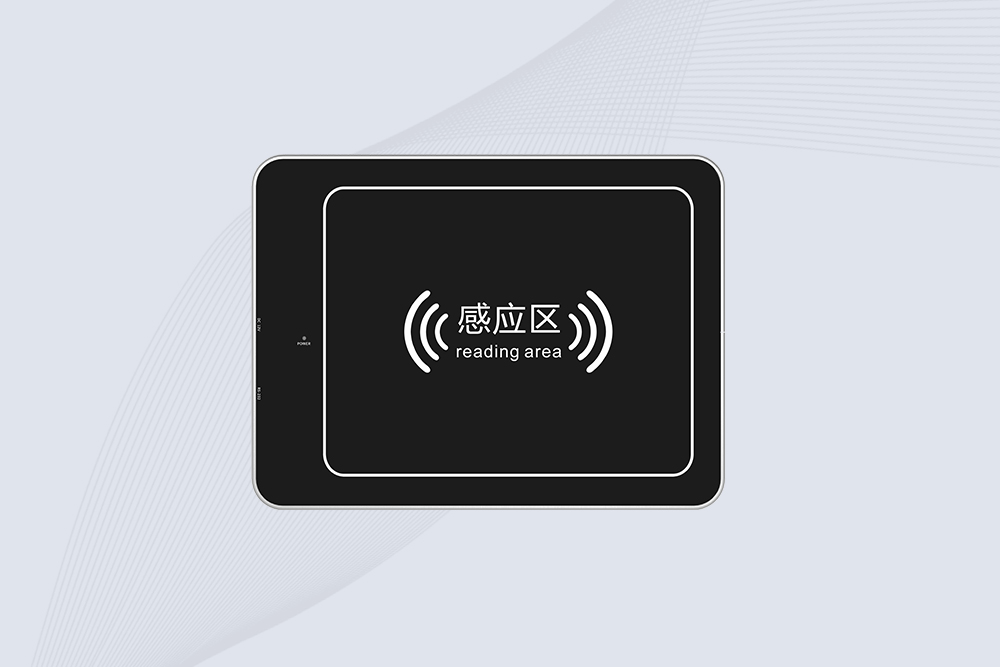
The CYKEO CYKEO-D5L Desktop RFID Card Reader is a stable UHF RFID Card Reader designed for controlled short-range reading and writing. Built for libraries, tool rooms, and asset desks, this UHF RFID Card Reader supports dense tag handling, secure data processing, and easy USB integration.
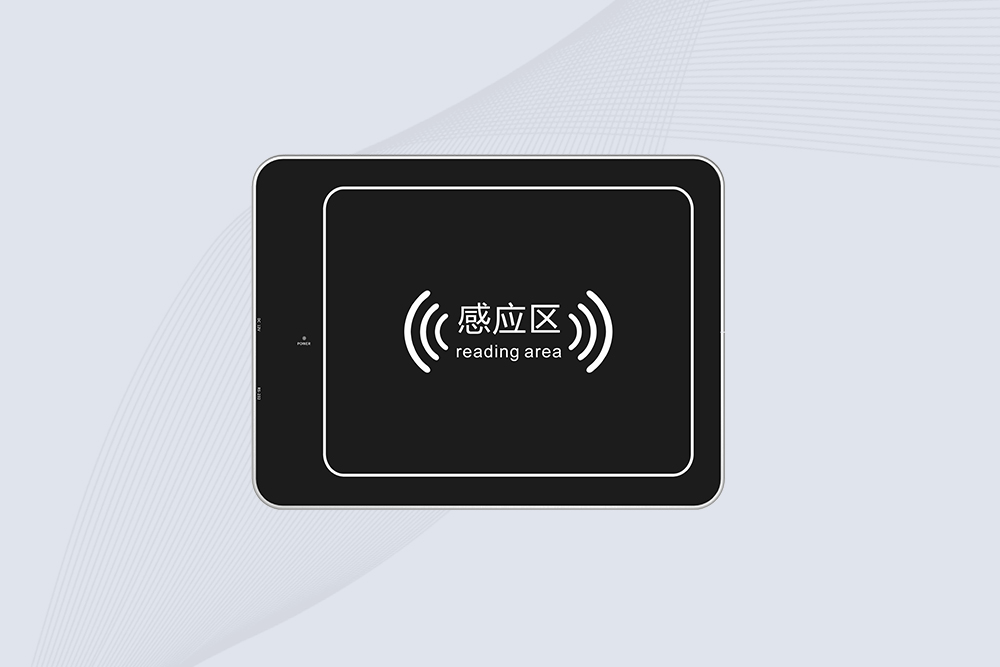
The CYKEO CYKEO-D6L RFID Reader Writer is a heavy-duty Desktop RFID Reader designed for short-range, high-accuracy tag programming. Built for libraries, labs, and asset desks, this RFID Reader Writer supports batch processing, stable 33dBm output, and seamless integration with existing management systems.
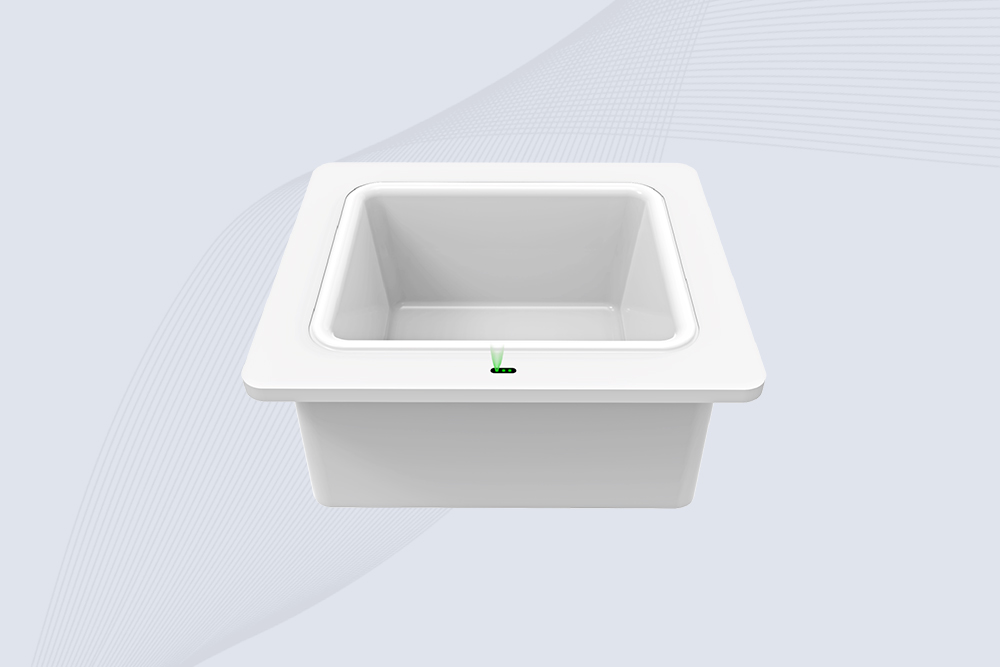
Cykeo CYKEO-D8B UHF RFID tunnel and RFID Desktop Reader features 30+ items batch reading,
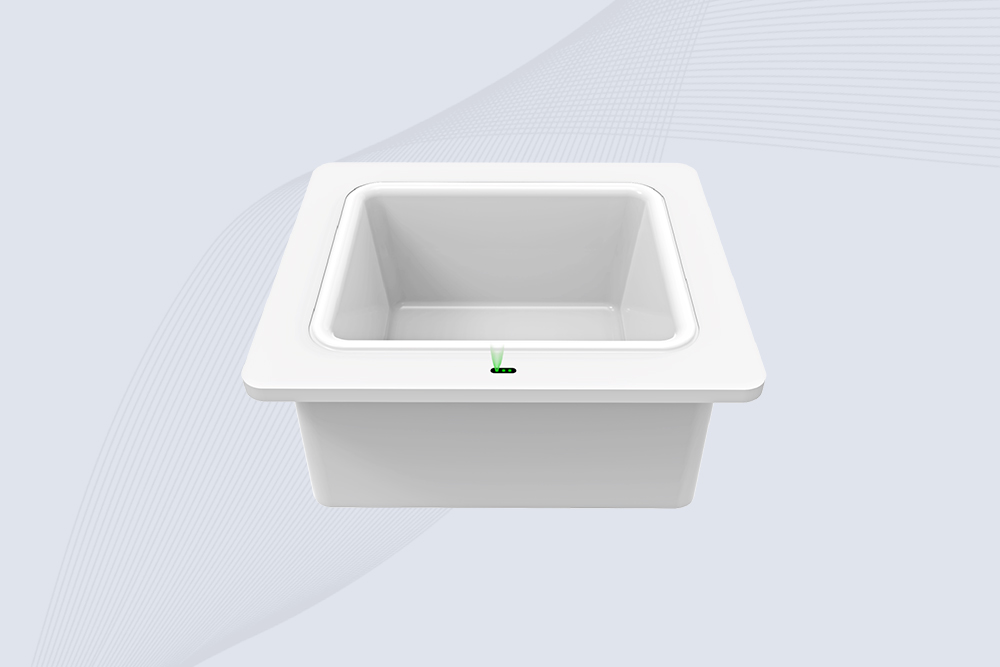
Cykeo CYKEO-D8A embedded RFID badge reader offers 30+ tags/sec scanning, 20cm anti-crosstalk precision, and DC 12V power for unmanned stores, warehouses, and smart inventory systems.
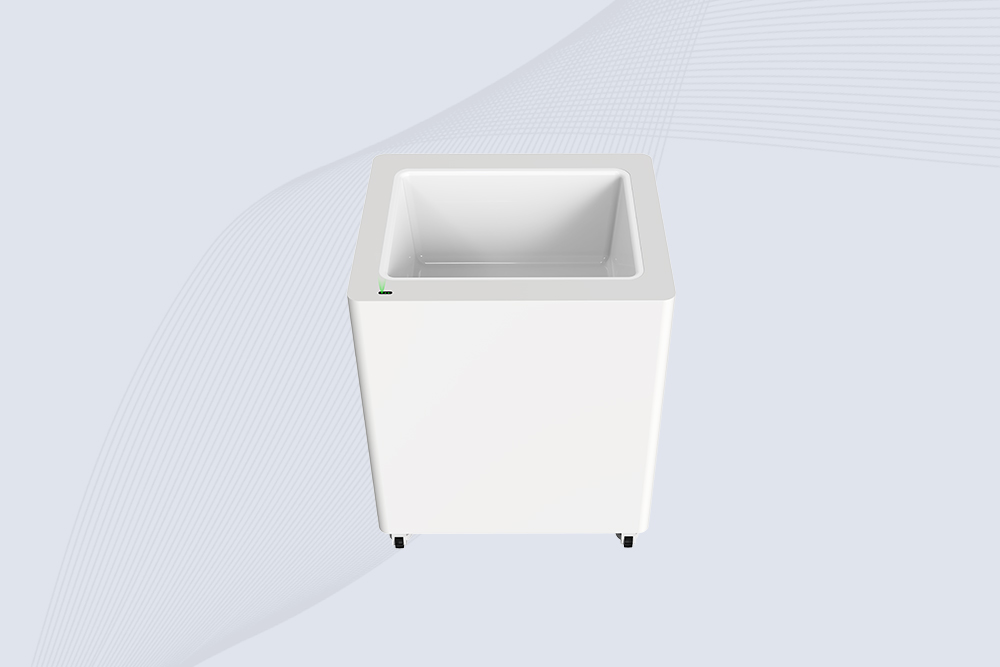
Cykeo’s CYKEO-D8C UHF RFID gate reader achieves 200-tag/batch scanning with adjustable power control, ideal for retail inventory and smart warehouse management.
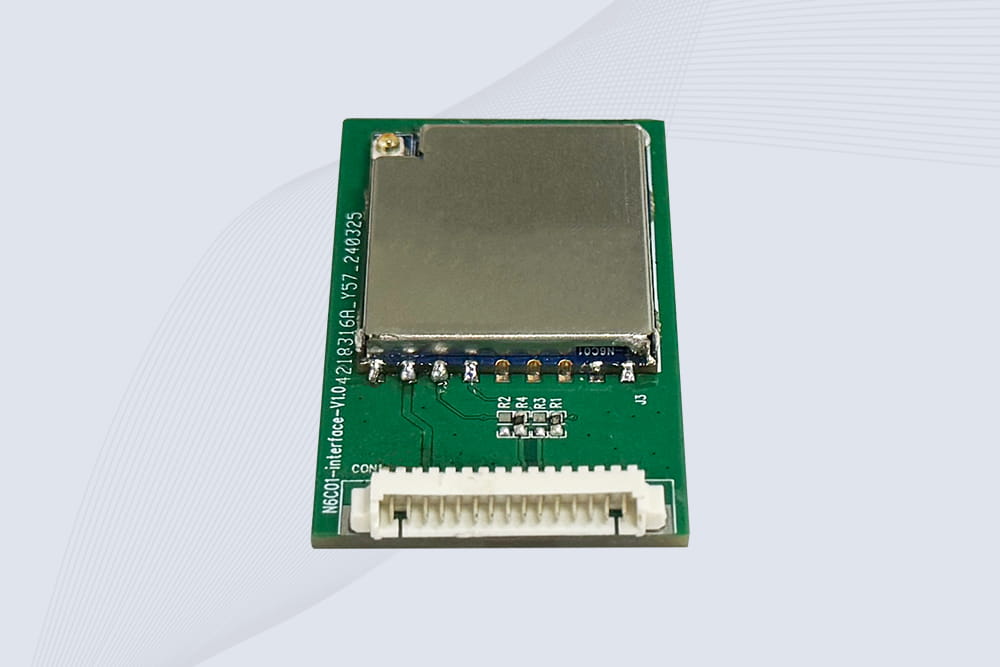
CYKEO Embedded RFID Modules are designed for compact industrial and IoT devices that require stable UHF performance. These UHF RFID Modules support global protocols, flexible power control, and reliable multi-tag reading for smart cabinets, production lines, and asset tracking systems.
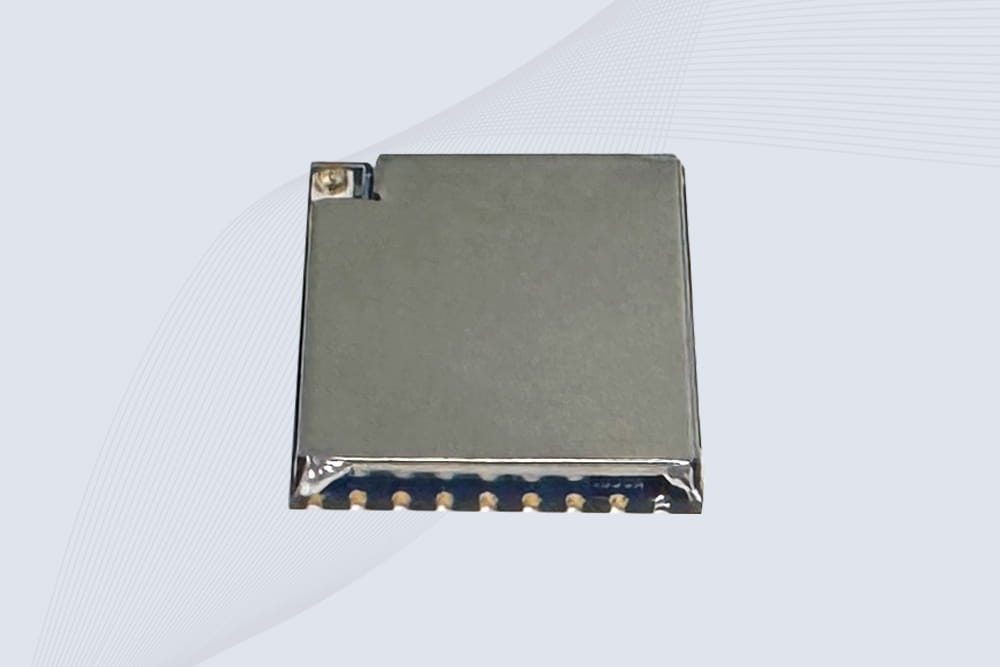
CYKEO Embedded RFID Module is built for compact IoT and industrial devices that need stable UHF performance. This UHF module supports global protocols, low power operation, and reliable multi-tag reading for smart lockers, production lines, and always-on RFID systems.
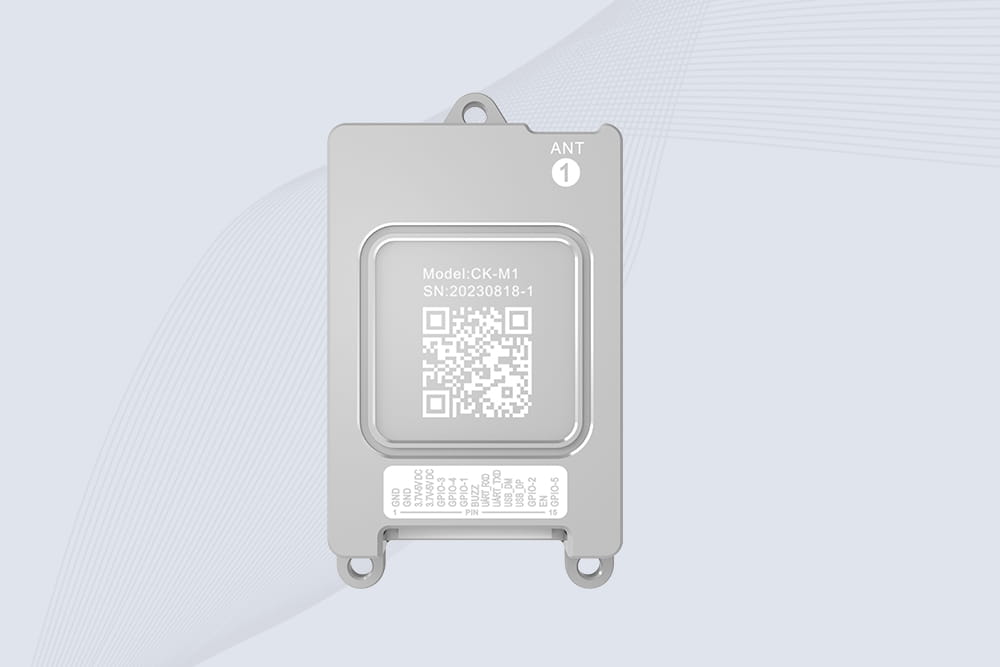
CYKEO CYKEO-M1 drone rfid module is a compact UHF RFID reader module designed for drones and UAV platforms. It supports long-range aerial scanning, fast multi-tag reading, and stable performance in wind, vibration, and outdoor environments.
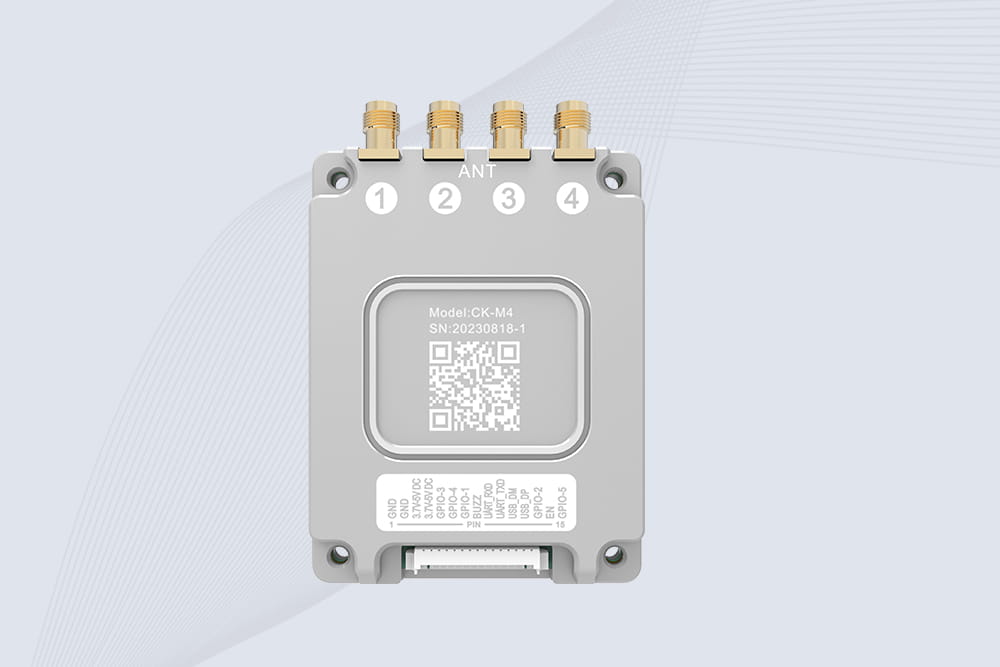
CYKEO CYKEO-M4 RC522 RFID Module is an industrial-grade UHF RFID reader with 4 ports, supporting ISO, EPC, and GB protocols. High-speed, accurate reading for IoT, automation, and warehouse applications.
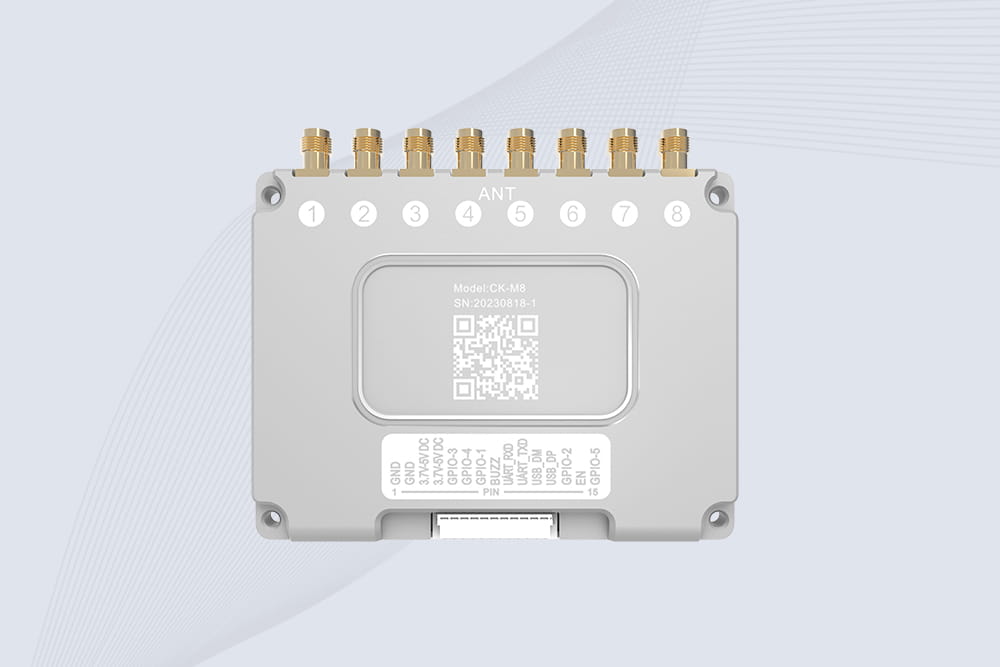
CYKEO CYKEO-M8 Module RFID is an 8-port UHF R2000 RFID Module designed for high-density, multi-tag environments. Stable 33dBm output, ISO & GB protocol support, ideal for warehouses, factories, and automated systems.
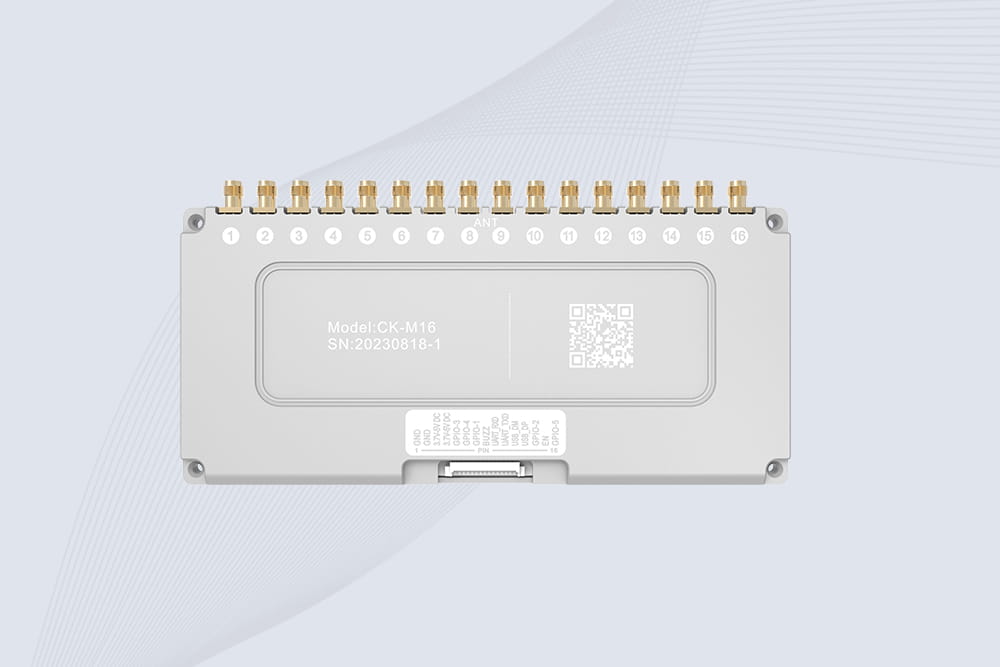
CYKEO CYKEO-M16 RFID Module is a 16-port UHF RFID reader module based on the R2000 chipset. Designed for dense tag environments, it supports ISO and GB standards and delivers stable multi-antenna control for industrial automation.
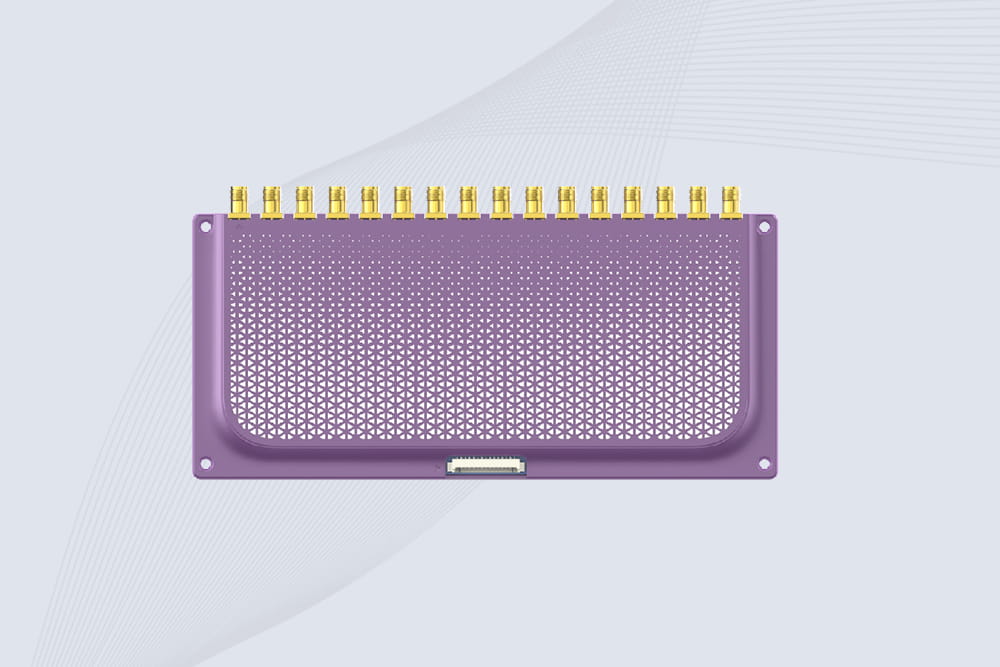
The CYKEO CYKEO-M16L RFID Reader Module is a 16-channel UHF RFID core designed for dense tag environments. With adjustable 33dBm output, multi-protocol support, and stable multi-antenna control, this RFID Tag Reader Module fits industrial automation, warehouse systems, and large-scale IoT deployments.
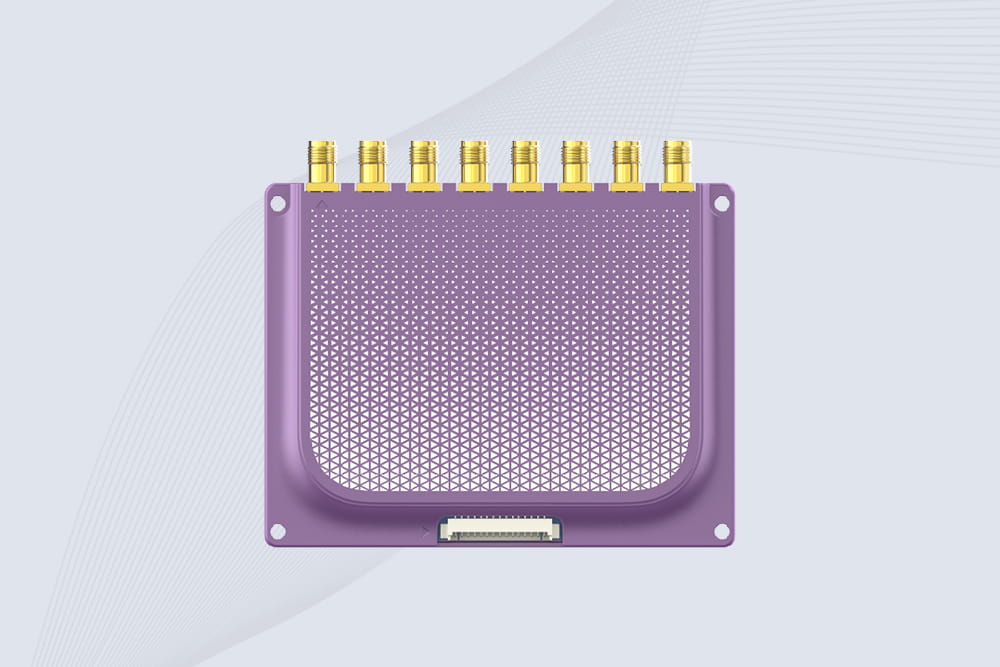
CYKEO CYKEO-M8L module RFID is a compact industrial UHF module built for dense tag and multi-antenna environments. With 8 RF ports, adjustable 33 dBm output, and ISO & GB protocol support, it is widely used in factories, warehouses, and automated tracking systems.
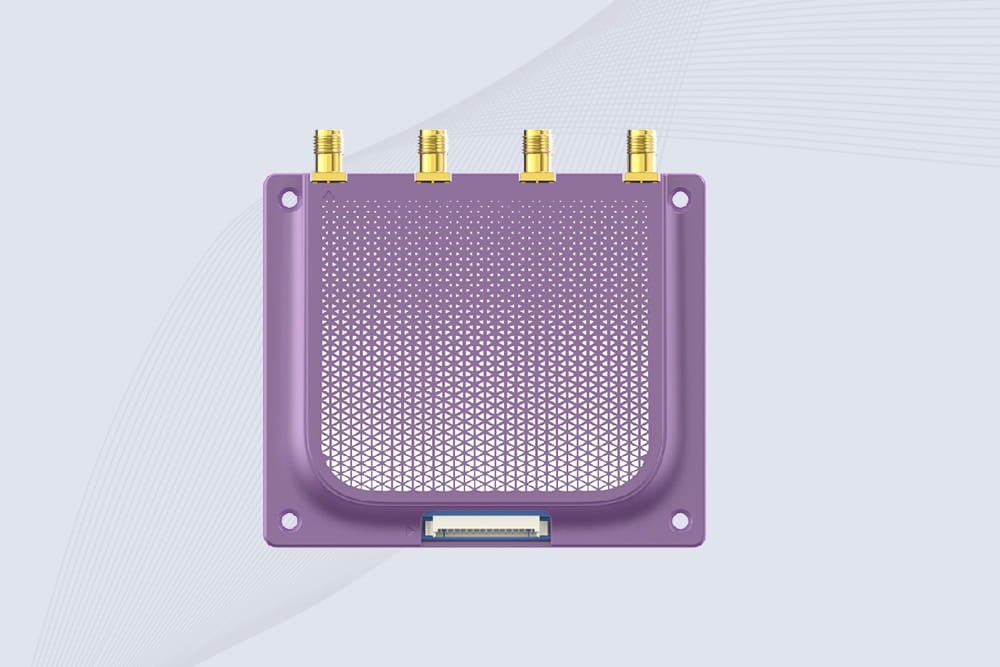
CYKEOCYKEO-M4L UHF RFID Module is a compact 4-channel RFID tag reader module designed for dense tag environments. Supporting ISO and GB protocols, it delivers stable reads up to 10 meters for industrial and IoT systems.
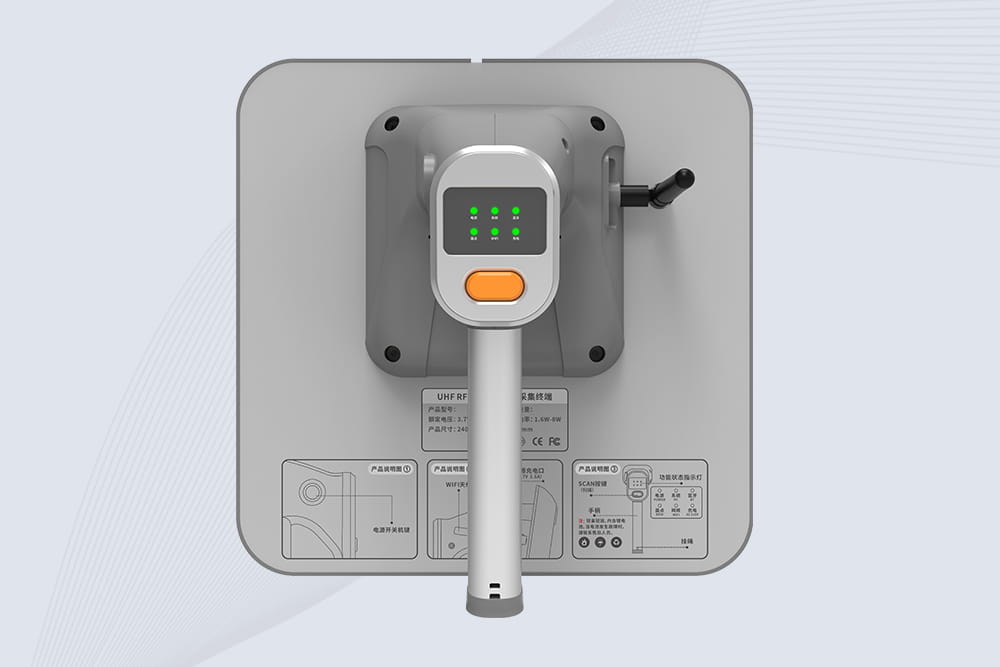
Cykeo CYKEO-B9 UHF Bluetooth handheld RFID scanner features 12m UHF range, 200+ tags/sec scanning, IP67 rugged design for retail/warehouse/pharma. Supports Android SDK & real-time Bluetooth 5.0 transmission.
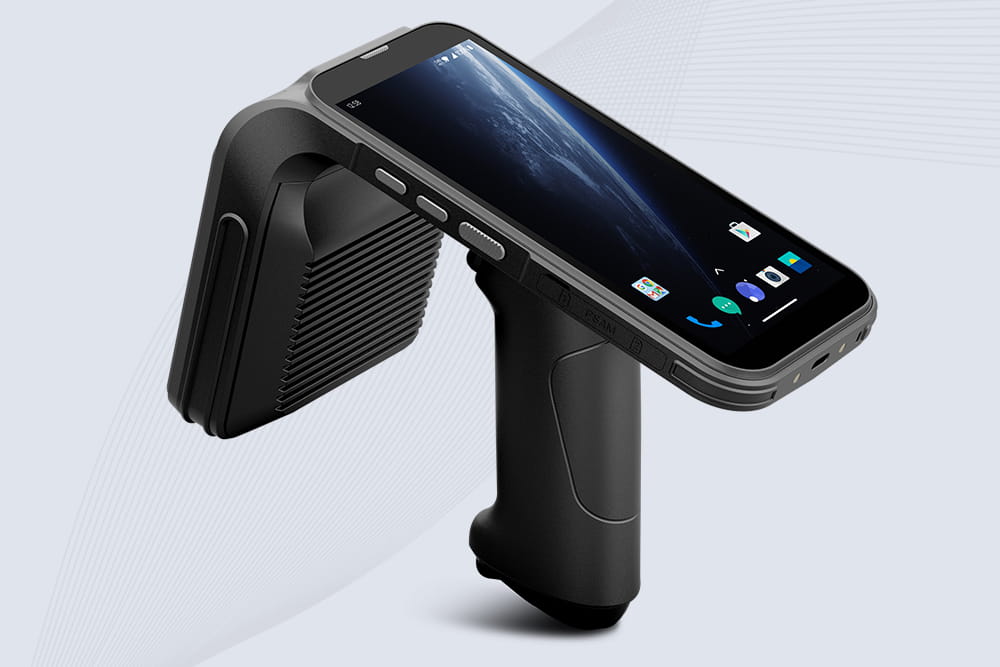
Cykeo CYKEO-B4 UHF Handheld RFID Reader scanner delivers 1300 tags/sec reading, 30m UHF range, and 12-hour battery life. IP65 rugged design with barcode/NFC/ID scanning for retail/manufacturing/logistics.
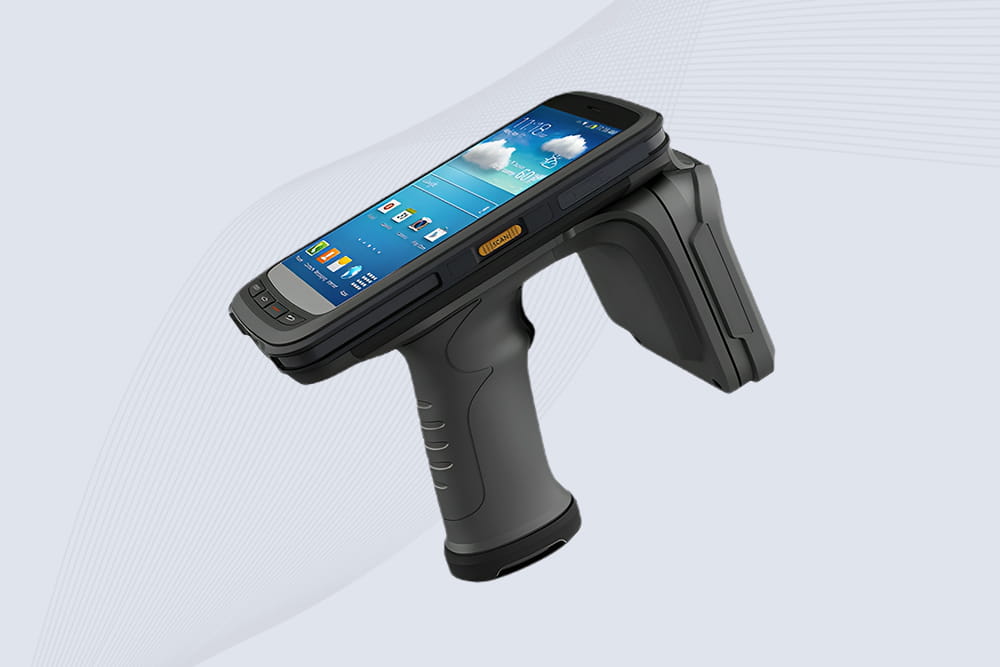
Cykeo CYKEO-B2 industrial UHF RFID handheld Scanner offers 10m range, 500 tags/sec scanning, Android 11 OS, and IP65 rugged design for retail/warehouse/manufacturing.
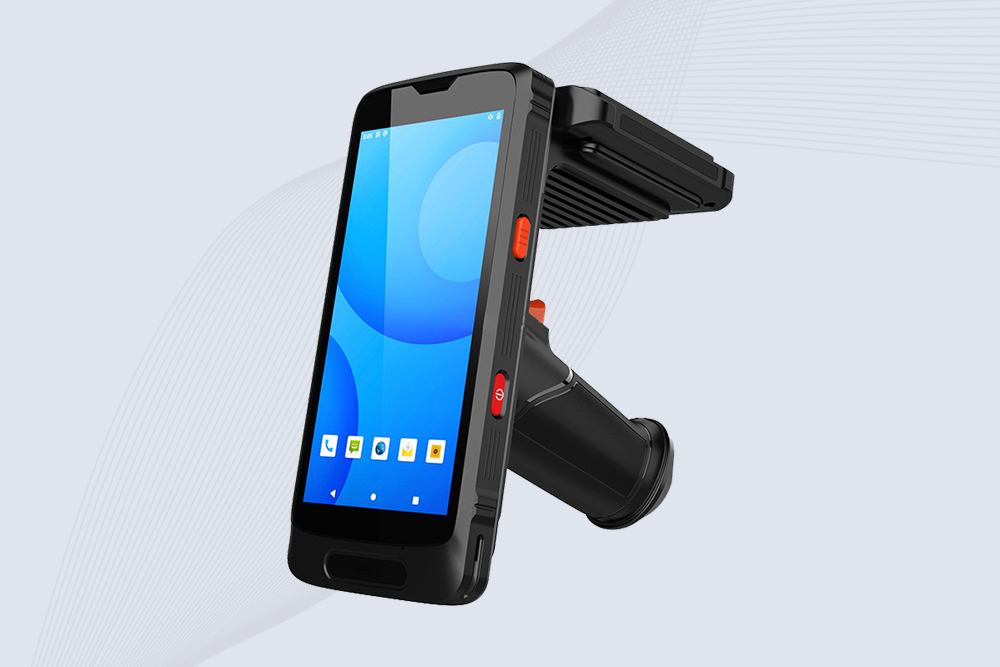
Cykeo CYKEO-B3 industrial RFID Reader Handheld, terminal offers 2m read range, multi-protocol scanning (NFC/barcode/ID), Android 10 OS, and IP65 ruggedness for logistics/retail/manufacturing.
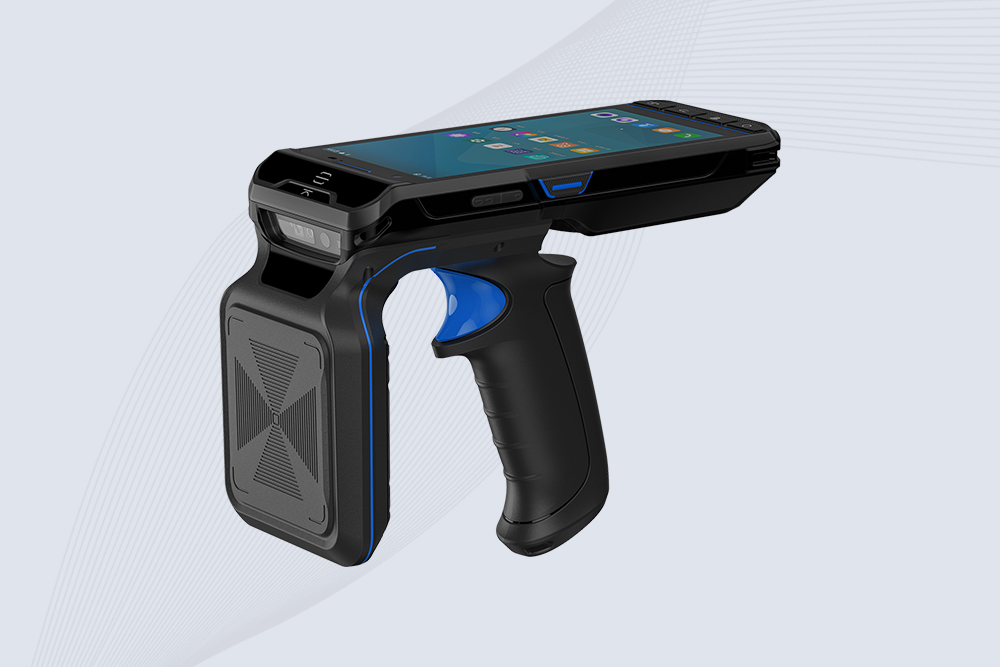
Cykeo CYKEO-B3L industrial handheld UHF RFID Reader terminal features 20m read range, 500 tags/sec scanning, Android 13 OS, 12-hour battery for logistics/retail/manufacturing. Supports barcode/NFC/ID reading.
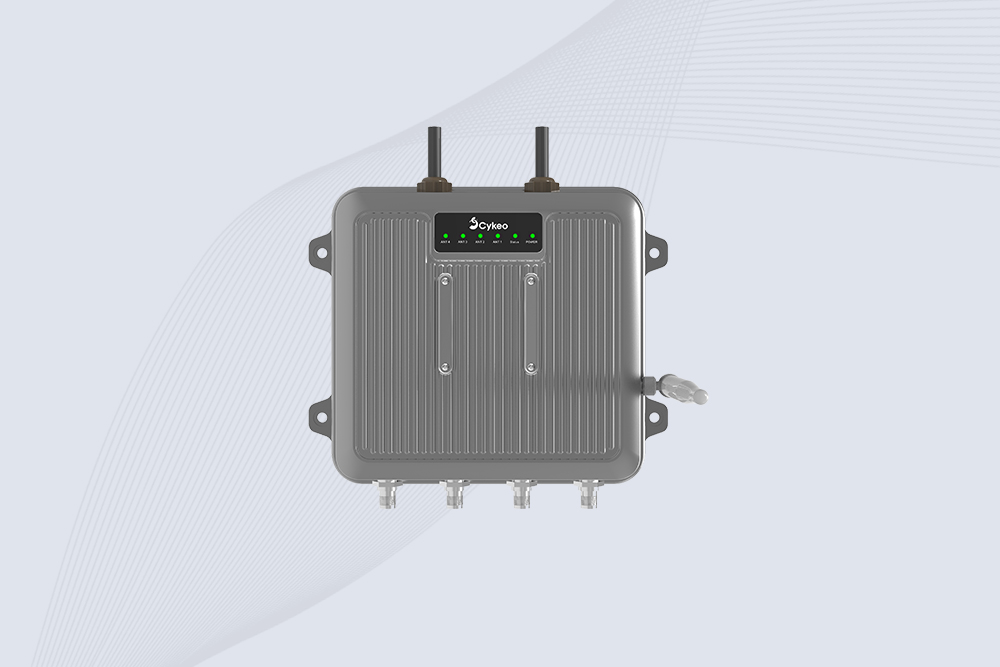
Cykeo CYKEO-C1 industrial Forklift RFID Reader features 20m read range, 600 tags/sec scanning, Impinj R2000 chipset, and IP67 rugged design. Ideal for warehouse logistics and manufacturing. Supports ISO 18000-6C/6B protocols.
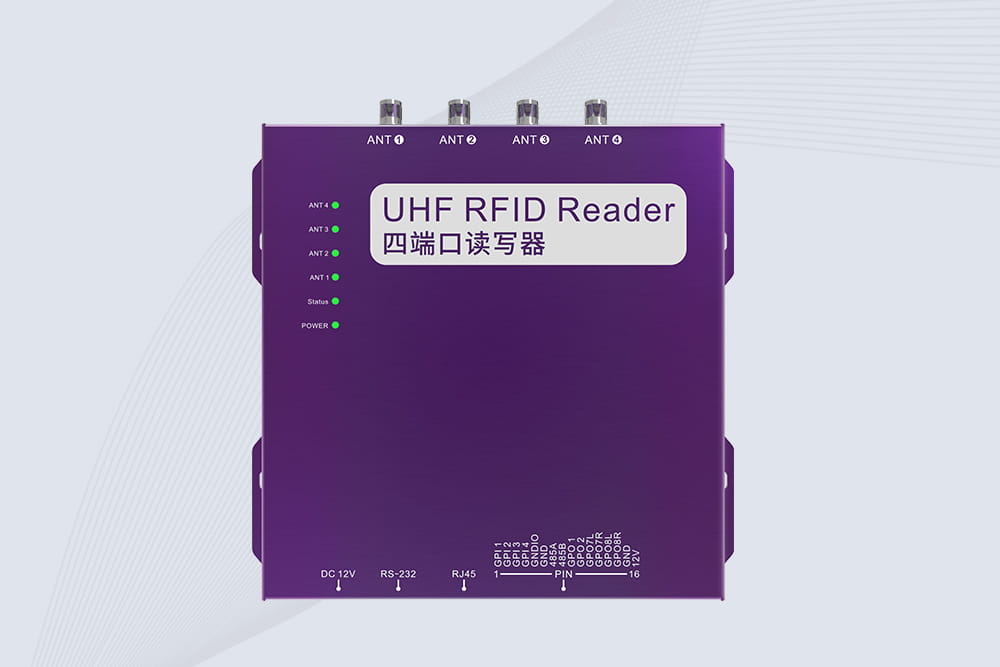
Cykeo CYKEO-R4 industrial UHF RFID Fixed Reader features 4 TNC ports, 400+ tags/sec speed, IP67 housing, and global frequency compliance for vehicle inspection, smart warehouse, and asset management systems.
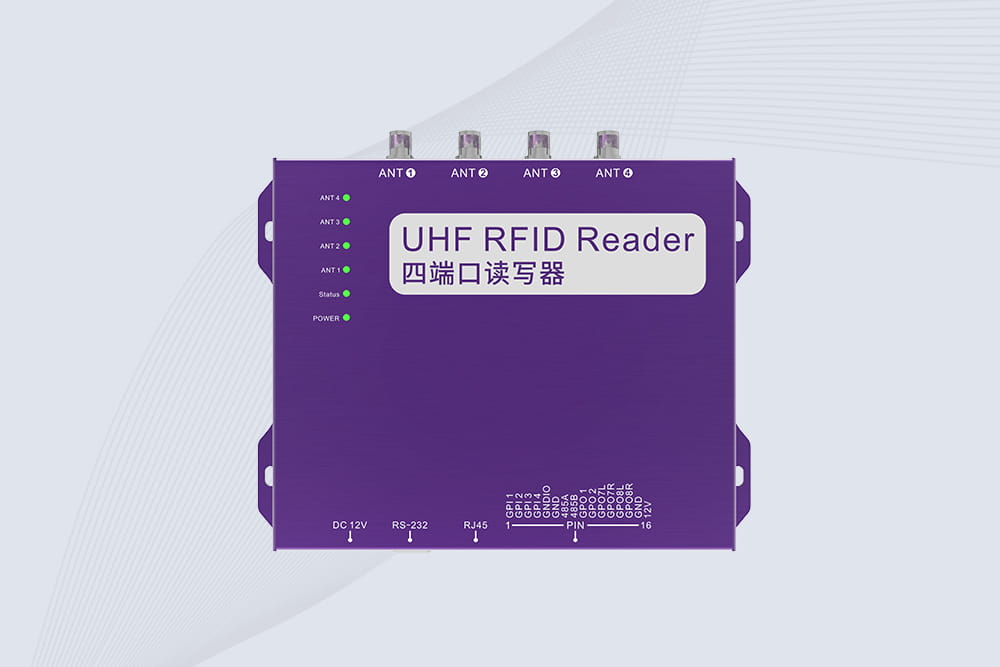
Cykeo’s CYKEO-R4L 4-port Fixed UHF RFID Reader delivers 400 tags/sec scanning, ISO 18000-6C compliance, and IP65 protection. Ideal for warehouse automation, manufacturing WIP tracking, and logistics management.
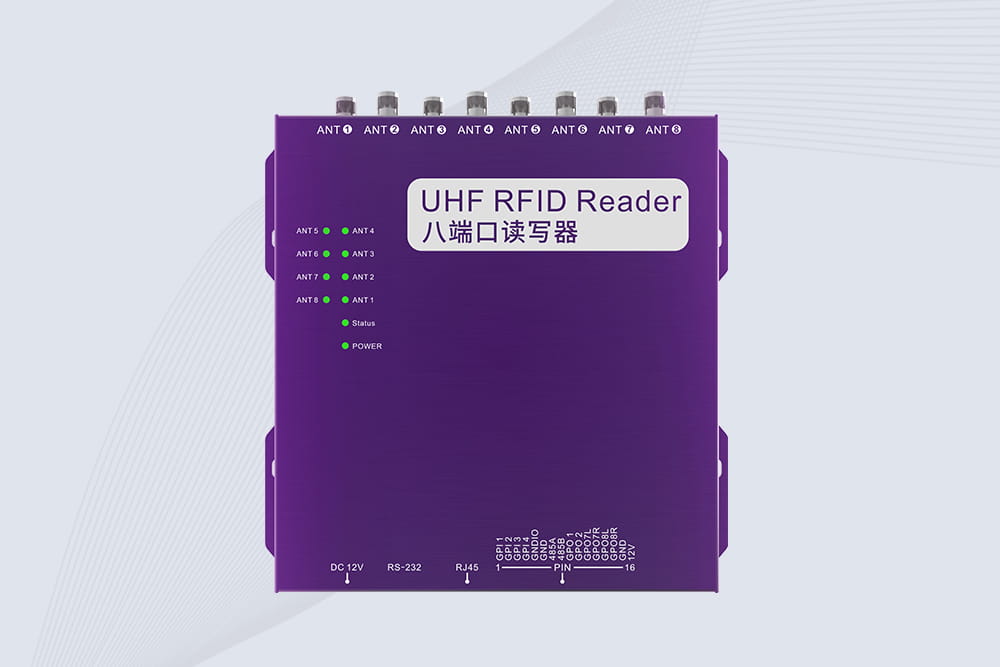
CYKEO CYKEO-R8L Fixed RFID Reader with 8-port UHF design, Impinj-based RF core and up to 20m read range. An industrial Fixed RFID Reader for vehicle inspection, warehouse portals, smart manufacturing lines and secure access checkpoints.
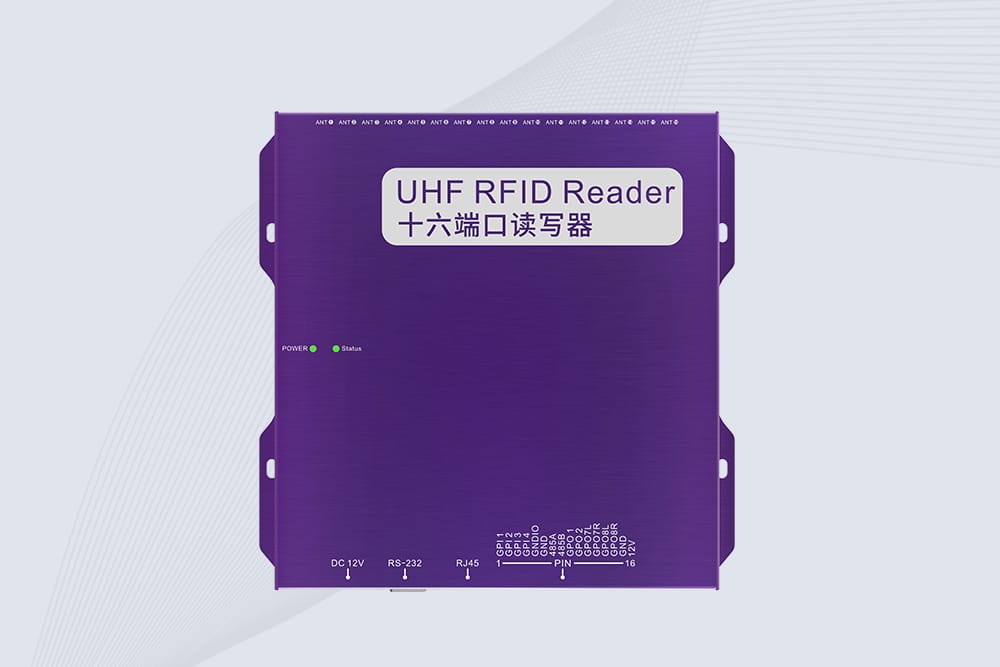
RFID Fixed Reader from CYKEO – the CYKEO-R16L 16-port UHF fixed reader for warehouses, smart cabinets, and production lines. Long-range, multi-tag reading, stable performance for 24/7 industrial use.

RFID ear tags improve livestock tracking, health management, and traceability with faster identification and accurate farm data collection. Discover Cykeo RFID solutions.
More
Can I use an RFID reader on a pet chip? Yes, with a 134.2 kHz LF reader. Standard UHF or HF readers won't work. Here's what you need to know about pet microchip compatibility.
More
A practical, step-by-step guide to building an RFID tool tracking system using smart cabinets, antennas, and RFID modules. Designed for integrators and bulk buyers.
More
Looking for an RFID card reader? CYKEO explains the difference between desktop and door readers, HF vs UHF frequencies, and how to pick the right one for your security needs.
More