 Cykeo RFID IoT Solution Products R&D Manufacturer

What Are RFID Chip Animals?
164Discover how RFID chip animals technology improves livestock tracking, pet identification, and animal management. Learn why Cykeo RFID solutions deliver reliable, scalable animal traceability.
MoreAll RFID Product
RFID tag is a small electronic device that uses radio-frequency communication to identify an object or store supported data. It typically contains a microchip and an antenna, and it works with a compatible RFID reader. Depending on its design, the tag may operate without a battery or use its own power source.
RFID tags appear on retail merchandise, warehouse cartons, library books, access credentials, and reusable industrial assets. Their appearance varies: some are thin adhesive labels, others are hard plastic tags, and some are integrated directly into cards or equipment.
The important point is that an RFID tag is not a complete tracking system by itself. Its value depends on the reader that detects it, the software that interprets its data, and the process in which the tag is used.
Most conventional RFID tags have two main electronic elements:
These elements are attached to a substrate or enclosed in a physical housing. In a disposable product label, the antenna and chip may be embedded in a thin inlay. An industrial tag may use a more durable enclosure to withstand handling or environmental exposure.
Not every RFID tag has the same memory, durability, or communication range. A tag designed for clothing inventory is not automatically suitable for tracking metal tools or identifying equipment exposed to harsh conditions.

A typical passive RFID identification process works as follows:
Active RFID tags work differently because they use an onboard power source to support their communication. Battery-assisted passive tags also exist, combining a battery with a communication approach that differs from a conventional fully passive tag.
A successful read does not necessarily mean that the item’s physical location is known precisely. It means the tag was detected within the system’s effective reading conditions. The application needs additional information—such as a reader’s known location or a recorded checkpoint—to infer where the item was observed.
RFID tags are commonly grouped by power source, operating frequency, physical design, and intended application. These differences affect how a tag communicates and where it can be used.
| Tag type | Main characteristic | Typical applications |
|---|---|---|
| Passive RFID tag | No onboard battery; powered by the reader’s signal | Retail labels, inventory, library books |
| Active RFID tag | Uses an onboard power source to transmit a signal | Selected high-value asset and vehicle tracking |
| Battery-assisted passive tag | Uses a battery to support its circuitry but communicates by backscatter | Specialized industrial tracking |
| HF/NFC tag | Operates at 13.56 MHz | Contactless cards, NFC interactions, selected item identification |
| UHF/RAIN RFID tag | Commonly used for longer-range, multi-item identification | Retail, logistics, warehouses, manufacturing |
GS1 notes that UHF passive RFID tags can be read at distances well beyond 10 metres in suitable conditions. That is not a guaranteed distance for every tag: reader power, antenna design, tag orientation, surrounding materials, and local radio regulations all affect the usable range

RFID tags are used across many industries, but their role depends on the system around them:
GS1 explains that an Electronic Product Code (EPC) can be encoded on a compatible RFID tag to provide a standardized identifier for an object. The EPC is not the tag itself; it is the identifier that the tag can carry.
The best RFID tag is not necessarily the one with the longest advertised read range. Start with the object and the environment.
For a high-volume warehouse, test tags on fully packed cartons and in the intended reading position. For retail, test a mixed group of products rather than relying on one isolated sample. These checks help reveal missed reads and unintended reads before deployment.
The right RFID tag is the one that performs reliably on the actual object, with the reader and software that will be used in the final installation. A tag that works well on a cardboard box may behave differently when attached to a metal tool, a liquid-filled container, or a garment packed tightly among other tagged items.
Before placing a bulk order, evaluate the following factors.
Consider the object’s material, shape, surface, and operating environment.
These are starting points, not universal rules. Confirm the tag’s specifications and test it on representative objects before deployment.
A longer reading range is not always better. GS1 explains that passive UHF RFID can typically read tags over several metres, with longer distances possible under particular conditions. LF and HF systems are generally used at shorter ranges, while active RFID can support substantially longer-range applications. Actual performance varies with the equipment, tag, environment, and installation.
For a checkout station, the priority may be to read items inside a defined area without detecting nearby merchandise. For a warehouse portal, the goal may be to identify tagged cartons passing through an opening. These require different antenna arrangements and read-zone tests.
A tag’s frequency and protocol must be compatible with the reader. If the application uses a standardized identifier such as an EPC, confirm that the tag supports the required data format and that the software can map the identifier to the correct product or asset record. GS1’s EPC Tag Data Standard describes the encoding of identifiers used in compatible RFID systems.
A useful pilot should include:
Record missed reads and unintended reads, not just successful detections. This provides a more realistic view of system performance than a single demonstration with one tag.
An RFID tag identifies an object or stores supported data that can be read by a compatible RFID reader. Common applications include retail inventory, warehouse operations, library management, access credentials, manufacturing, and asset tracking. The tag’s exact function depends on its design and the software connected to the reader.
Passive RFID tags do not require an onboard battery to communicate. They obtain operating energy from the reader’s radio-frequency signal and respond by modulating the signal reflected from their antenna. Active tags use an onboard power source, while battery-assisted passive tags use a battery for certain functions but still communicate through backscatter.
Yes. RFID uses radio-frequency communication rather than optical scanning, so a tag does not generally need to be visually exposed to the reader. However, this does not mean every tag can be read through every material. Metal, liquid, tag orientation, packaging, and the reader’s configuration can all affect performance.
There is no single reading distance for all RFID tags. GS1 describes passive UHF RFID as typically operating over several metres, with up to 15 metres possible in special cases. Active RFID tags may reach 100 metres or more, depending on the system. LF and HF applications commonly operate at much shorter distances.
An RFID tag is attached to or incorporated into an object and carries identification data. The reader communicates with compatible tags and captures their responses. Software then processes the data to support tasks such as inventory updates, asset identification, or access decisions.
Compatible RFID systems can identify multiple tags within their effective reading area. UHF passive RFID is widely used for applications involving high volumes of tagged products. The number of tags successfully read in a particular operation depends on the reader, antennas, tags, radio conditions, and system configuration.
Some RFID tags support writing or updating particular memory areas, while others may have restricted or locked memory. Whether data can be changed depends on the tag’s capabilities, access controls, protocol, and reader software. Do not assume that every tag can be rewritten simply because it can be read.
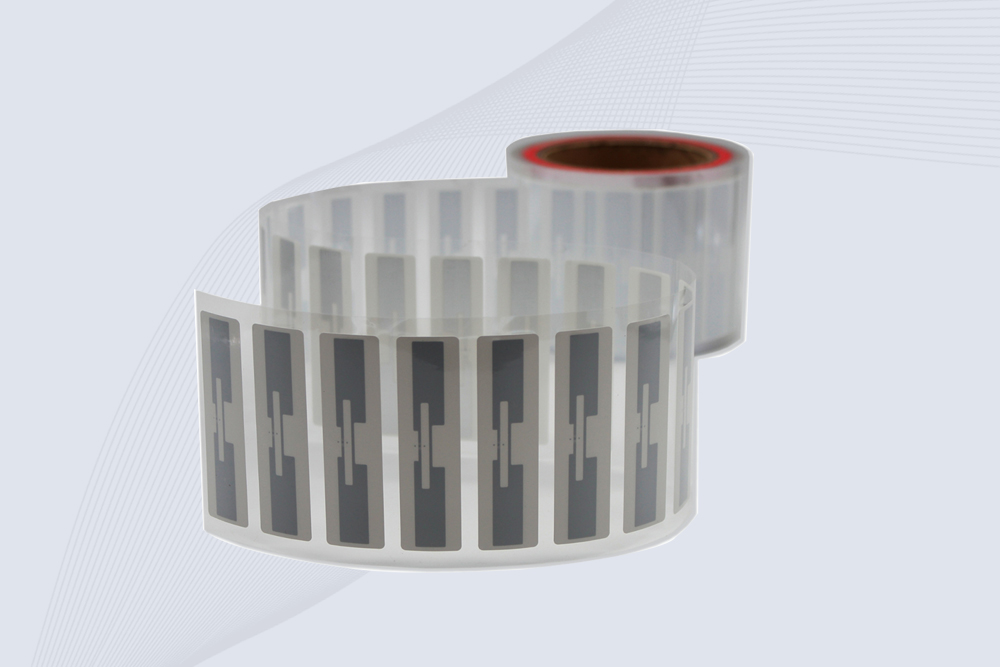
CYKEO Passive RFID Tags are made for wet and high-humidity environments where standard labels do not last. This rfid passive tag is often used around liquids, chemicals and temperature changes, providing stable reading distance and long data life for industrial tracking.
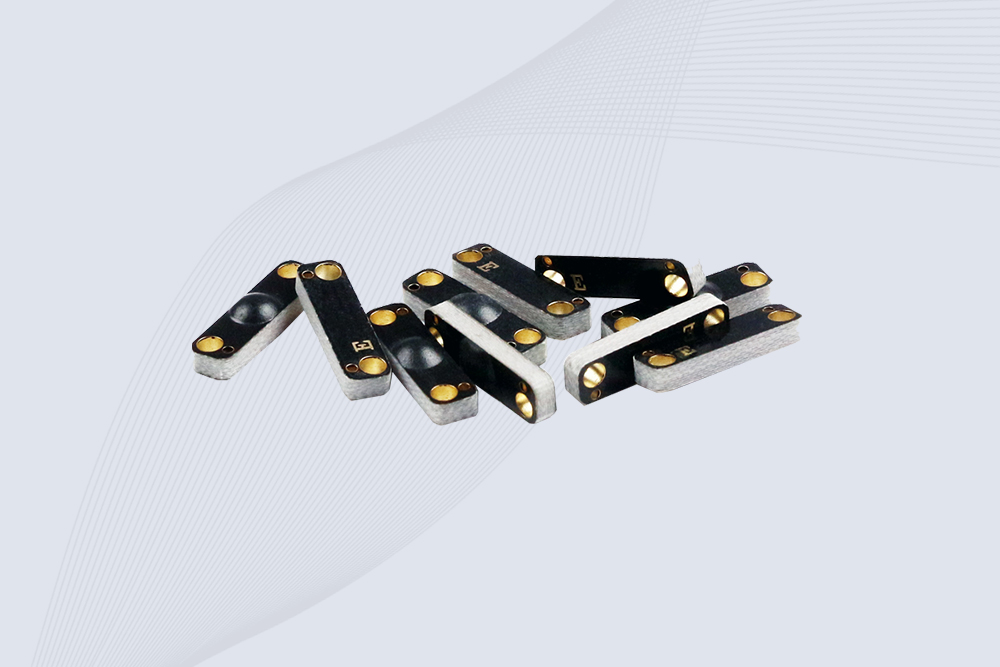
CYKEO CYKEO-PCB1504 Metal RFID Tags is a compact anti-metal UHF RFID solution built for direct mounting on metal surfaces. With stable 8-meter read range, Ucode-8 chip, and long data retention, this rfid metal tag fits tools, containers, automotive parts, and industrial asset tracking.
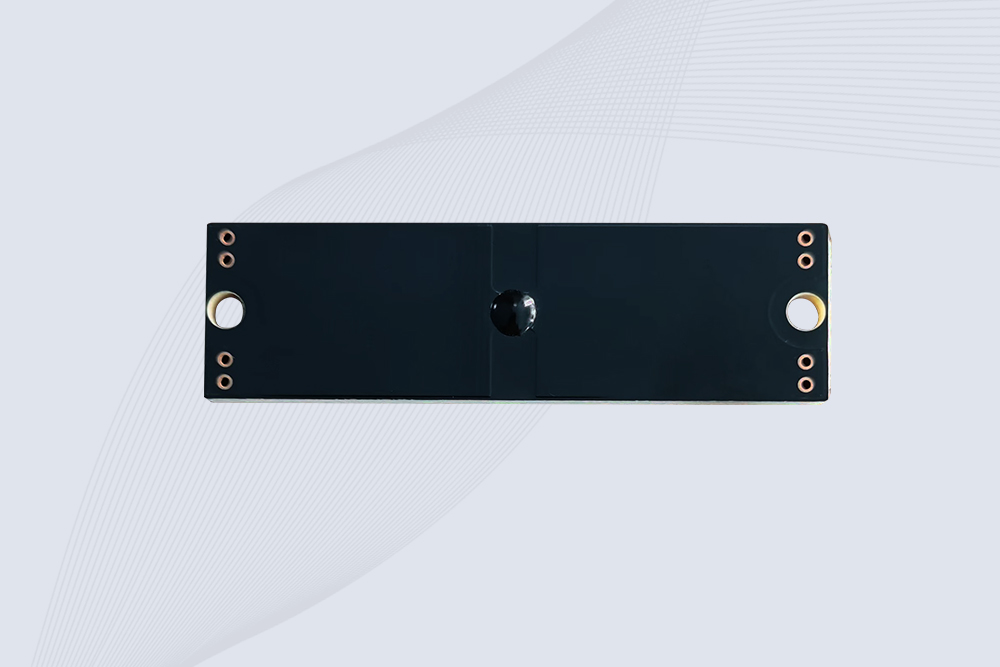
CYKEO CYKEO-PCB7020 On-Metal RFID Tags are designed for reliable tracking on steel and metal surfaces. Built with an FR4 epoxy body and industrial-grade chips, these On-Metal RFID Tags deliver stable performance, long data life, and chemical resistance, making them a dependable RFID anti-metal tag for harsh environments.
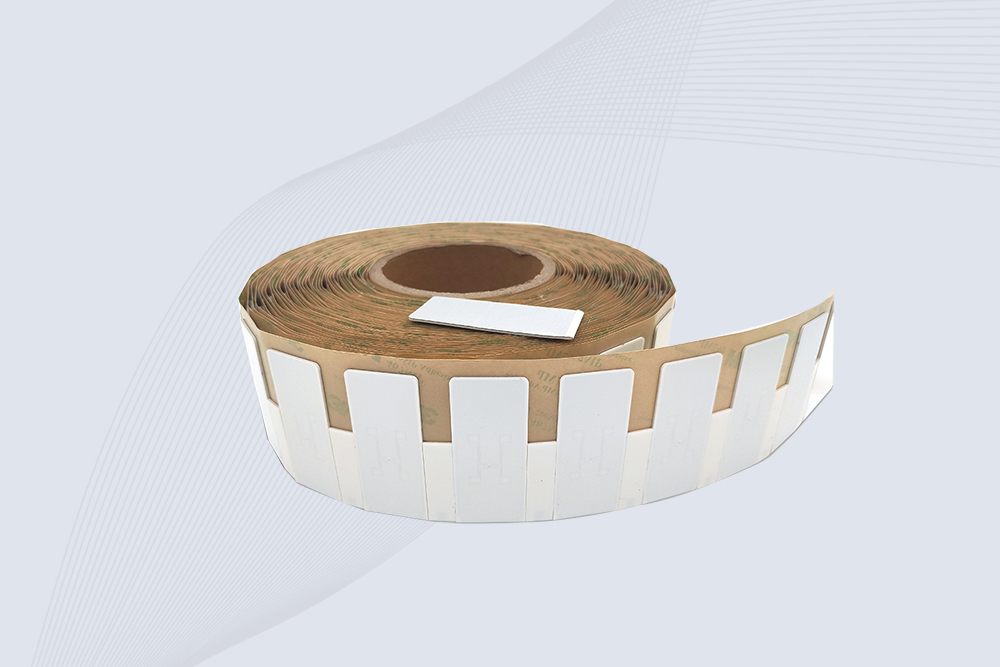
The CYKEO CYKEO-60-25 Anti-Metal RFID Tag is built for metal surfaces where standard tags fail. Designed for long-range performance, harsh environments, and stable data retention, this Anti-Metal RFID Tag is ideal for industrial assets, containers, and equipment tracking using on metal RFID tags.
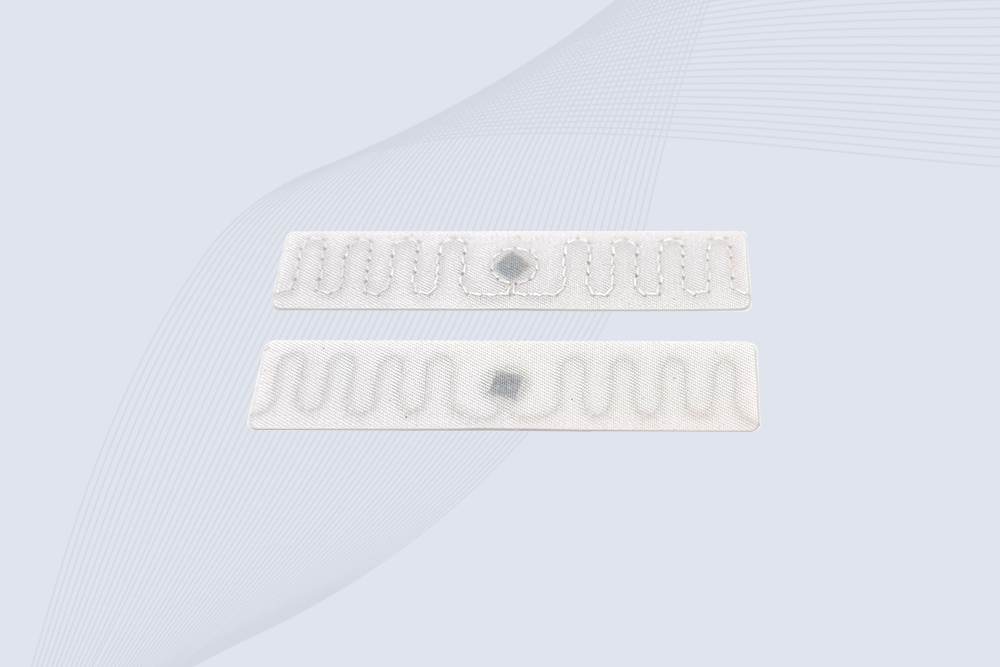
The CYKEO RFID Laundry Tag is designed for long-term textile identification in harsh laundry environments. Built to withstand high heat, chemicals, and repeated washing, this RFID Laundry Tag delivers stable performance for hotels, hospitals, and industrial laundry operations using laundry rfid tags at scale.
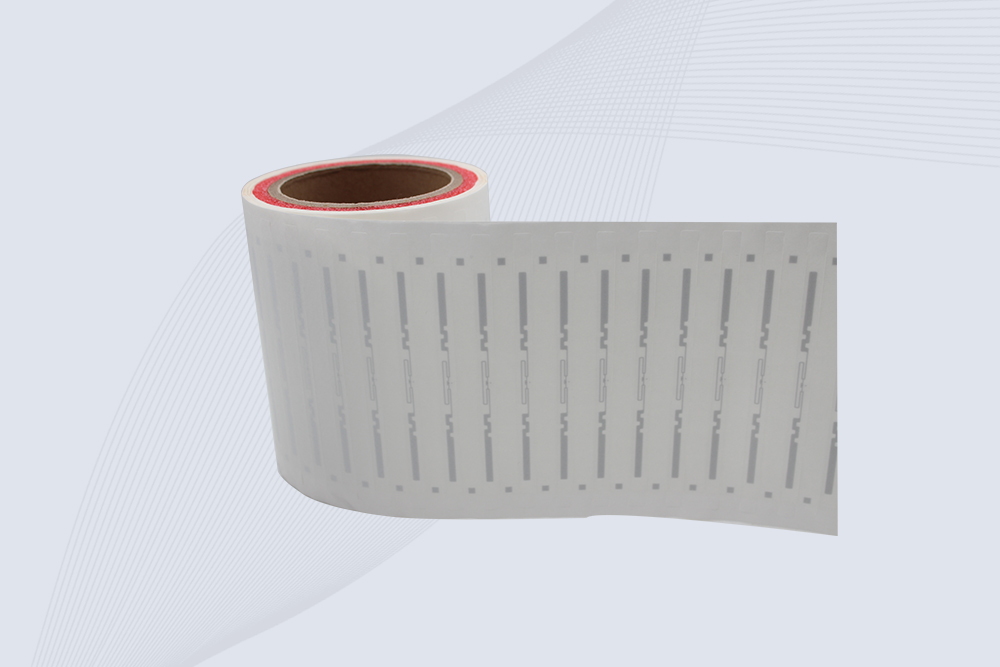
The CYKEO CYKEO-125-7 RFID Book Tag is designed for reliable book and document tracking in libraries and archives. This RFID Book Tag delivers long read range, dense placement support, and stable performance on shelves, making it a practical rfid tag on books for library automation, file management, and archival systems.
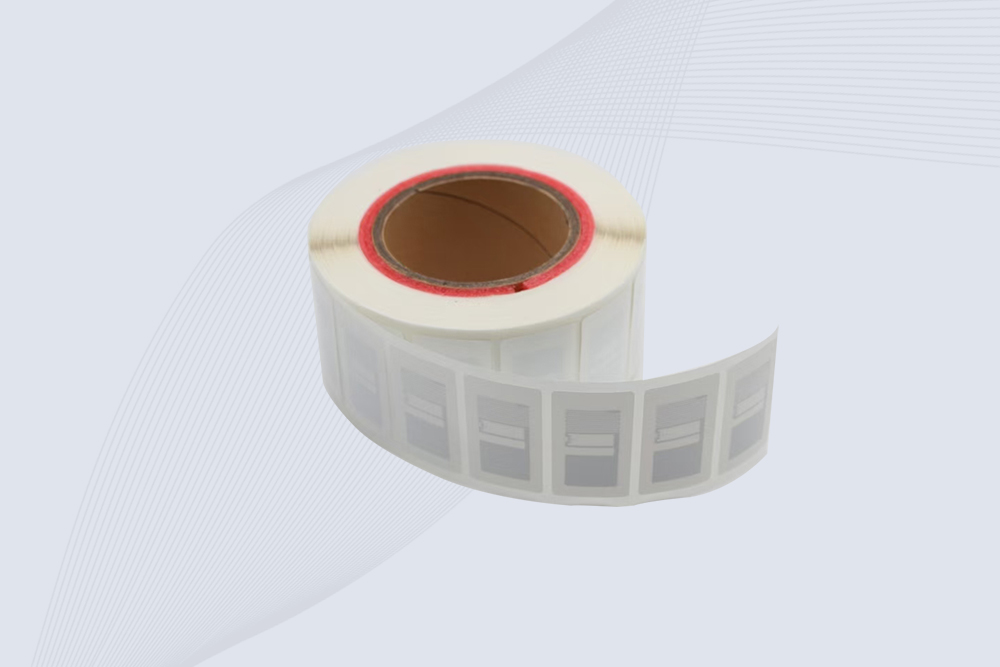
CYKEO RFID tags in hospitals are designed for sterile environments where accuracy matters. These autoclavable RFID tags support long-term tracking of surgical tools, implants, and medications, helping hospitals improve visibility, compliance, and patient safety.

CYKEO RFID Cable Tie Tag is built for reliable identification on metal surfaces. This UHF RFID Cable Tie Tag is widely used in rfid tags for inventory systems, industrial asset management and Hospital RFID Tags, offering stable read performance, long service life and global EPC Gen2 compatibility.
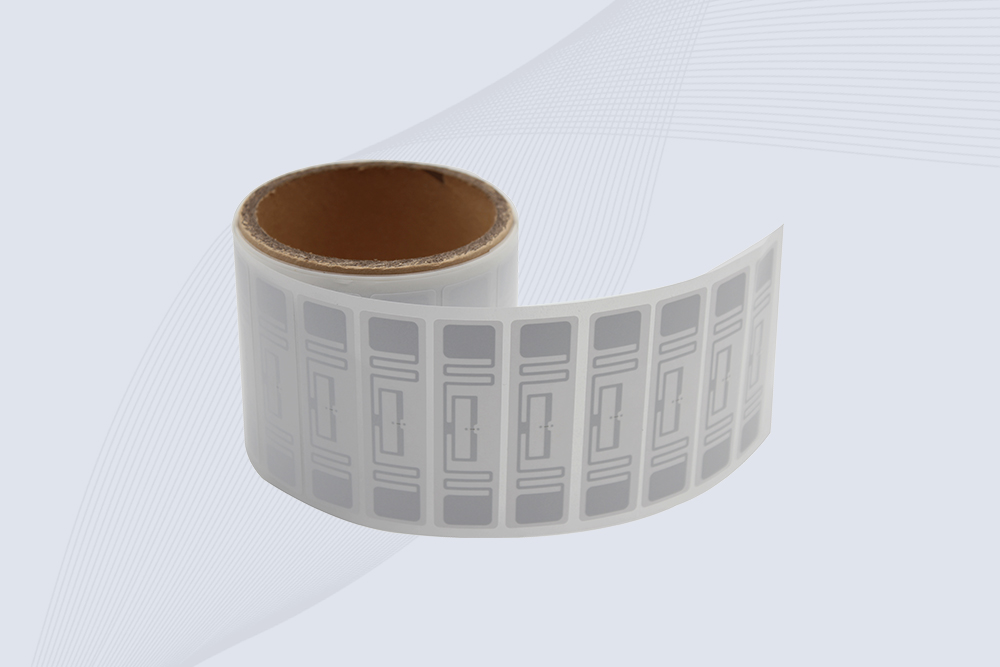
CYKEO RFID Asset Tag is designed for stable identification of metal assets in industrial environments. This UHF RFID Asset Tag is commonly used for rfid tag asset tracking on equipment, tools and containers, providing reliable reads, long service life and ISO/IEC 18000-6C support.

CYKEO UHF RFID Card is designed for fast identification and long-term use in industrial and commercial systems. Supporting ISO 18000-6C, this UHF RFID Card works at 860–960 MHz and is suitable for custom RFID cards used in asset tracking, access control and inventory management.
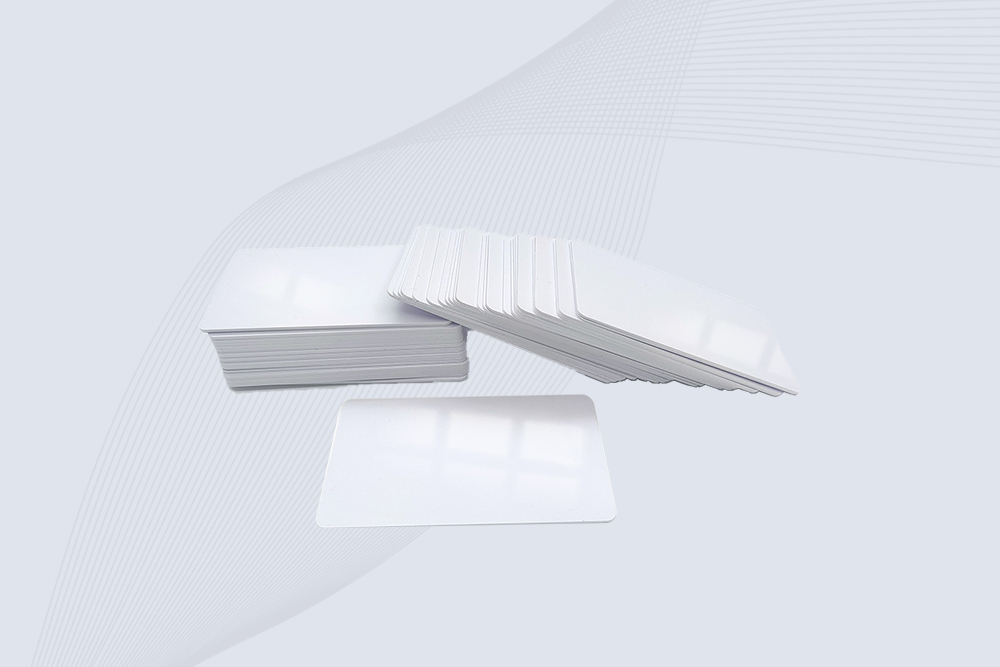
CYKEO HF RFID Cards are designed for secure and stable access control systems. These 13.56 MHz RFID key cards support ISO 14443-A, reliable rewriting and long service life, making HF RFID Cards suitable for offices, campuses, events and membership management.
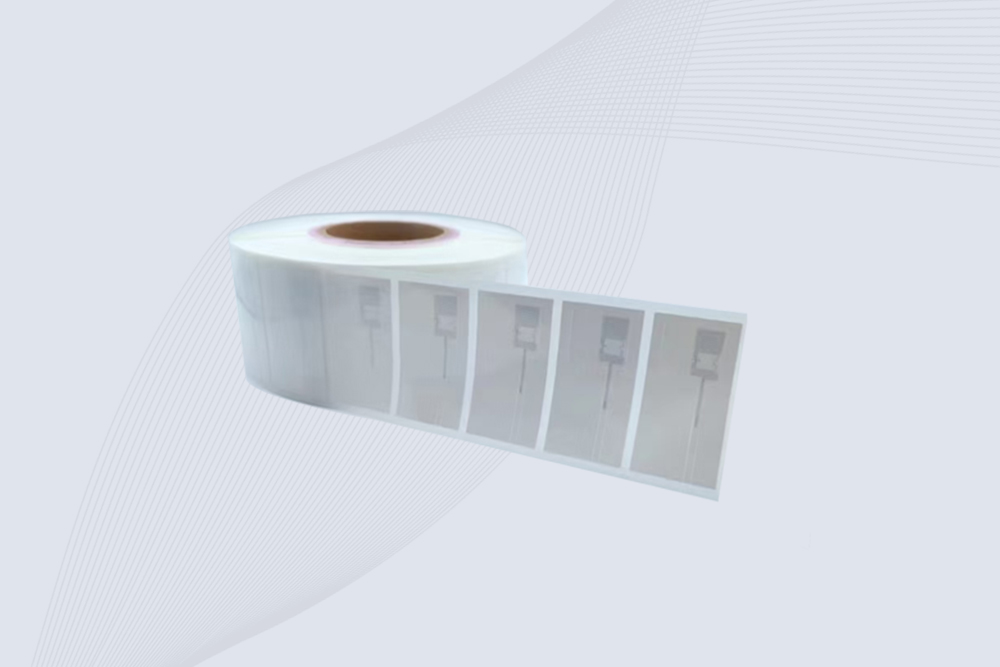
CYKEO UHF RFID Tag is designed for reliable tracking of metal jewelry and high-value items. This Jewelry RFID Tag supports long-range reading up to 8 meters, anti-counterfeit protection and stable performance on metal, making it suitable for retail, inventory control and asset management.

Discover how RFID chip animals technology improves livestock tracking, pet identification, and animal management. Learn why Cykeo RFID solutions deliver reliable, scalable animal traceability.
More
Chipless RFID is emerging as next-generation identification technology. This article compares its structure, working principle, frequency, data capacity, and cost with traditional RFID, helping businesses evaluate its use cases.
More
What is RFID in inventory management? Learn how RFID improves stock accuracy, real-time visibility, and warehouse efficiency with Cykeo smart inventory tracking solutions.
More
inventory management rfid tags enable real-time asset visibility, reduce manual errors, and improve warehouse accuracy up to 99% for efficient operations.
More